
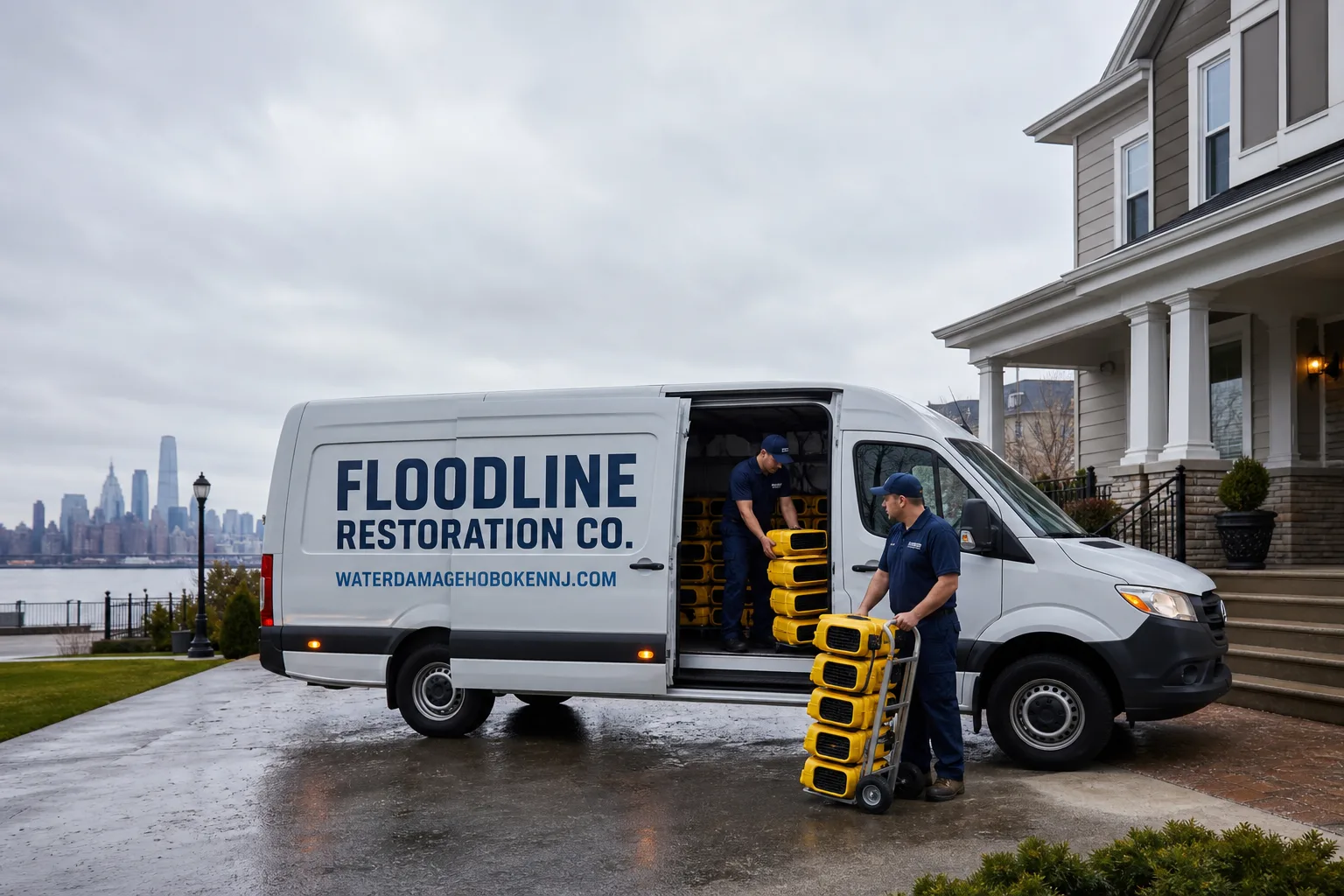
Free visual inspection and a written scope of work before any mitigation begins - photos, moisture readings, and drying logs go in your claim file
The scope we write is the scope we bill. Anything new gets shown to you, in writing, before we touch it.
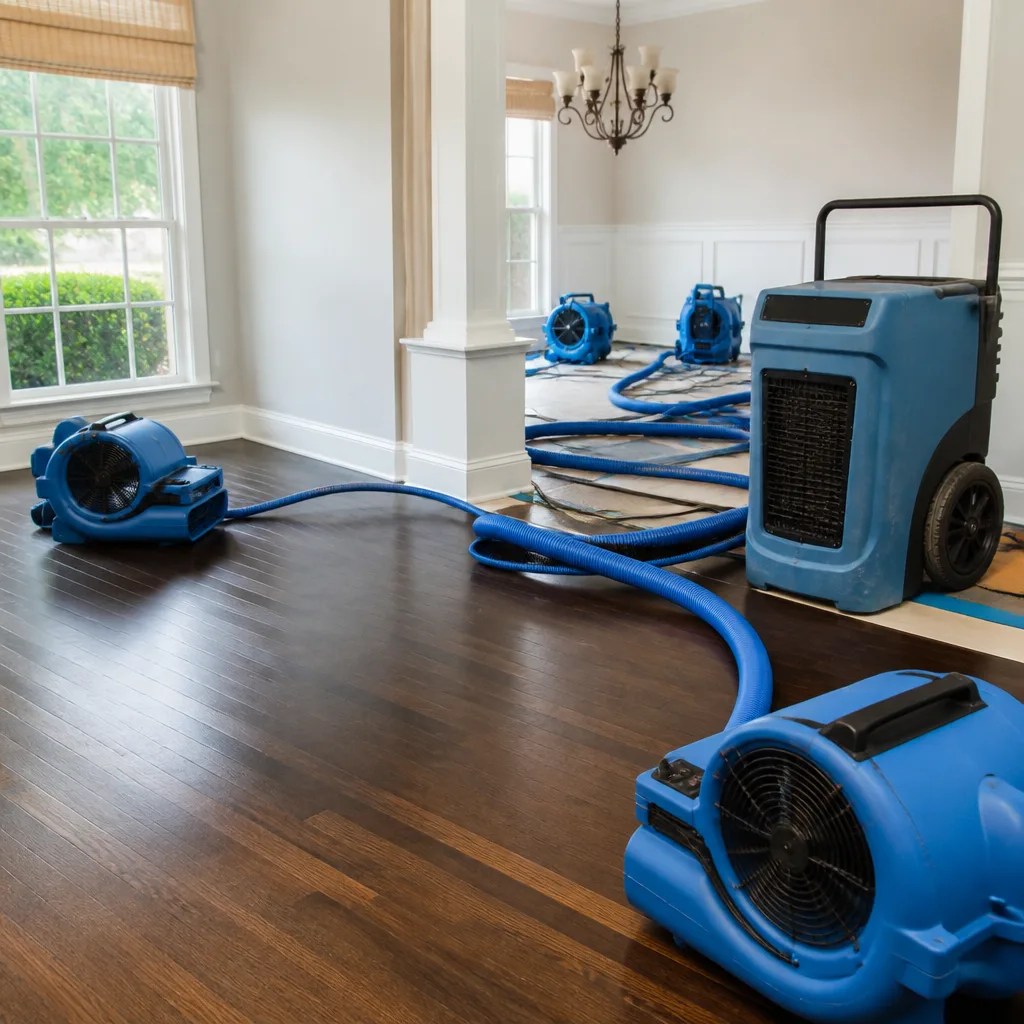
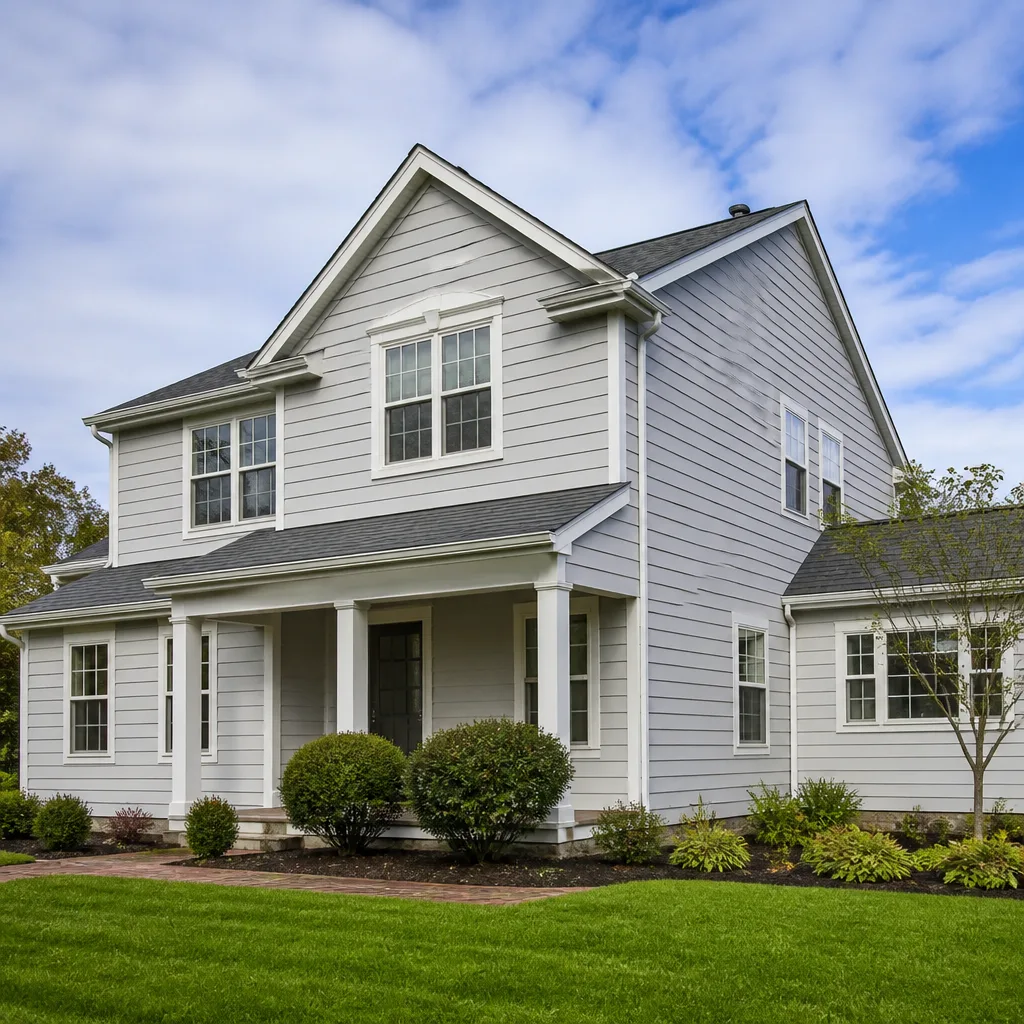
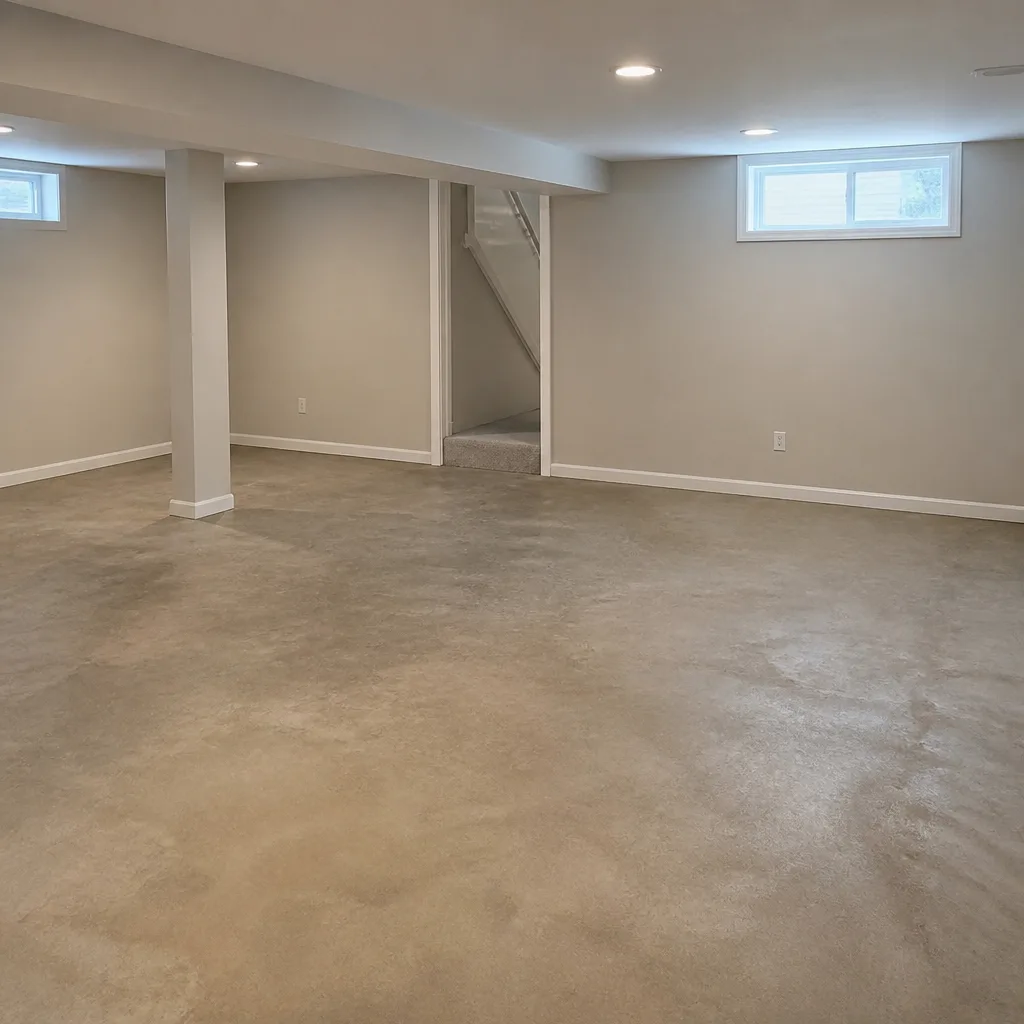

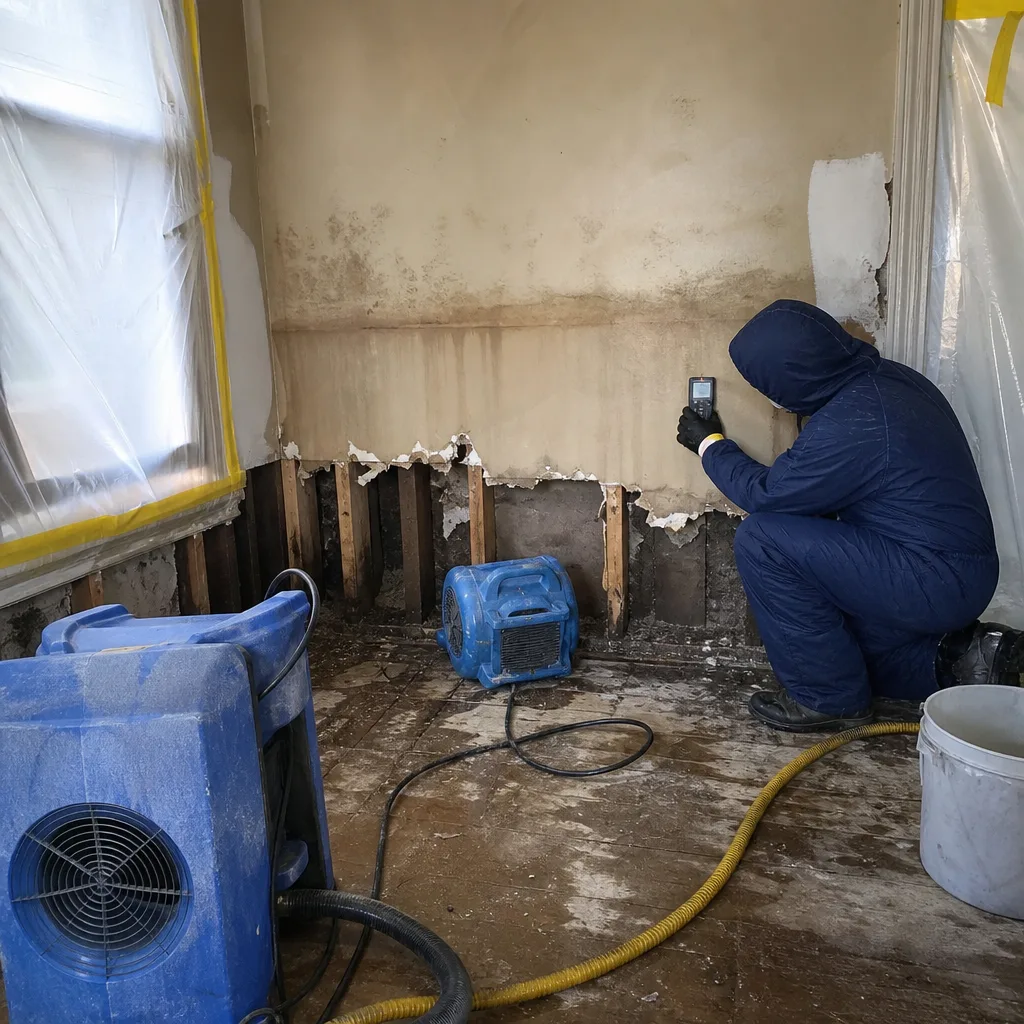 Before
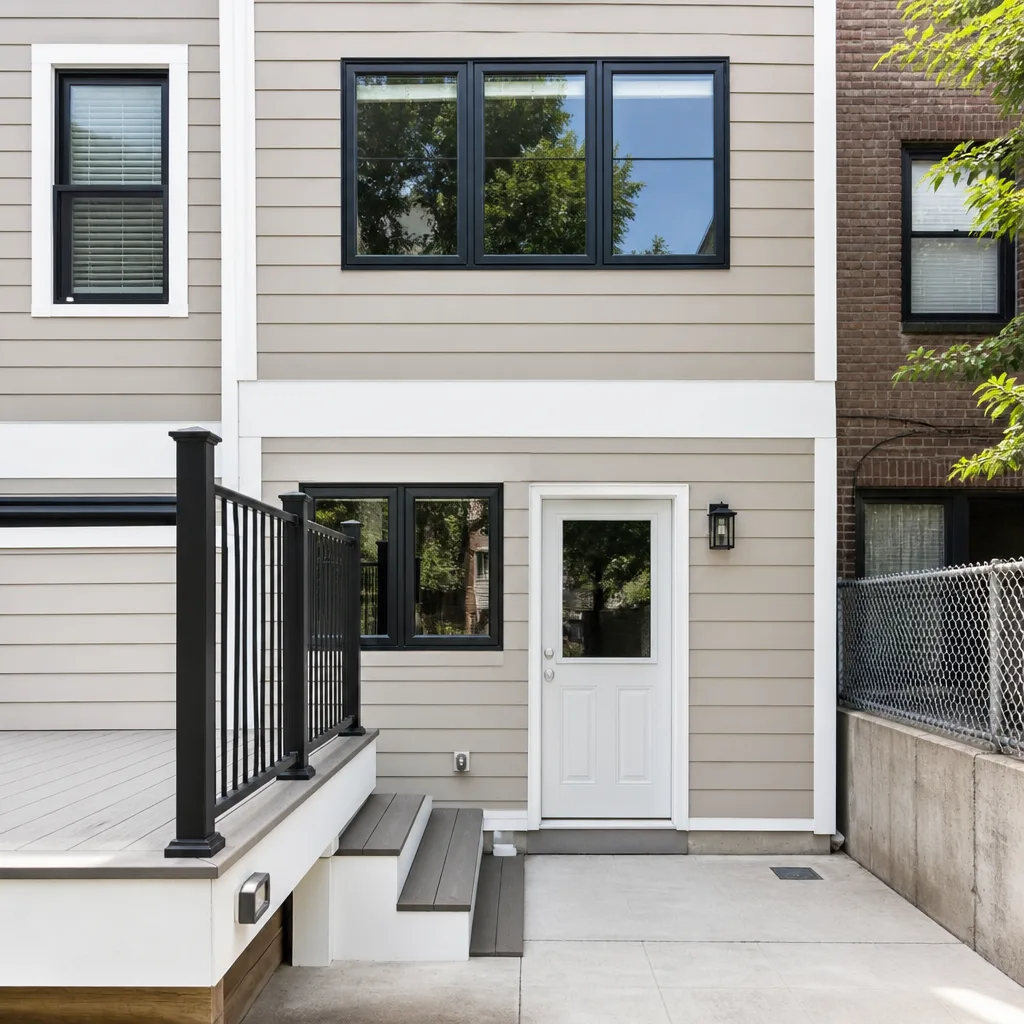 After
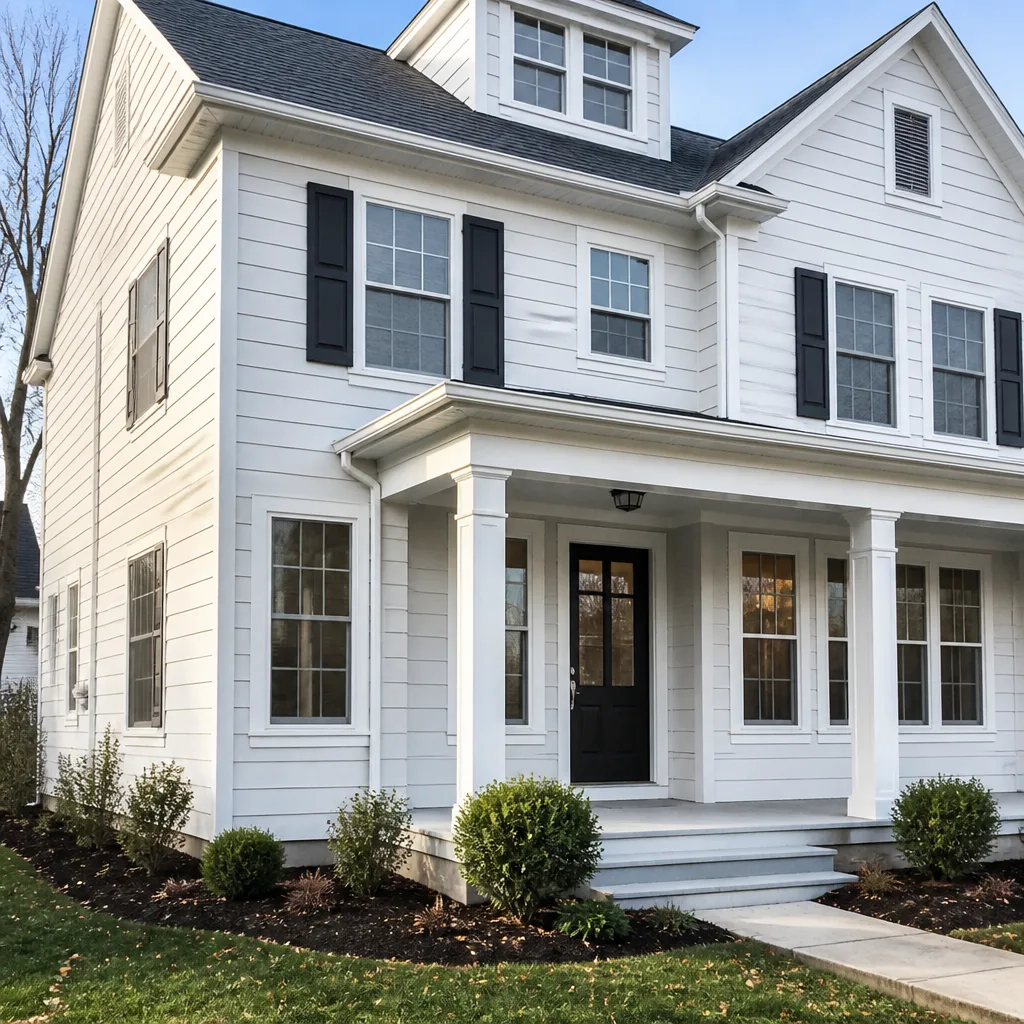
After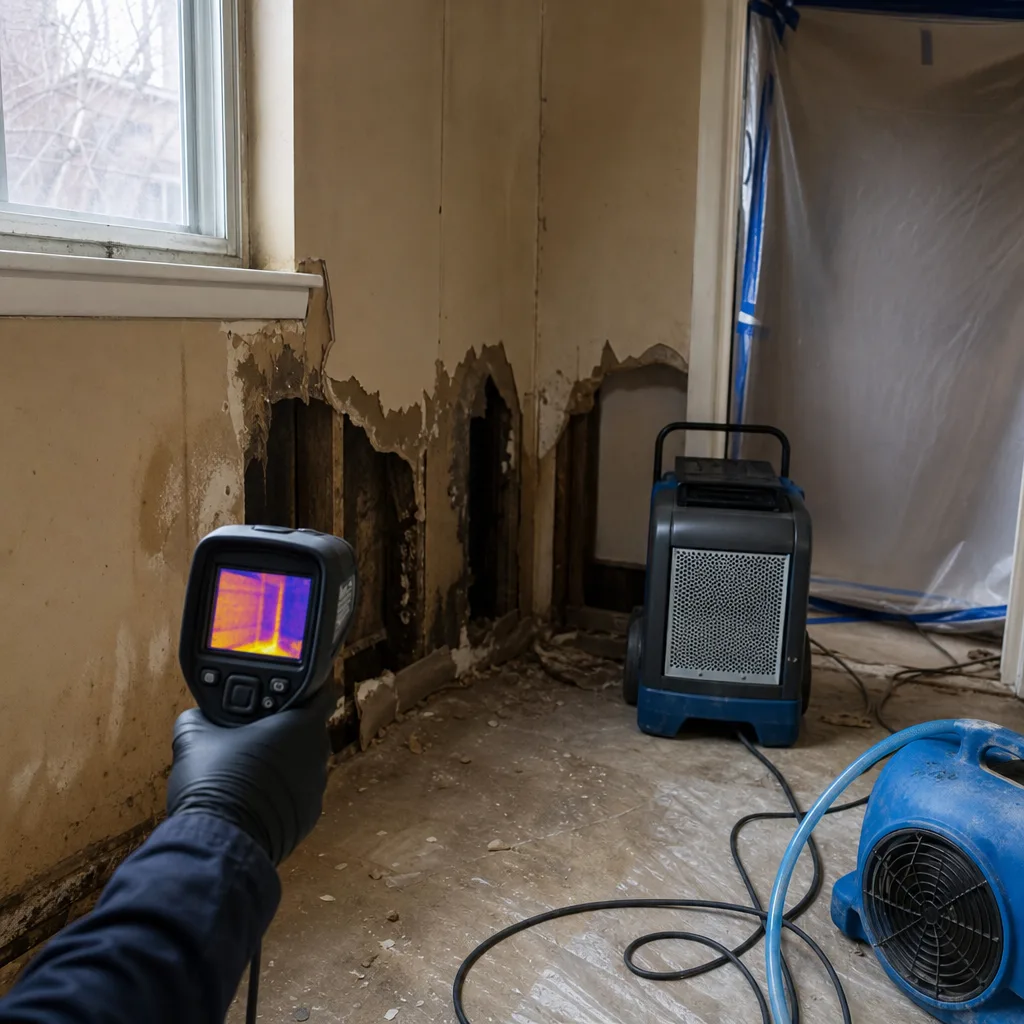 Before
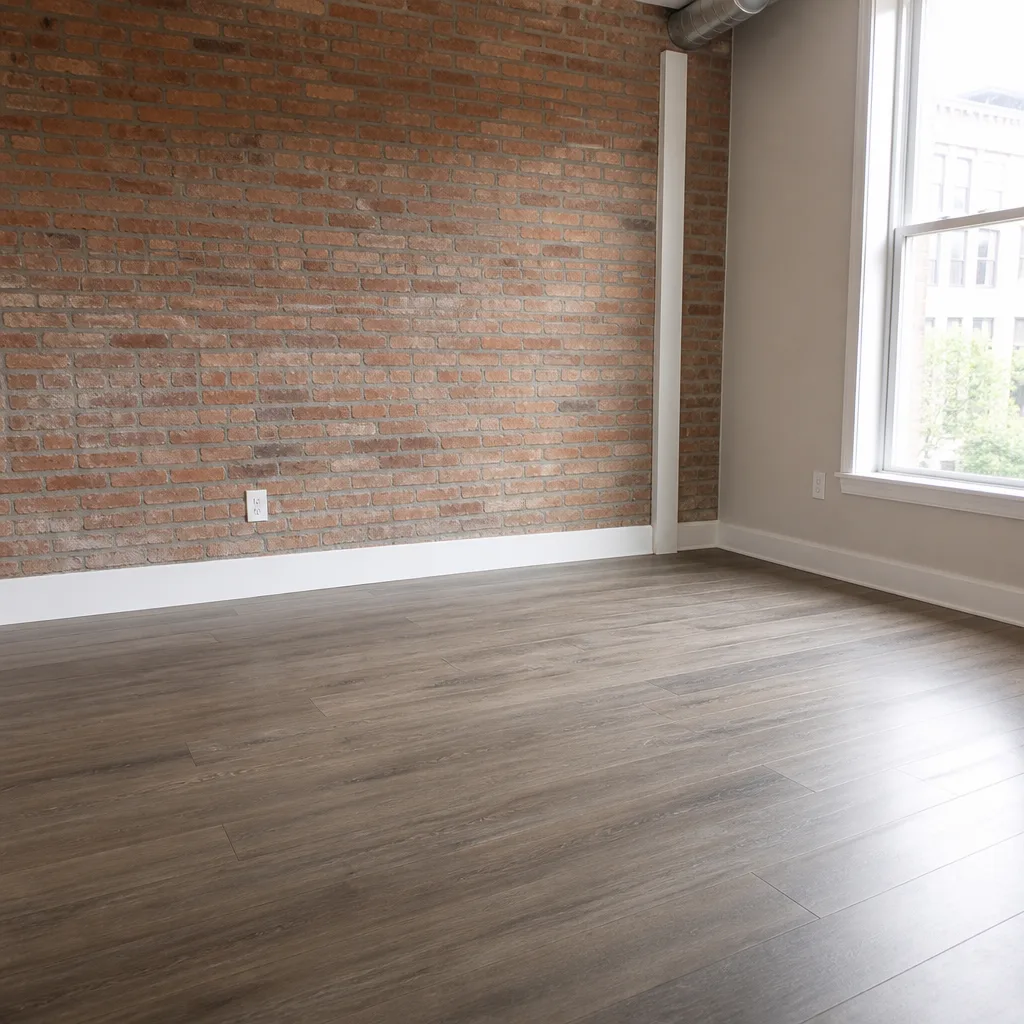 After
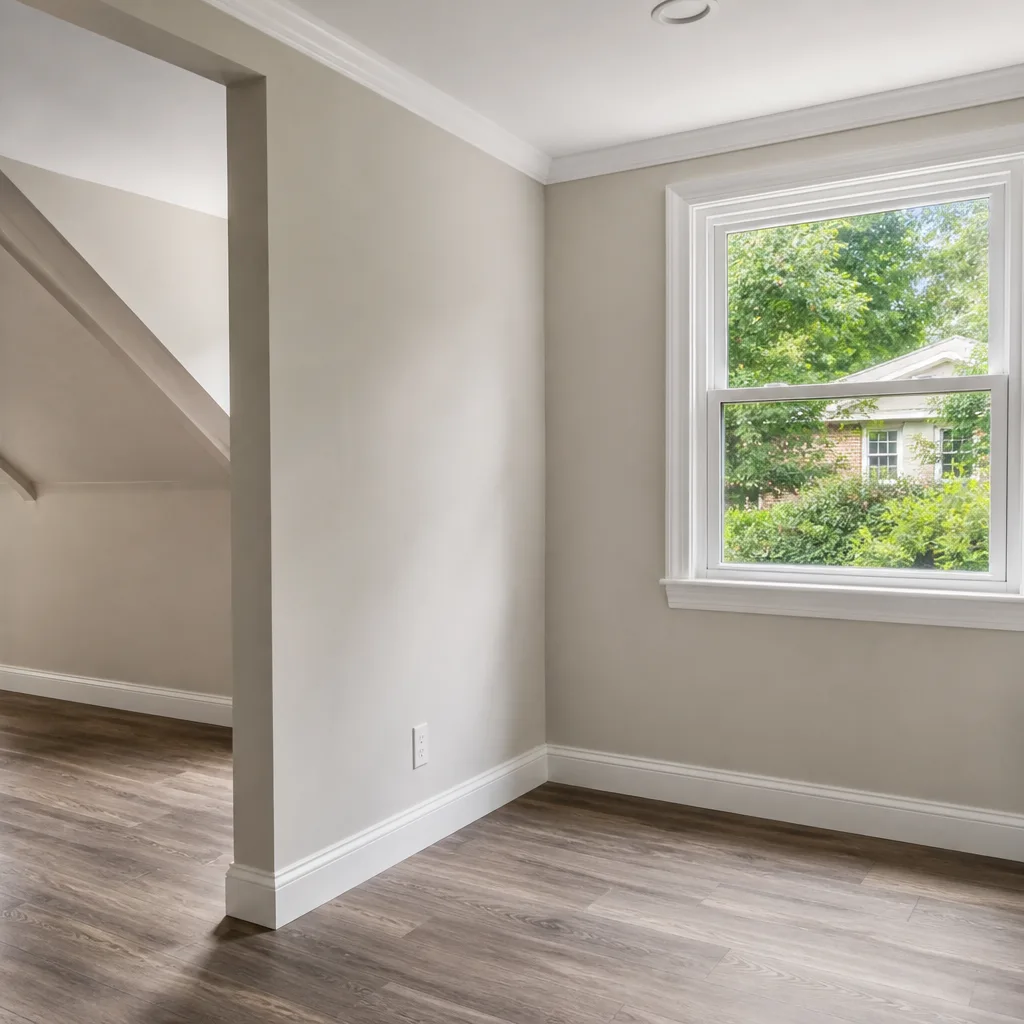
After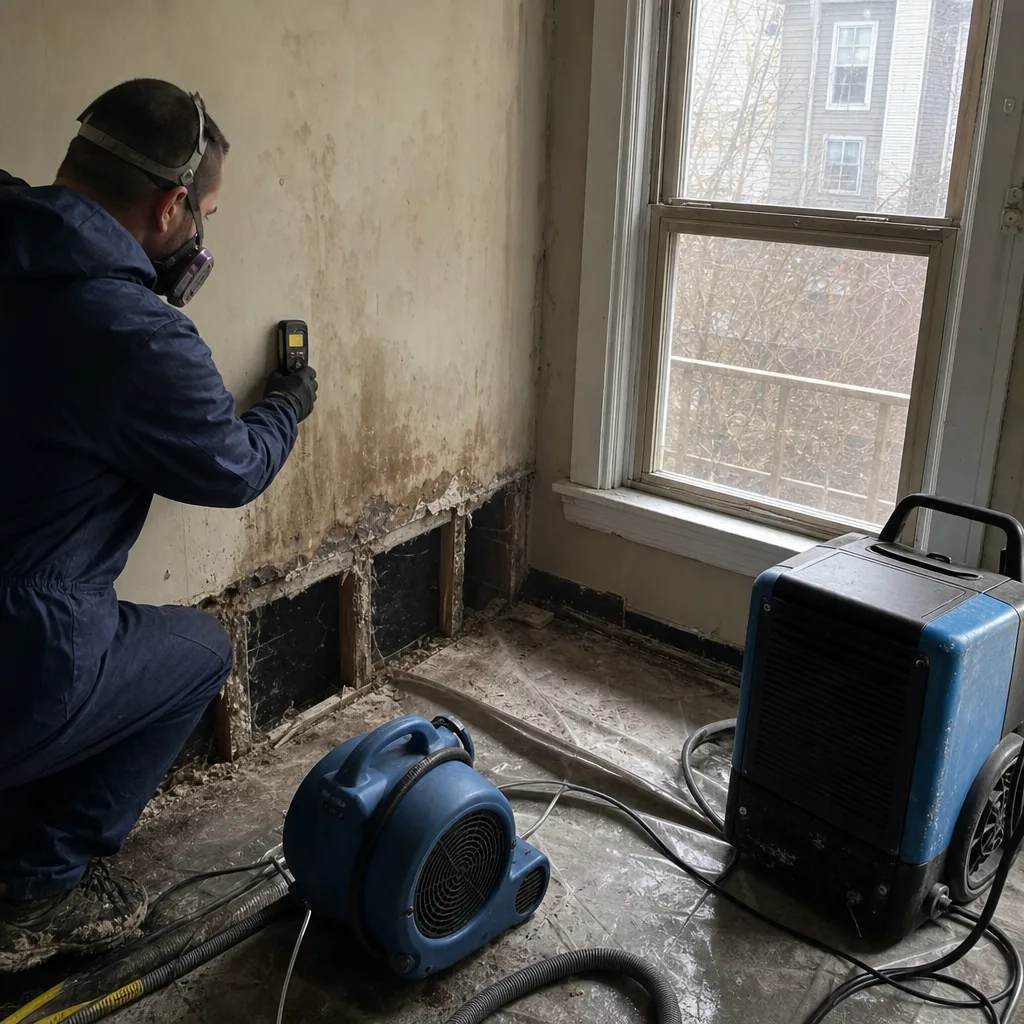 Before
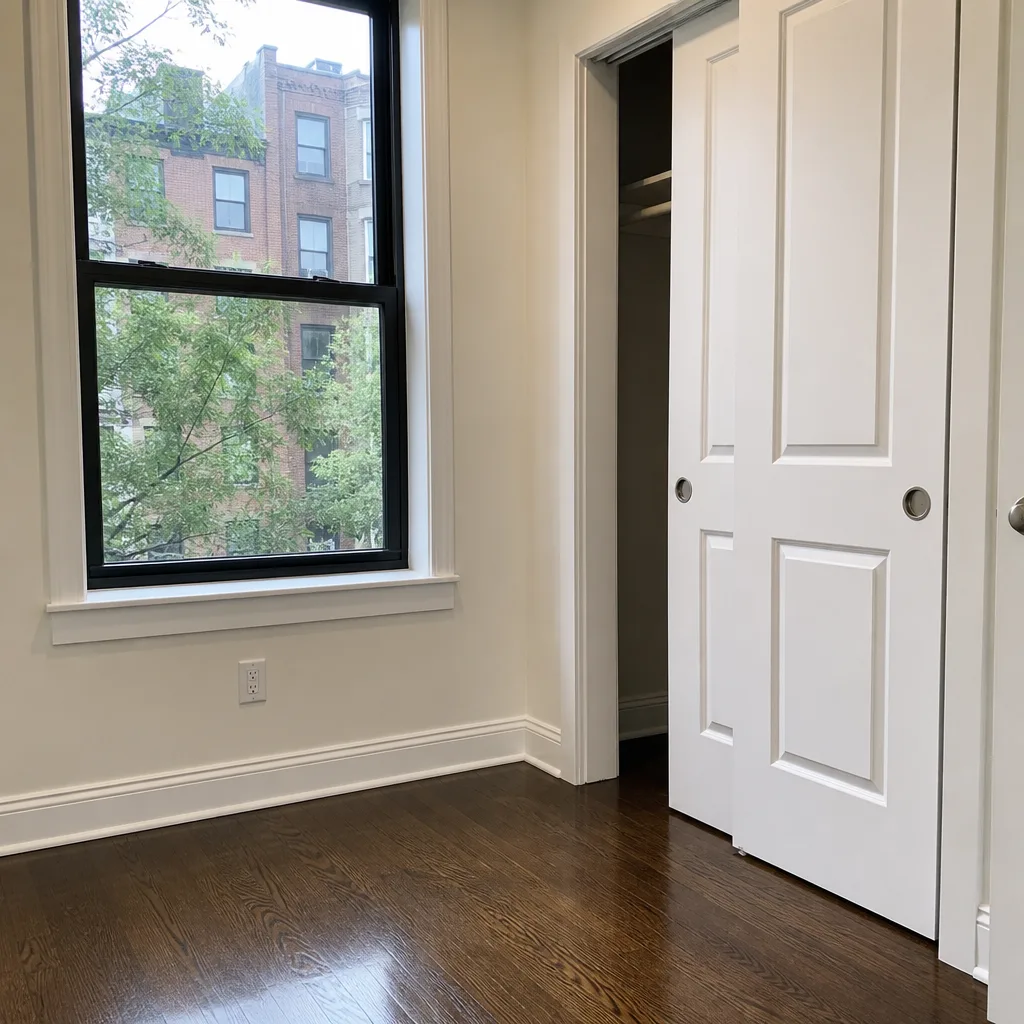 After
After24/7 Emergency Sewage Cleanup in Brooklyn Heights
A sewage backup in a Brooklyn Heights brownstone is a category 3 water event, and it starts doing real damage within the hour. Raw sewage wicks into porous brownstone, saturates original horsehair plaster, and works its way under wide-plank floors before you can see the full extent of it. Floodline Restoration Co. answers live, 24 hours a day, and dispatches certified crews into Brooklyn Heights immediately. Call (640) 500-3278 and a real person picks up, not a recording. We’ll get equipment rolling while you’re still on the line, and the first visual inspection is free.
Understanding Sewage Cleanup Severity in Brooklyn Heights Properties
There’s a technical reason sewage cleanup in Brooklyn Heights is more involved than in a newer building across the river. The IICRC classifies sewage as Category 3 water: grossly contaminated, carrying bacteria, viruses, and pathogens from human waste. That alone demands full PPE, containment, and disinfection. But the neighborhood’s housing stock adds a layer most contractors never see. Brooklyn Heights’s 1820s-to-1890s row houses sit on shared party walls of brick and brownstone. Lime mortar and horsehair plaster are porous. When sewage backs up through a basement floor drain on Willow Street or Hicks Street, that contaminated water doesn’t just pool on the surface. It migrates laterally, soaking into brick foundation walls, climbing into plaster, and crossing into neighboring properties through shared wall cavities. We moisture-map every affected surface, not just the visible wet spots, because what looks dry to the eye is often still holding 20% moisture content a week later.
Why Brooklyn Heights Property Owners Choose Floodline Restoration Co.
- 45-minute response commitment. We track the nearest certified crew and get them dispatched to Brooklyn Heights addresses without delay. You’ll know who’s coming and when.
- 24/7 live answer, every single call. No answering service. No “leave a message.” A live dispatcher picks up at 2 a.m. on a Sunday and starts moving crews.
- IICRC-certified crews, WRT and ASST trained. Our techs carry the certifications for water damage restoration and applied structural drying. They’re background-checked and uniformed on every job.
- Free visual inspection before any commitment. We assess the damage, explain what we found in plain language, and give you a written scope before work begins. No pressure. No upsell.
- Direct insurance billing. We bill your carrier directly and coordinate with your adjuster, so you don’t play messenger between us and the insurance company.
- One team from extraction to reconstruction. Floodline Restoration Co. doesn’t hand your job off after the sewage is gone. The same crew that extracts the black water rebuilds what needs rebuilding, under the 90-Day Done Right Promise.
Our Sewage Cleanup Process
Inspection & Assessment
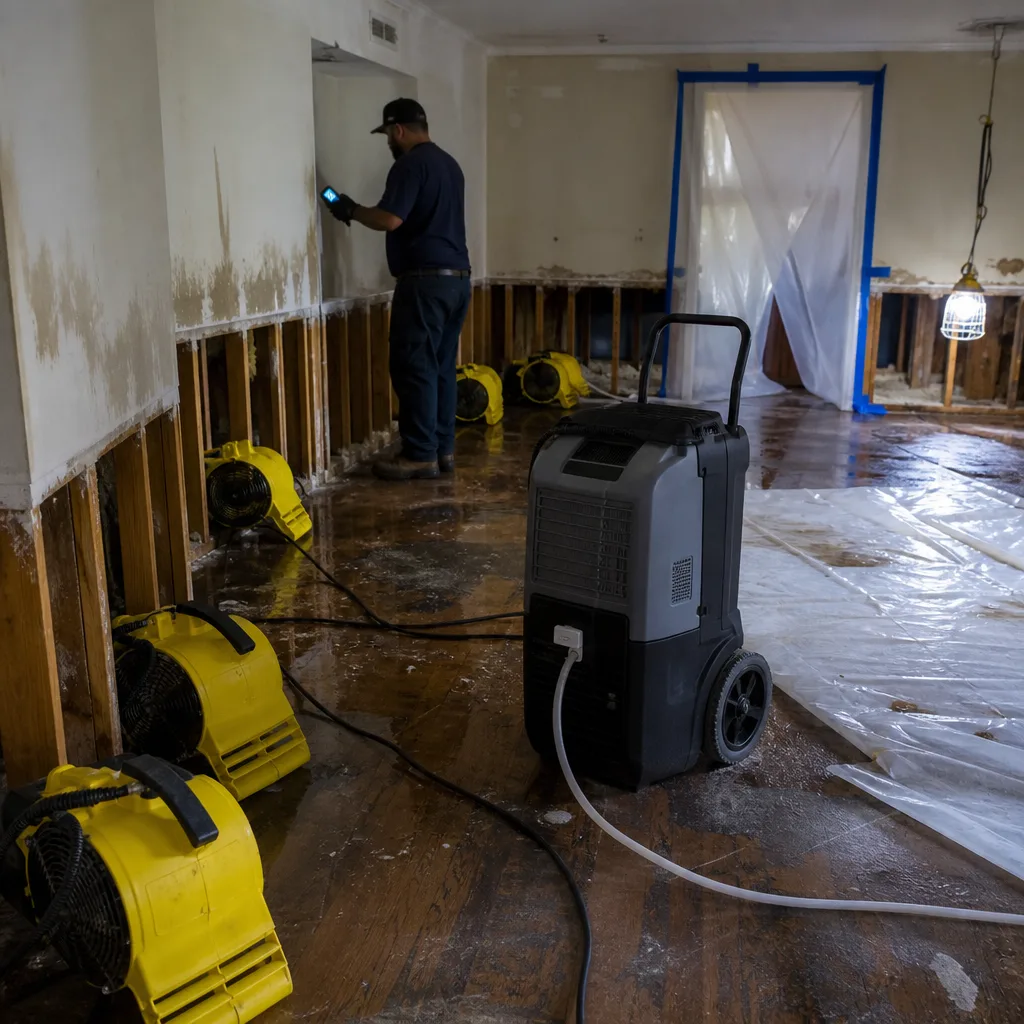
Our crew arrives in Brooklyn Heights, maps the affected area, and identifies the source. We check for groundwater intrusion through below-grade brick, failed ejector pumps, or a backed-up city main. Thermal imaging and moisture meters locate contamination hidden behind plaster and under flooring.
Extraction & Stabilization
We remove standing sewage with truck-mounted extraction units, typically Dri-Eaz equipment with enough pull to get water out of brick and mortar joints. In crawl spaces and cellar service areas, we use specialized extractors designed for low-clearance access.
Drying & Dehumidification
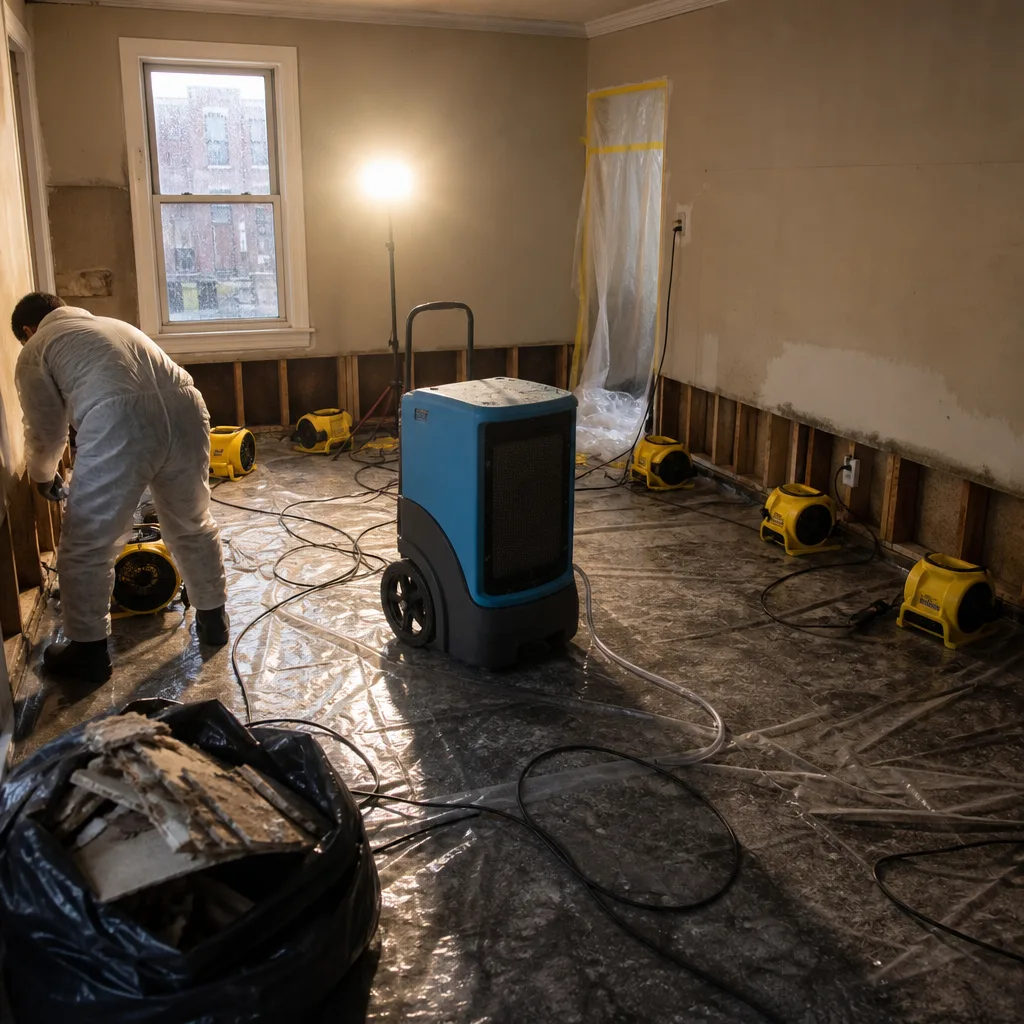
B-Air air movers and Phoenix dehumidifiers run continuously after extraction. In Brooklyn Heights basements, this phase takes longer than in drywall construction. Porous brownstone and lime mortar release moisture slowly, and we log daily readings until every surface drops below the dry standard.
Cleaning & Sanitization
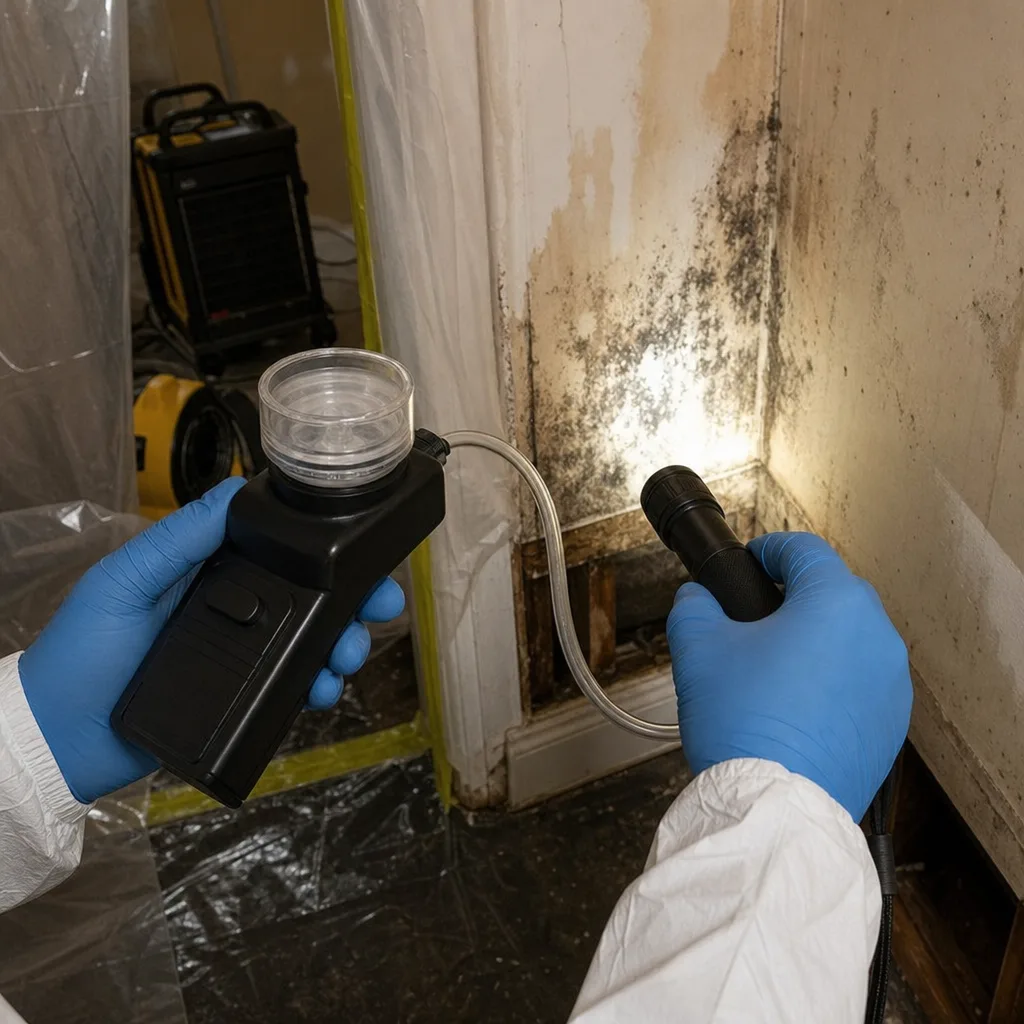
Category 3 water demands hospital-grade disinfection. We apply EPA-registered antimicrobials to every contaminated surface, including areas you can’t see. Contaminated porous materials like saturated plaster and insulation are removed under containment.
Containment & Air Scrubbing
We set up negative-air pressure using HEPA air scrubbers. This is critical in Brooklyn Heights row houses with shared party walls. It prevents sewage-borne aerosolized contaminants from migrating into your neighbor’s living space while we work.
Repairs & Restoration
Once surfaces are dry and sanitized, we rebuild. That means replacing plaster, refinishing brick, restoring flooring, and addressing whatever failed in the first place. The 90-Day Done Right Promise covers the work, in writing.
Need Emergency Sewage Cleanup in Brooklyn Heights Now?
Crews minutes away, answering live 24 hours a day. The sooner we start, the less it costs.
Working With Your Insurance Company
Most Brooklyn Heights homeowners policies cover sewage backup, but the claim approval hinges on documentation from the very first hours. Insurers want proof of the cause, the category of water, the extent of migration, and the drying log. Curt Bowman built Floodline Restoration Co. around a dispatch board, not a sales desk, and that shows in how we handle claims. We photograph everything, room by room, before we touch it. We log moisture readings daily and hand that log to both you and your adjuster. Our estimates use current industry-standard pricing so your carrier approves them without a fight. You’ll never be the messenger between us and the insurance company.
What We Provide Your Insurer
- Thorough documentation of the loss
- Photos of all damage, room by room
- Moisture readings and drying logs
- A detailed, line-item scope of work
- Direct coordination with your carrier
Built for Brooklyn Heights’s Loss Calendar
Brooklyn Heights sits on a glacial-moraine ridge above the East River, which spared most of the neighborhood from Hurricane Sandy’s direct storm surge. But the harbor-facing position creates a different seasonal pattern. Nor’easters and wind-driven winter rain force water through spalled brownstone facades and failed copper flashings. That water doesn’t stay outside. It runs down into basement sewage pits, mixing stormwater with sewage and turning a small backup into a full category 3 mitigation. January deep freezes stress aging below-grade sewer lines, especially in the old service quarters and coal cellars that now house boilers, laundry rooms, and tenant storage. Spring thaw brings elevated groundwater, and in a neighborhood built on fill near the old shoreline along Furman Street, that groundwater pushes into basements through mortar joints. Summer thunderstorms overload the combined sewer system, sending sewage back up through floor drains in low-lying cellars near the BQE corridor. Every season in Brooklyn Heights has a failure mode, and our crews know them all.
Sewage Cleanup Across Brooklyn Heights’s Neighborhoods
Brooklyn Heights is compact but bordered by distinct zones, each with its own loss profile. Along the Promenade on Columbia Heights, the grand Italianate and Greek Revival row houses face open water and bear the brunt of harbor winds. Copper flashings fail here first, and wind-driven rain running into basement sewage systems is a regular call. On Pierrepont Street and Montague Street, where buildings sit tight against each other, sewage can travel through shared party walls. We’ve seen contamination migrate two floors up through the space between bricks. Over near the historic residence streets off Henry Street, original brownstone facades are especially porous. The Fordham brownstone used on nearly every row house wicks wind-driven rain deep into wall cavities through micro-cracks invisible from the street, silently saturating plaster and timber. The low-lying blocks near the BQE and the old waterfront edge deal with groundwater and combined-sewer backups that don’t affect the ridge streets above. Local crews who know Brooklyn Heights anticipate these patterns before they open the first wall.
Specialized Sewage Cleanup Services We Offer in Brooklyn Heights
Black Water Extraction
Category 3 water extraction in Brooklyn Heights basements means getting sewage out of brick, mortar, and old timber, not just off the floor. We use truck-mounted Dri-Eaz extractors and specialized wands to pull contaminated water from below-grade surfaces. The goal is to remove as much as physically possible before drying begins, minimizing what wicks into the brownstone and plaster.
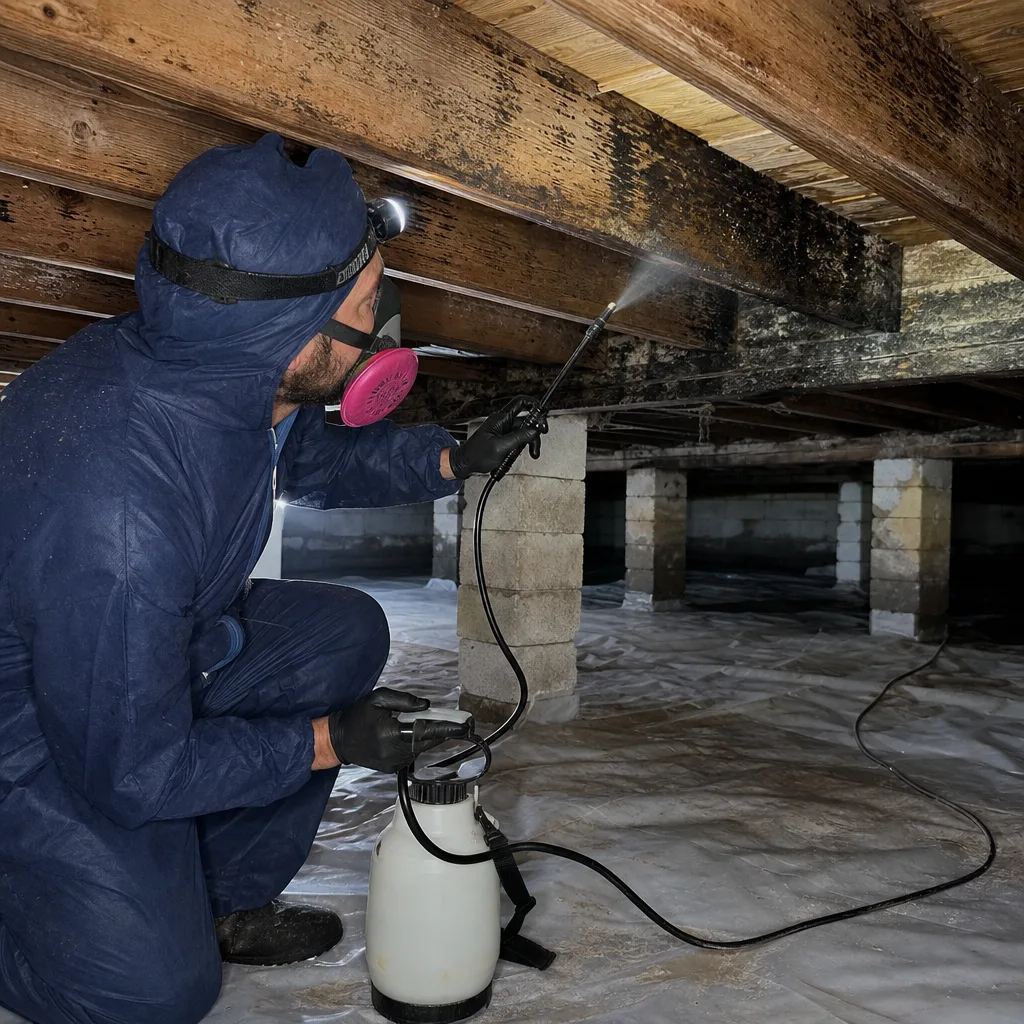
Crawl Space Sewage Removal
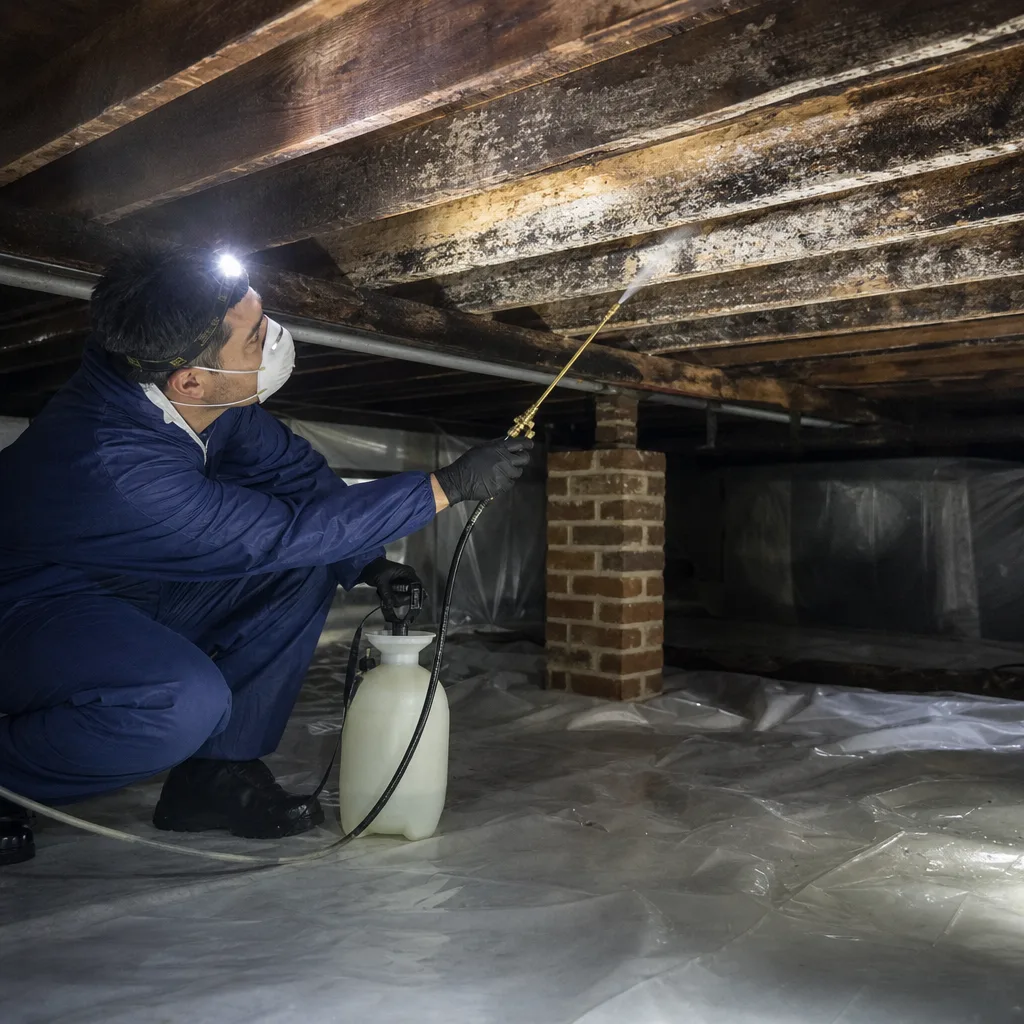
Many Brooklyn Heights row houses have low-clearance cellars or crawl spaces that most equipment can’t reach. We use compact extraction units and our techs suited up in full PPE to remove sewage and contaminated soil. This is especially important in older service quarters where decades of groundwater intrusion have already weakened brick and mortar.
Sanitization & Disinfection
Extraction doesn’t make a space safe. We apply EPA-registered antimicrobials to every contaminated surface, including wall cavities opened for drying. In Brooklyn Heights properties with original plaster and brick, this step is non-negotiable. Pathogens survive in damp mortar and behind horsehair plaster long after visible sewage is gone. Our crews treat what you can’t see.
Septic Failure Cleanup
While Brooklyn Heights is mostly on city sewer, older properties on the edge of the district occasionally retain legacy septic components. When a line fails, sewage surfaces in the yard or cellar. We coordinate with the line repair contractor, handle the category 3 mitigation, and document everything for the insurer while the system is being replaced.
Toilet Overflow Cleanup
A toilet overflow in a fourth-floor bathroom can run sewage down through three floors before you notice. In Brooklyn Heights row houses with balloon framing and open chases, the path is fast and hidden. We trace the water, contain each affected level, and dry all of it, not just the bathroom where the overflow happened.
Sewage Backup Cleanup
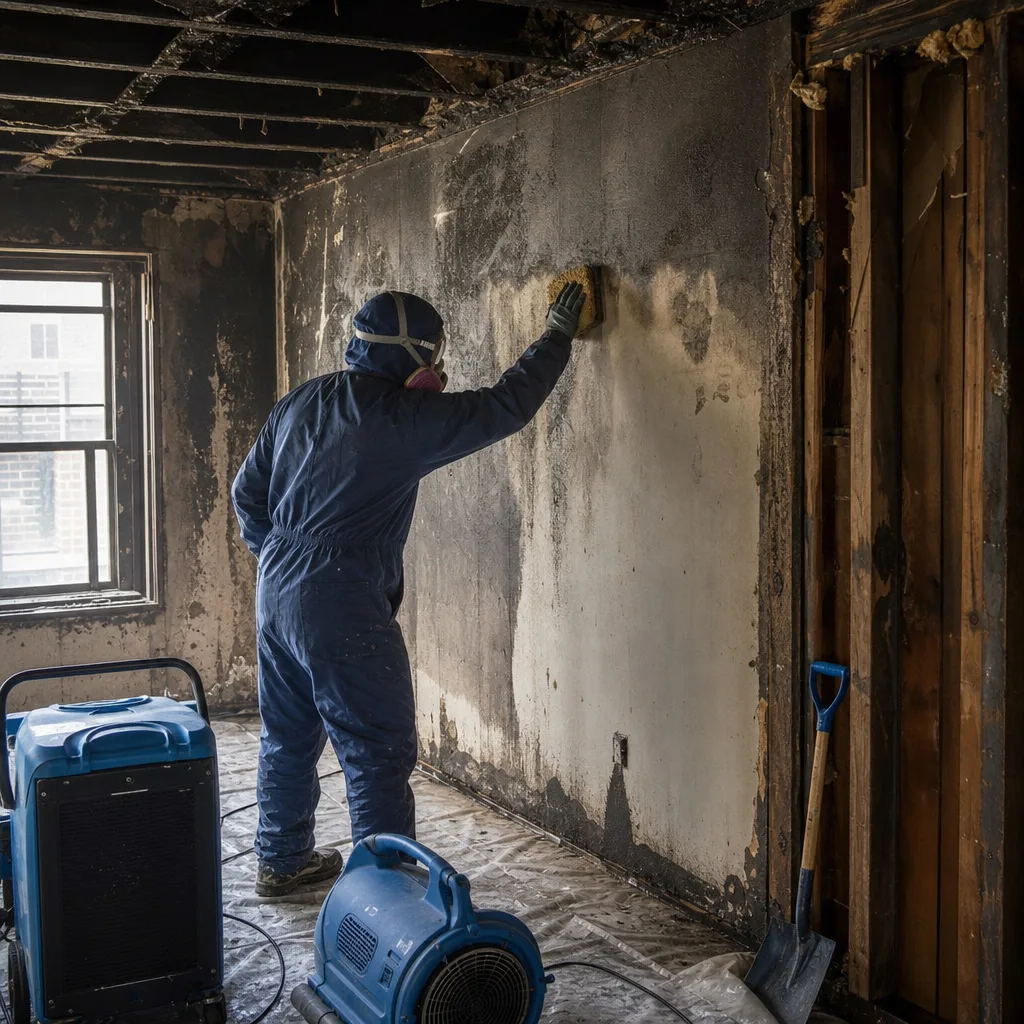
When a city main backs up into a Montague Street or Clark Street basement, the water is category 3 from the moment it enters. We set up containment immediately, extract, disinfect, and document every step for the DEP claim and your insurance. The faster this starts, the less demolition is required.
What happens when you call
- 1
A real person answersNo phone trees - you reach a local pro.
- 2
You get an upfront price rangeHonest numbers before anyone is dispatched.
- 3
A background-checked tech heads outLicensed & insured, dispatched right away.
- 4
You approve before work beginsNothing starts until you say go.
Sewage Cleanup Costs in Brooklyn Heights, NY
Straightforward numbers, because you deserve them. A common toilet overflow cleanup confined to one bathroom in Brooklyn Heights typically runs $800-$1,400. Sewage backup from a city main into a finished basement usually lands between $2,500 and $6,000 depending on square footage and how much finished material has to come out. Crawl space sewage removal in an older brownstone ranges $1,800-$4,500, and full category 3 mitigation with structural drying in a 4-story row house affected on multiple floors typically runs $6,000-$14,000 or more when LPC-compliant plaster and brownstone restoration is involved. The single biggest variable is whether contamination got into brick, mortar, and party walls, because that drives containment and drying time up. The easiest way to pin down your number is a free visual inspection. We’ll give you a written scope before work starts. Curious about insurance? We handle that conversation directly with your carrier. Call (640) 500-3278 for an exact quote. Estimates are free.
We Also Serve Cities Near Brooklyn Heights
Floodline Restoration Co. serves Brooklyn Heights and the surrounding areas, including Washington Square, Lower Manhattan, Midtown West, and Midtown Manhattan. If you’re nearby and dealing with a sewage backup, call us. We dispatch crews from our New York City office every day of the year.
Serving Brooklyn Heights, NY - Our Local Coverage Area
We’re based in the Brooklyn Heights area and know this community well. Use the map below to see our service coverage - if you’re nearby, we can almost certainly help.
Brooklyn Heights Sewage Cleanup Questions, Answered
How does Brooklyn Heights’ historic district status change the sewage cleanup process in a brownstone basement?
Brooklyn Heights is New York City’s first designated historic district, and any exterior access cut, vent, or penetration needed for negative-pressure exhaust or drying equipment requires Landmarks Preservation Commission approval before work can proceed. A contractor who doesn’t know that can trigger a stop-work order mid-mitigation. We plan containment and drying setups that work within LPC rules from day one.
Can sewage from a toilet overflow in a Brooklyn Heights row house migrate into the shared party wall and affect my neighbor?
Yes, and it happens more often than neighbors realize. Row houses in Brooklyn Heights share brick party walls with continuous mortar joints and open chases. Sewage can travel laterally between buildings. That’s why we run negative-pressure containment and inspect the party wall during any category 3 event. If contamination crossed the property line, the neighbor’s insurer needs documentation, and we provide it.
Why do you need to run dehumidifiers and air movers for days after sewage extraction in a brownstone basement, instead of just drying the floor?
Because the floor isn’t the problem. The brownstone foundation, brick party walls, and lime mortar absorb sewage-contaminated water and hold it. If you stop at surface drying, moisture trapped in those materials feeds mold growth within 24-48 hours and re-contaminates the space weeks later. Structural drying with daily moisture readings is the only way to reach the dry standard throughout the wall system.
Does a sewage backup in a Brooklyn Heights cellar from a failed ejector pump count as category 2 or category 3 water?
Category 3. A failed ejector pump means raw sewage backed up through the plumbing, not clean water. That’s grossly contaminated water carrying pathogens. The IICRC classification is clear, and proper category 3 protocol requires full PPE, containment, removal of porous contaminated materials, and hospital-grade disinfection.
How do you create negative air pressure in a Brooklyn Heights brownstone basement without drilling holes that violate landmarks rules?
We use existing openings: window wells, doorways, and service hatches. HEPA-filtered negative-air machines exhaust through these openings with sealed flanges and magnetic or clamp fittings that don’t require modification to the structure. Where no existing opening works, we stage containment differently. No drilling into landmarked brownstone, no stop-work risk.
How fast can someone get to Brooklyn Heights for a sewage backup?
We commit to a 45-minute response within Brooklyn Heights, and our live dispatchers coordinate the nearest available certified crew. A sewage backup is not a wait-until-morning problem. The damage gets worse by the hour. Call (640) 500-3278 now and we’ll have a crew heading to you.
Will insurance cover sewage backup cleanup in Brooklyn Heights?
Most homeowners policies in New York cover sewage backup, either through standard coverage or an added endorsement. What matters is documentation. We photograph everything, log moisture readings daily, and prepare line-item estimates in the format insurers expect. Our team coordinates directly with your adjuster so you don’t carry the claim on your own. Call (640) 500-3278 with your policy number and we’ll help you understand your coverage.
What should I do in the first 30 minutes after I see sewage backing up in my Brooklyn Heights home?
Don’t use any plumbing. Don’t flush toilets or run sinks. Don’t walk through the sewage and track it into clean areas. Shut off power to the affected space if you can do so without stepping into water. Call us immediately at (640) 500-3278 and we’ll walk you through the next steps while a crew is dispatched to Brooklyn Heights.
How do you handle sewage cleanup in a crawl space under a Brooklyn Heights row house?
Crawl space sewage removal in pre-war buildings like those along Cranberry Street or Pineapple Street often means working in 3-foot clearance or less. Our techs wear full PPE and use compact extraction units designed for low-clearance access. We remove contaminated soil and debris, treat surfaces with antimicrobials, and dry the space to prevent mold that would otherwise migrate up into the building.
Does Floodline Restoration Co. handle the reconstruction after sewage cleanup, or do I need another contractor?
We handle both. That’s the point of the Floodline Restoration Co. model. The same certified crew that extracts the sewage and dries the structure rebuilds what needs rebuilding. No mid-job handoff. No inherited crew. The 90-Day Done Right Promise covers the full scope, from Sewage Cleanup through finished restoration.
Written by Curt Bowman, founder and owner of Floodline Restoration Co., serving Brooklyn Heights with certified crews since 2010.