
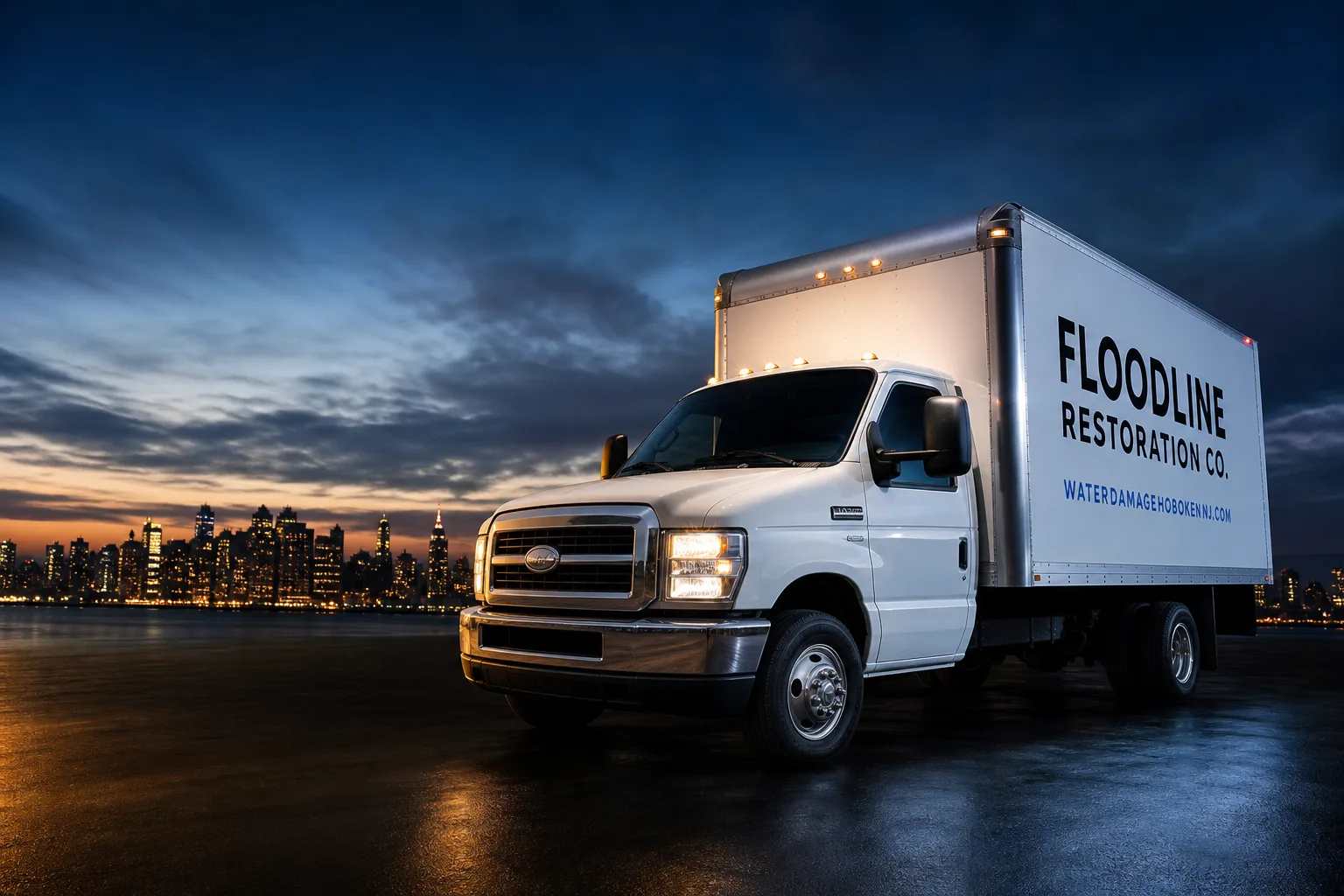
Free visual inspection and a written scope of work before any mitigation begins - photos, moisture readings, and drying logs go in your claim file
The scope we write is the scope we bill. Anything new gets shown to you, in writing, before we touch it.
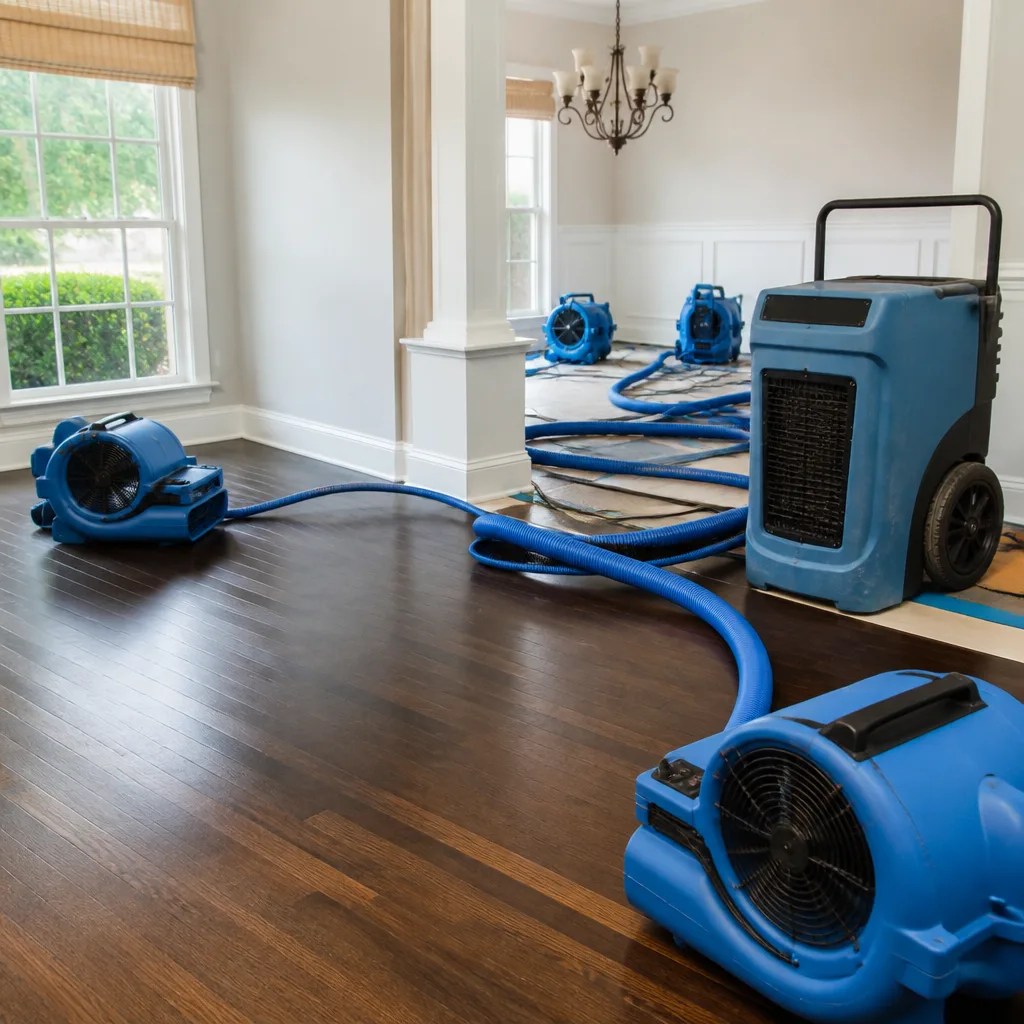
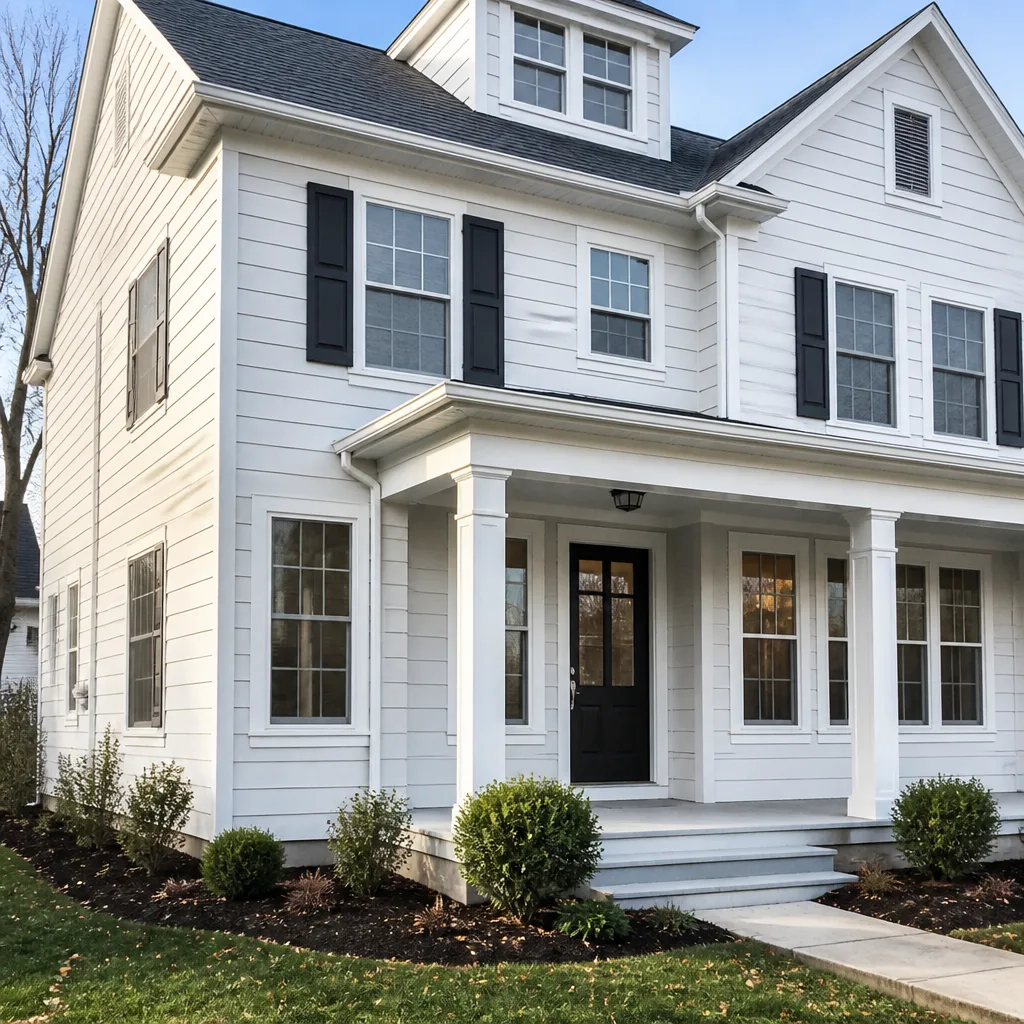
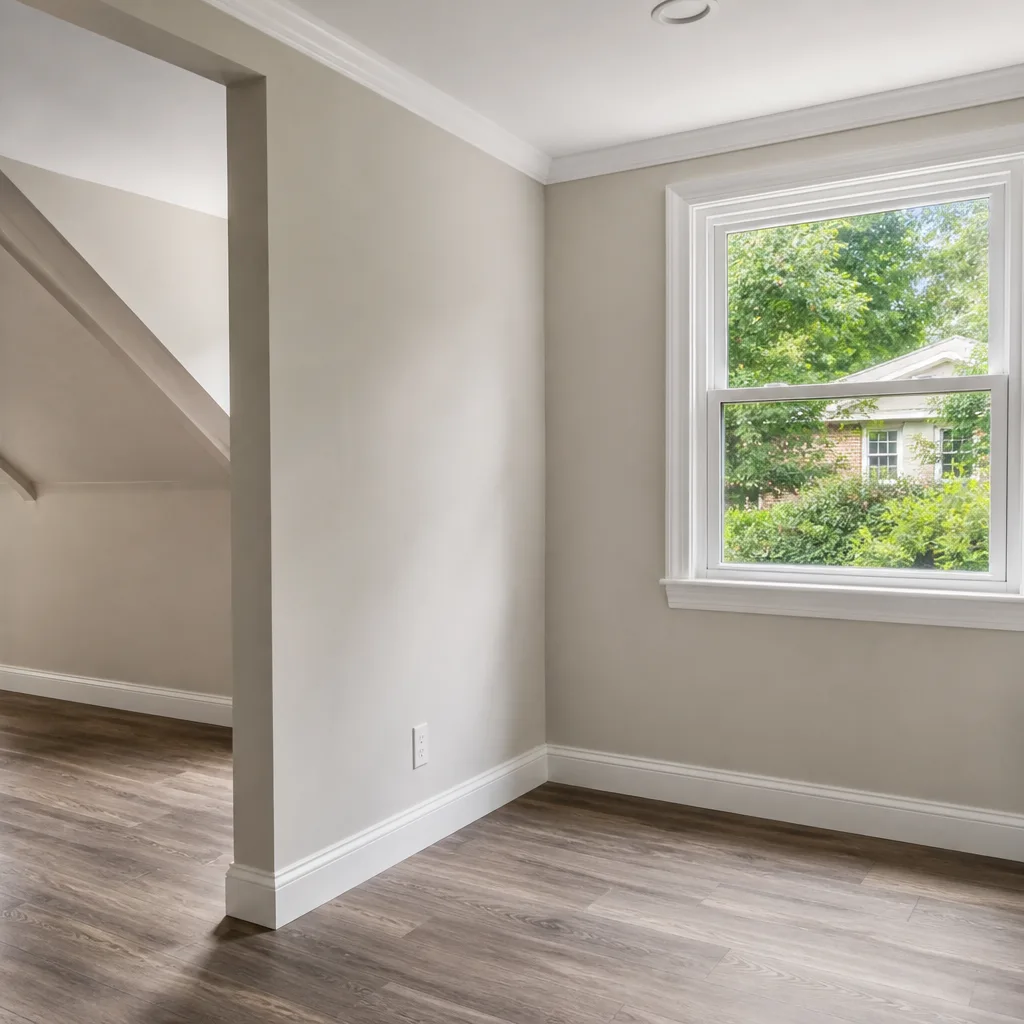
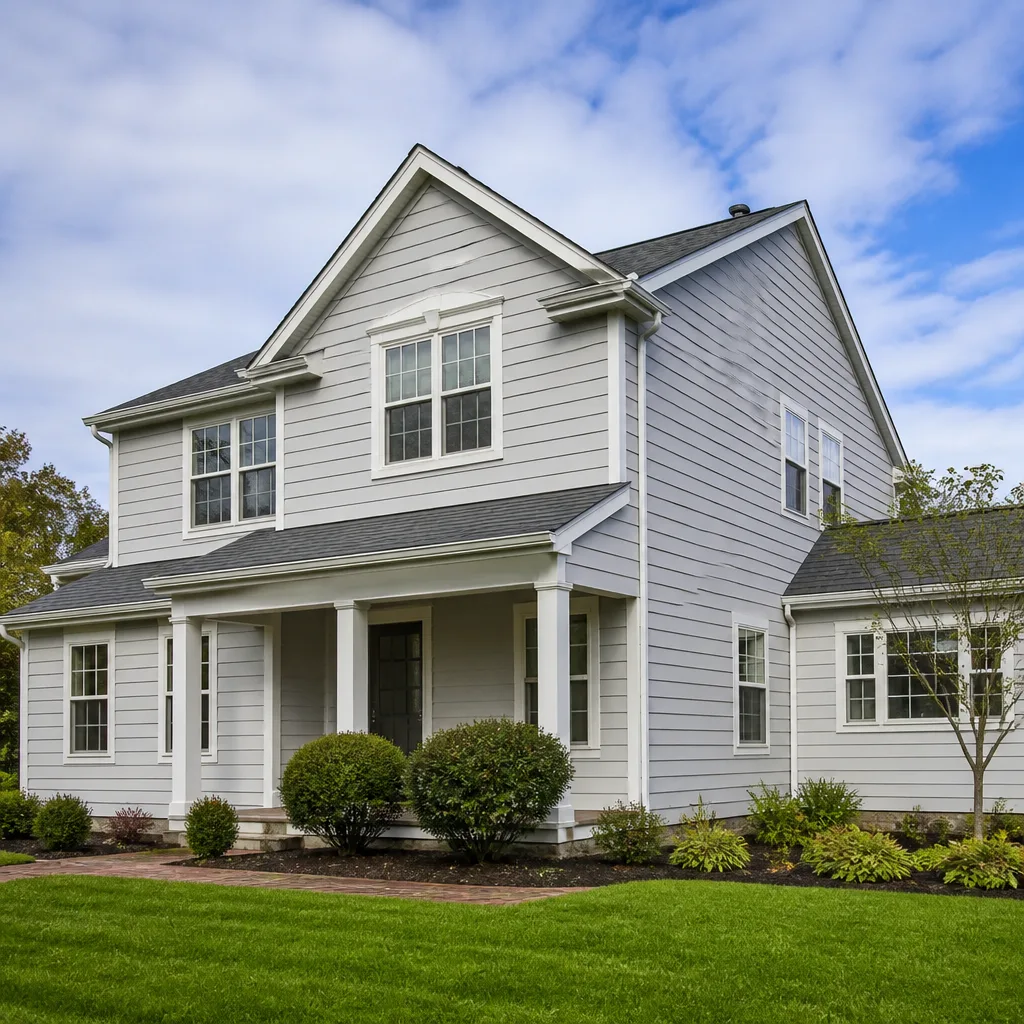
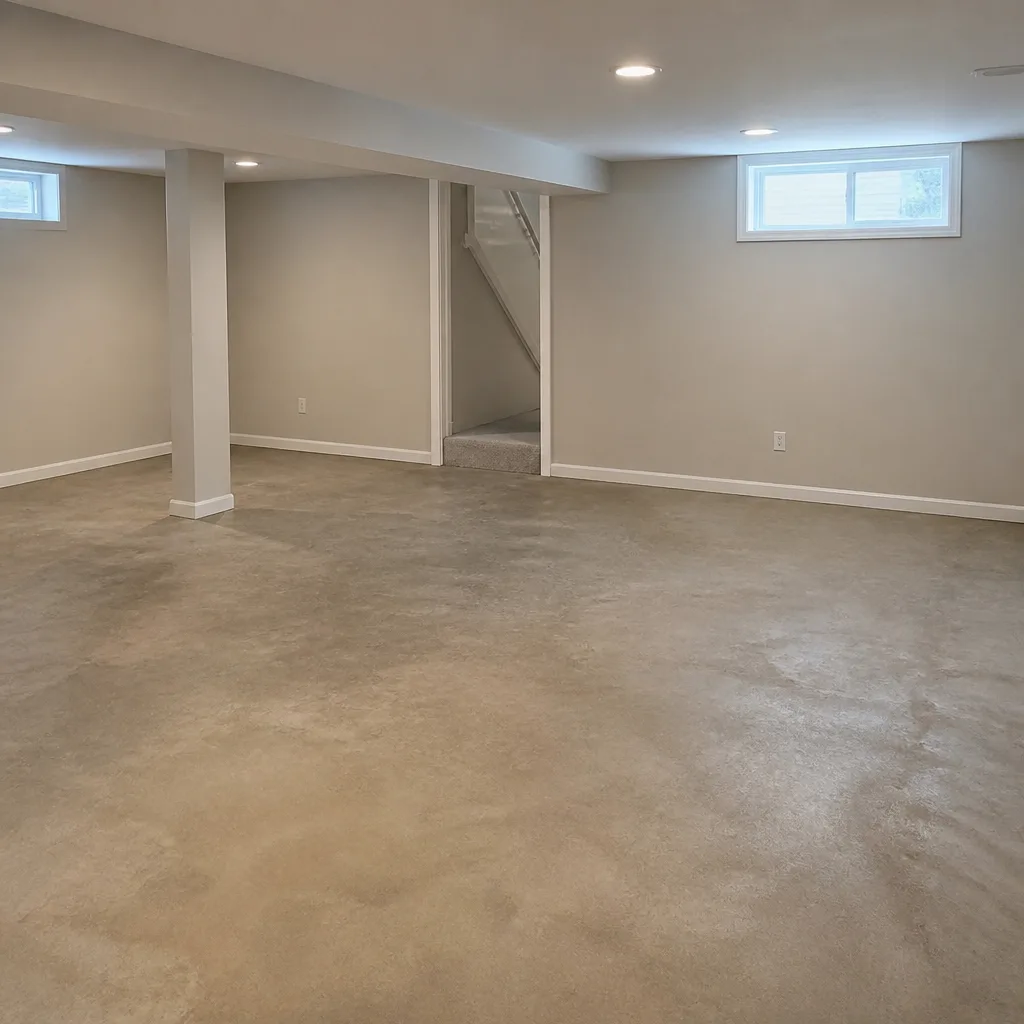

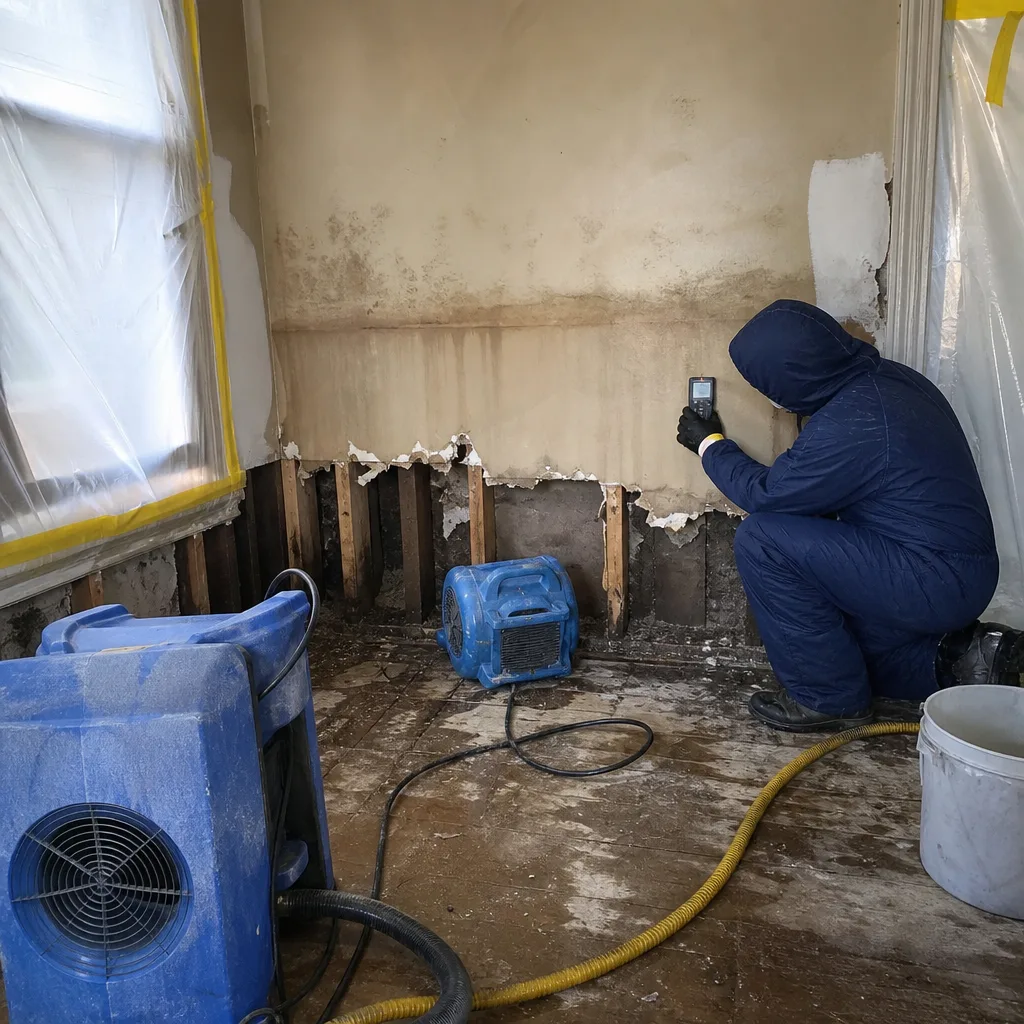 Before
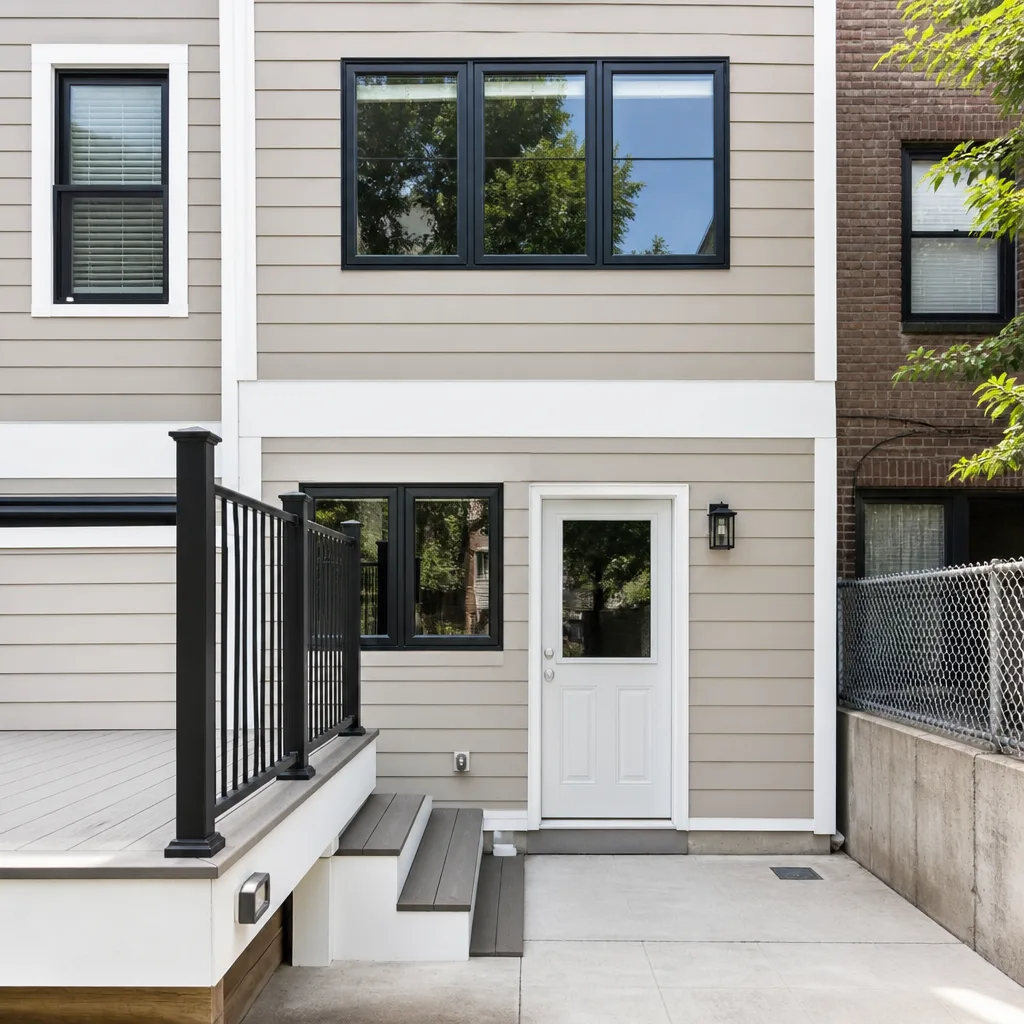 After
After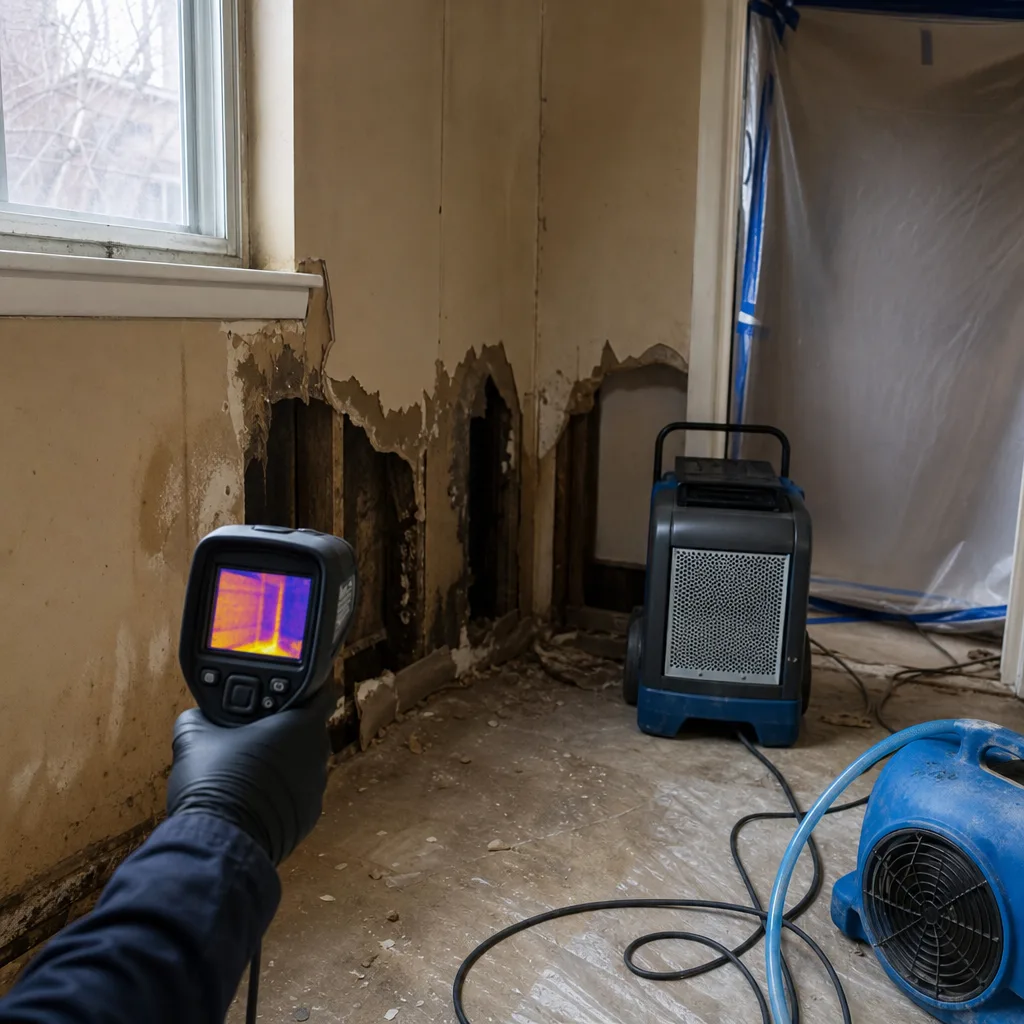 Before
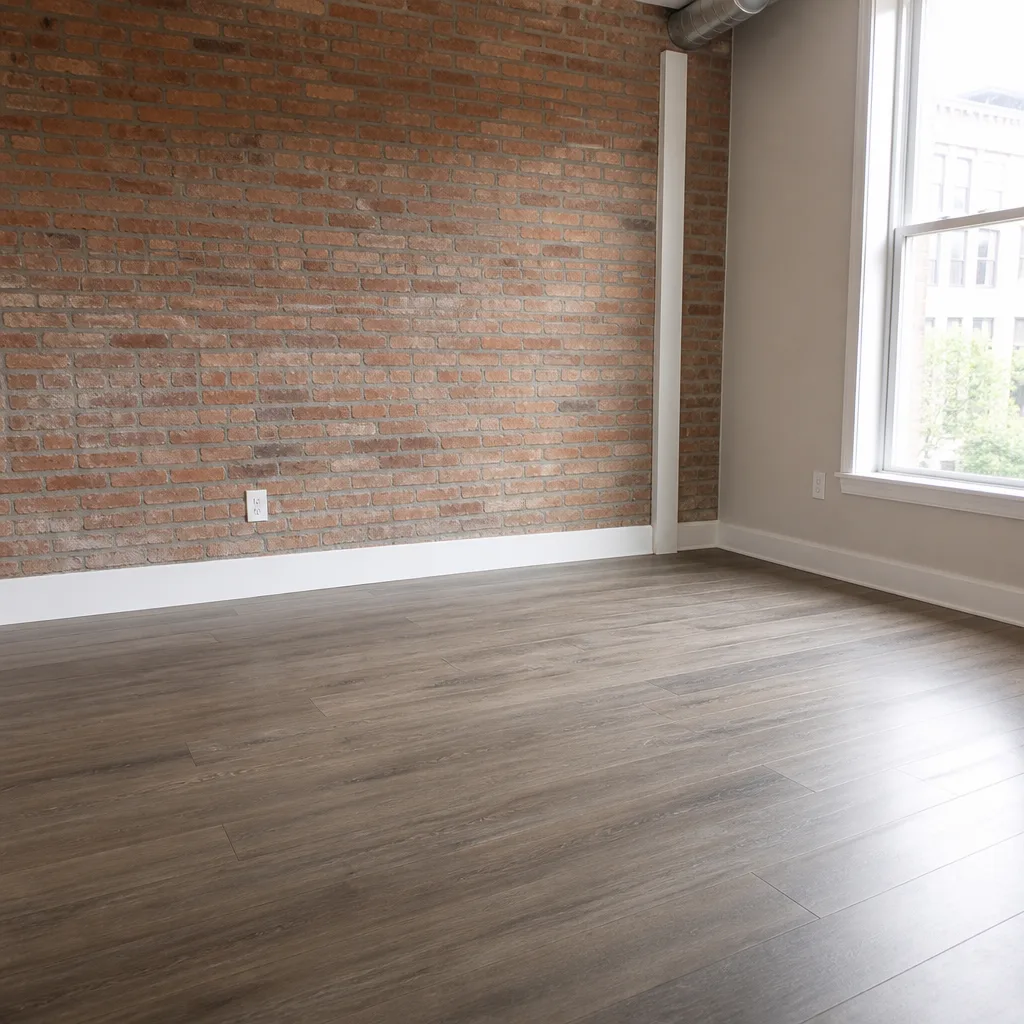 After
After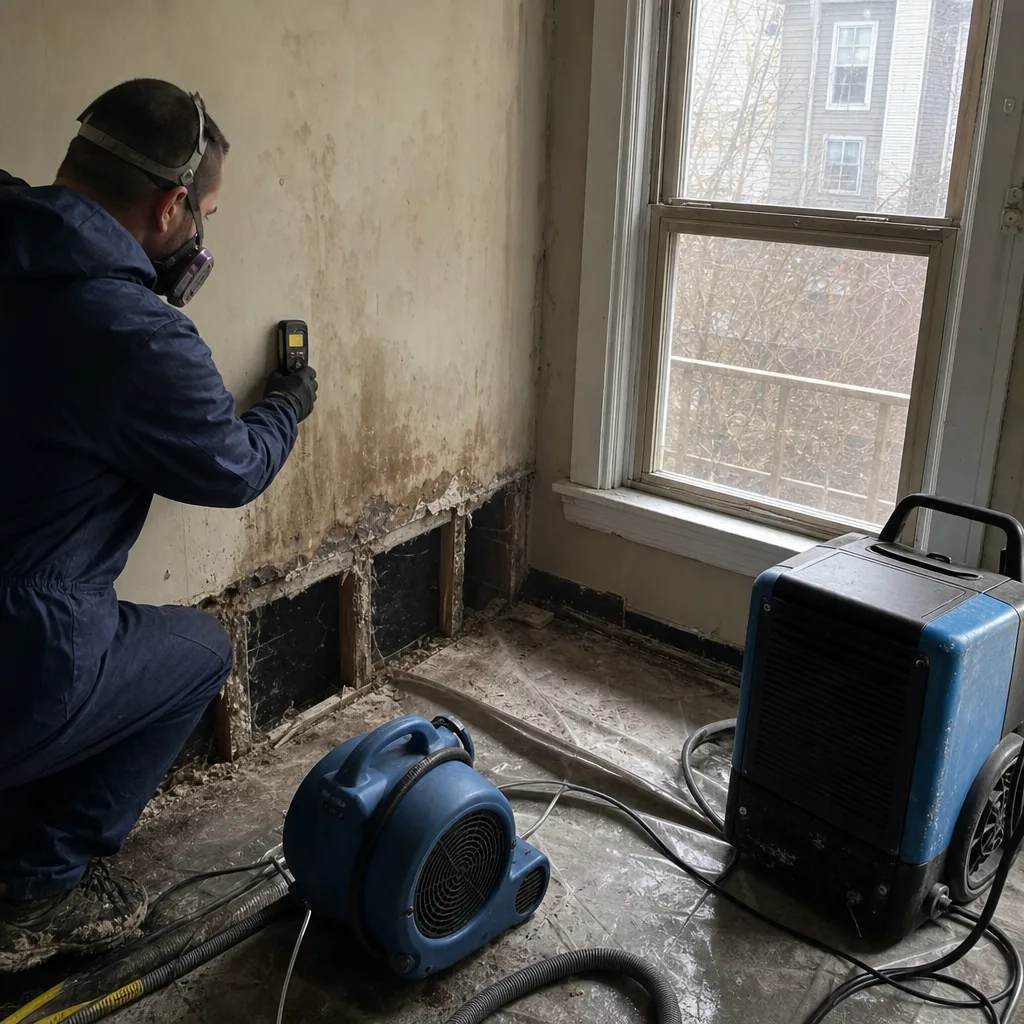 Before
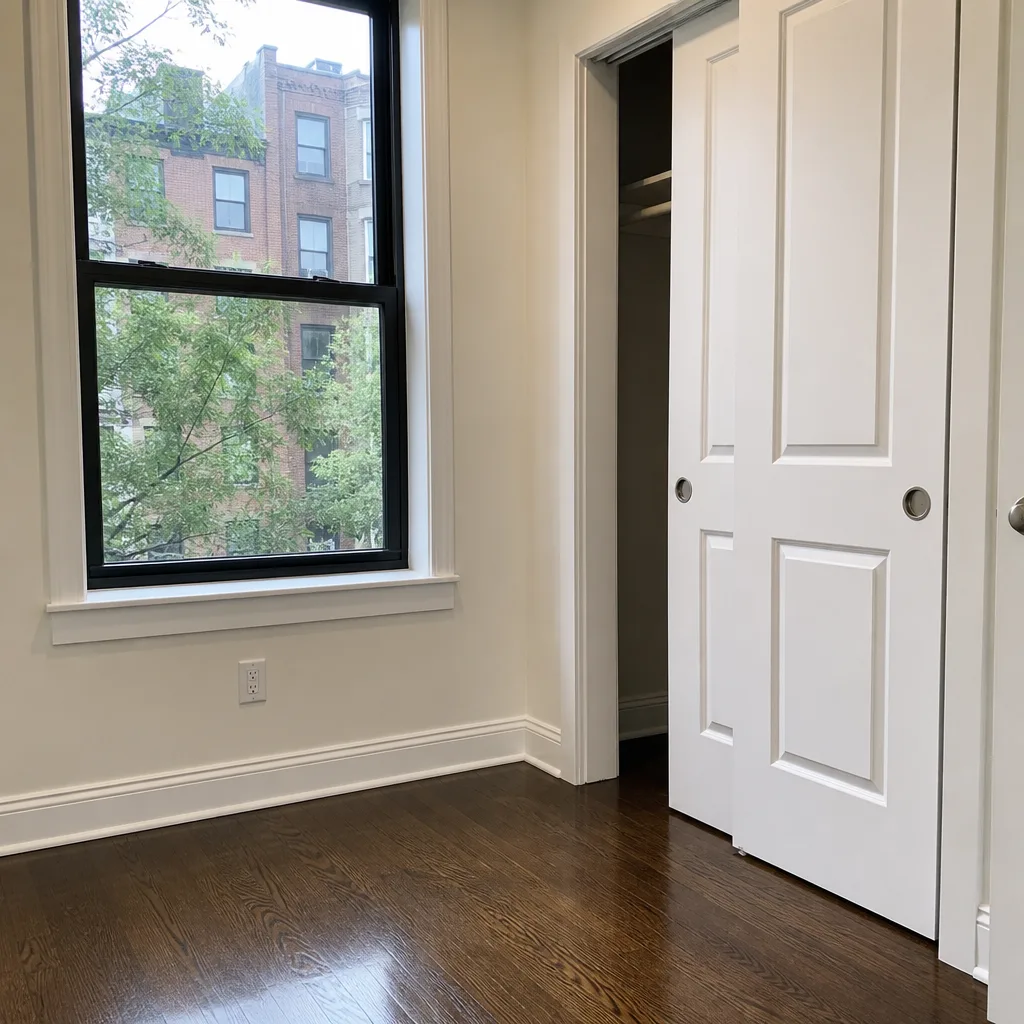 After
After24/7 Emergency Sewage Cleanup in Lower Manhattan
Sewage cleanup in Lower Manhattan typically runs $1,800-$5,200 for a contained Category 3 black water event, and a crew can be on site inside 45 minutes when you call (640) 500-3278. That speed matters because sewage water carries bacteria, viruses, and parasites that begin multiplying the moment the line backs up. Lower Manhattan’s below-grade mechanical rooms are especially vulnerable: many sit at or below mean sea level, and when combined sewer lines surcharge during a king tide, the water comes up through floor drains and utility sinks before anyone upstairs notices the smell.
Floodline Restoration Co. answers every call with a live dispatcher, around the clock. No recordings, no call centers, no “we’ll get back to you.” A background-checked, uniformed crew is dispatched from our New York City office directly into Lower Manhattan. We start with a free visual inspection, take moisture readings, set containment, and begin extraction the same visit. The first hour determines whether you’re cleaning a floor drain backup or rebuilding a finished basement.
Understanding Sewage Cleanup Severity in Lower Manhattan Properties
Sewage damage falls into three water categories, and Lower Manhattan’s building stock forces a higher bar for each. Category 1 is clean water from a supply line. Category 2 carries contaminants from washing machines and dishwashers. Category 3 is black water: raw sewage, toilet overflows past the trap, and any floodwater from the street or combined sewer system. Lower Manhattan’s cast-iron waste lines, many installed before World War II, corrode from decades of salt-air exposure and fail suddenly. The result is usually Category 3 water in a finished space.
The difference between categories is the difference between drying a room and rebuilding it. Category 3 water requires full containment, antimicrobial treatment, and removal of saturated porous materials: drywall, carpet, insulation, anything that absorbed effluent. In Financial District condos built inside converted office towers, sewage backs up into elevator pits and electrical rooms before living spaces. In Battery Park City, uneven landfill settlement cracks below-grade ejector pits, letting black water migrate sideways through the slab. Moisture mapping and thermal imaging are not optional here; they’re the only way to find what you can’t see.
Why Lower Manhattan Property Owners Choose Floodline Restoration Co.
- 45-minute response commitment across Lower Manhattan. Live dispatch, local routing, and crews who know the streets from Chambers to the Battery.
- 24/7 live answer, every day of the year. A real person picks up at 2 a.m. Not a recording. Not a triage service.
- IICRC-certified technicians. Our crews are trained to IICRC WRT/FSRT/AMRT standards and carry RIA and IFA certifications as well. The certification matters when you’re standing in sewage.
- Free visual inspection before any work begins. We assess the site, identify the contamination path, and give you a written scope with a firm number. You approve it before we open a wall.
- Direct insurance billing with adjuster coordination. We document everything from the first hour and bill your carrier directly. You’re not running messages between us and the insurance company.
- One team from extraction through reconstruction. No mid-job handoff to a subcontractor you’ve never met. The same certified crew that extracts the sewage rebuilds the wall. Everything done right and backed in writing by the 90-Day Done Right Promise.
Our Sewage Cleanup Process
Inspection & Assessment
We map the contamination with thermal imaging and moisture meters. We identify the source, the Category, and the full migration path. You get a written scope with a firm price before work starts.
Containment & Extraction
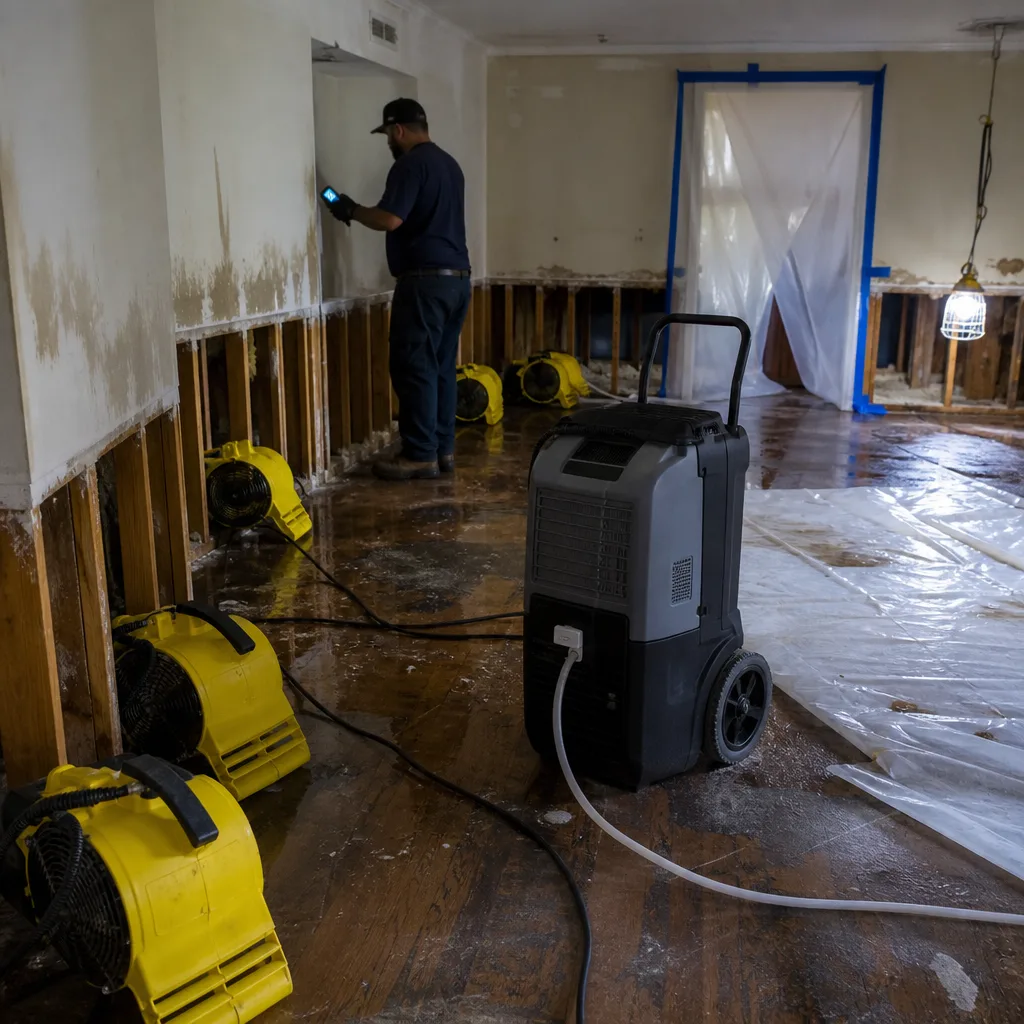
Containment barriers go up first to stop aerosolized contamination from spreading. Then we extract standing black water using truck-mounted and portable extraction units, including XPOWER pumps for subgrade mechanical rooms.
Material Removal & Stabilization
Saturated drywall, carpet, pad, and insulation come out. Porous materials that absorbed Category 3 water cannot be saved. Non-porous materials are cleaned and kept where possible.
Drying & Dehumidification
Dri-Eaz dehumidifiers and air movers run on a daily-monitored schedule. We log moisture readings every day until the dry standard is met, and we hand that log to you and your carrier.
Sanitization & Antimicrobial Treatment
Every affected hard surface gets treated with EPA-registered antimicrobials. We clean elevator pits, mechanical rooms, and floor drains to marine-grade standards required for Lower Manhattan’s below-sea-level spaces.
Repairs & Restoration
We rebuild what we removed: drywall, flooring, trim, the works. The same crew that extracted on day one finishes the job. Everything comes with the 90-Day Done Right Promise in writing.
Need Emergency Sewage Cleanup in Lower Manhattan Now?
Crews minutes away, answering live 24 hours a day. The sooner we start, the less it costs.
Working With Your Insurance Company
Most homeowners policies cover sudden and accidental sewage backup, but the claim turns on documentation. If your carrier cannot see exactly what happened, the coverage gets debated while contamination spreads. We photograph everything before, during, and after. We log containment setup, extraction volumes, and daily moisture readings. We write a line-item scope in industry-standard categories that adjusters recognize. We talk to your adjuster directly, and we bill your carrier directly. You get the cleaning and the rebuild; we handle the paperwork.
What We Provide Your Insurer
- Thorough documentation of the loss
- Photos of all damage, room by room
- Moisture readings and drying logs
- A detailed, line-item scope of work
- Direct coordination with your carrier
Built for Lower Manhattan’s Loss Calendar
Sewage losses in Lower Manhattan hit in waves that follow the tide charts as much as the weather. Nor’easters between November and March push storm surge up the Hudson and East River mouths, surcharging the combined sewer system. Water comes up through floor drains in Financial District and Battery Park City basements with no warning beyond the tide gauge. Late-summer hurricane remnants, from mid-August through September, do the same with more volume. Even without a named storm, king tides, the highest astronomical tides of the month, regularly push brackish water into subgrade mechanical rooms that sit below the high-water line.
But the most common call we get in winter is not storm-related at all. It’s a frozen and burst supply line in a converted Tribeca loft where the original cast-iron stack, already corroded from a century of salt air, finally cracks during a hard freeze. The sewage component comes when the soil stack fails and the whole branch line dumps into a finished basement. We treat every one of these as a Category 3 event regardless of how the water got in, because in Lower Manhattan, storm water and wastewater share the same pipes when the system surcharges.
Sewage Cleanup Across Lower Manhattan’s Neighborhoods
Lower Manhattan’s response geography shapes how we work. In Tribeca, we’re usually in 19th-century cast-iron loft buildings, where waste stacks run through interior brick chases and a backup on the fourth floor sends effluent all the way to the cellar. In the Financial District, we are often in 1930s-era office towers converted to condos; elevator pits and below-grade transformer rooms are the first to flood, and the response requires coordinating with building management and shutting down individual systems without cutting power to the whole building.
Battery Park City is its own animal. Built on Hudson River landfill between the 1970s and 1990s, the land settles unevenly. Foundation waterproofing membranes shear along settlement seams, and sewage ejector pits crack. Black water migrates sideways through the slab and wicks up into unit floors, so mold presents on the third floor of a tower while the basement drain overflow went unnoticed for weeks. We run moisture mapping on every Battery Park City job because the damage is never where the smell is strongest. Along South Street and around the Seaport, aging row buildings sit on filled land with combined drains; spring thaw pushes groundwater into the same lines that back up in summer storms. Every neighborhood has a signature failure mode. We know them by heart.
Specialized Sewage Cleanup Services We Offer in Lower Manhattan
Sewage Backup Cleanup
Cast-iron waste lines under Lower Manhattan’s converted lofts corrode faster from salt-air exposure than anywhere else in the borough. A sudden sewage backup into a finished basement is usually the first sign the pipe has finally gone. We contain, extract, and sanitize while documenting the pipe condition for the insurance claim.
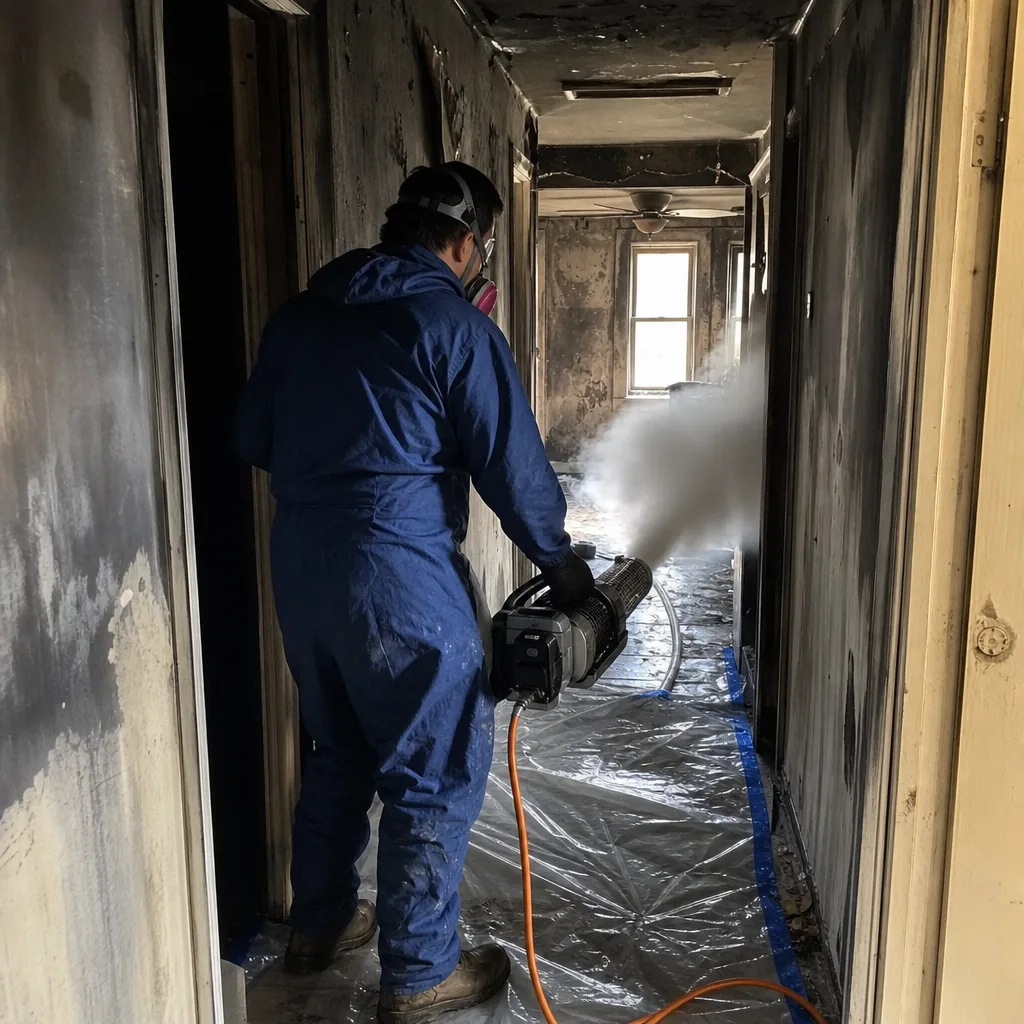
Black Water Extraction
Combined sewer surcharge during high tide forces Category 3 water up through floor drains in subgrade mechanical rooms. Standard sump pumps cannot keep up. Our extraction teams use truck-mounted and XPOWER portable units to pull standing black water out of elevator rooms, transformer vaults, and below-grade storage before it migrates further.
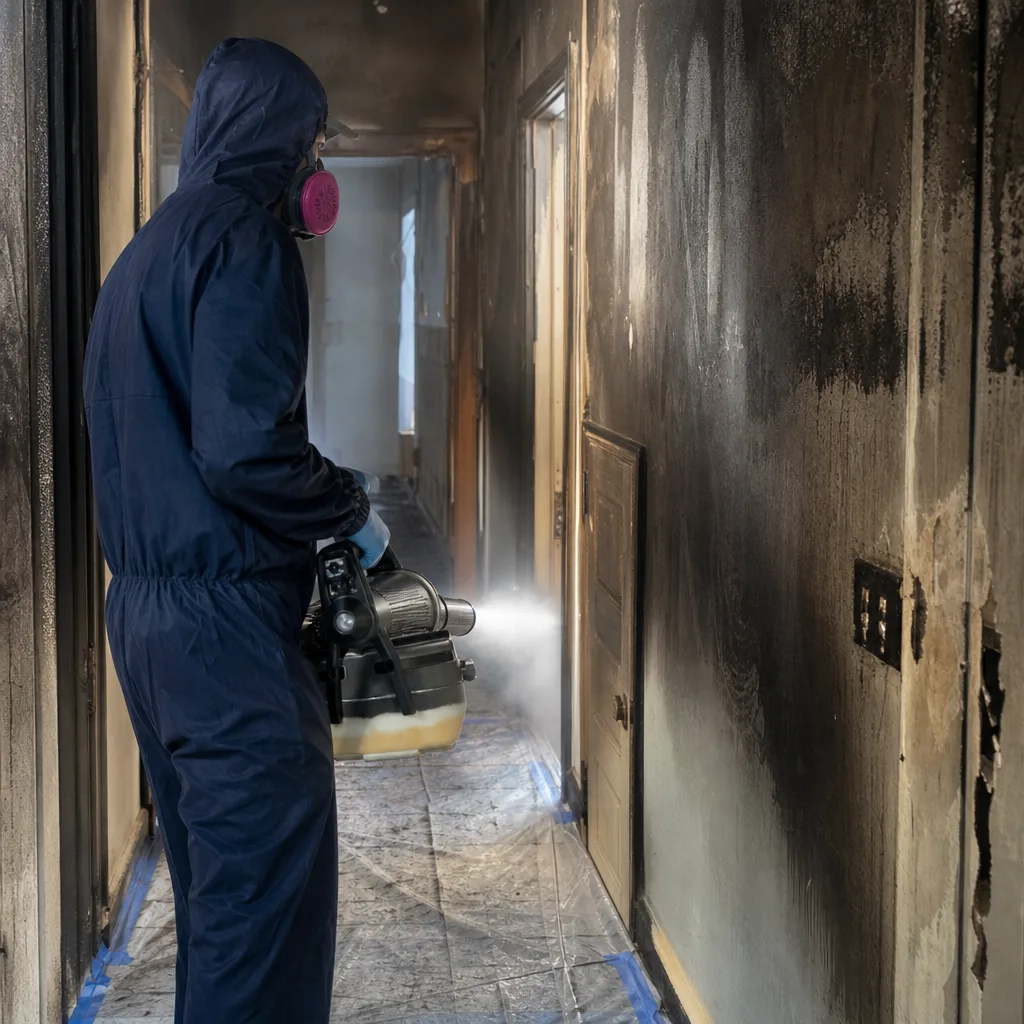
Sanitization & Disinfection
After black water is extracted, the contamination remains. Porosity is the enemy: drywall, carpet, insulation, and unfinished concrete all absorb effluent. We treat hard surfaces with EPA-registered antimicrobials and remove porous materials that cannot be certified clean. In Battery Park City and the Financial District, where mechanical rooms sit below sea level, we go beyond standard protocols to marine-grade decontamination standards.
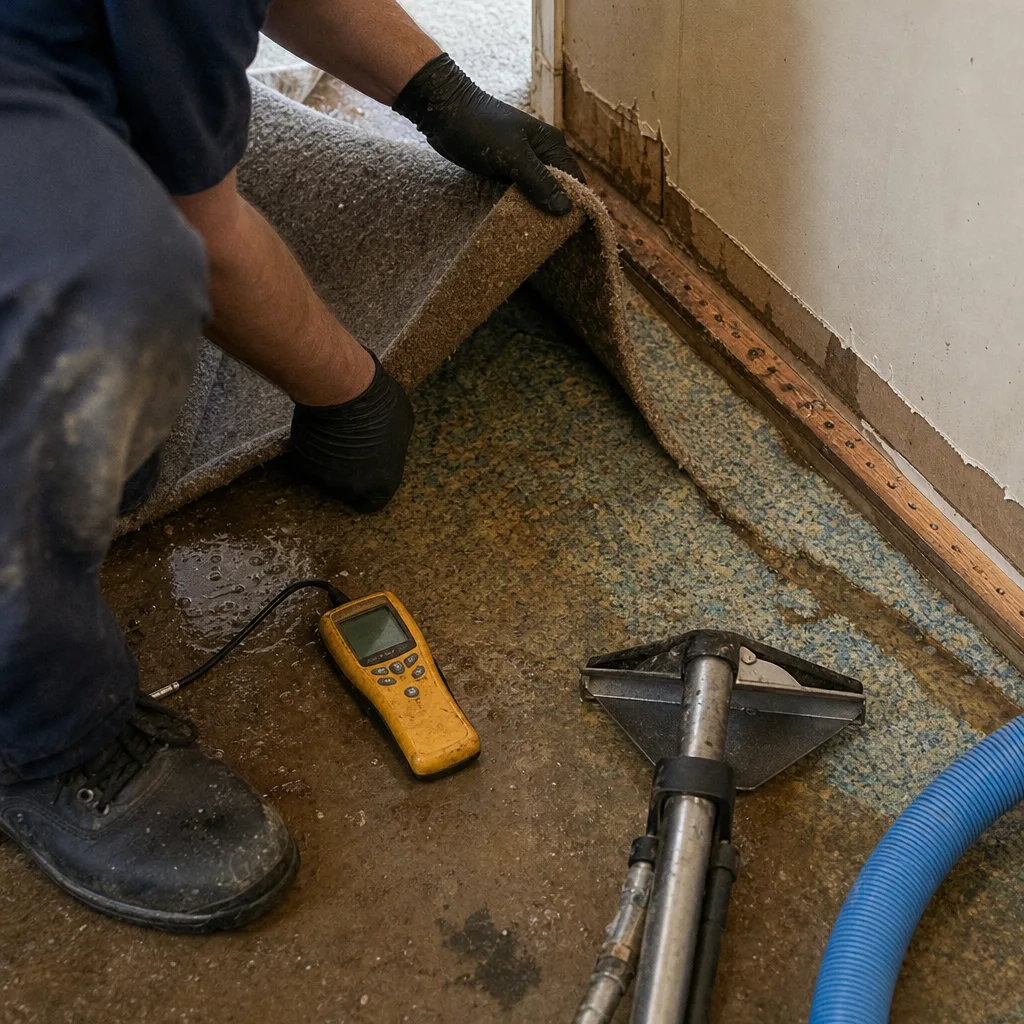
Toilet Overflow Cleanup
A toilet overflow past the trap is a Category 3 event the moment it leaves the fixture. It moves fast through the finished floor and into the ceiling below. We stop it, extract everything, and dry the structure before the next tenant smells it.
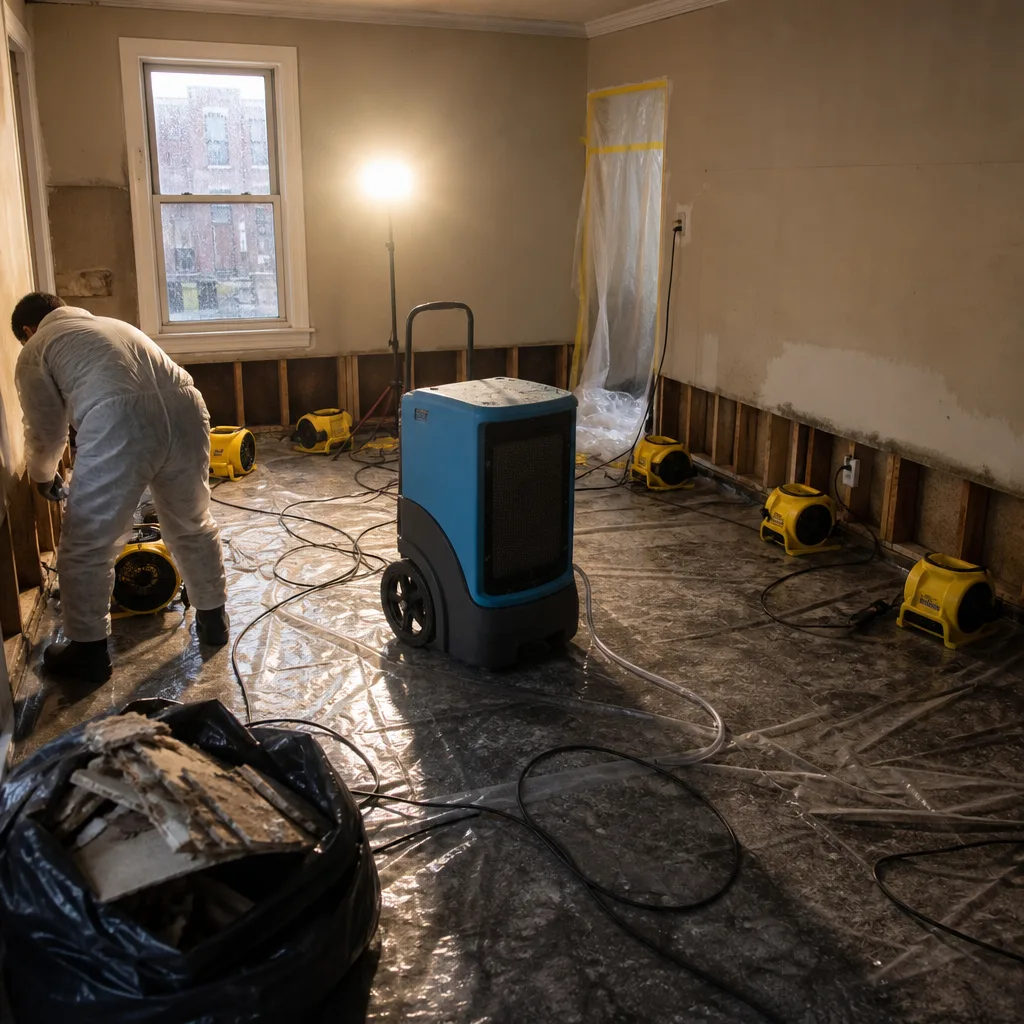
Septic Failure Cleanup
Rare in most of Manhattan but not impossible near the edges. Where septic or holding tank systems exist, a failed ejector pump or collapsed drain field sends effluent into the basement. We handle the cleanup and coordinate with your plumber for the system repair, all under one insurance claim where possible.
What happens when you call
- 1
A real person answersNo phone trees - you reach a local pro.
- 2
You get an upfront price rangeHonest numbers before anyone is dispatched.
- 3
A background-checked tech heads outLicensed & insured, dispatched right away.
- 4
You approve before work beginsNothing starts until you say go.
Sewage Cleanup Costs in Lower Manhattan, NY
A contained sewage backup in Lower Manhattan, where the affected area is under 200 square feet, generally runs $1,800-$4,200 for extraction, material removal, sanitization, and drying. A full Category 3 event involving a finished basement, elevator pit, or multiple rooms typically runs $4,500-$12,000 or more, depending on how much drywall and flooring comes out and whether reconstruction follows. High-rise access fees, union building requirements, and off-hours work all shift the number. Your insurance may cover most of it; sudden and accidental sewage backup is commonly included in NYC homeowners policies, but only with documentation that proves the loss was sudden.
The free visual inspection is the only honest way to price a sewage job. What’s wet, what’s contaminated, what’s salvageable, what’s not: until a certified crew puts eyes and meters on the space, every number is a guess. We do not guess. Call (640) 500-3278 and ask for a visual inspection. If you approve the scope, we start extraction the same visit. Current offers: $50 off any repair over $250, plus a 5% senior and veteran discount, always.
We Also Serve Cities Near Lower Manhattan
Our Lower Manhattan crews regularly run response routes through Washington Square, Midtown West, Midtown Manhattan, and Murray Hill. If you’re on the border between neighborhoods, call (640) 500-3278 and we will get you to the right team. Learn more about our full Sewage Cleanup capabilities across the metro. Everything we do for Lower Manhattan is built around local conditions: tidal backflow, landfill settlement, and salt-corroded plumbing.
Serving Lower Manhattan, NY - Our Local Coverage Area
We’re based in the Lower Manhattan area and know this community well. Use the map below to see our service coverage - if you’re nearby, we can almost certainly help.
Lower Manhattan Sewage Cleanup Questions, Answered
How does saltwater intrusion from storm surge affect sewage cleanup in Lower Manhattan basements?
Saltwater accelerates corrosion and adds a marine contamination layer on top of sewage. Standard freshwater decontamination protocols will not stop chloride-driven deterioration of steel, electrical switchgear, and HVAC equipment. Lower Manhattan basements flooded by storm surge require marine-grade decontamination: flushing salt residues from affected surfaces, treating for Category 3 contamination, and assessing corrosion on every metal component in the affected space. Call (640) 500-3278 for a free visual inspection before you assume the job is simple.
Why do Battery Park City buildings have sewage backups even without a storm?
Battery Park City sits on Hudson River landfill that settles unevenly. Below-grade sewage ejector pits crack along settlement seams, foundation waterproofing membranes shear, and combined sewer lines surcharge during routine king tides. Black water enters basements through floor drains and cracks in the slab with no weather event at all. Our crews run moisture mapping on every Battery Park City job to find the full migration path, not just the visible overflow.
What is the protocol for Category 3 black water cleanup in a Financial District condo basement?
Category 3 requires full containment barriers, extraction of standing water, removal of saturated porous materials, antimicrobial treatment, and structural drying to a documented dry standard. In a Financial District condo basement, we also coordinate with building management to protect elevator pits, electrical rooms, and shared mechanical systems. We log daily moisture readings and hand that log to you and your carrier. The containment goes up before we move any water.
Can you handle sewage cleanup in a high-rise elevator pit without shutting down the whole building?
Almost always yes. We coordinate with building management to isolate individual systems and work around elevator schedules. Extraction pumps are staged to pull water out of the pit without disrupting lobby traffic or adjacent units. We have done this in converted Financial District office towers and Battery Park City residential towers. The key is getting started before the contamination reaches the electrical components.
How quickly should sewage be removed from a Tribeca loft basement to prevent mold?
Within 48 to 72 hours is the standard window before mold colonization begins, but in practice you want extraction started the same day. Tribeca loft basements are often enclosed and poorly ventilated, which accelerates mold growth. The bacteria in Category 3 water is already doing damage before mold even starts. Call (640) 500-3278 and a crew can be on site inside 45 minutes.
How fast can you actually get to a Lower Manhattan address?
We commit to 45 minutes from your call to a crew on site anywhere in Lower Manhattan. Our live dispatcher routes the nearest certified crew the moment you call. We answer the phone 24 hours a day, every day. There is no transfer, no hold music, no “leave a message.”
Will my insurance cover sewage cleanup, and will you deal with my adjuster?
Sudden and accidental sewage backup is commonly covered by NYC homeowners policies, often through a standard or optional endorsement. We bill your carrier directly and talk to your adjuster from the first hour with photos, moisture logs, and a line-item scope. The documentation is what makes coverage hold. You should not have to play messenger between your contractor and your insurance company.
What should I do in the first 30 minutes after a sewage backup in Lower Manhattan?
Turn off water to the affected fixtures if you can do so safely. Do not flush anything. Keep everyone, including pets, away from the affected area. Do not attempt to extract sewage yourself; the contamination is dangerous and a standard wet/dry vac will not handle Category 3 water safely. Call (640) 500-3278. A live person will answer and a crew will be on the way.
Sewage in your home is not a wait-and-see problem. The water that comes up through a Lower Manhattan floor drain during a king tide carries everything from the combined sewer system into your basement. The response in the first few hours decides whether you are looking at a cleaning bill or a full reconstruction. Call (640) 500-3278 now for a free visual inspection and a written scope. We answer live, 24 hours a day, and we stand behind every job with the 90-Day Done Right Promise.
Written by Curt Bowman, Owner at Floodline Restoration Co., serving Lower Manhattan and the wider New York City metro since 2010.