
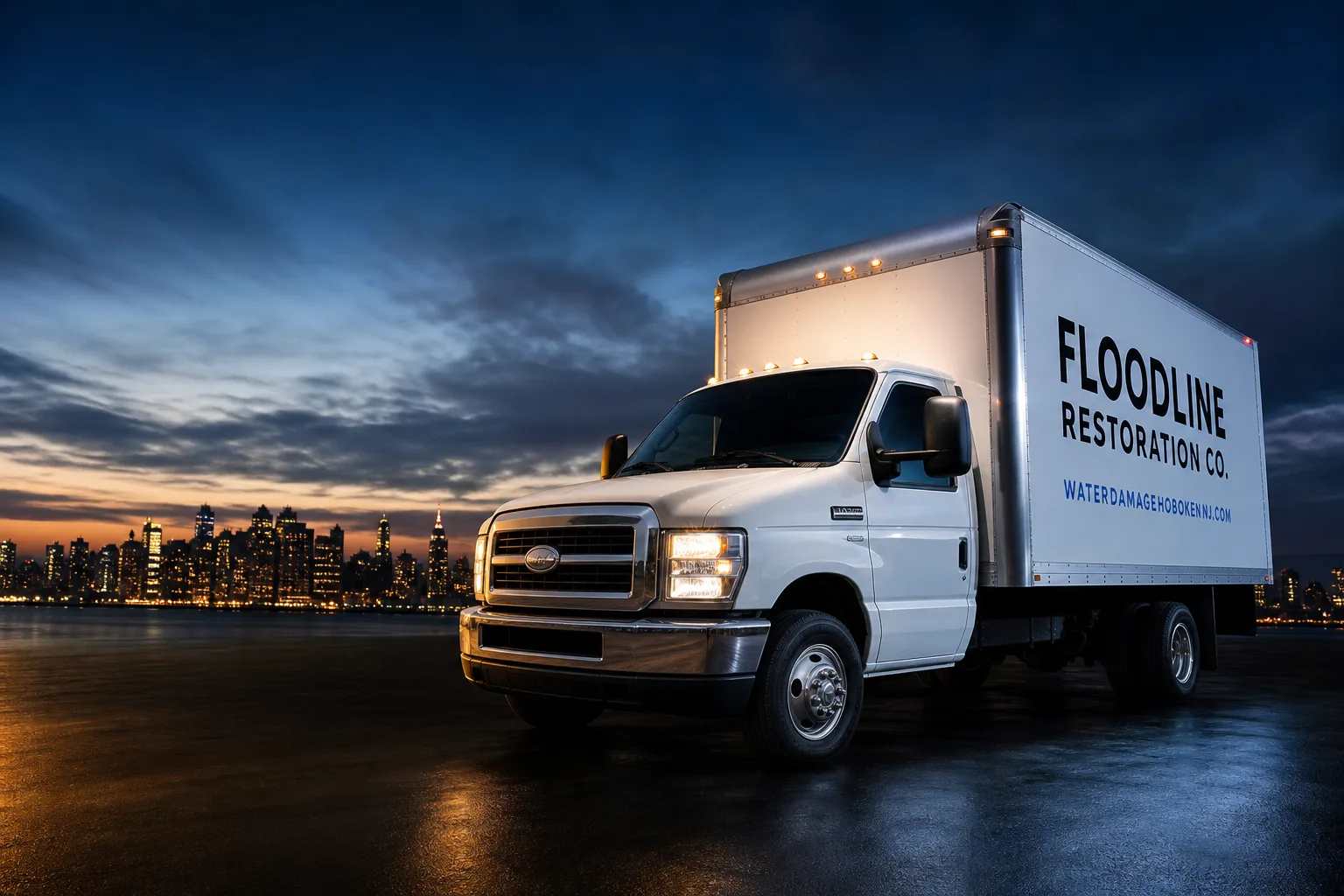
Free visual inspection and a written scope of work before any mitigation begins - photos, moisture readings, and drying logs go in your claim file
The scope we write is the scope we bill. Anything new gets shown to you, in writing, before we touch it.
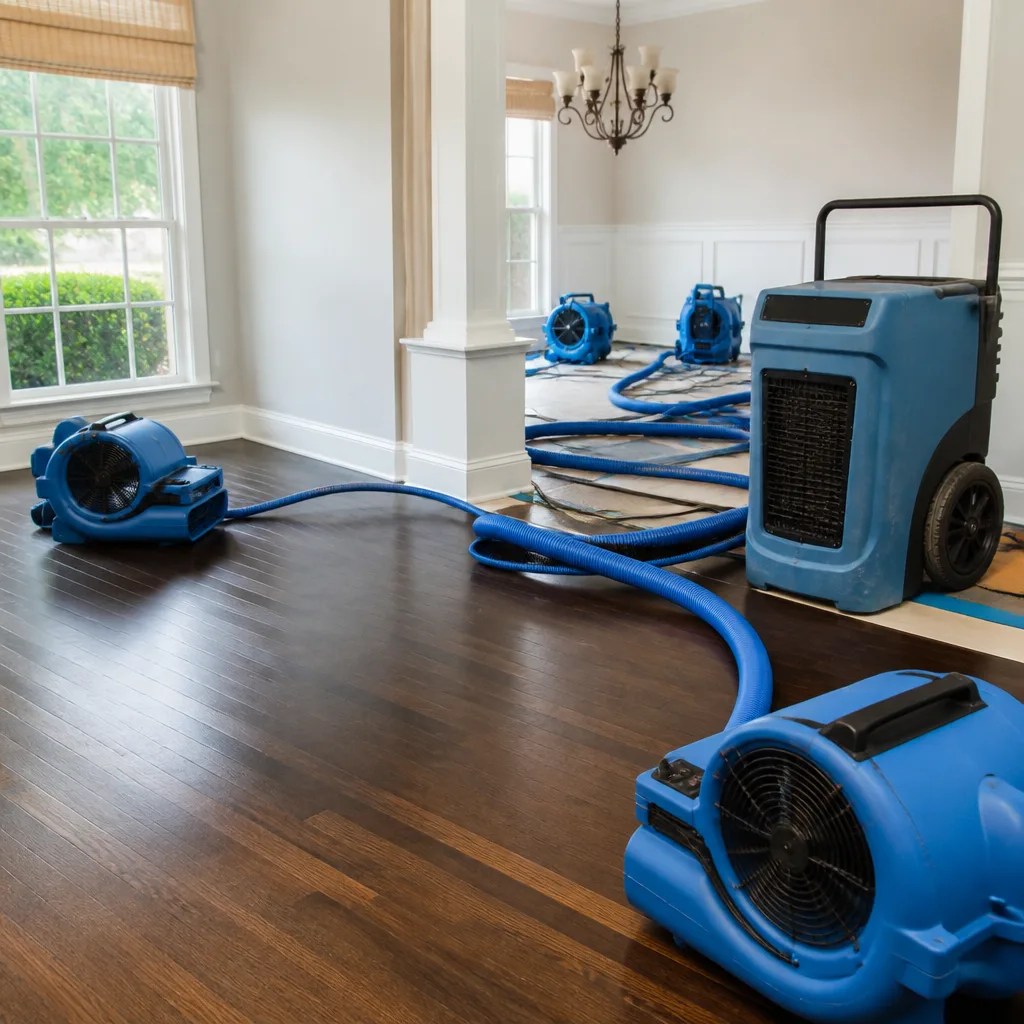
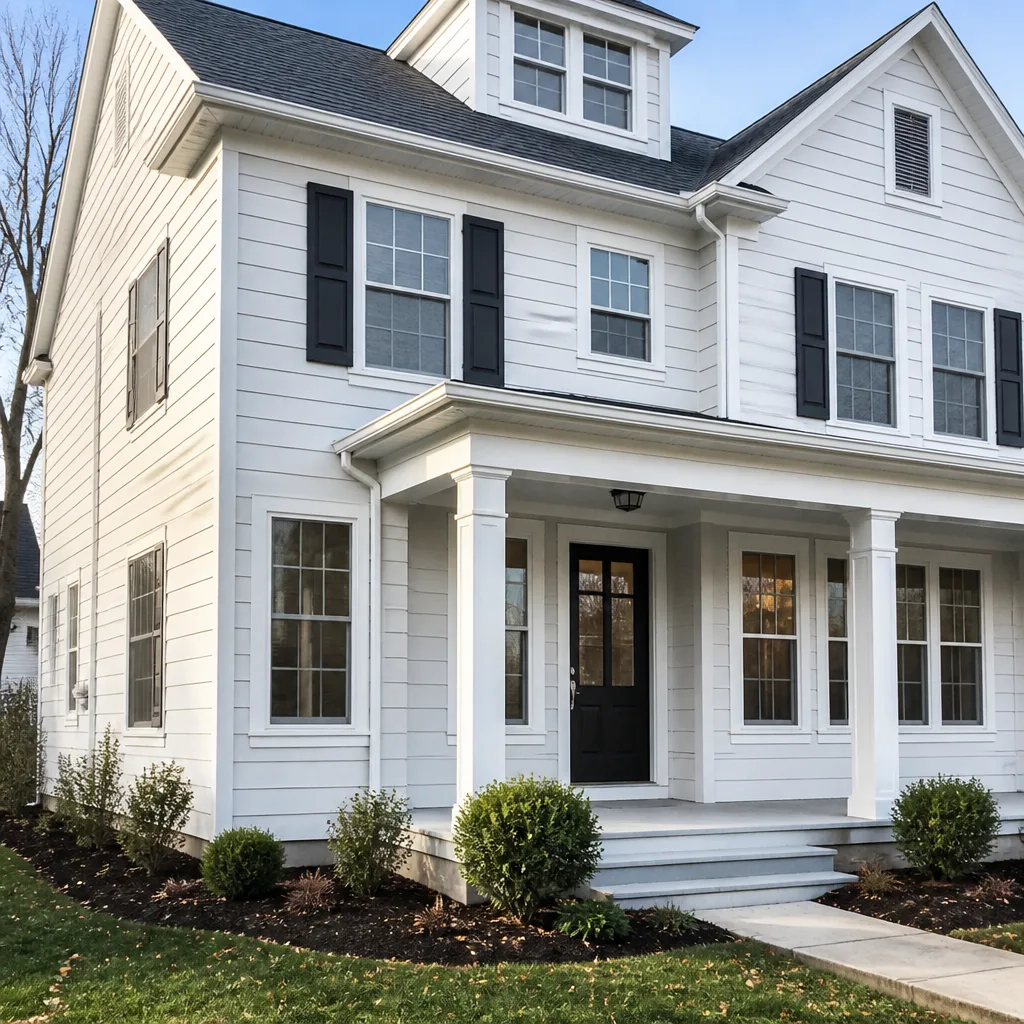
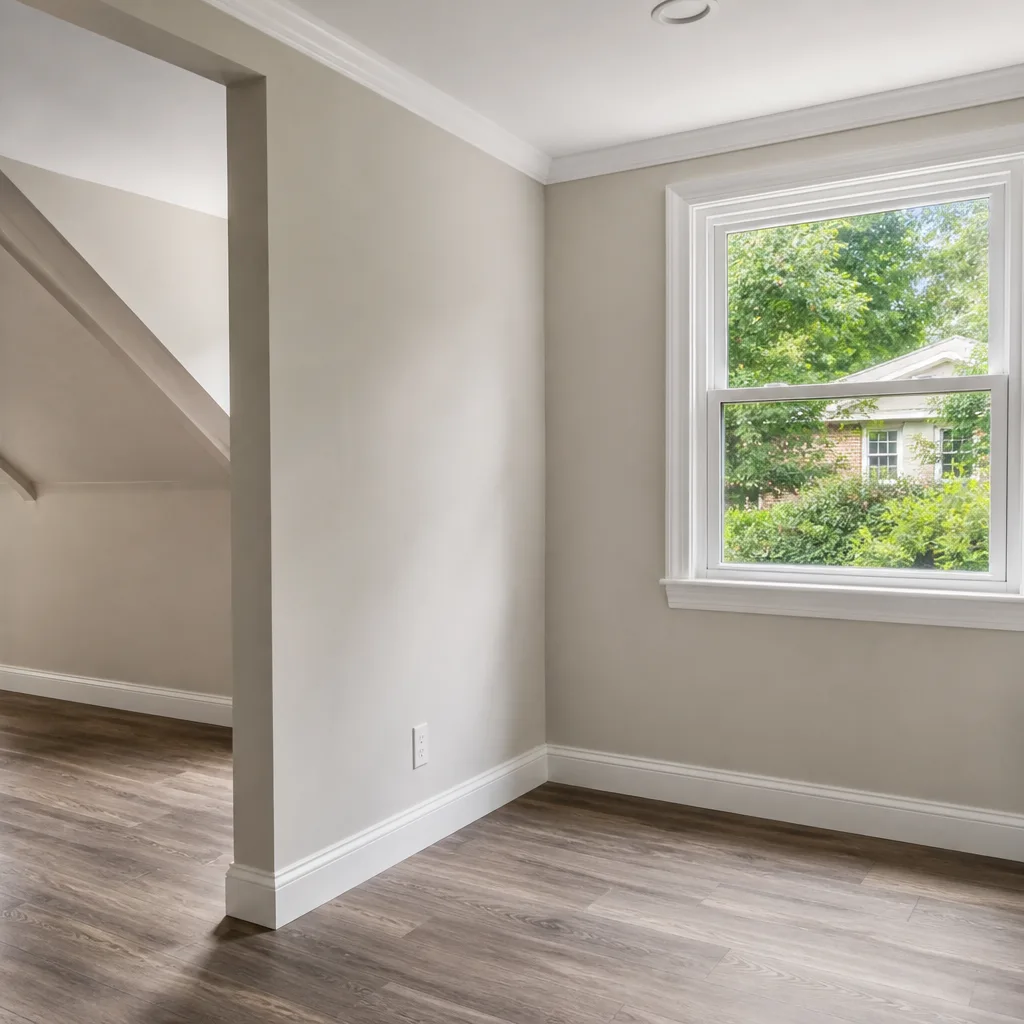
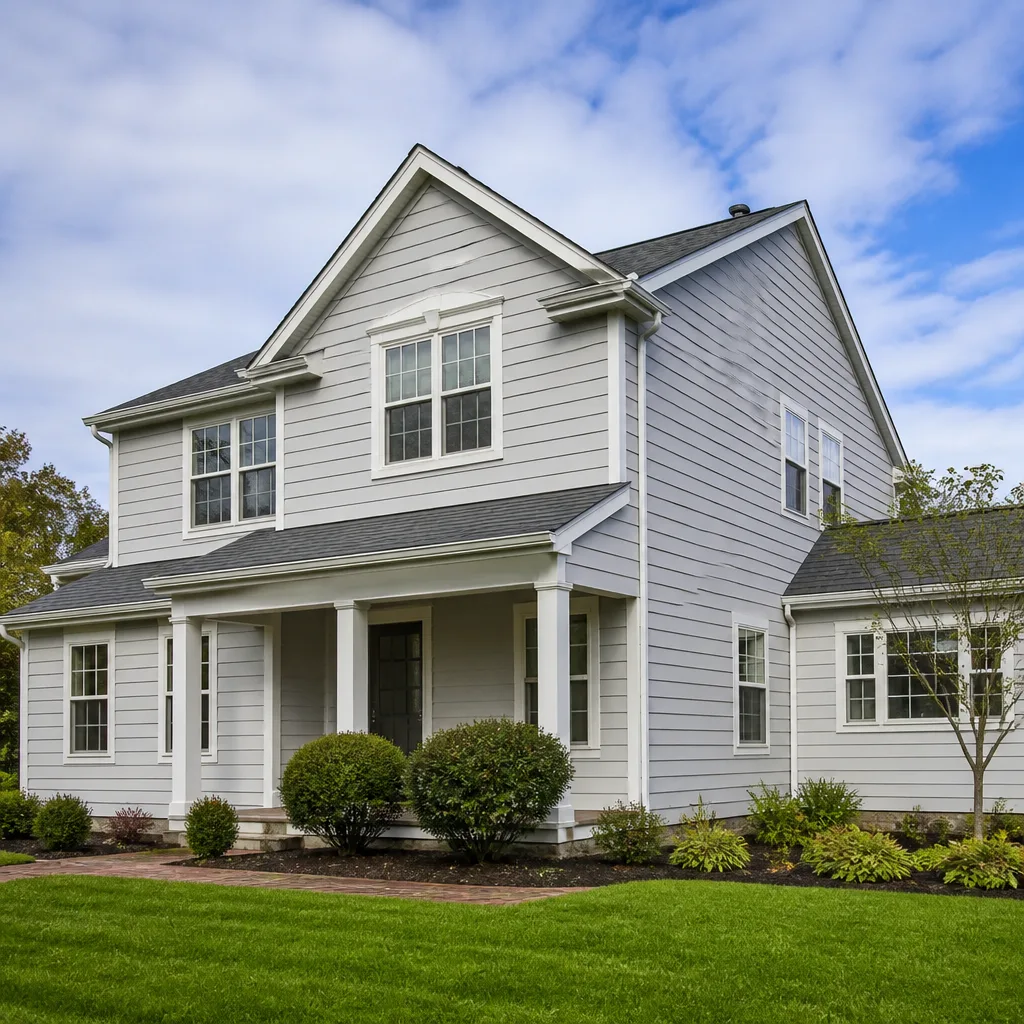
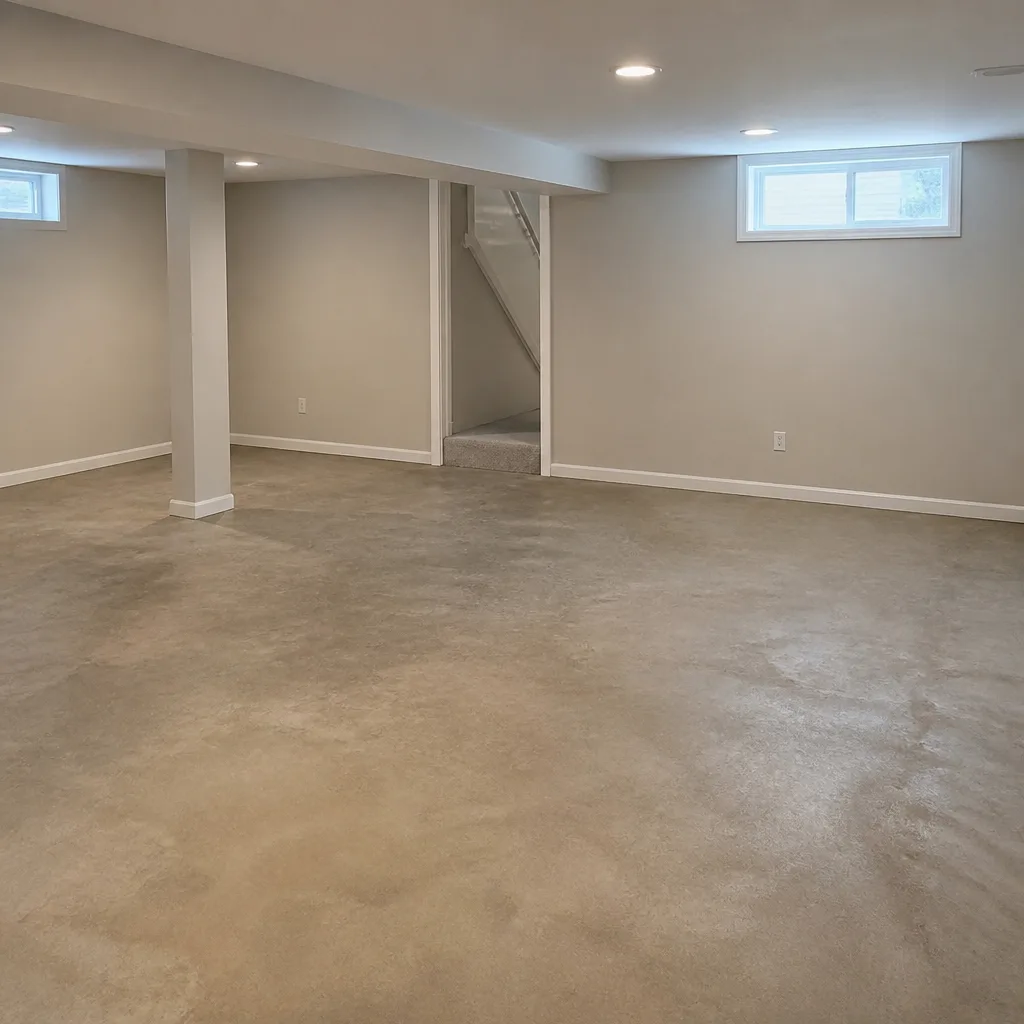

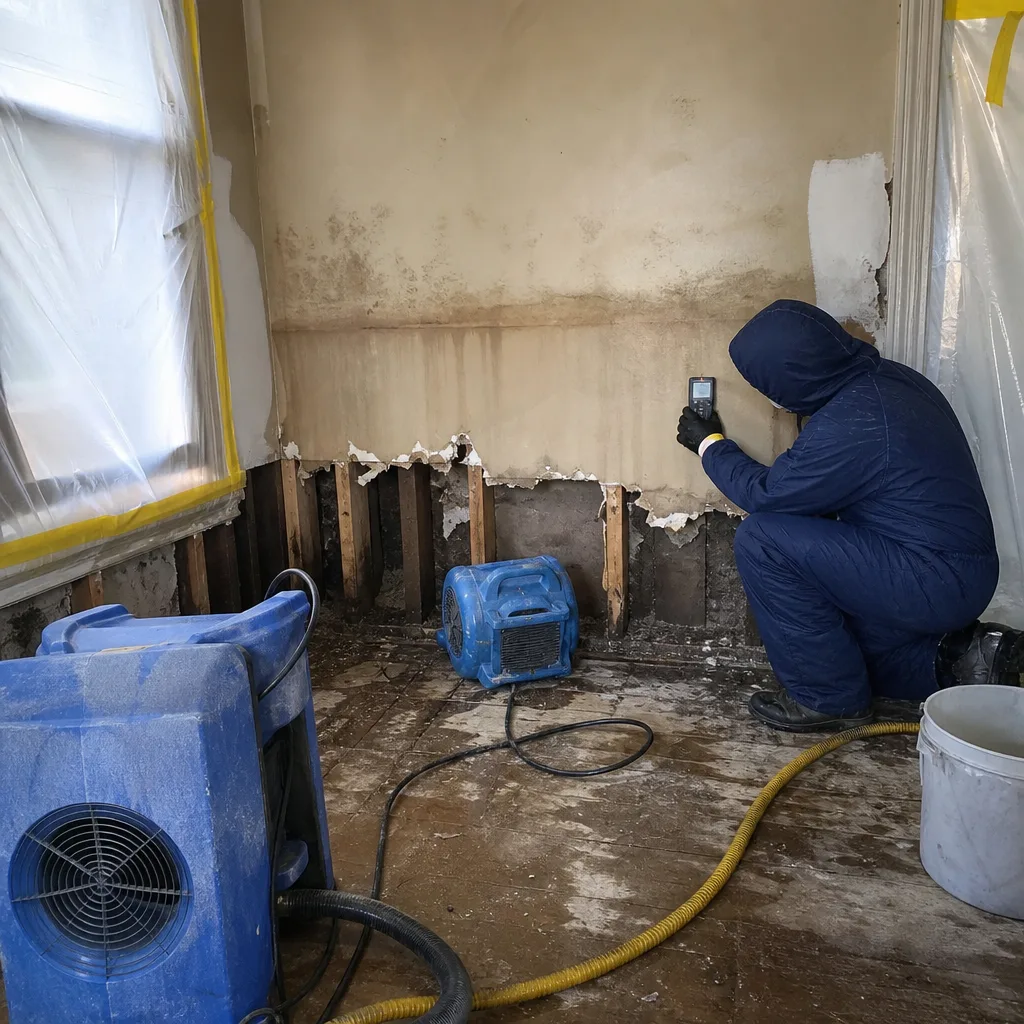 Before
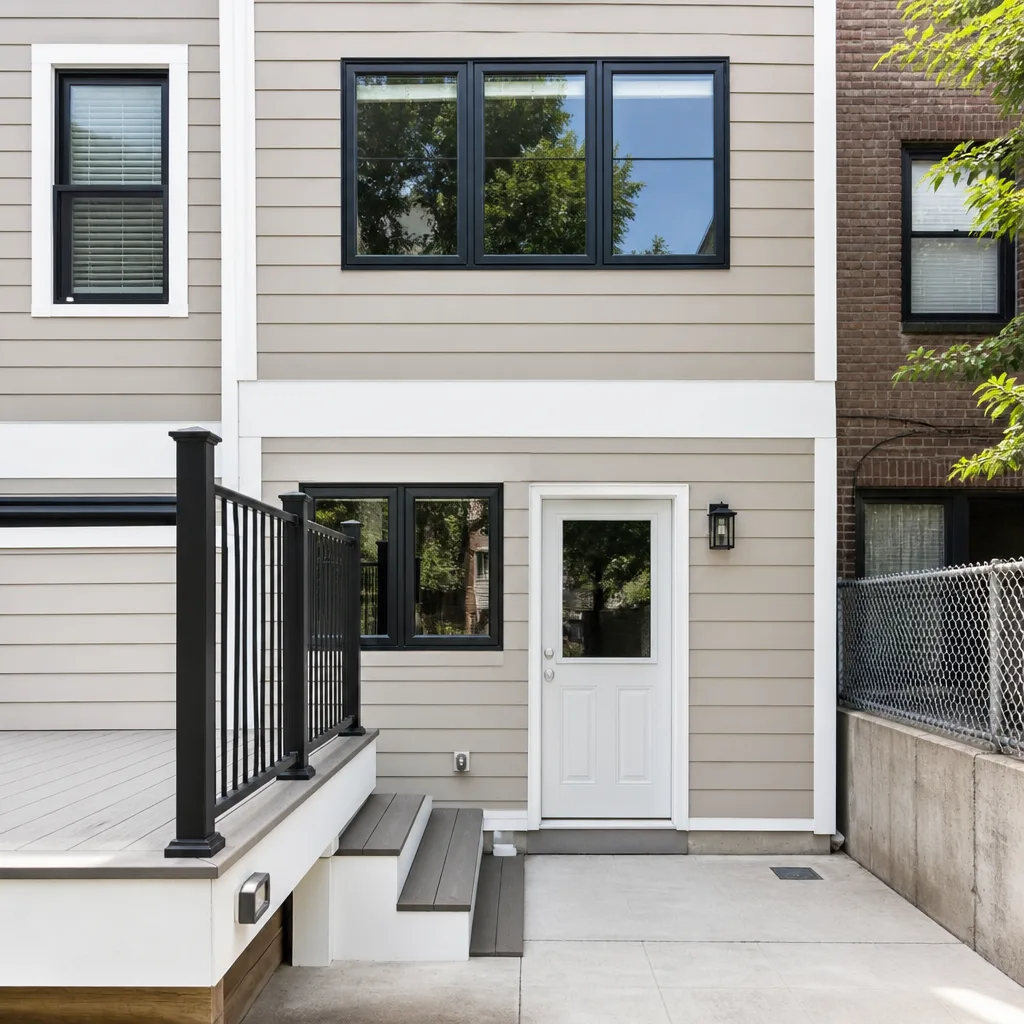 After
After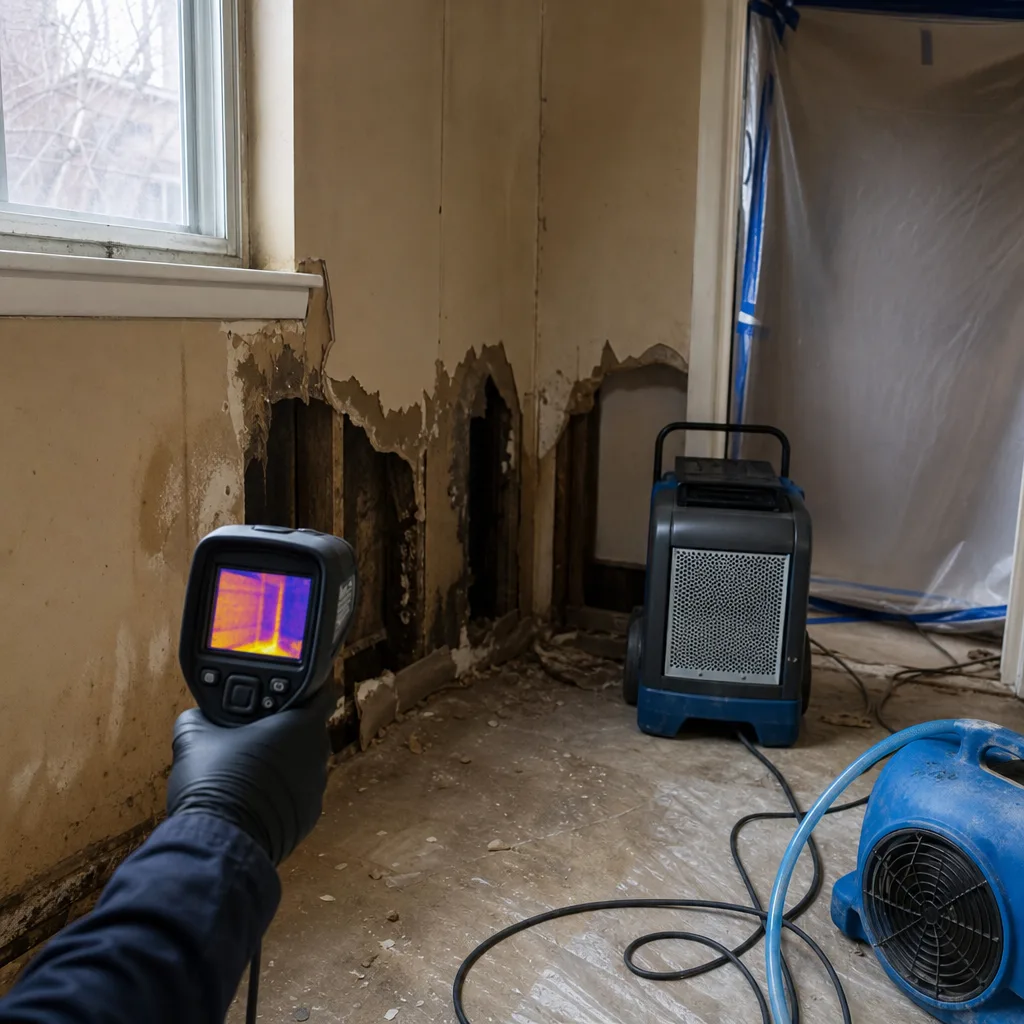 Before
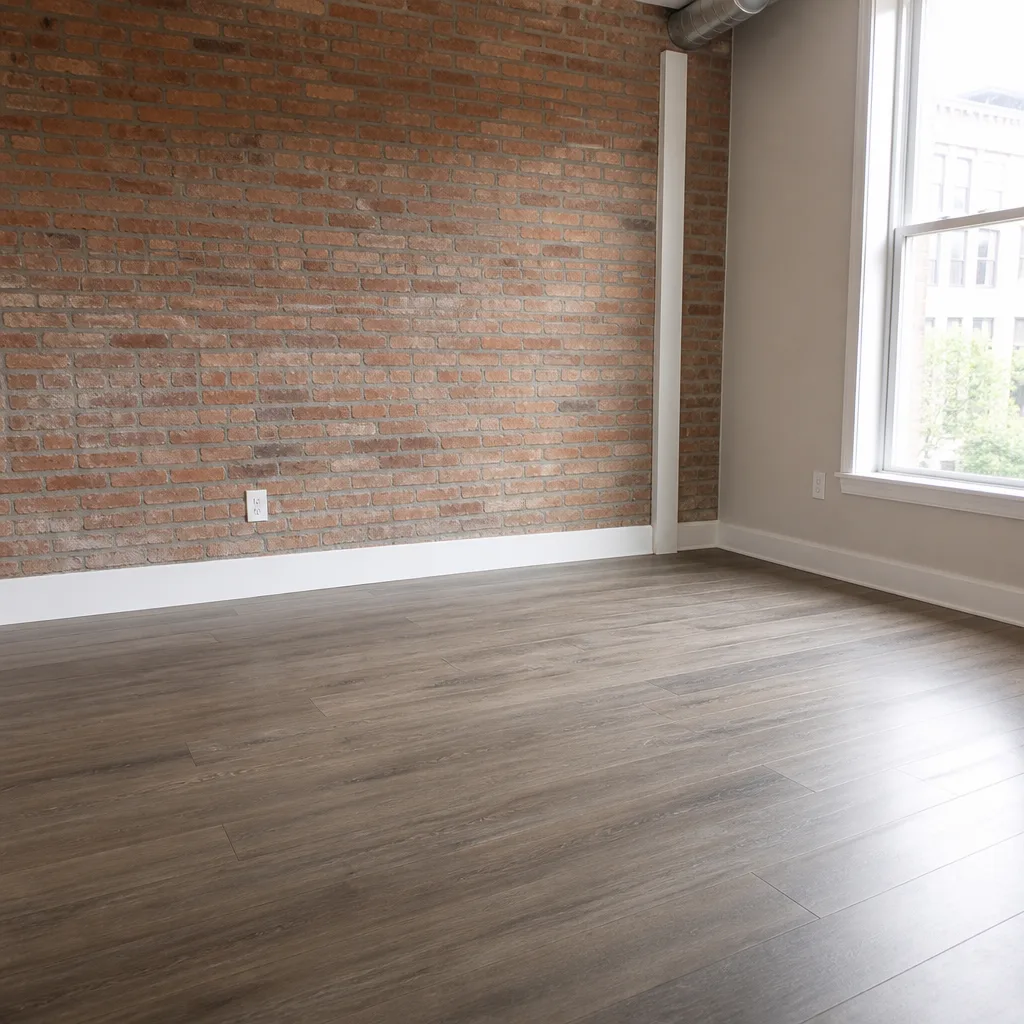 After
After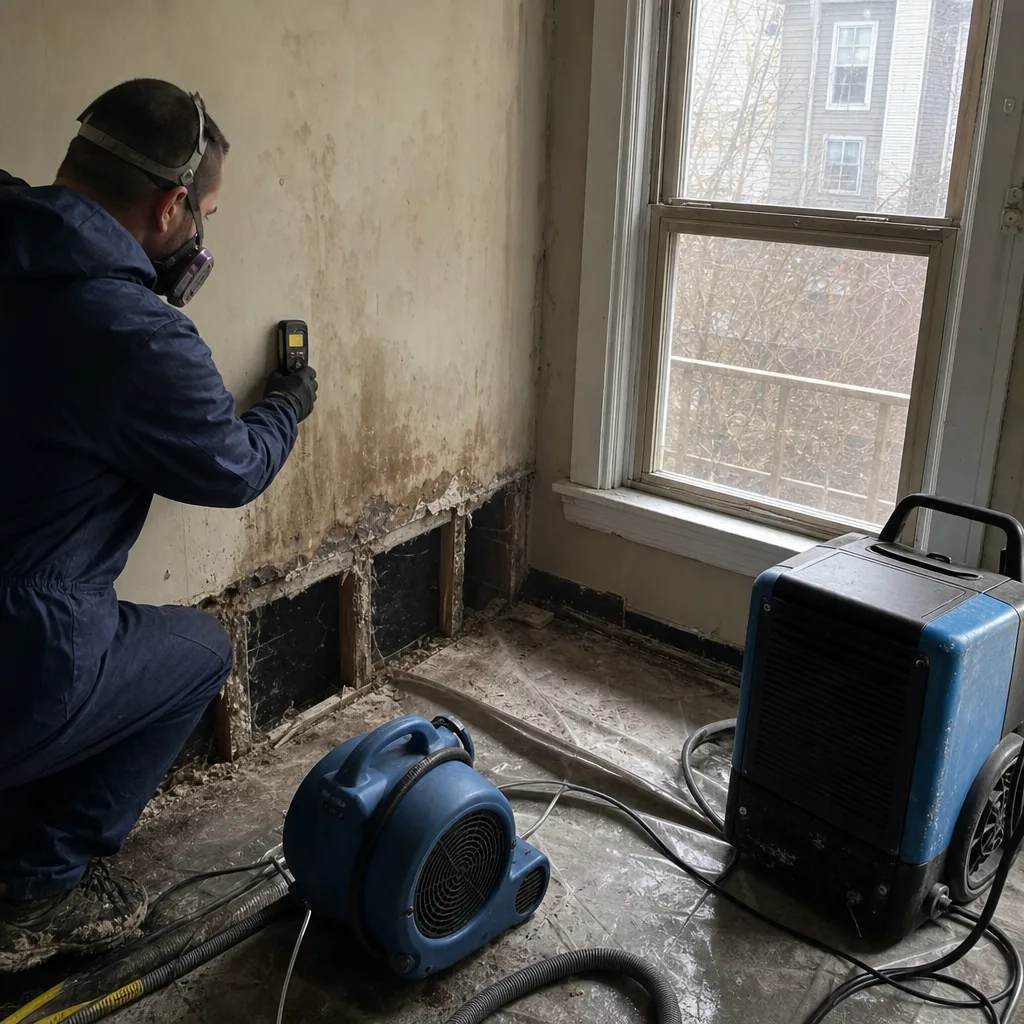 Before
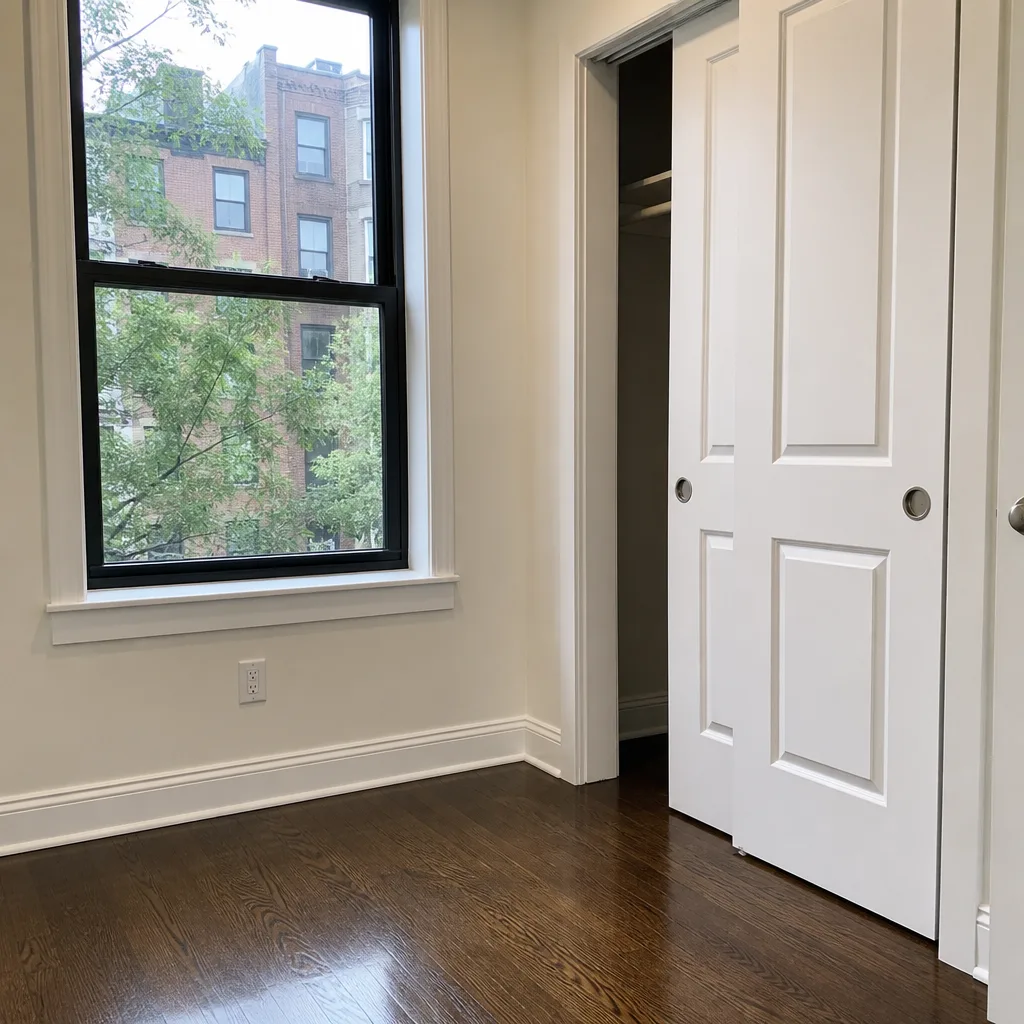 After
After24/7 Emergency Sewage Cleanup in Midtown Manhattan
Sewage cleanup in Midtown Manhattan is not a mop-and-bucket job. A ruptured drain stack, failed condensate line, or backed-up toilet line sends Category 3 black water through wall cavities, floor plates, and elevator shafts, and everything it touches becomes a health hazard. We answer live at (640) 500-3278 around the clock, every day of the year. A certified Floodline Restoration Co. crew is dispatched immediately, reaches most Midtown Manhattan buildings inside 45 minutes, and begins black water extraction on the first visit. The first hour determines how many floors, units, and tenants are affected, and the faster extraction starts, the smaller the claim and the shorter the rebuild.
Understanding Sewage Cleanup Severity in Midtown Manhattan Properties
The restoration industry classifies water in three categories, and sewage is always Category 3: grossly contaminated, carrying pathogens, bacteria, and whatever the building’s occupants flushed. In Midtown Manhattan’s pre-war office towers, hotels, and mixed-use high-rises, the building systems carrying that water are commonly original cast-iron drain stacks and steam-era mechanical infrastructure hidden behind modern finishes. When a 4-inch cast-iron waste stack from the 1930s lets go on the 22nd floor, Category 3 water does not pool in a basement. It runs down chases, through hollow-core concrete floor slabs, and into elevator shafts serving 30 floors below. Moisture mapping in these buildings is a structural exercise, not a surface one: thermal imaging reads the slab, hygrometers measure the cavity air, and the drying plan accounts for spray-applied fireproofing on structural steel that soaked through. This is where the job stops being sewage cleanup and becomes a multi-trade restoration event.
Why Midtown Manhattan Property Owners Choose Floodline Restoration Co.
- 45-minute response commitment. Our live dispatcher sends a certified crew from our New York City office straight to your Midtown Manhattan building, and extraction is running the same visit in most cases.
- 24/7 live answer. A real person picks up at 2 a.m., not a recording. Every call gets a crew, not a callback.
- IICRC-certified crews. Our technicians hold WRT, FSRT, and AMRT certifications, so we know what Category 3 water does to plaster, concrete, and steel in older buildings.
- Free visual inspection. Before any work starts, we walk the site, map the moisture, and give you a written scope. No charge, no obligation.
- Direct insurance billing. We photograph everything, document everything, talk to your adjuster directly, and bill the carrier. You never play messenger.
- One team from extraction to reconstruction. The same Floodline Restoration Co. crew handles the sewage, the drying, the sanitization, and the rebuild. No mid-job handoff, no inherited crew.
Our Sewage Cleanup Process
Inspection & Assessment
We locate the source of the sewage, identify what Category 3 water has touched, and set a containment boundary. In Midtown Manhattan high-rises, this often means mapping contamination across multiple floors before a single wall is opened.
Extraction & Stabilization
Black water comes out with truck-mounted extraction units and submersible pumps. We stop the spread fast, because every hour Category 3 water sits in a hollow-core slab, it migrates further through the building.
Drying & Dehumidification
Dri-Eaz dehumidifiers, XPOWER air movers, and Phoenix equipment run continuously to pull moisture from wall cavities, floor plates, and structural framing. Daily readings are logged and shared with you and your carrier.
Cleaning & Sanitization
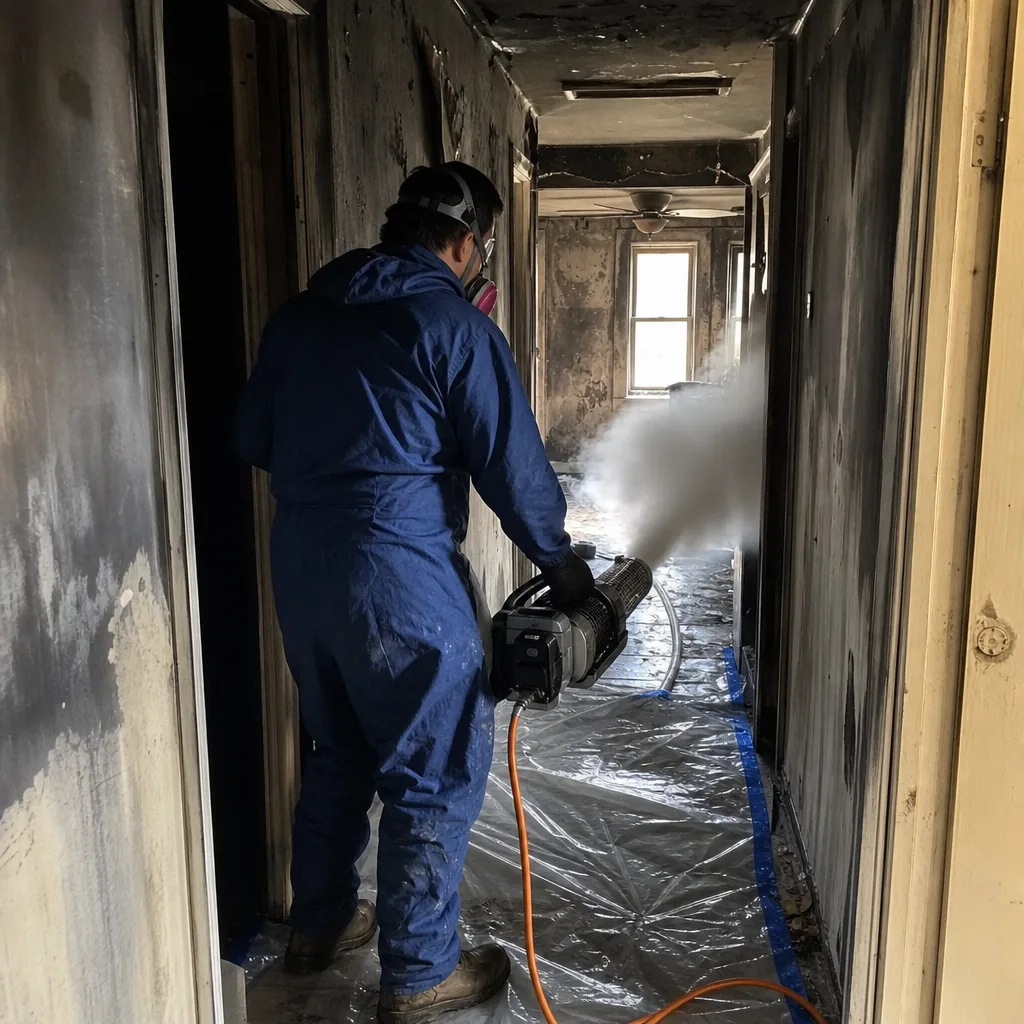
Contaminated surfaces are cleaned and disinfected with EPA-registered antimicrobials. Porous materials that soaked sewage are removed and documented; salvageable materials are treated.
Asbestos & Abatement Coordination
In pre-1980 Midtown Manhattan buildings, we coordinate with licensed abatement contractors for mandatory NYC DEP asbestos surveys before opening wall cavities or removing saturated fireproofing.
Repairs & Restoration
After the dry standard is met, we rebuild what needed removing: drywall, insulation, flooring, or ceilings. The job ends with a moisture log and our 90-Day Done Right Promise in your hands.
Need Emergency Sewage Cleanup in Midtown Manhattan Now?
Crews minutes away, answering live 24 hours a day. The sooner we start, the less it costs.
Working With Your Insurance Company
Sewage backup claims in Midtown Manhattan buildings are rarely simple. A single failed waste stack can produce a loss involving multiple tenants, multiple insurance carriers, and a building owner’s policy layered on top. We document from the first hour: photos of every affected room and floor, moisture readings before and during drying, and a line-item scope of work that your adjuster can read without a translator. Our team communicates directly with the carrier, answers their questions, and submits industry-standard estimates. You get a written scope before work starts, and we bill the insurance company directly. No surprise invoices dropped on your desk six weeks later.
What We Provide Your Insurer
- Thorough documentation of the loss
- Photos of all damage, room by room
- Moisture readings and drying logs
- A detailed, line-item scope of work
- Direct coordination with your carrier
Built for Midtown Manhattan’s Loss Calendar
Midtown Manhattan’s sewage losses follow a seasonal pattern that anyone who has managed a pre-war building for a decade can predict. January deep freezes push aging cast-iron waste stacks and supply lines past their tolerances, and the first warm thaw reveals the cracks. Spring and summer convective storms overwhelm the flat-roof HVAC equipment fields and internal roof drains common on high-rises, sending water down elevator shafts and into the same chases that carry sewage lines. Nor’easter season drives wind-driven rain into parapet flashings and curtain-wall joints on towers built between the 1920s and 1950s. And all year, the real wildcard is the Con Edison district steam loop: when an internal condensate return line corrodes and fails, superheated Category 3 water spreads across wide-open office floor plates and soaks the spray-applied fireproofing on structural steel. That is not a seasonal event. That is a Midtown Manhattan event.
Sewage Cleanup Across Midtown Manhattan’s Neighborhoods
Response routes through Midtown Manhattan read like a study in building types. Around the Garment District, we see older loft buildings with original waste stacks running vertically through floor plates, so a backup on the 9th floor announces itself in the showroom on the 4th. Over in Herald Square, the mix of 1920s office towers and modern retail means our crews work around active storefronts at street level while drying floors above. Turtle Bay’s residential co-ops and pre-war high-rises often have original cast-iron stacks that were never designed for modern plumbing loads. Near Bryant Park and along Fifth Avenue, Class A office buildings bring a different challenge: occupied space above and below the loss, so containment and negative air pressure become part of the job from hour one. And in the theater district west of Times Square, scheduling work around performance calendars and building access rules is half the job before extraction even starts. Our Sewage Cleanup team knows these buildings because we work in them weekly.
Specialized Sewage Cleanup Services We Offer in Midtown Manhattan
Sewage Backup Cleanup
A sewer line backing up into a Midtown Manhattan building is what we handle most. We extract the black water, contain the affected floors, and begin drying immediately. In a pre-war tower, that often means coordinating with the building’s super and abatement contractor before we open the first wall.
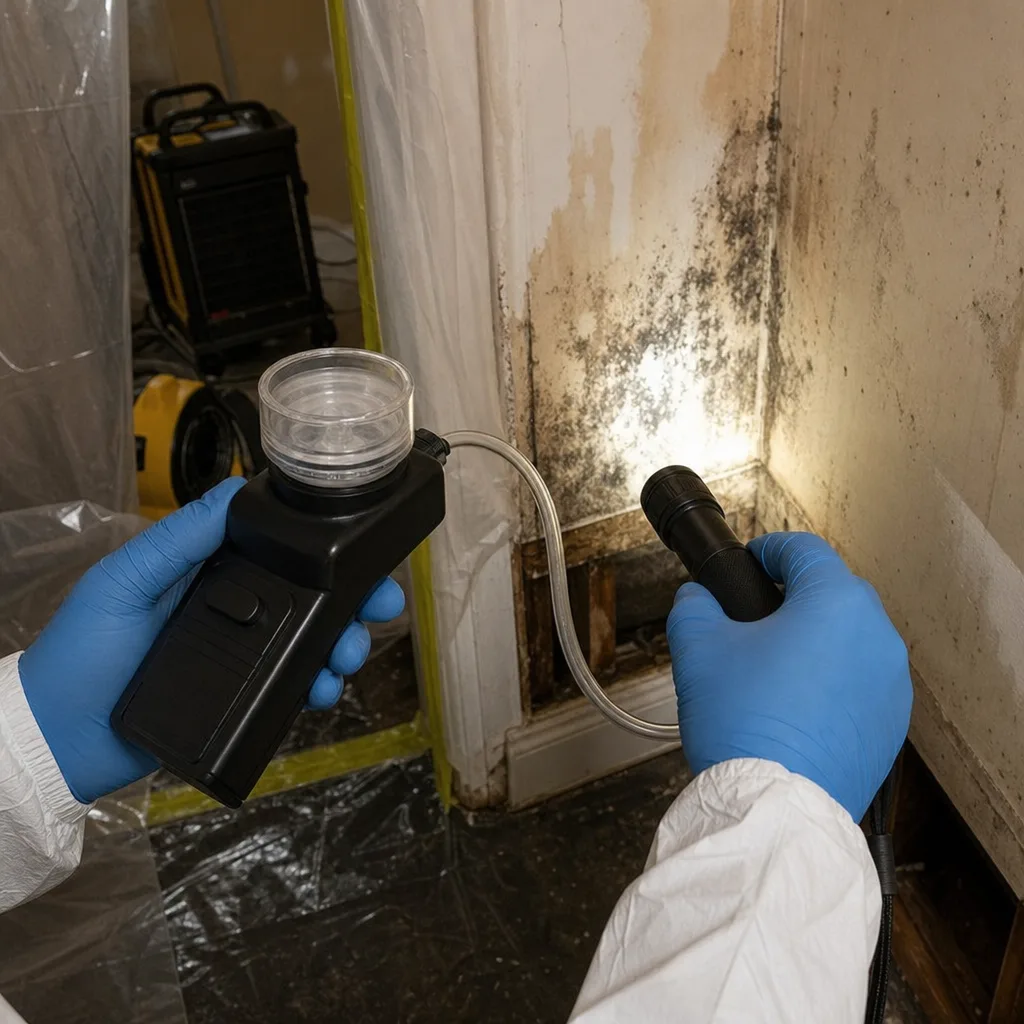
Black Water Extraction
Black water is the industry term for sewage-contaminated water, and it moves fast through hollow-core concrete floors and vertical chases. Our Dri-Eaz truck mounts and submersible pumps pull it out quickly, because every hour it sits, the slab absorbs more. In Midtown Manhattan, a slab that is not dried properly becomes a mold problem behind brand-new drywall six months later.
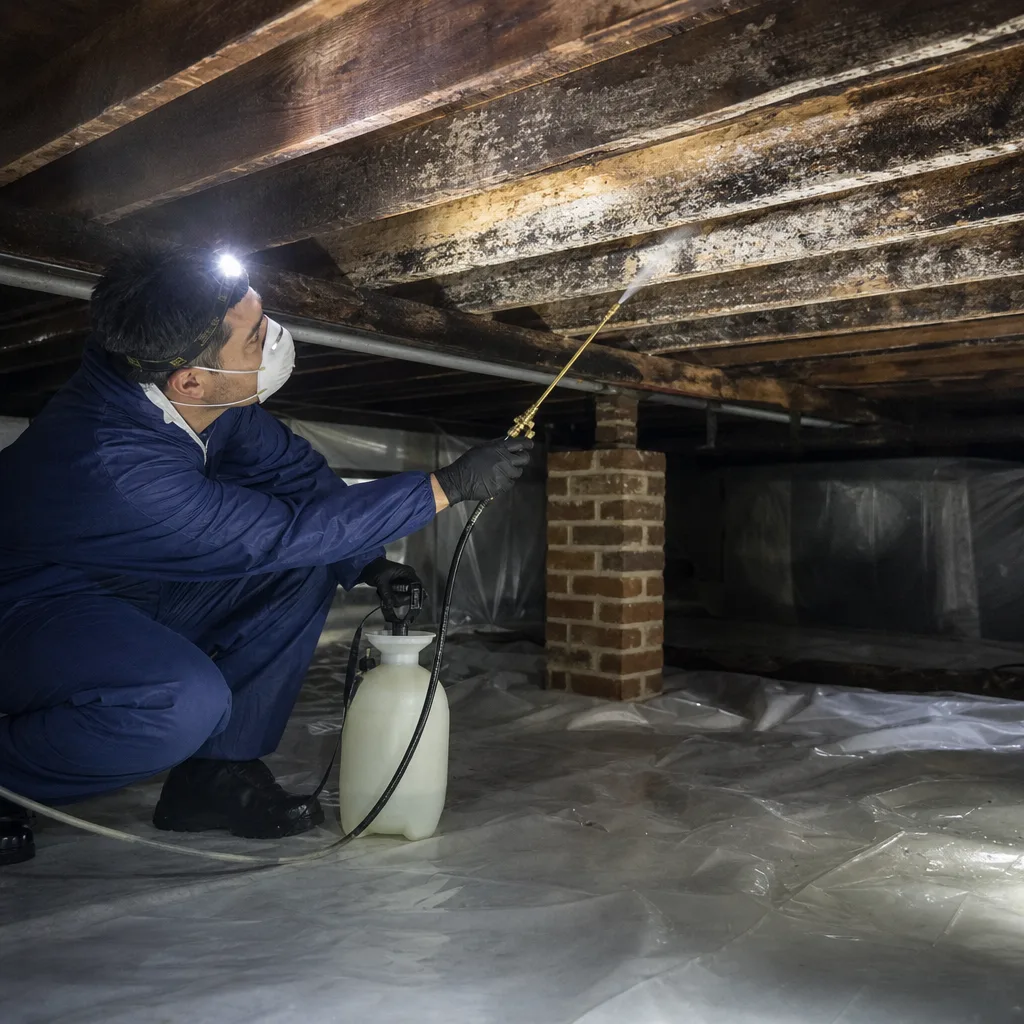
Sanitization & Disinfection
After extraction, the surfaces that survived need treatment. We apply EPA-registered antimicrobials, run HEPA air scrubbers, and test until the space is safe to occupy. In buildings with post-1980 construction, this can move quickly. In pre-war buildings, the abatement trigger slows everything, and we plan for it from the first call.
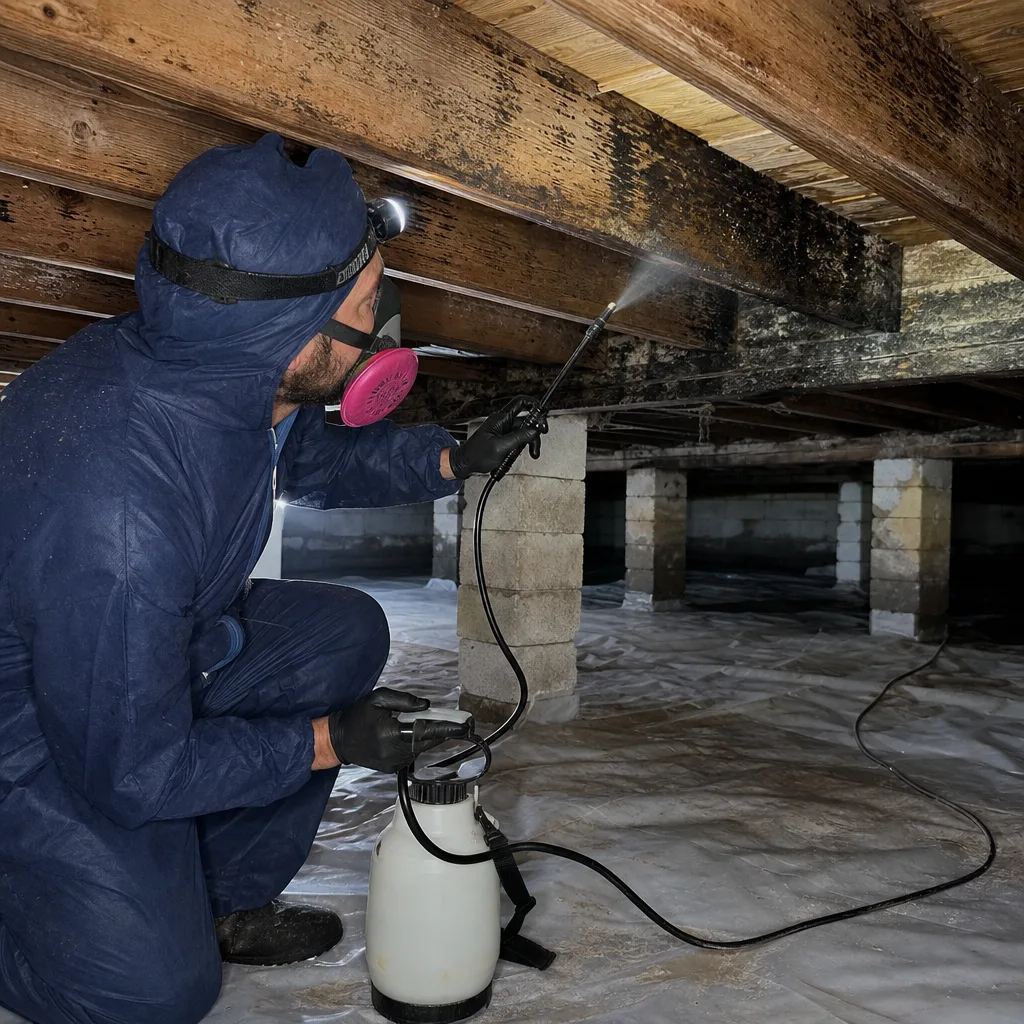
Toilet Overflow Cleanup
A toilet overflow on the 18th floor of a Midtown Manhattan office tower is not a bathroom problem. It is a floor-plate problem. We extract from the source, map the moisture through the slab, and dry the cavity before the ceiling below shows a stain.
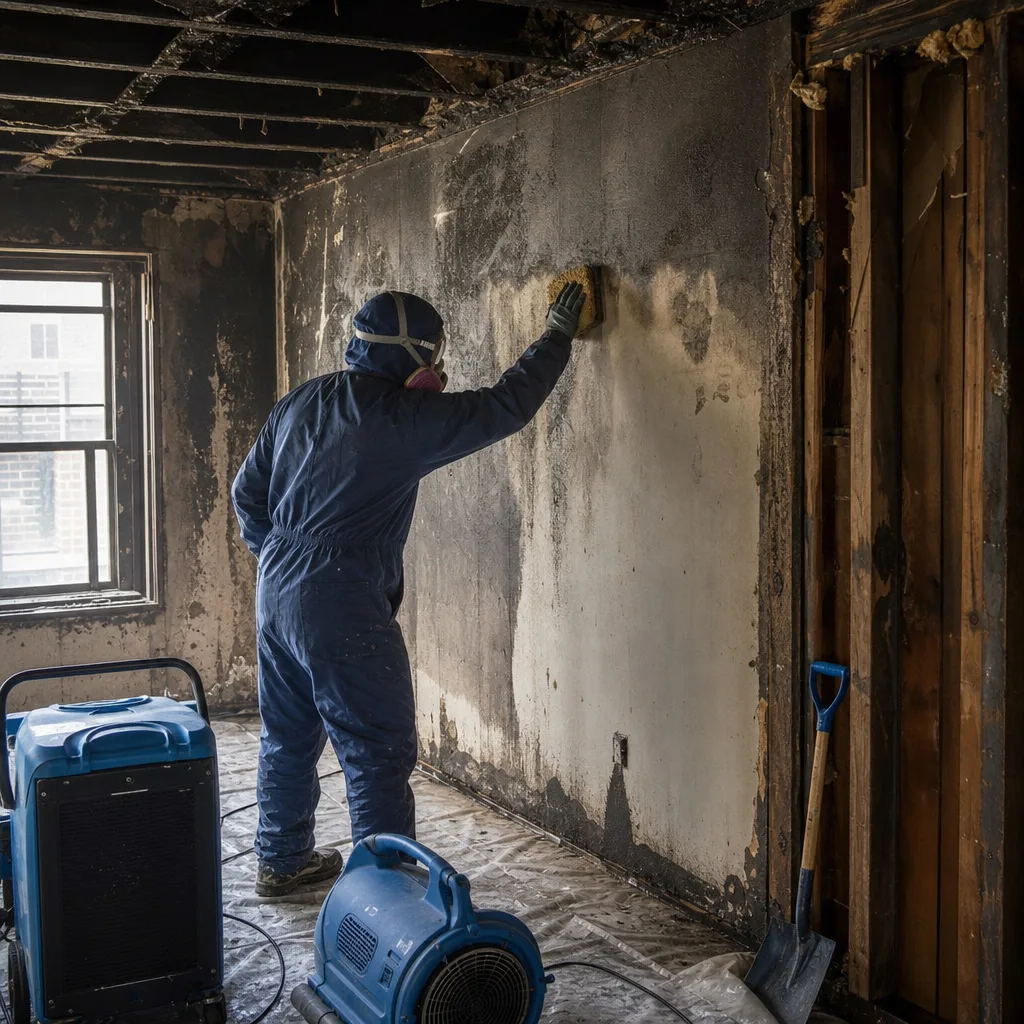
Septic Failure Cleanup
Most of Midtown Manhattan is on municipal sewer, but older buildings with legacy holding tanks or private laterals still fail. When they do, the sewage backs up into mechanical rooms and basement levels. We handle extraction, sanitization, and the coordination with your plumber to stop the source.
What happens when you call
- 1
A real person answersNo phone trees - you reach a local pro.
- 2
You get an upfront price rangeHonest numbers before anyone is dispatched.
- 3
A background-checked tech heads outLicensed & insured, dispatched right away.
- 4
You approve before work beginsNothing starts until you say go.
Sewage Cleanup Costs in Midtown Manhattan, NY
Sewage cleanup in Midtown Manhattan runs higher than most markets because the buildings are taller, older, and more regulated. A contained single-floor toilet overflow in a small co-op might run $1,800 to $3,500. A ruptured cast-iron stack that sends Category 3 water through 10 or more floors in a pre-war office tower commonly runs $18,000 to $45,000 before reconstruction. The variables that move the price: how many floors are affected, whether the building is pre-1980 and triggers the NYC DEP asbestos survey, whether we can position extraction equipment quickly given street permits and freight elevators, and how much saturated material needs removal. Insurance typically covers sewage backup from a sudden event; slow leaks and long-standing failures are trickier. The free visual inspection gives you a firm line-item scope, so you know the number before you sign anything.
We Also Serve Cities Near Midtown Manhattan
Our crews respond throughout the surrounding areas, including Sewage Cleanup in Midtown Manhattan and nearby Washington Square, Lower Manhattan, Midtown West, and Murray Hill. If your building sits just outside Midtown Manhattan proper, call (640) 500-3278 and we will confirm response time.
Midtown Manhattan Sewage Cleanup Questions, Answered
Why does sewage cleanup inside a Midtown pre-war high-rise always involve an asbestos survey?
Because pre-1980 Midtown Manhattan buildings commonly contain asbestos in spray-applied fireproofing on structural steel, in transite duct systems, and in older plaster. NYC DEP requires an asbestos survey before any demolition, drilling, or wall-cavity opening can legally begin. That is a regulatory fact, not a preference, and it adds 3 to 5 days to most projects. Call (640) 500-3278 and we will explain exactly how the survey affects your timeline.
Can we still dry a floor plate in a Midtown building if the sewage contaminated the hollow-core concrete slab?
Yes. Hollow-core concrete slabs can be dried, but they require a different approach than stick-frame floors: longer drying cycles, daily moisture readings from the underside, and often injection drying through the slab with Injectidry systems. We log every reading and share the data with your carrier. For a specific drying plan on your floor plate, call (640) 500-3278.
What does a ruptured standpipe on the 30th floor mean for sewage cleanup on the floors below?
It means the contamination path follows gravity: water runs down chases, elevator shafts, and column lines, and every floor it touches needs inspection, containment if affected, and moisture mapping. In a 30-floor Midtown tower, that is not one loss, it is potentially dozens of losses stacked vertically. Our team maps the full vertical path on day one. Call (640) 500-3278 for a multi-floor assessment.
Why do you need access to the building’s freight elevator for a toilet overflow cleanup in a Midtown office tower?
Because Dri-Eaz truck-mounted extraction units, commercial dehumidifiers, and air movers do not ride in the passenger elevator alongside tenants. Midtown buildings also schedule freight elevator time in advance, and street permits for our truck-mounted unit take coordination with the building manager. We handle that scheduling as part of the job. Call (640) 500-3278 and we will coordinate access with your building.
How do you handle sewage spills on the same floor as occupied office space in a Midtown Class A building?
We set containment first: plastic sheeting, negative air pressure, and HEPA filtration to keep contaminated air out of occupied areas. Then we extract. Then we sanitize. Tenants on the same floor typically stay in place during a contained response if the contamination path is limited, but every building has its own protocols. We work with building management from hour one. Call (640) 500-3278 for a site-specific answer.
How fast can someone actually get here for sewage cleanup in Midtown Manhattan?
Our commitment is 45 minutes for dispatch to Midtown Manhattan buildings. A live dispatcher answers at (640) 500-3278, and a certified crew reaches most addresses inside that window. We do not put you on a callback list.
Will insurance cover sewage backup cleanup in a Midtown Manhattan co-op or office building?
Usually yes, if the event was sudden and accidental. A ruptured waste stack, a failed condensate line, or a sudden sewer backup is typically covered under the property policy or a sewage backup endorsement. Gradual leaks and long-standing corrosion are often disputed. We document thoroughly, write industry-standard scopes, and talk directly with your adjuster to advocate for coverage. Estimates are free. Call (640) 500-3278.
Do I really need full sewage remediation, or just a cleaning?
If Category 3 water touched porous materials like drywall, insulation, carpet, or ceiling tile, those materials must be removed and replaced, not just cleaned. Non-porous surfaces can be sanitized, but anything that absorbed the water is a contamination source. In Midtown Manhattan buildings, this question usually has a factual answer once we map the moisture. The free visual inspection gives you that answer with no obligation. Call (640) 500-3278.
Serving Midtown Manhattan, NY - Our Local Coverage Area
We’re based in the Midtown Manhattan area and know this community well. Use the map below to see our service coverage - if you’re nearby, we can almost certainly help.
Call Floodline Restoration Co. for Sewage Cleanup in Midtown Manhattan
A live dispatcher answers at (640) 500-3278, 24 hours a day, every day. Free visual inspection. Direct insurance billing. The 90-Day Done Right Promise, in writing.
Written by Curt Bowman, Owner at Floodline Restoration Co., serving Midtown Manhattan and the surrounding New York City area.