
Free visual inspection and a written scope of work before any mitigation begins - photos, moisture readings, and drying logs go in your claim file
The scope we write is the scope we bill. Anything new gets shown to you, in writing, before we touch it.
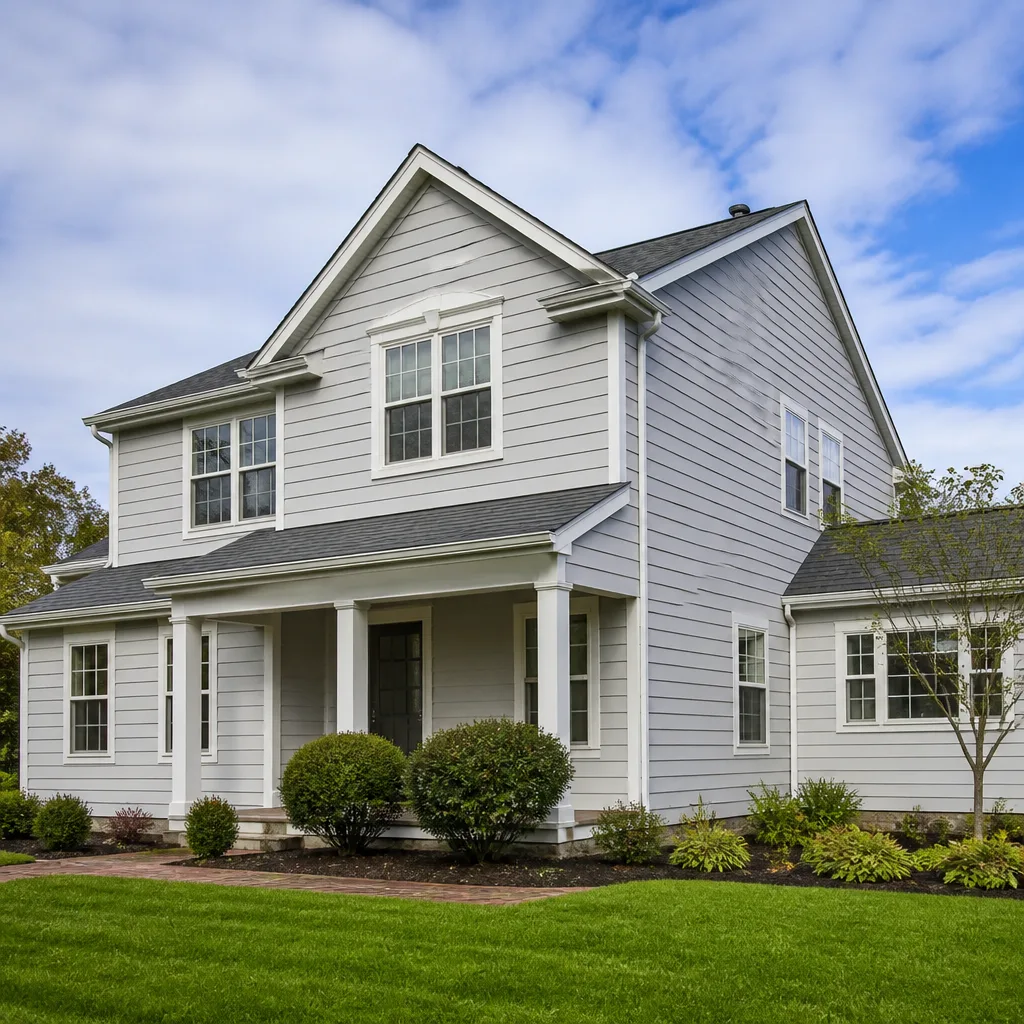
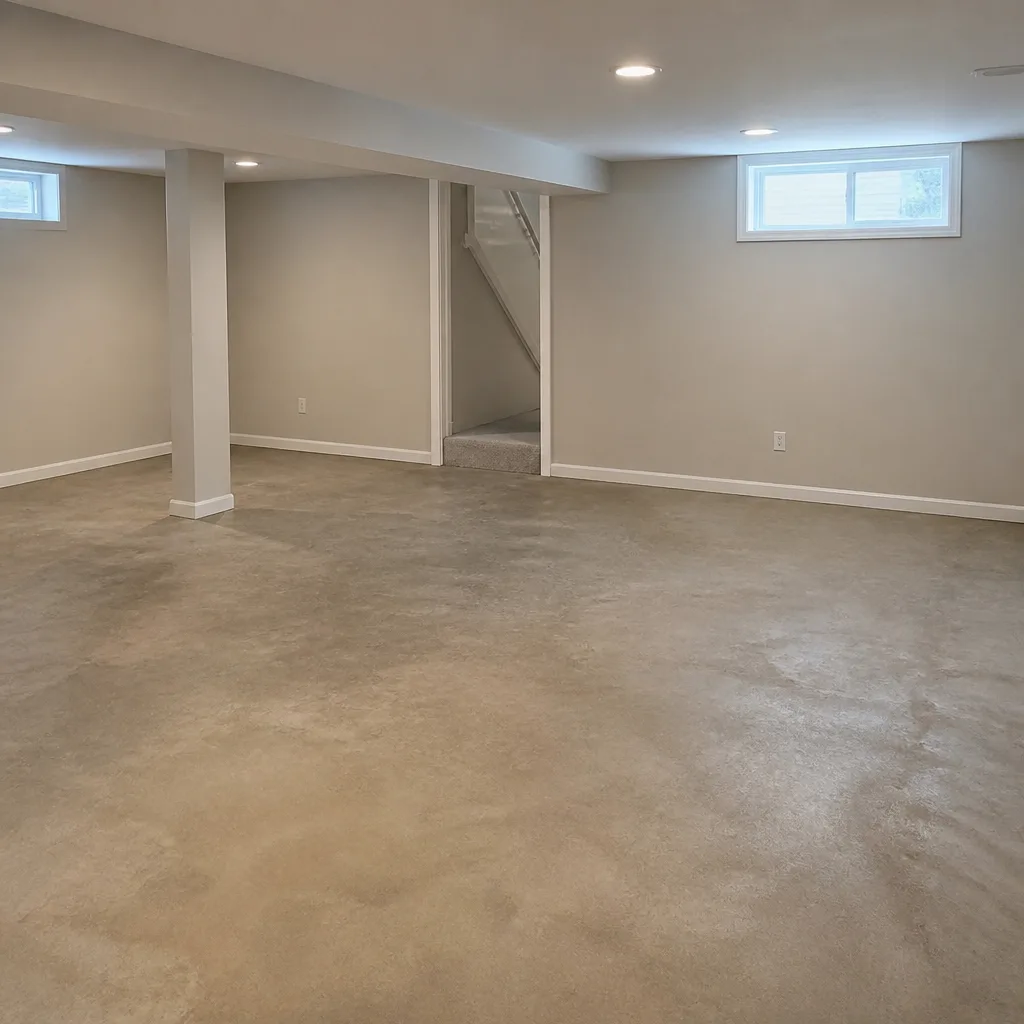

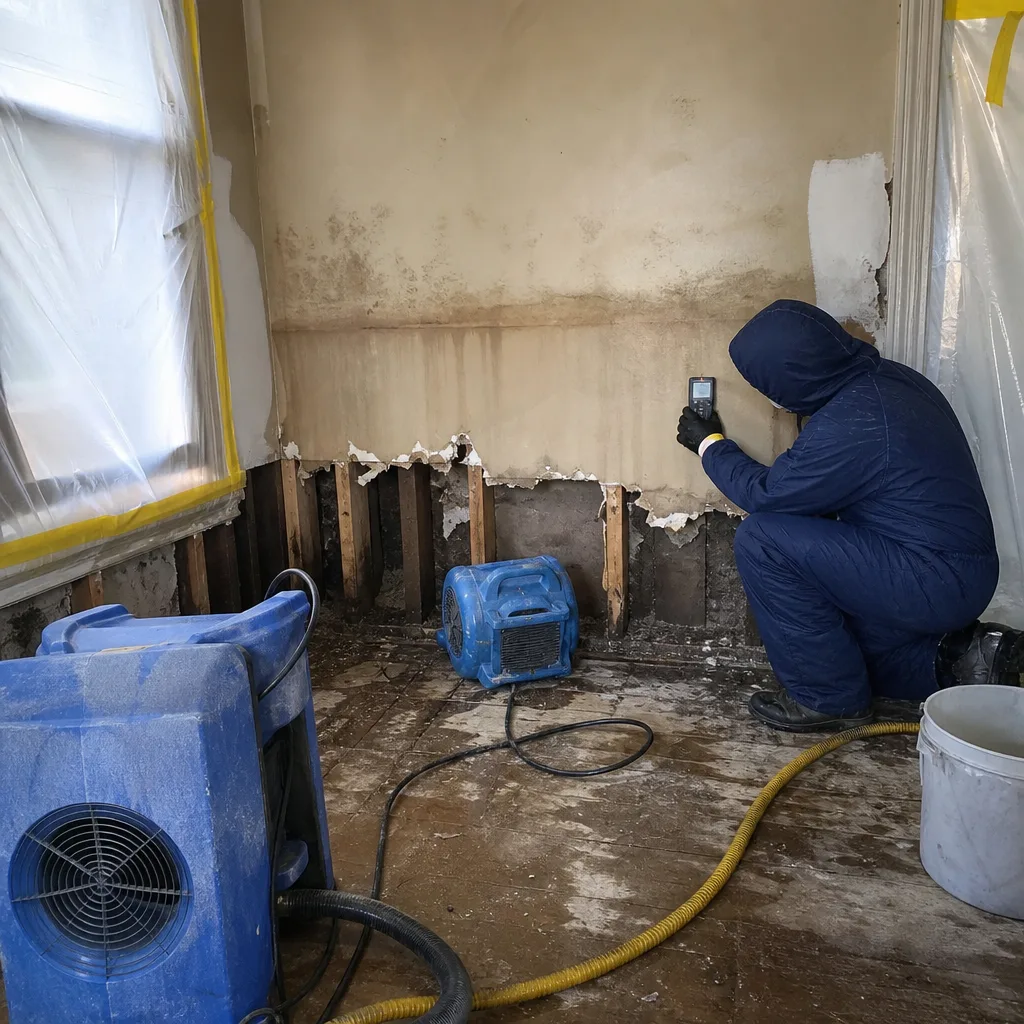 Before
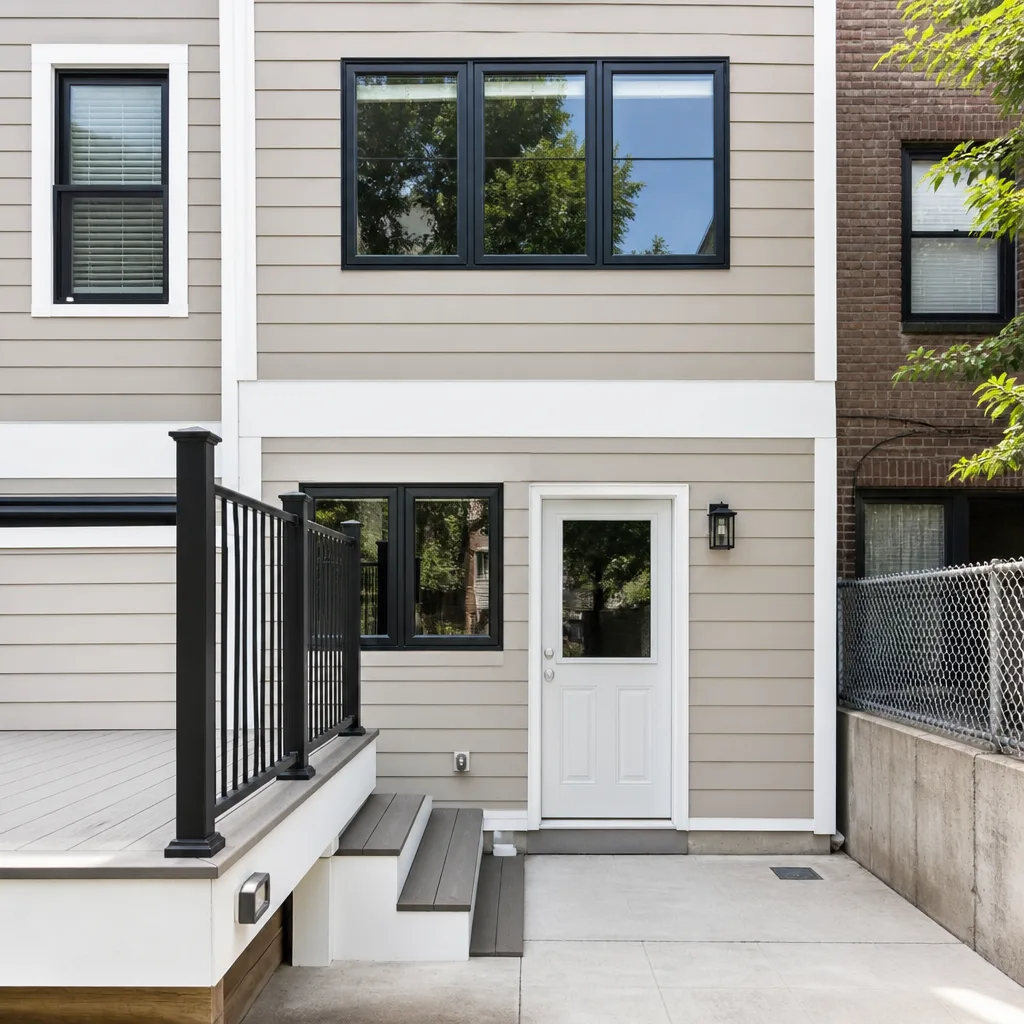 After
After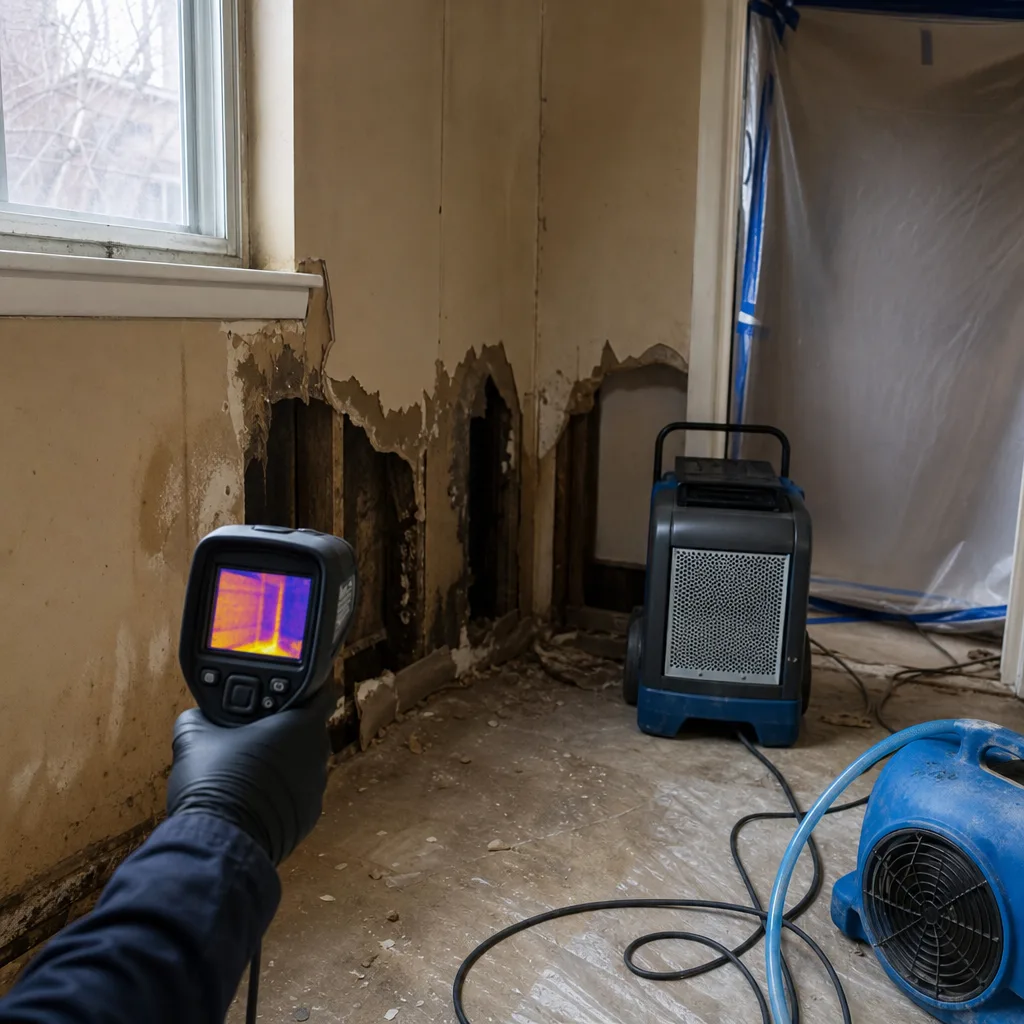 Before
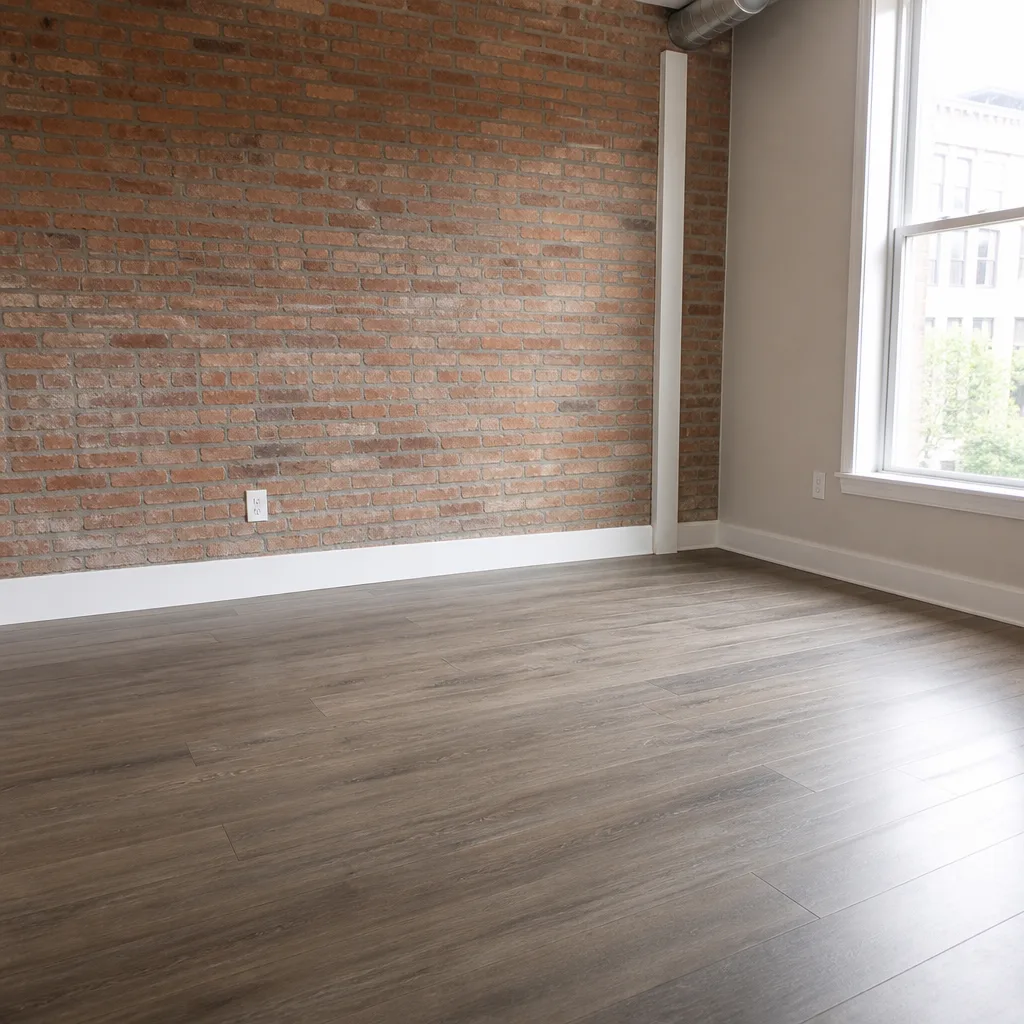 After
After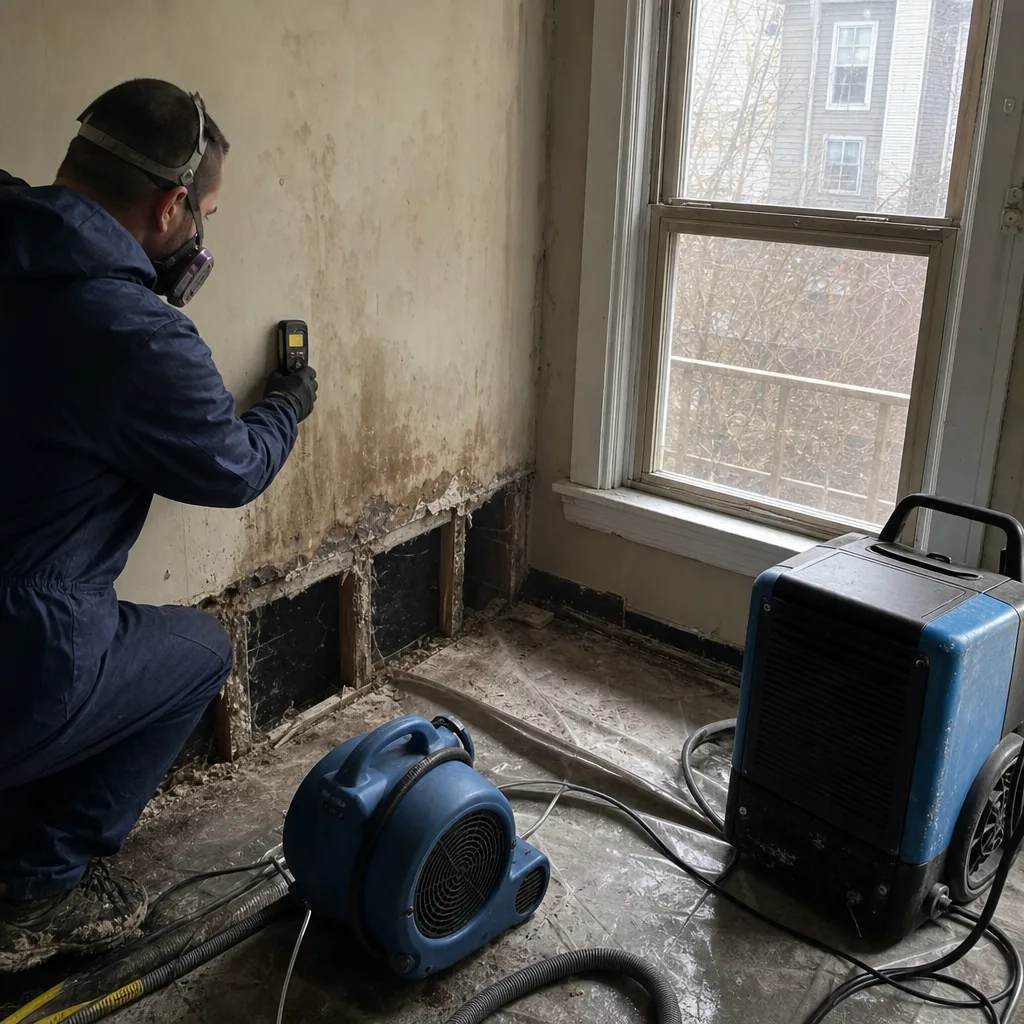 Before
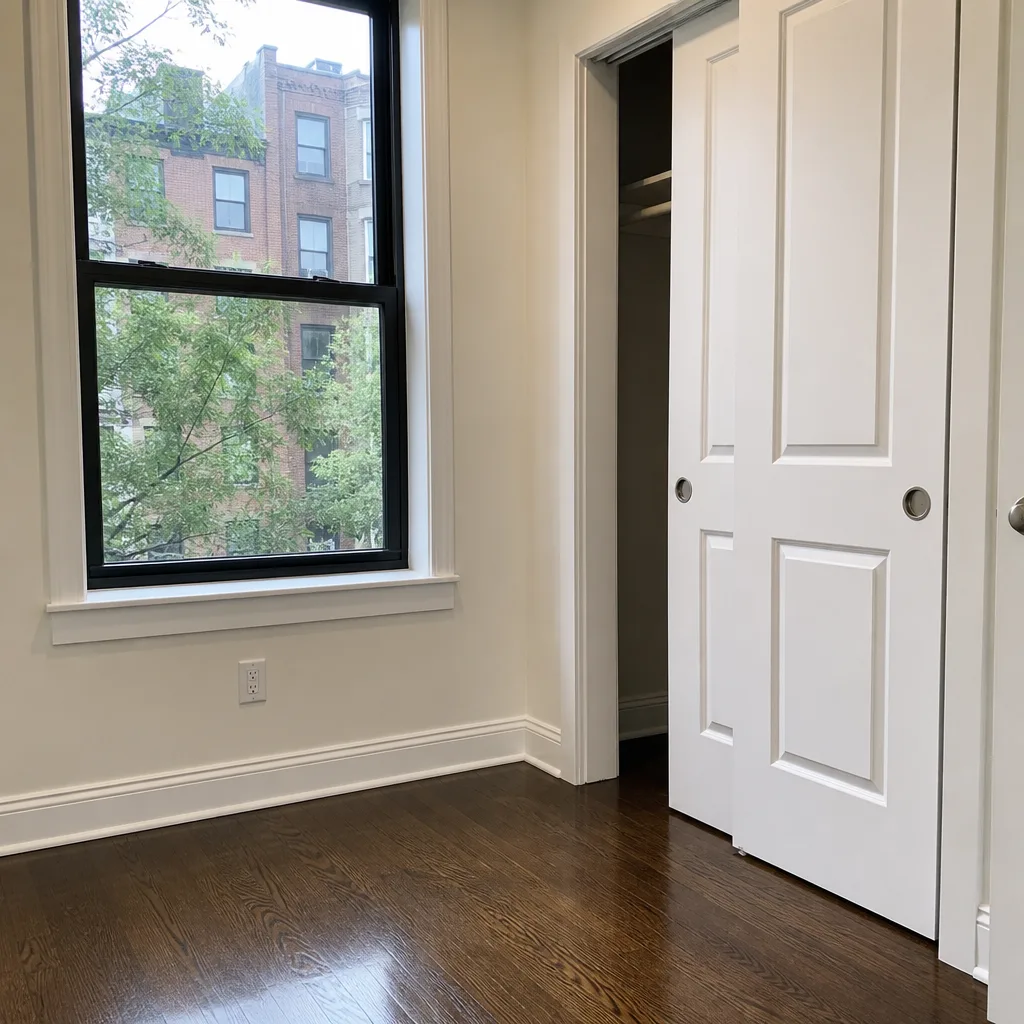 After
After24/7 Emergency Water Damage Restoration in Financial District
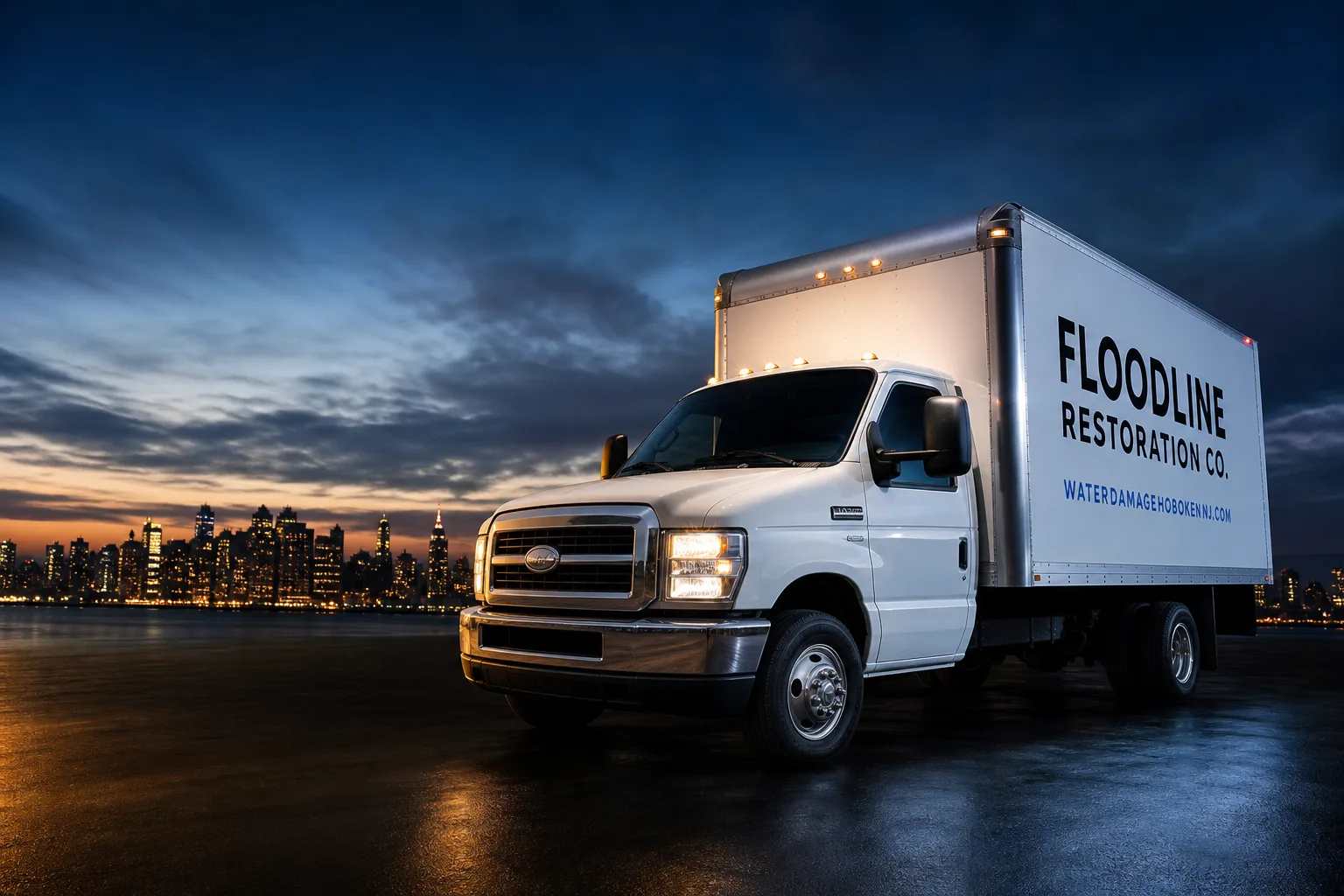
Water damage restoration in Financial District properties requires immediate response, and Floodline Restoration Co. answers live around the clock. Call (640) 500-3278 and a real dispatcher picks up, not a recording. We dispatch background-checked, uniformed crews from our New York City office into the Financial District within 45 minutes most days. The first hour after water intrusion matters more here than almost anywhere else in Manhattan. Saltwater, steam riser failures, and century-old sub-basements don’t wait. Every job starts with a free visual inspection, and we hand you a written scope before any equipment comes off the truck.
Understanding Water Damage Restoration Severity in Financial District Properties
Water damage is categorized by contamination level, and in the Financial District we regularly see all three. Category 1 is clean water from a burst supply line or failed radiator valve. Category 2 carries significant contamination, common when storm drain backups push gray water into below-grade mechanical rooms. Category 3 is grossly unsanitary: sewage cleanup in the Financial District handles harbor surge water, or anything that sat long enough to breed bacteria. The converted Art Deco towers along Exchange Place and Wall Street introduce a complication most restoration companies don’t plan for. Their original engineers ran copper risers, cast-iron drain stacks, and electrical switchgear through sub-basements now below the current FEMA base flood elevation. Moisture mapping behind pre-war plaster requires thermal imaging and hygrometers to find hidden cavities. Skip that step and you get latent mold plus spalling behind walls months after the claim closes. We treat every Financial District job as if salt or contaminated water touched something you can’t see, because in these buildings it usually did.
Why Financial District Property Owners Choose Floodline Restoration Co.
- 45-minute response commitment. We dispatch crews stationed minutes from the Financial District, not from a regional call center.
- Live answer, 24/7. A person picks up at 2 a.m. and starts coordinating equipment. No automated system, no callback wait.
- IICRC-certified crews. Our technicians carry WRT and FSRT certifications and train on saltwater protocols specific to flood-zone AE buildings.
- Free visual inspection. We assess before we estimate, and we hand you a written scope so you know exactly what’s wrong.
- Direct insurance billing. We work with your carrier, provide daily drying logs, and never make you play messenger between us and the adjuster.
- One team from extraction to reconstruction. The same crew that runs extraction also handles the rebuild. No mid-job handoff, no inherited subcontractors.
Our Water Damage Restoration Process
Inspection & Assessment
We walk the space with thermal imaging and moisture meters, mapping saturation behind walls, under flooring, and around mechanical equipment. In Financial District towers, this includes checking legacy steam risers and sub-basement switchgear for salt exposure.
Extraction / Stabilization
Truck-mounted and portable extraction units remove standing water fast. For saltwater intrusions, we begin flushing affected surfaces immediately to reduce chloride corrosion on steel and copper.
Drying & Dehumidification
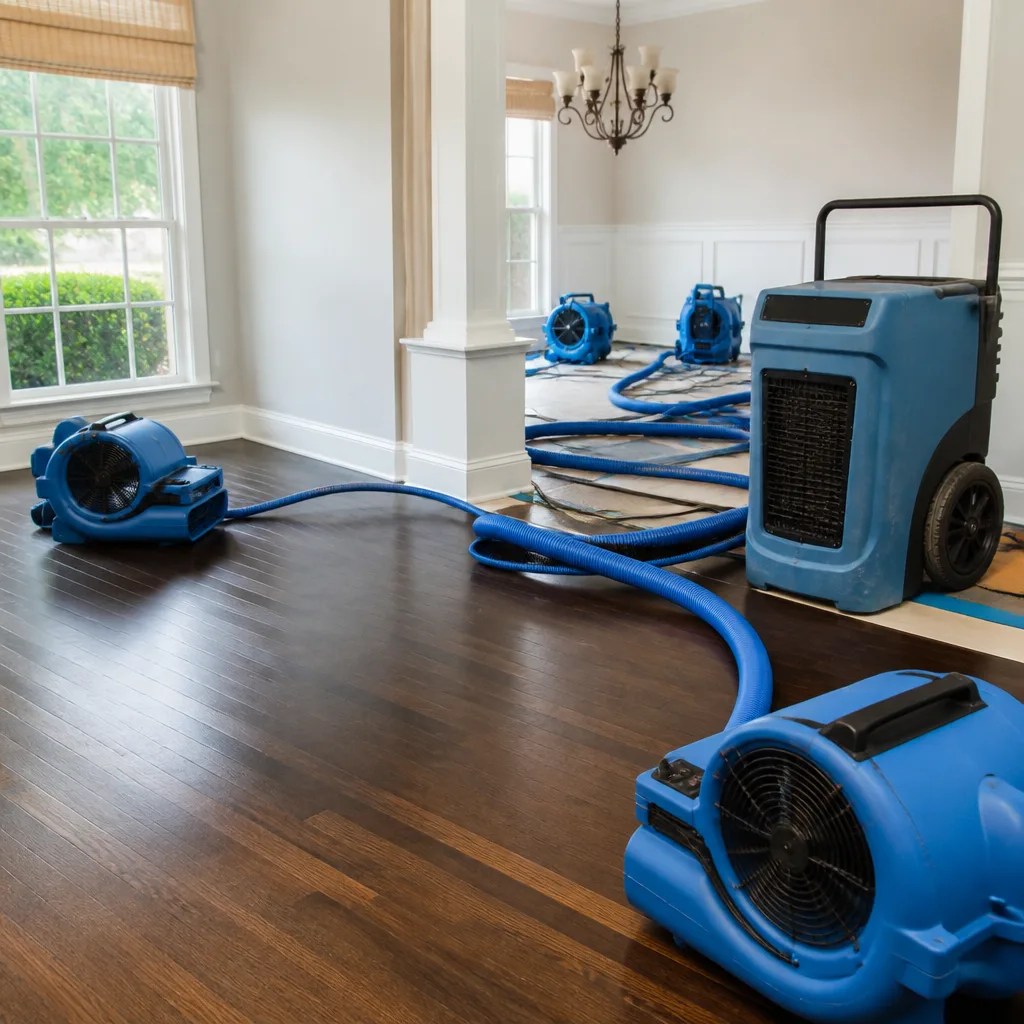
We place Phoenix and Dri-Eaz dehumidifiers with XPOWER air movers to create airflow across every wet surface. Daily moisture readings are logged until the drying standard is met and documented.
Cleaning & Sanitization
Antimicrobial treatments are applied to affected framing, masonry, and subfloor cavities. Category 3 water requires full containment and HEPA air scrubbing before we call the space safe.
Saltwater-Specific Treatment
In Financial District flood jobs, we apply corrosion-inhibiting treatments to exposed steel and copper. This step is standard in flood-zone AE buildings and prevents premature failure of drain stacks and structural members.
Repairs & Restoration
From drywall and flooring to full mechanical-room rebuilds, our carpenters and project managers carry the job through completion. The 90-Day Done Right Promise covers the work in writing.
Need Emergency Water Damage Restoration in Financial District Now?
Crews minutes away, answering live 24 hours a day. The sooner we start, the less it costs.
Working With Your Insurance Company
Water damage claims in the Financial District move faster when the paperwork is right from the first hour. We photograph every affected room, log daily moisture readings, and write a line-item scope your adjuster can approve without back-and-forth. For flood-zone AE buildings, we know what NYC Local Law compliance documents the carrier typically requests and we provide them. Saltwater and storm-surge claims often involve elevation certificates and base flood elevation comparisons; we coordinate those directly with your carrier and the building’s management. You get a copy of everything. If your claim was denied or underpaid, our documentation gives you the strongest possible case for reconsideration.
What We Provide Your Insurer
- Thorough documentation of the loss
- Photos of all damage, room by room
- Moisture readings and drying logs
- A detailed, line-item scope of work
- Direct coordination with your carrier
Built for Financial District’s Loss Calendar
The Financial District’s peninsula geography means water damage doesn’t follow a single season. January deep freezes crack supply lines in pre-war risers. Spring nor’easters ride storm surge up the Hudson and East River into street-level lobbies and below-grade mechanical rooms, making Financial District Storm & Disaster Restoration essential. Summer thunderstorms overwhelm the district’s aging 1920s drainage and send runoff into sub-basements. Fall brings tropical remnants that can push harbor water into flood-zone AE buildings the way Sandy showed everyone in 2012. Each season has a different water chemistry, and each building type responds differently. Cast-iron drains fail gradually until a heavy rain exposes them. Copper risers corrode invisibly until a pinhole leak opens inside a wall cavity. We plan our equipment staging and crew rotations around this calendar, which means a dispatch board that already knows what Financial District buildings are likely to face in any given month.
Water Damage Restoration Across Financial District’s Neighborhoods
Response routes through the Financial District depend on where the building sits. Below Wall Street toward the Battery, converted pre-war offices like 40 Wall Street and 70 Pine present deep sub-basements with mechanical rooms far below street grade. Those jobs require portable power generation because the original switchgear rooms flood first. Around Exchange Place and Broad Street, the narrow streets slow truck access, so we stage equipment curbside and run lines into the building. Over near the South Street Seaport, brick-and-timber buildings from the 19th century have their own issues: wood joists that wick water aggressively and need extended dehumidification. Along West Street facing the Hudson, lobby-level flooding pushes Category 2 water into elevator pits and electrical closets. Each corridor has a different access pattern, a different building stock, and a different sequence for getting drying equipment where it needs to go. For the full scope of what we handle in this area, see our main Water Damage Restoration services.
Specialized Water Damage Restoration Services We Offer in Financial District
Emergency Water Extraction
Standing water in a Financial District sub-basement starts corroding steel within hours. We arrive with truck-mounted extractors for high-volume flooding and portable units for tight mechanical rooms. Extraction is running the same visit, most jobs completed in a single visit.
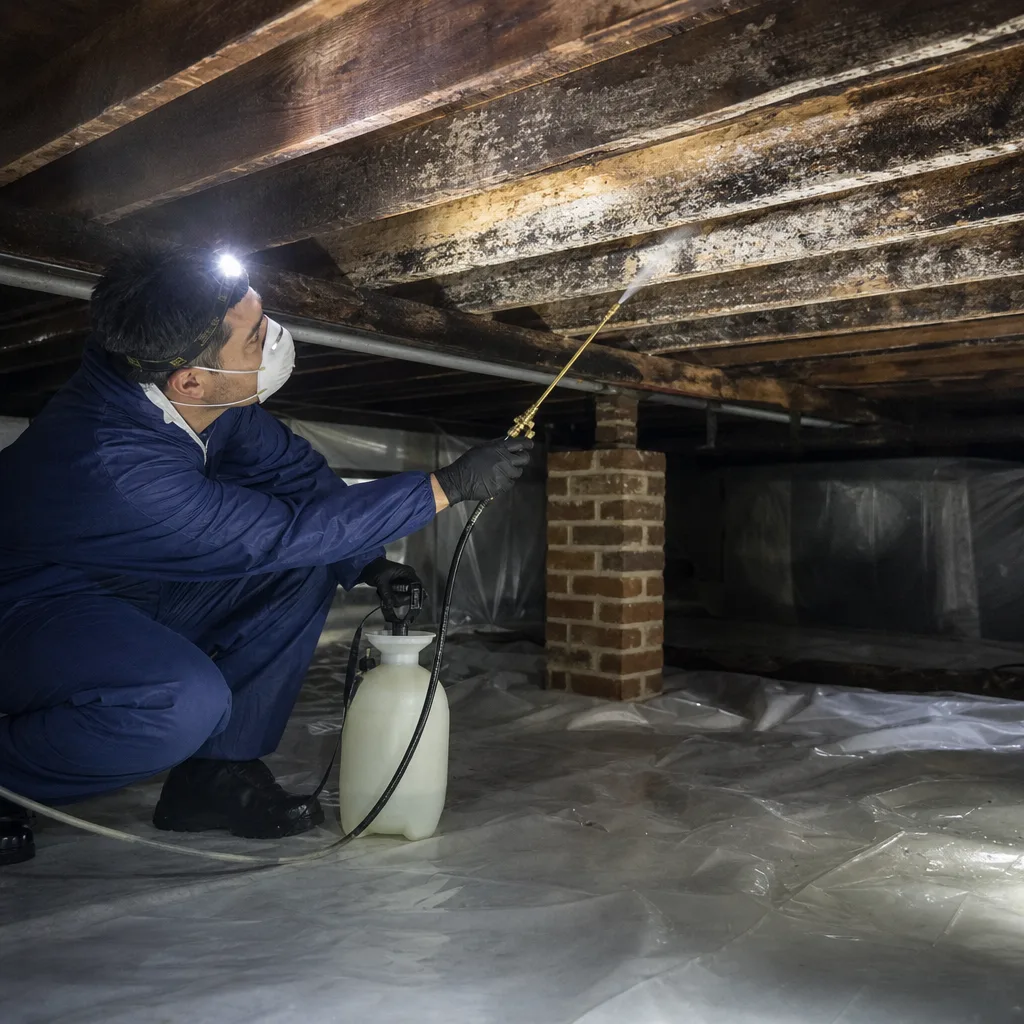
Structural Drying & Dehumidification
Dri-Eaz and Phoenix dehumidifiers paired with XPOWER air movers pull moisture from drywall, plaster, concrete, and wood framing. In pre-war towers, we monitor behind plaster with in-wall probes because hidden cavities dry slower than open air readings suggest.
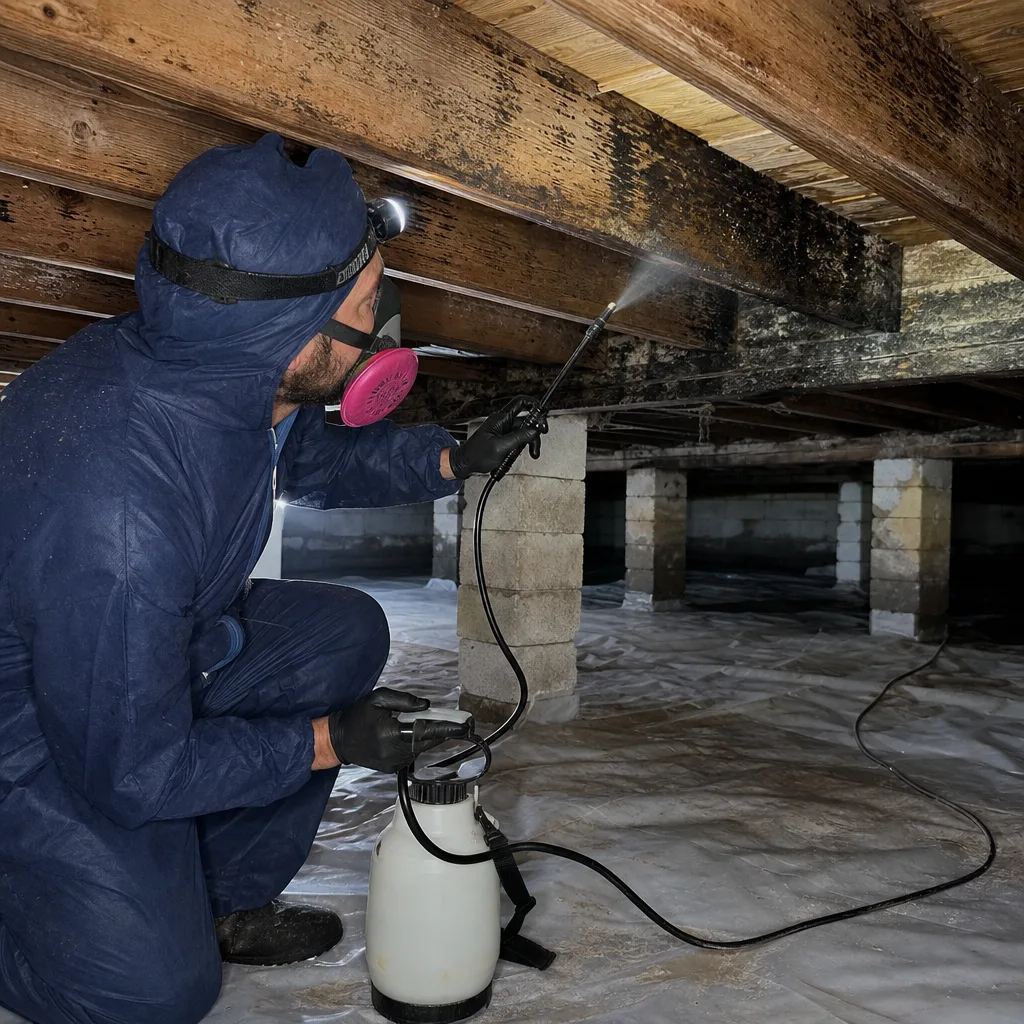
Flood Cleanup
Saltwater cleanup in the Financial District is different from freshwater cleanup anywhere else. We flush surfaces to remove chloride residue before applying antimicrobial treatments. Then drying equipment runs until the structure meets the dry standard, documented daily.
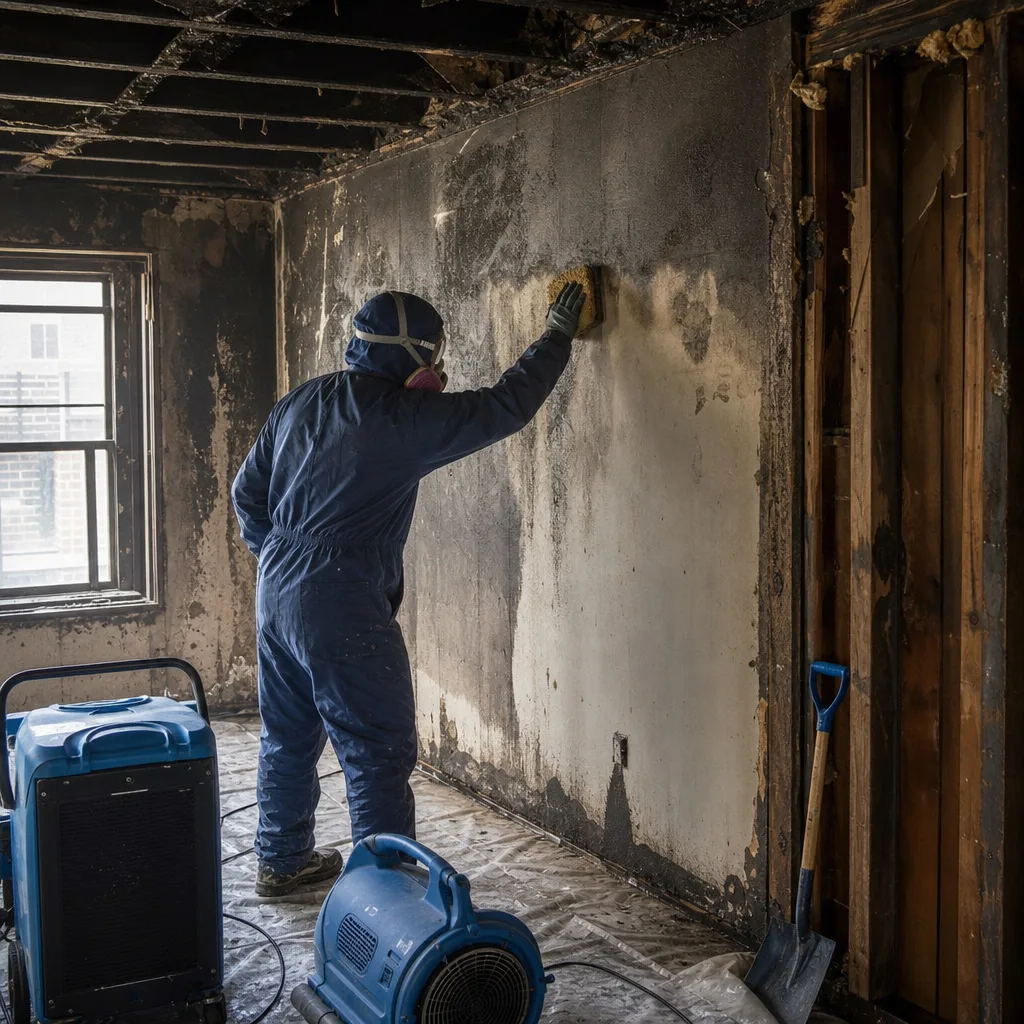
Basement Water Removal
Sub-basement flooding in converted Art Deco towers often overwhelms the original 1920s sump pumps. We bring portable generators to run extraction and drying equipment when building power is down, then coordinate with building management on permanent drainage repairs.
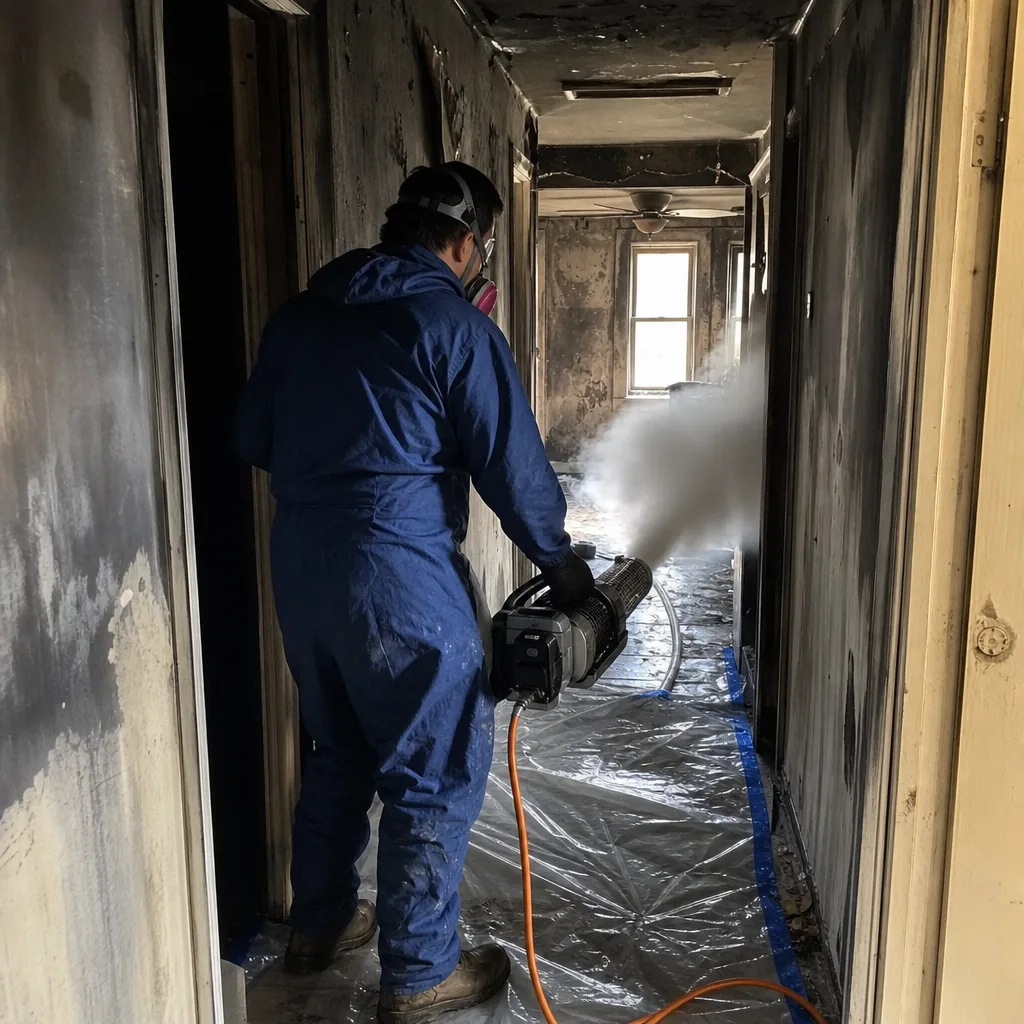
What happens when you call
- 1
A real person answersNo phone trees - you reach a local pro.
- 2
You get an upfront price rangeHonest numbers before anyone is dispatched.
- 3
A background-checked tech heads outLicensed & insured, dispatched right away.
- 4
You approve before work beginsNothing starts until you say go.
Water Damage Restoration Costs in Financial District, NY
Emergency water extraction in Financial District residential units typically runs $450 to $900 for a single room, with whole-unit extraction between $1,200 and $3,500 depending on square footage and water category. Structural drying with professional-grade equipment averages $800 to $2,200 for a standard one-to-two-bedroom condo, though saltwater jobs run higher because of the extra flushing and corrosion-inhibiting treatment. Full basement water removal with containment and antimicrobial application generally falls between $2,500 and $7,500 in the district’s converted towers. What actually moves the price: how long the water sat, whether Category 3 contaminants are present, how many floors of risers were affected, and whether building power is available for drying equipment. Insurance covers most sudden and accidental water losses; storm surge claims may involve different deductibles. Call (640) 500-3278 for a free inspection and a firm written scope before any decision.
We Also Serve Cities Near Financial District
Floodline Restoration Co. crews serving Financial District also respond to water damage calls in Financial District‘s neighboring areas: Washington Square, Lower Manhattan, Midtown West, and Midtown Manhattan. Same live dispatch, same certified crews, same written 90-Day Done Right Promise.
Financial District Water Damage Restoration Questions, Answered
How does saltwater flooding in the Financial District differ from freshwater basement leaks for water damage restoration?
Saltwater flooding in the Financial District requires immediate flushing and application of corrosion-inhibiting treatments to protect copper risers, steel beams, and legacy cast-iron drain stacks that freshwater wouldn’t threaten. Chloride ions from harbor water begin corroding metal within hours. Our crews start that process during extraction, not after drying.
What is the first step after storm-surge water enters a converted Art Deco tower’s sub-basement in the Financial District?
The first step is stabilizing power and removing standing water. If the building’s switchgear flooded, we bring portable generators to run extraction and drying equipment. Then we begin moisture mapping and apply saltwater-specific flushing to exposed metal. Call us immediately at (640) 500-3278; time is what determines whether you repair or replace.
Do Financial District flood jobs always require an NYC Local Law compliance review?
Most flood-damaged buildings in Financial District flood-zone AE areas trigger NYC Local Law compliance reviews, especially when base flood elevation comparisons or elevation certificates are involved in the insurance claim. We coordinate that documentation directly with your carrier and the building’s management, so you don’t have to learn the regulatory side on the fly.
Can structural drying alone remove salt residue from masonry in a Financial District basement after surge flooding?
No. Structural drying removes moisture, not salt. Salt-saturated masonry needs flushing before drying begins, otherwise the salt stays behind and keeps pulling moisture out of the air, leading to ongoing dampness and spalling. We include salt flushing and corrosion-inhibiting treatment in every Financial District surge-flood scope.
How quickly can mold start on wet drywall in a Financial District high-rise after a ceiling or roof leak?
Mold can begin colonizing wet drywall within 24 to 48 hours, and in the Financial District’s pre-war buildings the risk is higher because hidden wall cavities hold moisture longer. That’s why our crews run moisture mapping behind plaster and start drying the day we arrive, not after a claims decision.
How fast can a crew actually reach my Financial District building?
Our dispatch commitment is 45 minutes to most Financial District addresses, 24 hours a day. A live dispatcher answers the phone and starts moving a crew immediately. Call (640) 500-3278 and we’ll tell you exactly who’s coming and when.
Will my insurance cover water damage restoration in a Financial District condo?
Most standard condo policies cover sudden and accidental water damage, including burst pipes and ceiling leaks. Storm-surge flood damage is typically a separate flood policy. We document everything from the first hour, bill directly to your carrier, and provide the daily drying logs and compliance paperwork your adjuster needs.
What should I do in the first 30 minutes after discovering water in my Financial District unit?
Shut off water at the fixture or riser if you can safely reach it. Move valuables out of standing water. Do not enter a space where electrical equipment is submerged. Then call (640) 500-3278. The sooner extraction starts, the less structural damage you’ll face, and in saltwater situations that difference is measured in hours, not days.
Serving Financial District, NY - Our Local Coverage Area
We’re based in the Financial District area and know this community well. Use the map below to see our service coverage - if you’re nearby, we can almost certainly help.
Why Saltwater Intrusion Is a Different Job in the Financial District
Here’s what makes water damage restoration in the Financial District a specialty no national franchise template covers. The district sits at the southern tip of Manhattan at near-sea-level elevation, flanked by the Hudson River, East River, and New York Harbor on three sides. Much of it falls within FEMA Special Flood Hazard Zone AE. Hurricane Sandy’s 2012 surge pushed saltwater into basements and sub-basements across dozens of converted Art Deco and pre-war towers, and that saltwater did damage freshwater never does. It corrodes electrical switchgear, attacks structural steel, and eats copper risers from the inside out. Our crews have seen the pattern enough times to know the first 24 hours decide whether those systems get repaired or replaced. In a building like 70 Pine or 20 Exchange Place, the original engineers sited emergency generators and primary switchgear in the lowest sub-basements because storm surge wasn’t in the 1920s playbook. Today that means the very equipment needed to run drying fans is the first thing that floods. Portable power logistics are not optional here; they’re step one in the standard operating procedure. This is why we don’t hand saltwater jobs to crews trained only on freshwater basement leaks.
After a nor’easter backed up the aging cast-iron drains in a converted Art Deco tower on Exchange Place, our crew arrived with XPOWER air movers and a Phoenix dehumidifier to find Category 3 water standing in a sub-basement mechanical room-a scenario where Fire & Smoke Damage Restoration in Financial District buildings often overlaps with water mitigation when electrical fires follow flooding. We set up containment, performed moisture mapping on the legacy steam risers, and coordinated a pack-out of the electrical switchgear before beginning structural drying. Because the building’s original 1920s sump pumps were overwhelmed, we ran portable generators to power our drying logs until the city’s power returned, bringing the space to pre-loss condition within four days.
Delaying saltwater extraction in these sub-basements allows chloride ions to corrode legacy cast-iron drain stacks and steel beams within hours. The result is premature replacement, not repair. Skipping moisture mapping behind pre-war plaster walls misses hidden salt-saturated cavities that lead to latent mold and spalling months after the claim closes. Drying equipment that relies on building power fails when the district’s low-lying electrical rooms are themselves flooded. We plan for all three failure modes on every Financial District job we take. It’s why our 90-Day Done Right Promise means something here: we aren’t guessing, we’re working from a protocol built on what these buildings actually do when water gets in.
Floodline Restoration Co. serves the Financial District with one team from first extraction to finished rebuild. We carry the moisture log, the saltwater treatment record, the compliance paperwork, and the written guarantee. Call (640) 500-3278 for a free estimate, or reach us through our Financial District service page anytime. We’ll be there when we say.
Written by Curt Bowman, Owner at Floodline Restoration Co., serving the Financial District and surrounding communities.