
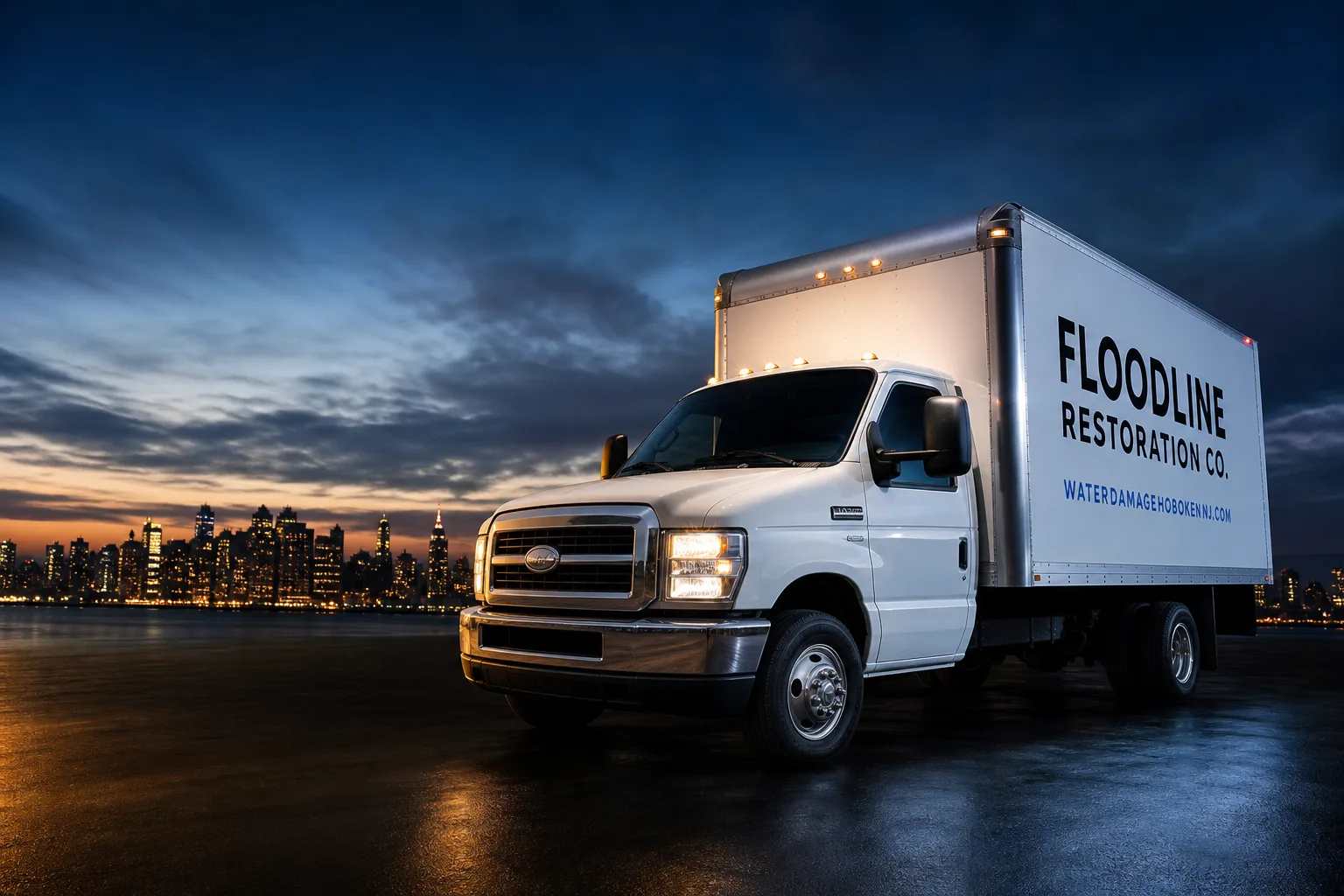
Free visual inspection and a written scope of work before any mitigation begins - photos, moisture readings, and drying logs go in your claim file
The scope we write is the scope we bill. Anything new gets shown to you, in writing, before we touch it.
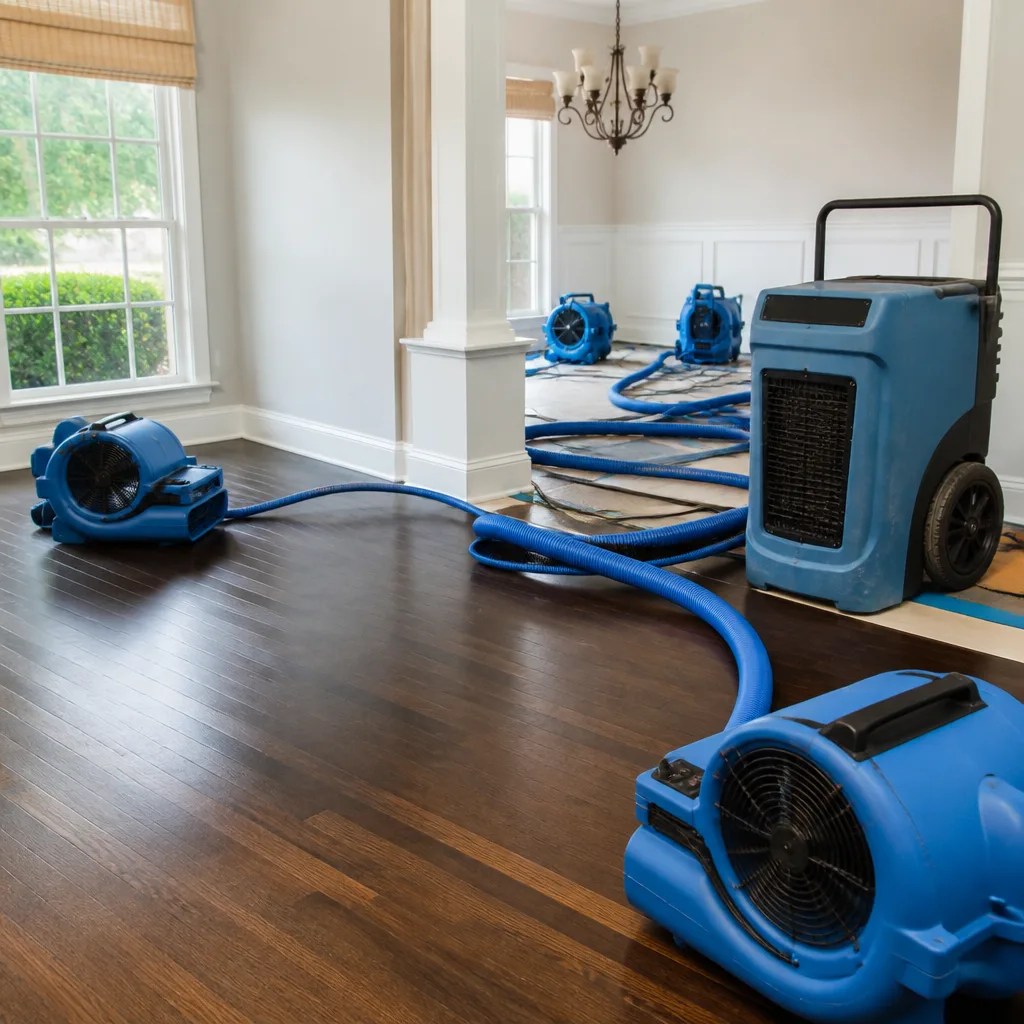
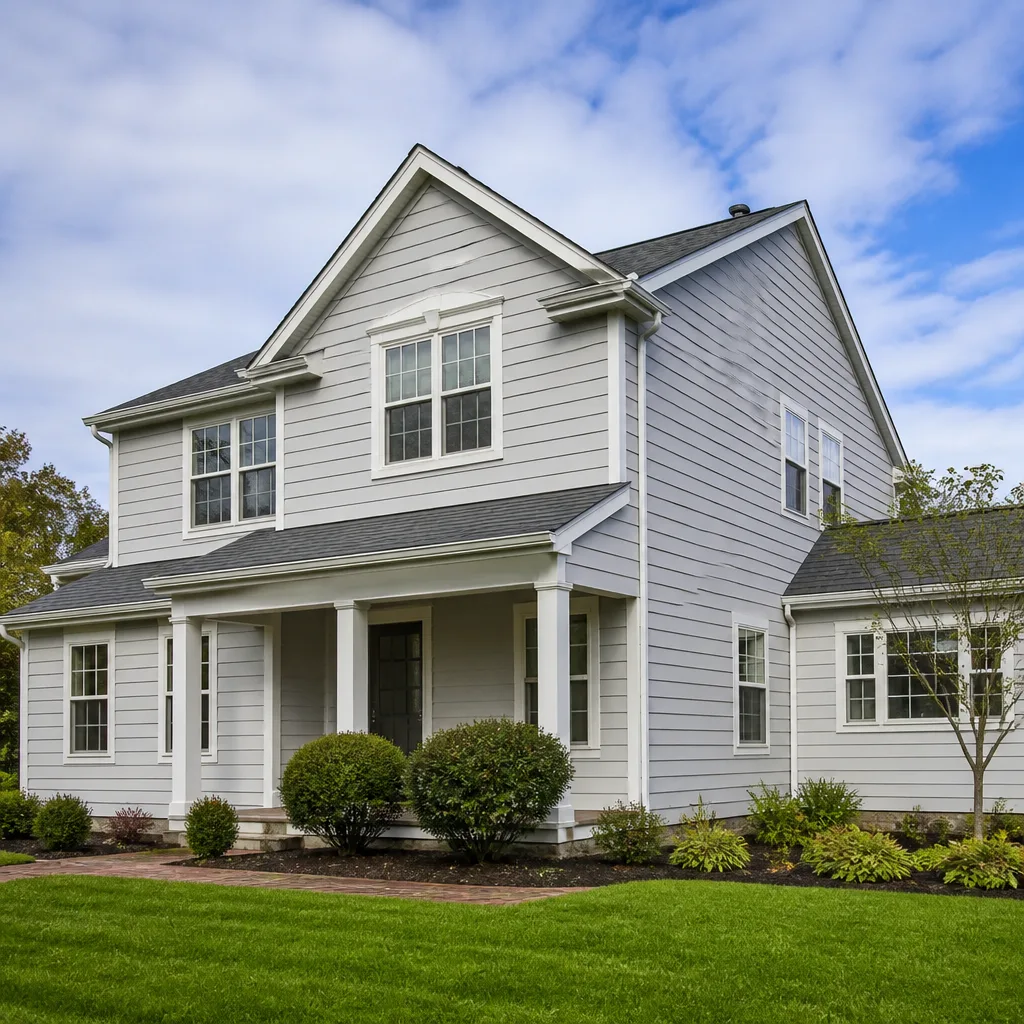
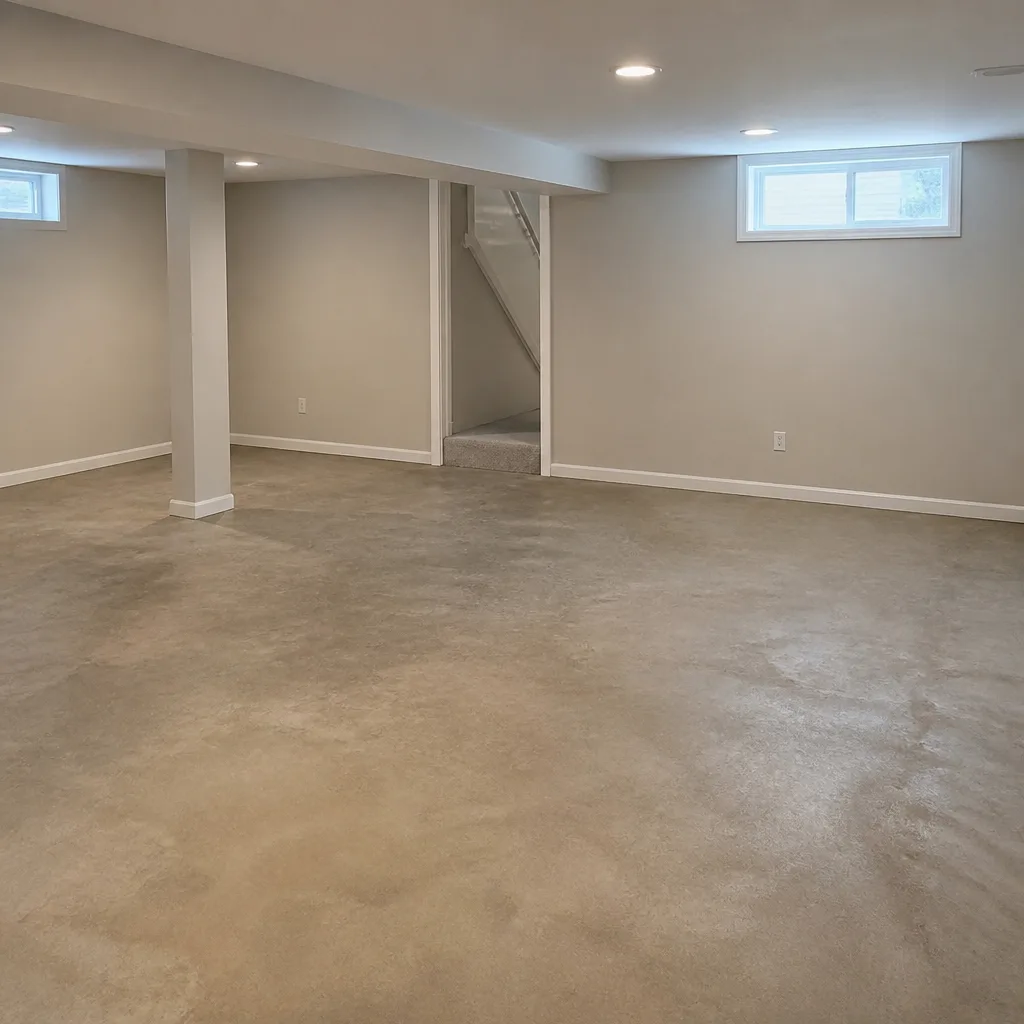

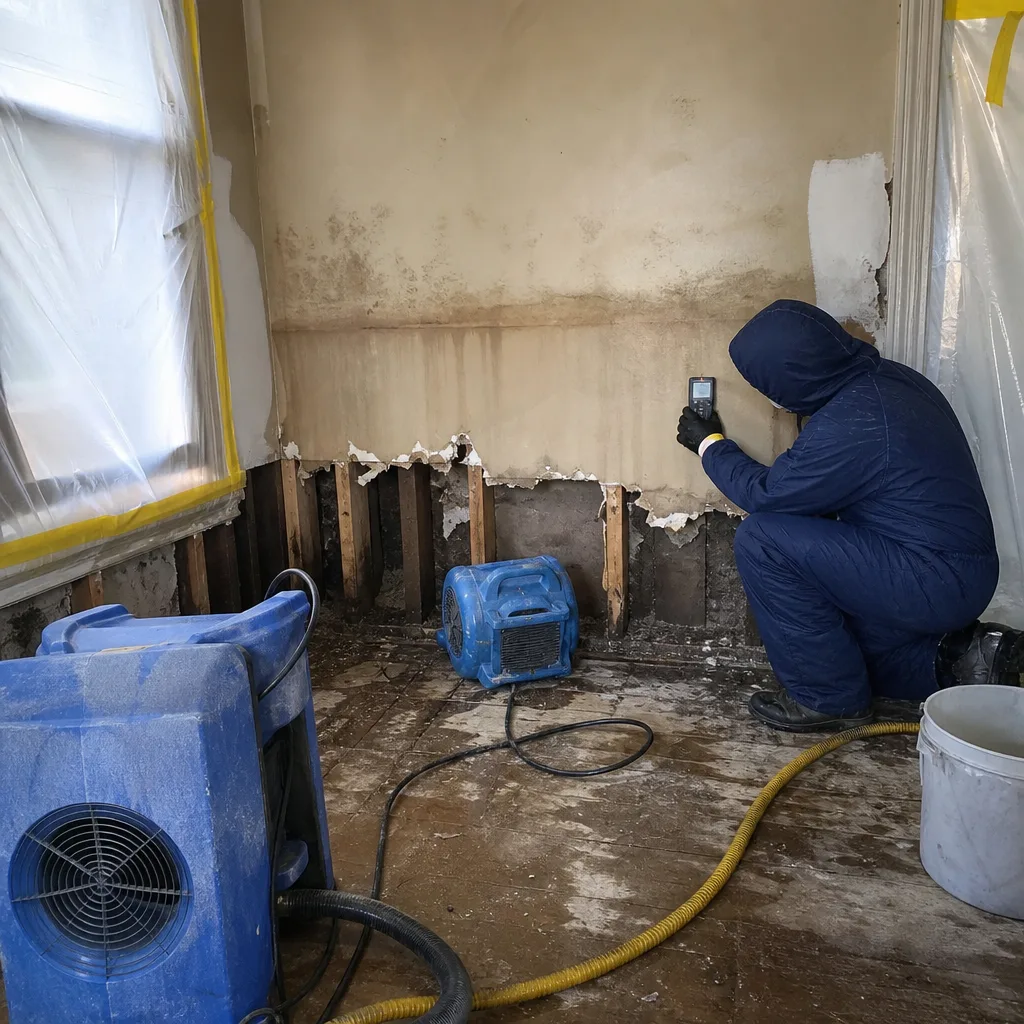 Before
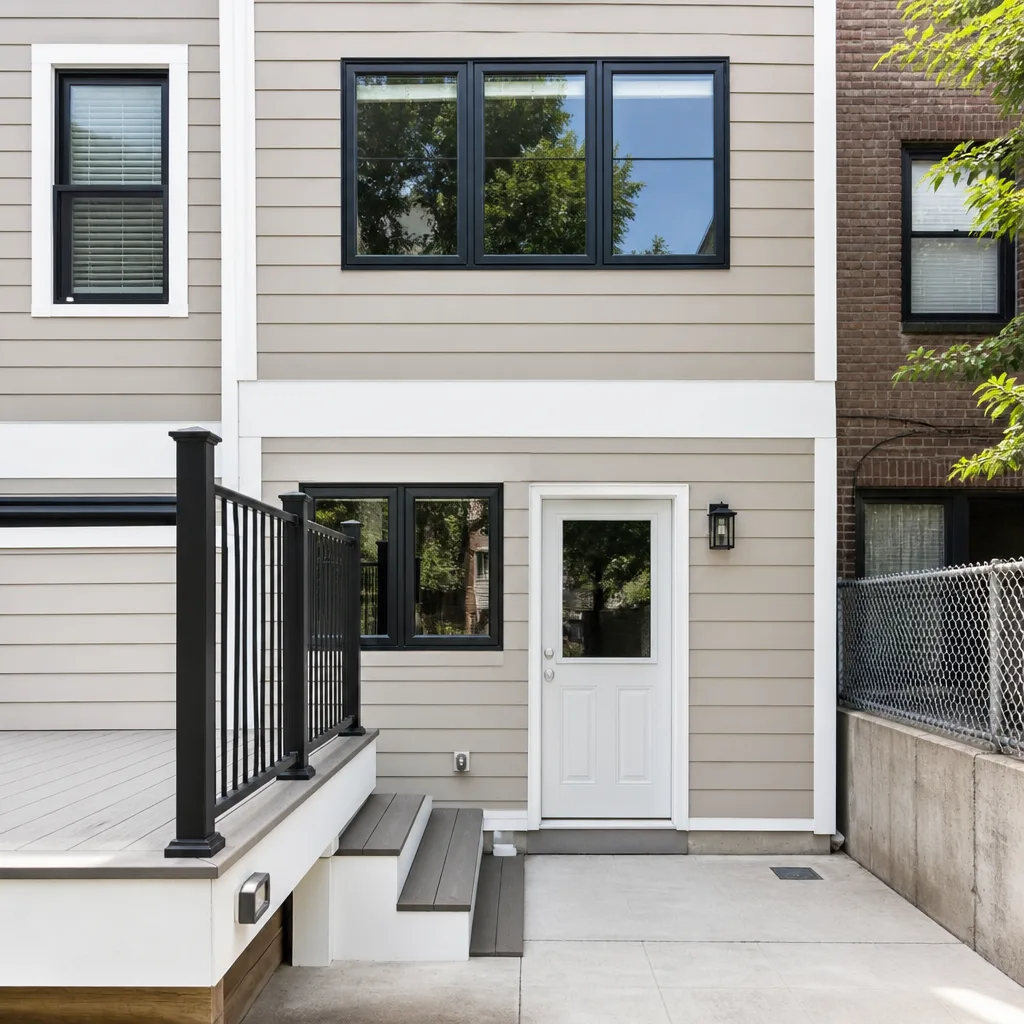 After
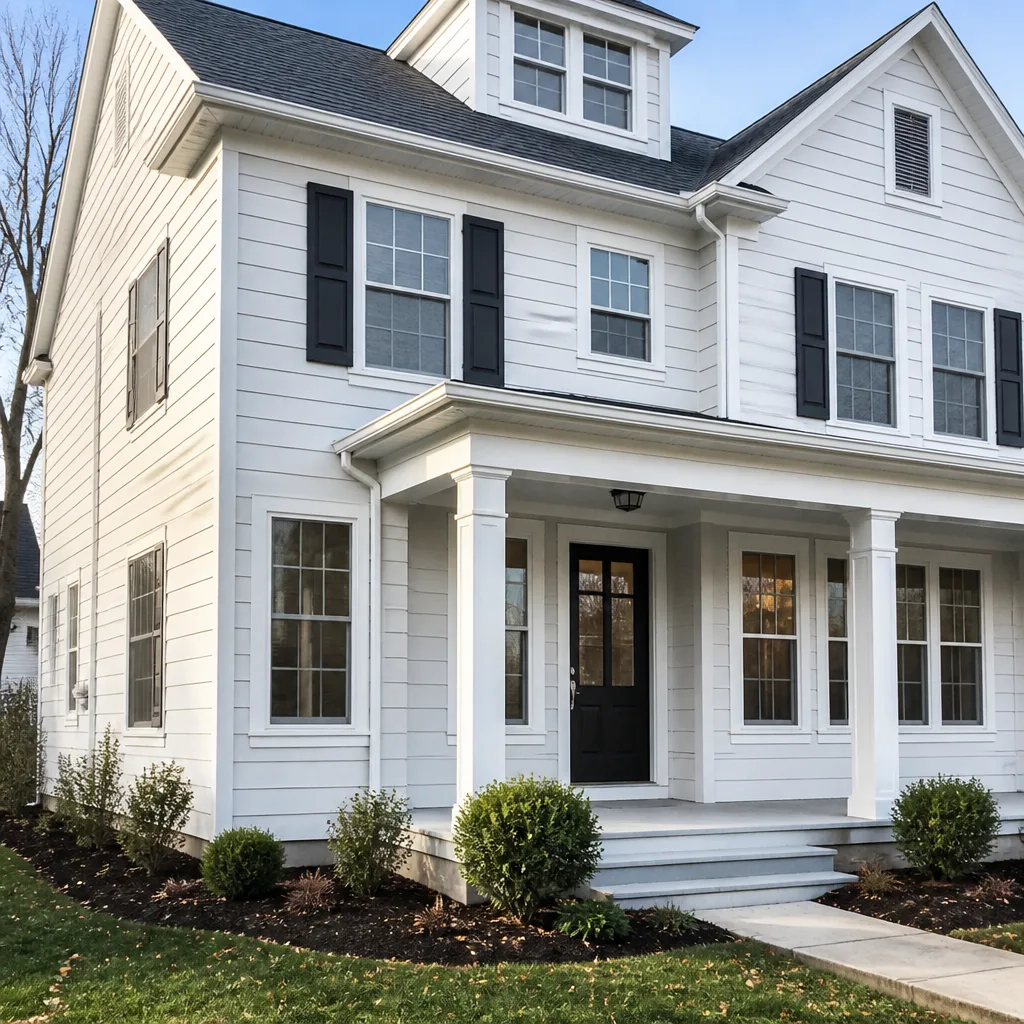
After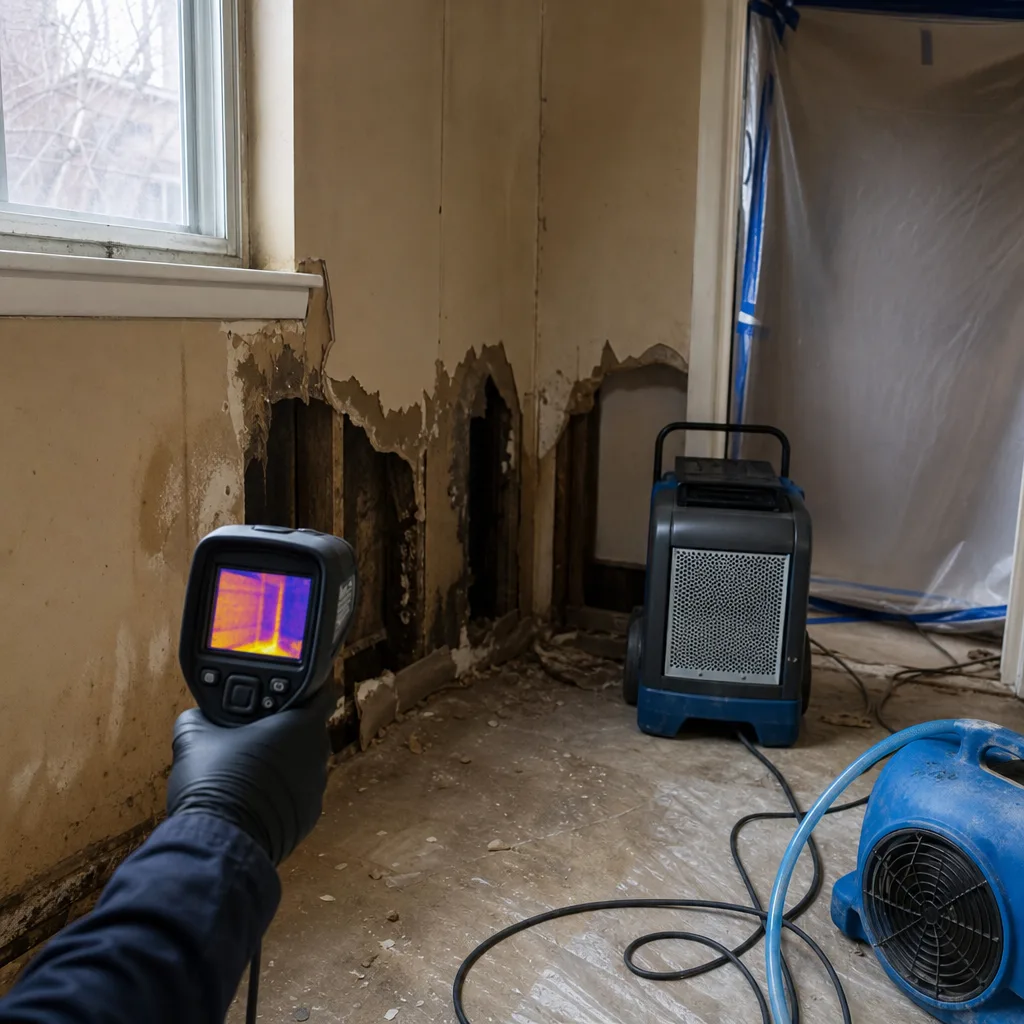 Before
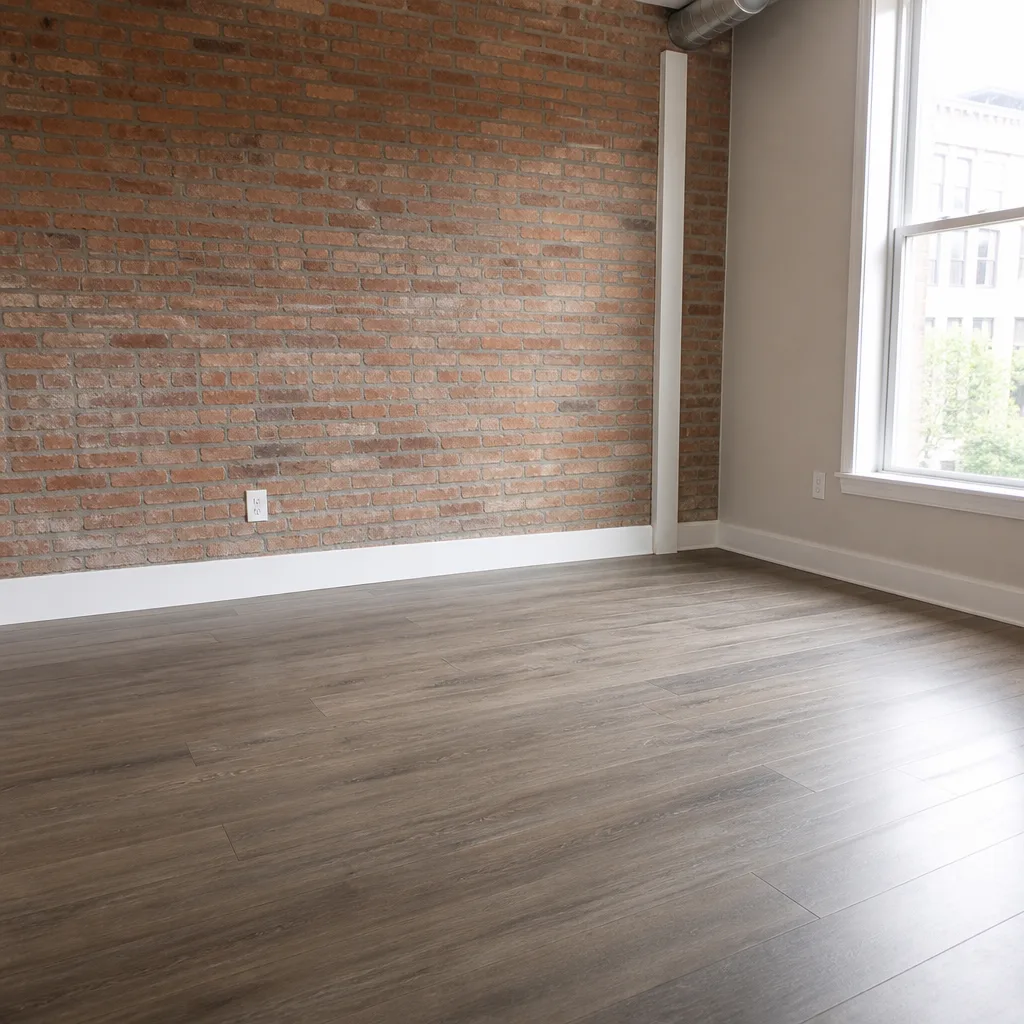 After
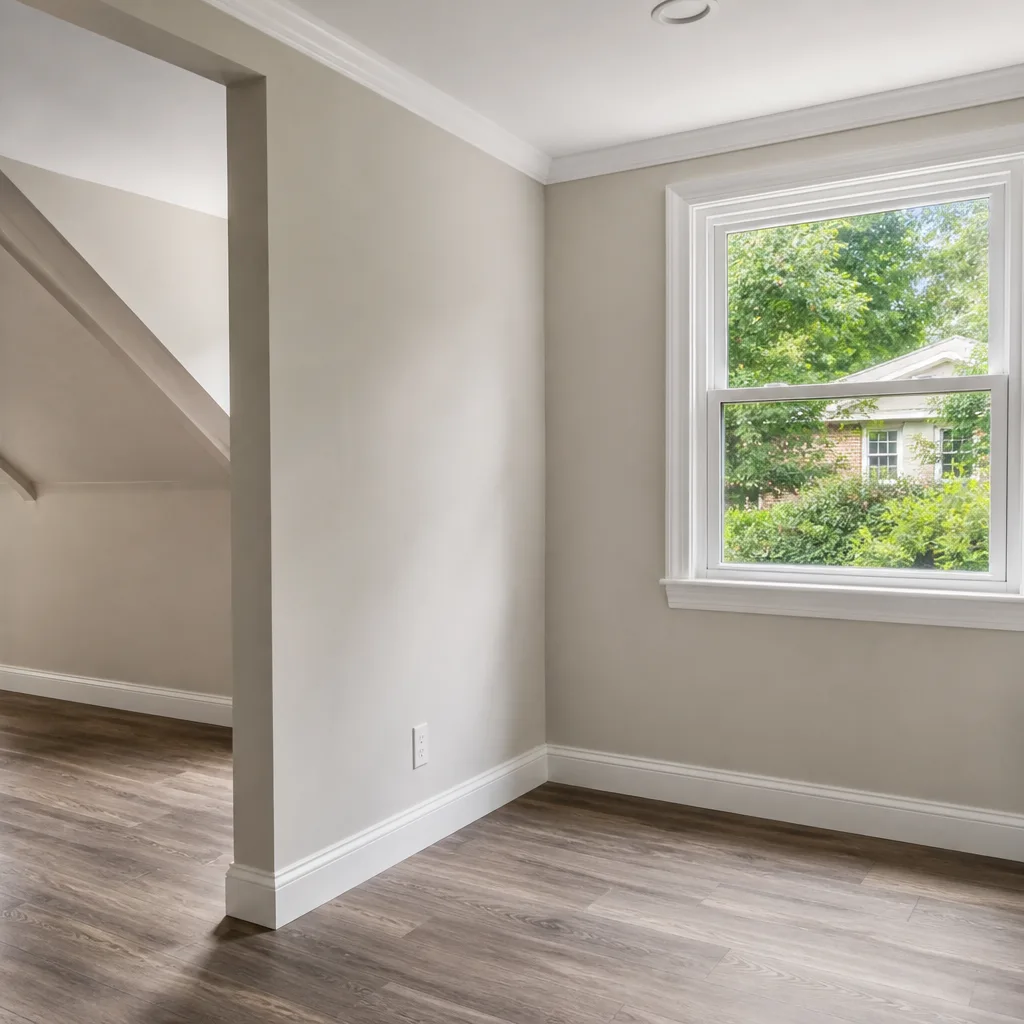
After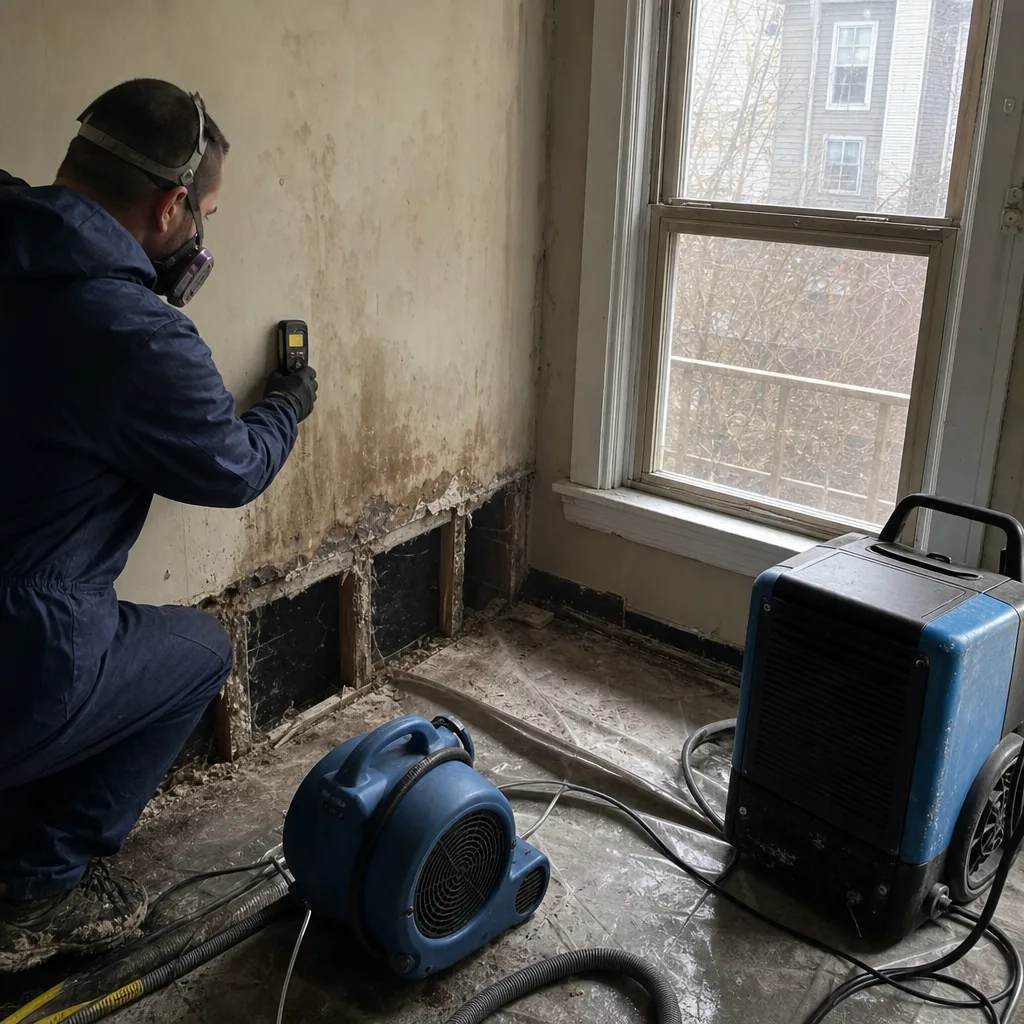 Before
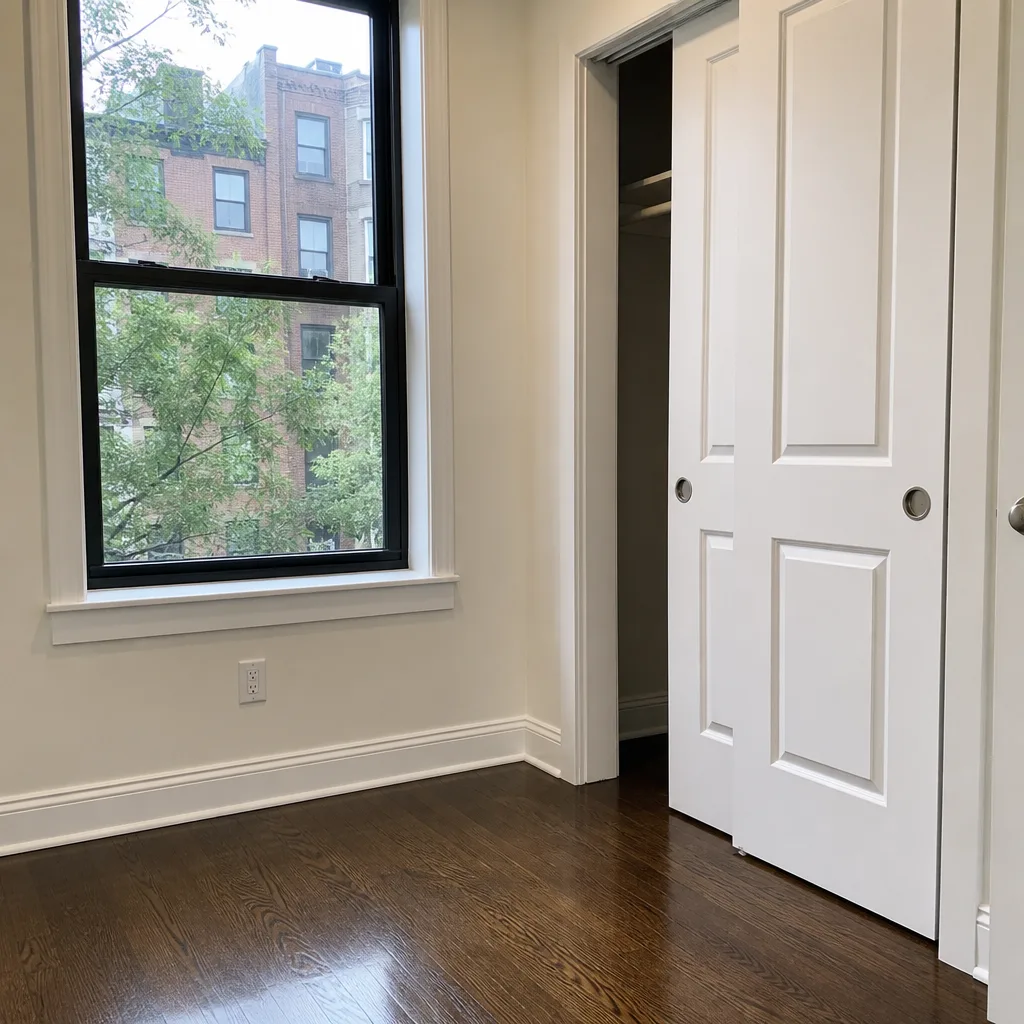 After
After24/7 Emergency Storm & Disaster Restoration in Financial District
Storm damage in the Financial District moves fast, and so do we. When a nor’easter drives harbor surge into sub-basements along Water Street or wind peels roofing off a converted tower on Exchange Place, you need a crew that answers the phone at 2 a.m. and starts extraction the same visit. Call Floodline Restoration Co. at (640) 500-3278 any hour, any day. A live dispatcher picks up, not a recording, and a certified crew is dispatched inside the Financial District within 45 minutes. The first hour after water enters a below-grade space determines whether you’re looking at drying or a full gut-and-rebuild, because saltwater from the harbor keeps corroding long after the visible water is gone.
Understanding Storm & Disaster Restoration Severity in Financial District Properties
Storm damage in this neighborhood is not the same animal as a freshwater pipe break in a suburban basement. The water that enters Financial District buildings during a coastal event is almost always Category 3: heavily contaminated with harbor sediment, sewage overflow, fuel residue, and salt. Category 3 water demands full containment, antimicrobial treatment, and disposal of saturated porous materials, not just extraction and drying. Then there’s the salt. Saltwater intrusion into 1920s cast-iron drain stacks and structural steel corrodes silently for months after the event, even when moisture readings look normal on gypsum and concrete. In the converted Art Deco towers, the sub-basement mechanical rooms that were engineered for commercial use in the 1930s typically hold electrical switchgear, steam risers, and sump systems that are uniquely vulnerable to inundation. Proper restoration here means thermal imaging of concealed cavities, hygrometer readings at wall base and slab level, and a written drying log that tracks daily moisture loss until the dry standard is met. Anything less leaves a building envelope that looks fine and fails later.
Why Financial District Property Owners Choose Floodline Restoration Co.
- 45-minute response commitment. We dispatch from our New York City office directly into the Financial District, and we tell you when the crew will arrive. We’ll be there when we say.
- 24/7 live answer, a real person. At 2 a.m. during a storm surge event, you get a dispatcher, not a voicemail tree. A certified crew reaches the job and extraction is running that same visit.
- IICRC-certified crews, WRT and ASD certified. Background-checked, uniformed technicians trained to IICRC, RIA, and IFA standards handle every phase, from first extraction to finished rebuild.
- Free visual inspection. We assess the damage, walk you through what we found, and give you a written scope before any work begins. No pressure, no overselling.
- Direct insurance billing. We bill your carrier directly and talk to your adjuster, so you never play messenger between Floodline and the insurance company.
- One team from extraction to reconstruction. The same crew that reads the moisture map on day one handles daily readings, hands the log to you and your carrier, and rebuilds what needs rebuilding.
Our Storm & Disaster Restoration Process
Inspection & Assessment
We arrive, document everything, and map the moisture. Thermal imaging and hygrometers tell us where the water went, not just where it is. You get a written scope and a firm price before we start.
Extraction & Stabilization
We remove standing water using truck-mounted extraction and XPOWER submersible pumps. Where building power is down, we bring portable generation. Emergency board-up and roof tarping happen in this window to stop further intrusion.
Drying & Dehumidification
We position Phoenix and B-Air air movers and desiccant dehumidifiers in a configured pattern, then log daily moisture readings. Saltwater jobs require longer dwell times because hygroscopic salt pulls moisture back into materials if drying is stopped too early.
Cleaning & Sanitization
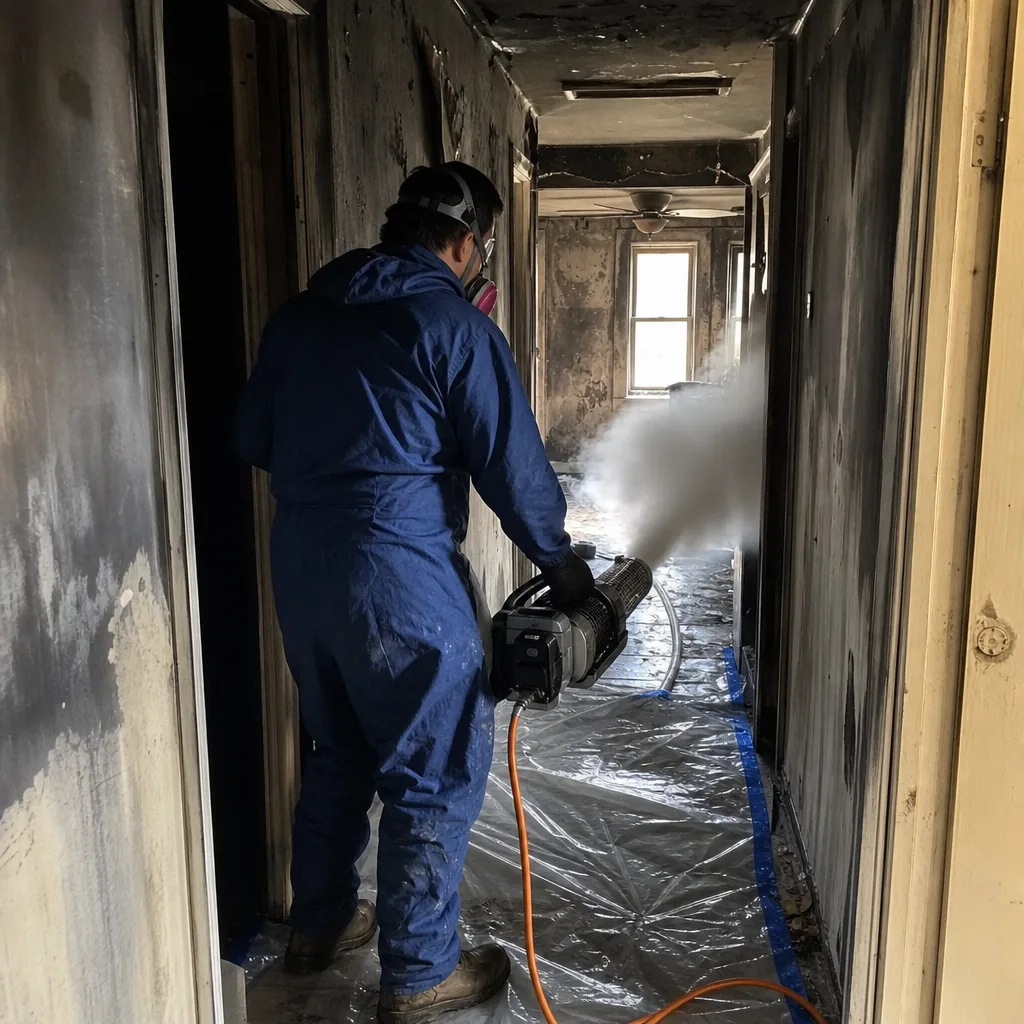
Category 3 water means antimicrobial treatment of every affected surface, disposal of saturated porous materials, and HEPA air scrubbing to capture mold spores and storm debris particulates. For properties in this area, we also offer Biohazard & Crime Scene Cleanup - Financial District when contamination requires specialized handling.
Specialty Saltwater Treatment
For Hudson and East River storm surge intrusions, we flush salt residue from structural steel and cast-iron members, treat electrical enclosures for corrosion, and document everything for your insurer. This step is specific to coastal flooding and makes the difference between a building that dries and a building that degrades.
Repairs & Restoration
The same crew that extracted the water rebuilds what was removed through our Reconstruction & Cleanup - Financial District service. From drywall and flooring to switchgear remediation and mechanical room restoration, one team does it all. Every job carries our 90-Day Done Right Promise, in writing.
Need Emergency Storm & Disaster Restoration in Financial District Now?
Crews minutes away, answering live 24 hours a day. The sooner we start, the less it costs.
Working With Your Insurance Company
Storm claims in the Financial District get complicated fast, especially when FEMA flood maps and Local Law compliance enter the picture. We handle the paperwork from the first hour. Our team photographs every affected room before anything is moved, logs moisture readings daily, and prepares a line-item scope of work in the format your carrier expects. When your adjuster has questions, we answer them directly, and we bill your carrier directly. You are never asked to front a five-figure remediation cost and wait for reimbursement. Since we started doing this work after Sandy, we have learned that the fastest path to a closed claim is documentation that would hold up in a deposition. That is the standard we work to.
What We Provide Your Insurer
- Thorough documentation of the loss
- Photos of all damage, room by room
- Moisture readings and drying logs
- A detailed, line-item scope of work
- Direct coordination with your carrier
Built for Financial District’s Loss Calendar
The Financial District’s storm loss calendar is a predictable rhythm. December through March brings nor’easters that drive harbor surge into the street grid, flooding sub-basements from South Street to West Street. January deep freezes burst domestic water supply lines in unheated mechanical chases, especially in the pre-war towers where risers run through uninsulated cores. April and May thaw stress aging cast-iron drains that have shifted with the district’s landfill and pier construction, leading to seepage and backups. July and August bring thunderstorm flash flooding when the street-level catch basins near the Seaport are overwhelmed and water finds the lowest entry point. Any one of these events is manageable if addressed in the first 24 hours. Ignored, any one of them becomes a Category 3 contamination event requiring full remediation. We plan our dispatch coverage around this calendar, which is why a crew can be at a building on Water Street within 45 minutes during a March nor’easter.
Storm & Disaster Restoration Across Financial District’s Neighborhoods
The Financial District is small, roughly 0.6 square miles, but its building stock changes block by block. Around Wall Street and Broad Street, the pre-war Art Deco towers dominate, and storm damage means sub-basement flooding with switchgear exposure. Over by Battery Park and South End Avenue, you find more modern residential high-rises, but they sit at the lowest elevations in the district and take the first water when the harbor rises. The blocks around Fulton Street and the Seaport hold a mix of converted warehouses and newer buildings on former landfill, where foundation seepage and storm drain backup are the recurring themes. Along Exchange Place and Pine Street, the converted commercial towers have mechanical rooms sited deep below grade, a legacy choice from the 1920s and 1930s that still dictates how we sequence a flood response today. We route crews through these corridors daily and know which buildings need portable power before drying can begin because the switchgear is submerged.
Specialized Storm & Disaster Restoration Services We Offer in Financial District
Storm Damage Cleanup
When wind and rain tear through the district, the damage is rarely just water. Broken windows, damaged roofs, and debris across entryways all need attention before drying can begin. We clean the debris, secure the envelope, and document every step for your carrier. In the Financial District, storm damage cleanup often starts above street level, where high winds take out upper-floor windows before any flooding occurs.
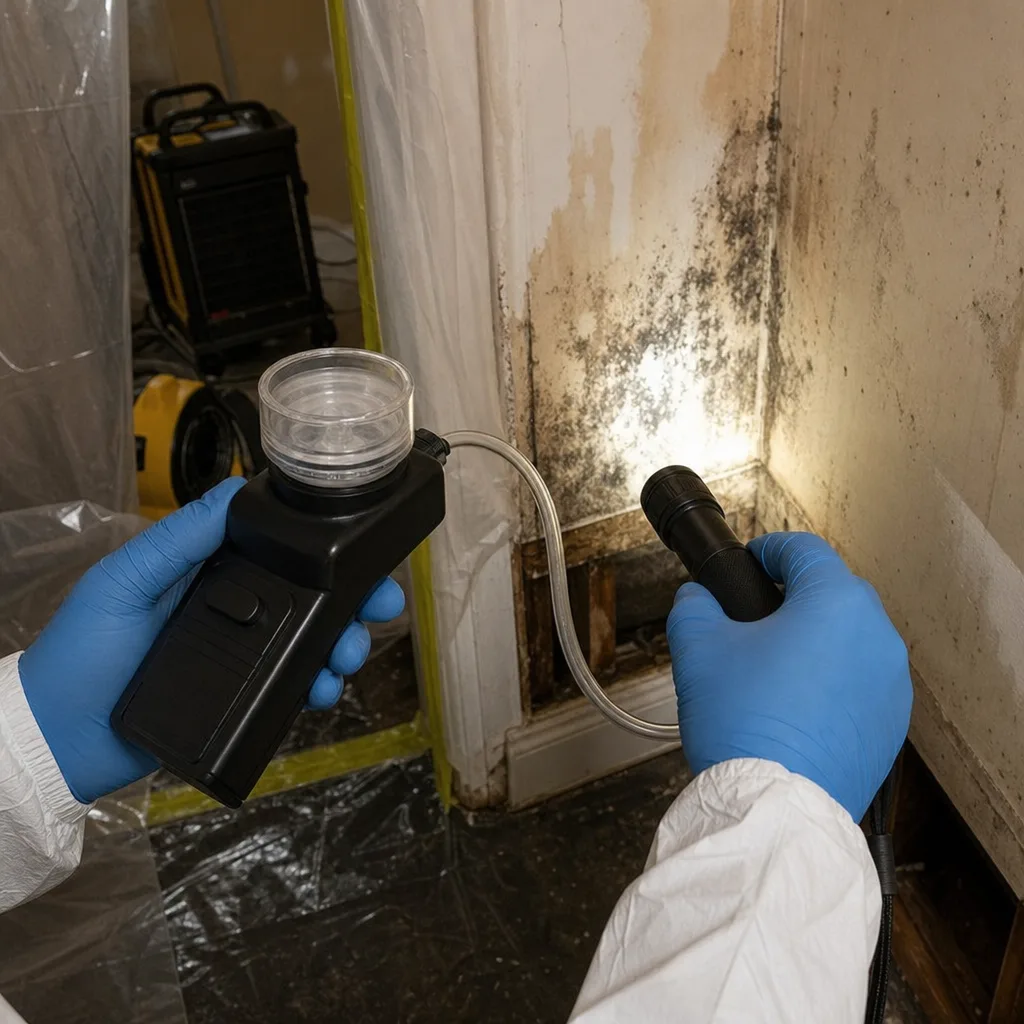
Flood Damage Restoration
This is the work we know best in this neighborhood. Post-Sandy FEMA maps put much of the Financial District in Zone AE, and when harbor water enters a sub-basement, it brings salt, sewage, and fuel residue. We handle the full sequence: extraction, saltwater-specific drying, antimicrobial treatment, structural assessment, and rebuild, including our Sanitization Services in Financial District to ensure complete decontamination. The line the water left is where we start.
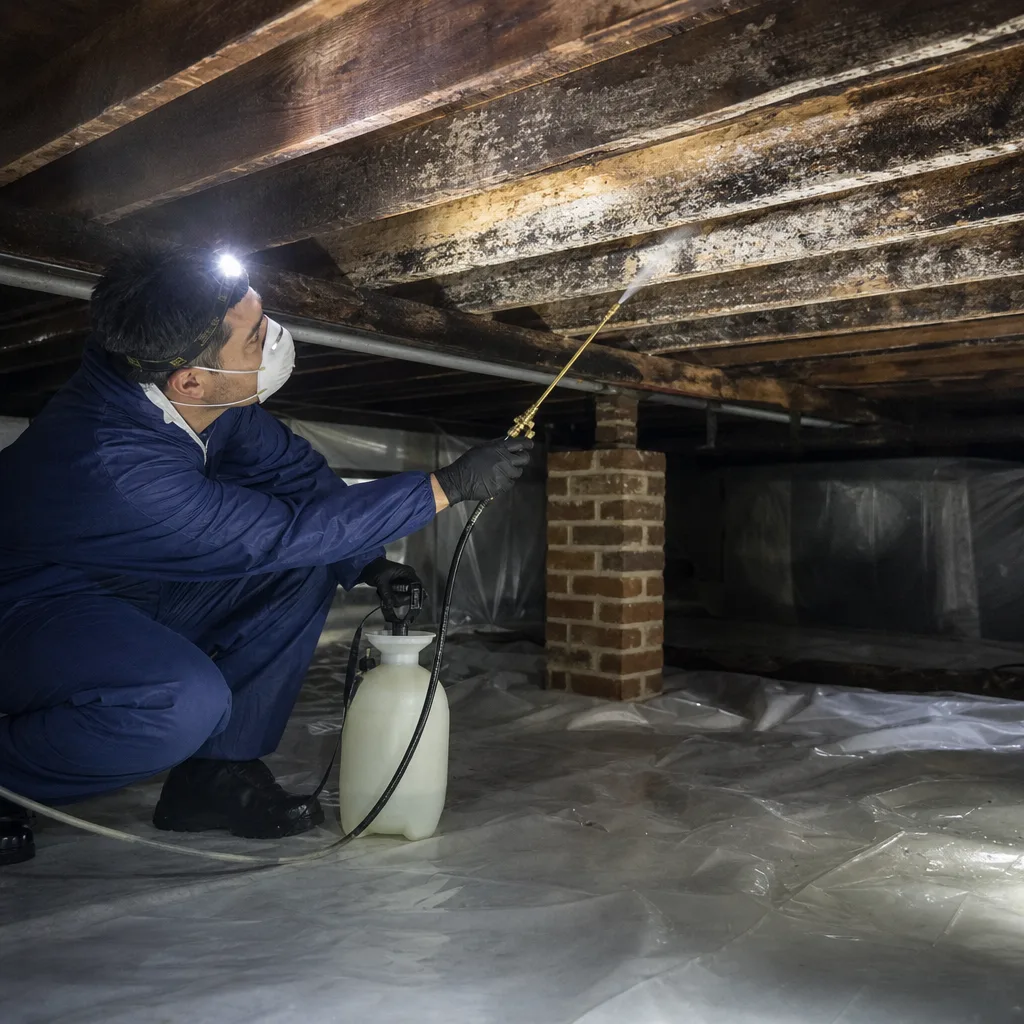
Emergency Board-Up
After a storm blows out a storefront window on Fulton Street or a loading dock door on Pearl Street, the building is open to weather, theft, and further damage. Board-up in the Financial District matters more than it does uptown because an unsecured street-level opening in a district of historic facades invites vandalism and further water entry within hours. We arrive with the materials to secure any opening, any time of day.
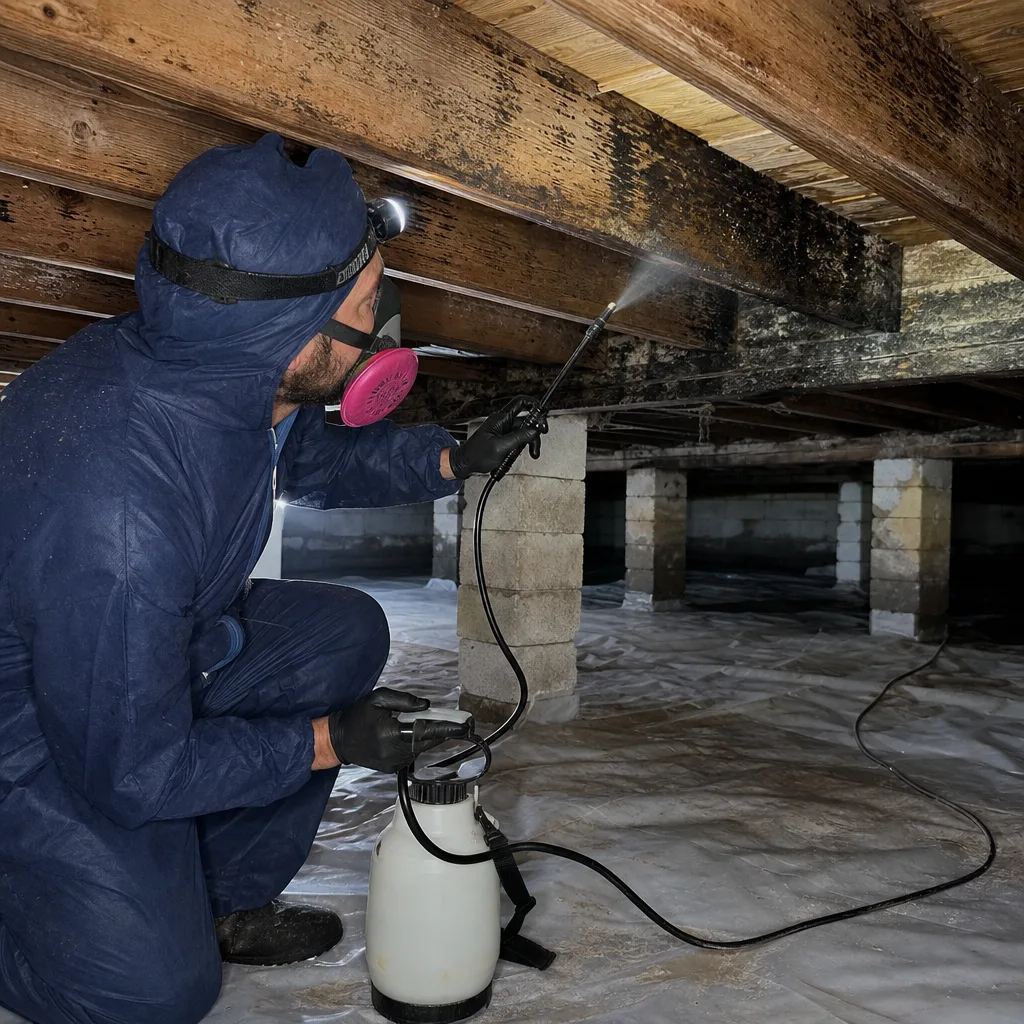
Roof Tarping
High winds strip membrane roofing and copper flashing from the district’s flat-roofed commercial buildings. A tarp stops active water entry while permanent repairs are scoped. On the converted Art Deco towers, tarping must be done without anchoring into historic stone or terra cotta, which requires a different approach than a modern roof.
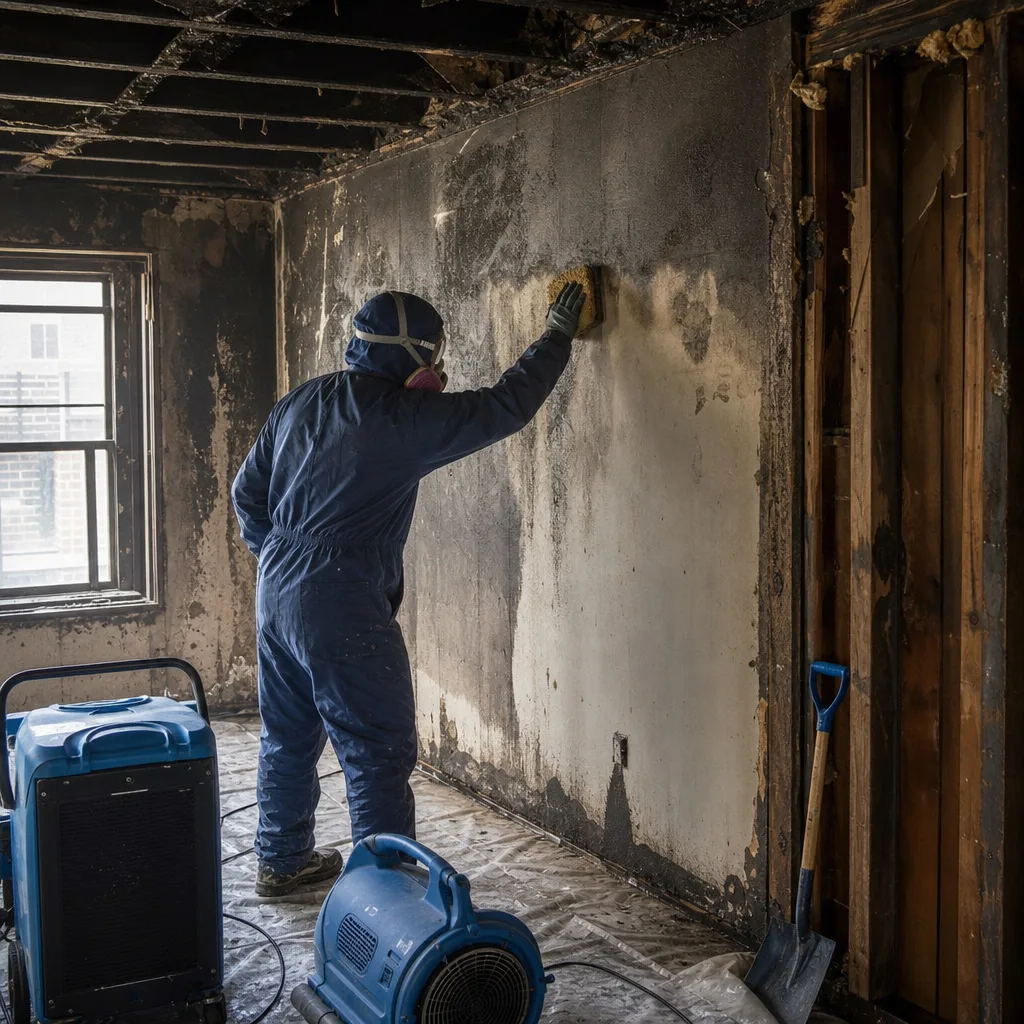
Debris Removal
Storm debris in the Financial District includes everything from wet drywall to saturated office furnishings to construction materials blown from rooftop staging. We haul it out, separate what can be salvaged, and document the rest for your adjuster. The narrow streets and freight elevators in these older buildings mean crews work with smaller equipment and more manual carry, which we plan for in every scope.
What happens when you call
- 1
A real person answersNo phone trees - you reach a local pro.
- 2
You get an upfront price rangeHonest numbers before anyone is dispatched.
- 3
A background-checked tech heads outLicensed & insured, dispatched right away.
- 4
You approve before work beginsNothing starts until you say go.
Storm & Disaster Restoration Costs in Financial District, NY
A straightforward storm cleanup with extraction and drying in a Financial District apartment typically runs $3,200 to $6,800, depending on square footage and Category of water. Sub-basement flood restoration in a converted tower, where mechanical rooms and switchgear are involved, starts around $14,000 and can reach $45,000 or more when structural steel remediation and electrical restoration are required. Emergency board-up for a street-level opening runs $450 to $1,200. Roof tarping on a flat commercial roof costs $800 to $1,800 depending on size and access. Saltwater intrusion remediation adds 20 to 35 percent over freshwater jobs because of the extra flushing, corrosion treatment, and longer drying cycles. The free visual inspection gives you a firm number before work starts. Call (640) 500-3278 and we will walk your building and tell you what it costs.
We Also Serve Cities Near Financial District
Our crews serve the Financial District and the surrounding neighborhoods, including Washington Square, Lower Manhattan, Midtown West, and Midtown Manhattan. If you’re just outside the district and need Storm & Disaster Restoration help, call us. The same live dispatch and the same 90-Day Done Right Promise apply.
Financial District Storm & Disaster Restoration Questions, Answered
How does saltwater flooding in Financial District sub-basements change the drying plan compared to a freshwater pipe break?
Saltwater requires roughly 20 to 35 percent longer drying time and a different chemical treatment sequence than a freshwater break. Salt is hygroscopic, meaning it pulls moisture back out of the air and into building materials long after visible water is gone. In these jobs we flush salt residue from structural steel and cast-iron members, use desiccant dehumidifiers rather than refrigerant-only units, and hold the drying log open for several days past the point where a freshwater job would clear. Stopping early guarantees a recall. Call (640) 500-3278 and we’ll explain what your specific building needs.
Do I need an elevation certificate before you can start structural drying in a Zone AE building here?
No. You do not need an elevation certificate before we start extraction and structural drying. The certificate is an insurance and code-compliance document that matters later, when your carrier and the NYC Department of Buildings review the scope of repair below base flood elevation. We start drying immediately, and we document everything so the certificate and Local Law review can happen without delaying the claim. We’ll coordinate with your adjuster to make sure the paperwork is ordered at the right time.
Why does emergency board-up matter more in the Financial District right after a storm?
Because the Financial District’s street-level retail and commercial spaces are concentrated, heavily trafficked, and historically built. An unsecured opening on Fulton Street or Water Street invites theft, weather entry, and further damage within hours. In a district where facades are often landmarked, a broken window that becomes a wider structural opening is a much bigger problem. Board-up happens fast, usually within hours of our arrival. Call (640) 500-3278 any hour and we’ll dispatch a crew.
What typically happens to original 1920s mechanical rooms in these towers when harbor water gets in?
The first casualty is electrical switchgear. Most of these towers have their primary electrical rooms in sub-basements, a design decision from the 1920s and 1930s that never anticipated storm surge. When saltwater hits, the switchgear shorts, building power dies, and suddenly the remediation equipment has no electricity. We bring portable generation from street level to run extraction and drying equipment. Then the saltwater works on cast-iron drain stacks and structural steel, corroding from the inside out. We assess, treat, and document all of it.
Do you pack out contents from Financial District apartments differently because of the older building infrastructure?
Yes. In these pre-war buildings, freight elevators are often down during a flood, stairwells are narrow, and there is nowhere to stage a large truck on the street. We use smaller, more maneuverable equipment, more manual carry, and we sequence the pack-out so essentials come out first and everything is logged for your carrier. If your building’s service elevator is out because the sub-basement flooded, we coordinate with building management on lift access for salvageable contents.
How fast can you actually get to a building in the Financial District during a storm?
Our dispatch office is in New York City, and we maintain crews positioned to reach the Financial District within 45 minutes of your call, including during active weather events. The district’s narrow streets and limited staging areas mean we dispatch smaller trucks than we would uptown, which lets us park and begin extraction faster. Call (640) 500-3278 and a live dispatcher will tell you exactly when your crew arrives.
Will my insurance cover storm and flood restoration in the Financial District?
It depends on your policy and whether the water entered from storm surge, wind-driven rain, or a backed-up drain. Surge flooding requires flood insurance, which many Financial District owners carry because the area sits in FEMA Zone AE. Wind-driven rain and broken windows are typically covered under standard property policies. Our crews photograph everything before anything is moved and we bill your carrier directly, so the claim moves forward whether it falls under flood or property coverage.
What should I do in the first 30 minutes after storm water enters my Financial District building?
Call us at (640) 500-3278, then shut off electrical power to any flooded area from a dry location if you can do so safely. Do not enter standing water in a sub-basement, especially if it may be in contact with submerged electrical equipment. Move valuables to higher ground if it’s safe. Do not attempt to pump water yourself with a residential sump pump, it cannot handle Category 3 water and you may make the contamination worse. The first 30 minutes determine how much of your building can be dried rather than replaced.
Serving Financial District, NY - Our Local Coverage Area
We’re based in the Financial District area and know this community well. Use the map below to see our service coverage - if you’re nearby, we can almost certainly help.
Storm & Disaster Restoration in Financial District, Done Right
Floodline Restoration Co. has been doing this work through nor’easters, hurricanes, and the long recovery after Sandy. We know the Financial District’s buildings, its sub-basements, its mechanical rooms, and its paper trail with FEMA and the DOB. We do not hand the job off after extraction. The same crew dries, treats, and rebuilds, and every job ends with a moisture log and the 90-Day Done Right Promise in your hands, in writing. Founded in 2010 by Curt Bowman, we built this company around a dispatch board and a promise to answer the phone. Call (640) 500-3278 now for a free estimate, or reach our Storm & Disaster Restoration team for emergency dispatch anywhere in Financial District. The line the water left is where we start.
Written by Curt Bowman, Owner at Floodline Restoration Co., serving Financial District since 2010.