
Free visual inspection and a written scope of work before any mitigation begins - photos, moisture readings, and drying logs go in your claim file
The scope we write is the scope we bill. Anything new gets shown to you, in writing, before we touch it.
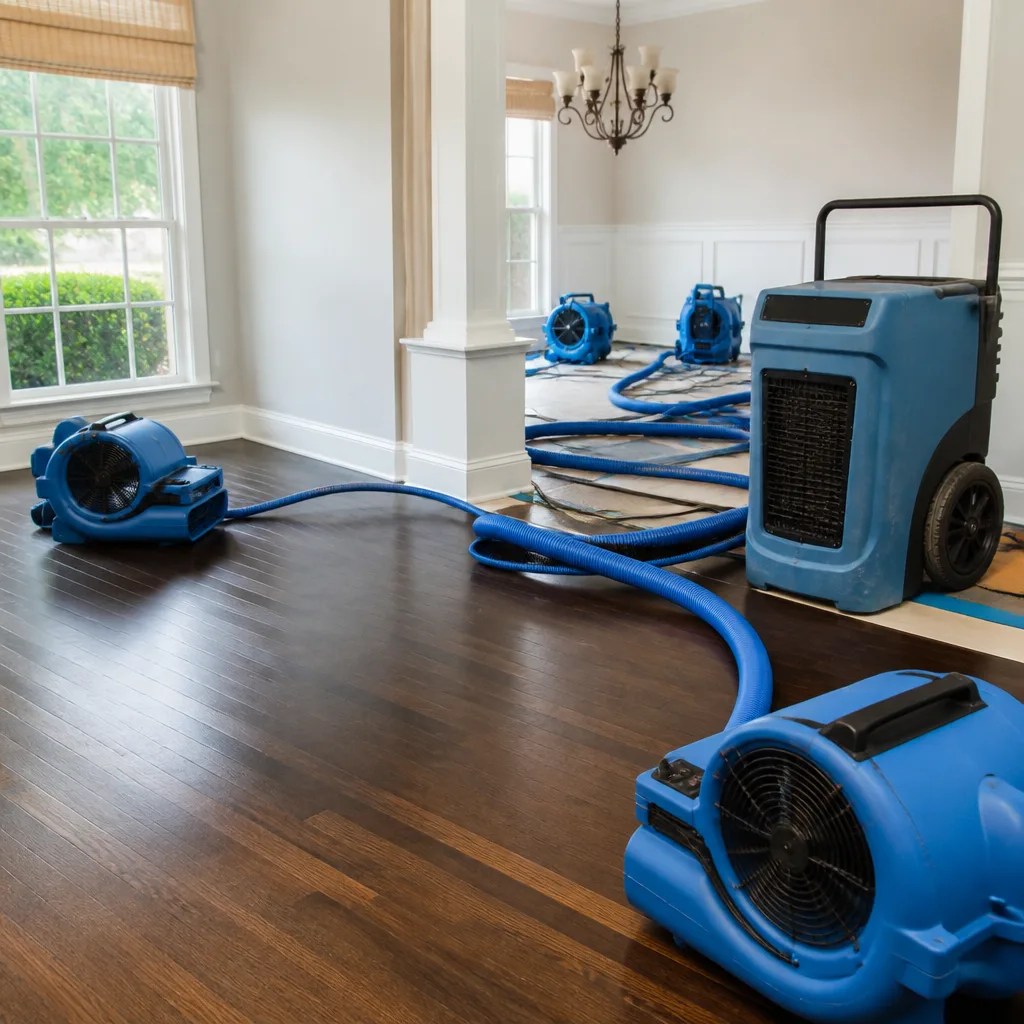
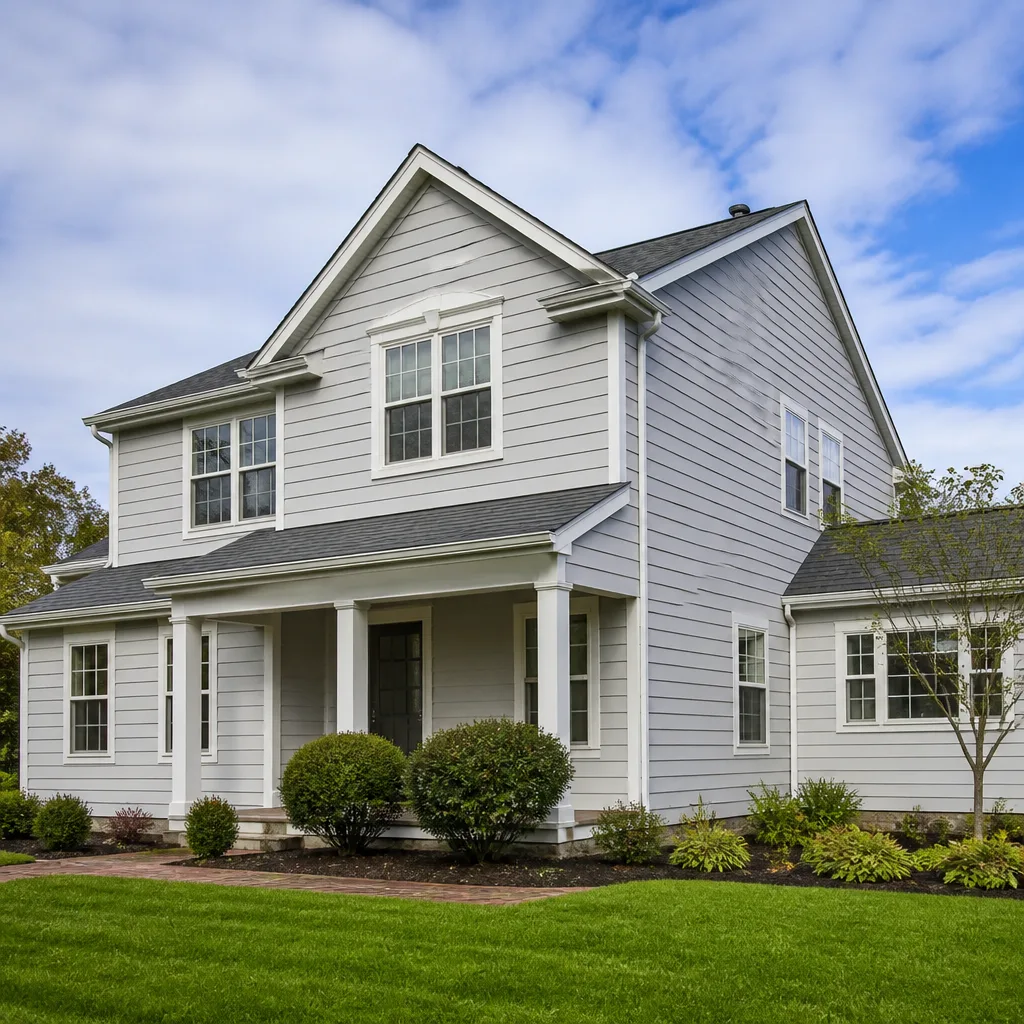
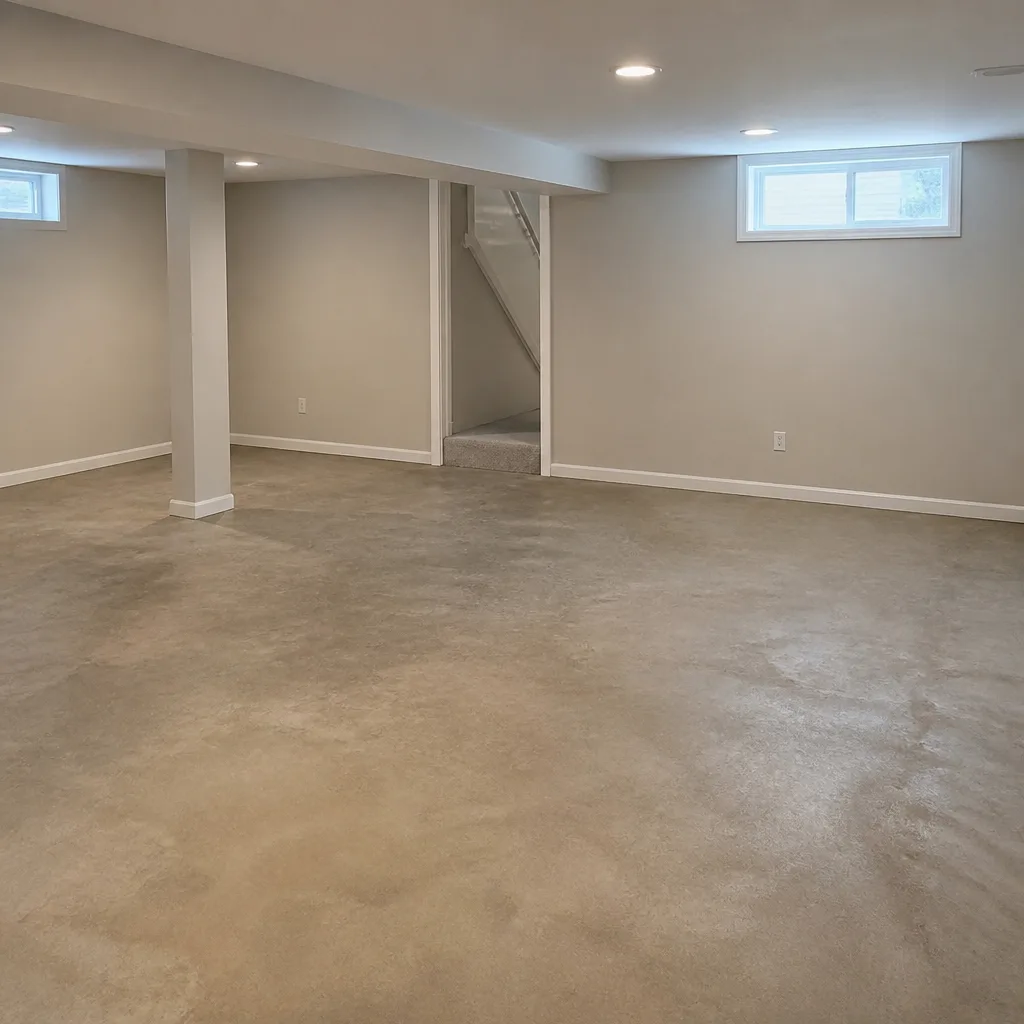

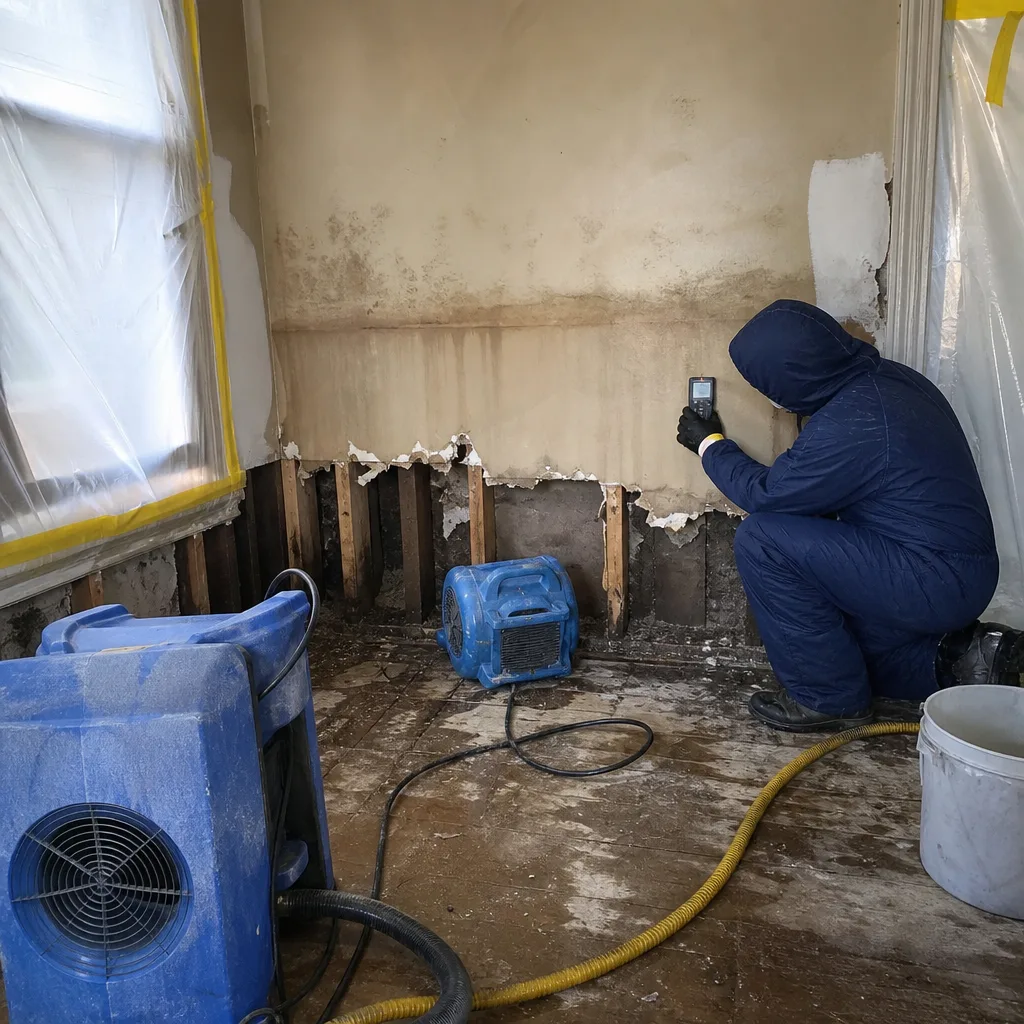 Before
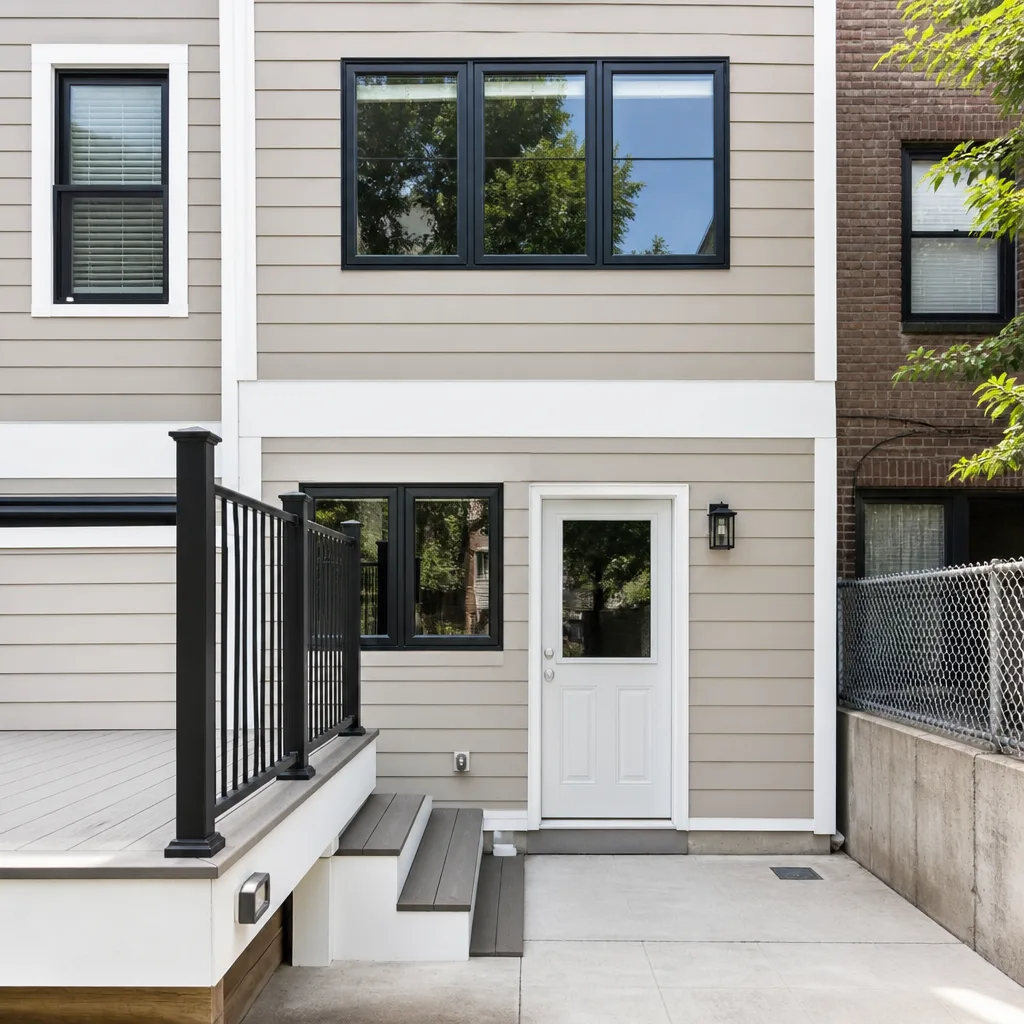 After
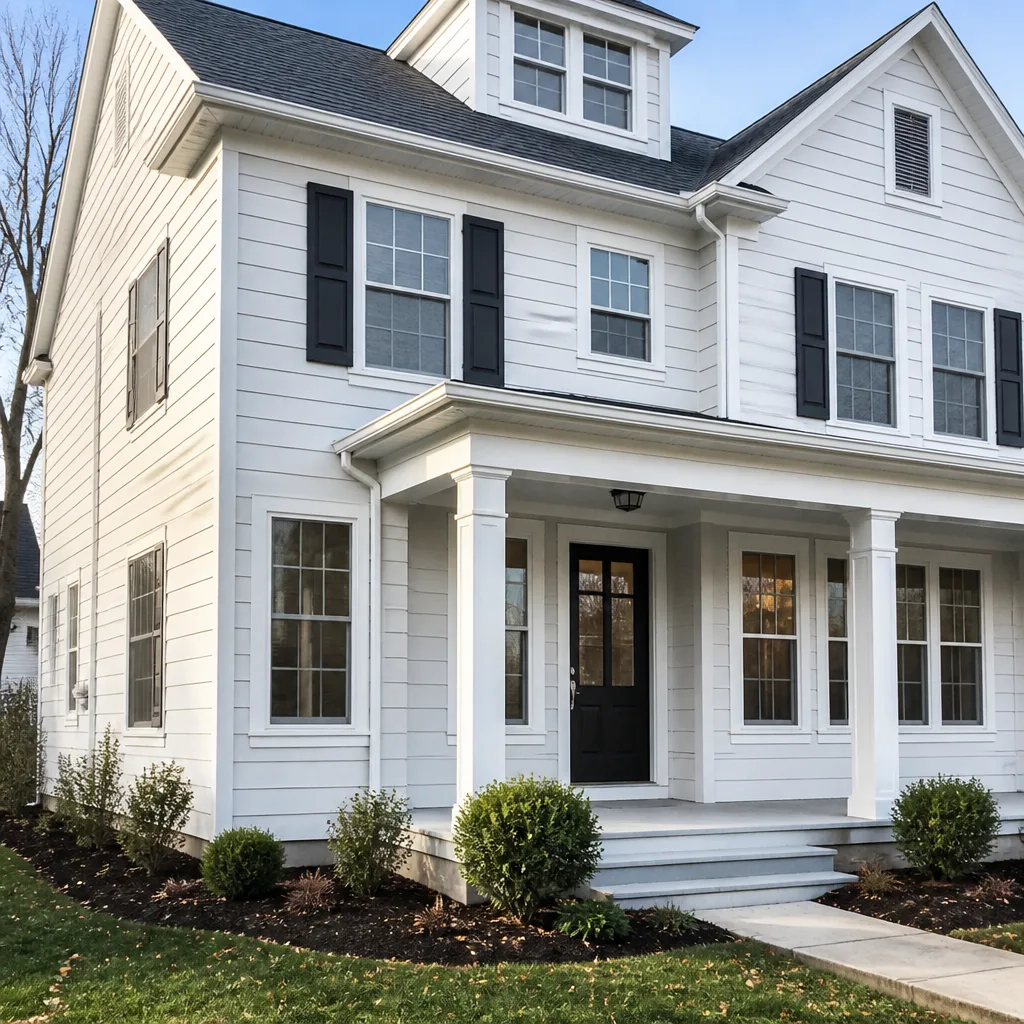
After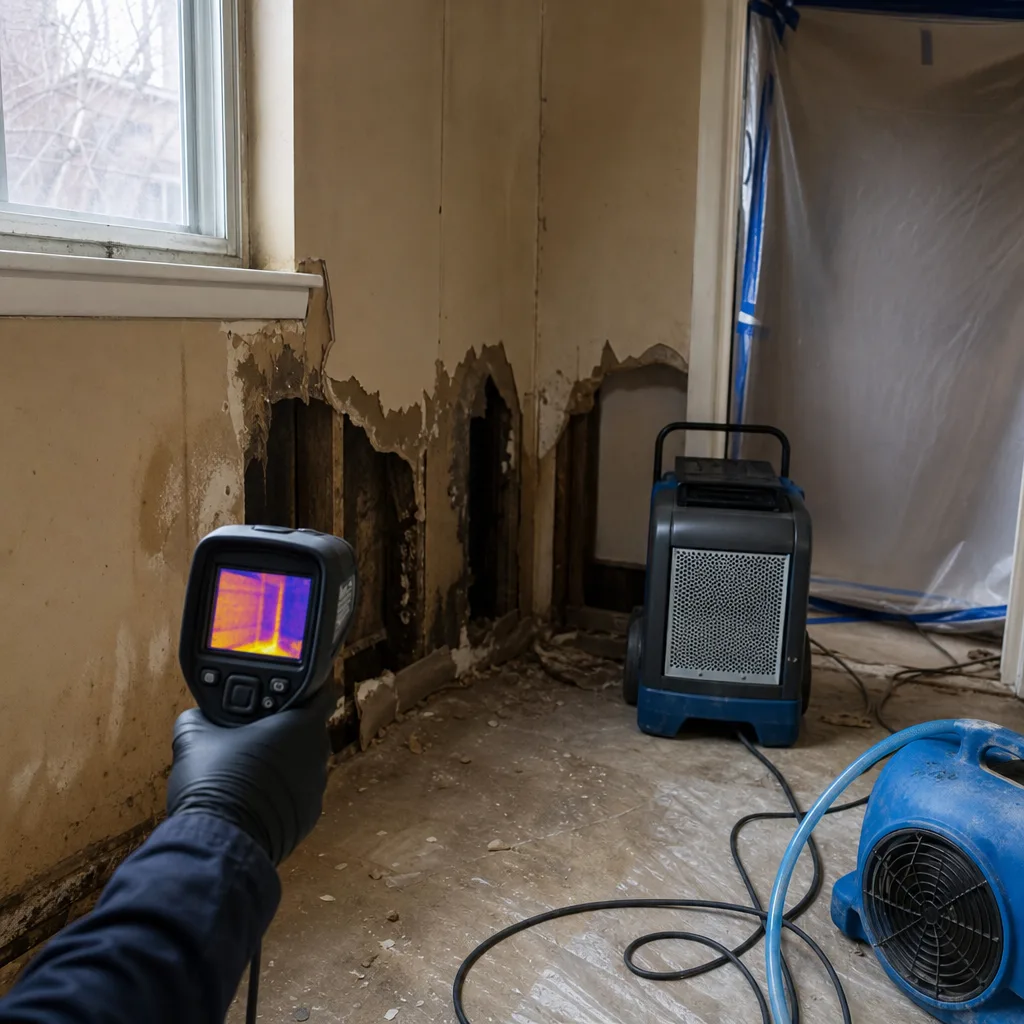 Before
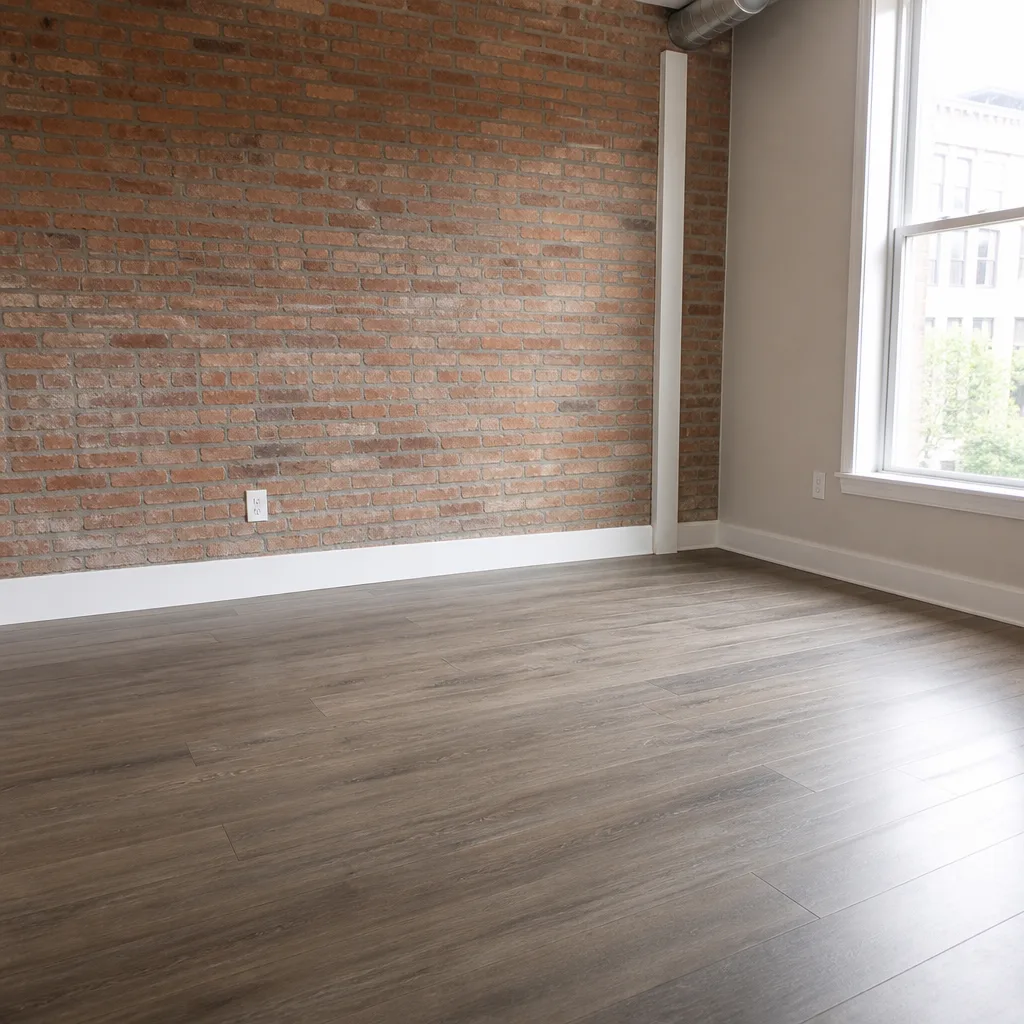 After
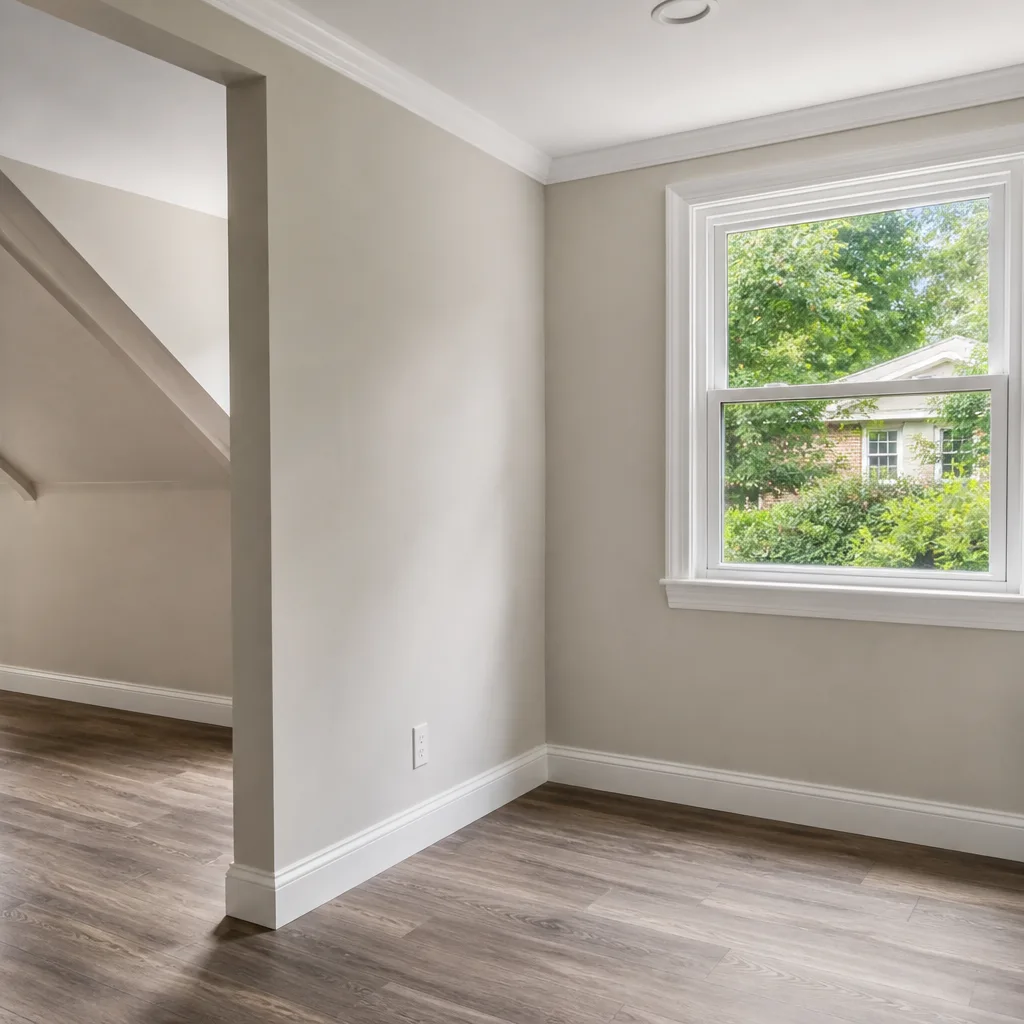
After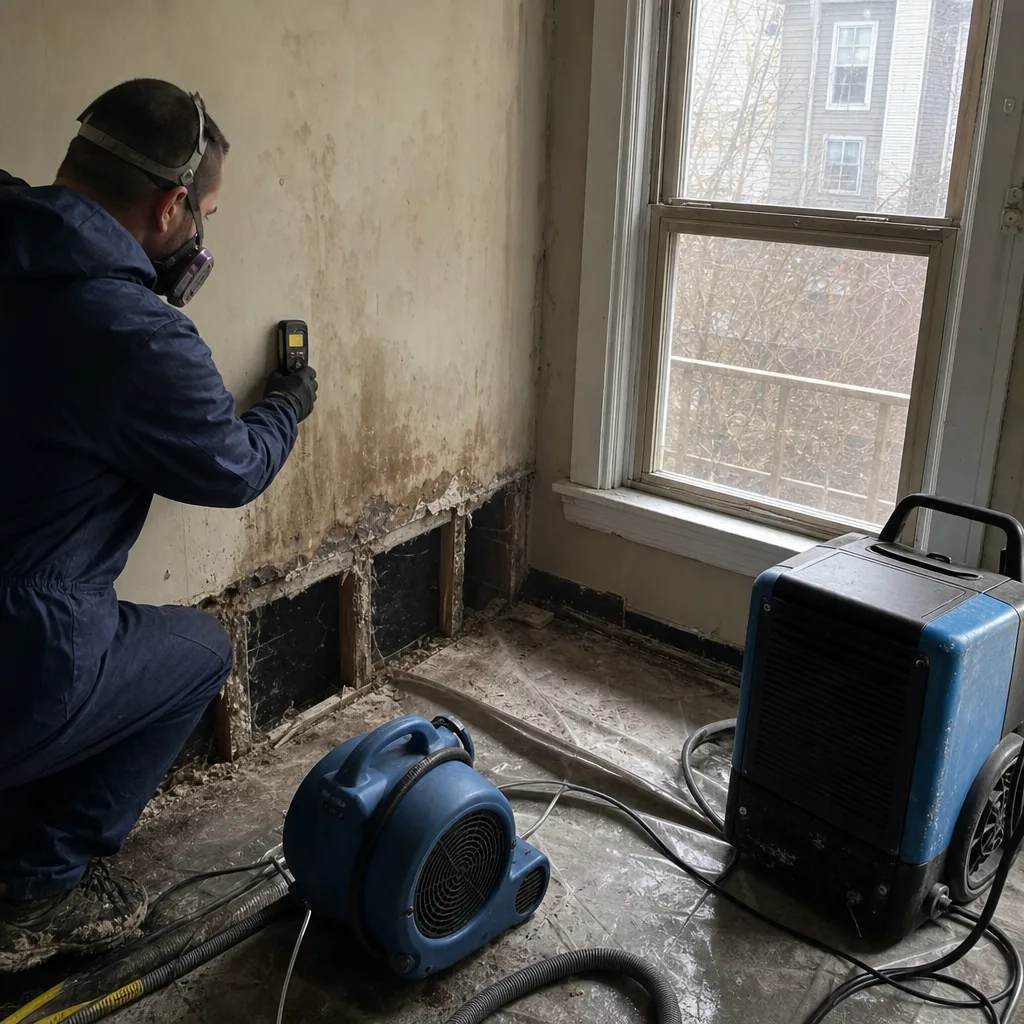 Before
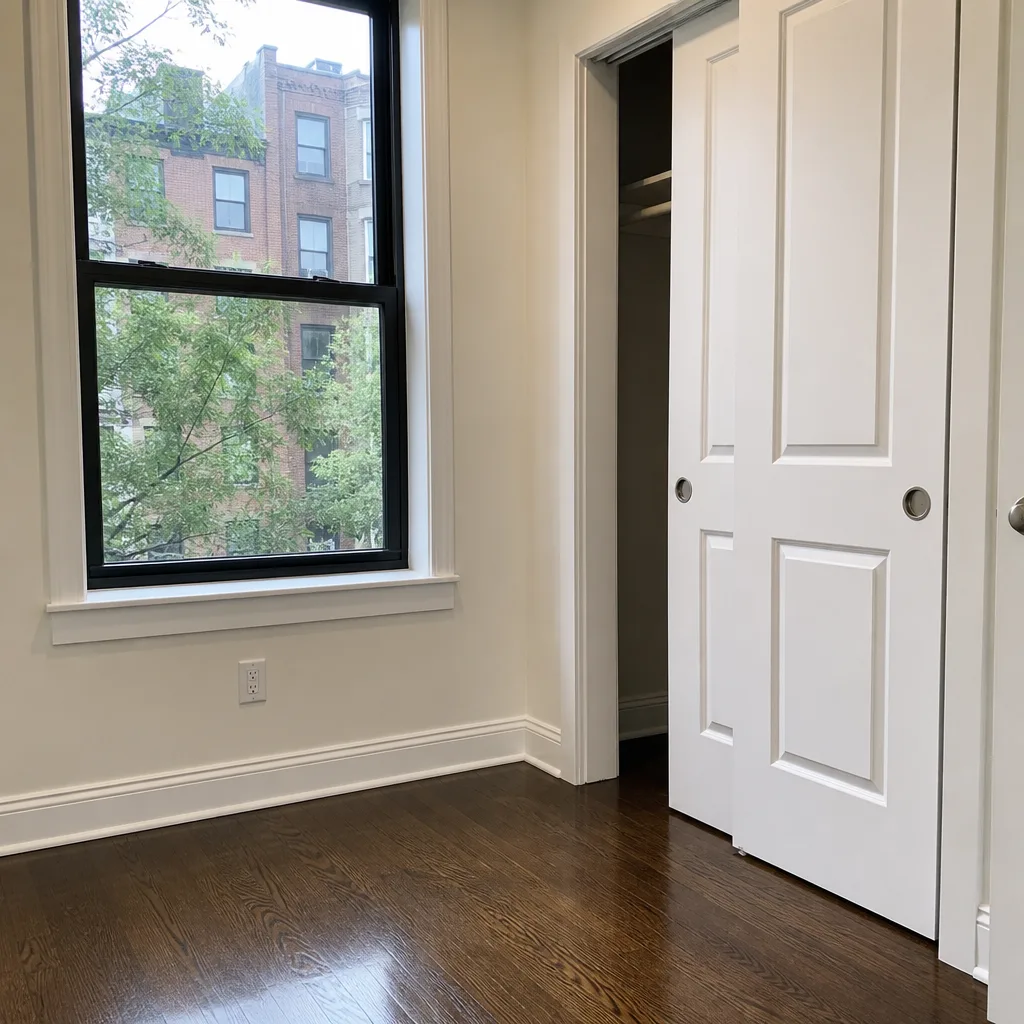 After
After24/7 Emergency Fire & Smoke Damage Restoration in Financial District
A kitchen fire in a converted pre-war condo, a short in a below-grade electrical room, a cigarette left too close to bedding - fires in Financial District towers create a particular kind of damage that spreads through steam riser chases, cast-iron drain stacks, and shared HVAC returns. Call (640) 500-3278 any hour, any day. A live person answers, not a recording, and our crews reach Financial District properties quickly. The first hour matters because smoke migrates fast through the vertical shafts in these century-old buildings. We start with a free visual inspection, establish containment, and get to work. A drywall repair can wait. Smoke moving through a 70 Pine sub-basement cannot.
Understanding Fire & Smoke Damage Restoration Severity in Financial District Properties
Fire restoration in Financial District high-rises differs from a single-family house job in ways that show up in the first hour. Soot residue is classified by composition: dry, protein-based, or fuel-oil soot, each requiring a different cleaning chemistry. Smoke migration follows pressure differentials, and in Art Deco towers with legacy steam riser chases and open chase pathways, smoke from a 6th-floor kitchen fire reliably shows up in the sub-basement mechanical rooms and the 14th-floor hallway. The severity here is multiplied by vertical travel. Beyond soot and odor, fire suppression water saturates drywall and flooring, forcing a combined fire-and-water restoration protocol. In converted office-to-residential units at 20 Exchange Place or 40 Wall Street, fire-damaged drywall can conceal asbestos wrap on original steam risers. Cutting without testing triggers a stop-work order under NYC DEP rules. We scope every Financial District fire loss with that regulatory reality in mind. Our Fire & Smoke Damage Restoration team carries the equipment to handle soot, water, odor, and the documentation trail simultaneously.
Why Financial District Property Owners Choose Floodline Restoration Co.
- Fast response, actually: We commit to a 45-minute dispatch window for Financial District emergency calls. A live person answers at 2 a.m. and a crew gets moving.
- One company, start to finish: The same Floodline Restoration Co. team that extracts water and runs air movers on day one is the crew that rebuilds drywall and paints. No mid-job handoff, no inherited subcontractor confusion.
- IICRC-certified crews: Technicians hold WRT, FSRT, and AMRT certifications. Background-checked, uniformed, and trained to RIA and IFA standards.
- Free visual inspection, no obligation: We walk the affected area, document what we see, and hand you a written scope before any work begins. No pressure, no oversell.
- Direct insurance billing: We document from the first hour, send the file to your carrier, and coordinate with the adjuster ourselves. You don’t play messenger.
- 90-Day Done Right Promise: The Keystone Standard, in writing. If it’s not done right, we make it right. No argument, no paperwork battle.
Our Fire & Smoke Damage Restoration Process
Inspection & Assessment
We walk the full affected area, including chase pathways and mechanical spaces that most crews never check. Thermal imaging identifies hidden heat transfer. We note the building’s construction type, the presence of legacy steam risers, and whether below-grade electrical infrastructure is involved. A written scope follows, with line-item pricing.
Board-Up, Tarping & Stabilization
Broken windows, compromised entries, and fire-damaged roofs get emergency board-up and tarping immediately. In Financial District towers, we coordinate with building management and DOB requirements before any structural access changes.
Soot & Smoke Residue Removal
Different soot types require different chemistry. We test surfaces, then use HEPA-vacuuming, dry chemical sponges, and wet-chemistry cleaning appropriate to the residue. We clean not just visible surfaces but inside chases, behind radiators, and along pipe penetrations where smoke traveled.
Drying & Dehumidification
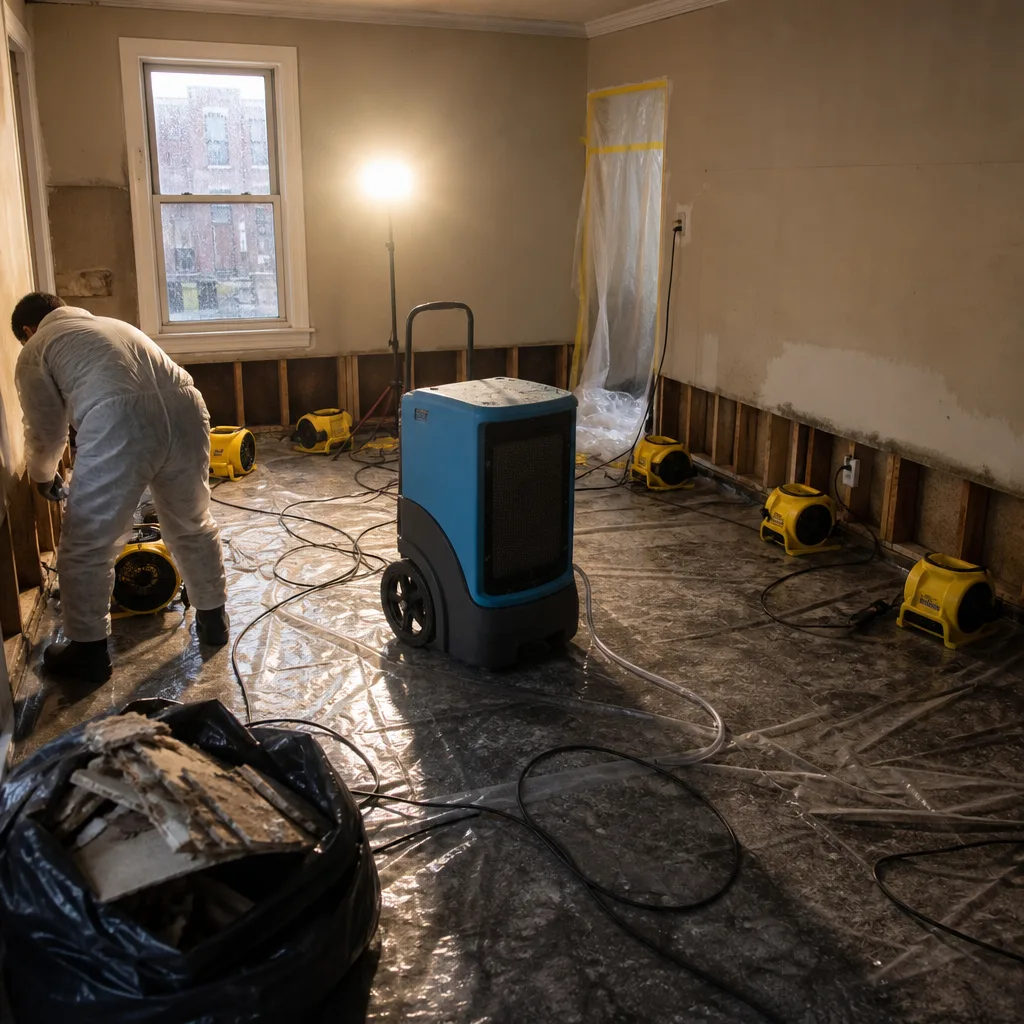
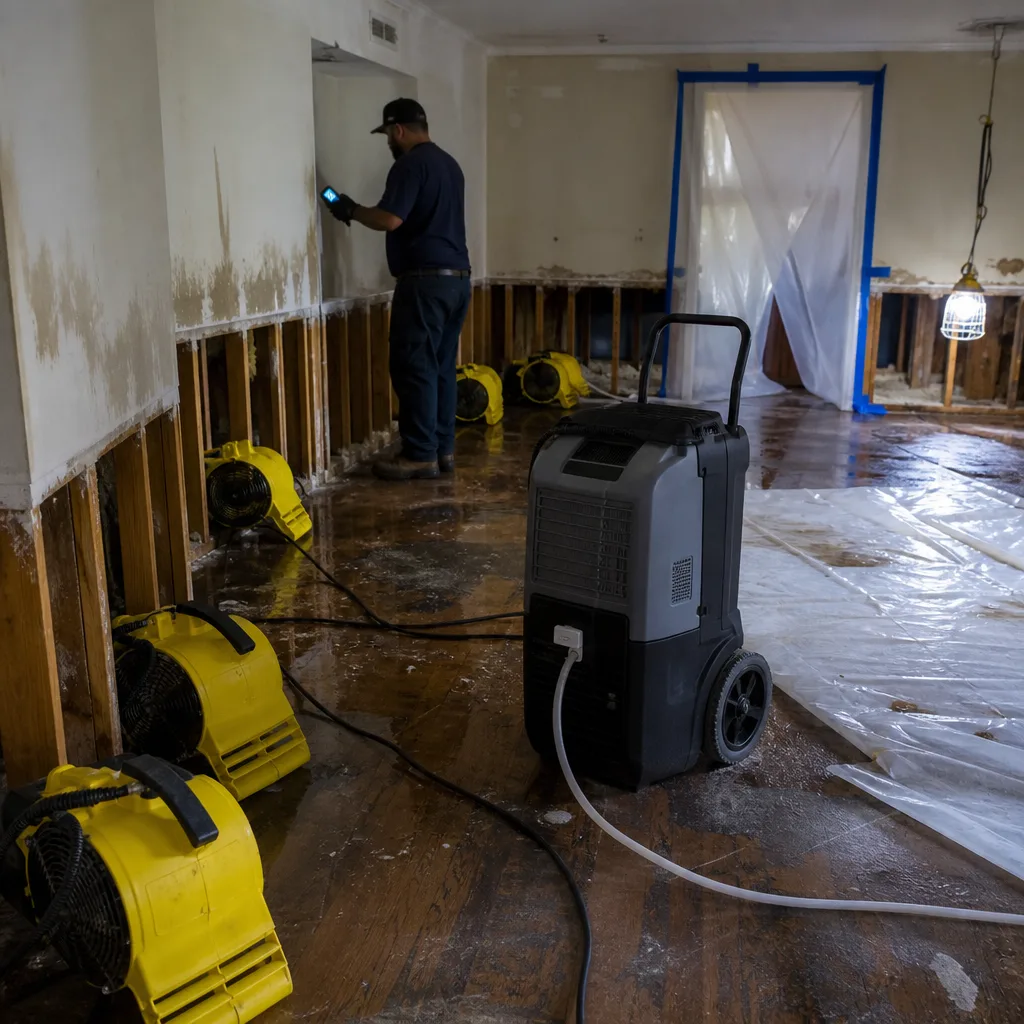
Fire suppression water saturates flooring, walls, and subfloor cavities. We run Dri-Eaz dehumidifiers, Phoenix air movers, and Injectidry systems to pull moisture from hidden cavities. Daily readings are logged until the dry standard is met, and the log goes to you and your carrier.
Odor Removal & Deodorization
Surface cleaning alone won’t kill smoke odor in pre-war buildings. We run hydroxyl generators and thermal fogging through the actual pathways smoke used, including cast-iron drain stack vent paths and steam riser chases. Odor counteractant fog through the original vent system is the difference between an odor job that holds and one that comes back in a month.
Repairs & Restoration
We rebuild what the fire damaged: drywall, trim, flooring, cabinetry, paint. If the fire exposed legacy building systems, we coordinate with licensed trades and building management. The same Floodline crew that started the job finishes it, and the 90-Day Done Right Promise covers the result in writing.
Need Emergency Fire & Smoke Damage Restoration in Financial District Now?
Crews minutes away, answering live 24 hours a day. The sooner we start, the less it costs.
Working With Your Insurance Company
Fire claims in Financial District buildings carry extra paperwork: elevation certificates for flood-zone AE sub-basements, NYC Local Law compliance letters, and DOB variance documentation when below-grade electrical work is required. We handle that. From the first hour, we photograph everything, log moisture readings, and build a line-item scope that your adjuster can process without back-and-forth. Curt Bowman founded Floodline Restoration Co. on a simple rule: the homeowner never plays messenger between the restoration crew and the insurance carrier. We bill your carrier directly where coverage applies and stand behind the work in writing.
What We Provide Your Insurer
- Thorough documentation of the loss
- Photos of all damage, room by room
- Moisture readings and drying logs
- A detailed, line-item scope of work
- Direct coordination with your carrier
Built for Financial District’s Loss Calendar
Fire losses in the Financial District follow a pattern. January deep freezes push aging steam risers and electrical infrastructure hard; below-grade mechanical rooms sit cold and damp, and space heaters appear in converted units with insufficient heat. Spring brings the first testing of dehumidification systems and the discovery of corroded wiring from winter condensation. Summer thunderstorms don’t cause many fires here directly, but they stress circuits in buildings where sub-basement switchgear was already compromised by Sandy-era saltwater exposure. Nor’easters and tropical systems raise the water table, which means below-grade electrical rooms face both fire risk and flood risk in the same week. And all year, the district’s converted office-to-condo stock produces kitchen and laundry fires in units whose electrical service was retrofitted for residential loads it was never designed to carry. We know this loss calendar. A square deal: no surprises on the bill, and we’ll be there when we say.
Fire & Smoke Damage Restoration Across Financial District’s Neighborhoods
Response routes here are shaped by street-level access. The narrow, canyoned streets around Wall Street and Broad Street slow larger equipment; our crews run smaller, faster vehicles and coordinate with building loading docks to get gear in without blocking traffic. Around Exchange Place and the old banking core, many buildings share common chases and basement vaults, so smoke from one unit spreads into neighbors within minutes. The residential conversions clustered along Water Street and South Street face a different pattern: post-Sandy retrofits mean electrical service entrances were relocated or elevated, and fire restoration frequently requires working around temporary generator hookups and flood-mitigation equipment installed years before. In the Stone Street historic district, building interior work triggers landmark preservation review, which adds approval time to any structural repair. We route crews from the Brooklyn-Battery Tunnel approach through the West Side, up Water Street from the south, and down Broadway from Chambers, whichever is fastest at the time of the call.
Specialized Fire & Smoke Damage Restoration Services We Offer in Financial District
Smoke & Soot Removal
Smoke in Financial District towers doesn’t stay in the unit where the fire started. It travels through steam riser chases, elevator shafts, and shared plumbing penetrations. We clean all of it: HEPA-vacuuming, chemical sponging, and wet-cleaning on surfaces from the fire floor down to the sub-basement mechanical rooms. We test soot type before choosing chemistry. Dry soot, protein soot, and fuel-oil soot each respond differently, and using the wrong cleaner makes the job harder, not easier.
Odor Removal & Deodorization
The most common call we get for a “returning odor” job in a pre-war Financial District building is one where the first crew cleaned surfaces but never treated the pathways. Smoke odor re-emerges weeks later because cast-iron drain stack vent chases and legacy HVAC returns carried particulate into spaces nobody opened. We run hydroxyl generators and thermal fogging through those exact pathways, including the original cast-iron drain stack vent paths that connect unit-level HVAC returns across multiple floors. The odor doesn’t come back because we treat the route, not just the room.
Emergency Board-Up & Tarping
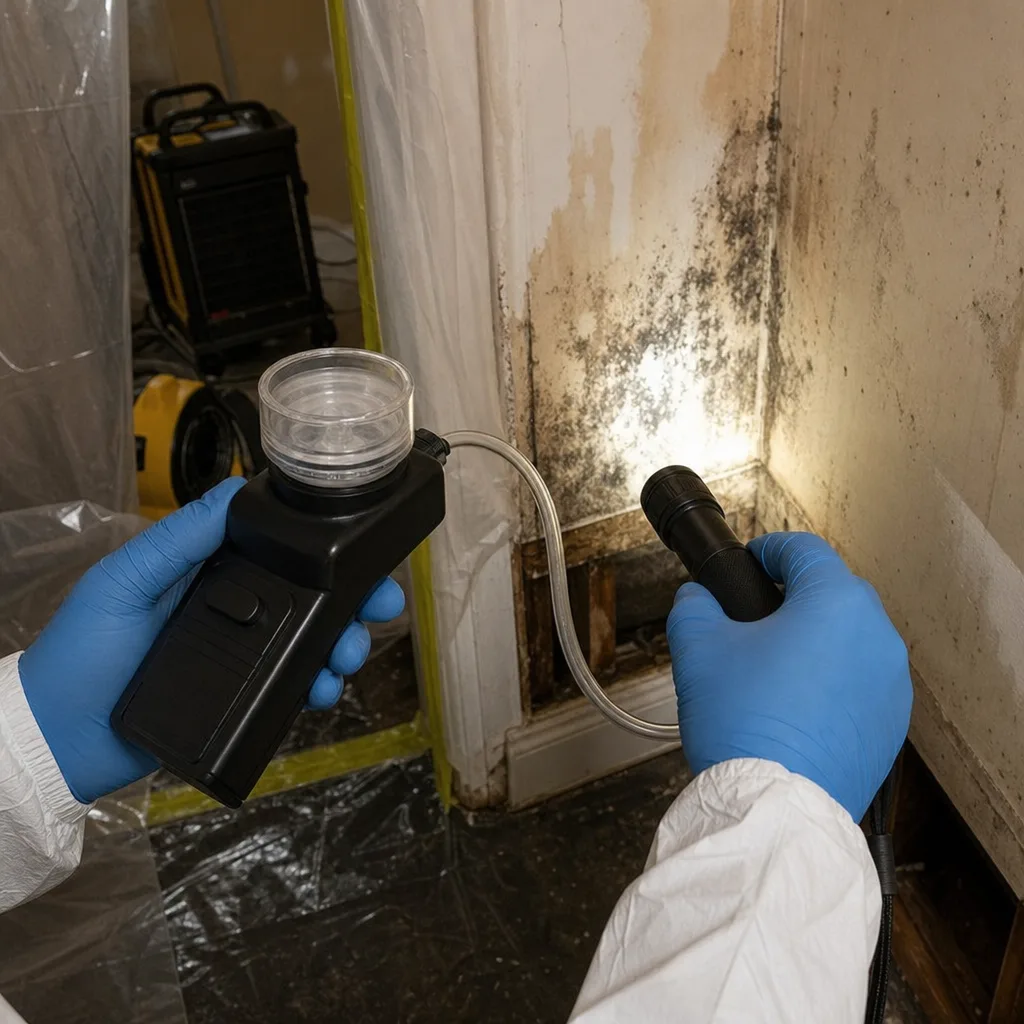
A fire-damaged window at 40 Wall Street is not a boarding job in Queens. It’s a scaffold, rope-access, or bucket-truck position, coordinated with building management, DOB, and sometimes Landmarks. We handle that quickly because an unsecured opening in a high-rise is a liability for everyone below. We board and tarp with weather-rated materials, photograph the work, and log it for your carrier.
What happens when you call
- 1
A real person answersNo phone trees - you reach a local pro.
- 2
You get an upfront price rangeHonest numbers before anyone is dispatched.
- 3
A background-checked tech heads outLicensed & insured, dispatched right away.
- 4
You approve before work beginsNothing starts until you say go.
Fire & Smoke Damage Restoration Costs in Financial District, NY
Financial District pricing runs higher than outer-borough rates because access is harder and regulatory compliance is thicker. A simple smoke odor mitigation in a single condo unit typically runs $2,800-$5,500. Smoke and soot removal that reaches into chases and common areas runs $6,000-$14,000. A full fire restoration with drywall replacement, repainting, and HVAC system cleaning in a converted tower unit runs $18,000-$45,000, and below-grade electrical restoration with DOB variance and temporary power generation adds $8,000-$25,000 depending on scope. Insurance covers most of these costs where the fire cause is covered; the elevation certificate and Local Law compliance requirements in FEMA flood-zone AE sub-basements add documentation time, not out-of-pocket cost, when the claim is handled correctly. The free inspection gives you a firm written scope before you sign anything.
We Also Serve Cities Near Financial District
Floodline Restoration Co. runs fire and smoke restoration crews throughout lower and midtown Manhattan. If you’re in Washington Square, Lower Manhattan, Midtown West, or Midtown Manhattan, we cover those areas with the same live-answer dispatch and certified crews we run in Financial District.
Serving Financial District, NY - Our Local Coverage Area
We’re based in the Financial District area and know this community well. Use the map below to see our service coverage - if you’re nearby, we can almost certainly help.
Financial District Fire & Smoke Damage Restoration Questions, Answered
Why do smoke odor jobs in Financial District pre-war buildings often fail the first time?
Smoke odor re-emerges because most crews clean surfaces but never treat the pathways smoke actually traveled through, namely the cast-iron drain stack vent chases and legacy steam riser pathways that connect unit-level HVAC returns across multiple floors. The smell comes from residue inside those vertical shafts. We run hydroxyl generators and thermal fogging through those exact pathways, not just the affected room. If you’re smelling smoke weeks after another company finished, call (640) 500-3278 for a re-scope. The fix is usually straightforward once the real pathway is found.
How does Hurricane Sandy’s saltwater history affect a fire restoration here, even if the current loss is fire only?
Post-Sandy building code updates in the Financial District mean that any fire restoration involving electrical systems in flood-prone sub-basements triggers NYC Local Law compliance reviews, and often requires an elevation certificate before the insurance carrier finalizes the claim. That’s true even when the current damage is entirely fire-related. The building’s flood-zone AE designation doesn’t care what started the loss. We include this documentation in our claim file from day one so the payout isn’t held up at the end.
Do Financial District condo boards require anything unusual before smoke mitigation can start?
Many do. Boards in converted towers at 20 Exchange Place, 70 Pine, and similar buildings require advance notice for any work in shared chases, elevator shafts, or mechanical rooms, and some require a licensed contractor’s certificate of insurance naming the board before we can access those areas. We handle the paperwork. Sometimes a board also requires a DOB variance or landmark review sign-off before structural access changes. That’s part of the job here, and we don’t bill you to learn how it works.
Which floors in Financial District high-rises are worst for smoke travel after a lower-floor fire?
All of them, but the pattern is predictable. Smoke moves up through steam riser chases and elevator shafts faster than it spreads laterally, so units directly above the fire floor, especially those near the building’s central core, get the worst exposure. But smoke also sinks into sub-basement mechanical rooms through cold air pressure differentials. A 6th-floor kitchen fire at a converted Art Deco tower on Exchange Place put smoke in sub-basement mechanical rooms the same afternoon. We contain and clean both directions.
Why do we bring portable power to many Financial District fire restoration jobs?
In many converted 1920s and 1930s Financial District towers, the original switchgear and emergency generators were installed in the lowest sub-basements, positions chosen by engineers who never anticipated storm surge. After Sandy, much of that below-grade electrical infrastructure was decommissioned or sits below post-Sandy flood elevation. A fire restoration requiring drying equipment in those areas often means the building’s service entrance cannot support the load, so we bring portable power generation before air movers and dehumidifiers can run. This is standard operating procedure for below-grade work in the district.
How fast can someone actually get to my Financial District building?
We commit to a 45-minute dispatch window for Financial District emergency calls. A live person answers the phone at any hour, and a crew starts moving immediately. Street access varies by block and time of day, but our local drivers know the narrows around Wall Street, the loading dock protocols on Water Street, and the quickest route through lower Manhattan traffic at any hour.
Will insurance cover fire and smoke restoration in a Financial District condo?
Most homeowner policies cover fire and smoke damage where the fire cause is covered. The complications here are documentation-related: elevation certificates for flood-zone AE sub-basements, NYC Local Law compliance letters, and board-required contractor paperwork. We prepare that file as part of the restoration, send it to your adjuster directly, and bill your carrier where coverage applies. The free inspection includes a documentation review so you know where your claim stands before work starts.
What should I do in the first 30 minutes after a fire in my Financial District unit?
Call (640) 500-3278. Do not touch soot-covered surfaces with bare hands; the oils in your skin set soot into painted walls and fabrics. Do not run your HVAC system, because it will pull smoke through the building’s shared returns and spread it. Open windows if it’s safe to do so, but don’t attempt to clean anything yourself. Turn off power to the affected area only if you can do so without entering a smoke-damaged or water-soaked space. Then let us handle it.
Written by Curt Bowman, Owner at Floodline Restoration Co., serving Financial District and surrounding Manhattan neighborhoods.