
Free visual inspection and a written scope of work before any mitigation begins - photos, moisture readings, and drying logs go in your claim file
The scope we write is the scope we bill. Anything new gets shown to you, in writing, before we touch it.
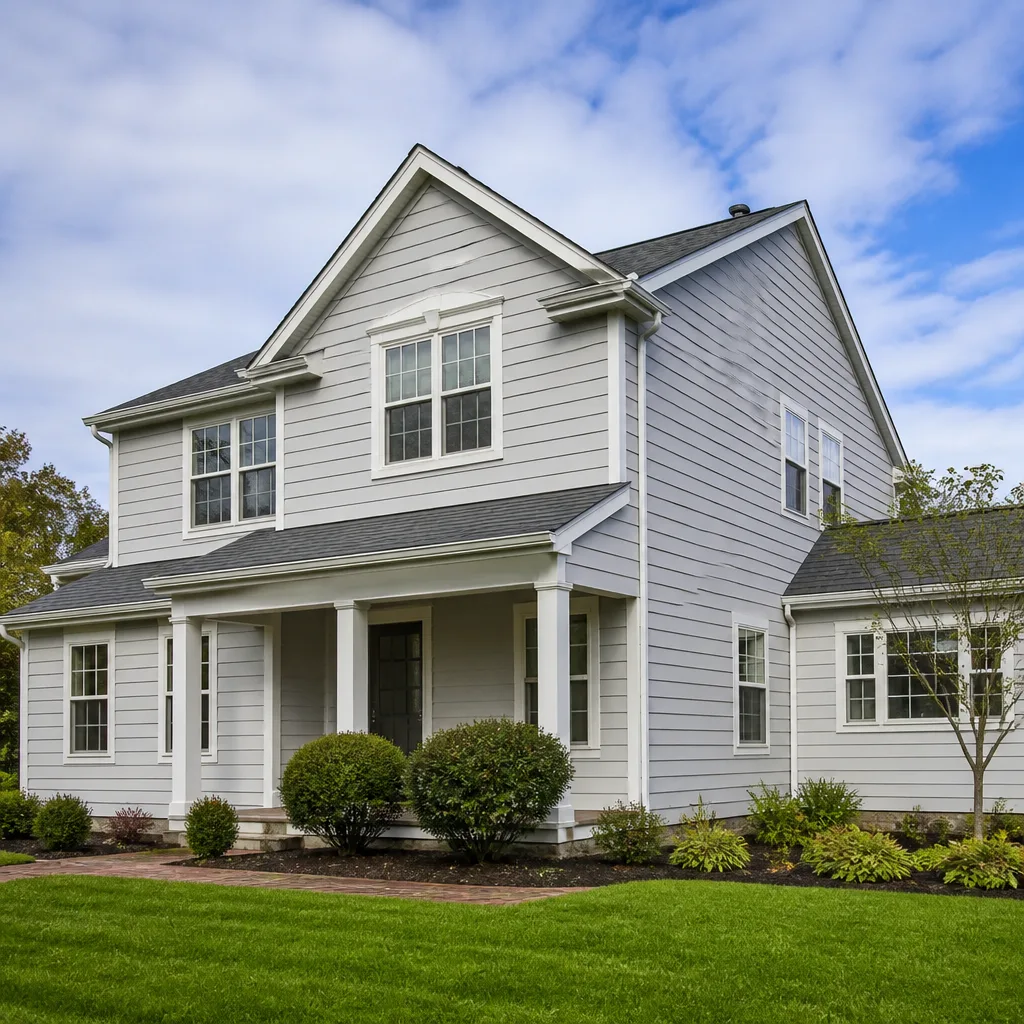
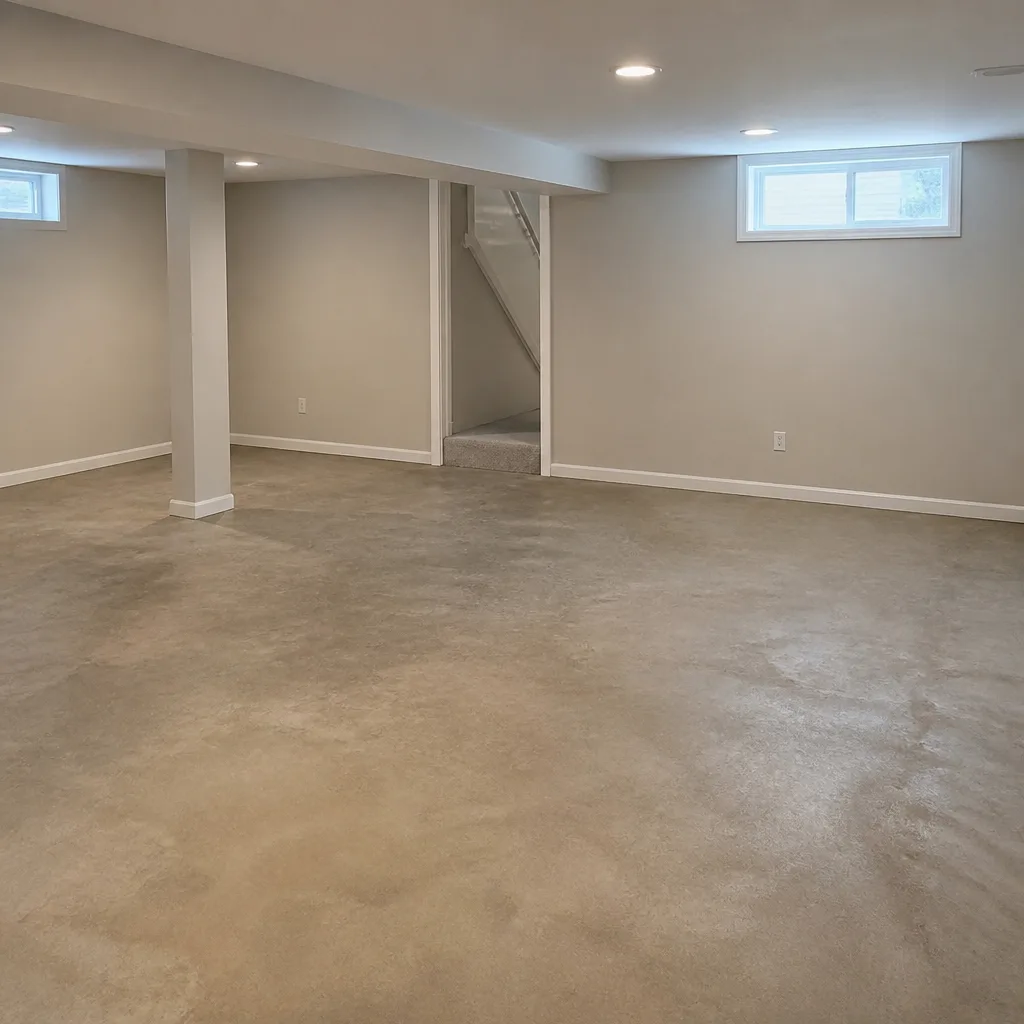

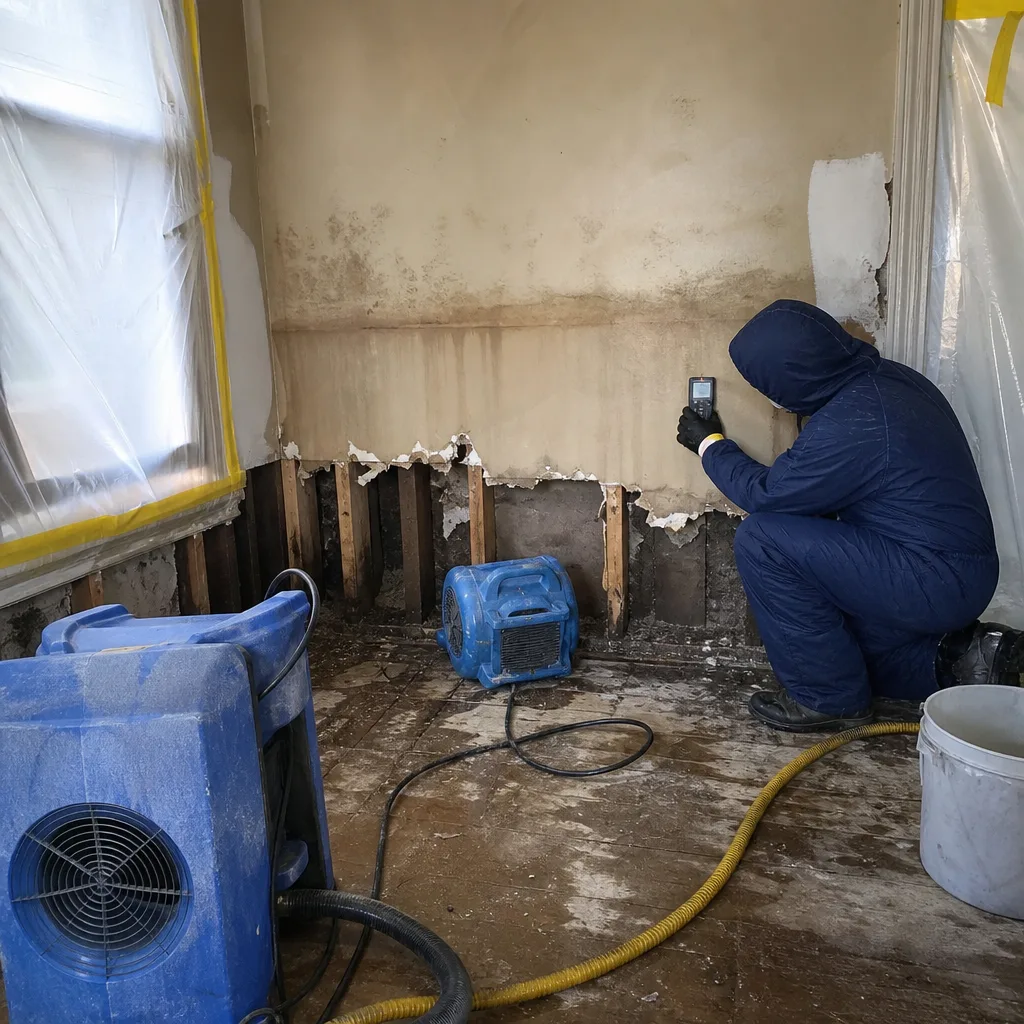 Before
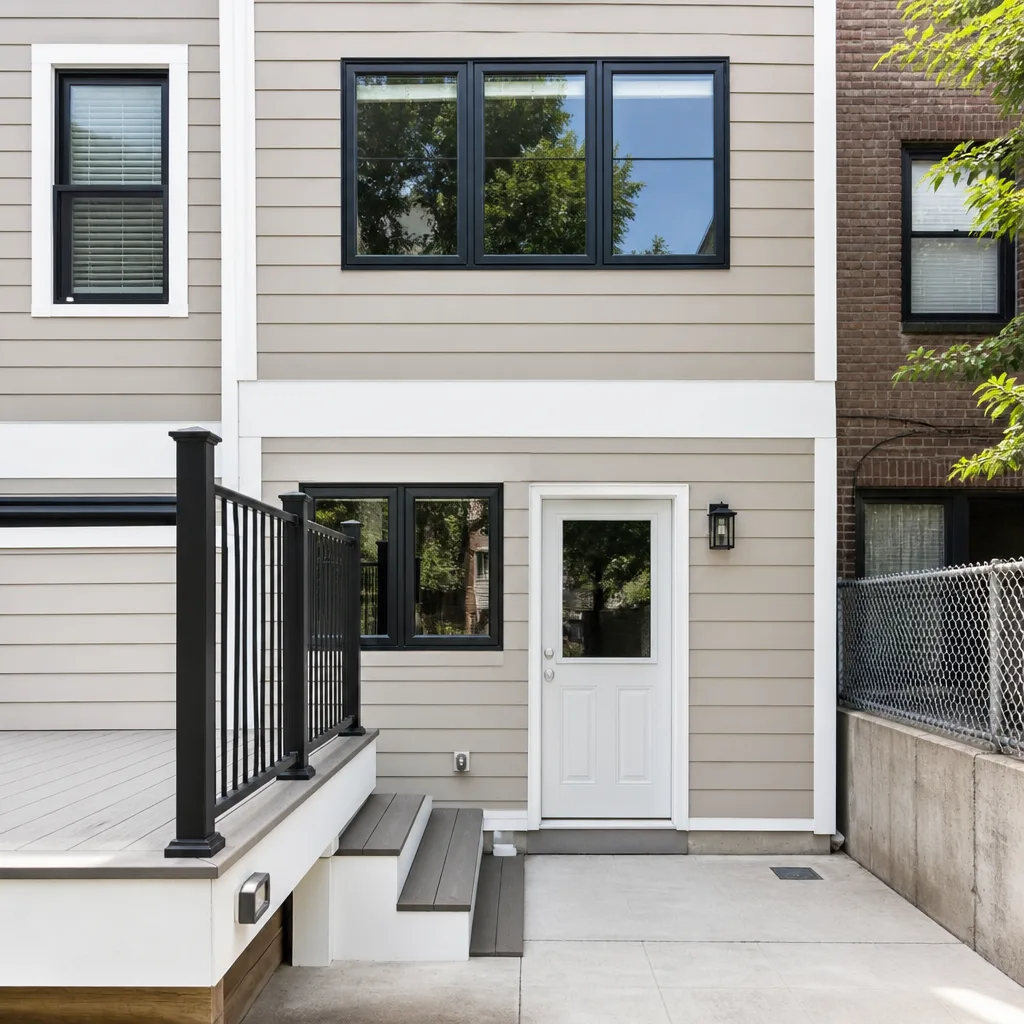 After
After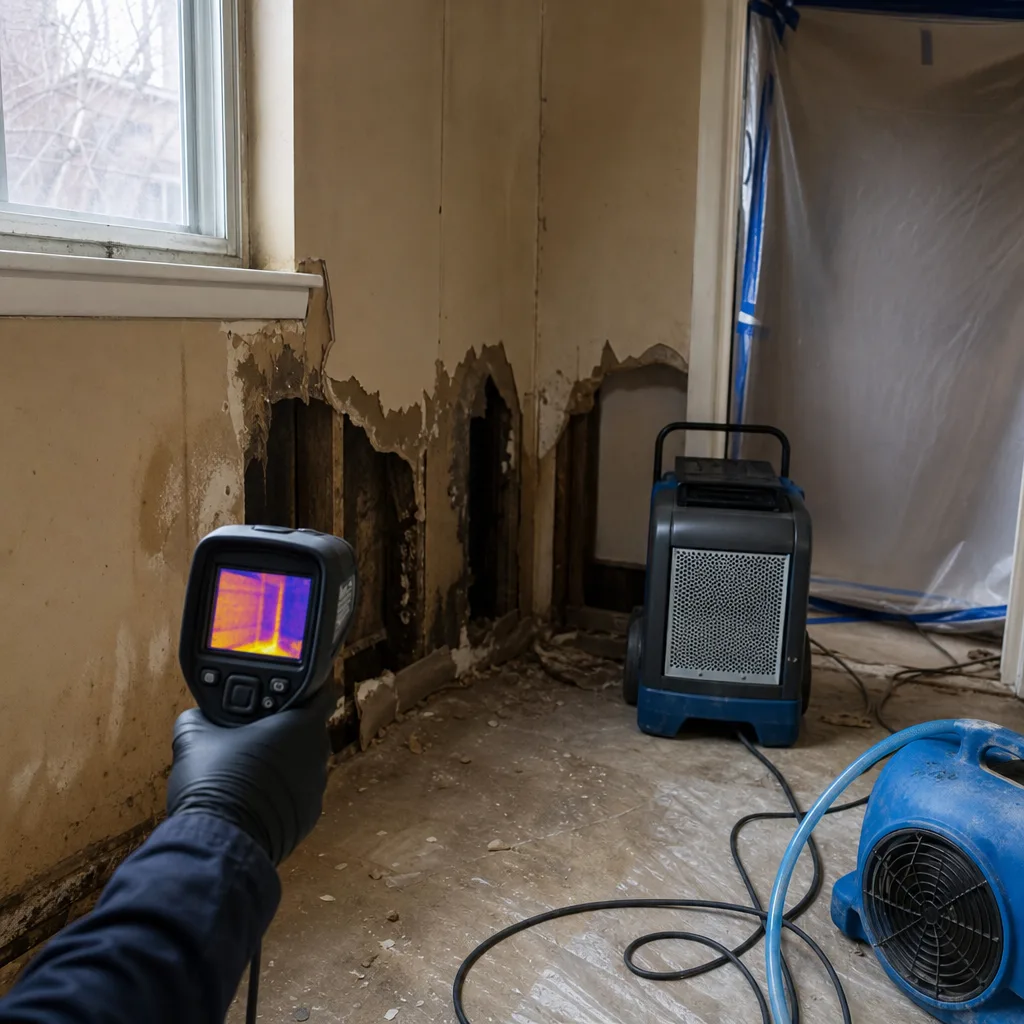 Before
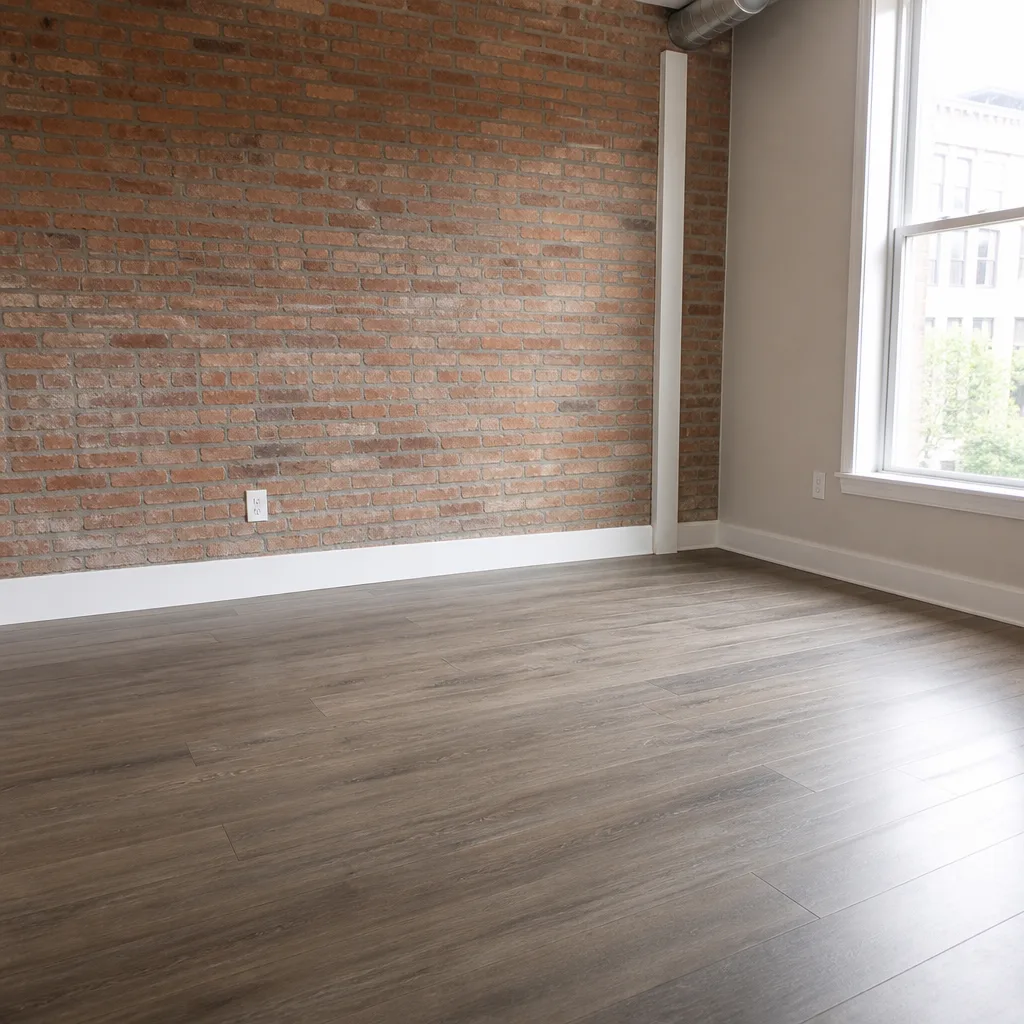 After
After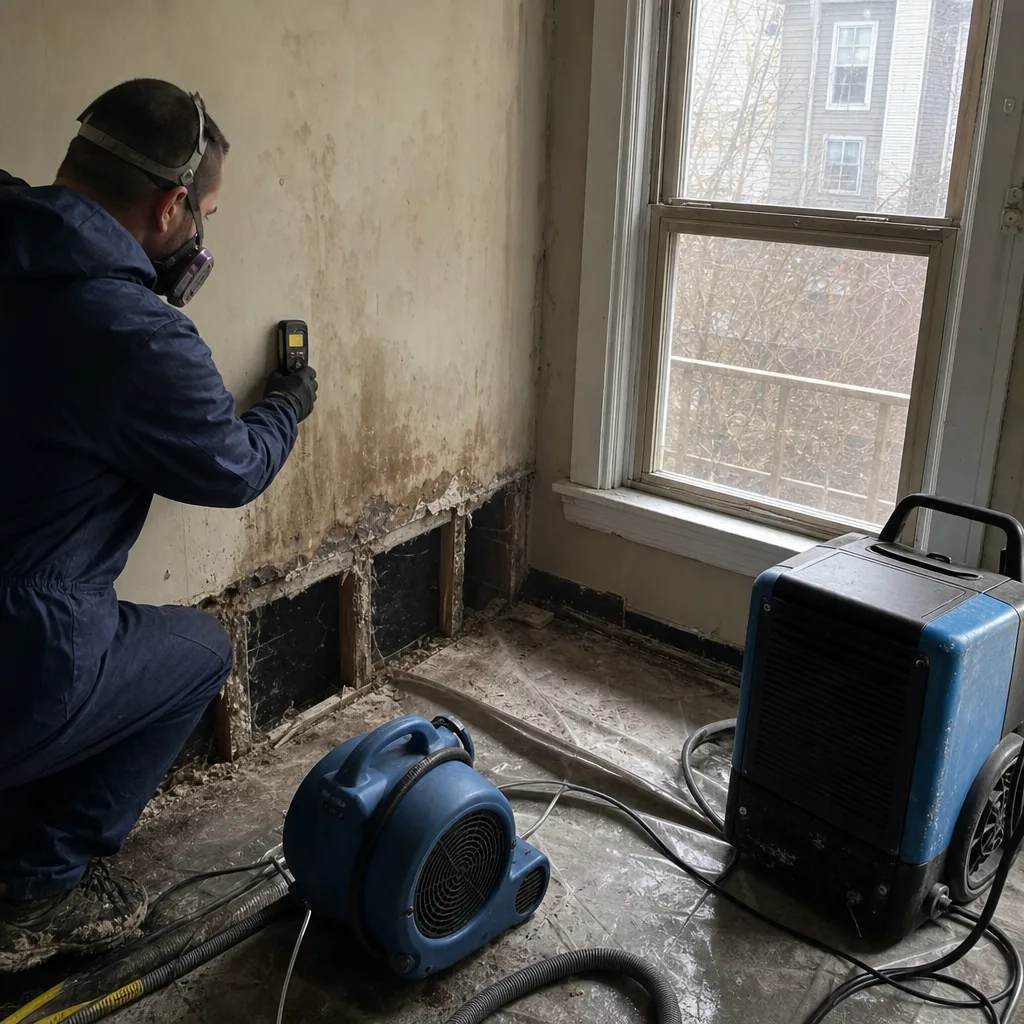 Before
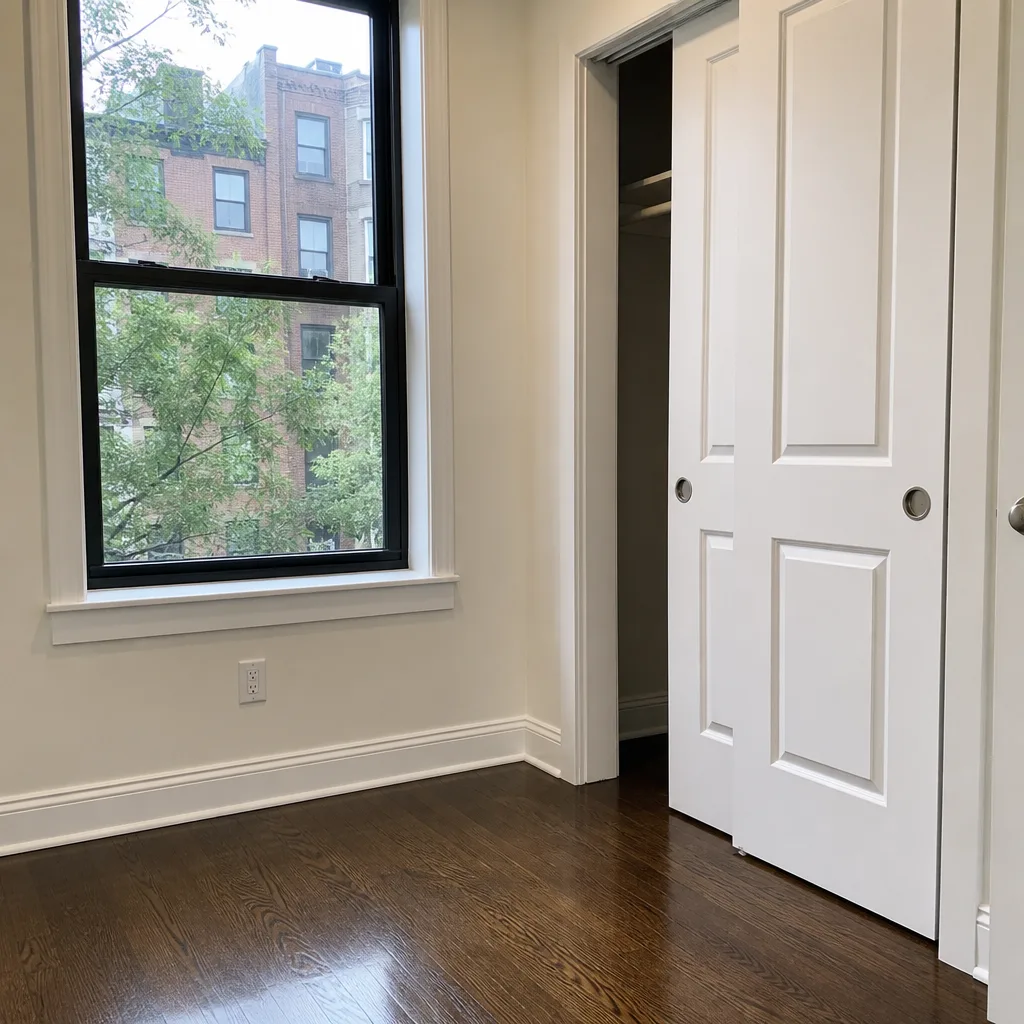 After
After24/7 Emergency Fire & Smoke Damage Restoration in Midtown Manhattan
Fire and smoke damage in Midtown Manhattan moves fast, and the first call you make determines whether a contained fire stays contained or becomes a building-wide loss. Our crews answer live at (640) 500-3278 at any hour and dispatch into Midtown Manhattan immediately, because smoke from a 14th-floor kitchen fire is already inside the transite ductwork and will surface five floors above within an hour if containment isn’t set. Every job starts with a free visual inspection on arrival, so you know exactly what you’re dealing with before any work begins.
What makes Midtown different is the verticality. A small fire on one floor of a pre-war tower near Grand Central doesn’t stay on that floor. Smoke migrates up through original duct chases, elevator shafts, and pipe penetrations that were never designed for modern fire separation. The first hour is when we seal return plenums, set localized exhaust, and stop soot from spreading into occupied floors above. That hour saves days of cleanup and tens of thousands in contents damage.
Understanding Fire & Smoke Damage Restoration Severity in Midtown Manhattan Properties
Fire restoration in Midtown Manhattan breaks into three severity bands, and the building stock dictates which one you’re facing. Light kitchen fires in residential conversion towers leave primarily protein-based soot residue: thin, greasy, nearly invisible, but acrid enough to make a unit unrentable. Moderate fires in pre-war office floors produce dry synthetic soot from burned wire insulation and carpet backing, which bonds to painted surfaces within 48 hours and demands aggressive HEPA air scrubbing plus chemical sponge work. Severe fires, the kind that involve structural steel and spray-applied fireproofing, create a regulatory problem most owners don’t see coming.
Here’s the Midtown-specific layer. Buildings constructed before roughly 1980 almost certainly contain asbestos in their fireproofing, pipe insulation, and transite duct panels. Once fire touches those materials or soot penetrates them, NYC DEP protocols require an asbestos survey before demolition or aggressive cleaning can legally proceed. The same applies to lead paint on original plaster walls when thermal damage causes paint failure. That survey adds two to five days to the front end of every job, and skipping it doesn’t just violate code. It halts restoration while smoke-odor-laden drywall stays in place, creating the warm, damp conditions where mold takes hold within 24 to 48 hours. We’ve seen it happen in towers along Sixth Avenue more times than we can count.
Why Midtown Manhattan Property Owners Choose Floodline Restoration Co.
- 45-minute response commitment: From the moment you call, a crew is dispatched into Midtown Manhattan. No callbacks, no “we’ll be there tomorrow.”
- 24/7 live answer, always a real person: At 2 a.m. you reach a dispatcher who knows Midtown’s streets and can route a crew around overnight closures on Lexington or Seventh.
- IICRC-certified crews: Our technicians hold WRT and FSRT certifications and train on Midtown high-rise protocols, not just suburban house fires.
- Free visual inspection on every job: We assess the fire floor, the smoke migration path, and the water damage from suppression before quoting a dollar figure.
- Direct insurance billing: We coordinate with your carrier and their adjuster, provide documentation from hour one, and bill them directly so you’re not fronting thousands out of pocket.
- One team from fire to finish: Our Fire & Smoke Damage Restoration crew handles extraction, drying, cleaning, and rebuild. No mid-job handoff to strangers.
Our Fire & Smoke Damage Restoration Process
Inspection & Assessment
We walk the fire floor, the floors above, and the common corridors with thermal imaging and hygrometers. We map soot deposition, identify the smoke path through ductwork and chase walls, and check for water from suppression. In Midtown, this includes checking the standpipe system and any Con Edison steam connections.
Emergency Stabilization
Containment goes up first: HEPA-filtered negative air on the fire floor, sealing of return plenums and elevator shaft vents, and localized exhaust to stop vertical smoke spread. We board up windows and tarp any roof or facade openings the fire compromised.
Water Extraction & Structural Drying
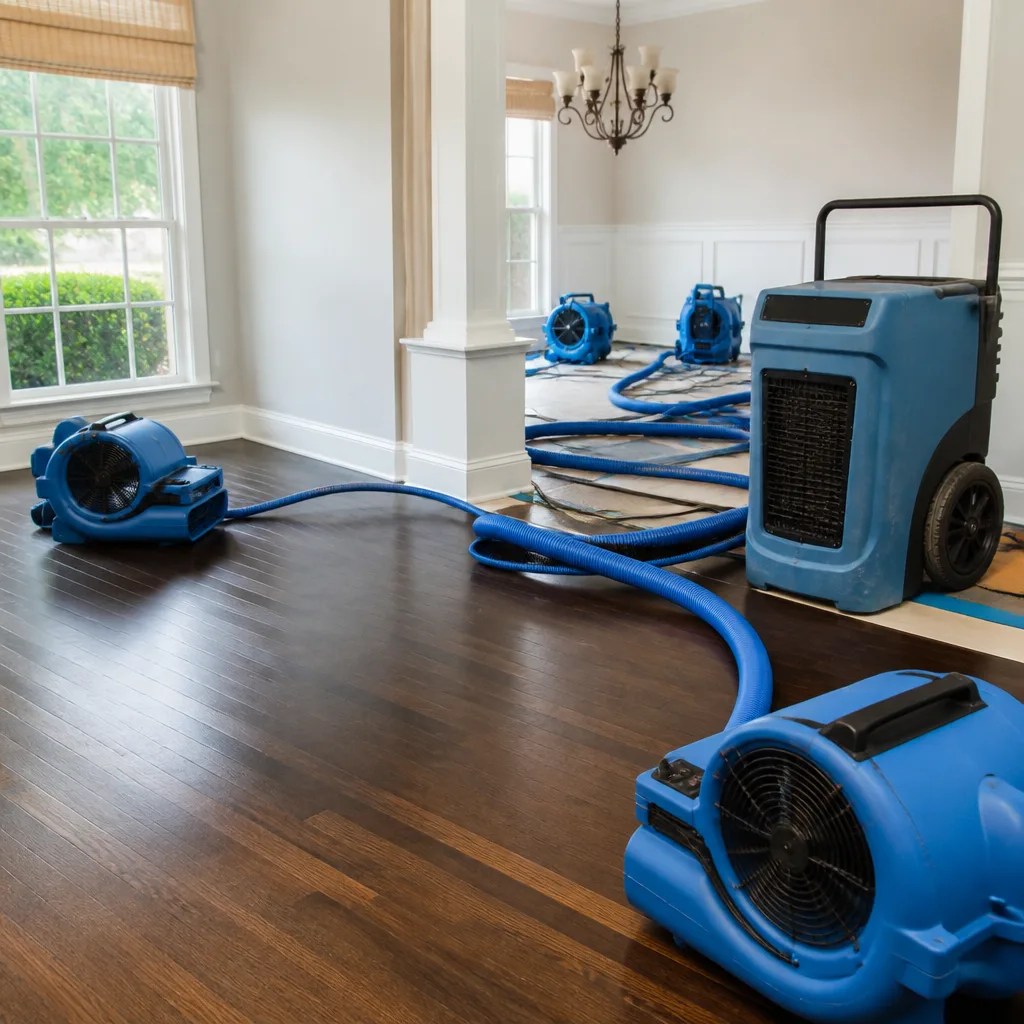
Fire suppression water gets extracted with truck-mounted and portable units, then we run Dri-Eaz and Phoenix dehumidifiers with air movers until structural materials hit their dry standard. Every reading is logged, because your insurer needs that data and so do we.
Soot & Residue Removal
We work surface by surface: chemical sponge on painted walls, HEPA vacuuming on porous materials, ultrasonic cleaning for contents. Dry synthetic soot requires different chemistry than protein soot, and using the wrong one sets the odor permanently.
Odor Removal & Deodorization
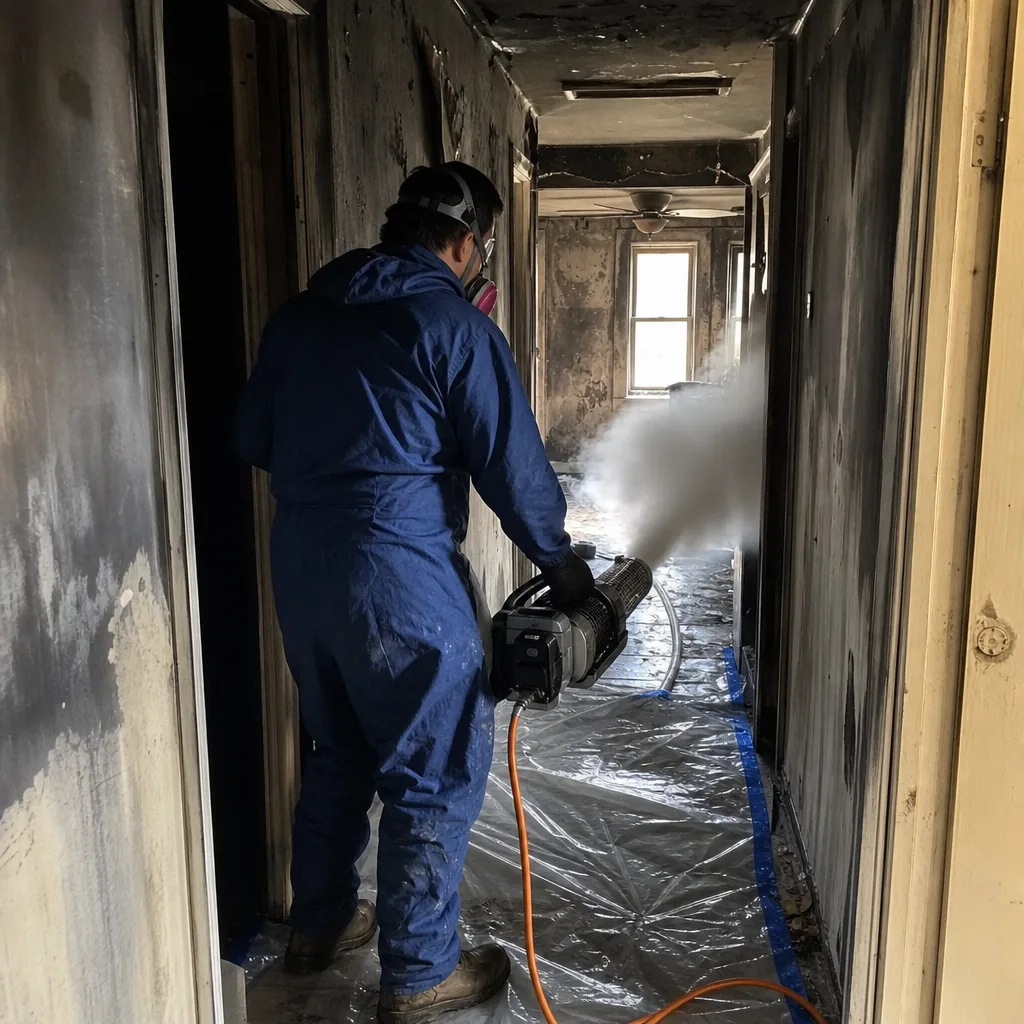
This is where Midtown high-rises lose time if it’s done wrong. Thermal fogging and ozone work only after the source material is cleaned or removed. We run hydroxyl generators for occupied floors where ozone isn’t an option, and we verify air quality with clearance sampling.
Repairs & Reconstruction
Same crew that did the drying rebuilds the finishes: drywall, plaster repair, paint, flooring, and trim. For pre-war buildings, we match original profiles and materials where feasible, because the Landmarks Commission cares and so do your tenants.
Need Emergency Fire & Smoke Damage Restoration in Midtown Manhattan Now?
Crews minutes away, answering live 24 hours a day. The sooner we start, the less it costs.
Working With Your Insurance Company
Insurance claims for Midtown Manhattan fires get complicated fast, especially when multiple tenants, multiple floors, and building-wide systems are involved. We walk into every job assuming the carrier will scrutinize every line item, so we document from the first hour: photos of the fire floor before demolition, soot deposition mapping, moisture readings from every affected floor, and a detailed scope that separates fire damage from pre-existing conditions. Our adjusters speak the same language as your carrier’s adjuster, because we’ve been doing this in New York long enough to know what gets approved and what gets kicked back.
We handle the back-and-forth so you don’t have to. That means direct communication with your adjuster, industry-standard Xactimate estimates, and a written explanation of every line item. When a Midtown building has a Con Edison steam complication or an asbestos hold, we flag it early in the claim so the carrier isn’t blindsided by a supplemental request three weeks in. No surprises on our bill, and no surprises on theirs.
What We Provide Your Insurer
- Thorough documentation of the loss
- Photos of all damage, room by room
- Moisture readings and drying logs
- A detailed, line-item scope of work
- Direct coordination with your carrier
Built for Midtown Manhattan’s Loss Calendar
Midtown’s fire season doesn’t follow the same calendar as the suburbs. January and February bring space-heater fires in older residential conversions along Ninth and Tenth Avenues, where steam heat falters and tenants improvise. March and April see electrical fires in aging pre-war switchgear, the kind that dims half a floor before the breaker ever trips. Summer is the quiet season for structure fires, but July thunderstorms knock out transformers and send surges through buildings with original wiring, igniting junction boxes behind walls that haven’t been opened since Eisenhower.
Then there’s Con Edison’s district steam loop, which heats a large share of Midtown’s office and hotel stock. When the internal condensate return lines in those buildings corrode, a failure doesn’t just leak. It releases superheated water that spreads across open floor plates in seconds, soaking everything including spray-applied fireproofing on structural steel. That triggers an NYC DEP asbestos protocol before restoration crews can legally open a wall cavity. The fire itself might have been small, but the water and the regulatory hold turn it into a multi-floor event. We plan for these seasonal patterns because we’ve cleaned up after them for 42 years, and the one thing Midtown never lacks is another aging building reaching the end of its mechanical patience.
Fire & Smoke Damage Restoration Across Midtown Manhattan’s Neighborhoods
The response route changes depending on where you are, and so does the building. Around Times Square, we’re working in early 1900s hotels and theaters where original transite duct shafts run vertically through all 20-plus floors. A small fire in a seventh-floor kitchen sends soot to the fourteenth floor through those shafts unless containment is set on the fire floor immediately. The buildings predate modern fire dampers, and retrofitting them is a capital project nobody budgets for until the first claim.
In the Garment District, restoration often means working around active manufacturing tenants on lower floors while we set containment above them. Building access is tight, freight elevators run on schedules, and the fire department’s ladder positions dictate where we can stage equipment. Over in Murray Hill, residential high-rises from the 1960s and 1970s have cast-iron drain stacks and older standpipe systems that may have corroded internally. A fire that draws on a weakened standpipe can turn a smoke cleanup into a Category 3 water event across three floors. We’ve seen it happen more than once.
Near Grand Central, we navigate Metro-North air rights complications and dense pedestrian traffic, which means overnight staging and coordinated street-level work with the NYPD and DOT. The buildings are landmarks in many cases, so every restoration decision runs through a preservation lens. Around Bryant Park, newer glass towers from the 1990s and 2000s have modern fire separation but less forgiveness for smoke penetration in open-ceiling office designs.
Specialized Fire & Smoke Damage Restoration Services We Offer in Midtown Manhattan
Fire Damage Cleanup
We remove fire-damaged materials, clean structural surfaces, and prep for rebuild. In Midtown’s pre-war towers, that means coordinating with NYC DEP asbestos protocols before any demolition touches fireproofing, pipe insulation, or transite panels. We pull permits where required and keep the fire floor sealed until abatement clears.
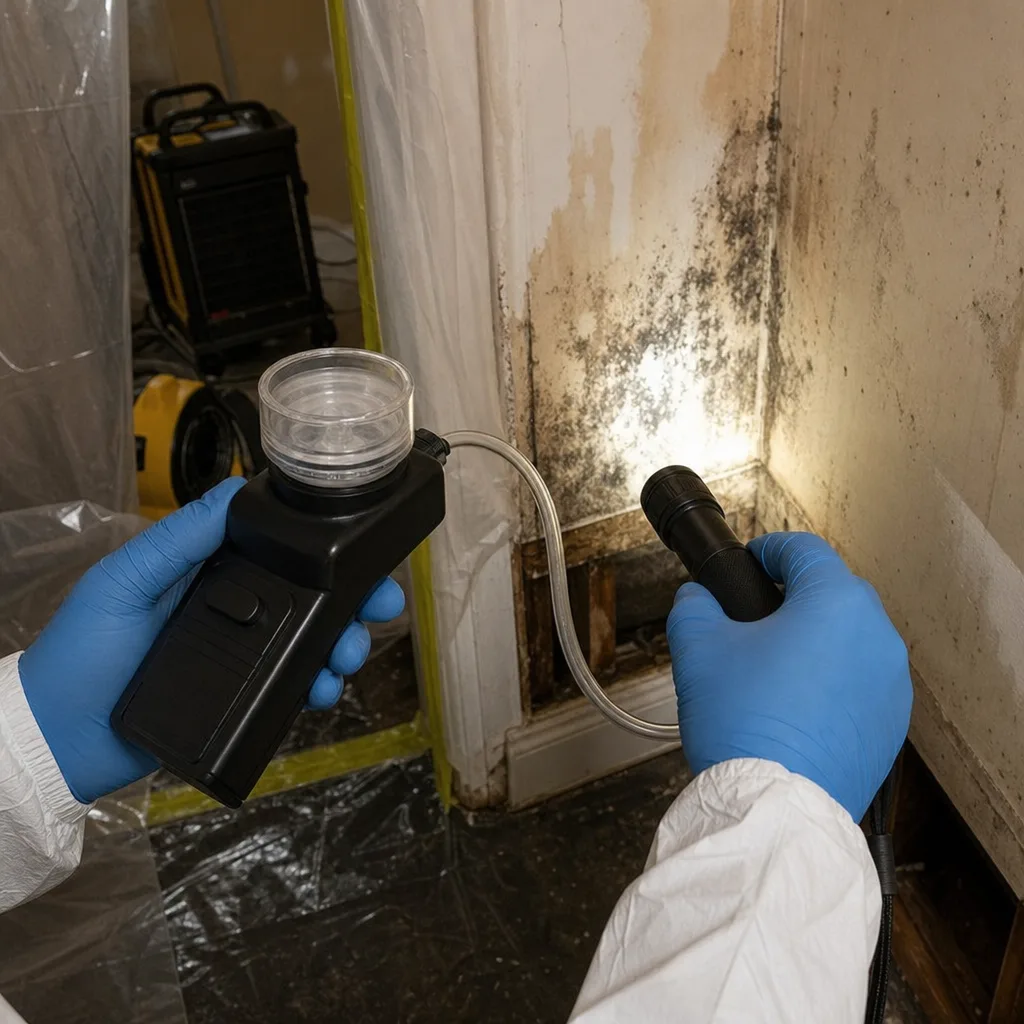
Smoke & Soot Removal
Soot deposition in Midtown high-rises follows air pathways through return plenums, elevator shafts, and stairwell pressurization zones. We map those pathways with smoke tracing and remove soot from every affected surface, including inside ductwork where national franchises often stop at the visible areas. Protein soot from kitchen fires requires degreasing and specialty chem sponges; synthetic soot from electrical fires needs dry-chem treatment and HEPA vacuuming before any wet cleaning starts.
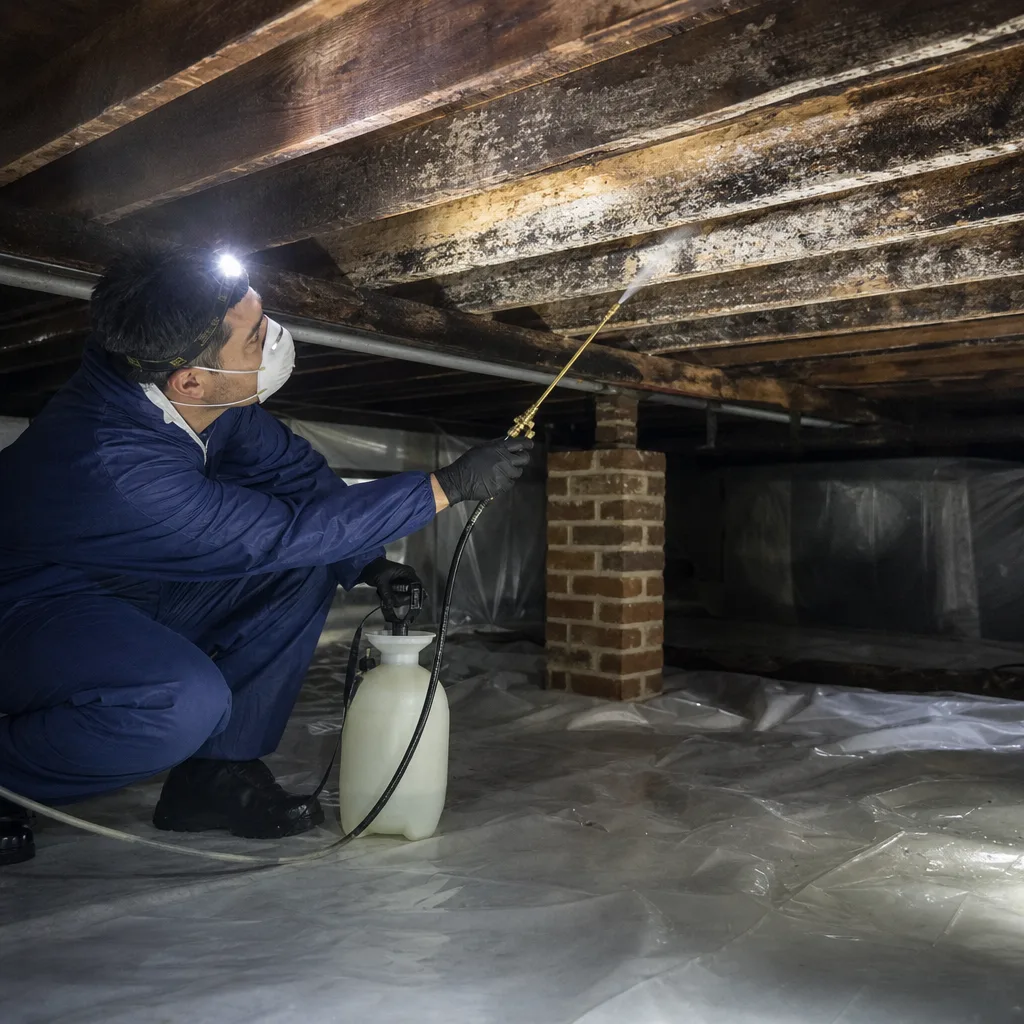
Odor Removal & Deodorization
Smoke odor in Midtown buildings lives in places you can’t see: behind crown molding, inside original plaster voids, within transite duct panels. We use hydroxyl generators on occupied floors, thermal fogging where ozone isn’t an option, and we verify results with olfactory and air quality testing. An odor that returns after two weeks is an odor that was never sourced. We find the source.
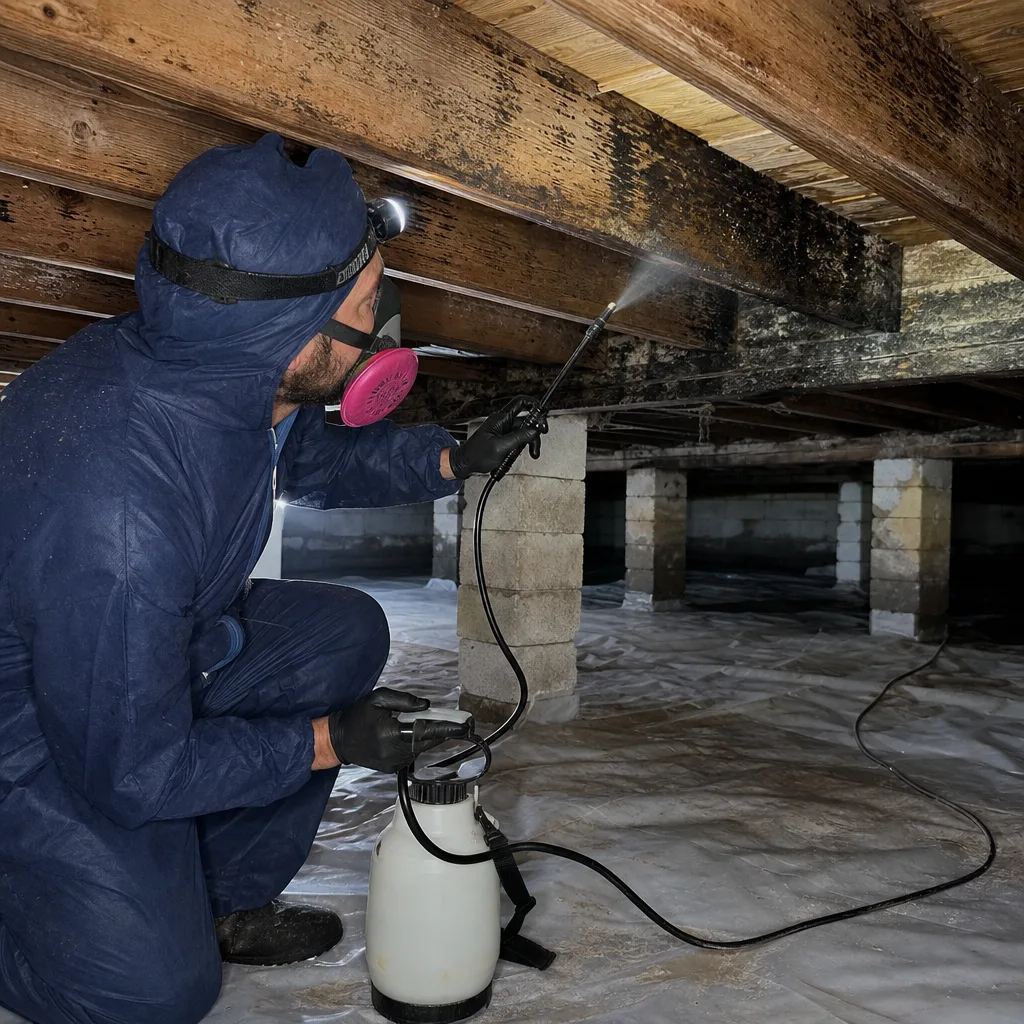
Contents Cleaning & Pack-Out
When fire and suppression water damage contents across multiple floors, we pack out, inventory, and clean items at our facility. For Midtown co-ops and condos, this often means art, vintage furniture, and documents that can’t be replaced. We photograph everything, create a chain of custody, and return contents cleaned, deodorized, and verified by your adjuster.
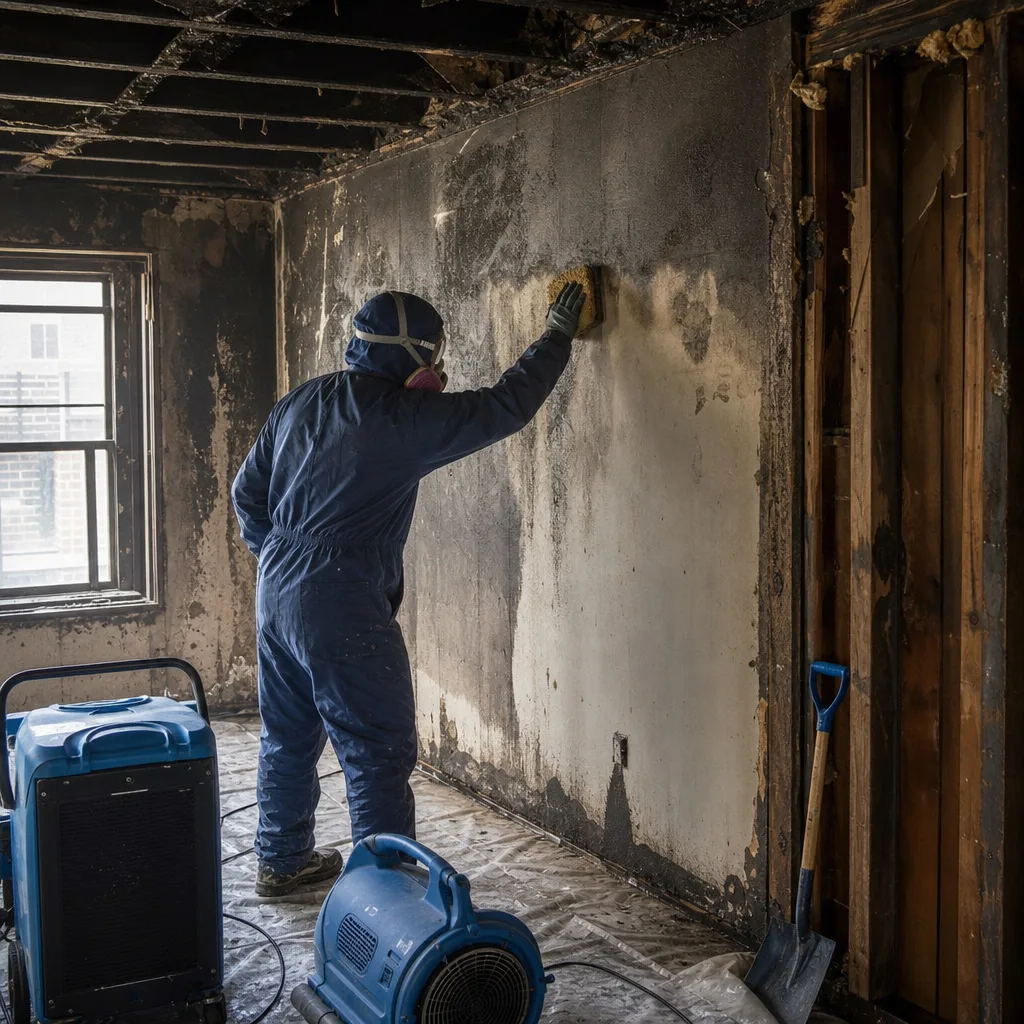
Emergency Board-Up & Tarping
Broken windows, compromised facades, and roof openings need immediate sealing to prevent weather intrusion and unauthorized entry. We board and tarp same-day, using materials that hold through nor’easter wind loads against Midtown’s canyon geometry. A tarp that fails at 2 a.m. lets water into an already open building.
What happens when you call
- 1
A real person answersNo phone trees - you reach a local pro.
- 2
You get an upfront price rangeHonest numbers before anyone is dispatched.
- 3
A background-checked tech heads outLicensed & insured, dispatched right away.
- 4
You approve before work beginsNothing starts until you say go.
Fire & Smoke Damage Restoration Costs in Midtown Manhattan, NY
Midtown pricing reflects the regulatory and logistical reality of high-rise work. A small kitchen fire with smoke damage on one floor of a residential tower typically runs $4,500 to $12,000 for cleanup, odor removal, and repainting. A moderate fire affecting multiple floors with duct cleaning, contents pack-out, and structural drying lands between $25,000 and $75,000, depending on square footage and whether asbestos abatement is triggered. Severe fires requiring structural repair, full floor rebuilds, and extended abatement coordination routinely exceed $150,000.
Standpipe water damage from suppression drives costs higher than the fire itself in many Midtown buildings, because Category 2 or 3 water spreads across floor plates and through original cast-iron stacks. Your insurance typically covers the restoration if the policy includes fire and smoke damage, which most Midtown co-op, condo, and commercial policies do. The gap is usually the deductible and any code upgrades the building requires during rebuild. The free inspection gives you a firm, written scope before any money changes hands. Call (640) 500-3278 and we’ll walk the site, assess the damage, and price it in writing.
We Also Serve Cities Near Midtown Manhattan
Our crews regularly respond to fire and smoke losses beyond Midtown itself. We serve Midtown Manhattan and the surrounding areas including Washington Square, Lower Manhattan, Midtown West, and Murray Hill. If you’re in any of these neighborhoods and dealing with smoke or fire damage, same live dispatch and same 45-minute response commitment apply.
Serving Midtown Manhattan, NY - Our Local Coverage Area
We’re based in the Midtown Manhattan area and know this community well. Use the map below to see our service coverage - if you’re nearby, we can almost certainly help.
Midtown Manhattan Fire & Smoke Damage Restoration Questions, Answered
Why does a fire in a Midtown high-rise trigger an asbestos survey before smoke cleanup?
Most Midtown high-rises built before roughly 1980 contain asbestos in spray-applied fireproofing on structural steel, pipe insulation, and transite duct panels. Once fire or soot touches those materials, NYC DEP requires an asbestos survey before demolition or aggressive cleaning can legally proceed. The survey takes two to five days, and skipping it halts restoration while smoke-damaged materials stay wet and start molding within 24 to 48 hours.
How does Con Edison’s district steam affect fire smoke restoration in Midtown?
Buildings on the district steam loop have internal condensate return lines that can corrode and fail during or after a fire event, releasing superheated water across open floor plates. That water soaks spray-applied fireproofing and triggers an asbestos protocol before we can open wall cavities. The steam itself doesn’t change soot chemistry, but the associated water damage and regulatory hold can double the duration of a job in affected buildings.
Can you dry out original plaster walls after a high-rise fire, or do they need removal?
Original plaster walls in Midtown pre-war buildings can often be dried and saved if we get to them within 48 to 72 hours and the plaster keys haven’t failed. We use Injectidry systems to force air into wall cavities and check moisture with probe meters before deciding. If the plaster has separated from the lath or the fire compromised the lime, removal and period-appropriate repair is the more durable choice. Call (640) 500-3278 and we’ll assess in person.
What’s the biggest delay for smoke odor removal in a Midtown office tower?
The biggest delay is sourcing the odor inside original transite duct shafts. These shafts run vertically through entire towers, and soot deposits on internal surfaces that can’t be reached without opening shaft walls. That work requires abatement coordination if asbestos is present, and it must happen before any deodorization treatment will hold. We map duct pathways early so the odor source is found in week one, not week four.
Do you need access to all floors above and below a fire in a Midtown high-rise?
Yes. Smoke from a fire travels upward through duct chases, elevator shafts, and stairwells, often depositing soot five or more floors above the fire floor. Water from suppression travels downward through floor assemblies and cast-iron drain stacks. We need access to the fire floor, at least three to five floors above for smoke inspection, and the floors below for water damage assessment. Building management typically coordinates tenant access, and we work around occupied spaces.
How fast can you actually get to a Midtown Manhattan fire loss?
Our response commitment is 45 minutes from your call to a crew arriving on site in Midtown Manhattan. Dispatch coordinates with your building’s freight elevator schedule and any street-level access issues, so we stage equipment while the crew is en route. A real person answers at (640) 500-3278, any hour, and that person can route a crew around whatever is happening on Sixth Avenue tonight.
Will my insurance cover fire and smoke restoration in a Midtown co-op or condo?
Most Midtown co-op and condo policies cover fire and smoke damage restoration if the policy includes those perils, which nearly all do. The complications come from building deductibles, asbestos abatement costs that may fall to the building rather than the unit owner, and code upgrades required during rebuild. We coordinate directly with your carrier and the building’s carrier to sort out responsibility before work starts, so get a free estimate and a documented claim path by calling (640) 500-3278.
What should I do in the first 30 minutes after a fire in a Midtown building?
Call the fire department first, then call us. Don’t enter the fire floor until the FDNY clears it. Turn off HVAC systems if you can do so safely, because running air through smoke-filled ducts spreads soot to every connected floor. Don’t touch or clean any surfaces, because improper cleaning sets smoke residue permanently. Take photos from outside the affected area if you can. Then call (640) 500-3278 and we’ll take it from there.
Written by Curt Bowman, Owner at Floodline Restoration Co., serving Midtown Manhattan since 2010.