
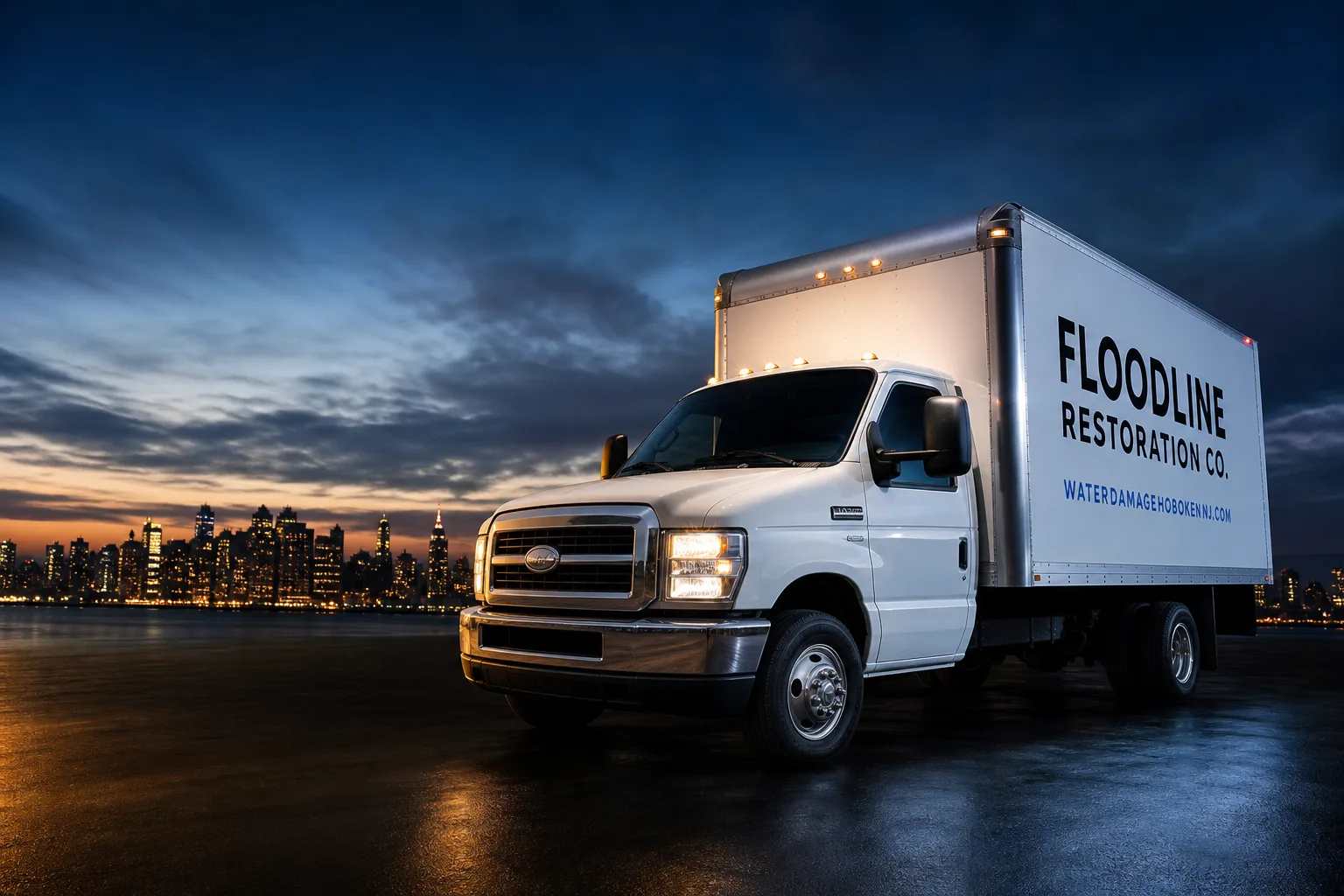
Free visual inspection and a written scope of work before any mitigation begins - photos, moisture readings, and drying logs go in your claim file
The scope we write is the scope we bill. Anything new gets shown to you, in writing, before we touch it.
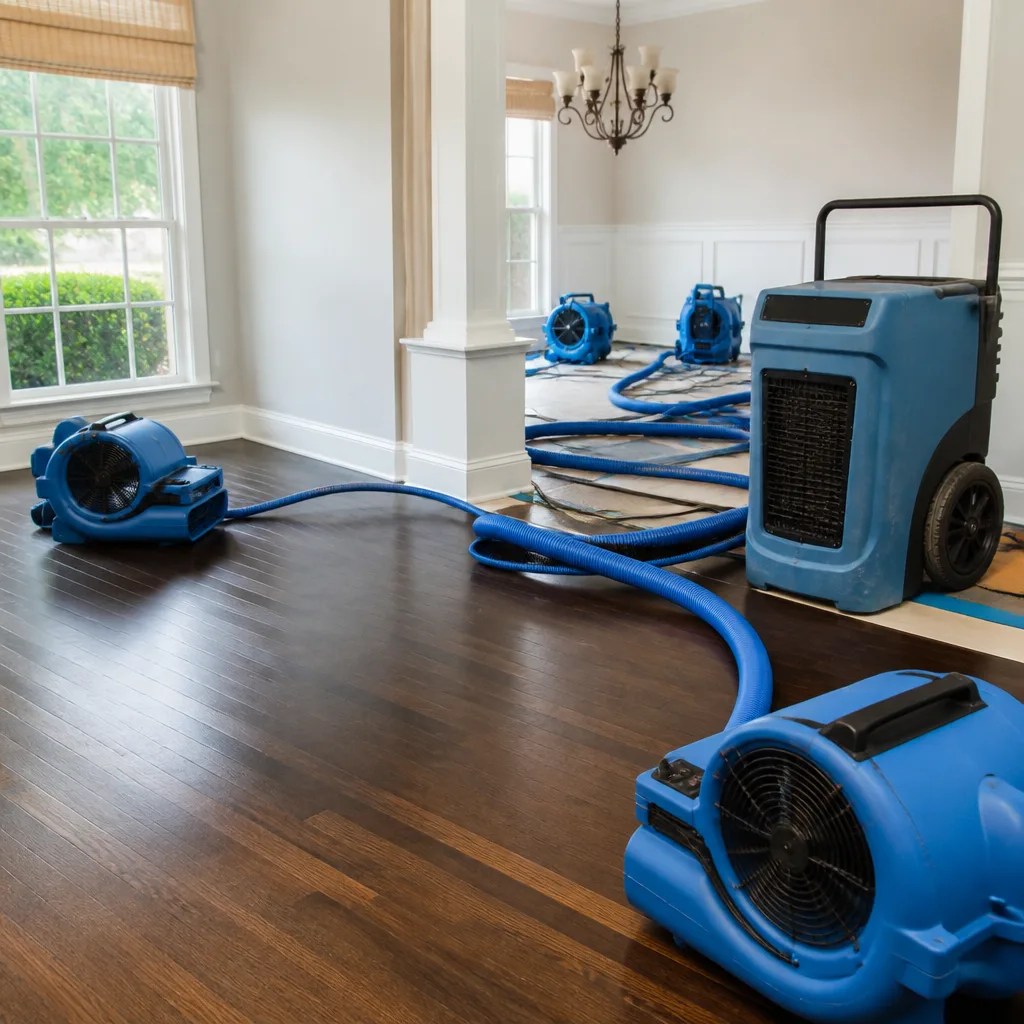
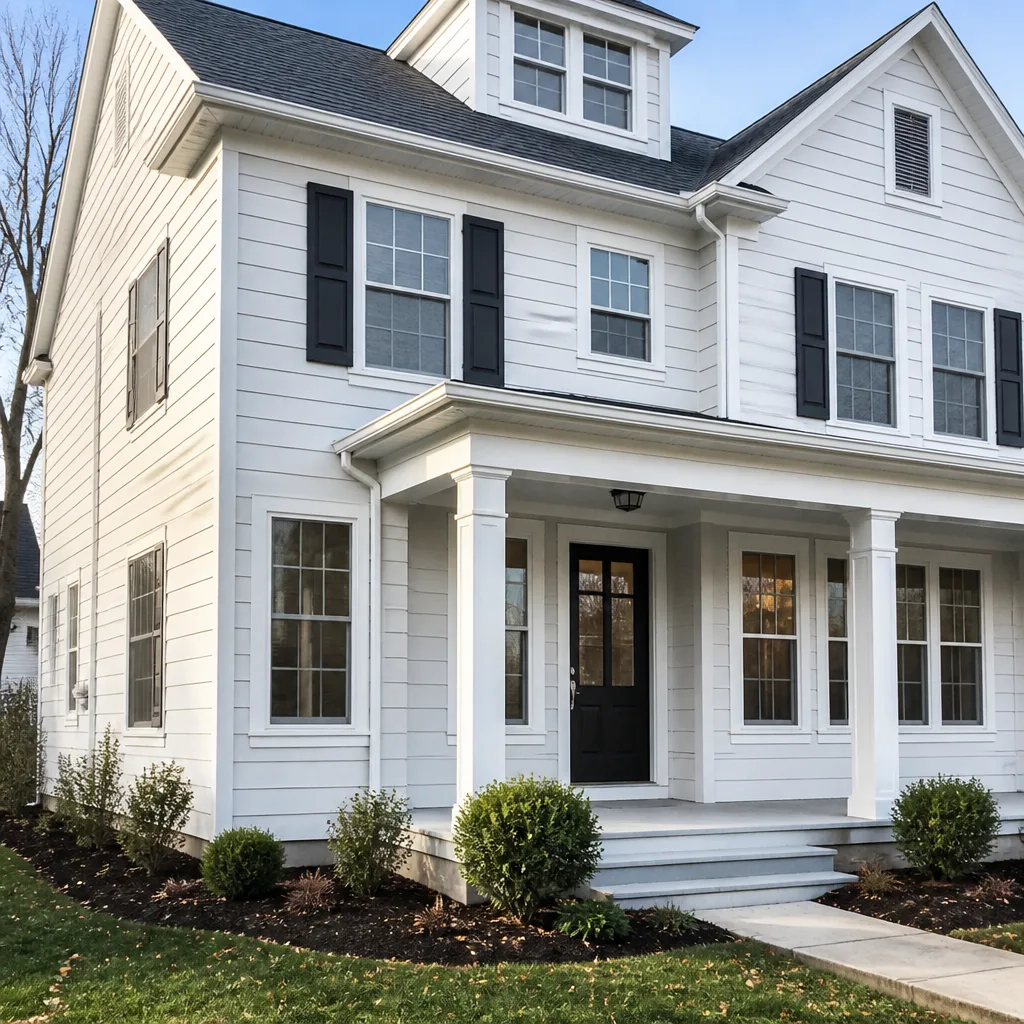
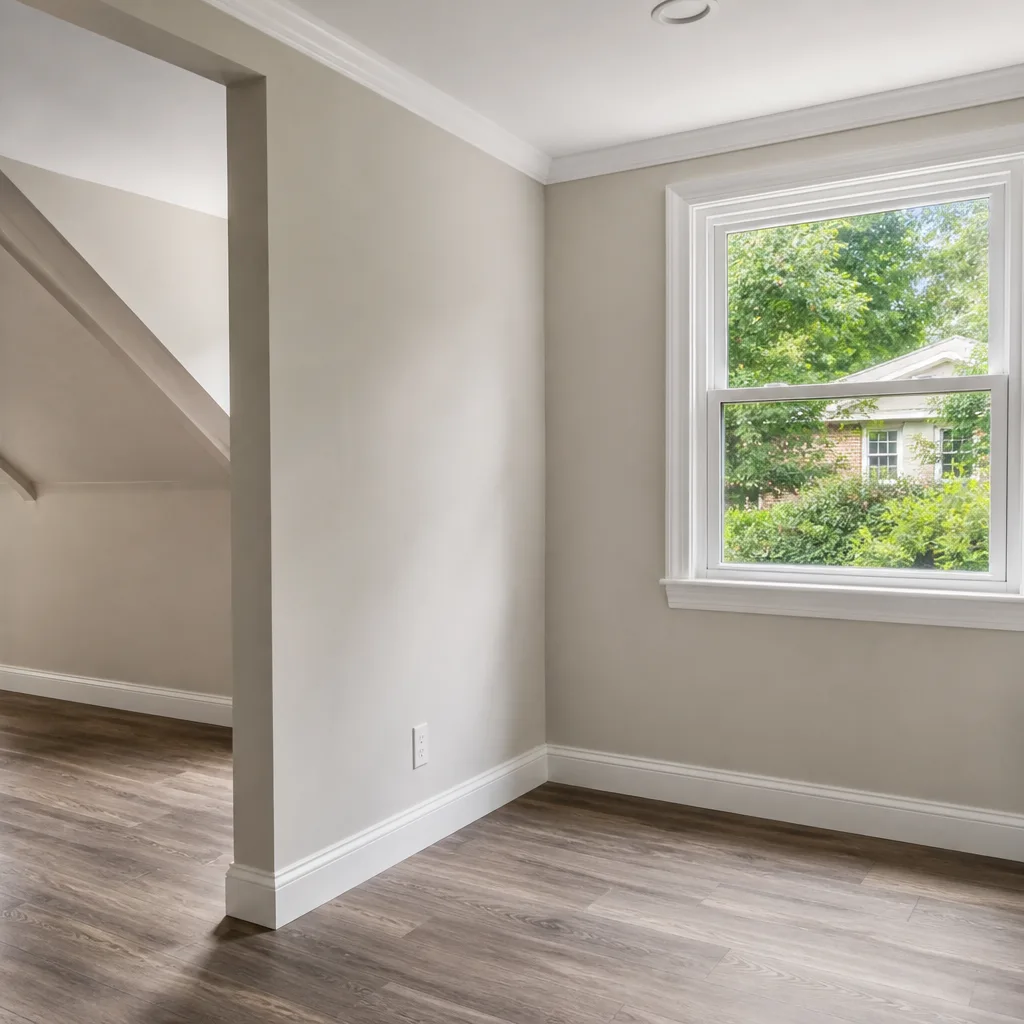
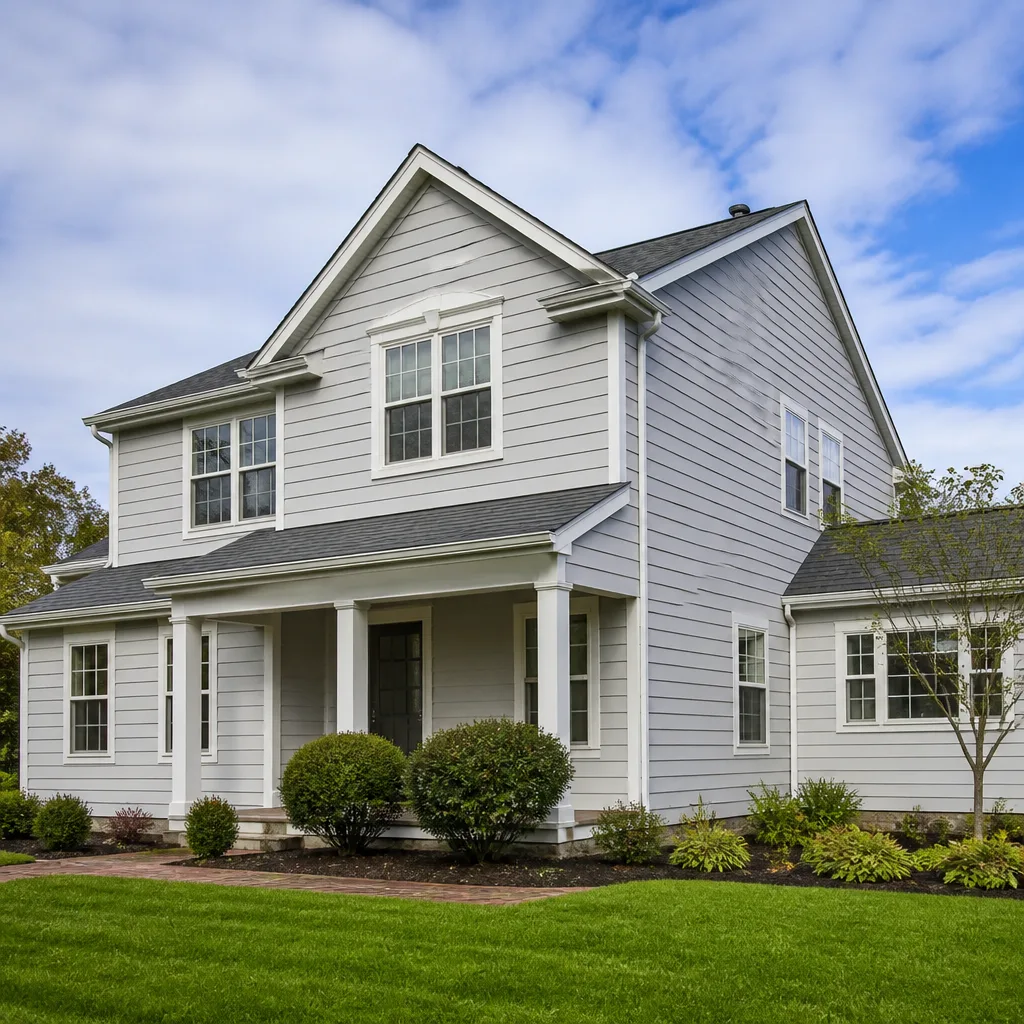
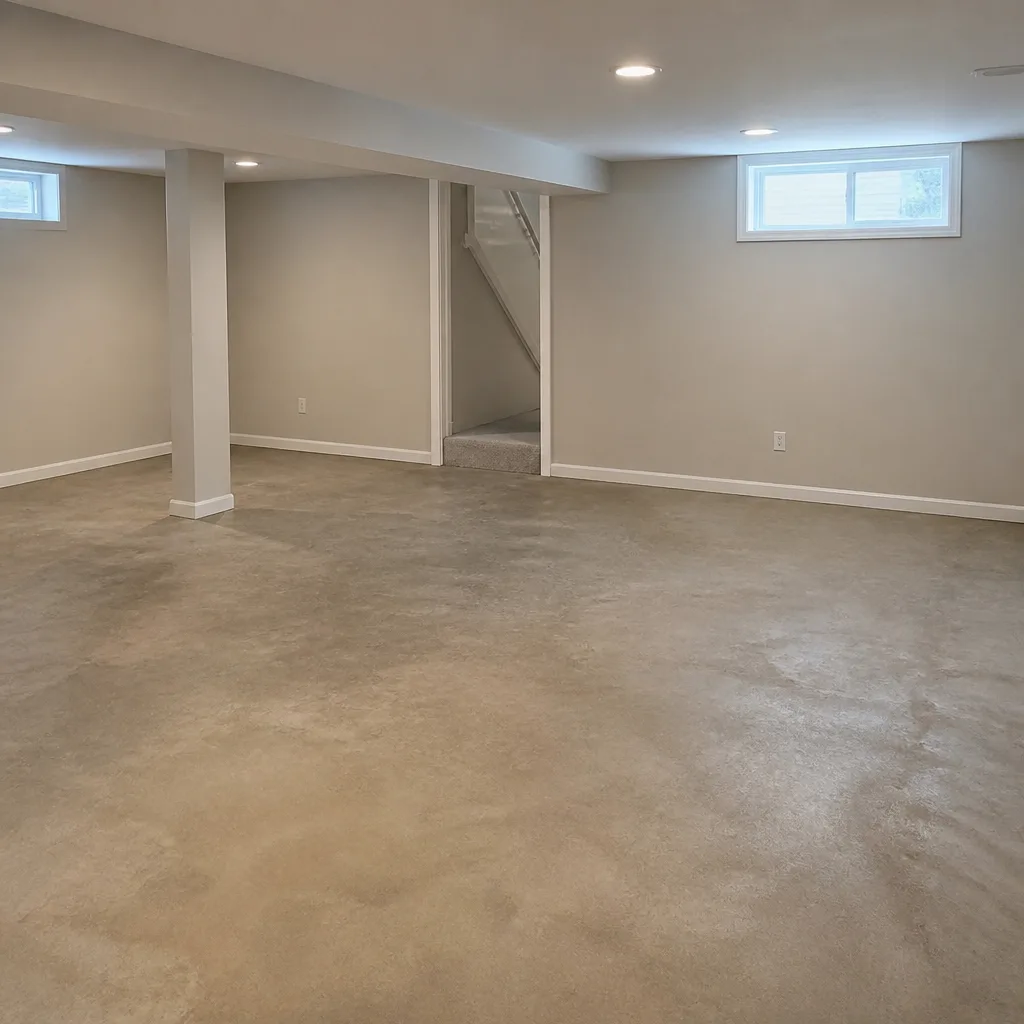

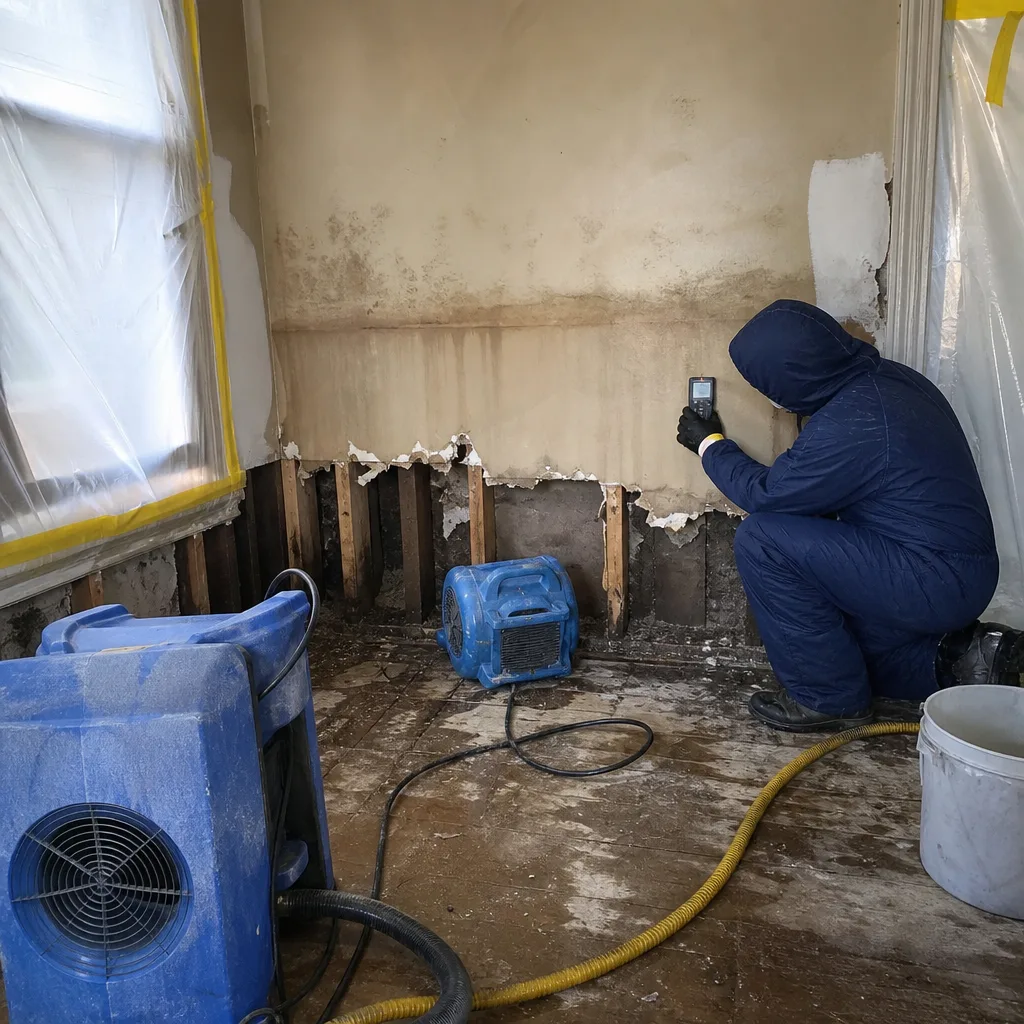 Before
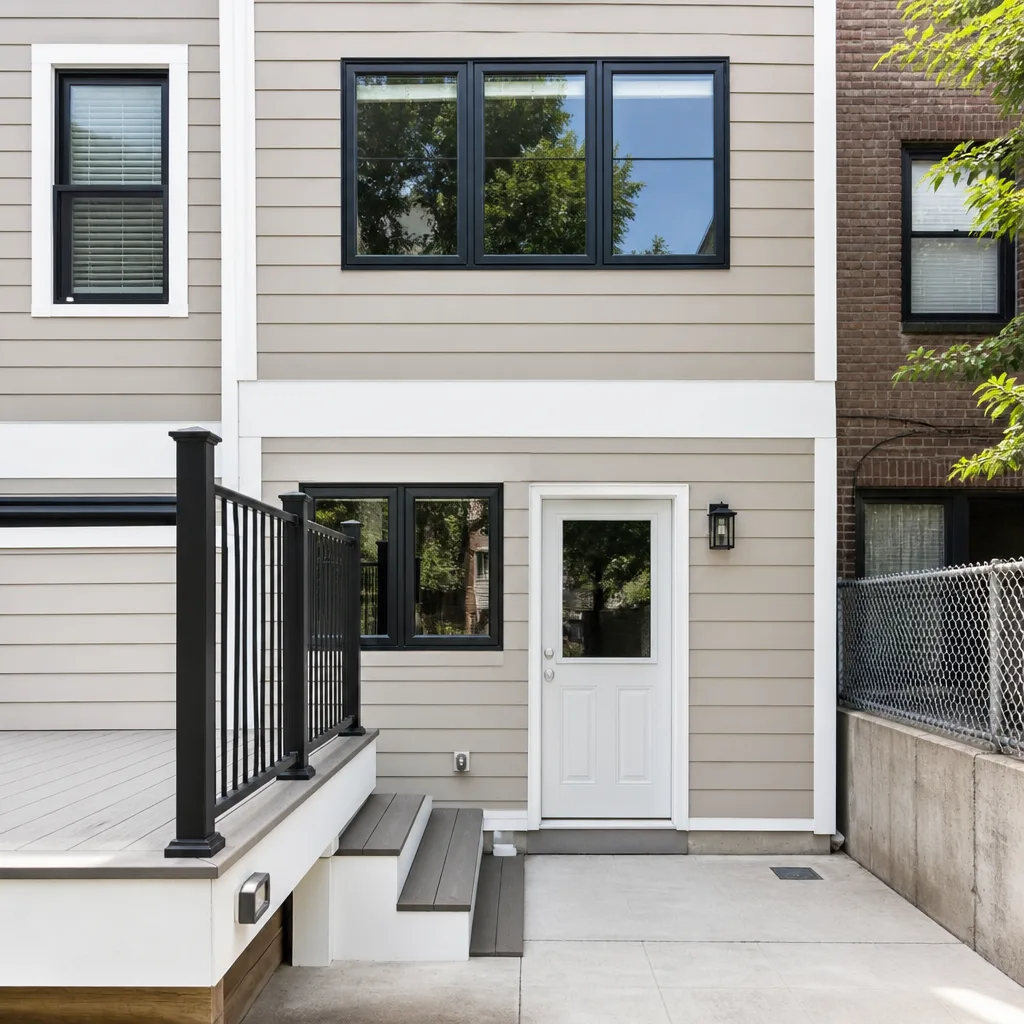 After
After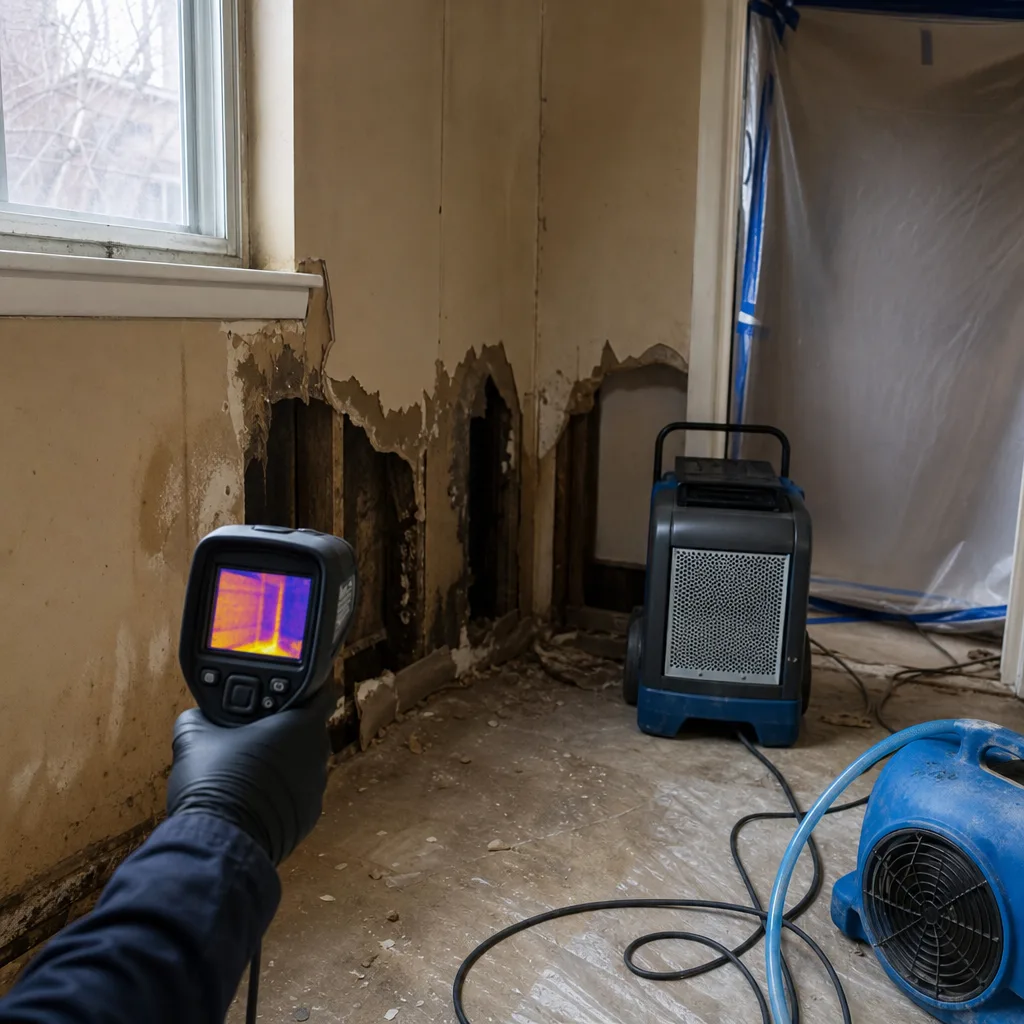 Before
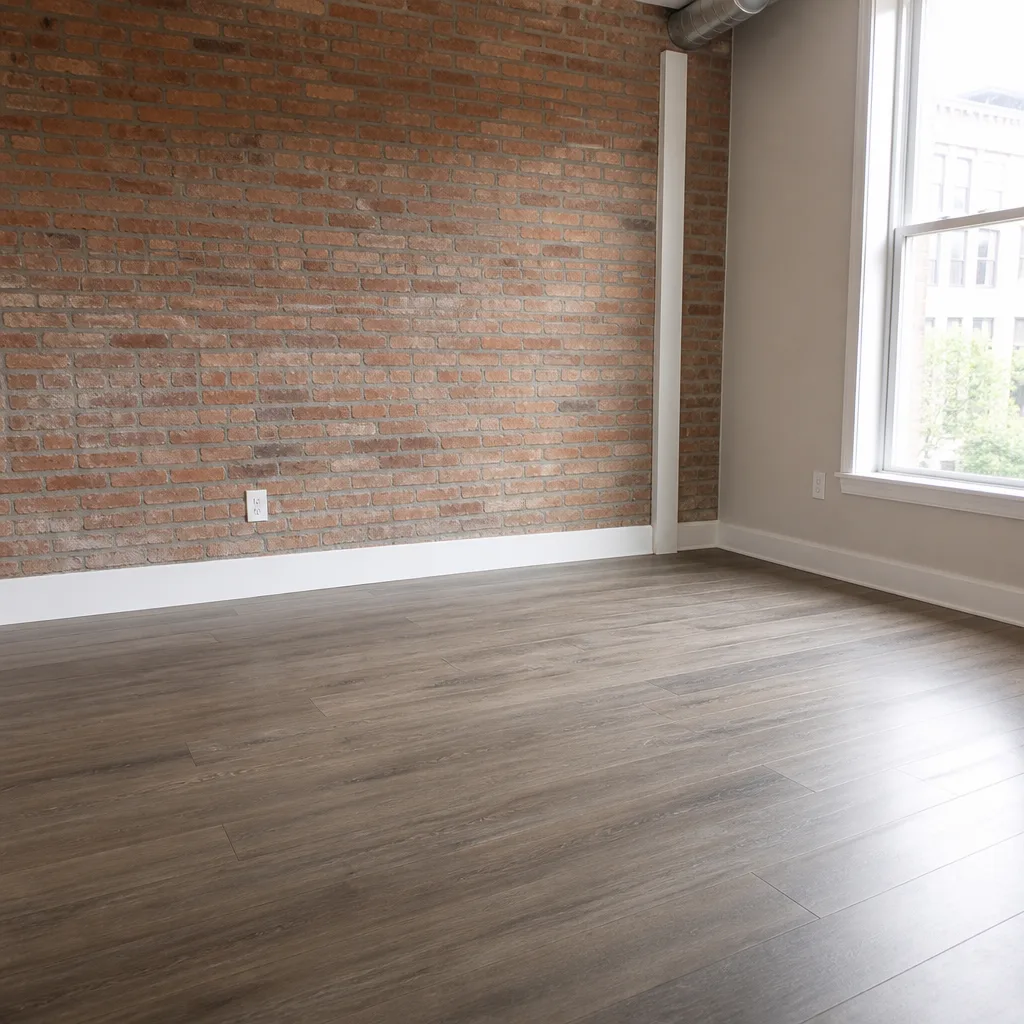 After
After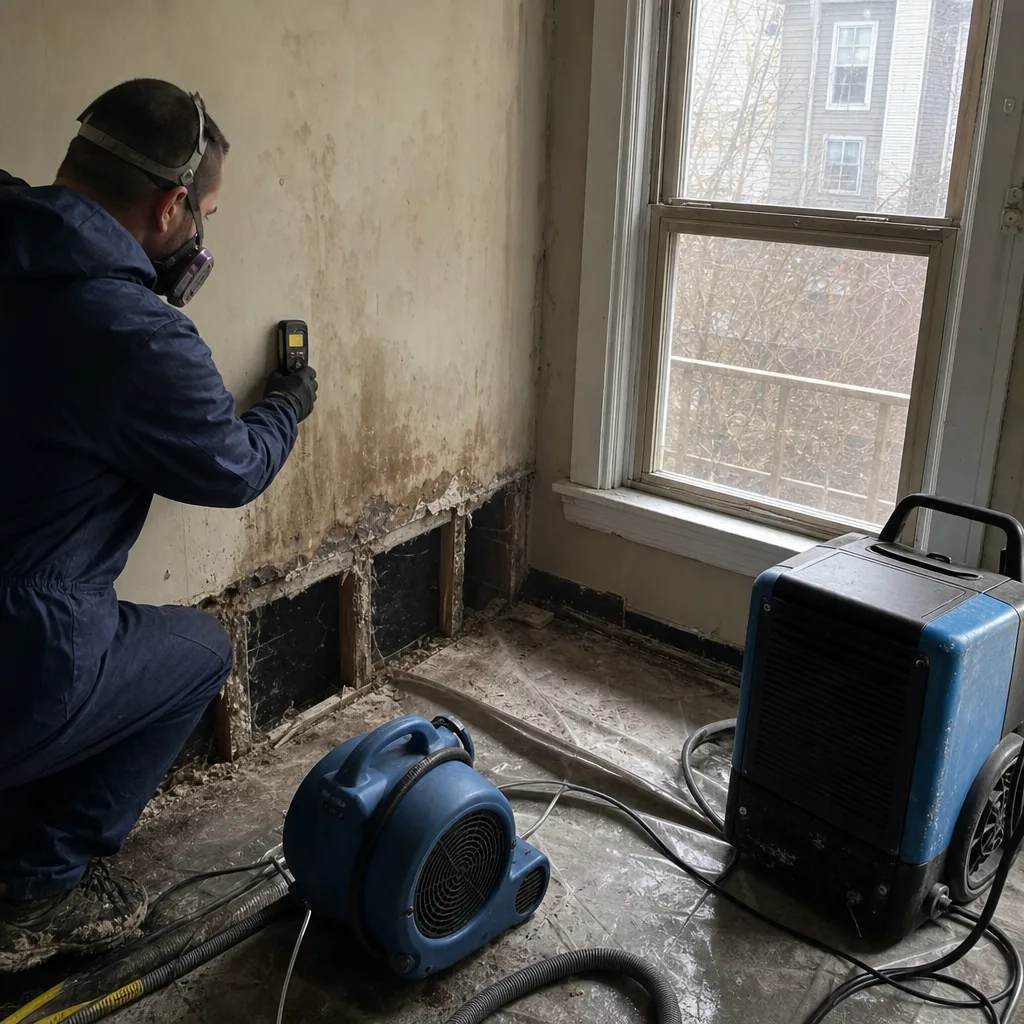 Before
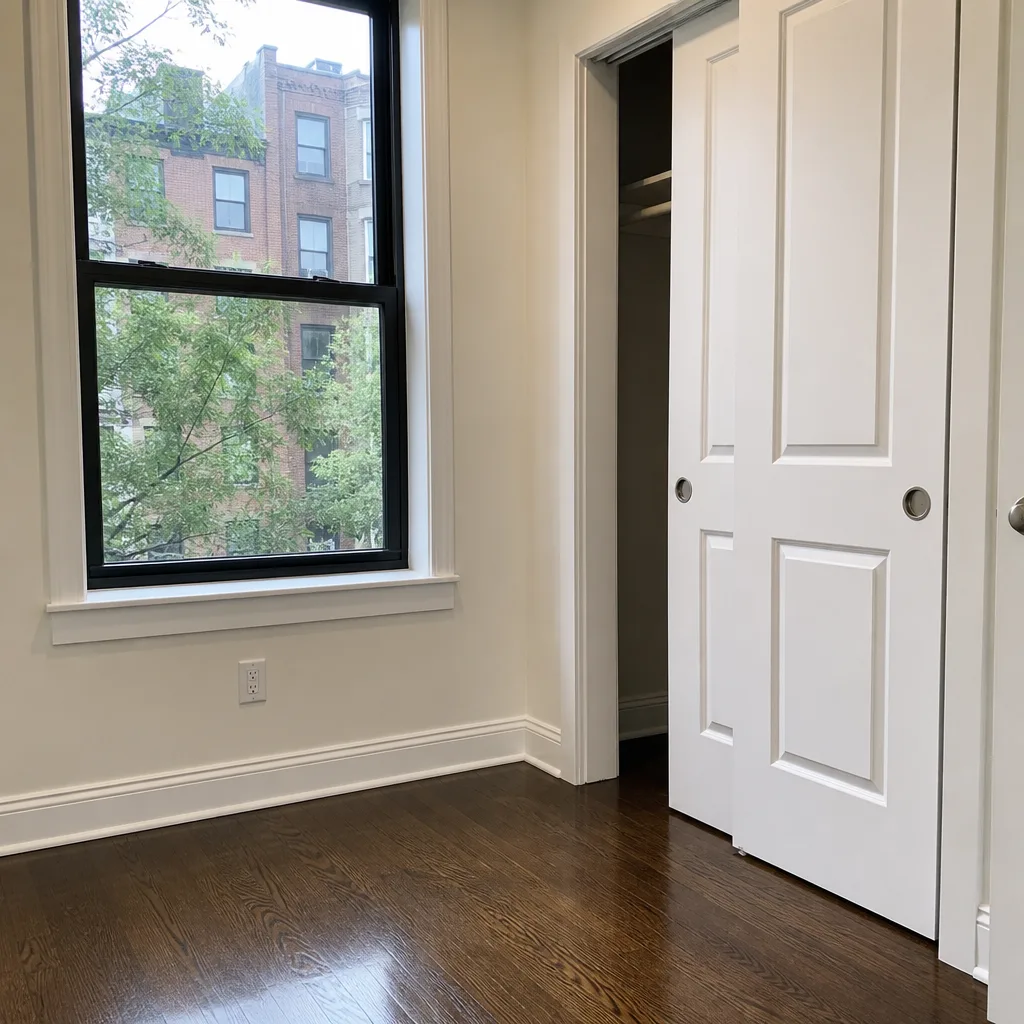 After
After24/7 Emergency Storm & Disaster Restoration in Union City
Storm damage in Union City moves fast, and so do we. A live dispatcher answers at (640) 500-3278 any hour, any day, and a certified crew can be on scene in Union City within 45 minutes of your call. The first hour after a storm, a backup, or a wind-driven leak is when the real damage gets written. Water that sits in a 1920s brick tenement starts wicking into plaster, lath, and shared floor joists long before you can see it. We respond with thermal imaging and moisture meters on the first visit, not the second. The visual inspection is free. The sooner we start extraction and drying, the less of your building gets torn out and rebuilt.
Understanding Storm & Disaster Restoration Severity in Union City Properties
Union City’s building stock changes how every category of water behaves. A Category 1 water loss, clean supply water from a burst pipe or a roof leak, turns into Category 2 within 48 hours if it sits untreated. In a pre-war tenement, that timeline shortens because the water crosses shared floor joists and drops into the units below. Your clean-water event becomes your neighbor’s contaminated-water event before the weekend is over. Category 3 water, the black water from storm sewer backups and Palisades runoff, carries sewage, bacteria, and whatever the street washed in. That water in a garden-level apartment on the east side of Union City demands full containment, HEPA air scrubbing, and removal of saturated porous materials, not just mopping and dehumidifying. Moisture mapping tells us where the water went, not just where it pooled. Structural drying with Dri-Eaz and Phoenix equipment pulls moisture from the cavities between brick and studs, and daily hygrometer readings get logged until every room meets the dry standard. In attached housing, our techs pull readings on the neighboring unit as a first-response standard, every single time, because the party wall is never truly yours alone.
Why Union City Property Owners Choose Floodline Restoration Co.
- 45-minute response commitment: Crews dispatched from the metro area reach Union City fast, even at 2 a.m., even during a nor’easter.
- 24/7 live answer: A real person picks up the phone at (640) 500-3278. Not a recording, not a callback service. A live dispatcher.
- IICRC-certified crews: Our techs hold WRT and ASD certifications and train to RIA and IFA standards. Background-checked and uniformed on every job.
- Free visual inspection: We assess the damage, map the moisture, and give you a written scope before any work starts.
- Direct insurance billing: We bill your carrier directly and send them photo documentation, drying logs, and line-item estimates. You never play messenger.
- One team from extraction to reconstruction: The crew that shows up on day one is the crew that finishes the rebuild. No mid-job handoff, no inherited subcontractors.
Our Storm & Disaster Restoration Process
Inspection & Assessment
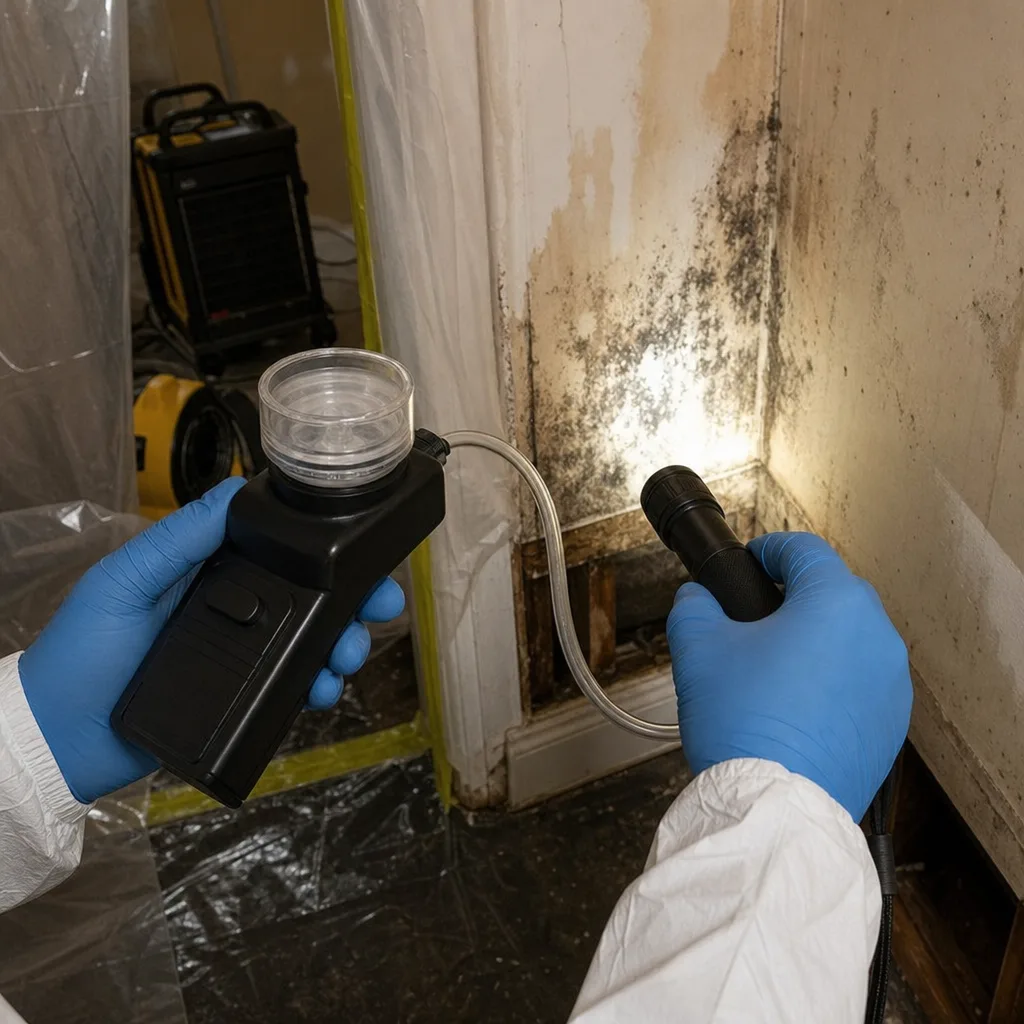
We walk the property, trace the water path, and map moisture through walls, floors, and into neighboring units where party walls are involved. Thermal imaging shows us what the eye can’t. You get a written scope and a straight answer about what needs to happen.
Extraction & Stabilization
We remove standing water with truck-mounted and portable extraction units, then stabilize the structure. This includes emergency board-up for broken windows and roof tarping for storm-opened penetrations. The building gets secured before drying starts, not after.
Drying & Dehumidification
Dri-Eaz dehumidifiers and Phoenix air movers run inside containment zones. In a Union City tenement, that containment often extends into the shared hallway to stop cross-contamination. Hygrometer readings get logged daily until the dry standard is met.
Cleaning & Sanitization
HEPA air scrubbers pull particulates from the air. Surfaces are cleaned and sanitized with professional-grade antimicrobial treatments. Drywall, insulation, and any saturated porous material that can’t be dried gets cut out and removed.
Specialty Treatment
For storm and flood damage, this is where we address what makes Union City unique: mold prevention in shared cavities, deodorization after Category 3 events, and documented moisture readings on the adjacent property for the insurance file.
Repairs & Restoration
We rebuild what we removed. Drywall, flooring, trim, paint. The same certified crew handles the entire job, start to finish, and the 90-Day Done Right Promise goes in writing before we leave.
Need Emergency Storm & Disaster Restoration in Union City Now?
Crews minutes away, answering live 24 hours a day. The sooner we start, the less it costs.
Working With Your Insurance Company
Insurance claims for storm damage in Union City get tangled when multiple units, multiple owners, and multiple policies share one water event. We’ve handled enough of these to know that the claim gets settled faster when the documentation starts in the first hour. We photograph every room before we move anything. We log moisture readings from the affected unit and the neighboring property. We write a line-item scope of work that your adjuster can read without playing phone tag. And we talk to the carrier directly, so you don’t spend your evenings on hold. The 90-Day Done Right Promise stands behind the work we document and the work we do.
What We Provide Your Insurer
- Thorough documentation of the loss
- Photos of all damage, room by room
- Moisture readings and drying logs
- A detailed, line-item scope of work
- Direct coordination with your carrier
Built for Union City’s Loss Calendar
Union City’s storm losses follow a pattern that anyone who’s lived here a few years already knows. January and February deep freezes crack aging supply lines in uninsulated basement chases, and the break in one apartment feeds water into the units below before anyone notices. Spring thaw and heavy rain push runoff down the Palisades grade toward the lower eastern streets, where garden-level apartments and basement units in 07087 take on water with nowhere to drain. Summer thunderstorms drop three inches in an hour, overwhelming old combined sewers and sending Category 3 water back through floor drains. Fall nor’easters tear at aging roof membranes on pre-war flat-roofed buildings, and wind-driven rain finds every cracked parapet and failed flashing. The common thread: in attached brick housing, every one of these events is a multi-unit event. The fix is the same every time: get a live person on the phone, get crews on site, and map the moisture before it spreads.
Storm & Disaster Restoration Across Union City’s Neighborhoods
The neighborhood shapes the job. Up along Palisade Avenue, the four and five-story brick walk-ups take wind exposure on the upper floors, so roof tarping and parapet flashing repair are common after a nor’easter. The blocks east of New York Avenue toward the base of the Palisades sit lower on the grade, and those garden-level apartments flood when heavy rain overwhelms the drainage path, we’ve pumped more basements there than anywhere else in the city. The side streets off Bergenline Avenue run tight and narrow, which means our crews work with compact extraction equipment and staged parking, and we know how to move gear through a crowded hallway without blocking your neighbors. Around Washington Park and the Weehawken border, the housing mix shifts to larger attached homes, but the party-wall logic holds: a leak in one basement is a moisture problem in the basement next door. In the tenement grid between 30th Street and 49th Street, hallway ceilings, shared chases, and common basement spaces mean restoration almost always involves at least two addresses, even when the water started in one.
Specialized Storm & Disaster Restoration Services We Offer in Union City
Storm Damage Cleanup
After wind, rain, or a downed tree, we clear the debris, remove the wet materials, and dry the structure. In Union City’s attached housing, cleanup includes the shared spaces, because a soaked hallway ceiling feeds mold into every unit it touches.
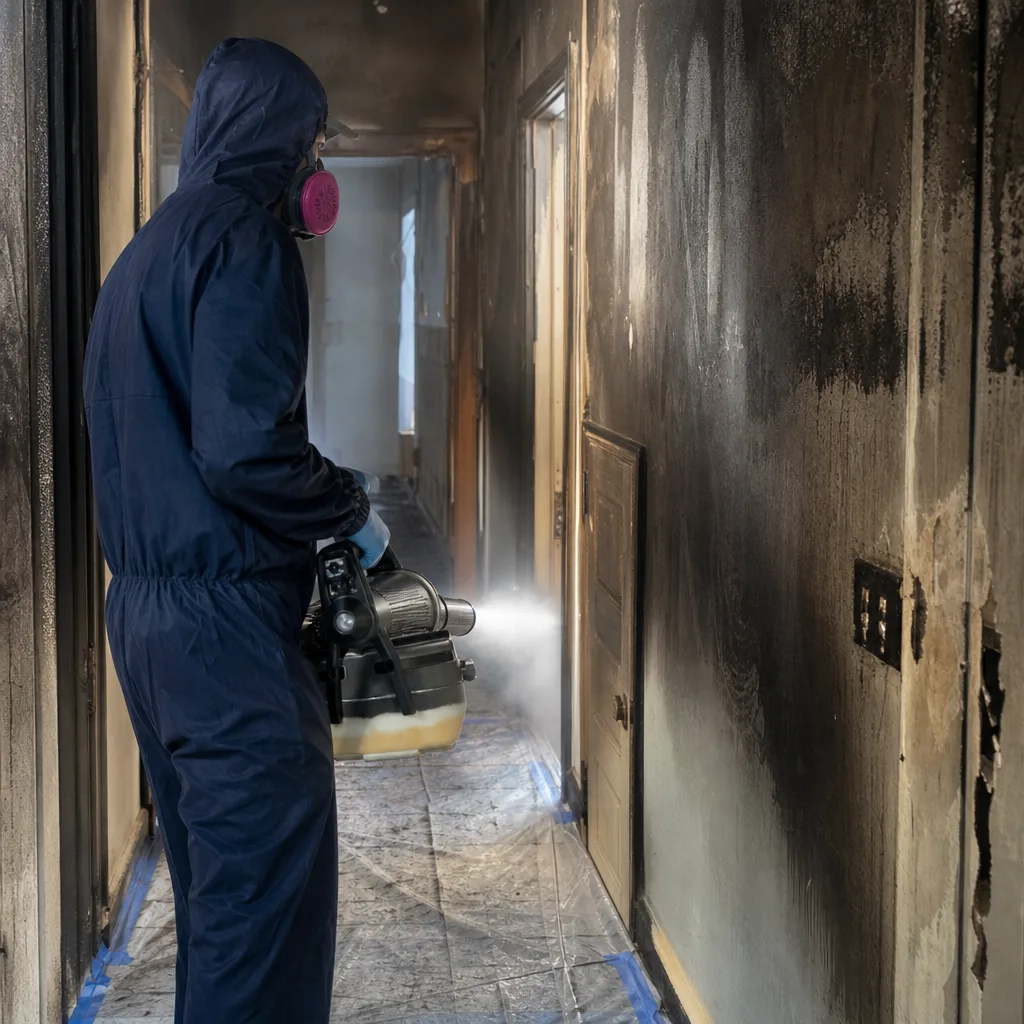
Flood Damage Restoration
Palisades runoff and sewer backups hit the east side hard. We extract the water, contain the affected area, and dry to the dry standard. For Category 3 events in garden-level apartments, we remove saturated materials and run HEPA air scrubbing before anyone lives in that space again.
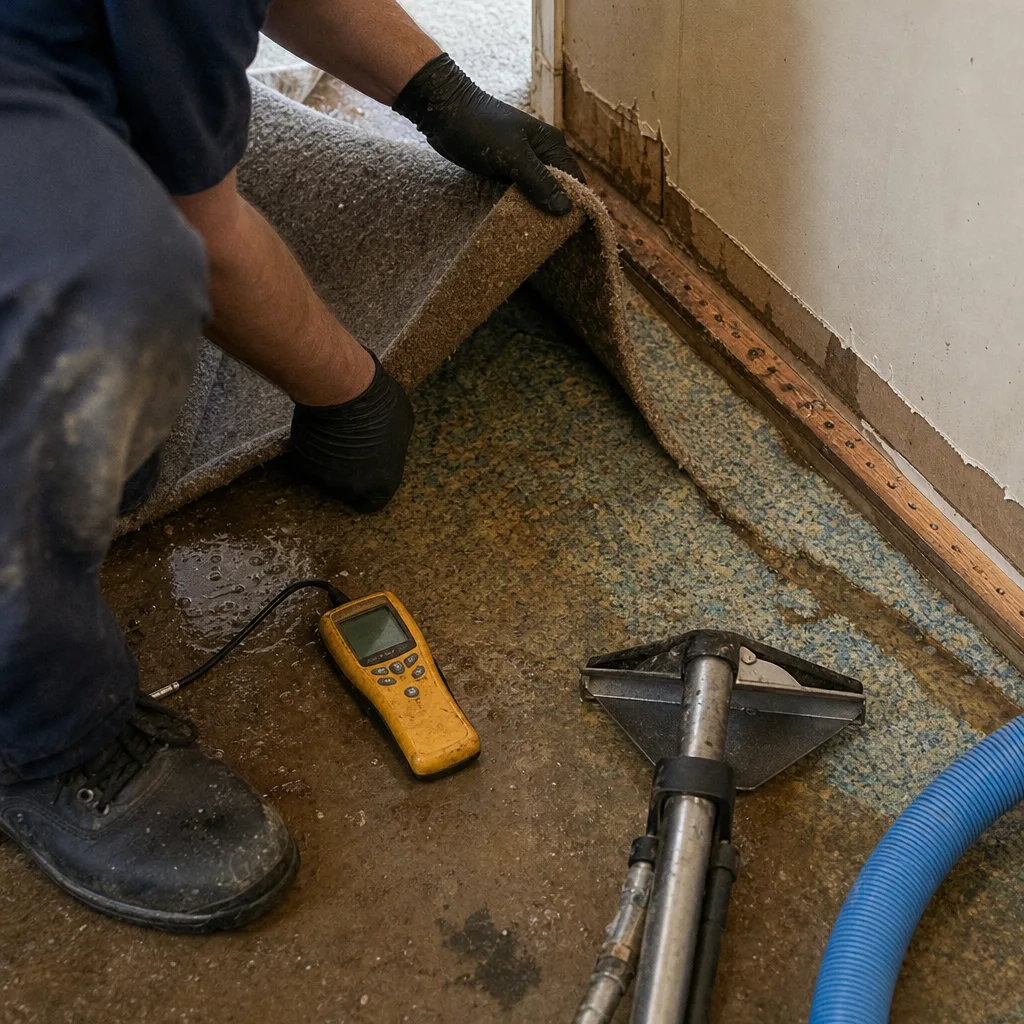
Emergency Board-Up
A broken window in a 1920s brick walk-up on Bergenline Avenue is an open door to weather, water, and worse. We board up fast, secure the opening, and document it for your carrier. Same visit as the assessment, whenever possible.
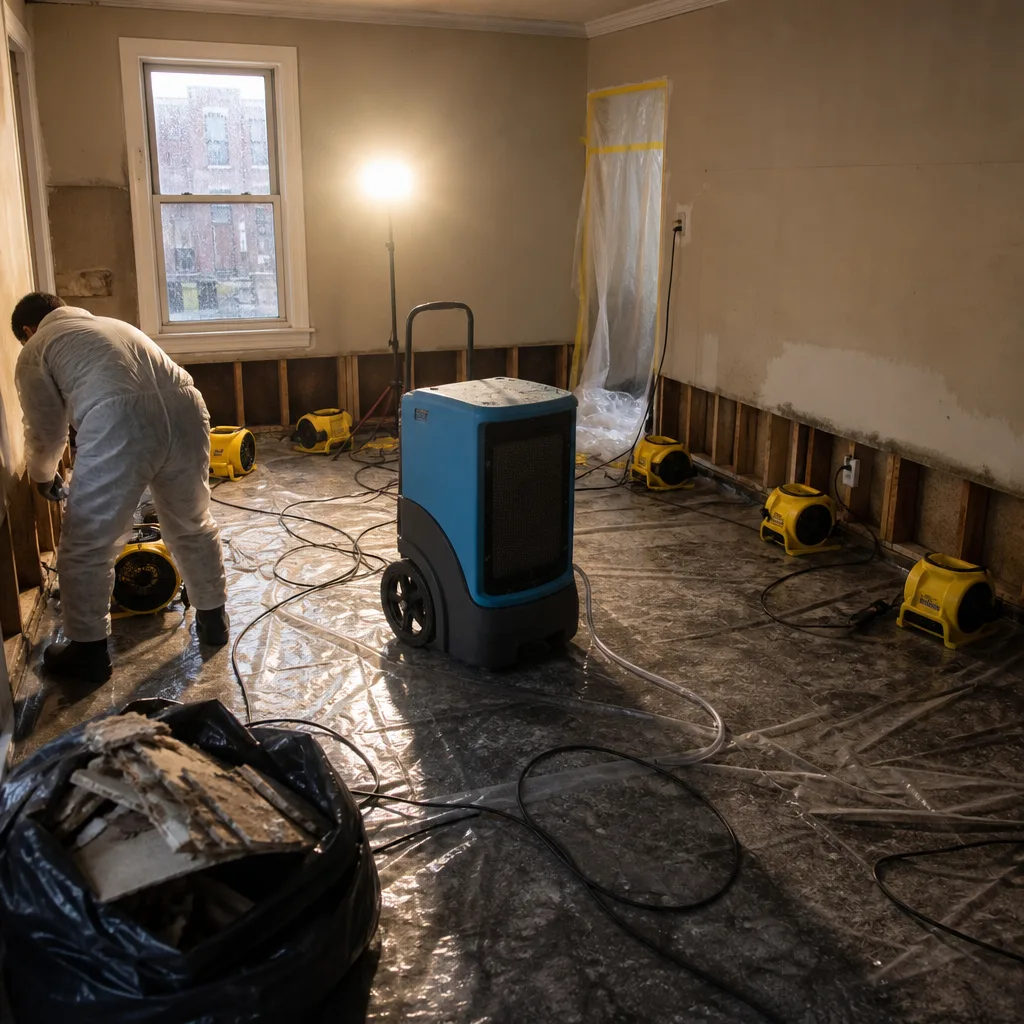
Roof Tarping
Pre-war flat roofs and aging parapets fail during nor’easters. We tarp the penetration, stop the active leak, and make the building watertight before the next rain. The tarp is temporary; the documentation we provide is permanent.
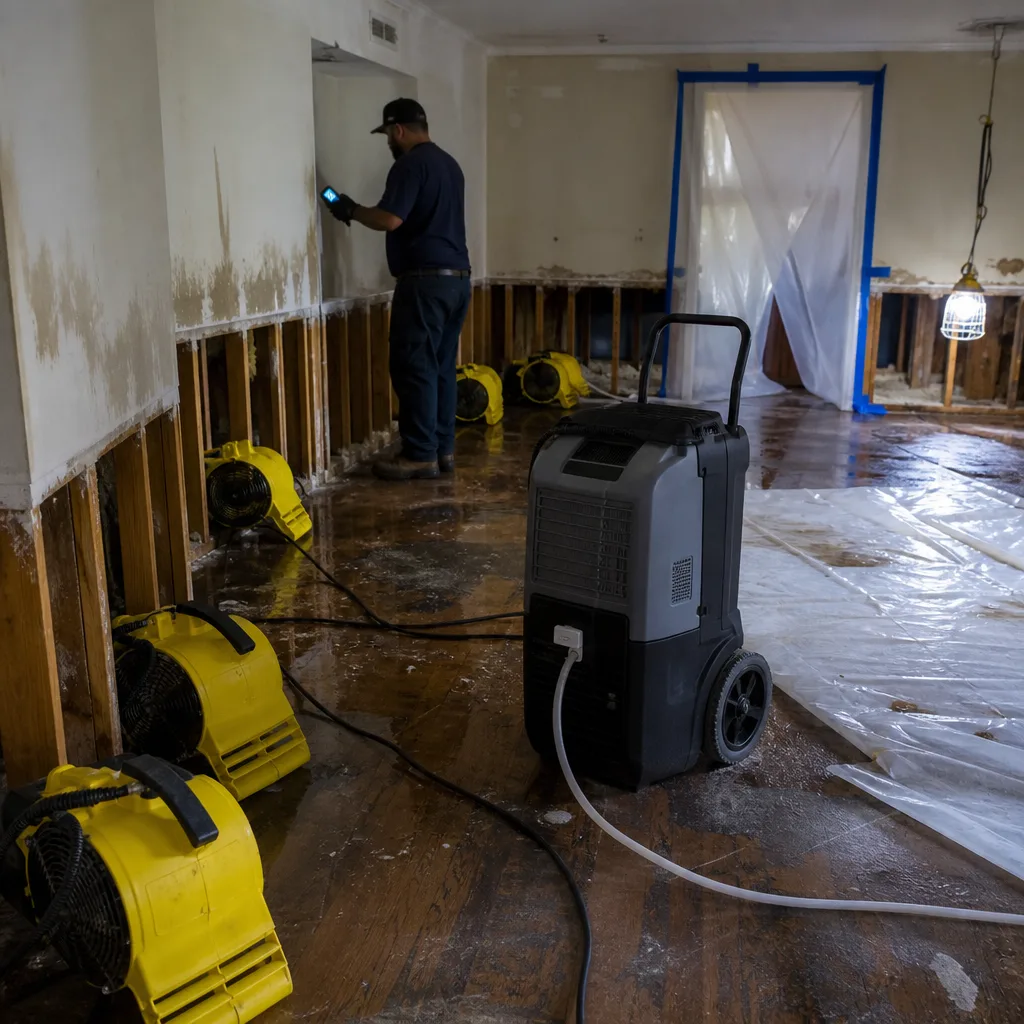
Debris Removal
Fallen limbs, torn flashing, and storm-blown trash all end up in Union City’s narrow yards and alleyways. We haul it out, photograph what we removed, and add it to the insurance scope where applicable.
What happens when you call
- 1
A real person answersNo phone trees - you reach a local pro.
- 2
You get an upfront price rangeHonest numbers before anyone is dispatched.
- 3
A background-checked tech heads outLicensed & insured, dispatched right away.
- 4
You approve before work beginsNothing starts until you say go.
Storm & Disaster Restoration Costs in Union City, NJ
What you’ll pay depends on what actually got wet and how far the water traveled. A straightforward Category 1 dry-out in a single Union City apartment typically runs $1,800 to $3,400, including extraction, equipment, and daily monitoring. Emergency board-up for one or two windows on a Bergenline Avenue storefront or a brick walk-up runs $250 to $600. Roof tarping after a nor’easter usually lands between $400 and $900 for a standard flat-roof penetration. The expensive jobs are the Category 3 flood events and any loss where water migrated through shared floor joists into a neighboring unit. Those run $5,000 to $15,000 or more, because containment, HEPA air scrubbing, multi-unit moisture mapping, and full material removal are all on the table. Insurance covers most of this when the documentation is done right. Our inspection is free, and you’ll get a written scope before any work starts. Call (640) 500-3278 for an exact quote on your Union City property.
We Also Serve Cities Near Union City
Floodline Restoration Co. crews respond throughout Hudson County. We handle storm and disaster restoration in Weehawken, Hoboken, North Bergen, and Secaucus with the same 45-minute response commitment and the same live 24/7 dispatch. If you own property in any of these towns, call (640) 500-3278.
Serving Union City, NJ - Our Local Coverage Area
We’re based in the Union City area and know this community well. Use the map below to see our service coverage - if you’re nearby, we can almost certainly help.
Union City Storm & Disaster Restoration Questions, Answered
How quickly can you pull moisture readings on the neighboring unit when a pipe breaks in our Union City tenement?
We pull those readings on the first visit, typically within 45 minutes of your call. In a shared-wall building, the water that left your apartment is already in the floor joists, and the neighbor’s wet drywall will show up days later if we don’t document it now. That early reading protects you from a disputed liability claim down the road. Call (640) 500-3278 and we’ll map both properties before extraction starts.
Do you handle Category 3 water from storm backups in a ground-floor apartment on the east side of Union City?
Yes, and this is one of the most common calls we get in the garden-level units east of New York Avenue. Category 3 water from storm sewer backups carries sewage and bacteria. The protocol is containment, HEPA air scrubbing, removal of saturated porous materials, and full sanitization before anyone lives in that space again. We document every step for your carrier.
How do you coordinate multi-unit damage when one broken washing machine supply line affects three apartments?
We treat it as one job with multiple affected spaces. The same crew maps moisture in all three units, sets containment across the common areas, and produces one scope of work that each owner’s insurer can read clearly. No competing claims, no finger-pointing. The drying logs show readings from every affected unit, and we send them to every carrier in the file.
When is emergency board-up required after a storm in a 1920s brick walk-up?
Any time a window, door, or roof penetration lets weather into the building. In a pre-war walk-up, a broken window on the top floor invites rain into the stairwell and the units below it. We board up the same visit, photograph the opening before and after, and add it to your insurance scope. The board-up usually runs $250 to $600 depending on the size and number of openings.
What does “pre-loss condition” mean when your crews dry out an original cast-iron drain stack in a Union City basement?
Pre-loss condition means the building is dry, clean, and structurally stable, matching what it was before the water event. It doesn’t mean we rebuild a 1925 cast-iron stack with new materials. It means we dry the surrounding structure, document that the stack is intact, and leave the building usable. If the stack itself failed, that’s a plumbing repair, and we’ll tell you straight and document it for the claim.
How long does storm damage drying take in a typical Union City tenement?
Most residential dry-outs run three to five days when we get on site within the first day or two. Pre-war plaster and brick hold moisture longer than modern drywall, so multi-story tenements with shared cavities can stretch to seven days. Daily hygrometer readings tell us exactly when the structure hits the dry standard, not a calendar guess.
Can we stay in our apartment during storm damage restoration?
For a Category 1 or 2 water loss contained to one room, usually yes. For a Category 3 flood event in a garden-level unit, no, not until containment comes down and air clearance testing passes. We’ll tell you straight on the first visit what’s safe. Your carrier often covers alternate lodging for Category 3 events, and we document everything they’ll need to approve it.
What should we do in the first 30 minutes after storm water gets into our Union City home?
Shut off the power if water is near outlets or the panel. Move what you can to dry ground. Then call (640) 500-3278. Don’t try to pump Category 3 water yourself, and don’t wait to see if it dries on its own. The first hour is when the scope of the job gets decided, and the sooner we start, the less gets torn out.
On a 4-story tenement off Palisade Avenue, our techs were first on scene for a Category 2 supply line break that had migrated through shared floor joists into the unit below. We ran moisture mapping on both properties before extraction, set Dri-Eaz dehumidifiers and XPOWER air movers in a 400-square-foot containment, and documented the cross-wall readings on the drying logs, so the landlord’s insurer and the neighbor’s carrier had one scope of work instead of two competing claims. That’s how Storm & Disaster Restoration gets done in Union City: the line the water left is where we start, and we stand behind it.
If your building in Union City took storm damage, call Floodline Restoration Co. at (640) 500-3278. A live person answers. A certified crew responds. The inspection is free, the scope is in writing, and the 90-Day Done Right Promise goes with you. Done right, and backed in writing.
Written by Curt Bowman, Owner at Floodline Restoration Co., serving Union City storm and disaster restoration with a live 24/7 dispatch and the 90-Day Done Right Promise in writing.