

Free visual inspection and a written scope of work before any mitigation begins - photos, moisture readings, and drying logs go in your claim file
The scope we write is the scope we bill. Anything new gets shown to you, in writing, before we touch it.
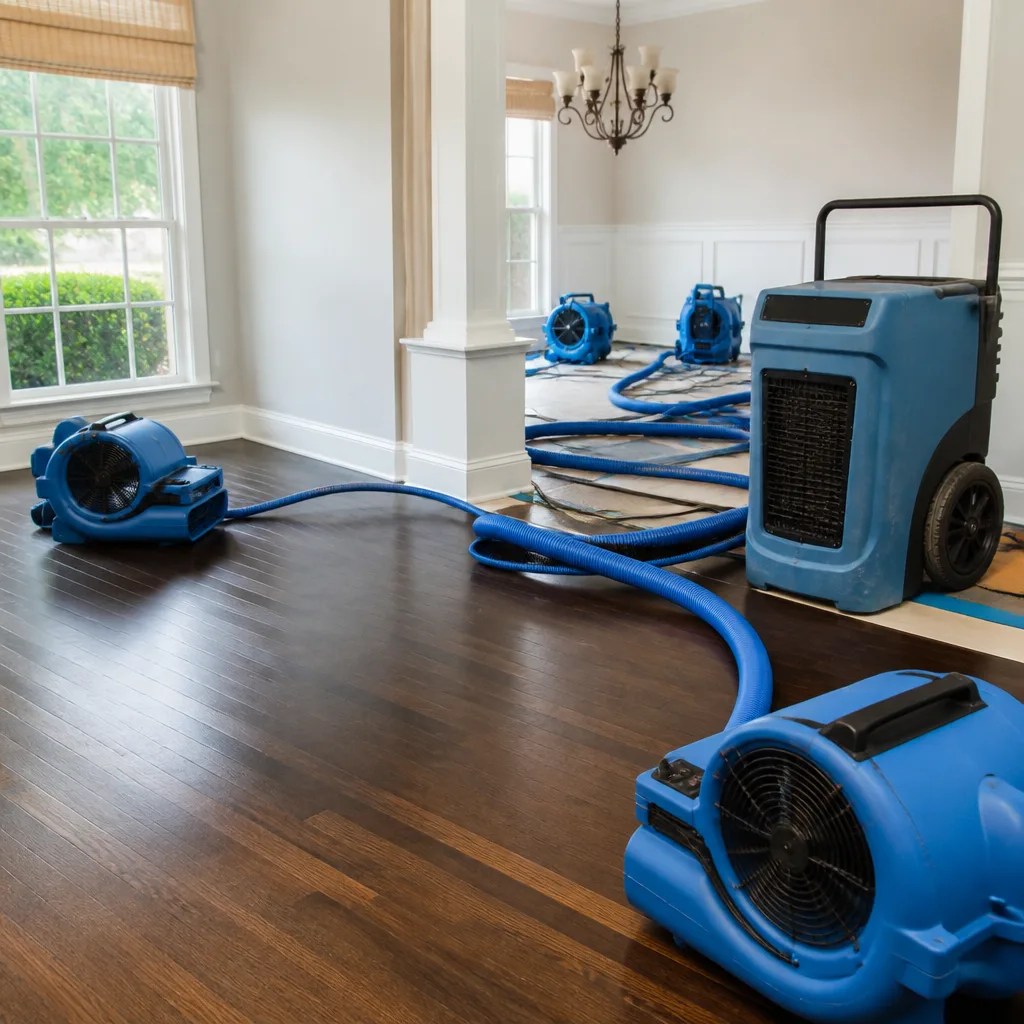
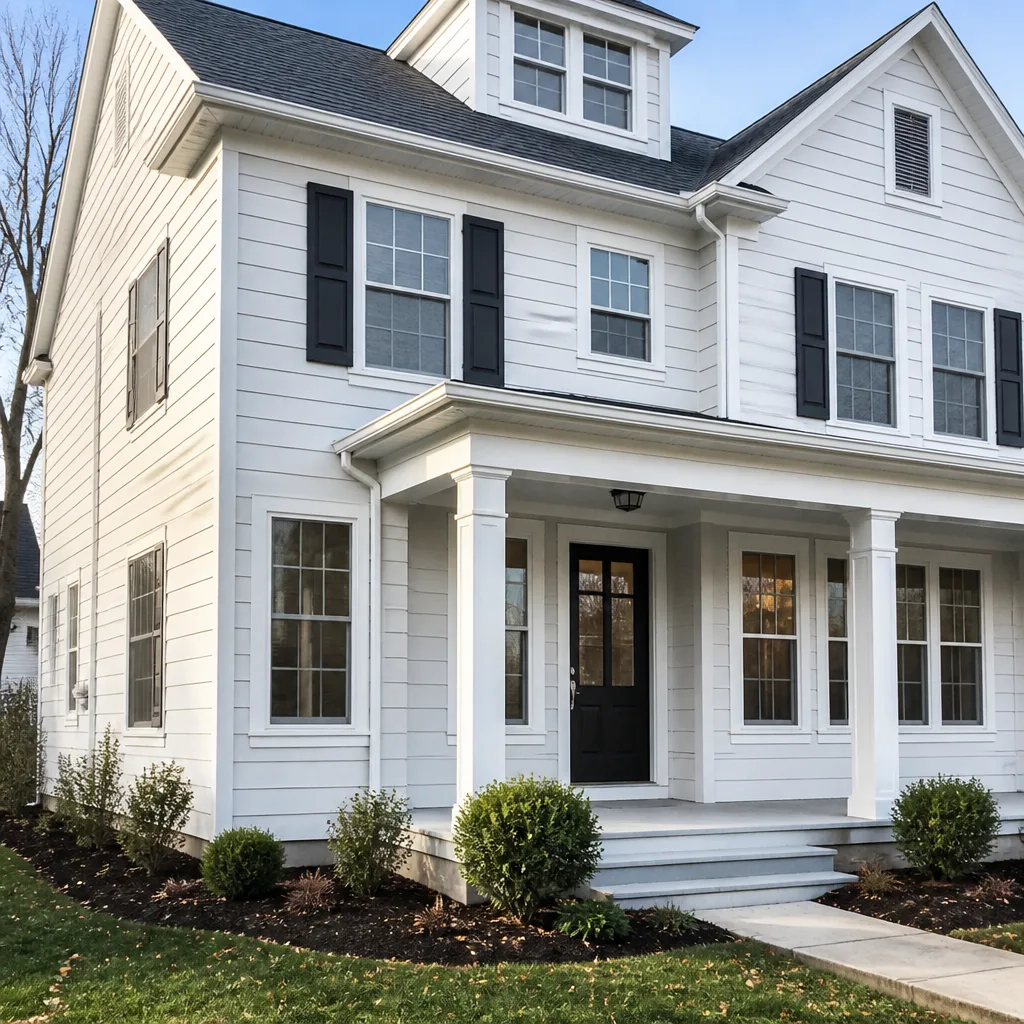
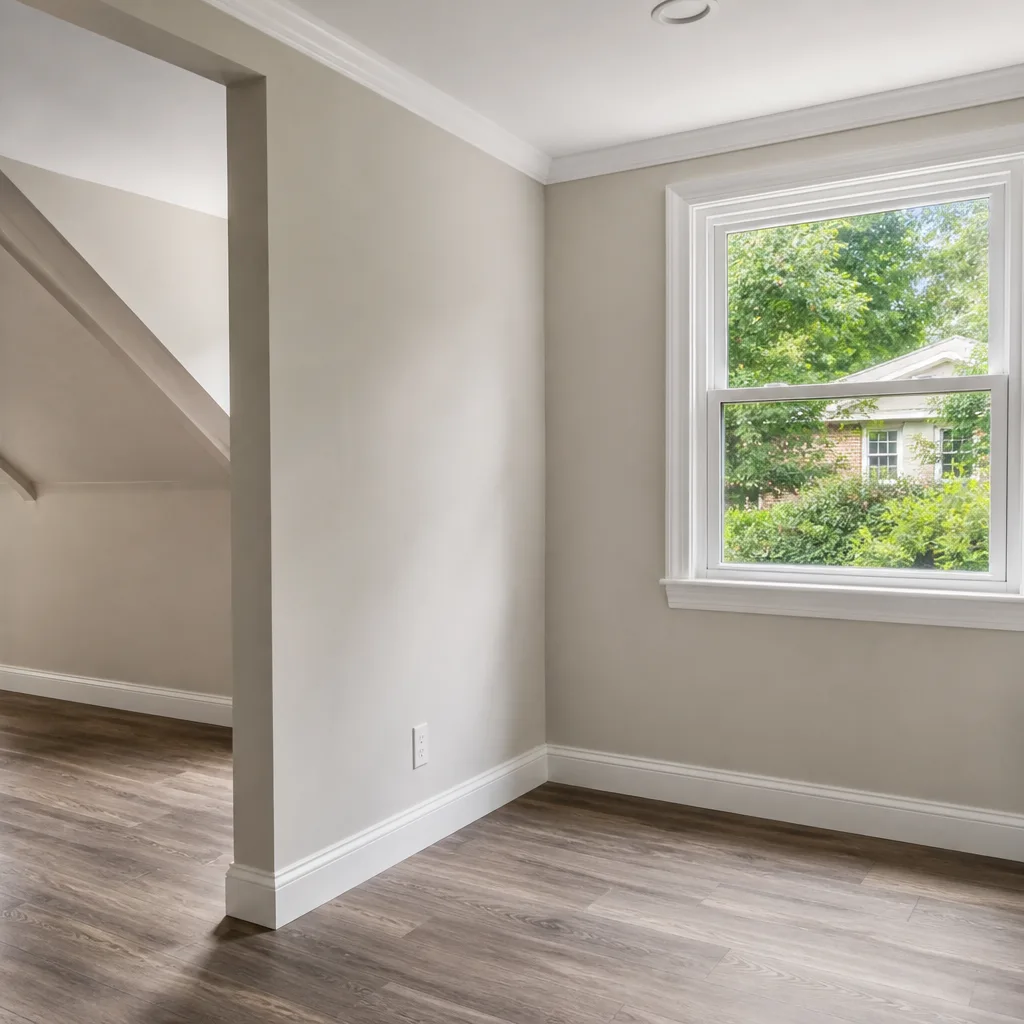
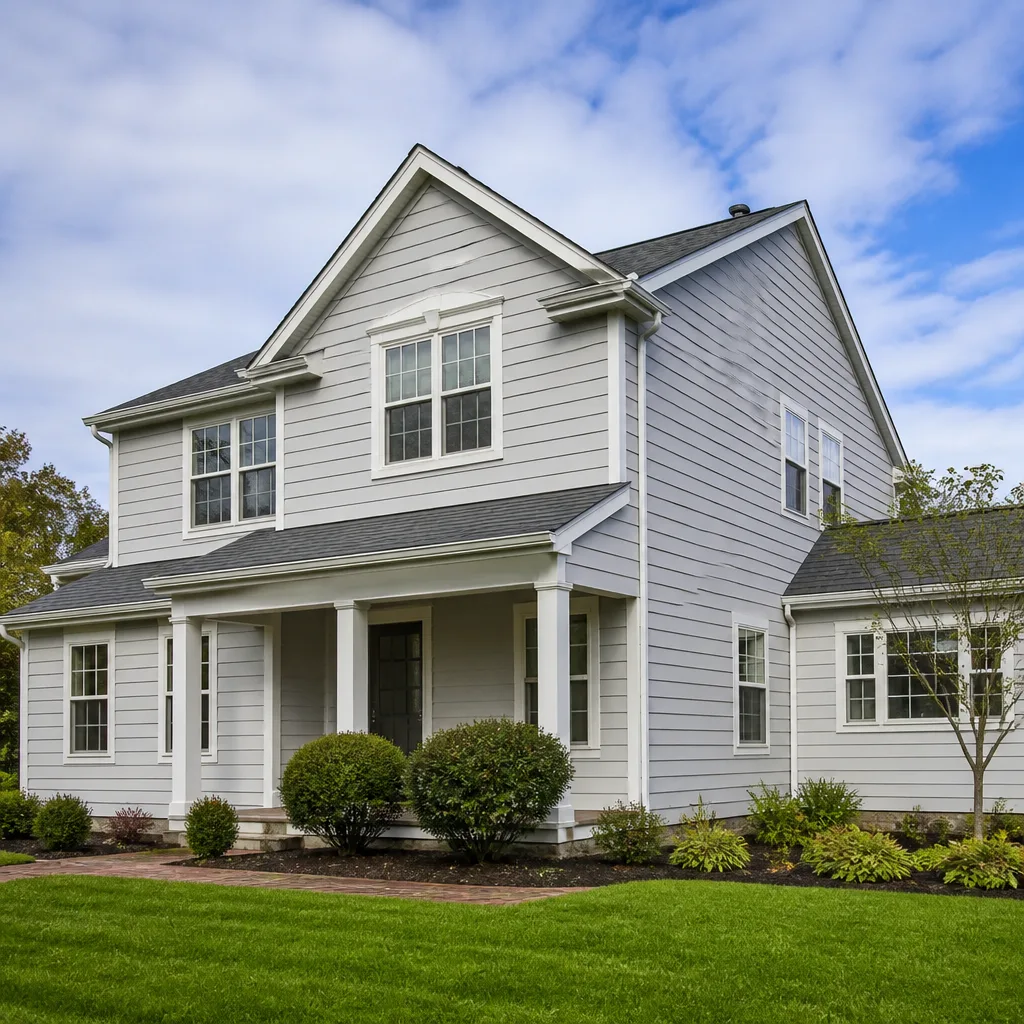
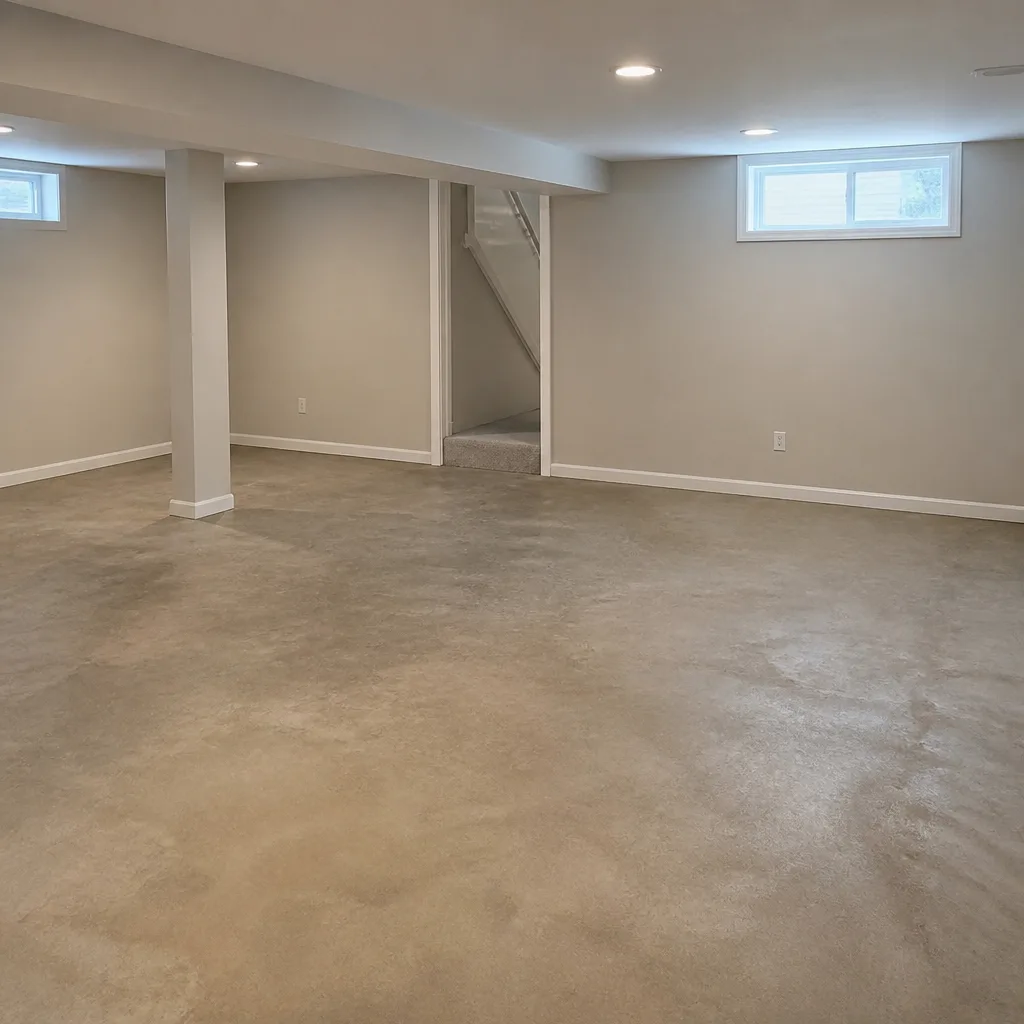

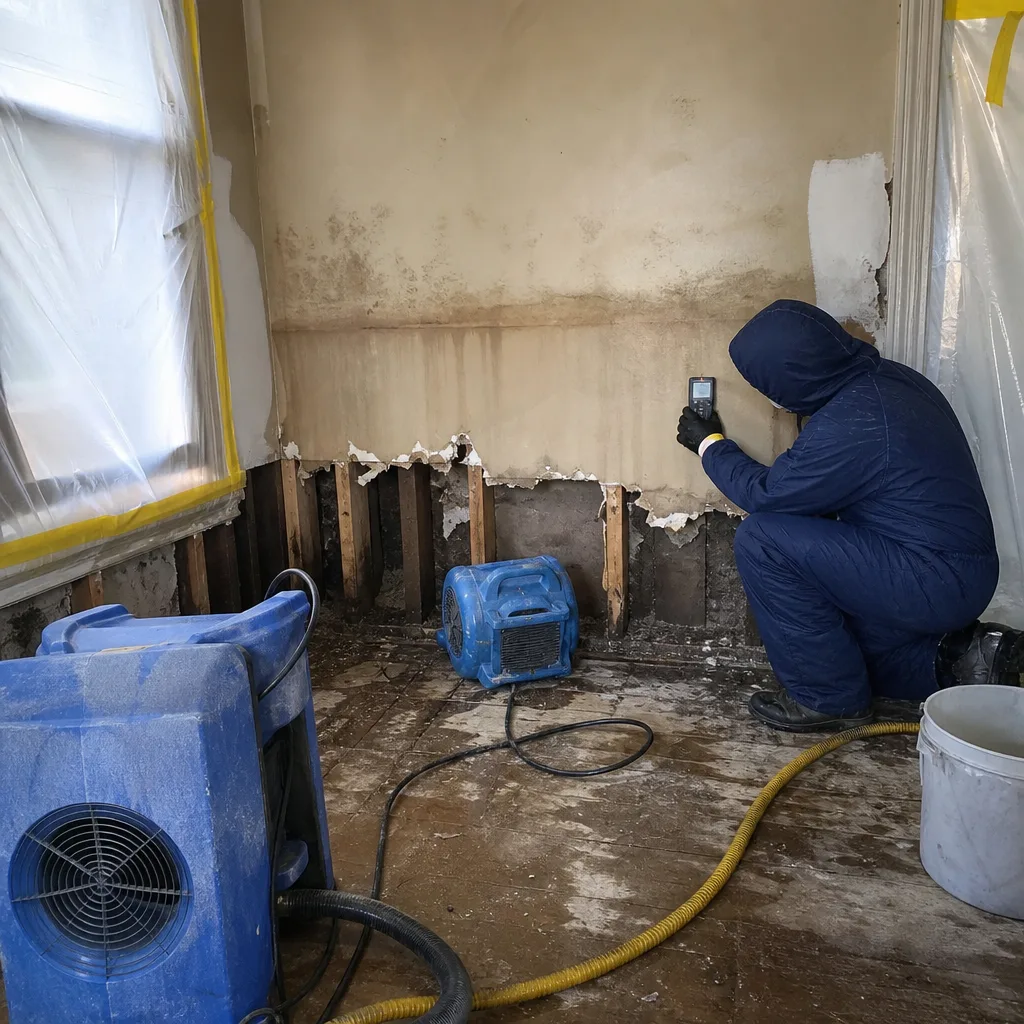 Before
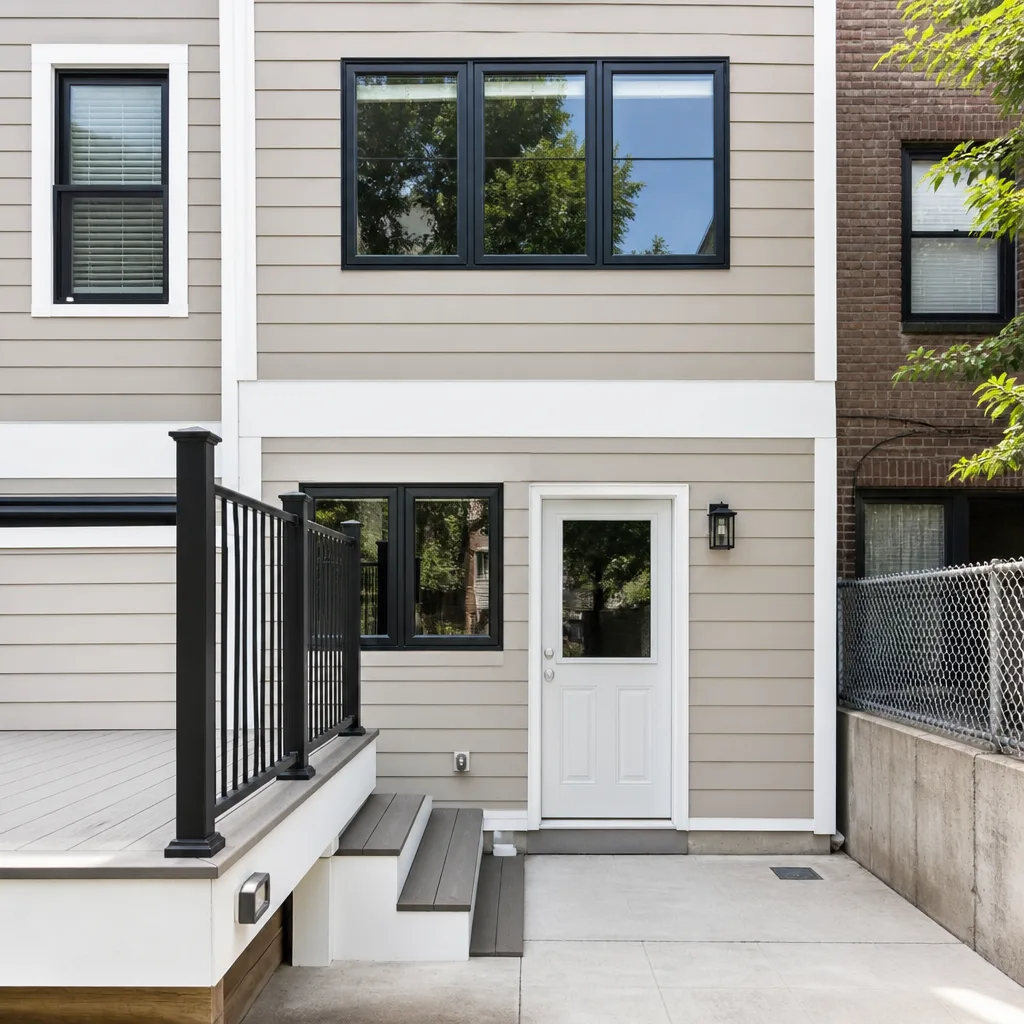 After
After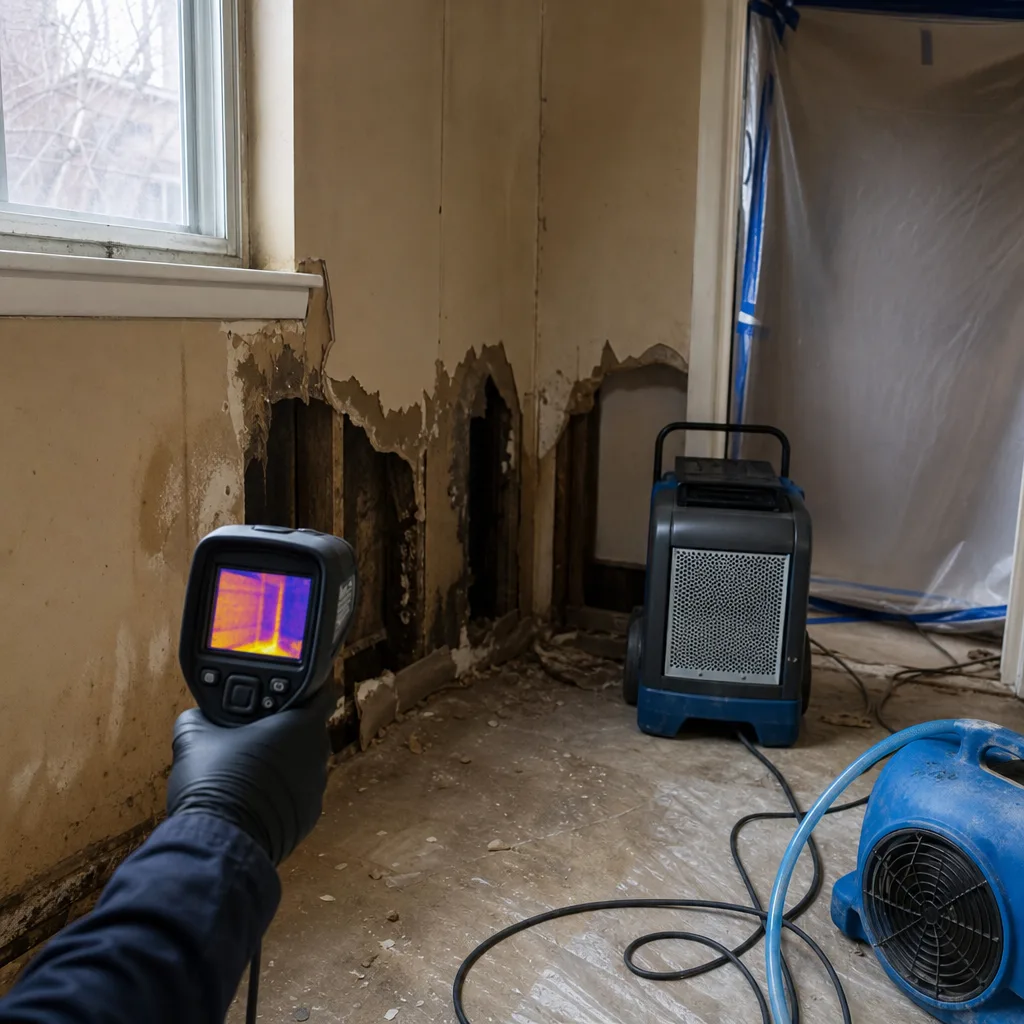 Before
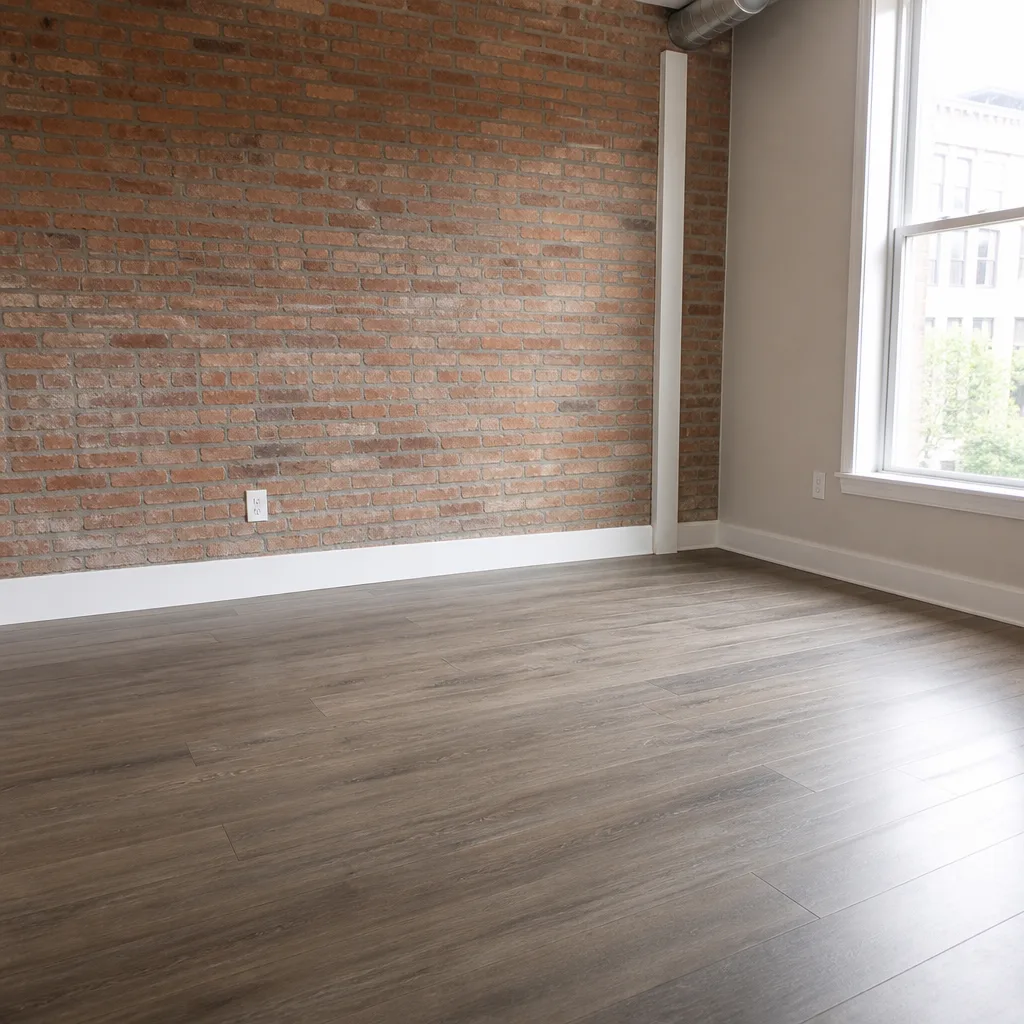 After
After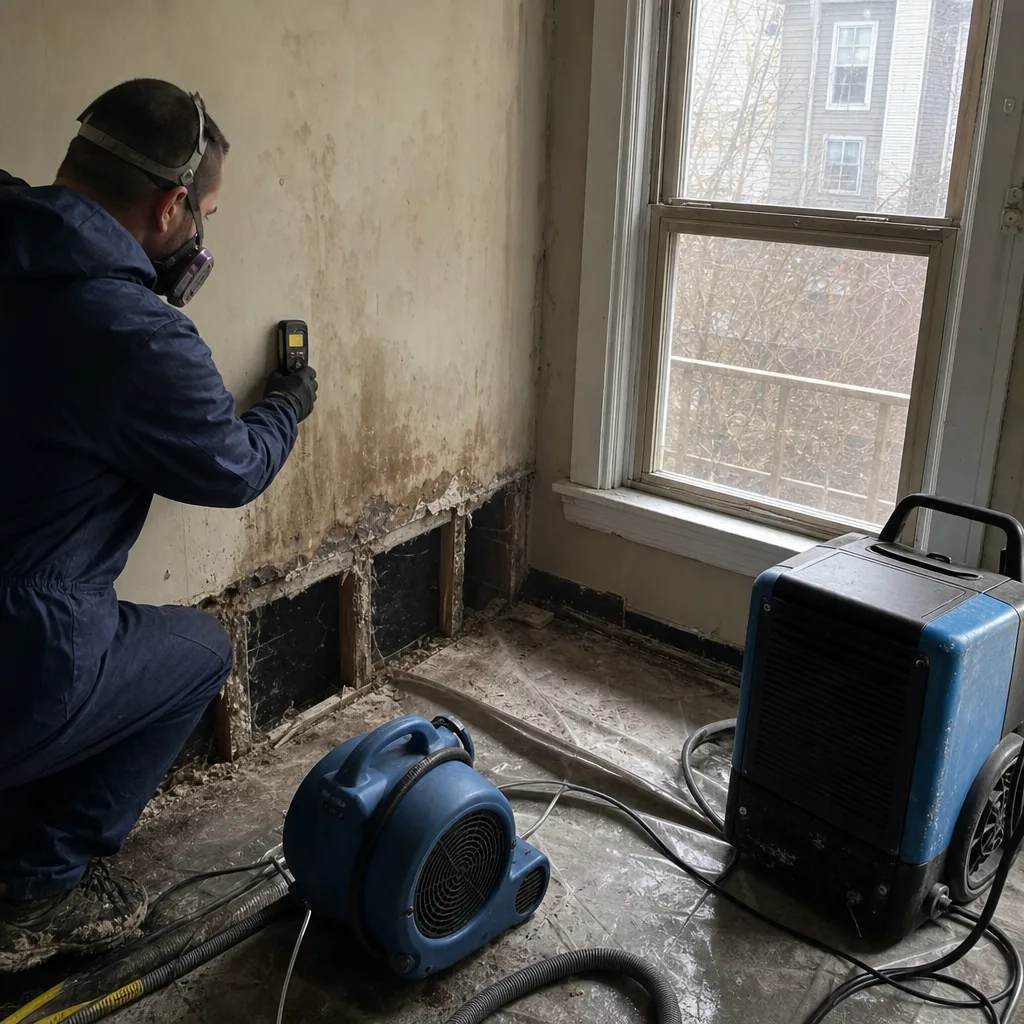 Before
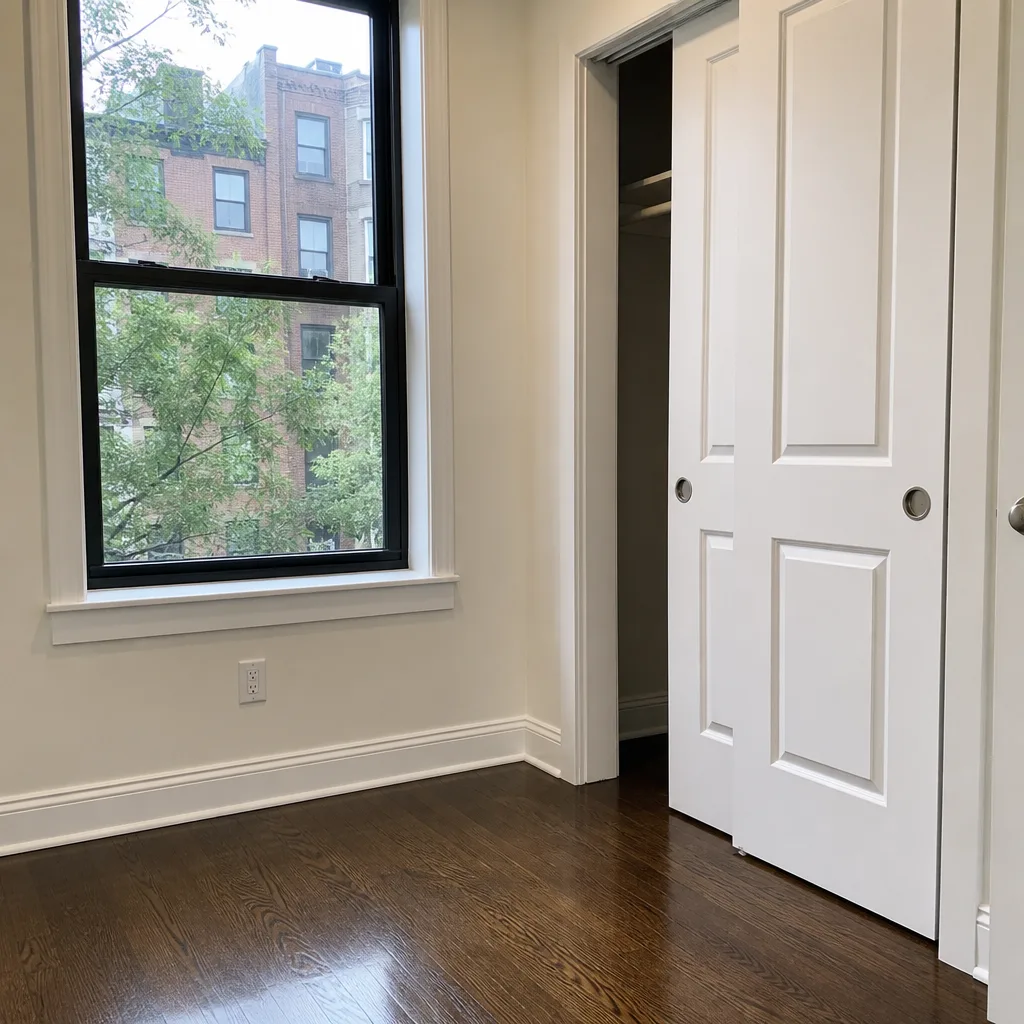 After
After24/7 Emergency Storm & Disaster Restoration in Weehawken
Storm damage in Weehawken moves fast, and so do we. Water from a nor’easter or a burst supply line can saturate plaster, wick into joists, and start mold within 48 hours. Call (640) 500-3278 any hour, any day. A live dispatcher answers. Not a recording, not a call center. We’ll have a certified crew on the road to your Weehawken address immediately, and the first hour is when the most money gets saved or lost. We’ll do a free visual inspection, tell you plainly what you’re dealing with, and start extraction the same visit if it’s needed.
Understanding Storm & Disaster Restoration Severity in Weehawken Properties
Weehawken compresses two entirely different water-damage environments into 1.3 square miles, and the severity classification depends on which one you live in. Up on the Palisades bluff, older masonry row houses deal with Category 1 and Category 2 water: clean rainwater runoff and groundwater that has moved through soil and rock. The color may look clear, but the source matters. Lateral seepage through Palisades traprock picks up minerals and bacteria that change how we treat wall cavities. We use moisture mapping and hygrometers to find water that’s traveled horizontally behind original plaster, not just what’s puddled on the floor. Down at Port Imperial, storm surge from the Hudson River brings Category 3 water: grossly contaminated, carrying silt, sewage, and salt. That changes everything. Elevator pits, mechanical rooms, and parking decks in the post-2000 towers there need full containment, antimicrobial treatment, and structural drying with professional-grade Dri-Eaz dehumidifiers, not just mops and fans. The building age difference matters too. An 1890s row house off Boulevard East has cast-iron drain stacks and shallow foundations. A 2015 condo tower has engineered drainage but sits in a FEMA AE flood zone. We read the building before we move a single piece of equipment.
Key Takeaways: Storm Response in Weehawken
- Upper-bluff basements and Port Imperial ground floors are two different damage types even in the same storm.
- Category 3 surge water requires containment and antimicrobial treatment; Category 1 seepage still needs real drying and mold prevention.
- We answer live 24/7 and dispatch to Weehawken immediately.
- Direct insurance billing and the 90-Day Done Right Promise are part of every job.
Why Weehawken Property Owners Choose Floodline Restoration Co.
- 45-minute response commitment. We’ll be there when we say. Crews are staged across the Hudson County corridor, so a live dispatcher can commit to a real arrival window, not a vague window.
- 24/7 live answer, always a person. You call at 2 a.m. after a nor’easter backs up the municipal drains, a human picks up. That’s been the rule since Curt Bowman started this company in 2010.
- IICRC-certified crews, WRT and ASD trained. Our technicians hold IICRC certification in Water Damage Restoration and Applied Structural Drying. They’re background-checked, uniformed, and trained to RIA and IFA standards.
- Free visual inspection, no obligation. We’ll walk the damage with you, explain the moisture readings, and give you a written scope before any work starts. No high-pressure sales. You decide.
- Direct insurance billing. We bill your carrier directly and deal with the adjuster. You don’t play messenger between us and the insurance company.
- One team from extraction to reconstruction. We don’t hand off a dried-out shell to a separate contractor. The same crew that maps the moisture on day one rebuilds what needs rebuilding at the end.
Our Storm & Disaster Restoration Process
Inspection & Assessment
Our lead technician walks every wet area with a thermal imaging camera and hygrometer. We classify the water category, map migration paths through your Weehawken home’s particular construction, and photograph everything before touching a thing. You get the scope in writing.
Extraction / Stabilization
Standing water comes out fast using truck-mounted and portable extraction units. If storm damage has opened the envelope, we board up windows and tarp roofs the same visit. For Port Imperial mechanical rooms, we’re pumping elevator pits and sumps before electrical systems get wet.
Drying & Dehumidification
We set commercial-grade air movers and LGR dehumidifiers from Phoenix and Dri-Eaz. Daily moisture readings are logged until the dry standard is hit. In upper-bluff basements, this often means addressing the rock-face seepage source, not just drying the air inside.
Cleaning & Sanitization
HEPA air scrubbers run throughout. We apply EPA-registered antimicrobials to all affected wall cavities and framing. For Category 3 surge water, Weehawken Sanitization Services with full containment is already up. Nothing gets covered over that isn’t clean and dry.
Specialty Treatment for Storm Damage
This is the step the national franchises skip. For Weehawken bluff homes, that can mean installing a cavity-drain membrane against the Palisades rock to stop lateral seepage. For Port Imperial towers, it means drying elevator pits and concrete slabs to structural standards before rebuild.
Repairs & Restoration
The same crew that did the extraction now handles Reconstruction & Cleanup - Weehawken. Drywall, plaster, flooring, trim, paint. We rebuild to pre-loss condition and a little better where code demands it. The 90-Day Done Right Promise covers every bit of it.
Need Emergency Storm & Disaster Restoration in Weehawken Now?
Crews minutes away, answering live 24 hours a day. The sooner we start, the less it costs.
Working With Your Insurance Company
We’ve been through every carrier’s process enough times to know how they think. Our documentation starts in the first hour: photos of every room from every angle, moisture readings with time stamps, and a line-item scope that uses the same estimating language adjusters use. When the adjuster calls, they’re talking to someone who can answer their questions directly, not a homeowner who’s been through a flood for the first time. We handle the back-and-forth. If mitigation is needed immediately to stop further damage, we document why and get to work while the claim moves. You get a square deal, and the carrier gets a defensible file. That’s the arrangement that protects both sides.
What We Provide Your Insurer
- Thorough documentation of the loss
- Photos of all damage, room by room
- Moisture readings and drying logs
- A detailed, line-item scope of work
- Direct coordination with your carrier
Built for Weehawken’s Loss Calendar
The damage season in Weehawken follows a rhythm, and we plan for it. February’s deep freezes burst supply lines in the 1920s row houses on the mid-bluff, where original copper and galvanized piping runs through shallow basement walls against the rock. March and April bring the thaw, and with it every basement above Boulevard East starts showing water where the Palisades traprock releases its winter saturation. Summer thunderstorms, the ones that roll off the Hudson with an hour’s notice, send runoff down the 160-foot grade change and overwhelm older drain stacks before the municipal system catches up. Then comes the nor’easter season, from September into April. Those storms are the biggest wildcard for Port Imperial, where a full-moon tide plus a northeast wind can push the Hudson into ground-floor lobbies and parking decks the way Sandy did in 2012. Knowing what’s coming doesn’t stop it, but it means we’re staged and ready when the phone rings. And we answer.
Storm & Disaster Restoration Across Weehawken’s Neighborhoods
Our crews know the difference between a Call Box building on Boulevard East and a townhouse cluster down by the Lincoln Harbor light rail stop. The response pattern changes with the topography. Up in the Heights, above Hamilton Park and along Eldorado Place, we’re parking on narrow one-way streets and carrying equipment down steep front staircases. The damage is typically basement-level: runoff from Highwood Terrace and the roads above finds the path of least resistance into the foundations of pre-war brick row houses. Mid-bluff, around Park Avenue and Gregory Avenue, we see mixed construction from the 1920s through 1960s, and water often climbs through shared masonry party walls. Down at Port Imperial, by the waterfront promenade and the ferry terminal, it’s elevator pits and mechanical rooms and parking decks in towers built after 2000. The same storm hits all three zones differently. We dispatch the right truck, with the right extraction setup and dehumidifier count, based on the built environment, not just the address. That local knowledge changes how fast the job gets dry.
Specialized Storm & Disaster Restoration Services We Offer in Weehawken
Storm Damage Cleanup
Nor’easter wind rips a section of rubber membrane off a bluff-top roof at 3 a.m.; rain pours through to the top-floor ceilings. We tarp first, then extract, then dry. The cleanup is the detail work: removing wet insulation, hauling out ruined plaster lath, and clearing the debris before anything else happens. We do it fast, and we photograph the whole sequence for your claim.
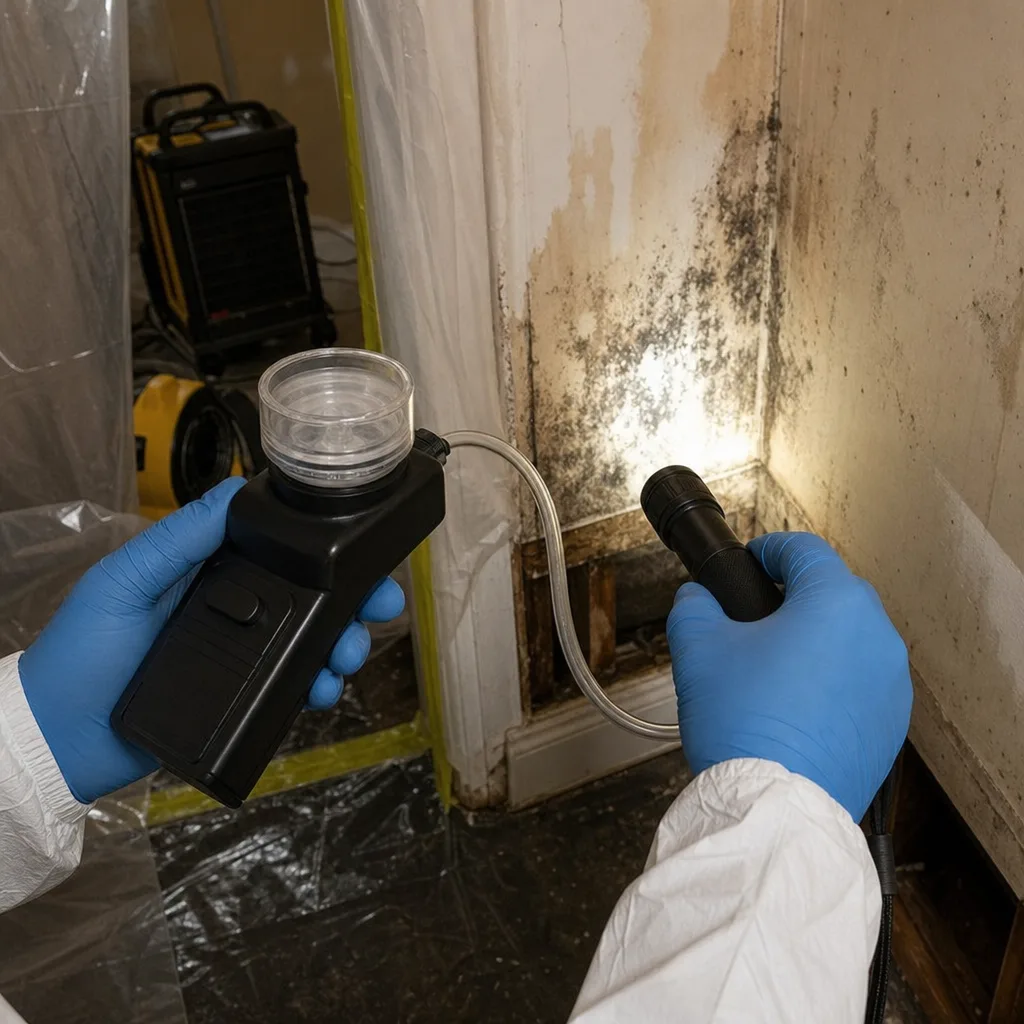
Flood Damage Restoration
This is the core of what we do in Weehawken. Whether it’s Category 1 runoff in a Gregory Avenue basement or Category 3 surge from the Hudson through a Port Imperial lobby, the protocol starts the same: classify, contain, extract, dry, treat, and log. The difference is the details. In a 1910 row house, that means checking for water behind original plaster and around cast-iron waste pipes. In a waterfront tower, it means pumping an elevator pit and drying a concrete slab, not just running fans. Our Storm & Disaster Restoration team handles both ends of the township.
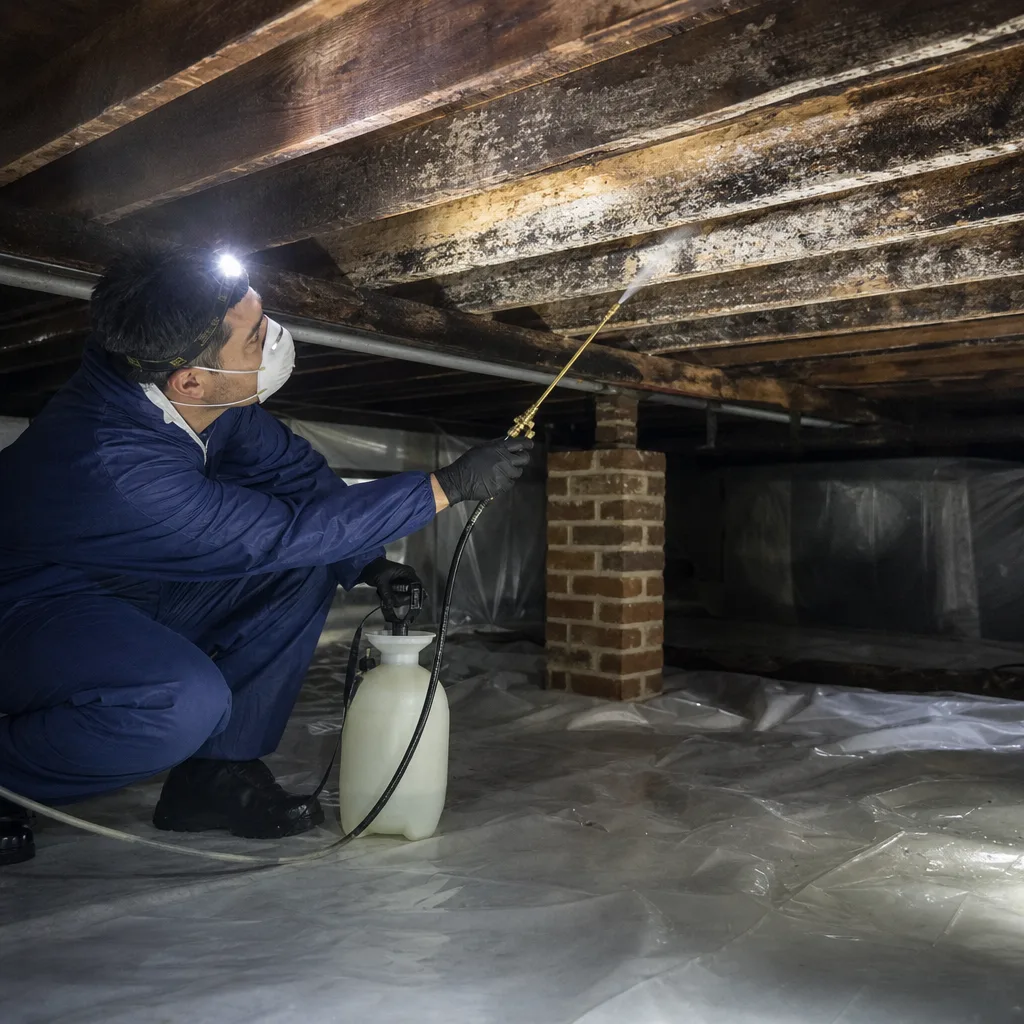
Emergency Board-Up
A tree limb through a front window on a mid-bluff street, a burst pipe that’s soaked a wall before we can extract. Securing the envelope stops the damage from spreading and stops the elements from finishing what they started. We board up with real plywood, not plastic sheeting, and we do it the same visit. If the door’s been kicked in or the glass is gone, don’t wait for morning. We’re on it now.
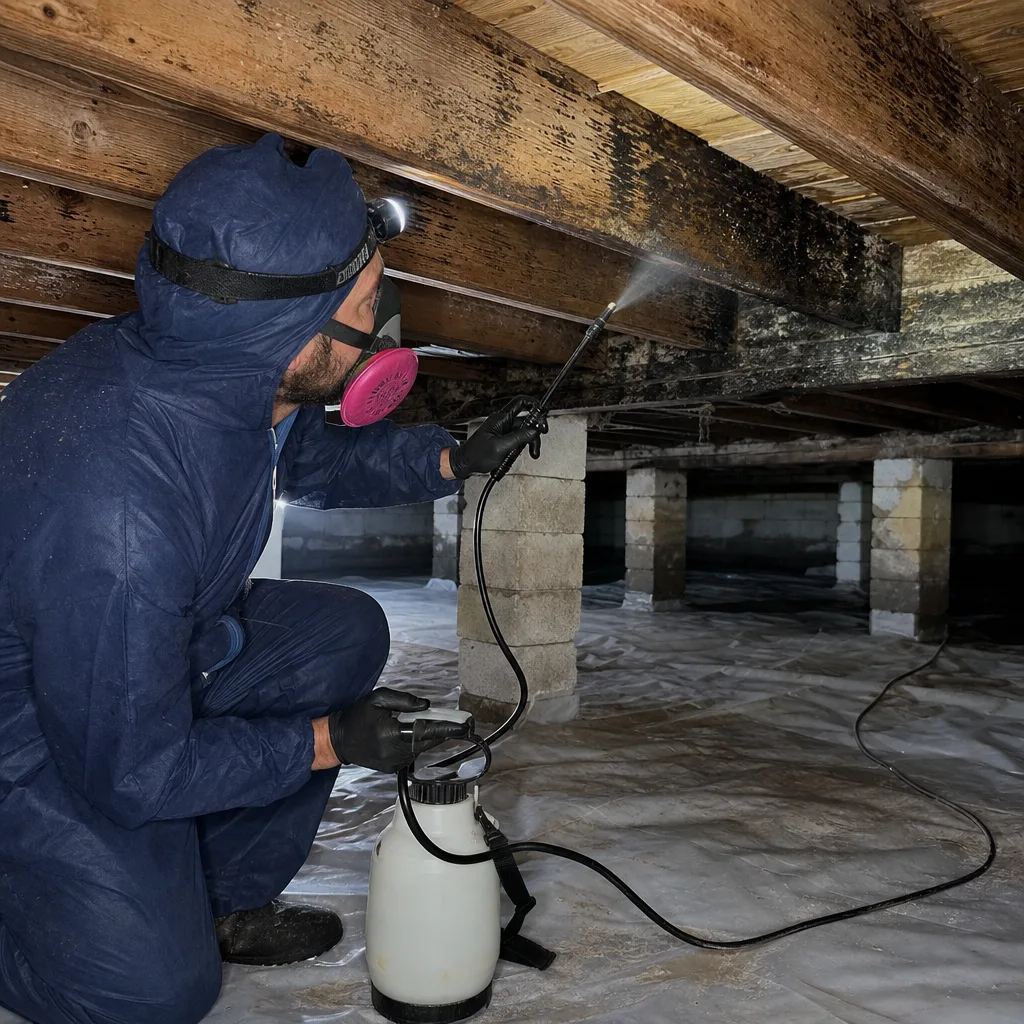
Roof Tarping
Weehawken’s older housing stock means slate, old asphalt shingle, and the occasional rubber membrane. When wind gets under a section, water follows. We tarp the breach tight enough to keep a full nor’easter out, not just light rain. The tarp buys you time to file the claim and get the roof done right, instead of patching a patch.
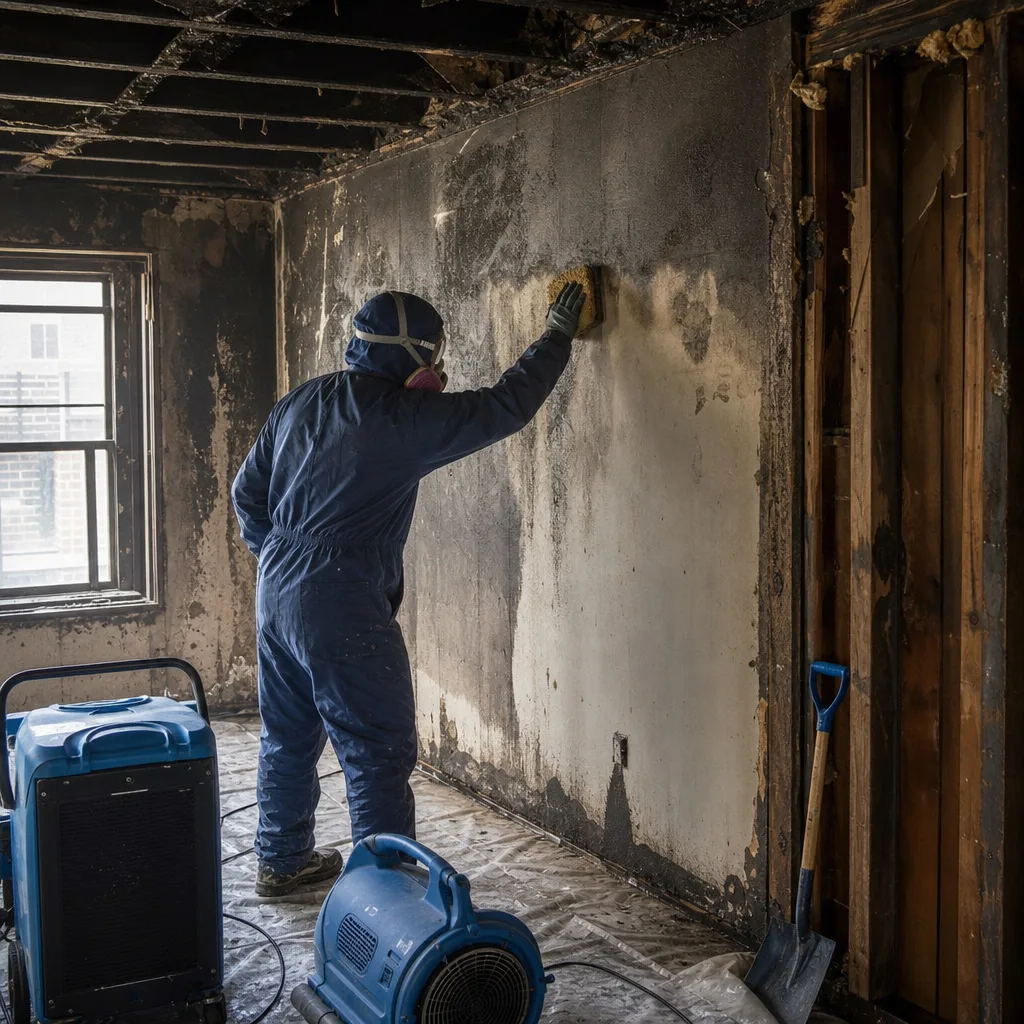
Debris Removal
After a big storm, the gutters and walkways of Weehawken fill with branches, shingles torn off the cliffs, and whatever else the Hudson carried up. We haul it. If it’s full of Category 3 water or sewage, we call in Biohazard & Crime Scene Cleanup - Weehawken protocols and dispose of it properly. You don’t want that sitting in a basement for a week while the adjuster schedules a visit.
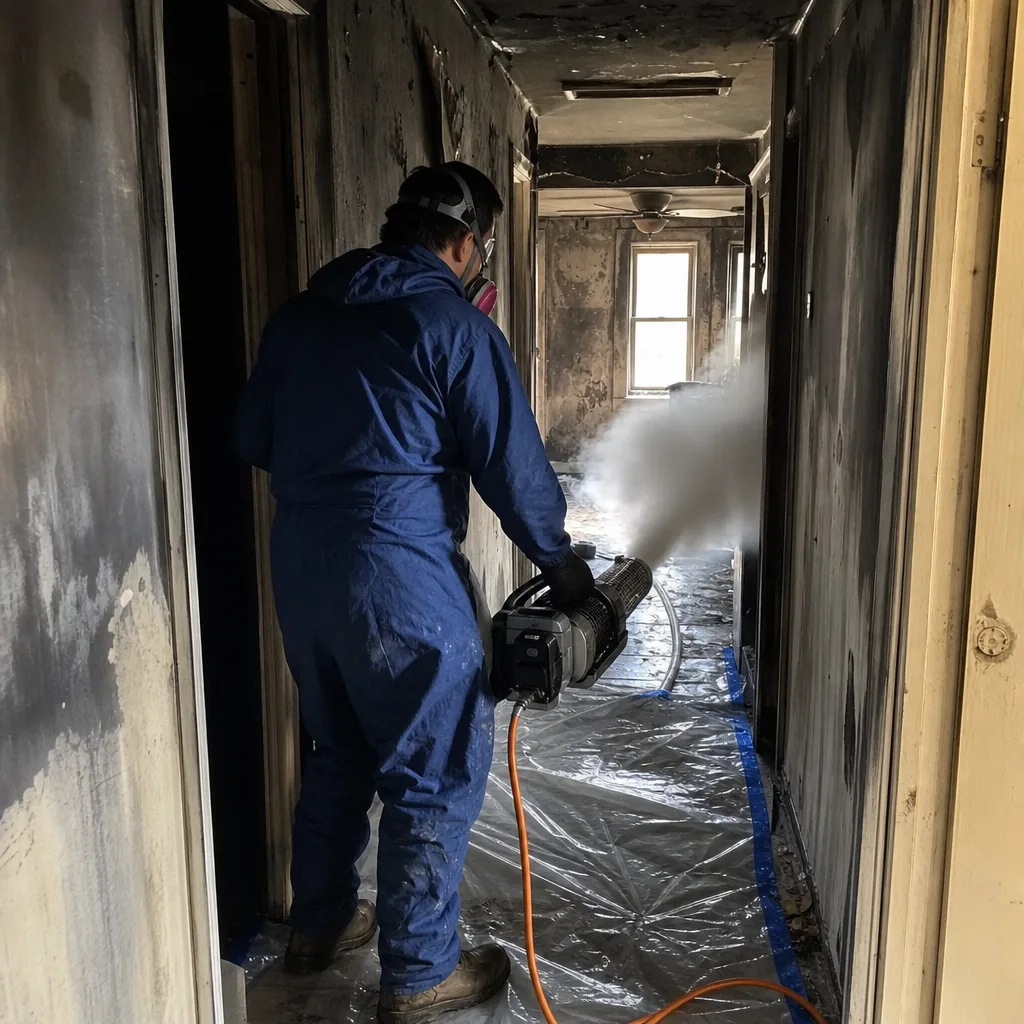
What happens when you call
- 1
A real person answersNo phone trees - you reach a local pro.
- 2
You get an upfront price rangeHonest numbers before anyone is dispatched.
- 3
A background-checked tech heads outLicensed & insured, dispatched right away.
- 4
You approve before work beginsNothing starts until you say go.
Storm & Disaster Restoration Costs in Weehawken, NJ
What does this actually cost in Weehawken? A straightforward Category 1 basement extraction and drying job in a bluff-top row house, something like a failed sump or a supply line break, typically runs $3,500 to $7,500 when caught within hours. If water has sat for a couple of days and walls need to come open for drying and antimicrobial treatment, you’re more often in the $9,000 to $18,000 range. Port Imperial surge events are their own category: elevator pit pumping, mechanical room drying, and concrete slab treatment in a high-rise can run $25,000 to $60,000 depending on square footage and access. Roof tarping and emergency board-up run $300 to $900 as a stopgap measure. Most storm and flood claims are covered under your homeowner’s or association policy, minus the deductible. We’ll give you a written scope before work starts. No surprises on the bill. That’s the arrangement. Call (640) 500-3278 for a free inspection and a real number for your building.
We Also Serve Cities Near Weehawken
Our crews run throughout the Hudson County corridor. We serve Weehawken daily and work the neighboring streets of Union City, Hoboken, North Bergen, and Secaucus. Same live dispatch, same 45-minute commitment, same crew from extraction to rebuild.
Serving Weehawken, NJ - Our Local Coverage Area
We’re based in the Weehawken area and know this community well. Use the map below to see our service coverage - if you’re nearby, we can almost certainly help.
Weehawken Storm & Disaster Restoration Questions, Answered
How does water category differ between a Port Imperial surge event and a bluff-top basement seepage in Weehawken?
A Port Imperial surge event is Category 3 water: the Hudson River carries sewage, silt, and salt into ground-floor mechanical rooms and elevator pits. It requires full containment, antimicrobial treatment, and structural drying. A bluff-top basement seepage is usually Category 1 or Category 2 water: rain runoff and groundwater that has moved through soil and rock. It still needs real drying and mold prevention, but the treatment protocol starts differently. Call (640) 500-3278 and we’ll classify it on site, free of charge.
Why do standard French drains often fail in Weehawken bluff basements?
Because the water isn’t coming from surface infiltration. The Palisades diabase traprock behind older masonry foundations conducts groundwater laterally under pressure. A French drain collects water that percolates down from above; it does nothing for water that’s moving sideways through the rock into your basement wall. We’ve replaced enough failed French drains in the Heights to know. The fix is usually a cavity-drain membrane anchored directly into the rock face, which collects the lateral seepage and channels it to a sump.
What’s the first step after a nor’easter floods a Port Imperial condo’s mechanical room?
Cut power to the affected equipment and call us. The first hour matters for two reasons: saltwater is aggressively corrosive to electrical and mechanical systems, and the building’s pumps may still be energized. Our crew pumps the room, sets extraction, and coordinates with building management and the association’s carrier. We’ll have someone from our Storm & Disaster Restoration team on site fast enough to prevent a bad situation from getting worse.
How quickly can mold appear in a 1900s Weehawken row house after storm water intrusion?
Mold can start colonizing behind original lath and plaster within 24 to 48 hours in the right conditions. Weehawken’s older row houses have exactly those conditions: organic plaster backings, trapped humidity from the hillside, and wall cavities that never fully dry on their own. That’s why we treat wet plaster walls with antimicrobials as part of the drying process, not as an afterthought. Our IICRC-certified techs know the AMRT protocols for exactly this type of building.
Does Weehawken’s 160-foot grade change affect how storm runoff enters my basement?
Yes. The 160-foot grade change from the top of the Palisades down to the Hudson means stormwater accelerates dramatically on its way down. By the time it reaches the mid-bluff blocks, it’s moving fast enough to overwhelm older cast-iron drain stacks and enter through foundation cracks that would stay dry in a flatter town. The concentration of runoff at older basement walls is where we see most of our bluff work.
How fast can you actually get to my Weehawken address?
We commit to a 45-minute response window for emergency calls anywhere in Weehawken. Our trucks are staged across the Hudson County corridor, and live dispatchers coordinate who’s closest at any hour. Call (640) 500-3278 and the person who answers will tell you exactly when to expect the crew.
Will my insurance cover storm and flood damage in Weehawken?
Most storm damage, including wind, rain infiltration, and burst pipes, is covered under a standard homeowner’s policy. Flood damage from rising Hudson River surge, like what Port Imperial saw during Sandy, typically requires a separate flood policy, often through FEMA’s NFIP. If your damage is from a nor’easter that pushed the river over the bulkhead, that’s likely flood. We document everything and work with your carrier’s adjuster directly. You don’t play messenger.
What should I do in the first 30 minutes after storm water enters my Weehawken home?
If it’s safe, kill power to the affected area. Then call us at (640) 500-3278. Move any dry valuables and furniture out of the water’s path if you can do so without walking through standing water. Don’t use a wet vacuum on Category 3 water, and don’t open up walls yourself. The first hour’s decisions determine how expensive this ends up, and a free inspection now beats a big claim later.
Written by Curt Bowman, Owner at Floodline Restoration Co., serving Weehawken and Hudson County since 2010.