

Free visual inspection and a written scope of work before any mitigation begins - photos, moisture readings, and drying logs go in your claim file
The scope we write is the scope we bill. Anything new gets shown to you, in writing, before we touch it.
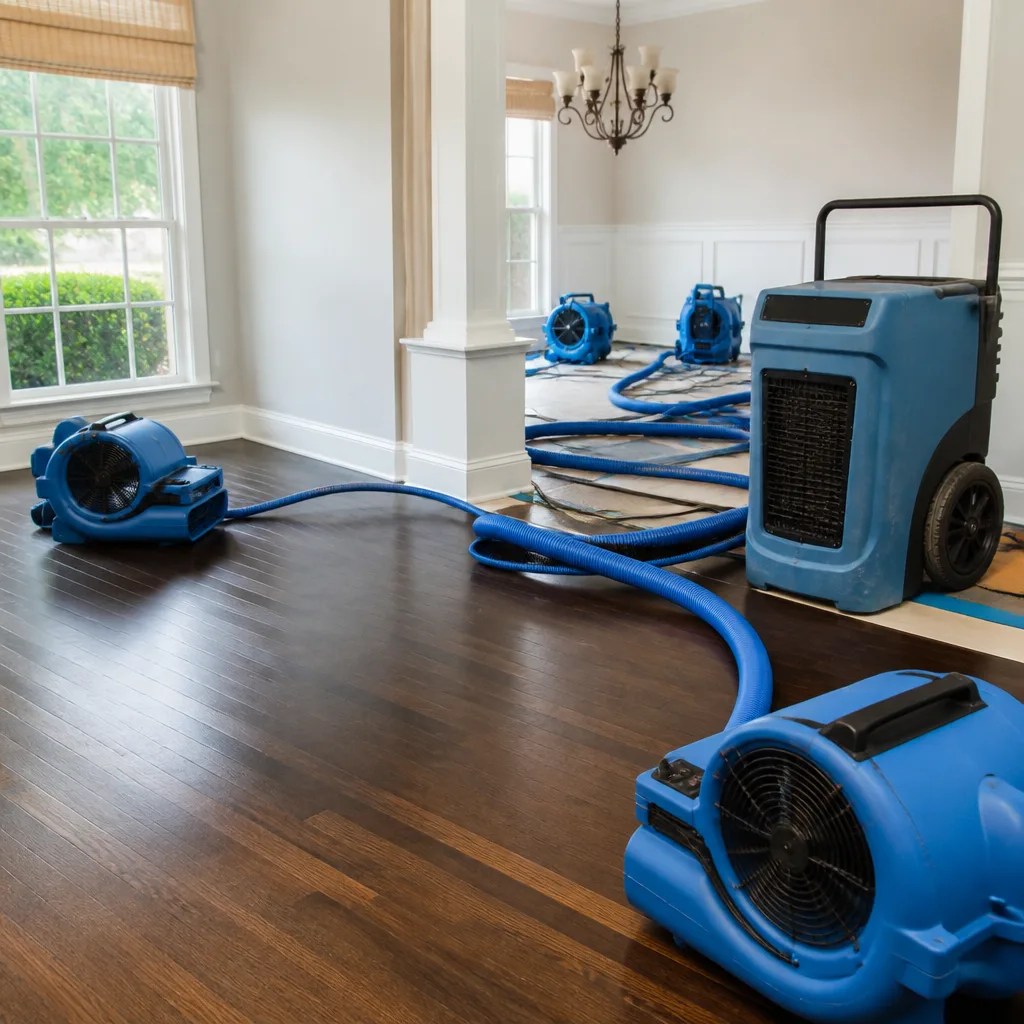
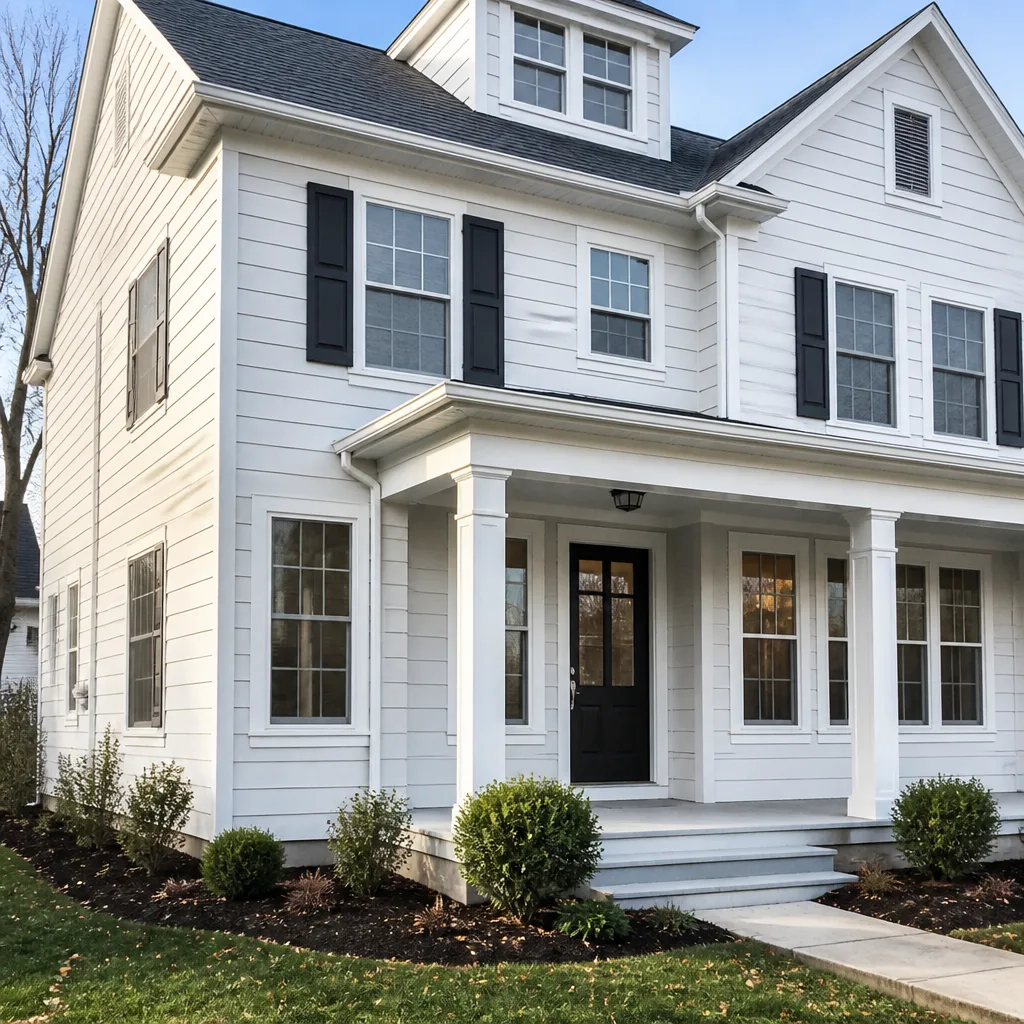
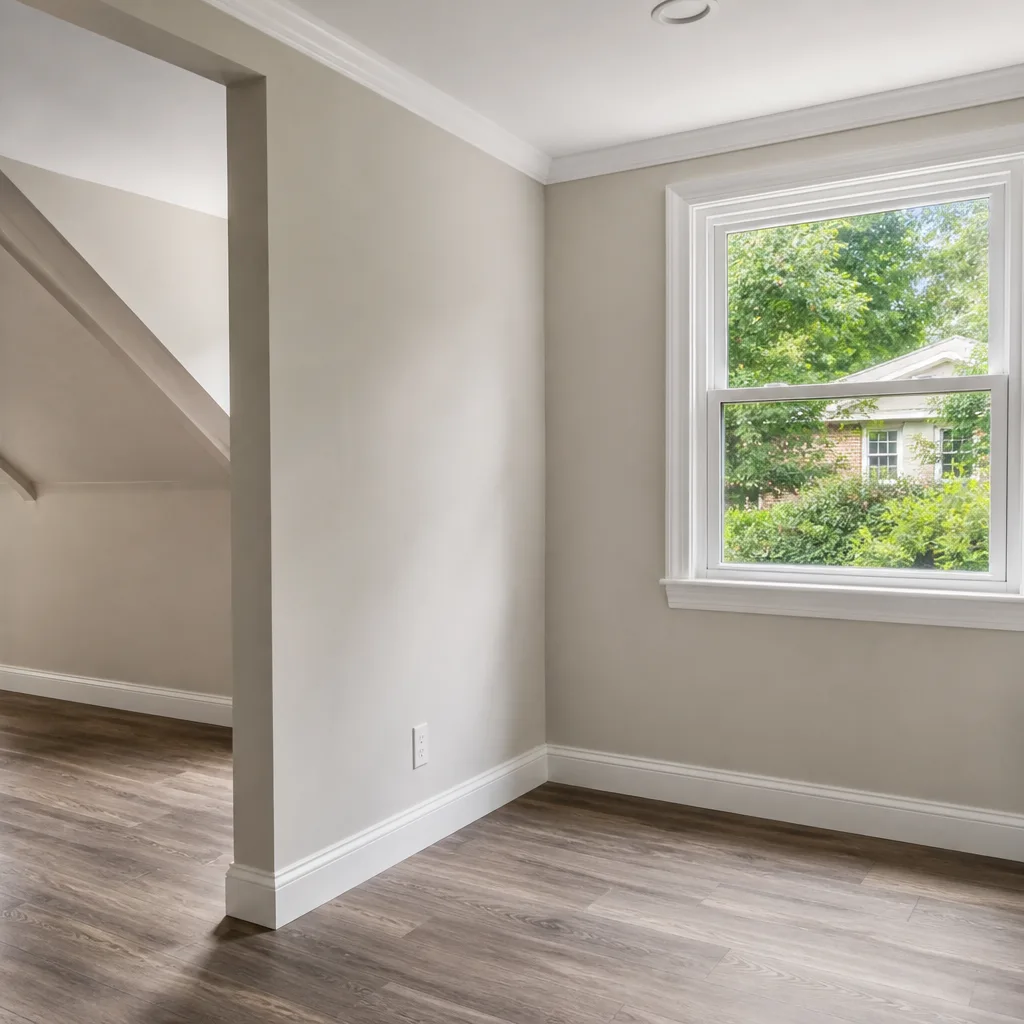
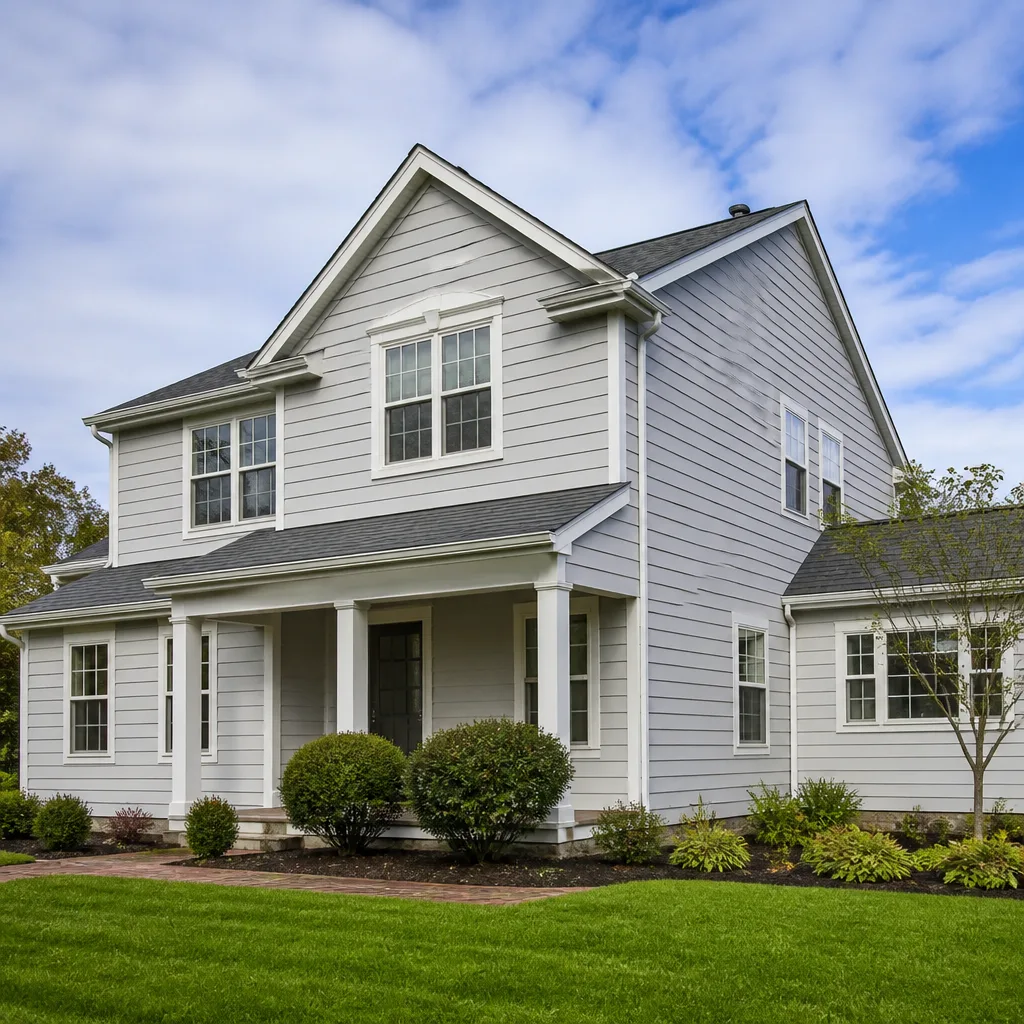
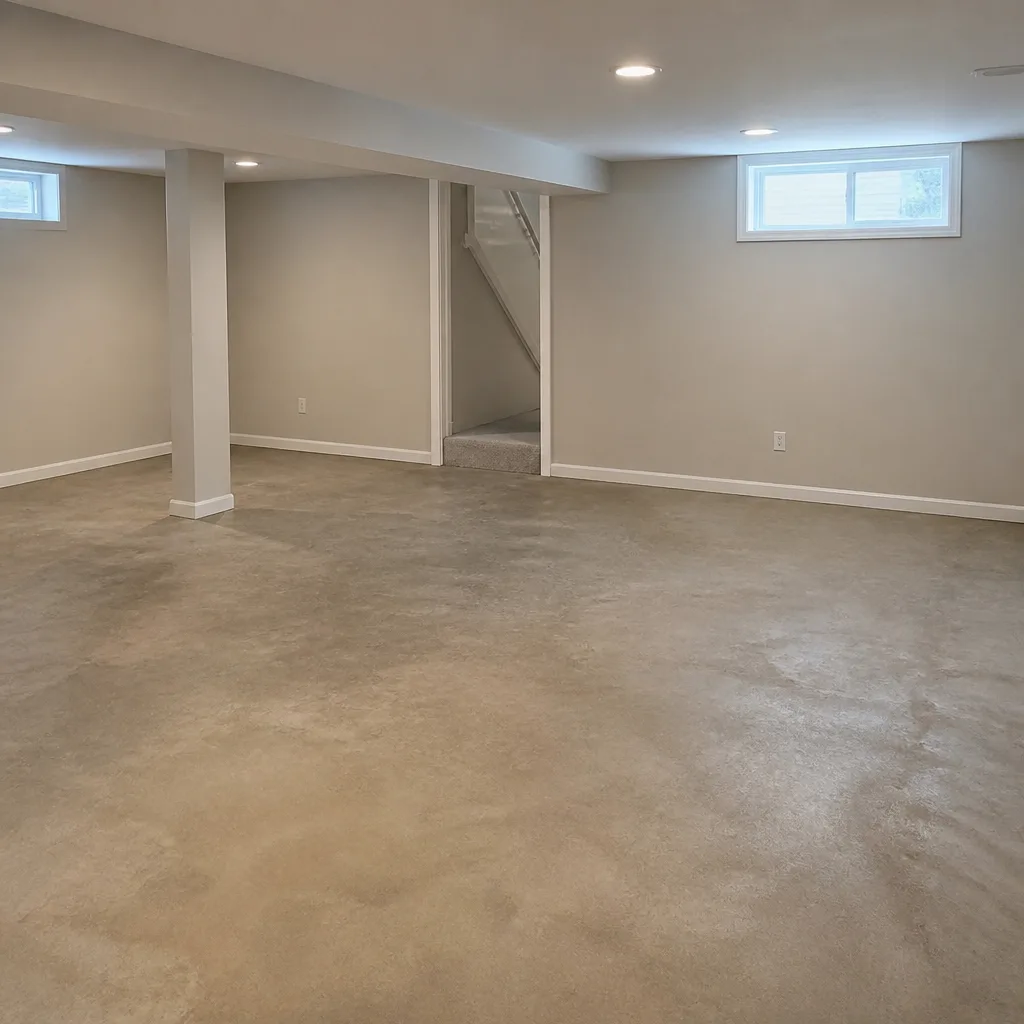

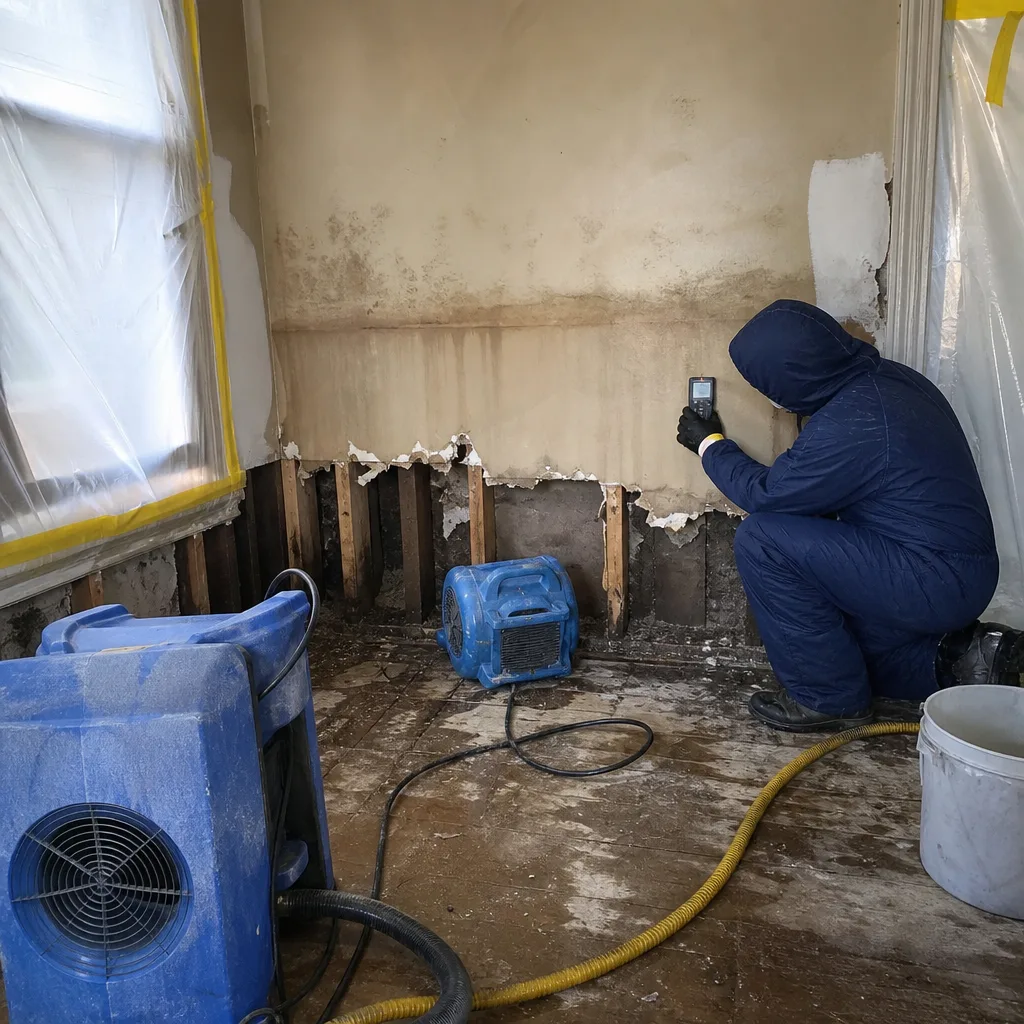 Before
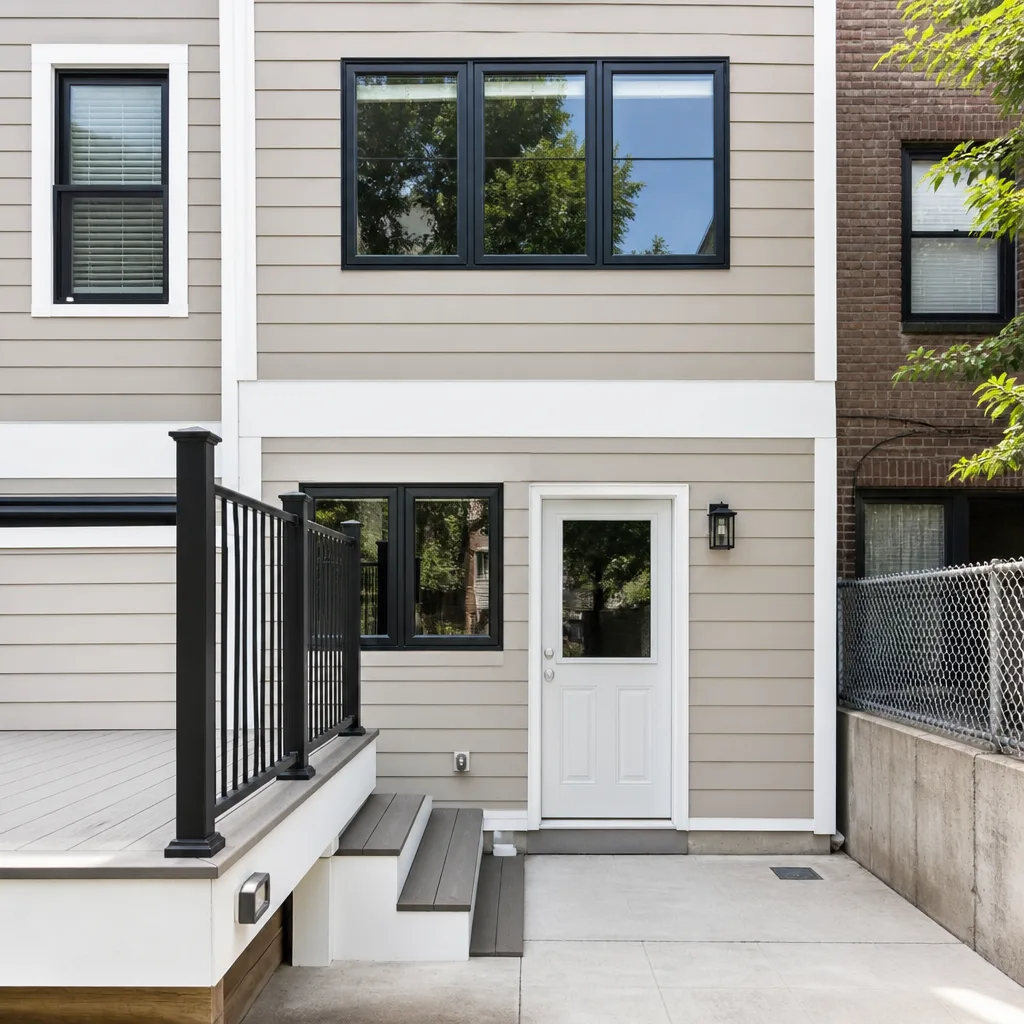 After
After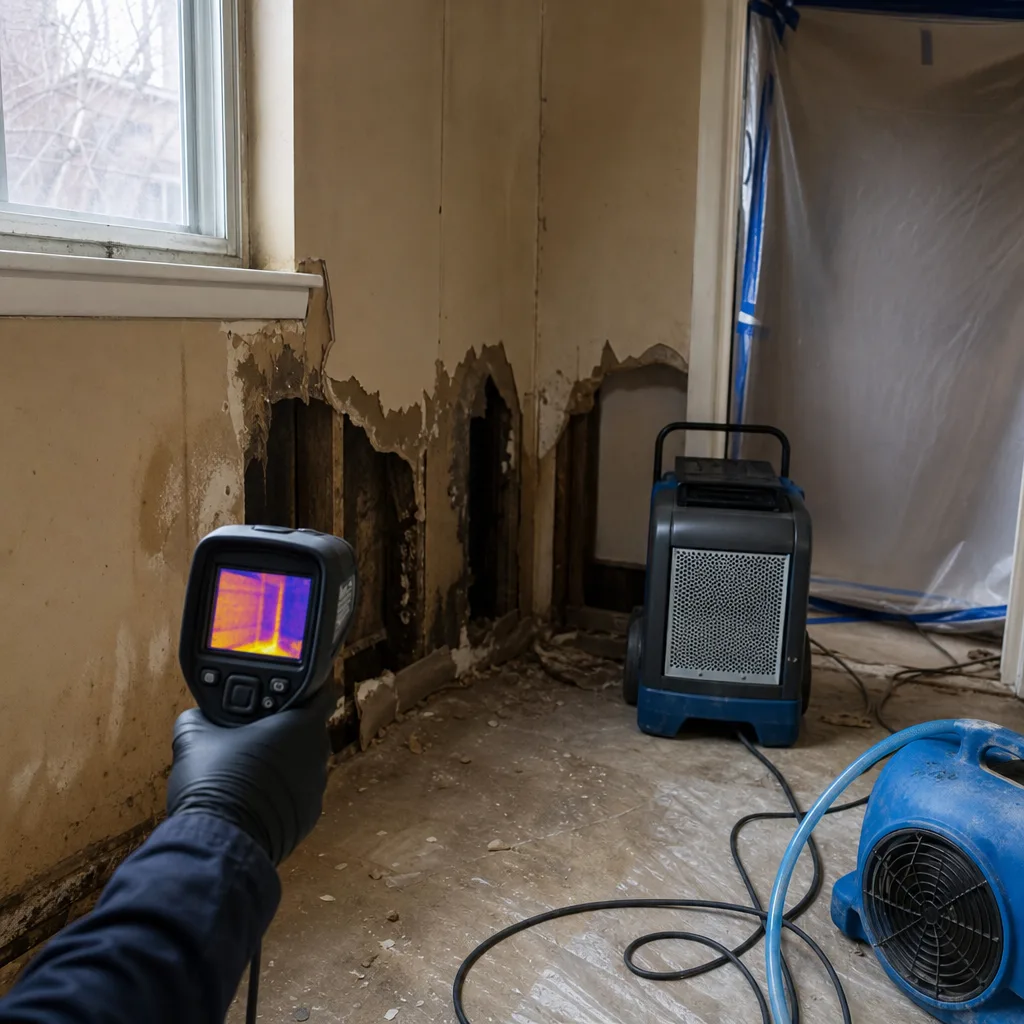 Before
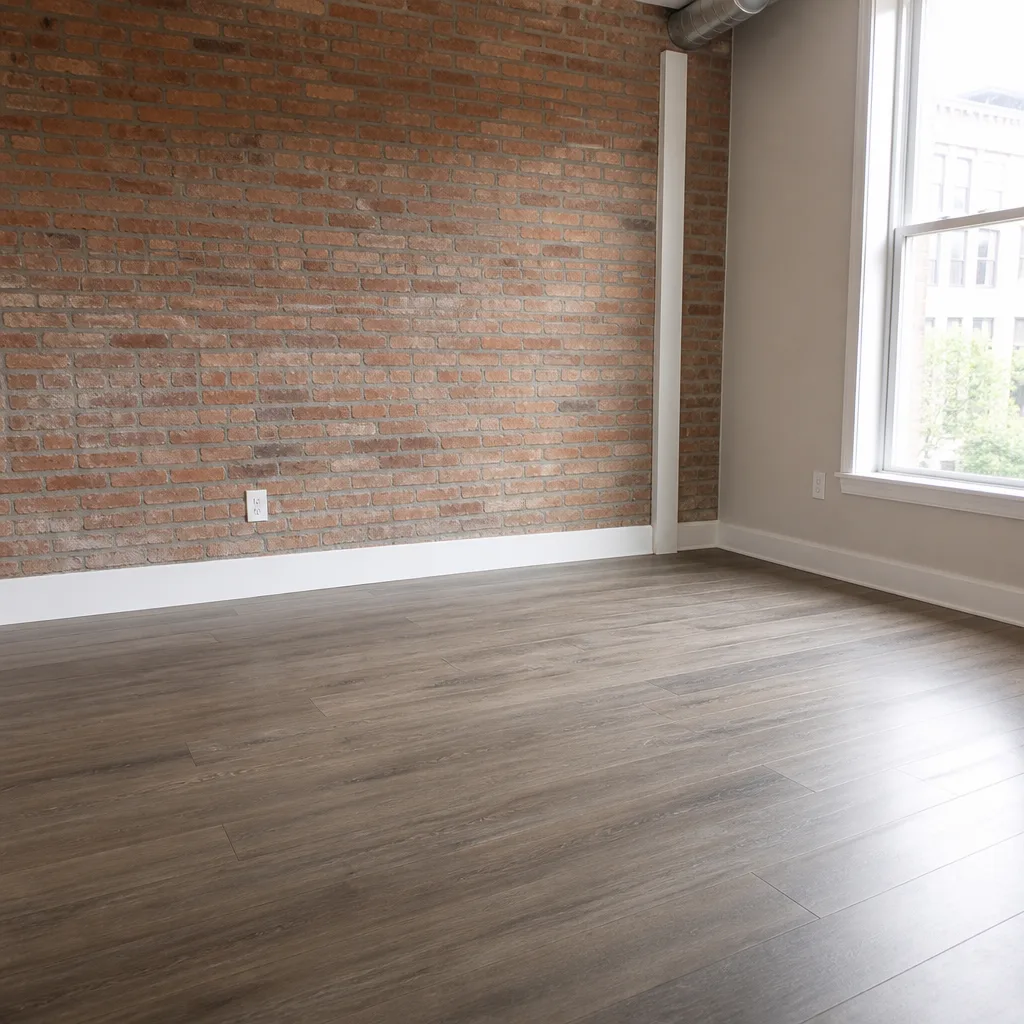 After
After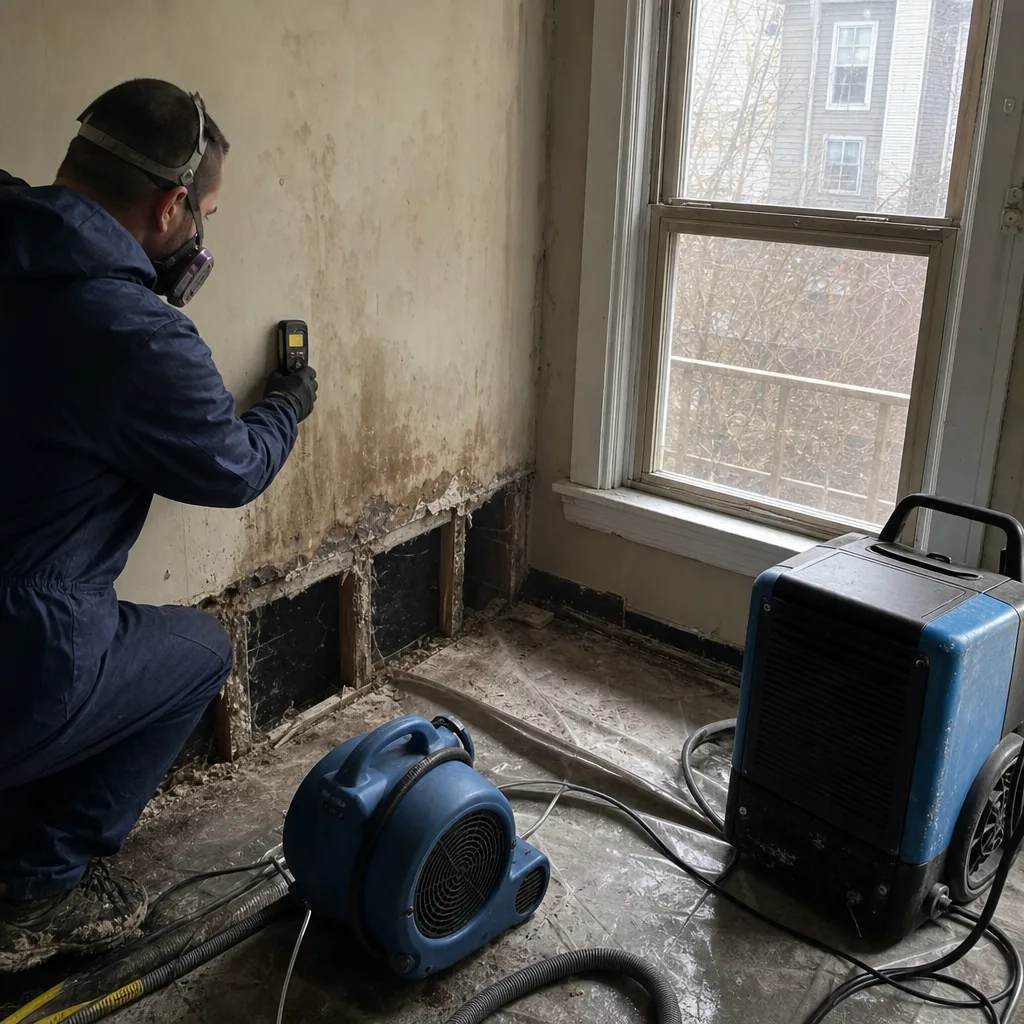 Before
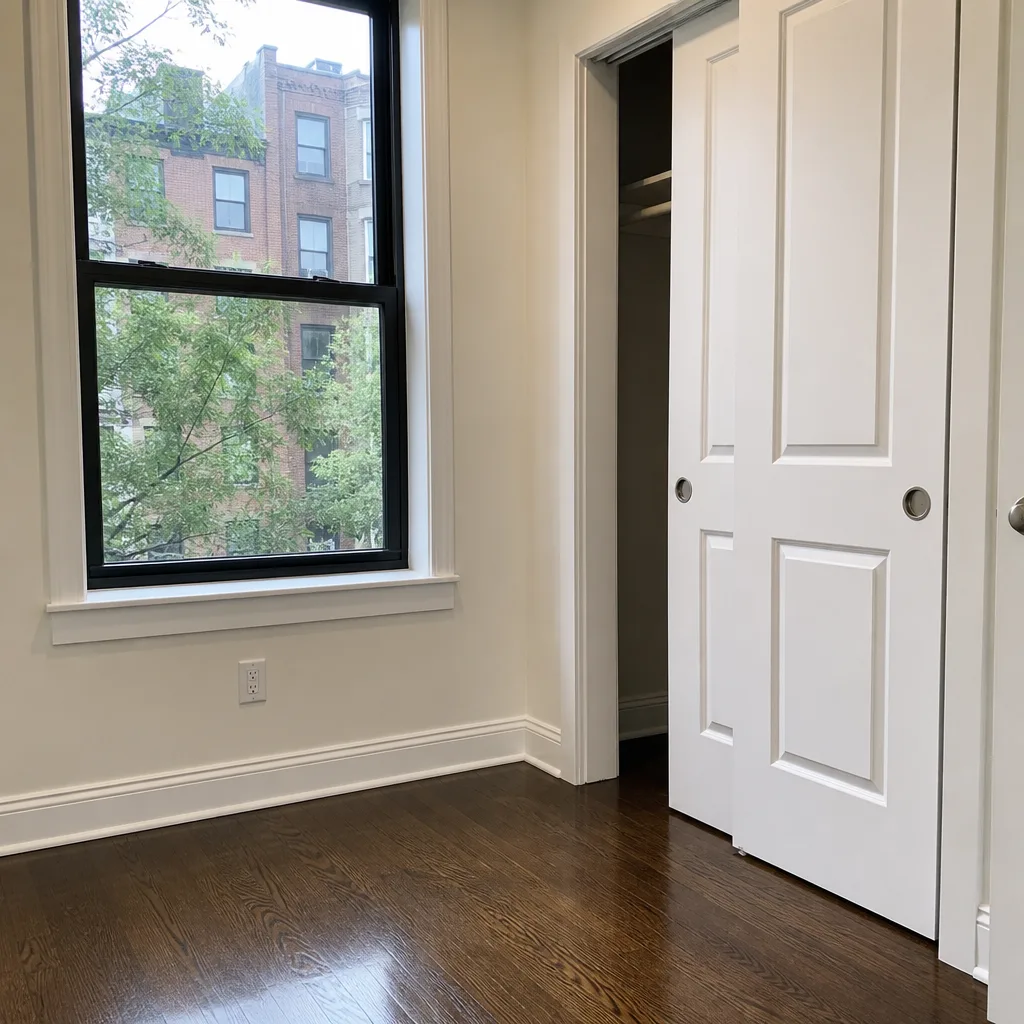 After
After24/7 Emergency Storm & Disaster Restoration in Hoboken
When a Nor’easter pushes Hudson River water into garden-level apartments or wind tears a window lintel loose on a Washington Street brownstone, the first call should reach a live person. Floodline Restoration Co. answers at (640) 500-3278 around the clock, every day of the year. Our crews dispatch from the New York City office directly into Hoboken neighborhoods, and we arrive within 45 minutes for emergency calls. The first hour matters more than most homeowners realize: Category 3 water from combined sewer backflow spreads laterally through shared party walls, saturating plaster-and-lath framing, and wind-blown rain keeps intruding through every gap left unboarded. A free visual inspection tells you exactly what you’re facing before any work begins.
Our Storm & Disaster Restoration team handles the full cycle, from board-up and extraction through drying, documentation, and rebuild. We do not hand your job to a subcontractor once the water is out. The same certified crew that draws the moisture map on day one returns for daily readings, files the drying log with your carrier, and rebuilds what the storm took apart. Done right, and backed in writing with our 90-Day Done Right Promise.
Understanding Storm & Disaster Restoration Severity in Hoboken Properties
Storm damage in Hoboken is rarely a single isolated problem. Most losses come in layers, and understanding what category of water or what kind of wind force you’re dealing with determines the entire response. Category 1 water starts clean: a supply line split, a broken roof vent. Category 2 carries contaminants: sump overflow, washing machine discharge. Category 3 is the one Hoboken homeowners know too well. It is sewage, river backflow, or standing groundwater that has picked up organic and bacterial load, and it demands full containment, antimicrobial treatment, and often pack-out of saturated materials.
Hoboken’s housing stock compounds the problem. The typical four-to-six-story brick rowhouse was built between the 1880s and 1920s, with original plaster-and-lath walls, aging cast-iron drain stacks, and shared party walls on both sides. When wind-blown rain breaches an old facade or window lintel, moisture does not stay in one unit. It migrates laterally through the wall cavity, routinely turning a single-unit claim into a multi-property remediation job on both sides of the party wall. Garden-level and below-grade apartments sit directly in the flood path, and the building’s original construction included almost no waterproofing by modern standards. Moisture mapping with thermal imaging and pin meters is not optional here. It is how you find saturation that hides behind original plaster.
Why Hoboken Property Owners Choose Floodline Restoration Co.
- 45-minute response commitment for emergency storm calls in Hoboken. We track our own dispatch times, and we stand behind them.
- A live person answers, 24/7. Not a recording, not a callback queue. At 2 a.m. during a Nor’easter, a dispatcher picks up and a crew starts moving toward Hoboken.
- IICRC-certified crews trained to WRT, FSRT, and AMRT standards. Background-checked and uniformed, on every job.
- Free visual inspection before any work begins. You see what we see, and you get a written scope before anything starts.
- Direct insurance billing. We talk to your adjuster, submit the photos and drying logs, and handle the paperwork so you’re not playing messenger.
- One team from extraction to reconstruction. The crew that reads the moisture map handles the rebuild, so nothing falls between two companies.
Our Storm & Disaster Restoration Process
Inspection & Assessment
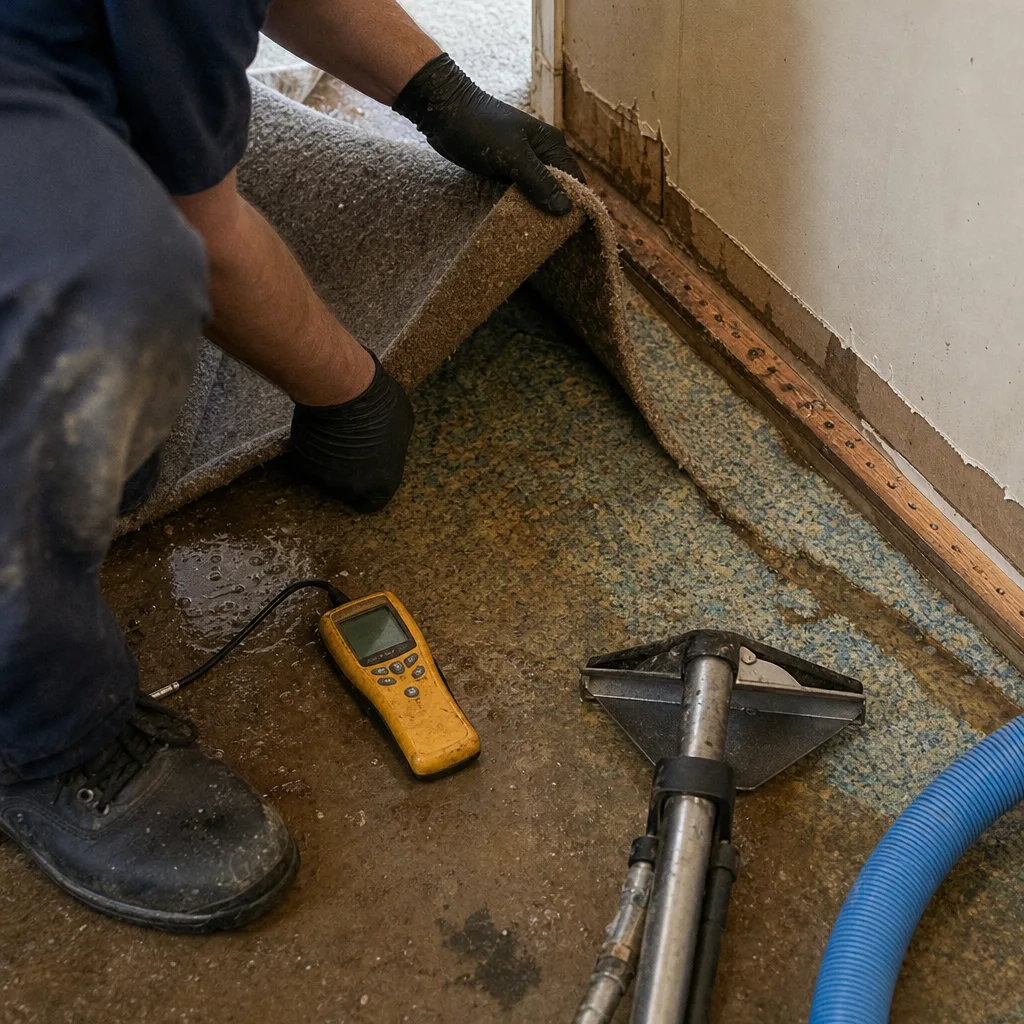
We arrive, walk the property, and document everything with photos and thermal imaging. Moisture mapping pinpoints saturation inside walls and floors that looks dry on the surface. You get a direct explanation of what we found and what it will take to fix it.
Extraction / Stabilization
Submersible pumps and truck-mounted extraction units pull standing water out fast. For wind damage, this is where board-up and roof tarping happen, closing the building envelope before more water gets in.
Drying & Dehumidification
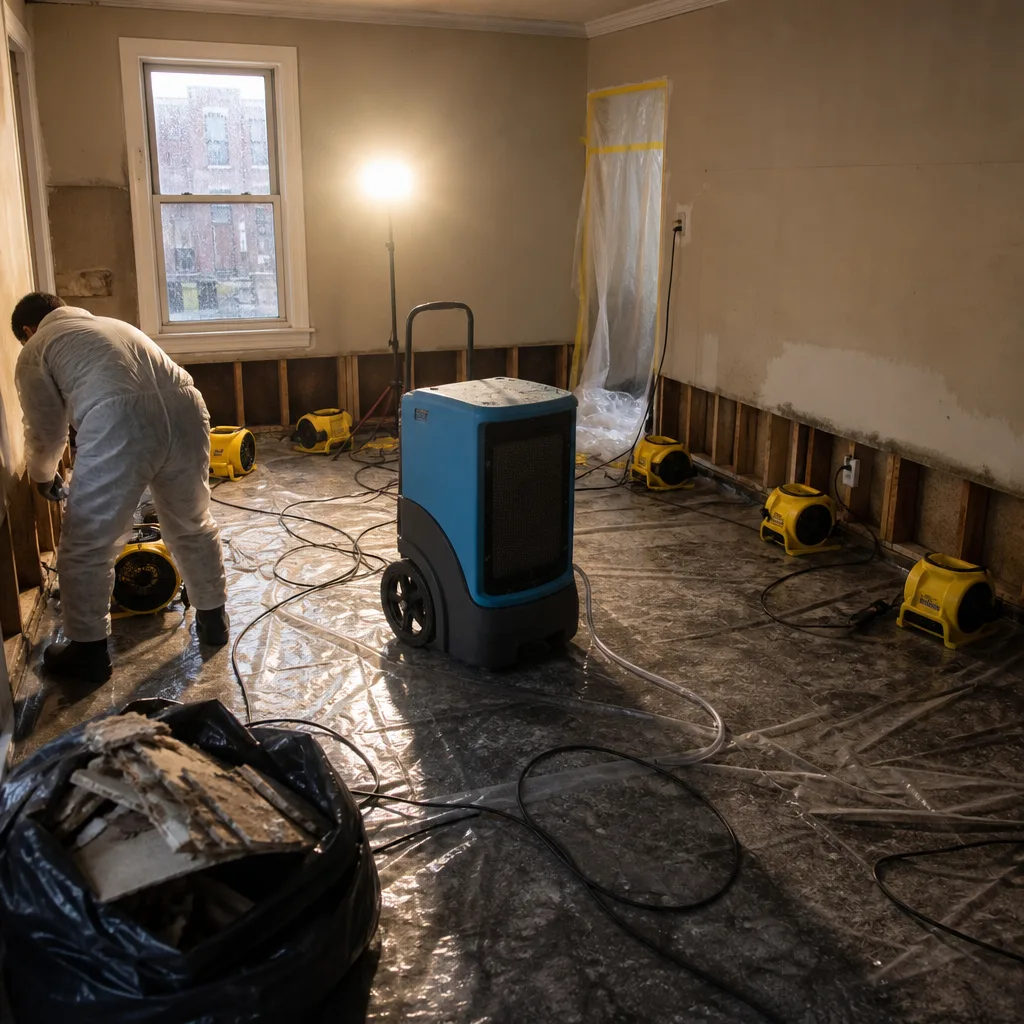
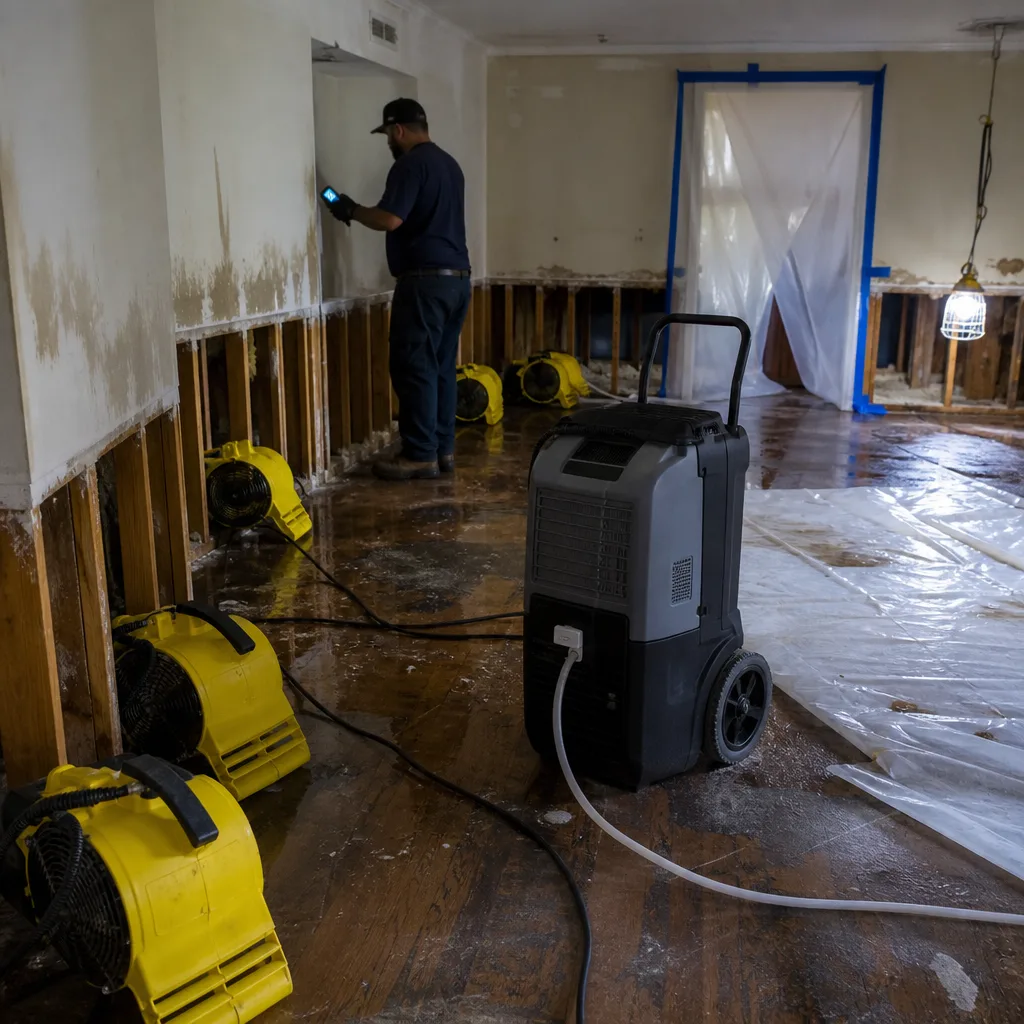
Dri-Eaz dehumidifiers and XPOWER air movers are positioned based on the moisture map, not guesswork. Daily readings track progress against structural drying targets until the dry standard is met.
Cleaning & Sanitization
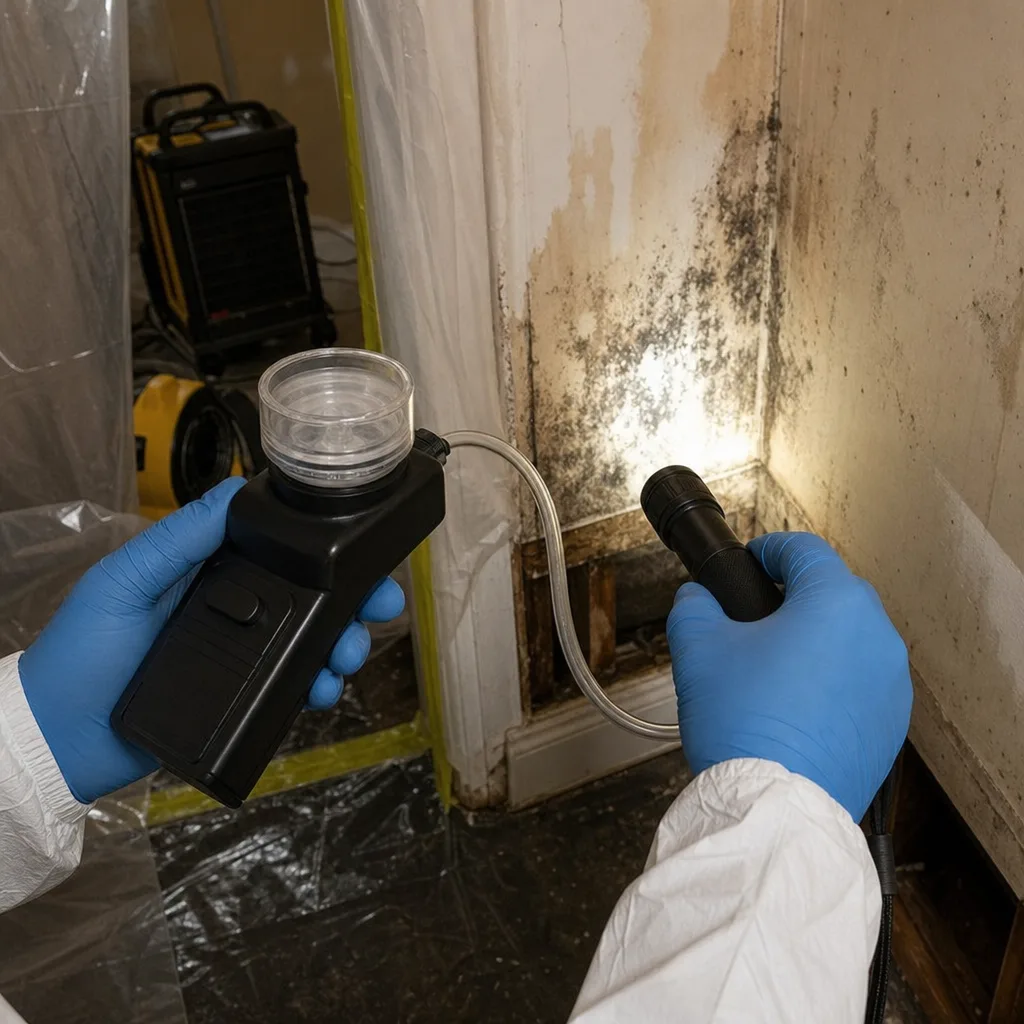
For Category 3 water, this means full containment, HEPA air scrubbing, and antimicrobial treatment on framing and subfloor. We remove saturated drywall and insulation to 24 inches above the water line or farther if meter readings call for it.
Specialty Treatment
Wind-rated door and window replacements, brick repointing at failure points, and targeted repair of storm-damaged facades. We address the specific damage Hoboken storms leave behind, not a one-size template.
Repairs & Restoration
New drywall, trim, flooring, and paint go in after the structure is verified dry. The same crew that started the job finishes it, and you get the moisture log and the 90-Day Done Right Promise in your hands.
Need Emergency Storm & Disaster Restoration in Hoboken Now?
Crews minutes away, answering live 24 hours a day. The sooner we start, the less it costs.
Working With Your Insurance Company
Insurance carriers want the same thing a homeowner wants: a documented loss, a defensible scope, and a dry structure. We start that documentation in the first hour, photographing every room, every piece of damaged material, and every moisture reading. Our estimates follow industry-standard line-item formats that adjusters recognize. We communicate directly with your adjuster, send photos and drying logs as they are generated, and push the claim forward so you are not chasing paperwork while your living room is opened up to the studs. For Hoboken garden-level units, repeat-loss documentation is part of the file we build: same address, same drain, same Category 3 event. That history matters to your carrier.
What We Provide Your Insurer
- Thorough documentation of the loss
- Photos of all damage, room by room
- Moisture readings and drying logs
- A detailed, line-item scope of work
- Direct coordination with your carrier
Built for Hoboken’s Loss Calendar
Hoboken does not have a storm season. It has a storm calendar. January deep freezes burst supply lines in unheated garden-level utility closets. March and April thaws push groundwater up through foundation slabs that were poured over former marshland. Summer thunderstorms drop an inch in an hour onto a combined sewer system that was not designed for it, and the drains back up into floor pans and toilet bowls. September through November brings Nor’easters, the heavy hitters that push Hudson River surge into the streets and overwhelm the drainage basin entirely.
Then there is wind. Hoboken’s east-west streets channel gusts between brick rowhouses, and old window lintels, aging roof membranes, and original front doors take the load. A front door that has been failing for years will reveal itself during the first real blow. Board-up and tarping after the fact is not the answer; reinforcement before the season is. We inspect, we document, and we tell you honestly whether that door or window will survive the next one. Curt Bowman, who founded Floodline Restoration Co. in 2010, built the company around this kind of straight answer.
Storm & Disaster Restoration Across Hoboken’s Neighborhoods
Response routes through Hoboken shape how fast a crew can reach you, and the neighborhood you’re in often predicts the kind of damage you’re looking at. Uptown along Washington Street and into the Castle Point area, we see wind-driven rain breaching older brownstone facades and window lintels, saturating plaster walls that have not been opened in a hundred years. Midtown and the area around Church Square park carries the heaviest load of garden-level apartments, the units that take Category 3 backflow through floor drains when the combined sewer surcharges. The Southwest neighborhood and the blocks near the 9th Street light rail station, built on the lowest elevations in a city that is already at or below sea level in much of its footprint, flood first and drain last. Garden Street, which runs east-west through the center of town, has given us repeat calls at the same addresses, year after year. The street name stays on our dispatch board.
We were called to a garden-level unit on Garden Street after a Nor’easter left Category 3 water standing in the living room. Our techs set up containment, performed moisture mapping with thermal imaging and pin meters, and ran Dri-Eaz dehumidifiers and XPOWER air movers to hit structural drying targets, while removing saturated drywall up to 24 inches and treating the framing with antimicrobial before reinstalling new board. Same address we had serviced two years prior. The drainage problem is structural to the city, not fixable at the unit level, which means the documentation has to be airtight.
Specialized Storm & Disaster Restoration Services We Offer in Hoboken
Storm Damage Cleanup
Wind-driven rain, broken glass, downed limbs, and water intrusion all leave a mess behind. We clear it, contain it, and dry it before mold gets a foothold. In Hoboken, where shared party walls mean debris and moisture in one unit affects the one next door, fast cleanup is the cheapest insurance you can buy.
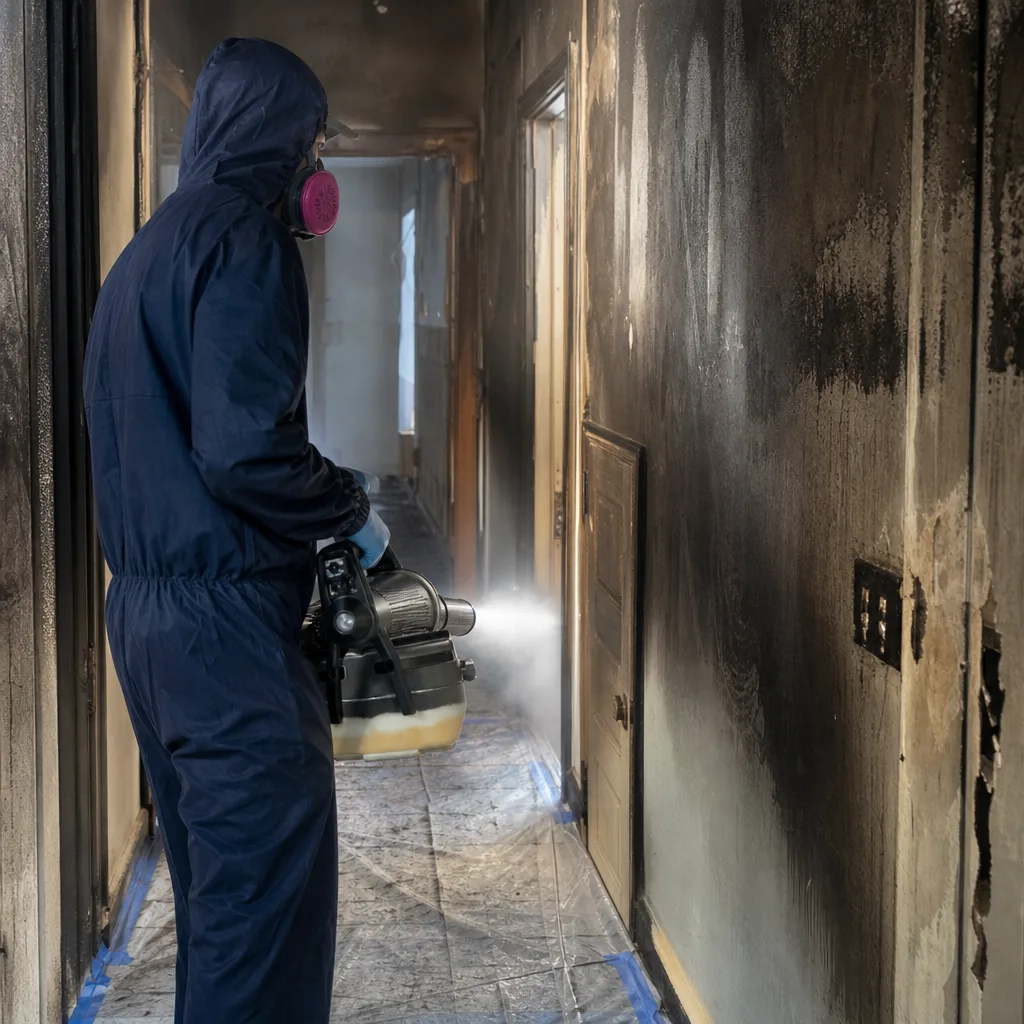
Flood Damage Restoration
This is the headline service for Hoboken homeowners. Combined sewer backflow, Hudson River surge, and flash flooding all produce the same result: standing Category 3 water in garden-level and below-grade apartments. We extract, contain, dry, and rebuild, handling the insurance documentation from start to finish.
Emergency Board-Up
After a storm blows out a front door or window, the opening is an invitation to more water, more debris, and unwanted visitors. We board up with plywood and fasteners sized for Hoboken’s brick and brownstone openings, same day, usually within hours of the call.
Roof Tarping
Wind tears membranes and lifts flashing on older rowhouse roofs. A tarp installed before the next rain event keeps a small tear from becoming a full ceiling collapse. We secure tarps properly, tied off so the next blow does not send them into a neighbor’s parapet.
Wind Damage Repair
Doors, windows, siding, and cornice work all take wind load in Hoboken. We repair and replace with wind-rated materials where code requires it, and we repoint brick at failure points so the next Nor’easter does not find the same weak seam.
What happens when you call
- 1
A real person answersNo phone trees - you reach a local pro.
- 2
You get an upfront price rangeHonest numbers before anyone is dispatched.
- 3
A background-checked tech heads outLicensed & insured, dispatched right away.
- 4
You approve before work beginsNothing starts until you say go.
Storm & Disaster Restoration Costs in Hoboken, NJ
Honest numbers for the Hoboken market: water extraction and basic drying for a single garden-level room typically runs $2,800 to $5,500 depending on saturation depth and how long the water sat. Emergency board-up for a standard Hoboken entry door opening runs $400 to $900, including materials and same-day labor. Full Category 3 remediation with containment, pack-out, antimicrobial treatment, and rebuild in a garden-level apartment runs $8,000 to $25,000, with the wide range driven by whether original plaster walls have to be opened, how far moisture traveled through party walls, and what finishes need replacement.
Roof tarping for a typical Hoboken flat or low-slope rowhouse roof runs $600 to $1,400. Wind-rated front door replacement starts around $2,500 for a basic steel door and climbs from there for fiberglass or custom millwork to match the building’s historic character. The free visual inspection is how you get a firm number instead of a guess. We write the scope, you approve it before work starts, and the bill goes to your carrier where coverage applies. A square deal: no surprises on the bill.
We Also Serve Cities Near Hoboken
Our crews cover the Hudson County waterfront and the surrounding communities: Union City, Weehawken, Jersey City, and Secaucus. Same 45-minute response commitment, same live 24/7 dispatch, same written scope before work starts. If you’re just across the border line and storm water is coming in, call (640) 500-3278.
Serving Hoboken, NJ - Our Local Coverage Area
We’re based in the Hoboken area and know this community well. Use the map below to see our service coverage - if you’re nearby, we can almost certainly help.
Hoboken Storm & Disaster Restoration Questions, Answered
How does Hoboken’s storm flooding differ from typical basement flooding in neighboring cities?
Hoboken’s flooding is Category 3 by default in most garden-level units because the combined sewer system backflows sewage-contaminated water through floor drains and plumbing fixtures. In higher-elevation cities like Weehawken or Union City, a wet basement is often Category 1 or 2, which means simpler cleanup and lower cost. In Hoboken, we plan for containment, antimicrobial treatment, and full pack-out on nearly every garden-level flood call.
Why are garden-level units on Hoboken’s east-west streets more at risk for wind and flood damage than upper floors?
They sit at or below grade in a city with a combined sewer system that cannot handle heavy rainfall, so they take backflow before anywhere else. They also sit at the bottom of a four-to-six-story rowhouse, which means upper-floor wind damage, a failed lintel or a blown window, drains water straight down into the garden level through wall cavities and floor assemblies.
How quickly does mold begin growing after a Hoboken storm floods drywall?
Mold begins colonizing saturated drywall within 24 to 48 hours in Hoboken’s humid climate, and it often starts faster inside closed wall cavities where air does not move. That is why our crews set up containment and start structural drying with Dri-Eaz dehumidifiers and XPOWER air movers on the first visit, not the next day. The clock starts the moment the water stops rising.
What does emergency board-up cover in Hoboken after a storm blows out a front door or window?
Board-up seals the opening with plywood cut to fit the brick or brownstone opening, secured with fasteners that hold in wind, and it stops water, debris, and people from getting in. It also satisfies your insurance carrier’s requirement for reasonable mitigation, which keeps your claim moving. Board-up is not a repair, it is a stopgap that protects the interior until a wind-rated door or window can be measured and installed.
Does Hoboken require permits or special inspections for storm damage repairs?
Hoboken’s zoning and code enforcement office requires permits for structural repairs, which includes most rebuild work after a severe storm, and the city enforces wind-rated door and window standards for replacement openings. We handle the permit paperwork and coordinate inspections as part of the scope. Homeowners do not have to navigate the municipal process alone.
How fast can you actually get to a Hoboken address during a storm?
Our dispatch board targets 45 minutes for emergency calls within Hoboken. We are coordinating from the New York City office, which means crews are staged near the Hudson River crossings and can reach Hoboken through the Lincoln Tunnel approach or the local street grid. During a citywide flood event, travel times stretch, but we give you a straight answer on arrival time when you call (640) 500-3278.
Will my insurance cover storm and flood damage in Hoboken?
Standard homeowners policies cover wind damage, rain entering through a storm-created opening, and sewer backup if you carry the sewer and drain backup endorsement, which many Hoboken homeowners add after their first garden-level loss. Flood insurance, which is separate, covers rising surface water and river surge. We document everything from the first hour and bill your carrier directly, so you get a clear picture of what is covered before the work expands.
Can we stay in our Hoboken apartment while you do the restoration work?
For clean-water extraction and drying in an isolated area, often yes, with containment and air scrubbing keeping the rest of the unit livable. For Category 3 water, especially in garden-level units, the answer is usually no until the affected area is contained, sanitized, and dried. The written scope we provide before work starts includes a clear occupancy recommendation.
What should we do in the first 30 minutes after storm water enters our Hoboken home?
If water is coming from a floor drain or plumbing fixture, it is Category 3 and you should not wade through it. Turn off power at the main panel if it is safe to reach. Move valuables upstairs. Call (640) 500-3278. Do not run a shop vac on sewage water, do not open walls yourself, and do not wait until morning. What we can extract and dry in the first hours costs far less than what gets torn out in the first days. Estimates are free.
Written by Curt Bowman, Owner at Floodline Restoration Co., serving Hoboken since 2010.