
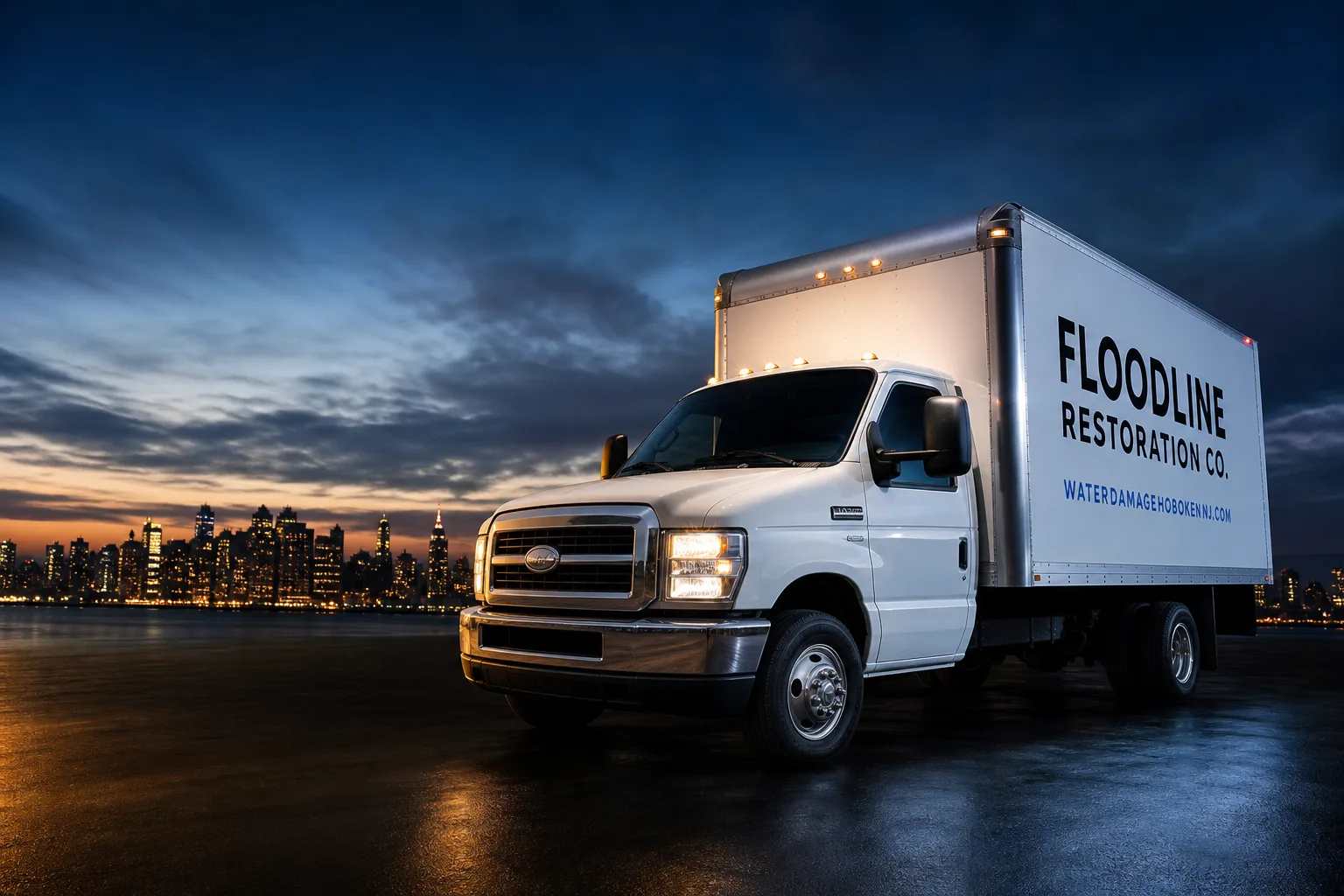
Free visual inspection and a written scope of work before any mitigation begins - photos, moisture readings, and drying logs go in your claim file
The scope we write is the scope we bill. Anything new gets shown to you, in writing, before we touch it.
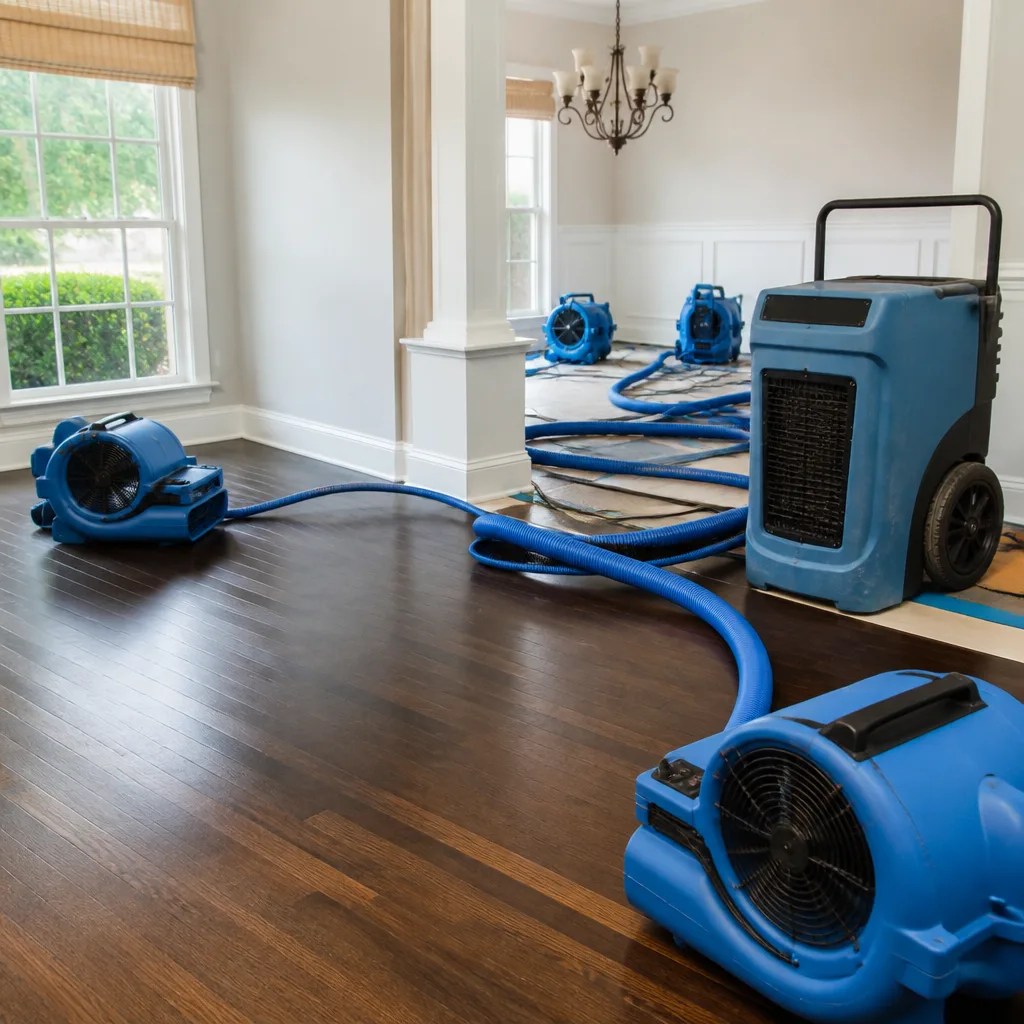
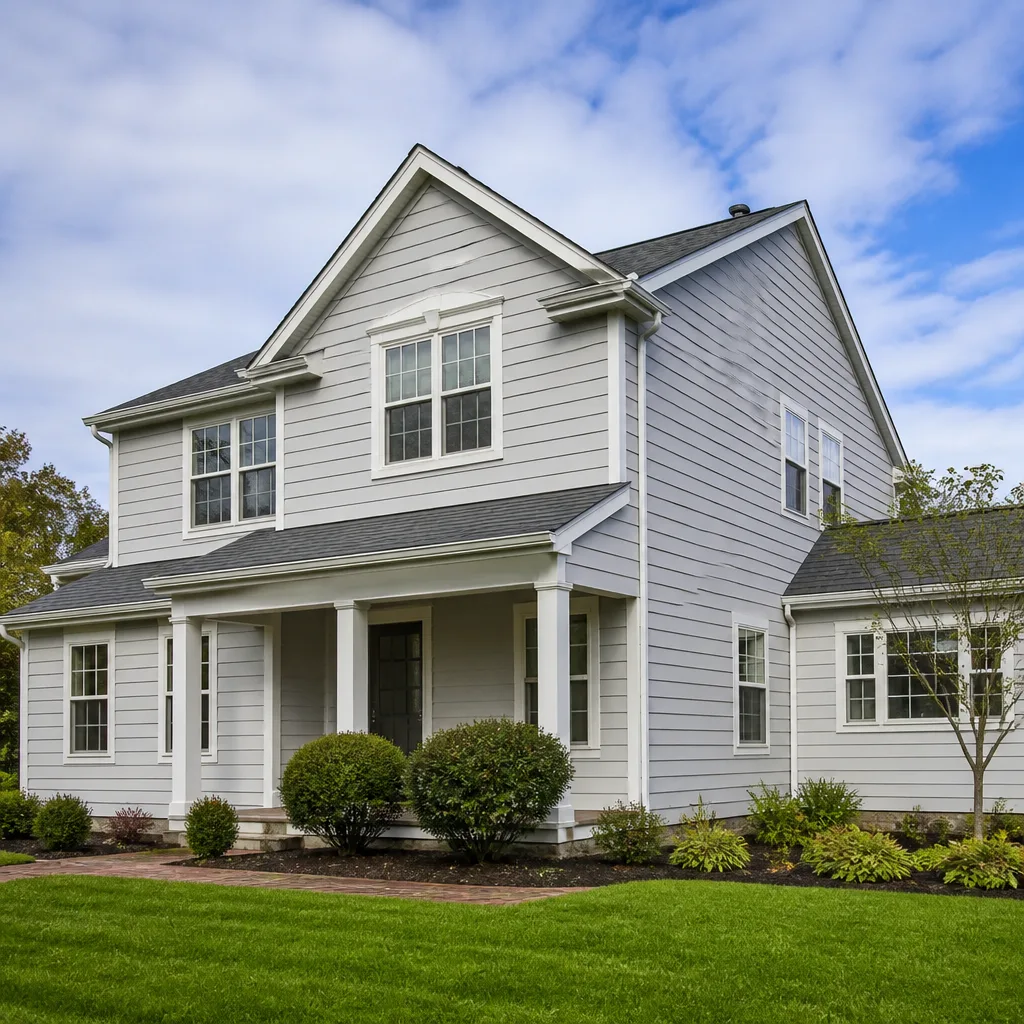
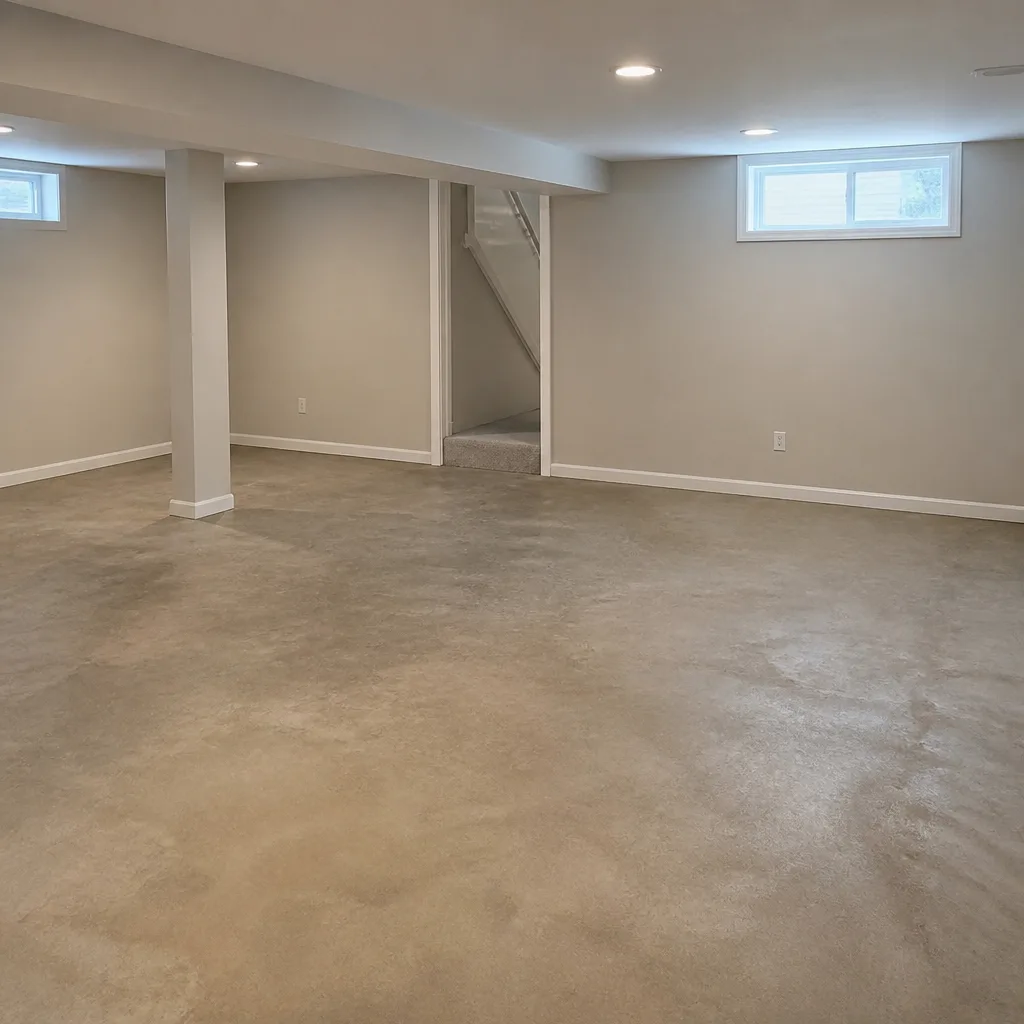

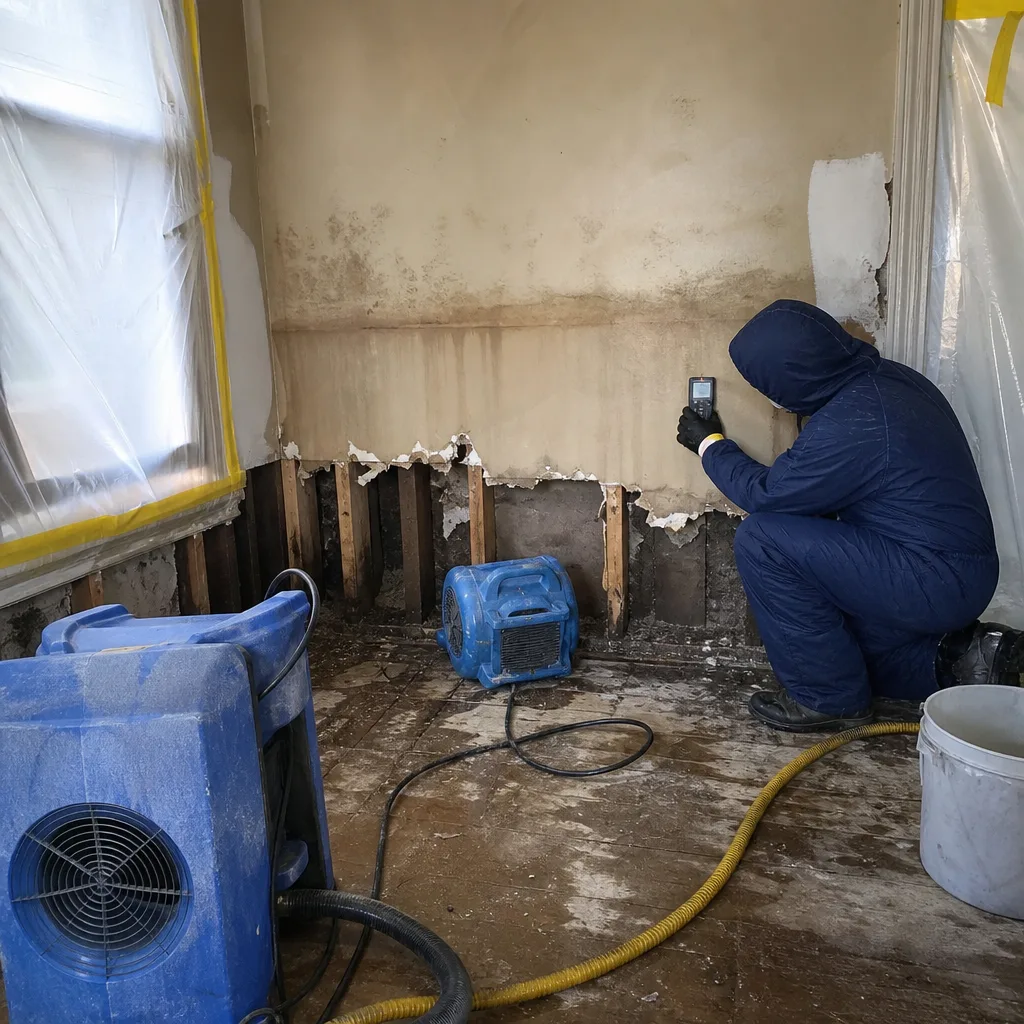 Before
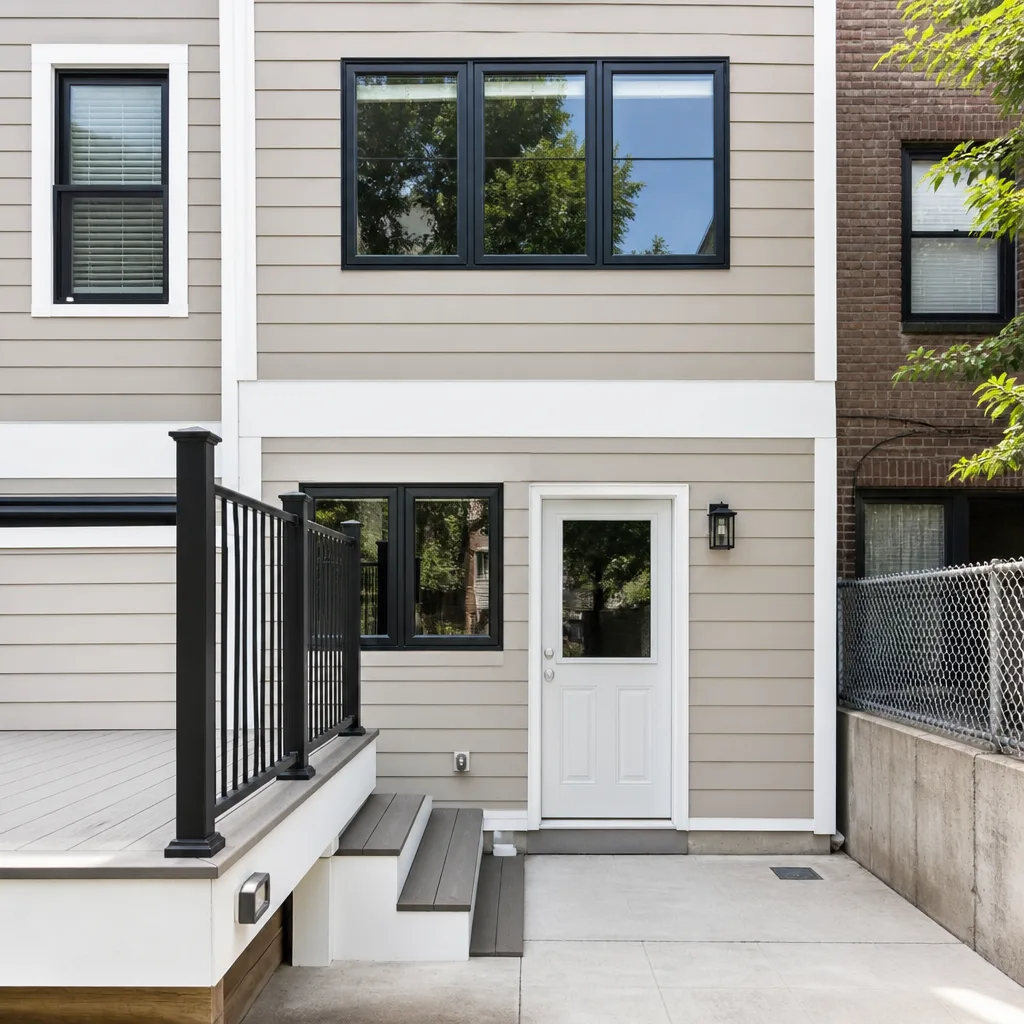 After
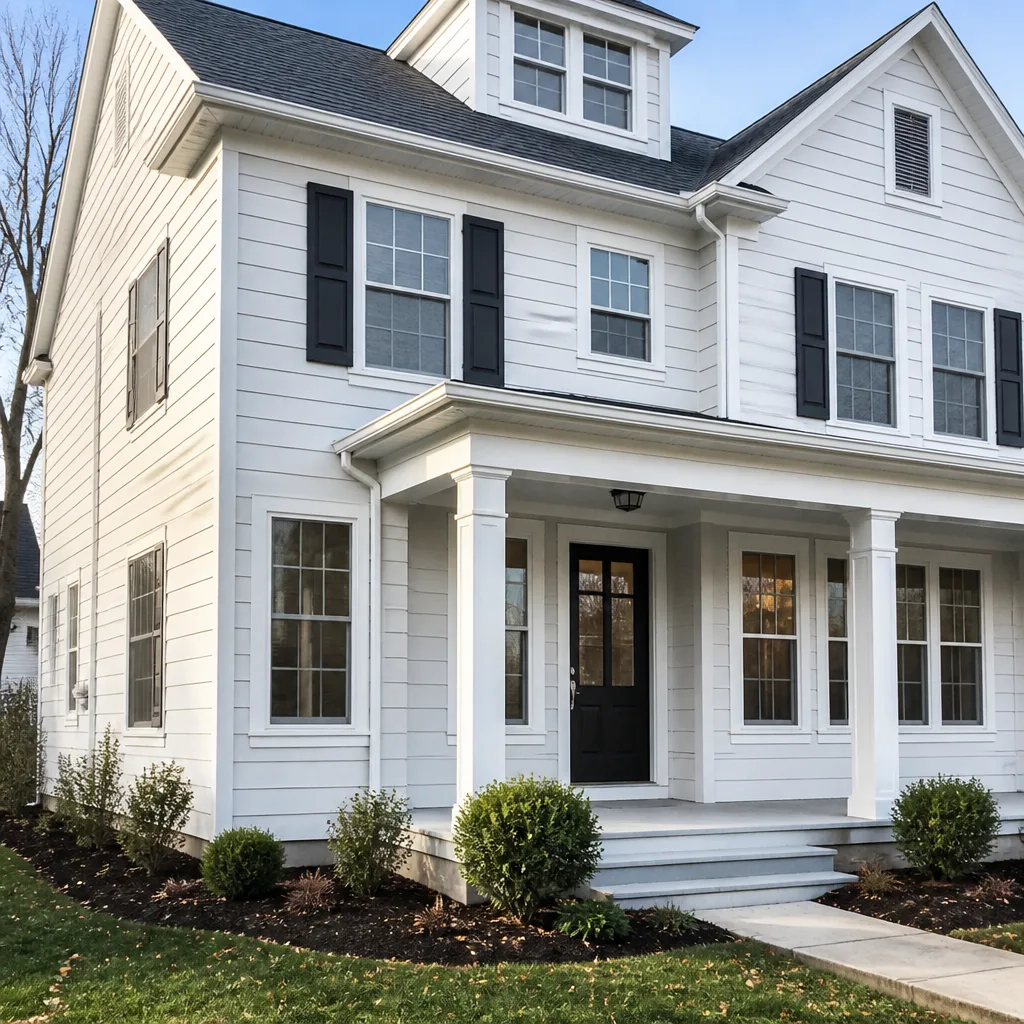
After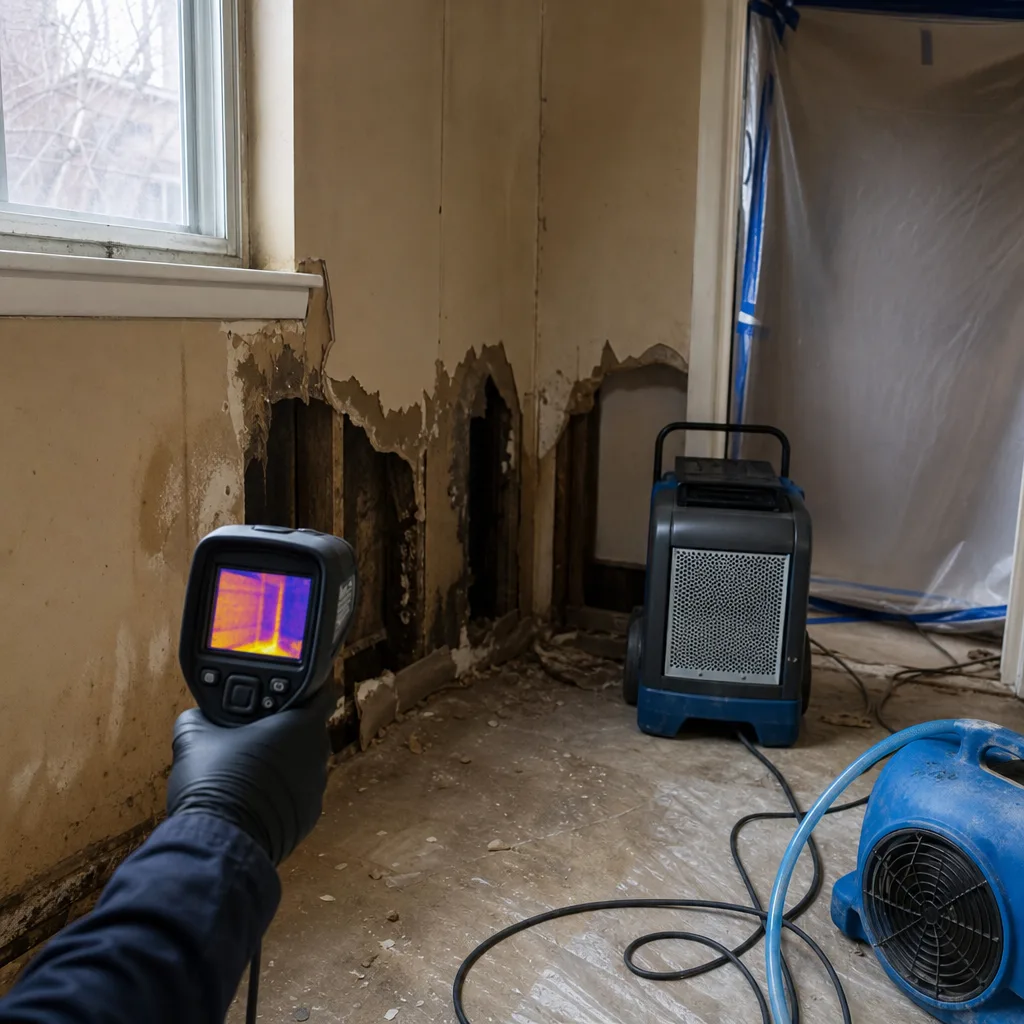 Before
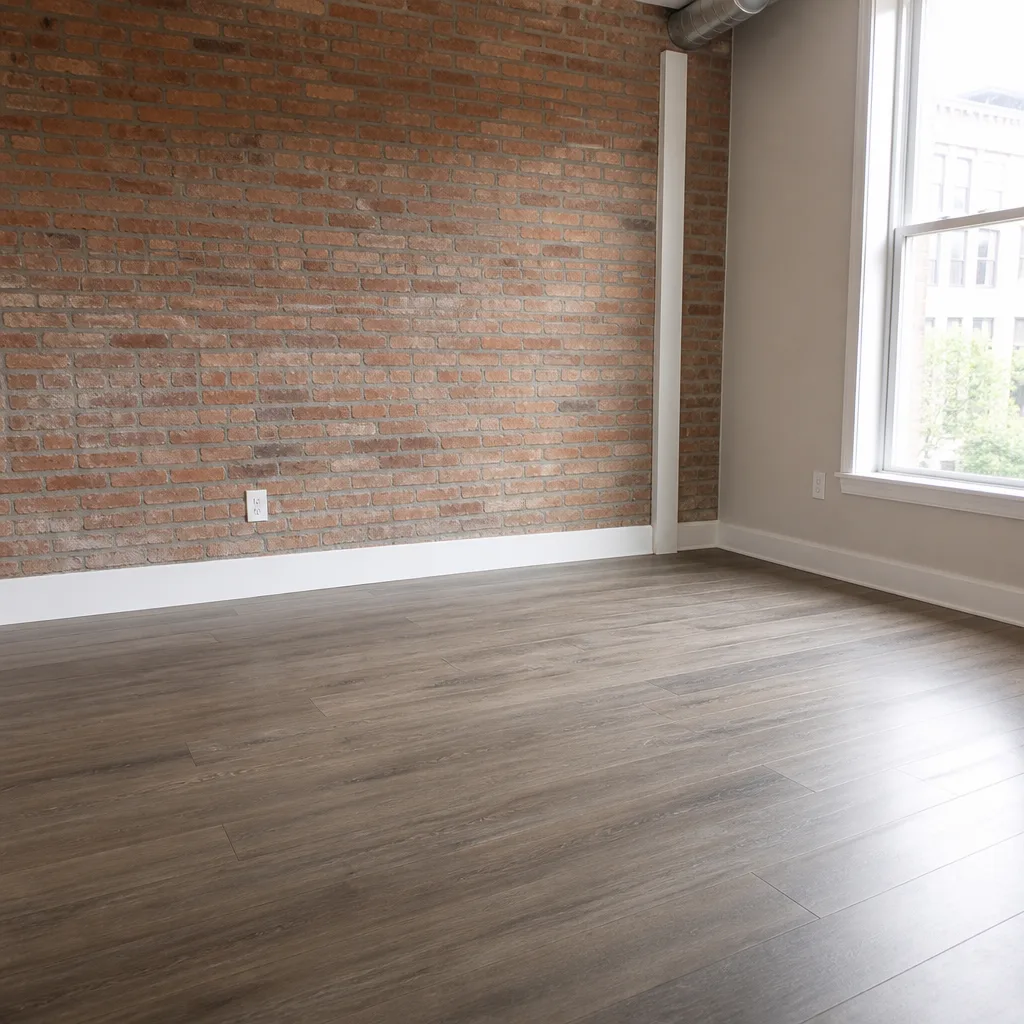 After
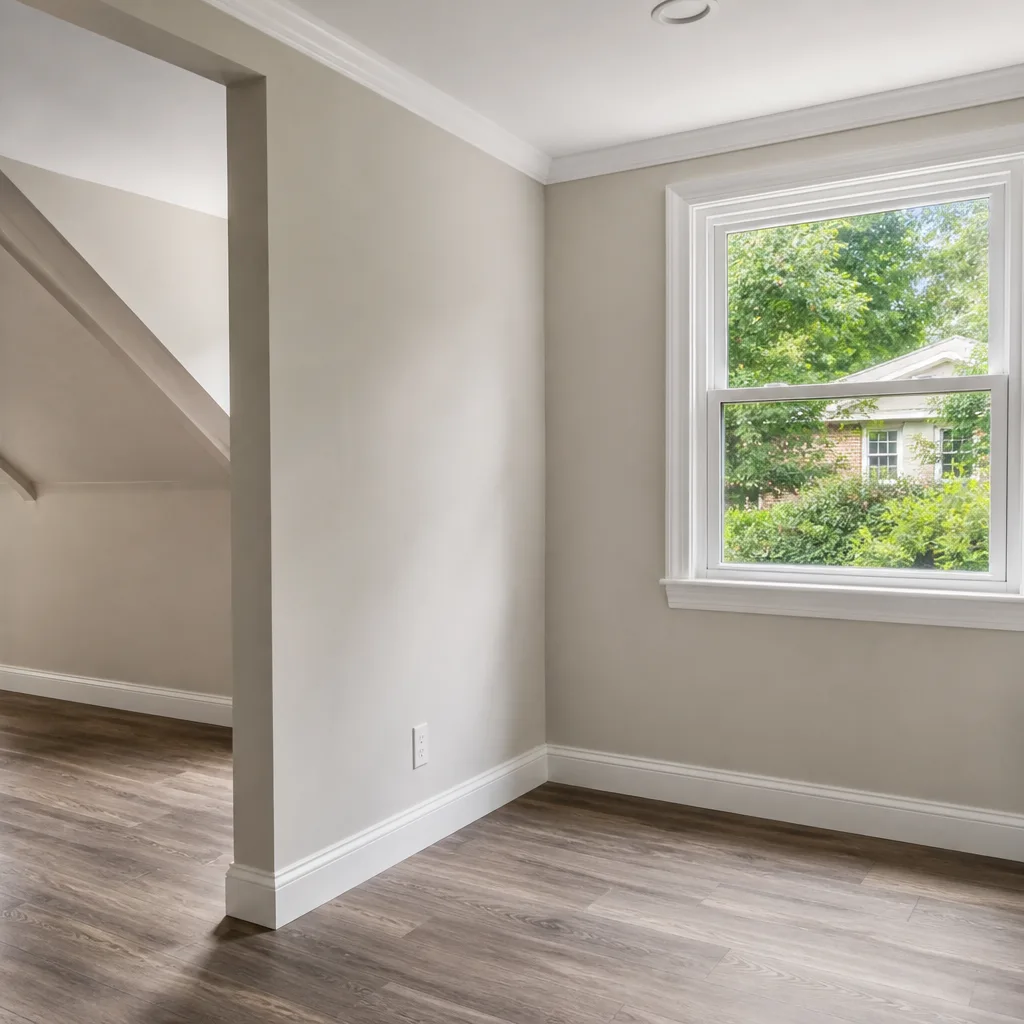
After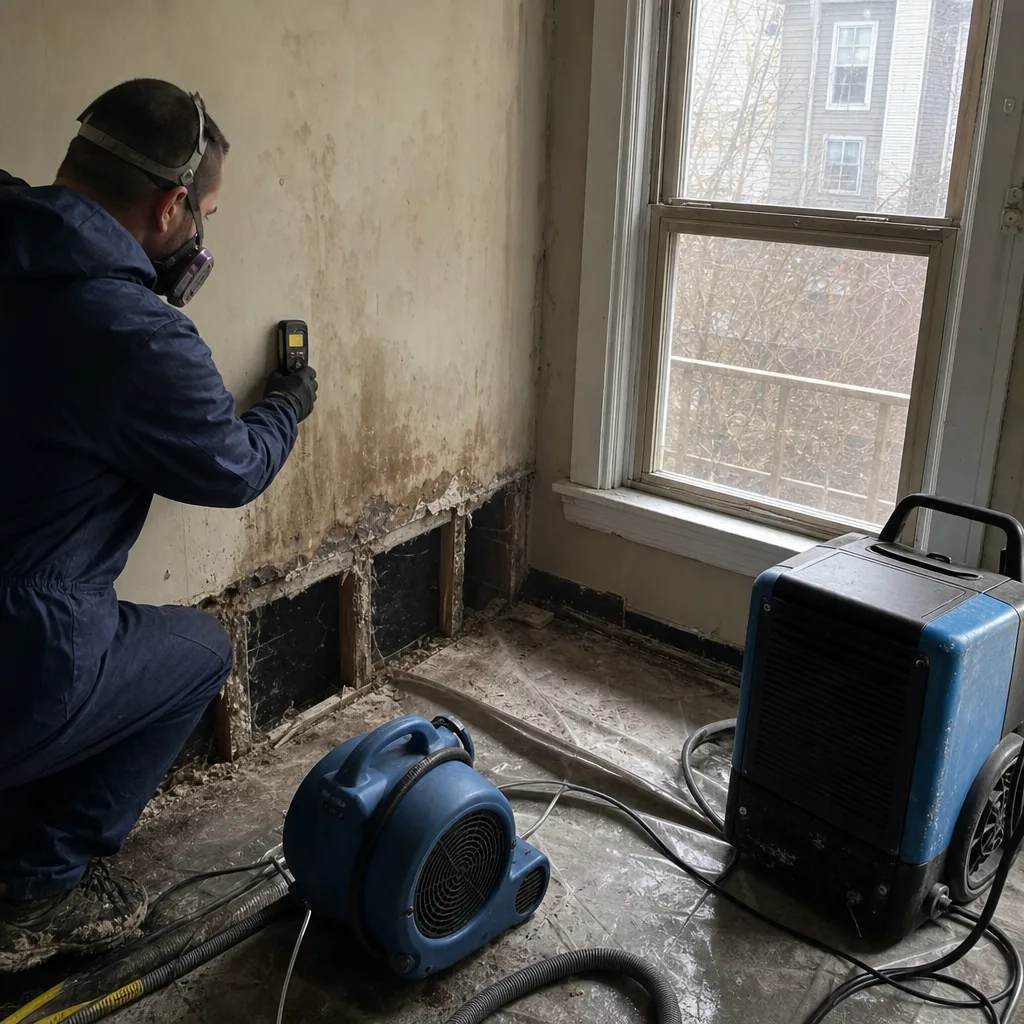 Before
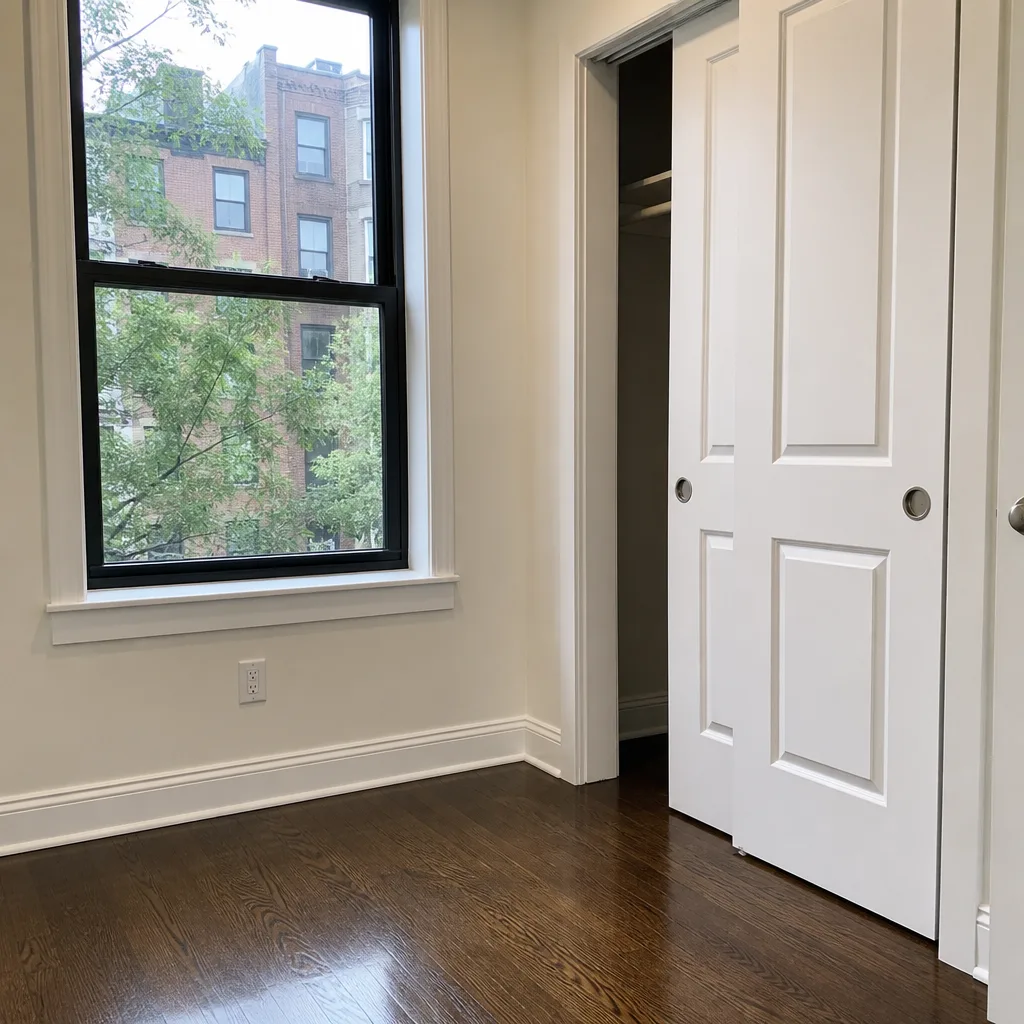 After
After24/7 Emergency Sewage Cleanup in Midtown West
When sewage backs up into a Midtown West basement or mechanical room, the clock starts the moment you smell it. Category 3 water carries bacteria, viruses, and parasites that begin colonizing porous surfaces within hours, and every minute of delay lets contamination wick further into drywall, insulation, and subflooring. Call Floodline Restoration Co. at (640) 500-3278 day or night and you’ll reach a live dispatcher who can have a certified crew rolling toward Midtown West within 45 minutes. We arrive with extraction equipment sized for tight basements and hotel mechanical rooms, do a free visual inspection, and start pulling contaminated water the same visit. In this neighborhood, where a single clogged main drain can flood a boiler room or a tenement cellar before anyone notices, the first hour decides whether you’re drying sheetrock or replacing it.
Understanding Sewage Cleanup Severity in Midtown West Properties
Sewage cleanup is not the same as water damage, and anyone who treats it that way is under-scoping the job. The IICRC classifies water in three categories, and sewage is always Category 3, meaning grossly contaminated water that can cause severe illness on contact. Midtown West’s building stock makes this classification consequential because the neighborhood runs on two extremes of construction. In Hell’s Kitchen, pre-war brick tenements built between 1890 and 1930 sit on cast-iron waste lines that have spent a century corroding. When those lines crack behind walls, sewage leaks into wall cavities for weeks before moisture mapping detects the elevated readings. On the other end, the glass-and-steel towers near Hudson Yards and the mid-century hotel inventory around the Theater District present a different problem: dense vertical plumbing stacks where a single clogged main drain can send black water into multiple floors of mechanical rooms and below-grade retail. We assess severity with thermal imaging and hygrometers, map the migration path, and classify every affected area before we touch a tool, because containment strategy changes completely depending on whether sewage has been sitting for six hours or six days.
Why Midtown West Property Owners Choose Floodline Restoration Co.
- 45-minute response commitment for Midtown West calls. Our dispatch board tracks crew locations in real time, and we commit to wheels rolling within 45 minutes of your call, not a callback window that stretches into tomorrow.
- A live person answers at 2 a.m., every night of the year. No automated phone trees, no voicemail. A dispatcher who knows which crews are in Midtown West picks up and starts the response.
- IICRC-certified crews trained to WRT and ASD standards. Every technician on a sewage job carries water restoration and applied structural drying certifications, and wears proper PPE from the first minute on site.
- Free visual inspection on every call, no obligation. We assess the damage, classify the water, and tell you honestly whether you need full extraction or a faster, smaller response.
- Direct insurance billing. Floodline works with your carrier from the first scope of work, so you’re not fronting money while paperwork moves through the system.
- One team from extraction to reconstruction. We don’t hand off a dried-out shell to a different contractor. The same crew that pulled the sewage rebuilds the walls, with the Midtown West job kept whole from day one.
Our Sewage Cleanup Process
1. Inspection & Assessment
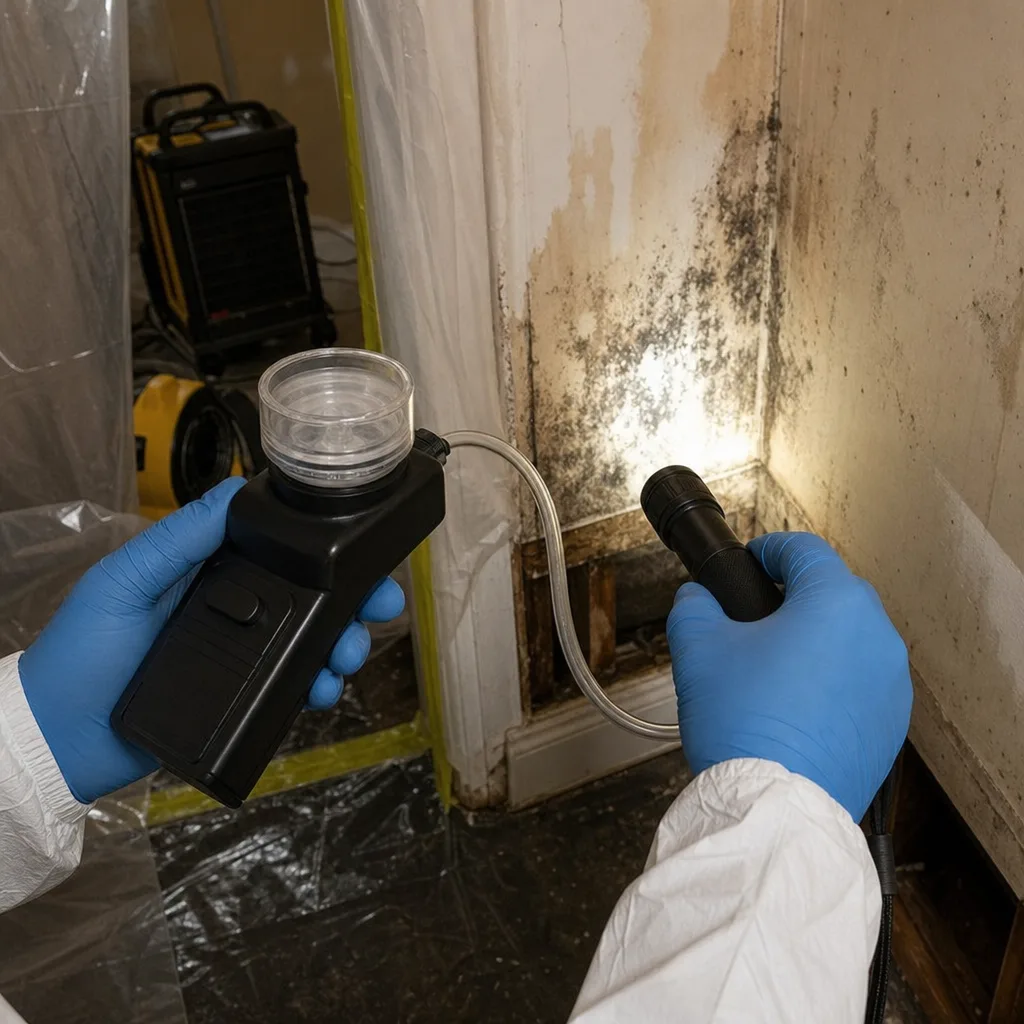
We trace the sewage migration with thermal imaging and moisture meters, classify the affected areas as Category 3, and document everything before any extraction begins. The written scope you get reflects what we actually found, not a generic line item.
2. Extraction & Stabilization
We set containment barriers to prevent cross-contamination, then pull standing black water with truck-mounted and portable Dri-Eaz extraction units. Stored belongings are removed and documented, and we cut away saturated drywall and insulation to expose the full damage path.
3. Drying & Dehumidification
Air movers and Phoenix dehumidifiers go in once the sewage is out. We take daily moisture readings and log them, drying to the IICRC standard rather than a guess. In Midtown West’s below-grade basements, this stage runs longer than above-grade spaces because of the Hudson River water table.
4. Cleaning & Sanitization
All affected surfaces get antimicrobial treatment and HEPA air scrubbing. We run negative air machines to keep airborne contaminants from drifting into tenant spaces or adjacent floors, particularly in occupied buildings.
5. Odor & Contamination Control
Sewage odor embeds in porous materials, so we treat wall cavities and subflooring with specialized deodorizers and sealants. In tenement basements where sewage has pooled under stored items, this is the difference between a space that smells clean for a week and one that stays clean.
6. Repairs & Restoration
Flooring, drywall, baseboards, and any structural material we removed gets rebuilt. Because Floodline handles reconstruction in-house, your Midtown West property goes back together with one scope, one warranty, and no gap between trades.
Need Emergency Sewage Cleanup in Midtown West Now?
Crews minutes away, answering live 24 hours a day. The sooner we start, the less it costs.
Working With Your Insurance Company
Sewage cleanup claims move faster when the documentation is airtight from hour one. Our crews photograph every affected area before, during, and after extraction, and our moisture readings create a drying log your carrier can audit. We know what adjusters look for in Midtown West claims, because this neighborhood generates a steady volume of sewer backflow and waste line failure losses. Curt Bowman built Floodline around the idea that the homeowner should never carry messages between contractor and carrier. We write the scope, submit it directly to your insurer, and talk to the adjuster ourselves. If a supplemental claim is needed mid-job, we handle it. You get a copy of everything, but you’re never asked to be the go-between. That’s how the 90-Day Done Right Promise works: if something wasn’t done right, we make it right, in writing, without an argument.
What We Provide Your Insurer
- Thorough documentation of the loss
- Photos of all damage, room by room
- Moisture readings and drying logs
- A detailed, line-item scope of work
- Direct coordination with your carrier
Built for Midtown West’s Loss Calendar
Midtown West’s sewage losses follow the weather, but not the way most homeowners expect. Nor’easters hit the combined sewer system hardest. The western blocks of Midtown West sit on an elevated water table close to the Hudson River, and the combined sewer lines simply can’t handle stormwater and sewage together during a heavy coastal storm. When that happens, sewage backs up through basement floor drains in pre-war buildings, and we’re pulling black water out of cellars along 9th and 10th Avenues while the rain is still falling. Summer brings a different pattern: cloudburst thunderstorms dump two inches in an hour, the sewers surge again, and below-grade retail spaces take on contaminated water. Winter is quieter for sewage specifically, but freeze-thaw cycles stress the old cast-iron waste lines in Hell’s Kitchen tenements, and small leaks become big discoveries when a wall cavity finally shows staining. Theater District hotels have their own calendar: steam-heat pressure fluctuations in pre-war mechanical systems can trip aging dry-pipe sprinkler heads, sending clean water through floors before the sewage component even appears. When a clogged main drain follows, the contamination class jumps fast. We keep crews on retainer with several Midtown West property management groups precisely because these losses don’t follow a 9-to-5 schedule.
Sewage Cleanup Across Midtown West’s Neighborhoods
Hell’s Kitchen is where we see the worst contained sewage damage. The tenements from 1890 to 1930 were built with undersized basement floor drains that were never meant to handle modern combined sewer loads, and when a nor’easter hits, black water pools under stored tenant belongings before anyone realizes the drain gave up. Over on the western blocks toward the Hudson River, the elevated water table pushes groundwater into basements that already have sewage in the mix, compounding the contamination class. The Theater District presents a different animal entirely: hotel basement mechanical rooms with no secondary containment, where one clogged main drain can flood a boiler room with Category 3 water and take building systems offline. Around Hudson Yards, the newer towers have better drainage design, but the construction boom left many below-grade spaces connected to older sewer laterals that fail under storm surge. We route crews differently depending on the call. A Hell’s Kitchen tenement job means tight stairwells and limiting access to floor drains. A hotel basement means coordinating with building engineers while guests stay in rooms above. The neighborhood dictates the logistics, and after years of working these streets, we’ve learned the difference.
Specialized Sewage Cleanup Services We Offer in Midtown West
Sewage Backup Cleanup
When a combined sewer line backs up into a Midtown West basement, the water isn’t just dirty. It’s Category 3, carrying whatever the sewer was holding. Our Sewage Cleanup teams extract the standing waste, remove contaminated porous materials, and dry the space to the IICRC standard with Dri-Eaz and Phoenix equipment. In tenement basements where the floor drain failed, this often means cutting away the bottom two feet of drywall before moisture mapping confirms a stop point.
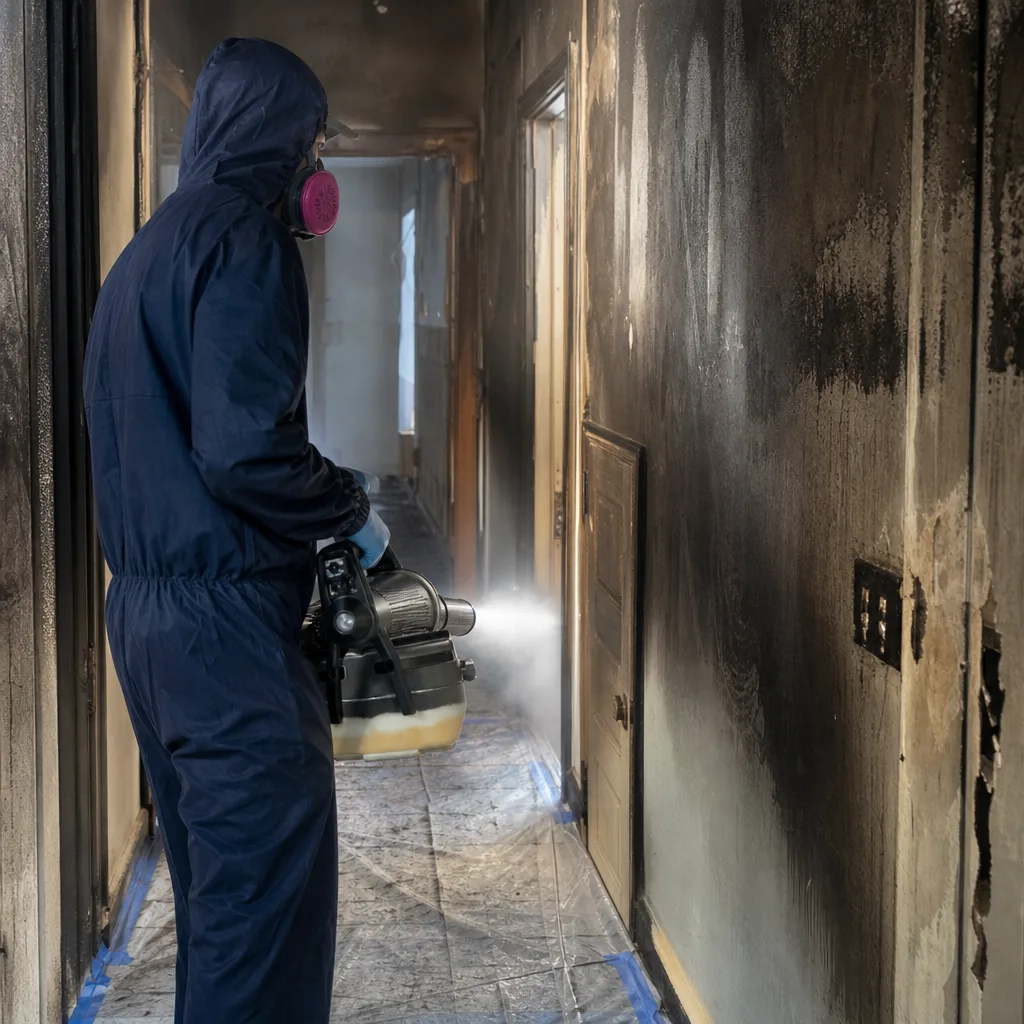
Black Water Extraction
Black water is sewage, plain and simple, and it cannot be dried like clean water. We pump it out with truck-mounted extraction units, contain the area with negative air pressure, and treat every surface that was touched. In Midtown West’s sub-grade spaces, where ventilating a basement is harder than it sounds, the containment step matters more than the extraction itself, because airborne contaminants will drift up stairwells into occupied units.
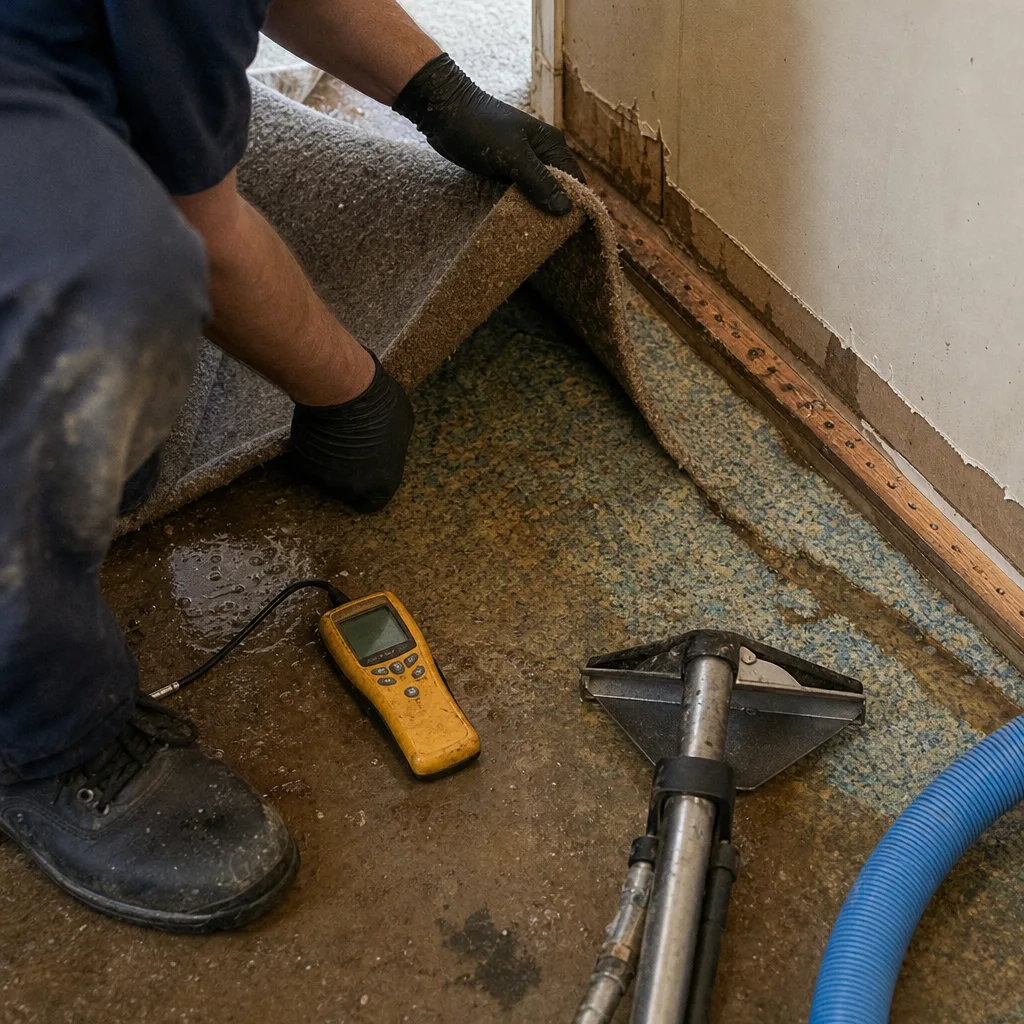
Toilet Overflow Cleanup
A toilet overflow that’s clean water, caught immediately, may only need extraction and drying. A toilet overflow from a line that’s been backing up for hours is Category 3, and we treat it that way. In Midtown West’s older buildings, where a single stack may serve multiple units, we check the drain line before assuming the overflow was a one-off, because pre-war cast-iron lines hide cracks that cause repeat backups.
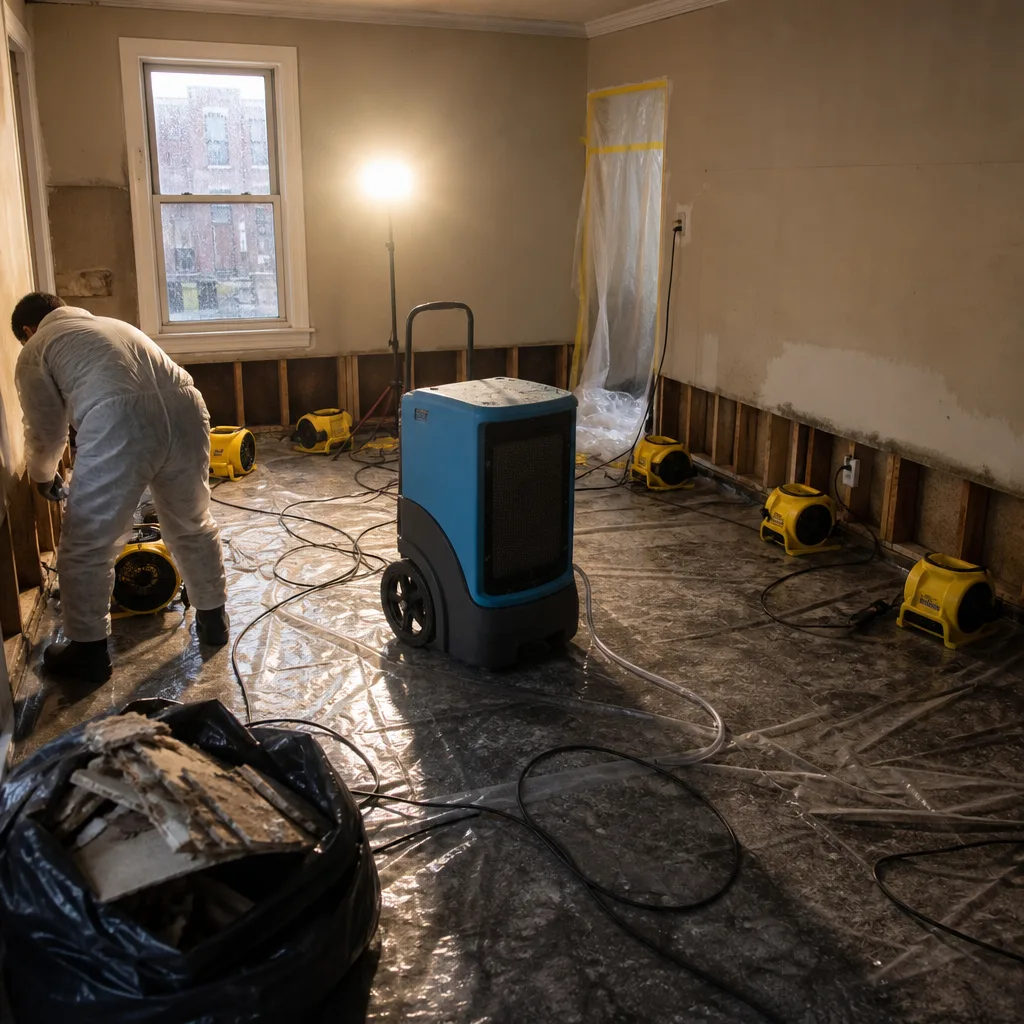
Sanitization & Disinfection
Antimicrobial treatment and HEPA air scrubbing are standard on every sewage job we run, but in occupied buildings, the goal is to sanitize without forcing tenants out for a week. We use negative air machines and containment barriers to isolate the affected space, then clean surfaces with hospital-grade disinfectants appropriate for each material. In hotel properties, this workflow is coordinated with building engineers so occupied floors stay habitable.
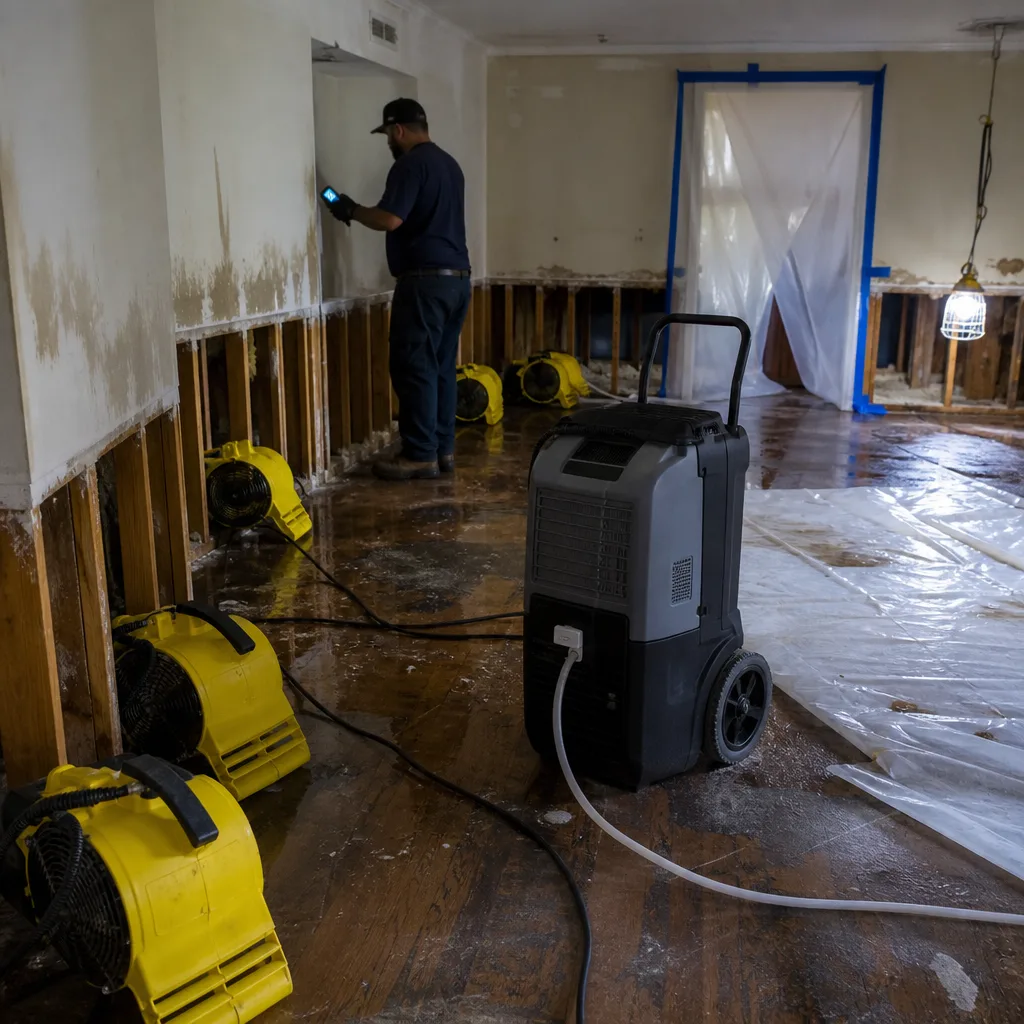
Septic Failure Cleanup
Most of Midtown West runs on municipal sewer, but older properties on the neighborhood’s edges sometimes tie into legacy septic systems. When those fail, the contaminated water behaves like sewage but the source is different, and the repair scope includes assessing the tank and drain field, not just the indoor damage. We handle the indoor extraction, drying, and sanitization, then document everything for the repair contractor and your insurer.
Crawl Space Sewage Removal
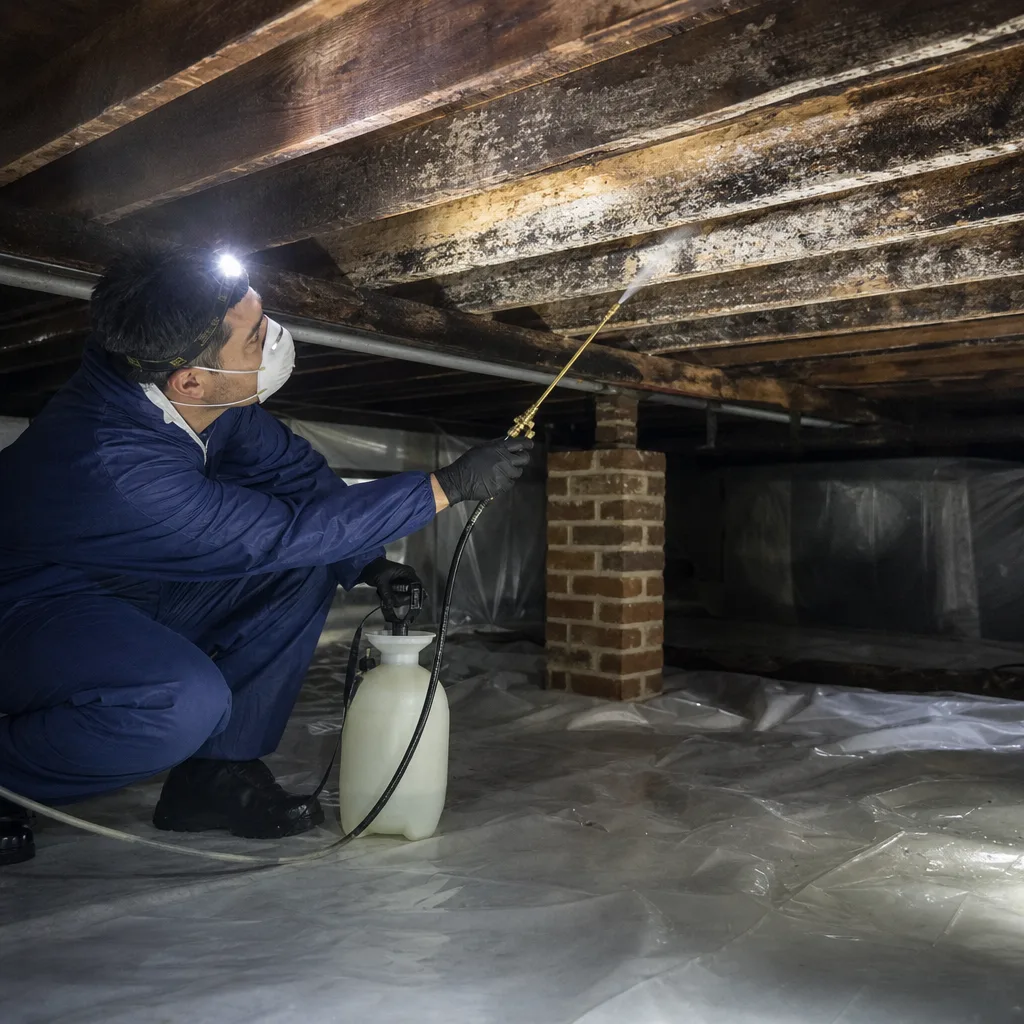
Some Midtown West walk-ups have small crawl spaces under the first floor, and when a waste line breaches above one, sewage saturates the dirt and floor joists. We remove contaminated soil, treat the framing, and dry the space with B-Air and XPOWER air movers sized for tight clearance. It’s dirty, confined work, but it’s routine for our crews.
What happens when you call
- 1
A real person answersNo phone trees - you reach a local pro.
- 2
You get an upfront price rangeHonest numbers before anyone is dispatched.
- 3
A background-checked tech heads outLicensed & insured, dispatched right away.
- 4
You approve before work beginsNothing starts until you say go.
Sewage Cleanup Costs in Midtown West, NY
In Midtown West, a straightforward toilet overflow that’s caught within the hour and confined to a bathroom runs $800 to $1,500. A full sewage backup in a Hell’s Kitchen tenement basement, with extraction, drywall removal, antimicrobial treatment, and structural drying, typically lands between $3,000 and $7,000. Hotel mechanical room black water jobs, with containment, coordination, and larger extraction equipment, can run $10,000 to $25,000 depending on square footage and system shutoff requirements. What moves the price: how long sewage sat before we arrived, how far it wicked up drywall and into wall cavities, whether asbestos or lead paint abatement coordination is required (common in pre-1980 Midtown West buildings), and whether structural drying runs three days or three weeks. Insurance covers most sewage backups when the cause is sudden and accidental, like a storm surge or a failed cast-iron line. Neglect cases are harder. The free inspection is the fastest way to get a firm number, because until we see the migration path, any quote is a guess.
We Also Serve Cities Near Midtown West
Our crews respond across the West Side and beyond. We serve Washington Square, Lower Manhattan, Midtown Manhattan, and Murray Hill, with the same 45-minute dispatch commitment and live phone answer. If your property sits on the edge of Midtown West, call (640) 500-3278 and the dispatcher will route the nearest crew.
Serving Midtown West, NY - Our Local Coverage Area
We’re based in the Midtown West area and know this community well. Use the map below to see our service coverage - if you’re nearby, we can almost certainly help.
Midtown West Sewage Cleanup Questions, Answered
How fast can you respond to a sewage backup in a Midtown West hotel basement?
We commit to a 45-minute response in Midtown West, with a crew rolling toward the property as soon as the dispatcher confirms the location. Hotel basement jobs get priority routing because of system shutdown risk, and we coordinate directly with the building engineer en route.
Do you handle sewage cleanup in pre-war Hell’s Kitchen tenements with asbestos concerns?
Yes. Pre-1980 Midtown West buildings often have asbestos in flooring, pipe insulation, or drywall compound, and we flag this during the initial assessment. We coordinate abatement with licensed contractors before disturbing contaminated materials, and include that cost in the scope of work.
What is the difference between a sewer backup and a toilet overflow in terms of water category?
A toilet overflow that’s clean water caught immediately may be Category 1 or 2. A sewer backup is always Category 3 because it contains sewage from the municipal or building line. Category 3 requires full PPE, containment, and disposal of affected porous materials, not just drying.
Can you work in a Midtown West basement with limited access and tight doorways?
Yes. We carry portable extraction units and compact air movers built for exactly this. Hell’s Kitchen tenement basements with narrow stairwells and low ceilings are routine for our crews, and we’ve pulled black water out of spaces a truck-mounted unit can’t reach.
How do you handle sewage cleanup in occupied hotel towers without shutting down floors?
We set containment barriers and run negative air machines to isolate the affected mechanical room or basement, so guests on upper floors aren’t exposed. Work is often scheduled around hotel quiet hours, and we coordinate with building engineers to keep essential systems running where possible.
Will my insurance cover sewage backup from a nor’easter?
Most policies cover sudden sewage backup from storm surge or a failed line, but coverage details vary by carrier and building age. We document the cause, photograph everything, and submit the claim directly with a line-item scope, which improves the odds of approval on the first pass.
How long does sewage remediation take in a Midtown West building?
A contained toilet overflow may dry in 48 to 72 hours. A full tenement basement sewage backup typically takes 5 to 10 days from extraction through drying and sanitization, with repairs running longer if we’re rebuilding drywall and flooring. Your scope of work includes a timeline before we start.
What should I do in the first 30 minutes after discovering a sewage backup?
Shut off water to the affected fixture if you can do so safely, keep people and pets out of the area, and avoid running water or flushing toilets. Then call (640) 500-3278 for a free assessment and the fastest dispatch in Midtown West. Do not attempt to extract sewage yourself.
Written by Curt Bowman, Owner at Floodline Restoration Co., serving Midtown West, NY and the surrounding area since 2010.