
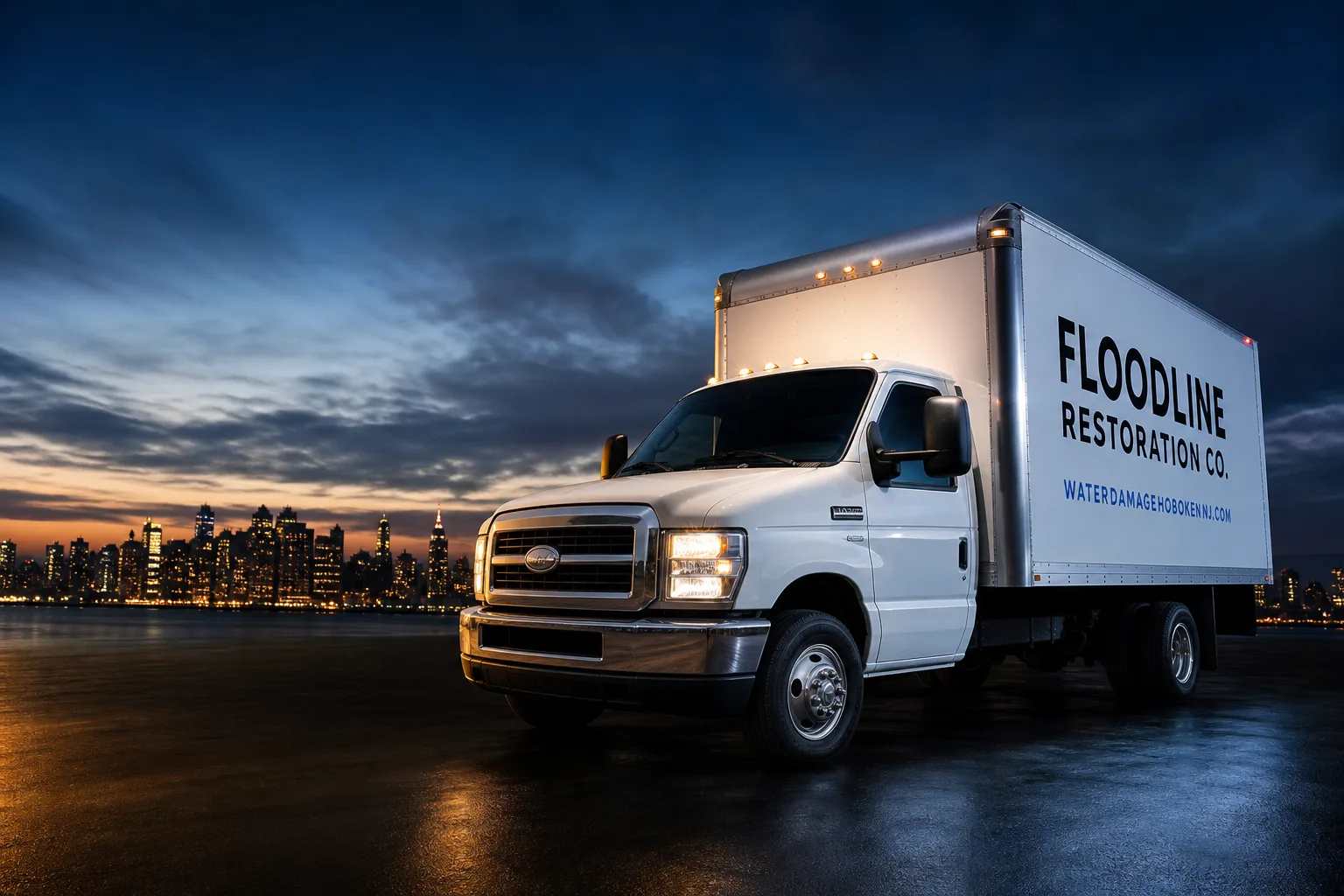
Free visual inspection and a written scope of work before any mitigation begins - photos, moisture readings, and drying logs go in your claim file
The scope we write is the scope we bill. Anything new gets shown to you, in writing, before we touch it.
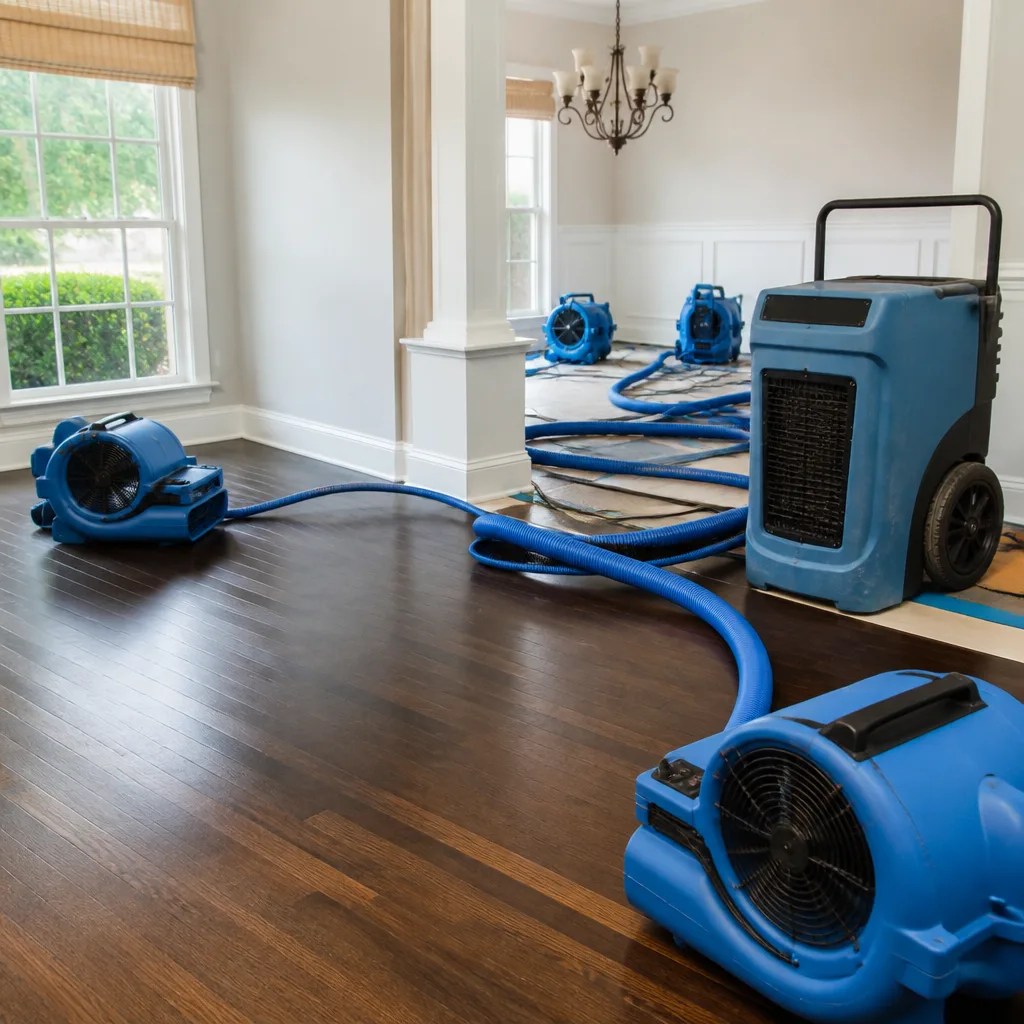
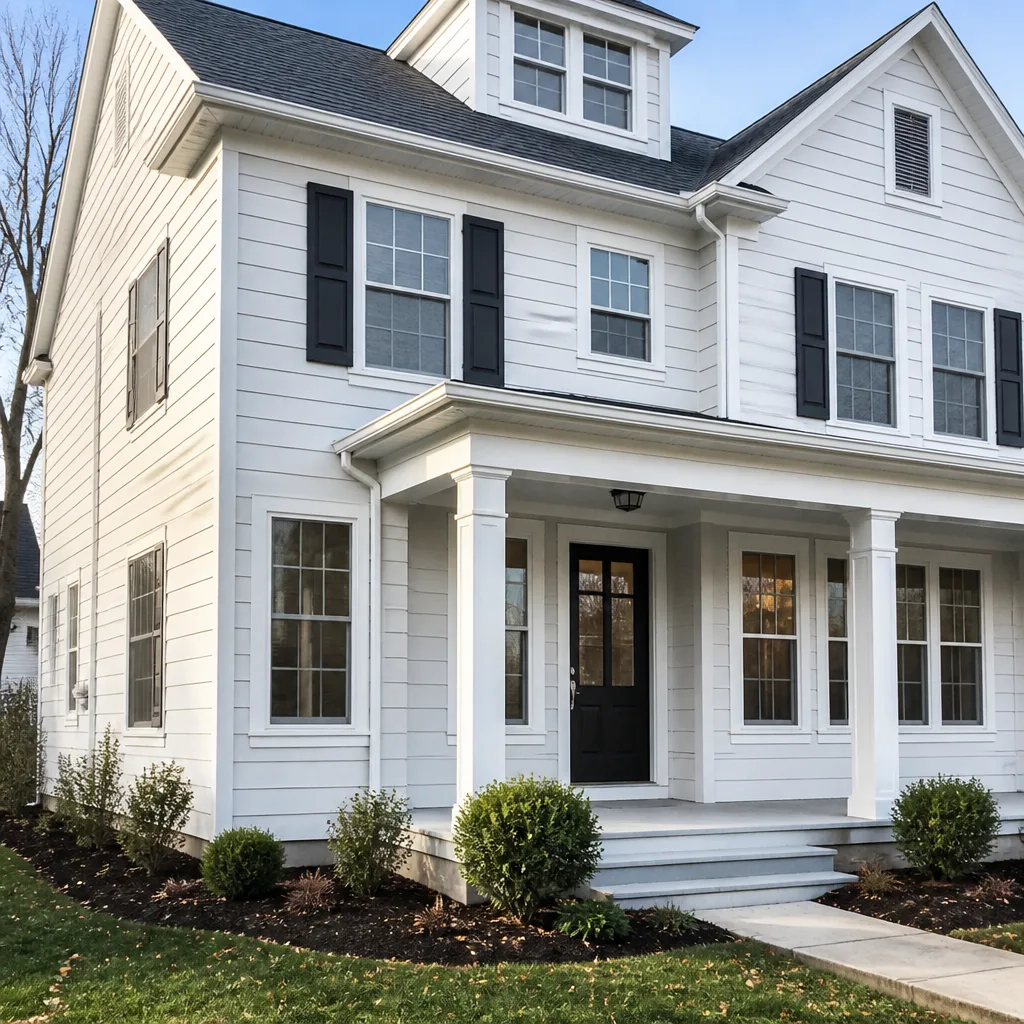
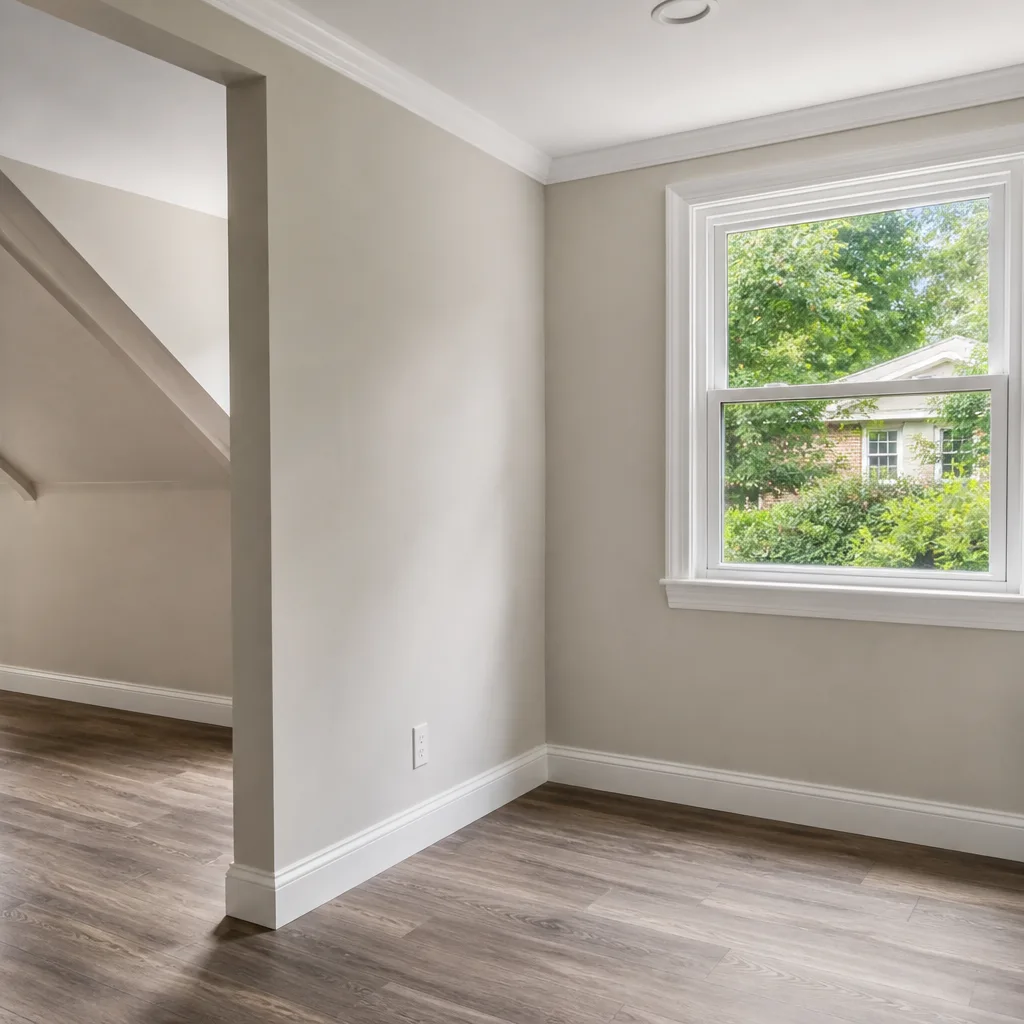
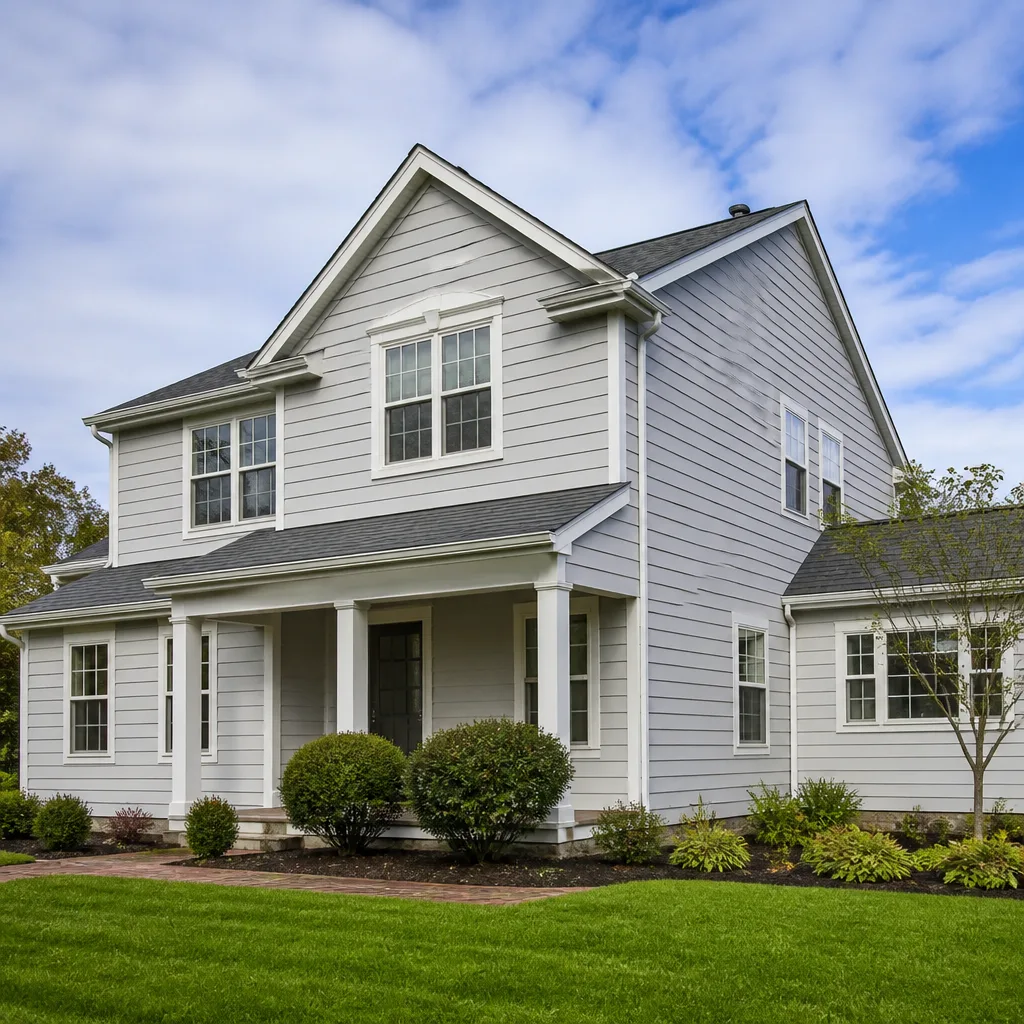
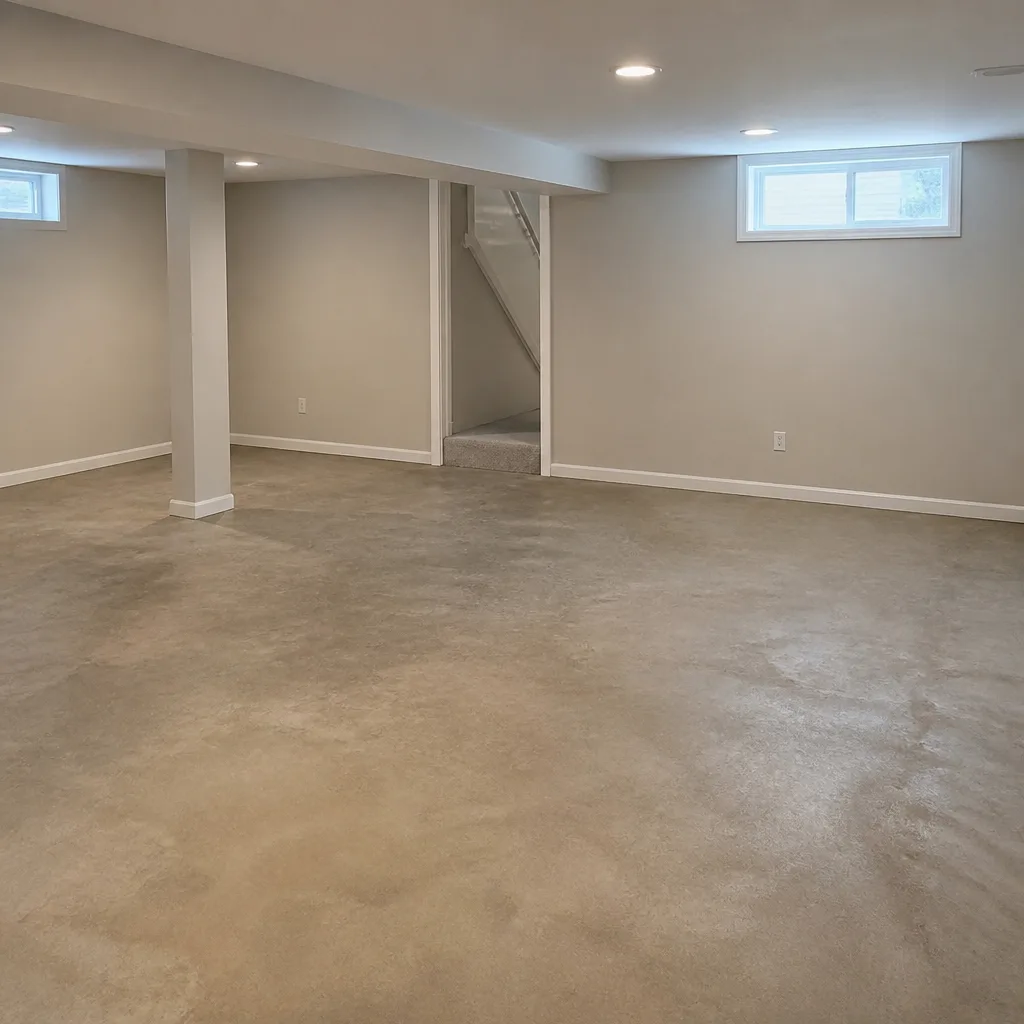

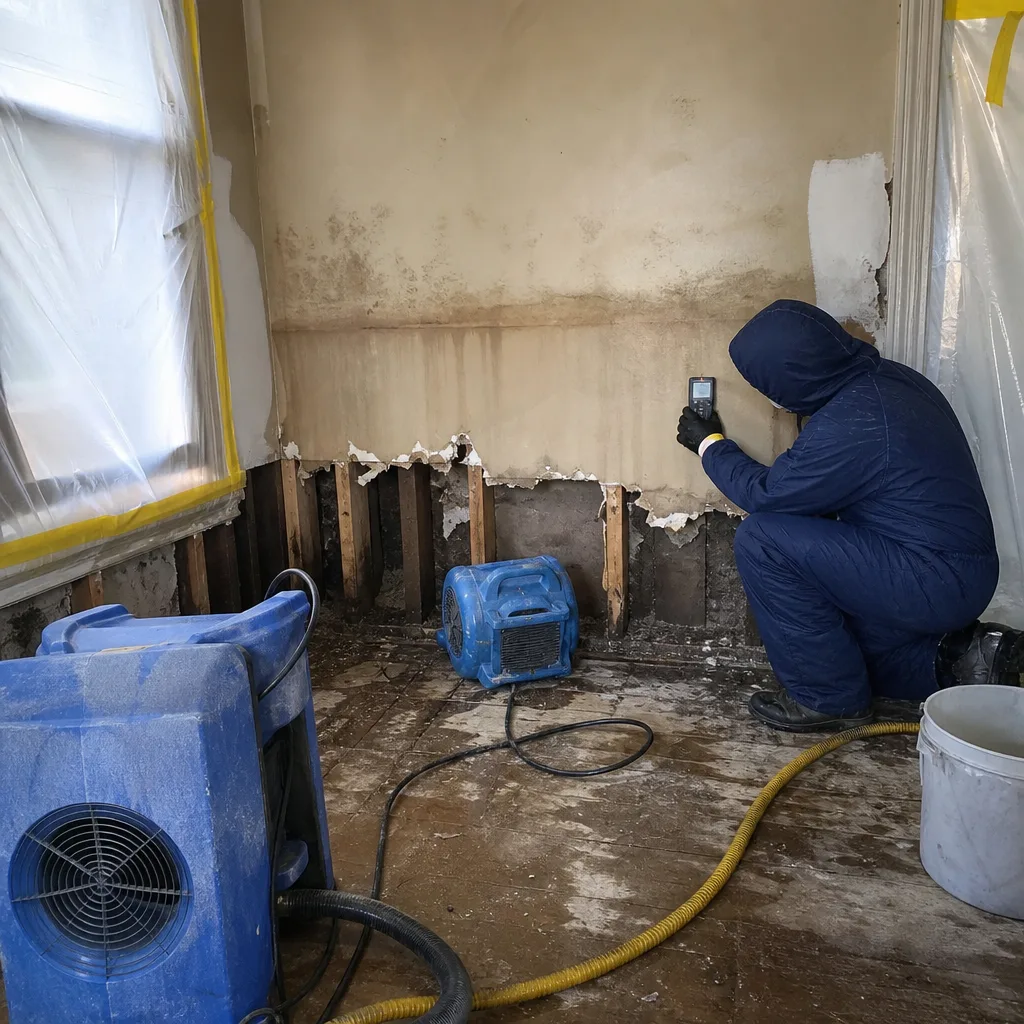 Before
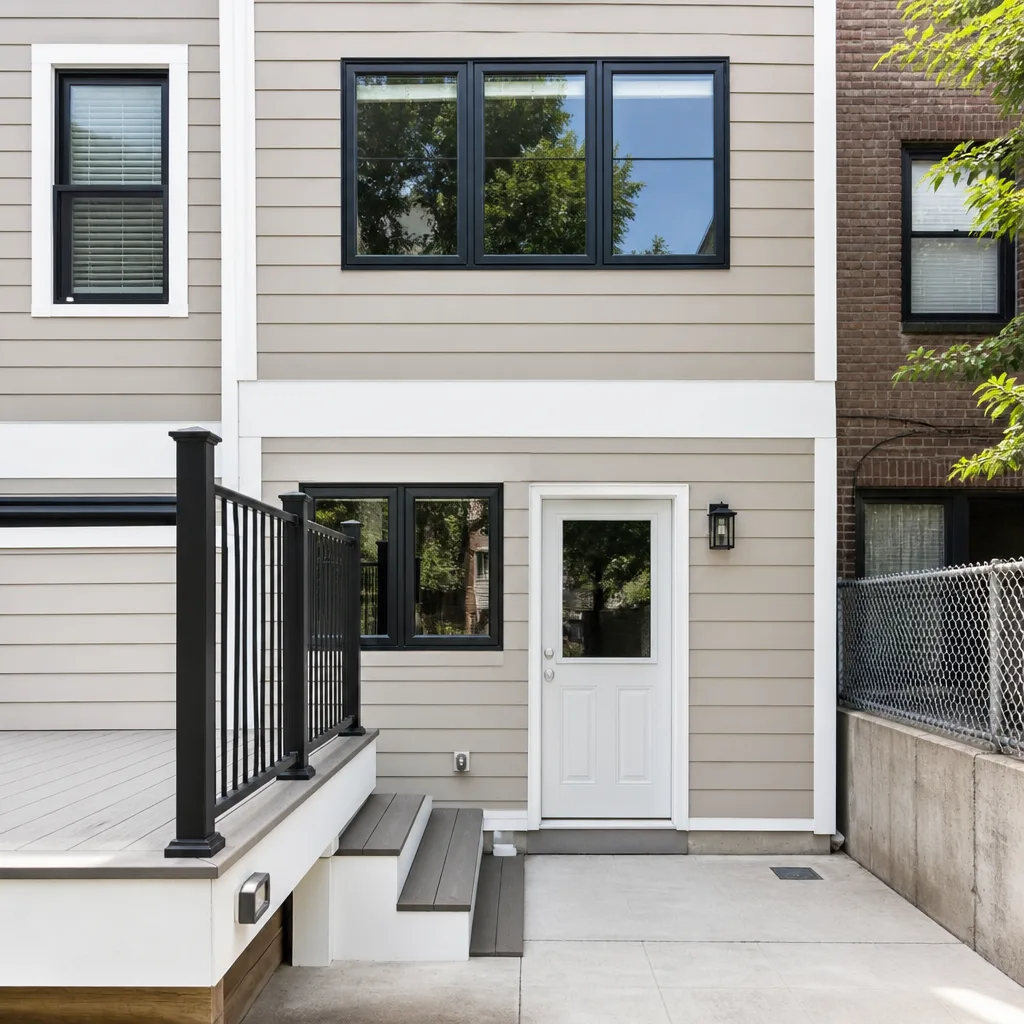 After
After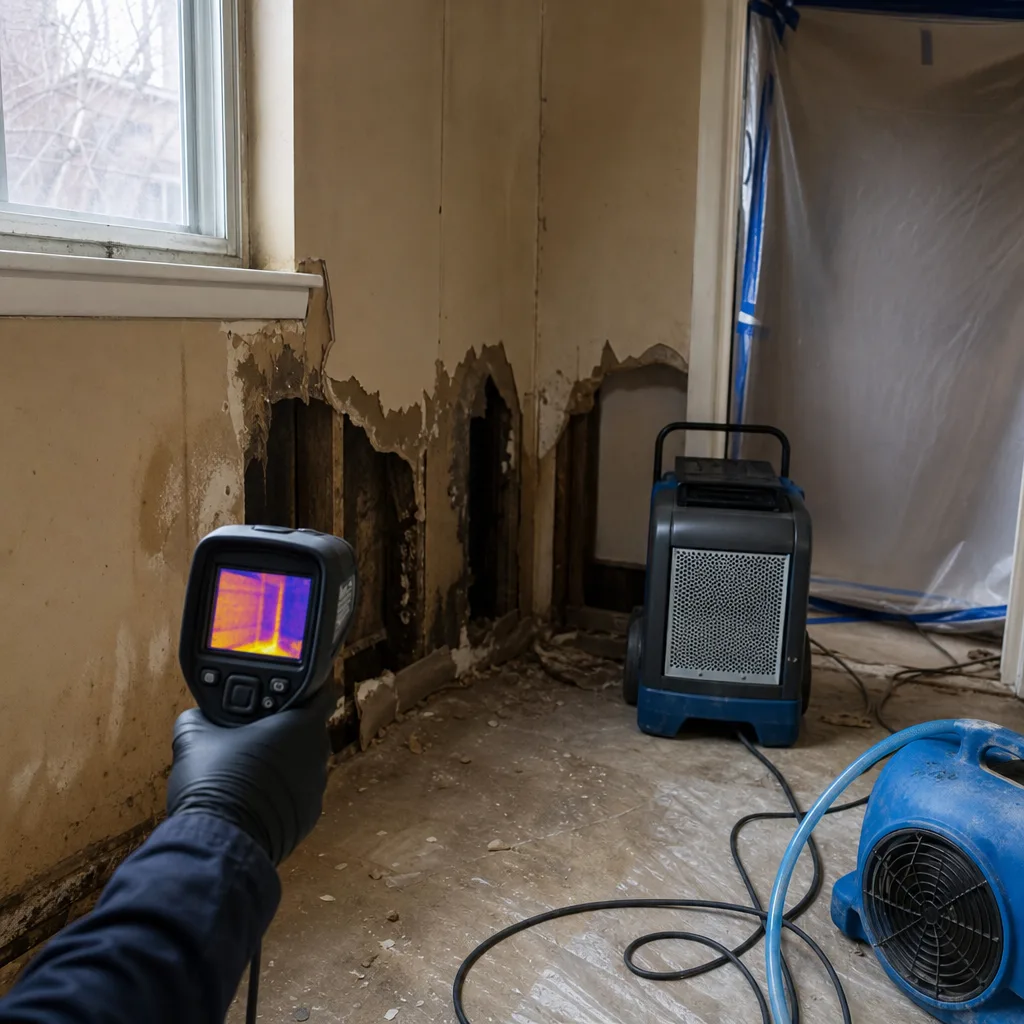 Before
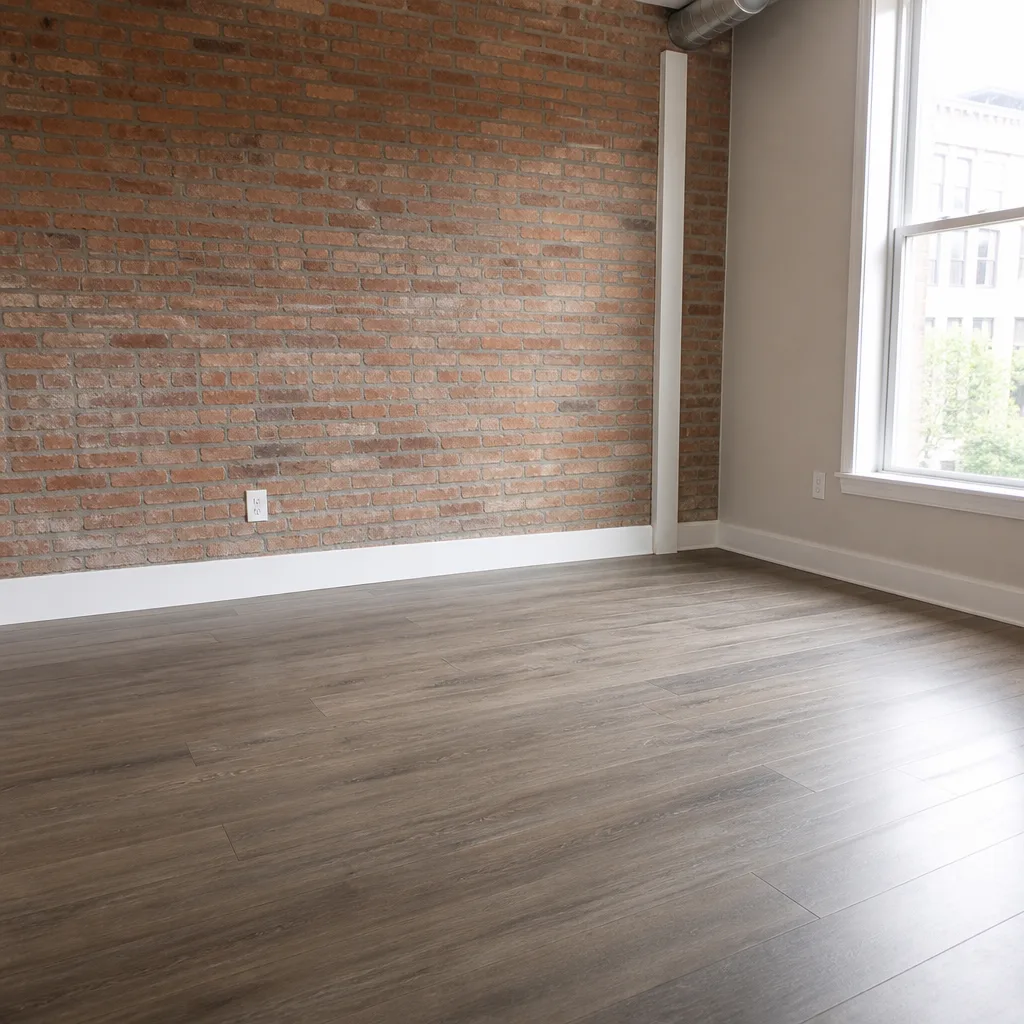 After
After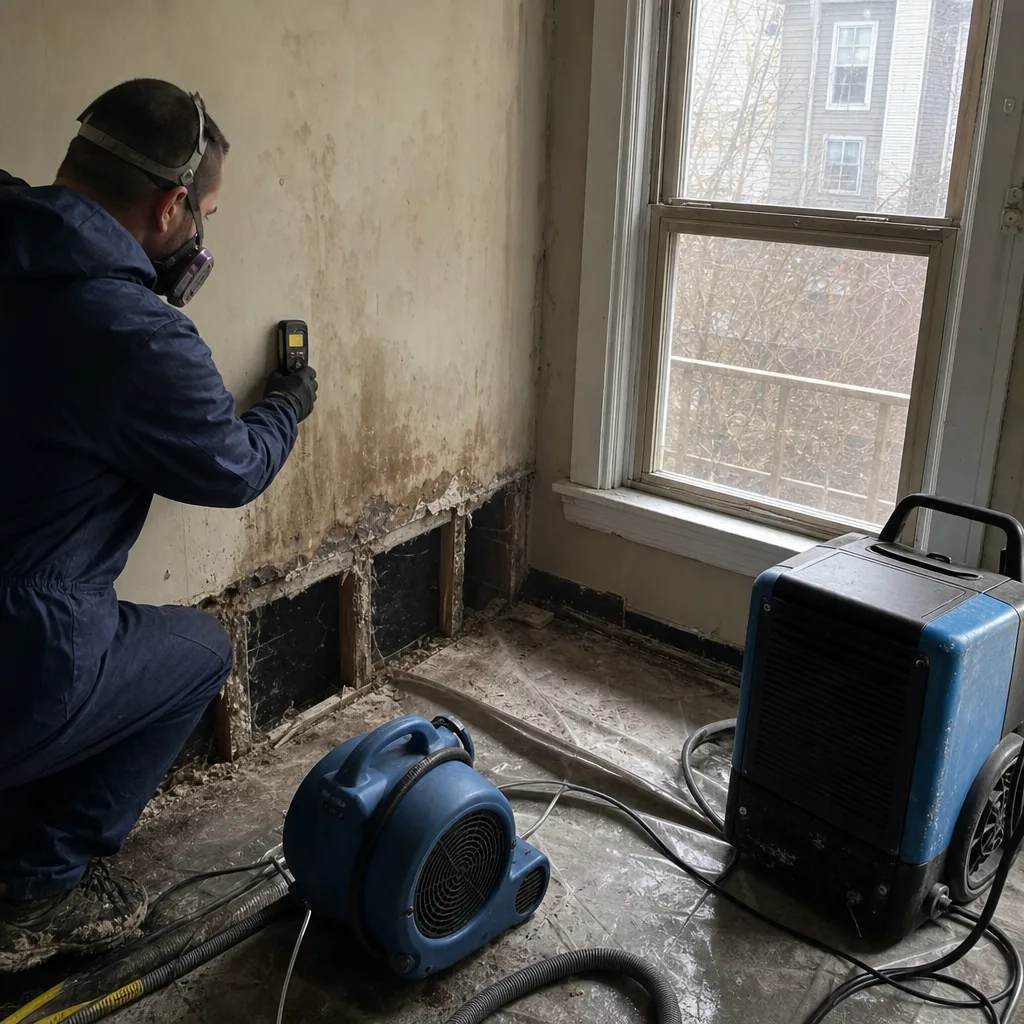 Before
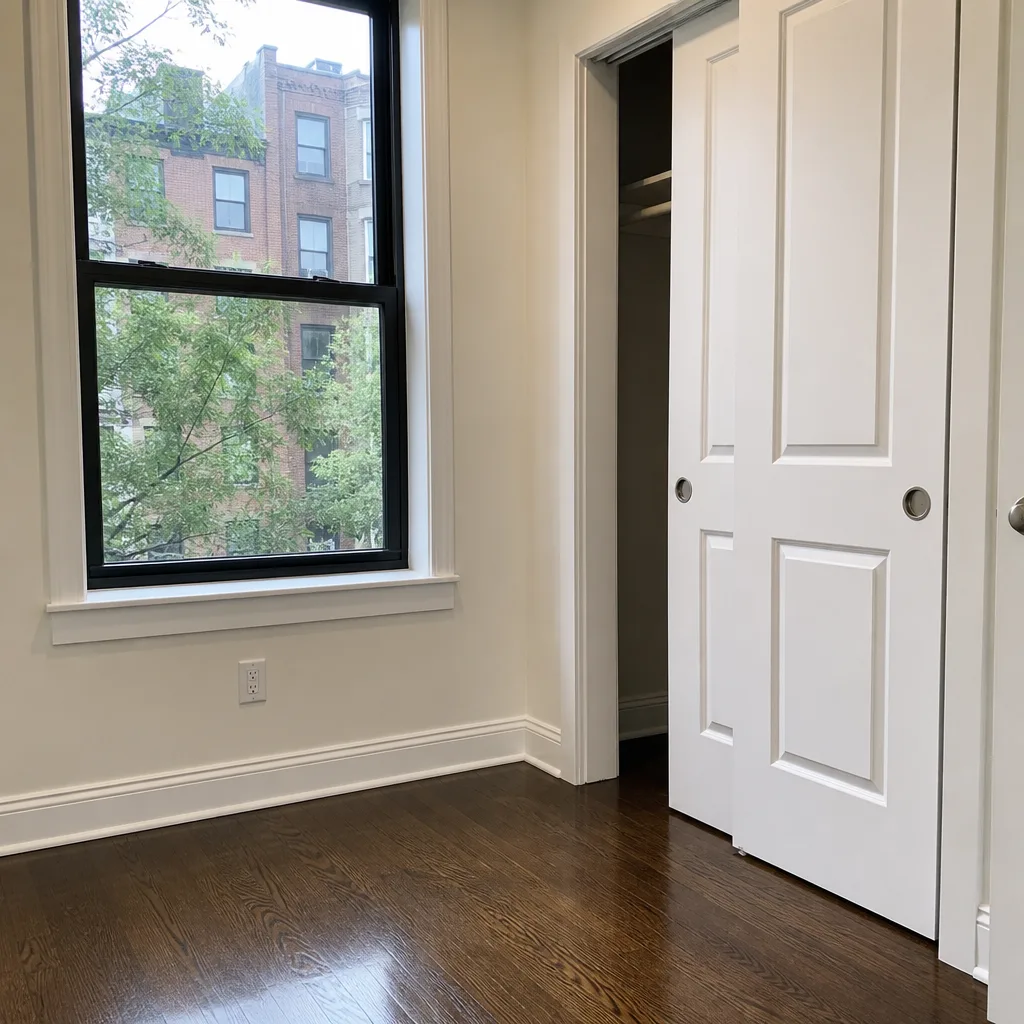 After
After24/7 Emergency Commercial Restoration in Financial District
Mold Remediation in Financial District and other commercial restoration starts with a phone call to (640) 500-3278, and someone answers. Not a recording. A live dispatcher who can have a Floodline Restoration Co. crew at your building within 45 minutes, day or night. The first hour after a flood, sewage backup, or fire matters more than most property owners realize. Saltwater intrusion keeps corroding switchgear and structural steel long after the water recedes. Fire soot etches glass and metal within days. That first hour is when we stop the spread, start the moisture map, and keep a bad loss from becoming a permanent one. We serve the Financial District with a free visual inspection on every commercial job, and extraction is running the same visit.
Understanding Commercial Restoration Severity in Financial District Properties
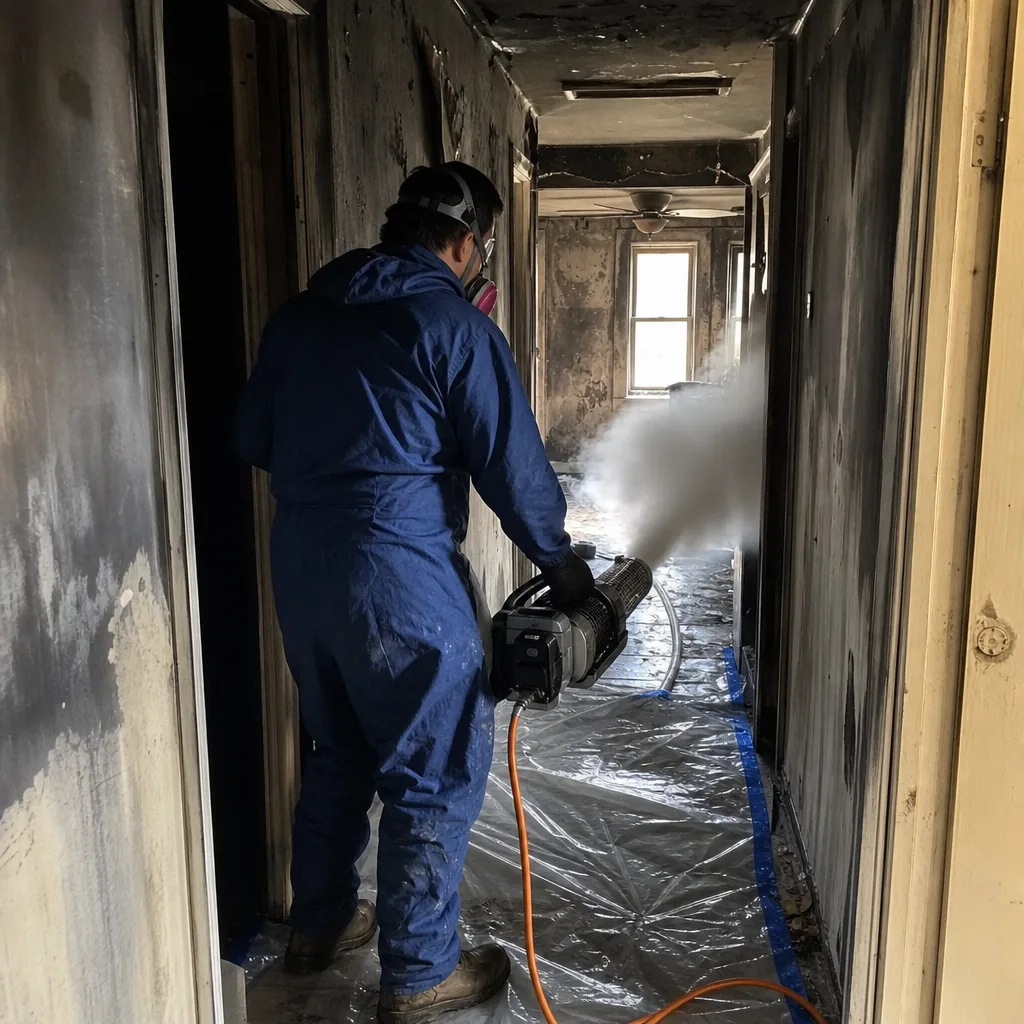
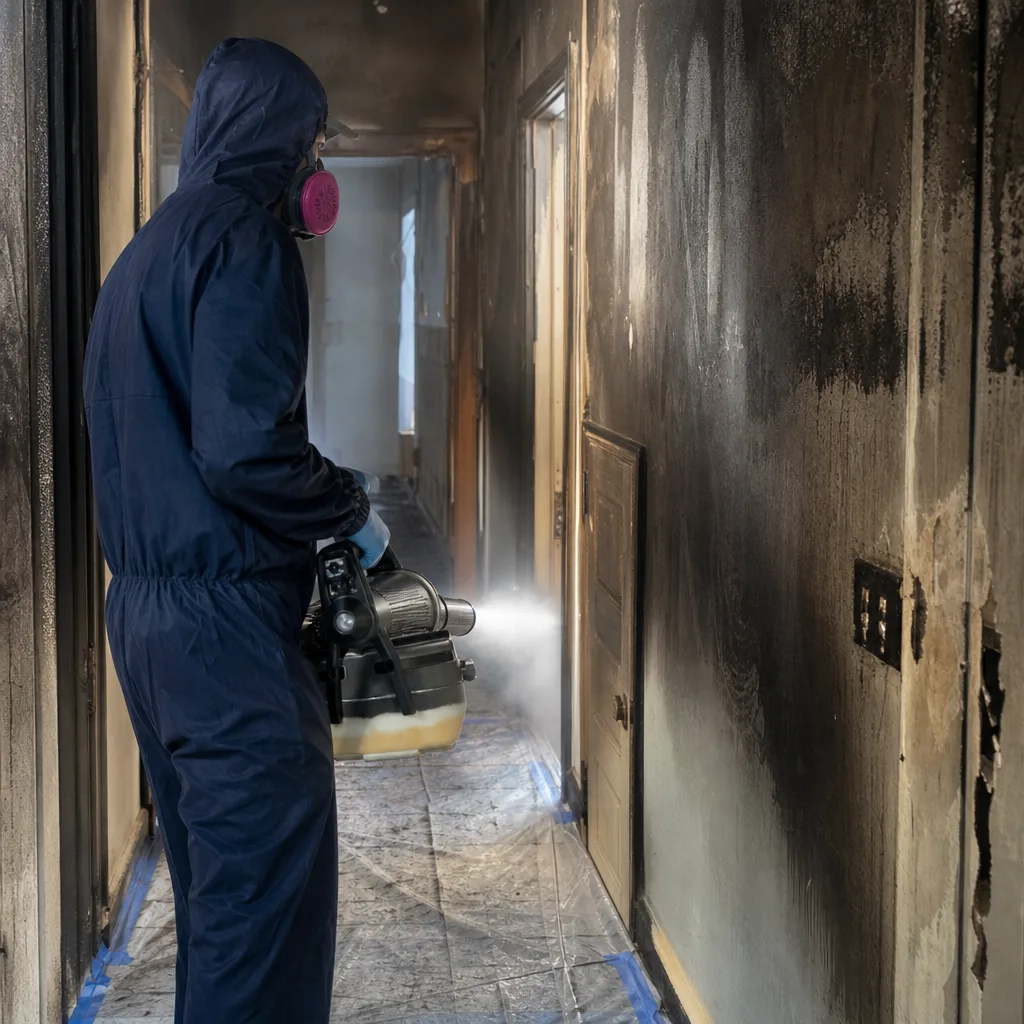
The Financial District’s building stock makes damage assessment different here than anywhere else in Manhattan. These are century-old towers: 40 Wall Street, 70 Pine, 20 Exchange Place. Art Deco engineering, converted to residential and mixed-use after 9/11. The severity model starts with water category. Category 1 is clean supply-line water. Category 2 carries contaminants. Category 3, what we see after Hudson River or East River surge, is grossly unsanitary: saltwater, sewage, harbor debris. Saltwater in particular attacks everything it touches. It corrodes cast-iron drain stacks from the outside in, eats electrical bus bars, and wicks up through limestone and terra cotta in ways freshwater never will. Moisture mapping in these buildings has to account for masonry absorption, legacy steam riser chases, and the fact that multiple sub-basements stack mechanical systems vertically. Soot residue in pre-war commercial spaces also behaves differently. The dense plaster and lath construction that makes these buildings quiet also holds smoke particles. Thermal fogging and HEPA air scrubbing become mandatory, not optional. If you’re in a converted tower with original masonry, the restoration scope is never a surface job.
Why Financial District Property Owners Choose Floodline Restoration Co.
- 45-minute response commitment. We dispatch from our New York City office directly into the Financial District. When a sub-basement is flooding, waiting two hours for a crew from Queens changes the entire restoration scope.
- A live person answers at 2 a.m. Always. You tell us what’s happening; we tell you who’s coming and when. No triage inbox, no callback queue.
- IICRC-certified crews. Our technicians carry WRT, FSRT, and AMRT certifications. They’ve worked saltwater-inundated switchgear rooms near 70 Pine. They know what category 3 water means inside a 1929 sub-basement.
- Free visual inspection. No charge to assess the loss, map the moisture, and give you a written scope. You see exactly what we see before any work is authorized.
- Direct insurance billing. We work with your carrier directly, with line-item documentation from hour one. You’re not the messenger between us and an adjuster.
- One crew from extraction to reconstruction. The same team that runs the Dri-Eaz dehumidifiers on day one handles the drywall rebuild on day twenty. No mid-job handoff, no inherited subcontractor.
Our Commercial Restoration Process
Inspection & Assessment
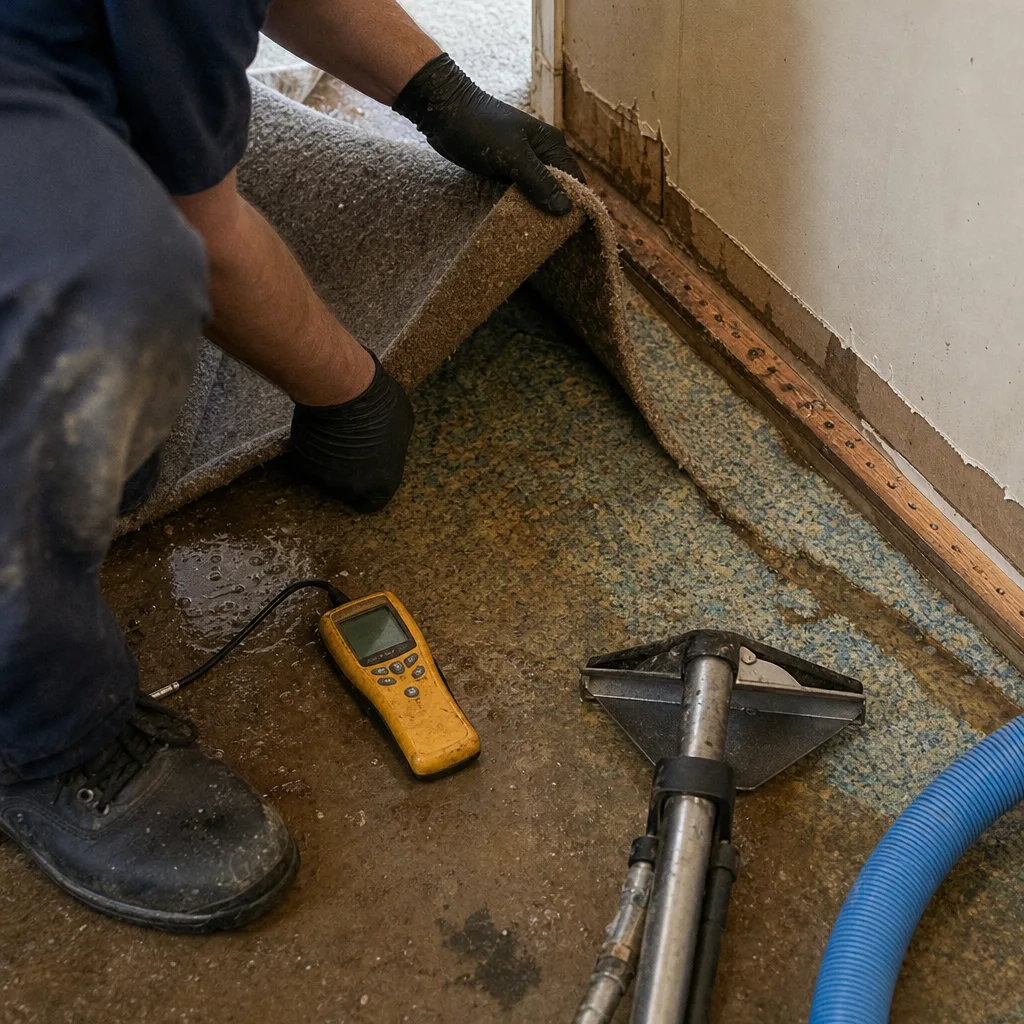
We arrive, walk every affected space, and build a moisture map using thermal imaging and hygrometers. In Financial District buildings, this includes tracing water migration through masonry walls and down through stacked sub-basements. You get a written scope before any work begins.
Extraction & Stabilization
Submersible pumps and truck-mounted extractors pull standing water fast. If the building’s switchgear is down, we bring portable power generation to run equipment. The goal is stopping active water migration within the first visit.
Drying & Dehumidification
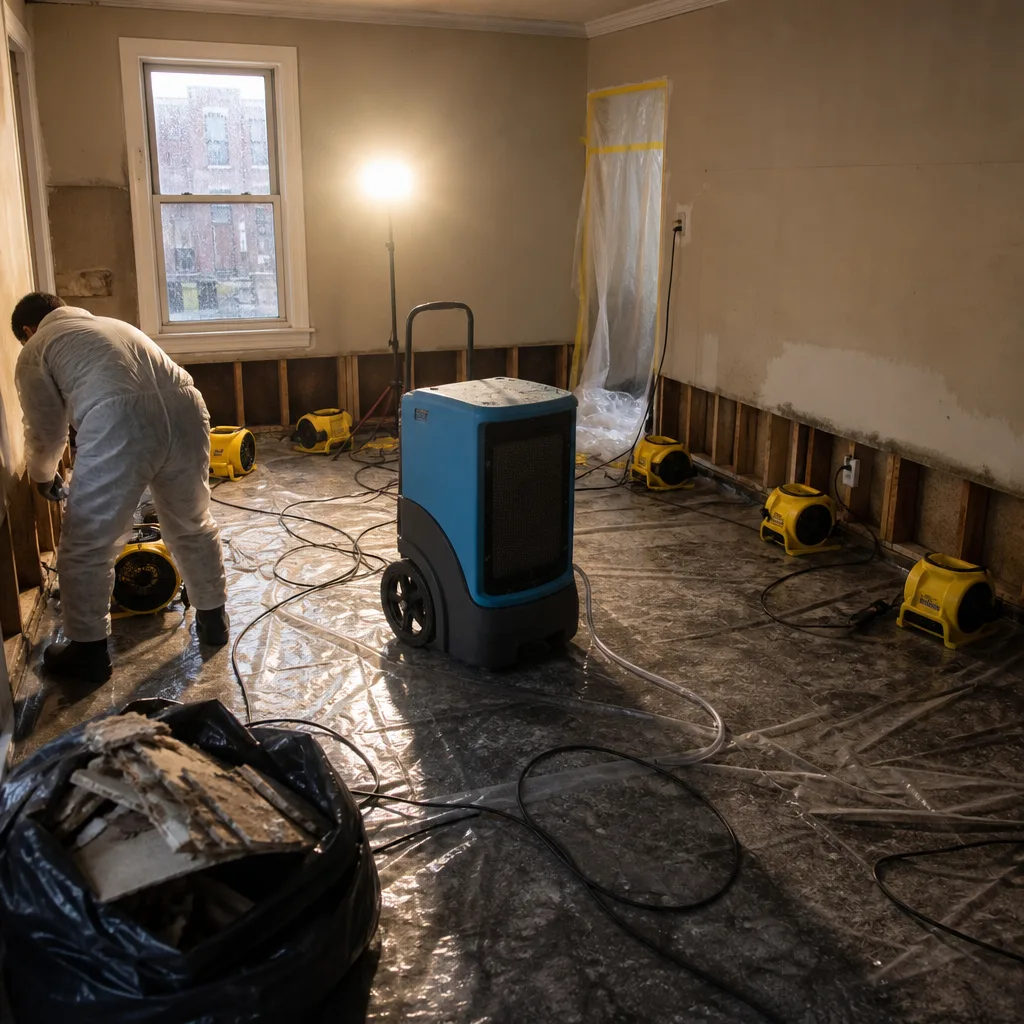
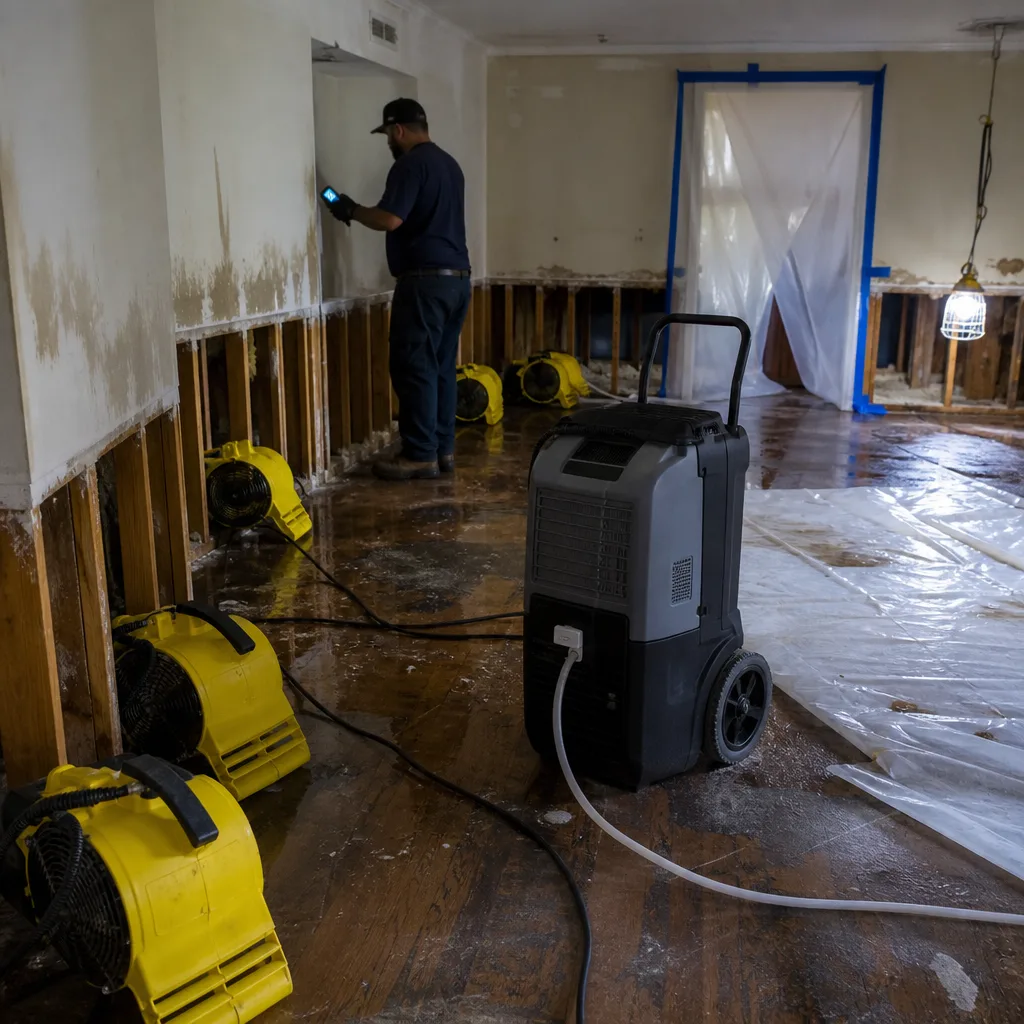
We set Dri-Eaz dehumidifiers and XPOWER air movers to a calculated drying plan. Daily readings are logged until the dry standard is met. That log goes to you and your carrier. In saltwater events, we account for elevated humidity trapped in masonry and plaster, which extends drying timelines.
Cleaning & Sanitization
Category 3 water requires antimicrobial treatment on every affected surface, not just the visible ones. We clean cast-iron stacks, sanitize mechanical rooms, and where necessary apply corrosion inhibitors to exposed steel before rebuilding encloses it.
Specialty Treatment
Saltwater intrusion demands corrosion control on switchgear, bus bars, and structural steel. Financial District Fire & Smoke Damage Restoration for soot removal in pre-war spaces uses dry sponge cleaning on plaster, thermal fogging for odor, and HEPA air scrubbing until clearance testing passes.
Repairs & Restoration
We rebuild what needs rebuilding: drywall, flooring, electrical, mechanical rooms, tenant spaces. The same crew that did the extraction does the finish work. The job ends with the 90-Day Done Right Promise in writing.
Need Emergency Commercial Restoration in Financial District Now?
Crews minutes away, answering live 24 hours a day. The sooner we start, the less it costs.
Working With Your Insurance Company
Insurance claims in the Financial District carry a complication most property owners don’t anticipate. After a flood, your carrier may hold payout until an elevation certificate is produced. NYC Local Law compliance reviews now trigger on many post-Sandy flood restorations in this neighborhood. We prepare for that from the first hour. Our documentation includes photos of all damage room by room, moisture readings and drying logs from day one, and a detailed line-item scope of work. We speak directly with your adjuster, so you’re not translating technical findings into insurance language. For commercial claims involving business interruption, we document the timeline of every hour of downtime, because that’s what your loss-of-income claim depends on. Curt Bowman built Floodline Restoration Co. on the principle that the homeowner or building owner should never play messenger. We bill your carrier directly.
What We Provide Your Insurer
- Thorough documentation of the loss
- Photos of all damage, room by room
- Moisture readings and drying logs
- A detailed, line-item scope of work
- Direct coordination with your carrier
Built for Financial District’s Loss Calendar
The Financial District’s loss calendar follows the water. January and February bring deep freezes that burst supply lines in aging risers, flooding converted floors from the inside out. March and April are nor’easter season: harbor surge pushed up Water Street and into below-grade retail spaces, with little natural barrier between the Hudson, the East River, and the street grid. Summer thunderstorms overwhelm century-old storm drains in minutes, sending flash water into sub-basements that were never designed for that volume. September and October are when Storm & Disaster Restoration - Financial District crews see the tropics’ turn. Every one of these follows the same rule: the sooner extraction starts, the smaller the restoration scope. We run the same calendar every year, and we dispatch to it. When a building engineer near Broad Street calls about water in the mechanical room, our crew is already staged to respond.
Commercial Restoration Across Financial District’s Neighborhoods
The Financial District runs from Chambers Street south to Battery Park, between West Street and the FDR Drive, and the restoration profile shifts block by block. Along Wall Street and Broad Street, the pre-war commercial towers dominate; sub-basement switchgear and elevator pits are the recurring loss points. Near the South Street Seaport, East River surge hits ground-floor retail and restaurant spaces hardest, with seawater coming up through floor drains before it ever breaches a doorway. Battery Park City, built on landfill from the original World Trade Center excavation, sits at some of the lowest elevations in the district; when harbor surge tops the bulkheads, below-grade parking and mechanical spaces flood from underneath. The converted Art Deco and pre-war towers clustered around Exchange Place and Pine Street carry legacy steam risers and cast-iron drains that fail from corrosion even without a storm event. A pipe letting go on the 25th floor of a Pine Street conversion sends Category 2 water down through two dozen units before it pools in the lobby. We know the building types, the failure patterns, and the fastest route from our dispatch point to each block.
Specialized Commercial Restoration Services We Offer in Financial District
Office & Retail Restoration
Water or fire damage in a Financial District office means lost billable hours and lost retail foot traffic by the block. We prioritize tenant spaces for rapid reopen: extraction, drying, and sanitization moves on a schedule that respects your lease obligations and your payroll. Document and IT equipment recovery is part of the scope, not an afterthought.
Multi-Unit & HOA Restoration
Converted towers and condo buildings in the Financial District carry shared systems: one burst riser affects forty units. We coordinate with property managers and HOA boards directly, staging containment floor by floor so occupied units stay livable while work proceeds above and below. This is Commercial Restoration at its most logistically complex, and it’s where our single-crew model shows its value.
Industrial Facility Cleanup
Printing plants, data closets, telecom rooms, and the mechanical underbelly of older Financial District buildings all fall into this category. We handle Category 3 water in telecom vaults, soot residue on sensitive equipment, and the specialized cleaning that industrial spaces demand before systems can be re-energized safely.
Large-Loss Response
A loss that shuts down a 40-story building or a block of retail stores on Broadway is a large-loss event. We stage equipment before the site is fully accessible, bring portable power generation when the building’s own switchgear is compromised, and run parallel drying crews across multiple floors simultaneously. Large-loss restoration is a logistics operation as much as a technical one, and we run it with one command structure.
Business Interruption Minimization
Every day a Financial District business is closed is revenue that never comes back. We sequence work to reopen revenue-generating spaces first: storefront, trading floor, restaurant dining room, whatever generates income. Documentation of the interruption timeline is built into the scope so your business-interruption claim is airtight. This is the service where speed compounds.
Document & Inventory Recovery
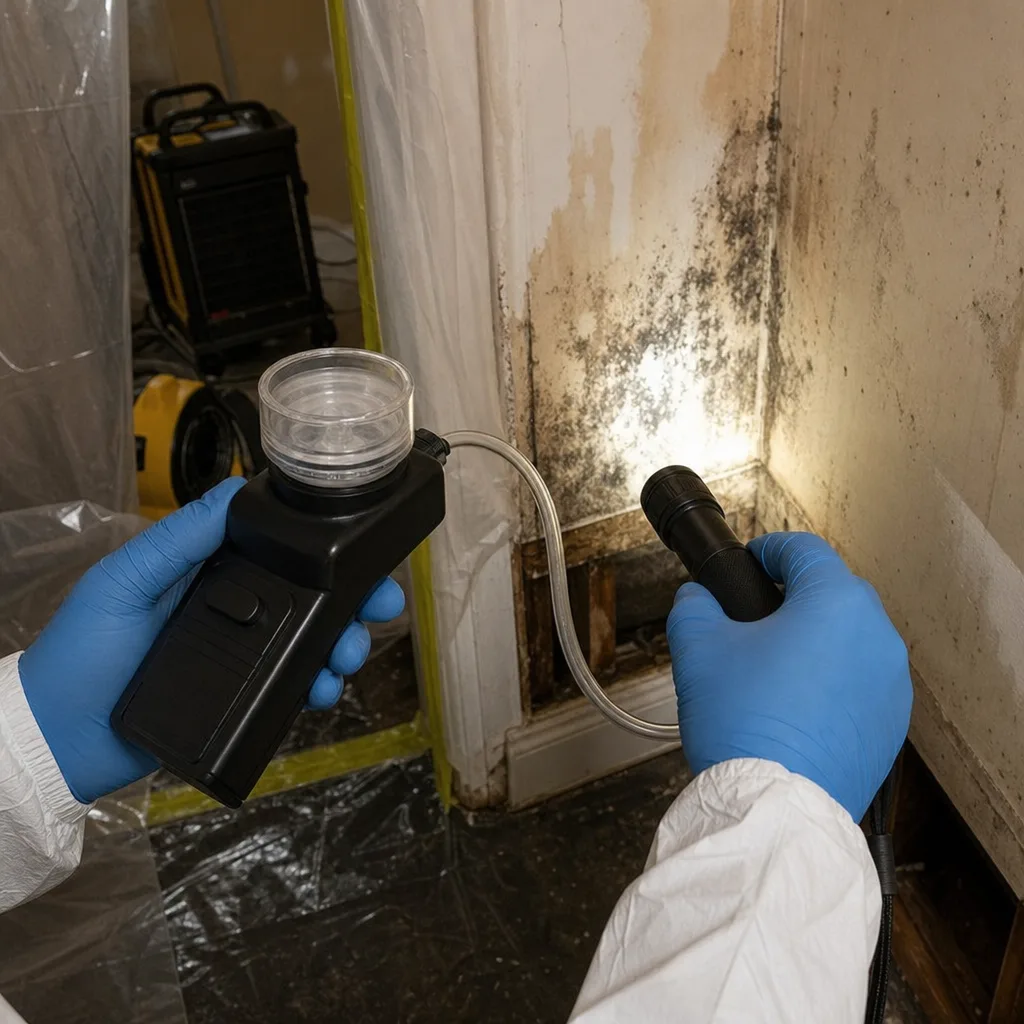
Legal files, financial records, client documents: the Financial District runs on paper even in the digital age. We offer freeze-drying stabilization for water-damaged documents, controlled drying for inventory, and coordinate with your insurer on salvage valuations. Some documents can’t be replaced. We treat them accordingly.
What happens when you call
- 1
A real person answersNo phone trees - you reach a local pro.
- 2
You get an upfront price rangeHonest numbers before anyone is dispatched.
- 3
A background-checked tech heads outLicensed & insured, dispatched right away.
- 4
You approve before work beginsNothing starts until you say go.
Commercial Restoration Costs in Financial District, NY
A Category 1 water extraction and drying job in a Financial District retail space typically runs $3,500 to $9,000 depending on square footage and equipment days. Category 3 saltwater jobs in sub-basements or mechanical rooms start around $12,000 and routinely exceed $45,000 when switchgear replacement, antimicrobial treatment, and masonry drying are factored in. Fire and smoke restoration in a converted pre-war office runs $18,000 to $60,000 depending on soot load, plaster condition, and how far smoke traveled through shared riser chases. Business interruption and document recovery add cost but carry their own claim category with most carriers. What moves the price: building age, number of sub-basements involved, presence of legacy steam systems, and whether portable power generation is required. The free inspection is how you get a firm line-item scope instead of a range. Call (640) 500-3278 and we’ll walk the building with you, no charge.
We Also Serve Cities Near Financial District
Our Financial District response area extends to the surrounding blocks and boroughs where the same building types and loss patterns appear. We serve Commercial Restoration in Financial District clients plus property owners in Washington Square, Lower Manhattan, Midtown West, and Midtown Manhattan. Same crews, same 45-minute commitment, same 90-Day Done Right Promise.
Serving Financial District, NY - Our Local Coverage Area
We’re based in the Financial District area and know this community well. Use the map below to see our service coverage - if you’re nearby, we can almost certainly help.
Financial District Commercial Restoration Questions, Answered
How does saltwater intrusion in the Financial District differ from freshwater flood damage in restoration scope of work?
Saltwater intrusion in the Financial District demands corrosion control on switchgear, structural steel, and cast-iron systems that freshwater damage never does, because Hudson River and East River surge leaves chloride deposits that continue eating metal long after the water is gone. Our scope includes antimicrobial treatment, chloride flushing on electrical bus bars, and corrosion inhibitor application before any rebuild encloses the steel. A freshwater job without those steps is a complete scope; a saltwater job without them is a future catastrophic failure.
Why do many Financial District buildings need portable power before water extraction can even start?
Original 1920s and 1930s engineers sited emergency generators and primary switchgear in the lowest sub-basements, never anticipating storm surge, so when saltwater floods those spaces it wipes out the very power needed to run remediation equipment. We bring portable power generation to run our Dri-Eaz dehumidifiers and XPOWER air movers, then execute extraction and antimicrobial treatment on the compromised electrical systems. This sequencing is standard flood-job procedure in the Financial District and almost nowhere else in Manhattan.
Do we need an elevation certificate before restoration can be completed in the Financial District after a flood?
Yes, in many post-Sandy flood restoration cases in the Financial District, an elevation certificate is required before insurance payouts are finalized, and NYC Local Law compliance reviews now trigger on flood-affected buildings that fall within updated FEMA flood zones. We coordinate with surveyors and your carrier to get the certificate filed without stalling the drying timeline. Anticipating that requirement in the pre-loss scope keeps restoration moving while the paperwork catches up.
How do legacy steam risers and cast-iron drains complicate drying in older Financial District buildings?
Legacy steam risers and cast-iron drain stacks in converted pre-war towers rust through from the inside, releasing contaminated water into units and creating hidden moisture pathways that standard drying plans miss. Our moisture mapping traces those chases floor by floor, and our drying plan includes daily readings inside riser walls and below-floor mechanical spaces. If we dry only the visible surfaces, the stack keeps weeping into the drywall for weeks.
When is it better to retrofit old commercial building systems rather than repair them after a flood in the Financial District?
When a cast-iron drain stack has sections that are visibly graphitized, or switchgear shows pitting on bus bars and breaker contacts, repair becomes a temporary patch on a system that will fail again. Retrofit to modern PVC or coated steel, and replacement of compromised electrical components, is often cheaper over five years than repeated restoration work. We give you an honest comparison in writing before any rebuild begins, and the 90-Day Done Right Promise covers whichever path you choose.
How fast can you actually get a crew to the Financial District?
We commit to 45 minutes from your call to our truck pulling up at your building, assuming our dispatch point in the New York City office is clear of the Holland Tunnel and West Street traffic. Night calls are often faster. A live person answers (640) 500-3278 and confirms the ETA while you’re still on the phone.
Will my insurance cover commercial restoration in the Financial District?
Most commercial policies in the Financial District cover water, fire, and storm restoration, but saltwater surge coverage depends on whether you carry a separate flood policy and whether your building’s elevation certificate is current. We document everything from hour one and coordinate directly with your adjuster so the claim moves on facts, not debates. Call (640) 500-3278 and we’ll review your policy’s restoration coverage with you before you commit to anything.
What should I do in the first 30 minutes after water or fire damage in my Financial District building?
Call (640) 500-3278 first. Then, if it’s safe, shut off power to affected areas at the breaker; if you can’t reach the breaker safely, don’t try. Move documents and electronics away from water or soot exposure if you can without entering standing water. Do not turn on HVAC systems, which spread soot and aerosolized contaminants. Then stay clear and wait for our crew. The first 30 minutes of the right actions save thousands in restoration scope.
Written by Curt Bowman, Owner at Floodline Restoration Co., serving the Financial District with full-cycle commercial restoration, saltwater intrusion remediation, and the 90-Day Done Right Promise.