

Free visual inspection and a written scope of work before any mitigation begins - photos, moisture readings, and drying logs go in your claim file
The scope we write is the scope we bill. Anything new gets shown to you, in writing, before we touch it.
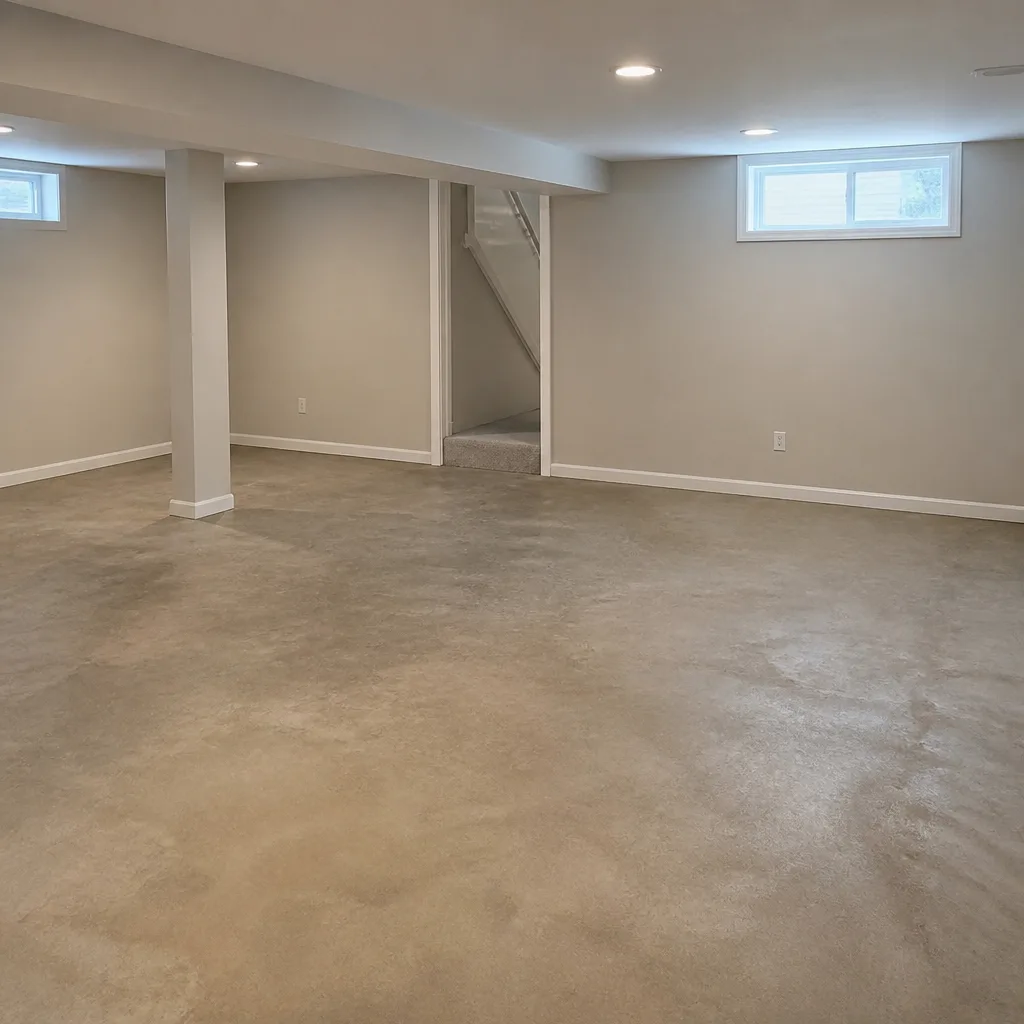

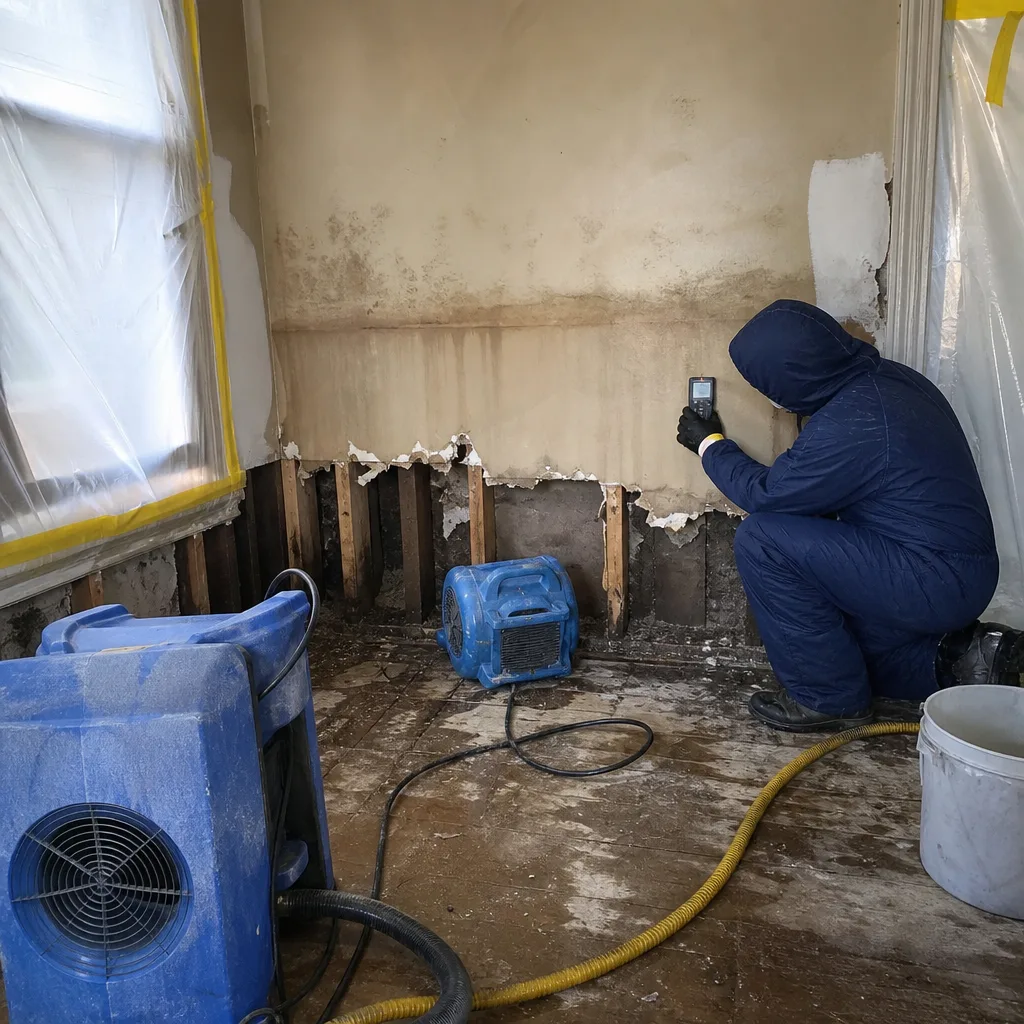 Before
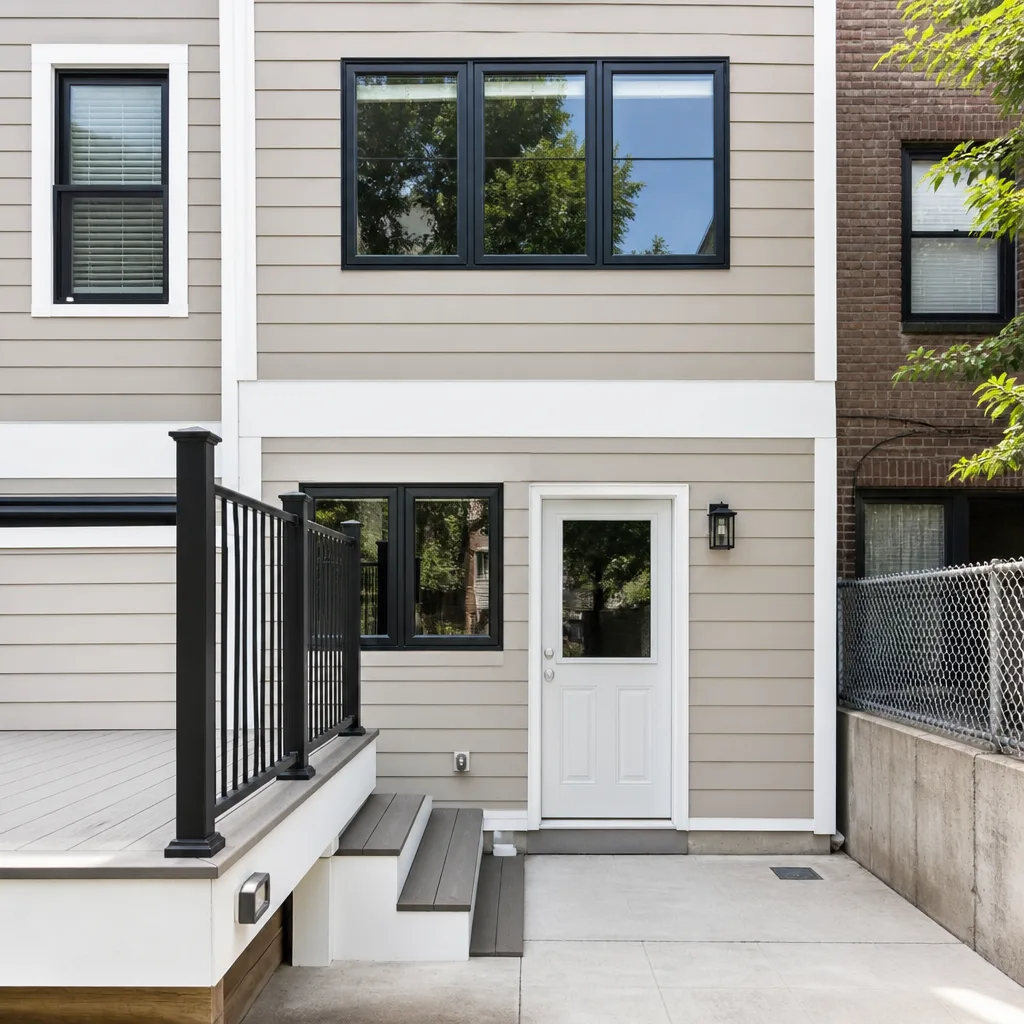 After
After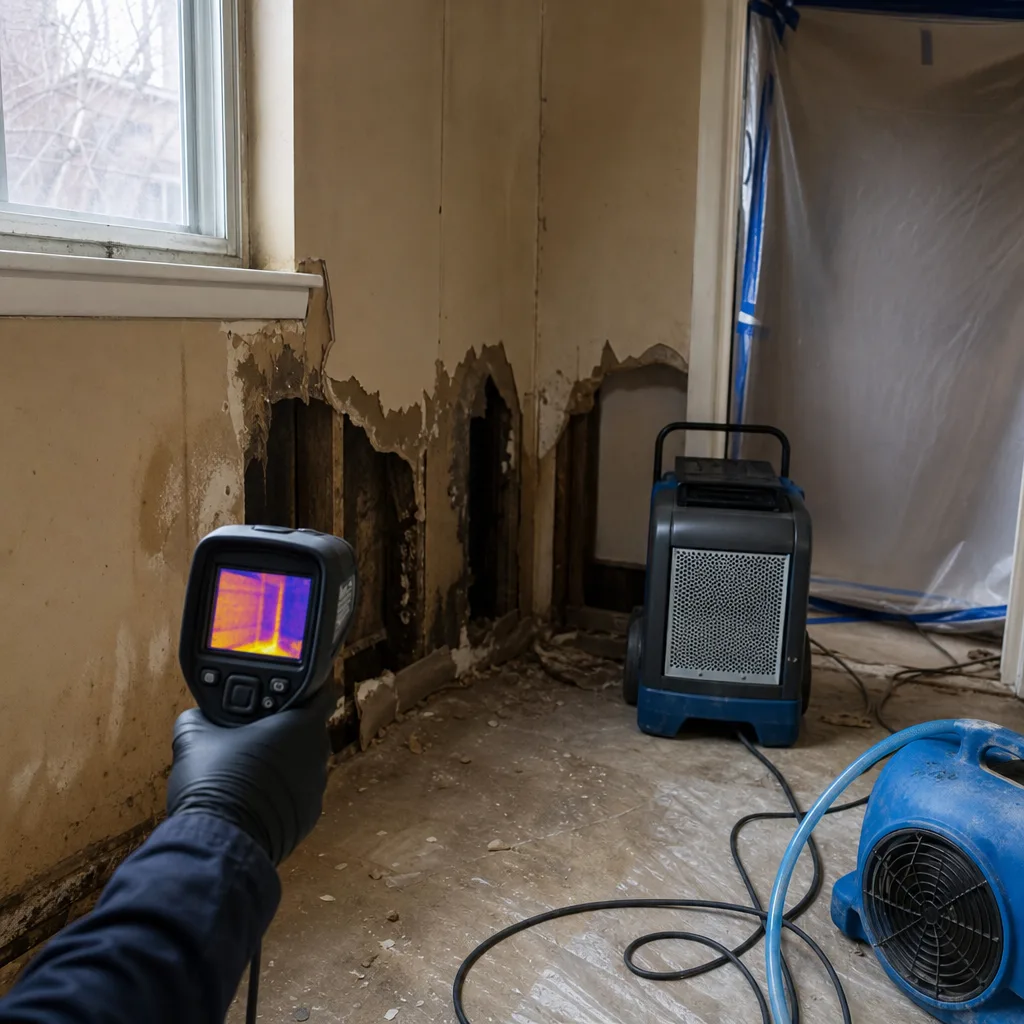 Before
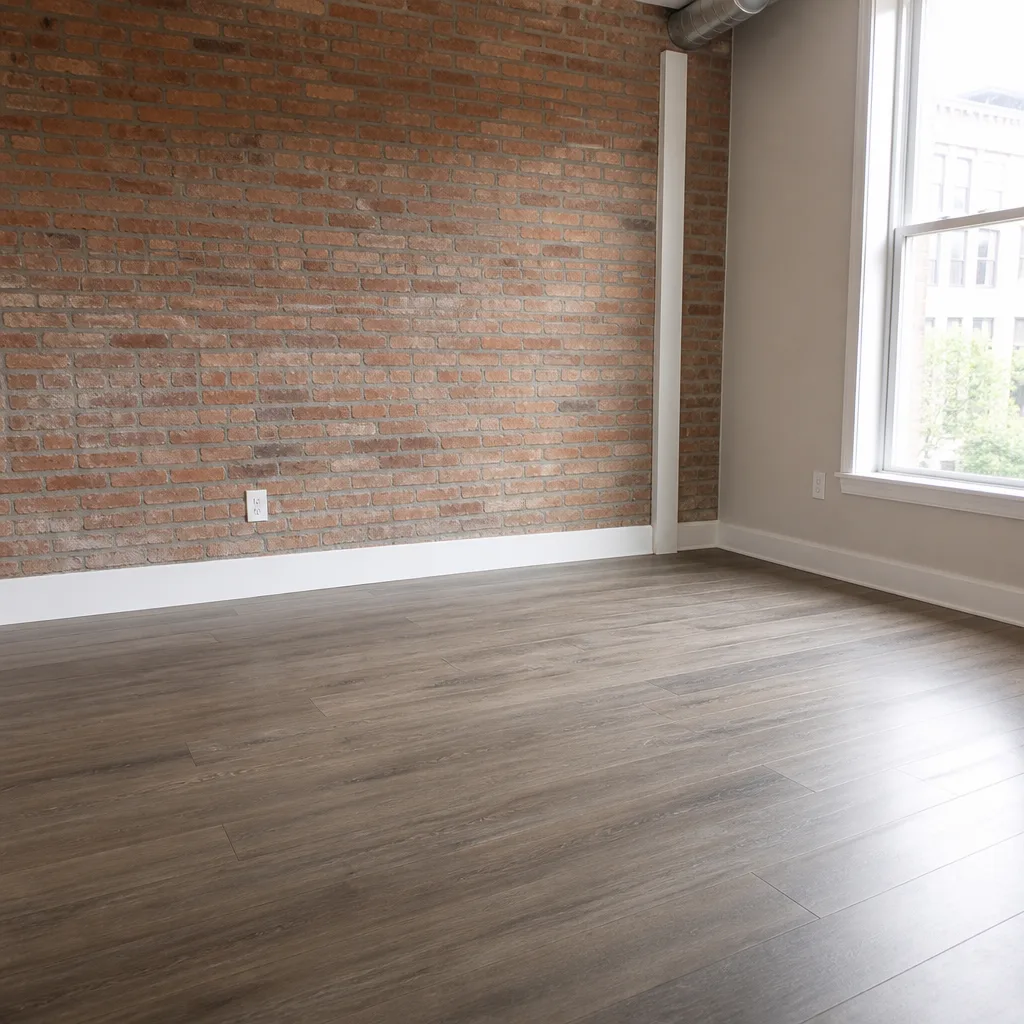 After
After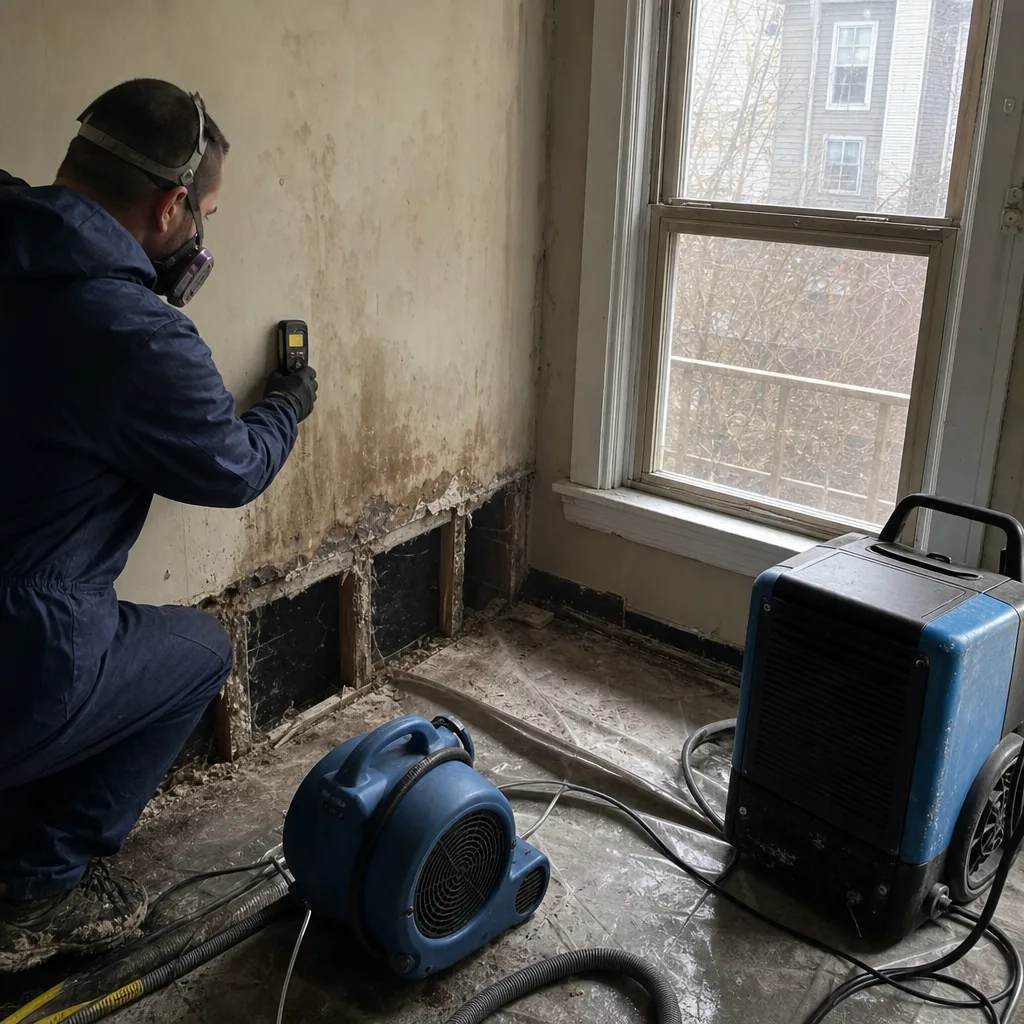 Before
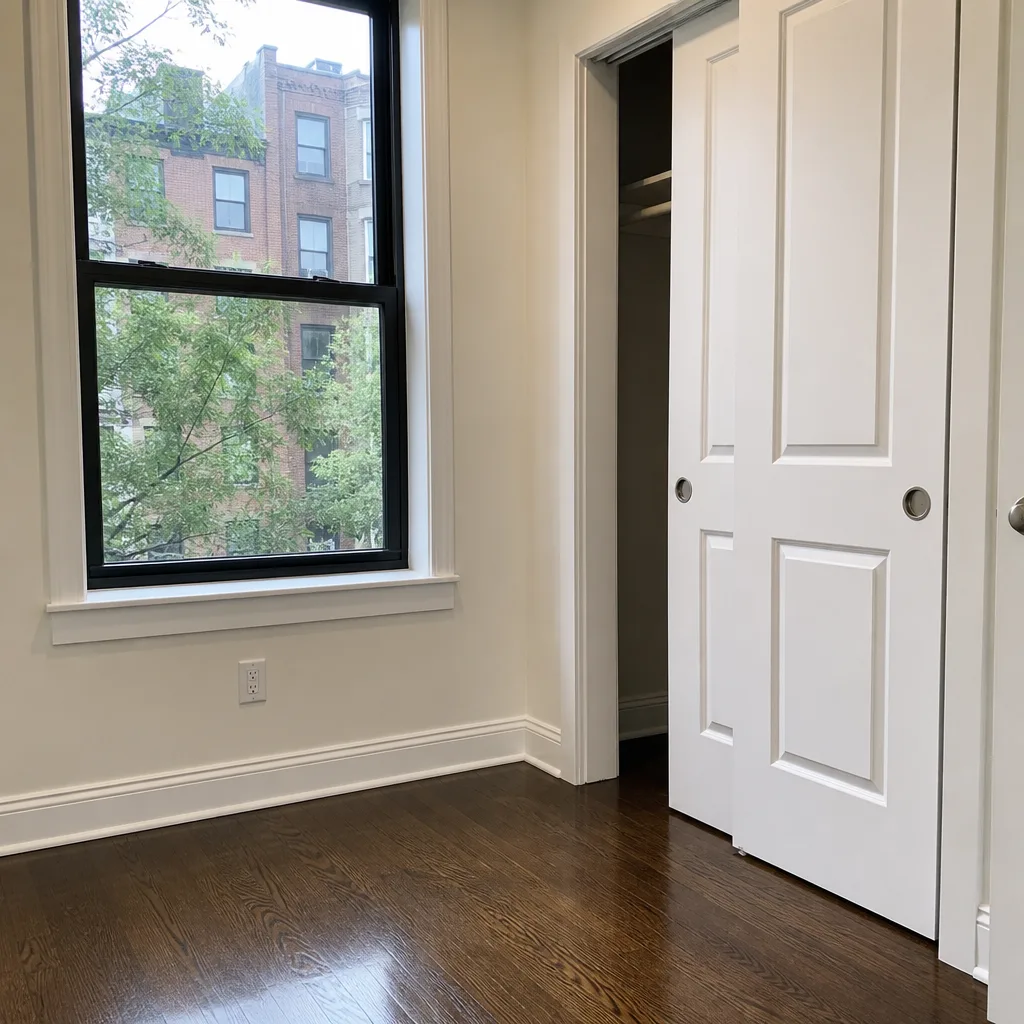 After
After24/7 Emergency Storm & Disaster Restoration in Murray Hill
Storm damage in Murray Hill doesn’t wait for business hours, and neither do we. Floodline Restoration Co. answers the phone with a live dispatcher at any hour, every day of the year, and we dispatch certified crews into Murray Hill within 45 minutes of your call. If wind has torn open a window on East 39th Street or water is rising in a basement off 2nd Avenue, call (640) 500-3278 right now. The first hour after storm damage determines how much can be saved: standing water saturates plaster and subflooring fast, and wind-driven rain through a broken window or failed roof membrane spreads damage into adjacent units within minutes. Our Storm & Disaster Restoration team arrives with moisture meters, thermal imaging, and extraction equipment already on the truck. We start the stabilization work on that first visit, because the line the water left is where we start.
Understanding Storm & Disaster Restoration Severity in Murray Hill Properties
Storm damage in Murray Hill is rarely a single-layer problem, and the severity of what you’re facing depends on building type, water class, and how long moisture has been moving through the structure. We classify water by category: Category 1 is clean water from a broken supply line or rain intrusion through a fresh opening. Category 2 carries significant contamination, which is what happens when water passes through a pre-war ceiling cavity, picks up decades of plaster dust and cast-iron pipe corrosion, and then runs down through five stacked units. Category 3, sometimes called black water, is what you get when the East River-adjacent neighborhoods see heavy rain overwhelm aging combined sewers and groundwater pushes up through basement floor drains along 2nd and 3rd Avenues. That water carries sewage and requires full containment protocols, not just extraction. Wind damage adds its own severity scale: a door that’s still on its hinges but has lost its wind rating is a different problem than a door that’s been blown completely off its track. Moisture mapping tells us what we’re actually dealing with. Plaster-and-lath walls in Murray Hill’s 1910s-to-1940s buildings hold moisture much longer than modern drywall, and structural drying has to be measured, logged, and held until the dry standard is met, not just until the surface feels dry.
Why Murray Hill Property Owners Choose Floodline Restoration Co.
- 45-minute response commitment in Murray Hill: Our crews stage in the area and travel light. We tell you when we’ll arrive, and we’ll be there when we say.
- A real person answers, 24/7: No phone tree, no answering service script. A live dispatcher picks up at 2 a.m. and starts the dispatch board moving.
- IICRC-certified technicians: Our crews hold WRT, FSRT, and AMRT certifications, which means water damage, fire and smoke, and applied microbial remediation are handled to a documented standard.
- Free visual inspection with a written scope: Before any work starts, you get a written scope of work and a straight answer on what needs to happen and what can wait.
- Direct insurance billing: We bill your carrier directly and handle the adjuster conversation. You don’t play messenger between us and the insurance company.
- One team from extraction to reconstruction: The same certified crew that reads the moisture map on day one handles daily readings, hands the log to you and your carrier, and rebuilds what needs rebuilding.
Our Storm & Disaster Restoration Process
Inspection & Assessment
We arrive and walk the damage with thermal imaging and moisture meters. In a Murray Hill high-rise, that means checking not just your unit but the ceiling cavity above and the units below for moisture migration through the plaster and framing.
Extraction & Stabilization
Standing water comes out immediately using truck-mounted and portable extraction. We board up broken windows and tarp compromised roof sections the same visit, because an open penetration left overnight turns a Category 1 loss into a Category 2.
Drying & Dehumidification
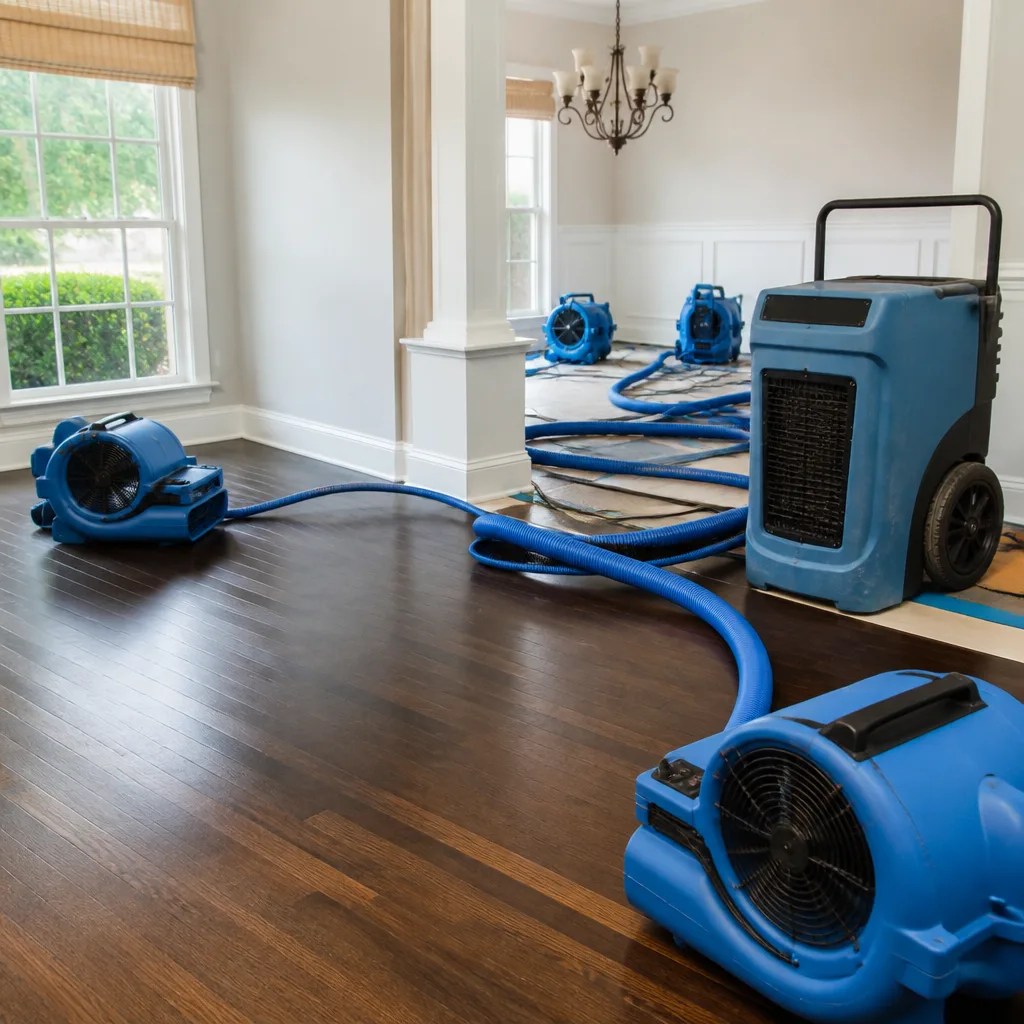
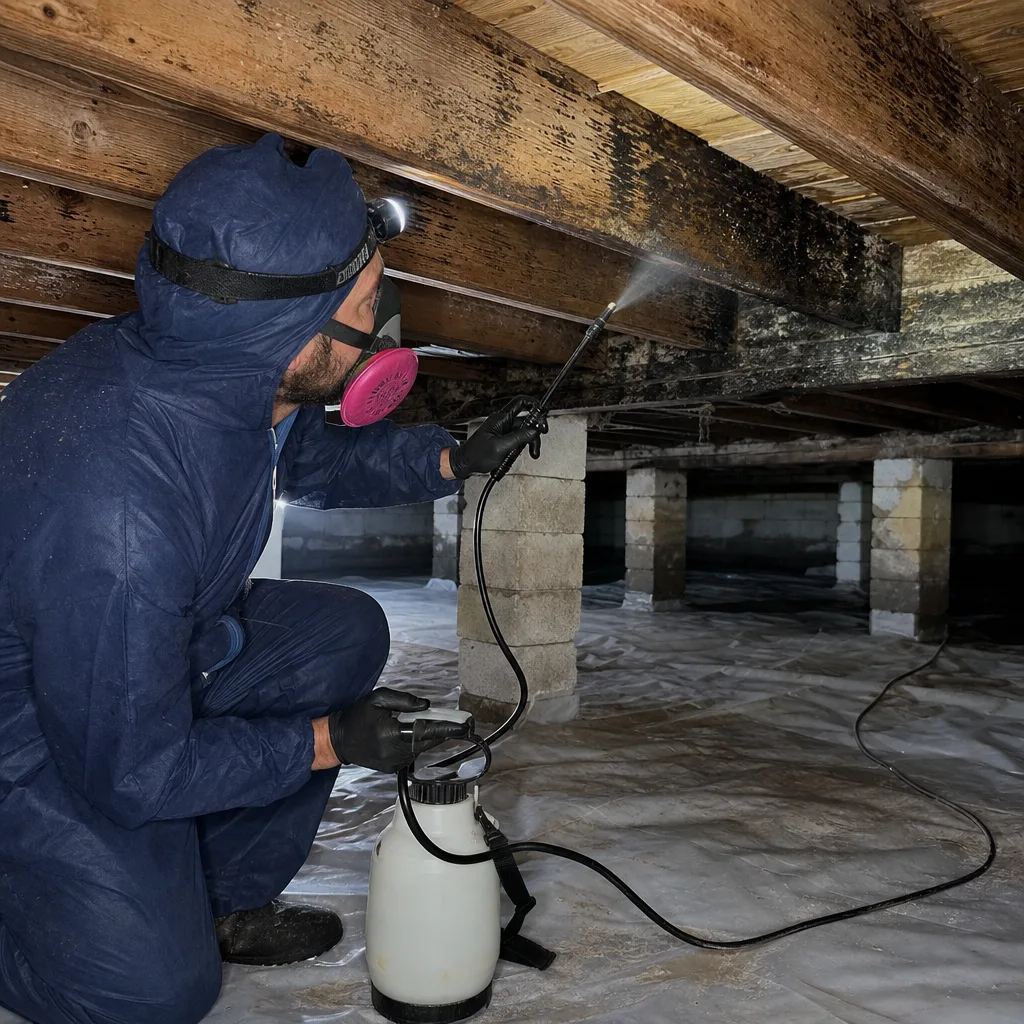
We place professional-grade Dri-Eaz and Phoenix dehumidifiers with air movers on a moisture-mapped drying plan. Plaster-and-lath walls need longer dwell times than drywall, and we log daily readings until the dry standard is reached.
Cleaning & Sanitization
After drying, we clean affected surfaces and apply antimicrobial treatment where necessary. For Category 3 water from sewer backups along 2nd and 3rd Avenues, this includes full containment, HEPA air scrubbing, and removal of contaminated materials.
Wind-Rated Door & Opening Assessment
We inspect exterior doors and windows for storm damage that compromised their wind rating. A door that flexes in high wind or a frame that has pulled away from the masonry gets documented and addressed before the next storm.
Repairs & Restoration
We rebuild what was torn out, with the same crew that did the mitigation. New drywall, refinished plaster, door replacement, trim, paint. Done right, and backed in writing.
Need Emergency Storm & Disaster Restoration in Murray Hill Now?
Crews minutes away, answering live 24 hours a day. The sooner we start, the less it costs.
Working With Your Insurance Company
Storm and disaster claims in Murray Hill move faster when the documentation is complete from the first hour. We photograph every affected room before we move anything, log moisture readings with time stamps, and write a line-item scope of work that matches the carrier’s estimating software. Then we talk to your adjuster directly. You don’t forward emails back and forth. You don’t interpret technical reports. We handle the carrier coordination and bill them directly, so your out-of-pocket cost is limited to your deductible in most covered losses. If the storm damage involves multiple units, we work with building management and each affected tenant’s carrier separately. That’s the reality of restoration in a pre-war high-rise, and we’ve been doing it long enough that it doesn’t slow us down.
What We Provide Your Insurer
- Thorough documentation of the loss
- Photos of all damage, room by room
- Moisture readings and drying logs
- A detailed, line-item scope of work
- Direct coordination with your carrier
Built for Murray Hill’s Loss Calendar
Storm damage in Murray Hill follows a rhythm that anyone who has lived here through a full year will recognize. January and February bring deep freezes that burst supply lines and split radiator pipes in pre-war buildings, sending water through plaster ceilings and down interior walls before anyone notices. March and April bring the thaw plus spring rain, which finds every cracked foundation and aging drain stack. Summer thunderstorms hit fast and hard, overwhelming the combined sewer lines that run beneath 2nd and 3rd Avenues and pushing Category 3 water up through basement floor drains and into ground-floor commercial spaces. Late summer and fall bring the remnants of tropical systems, and with them the wind damage: failed roof membranes, blown-out windows on upper floors, and exterior doors that lose their wind rating under repeated gusts. Nor’easters in November and December drive wind-driven rain horizontally into window frames and parapets, and that’s when we see the cast-iron drain stacks fail under the combined weight of rain and corrosion. Knowing what’s coming doesn’t stop the damage, but it does mean we show up prepared for the specific failure mode that month brings.
Storm & Disaster Restoration Across Murray Hill’s Neighborhoods
Murray Hill isn’t one uniform building stock. The blocks east of 3rd Avenue toward the East River hold the neighborhood’s largest concentration of mid-century concrete-frame towers, which handle wind differently than the pre-war low-rises further west. Buildings along the East 34th Street corridor near the Midtown Tunnel approach see more transient street-level flooding during heavy rain, and the lower floors need faster extraction before water migrates into elevator pits and mechanical rooms. The co-op buildings along Park Avenue and the side streets between 36th and 40th run on older drain stacks and original plumbing, where a single stack failure sends water through multiple vertically stacked units and requires coordination with building management, multiple insurance carriers, and freight-elevator access windows. Over by Bryant Park and the western edge of the neighborhood, the taller commercial-residential buildings share party walls with office space, which means water and smoke move laterally through shared wall cavities and require containment before drying begins. The Murray Hill blocks north of 39th Street toward Grand Central carry more foot traffic and more storefront glass, where wind-blown debris and water intrusion through sidewalk-level entrances are the more common storm calls.
Specialized Storm & Disaster Restoration Services We Offer in Murray Hill
Emergency Board-Up
When a window blows out on the 14th floor of a Murray Hill tower, you need it secured before rain drives through the opening and into the units below. We board and secure openings the same visit, using materials rated for high-wind exposure. For co-op and condo buildings, we coordinate with management on access and freight elevator windows before we arrive.
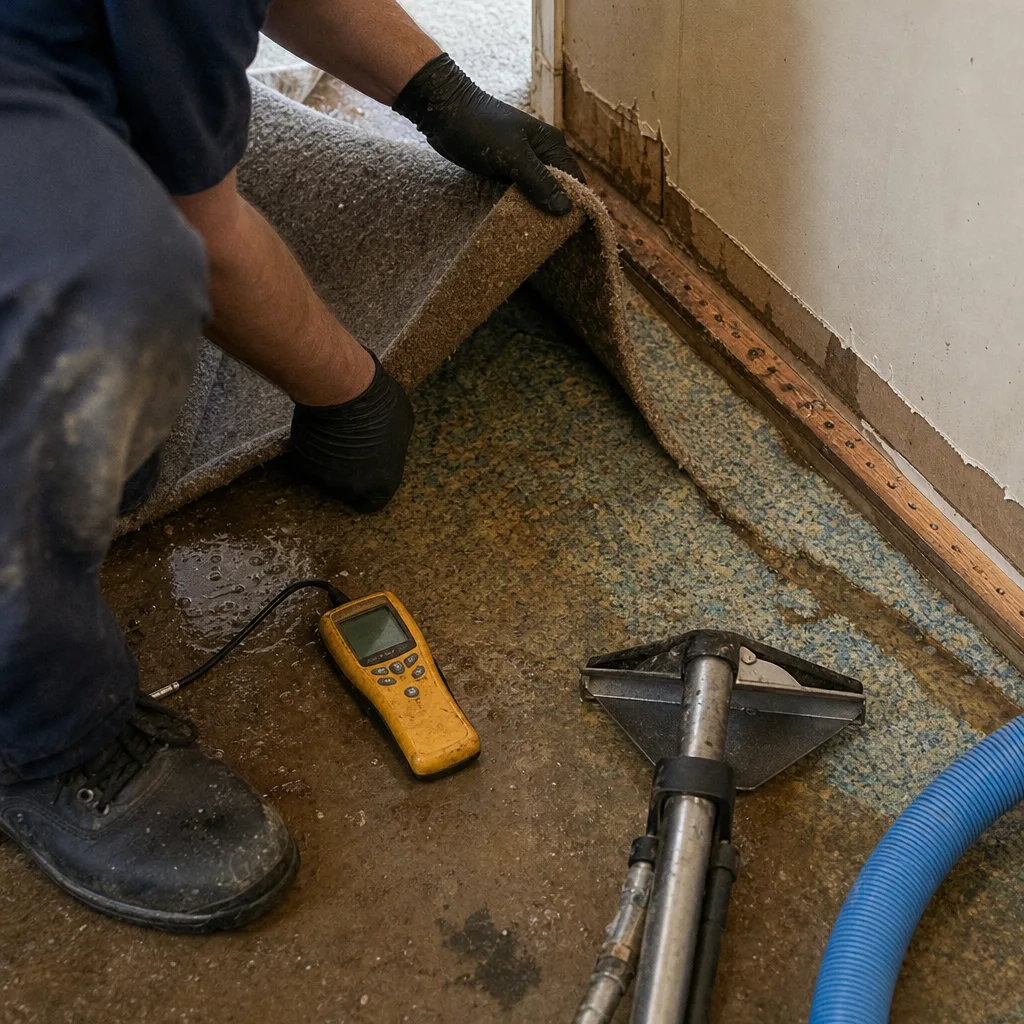
Wind Damage Repair
Wind-rated doors and windows exist for a reason in Murray Hill’s high-rises. When a door loses its wind rating, whether from a failed frame, a bent track, or a fractured glass panel, it becomes the weak point in the next storm. We inspect, document, and repair or replace exterior openings so the building envelope holds when the next nor’easter hits.
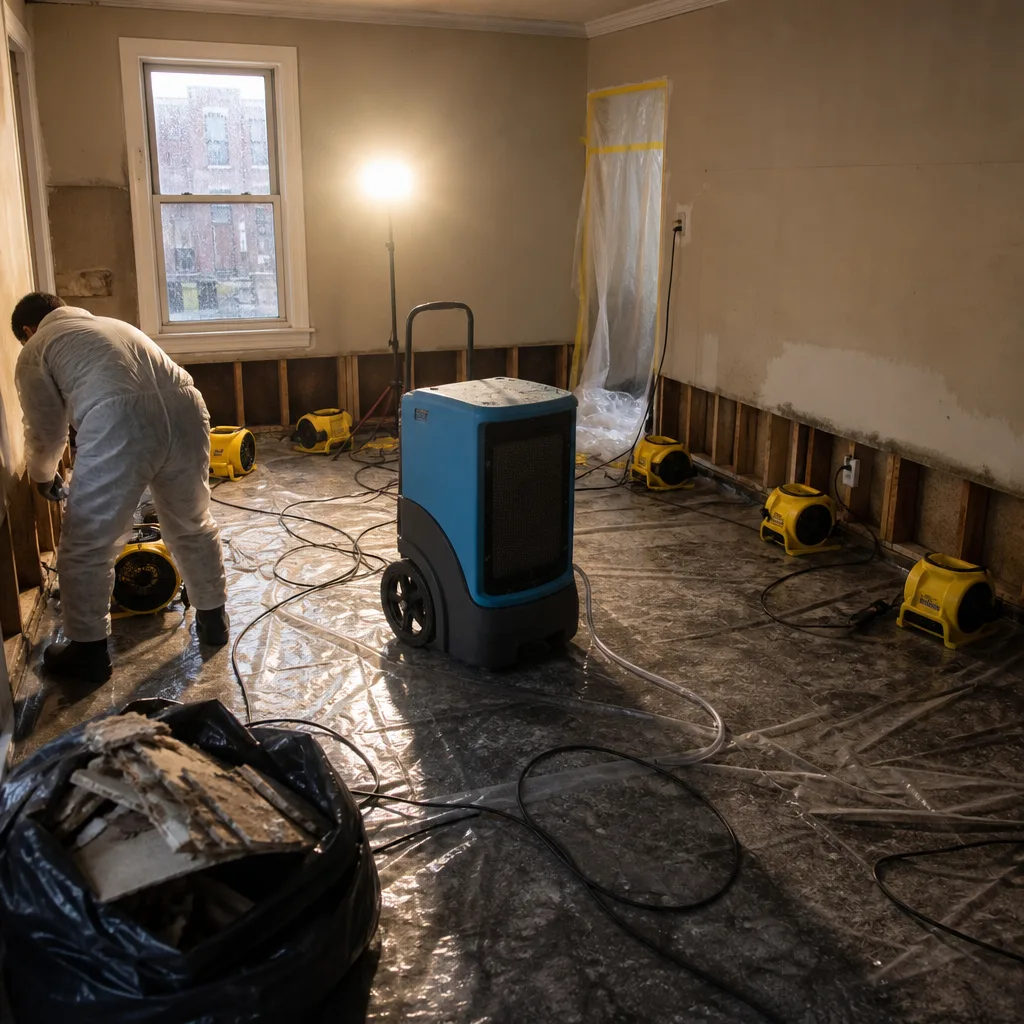
Storm Damage Cleanup
After the water is out and the opening is sealed, the cleanup begins. Plaster debris, soaked insulation, damaged drywall, and wind-blown debris all come out. In older Murray Hill buildings with lead paint under later layers, we follow containment protocols before disturbing affected surfaces.
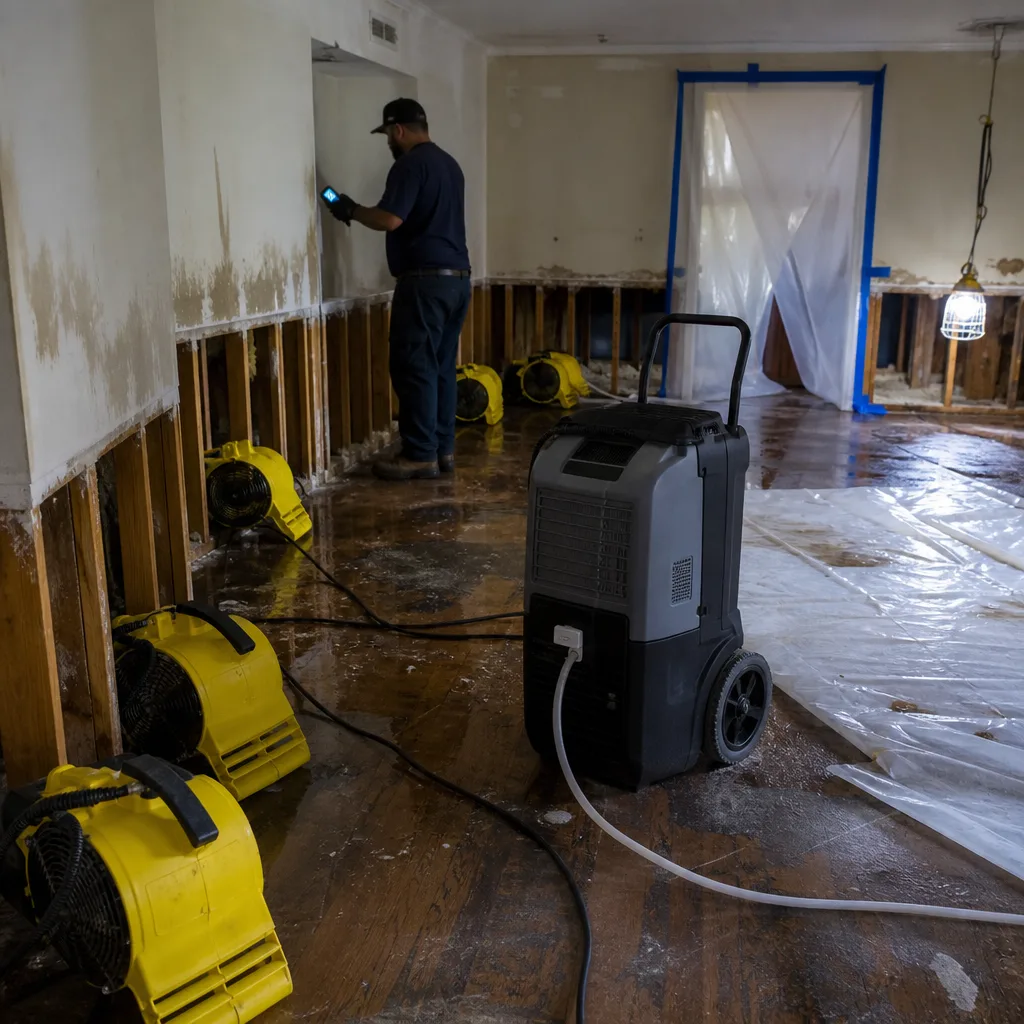
Flood Damage Restoration
Ground-floor and basement flooding along 2nd and 3rd Avenues often carries sewage. We treat it as Category 3 until testing proves otherwise: full containment, extraction, removal of contaminated materials, and structural drying with daily moisture logs until the dry standard is met.
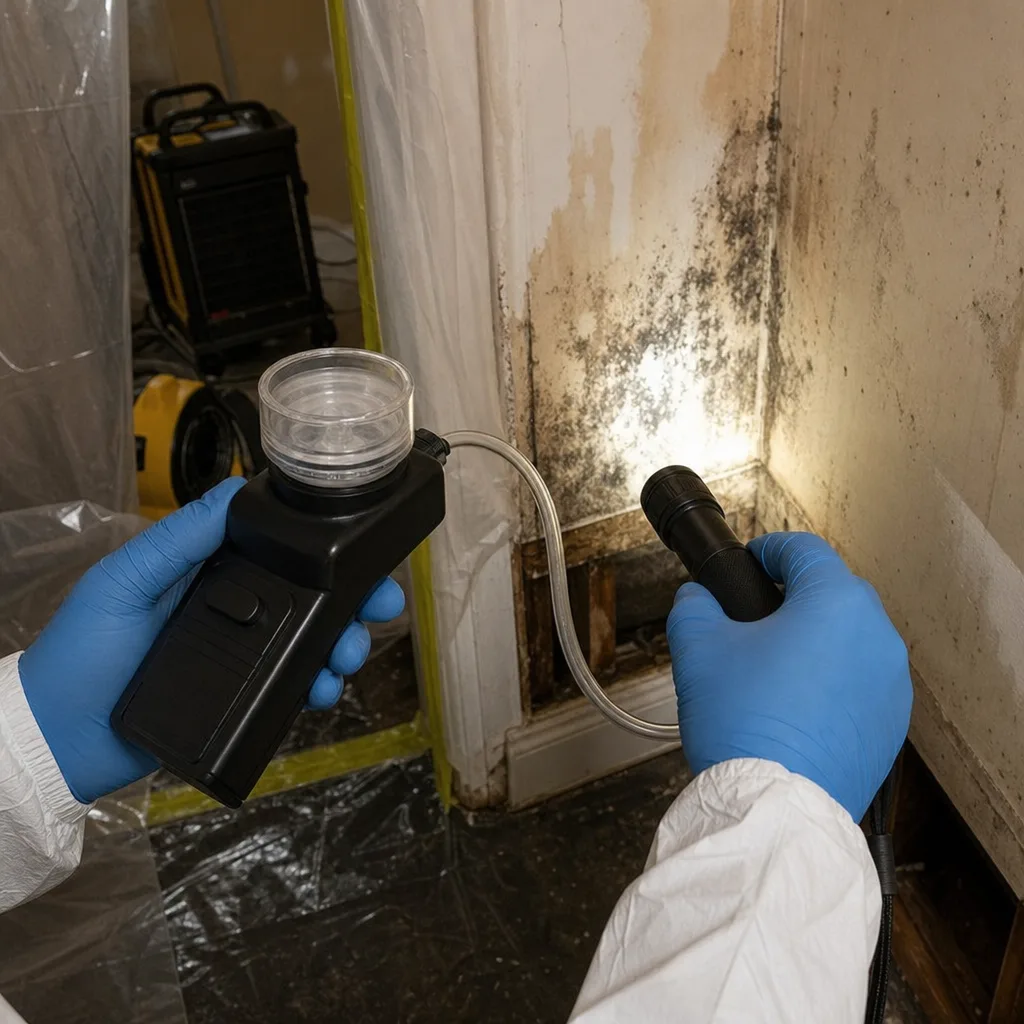
Roof Tarping
Wind-driven rain through a compromised roof membrane is a fast-moving problem in a building with shared roof space. We tarp the affected area the same visit, secured against the wind loads that tore it open in the first place, and then scope the permanent repair.
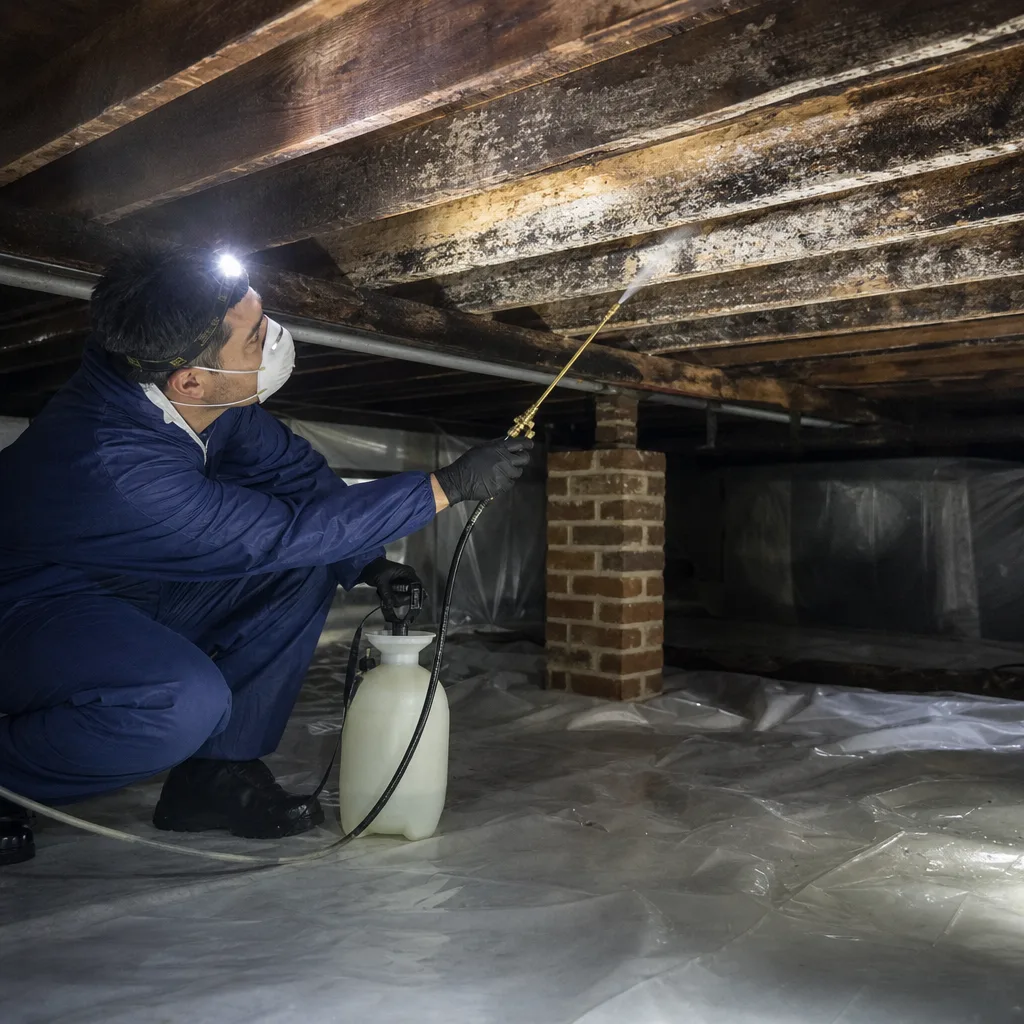
Debris Removal
Storm debris in Murray Hill is a different problem than in a suburban yard. It’s glass from blown windows on a commercial ground floor, plaster and framing from a collapsed ceiling, or wind-blown construction material from a nearby site. We remove it, document it for your carrier, and leave the building safe to occupy.
What happens when you call
- 1
A real person answersNo phone trees - you reach a local pro.
- 2
You get an upfront price rangeHonest numbers before anyone is dispatched.
- 3
A background-checked tech heads outLicensed & insured, dispatched right away.
- 4
You approve before work beginsNothing starts until you say go.
Storm & Disaster Restoration Costs in Murray Hill, NY
A typical emergency board-up in Murray Hill runs $250 to $600, depending on opening size and the floor you’re on. Roof tarping on a pre-war building runs $400 to $900 for a standard penetration. Storm damage cleanup after a single-unit water event typically falls between $1,800 and $4,500, while a multi-unit vertical stack failure involving plaster-and-lath drying across five or more units can run $12,000 to $35,000 before reconstruction. Wind damage repair on an exterior door runs $800 to $2,400 depending on whether we’re repairing the frame and rehanging the slab or replacing the entire rated assembly. Category 3 basement cleanup from a sewer backup along 2nd or 3rd Avenue typically runs $3,500 to $9,000 including containment and disposal. What moves the price is access: freight-elevator-only buildings, time-of-day restrictions on moving equipment, and the need to coordinate with building management and multiple carriers all add labor hours. The way to know your exact number is a free visual inspection and a written scope. Call (640) 500-3278 and we’ll give you a straight answer before any work starts.
We Also Serve Cities Near Murray Hill
Our crews cover the full Midtown corridor from Murray Hill south through Lower Manhattan, west into Midtown West and Midtown Manhattan, and down through Washington Square. If your building sits on the edge of the neighborhood or you manage properties across several Midtown blocks, the same dispatch board handles the call.
Murray Hill Storm & Disaster Restoration Questions, Answered
How fast can a crew reach Murray Hill after a storm?
Our commitment is 45 minutes from your call to crews on-site inside Murray Hill. We stage equipment and crews in the area, and our dispatch board tracks response times daily. In severe weather events that hit the entire neighborhood at once, response times can stretch, but you’ll always speak to a live dispatcher who knows exactly where crews are.
Does the Queens-Midtown Tunnel’s drainage perimeter affect basement moisture in Murray Hill buildings near 2nd Avenue?
It can, and it’s not something a standard building inspection will catch. The Manhattan portal sits at roughly 36th Street and 2nd Avenue, and buildings along that corridor sometimes show groundwater behavior influenced by the tunnel’s drainage perimeter. When we see persistent basement moisture or foundation seepage near that alignment, we account for it in the drying plan and in any long-term waterproofing recommendation. It’s the kind of subsurface variable that only shows up when you’ve worked enough basements in this specific neighborhood.
How do Murray Hill’s pre-war plaster walls change the drying timeline after a storm or plumbing failure?
Plaster-and-lath holds moisture significantly longer than modern drywall. In a drywall building, structural drying after a single-unit water event might run 3 to 5 days. In a pre-war Murray Hill co-op with original plaster walls, we typically log daily moisture readings for 7 to 14 days before the dry standard is met. Cutting that log short is how mold colonizes inside a wall cavity within 24 to 48 hours. We don’t cut it short.
What wind-rating code requirements apply to replacement doors on Murray Hill high-rise apartment buildings?
Murray Hill falls within a high-wind exposure zone under New York City building code, and replacement exterior doors on high-rise residential buildings must be wind-rated assemblies, not just any door that fits the opening. The specific design pressure rating depends on building height and exposure. When we repair or replace a storm-damaged door, we spec a rated door and frame that meets code for your building’s height and wind exposure, and we document it for the building’s records.
Why do Murray Hill restorations often involve multiple insurance carriers and a building management company?
Because a single plumbing failure in a pre-war stack of units creates simultaneous damage across several apartments, each of which carries its own policy. The building’s master policy covers the structure, while individual unit owners’ policies cover contents and improvements. We coordinate with building management for access and freight elevator windows, and we work directly with each affected carrier on scope and billing. You don’t play messenger between any of them.
Are basement backups along 2nd and 3rd Avenues in Murray Hill considered Category 3 water?
Until proven otherwise, yes. Heavy rain overwhelms the combined sewer infrastructure under these avenues, and what comes up through basement floor drains is a mix of stormwater and sewage. We treat it as Category 3: full containment, removal of contaminated materials, antimicrobial treatment, and clearance testing before anyone occupies the space again. It’s the standard that protects the people who live and work in that building.
Will my insurance cover storm and disaster restoration in Murray Hill?
Most standard homeowner and co-op policies cover sudden and accidental storm damage, including wind-driven rain, falling debris, and water from a failed drain stack. The exceptions tend to be long-term seepage that predates the storm and flood damage from rising groundwater, which typically requires separate flood coverage. We handle the documentation and carrier communication so your claim moves forward with a complete file. Call (640) 500-3278 and we’ll walk through what your policy covers.
What should I do in the first 30 minutes after storm damage in Murray Hill?
Shut off power to affected areas if water is present, move valuables out of the water’s path, photograph everything, and call Floodline Restoration Co. at (640) 500-3278. Don’t enter standing water that may be electrified or contaminated. Don’t try to dry plaster walls with household fans, because surface drying hides moisture still trapped in the wall cavity. The first 30 minutes set the tone for the whole claim.
Serving Murray Hill, NY - Our Local Coverage Area
We’re based in the Murray Hill area and know this community well. Use the map below to see our service coverage - if you’re nearby, we can almost certainly help.
Storm & Disaster Restoration in Murray Hill: The Specifics That Matter
The Queens-Midtown Tunnel runs directly beneath this neighborhood, and that’s not a trivia fact. Its Manhattan portal at roughly 36th Street and 2nd Avenue means the drainage perimeter around the tunnel approach changes how groundwater behaves in a narrow band of buildings along that alignment. Restoration contractors working basement moisture or foundation seepage in that corridor sometimes find groundwater conditions that wouldn’t appear on any standard inspection report, and we’ve learned to look for it specifically in buildings between 35th and 37th Streets east of Park Avenue. Pair that with the cast-iron drain stacks original to the 1910s-through-1940s buildings here, and you have a storm damage profile that a generic restoration page never covers. After a nor’easter drove wind-driven rain into a pre-war co-op on East 37th Street, our crew found the original cast-iron drain stack had failed, sending Category 2 water through five stacked units. We coordinated with building management and three insurance carriers to run structural drying with Dri-Eaz dehumidifiers and air movers inside a freight-elevator-only window, while moisture mapping on the plaster-and-lath walls showed readings we had to monitor for an extra four days compared to drywall. That’s the kind of job this neighborhood produces, and it’s the kind of job we’re built for. We stand behind the work with the 90-Day Done Right Promise: if it’s not done right, we make it right, in writing, no arguing.
Written by Curt Bowman, Owner at Floodline Restoration Co., serving the New York City metro area since 2010.