
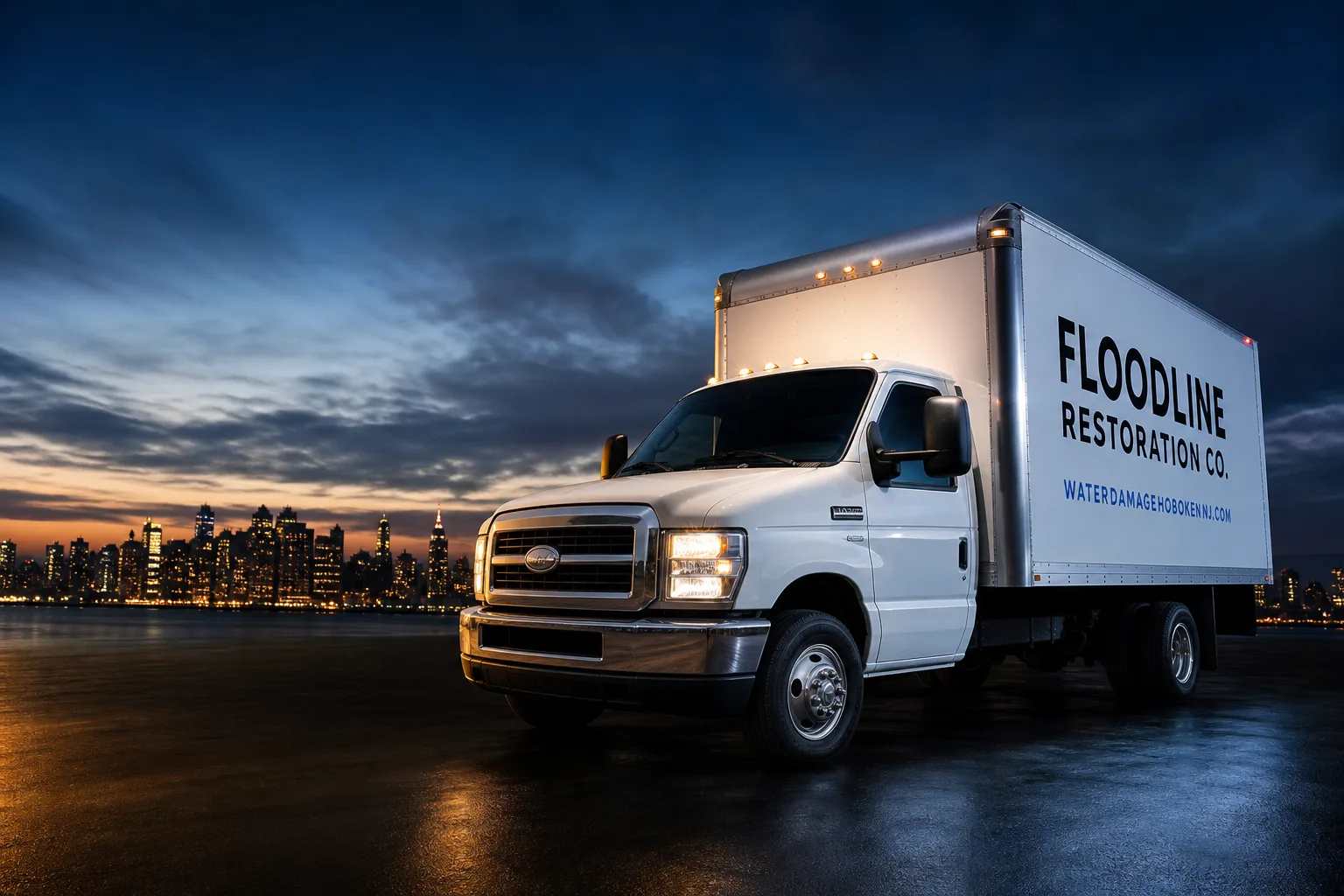
Free visual inspection and a written scope of work before any mitigation begins - photos, moisture readings, and drying logs go in your claim file
The scope we write is the scope we bill. Anything new gets shown to you, in writing, before we touch it.
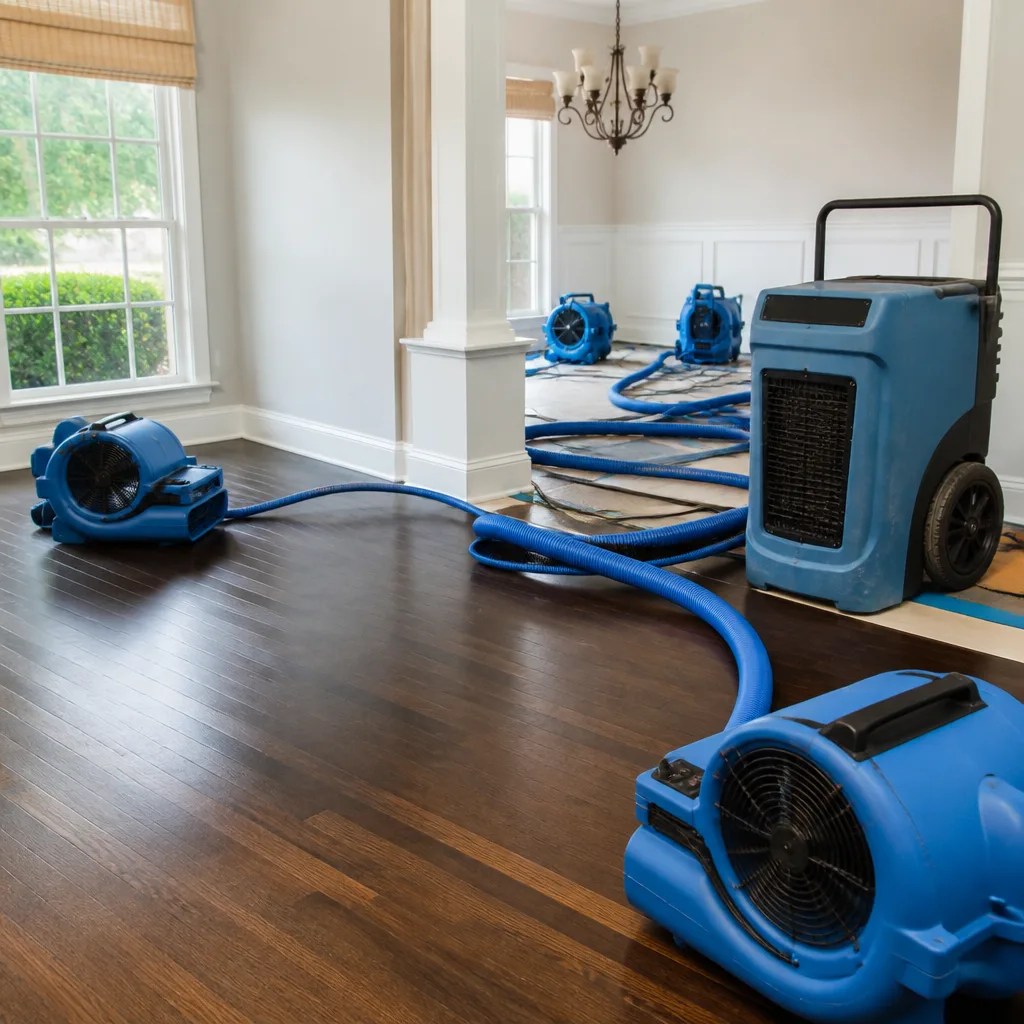
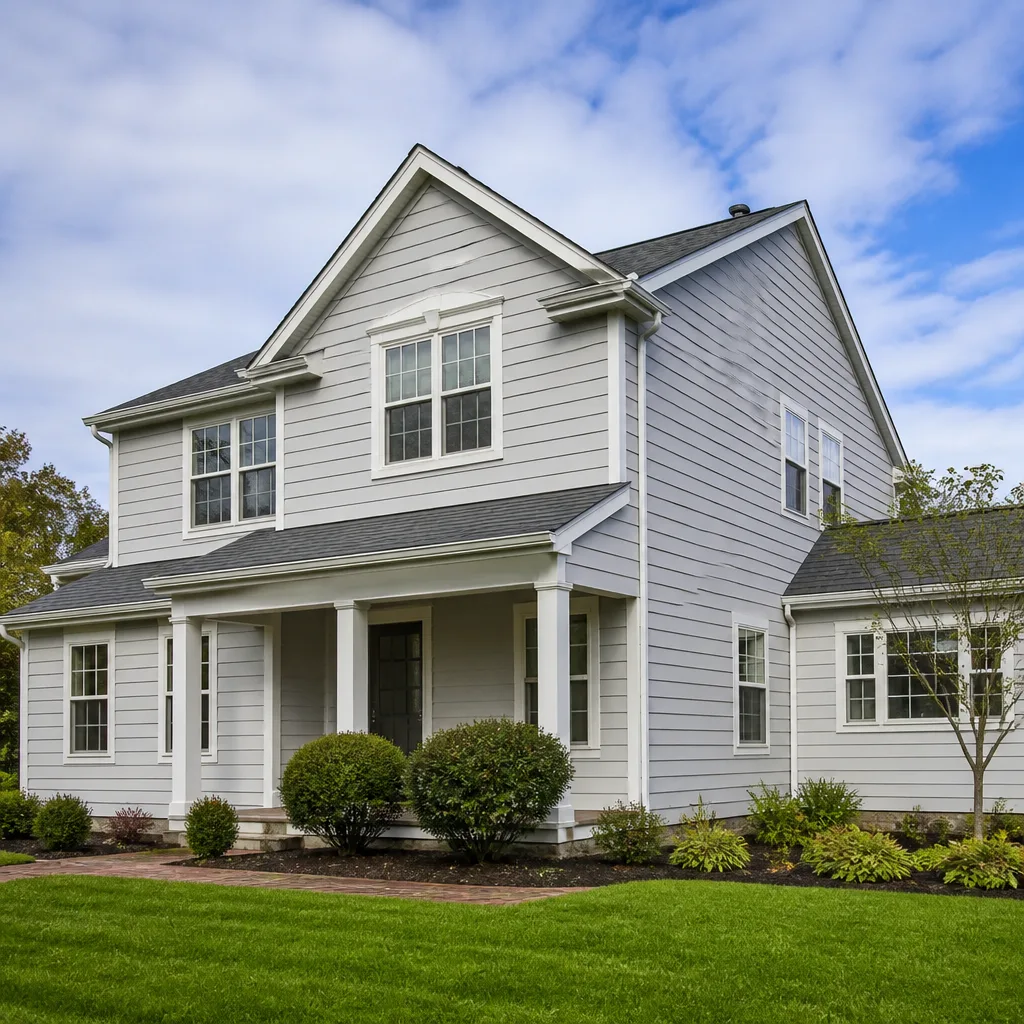
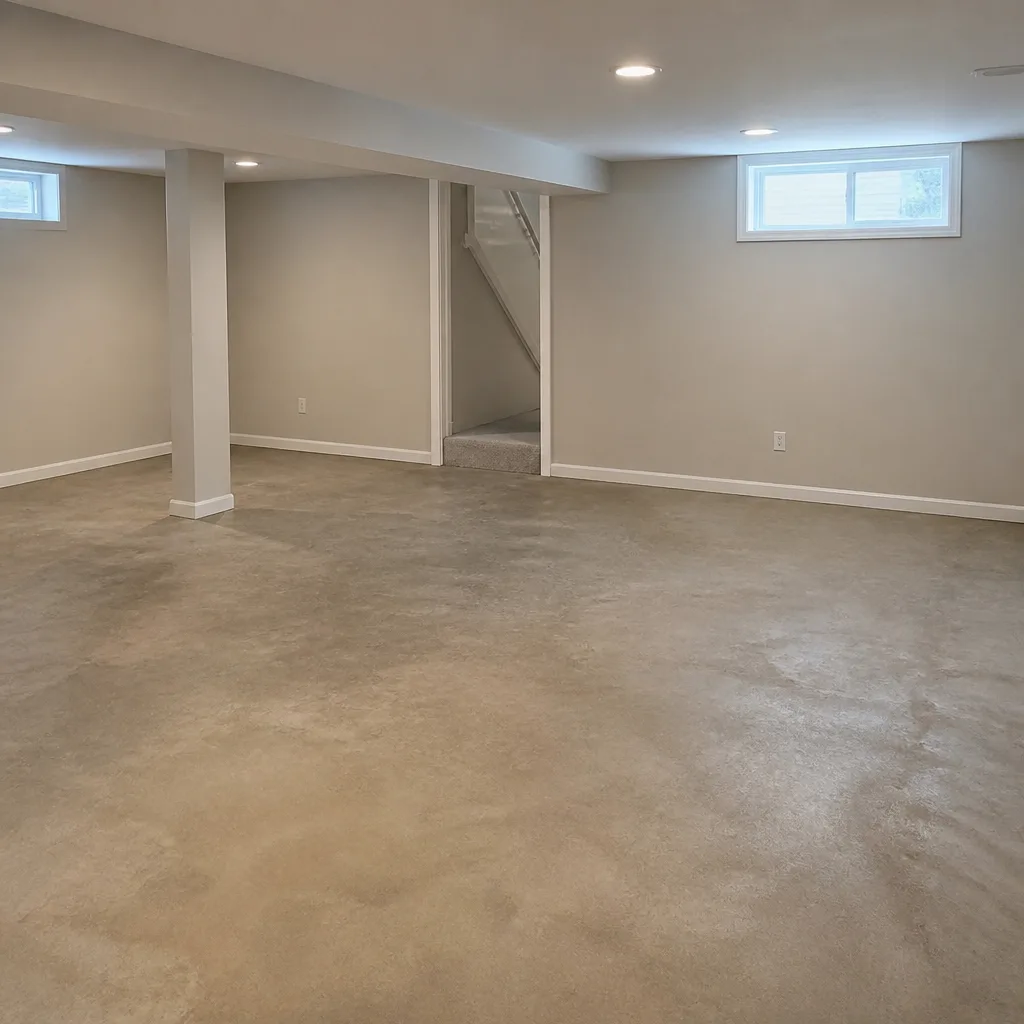

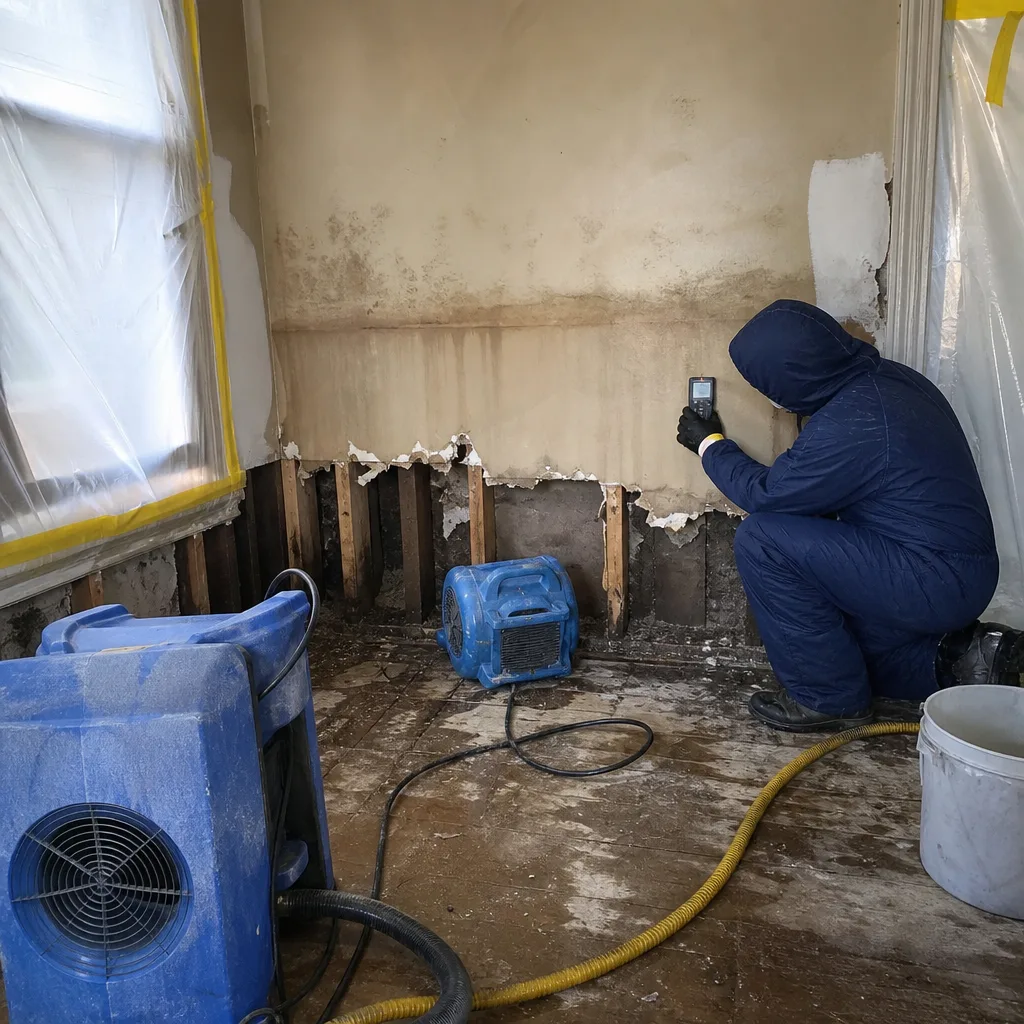 Before
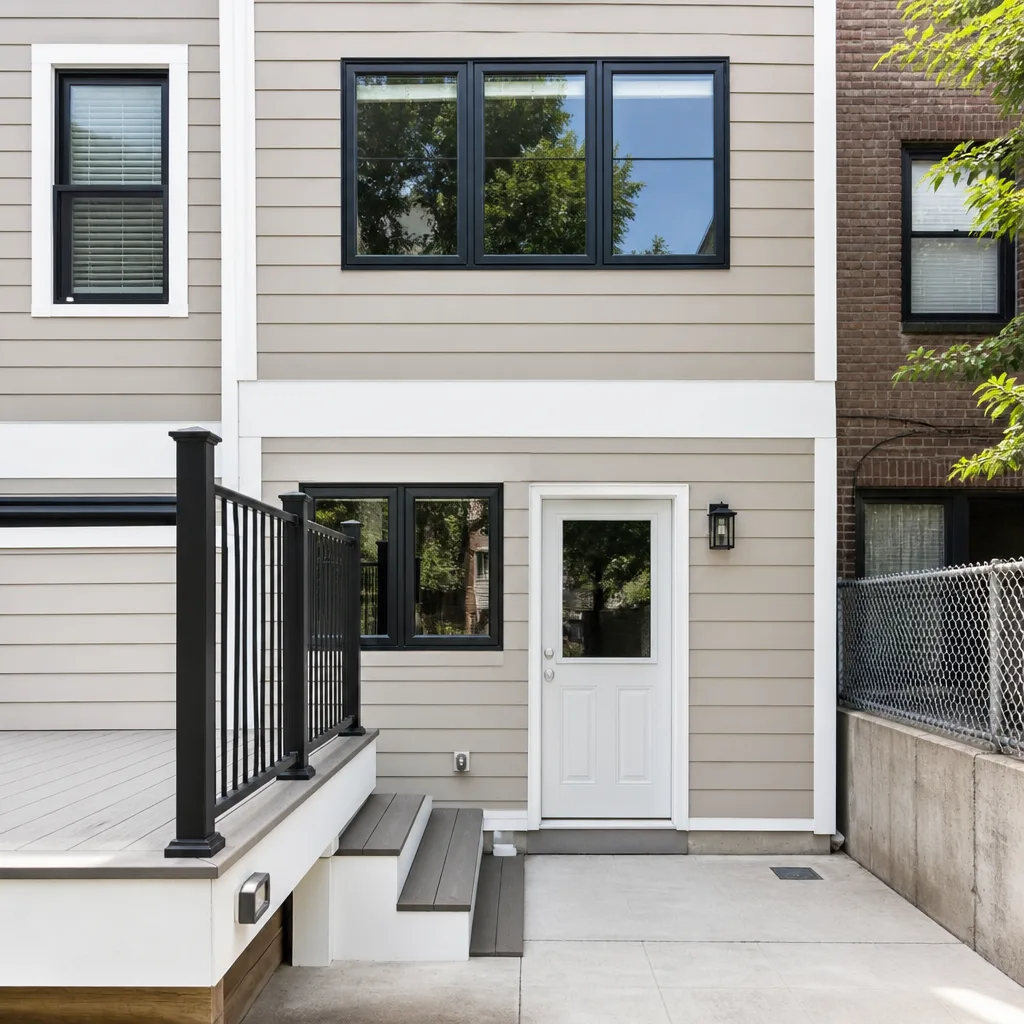 After
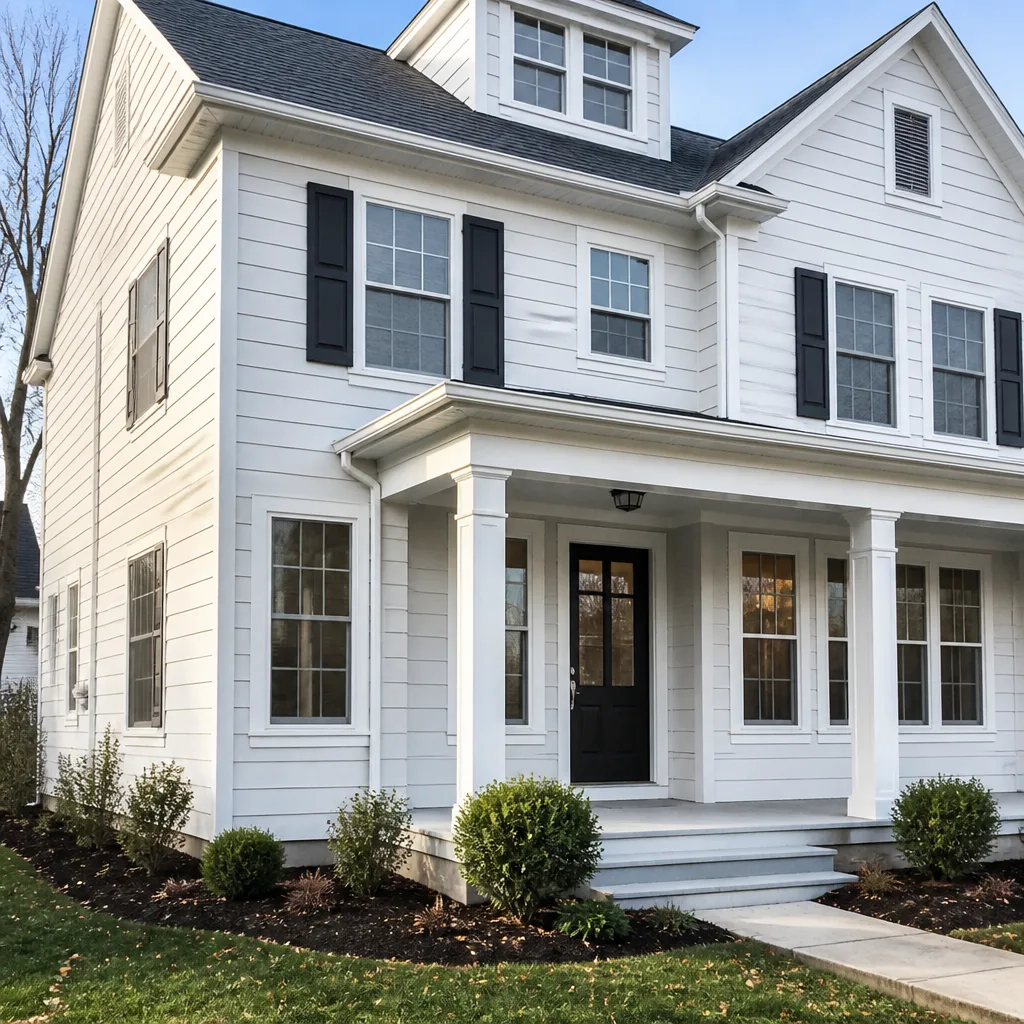
After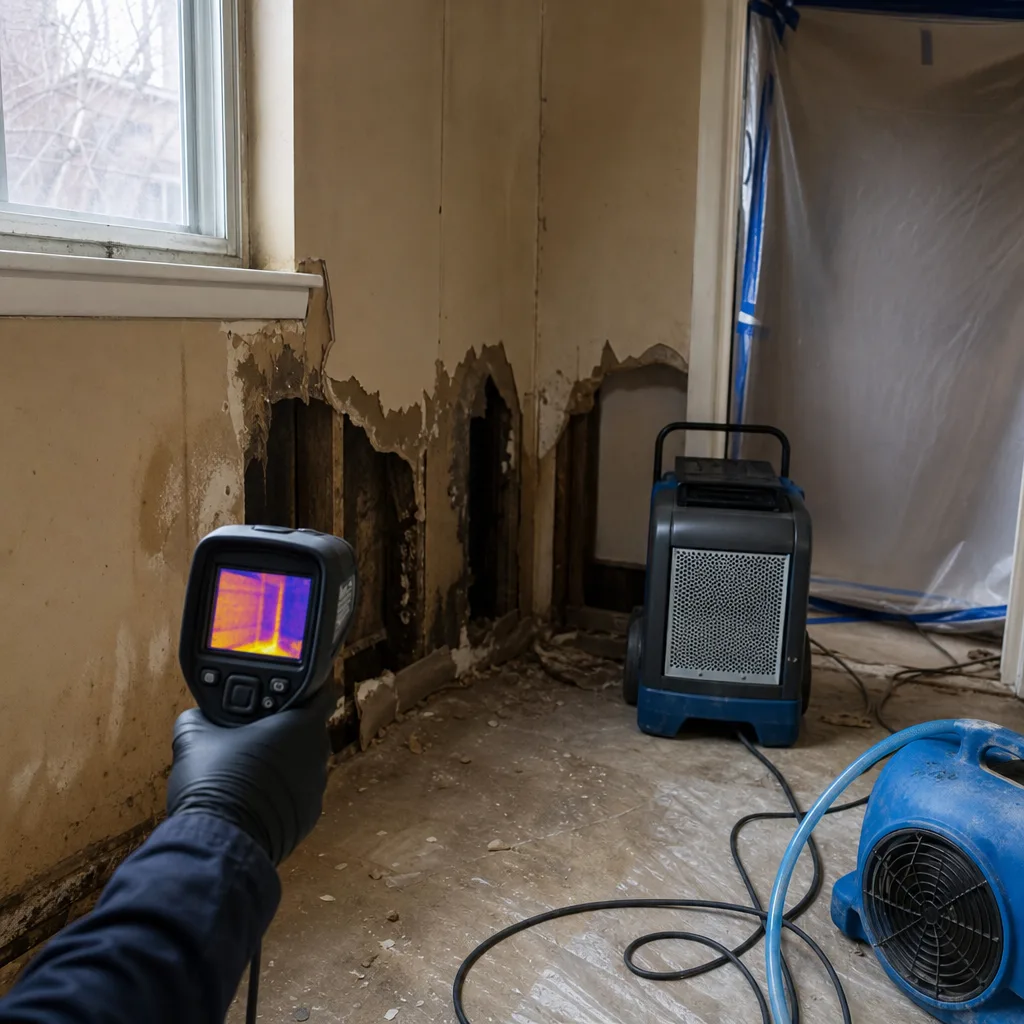 Before
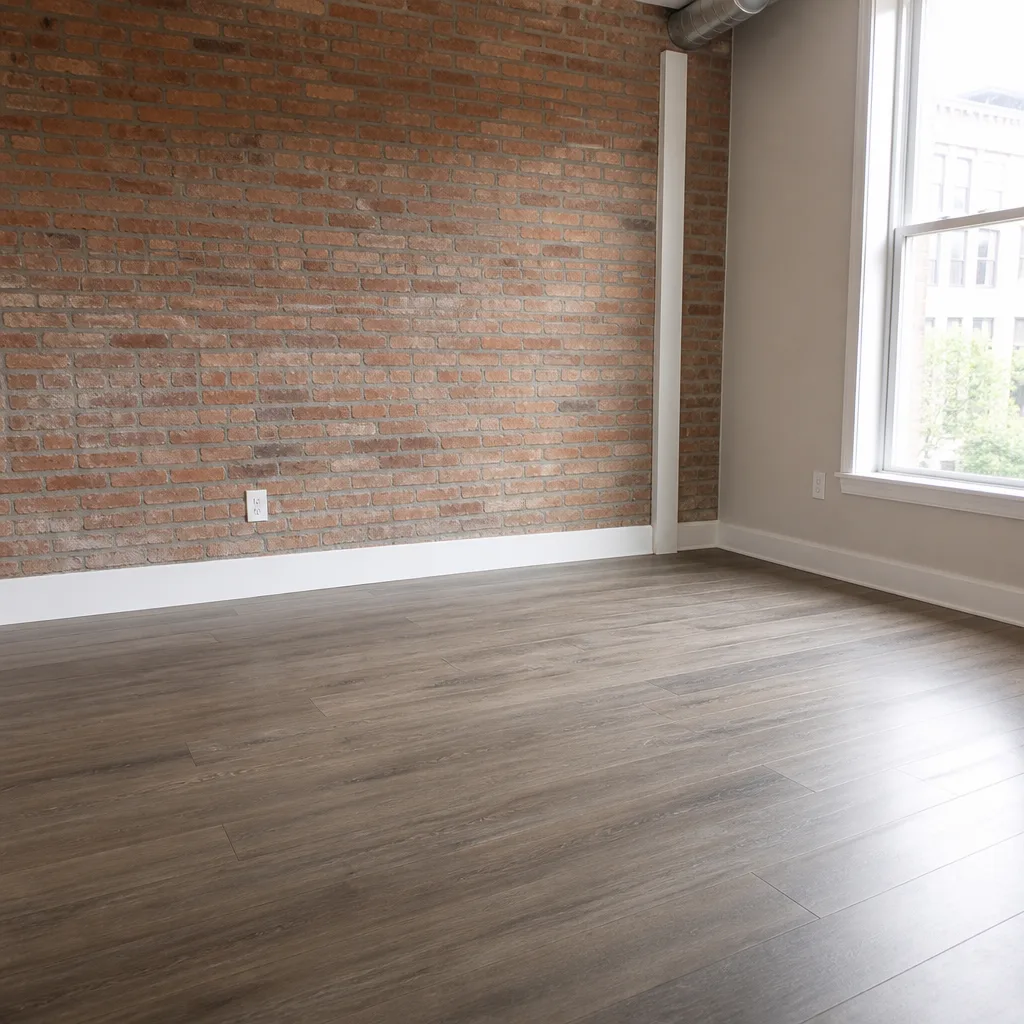 After
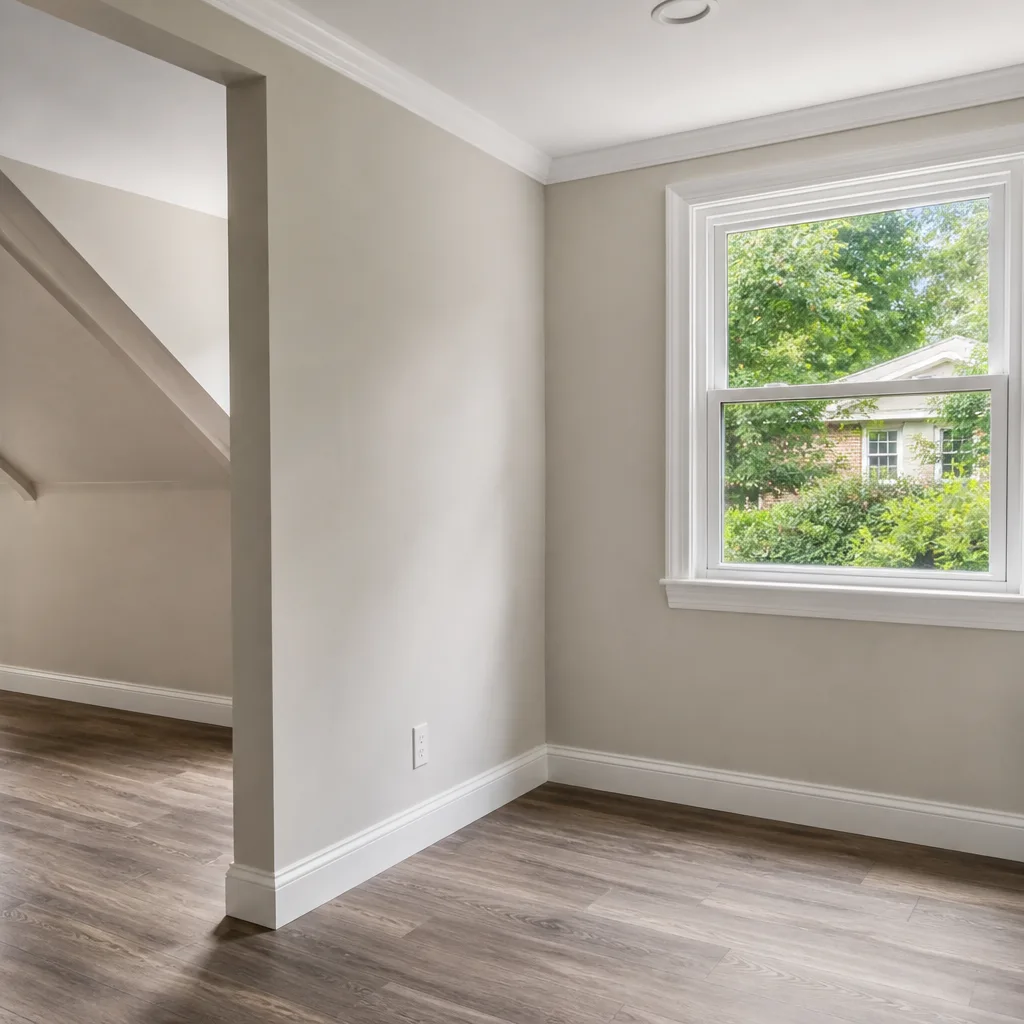
After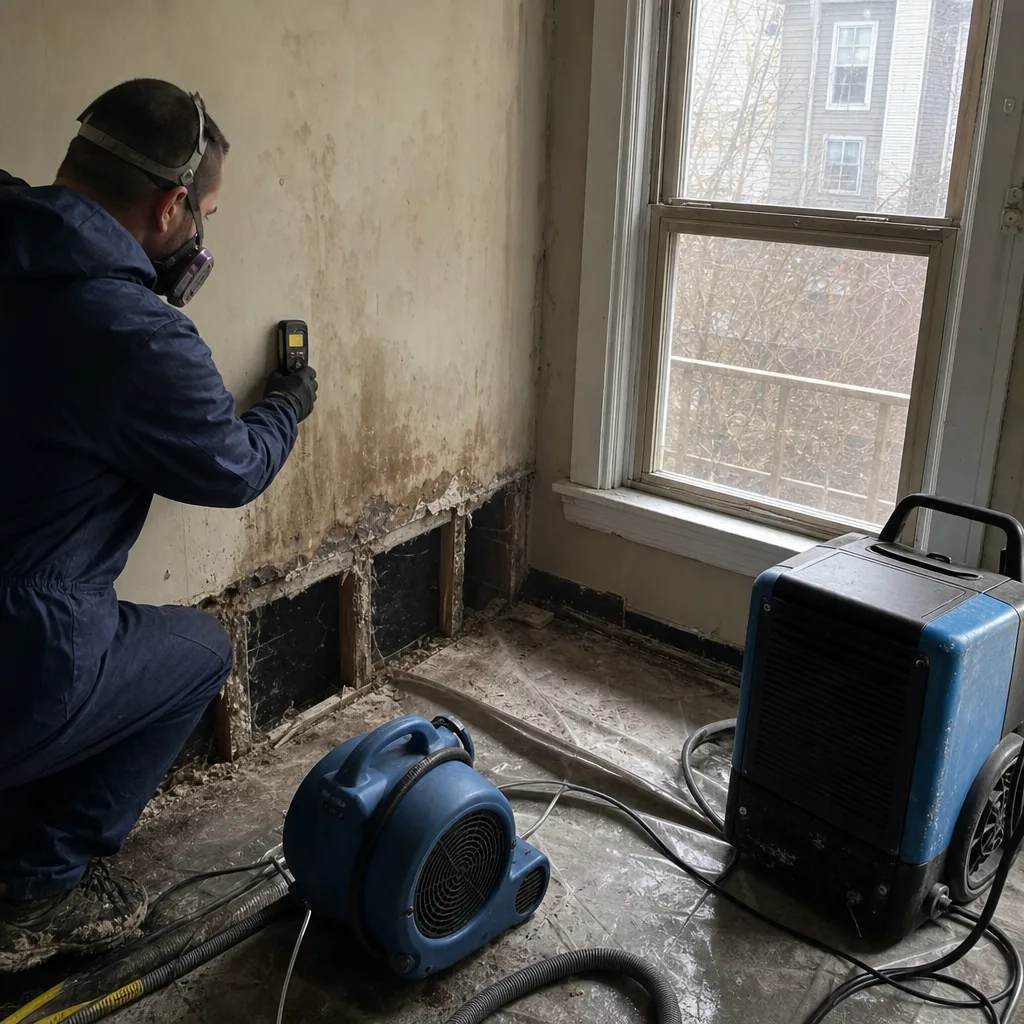 Before
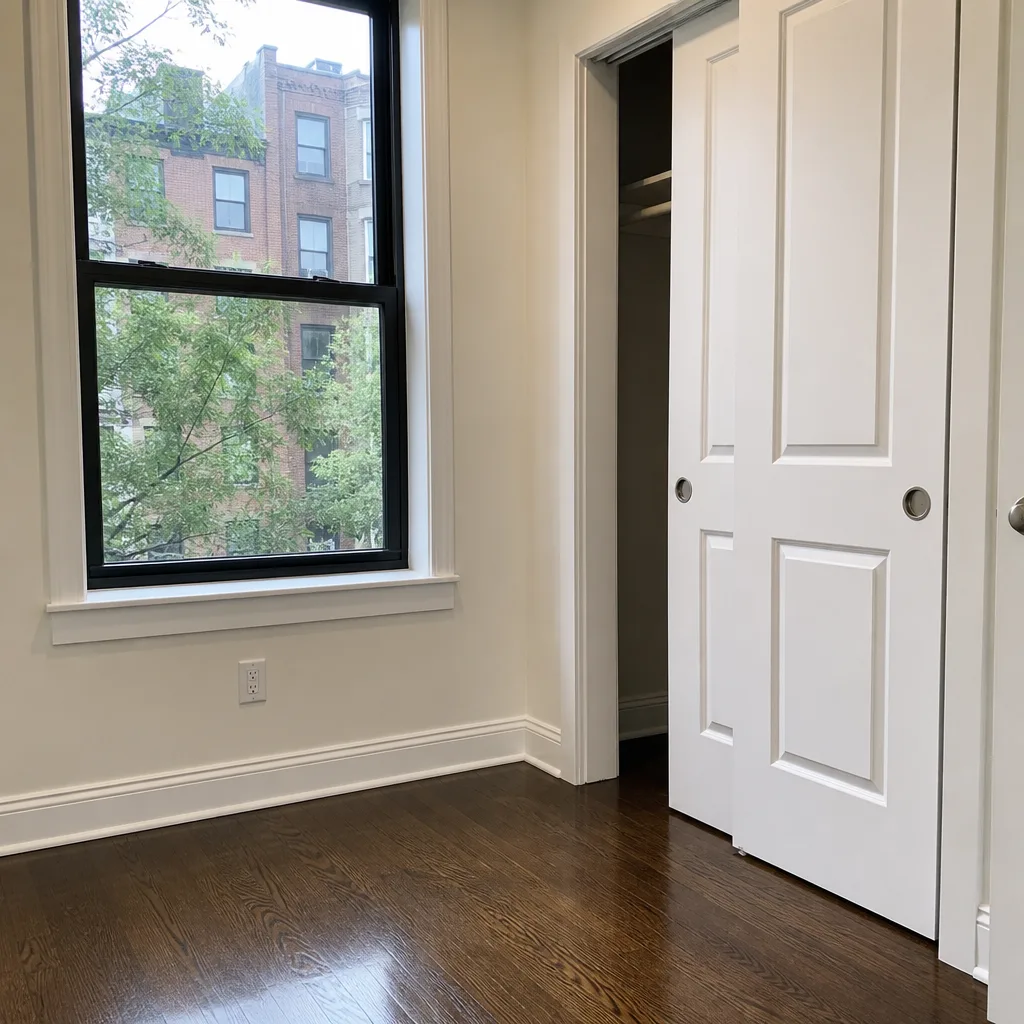 After
After24/7 Emergency Storm & Disaster Restoration in Lower Manhattan
Storm and disaster restoration in Lower Manhattan typically costs $1,800-$6,500 for water extraction and drying, $4,000-$18,000 for full flood remediation with saltwater decontamination, and $2,500-$12,000 for emergency board-up and roof tarping after a nor’easter or hurricane. Crews respond to most Lower Manhattan addresses within 45 minutes. Call (640) 500-3278 right now and a live dispatcher answers, not a recording. We dispatch from our New York City office and reach Battery Park City, the Financial District, Tribeca, and the Seaport without delay.
Here’s what matters most: storm-surge water in Lower Manhattan is saltwater and it corrodes building systems fast. The first hour after a breach is when extraction should start. Cables, conduits, breaker panels, and elevator pit equipment sitting in brackish water begin oxidizing immediately, and the damage compounds every day you wait. Our Storm & Disaster Restoration teams stage equipment near the Manhattan Bridge and West Street corridors so we’re moving toward your building while other companies are still calling you back. Background-checked, uniformed technicians arrive with Dri-Eaz pumps and Phoenix air movers ready to run the same visit.
We’re Floodline Restoration Co., and we’ve handled storm damage in every building type Lower Manhattan throws at us, from cast-iron Tribeca lofts to landfill-settled Battery Park City towers. Every job is backed by our 90-Day Done Right Promise, in writing. If it’s not done right, we make it right. No arguing.
Understanding Storm & Disaster Restoration Severity in Lower Manhattan Properties
Lower Manhattan’s building stock splits into three distinct types, and each one fails differently in a storm. South of Chambers Street you’re dealing with 19th-century cast-iron and heavy-timber Tribeca loft buildings converted to residential, Financial District office towers repositioned as condos in the 1990s and 2000s, and 1980s through 2000s Battery Park City residential towers built entirely on Hudson River landfill. All three concentrate mechanical systems, boilers, main electrical panels, elevator pits, in basement or subgrade levels that sit at or below mean sea level. One flood event can total an entire building’s core infrastructure.
Water damage classification matters here more than anywhere in the five boroughs. Category 1 is clean supply-line water. Category 2 carries contaminants. Category 3, the water we see most often after storm surge and combined sewer backflow, is grossly contaminated with sewage, marine bacteria, and debris. During a king tide, the combined sewer system backs up and forces Category 2 or 3 water into basements through floor drains and pit plumbing. Crews who treat that as Category 1 create a cross-contamination and mold explosion within 48 hours. We moisture-map every subgrade level with thermal imaging and document the category of water before we touch a pump. Saltwater intrusion adds another layer: it corrodes steel reinforcement, electrical switchgear, and HVAC equipment in ways standard freshwater remediation never catches. Marine-grade decontamination and corrosion assessment aren’t optional below Chambers Street. They’re the defining competency.
Why Lower Manhattan Property Owners Choose Floodline Restoration Co.
- 45-minute response commitment. We stage crews near Lower Manhattan during nor’easter watches and hurricane warnings, so we’re already close when the call comes in.
- A live person answers, every hour, every day. 2 a.m., Christmas morning, during a blackout. A dispatcher picks up. Not a phone tree, not a voicemail.
- IICRC-certified crews trained to WRT, FSRT, and AMRT standards. Our technicians carry the certifications to handle water restoration, fire and smoke restoration, and applied microbial remediation, plus RIA and IFA training on top of that.
- Free visual inspection before any work begins. You get a written scope and a firm number. No surprise invoices at the end.
- Direct insurance billing. We talk to your adjuster, we send the photos, we hand over the moisture log. You never play messenger.
- One team from first extraction to finished rebuild. The same crew that reads the moisture map on day one handles daily readings and rebuilds what needs rebuilding. No mid-job handoff to a stranger.
Our Storm & Disaster Restoration Process
Inspection & Assessment
We arrive, walk the affected levels with you, and document everything: water category, saltwater exposure, electrical panel condition, structural materials. Thermal imaging and hygrometers give us a moisture map we’ll reference every day until the job closes.
Extraction & Stabilization
Dri-Eaz pumps pull standing water from mechanical rooms, elevator pits, and slab depressions. We secure openings with board-up and roof tarping where the storm breached the envelope. The building stops taking on water before we move to drying.
Drying & Dehumidification
Phoenix air movers and XPOWER dehumidifiers run continuously, with daily moisture readings logged. In subgrade rooms where hydrostatic pressure keeps concrete saturated, we run in-situ concrete RH testing to confirm the dry standard is actually met, not just visible on the surface.
Cleaning & Sanitization
Every surface below the flood line gets marine-grade decontamination. Salt residue is not just wiped away; it’s neutralized and removed so corrosion can’t keep working for 24 months after we leave.
Corrosion Assessment & Specialty Treatment
This is the step most restoration companies skip and the reason we get hired to fix failed remediation jobs. We inspect breaker panels, conduit, motor windings, and steel reinforcement for salt-induced corrosion. Damaged gear gets pulled and replaced or treated before it fails silently.
Repairs & Restoration
The same Floodline crew rebuilds what needs rebuilding, from elevator pit sumps to finished residential units. You get a moisture log, a written scope completion report, and the 90-Day Done Right Promise in your hands.
Need Emergency Storm & Disaster Restoration in Lower Manhattan Now?
Crews minutes away, answering live 24 hours a day. The sooner we start, the less it costs.
Working With Your Insurance Company
Storm damage claims in Lower Manhattan involve specific questions: Was the water from storm surge, wind-driven rain, or sewer backflow? Which policy covers what? Your adjuster will want documentation that holds up. We provide it from the first hour. Photos of every affected room before we move a panel. Moisture readings with time stamps. A line-item scope tied to current market rates for the New York metro. When we file, we file complete.
What We Provide Your Insurer
- Thorough documentation of the loss
- Photos of all damage, room by room
- Moisture readings and drying logs
- A detailed, line-item scope of work
- Direct coordination with your carrier
Built for Lower Manhattan’s Loss Calendar
Lower Manhattan doesn’t have a storm season. It has a storm calendar, and it fills every quarter. January and February bring deep freezes that burst supply lines in unheated mechanical rooms and exterior wall cavities of older Tribeca loft conversions. March and April bring spring thaw, when saturated landfill under Battery Park City shifts and foundation waterproofing shears, letting groundwater find new paths into subgrade parking and storage. June through September brings summer thunderstorms that overwhelm combined sewers and push Category 2 water up through floor drains in the Financial District’s converted office towers. And from October through December, nor’easters and late-season hurricanes funnel storm surge directly up the Hudson and East River into below-grade spaces with little warning. The tip of Manhattan has no natural buffer. We schedule our equipment staging and crew rotations around that calendar because we’ve been answering those calls for years.
Storm & Disaster Restoration Across Lower Manhattan’s Neighborhoods
Battery Park City runs on landfill from the 1970s and 80s, and that base settles unevenly. We regularly find foundation waterproofing membranes sheared and cracked in patterns you won’t see in bedrock-anchored buildings a few blocks north of Chambers Street. Saltwater wicks into slab edges and rises into unit flooring, so mold often presents on the 2nd or 3rd floor of a tower long before anyone notices a basement flood event. In the Financial District, converted office towers concentrate their entire core infrastructure, main panels, boilers, elevator machinery, transfer switches, in subgrade vaults that sit at or below sea level. One surge event can knock out power, heat, and vertical transportation in a single afternoon. Tribeca’s cast-iron and heavy-timber lofts carry 19th-century bones: masonry party walls that absorb water, timber beams that hold salt and swell, and basement levels never designed for modern mechanical loads. The Seaport and Battery Park areas sit closest to open water and catch the first wave of surge before it pushes inland along Fulton and Wall Streets.
Specialized Storm & Disaster Restoration Services We Offer in Lower Manhattan
Flood Damage Restoration
Flood damage in Lower Manhattan is almost always saltwater or sewer backflow, and that changes everything. We extract, categorize the water correctly, and run marine-grade decontamination on every surface below the flood line. Subgrade mechanical rooms in Financial District towers get in-situ concrete RH testing so we know the slab is actually dry, not just dry-looking. Call (640) 500-3278 for a free visual inspection and a written scope.
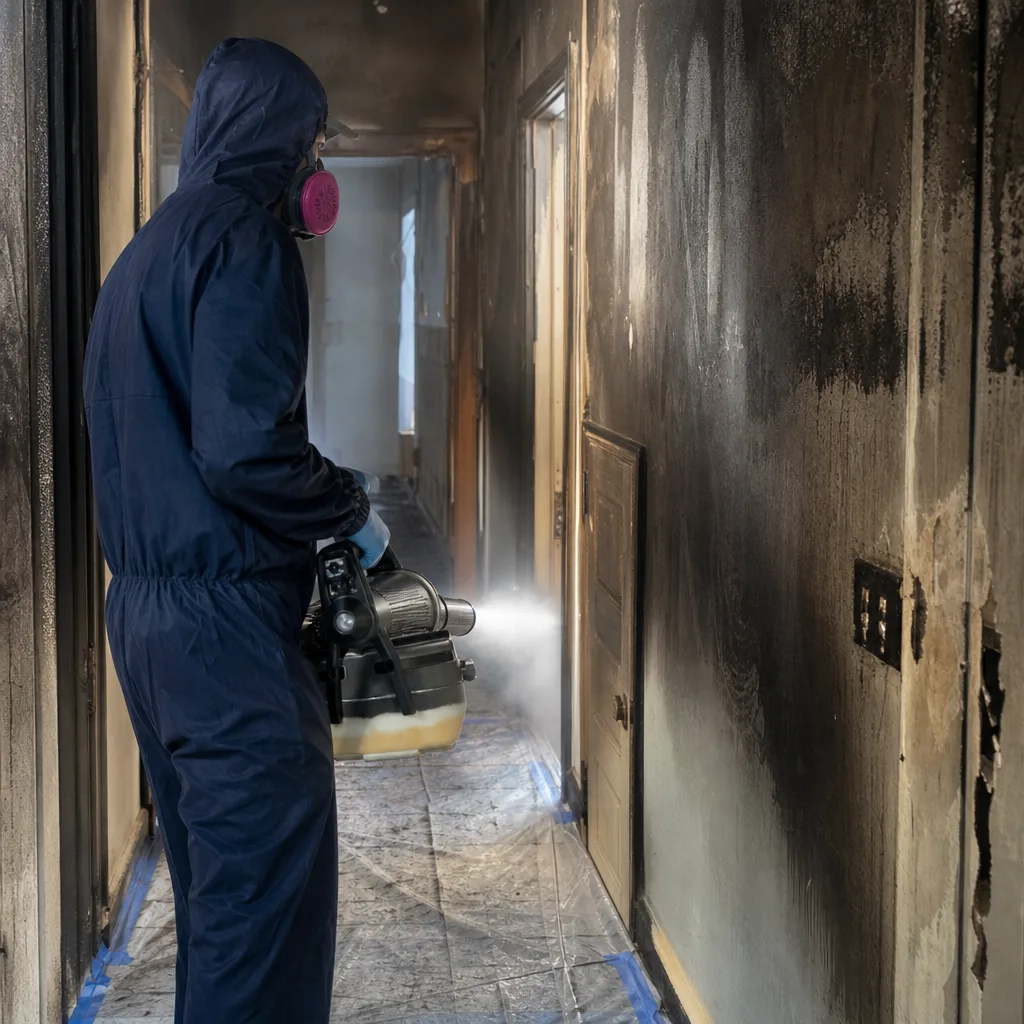
Storm Damage Cleanup
Storm cleanup here means more than picking up debris. It means removing salt-crusted drywall, pulling waterlogged insulation from party walls between cast-iron columns in Tribeca, and documenting everything for your carrier. We handle debris removal with the same background-checked crew that does the extraction, so nothing gets lost between vendors.
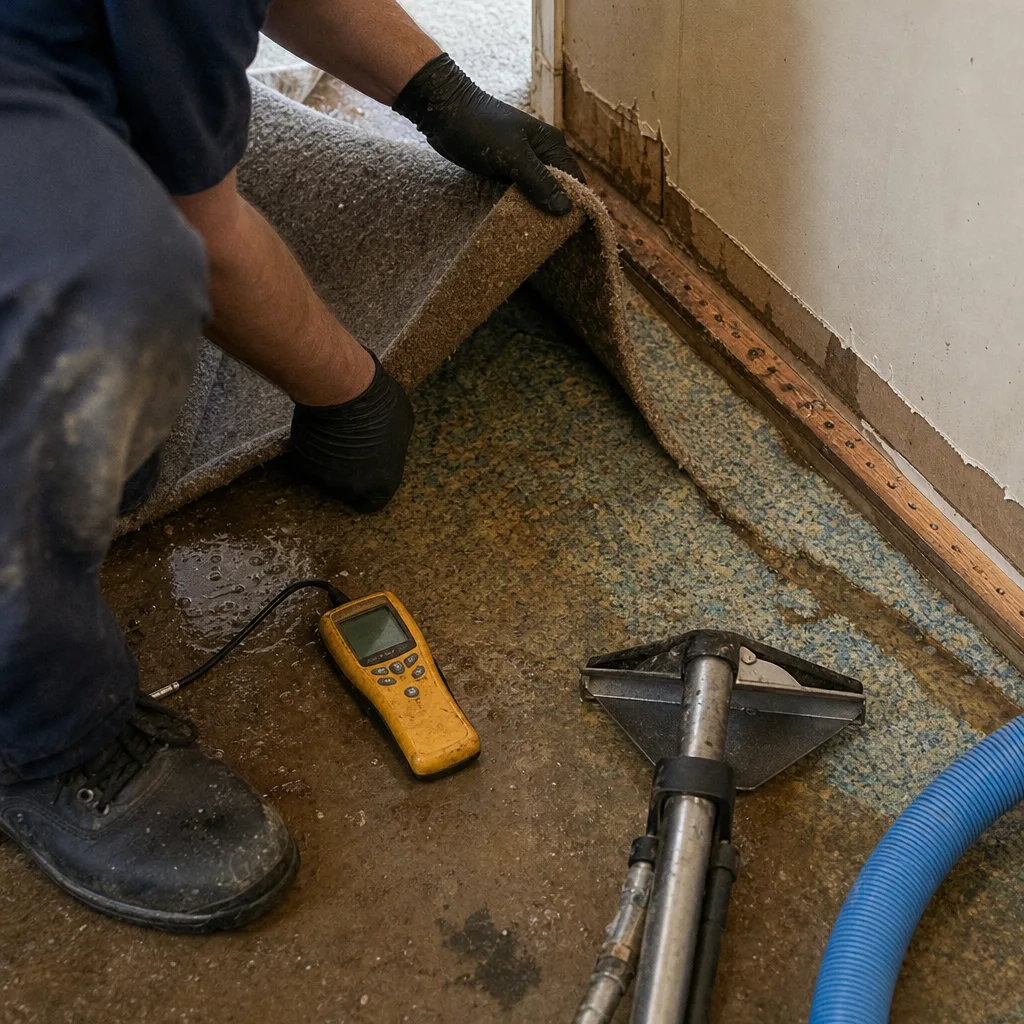
Emergency Board-Up
When a nor’easter blows out a Financial District storefront window or the roof membrane peels off a Battery Park City penthouse, the opening has to be secured before looters and weather do more damage. Our board-up crews arrive fast, secure the breach with professional-grade materials, and photograph everything. The board-up is temporary. The documentation is permanent and claim-ready.
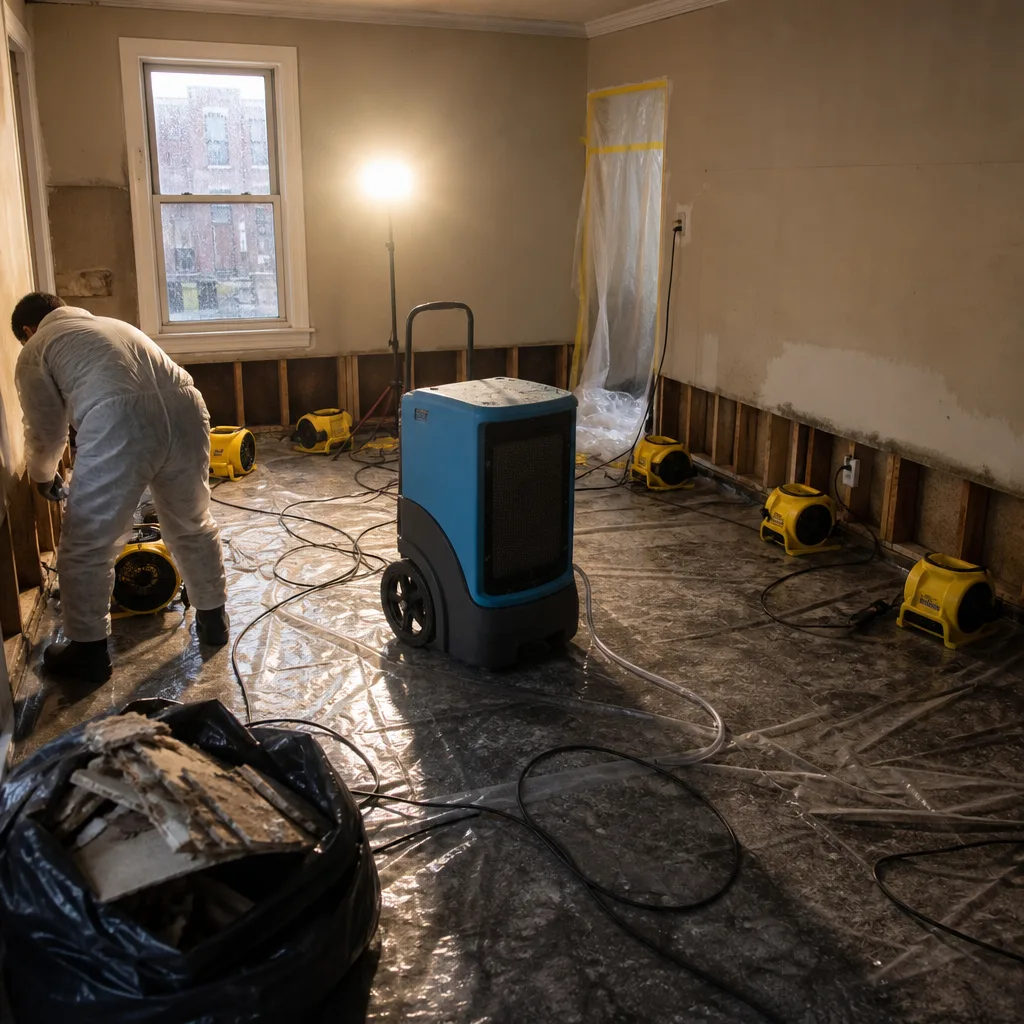
Roof Tarping
Lower Manhattan rooftops take a beating from river wind shear. We tarp roof breaches on residential towers, loft conversions, and commercial properties, using heavy-gauge tarps anchored to withstand Hudson River wind gusts. A good tarp buys you weeks to schedule permanent repairs without interior water damage spreading.
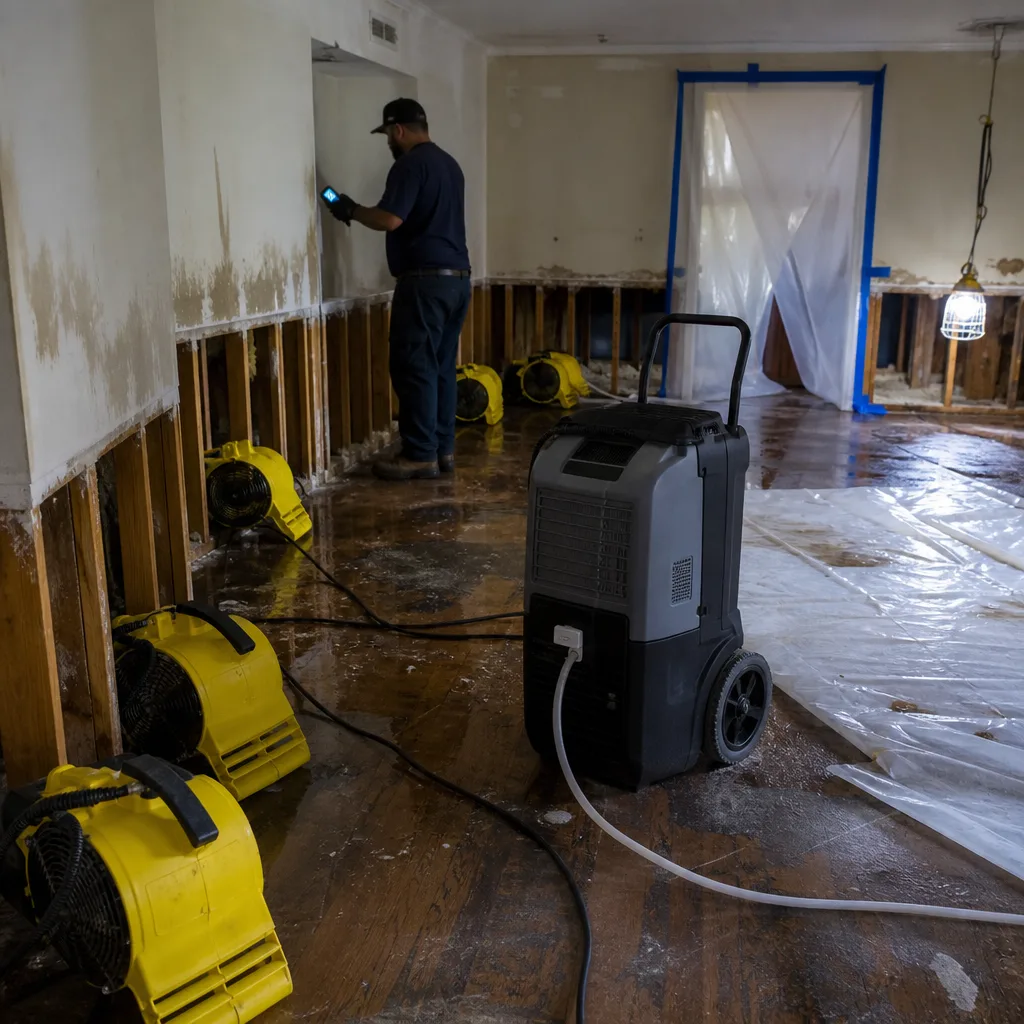
Debris Removal
Storm debris in Lower Manhattan clogs storm drains, blocks building entrances, and creates safety hazards on narrow Financial District sidewalks. We remove it, sort salvageable material, and document the volume for your insurance claim. Like all our work, it’s done by uniformed, background-checked technicians under the 90-Day Done Right Promise.
What happens when you call
- 1
A real person answersNo phone trees - you reach a local pro.
- 2
You get an upfront price rangeHonest numbers before anyone is dispatched.
- 3
A background-checked tech heads outLicensed & insured, dispatched right away.
- 4
You approve before work beginsNothing starts until you say go.
Storm & Disaster Restoration Costs in Lower Manhattan, NY
The biggest variable in a Lower Manhattan storm restoration bill is saltwater. Freshwater extraction and drying in a Battery Park City tower unit runs $1,800-$5,000. Add marine-grade decontamination and corrosion treatment, and that same job runs $5,000-$14,000 depending on how much electrical and mechanical gear sits below the flood line. Emergency board-up in Lower Manhattan typically costs $600-$1,800 per opening. Roof tarping runs $1,200-$4,000 depending on roof access and wind exposure. Combined sewer backflow remediation in a Tribeca basement, with full Category 3 protocols and concrete drying, runs $8,000-$25,000. What moves the price: elevator pit involvement, main electrical panel submersion, how quickly we start extraction, and whether the building requires marine-grade corrosion treatment. Most of this is insurance-covered with the right documentation. We provide that documentation and bill your carrier directly. Estimates are free.
We Also Serve Cities Near Lower Manhattan
Floodline Restoration Co. responds to storm and disaster calls across Lower Manhattan and the surrounding area, including Washington Square, Midtown West, Midtown Manhattan, and Murray Hill. Same live dispatch, same 45-minute response commitment, same written guarantees.
Serving Lower Manhattan, NY - Our Local Coverage Area
We’re based in the Lower Manhattan area and know this community well. Use the map below to see our service coverage - if you’re nearby, we can almost certainly help.
Lower Manhattan Storm & Disaster Restoration Questions, Answered
How quickly does saltwater from a Battery Park City storm-surge event start corroding our building’s main electrical panels and elevator pit equipment?
Saltwater corrosion starts within hours, not days. Steel conduit, copper bus bars, motor windings, and breaker contacts begin oxidizing the moment brackish water touches them, and the corrosion timeline continues for 12 to 24 months after the visible water is gone. A freshwater-only dry-out stops the water, not the salt. We pull affected gear, assess corrosion mechanically, and replace or treat components before hidden failure points turn into a panel fire or an elevator outage months later. Call (640) 500-3278 if you suspect saltwater reached your electrical systems.
Why does mold sometimes show up on the 3rd floor of our Financial District condo tower weeks after a basement flood we never saw?
Because Lower Manhattan’s subgrade floors sit at or below sea level, and storm surge or sewer backflow in a basement mechanical room doesn’t stay in the basement. Water wicks up through concrete slab edges, into steel studs and wall cavities, and can present as mold several floors above the original intrusion. In Battery Park City towers built on landfill, settling shears waterproofing and opens paths for saltwater to climb. We inspect the whole vertical path, not just the basement, and use thermal imaging to find moisture behind walls.
What’s the difference between Category 1, 2, and 3 water when our Tribeca loft basement backs up during a combined sewer overflow?
Category 1 is clean water from a supply line or shower. Category 2 contains significant contaminants, things like washing machine discharge or light brackish water. Category 3 is grossly contaminated, sewage, marine water, floodwater from rivers or storm surge. Combined sewer overflow into a Tribeca basement is Category 3, full stop. Treating it as anything less creates the cross-contamination that drives mold colonies and health issues within 48 hours. Category 3 requires containment, HEPA air scrubbing, and full decontamination of every surface below the flood line.
How do you dry out a subgrade mechanical room in a Financial District tower when the water table sits at or above floor level?
Gravity and air movement alone won’t do it. We run submersible pumps and Dri-Eaz extraction equipment to pull standing water, then deploy Phoenix air movers and XPOWER dehumidifiers to create vapor pressure differential across the concrete. The critical piece is in-situ relative humidity testing: we place probes into the concrete itself to measure what’s happening below the surface. When the water table presses against the slab, the concrete can look dry and still hold 95% internal RH. We run daily readings and keep equipment running until the number actually meets the drying standard, not just the surface.
Does our Battery Park City high-rise need a different storm-restoration scope of work than a brownstone in the West Village?
Yes, and the difference is the landfill. Battery Park City sits on 1970s and 80s fill that settles unevenly, shearing foundation waterproofing and opening paths for groundwater and storm surge that bedrock-anchored buildings don’t experience. Your scope of work should include foundation-drain inspection, waterproofing assessment, and a wider moisture map than a typical residential dry-out. We also factor in elevator pit involvement, which is almost universal in Battery Park City storm damage and changes the decontamination protocol significantly.
How fast can you actually get to our building in Lower Manhattan during a storm?
We commit to 45 minutes from dispatch to arrival within Lower Manhattan. Before major storm events, we stage crews and equipment near the Financial District and Battery Park City so we’re not fighting bridge traffic when the surge hits. During nor’easter watches, we position pump trucks and drying equipment on the Manhattan side of the access corridors. You call, a live dispatcher answers, and a crew is moving immediately.
Will our insurance cover saltwater damage and corrosion treatment, or will they say it’s maintenance?
Most Lower Manhattan storm and flood policies cover direct saltwater damage and the decontamination needed to remediate it. The fight usually comes over corrosion treatment to electrical panel interiors or conduit internals, which some adjusters initially read as wear and tear. We document the water category, the submersion depth, and the salt exposure timeline in a way that makes clear this is direct storm damage, not deferred maintenance. We send photos, readings, and a line-item scope directly to your carrier and talk to the adjuster ourselves.
What should I do in the first 30 minutes after storm water gets into our Lower Manhattan building?
First, cut power to affected areas if you can do so safely, without standing in water. Second, stop anyone from entering the flooded area without protective equipment; Category 3 water is a health hazard. Third, call (640) 500-3278. We’ll walk through what’s safe over the phone while the crew is on the way. Don’t run shop vacs or residential fans on floodwater. Don’t move contaminated debris through clean hallways. Don’t wait for the water level to rise before calling. The sooner extraction starts, the less corrosion, the less mold, the smaller the final claim.
Written by Curt Bowman, Owner at Floodline Restoration Co., serving Lower Manhattan and the surrounding New York City area.