

Free visual inspection and a written scope of work before any mitigation begins - photos, moisture readings, and drying logs go in your claim file
The scope we write is the scope we bill. Anything new gets shown to you, in writing, before we touch it.
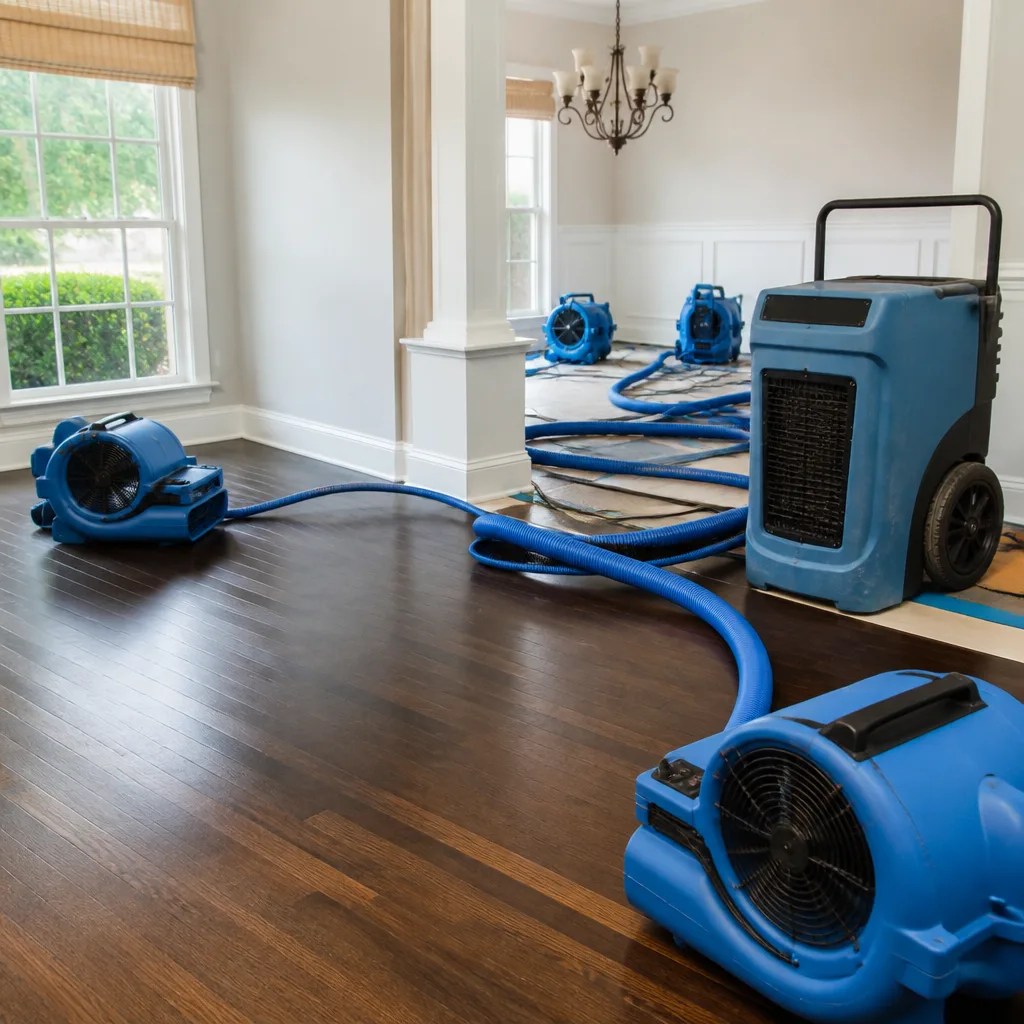
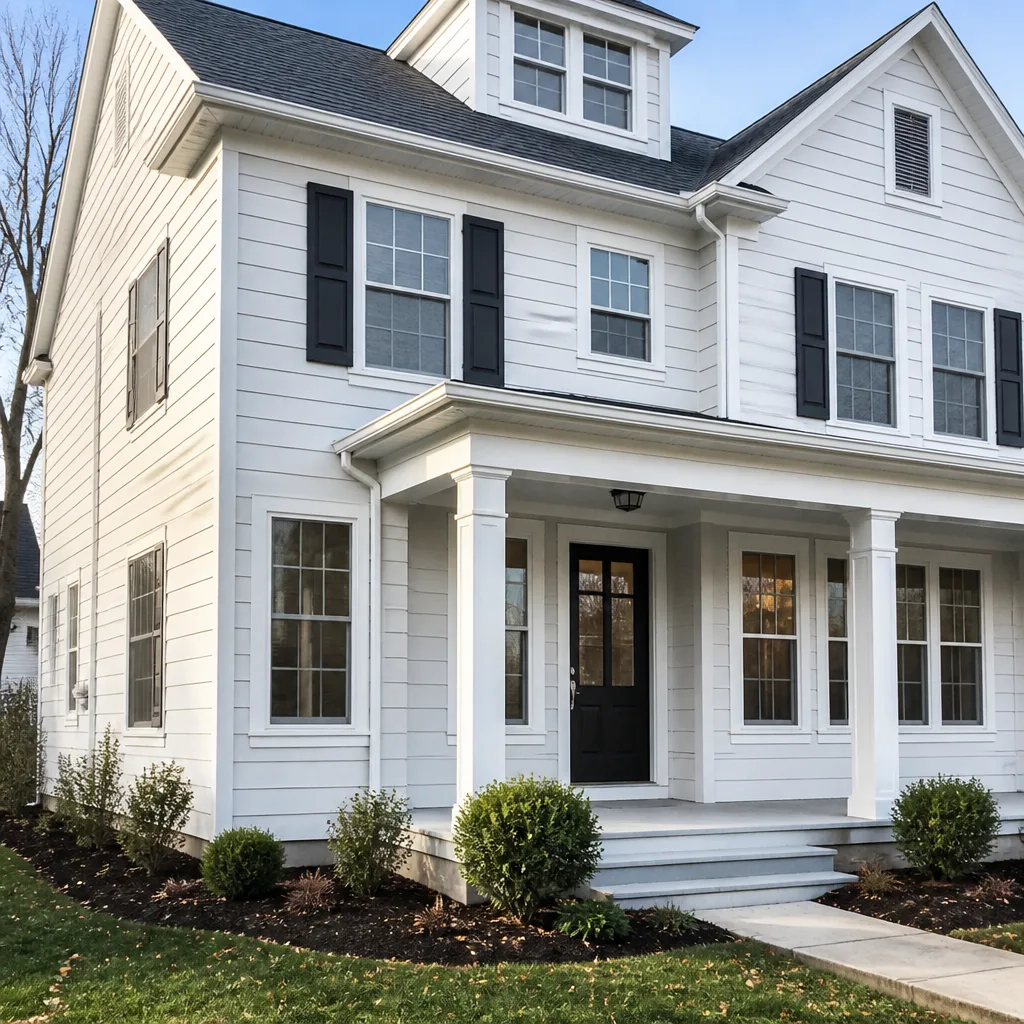
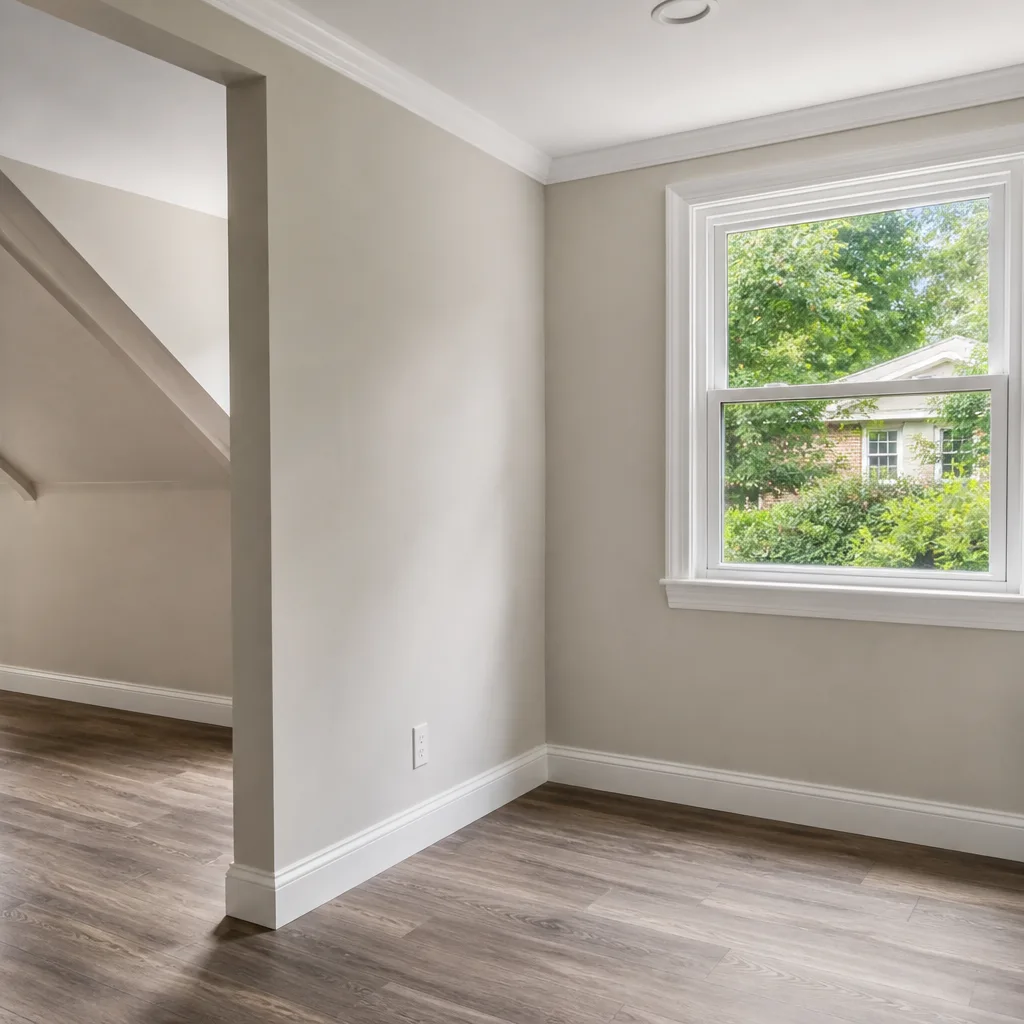
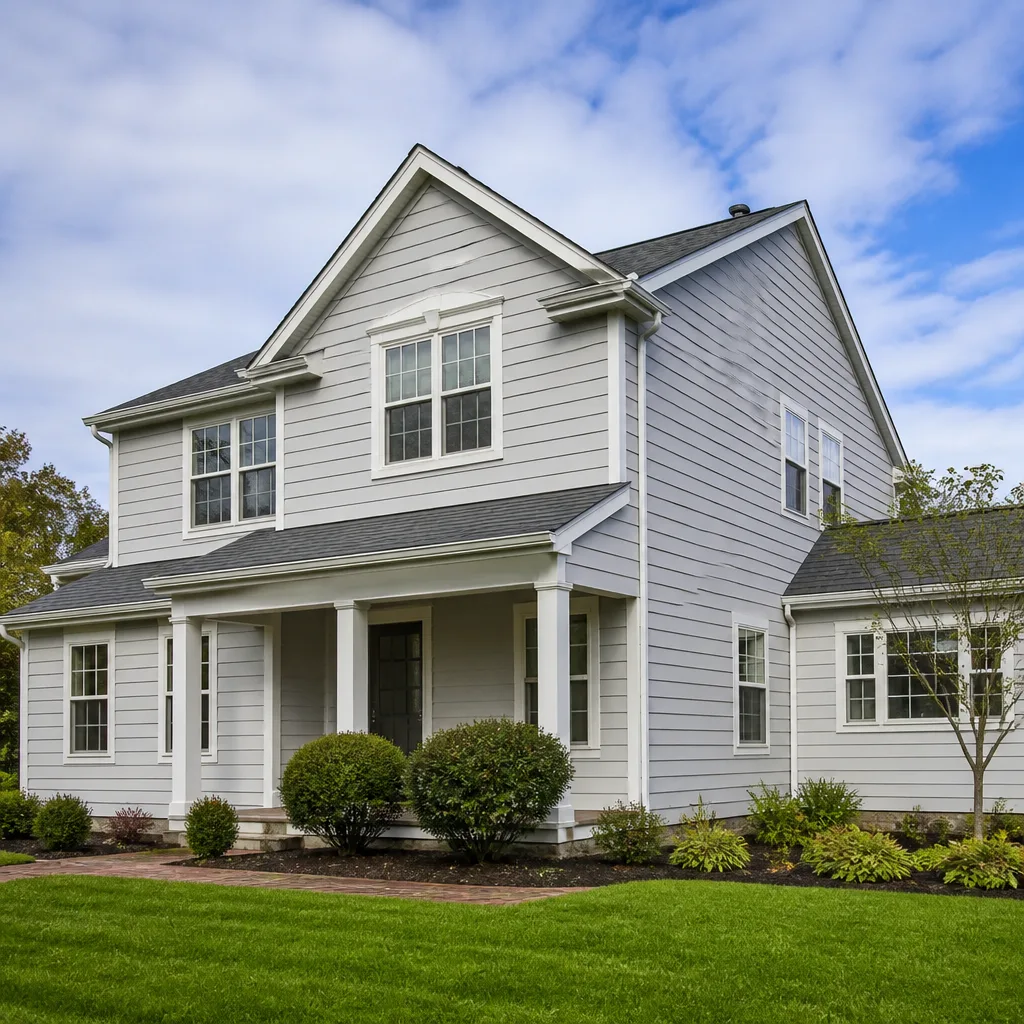
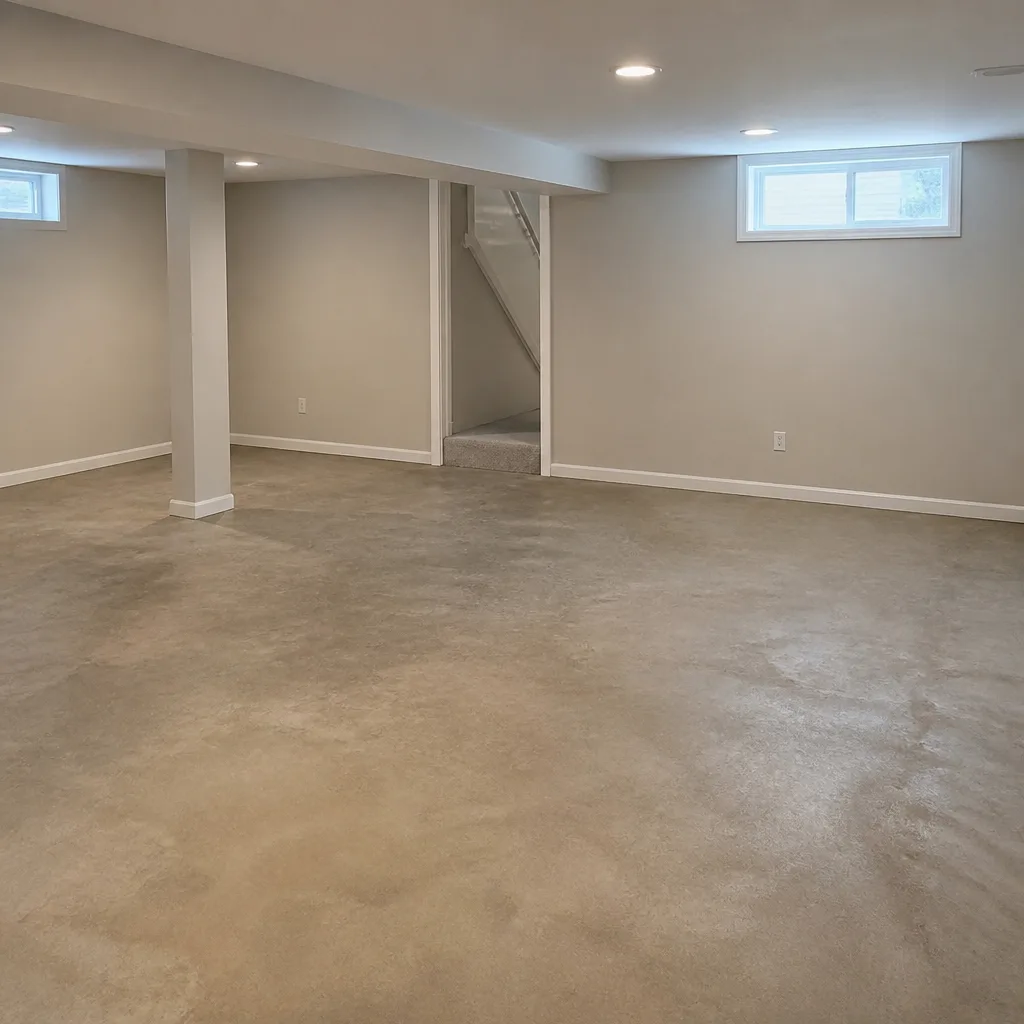
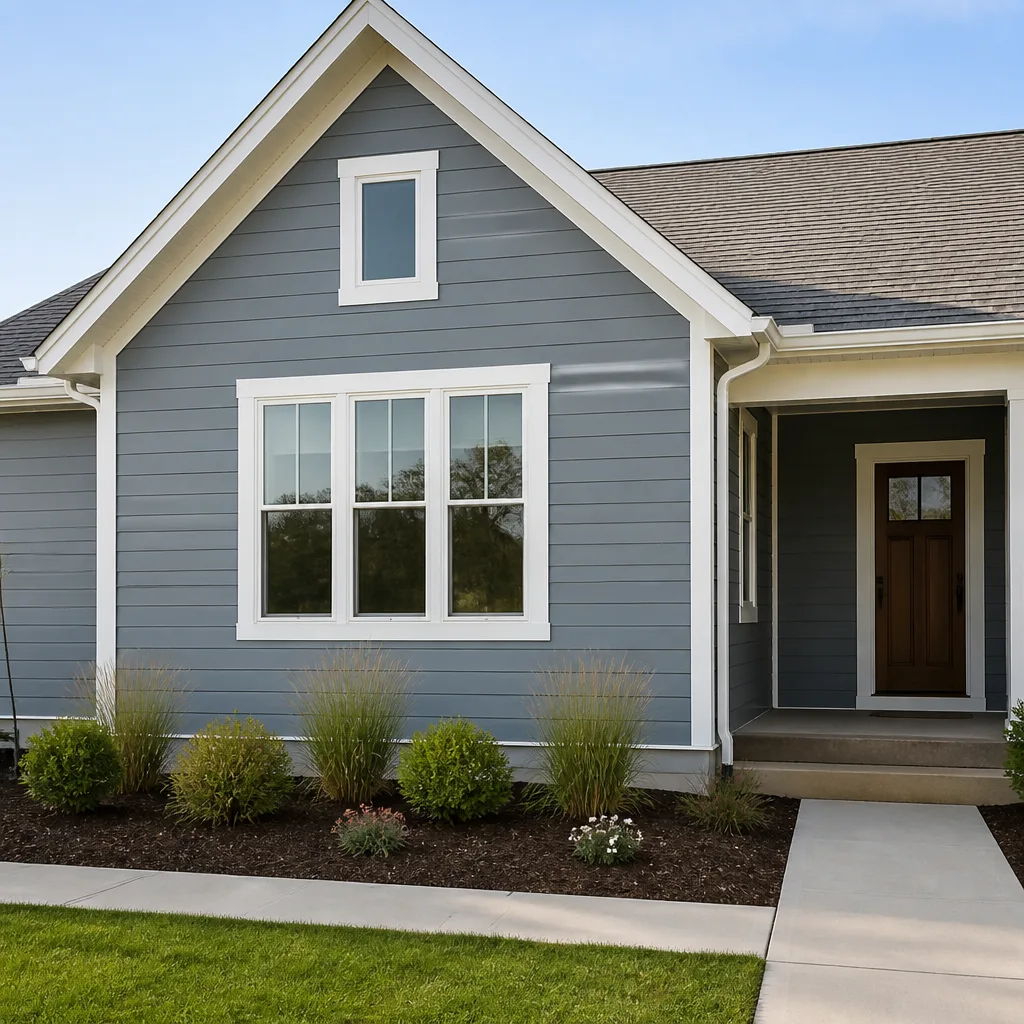
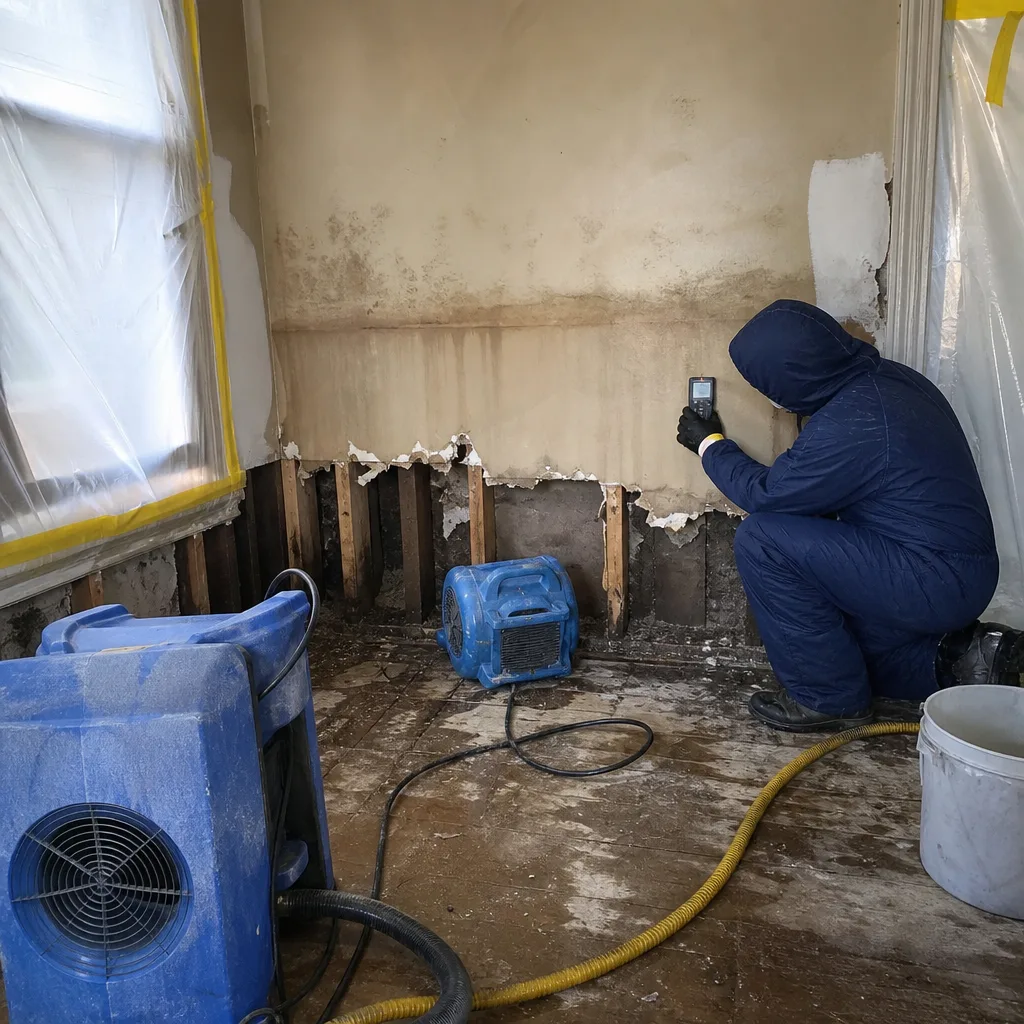 Before
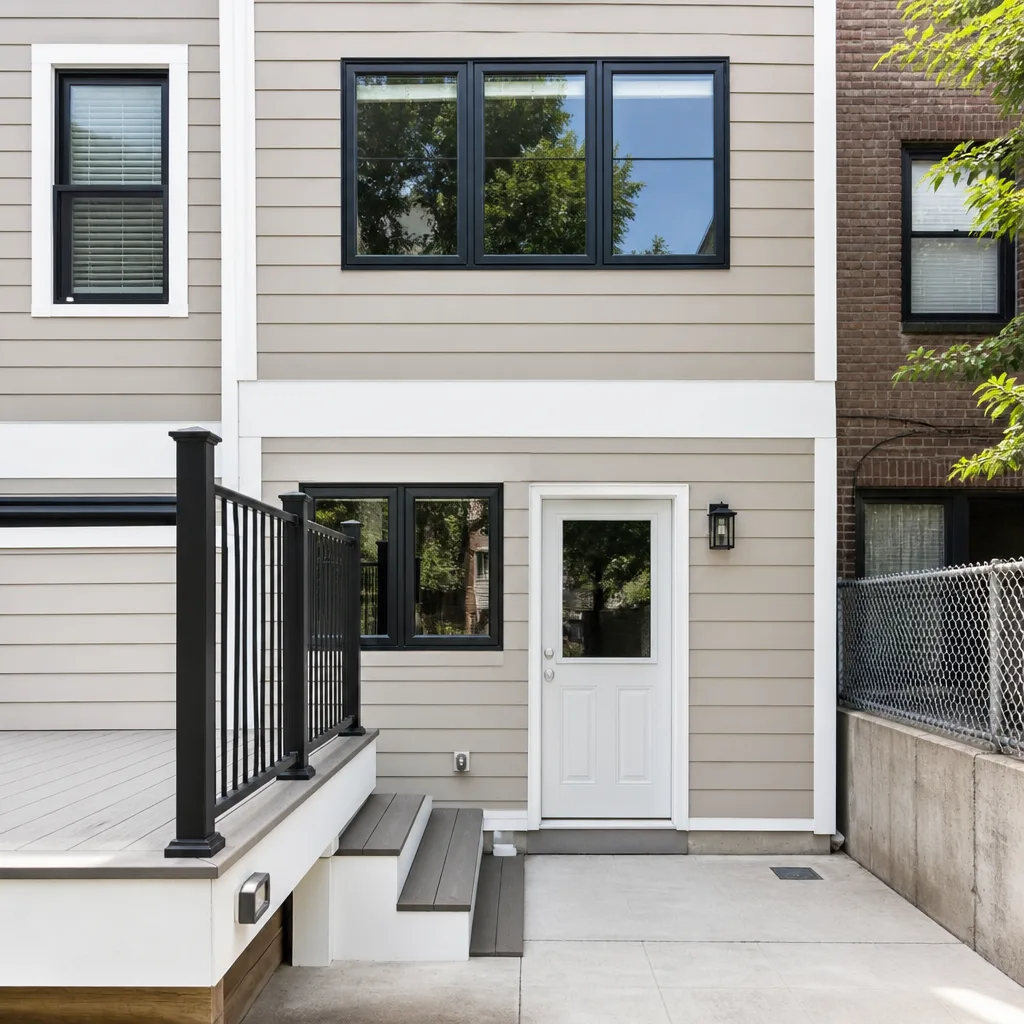 After
After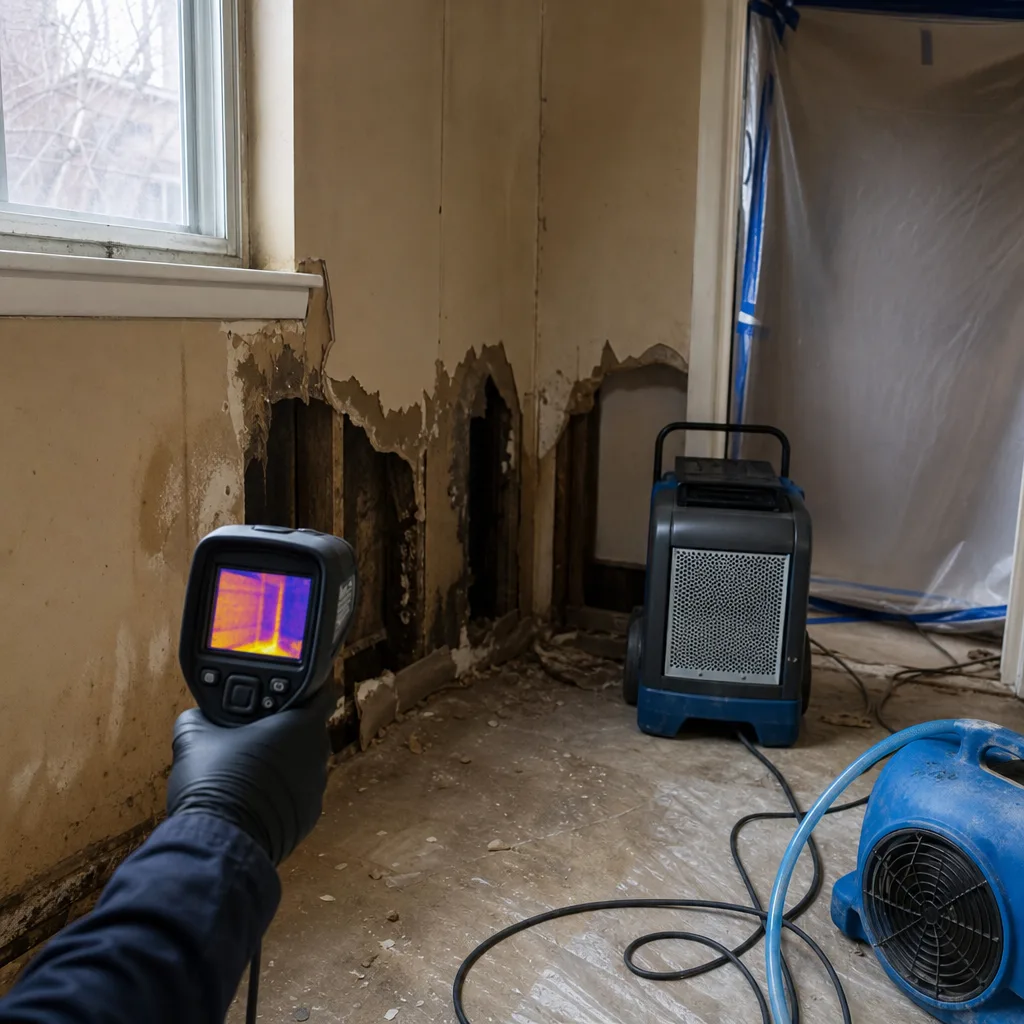 Before
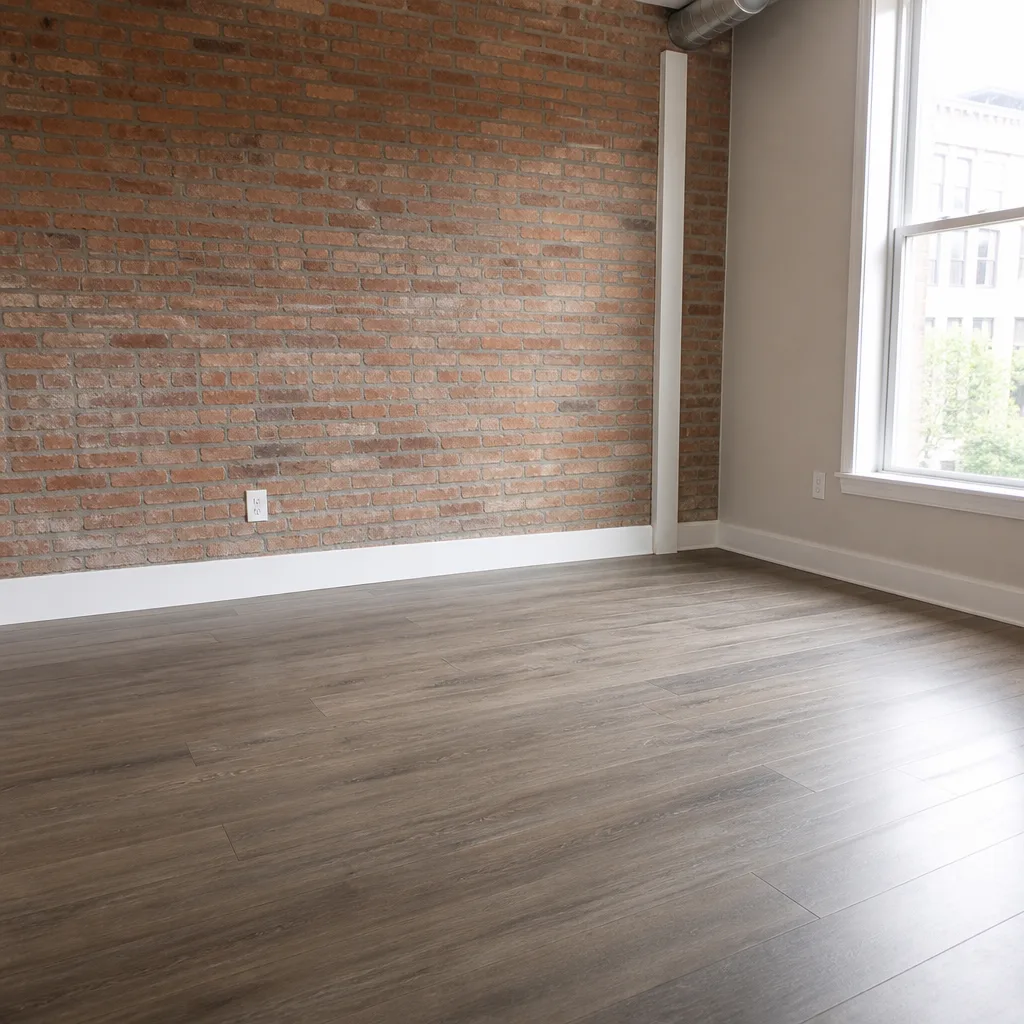 After
After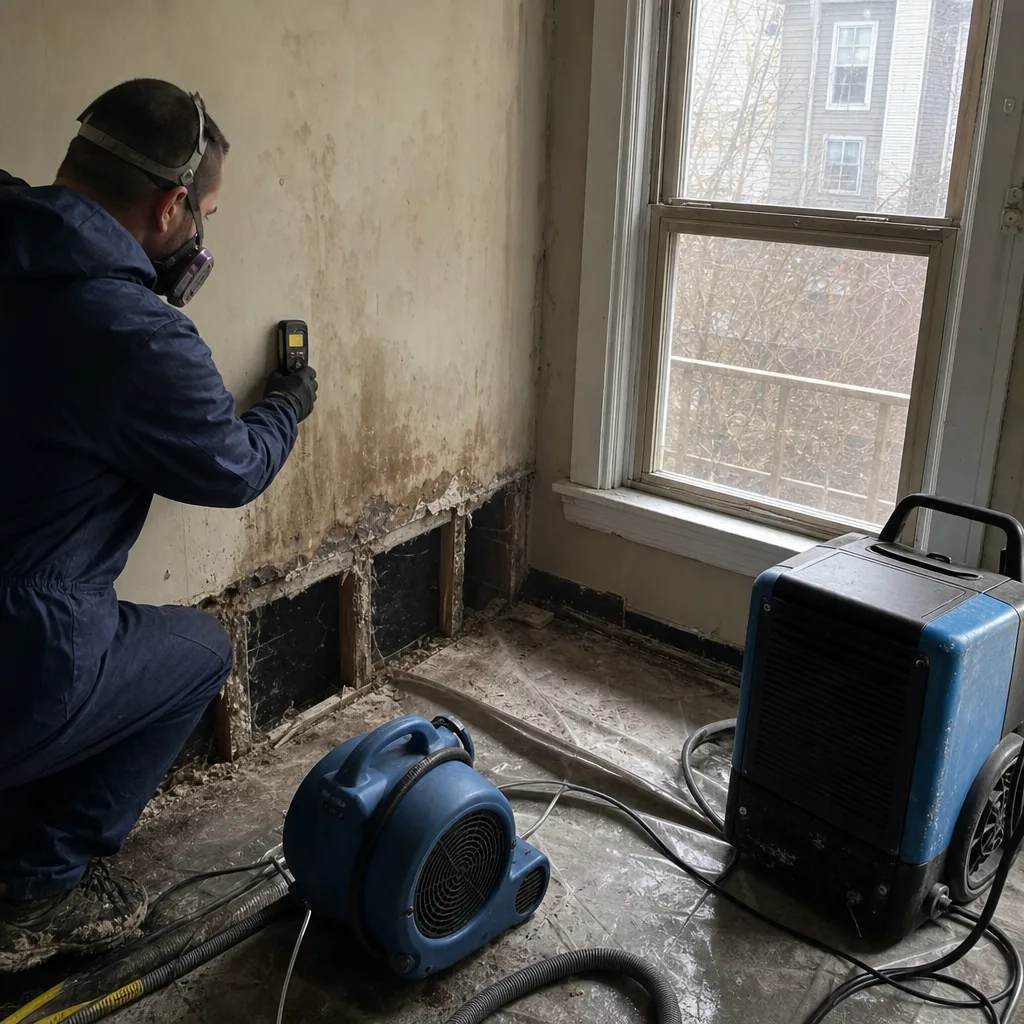 Before
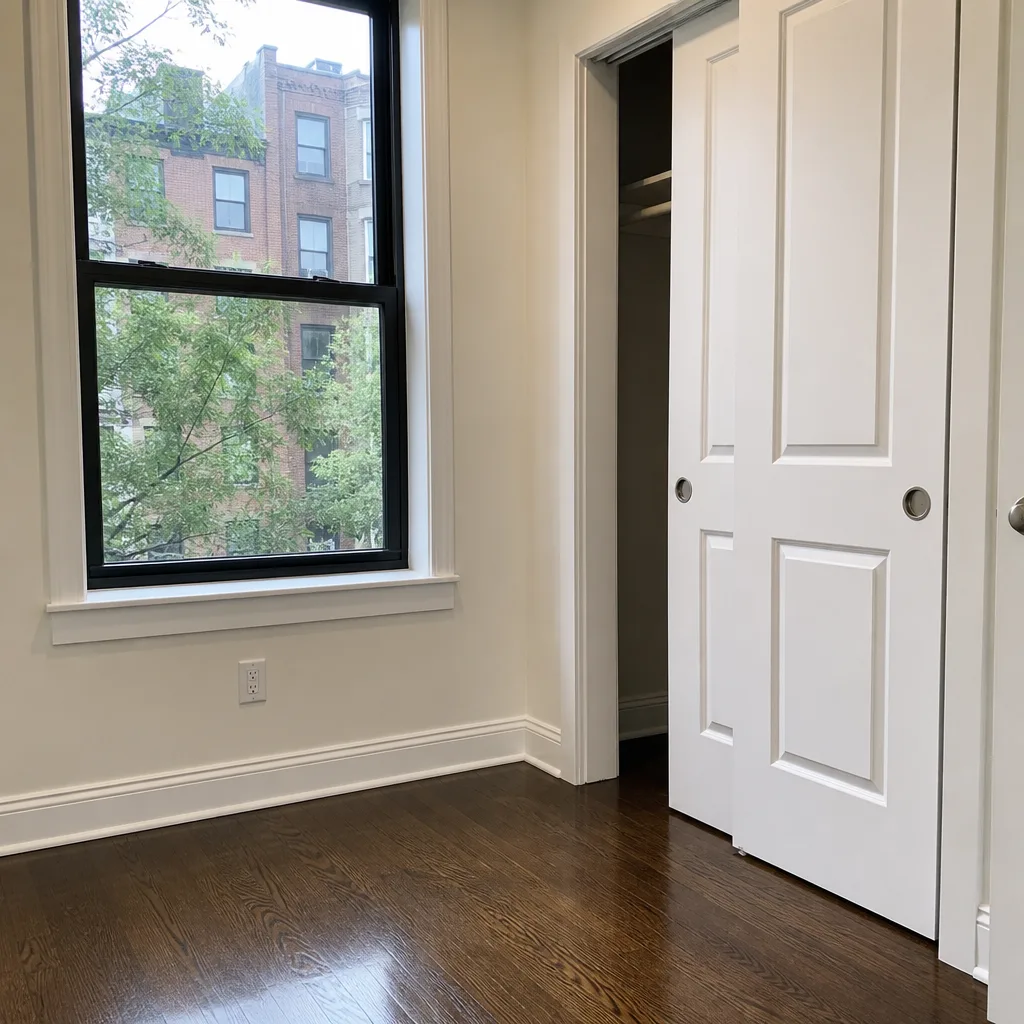 After
After24/7 Emergency Mold Remediation in Washington Square
Mold takes hold quickly in Washington Square’s older buildings. What starts as a musty smell behind a horsehair plaster wall becomes a structural and respiratory problem within days. Our crews answer live at (640) 500-3278 around the clock, and we dispatch into the Washington Square area the same day you call. We walk the property, assess the moisture source and the spread, and give you a written scope before any material comes out. The first hour matters because the faster we contain the affected area, the less demolition is needed and the less it costs to put your home back together. That first call is free.
Understanding Mold Remediation Severity in Washington Square Properties
Mold remediation in Washington Square carries more variables than a typical Manhattan job. The neighborhood’s Greek Revival rowhouses from the 1830s and the pre-war apartment buildings surrounding Washington Square Park were built with horsehair plaster, soft historic brick, and cast-iron steam heat systems. Those materials hold moisture differently than modern drywall and gypsum. When a supply line leaks behind a plaster wall, water wicks upward through the lime-based plaster and into the lath, creating the dark, low-airflow cavity where mold colonies thrive. A surface cleaning only addresses the visible bloom. Without containment, air scrubbing, and controlled drying of the wall cavity itself, the colony returns within weeks.
Severity in Washington Square breaks into three practical levels. A Category 1 loss means clean water from a supply line or radiator and limited exposure time. Category 2 involves gray water from a washing machine or dishwasher that has sat long enough to support microbial growth. Category 3 is black water from sewage or river surge, and it requires full containment, antimicrobial treatment, and often removal of saturated historic plaster. Our IICRC-certified crews have handled all three in this neighborhood, including category 3 losses in below-grade units along Washington Square South where groundwater pressure pushes moisture through old foundation walls.
Why Washington Square Property Owners Choose Floodline Restoration Co.
- 45-minute response commitment: When you call about mold in Washington Square, we give you a firm arrival window and we hold it. The truck rolls from our Manhattan dispatch within the hour.
- A real person answers, day or night: No automated tree, no “leave a message.” Our dispatchers pick up at 2 a.m. and send a certified crew the same visit.
- IICRC-certified technicians: Our crews carry current IICRC certifications including WRT, ASD, and AMRT. They are background-checked, uniformed, and trained to work inside landmarked structures.
- Free visual inspection: We assess the visible mold, identify suspected moisture sources, and tell you honestly whether you need remediation or just improved ventilation. No charge for the visit.
- Direct insurance billing: We bill your carrier directly and document every phase with photos, moisture logs, and line-item scopes. You do not play messenger.
- One team from containment to restoration: The same certified crew that sets up containment and runs HEPA air scrubbers handles the plaster repair and the finish work. No mid-job handoff to a subcontractor you never met.
Our Mold Remediation Process
Inspection & Assessment
We map the moisture and the mold. Thermal imaging shows us what is inside the wall cavity before we open it. We document everything, including the condition of original plaster, trim, and masonry, so the LPC and your insurer see exactly what we found.
Containment & Stabilization
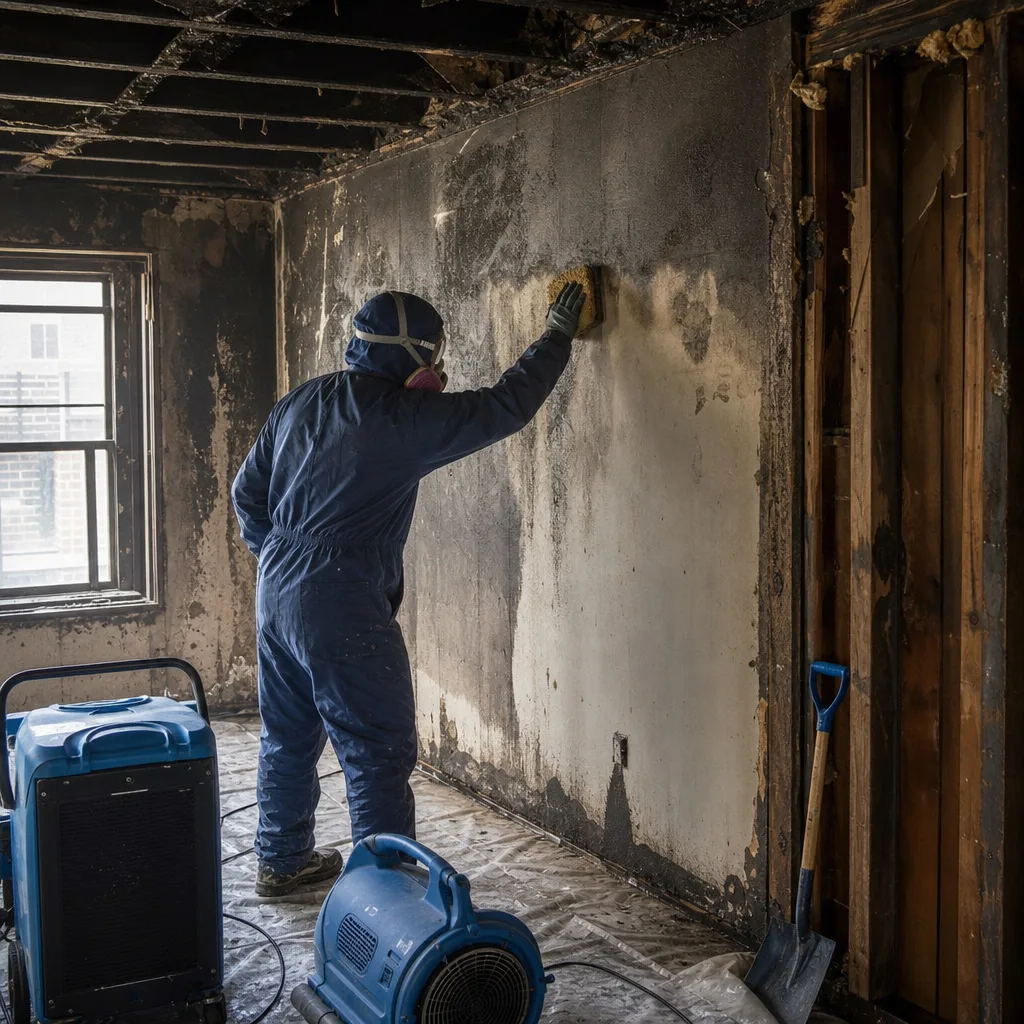
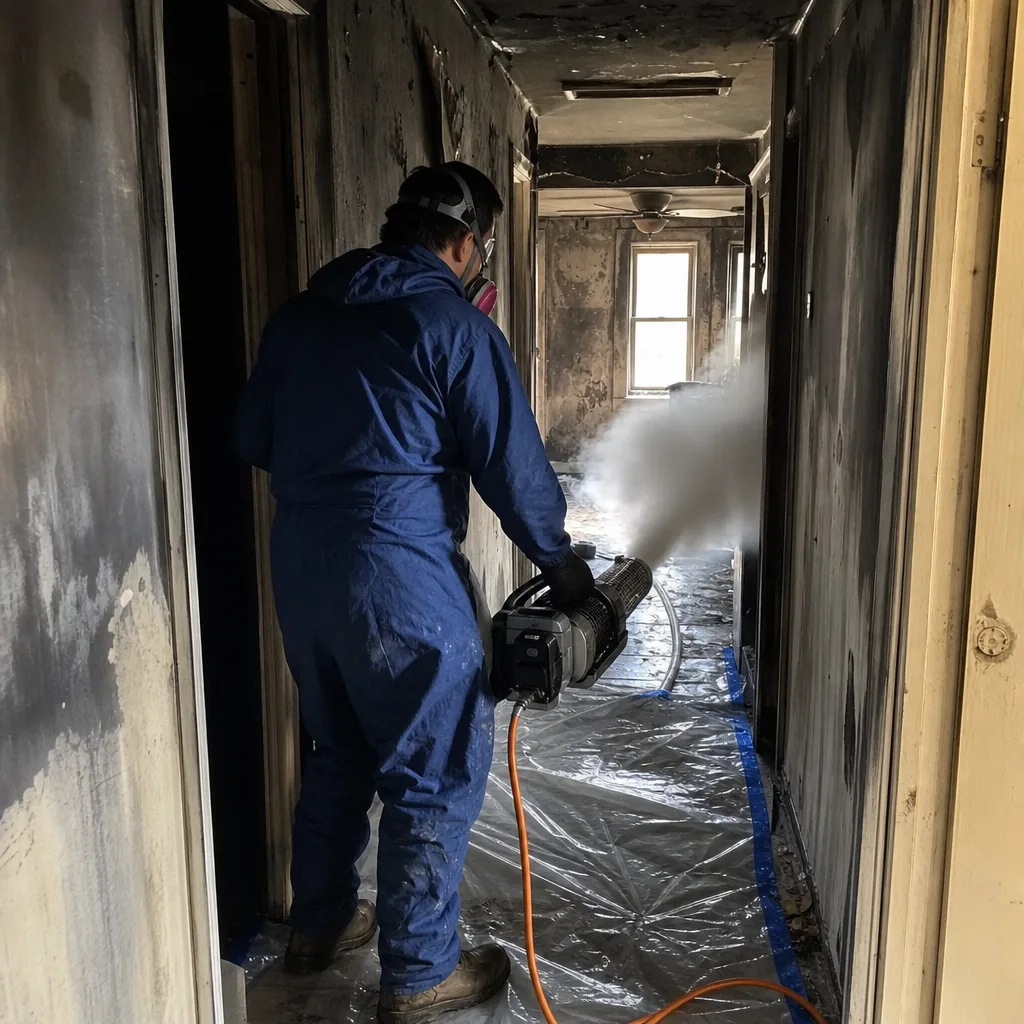
We seal the affected area with negative air pressure and run HEPA air scrubbers so spores do not migrate into adjoining rooms. In Washington Square’s rowhouses, this often means isolating a single parlor or sleeping room while the rest of the house stays livable.
Drying & Dehumidification
We run professional-grade Dri-Eaz dehumidifiers and Phoenix air movers at settings matched to the materials. Horsehair plaster and 1830s soft brick need slow, controlled drying, not high-heat force. We take daily moisture readings until the dry standard is met.
Cleaning & Sanitization
We treat affected surfaces with antimicrobial agents appropriate for the material. On historic wood lath and framing, we clean and treat rather than replace where the structure is sound. Every surface that can be saved is saved.
Historic Material Treatment
This is the step that separates Washington Square work from generic Manhattan remediation. We treat original plaster keys, lime mortar, and period millwork with LPC-compliant methods and materials, so the building fabric survives the process.
Repairs & Restoration
We rebuild what had to come out, matching plaster composition, molding profiles, and paint sheen to the original. Done right, and backed in writing by our 90-Day Done Right Promise.
Need Emergency Mold Remediation in Washington Square Now?
Crews minutes away, answering live 24 hours a day. The sooner we start, the less it costs.
Working With Your Insurance Company
Mold claims in Washington Square are scrutinized closely because the buildings are old and the remediation protocols are complex. Carriers want proof that the mold was caused by a covered loss, documentation of the spread, and a scope that is defensible line by line. We provide that from the first hour. Our crews photograph every affected surface before anything is touched, log moisture readings daily, and write scopes that break out containment, drying, cleaning, and restoration as separate line items. We communicate directly with your adjuster so you do not have to translate trade language into insurance language. If the carrier pushes back on a treatment method, we explain in writing why it is required by the building’s construction type and the LPC constraints. We stand behind every scope we write.
What We Provide Your Insurer
- Thorough documentation of the loss
- Photos of all damage, room by room
- Moisture readings and drying logs
- A detailed, line-item scope of work
- Direct coordination with your carrier
Built for Washington Square’s Loss Calendar
Washington Square mold problems follow the weather, and the weather here is shaped by two rivers. The Hudson and East River channel nor’easter moisture into lower Manhattan, and multi-day rain events push groundwater into the sub-grade spaces of these old buildings. The basements and cellars under Washington Square’s pre-war apartments often lack modern waterproofing, so every heavy rain season brings a wave of mold calls from below-grade units. January deep freezes burst supply lines in uninsulated walls. Spring thaw saturates the soil and finds every crack in the old foundation masonry. Summer thunderstorms overwhelm the aging cast-iron drain systems, and sewage backups push category 3 water into floors built before modern plumbing. October and November nor’easters drive wind-driven rain through the old brick facades. We know that calendar because we have worked it year after year. The right approach is not to wait for the bloom to show. It is to dry the moisture source the day it appears.
Mold Remediation Across Washington Square’s Neighborhoods
Washington Square is not one uniform housing market. It is four or five distinct building types, and each one fails differently. The Greek Revival rowhouses along Washington Square North, known as The Row, are the most delicate jobs we handle. These 1830s houses still carry original horsehair plaster, lime mortar, and ornamental cornices. Remediation there is a controlled, surgical process. Over by Washington Square South, the mid-century and pre-war apartment buildings house a mix of NYU-owned units and private condos, and the sub-grade levels there move groundwater on a regular schedule. Around Washington Mews, the converted carriage houses have unique partition walls and old plumbing chases that hide leaks for months before anyone notices. And over toward the NYU Silver Center and the blocks east of the park, the older pre-war walk-ups with steam heat and original radiators produce the supply-line and radiator-valve leaks that feed wall-cavity mold. When you call us from any of these blocks, the crew that arrives already knows what to expect behind the walls.
Specialized Mold Remediation Services We Offer in Washington Square
Mold Inspection & Testing
We start with a visual inspection and moisture mapping, not a sales pitch. In Washington Square, that means checking the original plaster walls, the sub-grade floors, and the steam-heat risers for hidden moisture. We identify the source of the moisture and the extent of the bloom before we recommend any remediation. No unnecessary testing, no fear-based upselling.
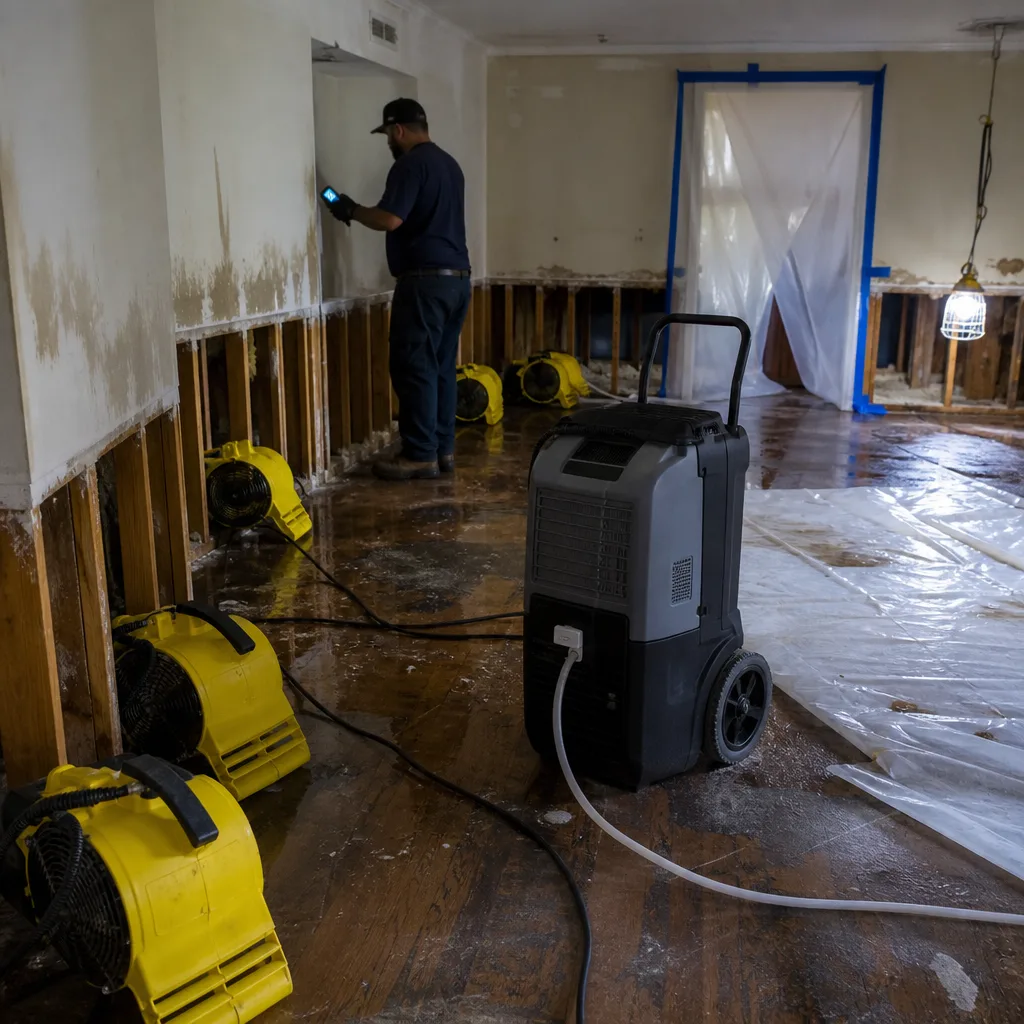
Mold Removal
This is the physical removal of mold from surfaces that can be saved: plaster, wood lath, joists, and masonry. In Washington Square’s historic buildings, our default is always restoration before replacement. We clean and treat what is sound, and we remove only what has lost structural integrity or cannot be decontaminated.
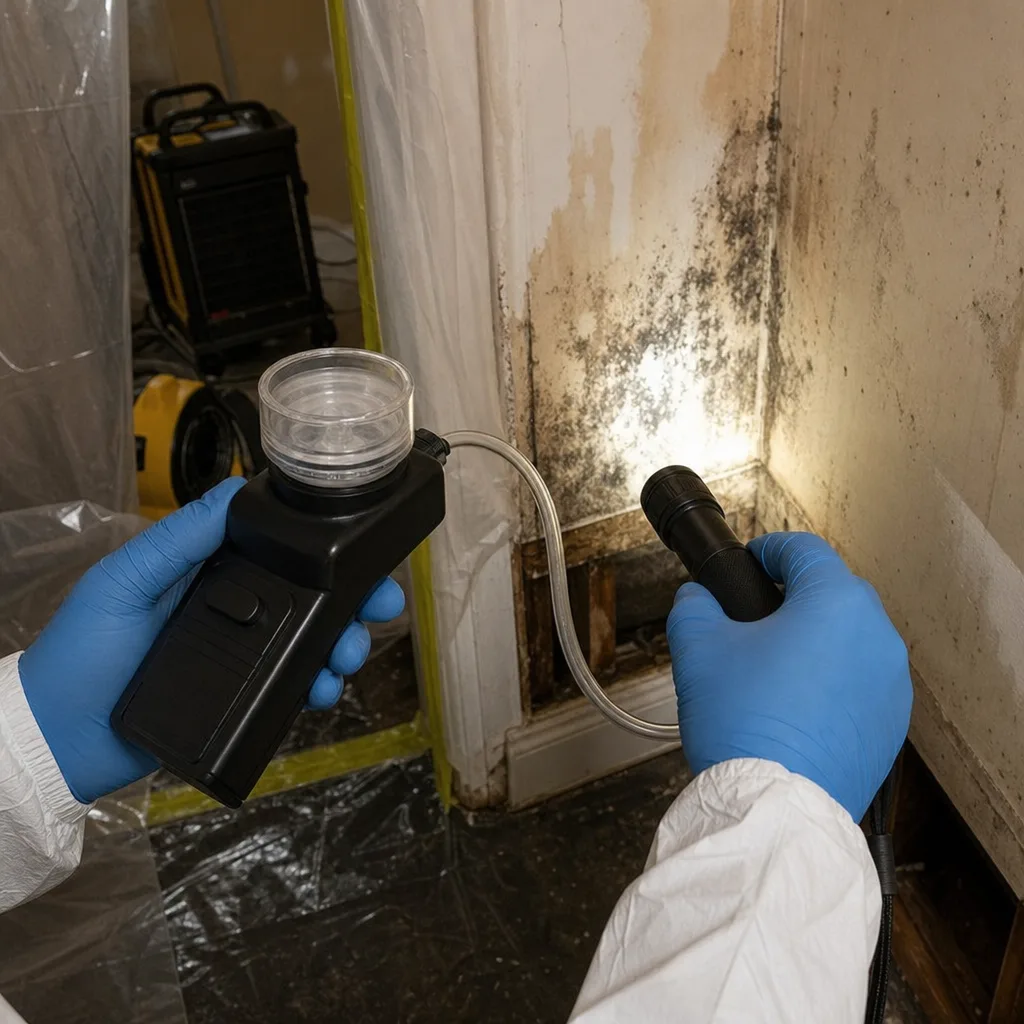
Black Mold Remediation
Black mold, or Stachybotrys, grows in spaces with prolonged moisture and low airflow. Behind Washington Square’s original plaster walls and under its old basement slabs, those conditions are common. We contain the area under negative pressure, remove the affected material, treat the cavity, and run clearance testing before the containment comes down. We do not take shortcuts with black mold, and we do not leave a job until the space is safe to occupy.
Air Quality Restoration
After any mold job, the air in the affected rooms carries spore counts and microbial byproducts. We run HEPA air scrubbers during the job and after the work is done, and we verify the air quality before we call the job complete. In older Washington Square apartments with limited ventilation, we often recommend adding mechanical ventilation to prevent recurrence.
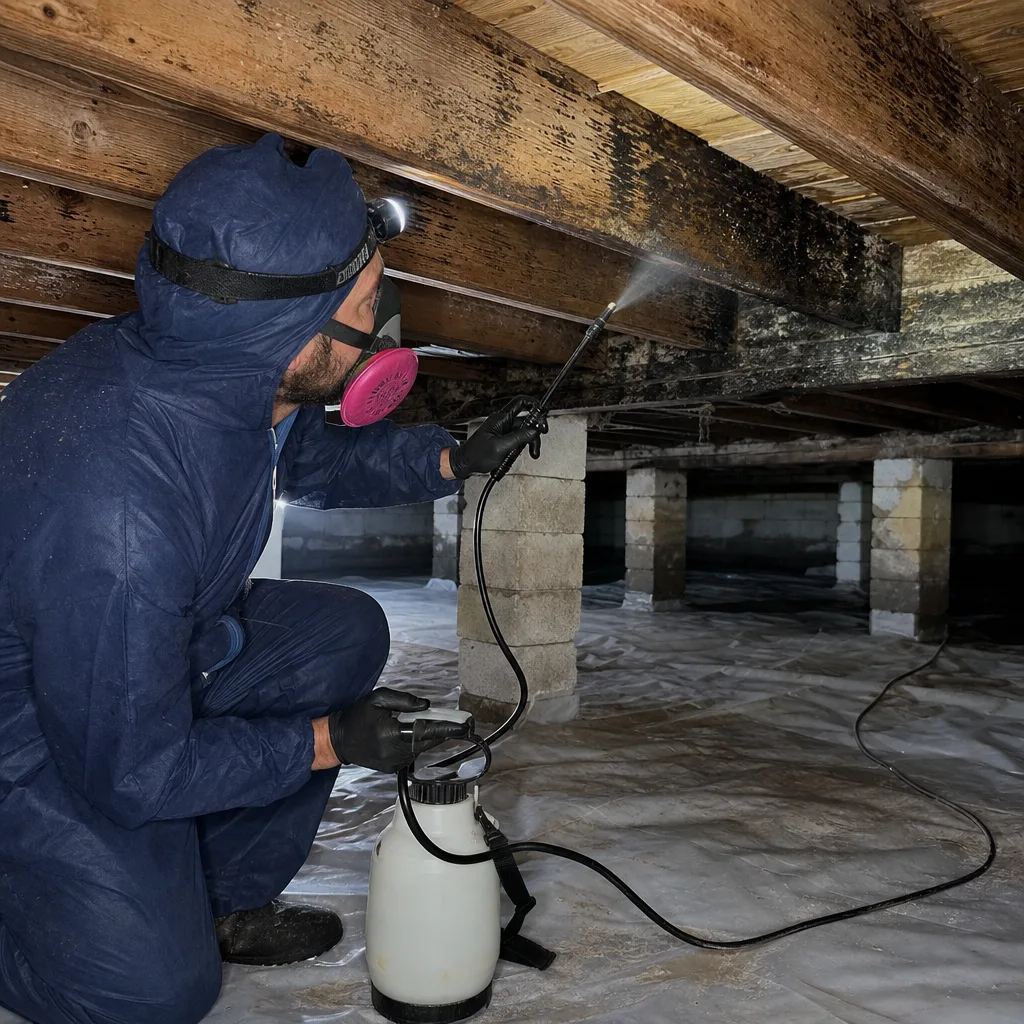
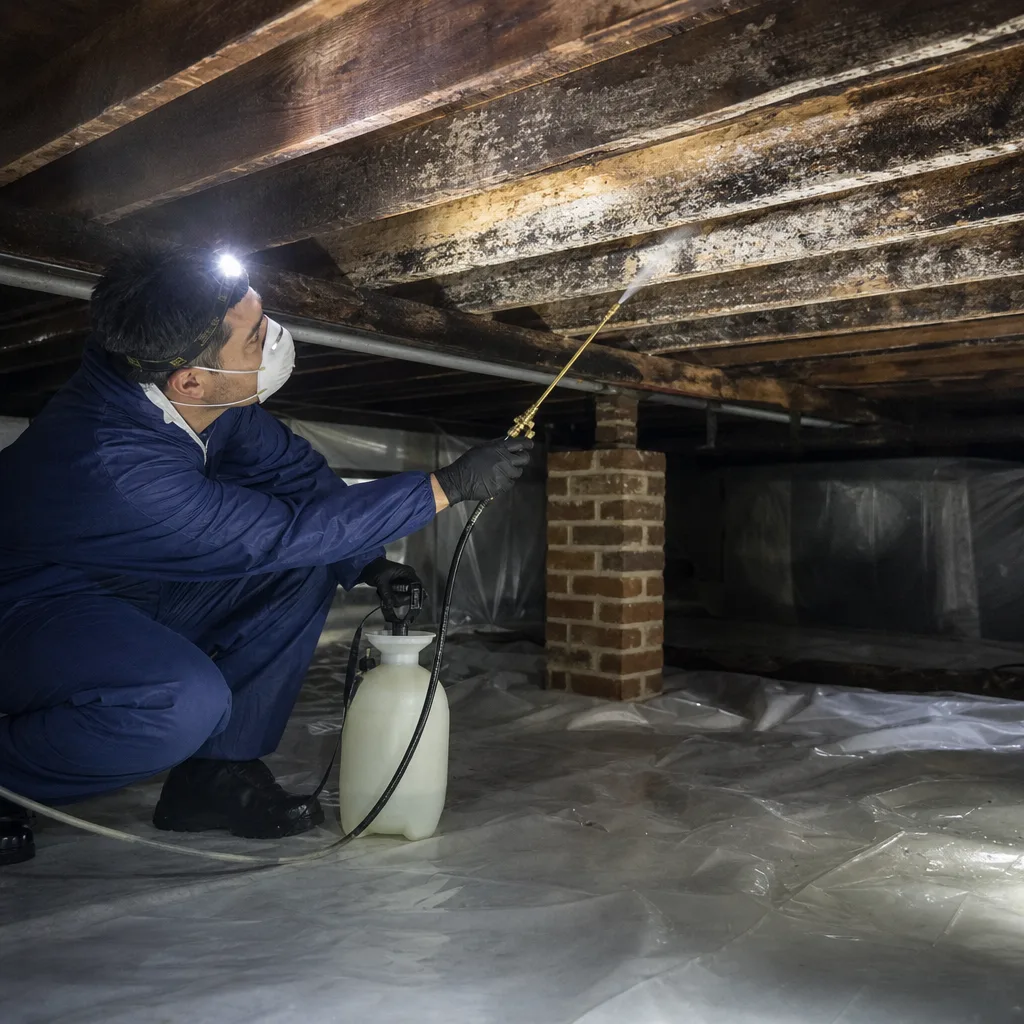
Crawl Space Treatment
Some of Washington Square’s older row houses and carriage houses have shallow crawl spaces that act as moisture reservoirs. We treat the framing, install vapor barriers, and control the humidity so the crawl space stops feeding mold into the living spaces above.
Moisture & Humidity Control
This is where prevention lives. In buildings with steam heat and original windows, humidity swings are part of life. We install and service dehumidification systems, check existing ventilation, and correct drainage around the foundation where possible. The best mold job in Washington Square is the one that never becomes necessary.
What happens when you call
- 1
A real person answersNo phone trees - you reach a local pro.
- 2
You get an upfront price rangeHonest numbers before anyone is dispatched.
- 3
A background-checked tech heads outLicensed & insured, dispatched right away.
- 4
You approve before work beginsNothing starts until you say go.
Mold Remediation Costs in Washington Square, NY
Mold remediation in Washington Square runs higher than the Manhattan average because the buildings are older and the materials demand care. A simple surface cleaning with containment on a single wall runs $800 to $1,800. A full wall-cavity remediation with plaster removal, drying, and matching restoration typically runs $3,000 to $9,000 depending on the size of the affected area and whether ornamental plaster must be reproduced. Black mold jobs involving category 3 water and sub-grade spaces start around $5,000 and can exceed $15,000 in a landmarked rowhouse with custom millwork. The LPC piece adds cost too: if we must file documentation with the Landmarks Preservation Commission, that is a real line item, and it should be. Our free visual inspection gives you a firm number before anything is torn out. The 90-Day Done Right Promise means you do not pay twice for the same problem.
| Service | Washington Square Typical Range |
|---|---|
| Visual inspection & written scope | Free |
| Containment & surface mold cleaning (single room) | $800-$1,800 |
| Wall-cavity remediation with plaster restoration | $3,000-$9,000 |
| Black mold / category 3 full remediation | $5,000-$15,000+ |
| Crawl space treatment with vapor barrier | $2,000-$6,000 |
Senior and veteran homeowners always receive 5% off. Repairs over $250 carry a $50 discount. Our $89 seasonal tune-up covers a visual moisture check and humidity assessment for Washington Square properties.
We Also Serve Cities Near Washington Square
Our crews work throughout lower Manhattan. Beyond Washington Square, we regularly handle mold remediation in Washington Square adjacent neighborhoods including Lower Manhattan, Midtown West, Midtown Manhattan, and Murray Hill. If your building sits within a few blocks of the park, call us. The same team, the same standards, the same 90-Day Done Right Promise.
Washington Square Mold Remediation Questions, Answered
Does mold remediation in Washington Square require Landmarks Preservation Commission approval?
Yes, in many cases it does. Washington Square sits within the Greenwich Village Historic District, and any mold remediation that disturbs original plaster, masonry, or period millwork triggers LPC review. We handle the paperwork and coordinate with the Commission before any controlled demolition begins. The work itself is not prohibited, it just must be done with matching materials and approved methods.
How do you dry horsehair plaster walls without causing them to crumble?
Slowly and with daily moisture readings. Horsehair plaster from the 1830s contains lime and animal-hair fiber, and it cannot tolerate high-heat forced drying. We set dehumidifiers at lower output and longer run times, and we monitor the plaster with moisture meters until the dry standard is reached. Rushing this step causes the plaster to crack, spall, and separate from the lath.
What’s different about mold remediation for NYU-owned buildings around Washington Square?
Institutional procurement. NYU manages many of the buildings surrounding the park, and their facilities and risk-management departments require documentation standards that go beyond a typical homeowner claim. We photograph pre-loss conditions, write scopes that their adjusters can audit, and coordinate directly with their assigned facilities managers. The work is the same, but the paperwork trail is heavier, and we are used to it.
Can you remediate mold in below-grade apartments with chronic groundwater intrusion?
Yes, but the mold will return unless the moisture source is addressed. In Washington Square’s sub-grade units, groundwater pushes through old foundation walls during rain events. We remediate the mold, then we recommend and install drainage, vapor barriers, or dehumidification to control the recurring moisture. Fixing only the mold without fixing the water is a half job, and we do not do half jobs.
Do you remove damaged historic materials during mold remediation, or restore them?
We restore what can be saved and remove only what has lost structural integrity. Original horsehair plaster that is still keyed to the lath gets cleaned, treated, and dried. Ornamental cornices and period millwork get preserved wherever possible. When removal is unavoidable, we match the replacement material to the original so the building’s fabric stays intact.
How fast can you actually get to a mold emergency in Washington Square?
Our commitment is 45 minutes from your call to a crew on the way. We dispatch from our Manhattan office, and Washington Square is inside our core response zone. The inspection and containment setup happen the same visit.
Will my insurance cover mold remediation in a landmarked building?
It depends on the policy and the cause of the loss. Most carriers cover mold remediation when it results from a covered water event, and the LPC compliance costs are often covered as part of the restoration scope. We document everything in the format carriers expect and bill them directly. Call (640) 500-3278 and we will walk through what your specific policy likely covers.
Do I need full remediation or just a cleaning?
It depends on how far the moisture reached. Surface mold on a wall with no hidden moisture source may only need cleaning. Mold inside a wall cavity or behind plaster always needs full containment and treatment. A free visual inspection answers this question honestly, without pressure.
Serving Washington Square, NY - Our Local Coverage Area
We’re based in the Washington Square area and know this community well. Use the map below to see our service coverage - if you’re nearby, we can almost certainly help.
The Landmarks Issue Nobody Talks About
Washington Square sits inside the Greenwich Village Historic District, and that changes how mold remediation gets done. Any work that disturbs original 1830s horsehair plaster, Greek Revival masonry, or period millwork requires coordination with the Landmarks Preservation Commission. A contractor who tears out wet plaster without LPC sign-off can trigger a stop-work order, fines, and a restoration mandate that costs far more than the original job. We do not let that happen. Our teams document the pre-loss condition first, file the work the right way, and use LPC-compliant matching materials for every repair. The building’s historic fabric matters as much as the mold removal itself.
On Washington Square North, our crew contained a black mold bloom behind original horsehair plaster in an 1830s rowhouse after a category 3 sewer backup. We ran moisture mapping with thermal imaging, set up containment and air movers, then performed controlled demolition of only the saturated plaster keys while preserving the ornamental cornice. Every step was coordinated with the Landmarks Preservation Commission before structural drying began. That is the difference between a crew that understands Washington Square and a crew that just shows up with a demolition hammer.
Owners in this neighborhood have a choice. You can hire a company that treats Washington Square like any other zip code, or you can hire a Mold Remediation team that already knows the LPC process, the building types, and the drying protocols these old walls demand. We have been doing this work long enough to know that the cheapest bid on a Washington Square rowhouse usually becomes the most expensive mistake.
Call us at (640) 500-3278 for a free visual inspection and an honest scope. The line the water left is where we start.
Written by Curt Bowman, Owner at Floodline Restoration Co., providing mold remediation services in Washington Square and throughout lower Manhattan.