
Free visual inspection and a written scope of work before any mitigation begins - photos, moisture readings, and drying logs go in your claim file
The scope we write is the scope we bill. Anything new gets shown to you, in writing, before we touch it.
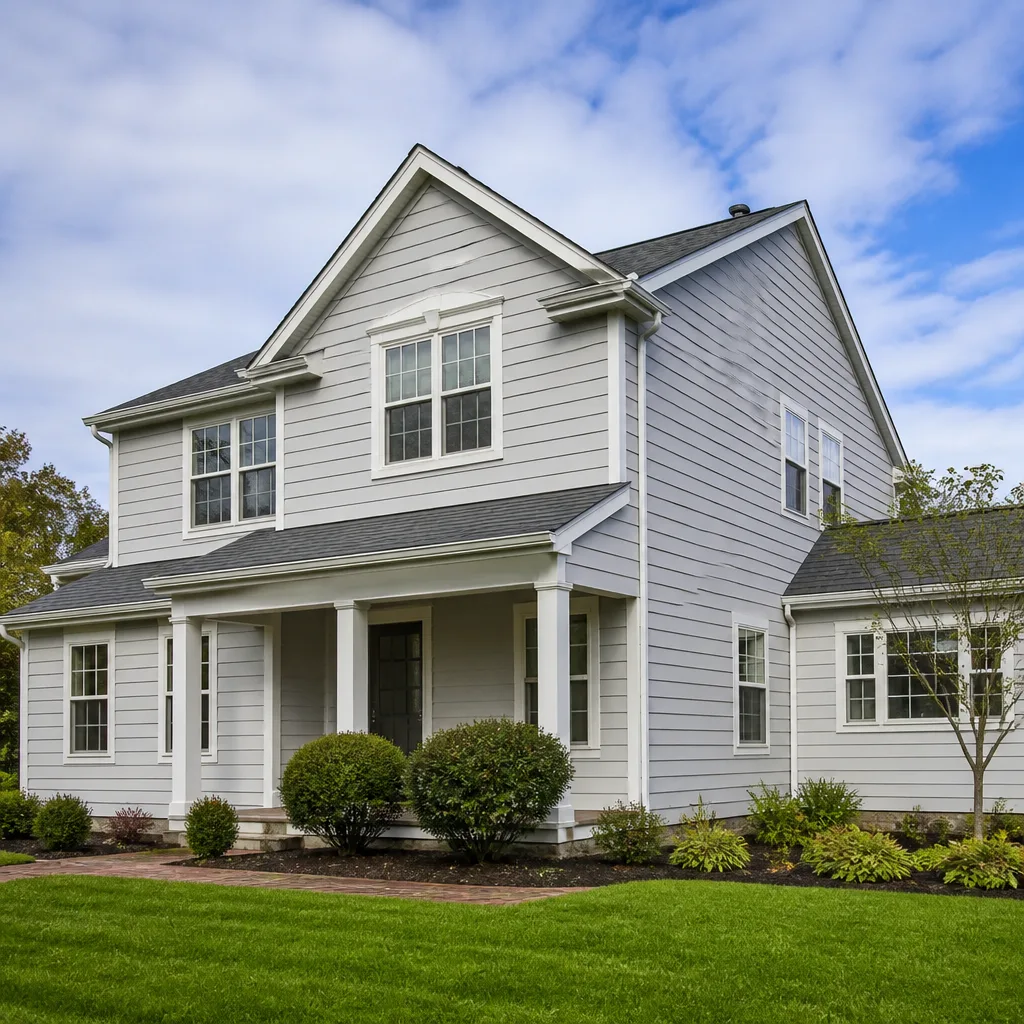
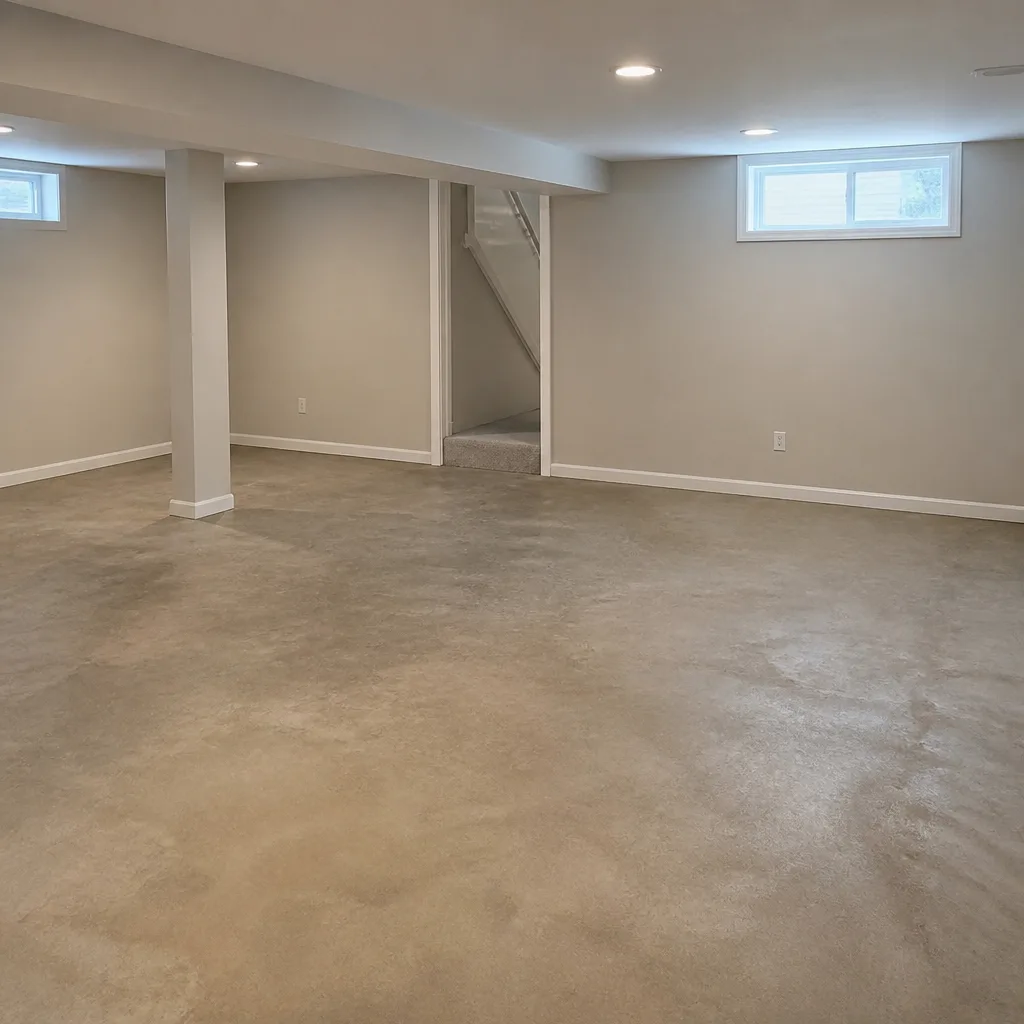
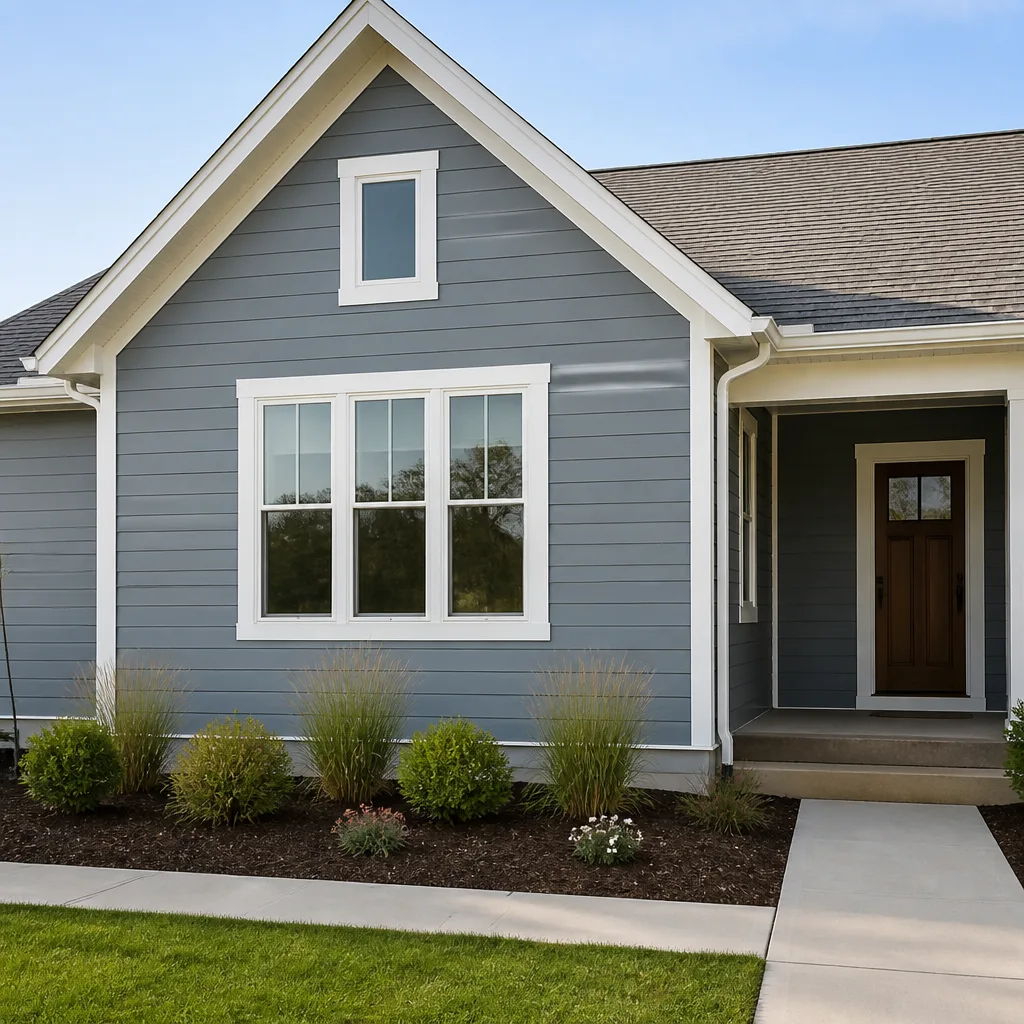
 Before
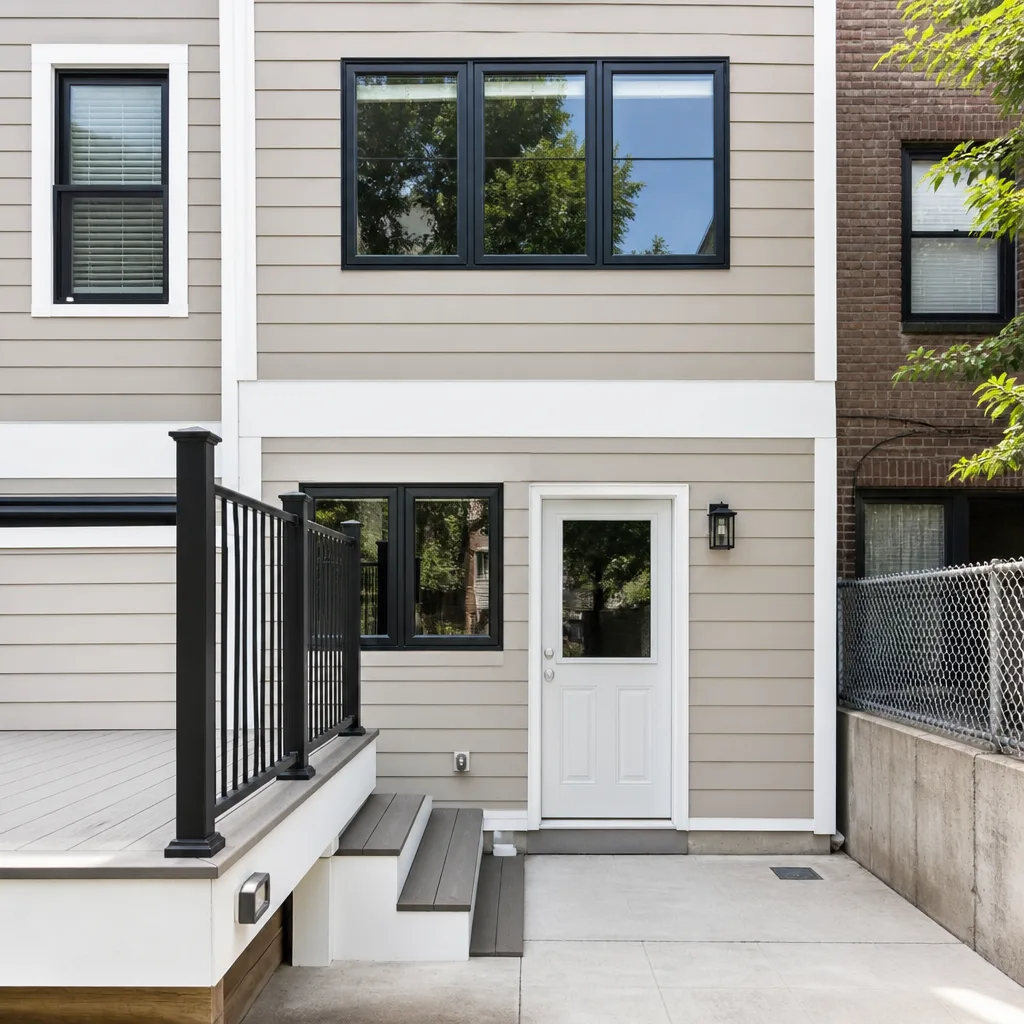 After
After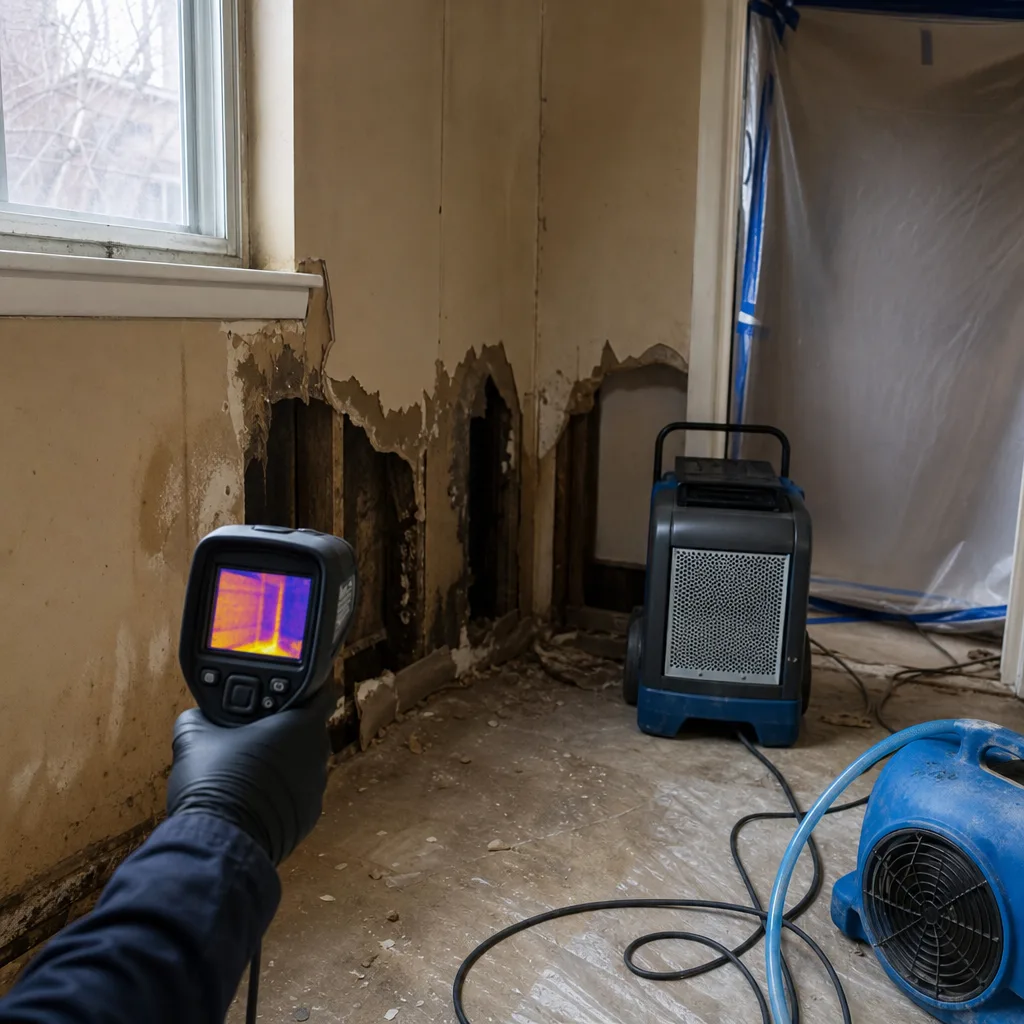 Before
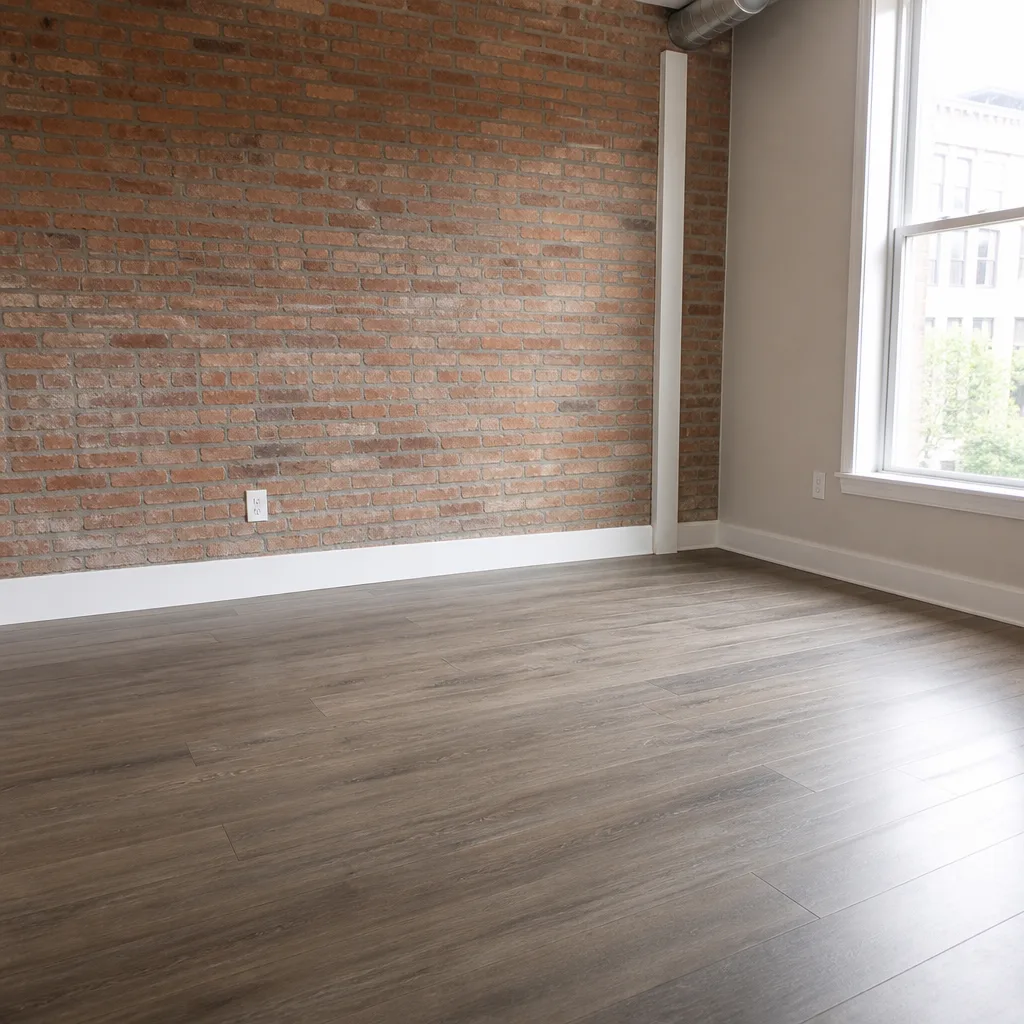 After
After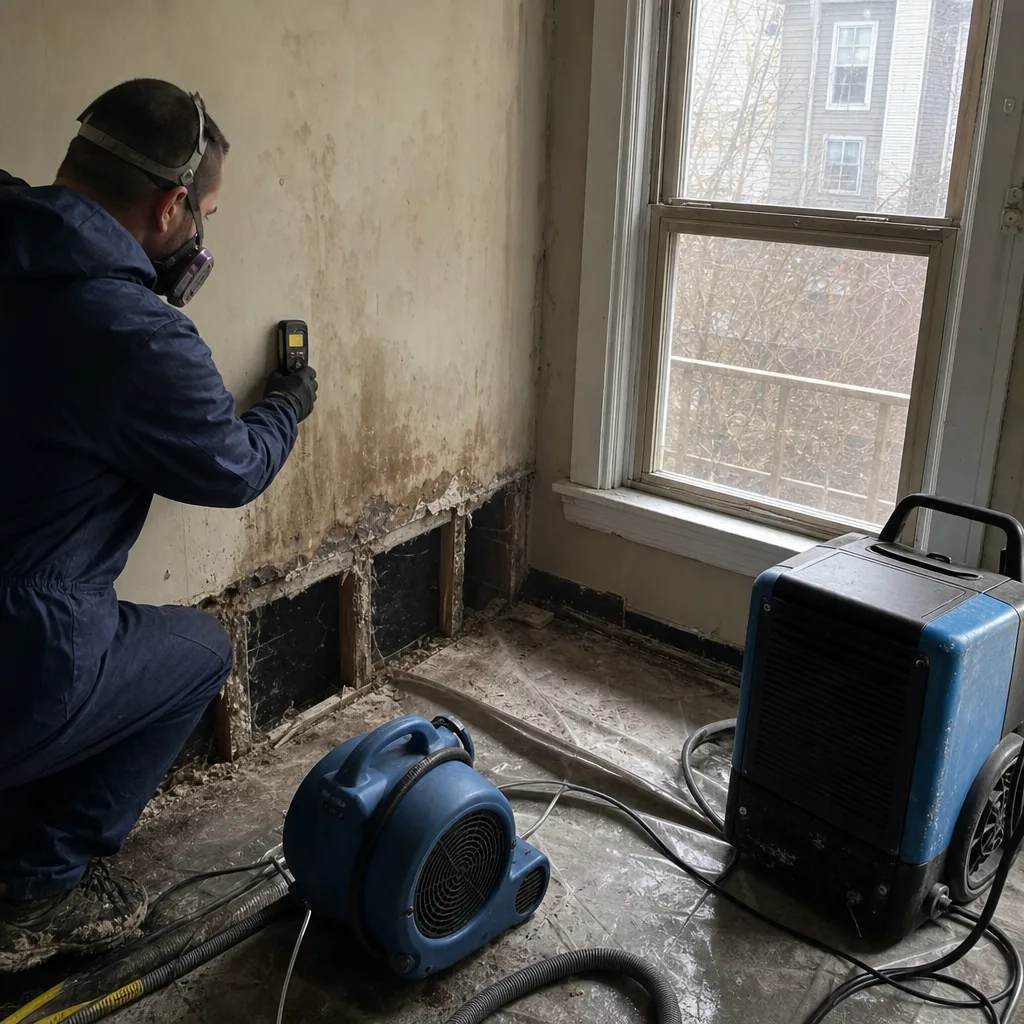 Before
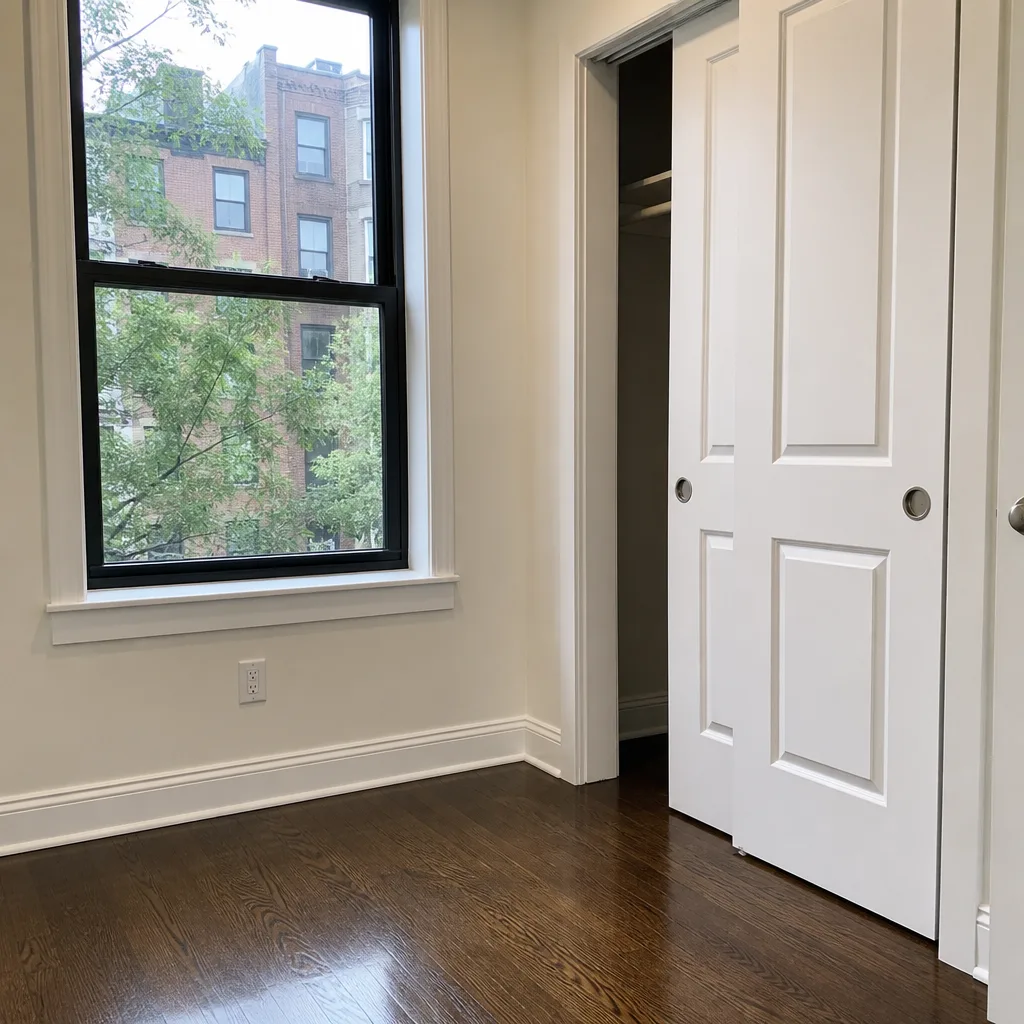 After
After24/7 Emergency Mold Remediation in Midtown West
Mold remediation in Midtown West typically runs $1,800-$6,500 for a contained single-room remediation, and $8,000-$35,000+ when a hotel tower or pre-war building has water running through multiple floors. We answer live at (640) 500-3278, any hour, and can have a certified crew on site in Midtown West within 45 minutes of your call. The first hour matters because mold colonizes wet drywall and carpet within 24-48 hours, and in Midtown West’s high-rise inventory, a damp wall cavity behind one unit feeds spores into shared corridors and ductwork before anyone sees staining. A free visual inspection gives you a straight answer about what you’re dealing with, and we’ll document everything for your insurer from the first visit.
Understanding Mold Remediation Severity in Midtown West Properties
Mold severity in Midtown West breaks along building age and water source. A slow plumbing weep behind a Hell’s Kitchen tenement wall, fed by original 1920s galvanized supply lines, produces a different contamination profile than a 14th-floor sprinkler discharge that soaked twelve floors of a Theater District hotel. We classify every job by water category and square footage of affected material. Category 1 water from a clean supply line is far less dangerous than Category 3 water from sewer backflow, which we see regularly in sub-grade mechanical rooms west of Ninth Avenue where the combined sewer system surcharges during heavy rain. Pre-1980 structures in Midtown West almost always require asbestos and lead-paint surveys before we open wall cavities. That’s not bureaucracy. It’s the difference between a scoped, permitted remediation and a liability nightmare. We run containment with negative-air pressure, HEPA air scrubbers, and daily spore-trap sampling until clearance testing confirms the air is clean. No shortcuts. The Keystone Standard means it’s done right, in writing, or we make it right.
Why Midtown West Property Owners Choose Floodline Restoration Co.
- 45-minute response commitment - we dispatch crews stationed in Midtown West, not from a suburban depot across a bridge.
- A live person answers, 24/7 - no answering service, no callback queue. You talk to a dispatcher who knows restoration, at 2 a.m. if that’s when you call.
- IICRC-certified crews - our technicians hold AMRT (Applied Microbial Remediation Technician) and WRT (Water Damage Restoration Technician) certifications, and they’re background-checked and uniformed on every job.
- Free visual inspection - we’ll tell you what’s actually wet, what’s actually growing, and what doesn’t need touching. A square deal, no scare tactics.
- Direct insurance billing - we document everything, bill your carrier directly, and you never play messenger between us and the adjuster.
- One team from extraction to reconstruction - the same crew that reads the moisture map on day one rebuilds the wall on day ten. No mid-job handoff. Founded in 2010 by Curt Bowman, we built this company around a dispatch board, not a sales desk.
Our Mold Remediation Process
Inspection & Assessment
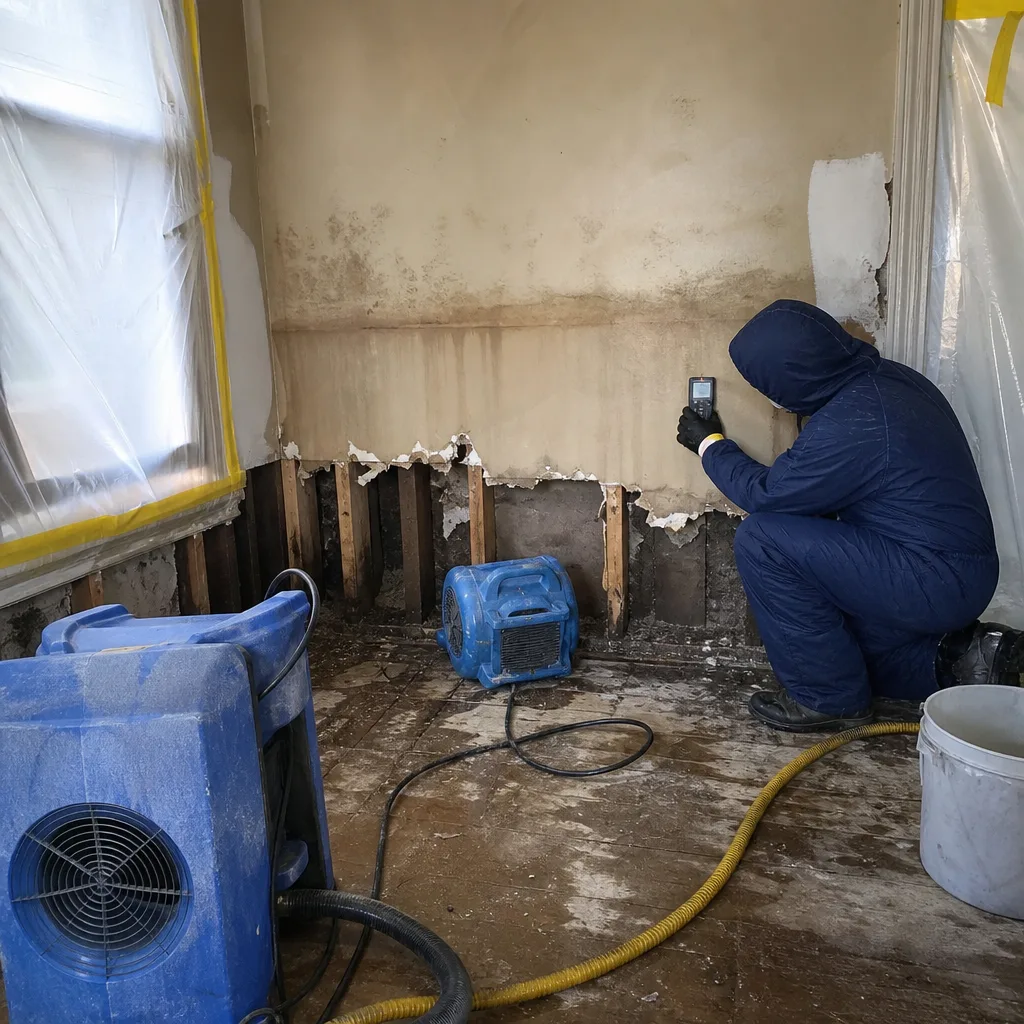
We map moisture with thermal imaging and hygrometers, identify the water source, and document every affected square foot. In a Midtown West hotel tower, that means coordinating with building engineers to access riser closets and mechanical chases. The written scope you approve is the scope we work from.
Containment & Stabilization
Negative-air containment seals the affected zone. HEPA scrubbers run continuously. We shut the source water, cap the leak, and stabilize humidity before any demolition begins. In occupied high-rises, we build containment corridors that keep hallways usable while work proceeds behind plastic.
Drying & Dehumidification
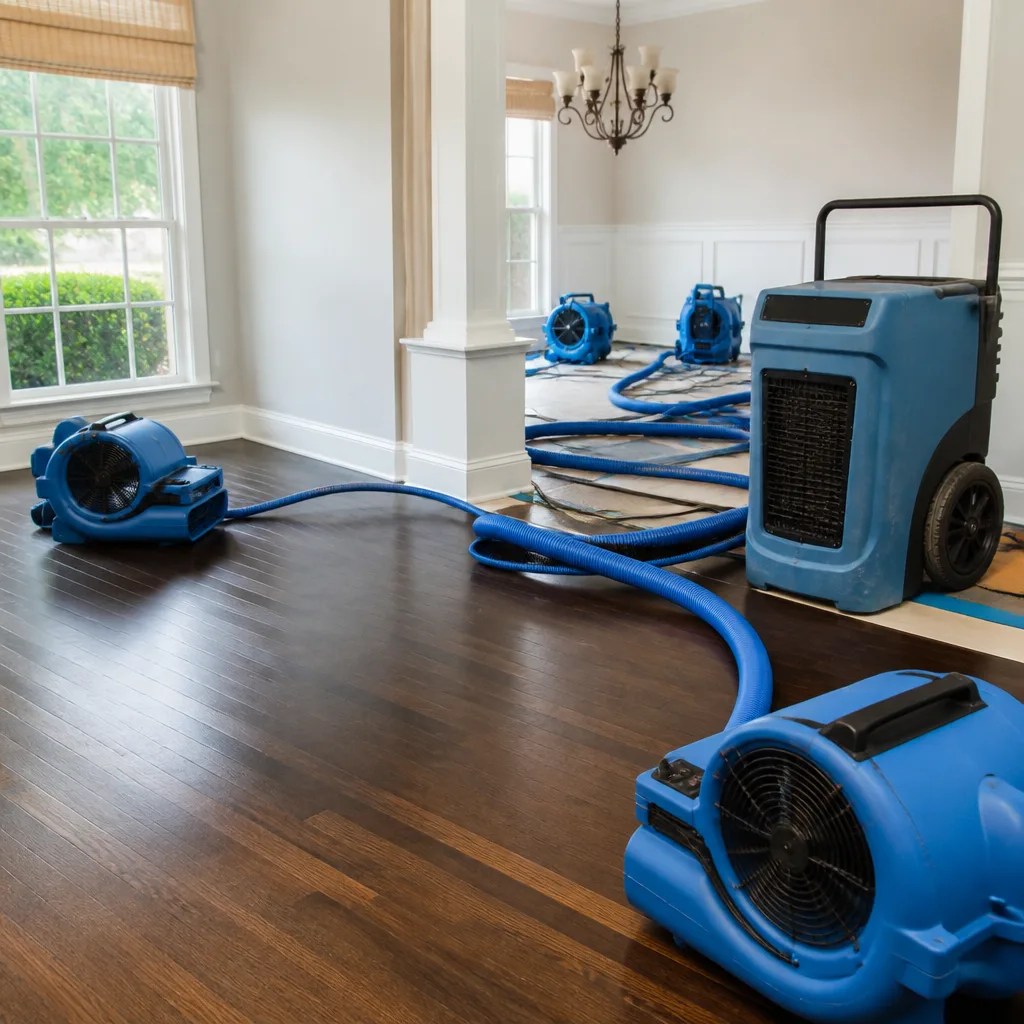
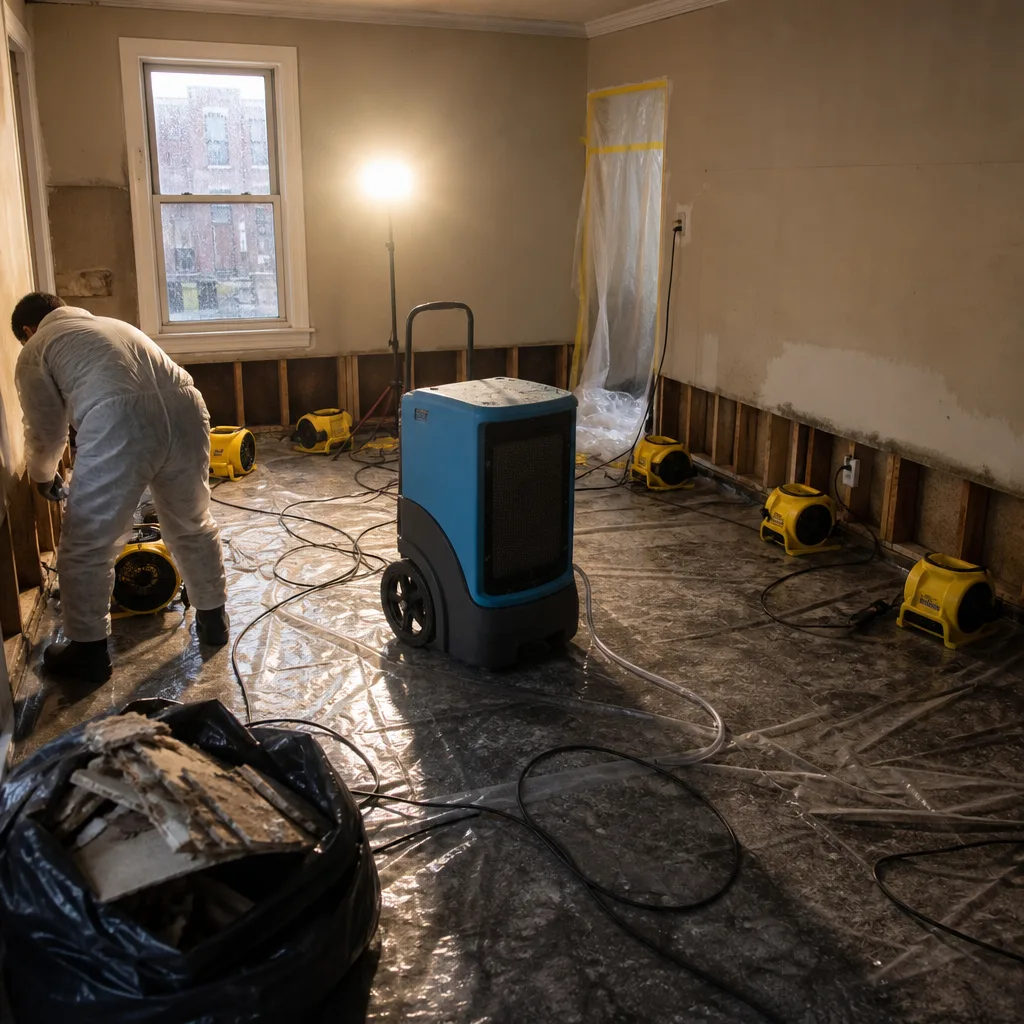
Professional-grade Dri-Eaz and Phoenix air movers and dehumidifiers dry wall cavities from the inside. Injectidry systems handle in-wall drying where baseboards stay in place. We log moisture readings every four hours and share that log with you and your insurer.
Cleaning & Sanitization
We remove affected drywall, carpet, and insulation under containment. Remaining structural surfaces get HEPA-vacuumed and treated with EPA-registered antimicrobials. Soft goods that can be restored go through specialized cleaning; unsalvageable materials are bagged and removed under protocol.
Air Quality Restoration
Air scrubbers run through the drying phase and beyond. Before we remove containment, we conduct clearance air sampling to confirm spore counts have returned to normal background levels for Midtown West’s indoor environment. You get the lab results.
Repairs & Restoration
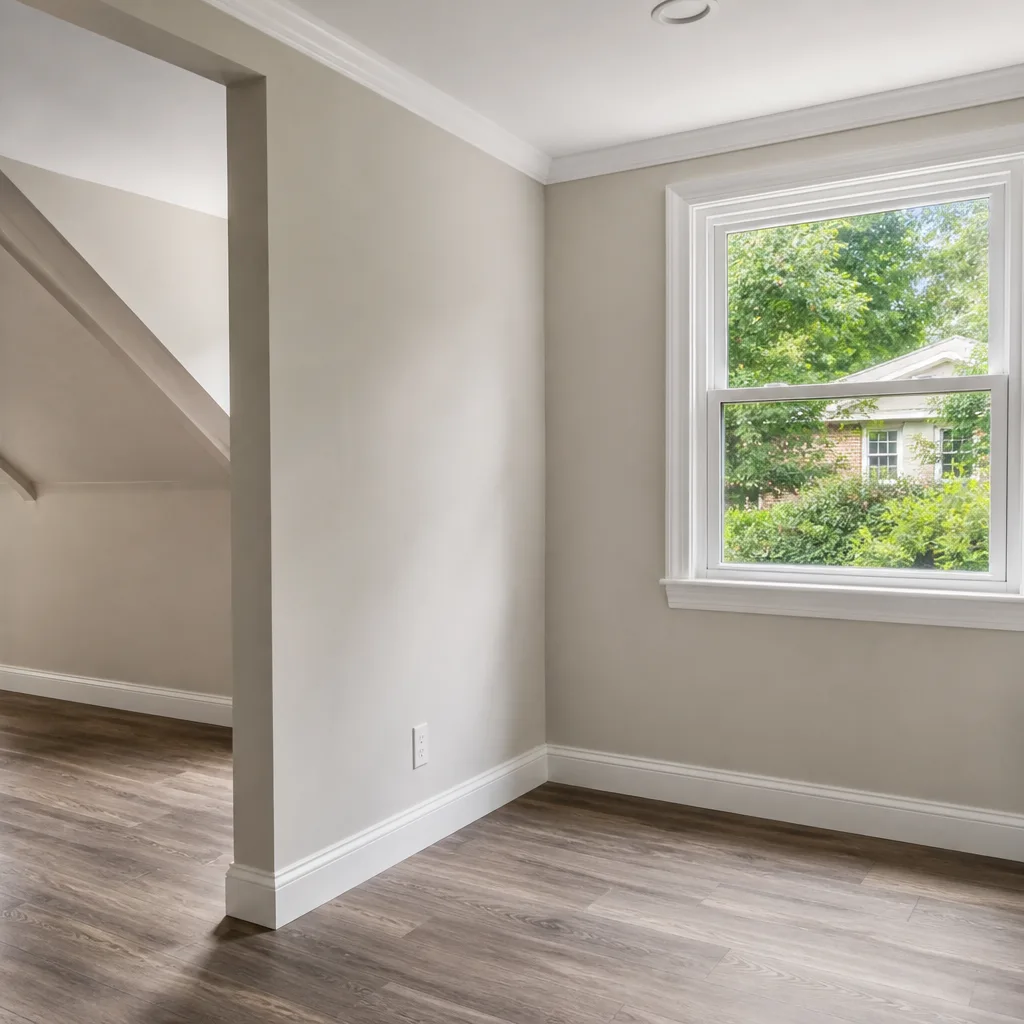
The same crew rebuilds what came out: drywall, trim, paint, flooring. If the building requires union trades for structural work in a commercial tower, we coordinate that directly. You get your space back to pre-loss condition, and the 90-Day Done Right Promise covers the result in writing.
Need Emergency Mold Remediation in Midtown West Now?
Crews minutes away, answering live 24 hours a day. The sooner we start, the less it costs.
Working With Your Insurance Company
Insurance covers mold remediation when the mold stems from a covered water loss: a burst pipe, a storm opening, a sprinkler discharge. It generally does not cover mold from long-term humidity or deferred maintenance. Our job is to document the cause and the scope so your claim stands up. We photograph every affected room before we touch anything, log moisture data daily, and write a line-item estimate in the same format your carrier expects. Our project managers talk to your adjuster directly. You don’t relay messages, and the Keystone Standard backs the work after the claim closes.
What We Provide Your Insurer
- Thorough documentation of the loss
- Photos of all damage, room by room
- Moisture readings and drying logs
- A detailed, line-item scope of work
- Direct coordination with your carrier
Built for Midtown West’s Loss Calendar
Midtown West takes water damage on its own schedule. January deep freezes pop supply lines in pre-war buildings along Ninth and Tenth Avenues, where 100-year-old cast iron doesn’t flex. Spring thaw and heavy April rains push groundwater into basement mechanical rooms west of Tenth Avenue, where the water table sits close to the surface. Summer thunderstorms overwhelm the combined sewer system and send Category 3 water backflowing through floor drains in sub-grade retail. November nor’easters drive wind-driven rain into older window assemblies and roof penetrations across the Theater District. Each season produces a distinct mold risk profile. A January supply-line break in a Hell’s Kitchen walk-up usually means contained wall-cavity drying and a two-unit remediation. A July sewer backflow in a basement restaurant near Hudson Yards means full gut, Category 3 protocols, and a longer rebuild. Knowing Midtown West’s calendar means we carry the right equipment, the right containment stock, and the right crew depth for what’s coming. Mold Remediation work here follows the water, and the water follows the season.
Mold Remediation Across Midtown West’s Neighborhoods
Hell’s Kitchen is our bread and butter. The tenements between 34th and 59th, west of Eighth Avenue, were built 1890-1930, and most still run on original plumbing. When a galvanized supply line lets go on the fourth floor, water travels down through three units, and mold starts in the wall cavities before the ceilings even stain. We know those floor plans. We know which buildings share risers and which have knob-and-tube wiring that makes wall-cavity drying a two-trade job. The Theater District’s hotel towers, between Seventh Avenue and Broadway, are a different animal. Steam-heat systems surge, dry-pipe sprinkler heads trip, and one head can soak fifteen occupied floors before housekeeping notices. We run containment on a floor-by-floor basis, coordinate with hotel ops and union trades, and keep occupancy live above and below the work zone. Over by Hudson Yards, the post-2000 glass towers present their own challenges: luxury finishes, shared amenity spaces, and condo boards that want clearance testing done yesterday. Around the Port Authority and Garment District blocks, commercial spaces deal with steam-pipe condensation and old freight-elevator shafts that channel moisture into basement storage. Each corridor in Midtown West has its own water behavior, and we’ve spent over a decade learning it.
Specialized Mold Remediation Services We Offer in Midtown West
Mold Inspection & Testing
Before anyone tears out drywall, you need to know what’s actually there. We run moisture surveys with thermal imaging, take air and surface samples, and send them to an independent lab. In Midtown West pre-war buildings, we also flag the hidden stuff: wall cavities behind wainscoting, plenum spaces above dropped ceilings, pipe chases that haven’t been opened since the Eisenhower administration. If you’re buying or selling a condo in a Hudson Yards tower, a documented inspection protects you from inheriting a remediation bill the seller didn’t disclose.
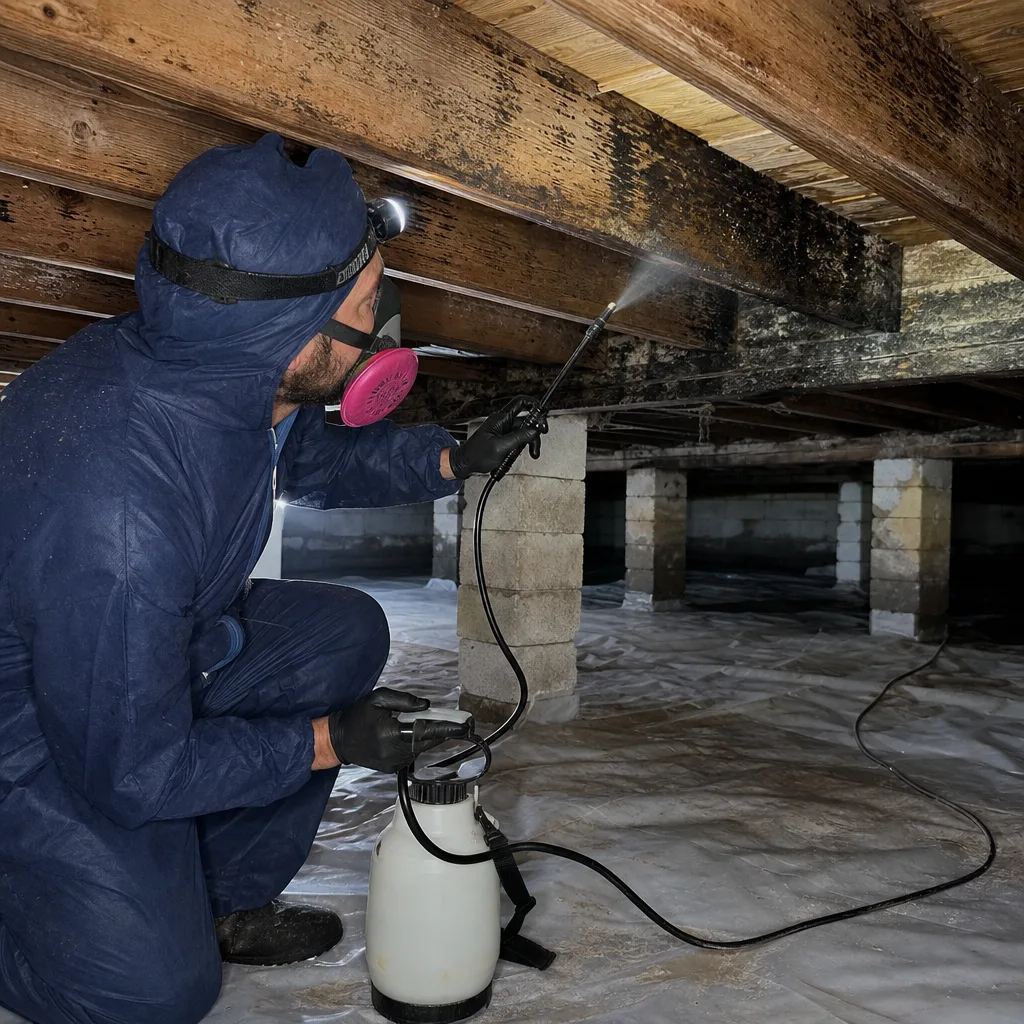
Mold Removal
This is controlled demolition and decontamination under containment. We remove affected drywall, insulation, carpet, and baseboard, bag it under negative air, and treat remaining surfaces. In Midtown West high-rises, we sequence the work floor by floor so the building stays operational. In pre-war tenements, we’re careful with plaster walls and original millwork that can be saved rather than gutted. Removal is only complete when clearance testing proves the air is clean.
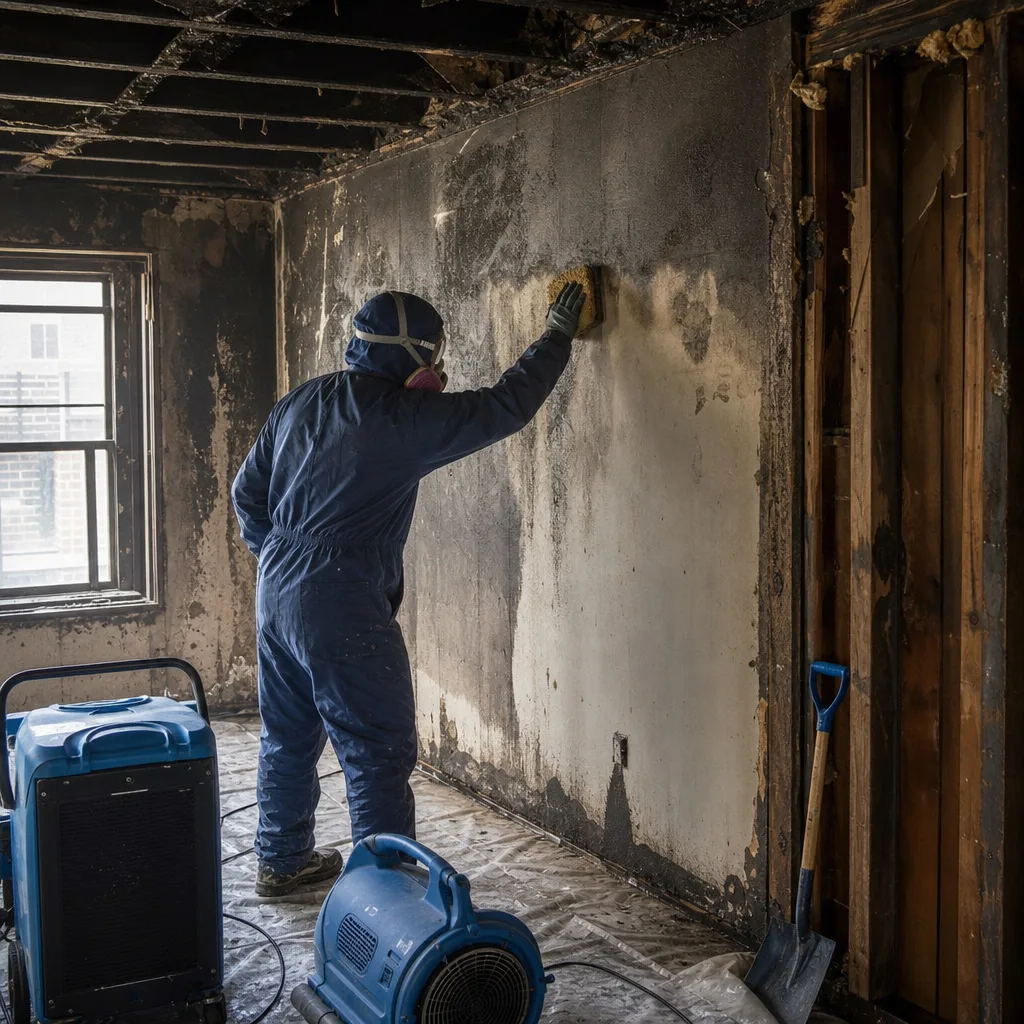
Black Mold Remediation
Stachybotrys, what people call black mold, grows on chronically wet cellulose: drywall, paper backing, ceiling tile. Midtown West gets its share from slow plumbing leaks behind kitchens and bathrooms that never fully dried. Black mold isn’t automatically more dangerous than other species, but it’s always a sign of a long-term moisture problem. We treat every Stachybotrys job with full containment, HEPA filtration, and clearance testing before we remove containment. No exceptions.
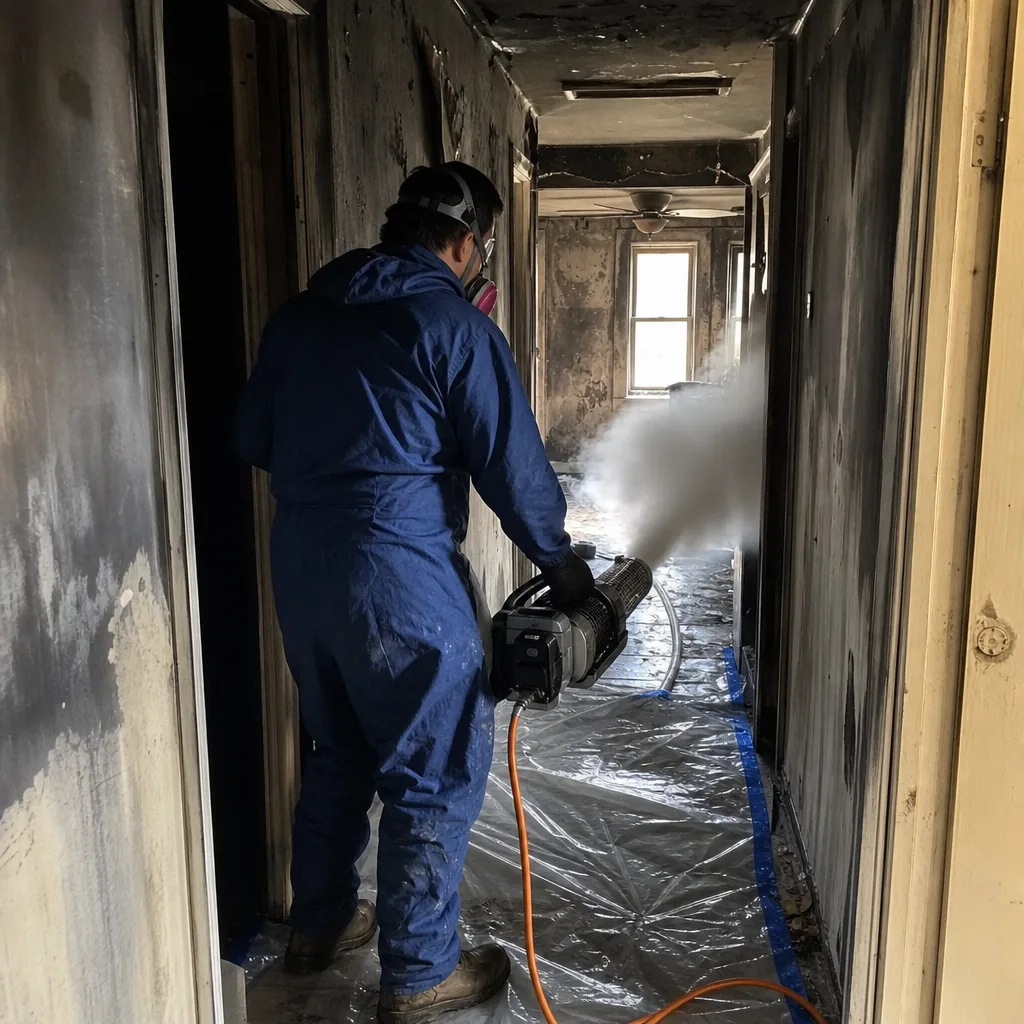
Air Quality Restoration
Mold spores don’t respect property lines. In a Midtown West hotel or condo building, spores from one unit travel through shared ductwork, elevator shafts, and corridor air returns. Air quality restoration means running HEPA air scrubbers during remediation, cleaning accessible HVAC registers, and taking post-remediation air samples to prove the indoor environment is back to baseline. We provide lab-verified clearance documentation for property managers, condo boards, and insurers.
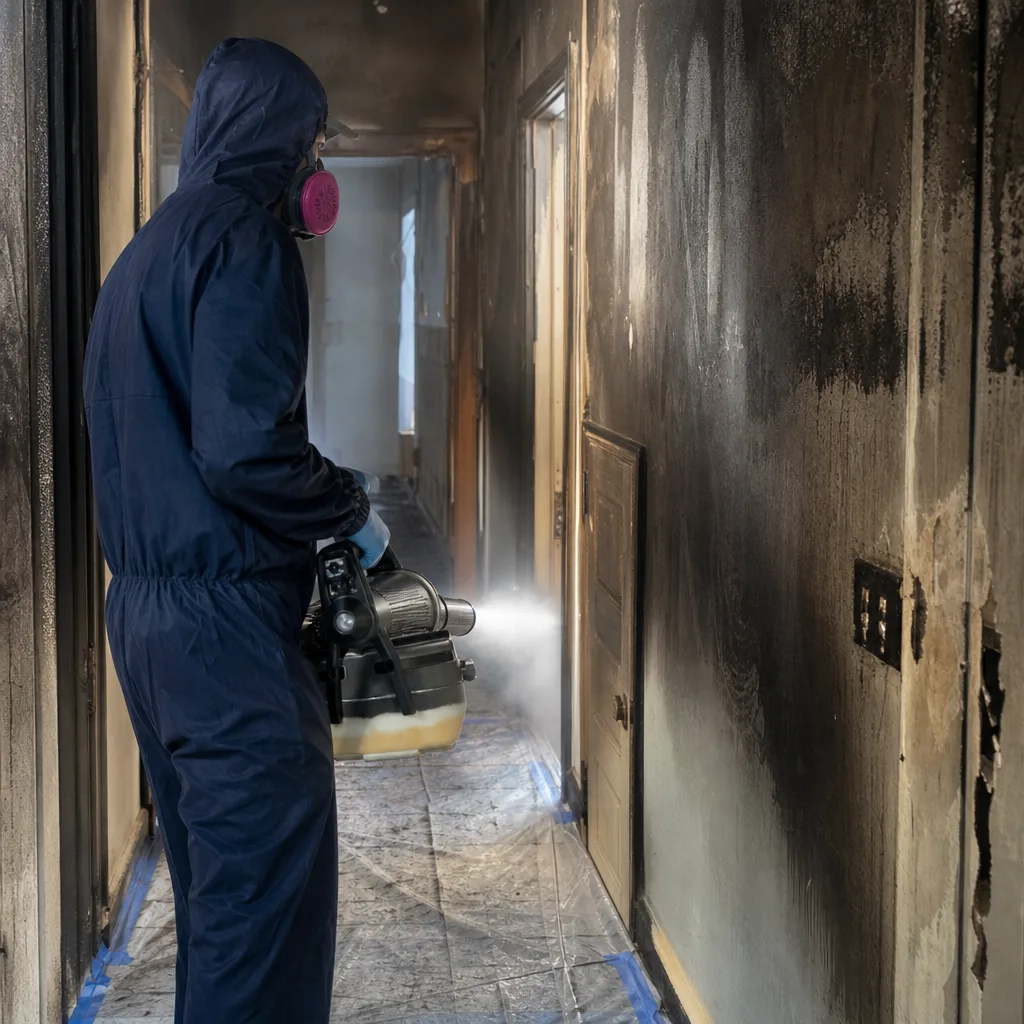
Crawl Space Treatment
Most Midtown West buildings don’t have crawl spaces in the suburban sense, but basement and sub-grade mechanical rooms serve the same function. These spaces sit below grade, pull moisture from surrounding soil, and often house the building’s water mains and steam lines. We treat sub-grade spaces with vapor barriers, dehumidification, and antimicrobial treatment. In the western blocks near the Hudson River, where the water table is high, sub-grade humidity control is the only thing standing between a usable basement and a recurring mold problem.
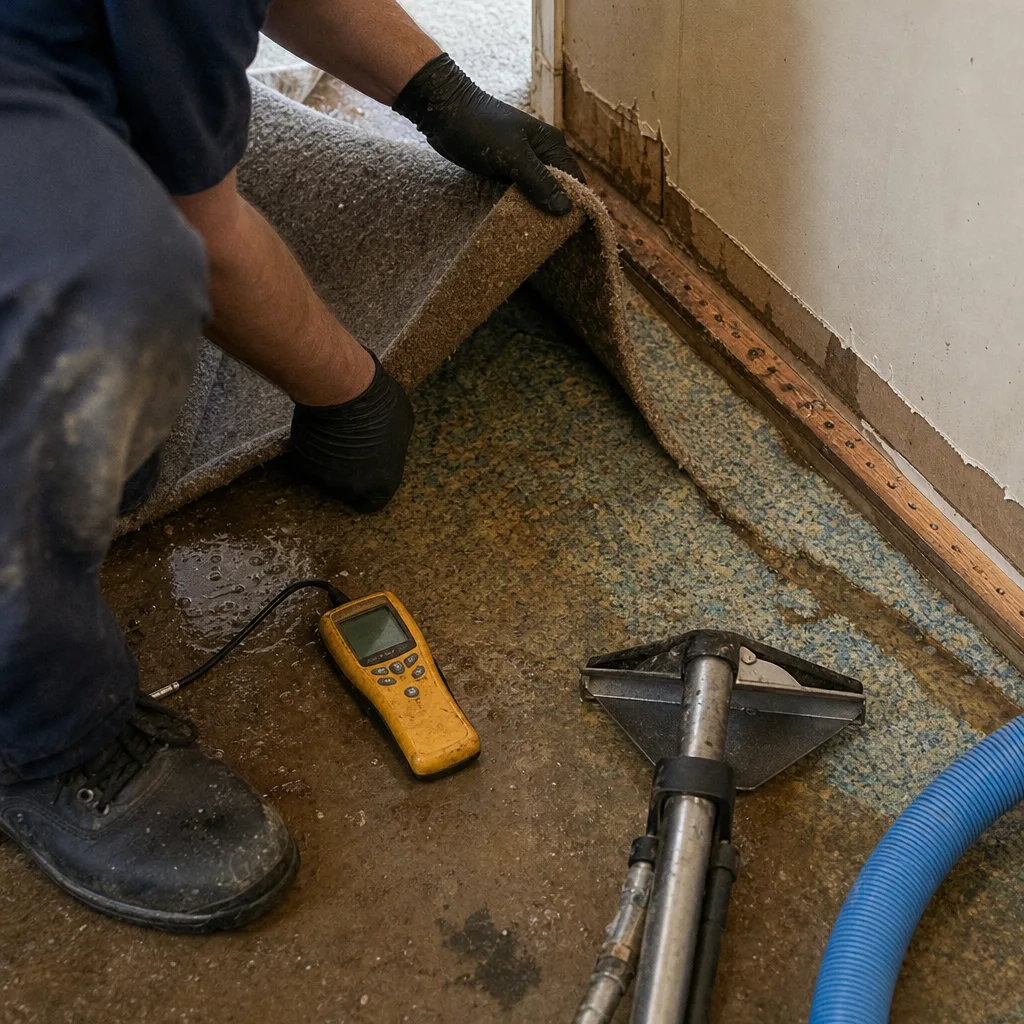
Moisture & Humidity Control
Mold returns when moisture returns. Fixing the leak is necessary. Controlling the humidity is what keeps it gone. We install and monitor dehumidification in basements, mechanical rooms, and behind kitchen and bath walls where condensation builds. In Midtown West’s older buildings, steam heat means winter humidity swings, and that means cold surfaces collect condensation. We address the moisture source, not just the mold it grew.
What happens when you call
- 1
A real person answersNo phone trees - you reach a local pro.
- 2
You get an upfront price rangeHonest numbers before anyone is dispatched.
- 3
A background-checked tech heads outLicensed & insured, dispatched right away.
- 4
You approve before work beginsNothing starts until you say go.
Mold Remediation Costs in Midtown West, NY
Expect to pay $1,800-$6,500 for a contained single-room mold remediation in a Midtown West residential property. A full bathroom gut from a hidden leak usually lands between $3,500 and $9,000 once you factor in containment, demolition, drying, treatment, and rebuild. Hotel tower and commercial jobs scale differently: a multi-floor sprinkler discharge can run $50,000-$250,000+ depending on floor count, occupancy constraints, and the finish level being restored. What moves the price: square footage of affected material, water category, access (a 14th-floor wall cavity costs more to access than a basement room), and whether asbestos or lead abatement coordination is required. Many Midtown West policies cover remediation when the mold source is a covered water event. The free visual inspection gives you a firm line-item scope before any work begins, so there are no surprises on the bill. Call (640) 500-3278 for an exact quote. Estimates are free.
We Also Serve Cities Near Midtown West
Floodline Restoration Co. provides mold remediation across Midtown Manhattan and the surrounding metro. Our crews regularly work in Washington Square, Lower Manhattan, Midtown Manhattan, and Murray Hill. Same live dispatch, same 45-minute response commitment, same written guarantee.
Midtown West Mold Remediation Questions, Answered
In a Midtown West high-rise hotel, how do you handle mold remediation on occupied floors without evacuating the building?
We build contained work zones floor by floor with negative-air pressure, HEPA air scrubbers, and sealed elevator-lobby corridors, so remediation proceeds while guests remain in unaffected areas. Our crews coordinate with hotel engineering and operations staff to sequence work around occupancy patterns, and we’ve completed multi-floor jobs in Theater District towers without a single guest relocation. Call (640) 500-3278 to discuss your building’s specific layout.
Do Midtown West pre-war buildings require special steps before mold remediation can start?
Yes. Nearly all pre-1980 Midtown West buildings, including the Hell’s Kitchen tenements built 1890-1930, require asbestos and lead-paint surveys before any wall or ceiling work can legally proceed. We coordinate that sampling, wait for lab results, and only then open cavities. It adds a few days to the front end, but it’s required and it protects everyone on site.
What’s the biggest cause of mold in Midtown West basement retail and sub-grade mechanical rooms?
Sewer backflow from the combined sewer system is the dominant cause west of Ninth Avenue, where heavy rain overwhelms capacity and sends Category 3 water up through floor drains. That contamination class requires full gut, antimicrobial treatment, and clearance testing. We’ve handled more of these jobs than we can count, and we know the difference between a seepage problem and a sewer backup. Call us for a free visual assessment.
Can mold be hidden in a high-rise wall cavity after a sprinkler discharge without visible signs?
Yes, and this is exactly the scenario we see in Midtown West hotel towers. A dry-pipe sprinkler can wet the inside of a wall cavity on floor 14 and drip down through the chases for twelve stories before anyone sees a stain. Moisture mapping with thermal imaging finds what’s hidden, and in-wall drying with Injectidry systems treats cavities without tearing out every finished surface. Last winter we were called to a pre-war Theater District hotel where a steam-heat surge tripped a dry-pipe sprinkler on the 14th floor. Water ran silently down through 12 occupied floors before the front desk got the first complaint. Our crew set negative-air containment on every affected floor, pulled wet carpet and drywall from the guest rooms, and ran Dri-Eaz and Phoenix air movers with in-wall drying systems while hotel staff kept the upper floors occupied. We logged moisture readings every four hours and got the building back to pre-loss condition in six days, without a single guest relocation.
Do I need a mold inspection before selling a condo in a Midtown West luxury tower?
You should get one. Buyers in Hudson Yards and Midtown West luxury towers increasingly request mold and moisture documentation as part of due diligence, and a clean independent inspection beats a post-close lawsuit. We provide lab-verified air sampling and a written report you can hand to a buyer’s agent. It’s inexpensive compared to a negotiated price reduction.
How fast can a crew actually reach my Midtown West property?
We commit to a 45-minute on-site response for Midtown West properties. We dispatch locally, not from a depot outside the city, which means our crews know the freight-elevator access rules, the loading dock protocols, and the building superintendent’s phone number before they arrive. Call (640) 500-3278 and a live dispatcher starts the process immediately.
Will my insurance cover mold remediation in Midtown West?
Most policies cover mold remediation when it results from a covered water loss like a burst pipe, a storm-damaged roof, or a sprinkler discharge. They typically exclude mold from chronic humidity, deferred maintenance, or a leak you knew about for months and ignored. We document everything from hour one and bill your carrier directly, which means you never play messenger between Floodline and the adjuster.
How long does mold remediation take in a Midtown West property?
A contained single-room remediation in a residential unit runs 3-6 days start to finish, including drying and clearance testing. A multi-floor hotel tower job can run two to four weeks depending on floor count and occupancy constraints. We’ll give you a written timeline as part of your free estimate, and we stick to it. Call (640) 500-3278 to get your scope started.
Serving Midtown West, NY - Our Local Coverage Area
We’re based in the Midtown West area and know this community well. Use the map below to see our service coverage - if you’re nearby, we can almost certainly help.
Call Floodline Restoration Co. for Mold Remediation in Midtown West
If you see staining, smell must, or just came home to a burst pipe in Midtown West, call (640) 500-3278. A live person answers. A certified crew arrives within 45 minutes. You get a written scope before work starts, direct insurance billing, and the 90-Day Done Right Promise in writing when the job is done. Founded in 2010 by Curt Bowman, Floodline Restoration Co. has spent over 42 years in the restoration trade, and we stand behind every job we finish. Done right, and backed in writing.
Written by Curt Bowman, Owner at Floodline Restoration Co., serving New York City since 2010.