

Free visual inspection and a written scope of work before any mitigation begins - photos, moisture readings, and drying logs go in your claim file
The scope we write is the scope we bill. Anything new gets shown to you, in writing, before we touch it.
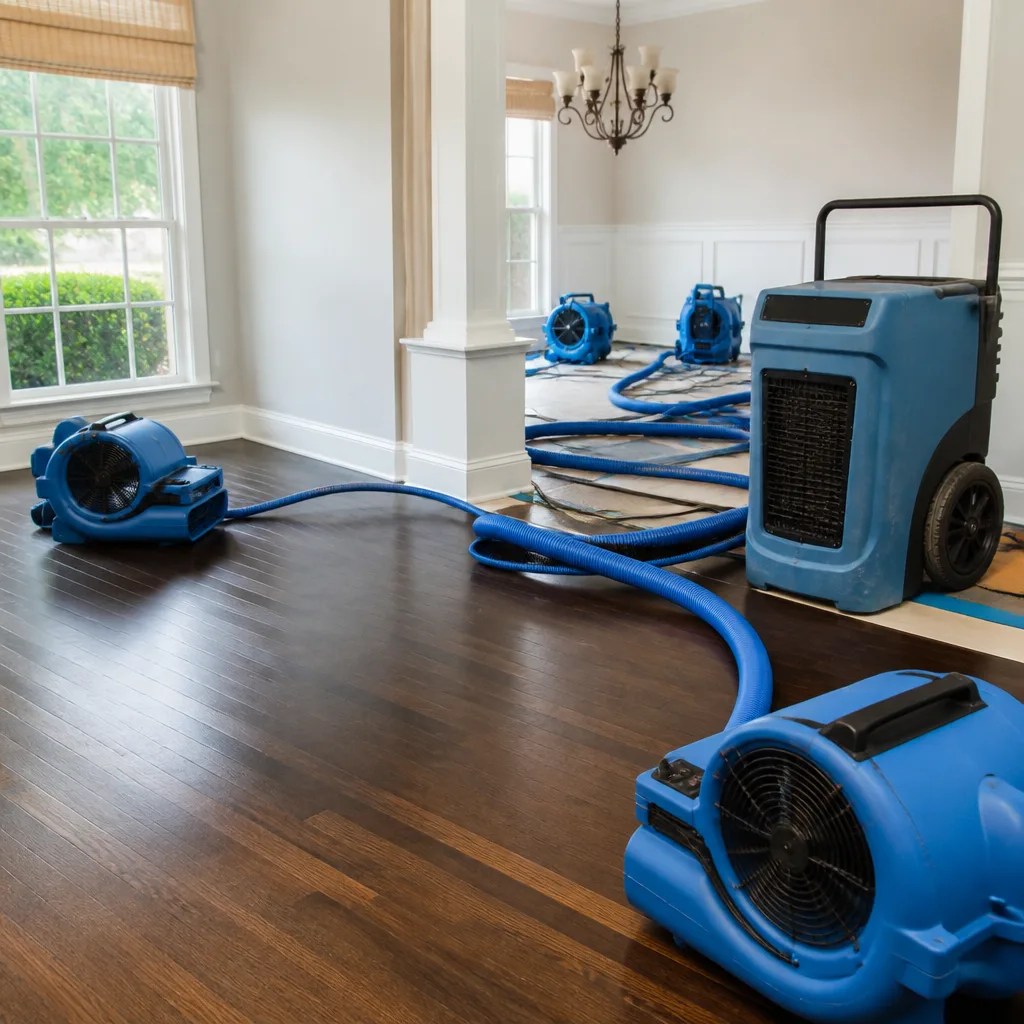
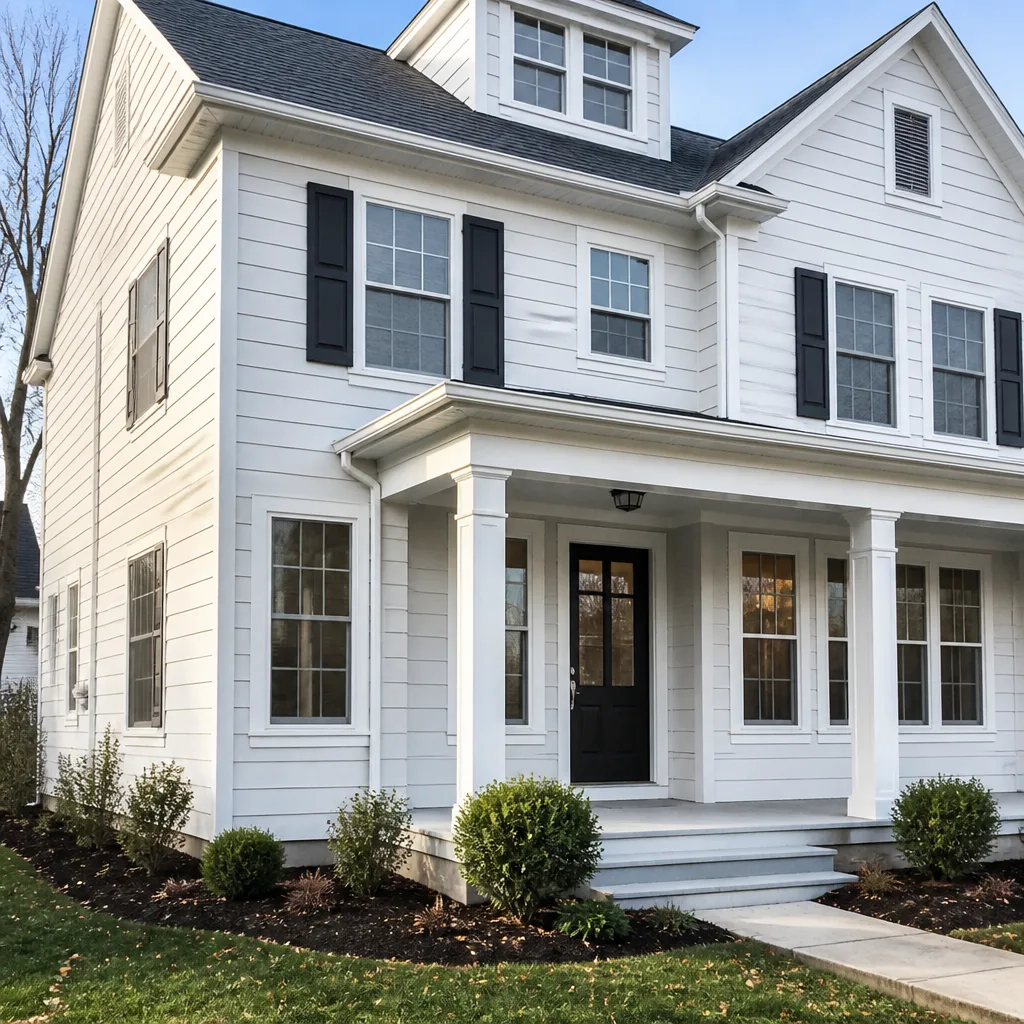
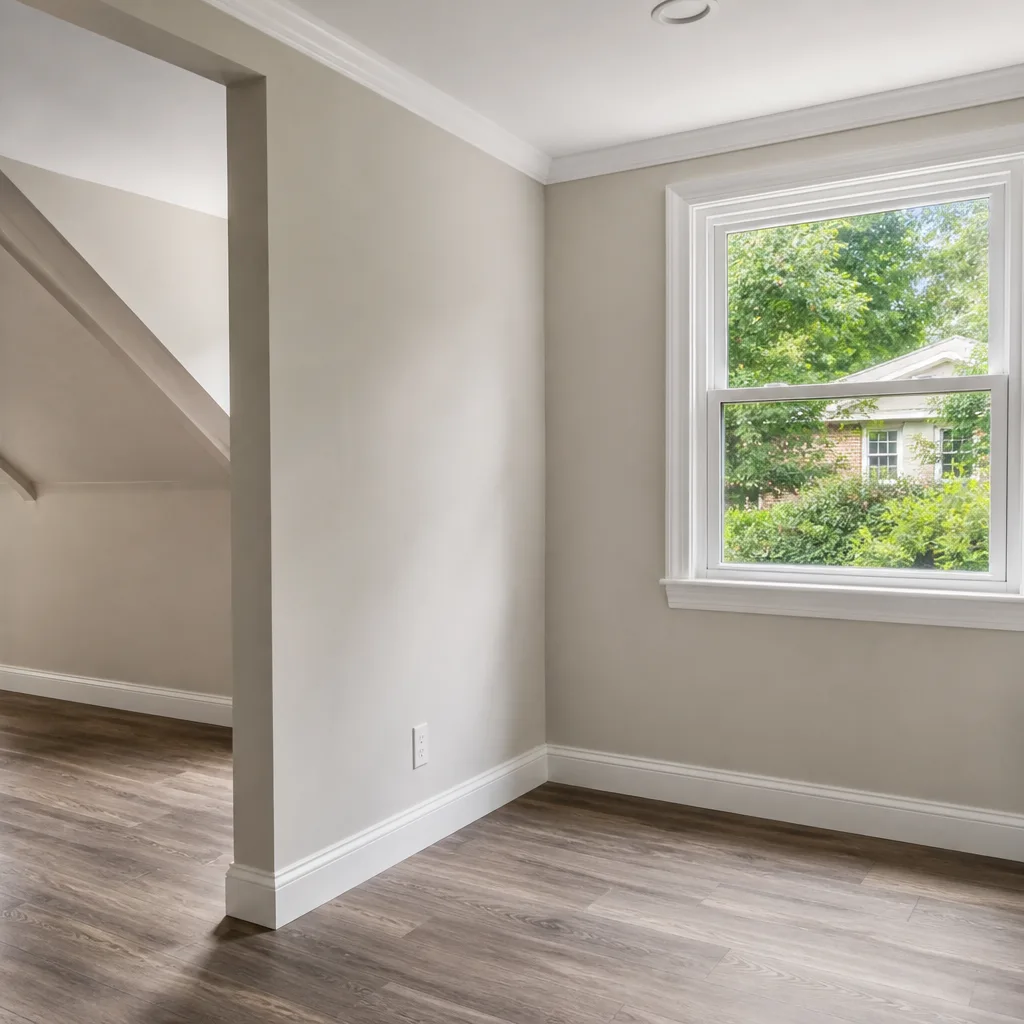
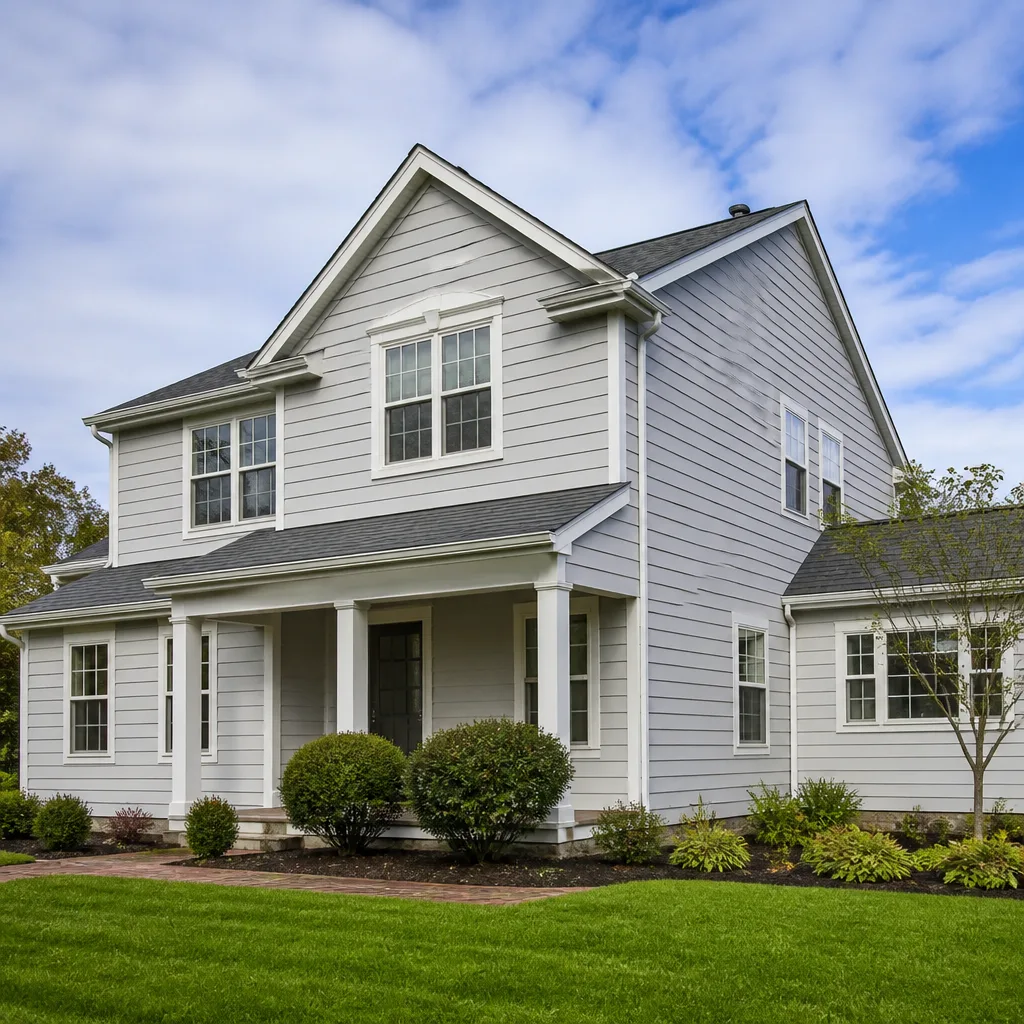
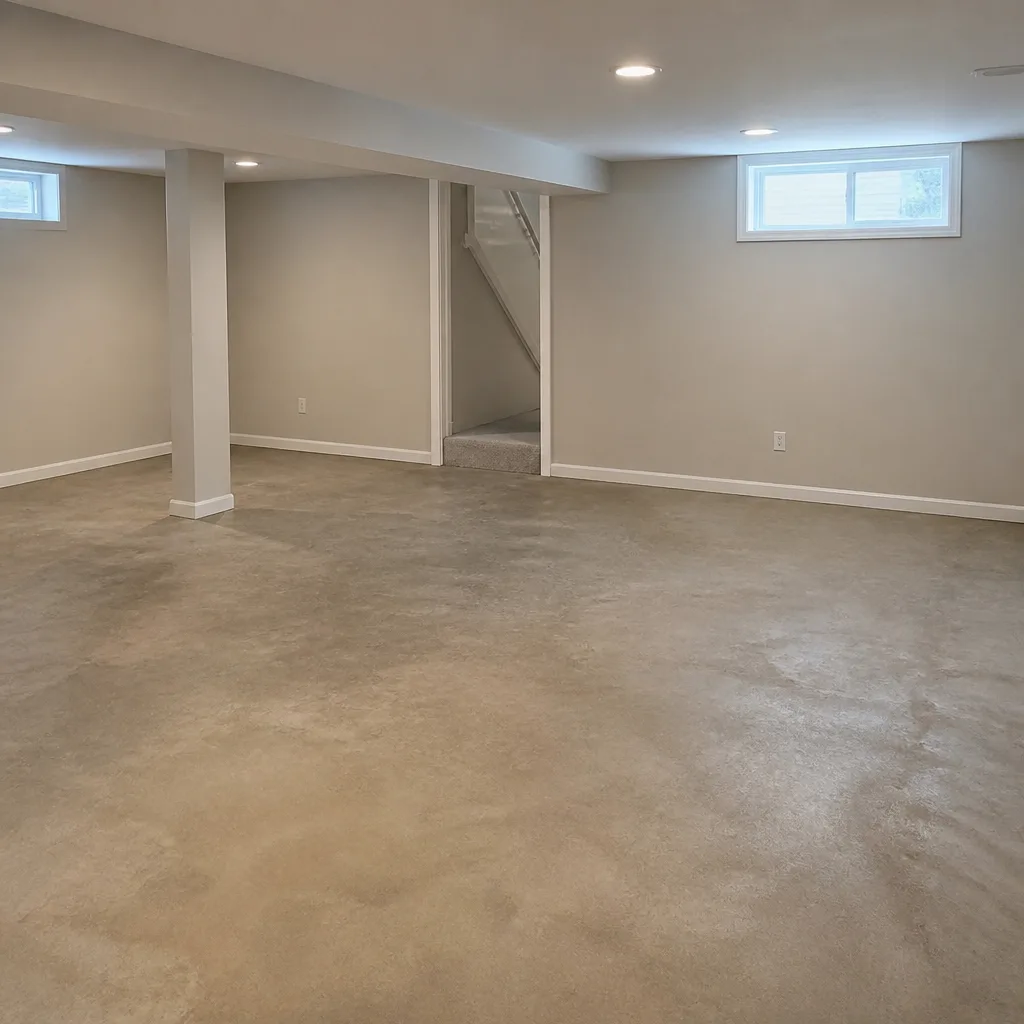
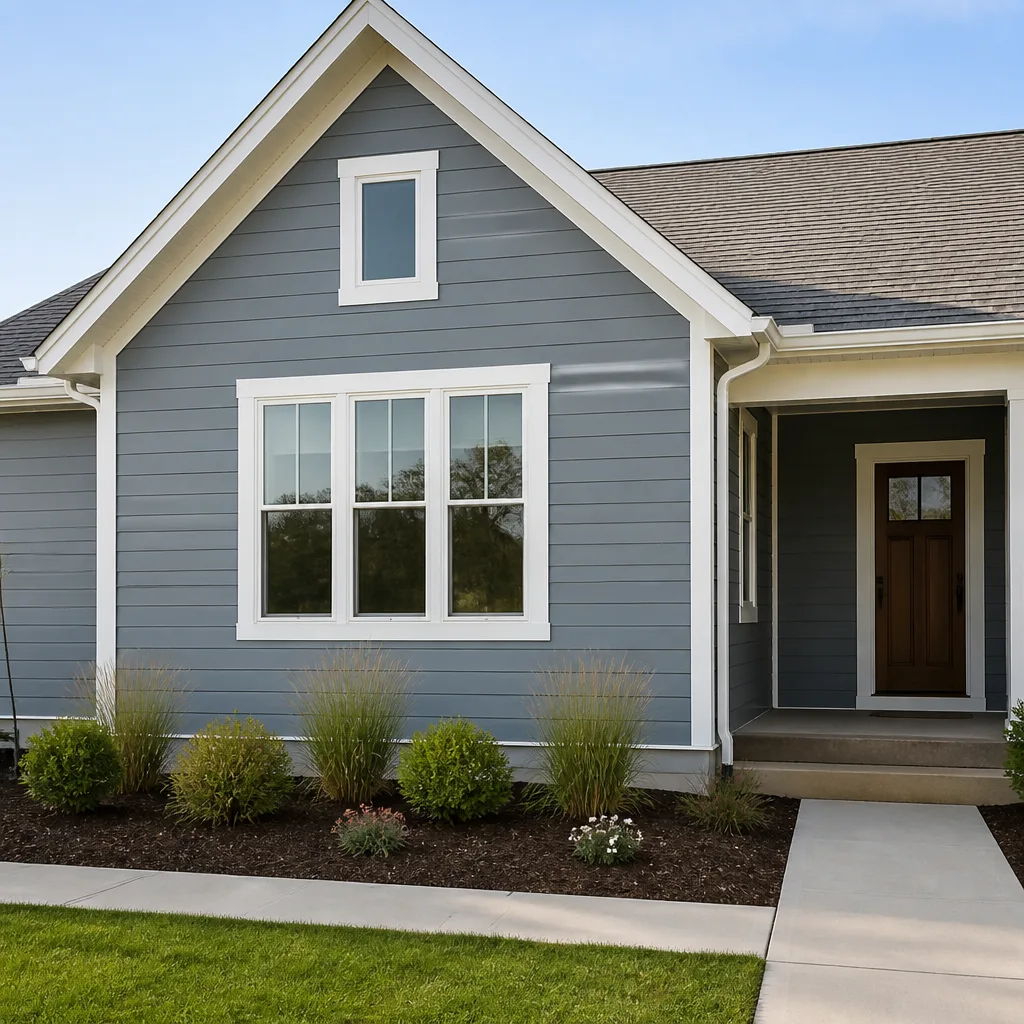
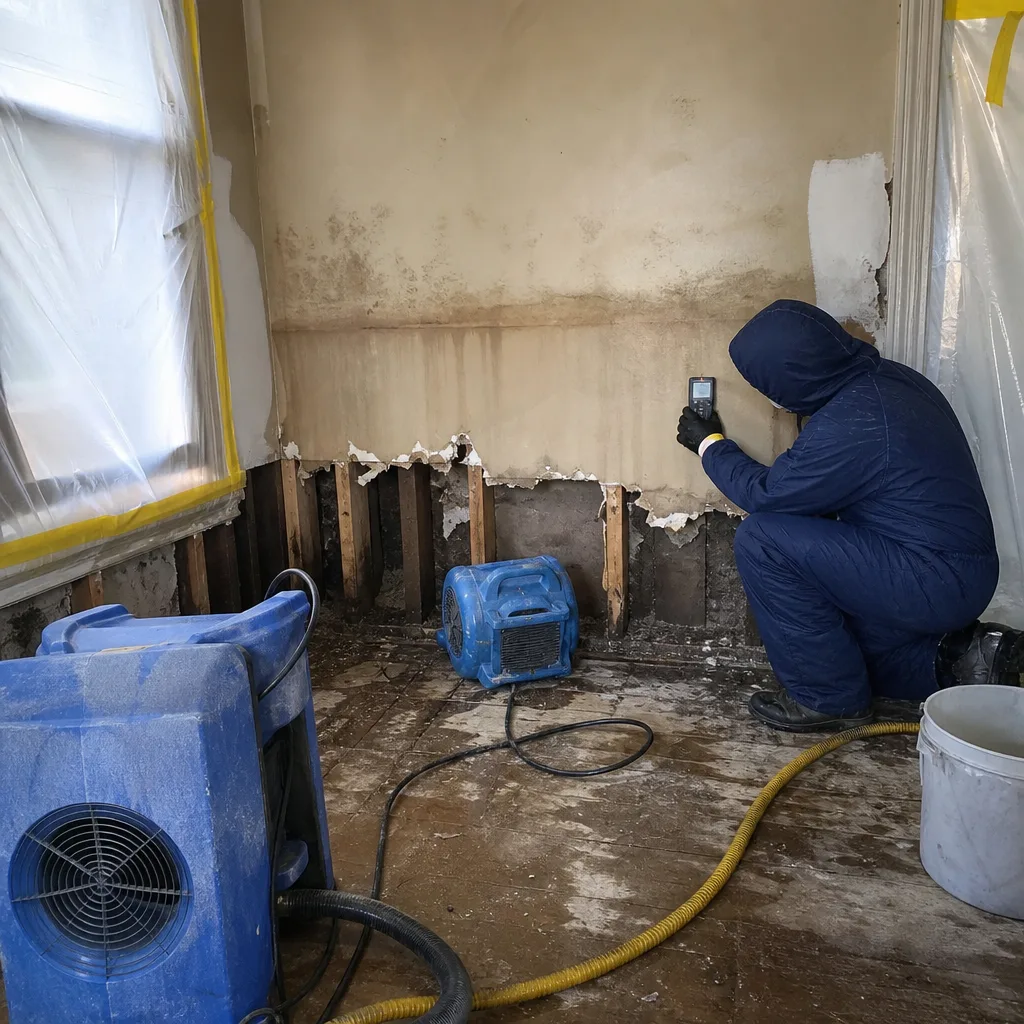 Before
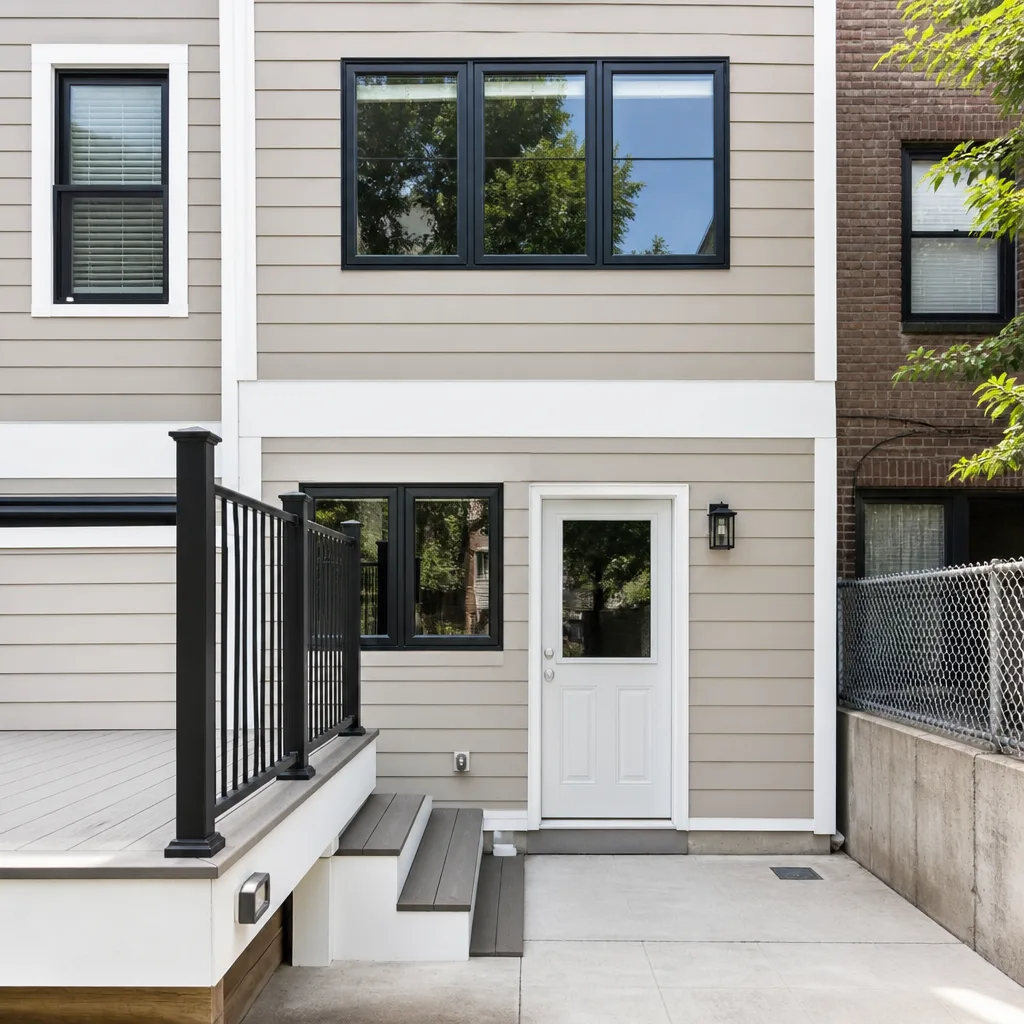 After
After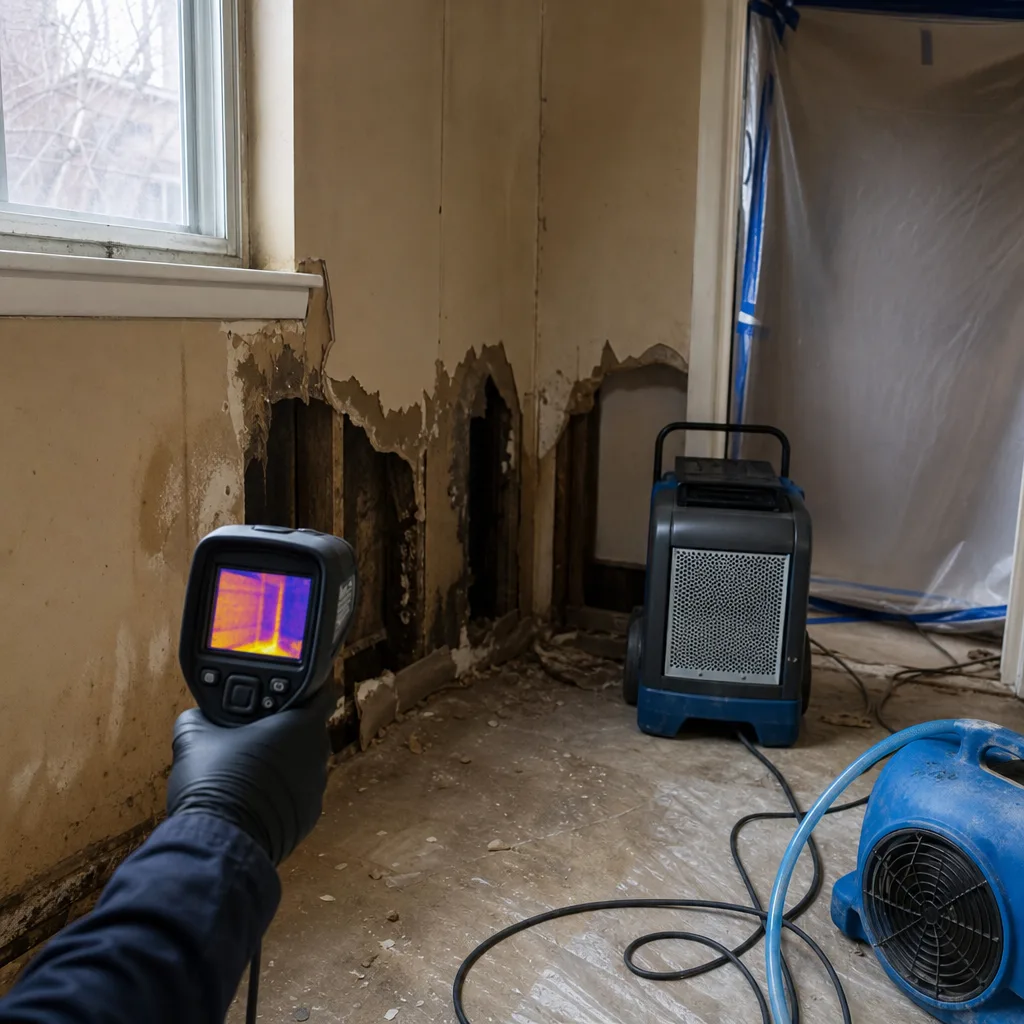 Before
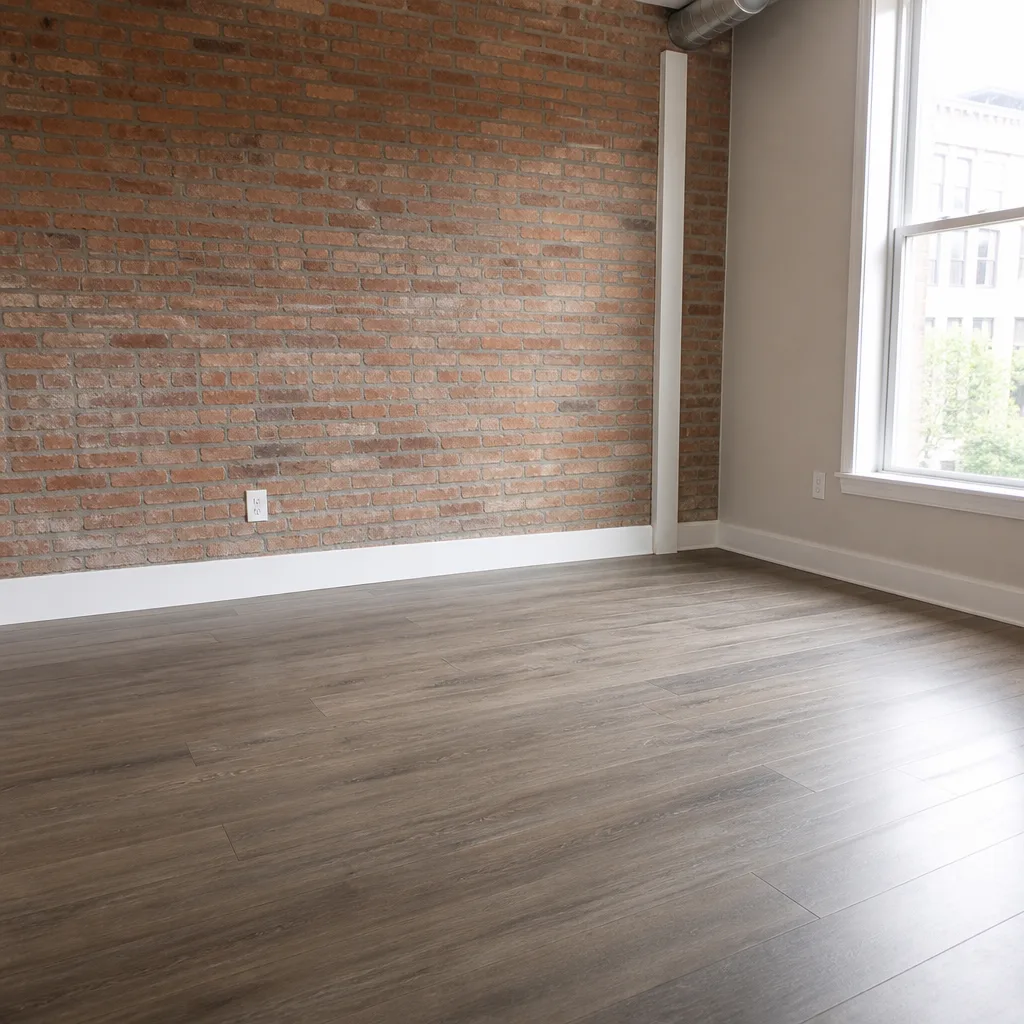 After
After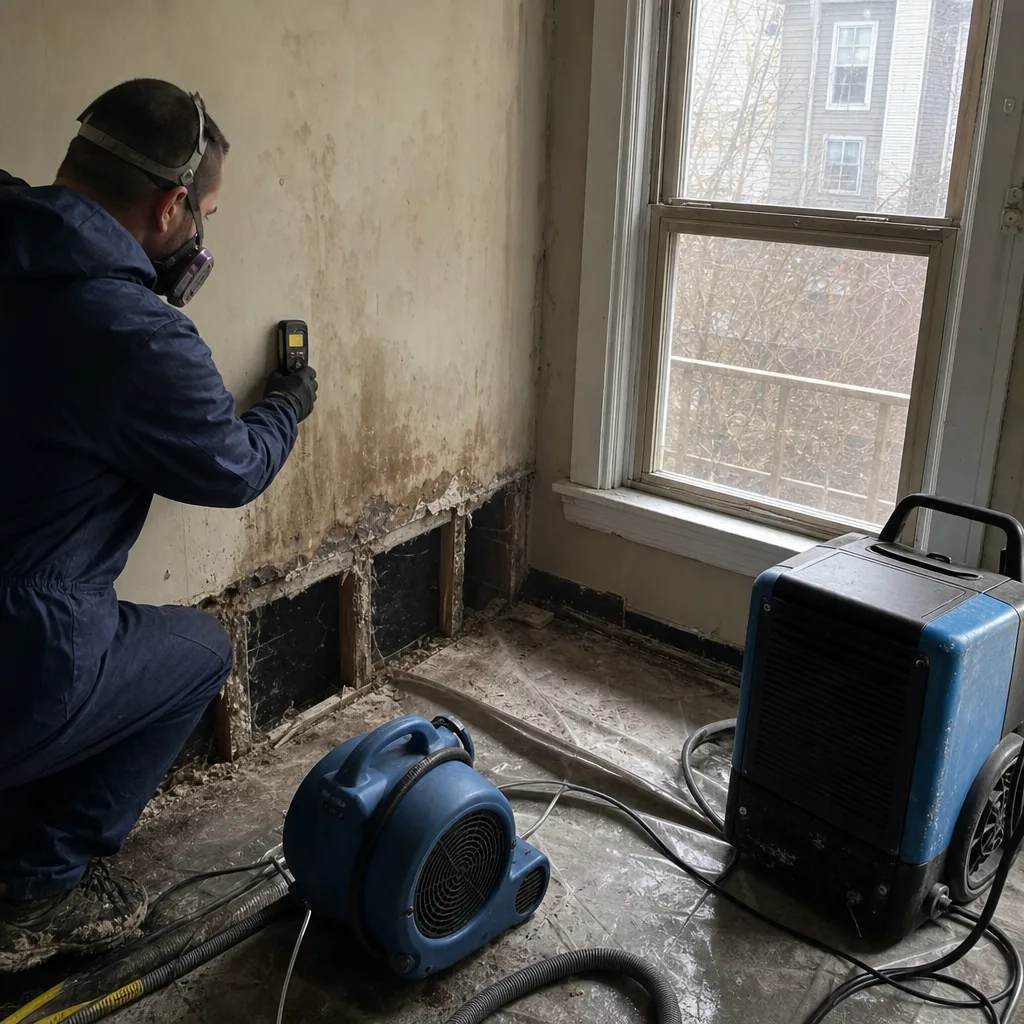 Before
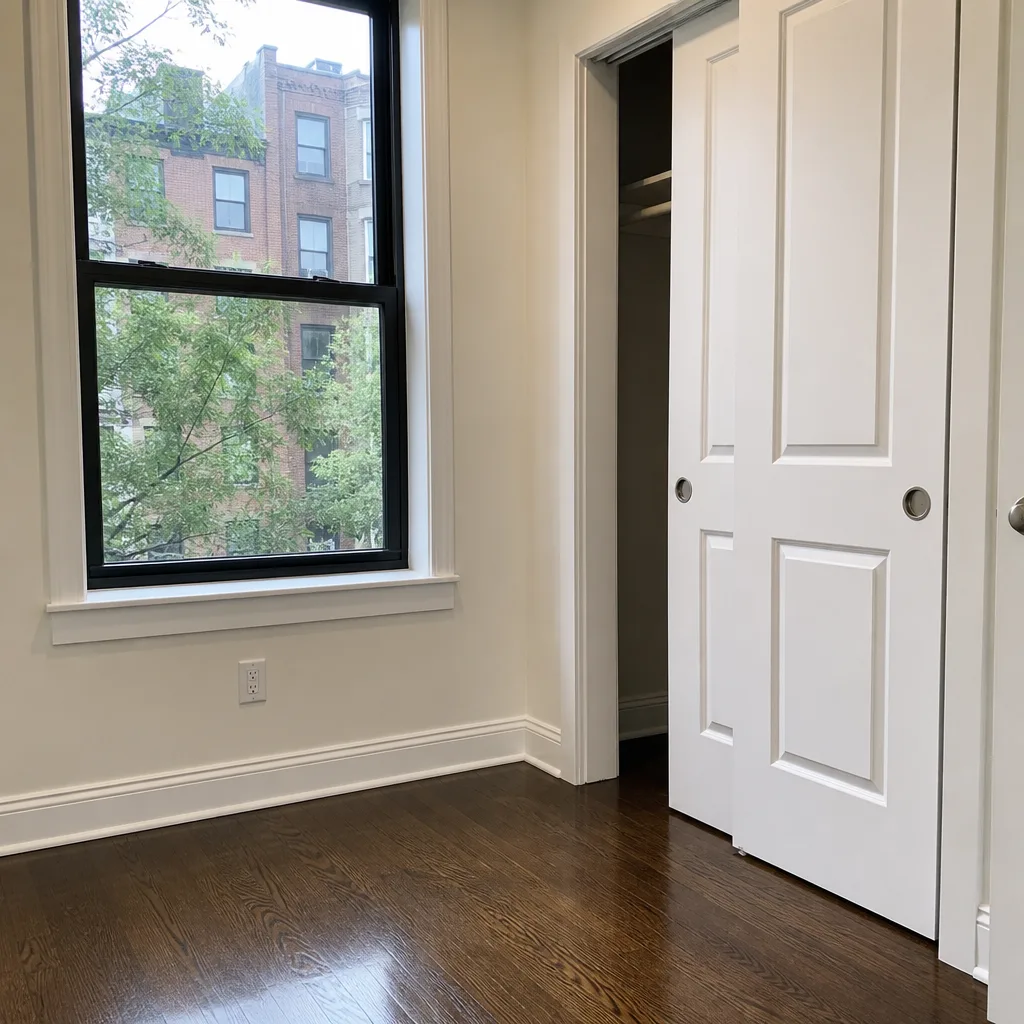 After
After24/7 Emergency Commercial Restoration in Murray Hill
Commercial water, fire, or sewage damage in Murray Hill needs a response measured in minutes, not business days. A ruptured cast-iron drain stack in a pre-war co-op can send Category 3 water through five stacked units before the super even gets the call. Floodline Restoration Co. answers live around the clock at (640) 500-3278 and dispatches crews inside the Murray Hill area the same visit. The first hour decides whether you’re drying plaster or replacing it. We carry professional-grade Dri-Eaz dehumidifiers, XPOWER air movers, and thermal imaging cameras on every truck, so extraction and moisture mapping start the moment we arrive. A free visual inspection tells you exactly what you’re facing, in plain terms, with a written scope before any work begins.
Understanding Commercial Restoration Severity in Murray Hill Properties
Murray Hill’s commercial restoration needs are shaped by the neighborhood’s building stock: dense pre-war apartment buildings from the 1910s through 1940s with plaster-and-lath construction and original cast-iron drain stacks, alongside mid-century concrete-frame towers. This matters because severity classification drives every decision downstream. Water from a broken supply line is Category 1, clean water. But water that has sat in a plaster wall cavity for 72 hours, or water from a corroded drain stack carrying rust and sludge, drops into Category 2 or 3, which requires containment, antimicrobial treatment, and different drying protocols. Cast-iron stack failures in Murray Hill are rarely clean. Moisture mapping with hygrometers and thermal imaging tells us what’s wet behind the plaster, not just what looks wet on the ceiling. The East River’s proximity keeps ambient humidity elevated here, which extends required dry times on plaster-and-lath and means premature sign-off is a liability, not a shortcut.
Why Murray Hill Property Owners Choose Floodline Restoration Co.
- 45-minute response commitment for emergency mitigation calls inside Murray Hill, with a live dispatcher confirming crew dispatch while you’re still on the phone.
- A real person answers, 24/7. No automated call tree. At 2 a.m., a Floodline dispatcher picks up and starts the process.
- IICRC-certified crews with WRT, FSRT, and AMRT certifications, background-checked and uniformed on every job.
- Free visual inspection with thermal imaging and moisture readings before you commit to anything.
- Direct insurance billing. We handle the carrier communication, the adjuster meetings, and the line-item documentation.
- One team from extraction to reconstruction. The same crew that reads the moisture map on day one handles daily readings, logs the data, and rebuilds what needs rebuilding. No mid-job handoff.
Our Commercial Restoration Process
Inspection & Assessment
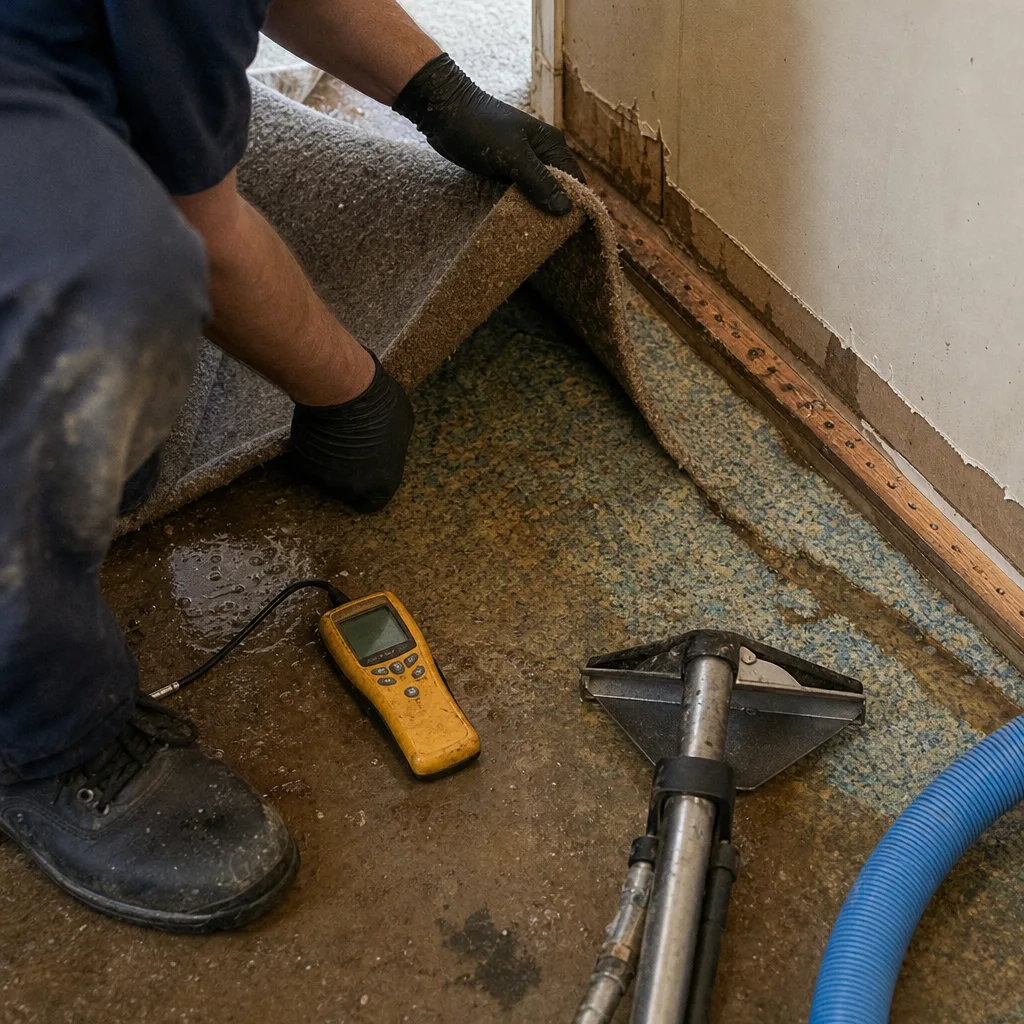
We arrive, walk the affected space with you, and map the full extent of damage using thermal imaging, hygrometers, and moisture probes. You get a written scope and a plain-English explanation of severity, category, and what must happen next.
Extraction & Stabilization
Standing water comes out first, using truck-mounted and portable extraction units. We stabilize the site, set containment where needed, and stop the damage from spreading to adjacent units or floor levels.
Drying & Dehumidification
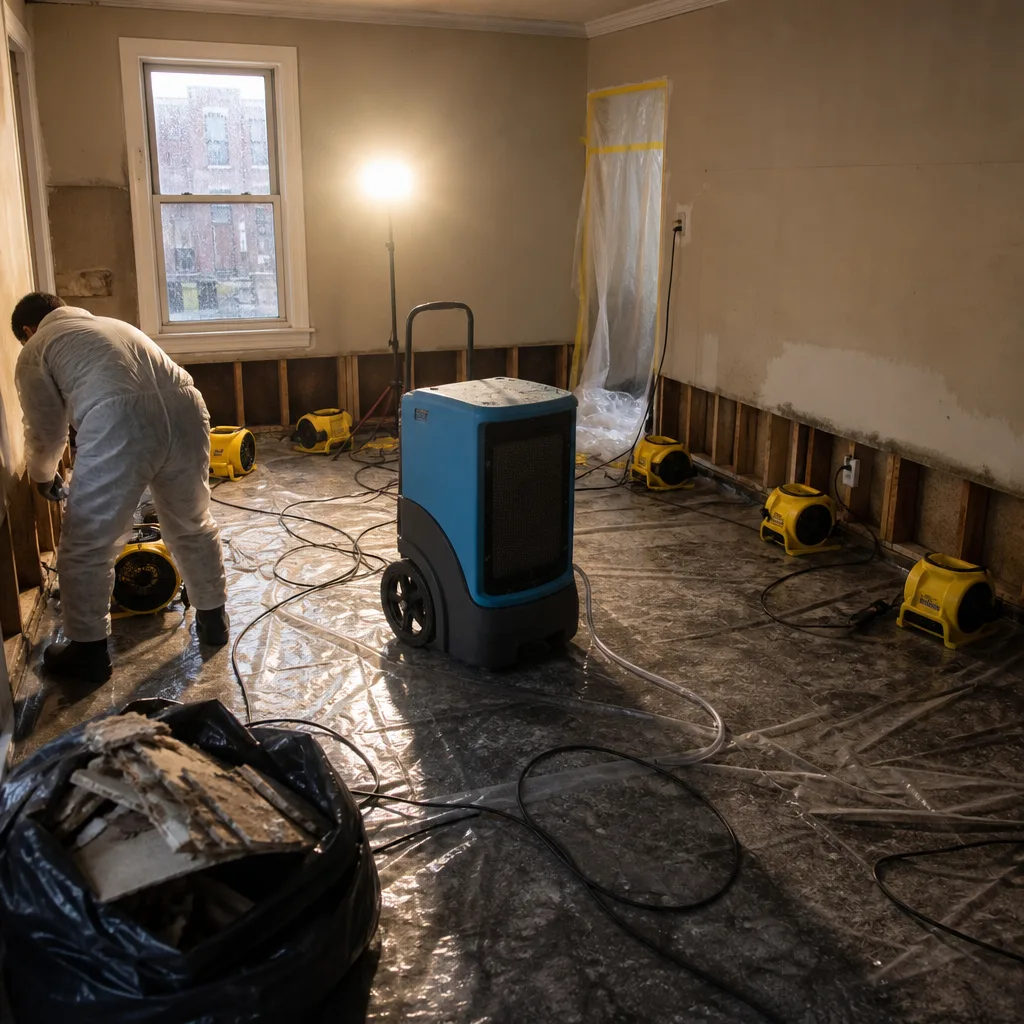
Dri-Eaz dehumidifiers and XPOWER air movers are placed according to the moisture map, not guesswork. Daily readings are logged until plaster-and-lath and framing reach pre-loss moisture condition. In Murray Hill’s humid air, this takes longer than the national average, and we plan for that.
Cleaning & Sanitization
Category 2 and 3 water requires antimicrobial treatment, HEPA air scrubbing, and disposal of contaminated materials per IICRC standards. We document everything for your carrier.
Specialty Commercial Restoration Treatment
For Murray Hill commercial spaces, this means content triage, document and inventory recovery, and equipment stabilization. We pack out, inventory, and clean salvageable documents and electronics on site where possible, or coordinate off-site freeze-drying for critical records.
Repairs & Restoration
Plaster repair, replacement of damaged drain stacks, floor refinishing, repainting, and reconstruction happen under the same roof. The written scope you approved governs the work. The 90-Day Done Right Promise, in writing, backs the result.
Need Emergency Commercial Restoration in Murray Hill Now?
Crews minutes away, answering live 24 hours a day. The sooner we start, the less it costs.
Working With Your Insurance Company
Commercial water and fire claims in Murray Hill involve multiple parties: the unit owner, the building management company, and often several insurance carriers. We’ve handled enough co-op and HOA claims in this neighborhood to know the adjuster’s documentation requirements before they ask. From the first hour, we photograph everything room by room, log moisture readings daily, and build a line-item scope of work using industry-standard estimating. You never play messenger between us and your carrier. We present the documentation, attend the adjuster meetings, and bill the carrier directly where the policy allows. The goal is simple: your claim moves, your building dries, your tenants get back to normal, and you hold a written guarantee in your hand at the end.
What We Provide Your Insurer
- Thorough documentation of the loss
- Photos of all damage, room by room
- Moisture readings and drying logs
- A detailed, line-item scope of work
- Direct coordination with your carrier
Built for Murray Hill’s Loss Calendar
Murray Hill’s commercial restoration calendar follows the neighborhood’s building age and its East River exposure. January and February bring deep freezes that burst supply lines in pre-war buildings where original piping runs through exterior walls, and a break on the 8th floor becomes a ceiling collapse on the 4th before anyone notices. Spring thaw pushes groundwater up through foundation seepage, particularly along the 36th Street corridor, where the Queens-Midtown Tunnel’s drainage perimeter adds atypical hydrostatic pressure. Summer brings the thunderstorm season: when heavy rain overwhelms the neighborhood’s aging combined sewer infrastructure, basement and ground-floor sewage backups along 2nd and 3rd Avenues become Category 3 events requiring full black-water protocol. Nor’easters in fall and early winter throw wind-driven rain at older windows and roofing. The pattern is consistent: older buildings, original systems, and water that doesn’t stay where it started. Our crews know the buildings on this calendar because we’ve worked them.
Commercial Restoration Across Murray Hill’s Neighborhoods
Murray Hill isn’t one building type, and commercial restoration doesn’t look the same from one block to the next. Along the 2nd Avenue corridor from 34th to 40th, the mid-century concrete-frame towers house ground-floor retail and restaurants, where a kitchen fire or a supply-line break above a commercial space means coordinating with building management for freight-elevator windows and after-hours access. Over on the 3rd Avenue stretch, the pre-war co-ops and rentals with original cast-iron stacks are the most common source of multi-unit water damage, and board approval is part of every job. The side streets between Lexington and 1st Avenue hold the neighborhood’s smaller mixed-use buildings, where a flooded basement mechanical room can knock out heat or elevators for an entire address. Near the Queens-Midtown Tunnel portal at 36th Street and 2nd Avenue, persistent basement moisture sometimes traces back to the tunnel’s subsurface drainage influence rather than plumbing. That changes the mitigation approach: you don’t dehumidify your way out of continuous hydrostatic pressure. You address the seepage path and monitor the moisture map differently. A standard building inspection won’t catch this. Our moisture-mapping will.
Specialized Commercial Restoration Services We Offer in Murray Hill
Office & Retail Restoration
Murray Hill’s ground-floor retail and professional offices sit directly beneath residential units, which means a leak from the apartment above becomes a commercial interruption below. We extract, dry, and restore the space while keeping your business running where possible, with containment that doesn’t block your entrance and scheduling that respects your operating hours.
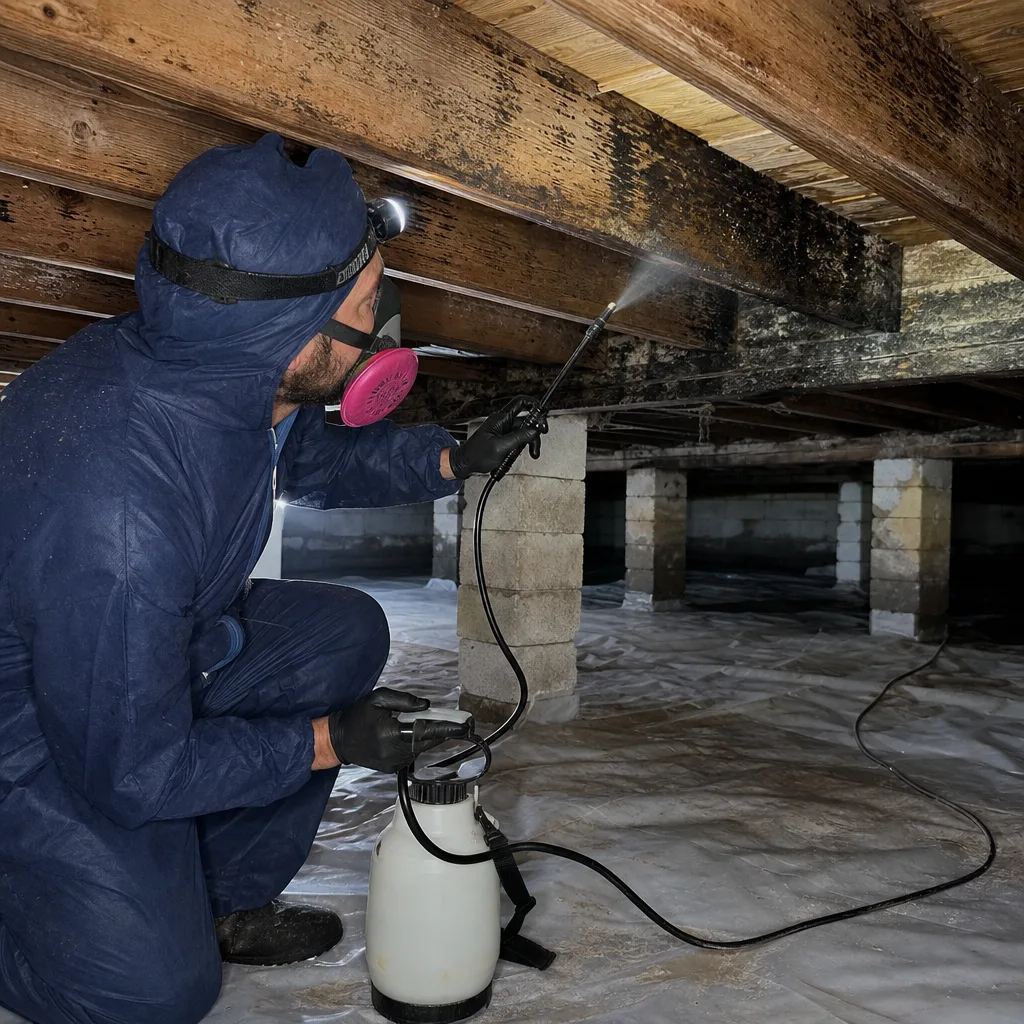
Multi-Unit & HOA Restoration
This is the defining restoration problem in Murray Hill. A single failure in an original cast-iron stack sends water through five or more stacked units in minutes, and every affected apartment has a different owner, a different policy, and a different tolerance for disruption. We coordinate with building management, board members, and multiple carriers simultaneously, with access scheduled around freight-elevator windows and board approval requirements. One team, one moisture log, one written scope for the whole stack.
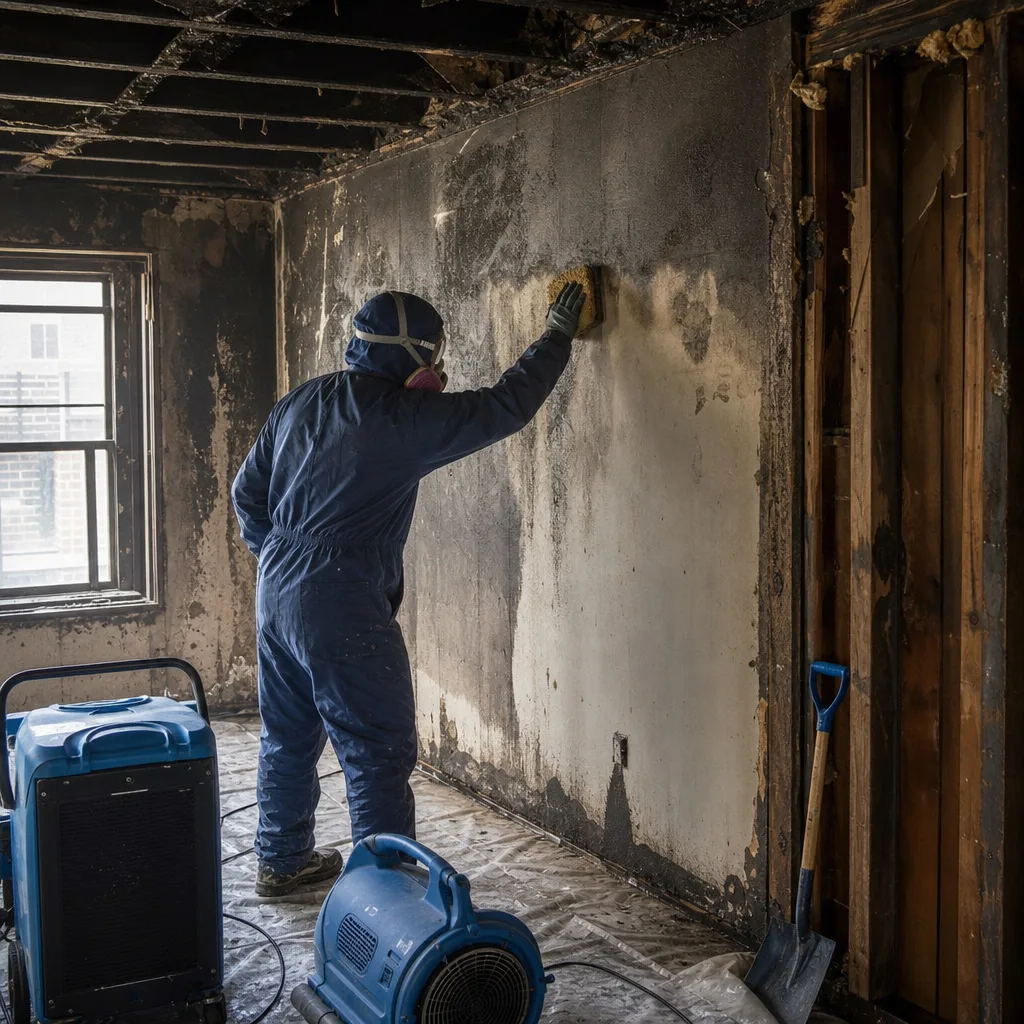
Industrial Facility Cleanup
Mechanical rooms, boiler plants, and basement-level infrastructure in Murray Hill’s larger buildings carry the neighborhood’s lifeblood: heat, water, and power. A flooded mechanical room is a full-building emergency. Our crews extract with high-capacity pumps, dry the equipment footprint, and document the loss for the building’s carrier with the same rigor we’d bring to a residential claim.
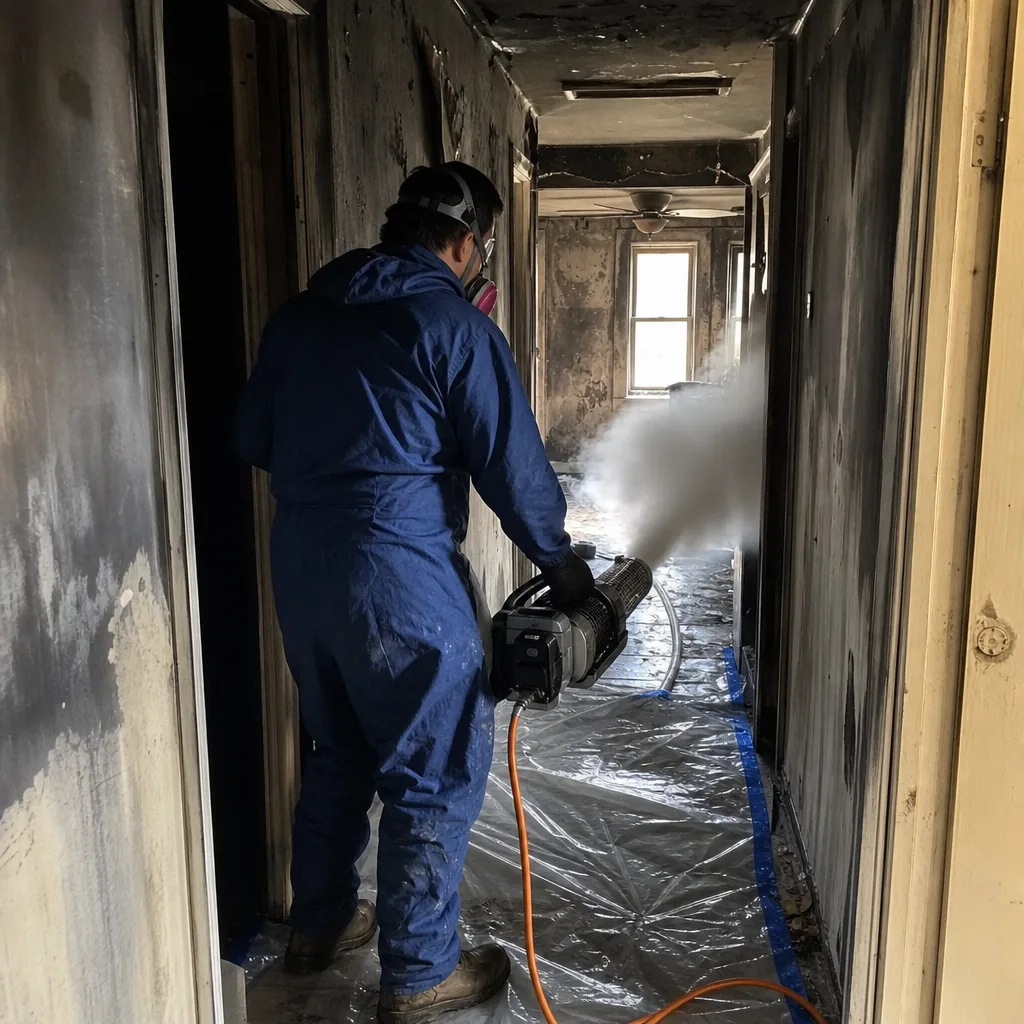
Large-Loss Response
When a pipe bursts in a 15-story pre-war building, a standard crew and a truck full of air movers isn’t the answer. Floodline mounts large-loss response with multiple crews, additional Dri-Eaz and B-Air drying capacity, and a dedicated project manager who coordinates the building’s management company, the adjuster, and the tenants. We’ve run this play in Murray Hill more times than we can fit on a page.
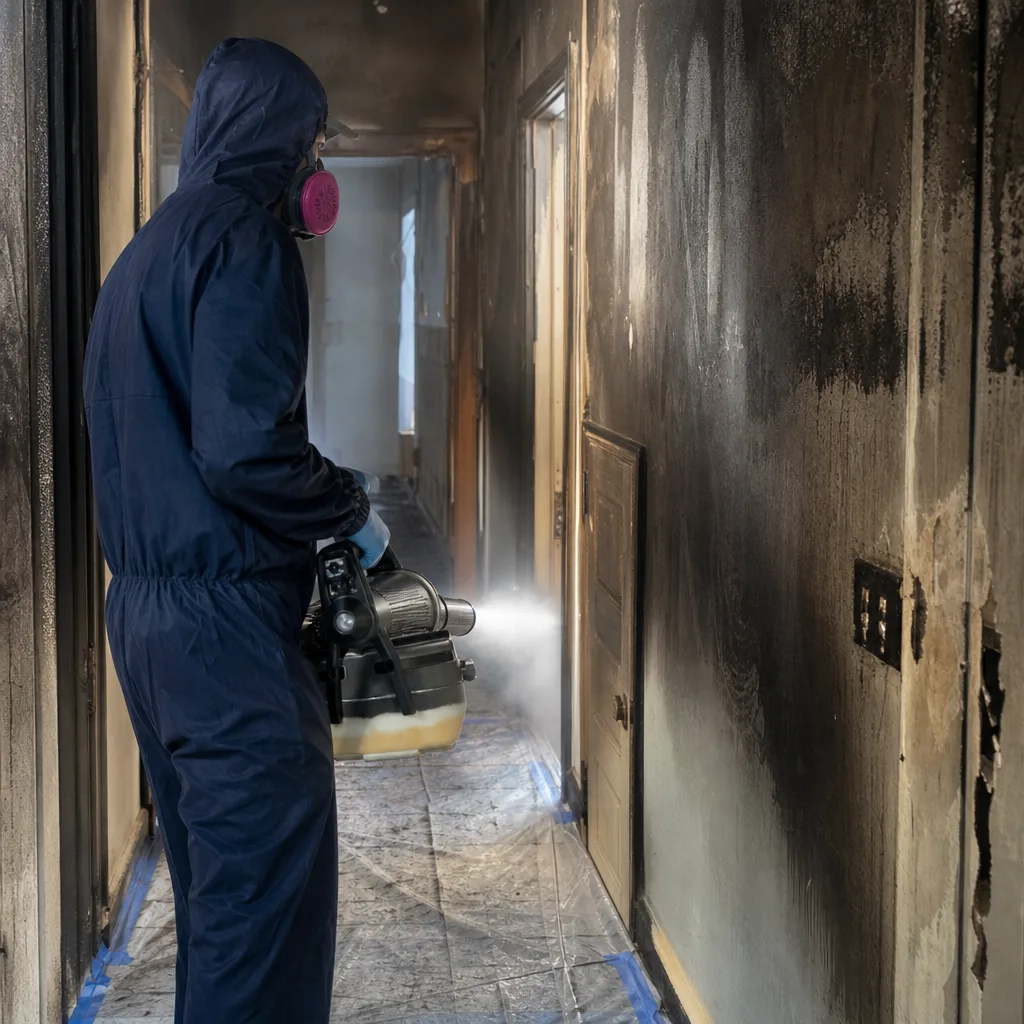
Business Interruption Minimization
Every day a Murray Hill commercial tenant is closed costs real money. Our first priority after extraction is identifying what can be saved, what can be re-opened, and what needs to be relocated. Document and inventory recovery moves in parallel with structural drying, so your lease-critical files, point-of-sale systems, and tenant records are drying while the walls are.
Document & Inventory Recovery
Water-damaged business records, patient files, legal documents, and retail inventory need triage, not a dumpster. We pack out, inventory, and stabilize documents on site, coordinate off-site freeze-drying where the material requires it, and photograph everything for your carrier. What’s salvageable gets saved. What’s not gets documented.
What happens when you call
- 1
A real person answersNo phone trees - you reach a local pro.
- 2
You get an upfront price rangeHonest numbers before anyone is dispatched.
- 3
A background-checked tech heads outLicensed & insured, dispatched right away.
- 4
You approve before work beginsNothing starts until you say go.
Commercial Restoration Costs in Murray Hill, NY
Commercial restoration in Murray Hill runs higher than the metro average because of the building stock: plaster-and-lath drying takes longer, freight-elevator scheduling adds coordination cost, and multi-unit containment is more complex than single-home work. A typical commercial water extraction and drying job in Murray Hill runs $4,500-$9,500 for a contained single-unit event. Multi-floor cast-iron stack failures with Category 3 contamination typically land between $18,000 and $45,000 once containment, demolition, drying, and rebuild are scoped. Fire and smoke restoration for a commercial space runs $12,000-$35,000 depending on square footage and soot migration into HVAC. Sewage backups requiring black-water protocol typically run $7,000-$20,000. Every job starts with a free visual inspection and a written scope, so you know the number before you approve the work. Insurance covers most of these events; we bill directly and handle the adjuster communication. Call (640) 500-3278 for a firm quote on your specific building.
We Also Serve Cities Near Murray Hill
Floodline Restoration Co. runs Commercial Restoration crews throughout the surrounding Manhattan footprint, including Washington Square, Lower Manhattan, Midtown West, and Midtown Manhattan. The same live 24/7 dispatch, the same IICRC-certified technicians, the same written guarantee. If you’re managing a building near Murray Hill and water is moving through it, call (640) 500-3278.
Serving Murray Hill, NY - Our Local Coverage Area
We’re based in the Murray Hill area and know this community well. Use the map below to see our service coverage - if you’re nearby, we can almost certainly help.
Murray Hill Commercial Restoration Questions, Answered
How does the Queens-Midtown Tunnel affect basement moisture in Murray Hill commercial buildings?
The tunnel’s drainage perimeter runs beneath the 36th Street and 2nd Avenue corridor, and it changes the groundwater equation for buildings in that stretch. Persistent basement moisture there can be driven by continuous hydrostatic pressure from the tunnel’s drainage system rather than by a plumbing leak. Standard dehumidification won’t solve it. Our moisture mapping identifies the pressure source, and the mitigation protocol accounts for it. Full commercial restoration along that corridor starts with understanding the subsurface condition, not just drying the floor.
Do Murray Hill co-op boards require special access windows for commercial restoration work?
Yes. Most Murray Hill co-ops and condos restrict contractor access to freight elevators with reserved time windows, often weekdays only and sometimes with board or management approval required in advance. That means every dry-out pass, equipment delivery, and demolition run has to be scheduled days out. Floodline coordinates directly with building management on this, and we’ve handled enough pre-war co-ops in Murray Hill to have the process down to a routine.
Why does water damage spread so fast in Murray Hill’s older apartment buildings?
The original cast-iron drain stacks in pre-war buildings run vertically through every floor, and when they fail, water follows the stack down through wall cavities, floor assemblies, and ceiling spaces. Plaster-and-lath absorbs water fast and holds it deep, which means the visible staining on the ceiling is usually the smallest part of the problem. A single stack failure can put Category 3 water into five or more stacked units in under ten minutes. That’s why the first hour of response is the difference between drying plaster and cutting it out.
What’s different about drying plaster-and-lath walls versus modern drywall in Murray Hill?
Plaster-and-lath absorbs more moisture than drywall and releases it more slowly, especially with the East River keeping ambient humidity elevated. Required dry times run noticeably longer, and these walls need daily moisture readings with probes and thermal imaging to confirm the drying is actually reaching the lath behind the plaster. Contractors who treat plaster like drywall sign off early, and the wall re-wets and molds behind the new paint. We log readings daily and don’t call a wall dry until the numbers say so.
Does Murray Hill’s sewer backup risk affect commercial restoration category protocols?
Yes, and it changes the work, not just the vocabulary. Heavy rain overwhelms the neighborhood’s combined sewer infrastructure along 2nd and 3rd Avenues, and the backflow into basements and ground floors is Category 3 black water, not Category 1. That means containment, antimicrobial treatment, disposal of affected porous materials, and PPE for technicians. Any restoration company that treats a Murray Hill sewer backup as clean-water damage is cutting corners that will bite you later.
How fast can Floodline actually get to a commercial property in Murray Hill?
We commit to a 45-minute response for emergency mitigation calls inside Murray Hill, and dispatch happens while you’re still on the phone with a live person. Our crews stage in the metro area and know the neighborhood’s building access patterns, so we’re not spending the first hour figuring out which entrance to use. Call (640) 500-3278 and you’ll speak to a dispatcher, not a recording.
Will insurance cover commercial restoration in a Murray Hill co-op or rental building?
Most policies cover sudden and accidental water damage, fire, and sewage backup, but the details depend on whose policy applies: the unit owner’s, the building’s master policy, or the commercial tenant’s. In stacked-unit events, several carriers are usually in play. We work directly with all of them, provide the line-item documentation and drying logs each adjuster needs, and bill directly where the policy allows. You’re not left building a claim file by yourself.
What should I do in the first 30 minutes after commercial water damage in Murray Hill?
Shut off the water at the source if you can do so safely, cut power to affected areas if water is near electrical panels or outlets, and call (640) 500-3278. Don’t attempt cleanup on Category 2 or 3 water, don’t open walls yourself, and don’t run standard fans, which spread contaminated air. Photograph what you can from a safe distance. Extraction and containment in the first hour reduces total claim cost by a wide margin and often means the difference between drying and demolition.
Written by Curt Bowman, Owner at Floodline Restoration Co., serving Murray Hill.