
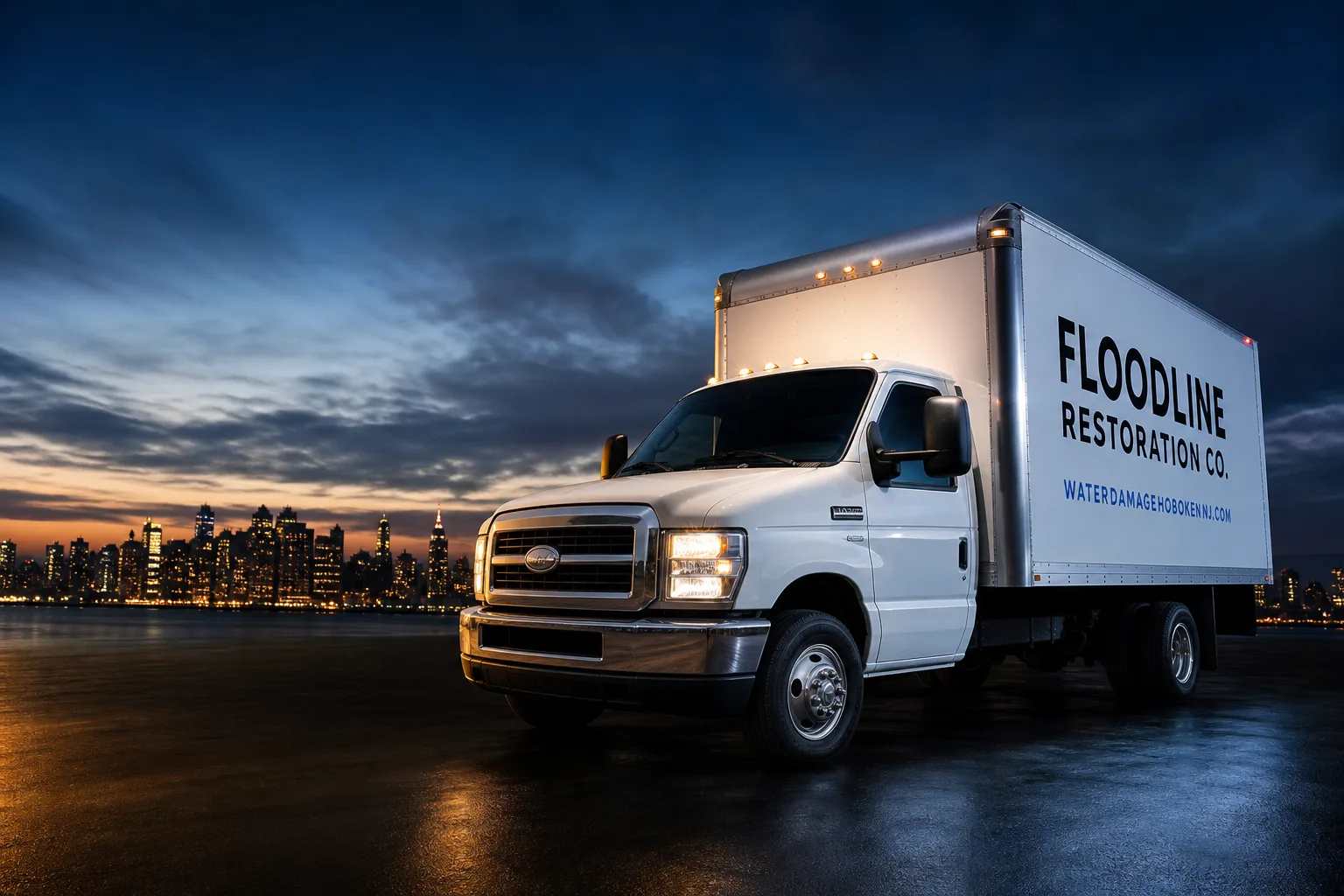
Free visual inspection and a written scope of work before any mitigation begins - photos, moisture readings, and drying logs go in your claim file
The scope we write is the scope we bill. Anything new gets shown to you, in writing, before we touch it.
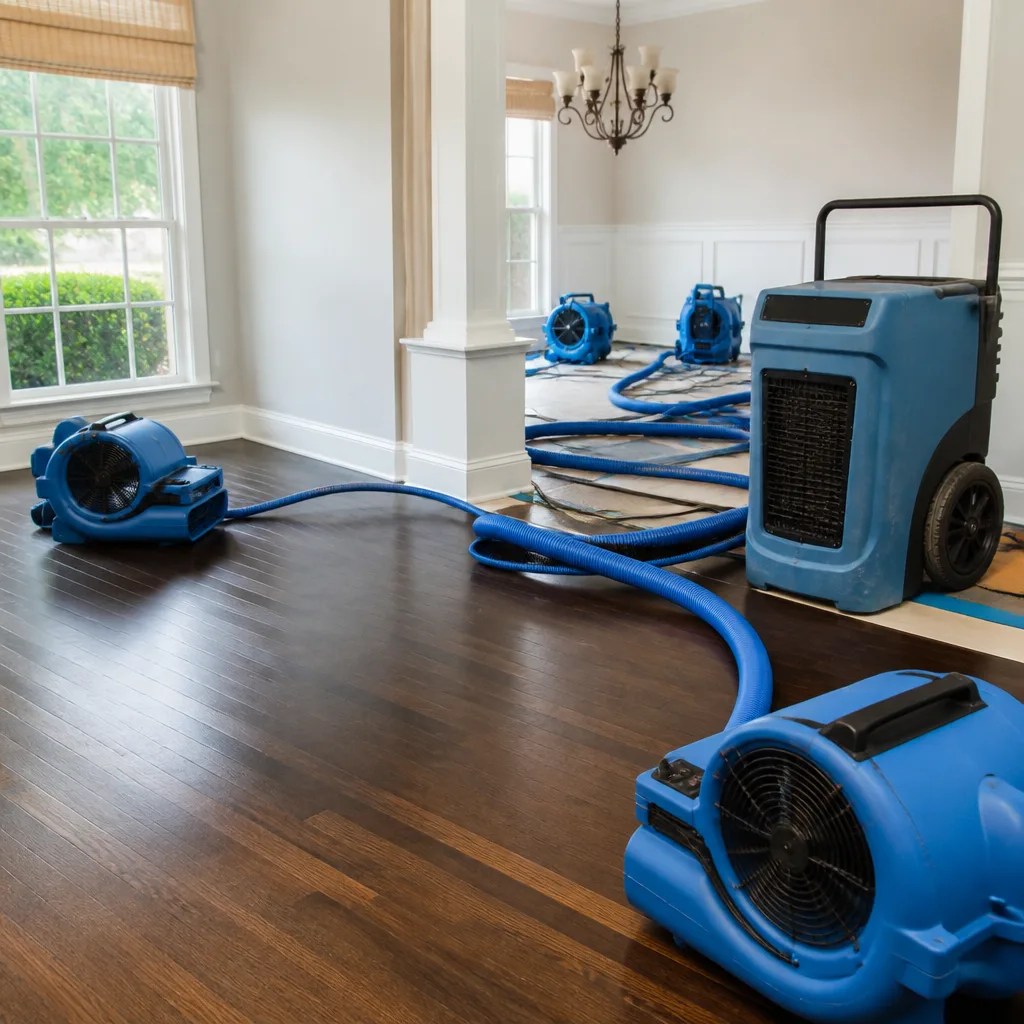
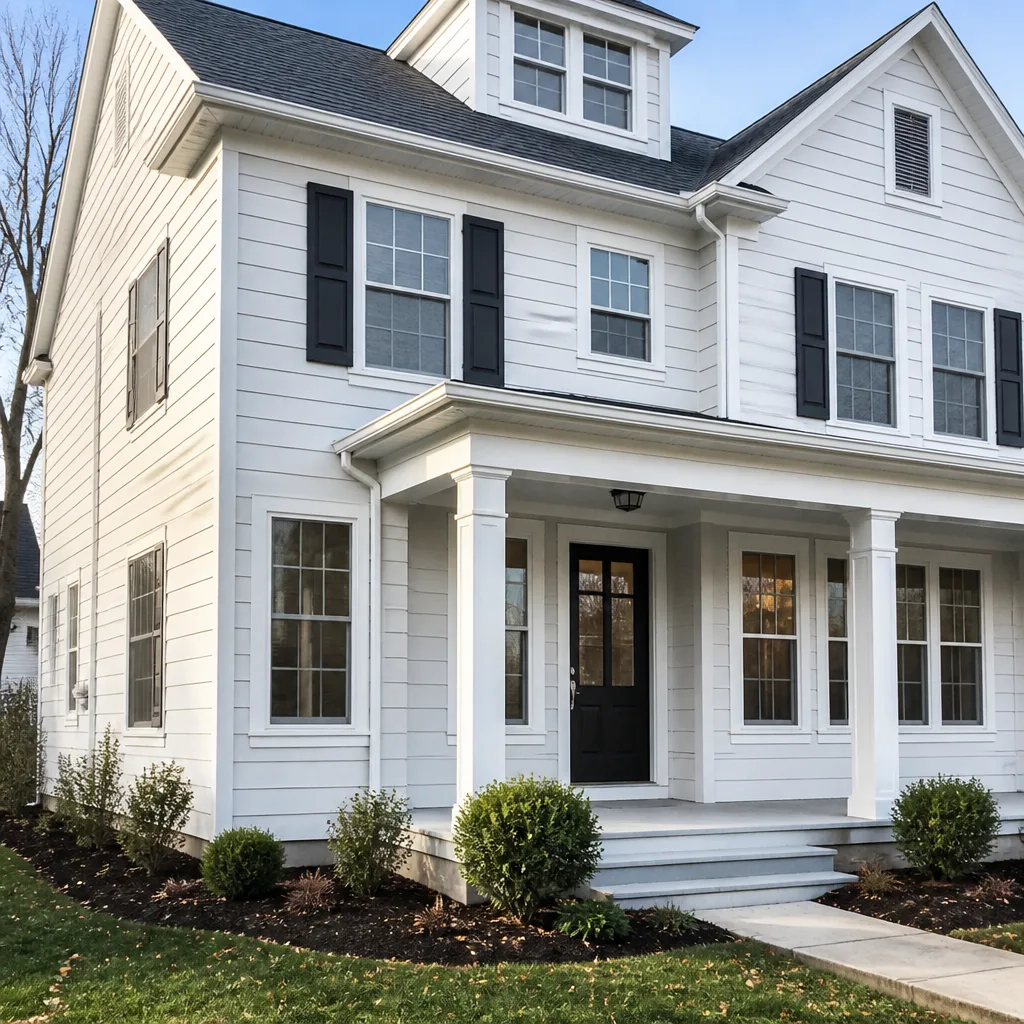
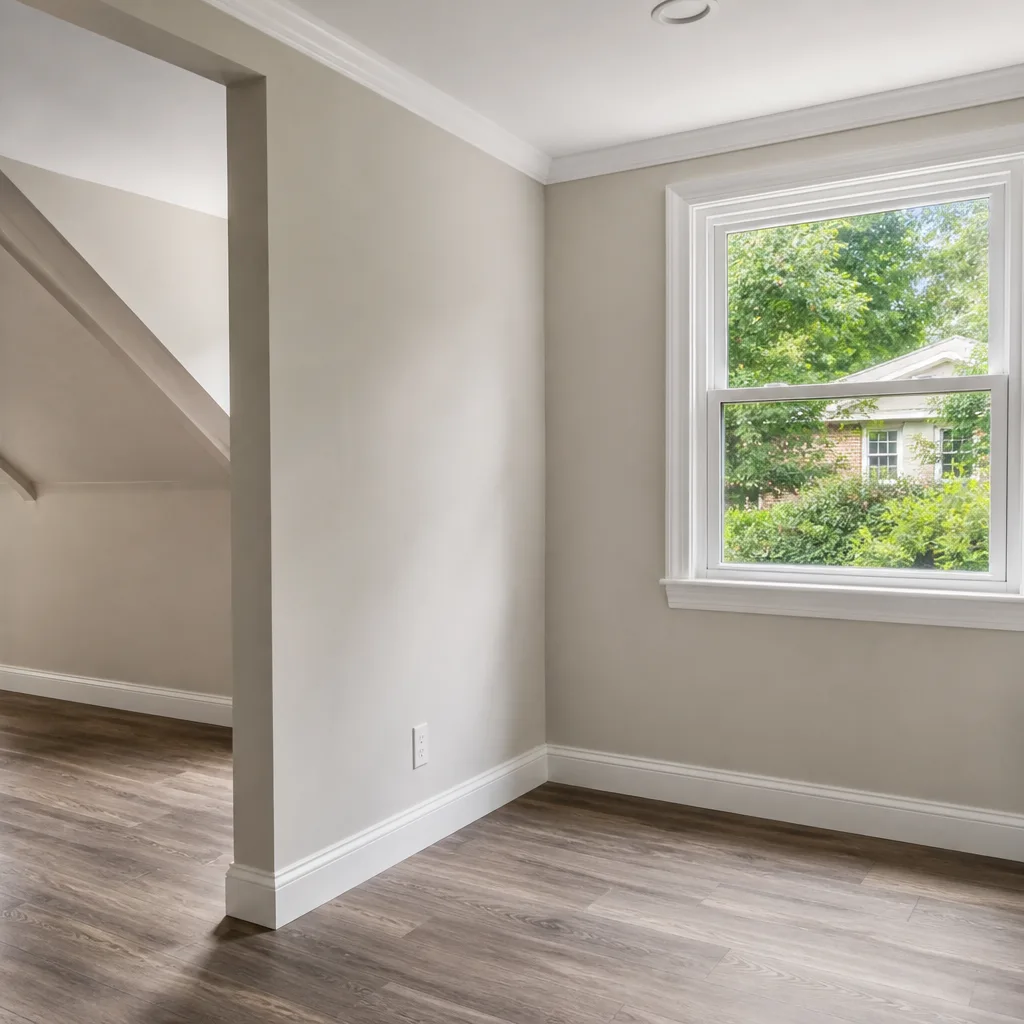
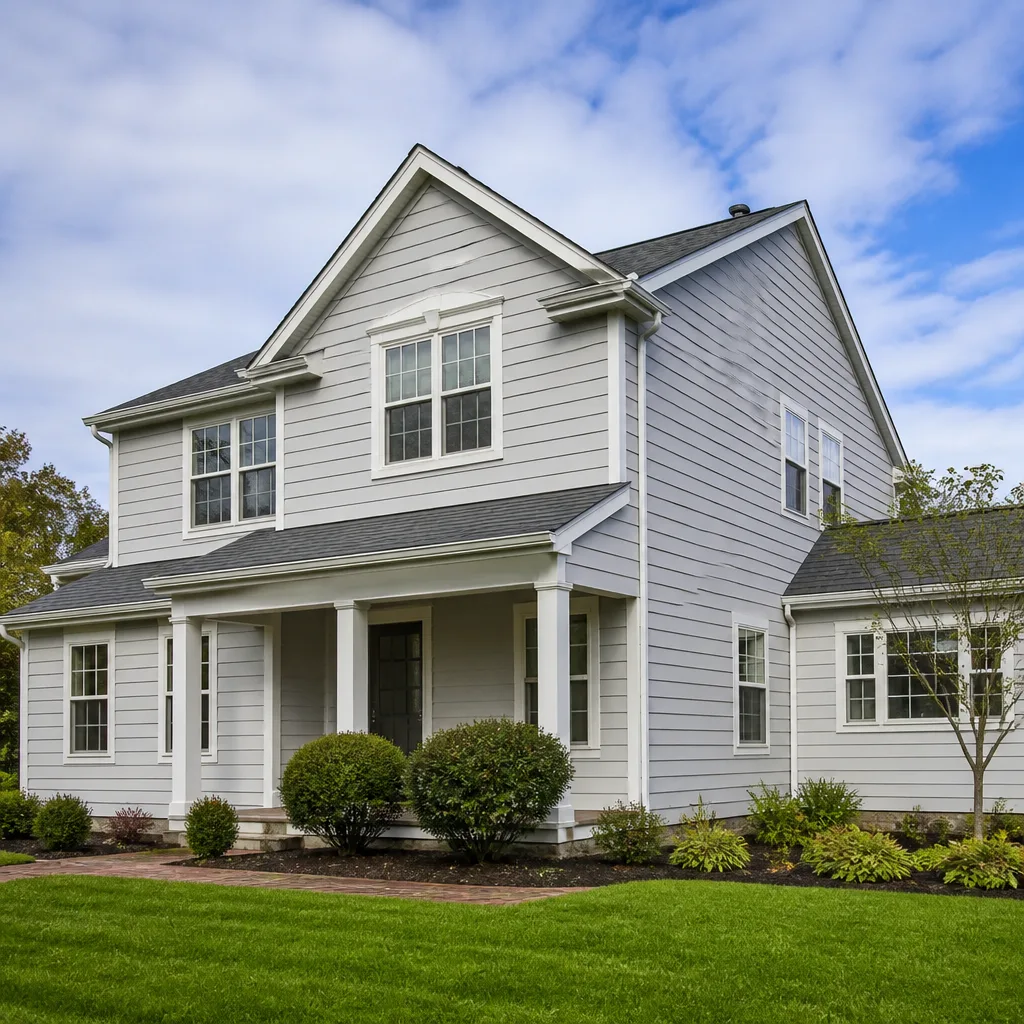
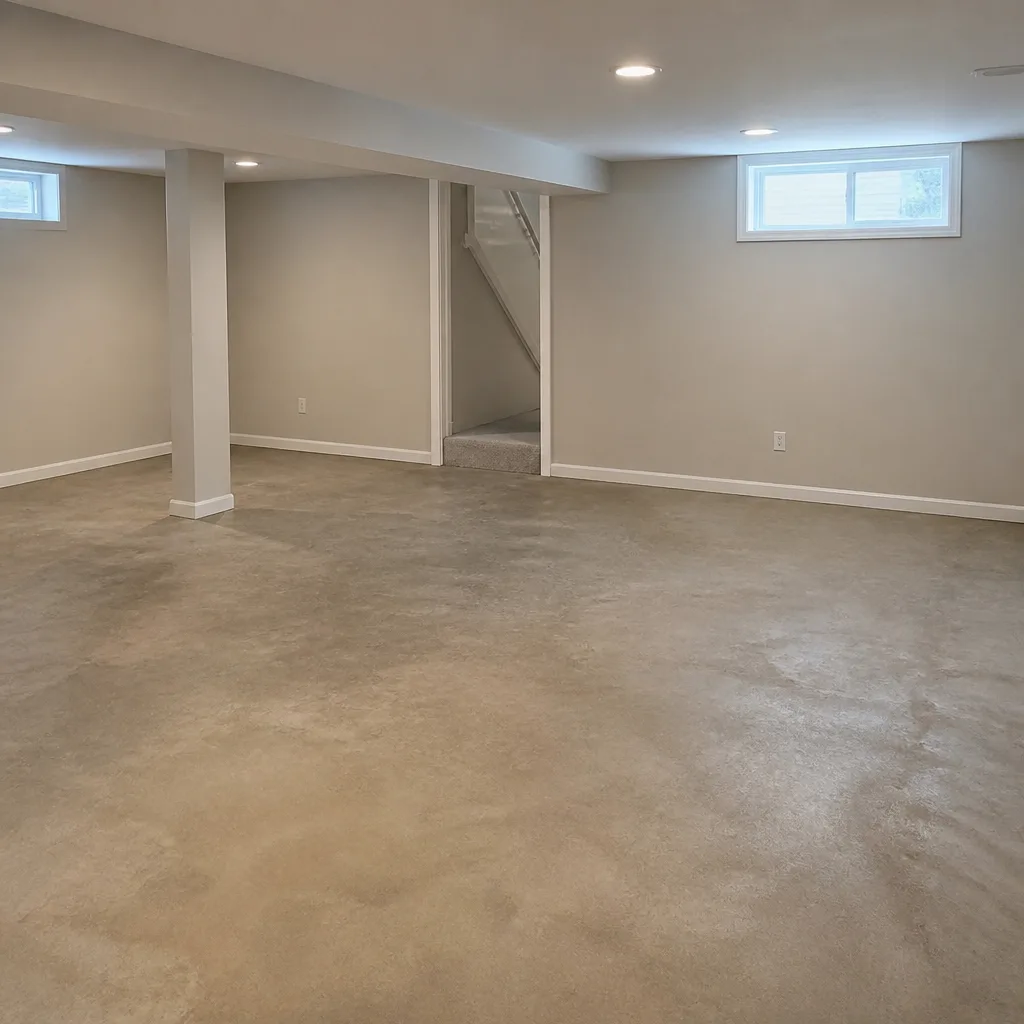

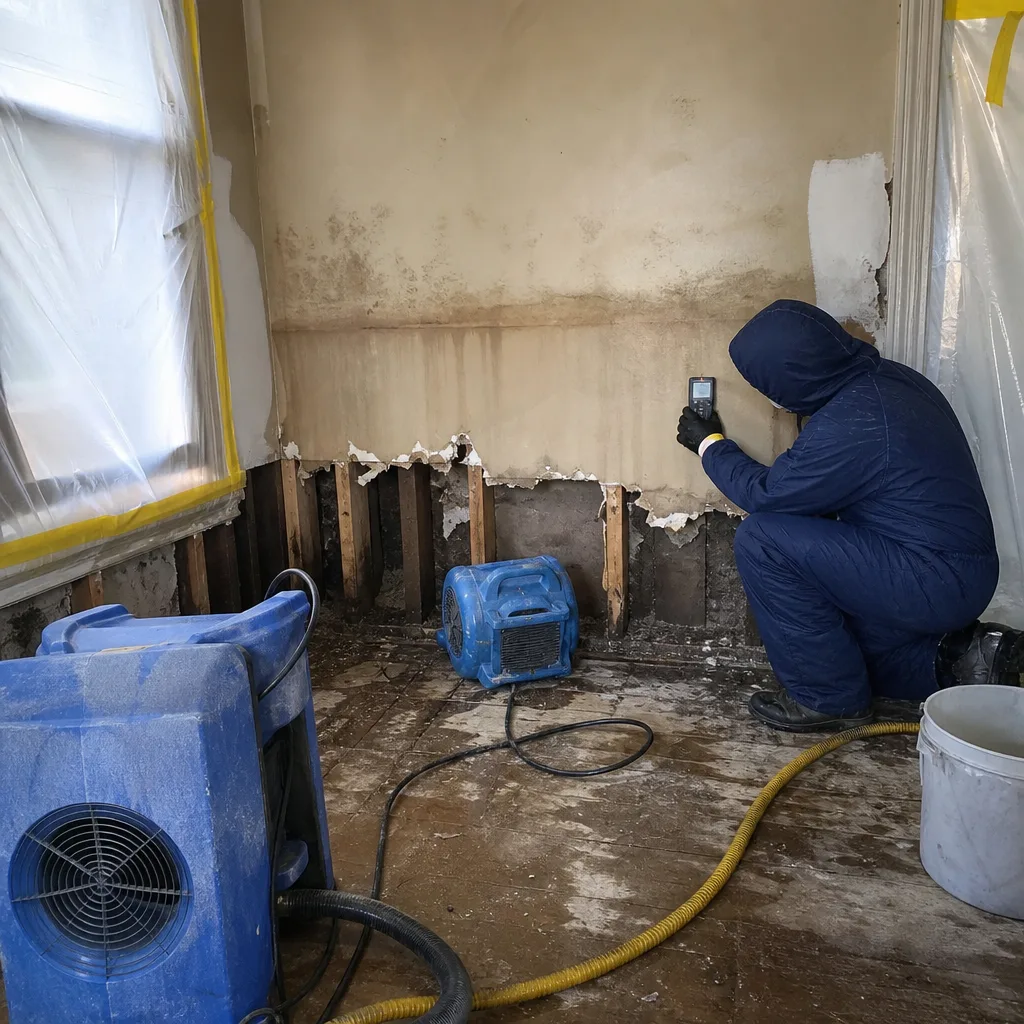 Before
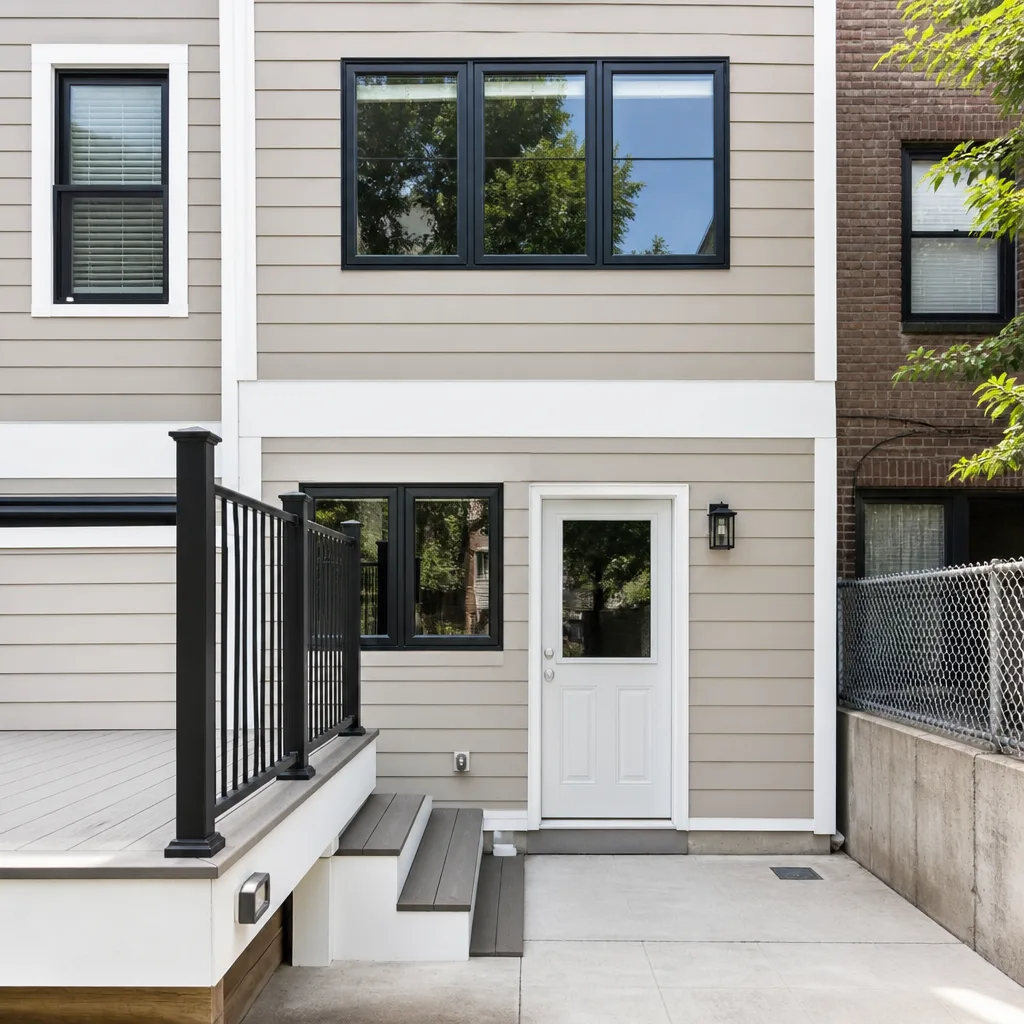 After
After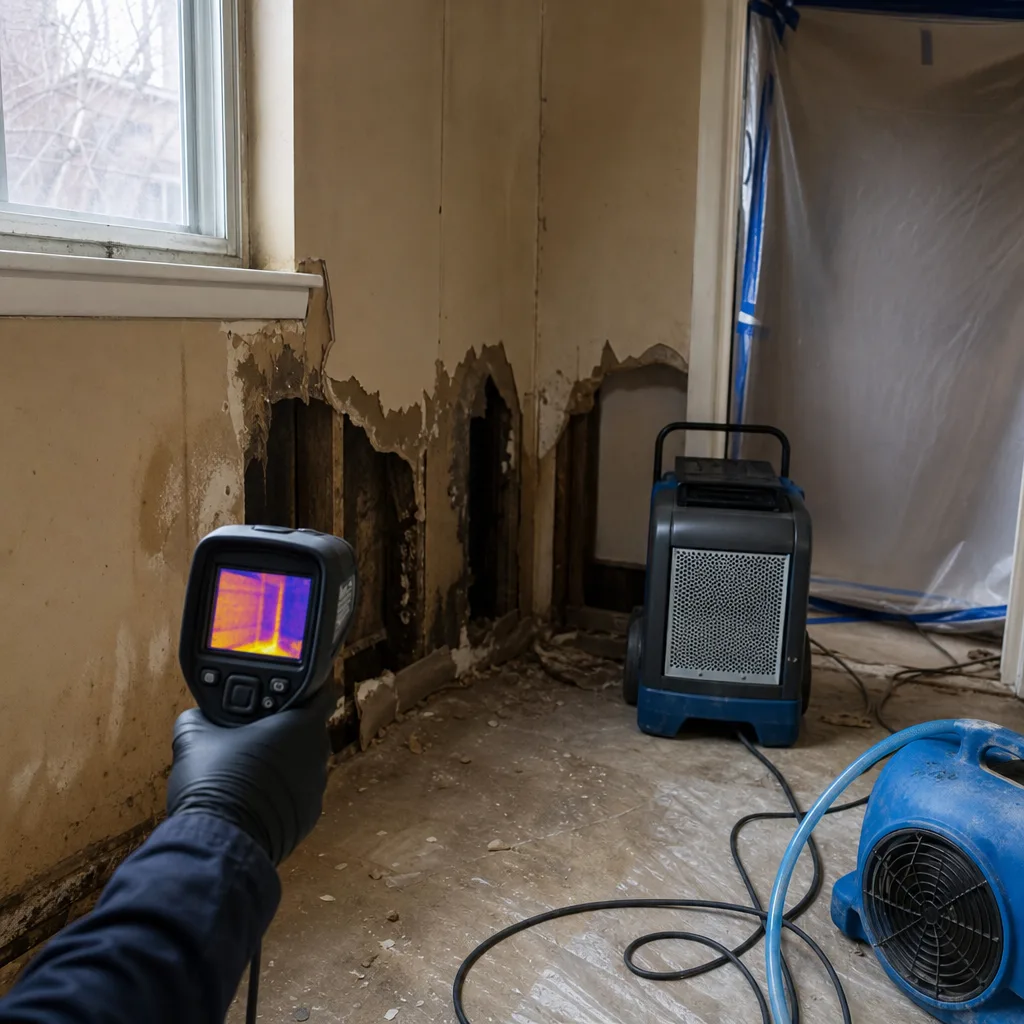 Before
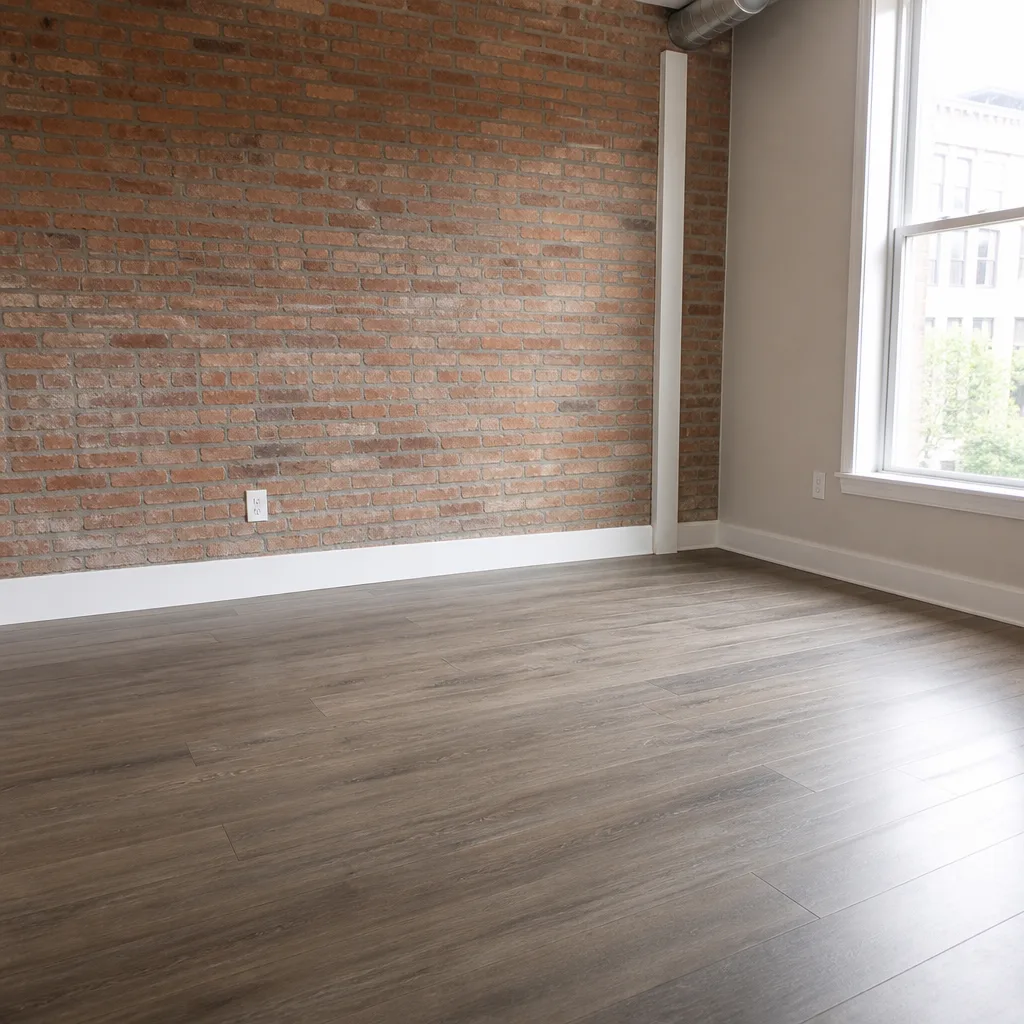 After
After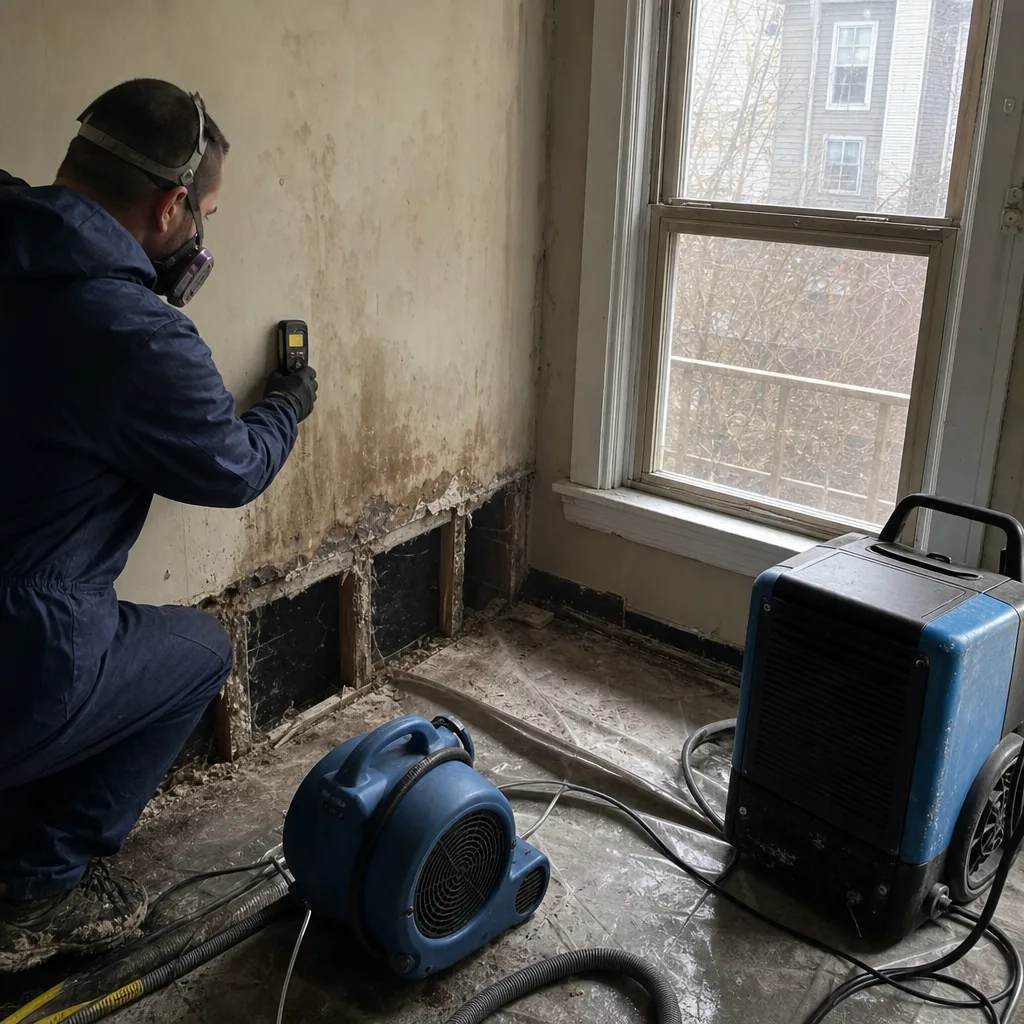 Before
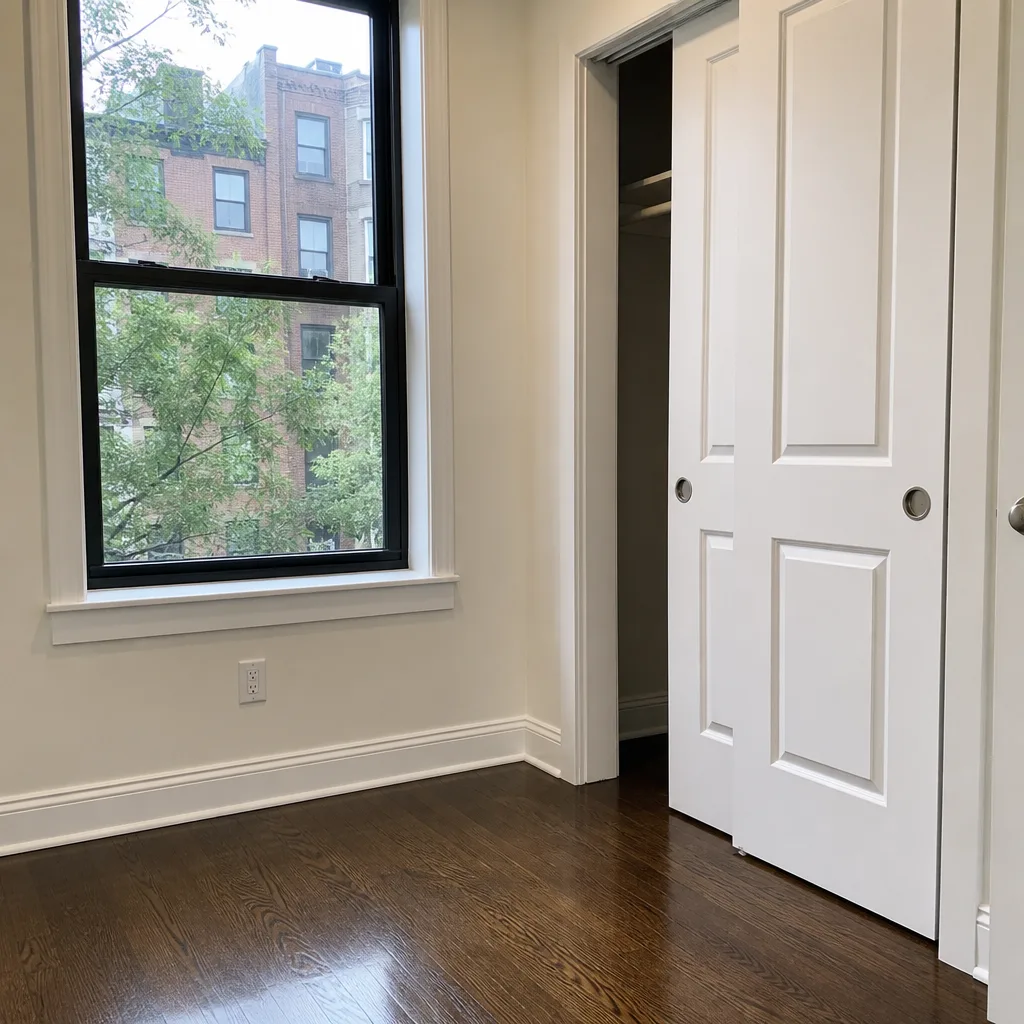 After
After24/7 Emergency Commercial Restoration in Lower Manhattan
Commercial water and storm damage in Lower Manhattan does not wait for business hours. A burst supply line in a Tribeca loft at 3 a.m. or a nor’easter pushing river water into a Financial District subgrade mechanical room demands response within the hour, not the next morning. Floodline Restoration Co. answers live around the clock. A dispatcher picks up the phone at (640) 500-3278 no matter the hour, and certified crews already working the Lower Manhattan grid reach most addresses inside 45 minutes. The first hour determines whether you are drying a space or rebuilding it. Saltwater and sewage reach building systems fast, and every hour of delay expands the damage footprint. We come out for a free visual inspection, tell you plainly what you are dealing with, and start extraction on the same visit when conditions allow.
Understanding Commercial Restoration Severity in Lower Manhattan Properties
Every commercial loss in Lower Manhattan carries a severity classification that drives the entire restoration plan. Water enters as Category 1 clean, Category 2 contaminated, or Category 3 grossly contaminated. Down here, the category changes fast. A king tide surging through a Battery Park City loading dock carries combined sewer backflow, marine sediment, and salt. That water is Category 3 within minutes of contact with the building envelope, whether the insurance adjuster initially writes it up as Category 1 or not. Moisture mapping shows what the eye cannot: the wicking path into drywall, the salt film left behind on cast-iron column bases, the capillary rise through slab edges that eventually blooms as mold on upper floors. We run structural drying with Dri-Eaz dehumidifiers and XPOWER air movers until the dry standard is met, not until surfaces simply look dry. In 19th-century cast-iron Tribeca buildings, hidden corrosion behind brick party walls is a slow-moving threat that standard freshwater remediation protocols never address. Marine-grade decontamination and corrosion assessment are not optional here. They are the defining competency.
Why Lower Manhattan Property Owners Choose Floodline Restoration Co.
- 45-minute response commitment. Our crews stage throughout the Lower Manhattan grid, so a live dispatcher confirms a truck within the hour, not a call-back sometime tomorrow.
- 24/7 live answer. A real person answers at 2 a.m. Never an automated menu. You reach a dispatcher who can move crews from Murray Hill to the Seaport without a recorded message in between.
- IICRC-certified crews. Technicians hold WRT, FSRT, and AMRT certifications. They have been trained to the standard, and it shows in the moisture log.
- Free visual inspection. We assess the loss before you sign a scope. No charge for the look, and no obligation tied to it.
- Direct insurance billing. We document everything from hour one and bill your carrier directly. You are not the messenger between our office and theirs.
- One team from extraction to reconstruction. The same crew that extracts the water dries the structure and rebuilds what needs rebuilding. No mid-job handoff.
Our Commercial Restoration Process
Inspection & Assessment
We arrive, walk the space, and document everything before touching anything. Thermal imaging and hygrometers tell us where the moisture actually is, including inside walls above the visible wet line.
Extraction / Stabilization
We pull standing water with professional extractors, shut down compromised electrical where needed, and set up containment. The goal is to stop the loss from spreading in the first hour.
Drying & Dehumidification
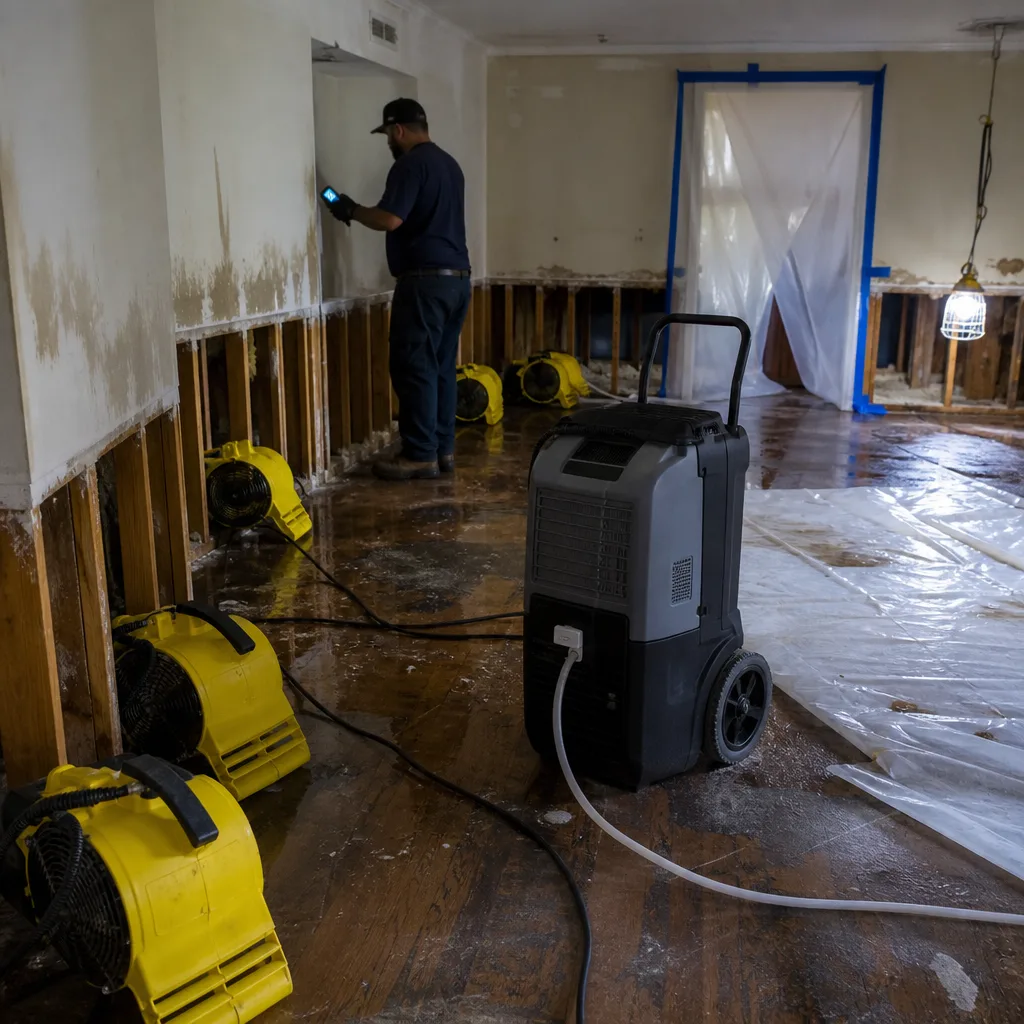
Dri-Eaz dehumidifiers and XPOWER air movers run around the clock. Daily moisture readings get logged until the structure meets the IICRC dry standard, not just until surfaces feel dry.
Cleaning & Sanitization
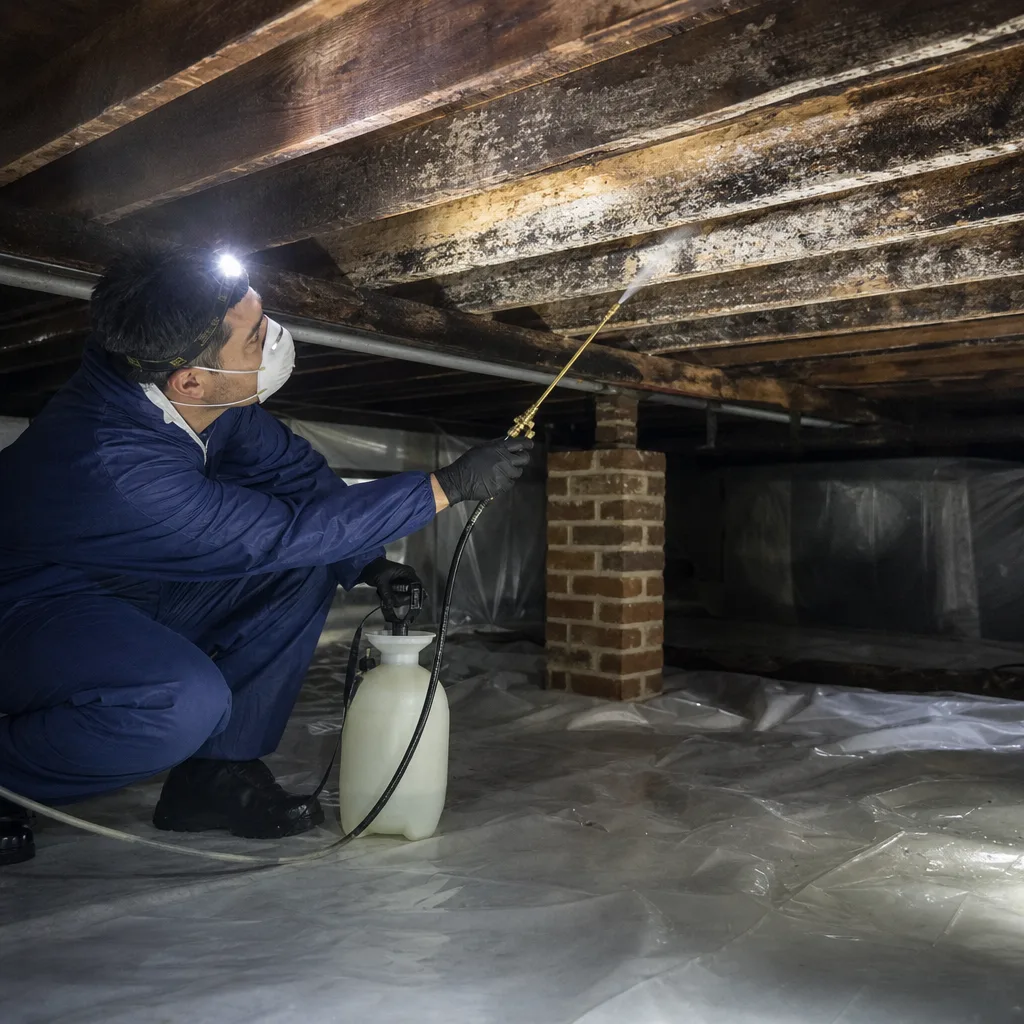
We apply antimicrobial treatments appropriate for Category 3 water and marine salt residue. HEPA air scrubbers run during the entire process to keep contaminants out of adjacent occupied space.
Marine-Grade Corrosion Treatment
For saltwater intrusion, standard cleaning is not enough. We inspect cast-iron structural members, apply corrosion inhibitors where needed, and document the condition of electrical switchgear and elevator pits for your adjuster.
Repairs & Restoration
We rebuild what was torn out. Drywall, flooring, electrical, HVAC, and trim go back to pre-loss condition, all under the 90-Day Done Right Promise. If it is not right, we make it right. In writing.
Need Emergency Commercial Restoration in Lower Manhattan Now?
Crews minutes away, answering live 24 hours a day. The sooner we start, the less it costs.
Working With Your Insurance Company
At Floodline Restoration Co., we have handled enough Lower Manhattan commercial claims to know that the adjuster’s first question shapes everything. We answer it with documentation. From the first hour on site, we photograph every affected area, log moisture readings daily, and produce a line-item scope of work in the format carriers expect. Our crew communicates directly with your adjuster, so you are not translating technical findings over the phone at 11 p.m. after a long day trying to keep your business running. The difference between a claim that pays fully and one that stalls is often the quality of the loss documentation. We have built our process around making that documentation impossible to dispute.
What We Provide Your Insurer
- Thorough documentation of the loss
- Photos of all damage, room by room
- Moisture readings and drying logs
- A detailed, line-item scope of work
- Direct coordination with your carrier
Built for Lower Manhattan’s Loss Calendar
Lower Manhattan takes its water from every direction. January deep freezes split supply lines in older buildings, flooding offices and retail spaces that have been there since before boiler upgrades were code. Spring thaw pushes groundwater up through foundation seams in Tribeca’s 19th-century basements. Summer thunderstorms overwhelm aging sewers fast, backing contaminated water into subgrade mechanical rooms across the Financial District and Battery Park City. Nor’easters from October through March are the big ones: storm surge meets the rivers at the tip of the island, and there is nothing natural to stop it. King tides have become a year-round nuisance in the lowest band south of Chambers Street, pushing brackish water into parking garages and loading docks with no storm at all. For a commercial property owner, the loss calendar here is not seasonal; it is weekly. We run our dispatch around the tides as much as the weather forecast, and our crews know exactly which addresses flood first when the water comes.
Commercial Restoration Across Lower Manhattan’s Neighborhoods
Battery Park City runs on landfill. The 1970s and 80s fill settles unevenly, so waterproofing membranes shear along the same predictable planes. Our crews find those shears by looking for mold on the second and third floors of towers when the basement reads dry on a first-pass moisture check. Saltwater moved up through slab edges months earlier, and the damage presents where no one thinks to look. In the Financial District, the story is elevator pits and main electrical switchgear. Office towers converted to condos in the 1990s and 2000s concentrated their mechanical cores below sea level, so a king tide or combined sewer backflow event becomes a building-wide problem in minutes. Tribeca’s cast-iron loft buildings hide corrosion behind brick party walls. A flood there means marine-grade decontamination, not just drying. In the Seaport and along South Street, old timber framing and landfill ground make every loss a structural question as much as a water question. No two blocks in Lower Manhattan restore the same way.
Specialized Commercial Restoration Services We Offer in Lower Manhattan
Office & Retail Restoration
Retail and office spaces in Lower Manhattan operate on thin margins and fixed lease terms. A single flooded storefront can mean weeks of lost revenue. We move fast, and our crews are used to working around display fixtures, server rooms, and the hundred small dependencies of a modern commercial space.
Multi-Unit & HOA Restoration
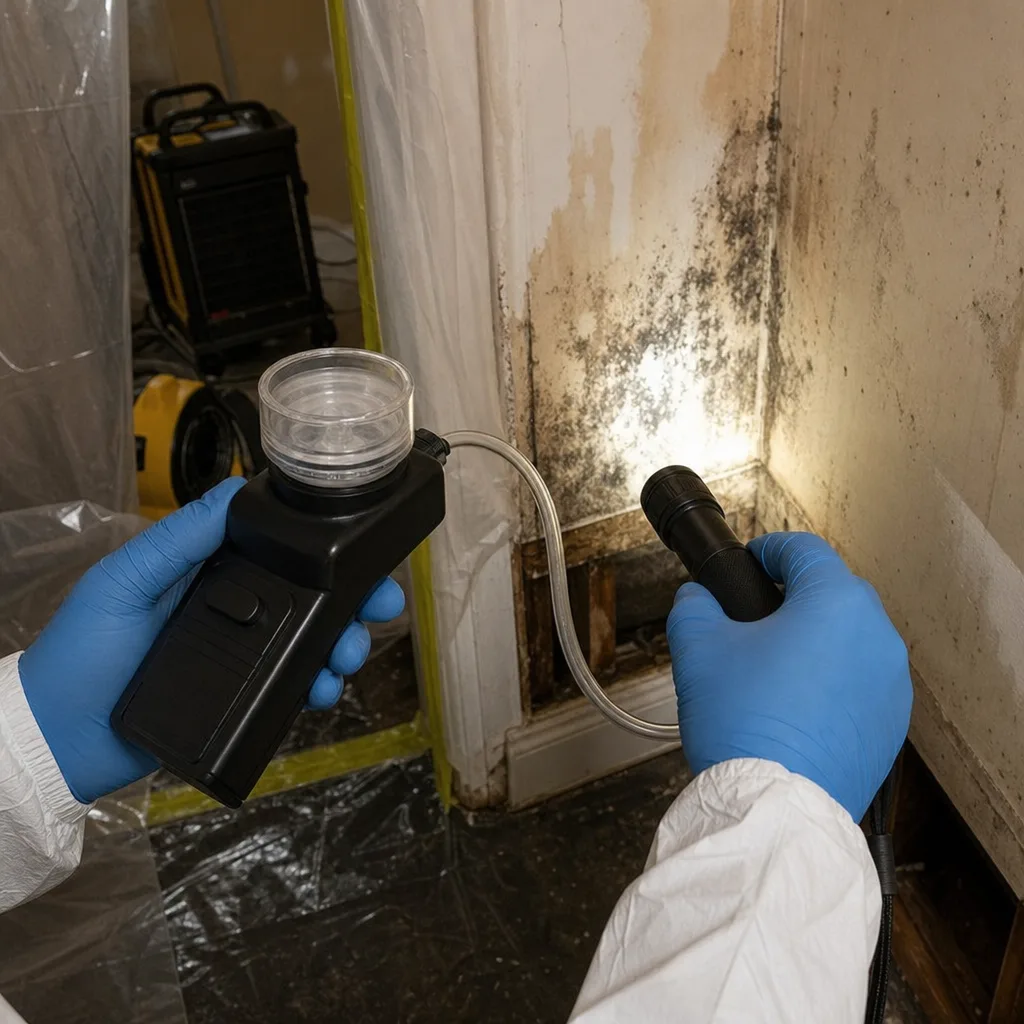
Condominium associations and apartment buildings in Battery Park City and the Financial District face a particular problem: the damage is in the basement, but the evidence shows up on upper floors. We handle moisture mapping across multiple units, coordinate with building management and residents, and document everything so the association board and the carrier are looking at the same facts.
Business Interruption Minimization
Every day your doors are closed is real money out of the business. The fastest path to reopening is a restoration crew that understands the physical realities of Lower Manhattan’s buildings and can move from extraction to reconstruction without a handoff. Floodline Restoration Co. is that crew. We work with your lease terms, your insurance timeline, and your occupancy needs so the restoration supports your reopening date, not delays it.
What happens when you call
- 1
A real person answersNo phone trees - you reach a local pro.
- 2
You get an upfront price rangeHonest numbers before anyone is dispatched.
- 3
A background-checked tech heads outLicensed & insured, dispatched right away.
- 4
You approve before work beginsNothing starts until you say go.
Commercial Restoration Costs in Lower Manhattan, NY
Straight numbers for Lower Manhattan commercial restoration. Office and retail water extraction and drying typically runs $4,500 to $14,000 depending on square footage and whether structural drying reaches multiple floors in a converted loft building. Multi-unit and HOA restoration work in Battery Park City towers, where saltwater wicking through sheared membranes requires floor-level moisture mapping, often lands between $12,000 and $35,000 because of the containment and marine-grade treatment involved. Large-loss response, the kind that follows a nor’easter through a Financial District subgrade mechanical room, starts around $25,000 and goes up from there when elevator pits and electrical switchgear are involved. Business interruption minimization services that keep a retail tenant operational during drying generally add $1,800 to $5,000 to the scope. The fastest way to a firm number is a free visual inspection: we come out, assess the actual conditions, and put a written scope in front of you before any work starts. A square deal, no surprises on the bill, and direct insurance billing throughout.
We Also Serve Cities Near Lower Manhattan
Our crews regularly answer calls in Washington Square, Midtown West, Midtown Manhattan, and Murray Hill. If you own commercial property in any of these areas and see water where it should not be, call (640) 500-3278. We dispatch across the borough.
Serving Lower Manhattan, NY - Our Local Coverage Area
We’re based in the Lower Manhattan area and know this community well. Use the map below to see our service coverage - if you’re nearby, we can almost certainly help.
Lower Manhattan Commercial Restoration Questions, Answered
How fast can you get to Lower Manhattan?
Our crews stage throughout Lower Manhattan and typically reach most addresses within 45 minutes of your call, 24 hours a day. A live dispatcher answers at (640) 500-3278 and will confirm a truck is moving while you are still on the phone.
Will my insurance cover commercial water damage in Lower Manhattan?
Most commercial property policies cover sudden and accidental water damage, but coverage gets complicated when saltwater storm surge is involved. Flood insurance is typically a separate policy. We document everything from hour one, communicate directly with your adjuster, and bill the carrier directly so you know where the claim stands. Call (640) 500-3278 for help with your specific policy.
How do you locate hidden saltwater intrusion in Battery Park City high-rises when the basement looks dry?
When waterproofing membranes shear on landfill, saltwater moves upward through slab edges and presents as mold on upper floors. We run moisture mapping across multiple floors using thermal imaging and hygrometers in unit corners and closet walls, and we know which residential towers built on landfill are most prone to this pattern.
How do you handle flood-damaged electrical switchgear in Financial District condos without causing a building-wide shutdown?
We never advise property managers to power up flooded switchgear. Our crews coordinate with licensed electricians to isolate affected panels, document the condition for your adjuster, and run drying strategies that protect the surrounding electrical infrastructure while a full damage assessment is completed. The priority is safety first, then a plan that minimizes reopening delay.
What’s the difference in restoring cast-iron column bases in Tribeca lofts after saltwater flooding versus a freshwater pipe break?
Saltwater leaves a corrosive film that continues to eat into cast iron long after surfaces are dry. Freshwater protocols stop at drying and cleaning. Our crews apply marine-grade decontamination and corrosion inhibitors, then document the treatment so your adjuster sees exactly what was done and why it was necessary.
How do you stop mold from blooming on upper floors of Lower Manhattan towers months after a basement flood?
The key is moisture mapping beyond the visible wet zone. Mold that appears on the second or third floor months later traces back to saltwater wicking up through slab edges. We map the full moisture path during initial mitigation, dry the structure to the IICRC dry standard, and treat surfaces with antimicrobials before the mold has a chance to establish.
During a nor’easter, how do you prioritize restoration across multiple Lower Manhattan commercial properties?
We triage by severity and risk of secondary damage. Category 3 water into a Financial District office tower with live electrical systems under threat ranks higher than isolated retail spaces. We coordinate with building management teams and property owners to sequence deployment fairly, and our multiple crews let us start work on several properties simultaneously.
Do I really need full restoration, or can I just clean up and keep operating?
Saltwater and Category 3 water are not a mop-and-fan problem. Below-grade mechanical rooms in Lower Manhattan hold moisture against structural members and electrical equipment, and hidden salt residue causes corrosion and mold that show up weeks later. The cheap cleanup is the expensive one. Call (640) 500-3278 for a free visual inspection and an honest answer on what your space actually needs.
If water is where it should not be in your Lower Manhattan commercial property, call Floodline Restoration Co. at (640) 500-3278. A live person answers. Crews reach most addresses within 45 minutes. The inspection is free, the scope is written, and the work is backed by the 90-Day Done Right Promise in writing.
Written by Curt Bowman, Owner at Floodline Restoration Co., serving Lower Manhattan commercial property owners with full-cycle restoration since 2010.