
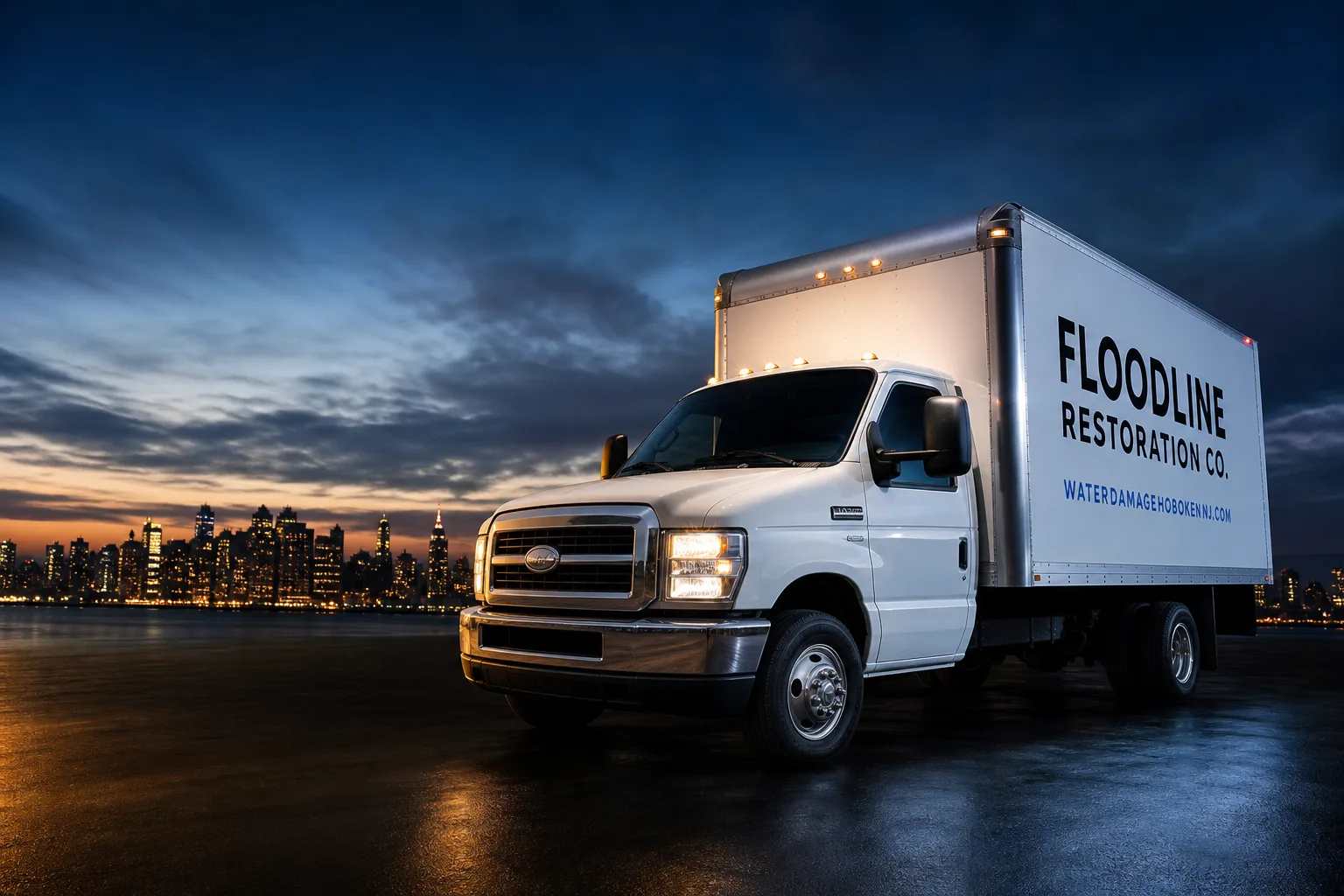
Free visual inspection and a written scope of work before any mitigation begins - photos, moisture readings, and drying logs go in your claim file
The scope we write is the scope we bill. Anything new gets shown to you, in writing, before we touch it.
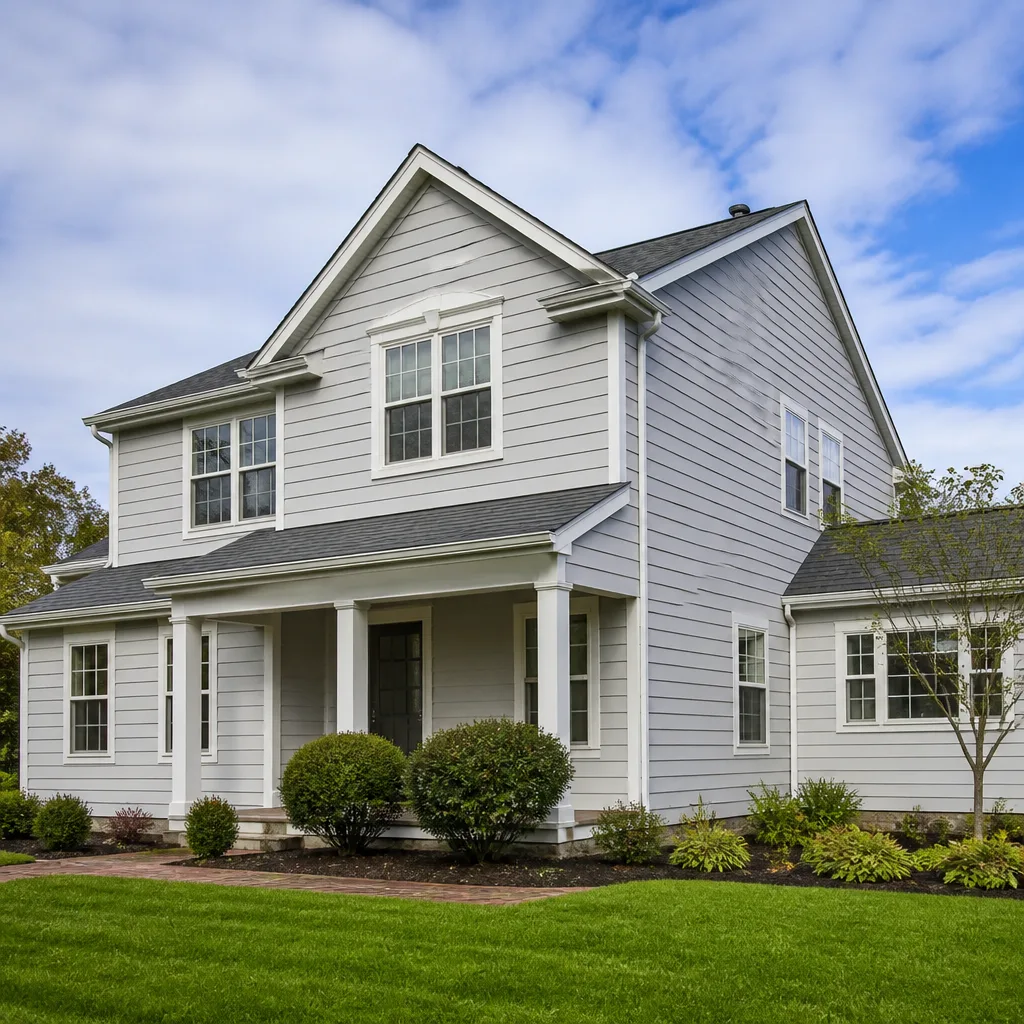
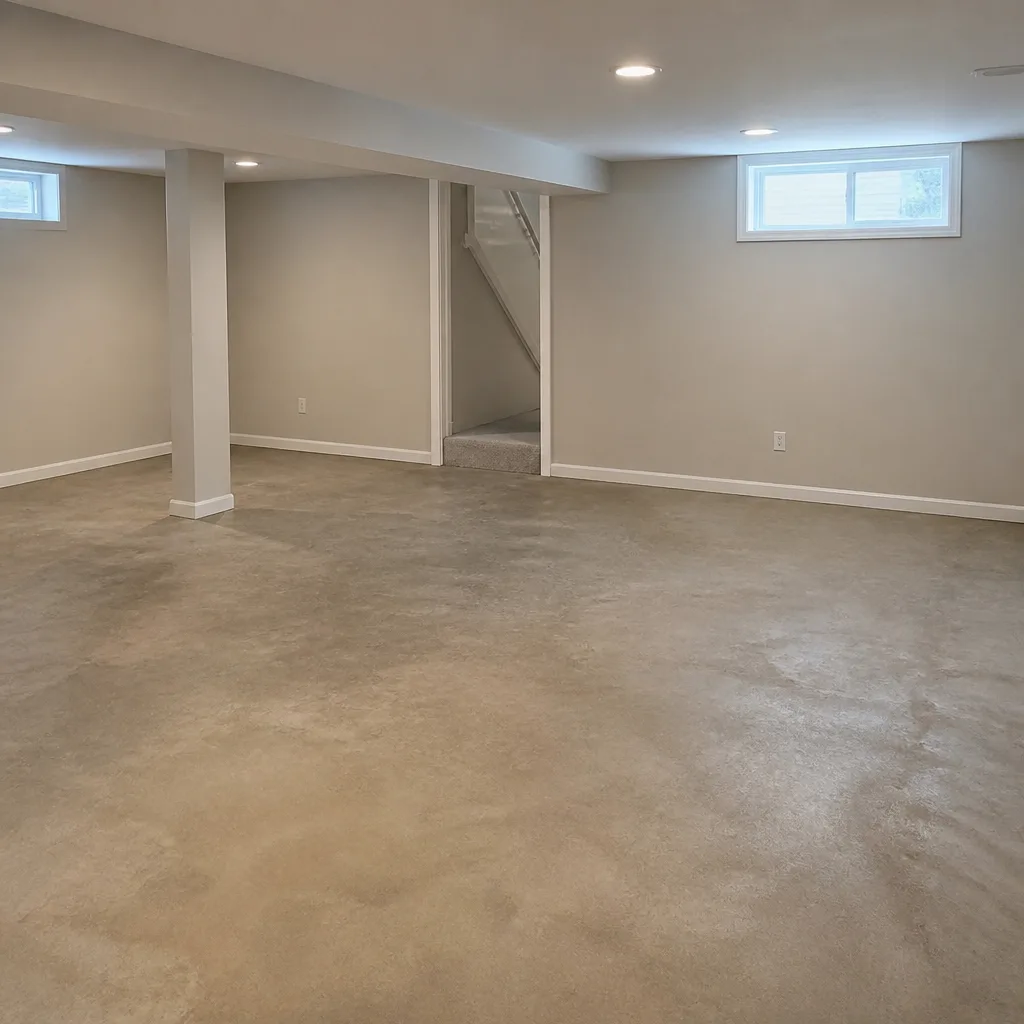

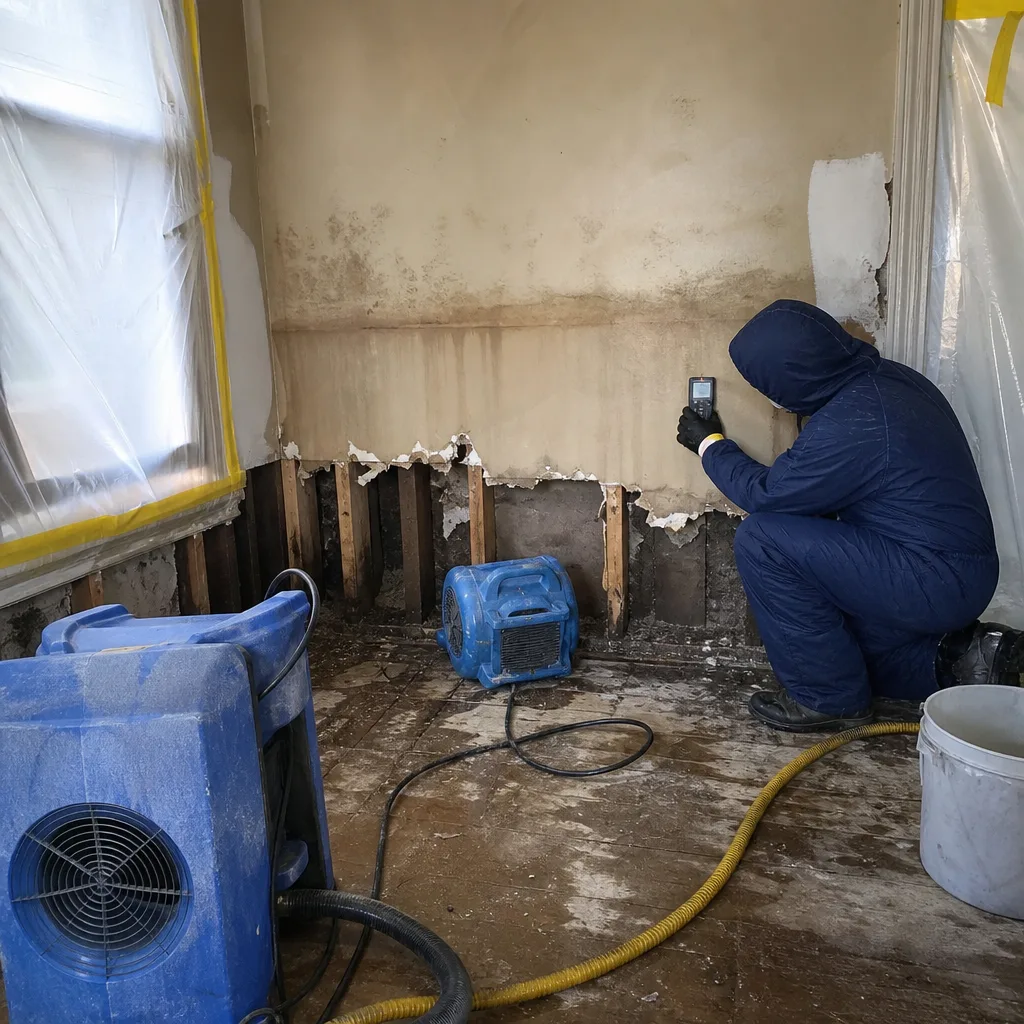 Before
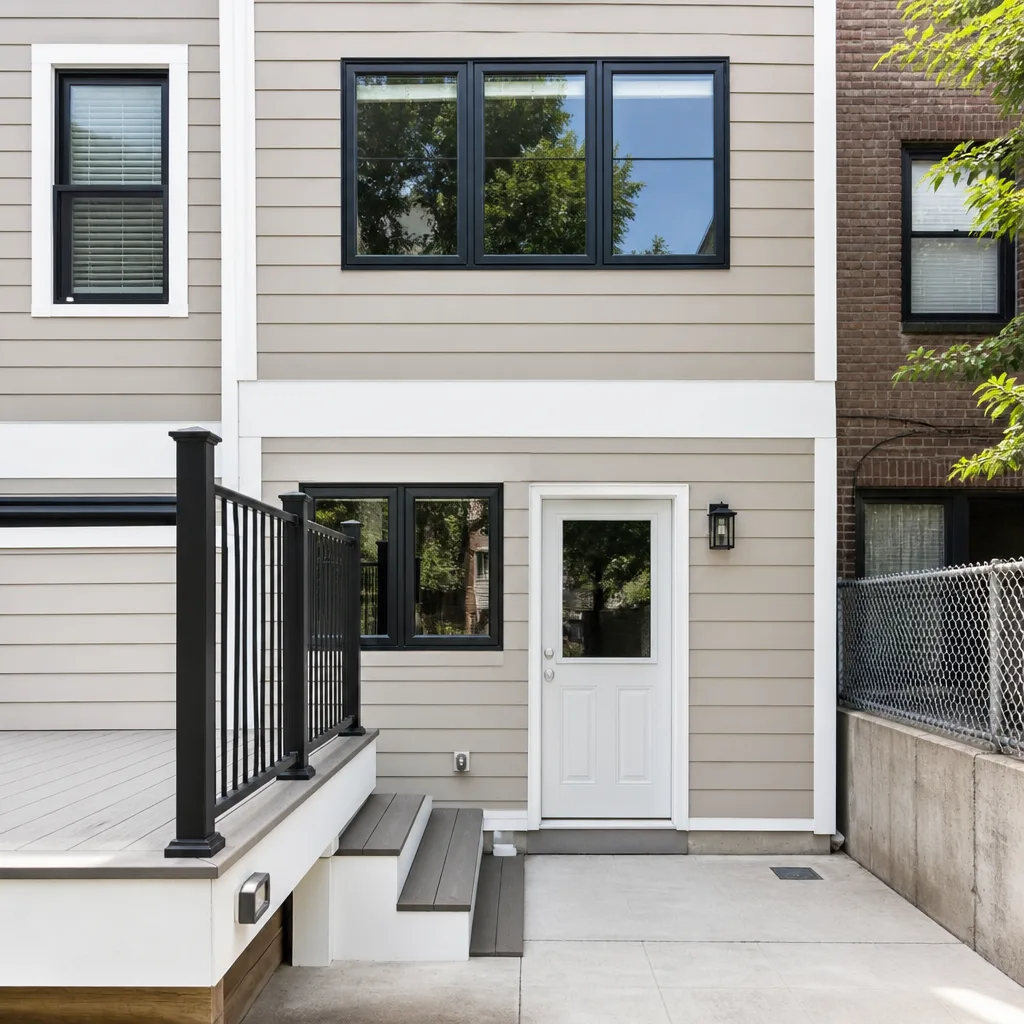 After
After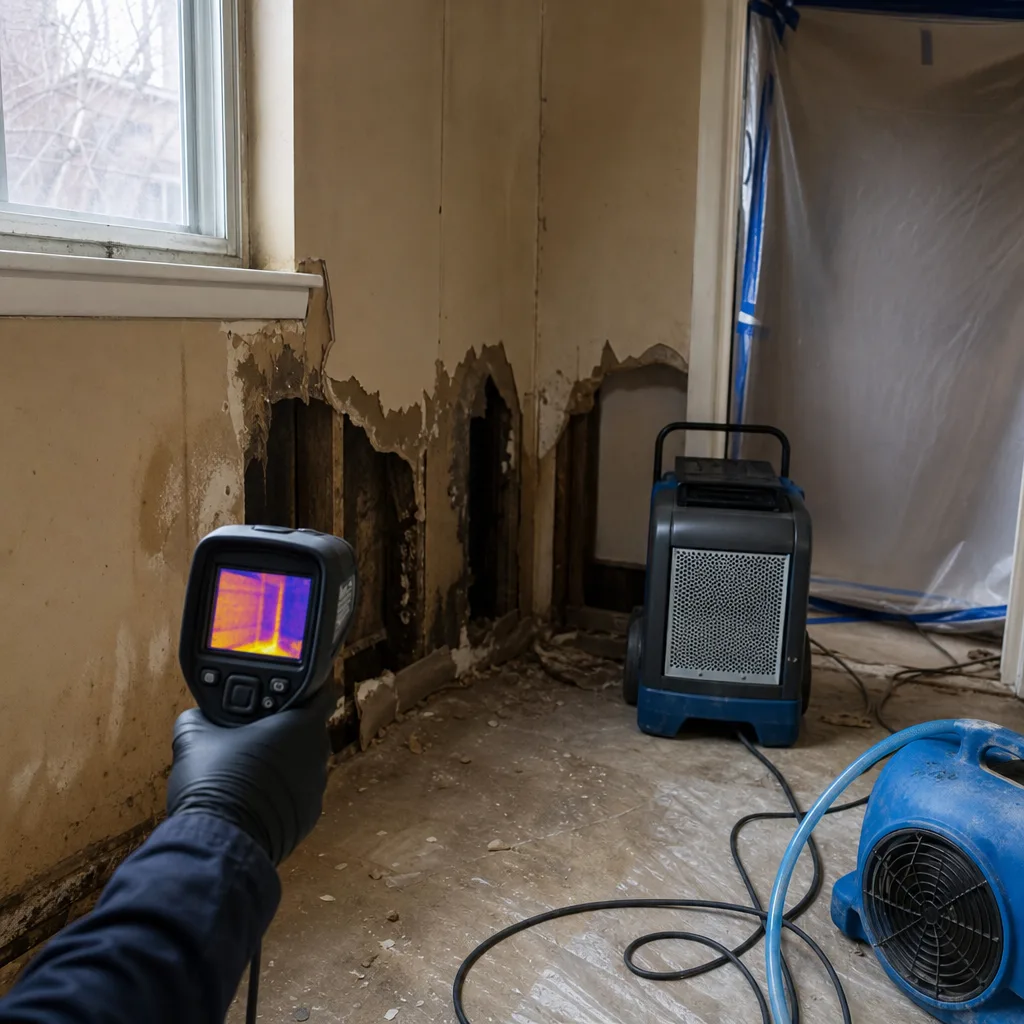 Before
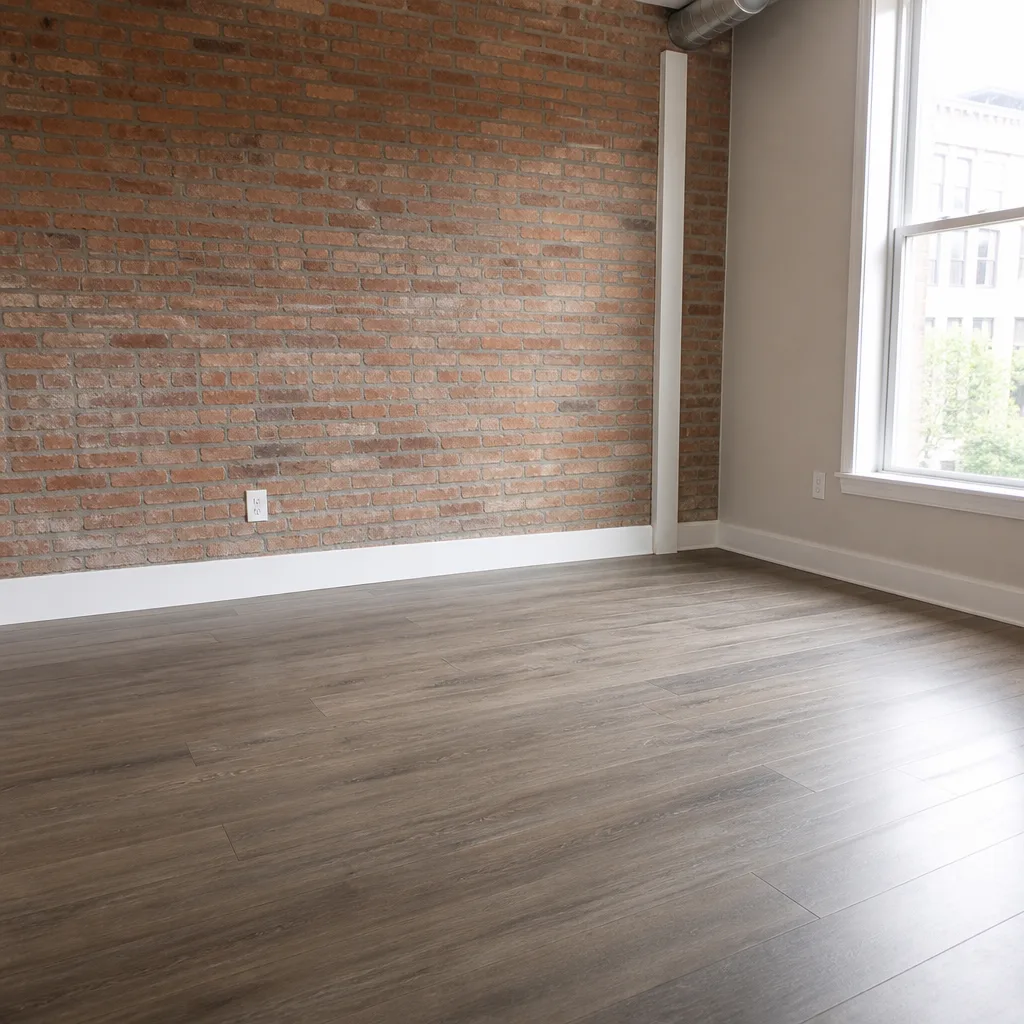 After
After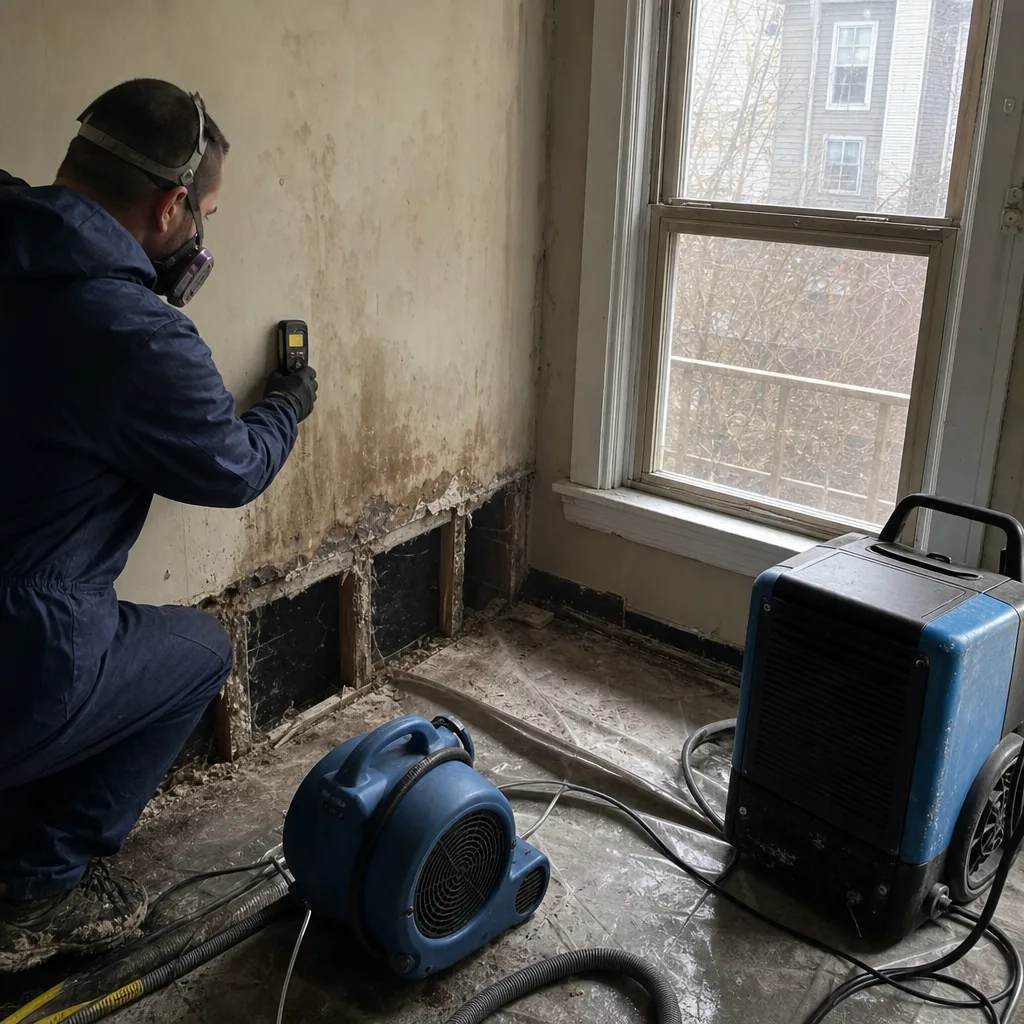 Before
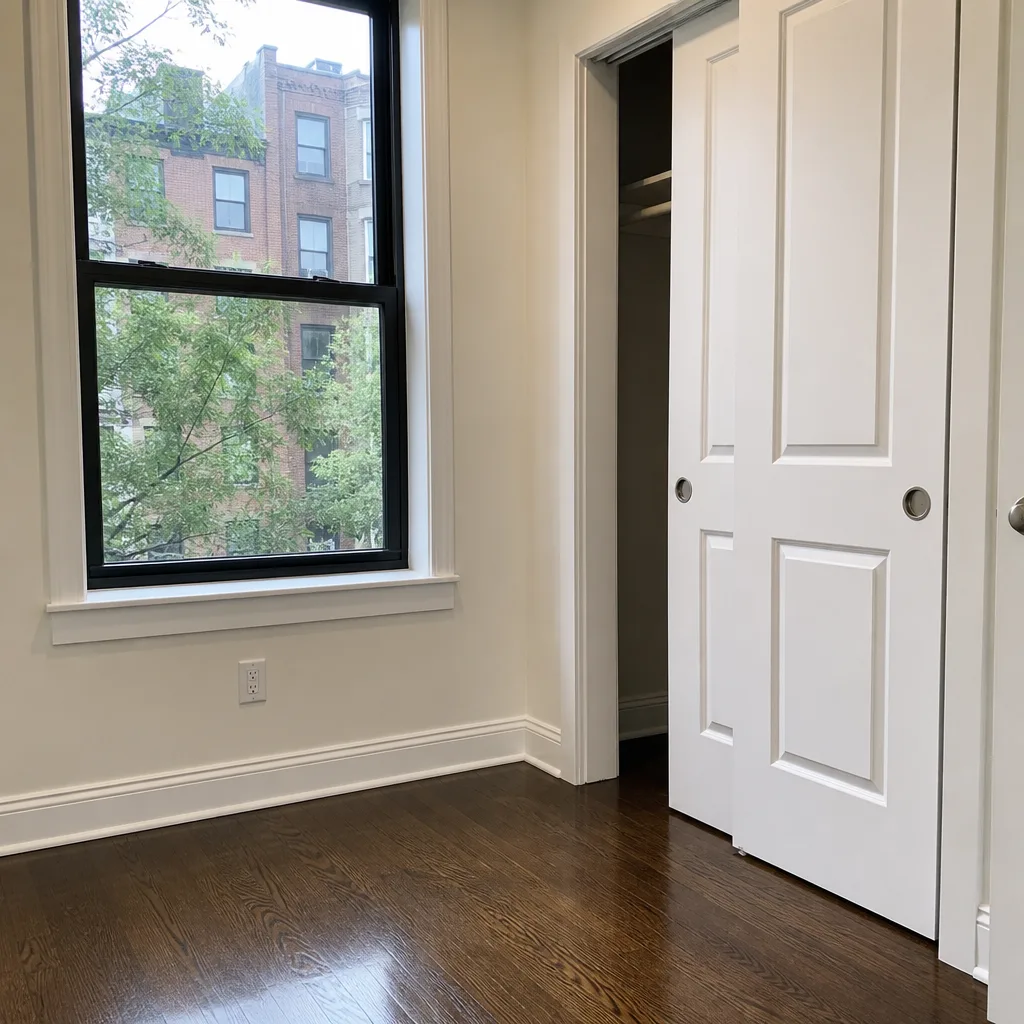 After
After24/7 Emergency Storm & Disaster Restoration in Upper West Side
Storm and disaster restoration in Upper West Side moves on two clocks: the water’s and the co-op board’s. We answer the first one immediately. Crews dispatch from our New York City office to Upper West Side blocks within 45 minutes, and a live person picks up the phone at (640) 500-3278 at any hour, including 2 a.m. during a nor’easter. The first hour determines whether you’re drying plaster or replacing it. Wind-driven rain through a parapet, a burst steam riser, a failed washing machine hose on the 14th floor: water follows gravity through stacked units and century-old lath, and every hour it sits means more of your herringbone parquet is cupping, more horsehair plaster is swelling, more subfloor is soaking. Call while the water is still moving. We arrive, assess, and start extraction the same visit.
Understanding Storm & Disaster Restoration Severity in Upper West Side Properties
Upper West Side buildings don’t fail the way suburban houses do. A Category 1 water loss in a suburban split-level is usually a clean supply-line break, contained to one floor with gypsum board and plywood subfloor. The same Category 1 break in a pre-war co-op on Riverside Drive becomes a Category 2 or 3 loss by the time it travels through four floors of horsehair plaster, cast-iron riser chases, and a century of accumulated dust in ceiling cavities. Contamination is cumulative here. Moisture mapping in these buildings means reading not just the wet drywall, but the plaster keys behind it, the subfloor from above and below, and the neighbor’s ceiling. We use thermal imaging and penetrating moisture meters at every affected unit, not just the one that called. Structural drying in a lime-and-lath assembly takes longer than modern construction. We plan for that. We also plan for soot migration patterns in pre-war buildings: smoke from a kitchen fire travels through the same riser chases and dumbwaiter shafts that water uses, settling as acidic residue on plaster, brass hardware, and parquet. You need restoration crews who know what Category 3 water does to a herringbone floor, and what it means when the building’s master policy and three HO-6 policies all open claims on the same loss.
Why Upper West Side Property Owners Choose Floodline Restoration Co.
- 45-minute response commitment. We’re not coming from New Jersey. Dispatch is local, and a crew in the Upper West Side arrives within the hour, extraction equipment on the truck.
- 24/7 live answer, never an automated system. A person picks up. You describe the water, the smoke, the tree limb through the window, and we tell you what to do before crews arrive.
- IICRC-certified crews, trained in WRT and FSRT standards. Water restoration technicians and fire and smoke restoration technicians, certified to the codes that matter for pre-war assemblies.
- Free visual inspection. We assess the loss, explain what we’re seeing in plain language, and give you a written scope before any work starts. No pressure, no upsell.
- Direct insurance billing. We coordinate with the building’s master carrier and your HO-6 carrier, submit documentation, and bill directly. You don’t play messenger.
- One team from extraction to reconstruction. The same certified crew that reads the moisture map on day one handles daily readings, dries the framing, and rebuilds what needs rebuilding. No mid-job handoff.
Our Storm & Disaster Restoration Process
Inspection & Assessment
We map the full affected area with thermal imaging and hygrometers, identify the water category, and document everything with photos for your claim file. On Upper West Side jobs, we also confirm the building’s freight elevator window and house rules before moving equipment.
Extraction & Stabilization
Standing water comes out first using truck-mounted extraction and XPOWER submersible pumps. We stabilize the site by stopping the source, boarding up broken windows, and tarping roof penetrations the same visit.
Drying & Dehumidification
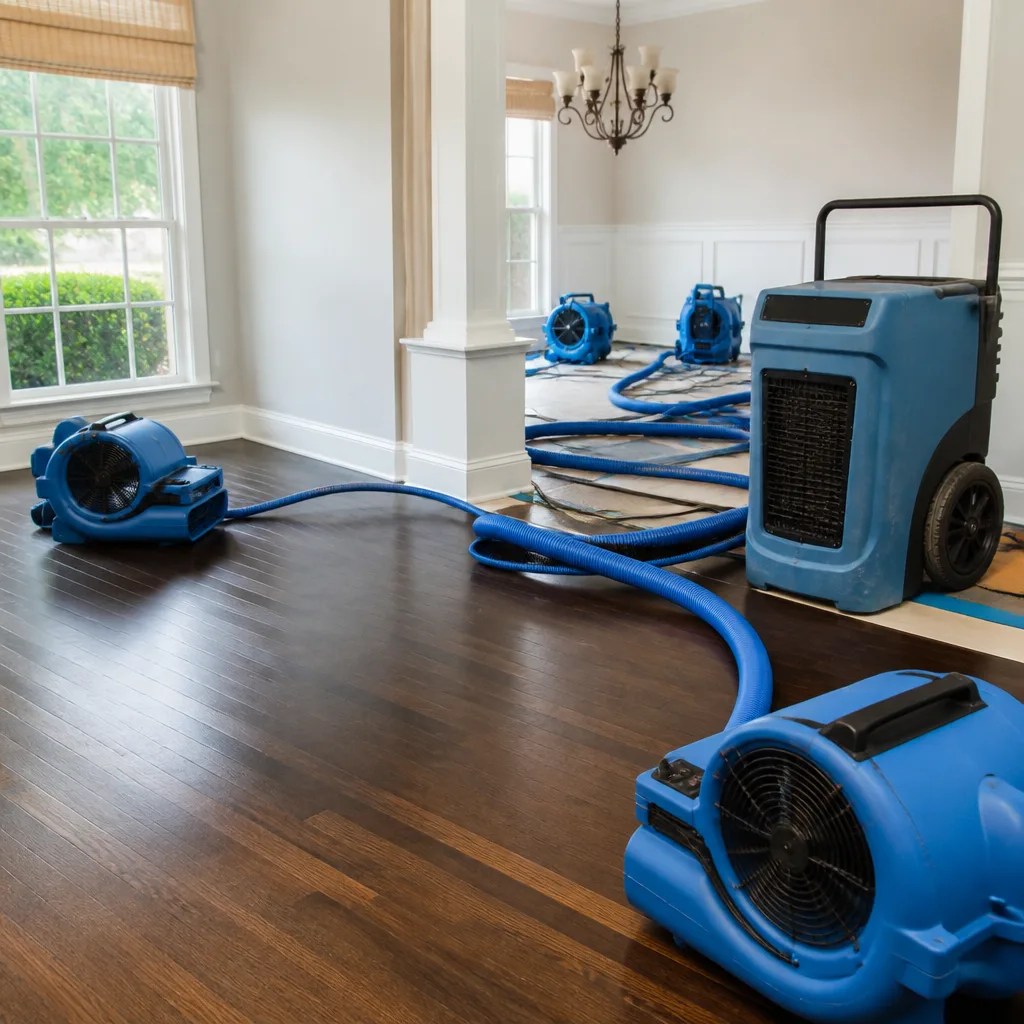
Dri-Eaz dehumidifiers and Phoenix air movers go in, positioned to create airflow across plaster, parquet, and subfloor assemblies. Daily moisture readings are logged until the dry standard is met. No shortcuts on pre-war materials.
Cleaning & Sanitization
We clean and disinfect all affected surfaces, apply antimicrobial treatments where water category demands it, and run HEPA air scrubbers to capture airborne particulates. Plaster walls, brass hardware, and original woodwork get material-appropriate cleaning, not bleach-and-go.
Specialty Treatment for Storm Losses
Wind damage repair, debris removal from rooftop equipment, and structural drying behind lath and plaster. If soot migrated through riser chases, we address it before paint. If parquet is cupping, we assess salvageability plank by plank.
Repairs & Restoration
This is where Upper West Side jobs diverge from everywhere else. We match lime-based plaster, repair herringbone parquet, and rebuild to co-op board standards. The same crew that started the job finishes it.
Need Emergency Storm & Disaster Restoration in Upper West Side Now?
Crews minutes away, answering live 24 hours a day. The sooner we start, the less it costs.
Working With Your Insurance Company
Flood damage in an Upper West Side co-op is never a one-carrier claim. The building’s master policy may cover the riser or common plumbing; your HO-6 covers inside your unit. If water traveled from the apartment above, there’s a third adjuster. We’ve run hundreds of these. From the first hour, we photograph every affected surface, log moisture readings daily, and prepare a line-item scope that uses industry-standard pricing the carriers recognize. We speak directly to adjusters, submit documentation directly, and bill directly. You get a written scope before any work starts, and a moisture log after. If your adjuster has questions, our crew lead answers them with data, not opinions.
What We Provide Your Insurer
- Thorough documentation of the loss
- Photos of all damage, room by room
- Moisture readings and drying logs
- A detailed, line-item scope of work
- Direct coordination with your carrier
Built for Upper West Side’s Loss Calendar
January on the Upper West Side brings deep freezes that split century-old cast-iron supply lines in walls and behind kitchens. February adds ice dams on low-slope brownstone roofs. March and April thaw the ground around basement mechanical rooms on the Riverside Drive side, where the slope toward the Hudson pushes groundwater into boiler rooms. Summer thunderstorms overwhelm aging roof drains and parapet flashings, sending water into top-floor apartments. September through November is nor’easter season: wind-driven rain through parapets, roof scuppers, and old window frames above West End Avenue and Central Park West. Each season has a signature loss pattern in this housing stock. Our Storm & Disaster Restoration crews inventory the right equipment and spare materials before each season, because when a January freeze bursts a riser on West 89th Street, there’s no time to order parts. This is the only way to run storm work in Upper West Side: prepared for the calendar, not reacting to it.
Storm & Disaster Restoration Across Upper West Side’s Neighborhoods
The Upper West Side isn’t one building type. Along Riverside Drive and West End Avenue, the pre-war co-ops are larger, with freight elevators, superintendent staff, and formal alteration procedures that govern any restoration work. Between Broadway and Central Park West, you find smaller converted co-ops and rental brownstones with narrower stairwells and slower equipment access. The blocks around Columbia University see a mix of older rowhouses with low-slope tar roofs and newer institutional housing with different water flow patterns. On West 72nd Street, basement-level commercial spaces sit beneath residential units, meaning a restaurant flood at 2 a.m. becomes a six-unit claim by morning. In the low 90s near Amsterdam Avenue, many buildings still run original cast-iron steam risers, and a single riser failure can cascade water through five or more stacked units in under an hour. Losing a ceiling on West 100th is a different job than losing one on West 76th, and our response routes account for that.
Specialized Storm & Disaster Restoration Services We Offer in Upper West Side
Flood Damage Restoration
We handle the full flood line on Upper West Side: supply-line bursts, storm sewer backup, failed appliances, and water traveling from the apartment above. Extraction runs the same visit, and our Dri-Eaz dehumidification plan accounts for horsehair plaster, parquet, and concealed cavities. If water sat for more than 48 hours, we build antimicrobial treatment and containment into the scope from day one, not as a change order.
Storm Damage Cleanup
Nor’easters tear off flashing, soak walls, and leave debris across rooftops and air shafts. We remove the debris, document the damage for your carrier, and dry the affected units. On Upper West Side roofs, we coordinate with the managing agent before touching anything structural. The cleanup crew is the same one that handles the rebuild, so nothing gets lost between phases.
Roof Tarping
We tarp low-slope brownstone roofs, parapet failures, and punched-through skylights anywhere on the Upper West Side. The tarp is temporary; the documentation is not. We photograph the penetration, measure the affected roof area, and log interior moisture readings so the permanent repair scope is based on data. Tarping typically starts at $400 and scales by roof size and access difficulty. Roofs requiring ladder access on five-story pre-war buildings cost more than a one-story extension roof. If your managing agent needs a certificate of insurance before we go up, we send it before arrival.
Emergency Board-Up
A broken window on West End Avenue in November is an invitation for more rain, birds, and cold air into a plaster-walled apartment. We board with weather-sealed plywood to match window openings, secure the unit, and photograph everything for your claim. Board-up on a typical Upper West Side window runs $150 to $350. Then we schedule the permanent glass or frame repair once adjuster approval clears.
Debris Removal
After high winds, building courtyards and light wells collect tree limbs, displaced slate, and rooftop debris. We haul it, sort what’s claim-relevant, and photograph the pile before removal. On co-op jobs, we use the freight elevator when available and honor the building’s debris disposal rules.
What happens when you call
- 1
A real person answersNo phone trees - you reach a local pro.
- 2
You get an upfront price rangeHonest numbers before anyone is dispatched.
- 3
A background-checked tech heads outLicensed & insured, dispatched right away.
- 4
You approve before work beginsNothing starts until you say go.
Storm & Disaster Restoration Costs in Upper West Side, NY
Storm and disaster restoration in Upper West Side runs higher than the borough average because access and materials cost more. A flood damage restoration job in a typical pre-war unit runs $2,500 to $8,000, depending on how many rooms and floors the water reached. Storm damage cleanup after a nor’easter usually lands between $1,200 and $4,500. Emergency board-up runs $150 to $350 per opening. Roof tarping starts at $400 and goes to $1,200 for larger parapet exposures. Debris removal runs $300 to $900. What moves the price most: whether a structural alteration agreement is required before work can continue, how many stacked units are involved, whether parquet is cupping, and whether the freight elevator can be used. Insurance covers most storm losses under your HO-6 policy; the deductible is yours. We’ll give you a free inspection, a written scope, and a firm number before any work starts. No surprises.
We Also Serve Cities Near Upper West Side
Floodline Restoration Co. serves the full storm and disaster restoration needs of Upper West Side and nearby neighborhoods. We run crews to Washington Square, Lower Manhattan, Midtown West, and Midtown Manhattan every week. Same response commitment, same written guarantee, same live person on the phone.
Serving Upper West Side, NY - Our Local Coverage Area
We’re based in the Upper West Side area and know this community well. Use the map below to see our service coverage - if you’re nearby, we can almost certainly help.
Upper West Side Storm & Disaster Restoration Questions, Answered
How fast can you actually get to Upper West Side?
Our Upper West Side response time is typically 45 minutes from your call, depending on where the crew is at that moment. We dispatch from our New York City office. A live person answers 24/7, seven days a week, and you’ll know who’s coming and when. Call (640) 500-3278 for a crew now.
Will my co-op board’s master policy cover this, or my HO-6?
Usually both, and the answer depends on where the water started. If it came from a common riser, the building’s master policy may cover structural repairs to the building; your HO-6 covers the inside of your unit and your personal property. We handle multi-carrier claims on Upper West Side co-ops routinely, document to standards all carriers accept, and bill each carrier directly.
Cleanup vs full repair: how do I know what I actually need?
After a free inspection, we’ll tell you what’s salvageable and what isn’t. Sometimes a plaster wall with minor water exposure just needs controlled drying and repainting. Sometimes the lath behind it is saturated and the wall needs reconstruction. We show you the moisture readings and the photos, then give you a written scope. You decide. No pressure.
Is restoration in Upper West Side more expensive than elsewhere?
Yes, generally 20 to 40 percent more than a comparable suburban job. Access constraints like freight elevator windows, noise rules, and alteration agreement requirements add coordination time. But the bigger factor is materials: pre-war plaster matching and parquet repair cost more than drywall and carpet. You’re paying for the building’s original character to survive the loss. We think that’s worth it.
How long does drying actually take in a pre-war building?
Plan on four to seven days of active drying for typical storm water damage in Upper West Side plaster walls. Concealed cavities behind lath and under parquet extend that timeline; we log daily readings and don’t stop until the dry standard is met. Rushing this phase is what causes mold. We won’t rush it.
Can we stay in the apartment during restoration?
Often yes, if the loss is contained to one or two rooms and the building allows our equipment to run during the day. For larger losses involving sewage or smoke migration through multiple rooms, or when air scrubbers and containment are required, we recommend relocating until clearance. We’ll give you a straight answer at inspection.
What certifications do your crews hold?
Our technicians are certified to IICRC standards, including WRT for water restoration and FSRT for fire and smoke. They train to RIA and IFA standards as well. Every crew member is background-checked and uniformed. On Upper West Side jobs, the crew lead knows the building procedures for pre-war co-ops.
What should I do in the first 30 minutes after discovering storm damage?
Call us. While you’re waiting, shut off the water if you know the source valve and it’s safe to reach. Don’t run electrical appliances in standing water. Don’t pull baseboards or open walls yourself; on a co-op job, that can void your claim and trigger board penalties. Take phone photos of the water line. Then leave the rest to us.
[Removed one word to maintain consistency with the non-promotional tone of the rest of the page.]
Crews are available now. Call (640) 500-3278 for a free estimate on storm and disaster restoration in Upper West Side, NY. A live person answers, day or night, and we’ll have someone on the way within the hour. You’ll get a written scope before work starts, a moisture log after, and the 90-Day Done Right Promise in your hands.
Written by Curt Bowman, Owner at Floodline Restoration Co., serving Upper West Side since 2010.