
Free visual inspection and a written scope of work before any mitigation begins - photos, moisture readings, and drying logs go in your claim file
The scope we write is the scope we bill. Anything new gets shown to you, in writing, before we touch it.
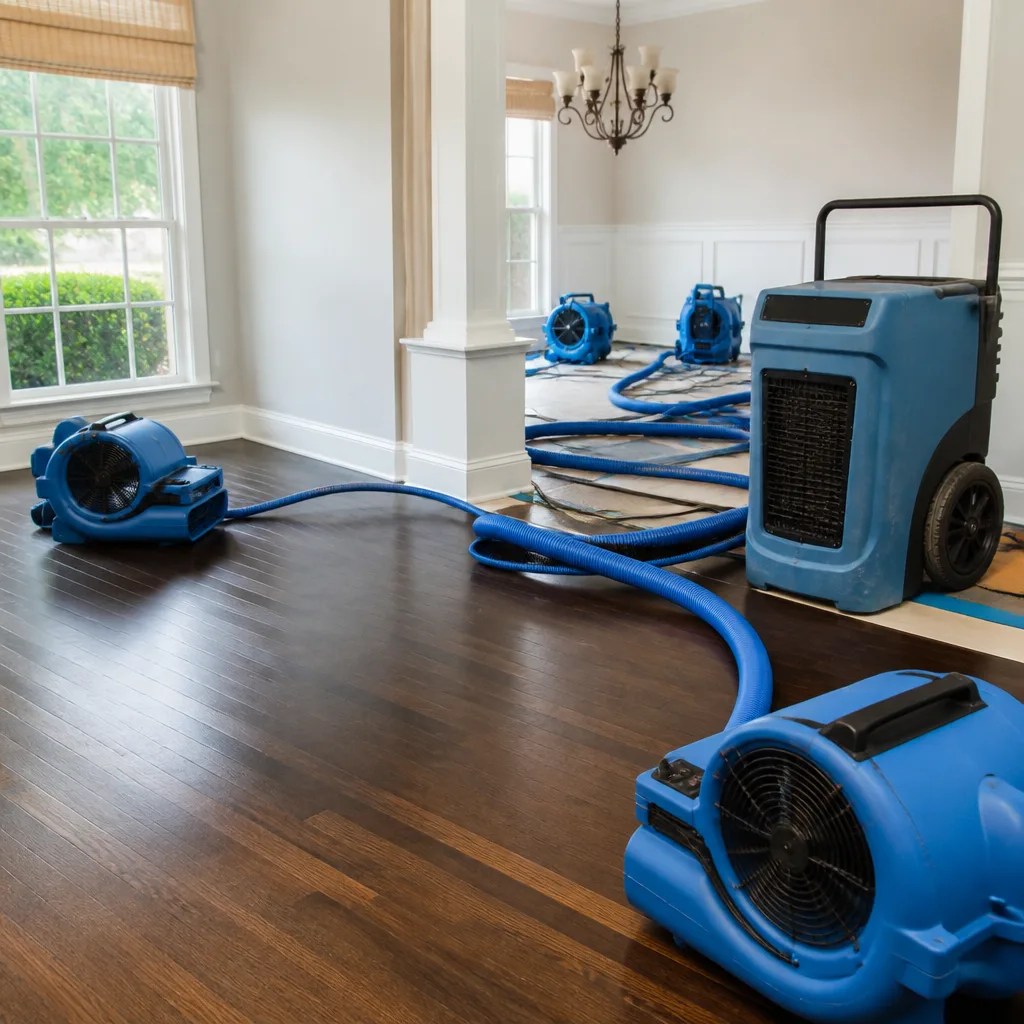
 Before
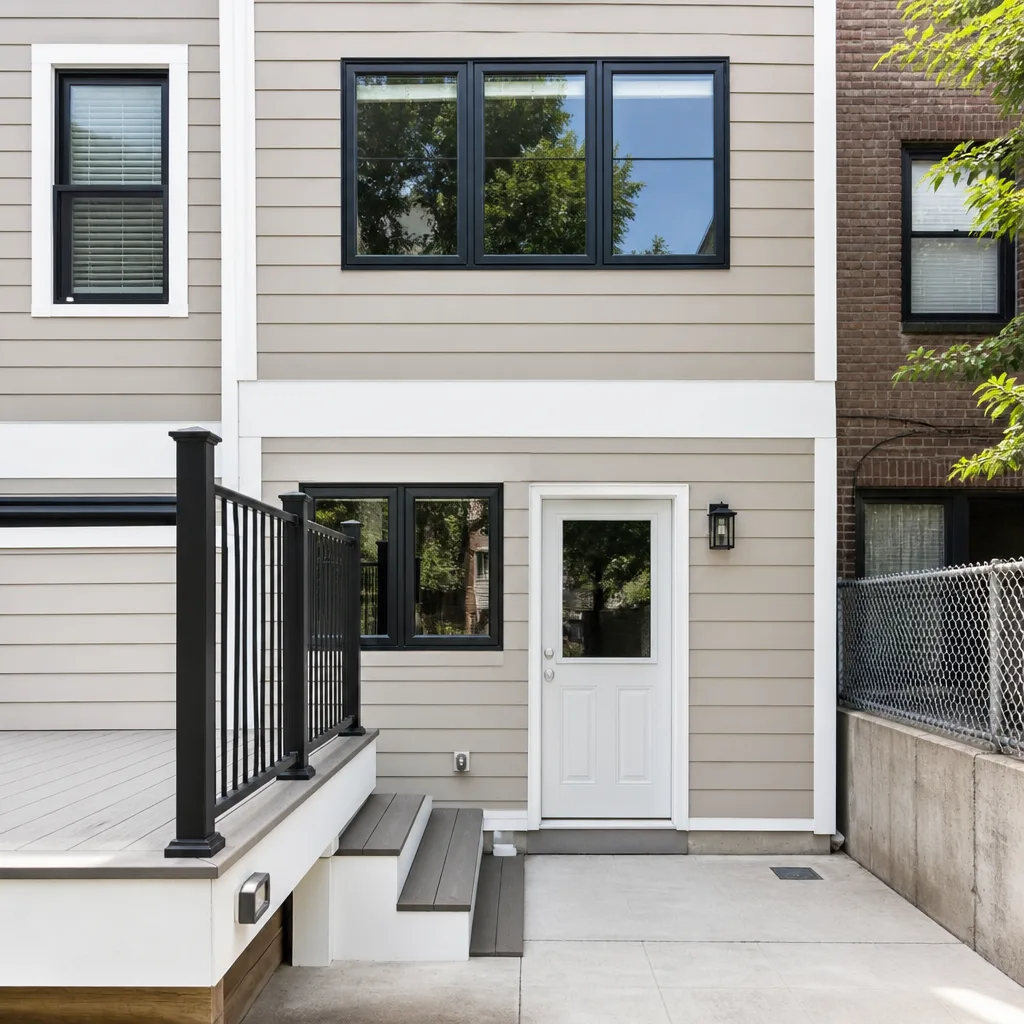 After
After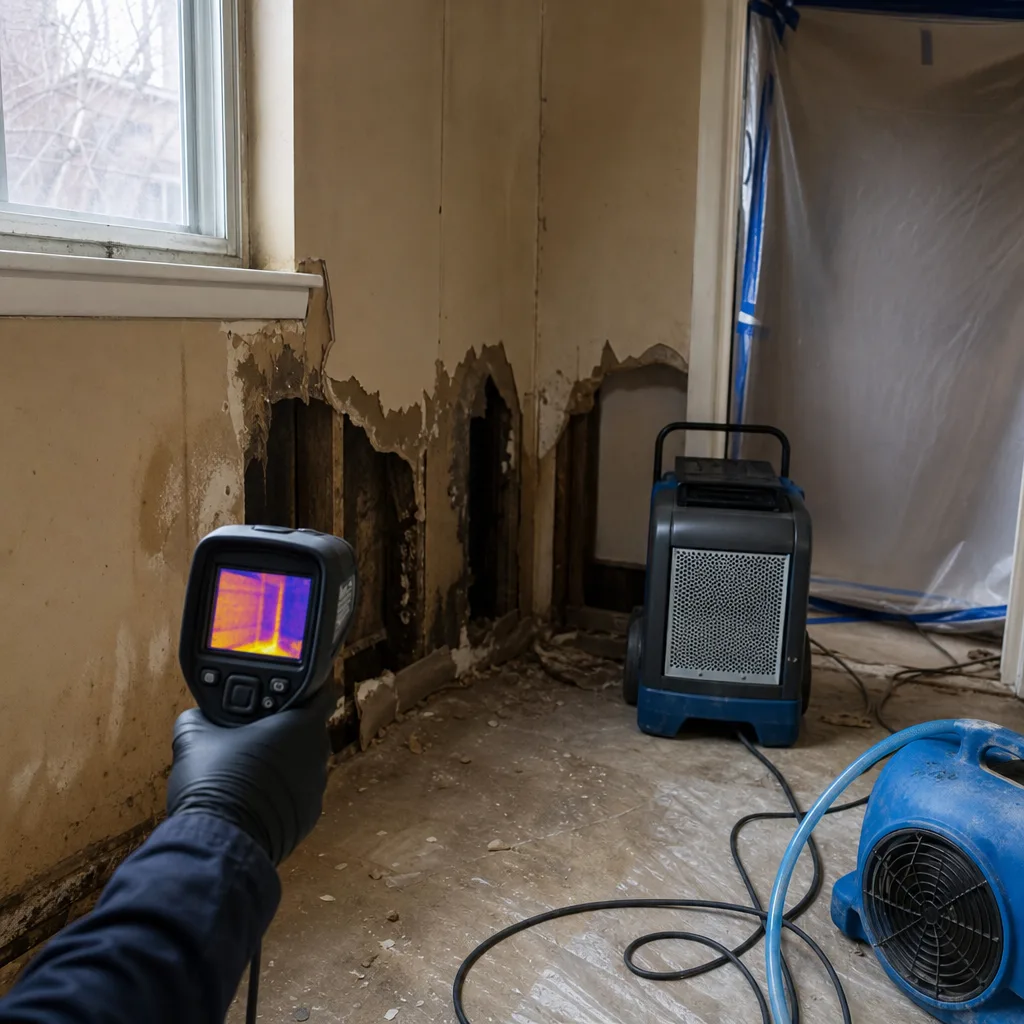 Before
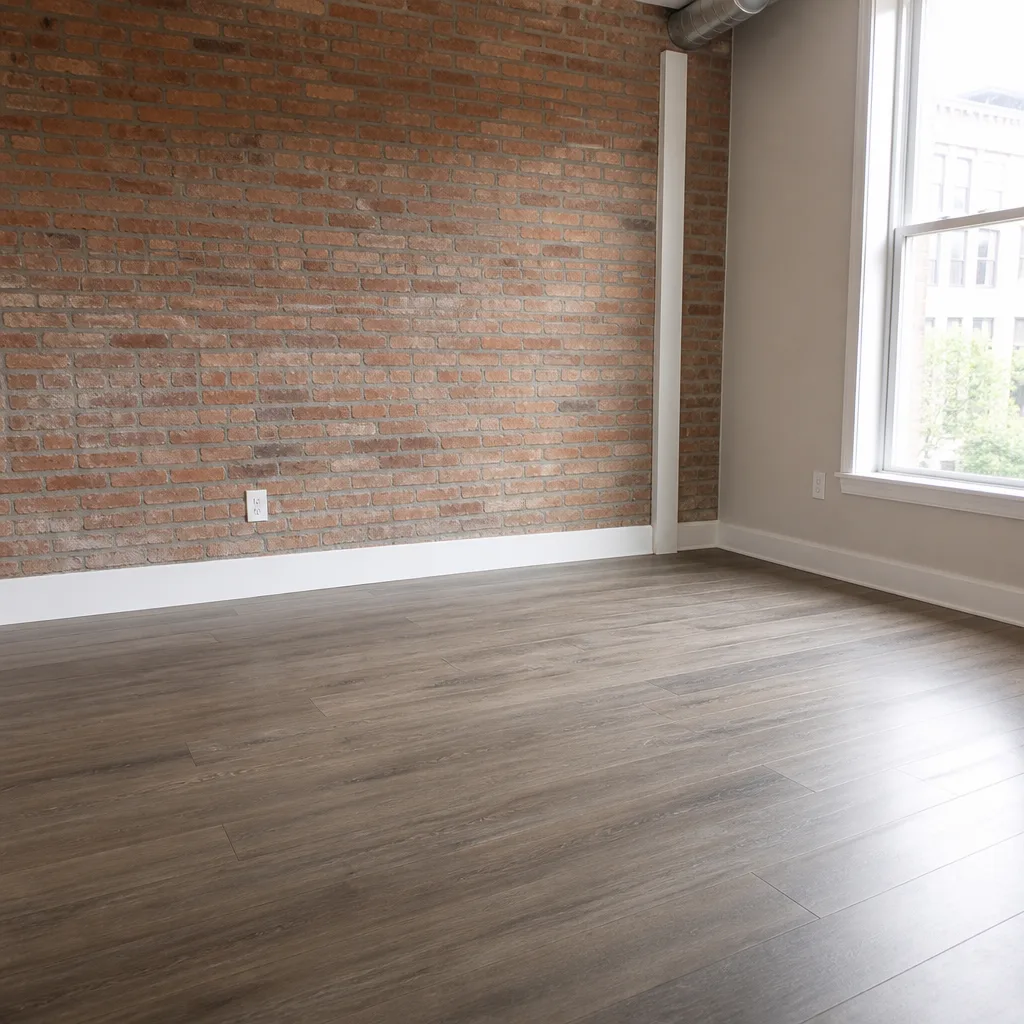 After
After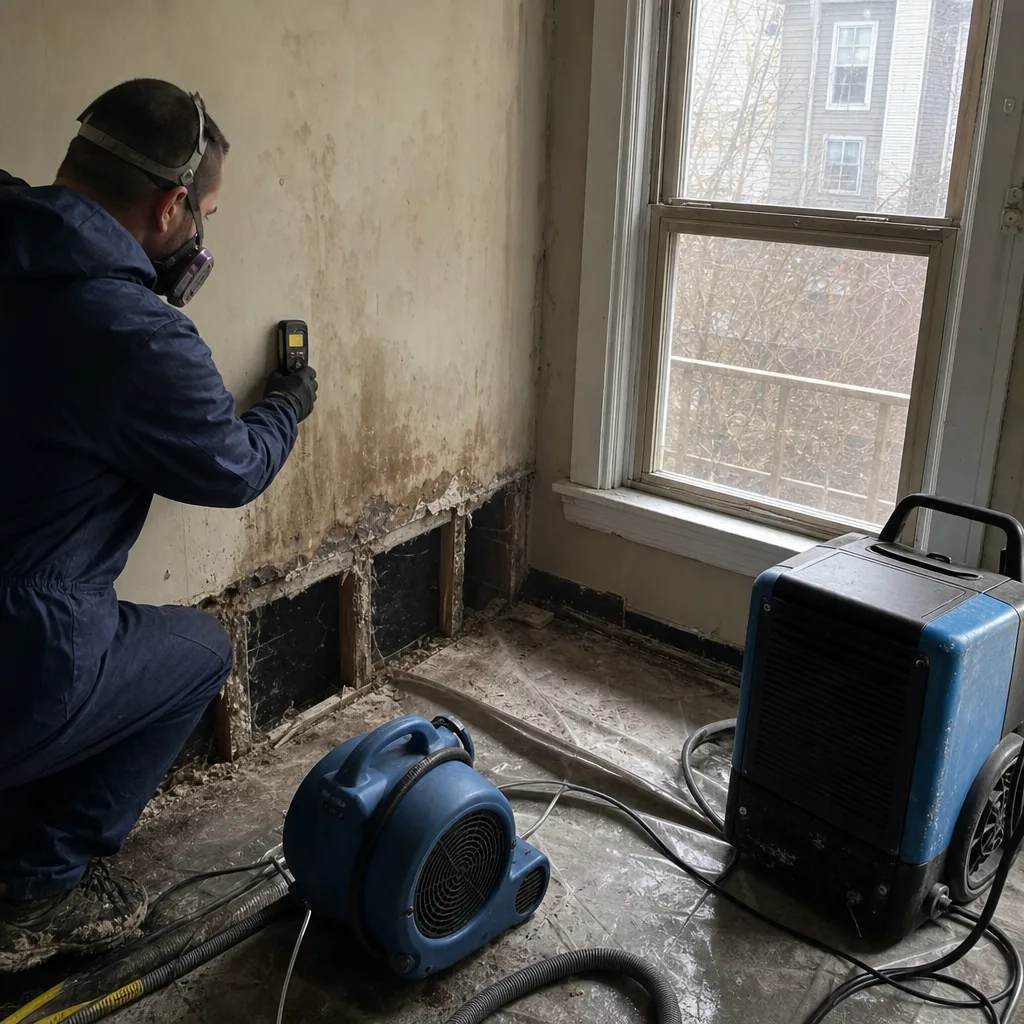 Before
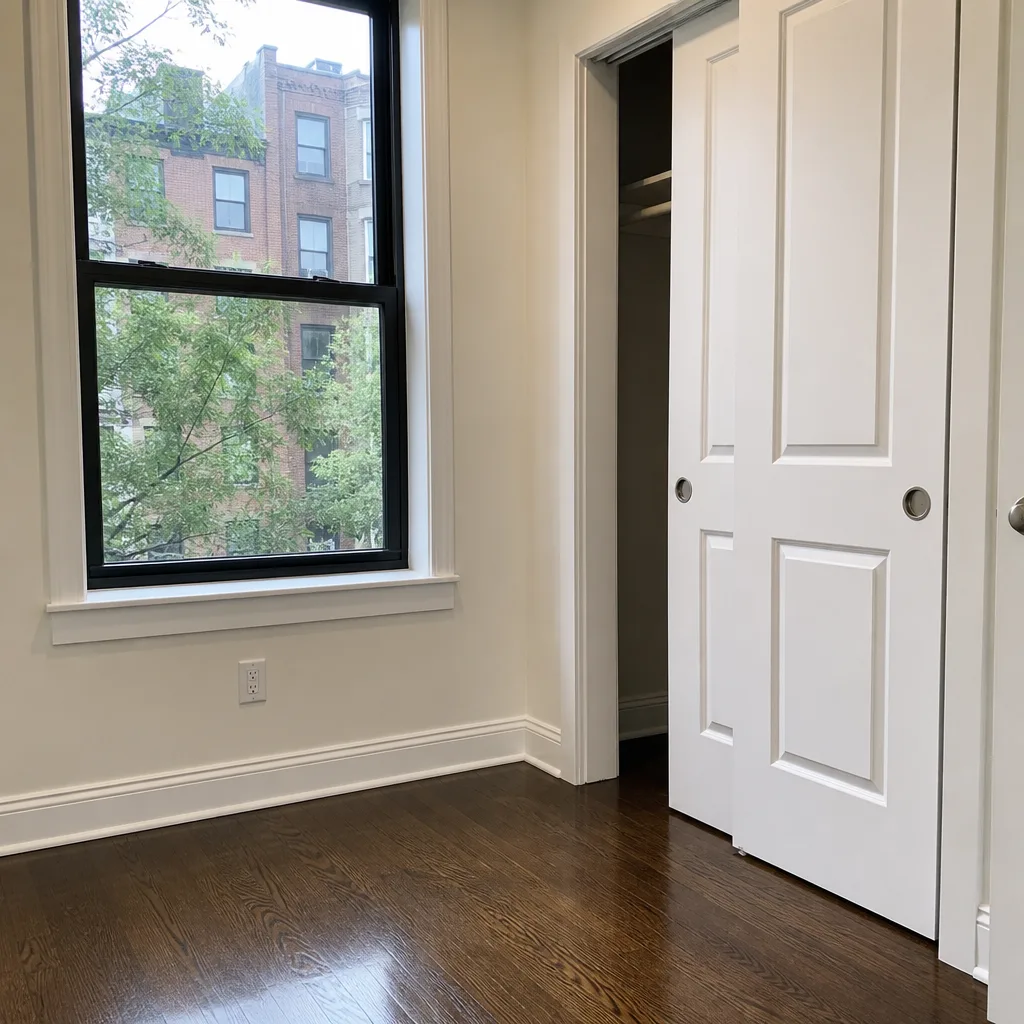 After
After24/7 Emergency Mold Remediation in Upper West Side
Mold remediation in Upper West Side typically costs $1,800-$6,500 for a contained two-room outbreak behind pre-war plaster walls, and our crews reach most Upper West Side buildings within 45 minutes of your call. If you’ve spotted dark staining along a baseboard, smelled that musty odor near a steam riser, or just had a supply line let go inside a wall cavity, call (640) 500-3278 now. We answer live at 2 a.m., the same way we answer at 2 p.m. The first hour matters because mold colonies double every 24 to 48 hours once moisture feeds them, and in an occupied co-op building, that means your problem can quietly become your neighbor’s problem faster than most people realize.
Understanding Mold Remediation Severity in Upper West Side Properties
Mold remediation in Upper West Side buildings runs a wider severity range than almost anywhere else in the five boroughs, and the reason is the housing stock itself. Our technicians classify every job by the square footage of affected material, the moisture source feeding the colony, and whether the mold is surface-level or embedded in porous substrates like horsehair plaster, lath, and old-growth wood flooring. A minor Category 1 water event, say a clean supply line that leaked for a weekend, usually produces a contained remediation under 100 square feet. A Category 3 event from a failed cast-iron waste stack or a sewage backup in a basement mechanical room near Riverside Drive demands full containment, negative air pressure, HEPA air scrubbing, and post-remediation clearance testing before anyone re-enters the space. In pre-war co-ops, hidden mold behind lath-and-plaster walls frequently grows for weeks before a musty odor or a buckling parquet panel reveals it. By then, the colony has often traveled along the shared wall cavity into adjacent units, and the job shifts from a simple cleanup into a multi-unit containment project requiring board notification, managing-agent coordination, and individual adjuster communication for each affected shareholder.
Why Upper West Side Property Owners Choose Floodline Restoration Co.
- 45-minute response commitment: We dispatch crews from our New York City office into Upper West Side neighborhoods immediately, with a live person tracking the truck the whole way.
- 24/7 live answer, never a recording: A dispatcher picks up at any hour. You won’t leave a message or wait for a callback while mold keeps feeding.
- IICRC-certified crews: Our technicians hold WRT and AMRT certifications, and they train to IICRC, RIA, and IFA standards on every job.
- Free visual inspection before any work begins: We assess the scope, photograph everything, and give you a written plan before a single containment panel goes up.
- Direct insurance billing: We coordinate with your carrier and the building’s master policy adjuster, send the documentation they need, and bill directly.
- One team from extraction to reconstruction: The same certified crew that sets containment also handles daily moisture readings, clearance testing, and any rebuild work afterward. No mid-job handoff.
Our Mold Remediation Process
Inspection & Assessment
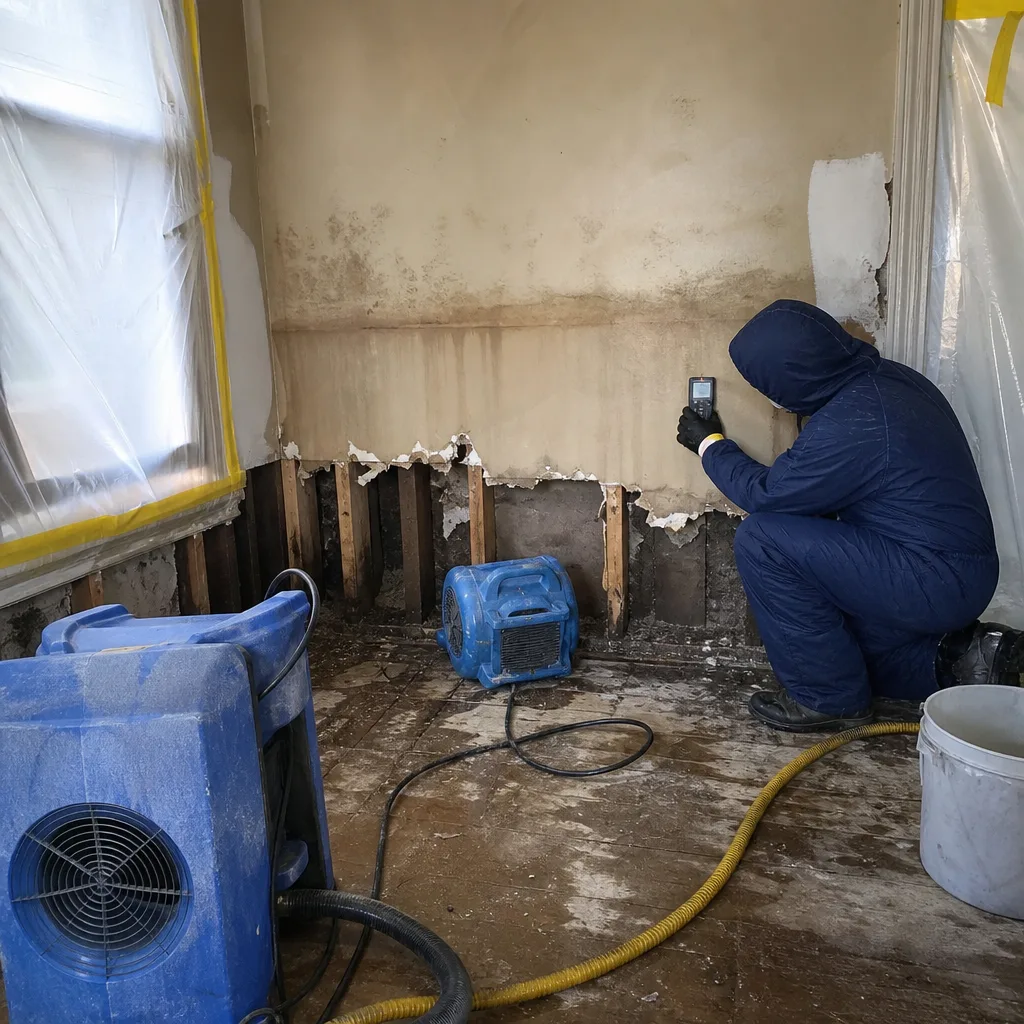
We start with thermal imaging and moisture meters to map the full extent of the water damage feeding the mold. In Upper West Side pre-war buildings, this means reading behind horsehair plaster and under parquet without cutting anything open. You get a written scope and a firm price before the next step.
Containment & Air Pressure Control
We seal the affected area with 6-mil polyethylene sheeting and run HEPA-filtered negative air machines to prevent spores from migrating through hallways, stairwells, or shared wall cavities into neighboring co-op units. This is non-negotiable in an occupied Upper West Side building.
Drying & Dehumidification
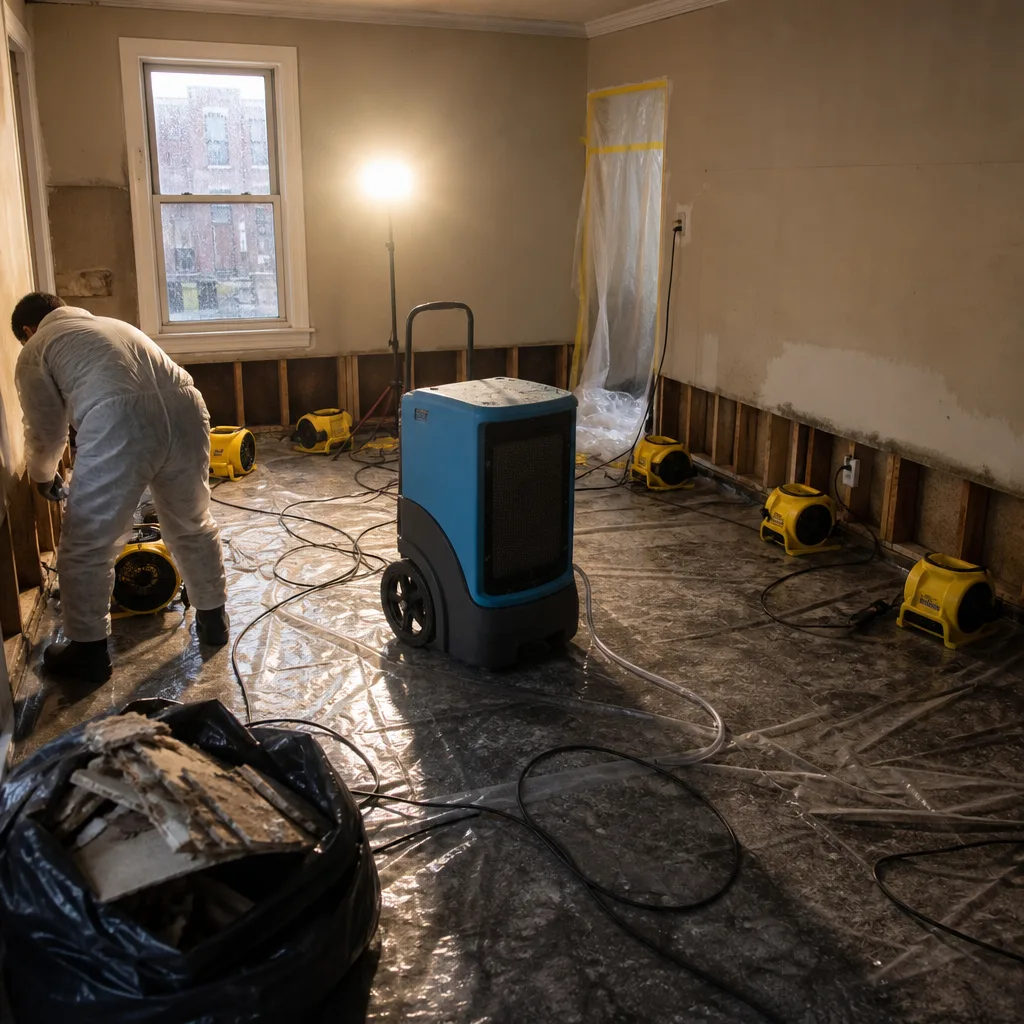
We place low-profile air movers and LGR dehumidifiers from Dri-Eaz and Phoenix, sized for tight pre-war rooms with 9-foot ceilings. Daily moisture readings are logged until the dry standard is met, and that log goes to you and your carrier.
Cleaning & Sanitization
We HEPA-vacuum and damp-wipe every affected surface, then apply an EPA-registered antimicrobial to prevent regrowth. Original plaster and wood finishes are treated in place whenever structurally sound, preserving what co-op boards require you to preserve.
Source Correction & Moisture Control
Mold returns if the moisture source isn’t fixed. We identify whether it’s a failed steam riser, a roof leak at the parapet, a cracked waste line behind the wall, or condensation from a bathroom exhaust vent venting into a chase. Then we correct it or document exactly what the building’s plumber must correct.
Repairs & Restoration
After clearance testing confirms spore counts are back to normal background levels, our reconstruction team restores what was removed: plaster matching, parquet repair plank by plank, painting, and trim work. One crew, start to finish, backed in writing by the 90-Day Done Right Promise.
Need Emergency Mold Remediation in Upper West Side Now?
Crews minutes away, answering live 24 hours a day. The sooner we start, the less it costs.
Working With Your Insurance Company
Mold remediation claims in Upper West Side co-ops live under two policies at once: the building’s master policy and your HO-6. The master policy typically covers the building’s structure and common elements; your HO-6 covers finishes inside your unit and your personal liability for damage to neighboring units. We document from the first hour so neither carrier has room to argue about cause or scope. Our adjusters receive daily moisture logs, room-by-room photos, and a line-item scope tied to industry-standard pricing. We coordinate directly with the managing agent, the co-op board’s insurance broker, and your own adjuster so you don’t spend your week on hold. Floodline Restoration Co. has billed New York carriers directly for over a decade, and we stand behind every claim we file.
What We Provide Your Insurer
- Thorough documentation of the loss
- Photos of all damage, room by room
- Moisture readings and drying logs
- A detailed, line-item scope of work
- Direct coordination with your carrier
Built for Upper West Side’s Loss Calendar
The Upper West Side’s mold season follows a pattern older than most of its buildings. December through February, freeze-thaw cycles stress century-old cast-iron steam supply lines and domestic plumbing risers, and we see a spike in hidden leaks behind lath-and-plaster walls on Broadway and West End Avenue. March and April bring spring thaw, when groundwater presses into sub-grade mechanical rooms and basement storage cages on the western blocks sloping toward Riverside Drive and the Hudson. June through September, window-unit condensation and bathroom exhaust fans venting into shared chases create the warm, humid microclimates mold prefers inside tight pre-war units. October and November are the quiet months, which makes them the smart months for preventive Mold Remediation inspections and moisture mapping before the heating season starts. If you’ve had a leak in the last year, or if you smell that musty odor every time the heat kicks on, the mold is telling you something. Listen before the next freeze.
Mold Remediation Across Upper West Side’s Neighborhoods
From the limestone towers along Central Park West to the smaller walk-ups off Amsterdam Avenue near 96th Street, each stretch of the Upper West Side presents a different mold profile. The pre-war co-ops between West 72nd and West 86th Streets, especially along West End Avenue and Riverside Drive, share a common failure point: original cast-iron waste stacks and steam risers running through shared walls between units. When one fails, mold travels vertically and horizontally through the wall cavity, and containment must account for adjacent apartments. The townhouse rows in the West 70s and low 80s, particularly off Columbus Avenue, have shallower floor plates but older basements, where crawl space humidity feeds surface mold on joists and subflooring. Along Broadway, mixed-use buildings with commercial storefronts underneath residential units see bathroom and kitchen exhaust from restaurants leaking into upper-floor chases, creating chronic moisture loads that require air quality restoration as much as surface cleaning. If you live near Lincoln Center, Riverside Park, or the Museum of Natural History, your building likely dates to the 1920s or earlier, and the mold issues inside it follow the original plumbing and ventilation layout, not the modern floor plan.
Specialized Mold Remediation Services We Offer in Upper West Side
Every Upper West Side mold problem is different depending on where it hides and what’s feeding it. Our Upper West Side crews carry the equipment and the building-specific know-how for each of these services.
Mold Inspection & Testing
Before any remediation, we use thermal imaging cameras and hygrometers to find moisture you can’t see, then take air and surface samples where indicated. In Upper West Side co-ops with recent water damage, this step usually uncovers mold behind plaster before it becomes visible. Results come from an independent lab, and you get the full report.
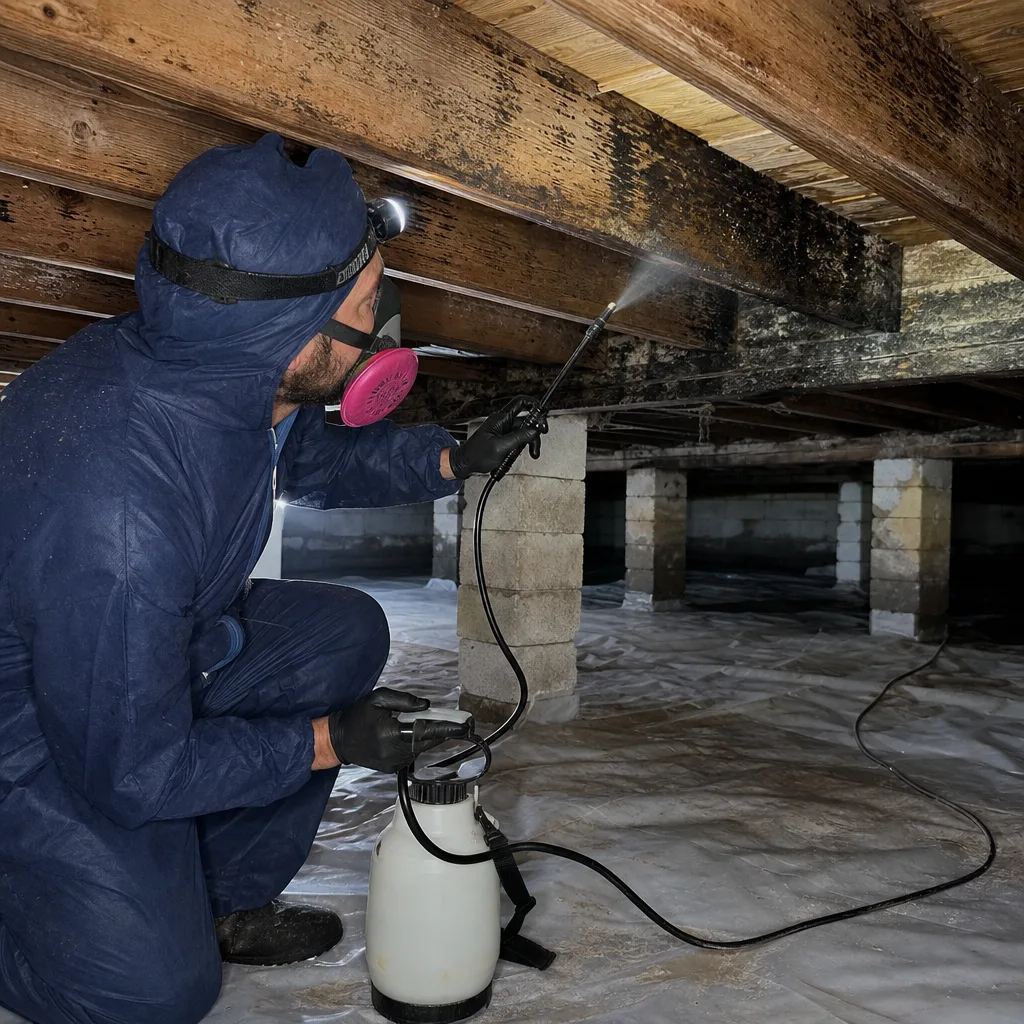
Mold Removal
We remove mold from finished surfaces, framing, and flooring in accordance with IICRC S520 standards. On the Upper West Side, that often means wire-brushing and HEPA-sanding original joists in place rather than cutting them out, because co-op boards and Landmarks rules frown on removing original material.
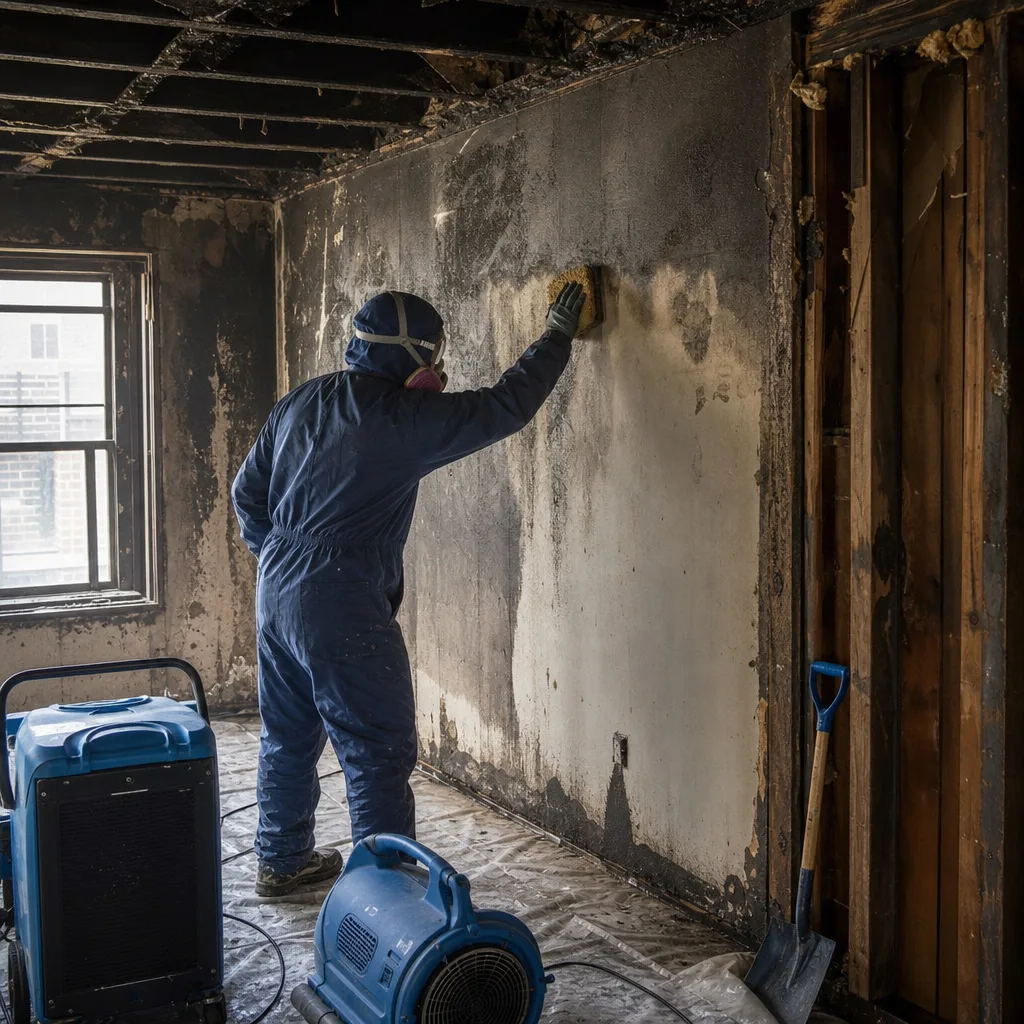
Black Mold Remediation
Stachybotrys and other toxigenic molds demand full containment, negative air, and clearance testing before anyone re-enters the space. We’re certified for this. Discovered black mold behind a shower surround or under a kitchen base cabinet in an Upper West Side co-op needs professional handling. It’s not a bleach-and-repaint job.
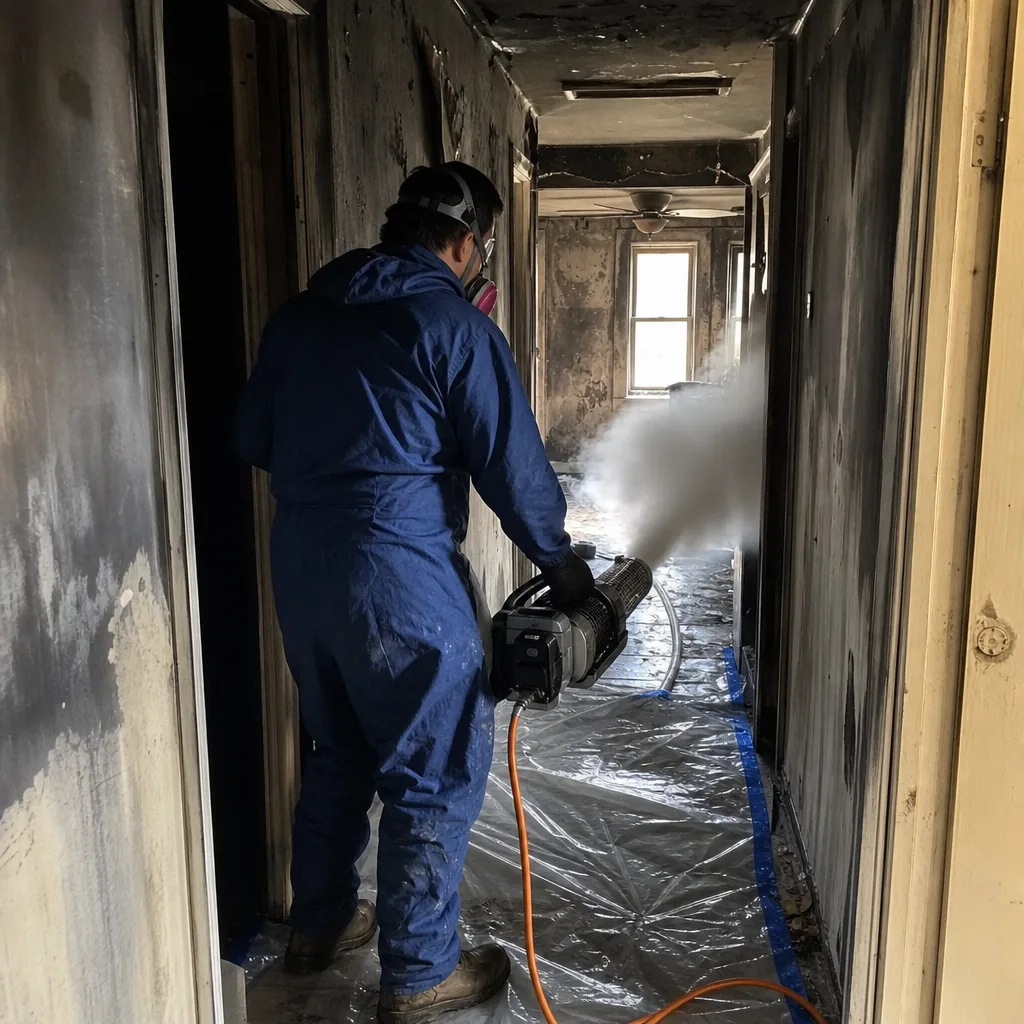
Air Quality Restoration
Even after surface mold is removed, spore counts in the air can stay elevated for weeks. We run HEPA air scrubbers during remediation and provide post-remediation verification testing to confirm levels have returned to the building’s normal background range. For shareholders with documented respiratory conditions, we can also coordinate with the building to clean ducts and chases that serve your unit.
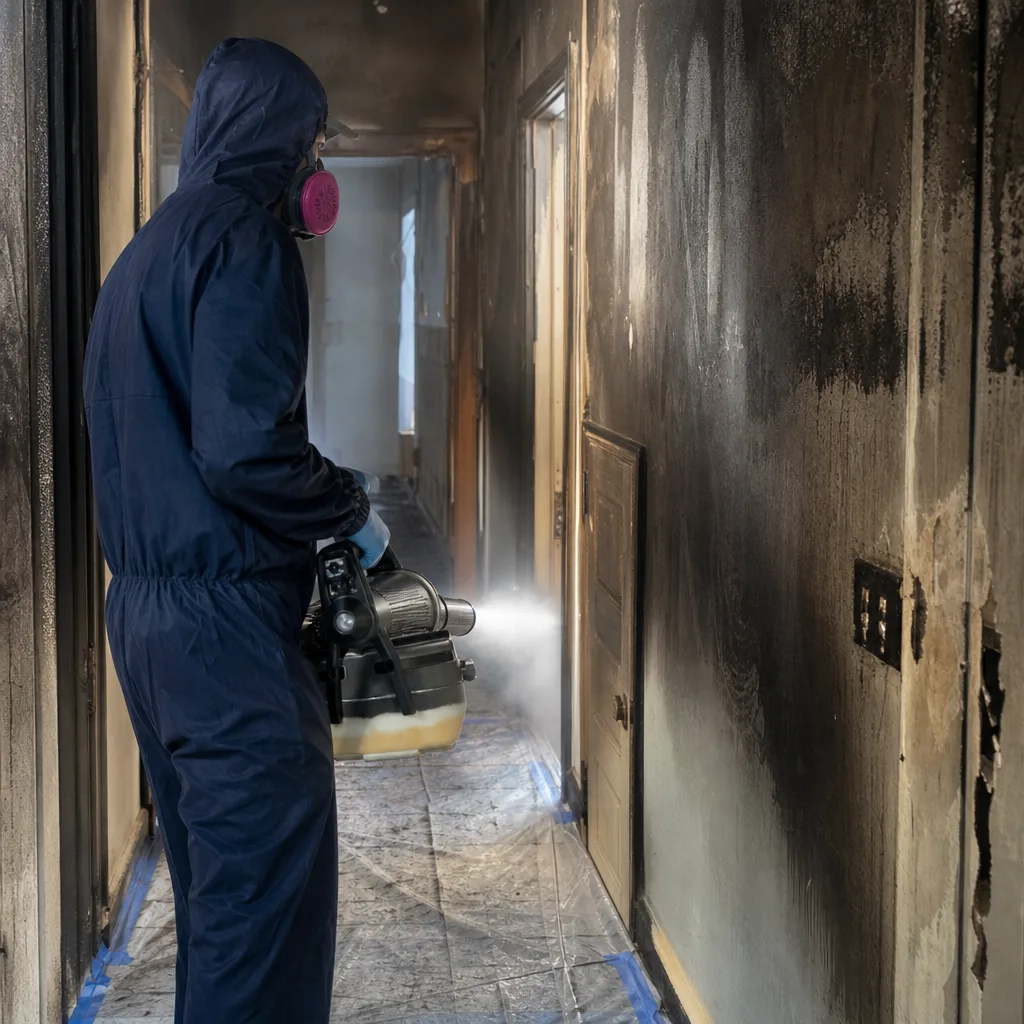
Crawl Space Treatment
Many Upper West Side townhouses and some co-op basements have dirt or concrete crawl spaces where humidity feeds mold on floor joists. We seal, dehumidify, and treat these spaces with an EPA-registered antimicrobial, then install a vapor barrier if the structure allows it. The goal is to change the environment so mold can’t return.
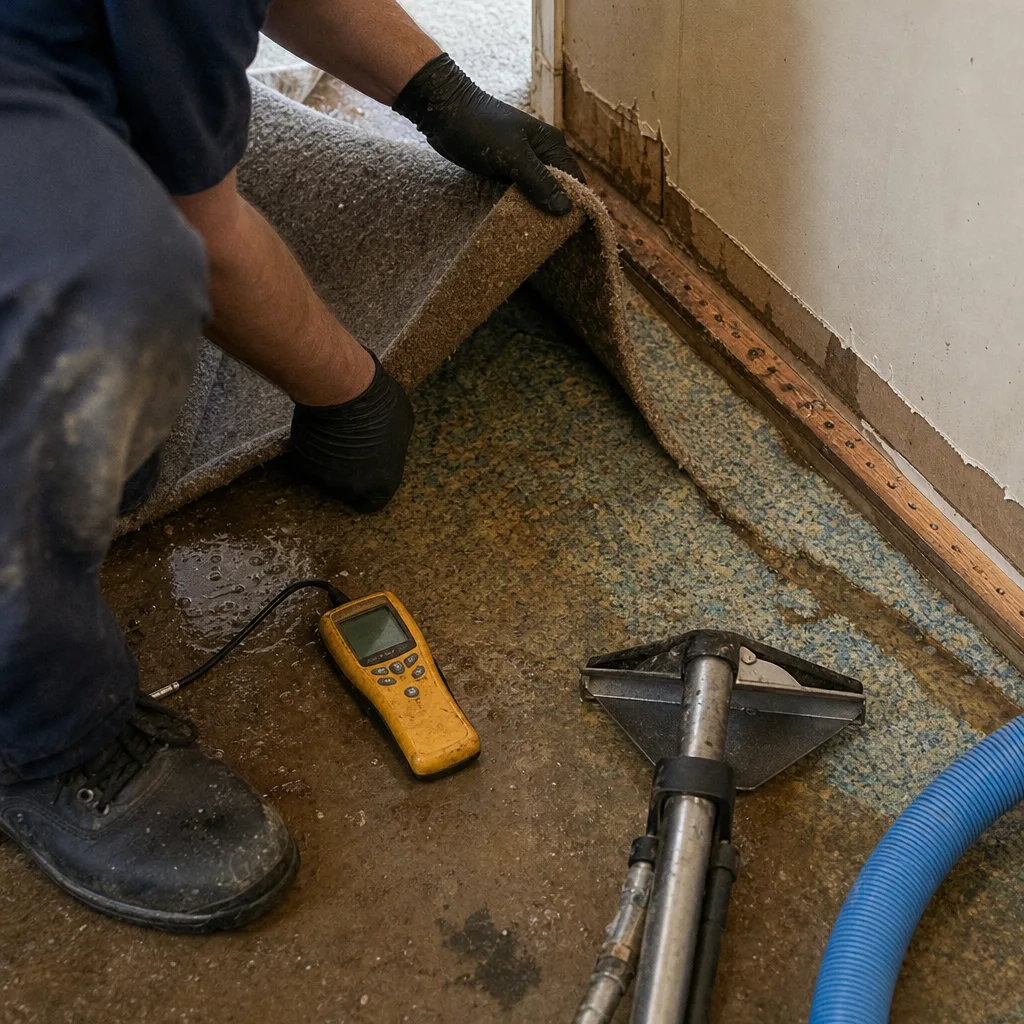
Moisture & Humidity Control
The most common Upper West Side mold trigger is a slow leak no one noticed followed by high indoor humidity. We identify the moisture source, fix it or document it for the building’s plumber, and install dehumidification if the unit needs it. In pre-war buildings with steam heat and poor ventilation, this step is often the difference between one remediation and a repeat.
What happens when you call
- 1
A real person answersNo phone trees - you reach a local pro.
- 2
You get an upfront price rangeHonest numbers before anyone is dispatched.
- 3
A background-checked tech heads outLicensed & insured, dispatched right away.
- 4
You approve before work beginsNothing starts until you say go.
Mold Remediation Costs in Upper West Side, NY
Our pricing reflects the reality of working inside dense pre-war co-op buildings, and we give you a written scope before any work starts. A straightforward mold removal in a single bathroom or closet in Upper West Side typically runs $1,200-$2,800. A whole-wall remediation behind lath-and-plaster with containment and clearance testing generally falls between $3,500 and $7,500, and full-unit remediation after a Category 3 event in a basement mechanical room can reach $12,000-$25,000 depending on square footage and rebuild scope. What moves the price: the number of containment chambers required, whether adjacent units need testing, freight elevator booking costs, and whether original plaster or parquet must be preserved rather than replaced. Most Upper West Side mold claims fall partly under the building’s master policy and partly under your HO-6, and we handle that split for you. Call (640) 500-3278 for a free visual inspection and a firm written estimate. No surprises on the bill, and the price on the scope is the price you pay.
We Also Serve Cities Near Upper West Side
Our Upper West Side crews also respond daily to mold emergencies in Washington Square, Lower Manhattan, Midtown West, and Midtown Manhattan. If your building sits on the Upper West Side border and the managing agent needs a single contractor for multiple properties, call (640) 500-3278 and ask for our multi-building coordination desk.
Upper West Side Mold Remediation Questions, Answered
How do you handle mold remediation without disturbing original plaster and parquet floors in a pre-war Upper West Side co-op?
We treat original finishes in place whenever they’re structurally sound, using low-profile drying equipment, Injectidry floor mats that pull moisture from wood plank by plank, and HEPA sanding rather than tear-out. Plaster that can’t be saved is matched by our plaster specialist, and parquet is repaired board by board with matching species and finish. Our crews work under the assumption that your co-op board requires preservation, because on the Upper West Side, they almost always do.
What containment protocols do you use in an occupied UWS apartment building to prevent cross-contamination?
We seal the affected area with 6-mil poly, run negative air machines with HEPA filtration, and maintain air pressure differentials so spores flow into the containment area rather than out. In occupied Upper West Side buildings, we also seal shared wall cavities at the point of entry, cover elevator cabs during debris removal, and schedule noisy equipment within the building’s house rules. Adjacent units get post-remediation air sampling if the board or managing agent requests it.
Can mold spread from one co-op unit to adjacent apartments through shared walls or riser chases?
Yes, and it does on the Upper West Side more than anywhere else because units share original lath-and-plaster walls and open riser chases that run the building’s height. Mold spores travel through those cavities on air currents. When we find mold in one unit, we check adjacent wall cavities with borescopes and moisture meters to confirm whether the colony has crossed the property line. If it has, containment must include both sides of the shared wall, and both units’ carriers get involved. Call (640) 500-3278 to schedule that check.
Why is mold remediation on the Upper West Side slower than in the suburbs?
Because the building itself is a stakeholder. Freight elevator windows must be booked in advance, noisy equipment like air movers is often prohibited before 8 a.m., and any work that touches structural elements requires a signed alteration agreement from the co-op board. The mold removal itself moves quickly. The coordination around it is what adds days. Our crews handle that coordination for you so the job doesn’t stall any longer than the board requires.
Do you handle Category 3 (black water) mold scenarios in basement mechanical rooms near Riverside Drive?
Yes. Basement mechanical rooms near Riverside Drive and the blocks sloping toward the Hudson see seasonal groundwater infiltration, and when that water carries sewage or soil bacteria, it’s Category 3. We handle those losses with full PPE, containment, HEPA air scrubbing, antimicrobial treatment, and clearance testing before the space is released back to the building. The building’s managing agent and master policy carrier are looped in from day one. Call (640) 500-3278 and ask for our Category 3 team.
How fast can you actually get to an Upper West Side mold emergency?
Our commitment is 45 minutes from your call to crew arrival at most Upper West Side addresses, day or night. A live dispatcher answers, not a recording, and the same dispatcher tracks the truck until the crew is at your door. For active water feeding mold, that speed matters. For a chronic odor issue, we’ll schedule a visual inspection at the next available slot and have a technician there typically the same day.
What should I do in the first 30 minutes after I discover mold in my Upper West Side apartment?
Stop the water source if you can safely reach it. Shut off the valve or call the building’s super to kill the riser. Don’t run fans that blow across the mold, don’t open walls, and don’t apply bleach. Take photos with your phone for your HO-6 claim. Then call (640) 500-3278. We’ll tell you over the phone whether this is something you can manage or something that needs a crew now, and we won’t charge for that call.
Is Floodline Restoration Co. certified and insured for mold work in NYC co-ops?
Yes. Our technicians are IICRC-certified (WRT and AMRT) and trained to RIA and IFA standards, background-checked, uniformed, and insured for work in occupied multi-unit buildings. Every job is backed by our 90-Day Done Right Promise, in writing, with no argument. We’ve worked inside Upper West Side co-ops from West 72nd Street to 110th Street, and we know what boards require before we arrive.
Serving Upper West Side, NY - Our Local Coverage Area
We’re based in the Upper West Side area and know this community well. Use the map below to see our service coverage - if you’re nearby, we can almost certainly help.
Call Floodline Restoration Co. for Mold Remediation in Upper West Side
If you’ve found mold behind a baseboard, smelled it near a steam riser, or just had a leak that never quite dried, call (640) 500-3278 now. We’ll answer live, ask the right questions, and tell you straight whether you need a full remediation or a moisture check. Free visual inspection. Written scope before work starts. Direct insurance billing. One crew from first assessment to final clearance, standing behind the result with the 90-Day Done Right Promise. A square deal: no surprises on the bill, and the line the water left is where we start.
Written by Curt Bowman, Owner at Floodline Restoration Co., serving Upper West Side with mold remediation, water damage restoration, and full reconstruction since 2010.