
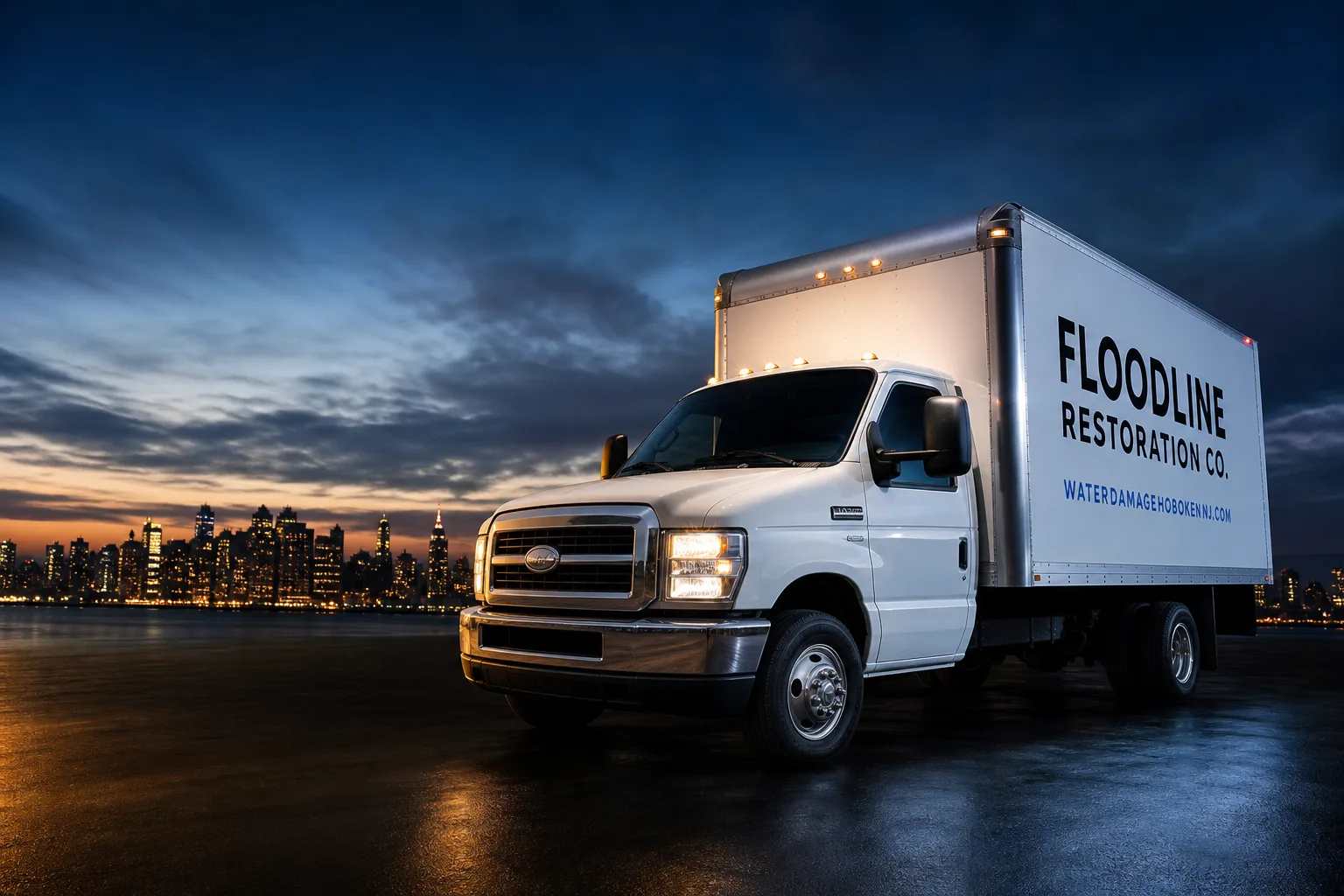
Free visual inspection and a written scope of work before any mitigation begins - photos, moisture readings, and drying logs go in your claim file
The scope we write is the scope we bill. Anything new gets shown to you, in writing, before we touch it.
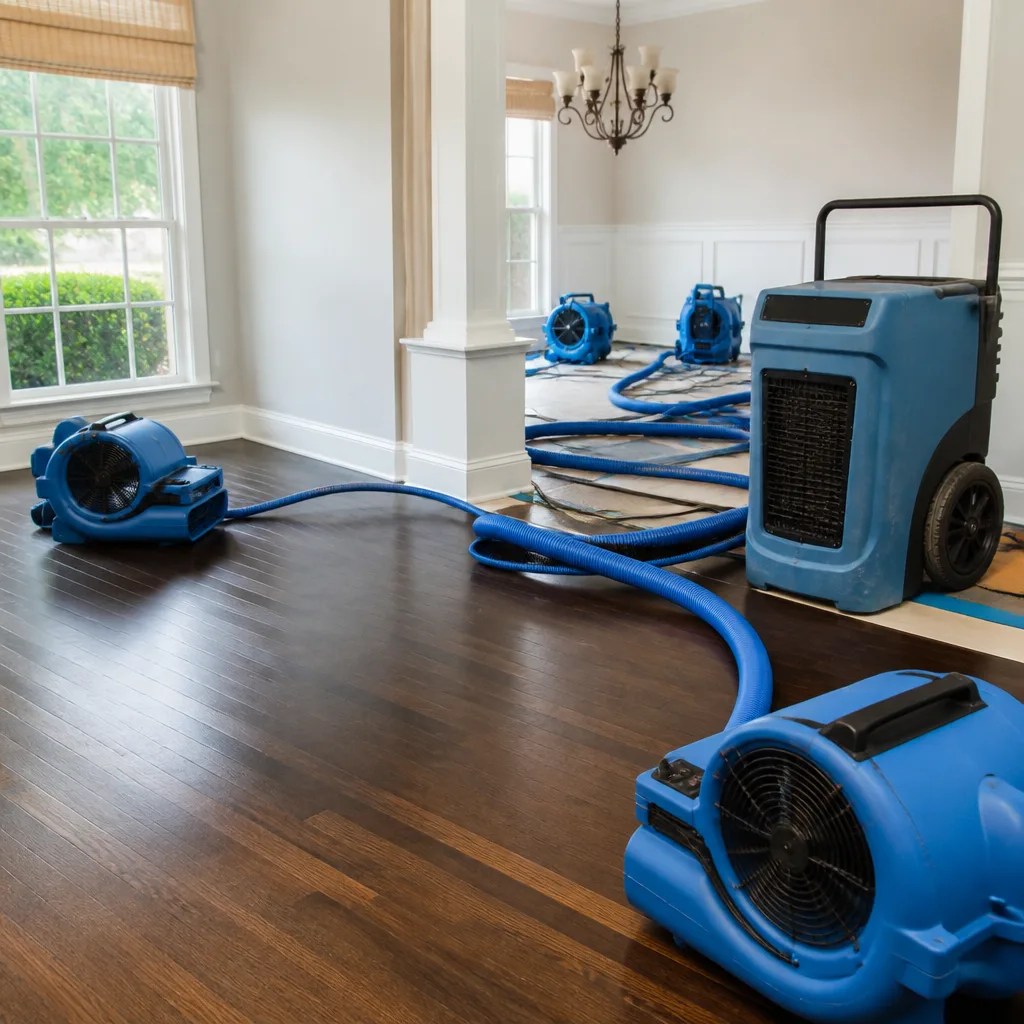
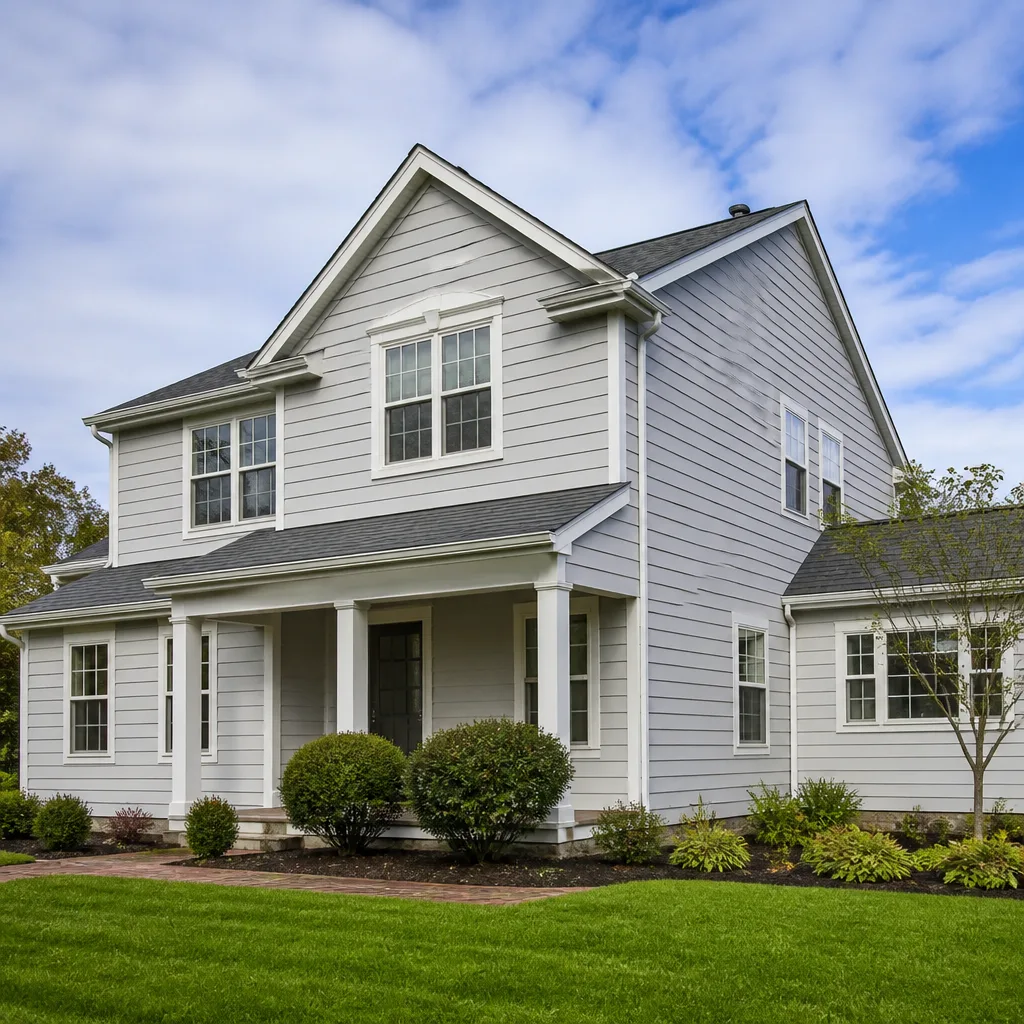
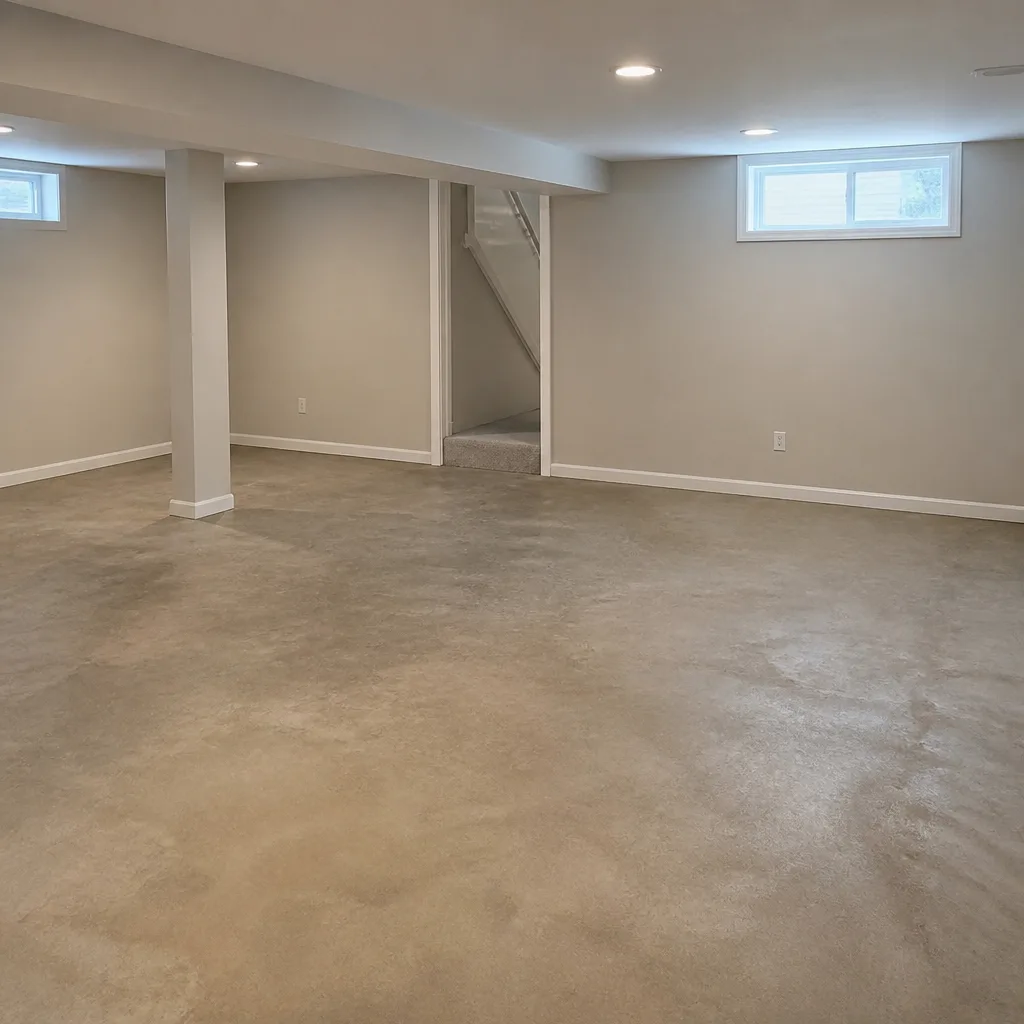

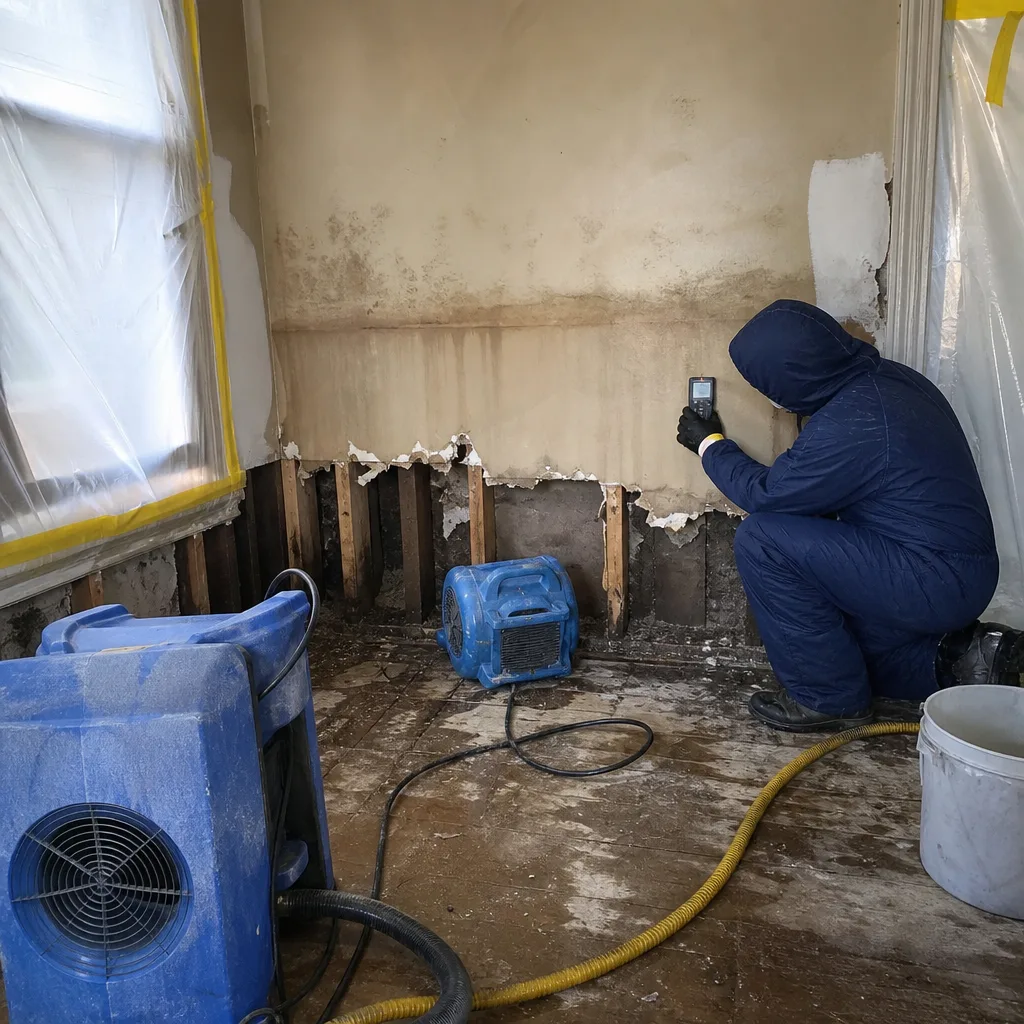 Before
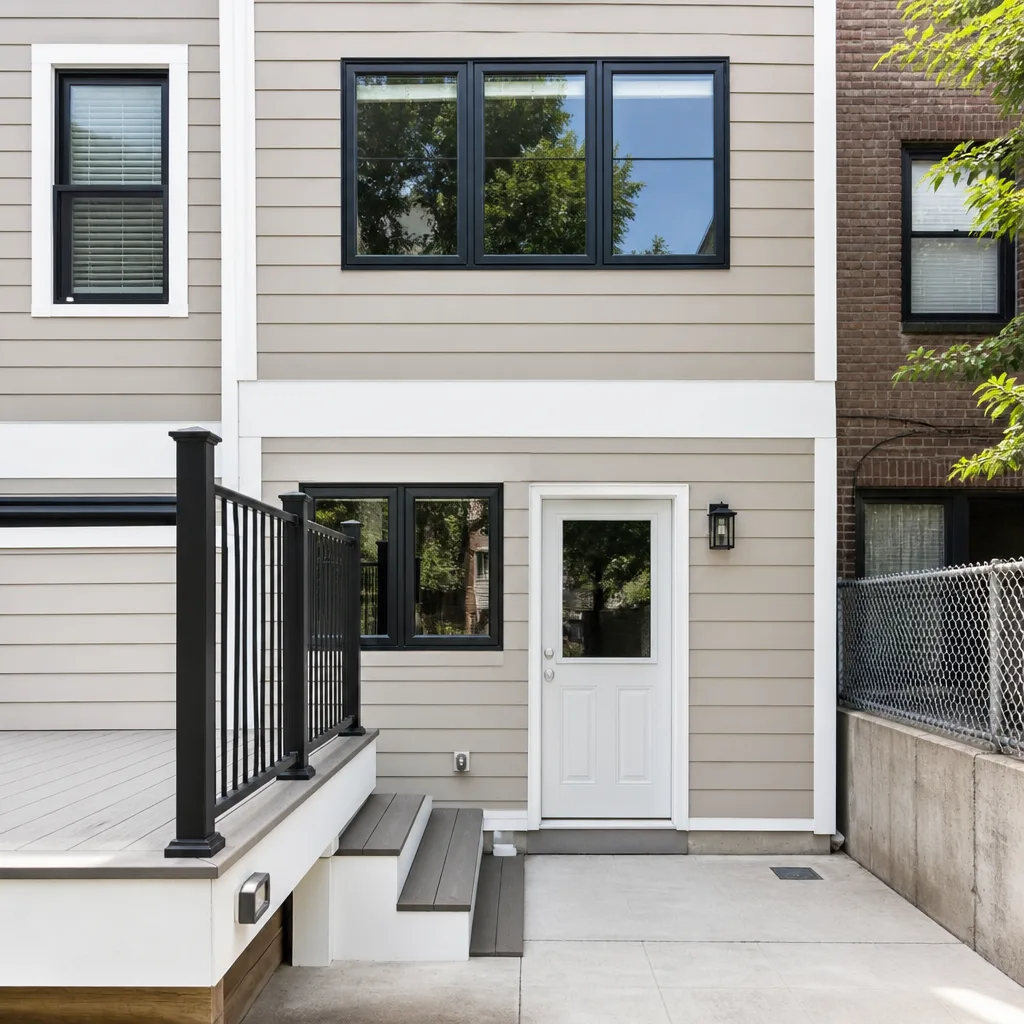 After
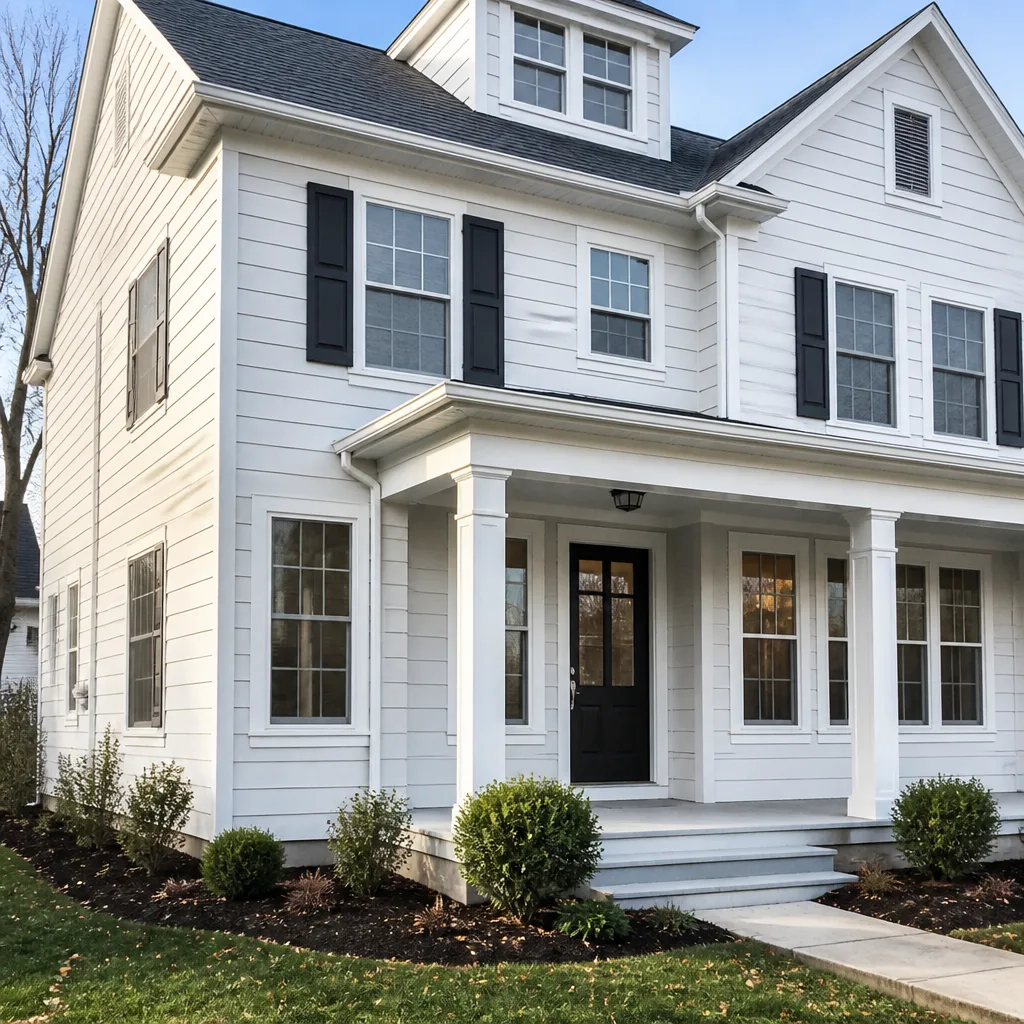
After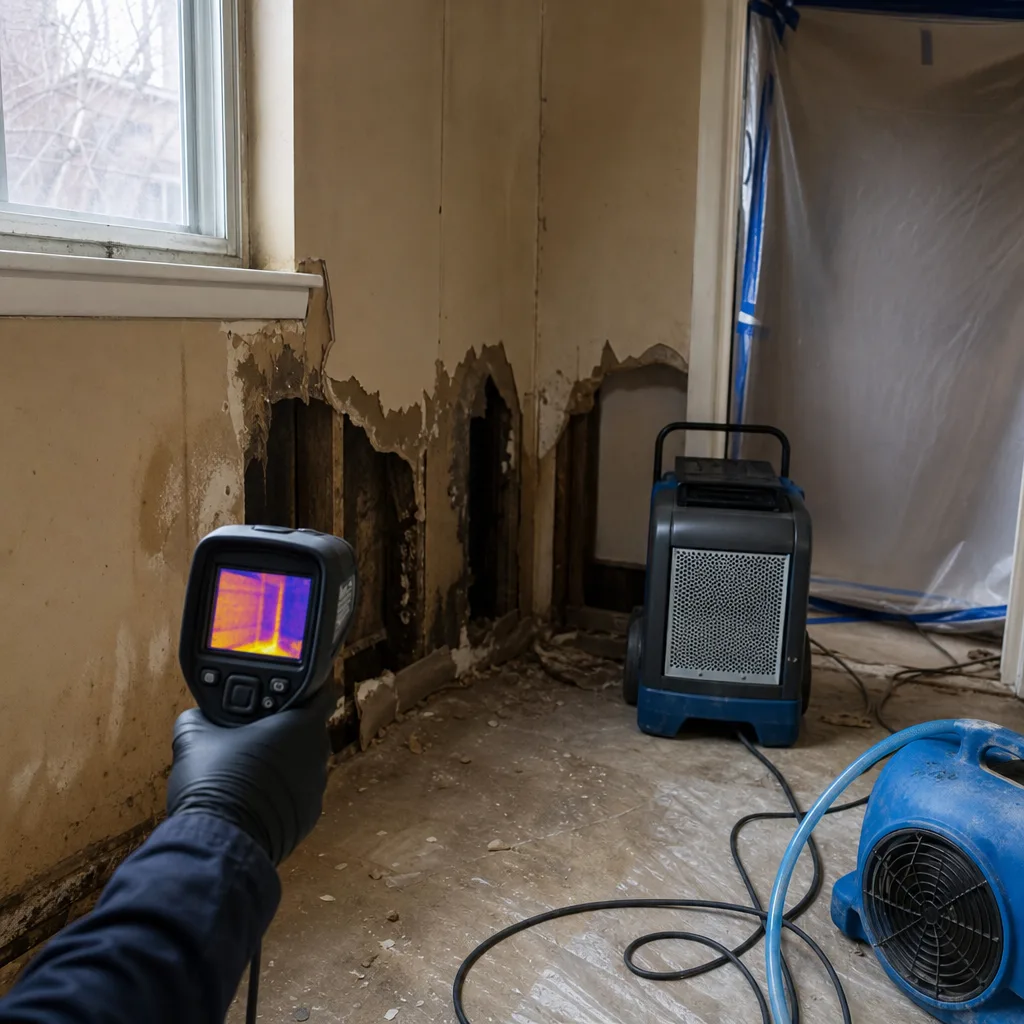 Before
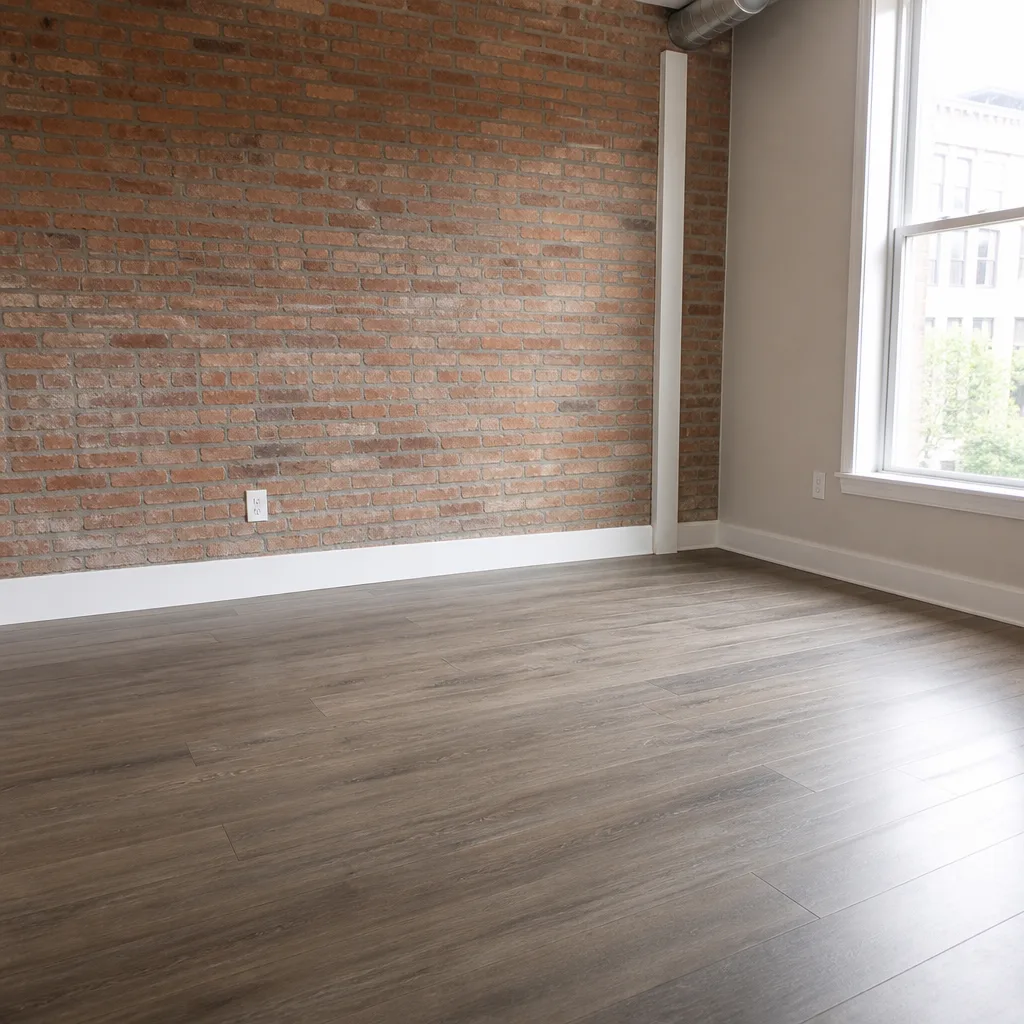 After
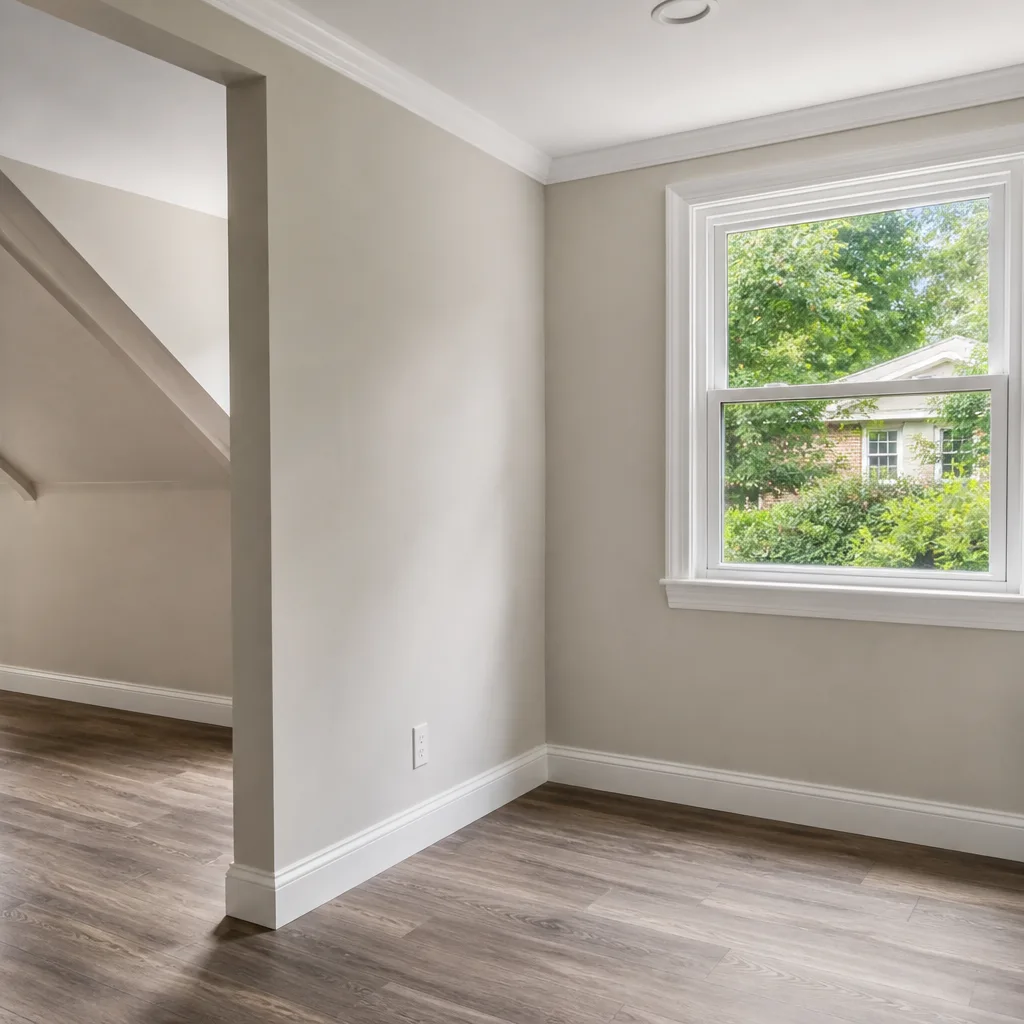
After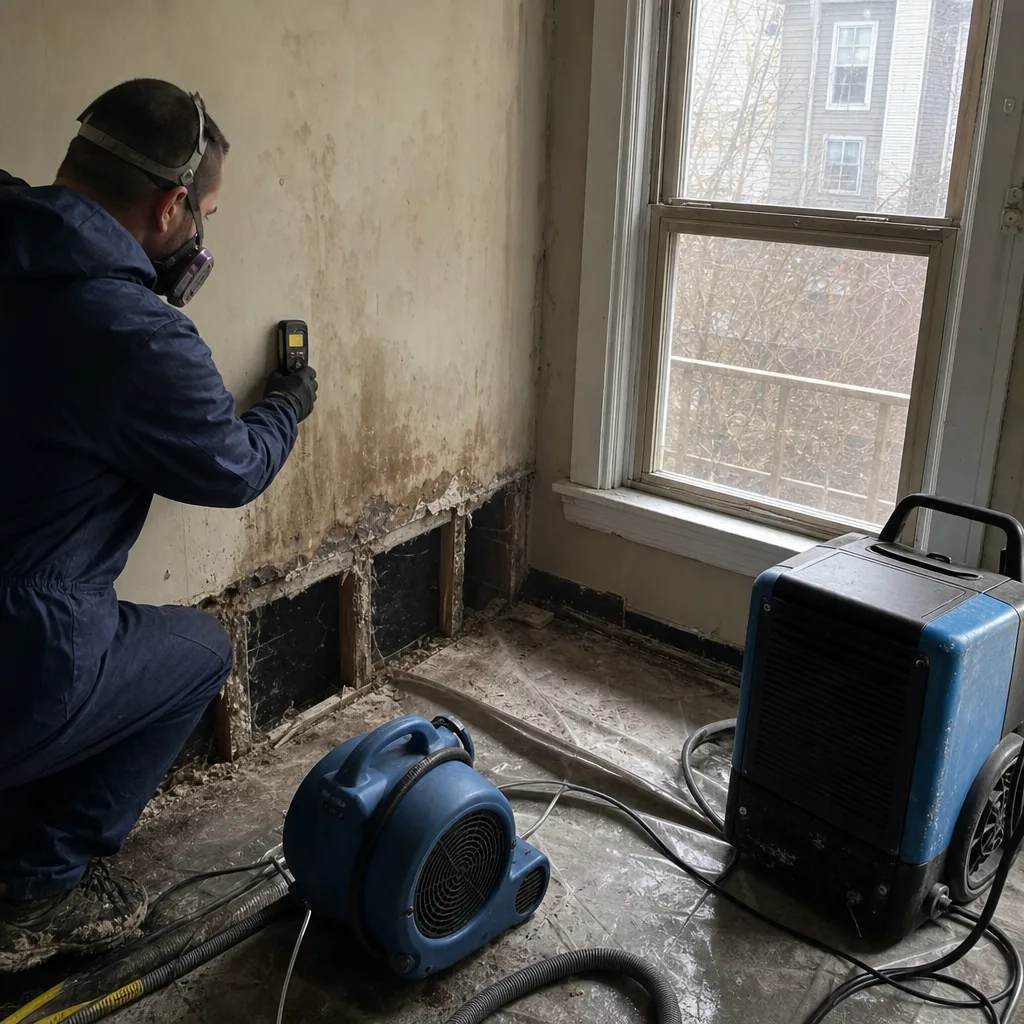 Before
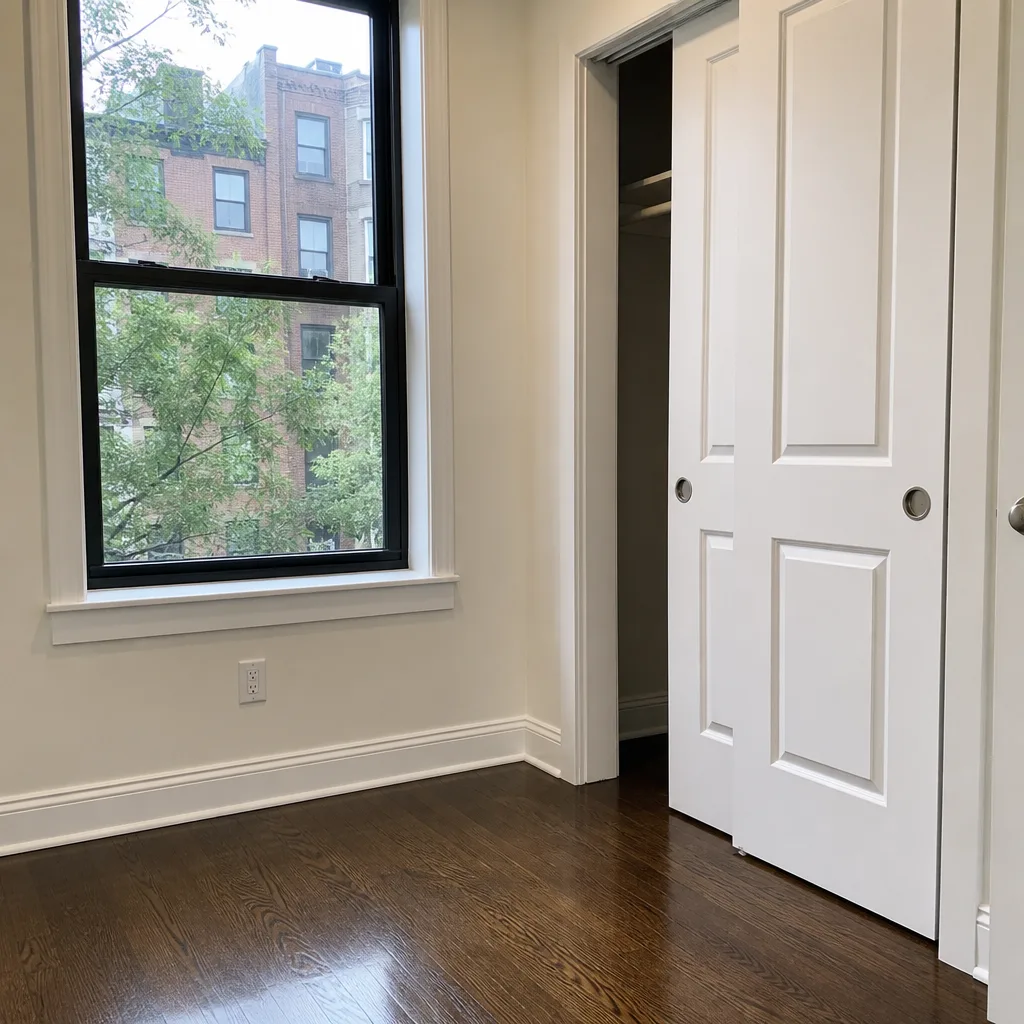 After
After24/7 Emergency Fire & Smoke Damage Restoration in Lower Manhattan
A kitchen fire in a Tribeca loft or a Financial District condo leaves more than char. Soot migrates through ductwork, smoke works into drywall, and the water that put the fire out starts wicking through floors within the hour. Our crews answer live at (640) 500-3278, day or night, and dispatch into Lower Manhattan immediately. We arrive, run a free visual inspection, and start mitigation the same visit before soot oils bond permanently to surfaces. In Lower Manhattan’s older cast-iron buildings and landfill-based towers, the clock matters more than it does inland. The first hour determines whether you clean a unit or rebuild a floor.
Understanding Fire & Smoke Damage Restoration Severity in Lower Manhattan Properties
Fire damage isn’t one problem. It’s a chain of reactions. Soot residue falls into three categories: free-floating carbon (dry, wipes off), protein-based residue from food fires (nearly invisible, adheres like varnish, and goes rancid), and oily furnace or plastic smoke that bonds to every surface it touches. In Lower Manhattan’s housing stock, those residues behave differently than they do in a single-family ranch. The 19th-century cast-iron and heavy-timber Tribeca lofts have open floor plans that let smoke travel unimpeded. Financial District condo conversions from the 1990s and 2000s often route mechanical systems through shared risers and plenums, meaning a small fire on one floor pushes soot into five other units above and beside it. Battery Park City’s towers, built on landfill that settles unevenly, add a problem no inland contractor anticipates: cracked foundation membranes let soot-laden fire water and smoke migrate far from the source. We classify severity by residue type, square footage affected, whether structural members were charred, and whether Category 3 water from firefighting is present. Once we know those four things, the scope writes itself.
Why Lower Manhattan Property Owners Choose Floodline Restoration Co.
We’ve worked this island long enough to know that a fire in Lower Manhattan is never just a fire. Salt air, landfill settlement, shared mechanical systems, and building codes written for historic districts all shape what happens after the flames are out. Property owners call us because we already know that.
- 45-minute response commitment: From the moment you call (640) 500-3278, we have a crew rolling toward your building. Lower Manhattan traffic doesn’t surprise us; we route from the moment dispatch answers.
- 24/7 live answer: A real person picks up at 2 a.m. Not a machine. Not a callback queue. The dispatcher knows the neighborhood you’re calling from.
- IICRC-certified crews: Our technicians hold FSRT (Fire & Smoke Restoration Technician) and WRT (Water Damage Restoration Technician) certifications, plus IICRC standards training. Background-checked and uniformed.
- Free visual inspection: Before any work is billed, we walk the fire floor and the spaces above and below it. You get our read on what actually needs doing.
- Direct insurance billing: We work with your carrier, not against your patience. Floodline Restoration Co. submits the documentation, talks to the adjuster, and keeps the claim moving.
- One team from board-up to rebuild: The crew that boards up your broken windows is the same crew that hangs the new drywall. No mid-job handoff. No new faces every week.
Our Fire & Smoke Damage Restoration Process
Inspection & Assessment
We walk every affected space, including the floor above and below the fire. Thermal imaging and moisture meters map where heat and water traveled. In Battery Park City, we check slab edges and the floors above for smoke migration through landfill-settled cracks that have been there since the 1980s.
Extraction & Stabilization
We remove standing firefighting water with truck-mounted extractors and submersible pumps rated for basement and subgrade mechanical rooms. Structural stabilization includes temporary shoring where charred timbers or cast-iron connections are compromised. Board-up and tarping secure the envelope before weather gets another crack at the building.
Drying & Dehumidification
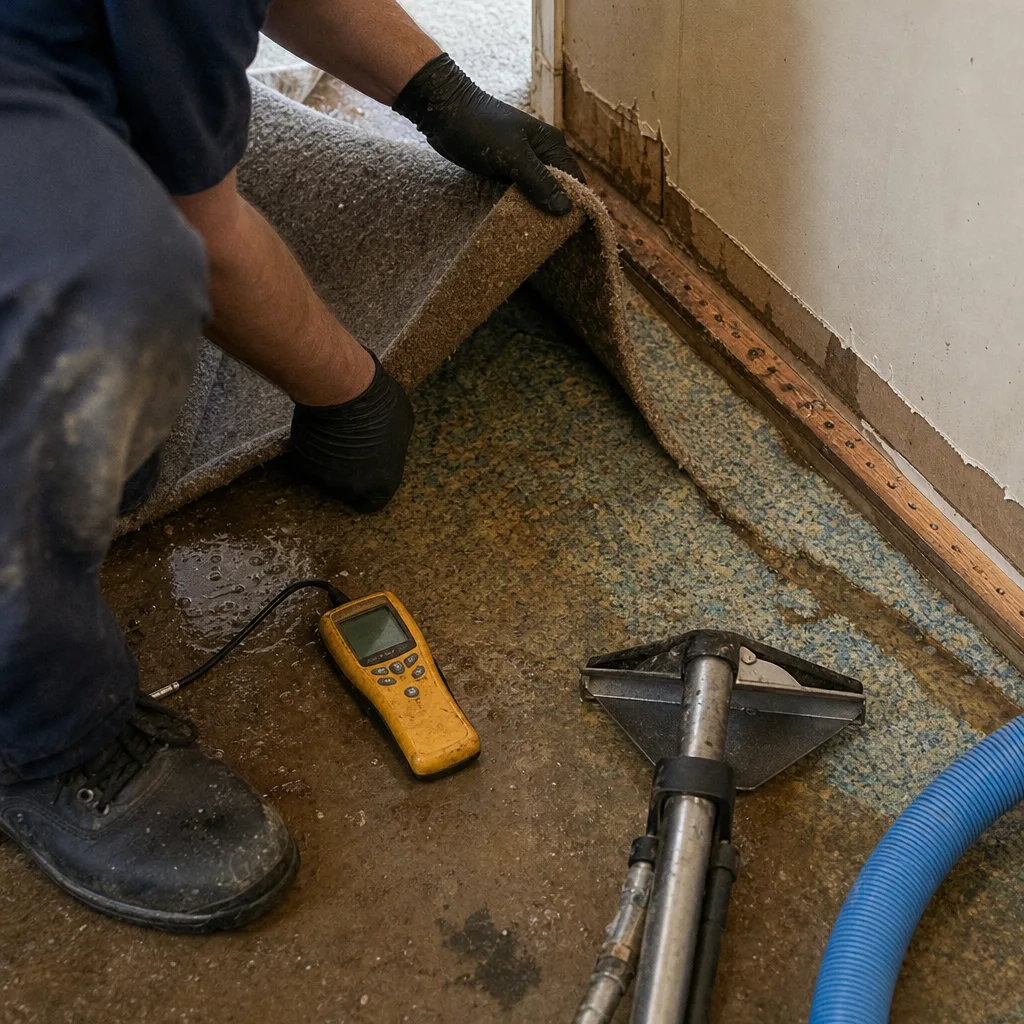
We set Phoenix and B-Air low-grain refrigerant dehumidifiers with XPOWER air movers to force evaporation from drywall, subfloor, and masonry. Daily moisture readings are logged until walls and slab meet the dry standard. In lower-floor Battery Park City spaces, we expect salt-laden humidity to slow drying; we account for it from day one.
Cleaning & Sanitization
HEPA-vacuuming of all surfaces, followed by chemical sponge work on soot-residue walls and ceilings. Protein-fire residues are attacked with alkaline cleaners before they bond. HVAC ducts are inspected and, where the fire pushed soot into the risers, cleaned or lined. Every surface is treated with an antimicrobial where firefighting water sat.
Odor Removal & Deodorization
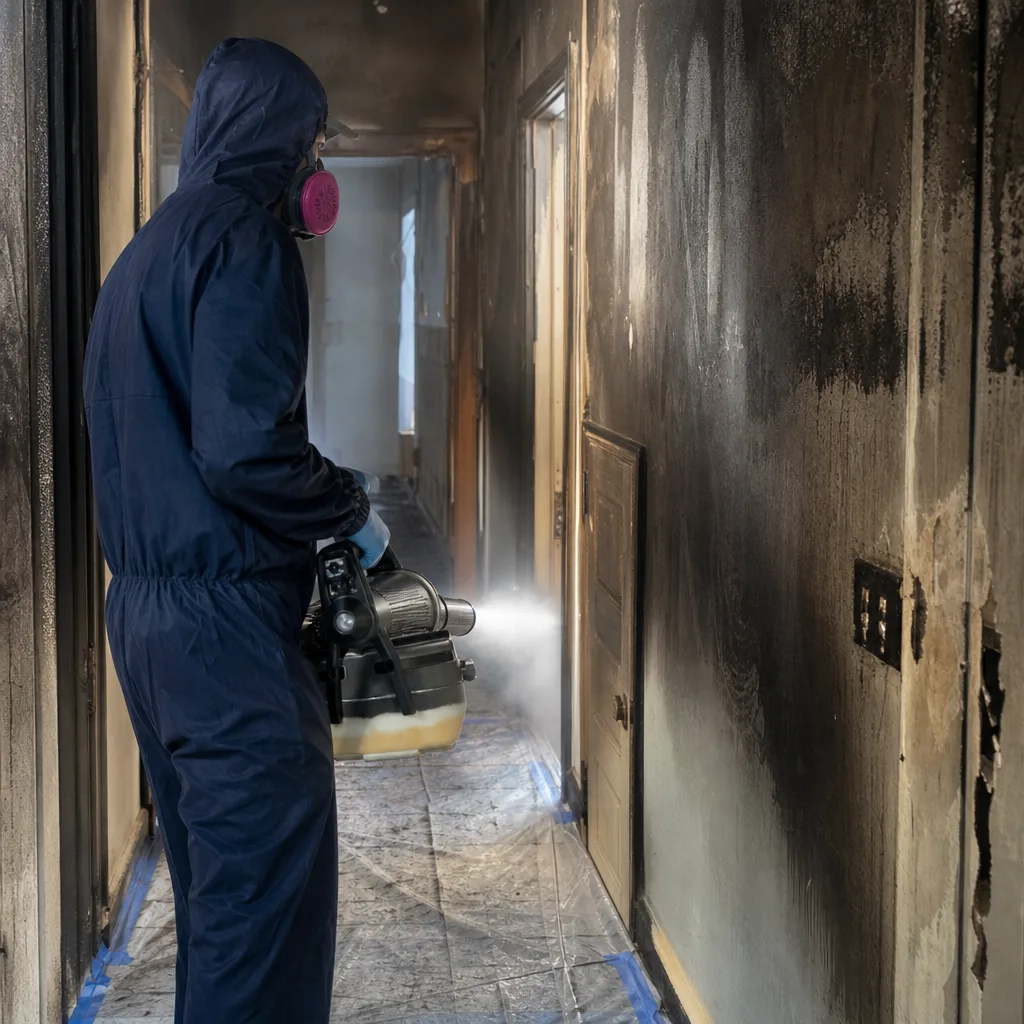
Soot and smoke odor move through elevator shafts, shared hallways, and mechanical rooms. We use hydroxyl generators and thermal fogging (where building codes allow) to neutralize what cleaning alone cannot. In Lower Manhattan’s converted office towers, we seal off riser gaps and negative-pressure the affected areas so odor stops spreading to neighboring units.
Repairs & Restoration
From drywall and paint to full structural rebuilds, our Reconstruction & Cleanup in Lower Manhattan team handles it in-house. In historic cast-iron Tribeca buildings, we coordinate with engineers where fire weakened original timber or iron members. The finish line is the pre-loss condition, not “good enough.”
Need Emergency Fire & Smoke Damage Restoration in Lower Manhattan Now?
Crews minutes away, answering live 24 hours a day. The sooner we start, the less it costs.
Working With Your Insurance Company
We’ve handled thousands of fire claims. The adjuster’s first question is always the same: was this documented from hour one? We make sure the answer is yes. Our team photographs every room, logs moisture readings daily, and writes a line-item scope with the code references and unit costs your carrier expects to see. We submit directly to your insurer and talk to the adjuster so you don’t have to. Lower Manhattan condos and co-ops add a second layer: the building’s master policy and your unit policy both get involved. We’ve worked within Financial District co-op rules and Battery Park City condo board requirements enough to know who needs what, and when.
What We Provide Your Insurer
- Thorough documentation of the loss
- Photos of all damage, room by room
- Moisture readings and drying logs
- A detailed, line-item scope of work
- Direct coordination with your carrier
Built for Lower Manhattan’s Loss Calendar
Lower Manhattan’s fire season doesn’t line up with what most people think. Winter is when the old Cast-iron loft buildings and pre-war conversions run space heaters into overloaded circuits. January and February bring wiring fires in basement storage rooms and mechanical closets. Spring storm season is a different beast: nor’easters knock out power or drop trees onto service lines, and wet weather drives water into subgrade electrical rooms before a fire even starts. Summer is the high-rise kitchen-fire season; residents cook with windows open and stairwell doors propped, which turns a stovetop event into a building wide smoke migration. Then there’s the Battery Park City wildcard: coastal salt has been working on the electrical conduit and risers since the towers went up. A corroded conduit arc-smokes and trips breakers in ways that surprise even longtime building supers. We run our Fire & Smoke Damage Restoration team against this calendar, not against a national template.
Fire & Smoke Damage Restoration Across Lower Manhattan’s Neighborhoods
Response routes shape response time. From our New York City office, crews reach Battery Park City via West Street in under 20 minutes most evenings. Tribeca takes a touch longer when Hudson Street backs up near Canal. The Financial District is fastest through the Brooklyn-Battery Tunnel approach on Greenwich Street. Each neighborhood carries a different loss pattern. Battery Park City’s towers near Rector Place and South End Avenue see more below-grade smoke migration than anywhere else in the city, because a kitchen fire on the third floor pushes soot into the shared risers and down into mechanical rooms. The Financial District’s condo conversions on Wall, Broad, and Exchange Place concentrate HVAC in subgrade vaults that flood in storm events, and a fire in one of those vaults spreads smoke through every unit above. Tribeca’s cast-iron lofts on Hudson, Greenwich, and Franklin Street have heavy timber framing that chars slowly but holds heat deep, which means structural fire damage is often worse than the surface suggests. The South Street Seaport area mixes old brick and modern glass, and the older buildings have elevator shafts that act like chimneys during a fire. We serve all of it, plus Washington Square to the north and Murray Hill to the northeast, from one dispatch bench.
Specialized Fire & Smoke Damage Restoration Services We Offer in Lower Manhattan
Every fire leaves different work depending on what burned, how long it burned, and what the building is made of. These are the services Lower Manhattan property owners request most.
Smoke & Soot Removal
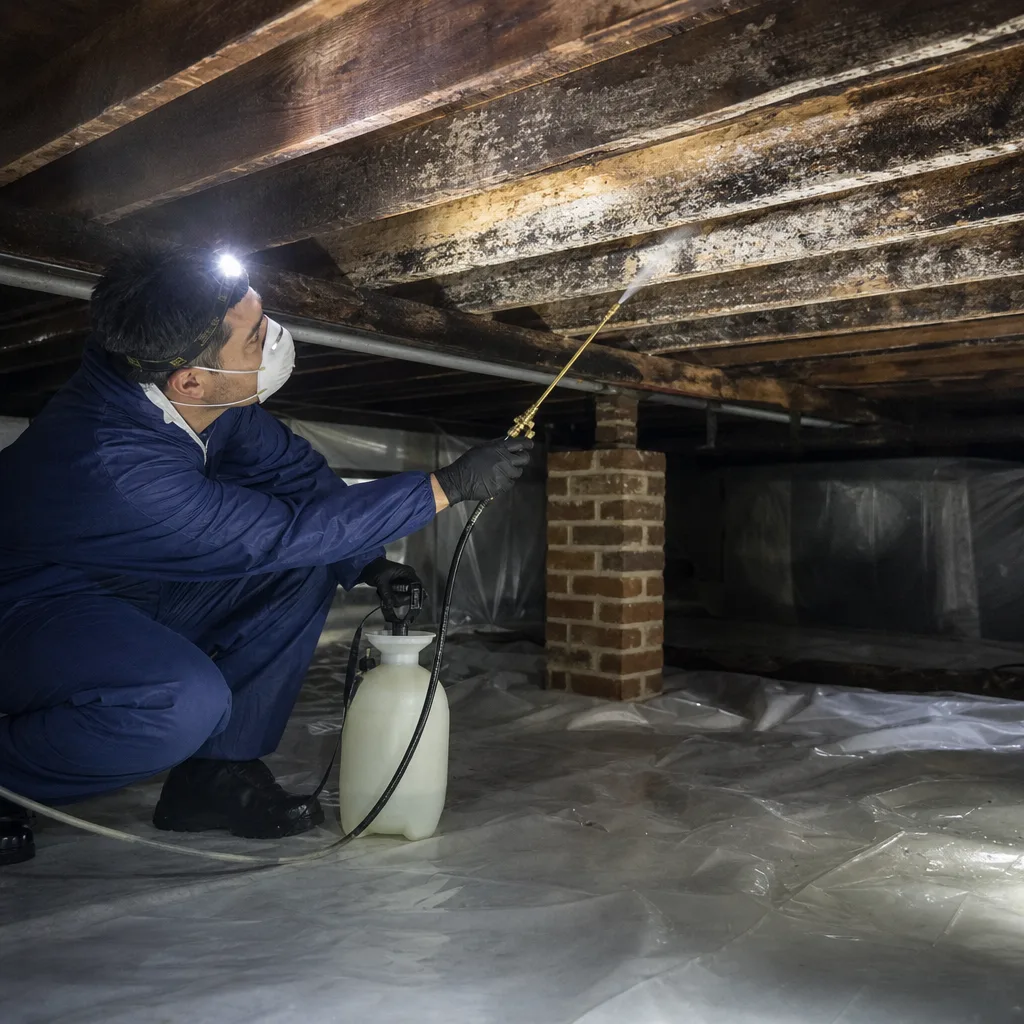
Soot in a Battery Park City tower is different from soot in a Tribeca loft. In the towers, soot rides the shared ventilation and wicks through the landfill-settled slab cracks into floors above. We clean wall cavities, risers, and duct interiors, not just visible surfaces. The goal is to stop the spread, then remove what already moved. Our crews use chemical sponges, HEPA vacuums, and dry-ice blasting where the building allows.
Odor Removal & Deodorization
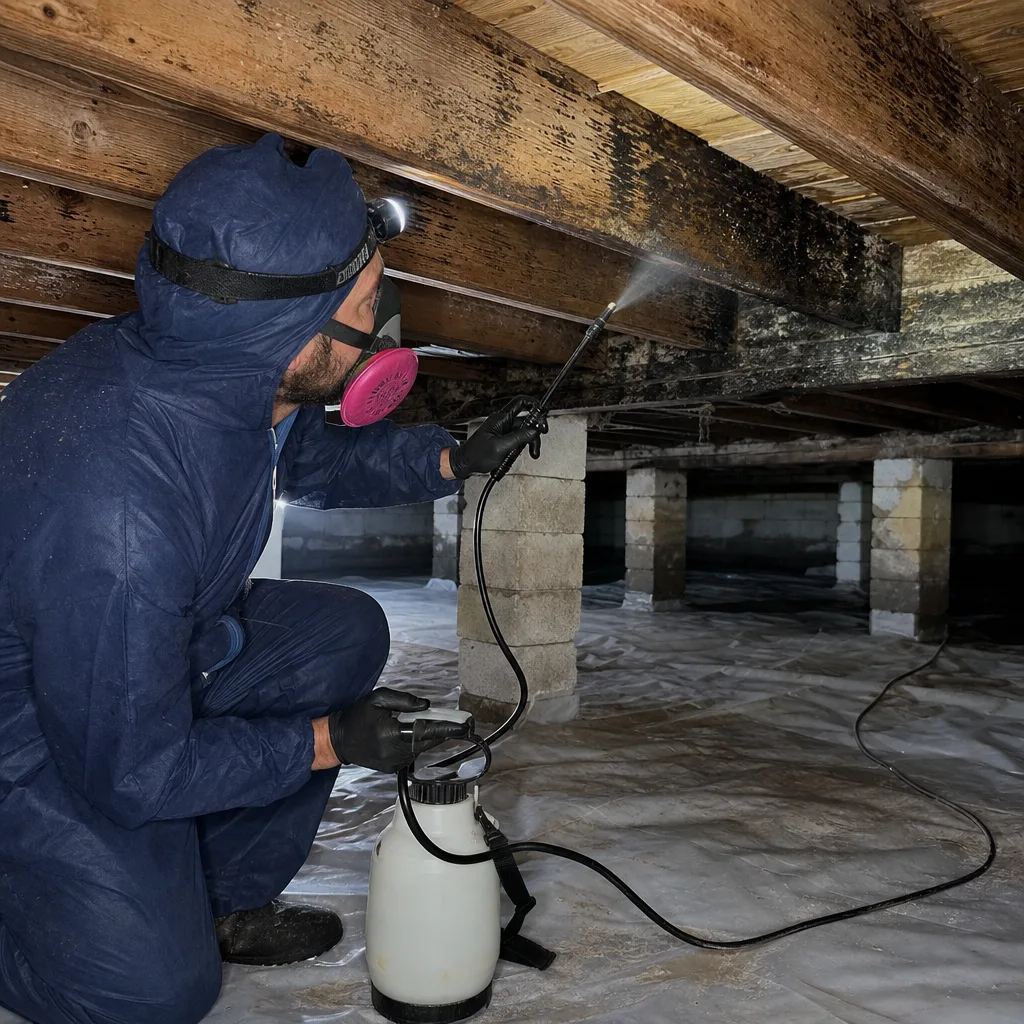
Odor is the complaint that brings neighbors to the building manager’s door. Smoke smell in Lower Manhattan’s converted office towers travels through elevator shafts and mechanical rooms, then re-enters living spaces through electrical outlets and plumbing penetrations. We set up hydroxyl generators and thermal foggers, and we seal the pathways before treating the rooms themselves. If your neighbor three floors up smells your fire, the pathway needs to be found. That’s the job.
Structural Fire Repair
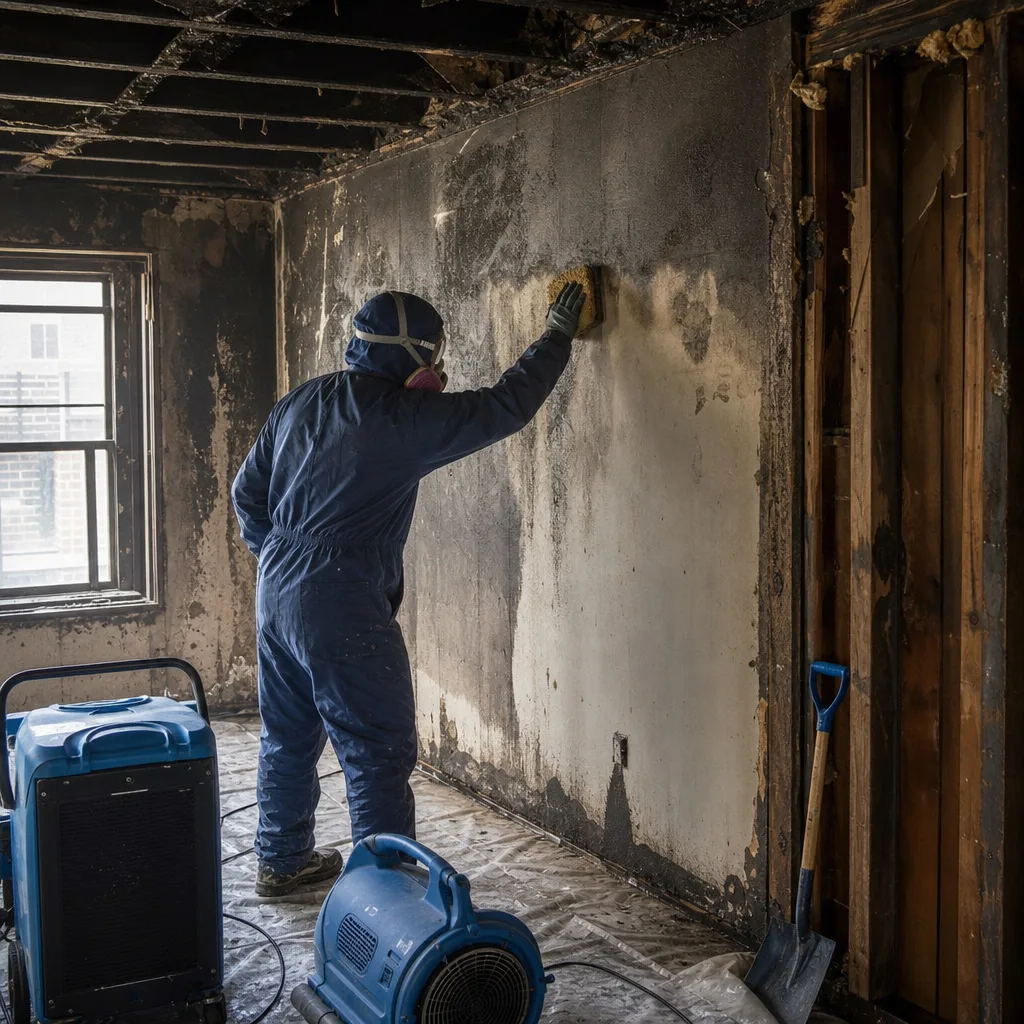
Cast-iron columns, heavy timber beams, and steel fire escapes older than the FDNY itself. A fire in one of these buildings heats metal until it warps, and weakened connections don’t always show themselves until the rebuild begins. We bring in licensed structural engineers when charring, bowing, or cracking appears in any load-bearing member. Floodline handles the rebuild in-house. No subcontractor to chase.
Fire Damage Cleanup
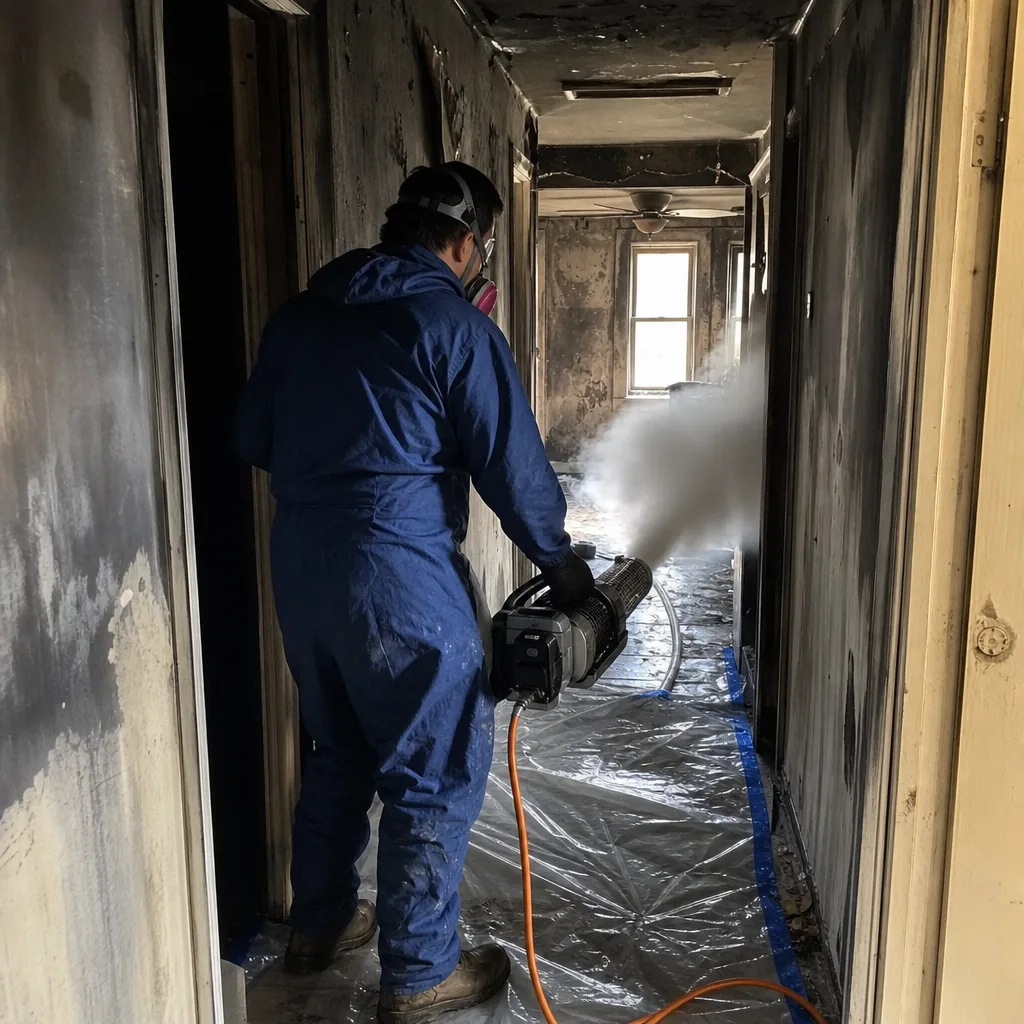
Fire damage cleanup in a lower Manhattan rental means something specific: you can’t legally re-rent a unit until it passes inspection, and the fire floor always includes water damage. We combine fire cleanup with water extraction and drying, because the fire department’s water goes wherever gravity takes it. In subgrade spaces, that’s lower than the street. Our crews handle it with the same equipment and the same standard we use on our Sewage Cleanup in Lower Manhattan and storm surge jobs.
Emergency Board-Up & Tarping
A broken window on Water Street invites weather and theft. We board up within hours, not days, and use plywood that meets NYC permitting standards. For older Battery Park City towers with salt-corroded roof anchors, we add temporary anchors before tarping so the cover holds in a nor’easter. It’s a small thing until it’s the only thing keeping rain out of your electrical room.
Contents Cleaning & Pack-Out
We pack out what can be saved, inventory it, and store it off-site for cleaning. Soot gets into upholstery, clothes, books, and dishes. Our contents team uses ultrasonic cleaning for non-porous items and specialized textile cleaning for everything else, then returns items to your unit when the fire damage restoration work is done. For co-op and condo owners, the inventory list doubles as the insurance documentation.
What happens when you call
- 1
A real person answersNo phone trees - you reach a local pro.
- 2
You get an upfront price rangeHonest numbers before anyone is dispatched.
- 3
A background-checked tech heads outLicensed & insured, dispatched right away.
- 4
You approve before work beginsNothing starts until you say go.
Fire & Smoke Damage Restoration Costs in Lower Manhattan, NY
Lower Manhattan pricing runs higher than the outer boroughs, but not for the reasons you might think. The labor is similar; the scaffolding, building permits, and hoist scheduling are not. A small kitchen fire clean with smoke and soot removal in a Financial District condo typically runs $3,500 to $8,500. A fire that damages shared risers in a Battery Park City tower and forces smoke into multiple units can push past $50,000 to $80,000 by the time mechanical room cleanup, duct replacement, and structural repair are included. Emergency board-up and tarping in lower Manhattan runs $800 to $2,500 depending on window count and building height. Odor removal alone in a Tribeca loft runs $1,500 to $4,000, with thermal fogging and hydroxyl treatment included. Most fire claims in this area are covered by insurance; the out-of-pocket piece is the deductible plus anything the carrier deems pre-existing water damage. We give a free visual inspection and a written scope before any chargeable work starts, so the numbers are on the table before the contract is.
We Also Serve Cities Near Lower Manhattan
Our crews reach beyond Lower Manhattan into the surrounding neighborhoods we know well: Washington Square, Midtown West, Midtown Manhattan, and Murray Hill. If your building is within the Lower Manhattan service radius and your fire damage shows up on the 4th floor even though the fire started on the 2nd, you’re still well inside our normal response area.
Lower Manhattan Fire & Smoke Damage Restoration Questions, Answered
Why does smoke odor from a fire in a Battery Park City apartment sometimes appear in units several floors above the fire unit?
Smoke odor travels above the fire floor in Battery Park City because the towers built on 1970s-80s landfill settle unevenly, and the foundation waterproofing membranes shear along the settlement lines, creating pathways no one sees from the hallway. Soot-laden smoke and firefighting water enter those cracks at the slab edge and wick upward into units two and three floors above before the fire is even out. Add the shared risers and elevator shafts, and a third-floor kitchen fire becomes a seventh-floor odor problem. That’s why our crews don’t just treat the fire floor; they trace the pathway with moisture mapping and thermal imaging first.
After a lower Manhattan fire, how quickly does mold start on wet drywall in a basement-level storage room?
Mold starts on wet drywall within 24 to 48 hours when the water is warm, and firefighting water is almost always warm from the heat of the fire. In a basement-level storage room below Chambers Street, the air is already humid from the surrounding subgrade environment, and salt from prior storm-surge intrusion accelerates mildew growth. We treat all firefighting water in Lower Manhattan as Category 3, meaning antimicrobial application is part of the standard scope, not an add-on.
Does a fire in a Financial District high-rise create different restoration challenges than in a brownstone?
Yes, significantly. Financial District high-rises converted from office use in the 1990s and 2000s often run electrical risers and HVAC returns through shared plenums, so smoke spreads to multiple units through a single air pathway. A brownstone’s smoke is usually confined to one or two floors; a high-rise’s smoke becomes a building-wide event. We isolate the plenums with negative air pressure and clean the risers themselves, not just the rooms that smell like smoke.
Can smoke and soot from a small kitchen fire travel into elevator shafts and mechanical rooms in Battery Park City towers?
Yes, and it almost always does. Elevator shafts in older Battery Park City residential towers act like flues; the stack effect pulls smoke from a third-floor unit down into the mechanical room and elevator pit, then back up through the shaft. We inspect the elevator pit, the machine room, and the shaft walls as part of every post-fire assessment in those buildings. Skipping that step is how you end up with a building wide odor complaint weeks after the fire was “handled.”
After a fire in a cast-iron Tribeca loft, what structural issue is unique to Lower Manhattan’s historic buildings?
Cast-iron and heavy-timber buildings in Tribeca carry load differently than steel-frame high-rises. A fire that chars a timber column or overheats a cast-iron connection can weaken it without visible deflection for weeks. We bring in a licensed structural engineer whenever charring exceeds surface level on any historic building member. Salt air has also been eating at the iron for a century and a half; that corrosion doesn’t cause the fire, but it changes how the metal responds to heat.
How fast can someone actually get to a Lower Manhattan fire damage call?
We dispatch within 15 minutes of your call, and our crews typically reach Battery Park City or the Financial District in 20 to 35 minutes depending on the time of day. Tribeca can add a few more. If you’re standing in a smoke-filled apartment at midnight, we’ll be there before the fire marshal finishes his report. Call (640) 500-3278 and a live dispatcher will tell you exactly when the truck rolls.
Will insurance cover the fire and smoke restoration, or is some of it out of pocket?
Most fire policies cover the direct damage and the resulting smoke and water work. What gets contested is pre-existing conditions: salt-corroded conduit that failed before the fire, or pre-fire water intrusion from a cracked foundation. We document everything with photos and moisture logs from the first hour, and we write the scope to separate fire-related loss from pre-existing conditions so your claim moves faster. Direct adjuster coordination is included at no charge.
What should I do in the first 30 minutes after a fire in my Lower Manhattan apartment?
Shut off the power if it’s safe, open no windows unless you must (airflow spreads soot), and call (640) 500-3278. Don’t wipe anything; soot smears permanently if you touch it with a dry cloth. Don’t turn on the HVAC. Don’t walk through wet char more than necessary, and keep children and pets out. The first 30 minutes decide whether your walls are cleaned or replaced.
Serving Lower Manhattan, NY - Our Local Coverage Area
We’re based in the Lower Manhattan area and know this community well. Use the map below to see our service coverage - if you’re nearby, we can almost certainly help.
Get Fire & Smoke Damage Restoration in Lower Manhattan Started Now
We serve Lower Manhattan’s Battery Park City towers, Tribeca’s cast-iron lofts, the Financial District’s condo conversions, and everything south of Chambers Street with Fire & Smoke Damage Restoration crews that know the buildings and the failure patterns. One call reaches a live dispatcher. One visit starts the mitigation. One Fire & Smoke Damage Restoration in Lower Manhattan crew finishes the job. Call (640) 500-3278 for a free estimate, any hour of any day. The smoke doesn’t stop spreading while you wait.
Written by Curt Bowman, Owner at Floodline Restoration Co., proudly serving Lower Manhattan since 2010.