
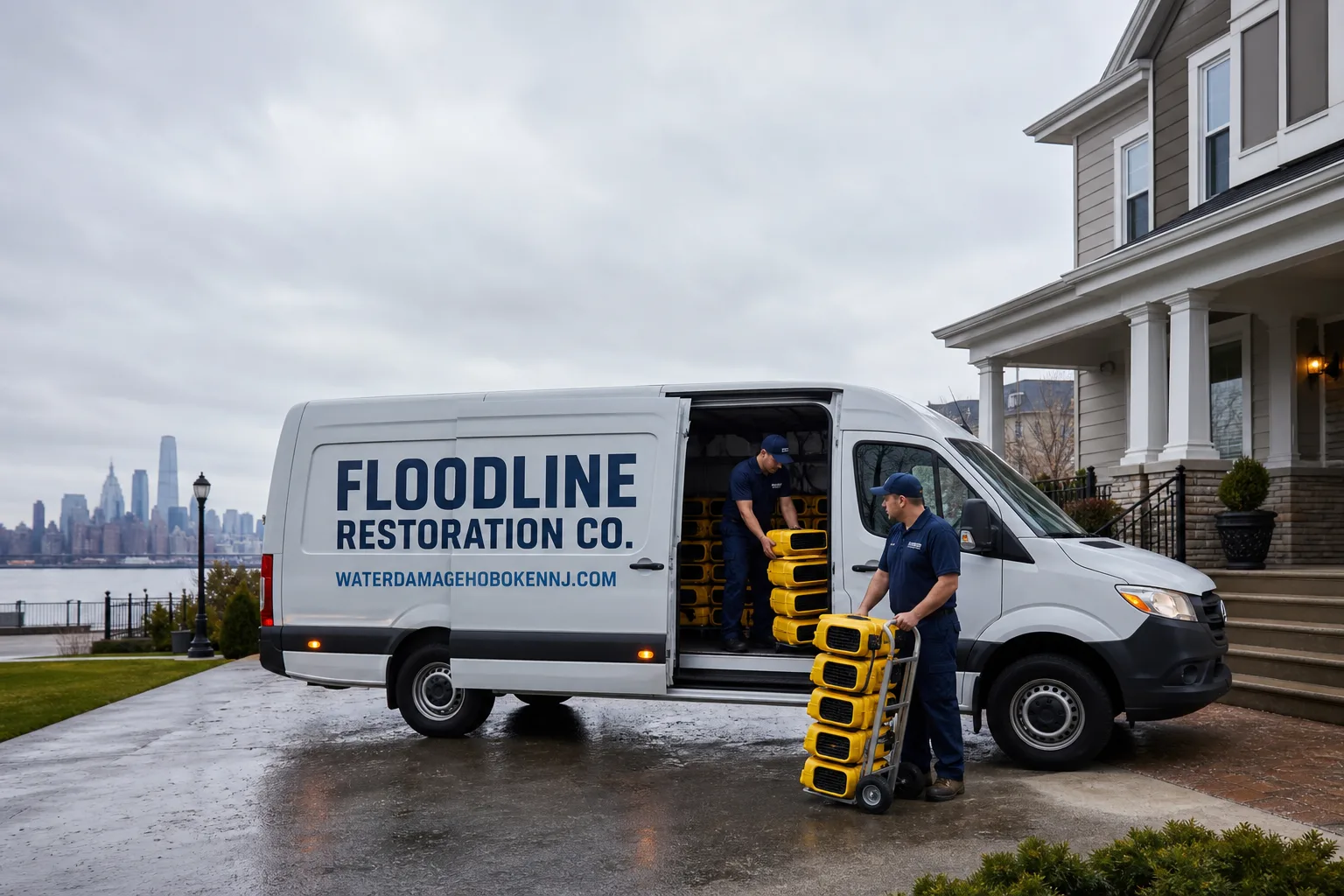
Free visual inspection and a written scope of work before any mitigation begins - photos, moisture readings, and drying logs go in your claim file
The scope we write is the scope we bill. Anything new gets shown to you, in writing, before we touch it.
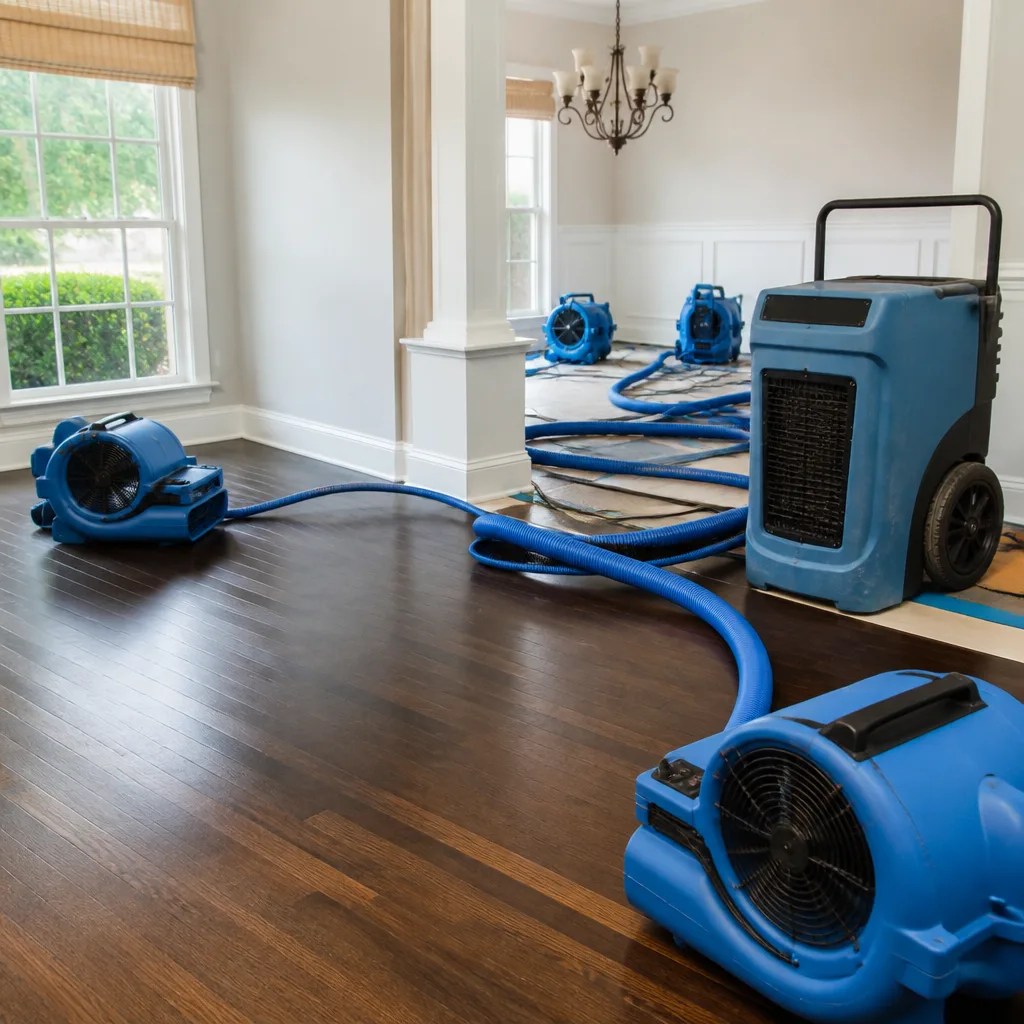
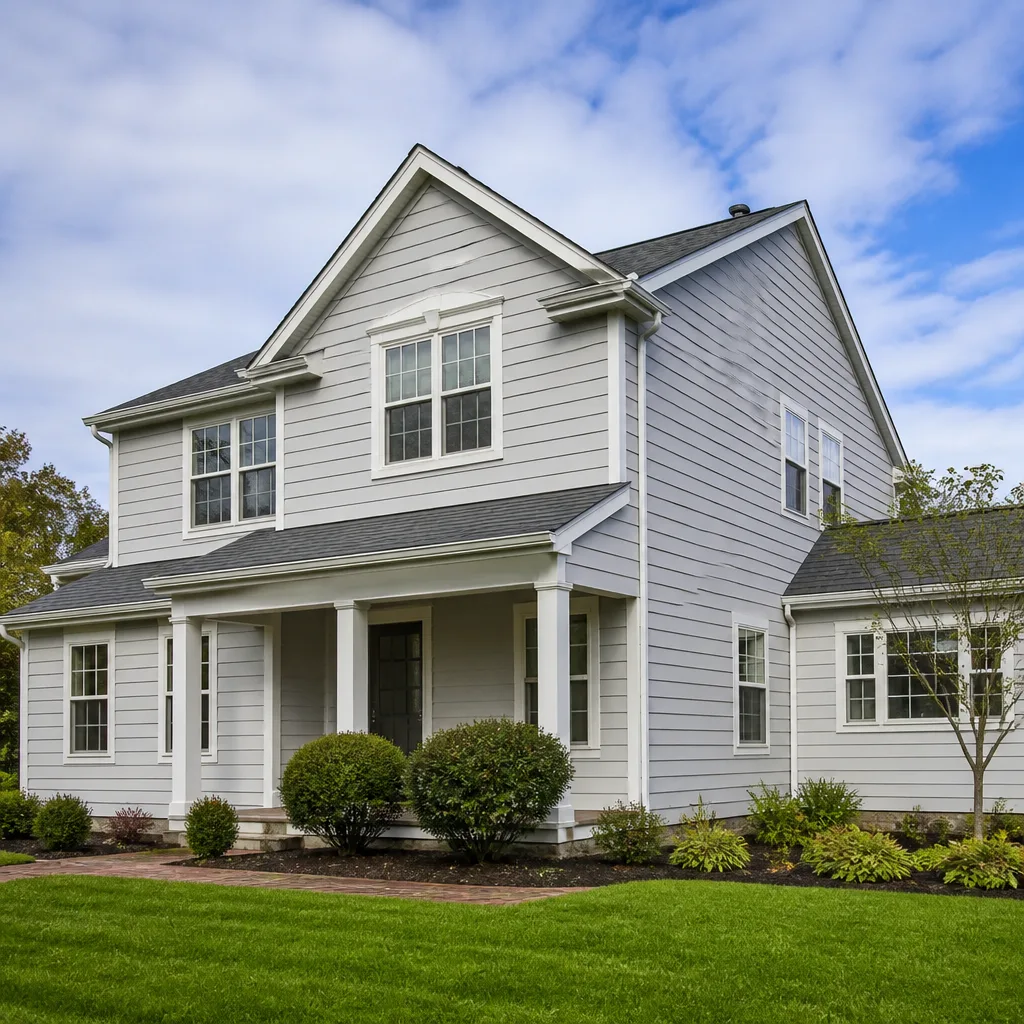
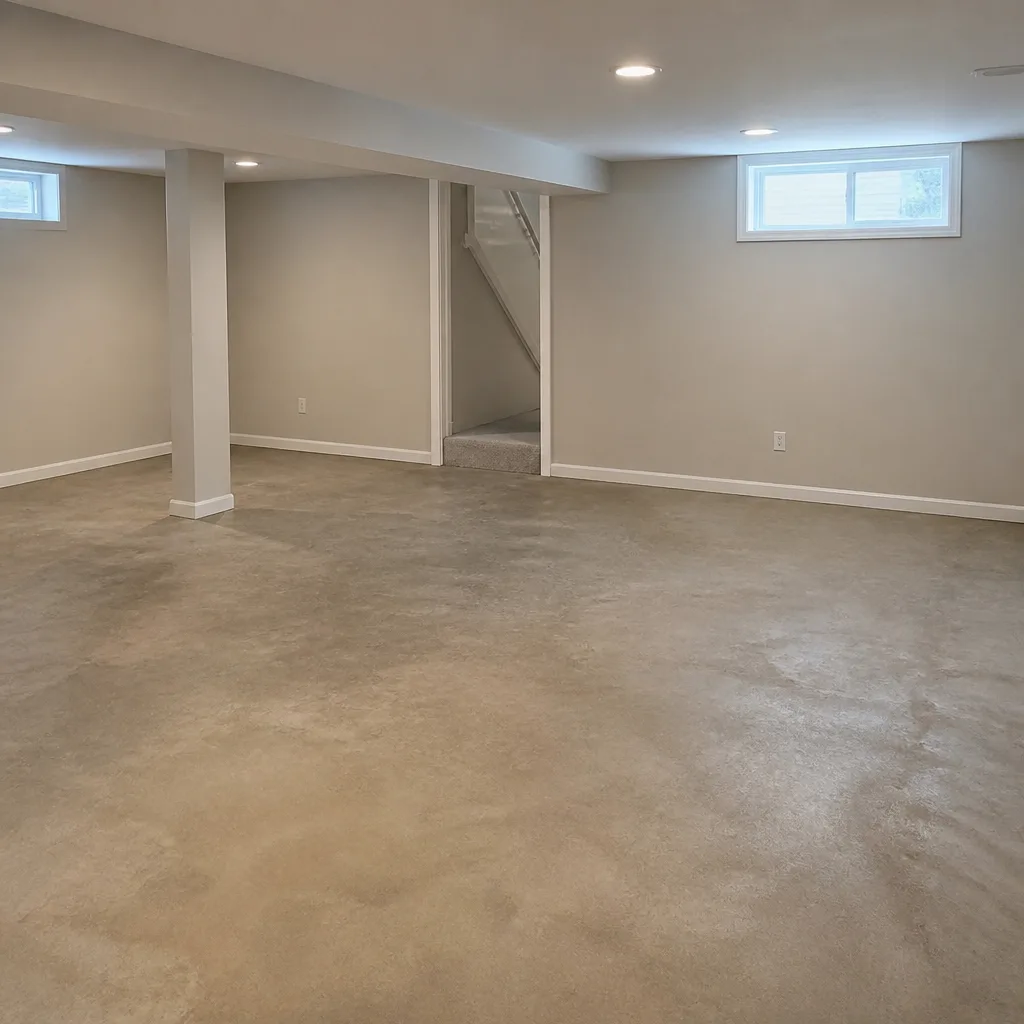
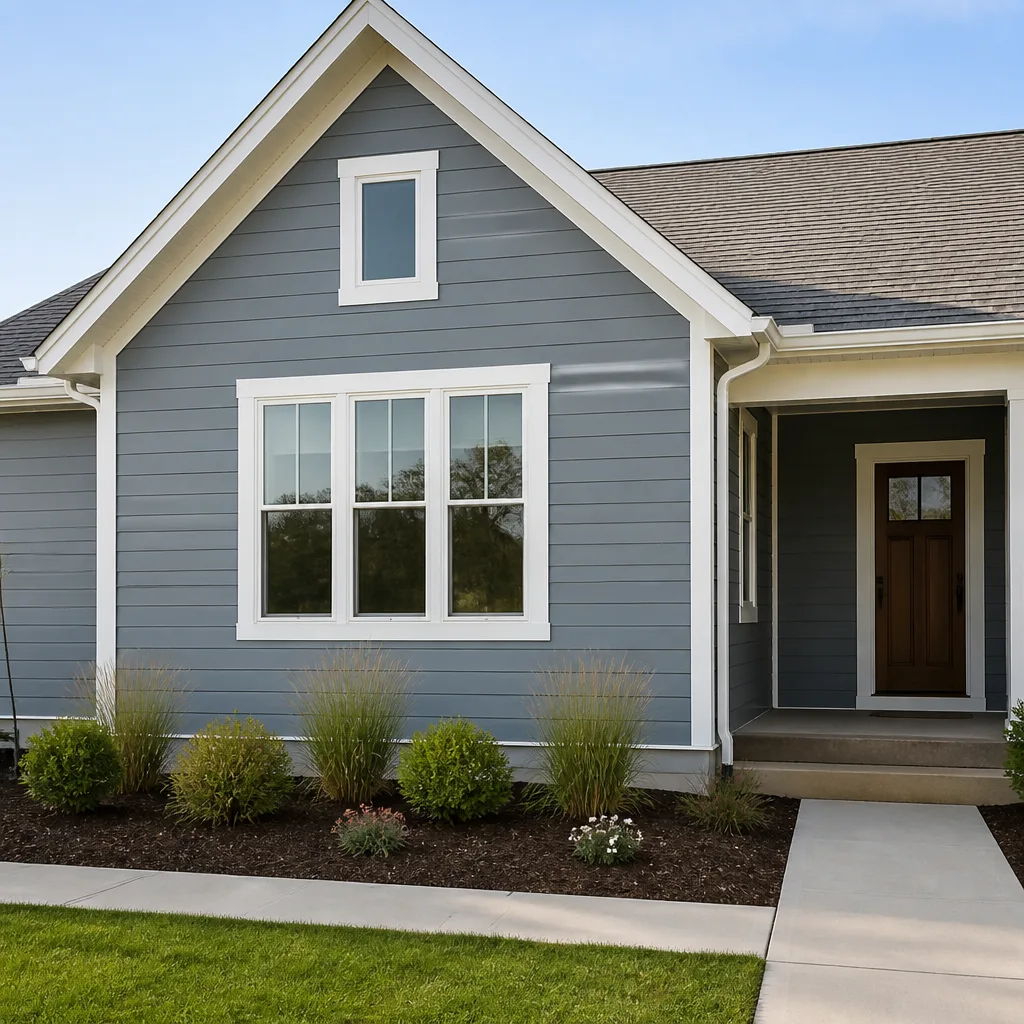
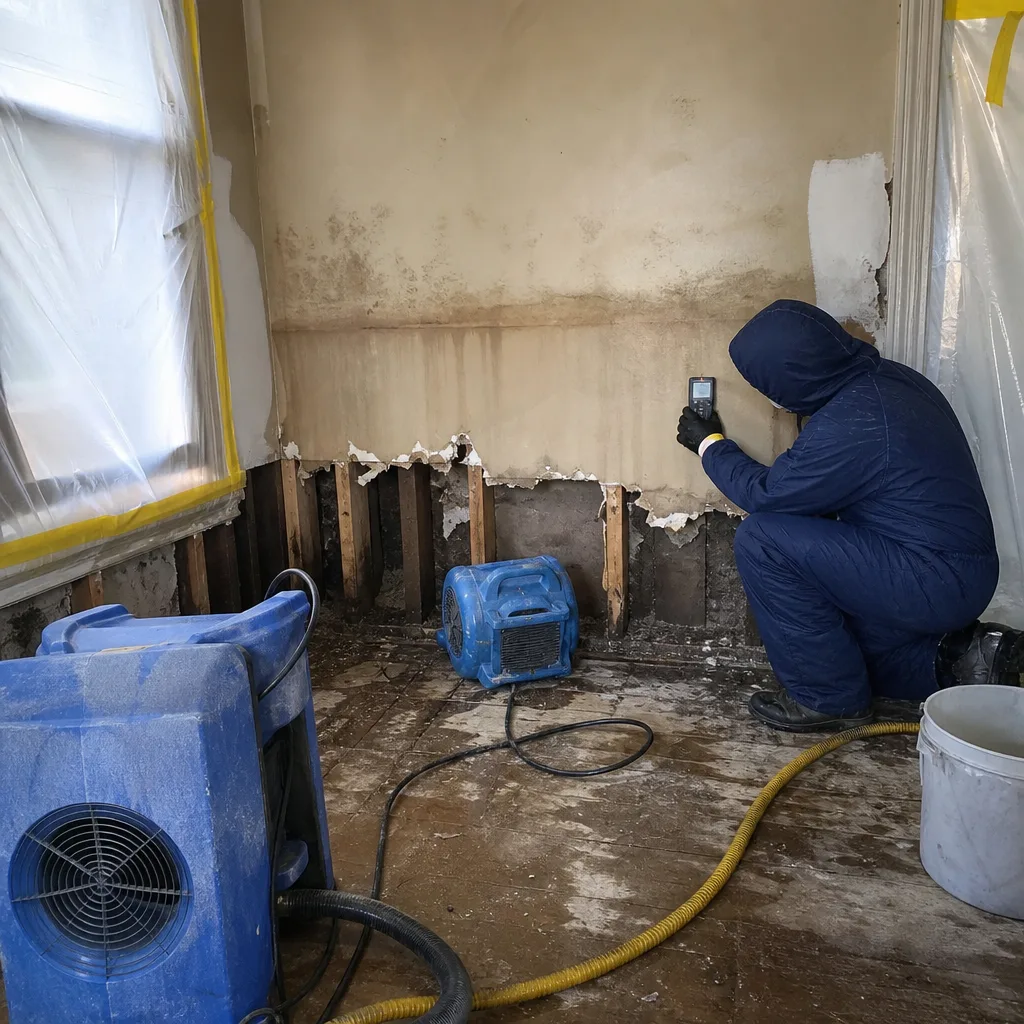 Before
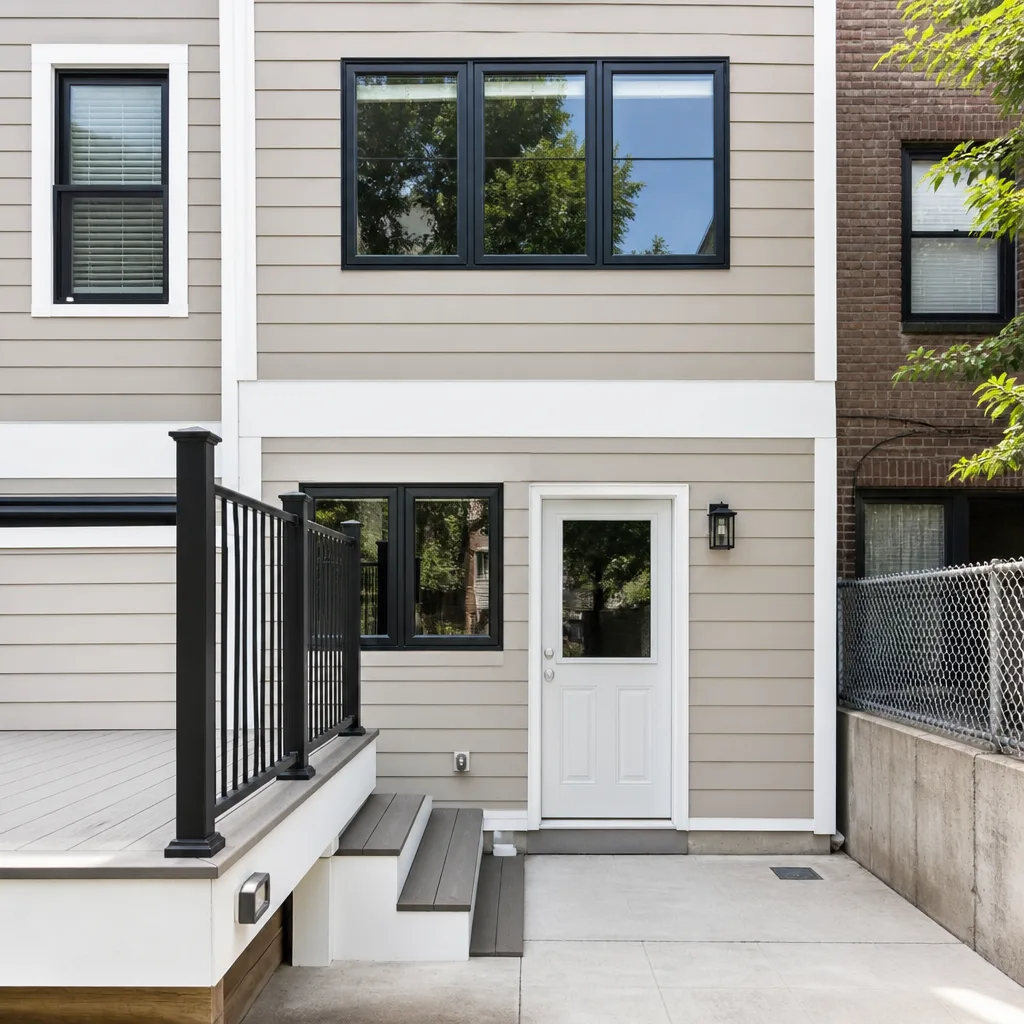 After
After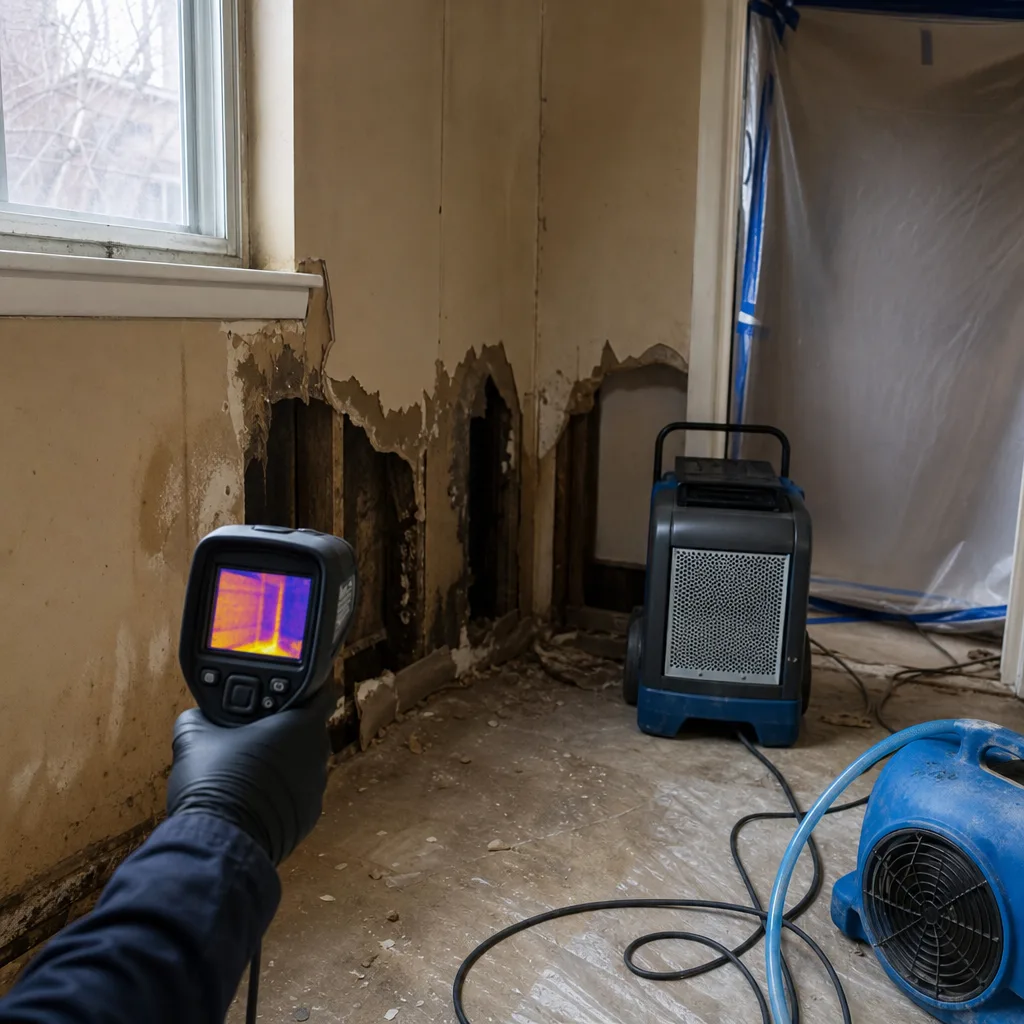 Before
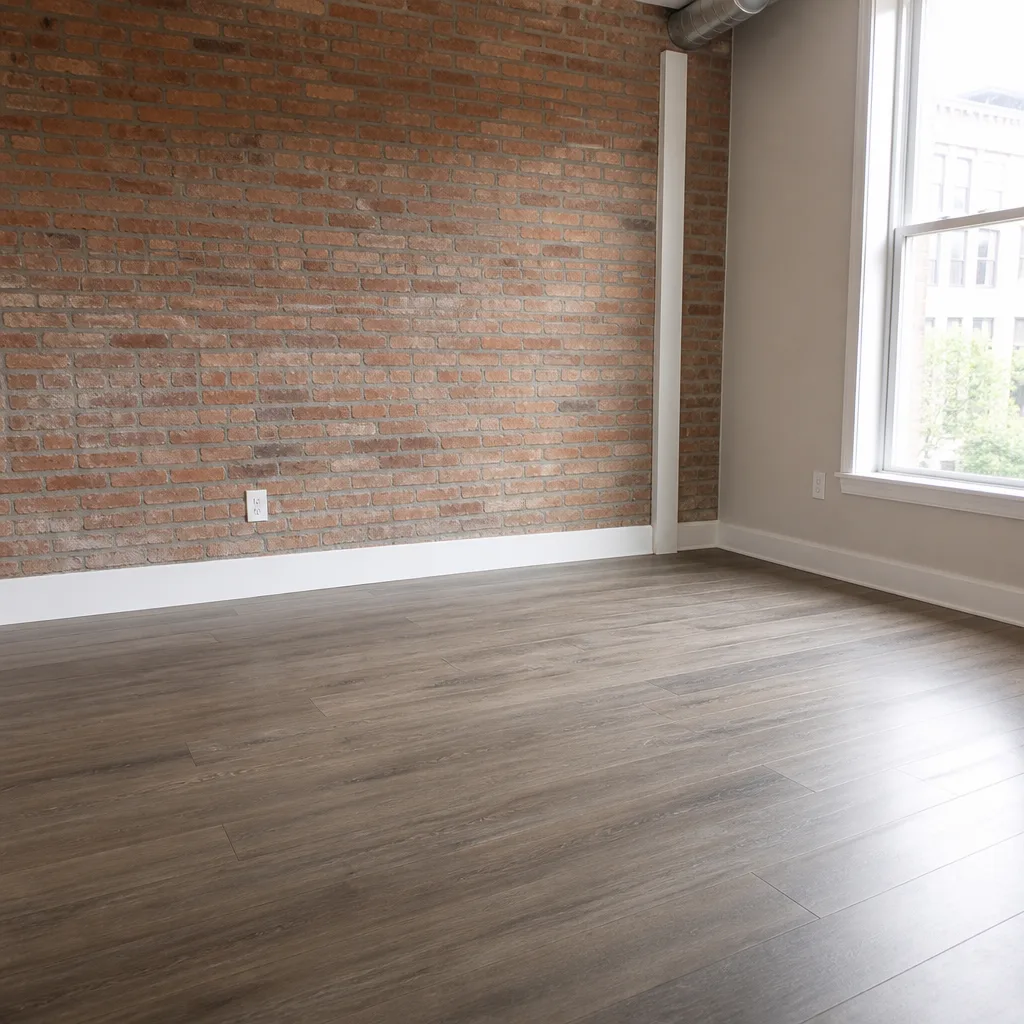 After
After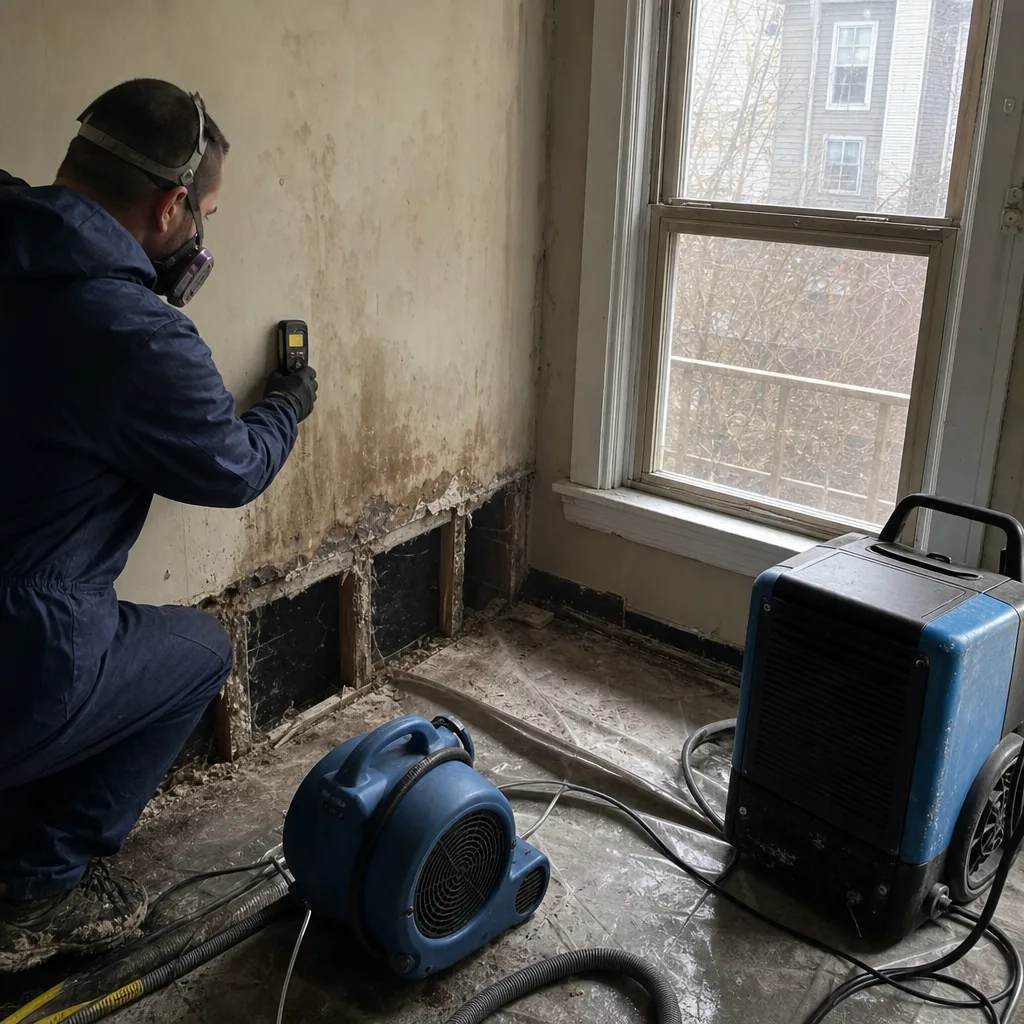 Before
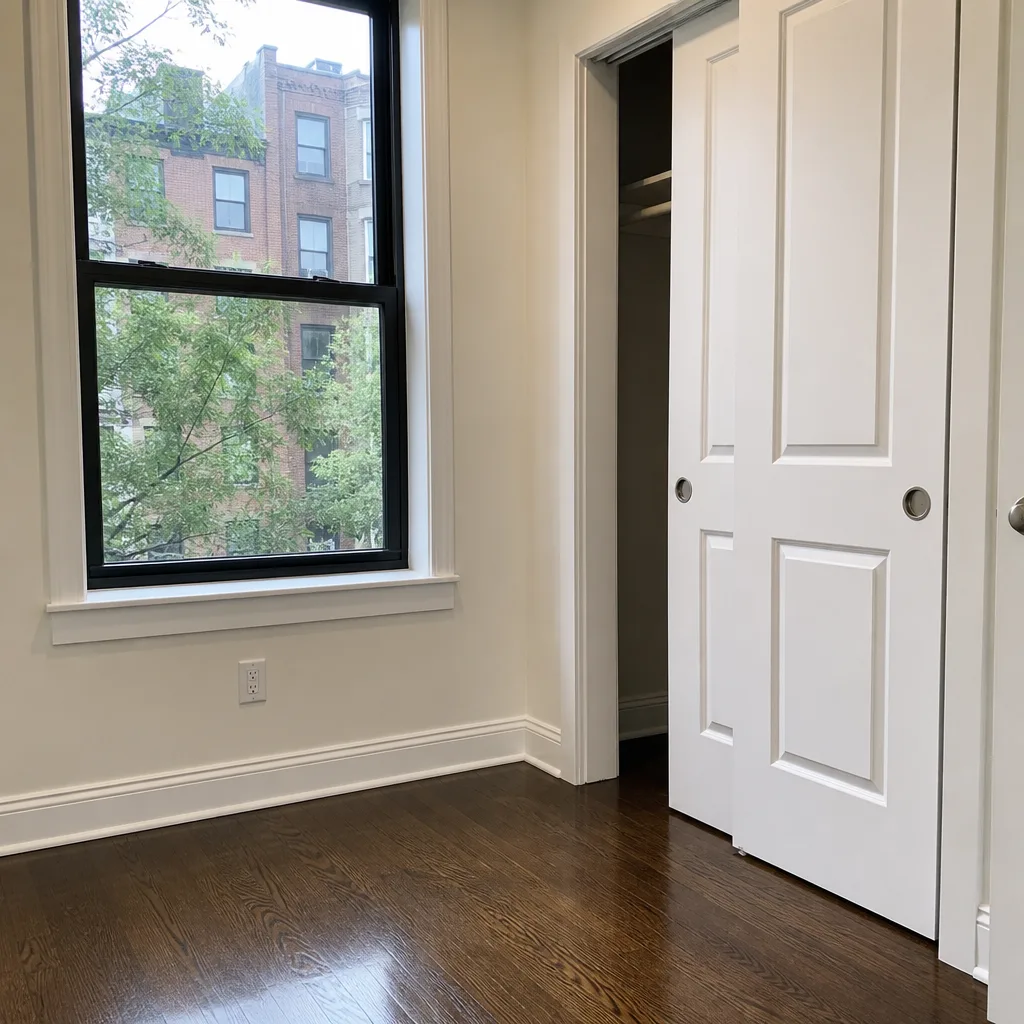 After
After24/7 Emergency Commercial Restoration in Upper West Side
Commercial restoration in Upper West Side typically costs $3,500-$28,000 depending on the loss category, square footage affected, and whether original plaster and parquet require preservation rather than replacement. Most commercial water and fire losses in the neighborhood can be mitigated within 24-48 hours, but the rebuild phase often takes longer here because co-op boards and managing agents must approve alteration agreements before structural work begins. If water is moving through your retail space, office, or multi-unit property right now, call (640) 500-3278. A live dispatcher answers and a certified crew reaches the Upper West Side within 45 minutes.
We run commercial water, fire, and mold losses all over the neighborhood, from Amsterdam Avenue storefronts to basement commercial spaces in pre-war buildings off Broadway. The first hour matters because water in century-old masonry and wood-lath construction wicks vertically and travels horizontally far faster than in modern sheetrock buildings. Every hour of delay widens the damage zone, increases the odds of Category 2 water degrading into Category 3, and moves more of your loss from restoration into reconstruction. We start extraction on the same visit.
Understanding Commercial Restoration Severity in Upper West Side Properties
Severity on the Upper West Side is defined less by the incident and more by what the water, smoke, or soot has to travel through. A Category 1 supply-line break in a 1915 limestone co-op on West 79th Street behaves differently than the same break in a drywall office suite. Water moves through horsehair plaster over wood lath, saturates herringbone parquet laid over the original subfloor, and follows cast-iron pipe chases between floors. Moisture mapping in these buildings frequently finds water eight to twelve feet from the visible stain, following wood framing and plaster keys. That’s why we run thermal imaging and hygrometer readings room by room before we ever place a dehumidifier.
Category 2 water, the kind you get from a failed washing machine hose or a steam-riser leak, contains biological and chemical contaminants that require antimicrobial treatment on every affected surface. Category 3 water, from a sewage backup or a flooded Riverside Drive basement mechanical room, carries pathogens and demands full containment, removal of saturated porous materials, and air scrubbing with HEPA filtration before the space is safe for occupancy. Fire losses in Upper West Side commercial spaces present their own severity scale: protein soot from a kitchen fire clings to every surface and requires aggressive cleaning, while synthetic soot from burned plastics and electronics is acidic and will etch brass, marble, and lacquered wood within 72 hours if not neutralized. In pre-war buildings with shared walls and common service chases, smoke also migrates into neighboring commercial units, which means containment and pressure management are not optional, they’re the difference between a single-unit claim and a multi-tenant loss.
Why Upper West Side Property Owners Choose Floodline Restoration Co.
- 45-minute response commitment. We dispatch from our New York City office and crews are staged across the Upper West Side, so the first truck usually arrives within 45 minutes of your call, day or night.
- A real person answers, 24/7. No phone tree, no “press 2 for emergencies.” A live dispatcher picks up at 2 a.m. and starts the clock on your claim immediately.
- Certified crews, every job. Our technicians carry IICRC WRT, FSRT, and AMRT certifications and show up in uniform, background-checked, and carrying the equipment to start work that visit.
- Free visual inspection before any work begins. We look at the loss, explain what we see in plain language, and hand you a written scope before equipment gets placed.
- Direct insurance billing. We invoice your carrier directly and document everything from the first hour, so you’re not the messenger between us and your adjuster.
- One team from extraction to reconstruction. The same crew that does the moisture mapping handles the drying, rebuilds the walls, and signs off on the 90-Day Done Right Promise.
Our Commercial Restoration Process
Inspection & Assessment
We arrive, walk the affected space, and run moisture mapping with thermal imaging and hygrometers. For fire losses, we identify soot type and smoke migration paths. You get a plain-language explanation and a written scope before equipment moves in.
Extraction & Stabilization
Standing water comes out first with truck-mounted and portable extraction units. We remove saturated materials that cannot be saved, tarp or board up openings as needed, and stop the loss from spreading into adjoining commercial units.
Drying & Dehumidification
We place commercial-grade Dri-Eaz air movers and Phoenix dehumidifiers, plus XPOWER and B-Air units where floor and wall cavities need focused airflow. In pre-war UWS buildings with parquet over wood lath, we use Injectidry panel drying to pull moisture from between the flooring and the subfloor without removing the original floor.
Cleaning & Sanitization
HEPA air scrubbers run during the entire mitigation to clear airborne particulates. We clean and sanitize all affected surfaces, treat wood framing and masonry with antimicrobials where Category 2 or 3 water was present, and neutralize soot residues before they etch finishes.
Plaster & Parquet Preservation
On the Upper West Side, this step is the difference between restoration and a gut renovation. We match original plaster textures and lath repairs, salvage herringbone and chevron parquet plank by plank, and document everything for your co-op board’s alteration review.
Repairs & Restoration
The same crew rebuilds what needed removing, refinishes what we saved, and hands you the moisture log, the photo documentation, and the 90-Day Done Right Promise in writing. Done by us, start to finish.
Need Emergency Commercial Restoration in Upper West Side Now?
Crews minutes away, answering live 24 hours a day. The sooner we start, the less it costs.
Working With Your Insurance Company
We handle insurance losses on Upper West Side commercial properties the same way every time: document first, communicate constantly, and never let the property owner carry messages between us and the carrier. From the first hour we’re on site, we photograph every affected area, log moisture readings daily until the dry standard is met, and write line-item scopes using industry-standard estimating software that most commercial carriers recognize on sight. Your adjuster gets access to everything: the photos, the drying logs, the antimicrobial treatment records, and the reconstruction scope. Curt Bowman started Floodline Restoration Co. around a dispatch board, not a sales desk, and the insurance side of our work runs on the same principle: put the facts in writing, stand behind them, and keep the claim moving. We bill your carrier directly, which means you are not floating a five-figure mitigation bill while your claim sits in review.
What We Provide Your Insurer
- Thorough documentation of the loss
- Photos of all damage, room by room
- Moisture readings and drying logs
- A detailed, line-item scope of work
- Direct coordination with your carrier
Built for Upper West Side’s Loss Calendar
The Upper West Side’s commercial losses follow a seasonal rhythm that anyone who has managed property here long enough can set a watch by. January and February bring deep freezes that burst century-old cast-iron supply lines in uninsulated chase walls and basement-level commercial spaces, especially along the western blocks where buildings meet the slope toward the Hudson. March and April are steam-heat months where the same risers that kept the building warm now leak from thermal fatigue, dumping Category 2 water into retail stock rooms and professional offices. Summer brings thunderstorm flash flooding that overwhelms street drains and pushes water into sub-grade commercial entries on Amsterdam and Columbus Avenues, while nor’easter season from September through November tests every basement mechanical room from 100th Street down to Lincoln Square. Each season has a signature loss, and each signature loss responds better when the first response is specific to the building’s construction. That’s what we mean when we say we’re built for this neighborhood’s calendar, not just dispatched to it.
Commercial Restoration Across Upper West Side’s Neighborhoods
Commercial restoration in Upper West Side means working within a five-minute walk of a landmark on every call, and the response route matters as much as the drying plan. Around the retail corridors of Amsterdam and Columbus Avenues in the West 70s and 80s, we see ground-floor storefront losses where water from an upstairs unit travels through the floor assembly and into the commercial space below, soaking the dropped ceiling grid and forcing inventory protection while structural drying runs. Along Broadway from Lincoln Square up through the West 90s, the commercial mix is dense: restaurants, dry cleaners, dental offices, yoga studios, and the sub-grade spaces that most often flood first. Near West End Avenue and Riverside Drive, where the terrain slopes toward the Hudson, basement and cellar commercial spaces collect groundwater infiltration every freeze-thaw cycle, and we’re typically drying boiler rooms and adjacent storage areas rather than finished retail fronts. Up around Columbia and Morningside Heights at the neighborhood’s north end, institutional and mixed-use buildings introduce another layer: freight elevator scheduling, house rules that limit air mover operation to business hours, and boards that insist on plaster repair rather than drywall swap. The neighborhood is small geographically but the building stock changes block by block, and the approach has to change with it.
Specialized Commercial Restoration Services We Offer in Upper West Side
Office & Retail Restoration
Retail and office spaces on the Upper West Side sit inside buildings where the retail space is one unit among many. When water or smoke moves through your space, it’s moving through the building’s structure, not just your square footage. We handle the full cycle, from emergency extraction to finished rebuild, while respecting house rules that restrict loud equipment on upper floors before 8 a.m. and after 5 p.m. The goal is to minimize the days your doors stay closed.
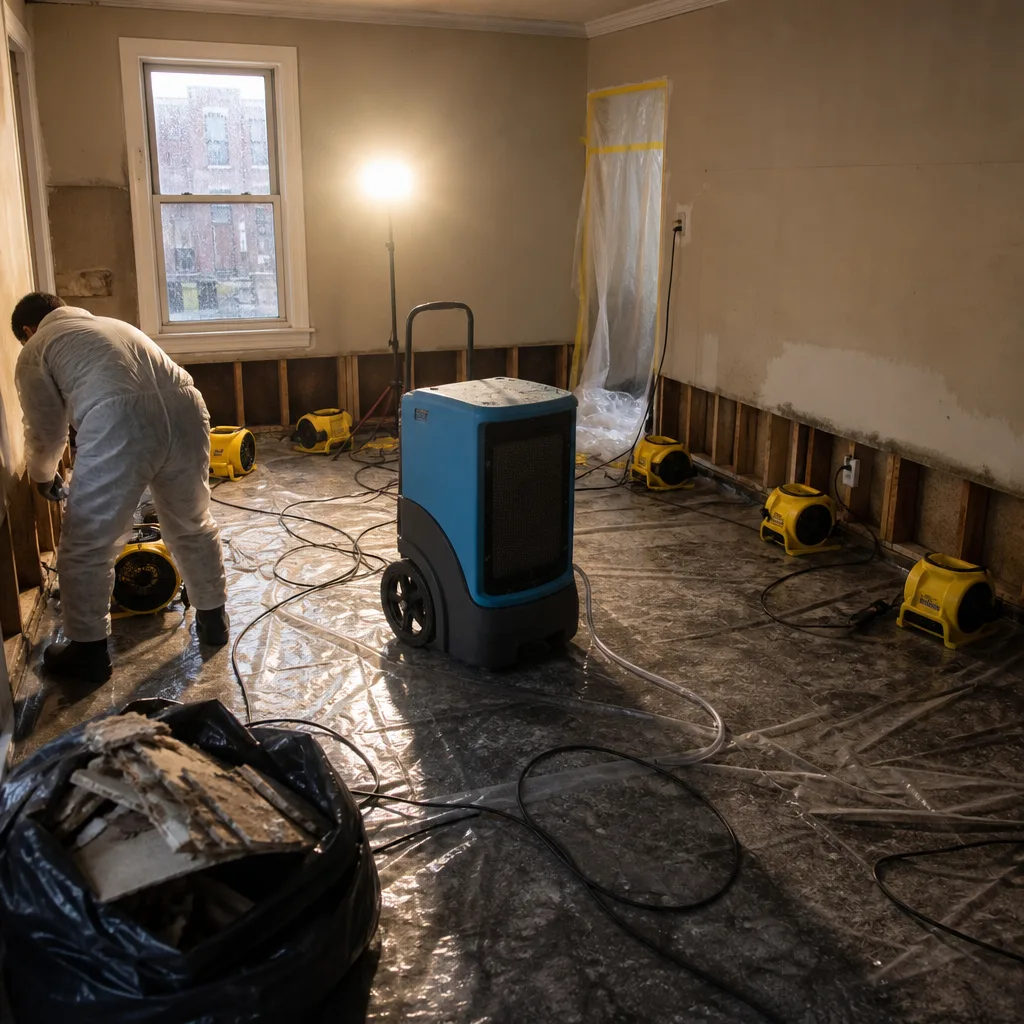
Multi-Unit & HOA Restoration
This is where our Commercial Restoration work on the Upper West Side gets complicated fast. A single supply-line failure in a pre-war co-op tower on West 86th Street can cascade water through five to ten vertically stacked units, triggering simultaneous claims under the building’s master policy and each unit owner’s HO-6 policy. We function as multi-party coordinators: managing agent, co-op board, multiple independent adjusters, and you. Before we place a dehumidifier, we know who signs what, which units are affected, and where the master policy ends and the unit policies begin.
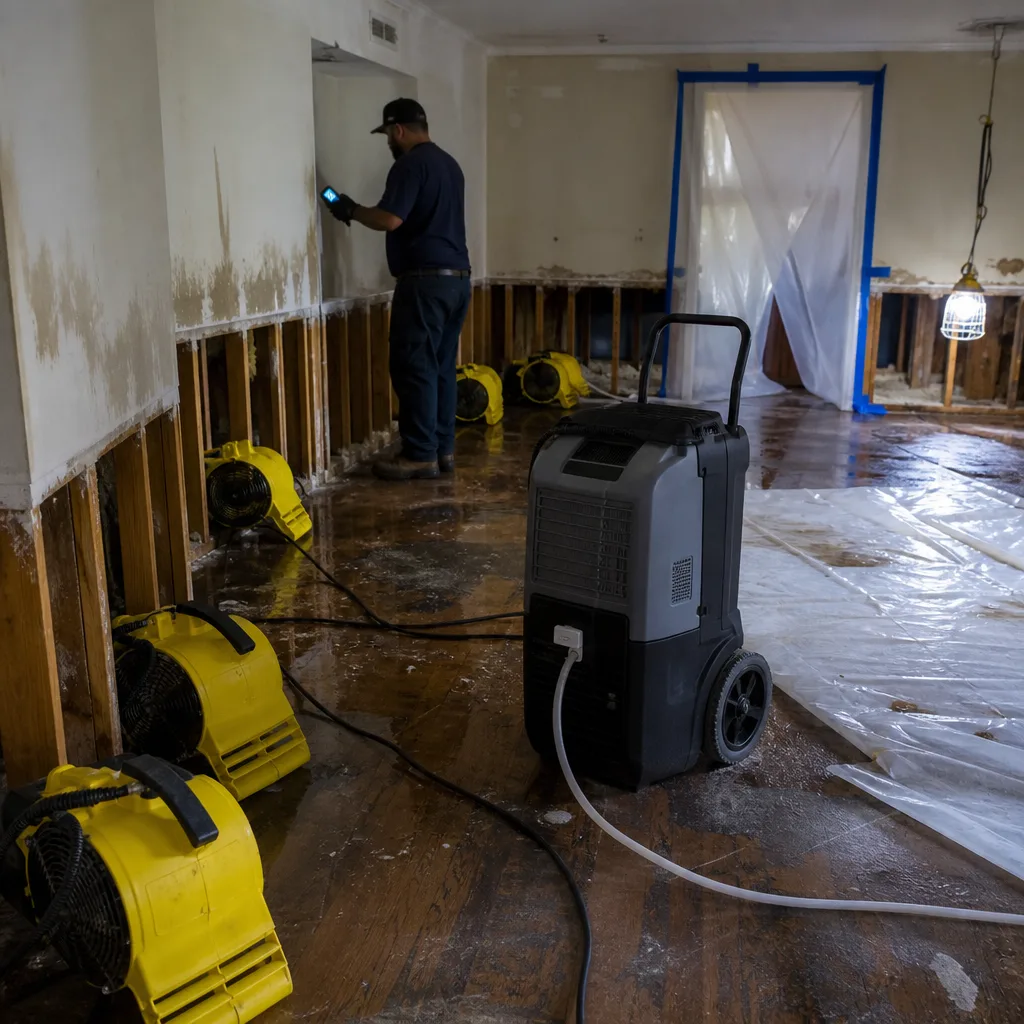
Industrial Facility Cleanup
For the larger mechanical, storage, and production-style commercial spaces scattered along the neighborhood’s western blocks and sub-grade levels, we bring larger-diameter extraction, desiccant drying where conditions demand it, and the same documentation discipline we apply to every loss. Where groundwater infiltration is a recurring seasonal issue, we map the intrusion points and document them for your carrier in a way that makes renewal claims straightforward.
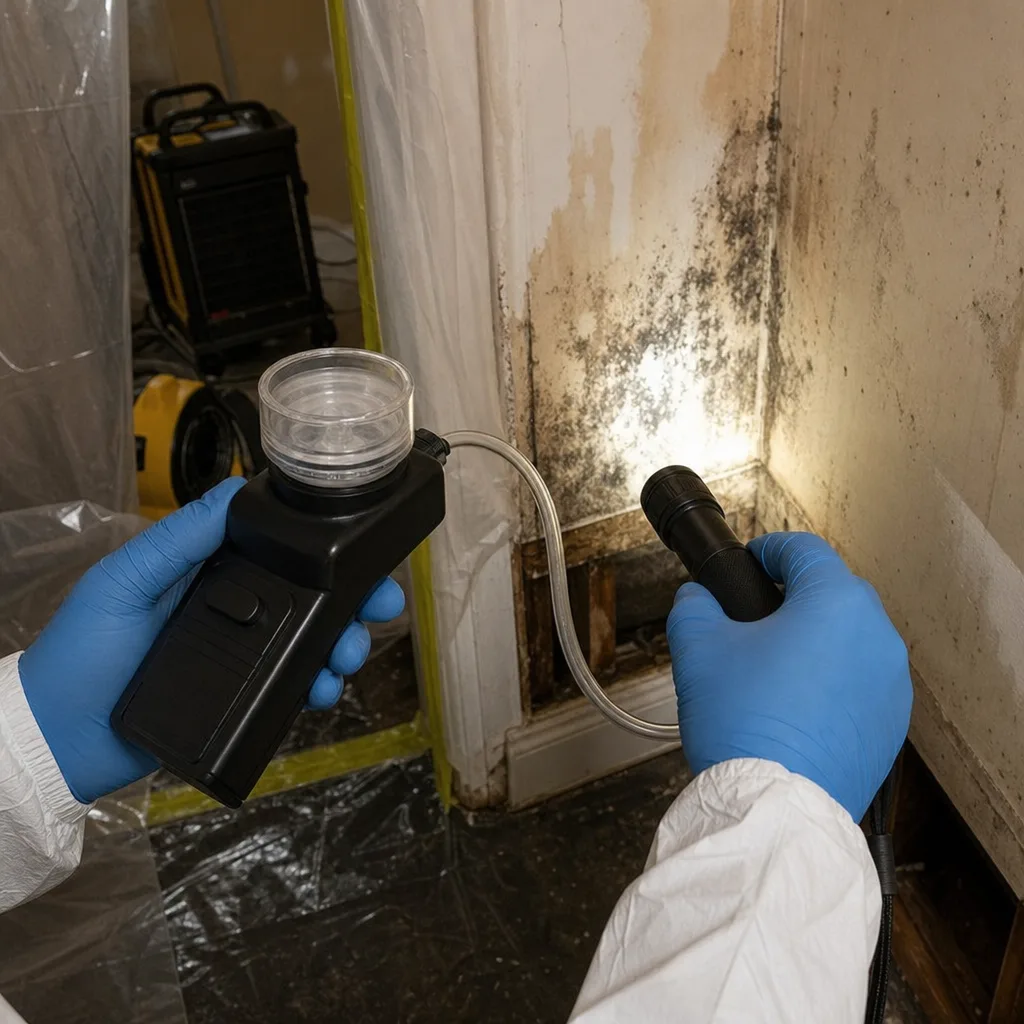
Large-Loss Response
Large-loss response on the Upper West Side is about coordination before equipment. Freight elevator windows are tight, street parking for our trucks is a negotiation, and the building’s managing agent needs to know our crew count and timing before we arrive. We run large losses with a dedicated project coordinator so you are never the one fielding calls from three adjusters, two board members, and a tenant who wants to know when they can reopen.
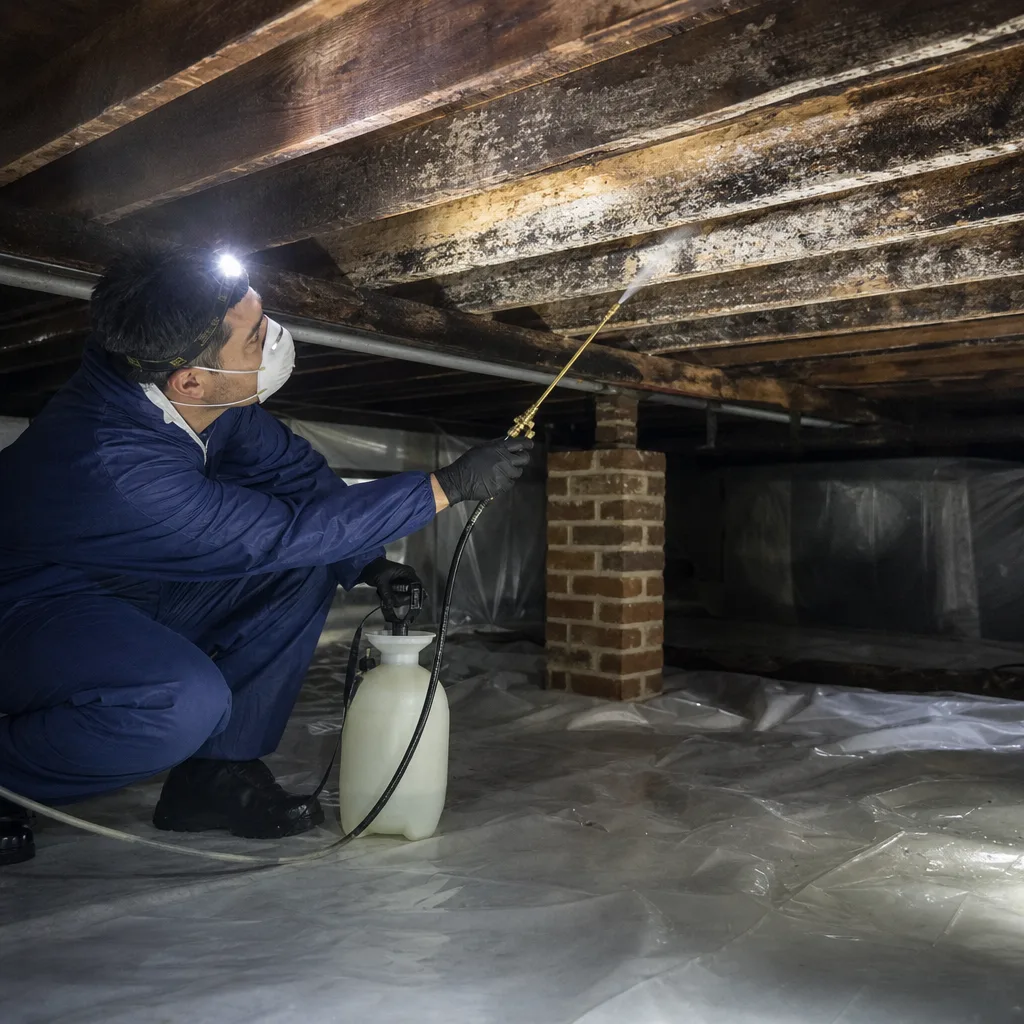
Business Interruption Minimization
Every day your Upper West Side business is closed costs revenue, and in this neighborhood that revenue is some of the highest per square foot in the city. We phase the work so that safety of occupancy comes first, then partial reopening where your insurer and the building’s managing agent will allow it. Some UWS commercial tenants have been back in operation the same week the loss occurred, inside containment, while drying finished around them. That’s the goal every time.
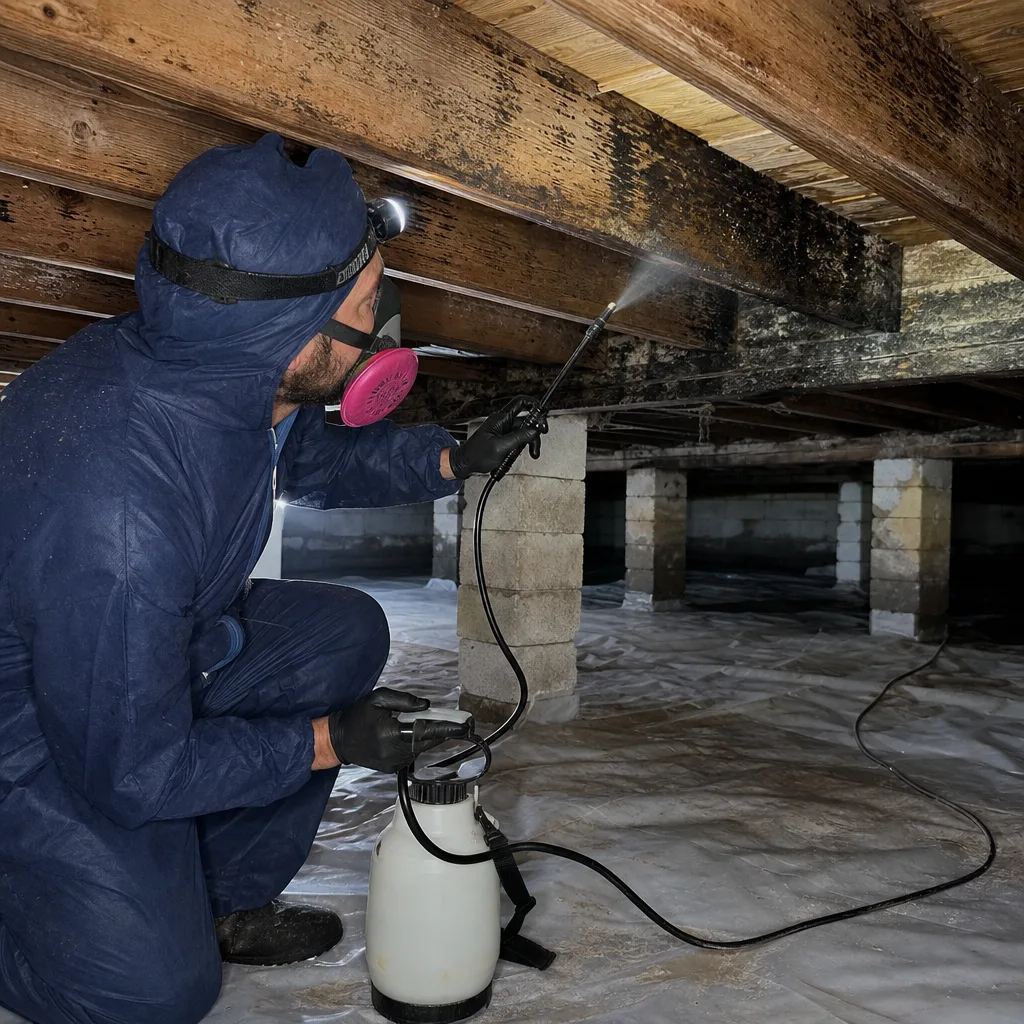
Document & Inventory Recovery
Water doesn’t care whether it hits a stacked filing cabinet on Amsterdam Avenue or a restaurant’s walk-in on Columbus. We pack out wet inventory and documents, freeze-dry paper records, and log every item removed so your claim reflects exactly what was saved and what wasn’t. In pre-war buildings where basement storage holds decades of records, this step frequently saves more value than the structural drying itself.
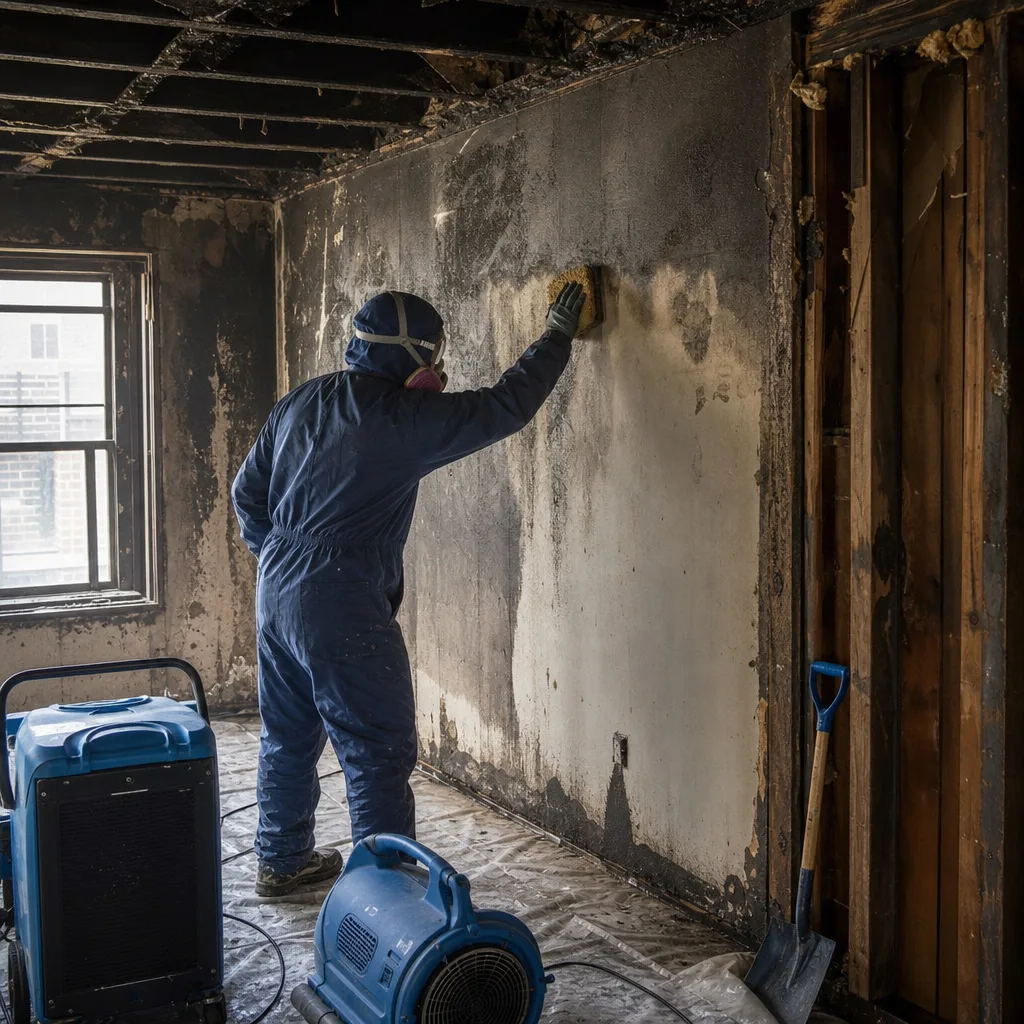
What happens when you call
- 1
A real person answersNo phone trees - you reach a local pro.
- 2
You get an upfront price rangeHonest numbers before anyone is dispatched.
- 3
A background-checked tech heads outLicensed & insured, dispatched right away.
- 4
You approve before work beginsNothing starts until you say go.
Commercial Restoration Costs in Upper West Side, NY
Commercial restoration costs in Upper West Side run higher than the national average for three reasons: the preservation requirements of pre-war finishes, the coordination burden of co-op and condo buildings, and the simple fact that every hour of labor and equipment time is priced to the Manhattan market. A small Category 1 water loss in a street-level retail or office space on the Upper West Side, the kind where we catch the water before it’s traveled far, typically runs $3,500-$7,500 including extraction, drying, sanitization, and minor plaster repair. A Category 2 loss with saturated parquet and plaster in a multi-unit commercial setting usually lands between $8,000 and $18,000, with the parquet salvage work accounting for a meaningful share. A Category 3 sewage or flood loss requiring containment, demolition of saturated materials, air scrubbing, and rebuild in an Upper West Side pre-war building commonly runs $15,000-$28,000 or more, depending on finishes and the scope of the alteration agreement. The price is driven by square footage, the category of water, what finishes can be saved, and how long drying runs. We give you a written scope after the free visual inspection, before any equipment is placed, so the number you approve is the number you understand. Call (640) 500-3278 for an exact quote on your Upper West Side loss.
We Also Serve Cities Near Upper West Side
Floodline Restoration Co. provides commercial restoration across Manhattan’s west side and the surrounding communities. Our crews serve Upper West Side and the adjacent neighborhoods including Washington Square, Lower Manhattan, Midtown West, and Midtown Manhattan. If your property sits just outside the neighborhood boundary, call (640) 500-3278 and we’ll confirm coverage and response time.
Serving Upper West Side, NY - Our Local Coverage Area
We’re based in the Upper West Side area and know this community well. Use the map below to see our service coverage - if you’re nearby, we can almost certainly help.
Upper West Side Commercial Restoration Questions, Answered
How do Upper West Side co-op house rules affect our commercial restoration timeline for a water-damaged retail space?
Co-op house rules on the Upper West Side directly extend commercial restoration timelines because most pre-war buildings prohibit noisy equipment like air movers before 8 a.m. and after 5 p.m., restrict freight elevator access to scheduled windows, and require a signed alteration agreement from the board before any structural demolition or rebuild work can proceed. Emergency extraction and drying typically start immediately, but the rebuild phase can stall for weeks waiting on board authorization, so we file the alteration paperwork early and coordinate with the managing agent from day one.
What is the protocol for Category 3 water affecting a multi-unit commercial space in a pre-war UWS building?
Category 3 water in a pre-war Upper West Side building requires full containment with plastic sheeting and negative air pressure, removal of all saturated porous materials including plaster, lath, and insulation, HEPA air scrubbing, and antimicrobial treatment on remaining framing and masonry before any rebuilding can be considered. We also coordinate with the building’s managing agent and any affected adjacent units immediately, because Category 3 contamination that migrates through shared wall cavities becomes a multi-unit liability, not a single-space cleanup.
Why do we need to call the managing agent before arriving at a commercial restoration job on Riverside Drive?
On Riverside Drive and the western blocks of the Upper West Side, the managing agent controls freight elevator scheduling, which entries our crew can use, and where equipment trucks can stage while unloading, and failing to call ahead means our crew arrives with commercial drying equipment and no approved path to the affected space. The agent also holds the building’s master policy information and often needs to file a concurrent claim, starting a separate approval chain that runs alongside the unit owner’s HO-6 claim.
How do we handle moisture mapping in a UWS office with original parquet floors over wood lath and no crawlspace?
Moisture mapping in an Upper West Side office with original parquet over wood lath means reading moisture at multiple depths, not just the surface, because water trapped between the parquet and the subfloor cannot be seen and will not dry on its own. We use penetrating and non-penetrating moisture meters, thermal imaging to trace the water’s travel path through the lath below, and then Injectidry panel systems to pull moisture from the cavity between flooring layers without removing the original parquet.
What documentation do UWS co-op boards require before we can start commercial restoration mitigation?
Upper West Side co-op boards generally require a certificate of insurance naming the building and managing agent, a signed alteration agreement for any structural work, and often a work proposal describing the scope before mitigation equipment is placed in shared or structural areas. We prepare the paperwork for board review at the same time we’re writing the insurance scope, so the documentation queue doesn’t become the bottleneck that stalls your mitigation.
How fast can a crew actually reach a commercial space in Upper West Side?
We commit to a 45-minute response on Upper West Side commercial losses. Crews are staged across the neighborhood and our dispatchers answer live around the clock, so a certified technician arrives with extraction equipment running the same visit in most cases. The sooner extraction starts, the less the loss costs, and the fewer original finishes are lost to standing water.
Will my commercial insurance cover restoration in a pre-war Upper West Side building?
Most commercial policies on Upper West Side properties cover water, fire, and mold restoration when the loss is sudden and accidental, but coverage for plaster matching, parquet salvage, and alteration-agreement compliance is often where adjusters and boards disagree. We write scopes in the language carriers require and coordinate directly with your adjuster, documenting everything from the first hour so the claim reflects what the building actually requires, not a generic pricing sheet.
Can I keep my Upper West Side business open during commercial restoration?
In many Upper West Side commercial losses, partial occupancy is possible inside containment while drying and air scrubbing run in the affected area, especially in street-level retail where the entry can stay functional. We phase the work to prioritize life safety and then business continuity, and we’ll tell you plainly whether your space can remain open or needs to close during mitigation, based on the loss category and the building’s house rules.
Written by Curt Bowman, Owner at Floodline Restoration Co., serving Upper West Side and the surrounding Manhattan communities. If your commercial space has water, fire, or mold damage, call (640) 500-3278 and a live person will answer.