
Free visual inspection and a written scope of work before any mitigation begins - photos, moisture readings, and drying logs go in your claim file
The scope we write is the scope we bill. Anything new gets shown to you, in writing, before we touch it.
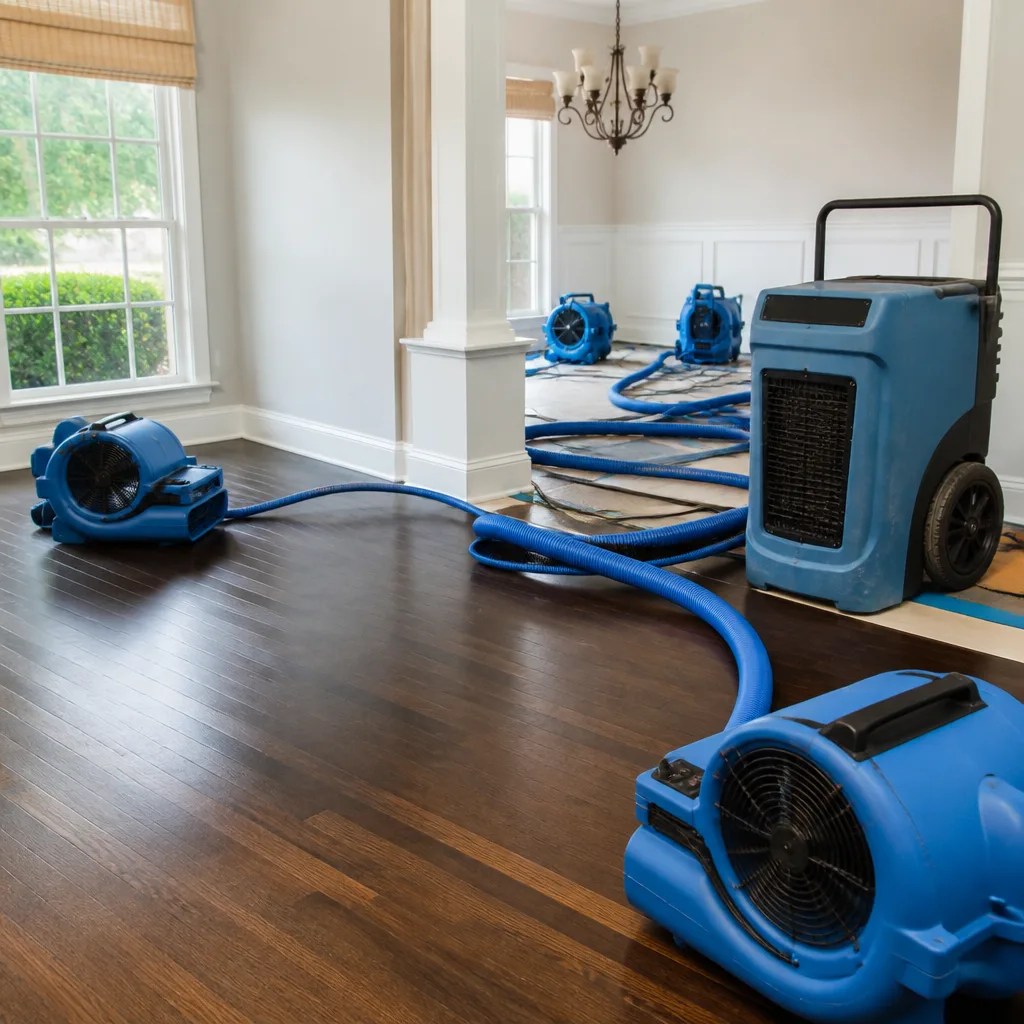
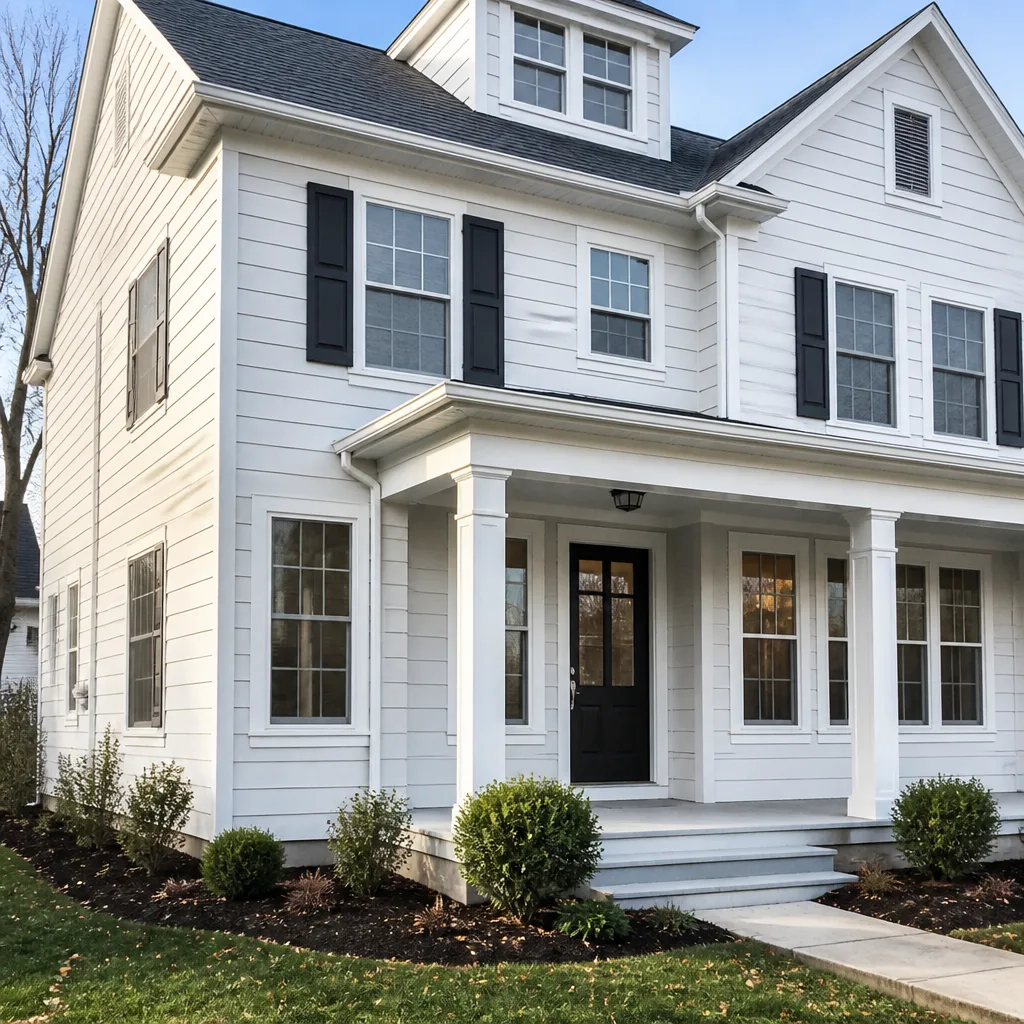
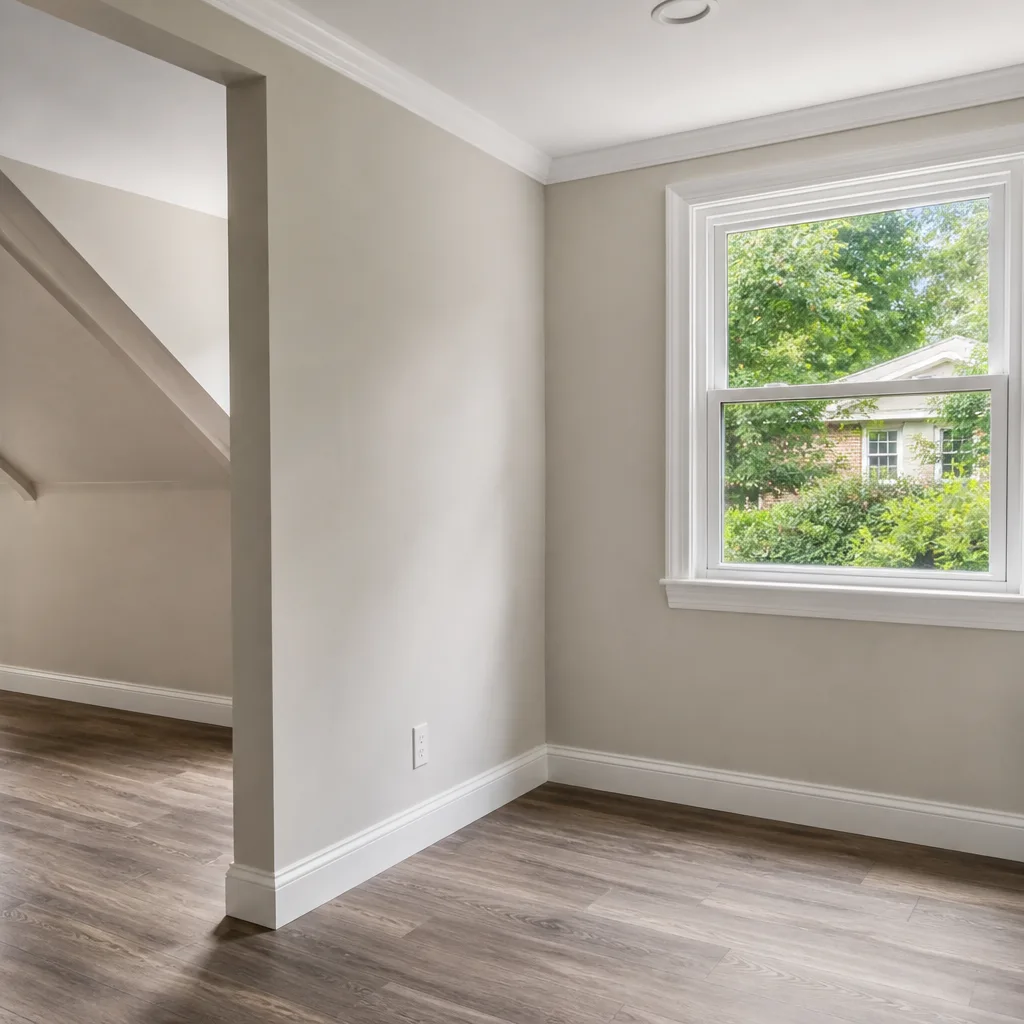
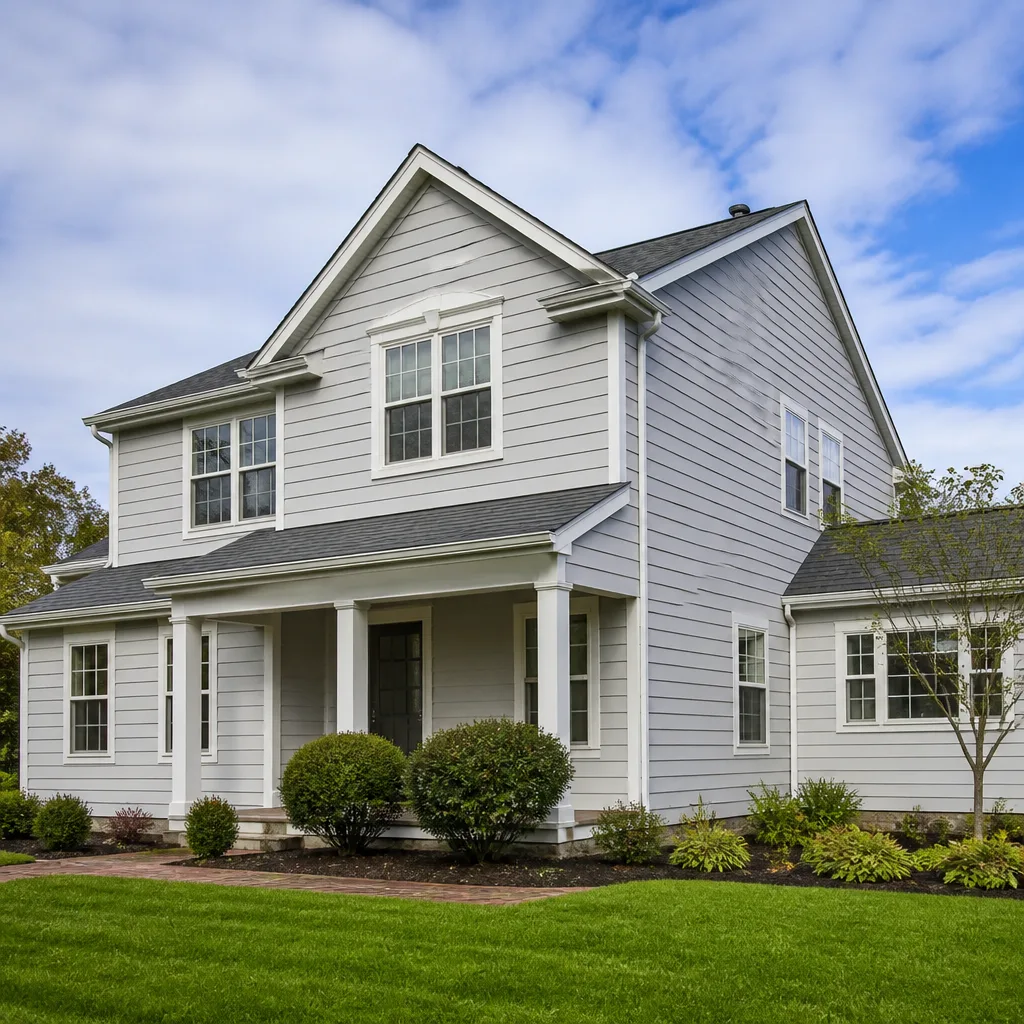
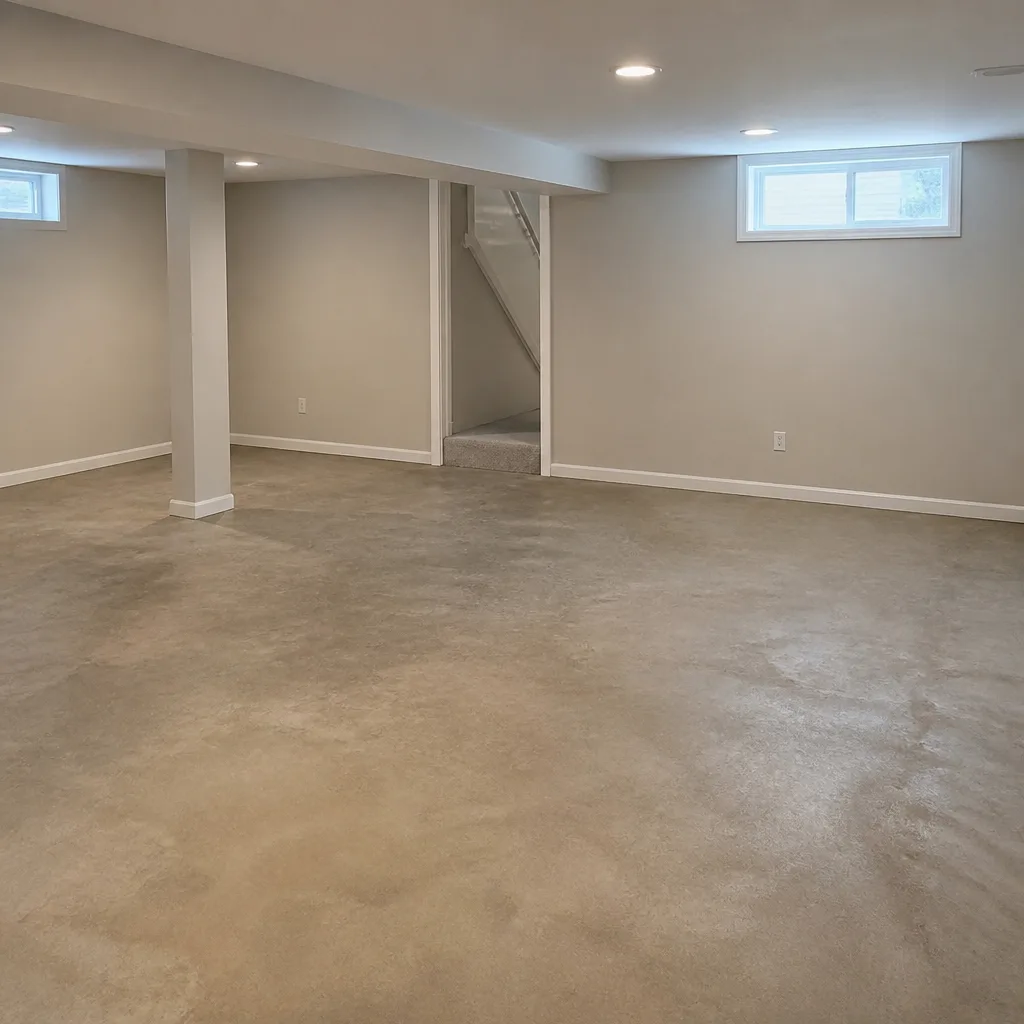
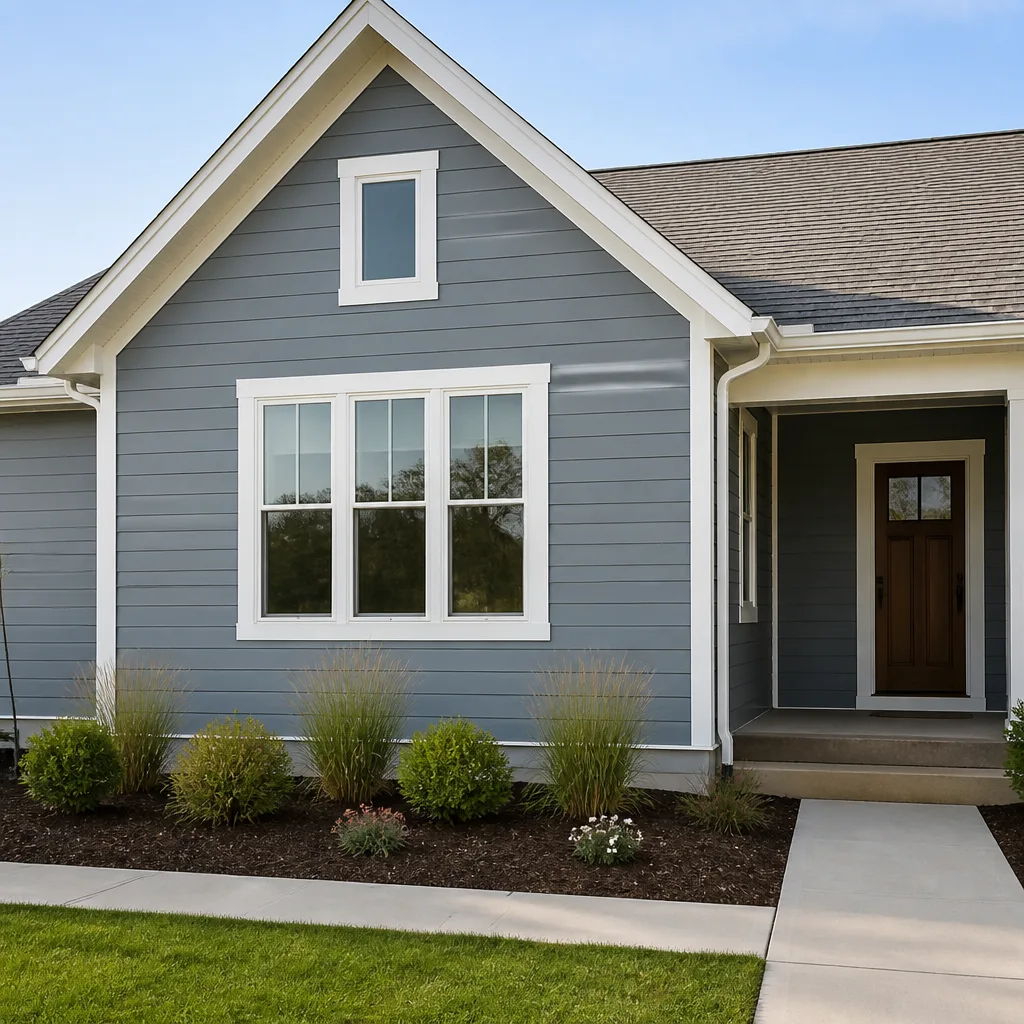
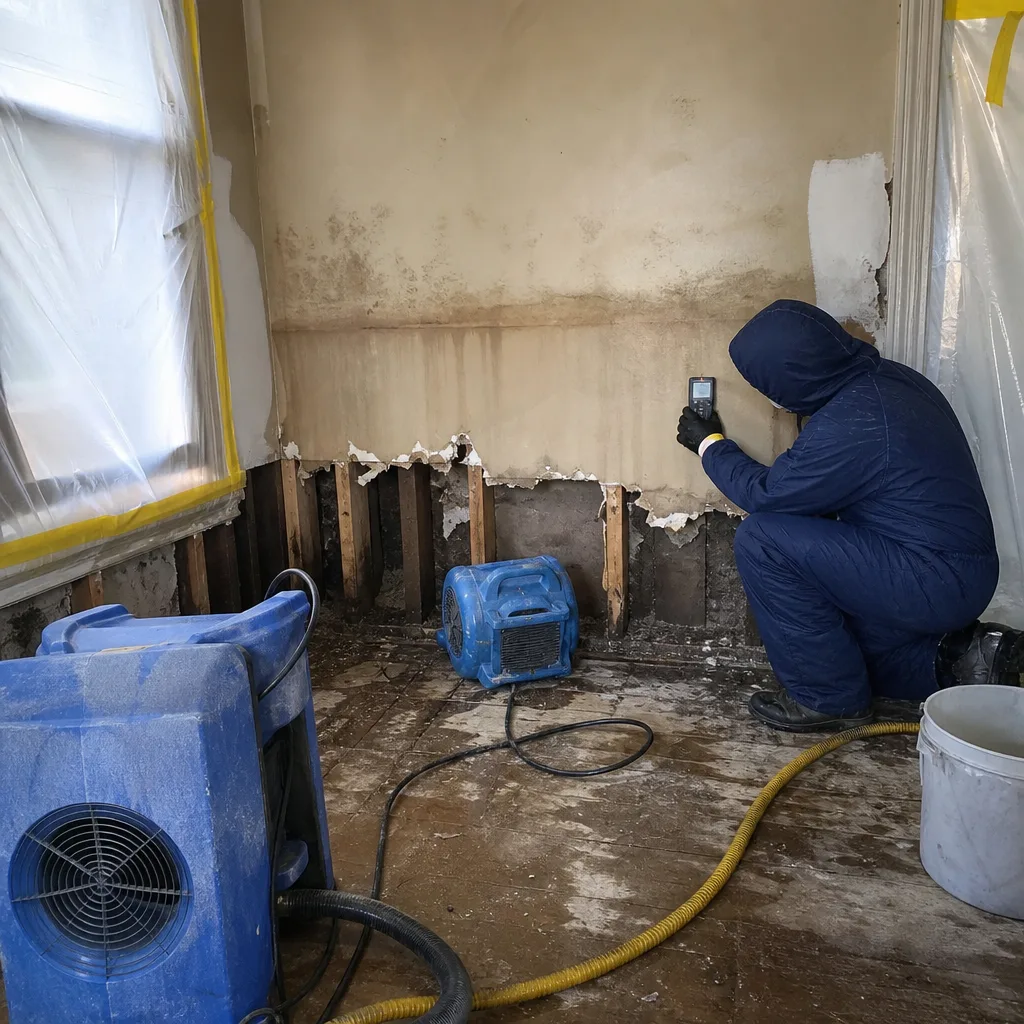 Before
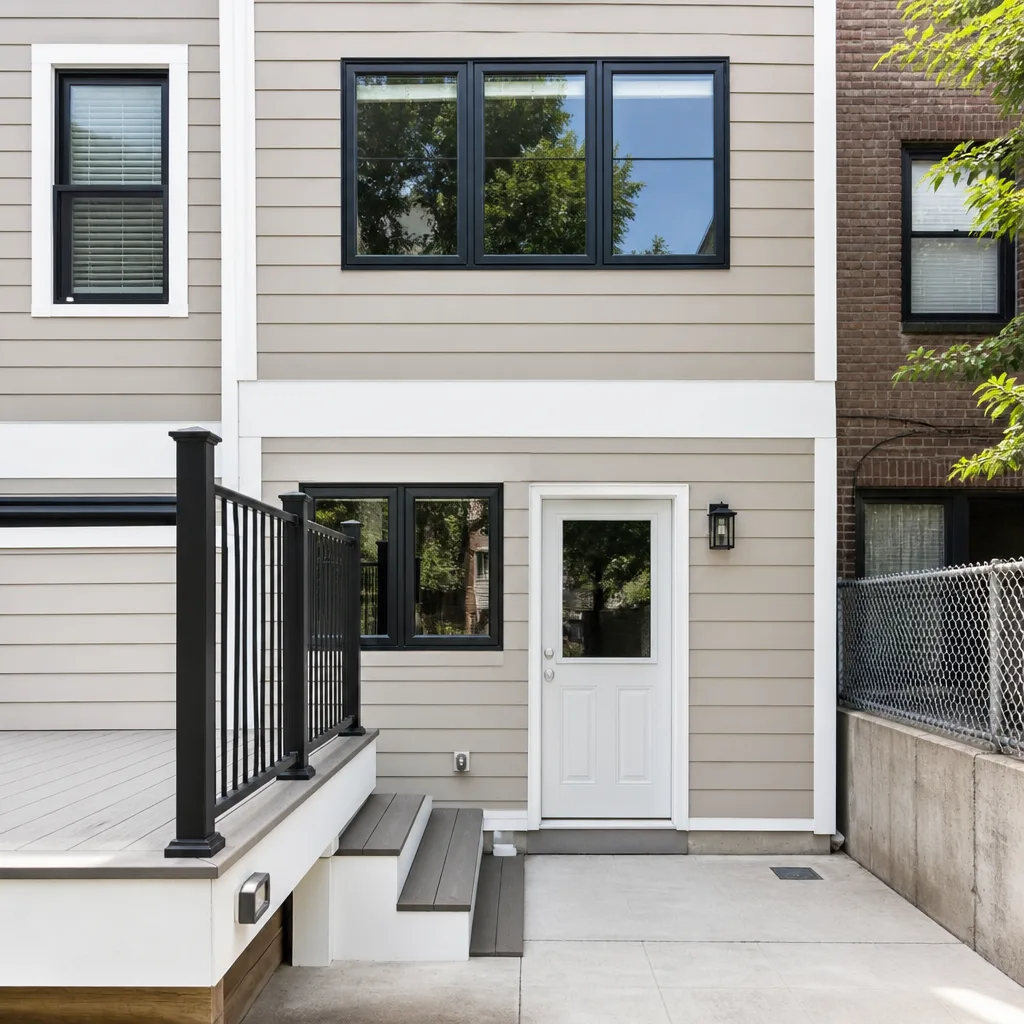 After
After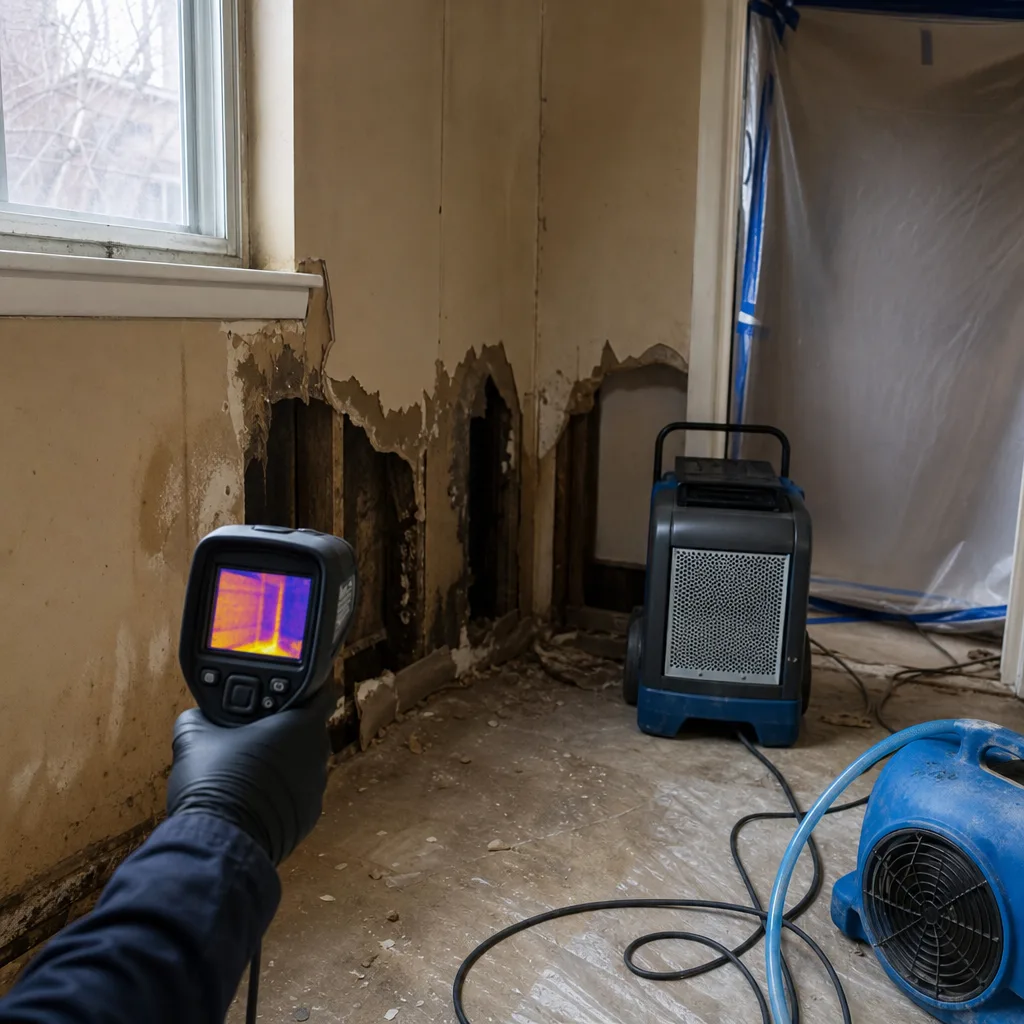 Before
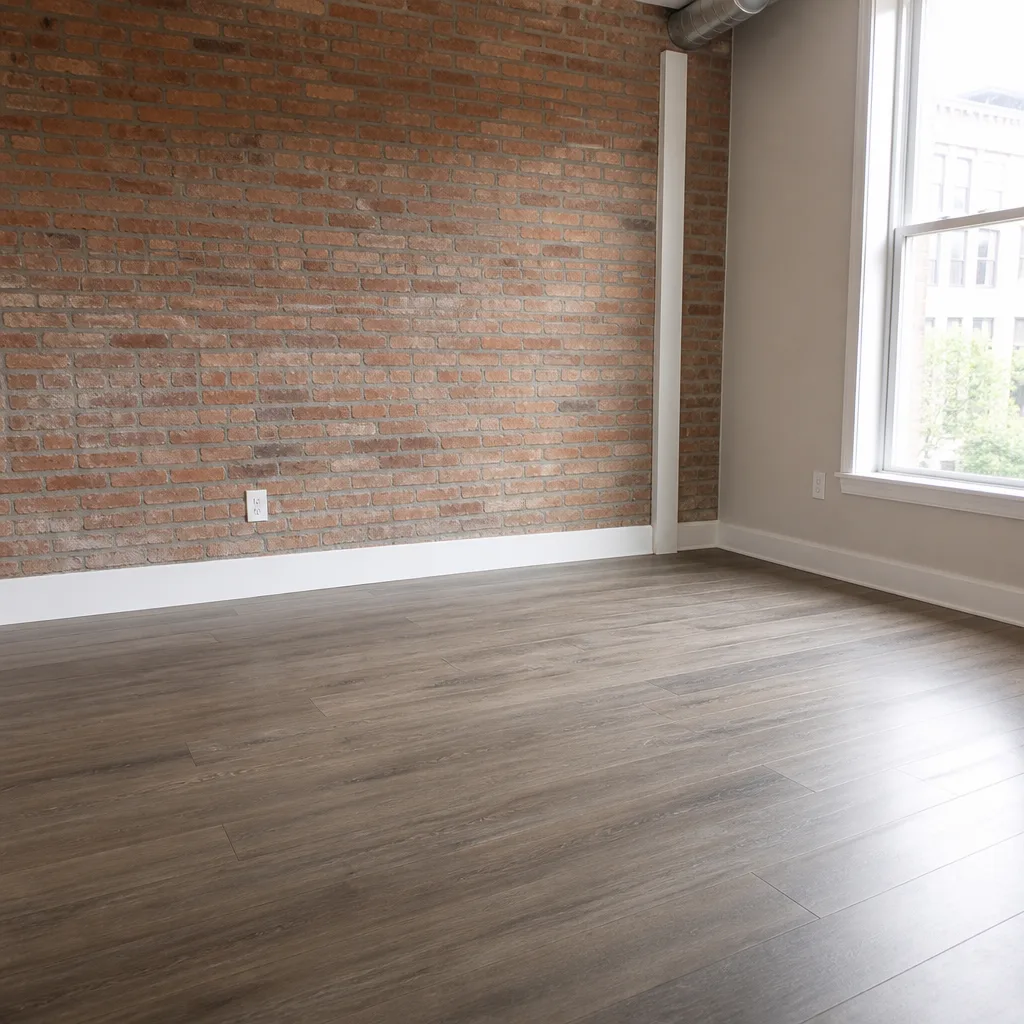 After
After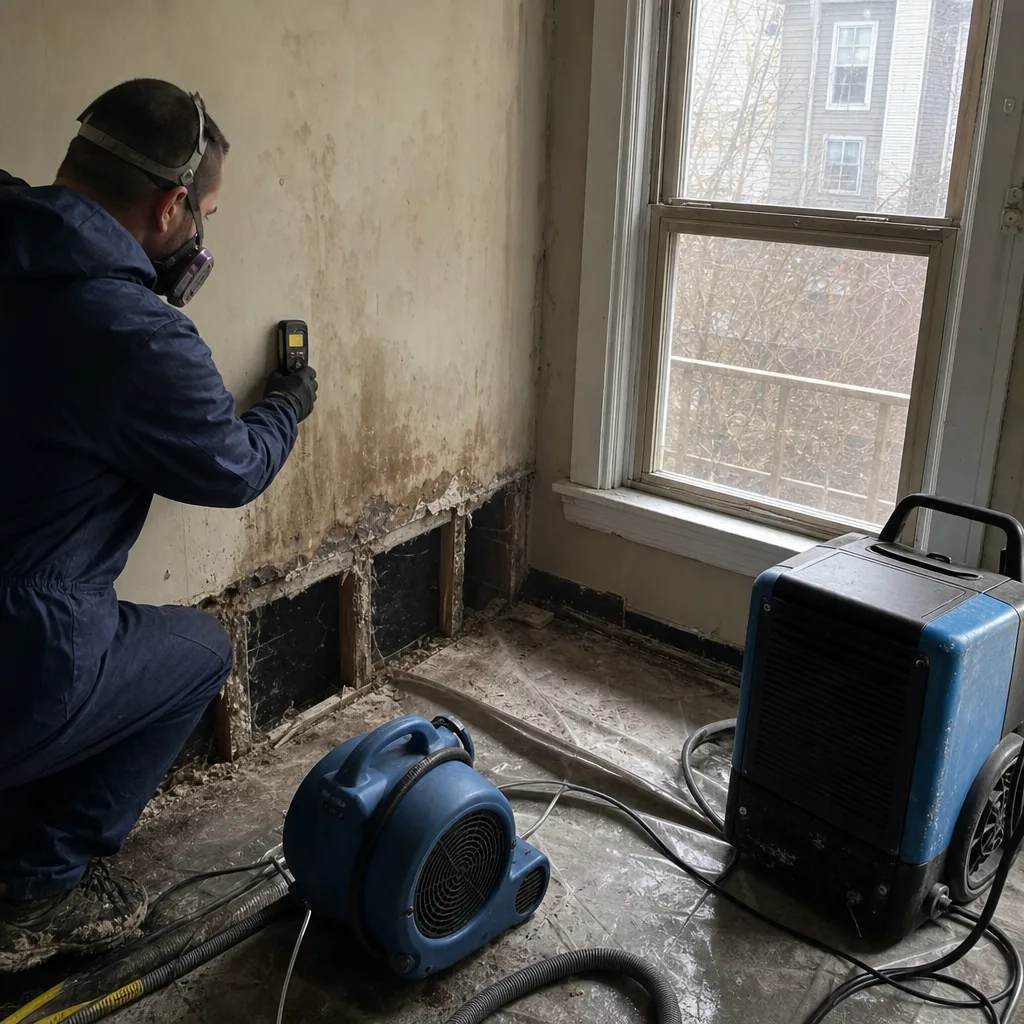 Before
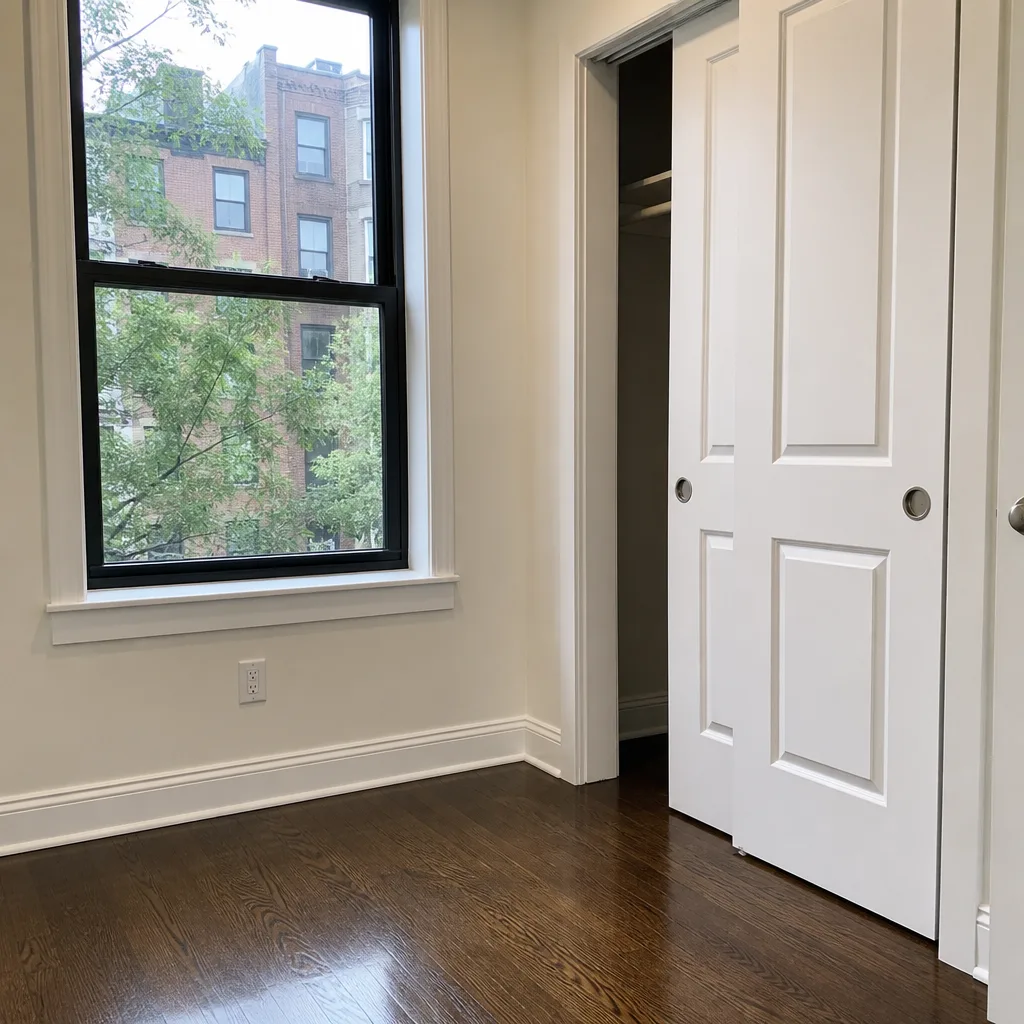 After
After24/7 Emergency Water Damage Restoration in Washington Square
Water damage restoration in Washington Square typically runs $2,300-$6,800 for a standard Category 1 or 2 loss in a pre-war apartment, and $8,000-$25,000 or more when a landmarked rowhouse has saturated horsehair plaster and period millwork involved. We answer the phone live at (640) 500-3278, any hour, and a crew can reach most Washington Square addresses within 45 minutes. The first hour matters because water in a 1905-era building does not stay put. It moves through lath, plaster, and original wood framing, and every hour it sits, the restoration scope grows. Call us the moment you see water. We’ll walk you through the first 30 minutes on the phone while the crew is already rolling.
Understanding Water Damage Restoration Severity in Washington Square Properties
We classify water by contamination level. Category 1 is clean, from a burst supply line or failed toilet feed. Category 2 carries some contaminant load, like sump overflow or washing machine discharge. Category 3 is grossly contaminated, from sewage backup or street flooding. Washington Square buildings complicate every category. Original horsehair plaster reads wet on a moisture meter long after gypsum drywall would have dried, because the binder and wood lath hold moisture differently. Cast-iron risers and galvanized branch lines, common in the pre-war co-ops surrounding the square, fail at joints and pinholes after 80 to 100 years of service. We moisture-map every affected room with thermal imaging and pin-type and non-invasive hygrometers, because guessing in a 1840s rowhouse means either walking away too early or tearing out material that could have been saved. Severity in this neighborhood is rarely just about how much water. It is about what the water soaked into, and whether that material is landmark-protected or load-bearing.
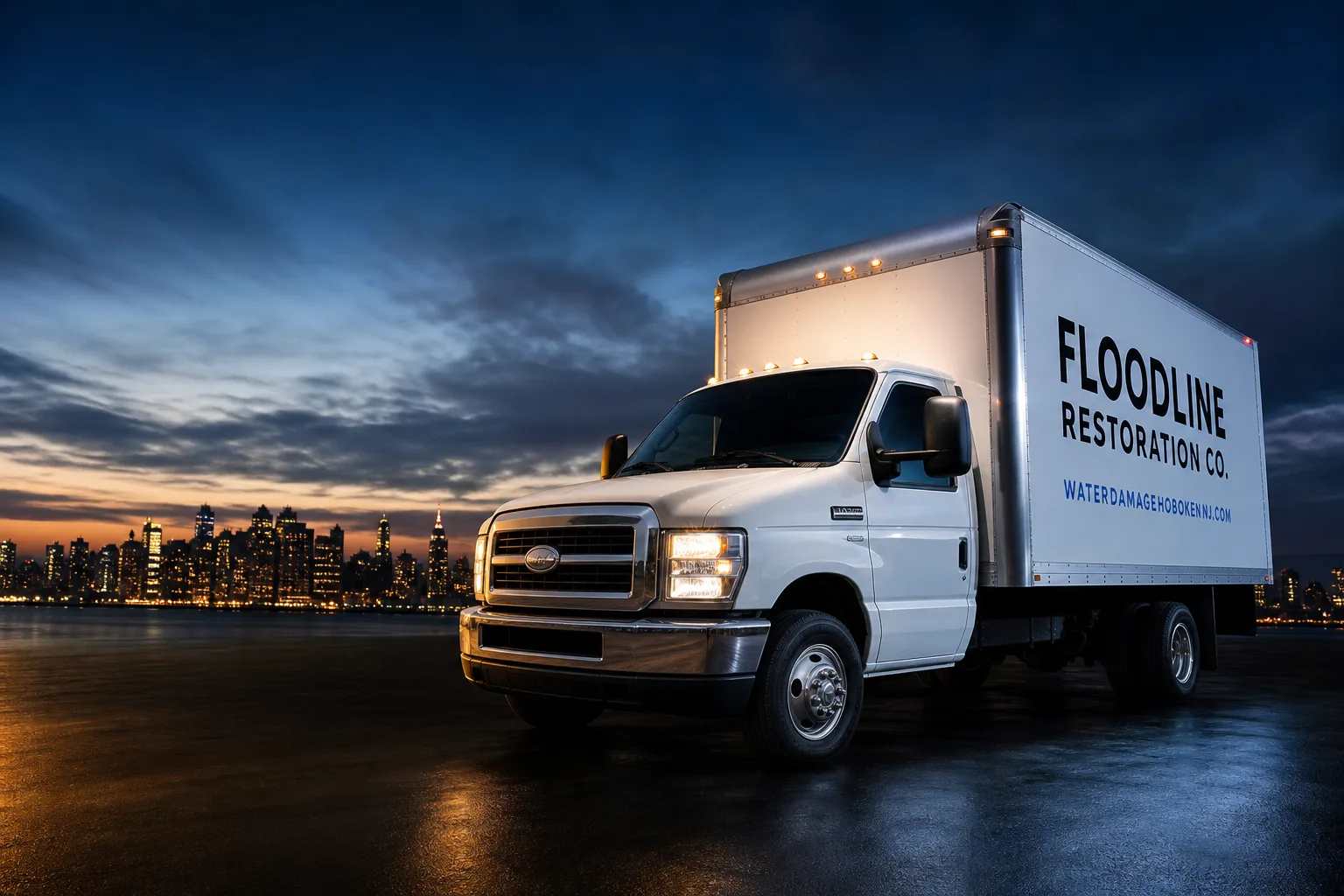
Why Washington Square Property Owners Choose Floodline Restoration Co.
- 45-minute response commitment to Washington Square addresses. We dispatch from a New York City office close enough that a certified crew is on site and setting containment quickly, not “sometime tomorrow.”
- A live person answers, 24 hours a day. No voicemail at 2 a.m. You get a dispatcher who can authorize dispatch and walk you through immediate steps. That has been our standard since Curt Bowman founded the company.
- IICRC-certified technicians on every job. Our crews hold WRT (Water Damage Restoration Technician) and ASD (Applied Structural Drying) certifications. They arrive in uniform, background-checked, and they know what a landmarked plaster wall means.
- Free visual inspection with a written scope. We assess before we extract, and you approve a line-item scope in writing before any material is removed. No work begins until you know what we are doing and why.
- Direct insurance billing. We document from the first hour, send the estimate and moisture log to your carrier, and deal with the adjuster directly. You are not the messenger.
- One team from extraction to reconstruction. The same crew that runs the air movers on day one handles the rebuild. No mid-job handoff, no inherited crew, no finger-pointing between vendors.
Our Water Damage Restoration Process
Inspection & Assessment
We arrive, map the water migration, and identify the water category. In a Washington Square rowhouse, that includes checking whether affected surfaces are original plaster, period millwork, or modern material, because the LPC question starts here, before anything is touched.
Extraction & Stabilization
We pull standing water with truck-mounted and portable extraction units, then stabilize the area by stopping the source (shut the supply, cap the riser, patch the pipe). If the building is landmarked, we photograph everything in place before any material moves.
Drying & Dehumidification
This is where Washington Square buildings differ from modern construction. We set Dri-Eaz and Phoenix air movers and low-grain refrigerant dehumidifiers, then add Injectidry mats on saturated horsehair plaster walls so we can dry in place rather than demolish. Daily moisture readings are logged until we hit the dry standard.
Cleaning & Sanitization
We clean salvageable surfaces with appropriate antimicrobial treatments and HEPA-vacuum affected areas. For Category 3 water, this step includes full containment and disposal protocols per IICRC standards.
Specialty Treatment for Landmark-Grade Materials
For saturated original plaster, decorative molding, and wood floors in Greenwich Village Historic District properties, we use specialized drying systems and, where needed, coordinate lime-based plaster repairs and period-appropriate matching rather than modern drywall replacement.
Repairs & Restoration
Once drying is complete, we handle the rebuild: plaster repair, millwork matching, flooring, paint, and trim. The scope is written, LPC-compliant where required, and priced before we start. One crew finishes what the first crew started, because it is the same crew.
Need Emergency Water Damage Restoration in Washington Square Now?
Crews minutes away, answering live 24 hours a day. The sooner we start, the less it costs.
Working With Your Insurance Company
We bill carriers directly, and we build the claim file from the first hour on site. Photos, moisture readings, drying logs, and a line-item scope go to your adjuster in a format they recognize, which keeps the claim moving. When NYU’s risk-management team is involved, we communicate with them the same way we would with any institutional carrier: in writing, with documentation a facilities office can act on. The 90-Day Done Right Promise stands behind the work, in writing, no argument. If something is not right within 90 days, we make it right. That is the Keystone Standard, and it is in your paperwork before we start.
What We Provide Your Insurer
- Thorough documentation of the loss
- Photos of all damage, room by room
- Moisture readings and drying logs
- A detailed, line-item scope of work
- Direct coordination with your carrier
Built for Washington Square’s Loss Calendar
Washington Square’s water damage season runs all year, but the causes shift. January and February bring deep freezes that split supply lines in uninsulated brick rowhouses and pre-war co-ops, especially along Washington Square North and the side streets off Fifth Avenue. March and April, snowmelt and nor’easter rain find their way into below-grade spaces through 1830s rubble-stone foundations and aged waterproofing. Summer thunderstorms overwhelm flat roofs and parapet drains on mid-rise buildings, sending water down interior walls. Fall brings the long, steady rains that expose failing leaders and gutter systems. The constant is this: older buildings in Washington Square do not shed water the way new construction does. When water gets in, it lingers in plaster and original framing, and the damage compounds faster than in a drywall-and-plywood building. That is why we keep crews staged near the square year-round, not just during storm season.
Water Damage Restoration Across Washington Square’s Neighborhoods
Washington Square itself is the heart of the Greenwich Village Historic District, and the blocks change character quickly. The rowhouses along Washington Square North are Greek Revival brick and brownstone, most dating to the 1830s and 1840s, with original horsehair plaster, wide-plank subfloors, and cast-iron steam heat. Water losses there are almost always LPC-sensitive, and drying in place is the priority. The pre-war mid-rises around Washington Square South and along Waverly Place and MacDougal Street have a different profile: smaller floor plates, shared risers, and vertical water migration through stacked kitchens and baths. A burst pipe on the sixth floor soaks five apartments below by morning. The NYU-owned and leased buildings around the square add an institutional layer, where restoration scopes go through risk-management review and preferred-vendor protocols. Over toward the blocks east of Fifth Avenue, we see more converted lofts and faculty housing with original wood joists and plaster ceilings. Each area has its own typical loss pattern, and our crews know which buildings have galvanized supply lines, which have lead, and which have been repiped in the last decade. That matters when we are tracing a leak in a 1907 building at 3 a.m.
Specialized Water Damage Restoration Services We Offer in Washington Square
Emergency Water Extraction
We arrive inside 45 minutes to most Washington Square addresses, and extraction starts that same visit. For a failed kitchen supply line on Washington Square North or a burst riser on MacDougal Street, we pull standing water before it reaches the floor below. The goal is always to stop the migration, not just remove what is visible.
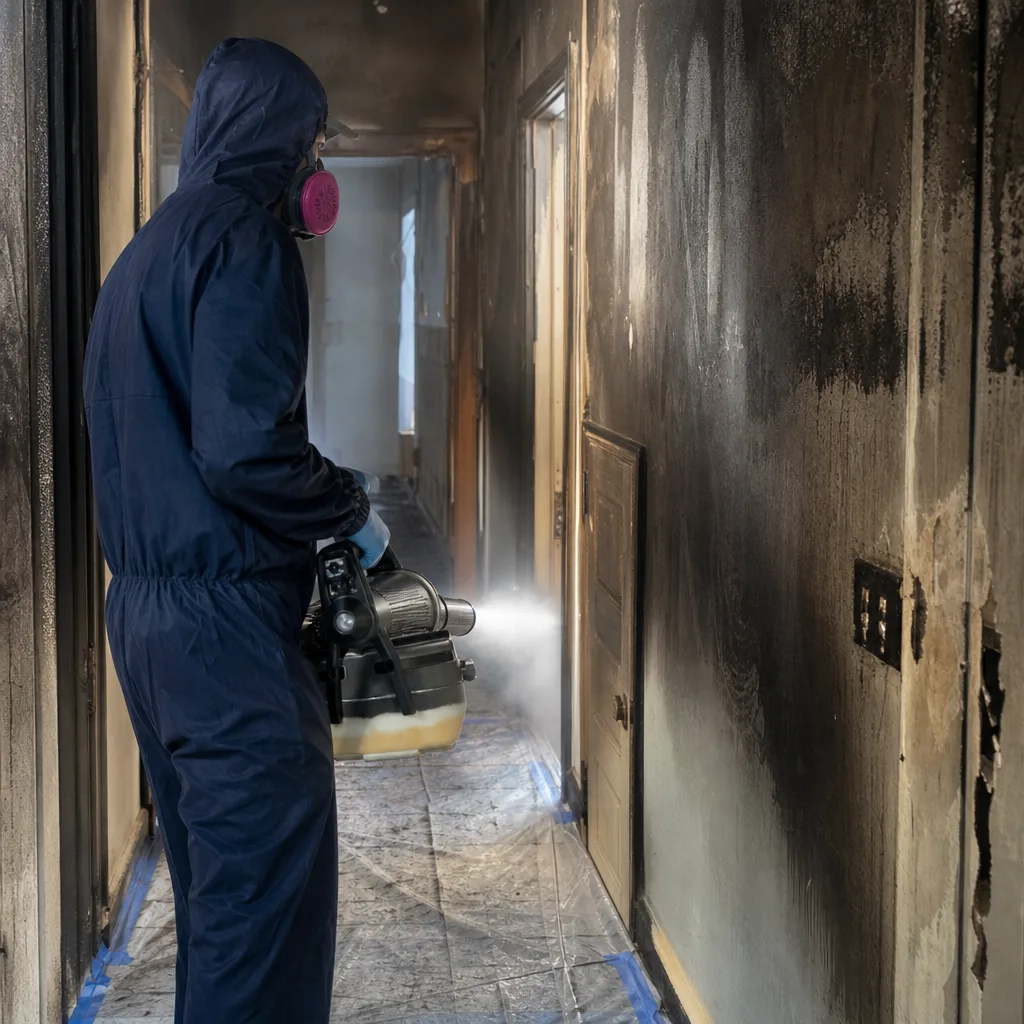
Structural Drying & Dehumidification
This is where we differ from a standard extraction crew. In an 1840s rowhouse, we dry horsehair plaster in place with Injectidry mats and monitor with daily readings until the dry standard is met. In a pre-war co-op, we run Phoenix and Dri-Eaz air movers and dehumidifiers sized to the cubic footage, not a guess. The moisture log goes to you and your carrier.
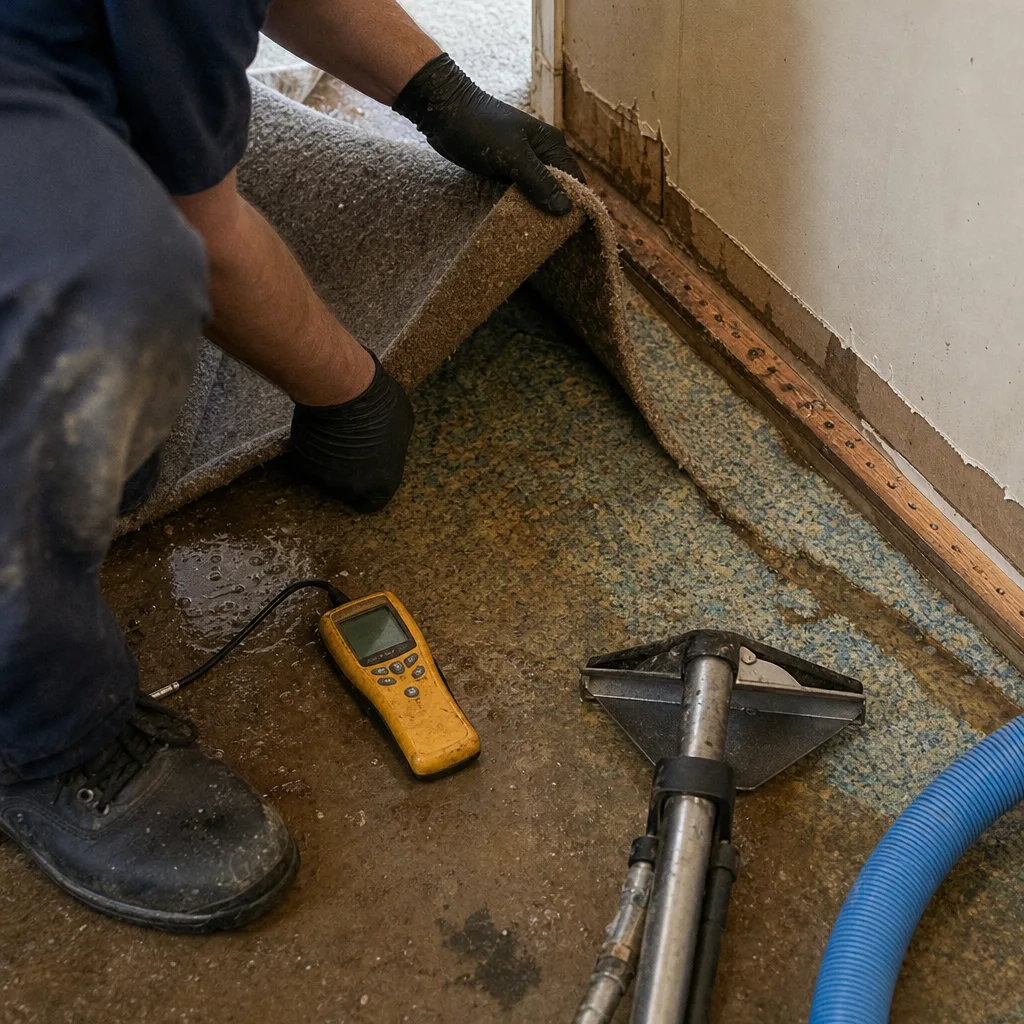
Flood Cleanup
Nor’easter flooding and tidal surge near the Hudson and East River corridors push groundwater into Washington Square basements. We handle contaminated water removal, sanitization, and structural drying, with Category 3 protocols when street water enters the space. Repeated groundwater intrusion through rubble-stone foundations is a common Washington Square problem, and we document it for the insurer rather than pretending a quick extraction solves it.
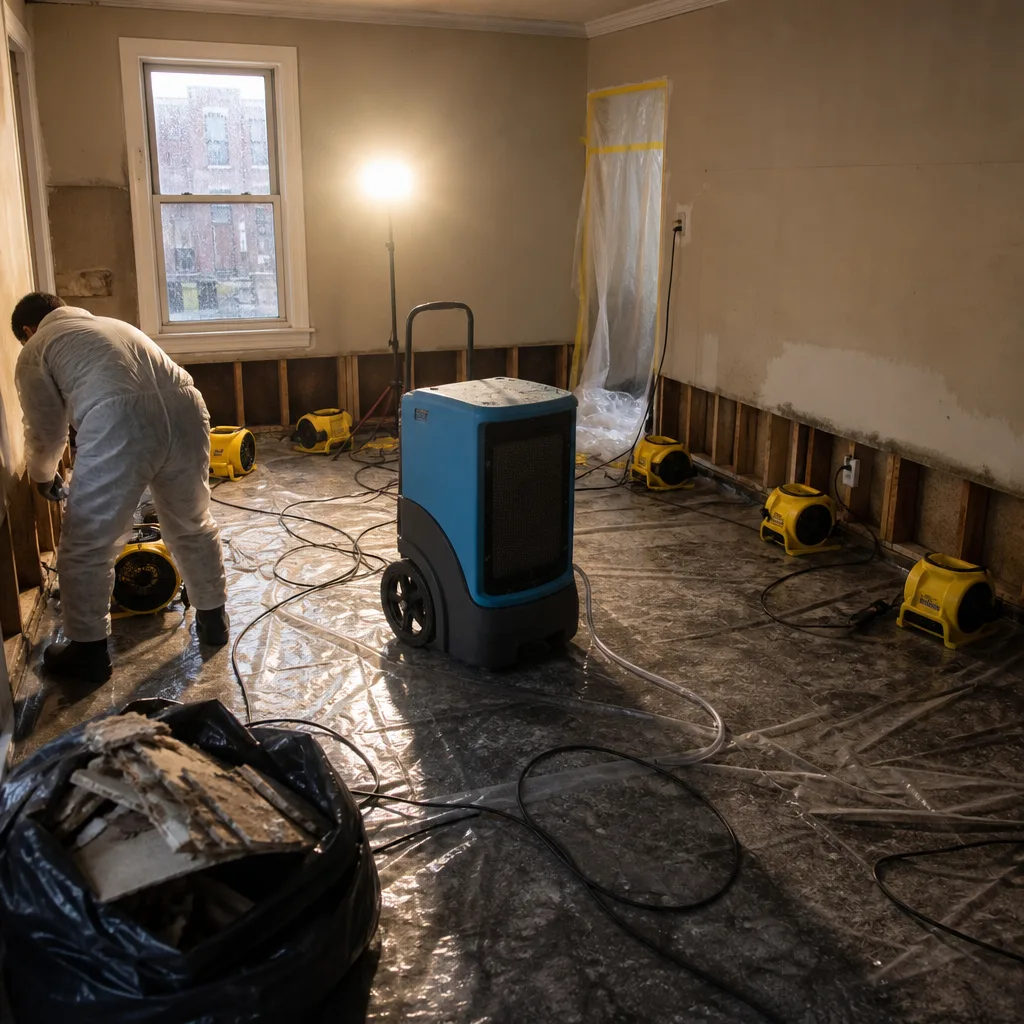
Burst Pipe Restoration
A split copper line in a 1912 apartment or a failed galvanized branch in an 1830s rowhouse is our bread and butter. We stop the source, extract, dry, and rebuild, and we document the loss from the first hour so the claim is clean. In landmarked buildings, we coordinate with LPC requirements before cutting any wall or ceiling.
Basement Water Removal
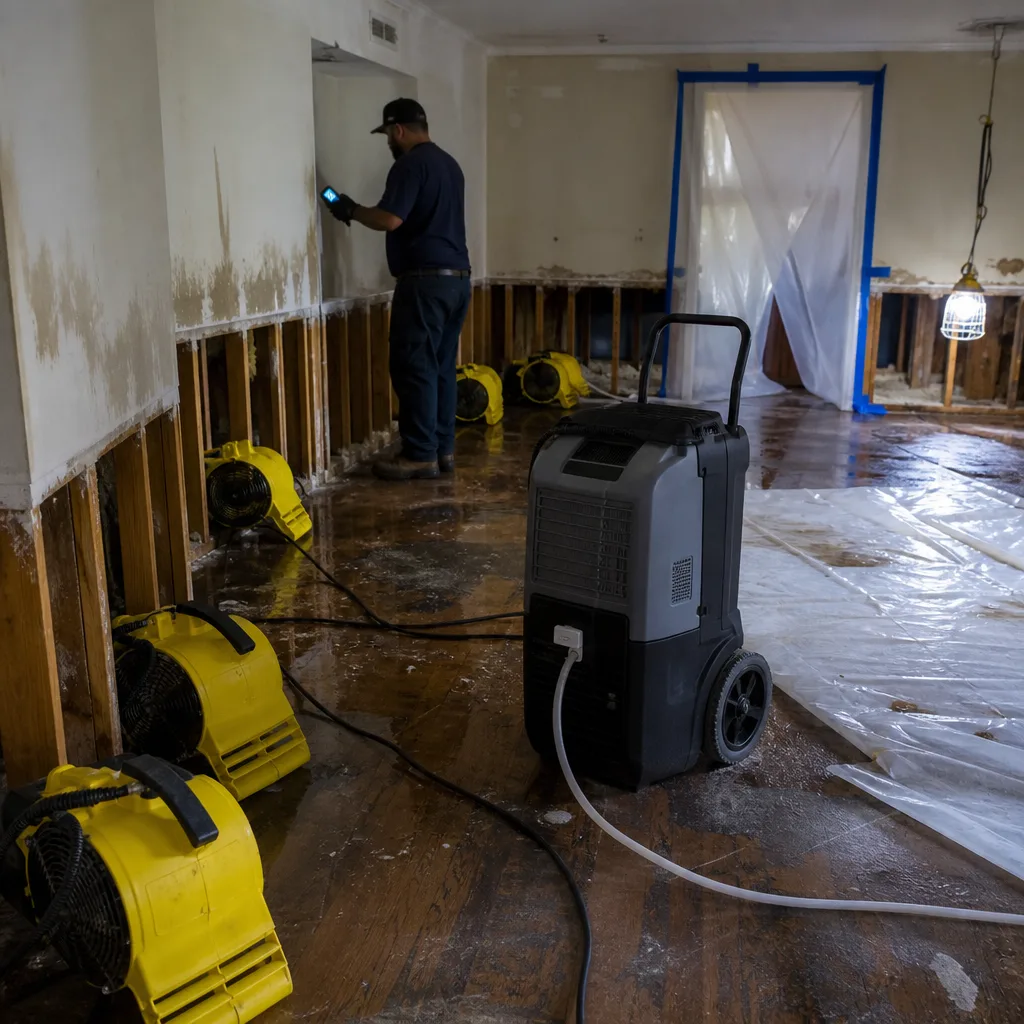
Washington Square basements are shallow, often with original rubble-stone walls and dirt or brick floors. Water enters through foundation cracks, mortar joints, and floor-wall junctions during multi-day rain events. We extract, dry, and then give you an honest assessment of the intrusion source, so you are not paying for the same basement flood every spring.
Ceiling & Roof Leak Water Damage
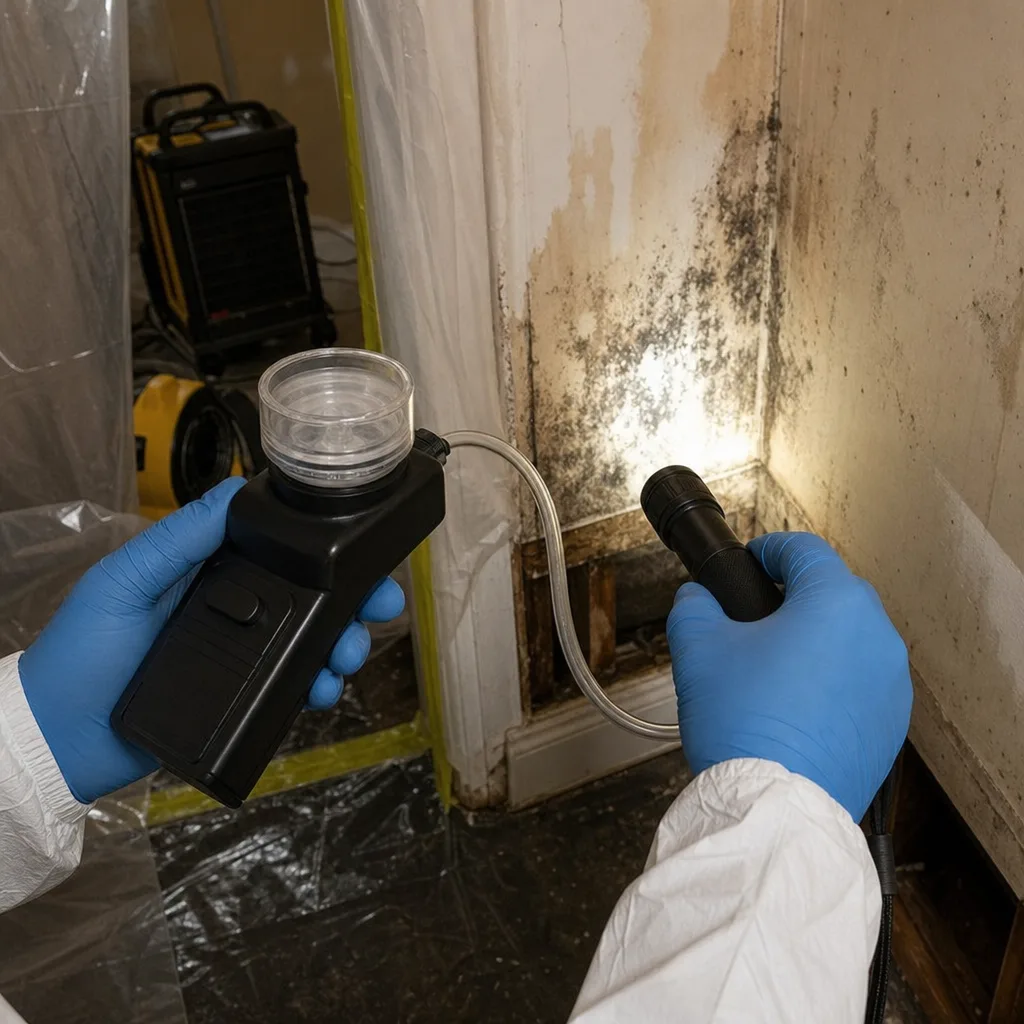
Flat-roof buildings around Washington Square leak through parapet flashing and failed drains, soaking top-floor ceilings and running down through plaster. We dry in place where possible, repair plaster and millwork where needed, and coordinate with the roofing contractor if one is already in the picture. We do not rebuild a ceiling that is still getting wet from above.
What happens when you call
- 1
A real person answersNo phone trees - you reach a local pro.
- 2
You get an upfront price rangeHonest numbers before anyone is dispatched.
- 3
A background-checked tech heads outLicensed & insured, dispatched right away.
- 4
You approve before work beginsNothing starts until you say go.
Water Damage Restoration Costs in Washington Square, NY
Here is what Washington Square property owners actually pay, based on the losses we have handled. Emergency water extraction alone runs $900-$2,400 for a single-room event, like a supply line failure in a pre-war kitchen. Full structural drying with daily monitoring for a typical 800-square-foot apartment runs $2,300-$5,600. Basement water removal in a rowhouse with saturated original framing runs $3,500-$8,000 or more. When horsehair plaster drying and LPC-compliant restoration are required, the total commonly reaches $12,000-$25,000. The variables are water category, square footage affected, whether original plaster can be saved, and whether LPC review adds time and documentation. Insurance covers most sudden and accidental losses, and we handle the adjuster directly. For any Washington Square loss, we start with a free visual inspection and a written scope before work begins, so you know the number before you commit.
We Also Serve Cities Near Washington Square
Our crews respond daily to water losses across Washington Square and the surrounding blocks. We also serve Lower Manhattan, Midtown West, Midtown Manhattan, and Murray Hill. If your building is near the square, call (640) 500-3278 and we will tell you whether our next crew can reach you inside the hour.
Serving Washington Square, NY - Our Local Coverage Area
We’re based in the Washington Square area and know this community well. Use the map below to see our service coverage - if you’re nearby, we can almost certainly help.
Washington Square Water Damage Restoration Questions, Answered
Does the Landmarks Preservation Commission really need to approve water damage repairs in Washington Square?
Yes, if the building is a designated landmark within the Greenwich Village Historic District and you are removing or altering protected materials like original plaster, millwork, or facade elements. We handle the LPC coordination as part of the restoration scope, filing the necessary work permits before material is removed. In practice, we begin emergency water extraction and containment immediately, then file while drying is underway, so the clock is not lost waiting on paperwork.
Can you dry out horsehair plaster walls without replacing them?
In most cases, yes. We use Injectidry mats and controlled dehumidification to pull moisture from the plaster and the wood lath behind it, drying in place rather than demoing. If the plaster has delaminated or crumbled, we then do lime-based plaster repair with period-appropriate materials. This preserves original fabric and keeps the job LPC-compliant, which matters in Water Damage Restoration work in Washington Square.
What’s different about a water loss in an NYU-owned building near Washington Square?
NYU-owned and leased properties almost always involve the university’s risk-management and facilities departments rather than a typical homeowner’s adjuster. That means scopes get reviewed by institutional decision-makers, documentation standards are stricter, and timelines are longer. We communicate directly with those offices, submit documentation in the format they require, and keep the homeowner or tenant informed without asking them to play middleman.
Why does my Washington Square basement keep getting water after every big storm?
Most basements around Washington Square sit within original 1830s-1840s rubble-stone foundation walls with limited or no exterior waterproofing. The water table rises during multi-day rain or nor’easter surge, and groundwater enters through mortar joints, cracks, and the floor-wall junction. Extraction removes the standing water, but if the intrusion path is not addressed, it returns. We document the intrusion pattern for you and your insurer, and we can recommend waterproofing scopes that actually address the source.
How fast do you respond to a burst pipe in a pre-war Washington Square apartment?
We commit to a 45-minute response for Washington Square addresses. A live dispatcher answers at (640) 500-3278, confirms the address, and dispatches the nearest certified crew. In a pre-war apartment building, that speed matters because water from a burst riser or supply line moves down through stacked kitchens and baths, and every floor it reaches adds to the claim.
Will my insurance cover water damage restoration in Washington Square?
Sudden and accidental losses, like a burst pipe or an appliance failure, are typically covered. Gradual seepage, repeated groundwater intrusion, or long-term leaks may not be, which is a common distinction in older Washington Square buildings. We document everything from the first hour and bill directly, so the adjuster sees a complete file rather than a vague estimate.
How long does structural drying take in an old Washington Square building?
Most structural drying takes three to six days. Horsehair plaster and original wood framing dry more slowly than modern drywall and plywood, so a saturated 1840s townhouse wall may take longer than a 2005 renovation. We monitor daily with moisture meters and do not hand you the moisture log until the dry standard is met, not just when the visible water is gone.
What should I do in the first 30 minutes after water damage in Washington Square?
Shut off the water at the source or the building main if you can reach it safely. Cut power to the affected area if water is near outlets. Move what you can lift. Then call (640) 500-3278. Do not wait for the landlord or the university facilities office to call you back. The first hour determines whether original plaster can be saved or has to be replaced, and in a landmarked building, that is the difference between a three-day dry-out and a months-long LPC restoration.
Last fall, our crew was called to a 1840s townhouse on Washington Square North after a legacy kitchen supply line failed overnight. We began emergency water extraction in the basement, then set containment and ran air movers and dehumidifiers while our project manager filed an LPC work permit for the horsehair plaster ceilings. Because the plaster was saturated, we used Injectidry mats on the walls rather than tearing them out. Original plaster saved, no stop-work order, and the owner never had to argue with a landmarks inspector. That is the standard we bring to every Washington Square job.
If you have water in your Washington Square home or building right now, call (640) 500-3278. A live person answers. A certified crew arrives fast. And the 90-Day Done Right Promise is in your hands in writing before we start. We stand behind it.
Written by Curt Bowman, Owner at Floodline Restoration Co., serving Washington Square with certified crews and live 24/7 dispatch.