
Free visual inspection and a written scope of work before any mitigation begins - photos, moisture readings, and drying logs go in your claim file
The scope we write is the scope we bill. Anything new gets shown to you, in writing, before we touch it.
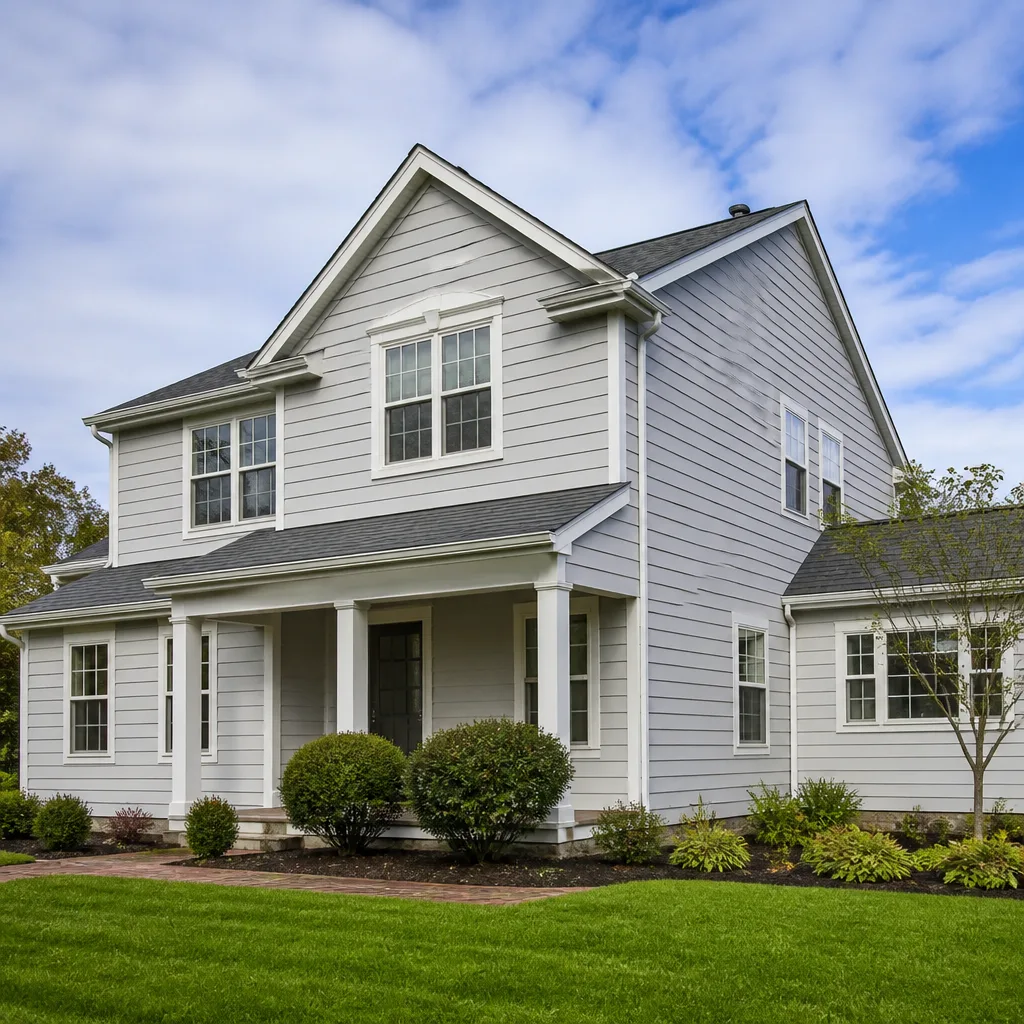
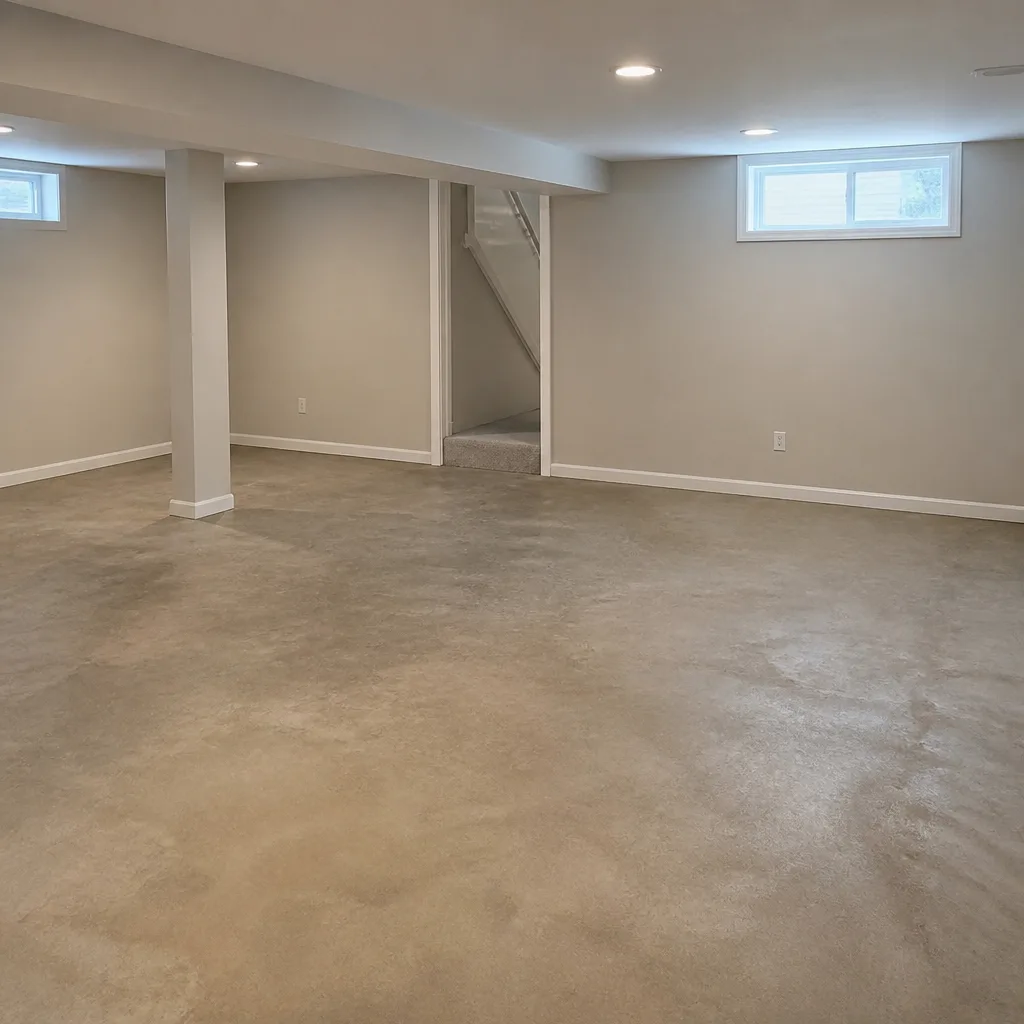
 Before
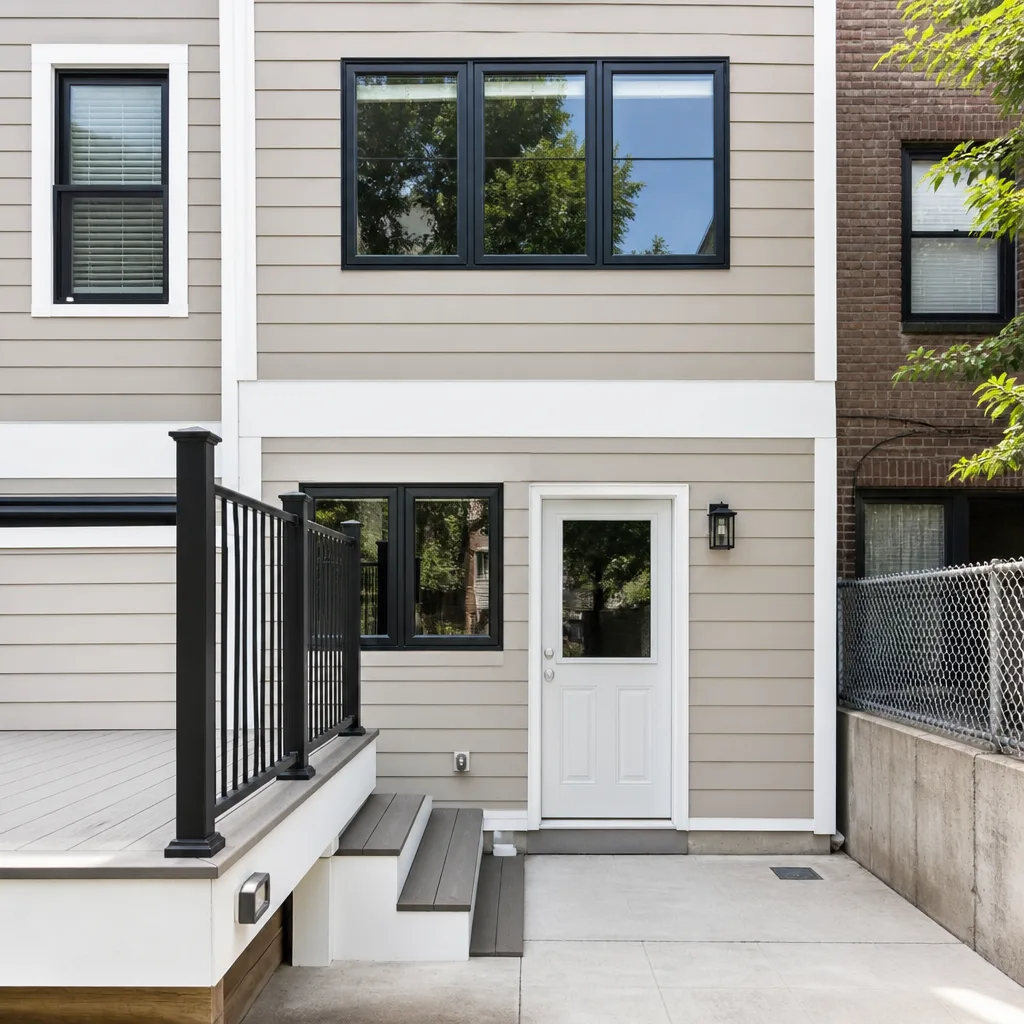 After
After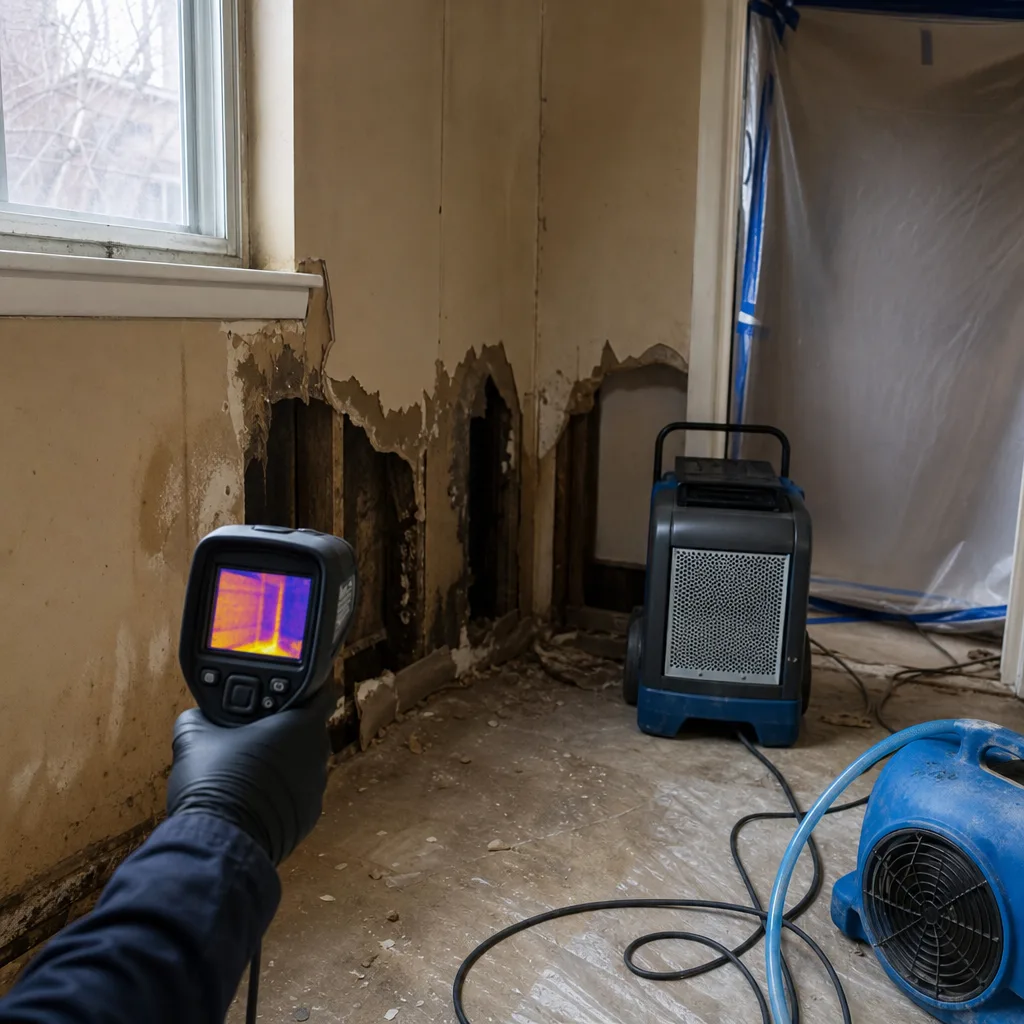 Before
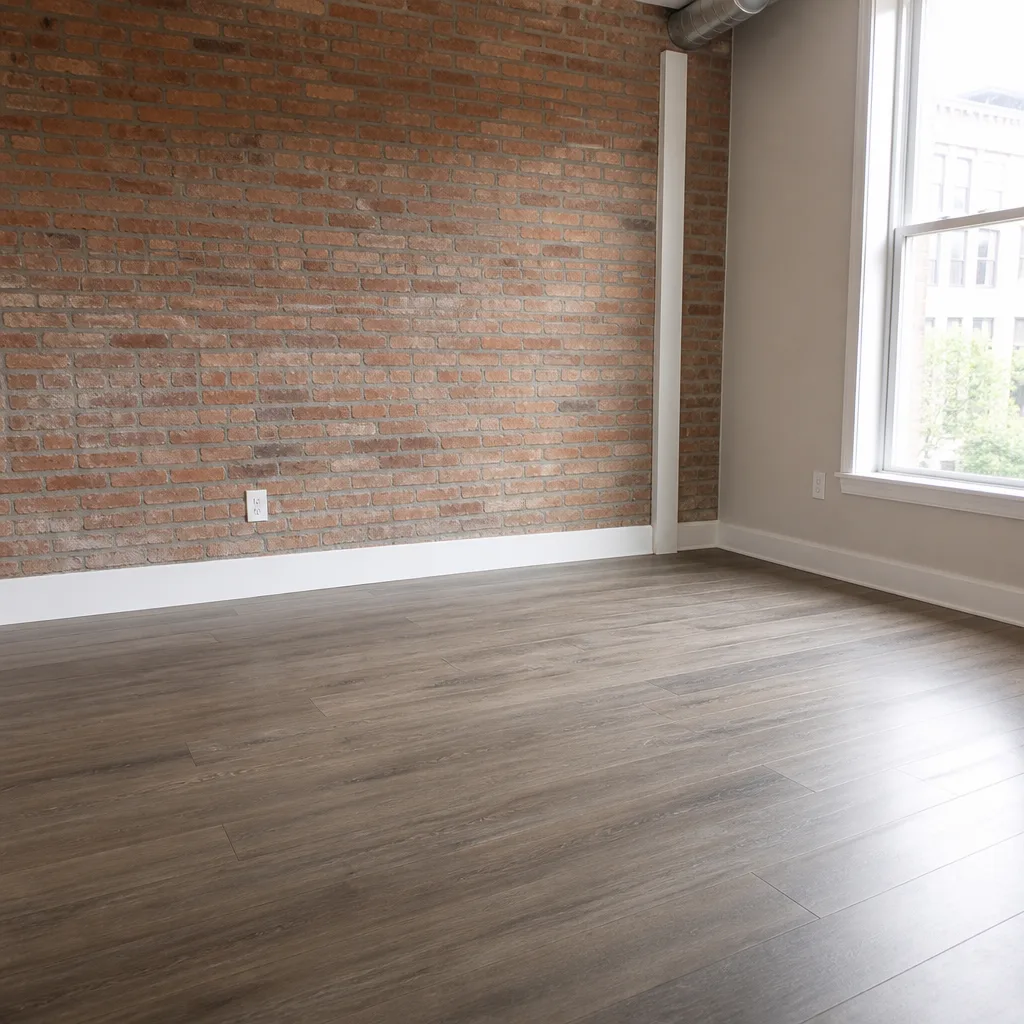 After
After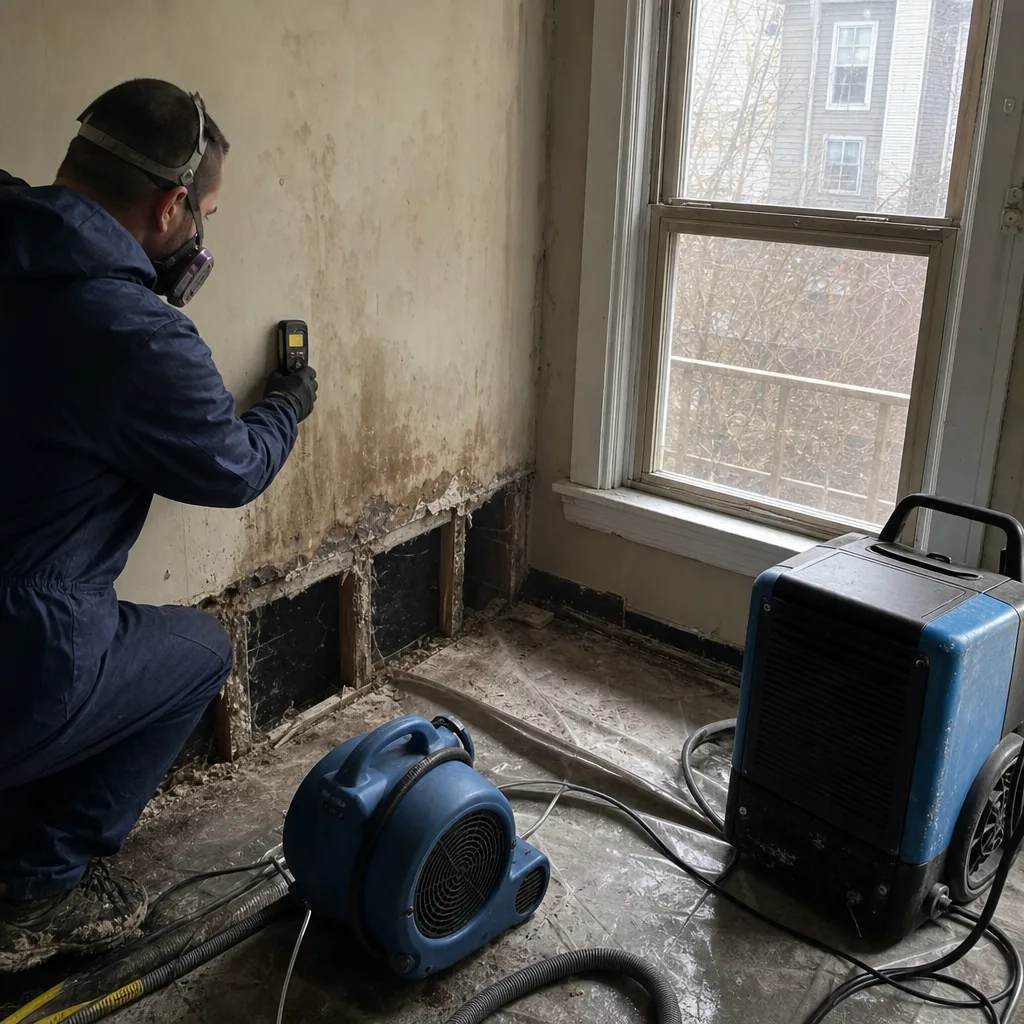 Before
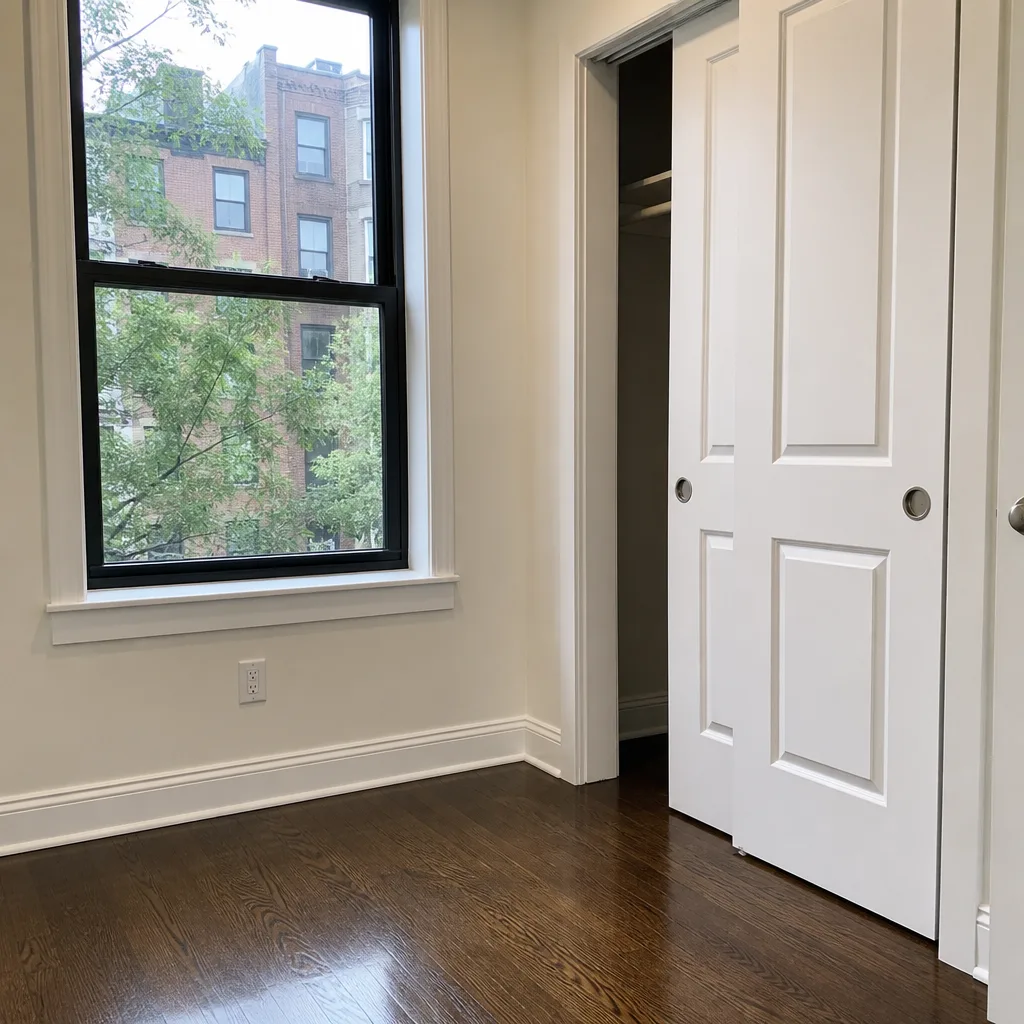 After
After24/7 Emergency Sewage Cleanup in West New York
Sewage cleanup in West New York typically costs $1,800 to $6,500 depending on how far Category 3 water has traveled through a building, and most emergency extractions start within 45 minutes of your call. We answer live at (640) 500-3278 around the clock, every day of the year. A real person picks up. Then a crew rolls toward your building while the damage is still spreading.
The first hour matters more than most homeowners realize. Black water from a failed waste stack carries bacteria, viruses, and parasites into porous materials. In West New York’s dense brick apartment buildings, that water doesn’t sit still. It moves down through plaster, hardwood, and subfloor, following the path of least resistance into the unit below. By the time a tenant on the third floor notices a stain on the ceiling, the contamination has already been working its way through the structure for days. Call us the moment you see or smell it. We’ll be there when we say.
Understanding Sewage Cleanup Severity in West New York Properties
Sewage damage falls into IICRC Category 3 water: grossly contaminated water containing pathogens, fecal matter, and chemical waste. This is not the same as a clean water pipe break. Category 3 water requires full containment, removal of affected porous materials, and sanitization of what remains. You cannot dry your way out of a sewage event. You have to cut out, disinfect, and rebuild.
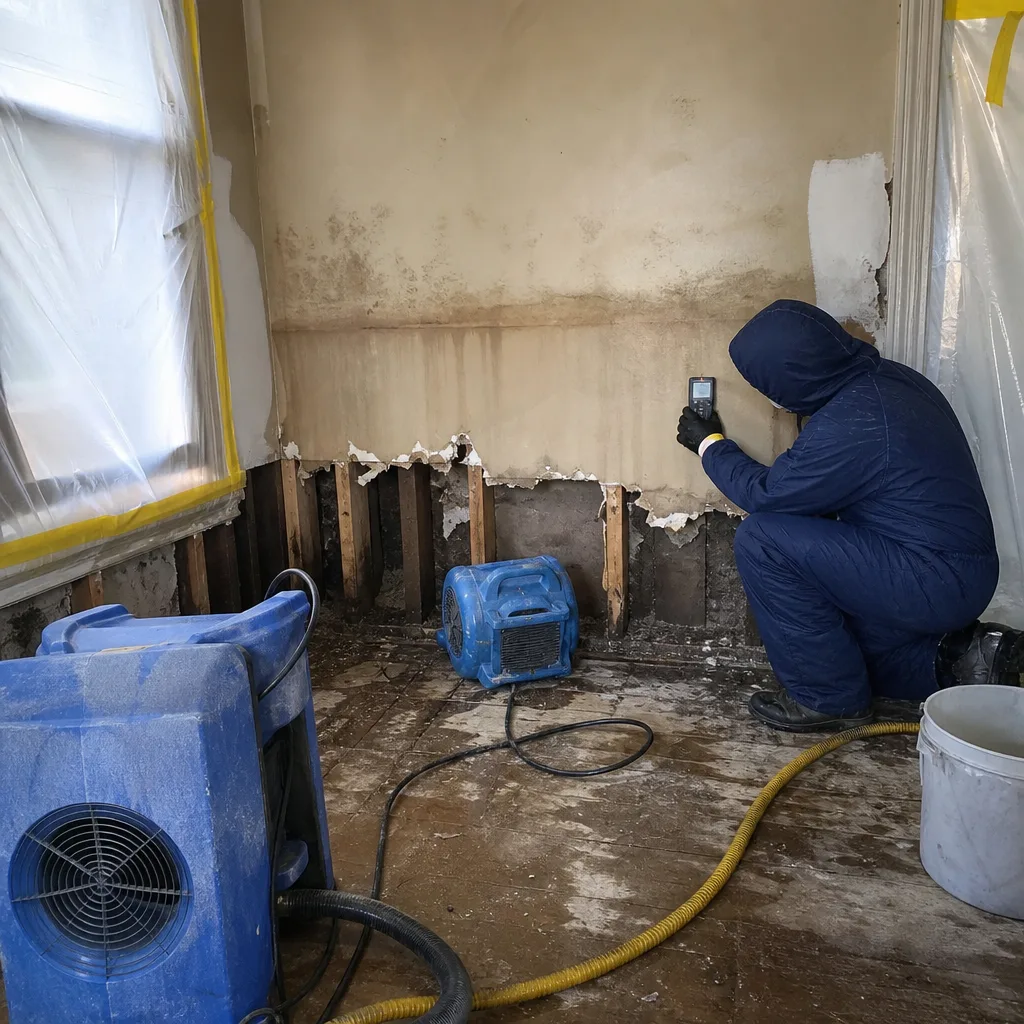
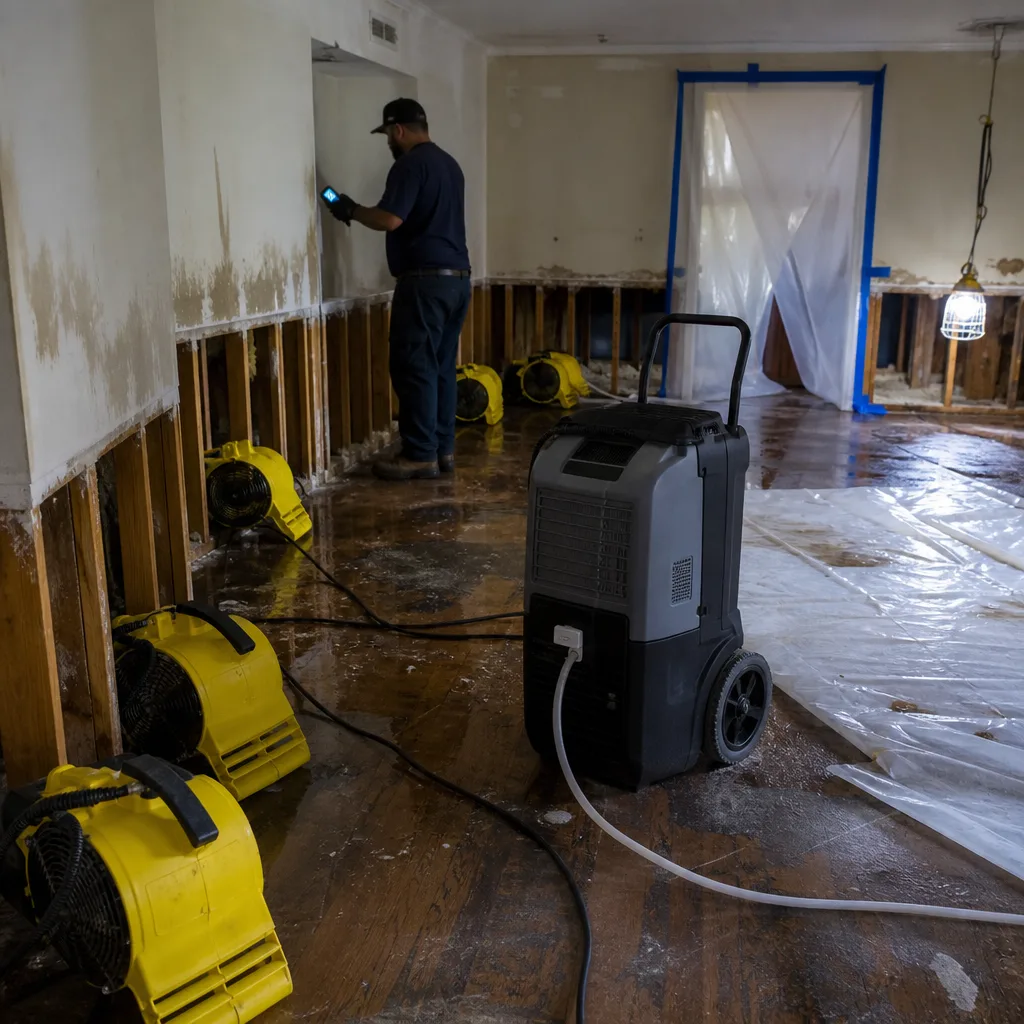
West New York’s building stock makes this harder than most markets. The town is dominated by 4-to-6-story brick masonry apartment buildings erected between roughly 1910 and 1960. Many still have their original cast-iron waste stacks, and those stacks fail at the pipe joints as the building settles over decades. When a joint cracks on the fourth floor, gravity carries black water down interior wall cavities into the third, second, and first floors before anyone realizes what happened. Old lath-and-plaster walls soak up contaminated moisture like a sponge, and brick-veneer interiors trap it behind finished surfaces. Hidden mold becomes a real risk within 48 to 72 hours if the moisture isn’t found and addressed. Moisture mapping with thermal imaging and hygrometers is how we find every wet cavity, not just the visible stain.
Why West New York Property Owners Choose Floodline Restoration Co.
- 45-minute response commitment. Our dispatch board tracks the nearest certified crew to your building, and we commit to having someone on site within 45 minutes of your call, day or night.
- Live answer, 24/7. You call (640) 500-3278 at 2 a.m., a live dispatcher answers. Not a recording, not a call-back service. A person who can put a crew in motion right then.
- IICRC-certified crews. Our technicians hold WRT, FSRT, and AMRT certifications and arrive in uniform, background-checked, ready to work. No subcontractor roulette.
- Free visual inspection. Before we touch anything, you get a walkthrough and a straight explanation of what we found. No obligation, no pressure.
- Direct insurance billing. We bill your carrier directly and deal with the adjuster so you don’t have to play messenger between us and the insurance company.
- One team from extraction to rebuild. The same Floodline Restoration Co. crew that extracts the sewage and dries the structure handles the reconstruction. No mid-job handoff, no inherited crew.
Our Sewage Cleanup Process
Inspection & Assessment
We trace the source of the backup, map the spread of Category 3 water with thermal imaging and moisture meters, and identify every affected surface. For multi-unit buildings in West New York, we document each unit separately from the first visit, in English and Spanish where needed.
Extraction & Stabilization
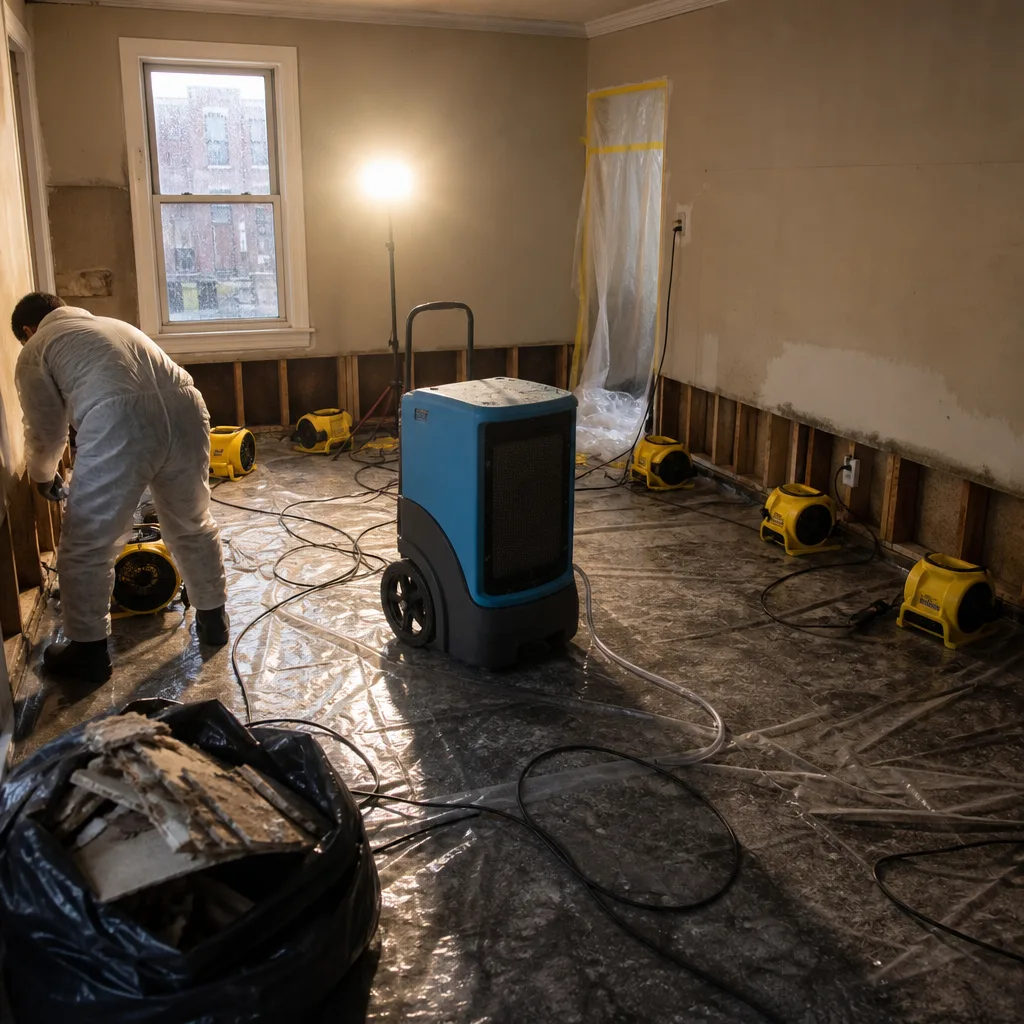
We remove standing black water using truck-mounted and portable extraction units, then set up containment barriers to prevent cross-contamination of clean areas. In garden-level units, this often means pulling contaminated carpet and pad immediately.
Drying & Dehumidification
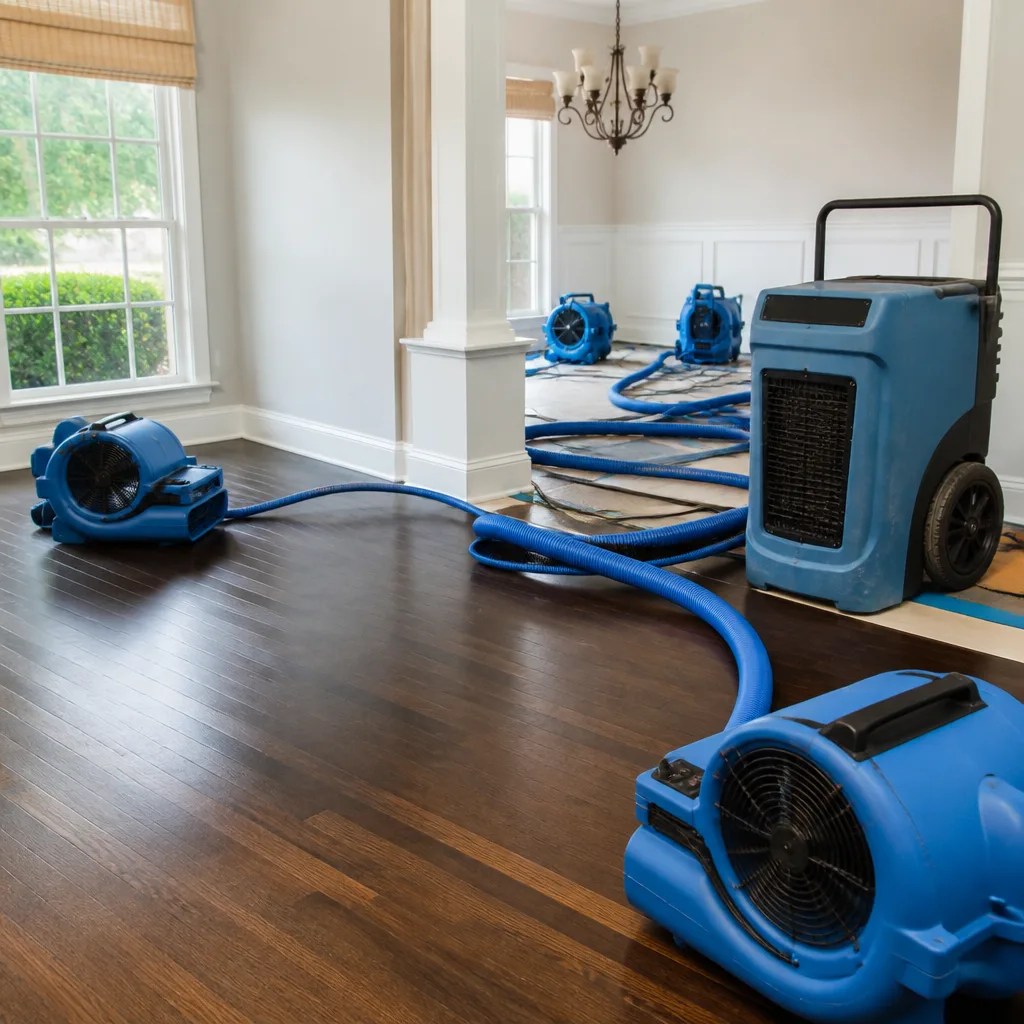
We place Phoenix and B-Air dehumidifiers with XPOWER air movers to drive moisture out of remaining structural materials. In 1920s brick buildings, drying takes longer because masonry wicks moisture deep and releases it slowly. We log daily moisture readings until the dry standard is met.
Cleaning & Sanitization
We apply EPA-registered antimicrobials to every surface the Category 3 water touched, including wall cavities we opened for inspection. Hard surfaces get scrubbed; porous materials that can’t be sanitized get cut out and bagged for disposal.
Containment & Air Scrubbing
HEPA air scrubbers run continuously to capture airborne pathogens and mold spores during the entire drying process. We take containment down only after clearance testing confirms the air is safe to breathe.
Repairs & Restoration
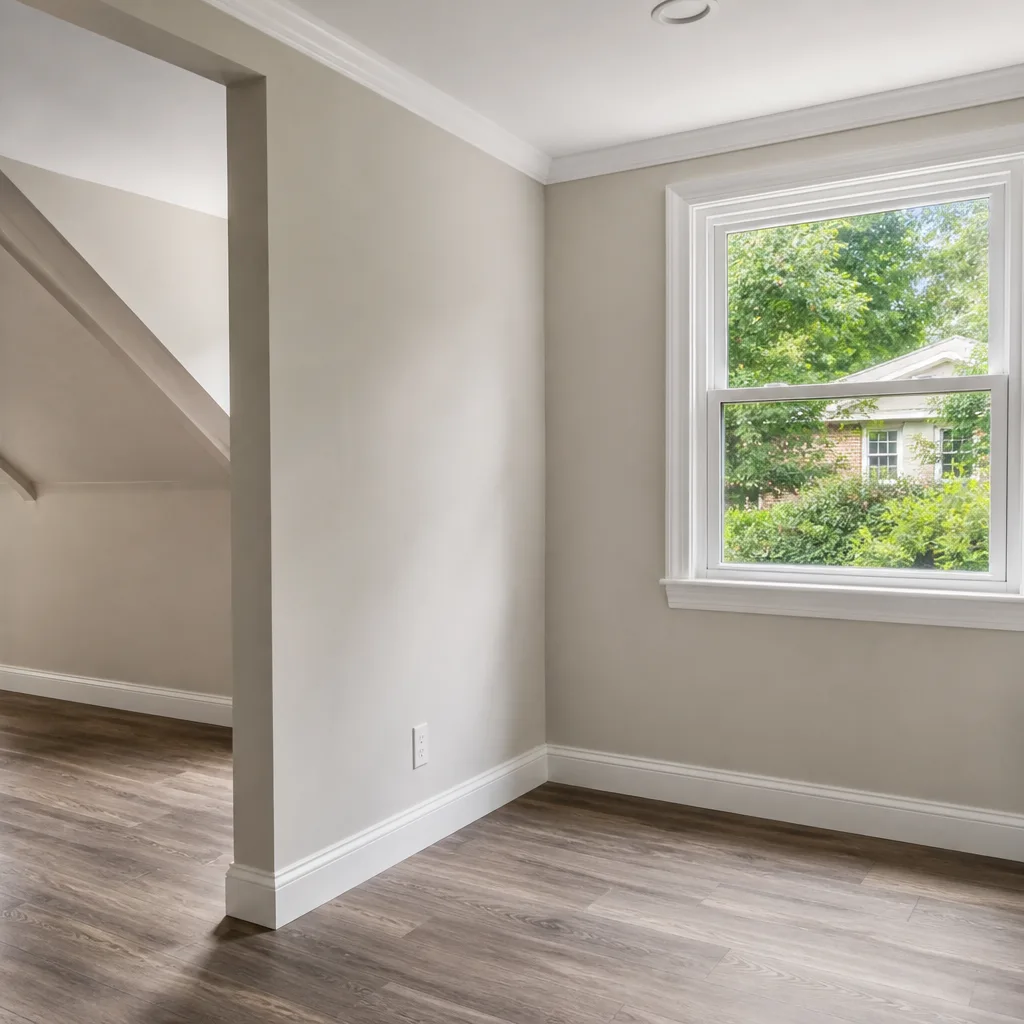
We rebuild what we removed: drywall, flooring, trim, paint. The 90-Day Done Right Promise covers the whole job, in writing. If something isn’t right, we make it right. No arguing, no paperwork battles.
Need Emergency Sewage Cleanup in West New York Now?
Crews minutes away, answering live 24 hours a day. The sooner we start, the less it costs.
Working With Your Insurance Company
Sewage backups in West New York almost always involve insurance, and often more than one policy. A failed waste stack in a 5-story walk-up means the landlord files a claim, three tenants file renters’ insurance claims, and the property manager is on the phone with everyone. We handle the documentation so you don’t have to chase it. From the first hour on site, we photograph every affected area room by room, log moisture readings daily, and produce line-item scopes of work in the format adjusters expect. Calls with the adjuster are ours to make, not yours. We carry the direct-billing relationship with the carrier so the claim moves without you playing middleman.
What We Provide Your Insurer
- Thorough documentation of the loss
- Photos of all damage, room by room
- Moisture readings and drying logs
- A detailed, line-item scope of work
- Direct coordination with your carrier
Built for West New York’s Loss Calendar
West New York’s sewage cleanup calls follow a seasonal rhythm that anyone who has lived here a few decades would recognize. January and February bring the deep freezes that crack cast-iron waste stacks in unheated stairwells and basement utility rooms. When a stack cracks at a joint, sewage doesn’t pour out all at once at first. It seeps slowly, staining the ceiling below and eating at the plaster until the pipe finally gives way. Spring thaw brings hydrostatic pressure against old foundations, pushing groundwater into crawl spaces and basements where floor drains back up. Summer thunderstorms overwhelm the combined sewer system along Boulevard East and the lower blocks near the Hudson, sending black water up through garden-level floor drains. Nor’easters in the fall and winter saturate aging brick facades, and when gutter systems fail, rainwater mixes with sewage from broken vent stacks and soaks into interior plaster. Each season has its own signature failure in West New York, and we see all of them.
Sewage Cleanup Across West New York’s Neighborhoods
The building types don’t change much across West New York, but the failure patterns do. Along Boulevard East, the pre-war co-op buildings overlooking the Hudson tend to have uninsulated pipe chases running through exterior walls. When those chases freeze in January, waste stacks crack and leak into first-floor ceilings without a drop hitting the street. Around 60th Street and Palisade Avenue, the six-story walk-ups from the 1920s have original cast-iron stacks that are now 80 to 100 years old. We see joint failures there regularly, and they almost always affect multiple units at once. Over toward Bergenline Avenue, the commercial-retail mix on the ground floors means a sewage backup in a restaurant can migrate into the apartments above through shared plumbing walls. In the garden-level units near the waterfront, the risk shifts from stack failures to floor-drain backups when nor’easter storm surge overwhelms the combined sewer lines. Each call we run in West New York starts with understanding which kind of building we’re standing in, because that tells us where the water probably went.
One job stands out: a six-story brick building on 60th Street near Palisade Avenue, where a corroded original cast-iron waste stack failed and sent Category 3 water into three apartments on floors two, three, and four. Our crew set up containment in each unit, performed moisture mapping on the hardwood floors and lath-and-plaster walls, and ran XPOWER air movers and Phoenix dehumidifiers for six days. We documented the scope of work in both English and Spanish because two tenants and the property manager each required separate bilingual loss reports for their insurers. That’s the reality of sewage cleanup in West New York. You’re not cleaning one apartment. You’re coordinating three claims, two languages, and one building that hasn’t been touched since the Coolidge administration.
Specialized Sewage Cleanup Services We Offer in West New York
Sewage Backup Cleanup
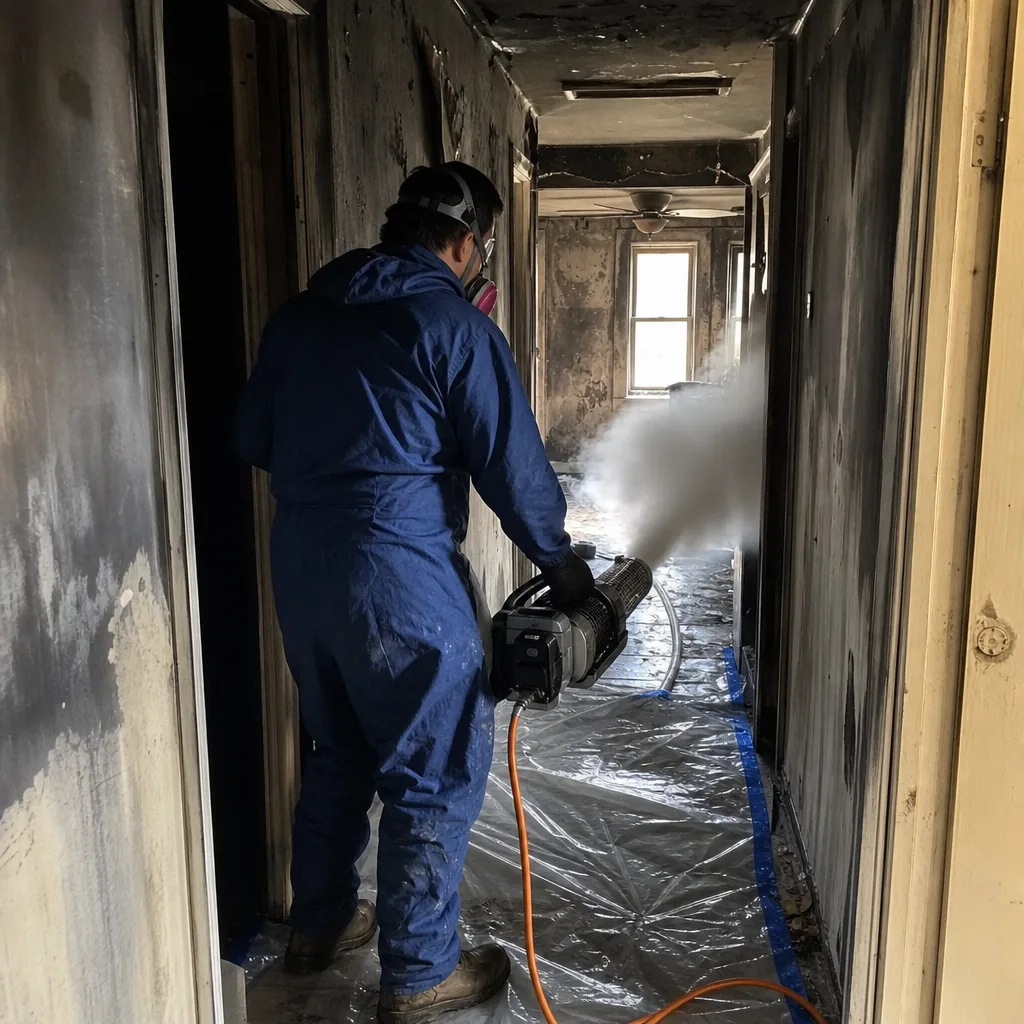
When a waste line backs up in a West New York apartment building, the water spreads fast. We trace the backup to its source (a failed cast-iron joint, a clogged main, a municipal sewer issue), then contain and extract before the contamination zone grows. In multi-unit walk-ups, we treat each apartment as its own job with its own containment perimeter.
Toilet Overflow Cleanup
A toilet overflow in an upper-floor unit doesn’t stay on that floor. In older brick buildings, the water follows the drain pipe down through ceiling cavities into the unit below. We cut out the soaked drywall and plaster, sanitize the framing, and dry the space to standard. The tenant below shouldn’t have to live with the smell while the unit above dries out.
Black Water Extraction
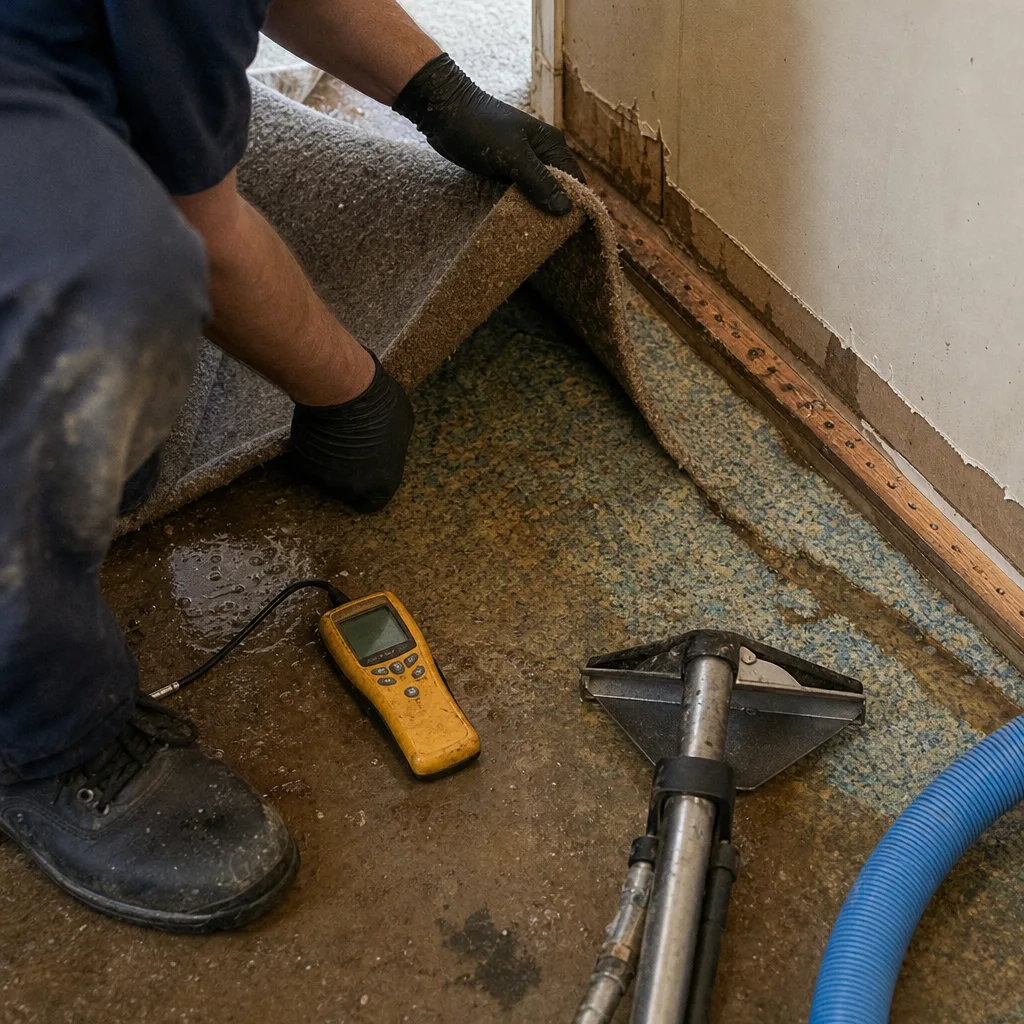
Category 3 water moves through a building fast. Standing sewage gets extracted with truck-mounted units; saturated carpet, pad, and damaged underlayment come out on the first visit. The longer black water sits on hardwood or soaks into subfloor, the more demolition the job requires. Fast extraction is the cheapest version of this job.
Sanitization & Disinfection
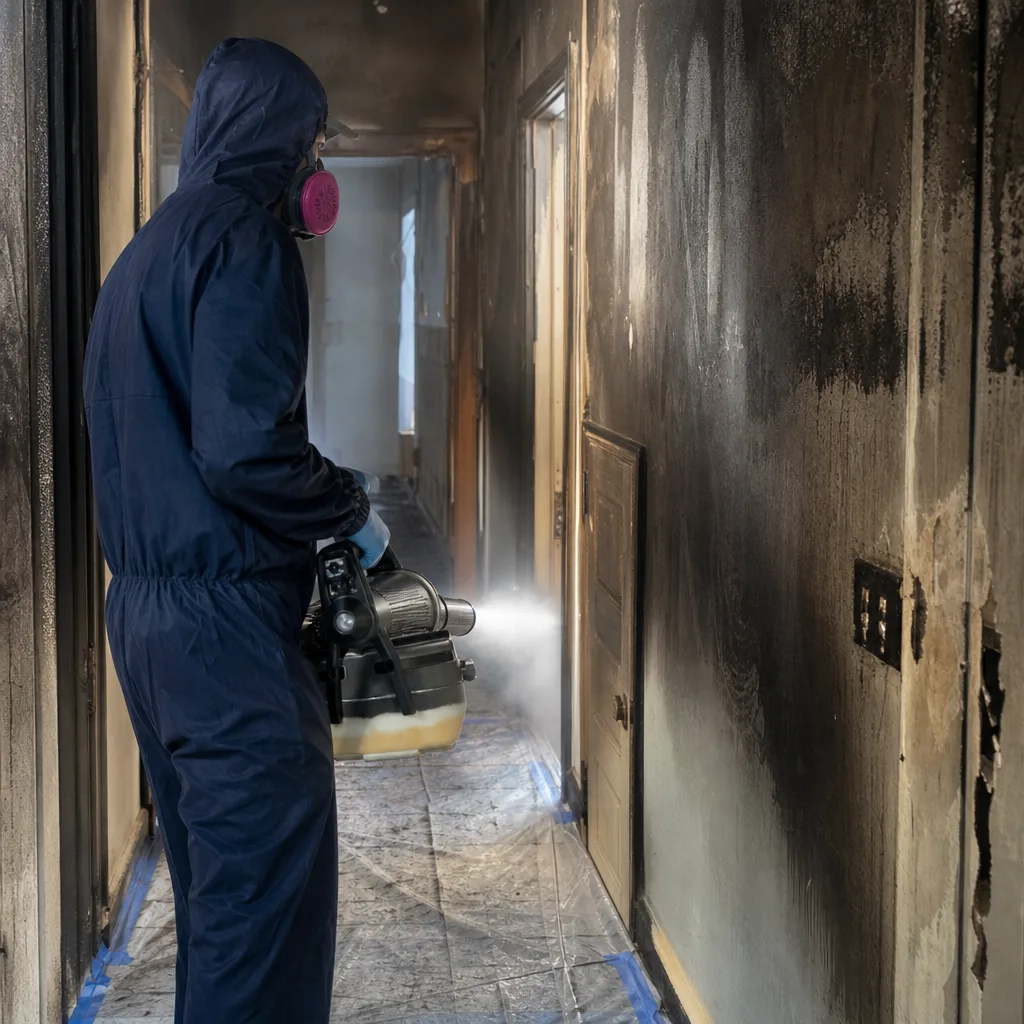
After the material removal and drying, every surface the sewage touched gets treated with EPA-registered antimicrobials. Wall cavities we opened get fogged. Subfloor beneath the flood line gets treated. We don’t just dry the smell away, we kill what caused it.
Crawl Space Sewage Removal
Garden-level and basement-units in West New York near the river often have crawl spaces that flood when storm surge pushes black water through floor drains. Those spaces hold sewage, mud, and contaminated insulation in a low-clearance area most companies won’t touch. We do. It’s nasty work, but leaving it means the whole building smells like sewage every humid week until it’s done right.
What happens when you call
- 1
A real person answersNo phone trees - you reach a local pro.
- 2
You get an upfront price rangeHonest numbers before anyone is dispatched.
- 3
A background-checked tech heads outLicensed & insured, dispatched right away.
- 4
You approve before work beginsNothing starts until you say go.
Sewage Cleanup Costs in West New York, NJ
A straightforward Category 3 backup in a single unit runs $1,800 to $3,500, which covers extraction, containment, demolition of affected drywall and flooring, sanitization, and drying equipment for three to five days. A multi-unit stack failure like the ones we see in West New York walk-ups typically runs $4,000 to $8,000 because each affected apartment needs its own containment, documentation, and drying plan, and the structural repair scope grows with the number of floors involved. Crawl space sewage removal under a garden-level unit near the Hudson runs $2,500 to $6,000 depending on access clearance and how much contaminated insulation and vapor barrier has to come out. Insurance covers most of these costs when the damage is sudden and accidental, though older buildings with pre-existing pipe deterioration sometimes trigger coverage disputes. That’s why our documentation is detailed from the first hour. Call (640) 500-3278 for a free visual inspection and a firm scope before you sign anything.
We Also Serve Cities Near West New York
The same certified crews that run sewage calls in West New York also cover Hoboken, Weehawken, Union City, and Jersey City. If your building is in any of those Hudson County communities, the phone number is the same: (640) 500-3278. Live dispatch, 24 hours a day.
Serving West New York, NJ - Our Local Coverage Area
We’re based in the West New York area and know this community well. Use the map below to see our service coverage - if you’re nearby, we can almost certainly help.
West New York Sewage Cleanup Questions, Answered
How do you handle a Category 3 sewage backup that has affected multiple units in a West New York walk-up where one landlord and several tenants all file claims?
We treat each unit as its own documented loss with separate containment, moisture mapping, photo records, and drying logs, then coordinate directly with each insurer separately. In buildings with a dense Latino tenant population, we provide bilingual documentation in English and Spanish so every party’s claim file is complete. The landlord’s carrier, each tenant’s renters’ policy, and the property manager’s records all get what they need without anyone playing middleman. Call (640) 500-3278 and we’ll walk the building with you.
Can you dry out hardwood floors and lath-and-plaster walls in a 1920s brick building after a sewage backup, or do they have to be torn out?
Lath-and-plaster walls saturated with Category 3 water almost always have to be opened up and the wet plaster removed. There’s no reliable way to disinfect the inside of a plaster wall cavity without opening it. Hardwood floors are sometimes salvageable if the sewage was extracted within a few hours and the subfloor beneath wasn’t saturated. Drying old masonry takes longer than suburban drywall because the brick absorbs moisture and releases it slowly. In practice, that means drying equipment runs five to seven days in these buildings, not two or three. We’ll tell you plainly what can be saved and what can’t before we start tearing anything out.
What is the first step your team takes when a sewage backup is discovered in a first-floor apartment of a brick building on Boulevard East?
Our first step is establishing the source and stopping it. If it’s a failed waste stack above, the water won’t stop until the source is isolated. If it’s a floor-drain backup from a surcharged municipal sewer, we document the timing and conditions for the insurance claim before extraction begins. Then we set containment around the affected area so the contaminated air doesn’t spread through the building’s shared hallways, and we start extracting standing sewage. Every step gets documented from minute one, because Boulevard East co-op boards and management companies always ask for records.
Why does a sewage backup in a West New York garden-level apartment near the river often turn into a full crawl space remediation?
Garden-level units near the Hudson sit low enough that nor’easter storm surge pushes black water up through floor drains and into the crawl space beneath the unit. That space holds contaminated water, soaked insulation, and mud in a low-access area that most companies won’t enter. Left unaddressed, the sewage odor seeps into the unit above every humid week of the year. Proper remediation means entering the crawl space, removing the contaminated materials, sanitizing the framing, and installing a clean vapor barrier. It’s a bigger job than the visible flood damage suggests, and skipping it is the most common cause of a recurring sewage smell in those buildings.
How long does a typical sewage cleanup in a 4-story brick West New York apartment building take from start to finish?
A single-unit sewage cleanup with standard material removal and drying takes three to five days of equipment runtime, plus two to four days for repairs and finish work if reconstruction is needed. A multi-unit stack failure affecting two or three apartments takes five to seven days of drying, because the brick masonry holds moisture longer than modern construction, and the rebuild phase stretches to one to two weeks depending on flooring and plaster work. The 90-Day Done Right Promise covers the entire scope, including the rebuild, in writing.
Will my insurance cover sewage cleanup in a pre-war West New York building?
Most policies cover sudden and accidental sewage backups, but coverage fights happen when the carrier argues the pipe was deteriorated before the failure. That’s a real risk in buildings with 80-to-100-year-old cast-iron stacks. Our documentation includes photos of the failed pipe, the extent of the damage, and a scope that differentiates sudden failure from long-term wear. We coordinate directly with the adjuster and bill the carrier directly. Call us at (640) 500-3278 after you report the loss, and we’ll handle the adjuster conversation from there.
What should I do in the first 30 minutes after discovering a sewage backup in my West New York apartment?
Stop using water in the affected unit and in units above if possible. Shut off the water supply if you can locate the main shutoff without walking through the sewage. Move anything you value out of the affected area (shoes, documents, electronics). Do not run fans, do not attempt to dry the area with a household fan, and do not use a Shop-Vac on black water; you risk aerosolizing pathogens. Take photos from the doorway. Then call (640) 500-3278. We’ll talk you through the next hour while a crew is on the way.
What certifications do your sewage cleanup technicians hold?
Our technicians are certified to IICRC, RIA, and IFA standards, with the relevant codes for this work being WRT (Water Damage Restoration Technician), FSRT (Fire & Smoke Restoration Technician), and AMRT (Applied Microbial Remediation Technician). Every technician is background-checked, uniformed, and trained to the standards those certifications require. We don’t subcontract this work out to whoever is available.
If you have sewage water moving through your West New York building right now, call (640) 500-3278. We answer live around the clock, and a crew can be on site within 45 minutes. The inspection is free. The estimate is firm. And the work is covered by our Sewage Cleanup team’s 90-Day Done Right Promise: if it’s not done right, we make it right. In writing, no arguing. That’s how we handle West New York jobs, and that’s the only way we know how to work.
Written by Curt Bowman, Owner at Floodline Restoration Co., serving West New York, NJ.