

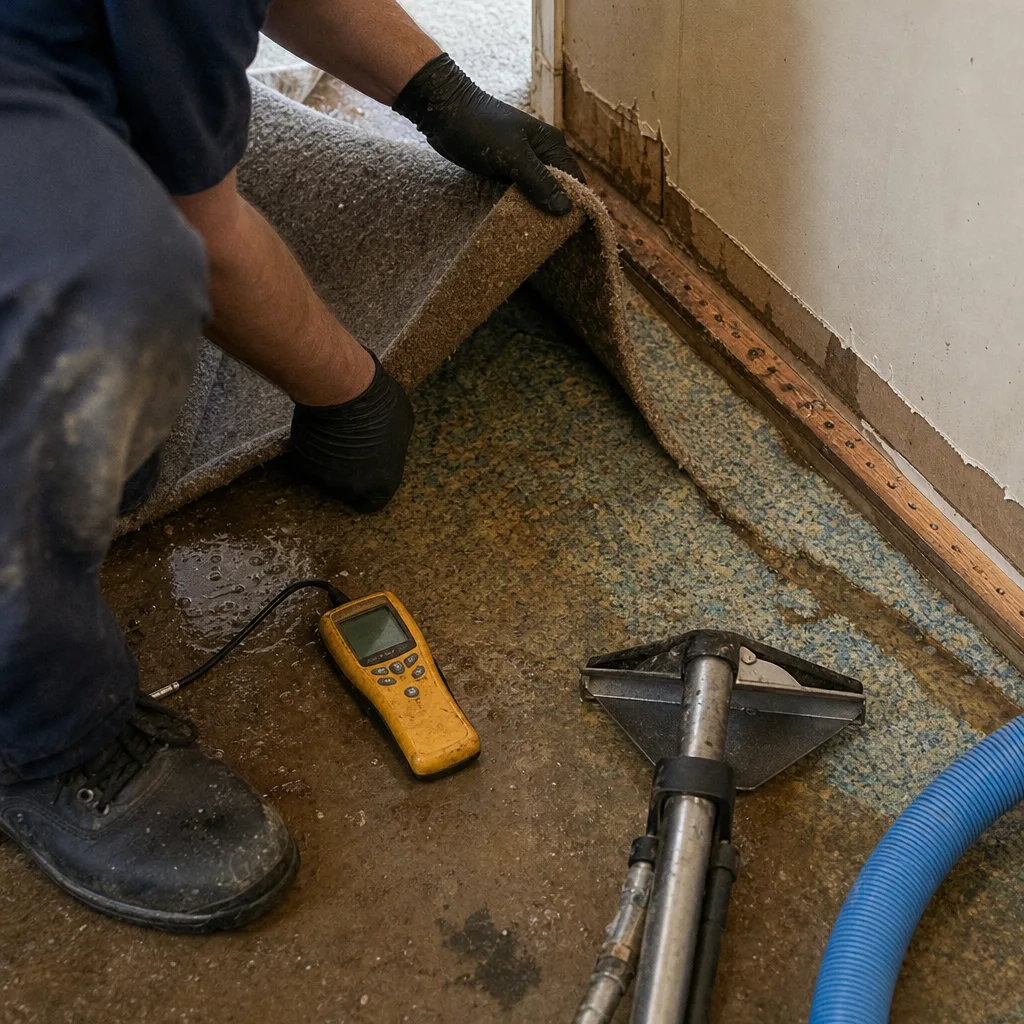
Free visual inspection and a written scope of work before any mitigation begins - photos, moisture readings, and drying logs go in your claim file
The scope we write is the scope we bill. Anything new gets shown to you, in writing, before we touch it.
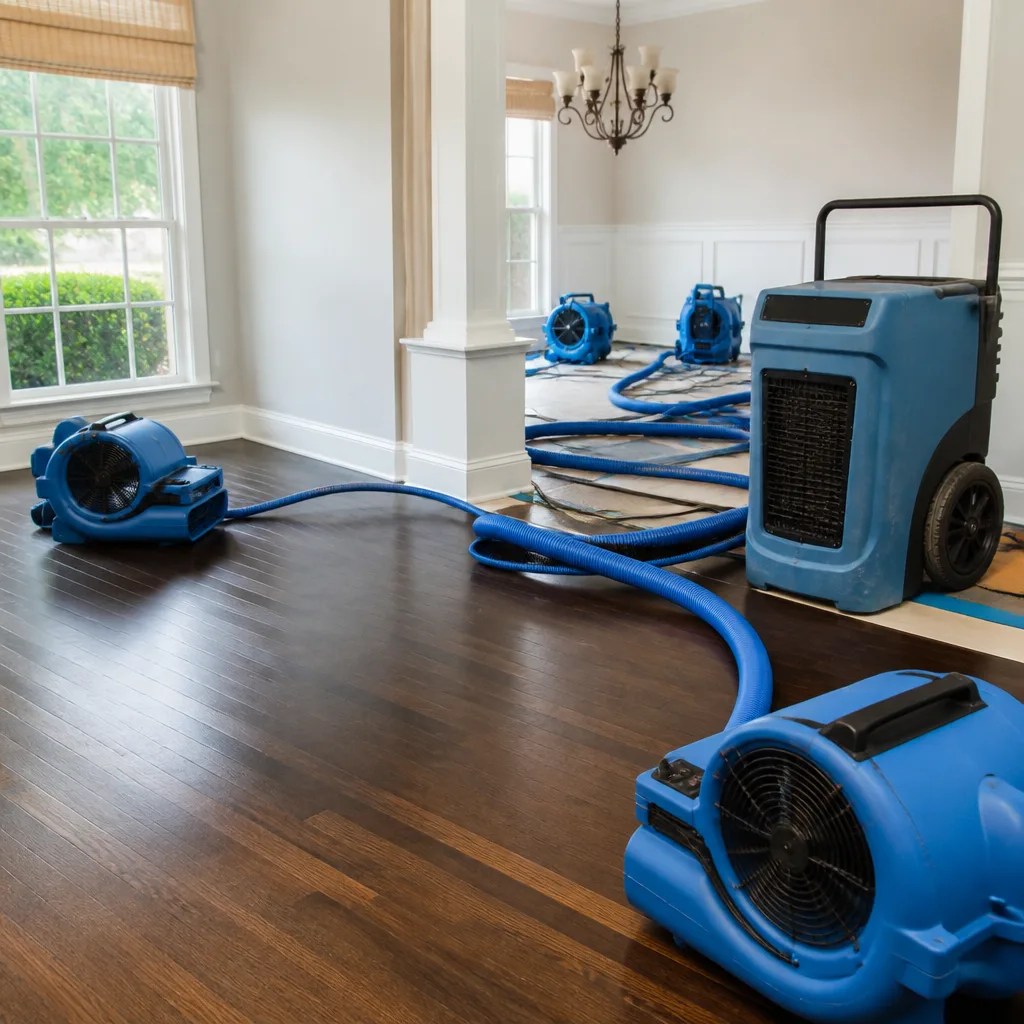
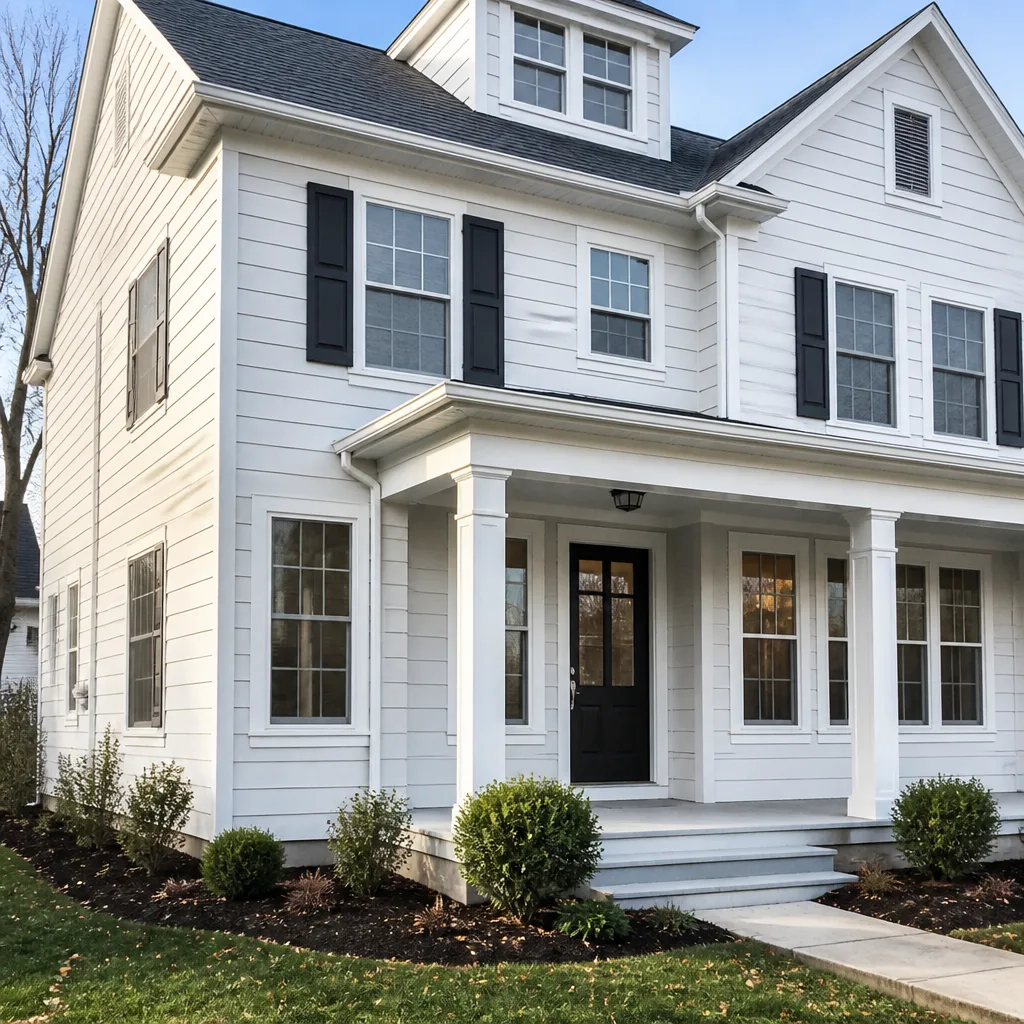
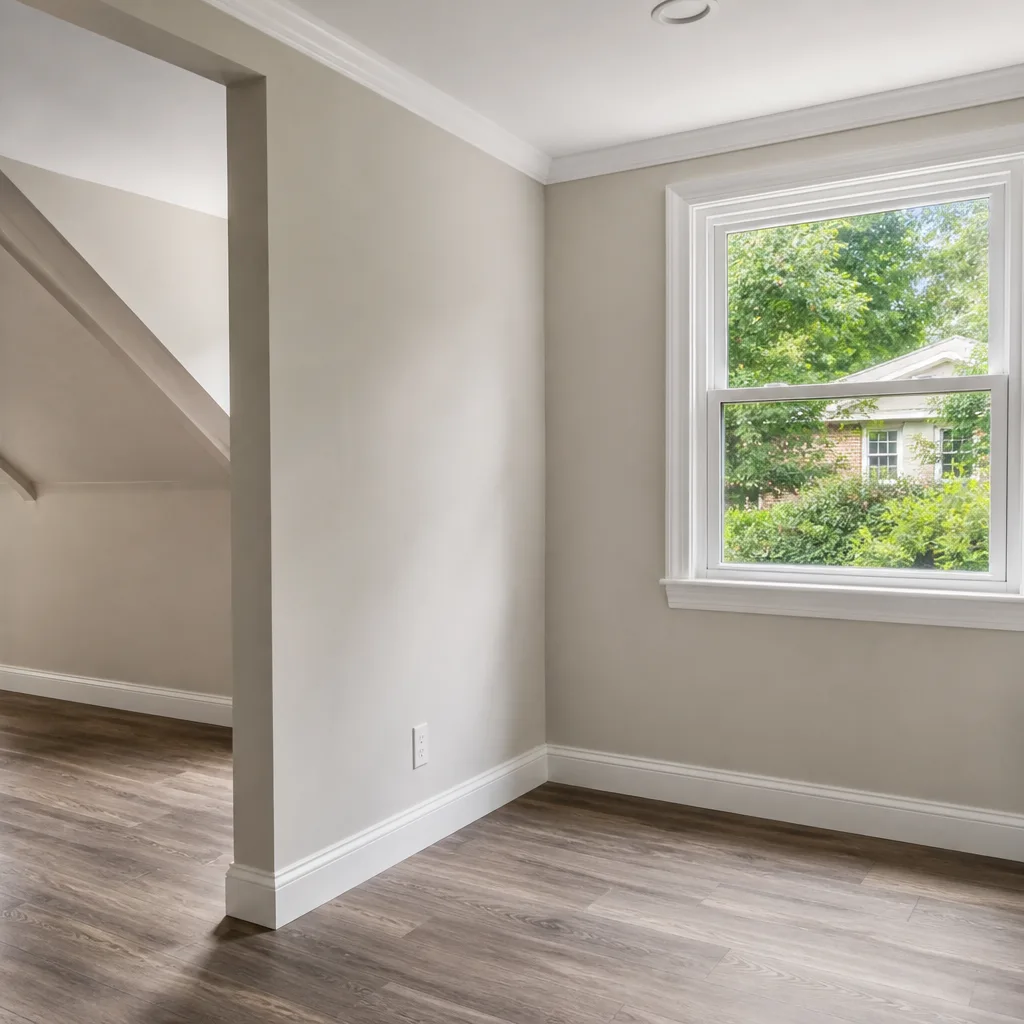
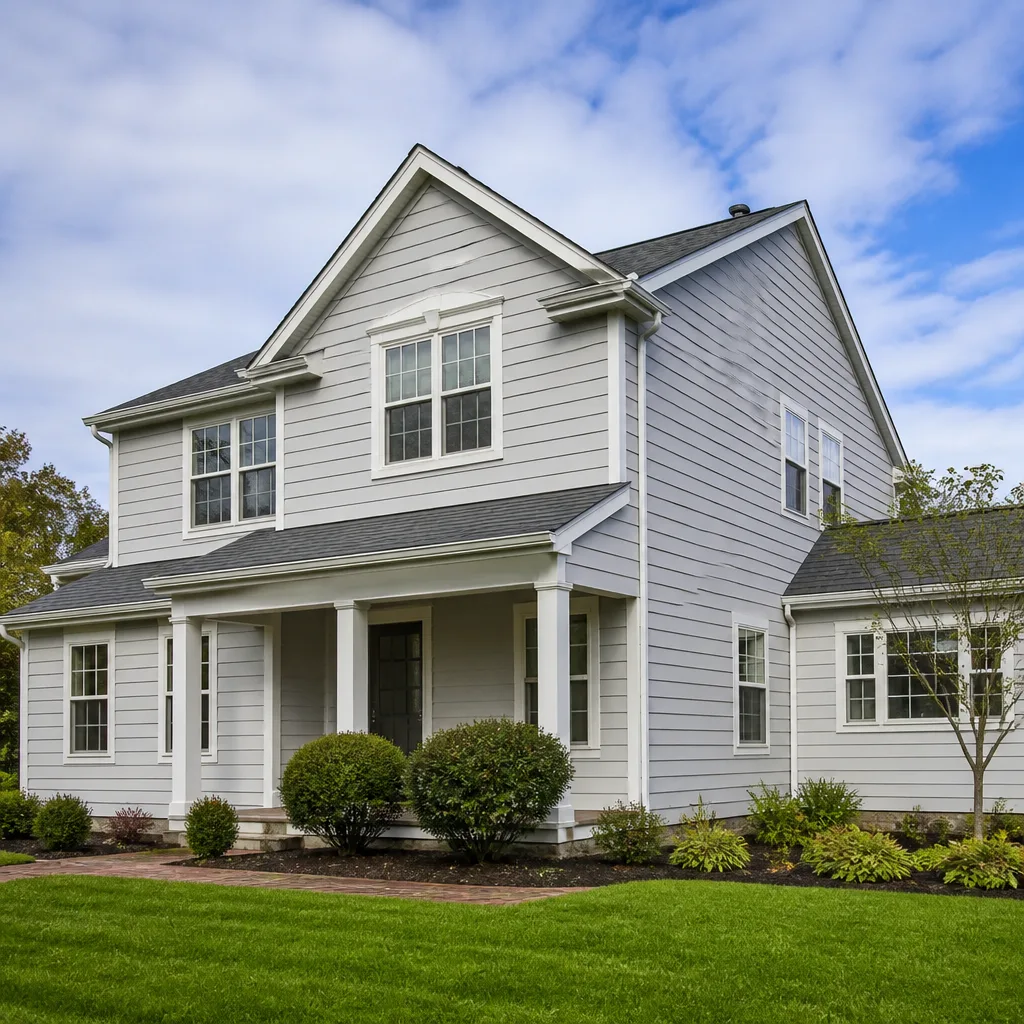
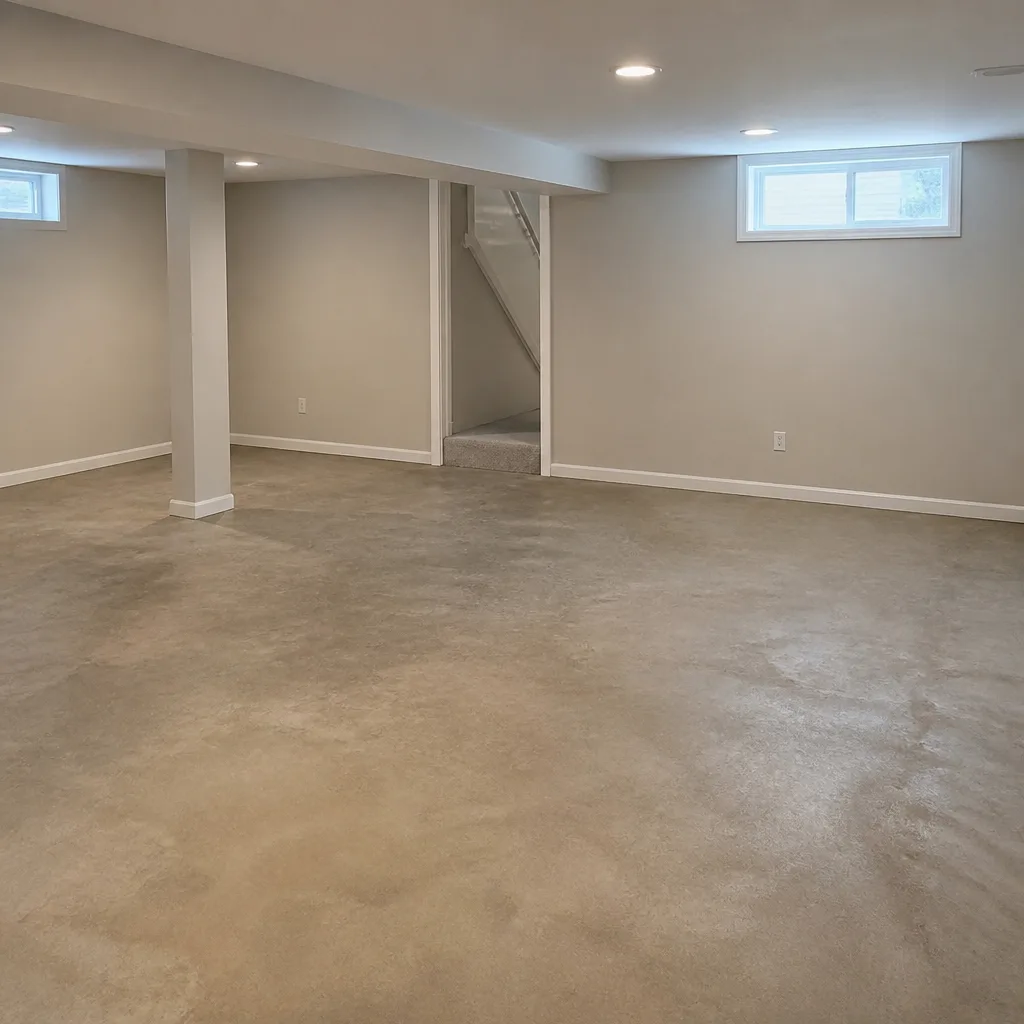
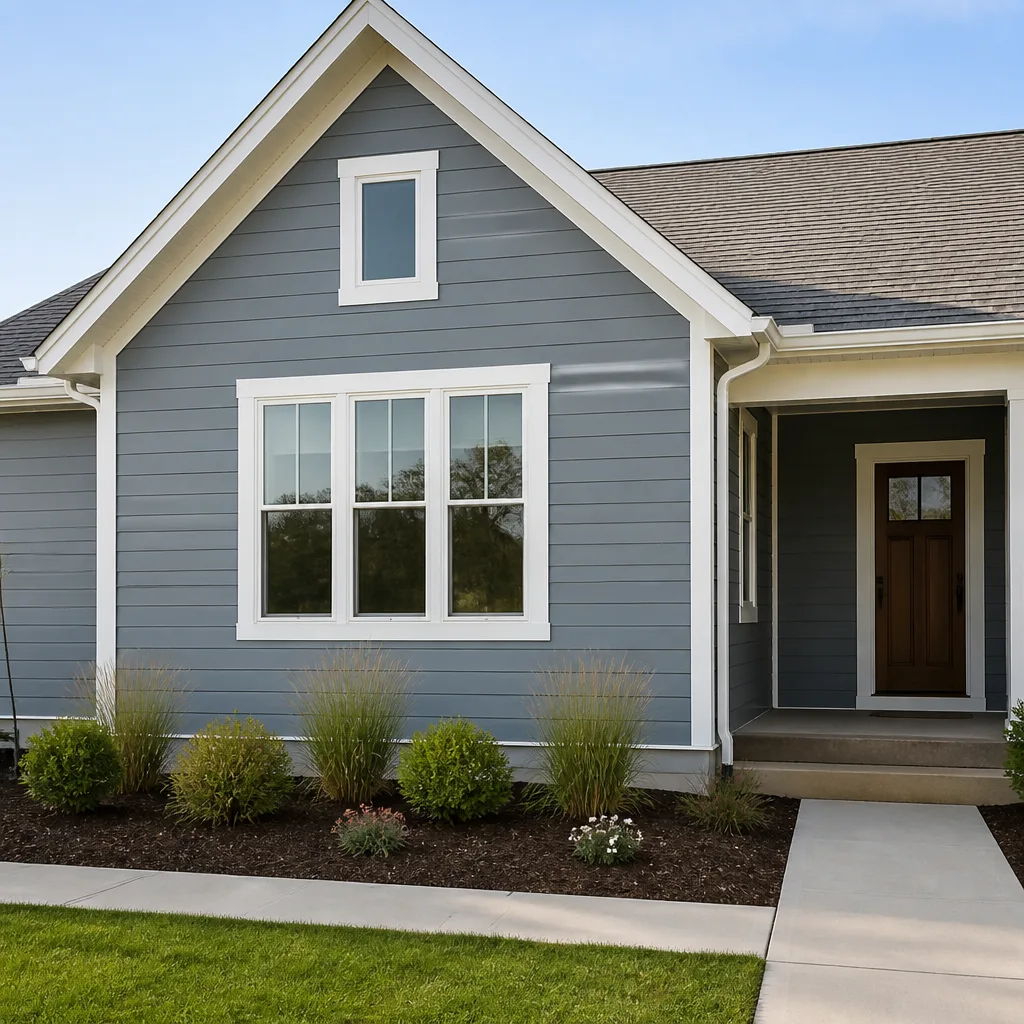
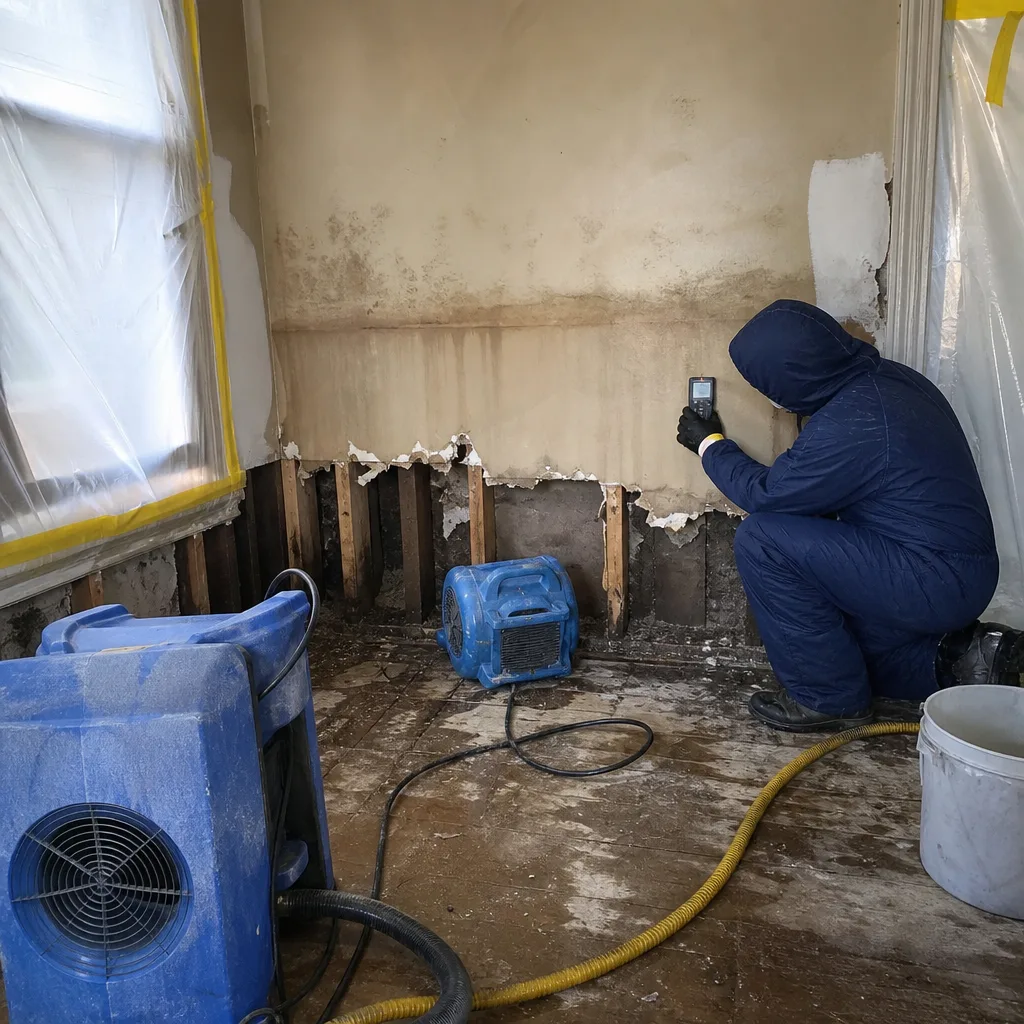 Before
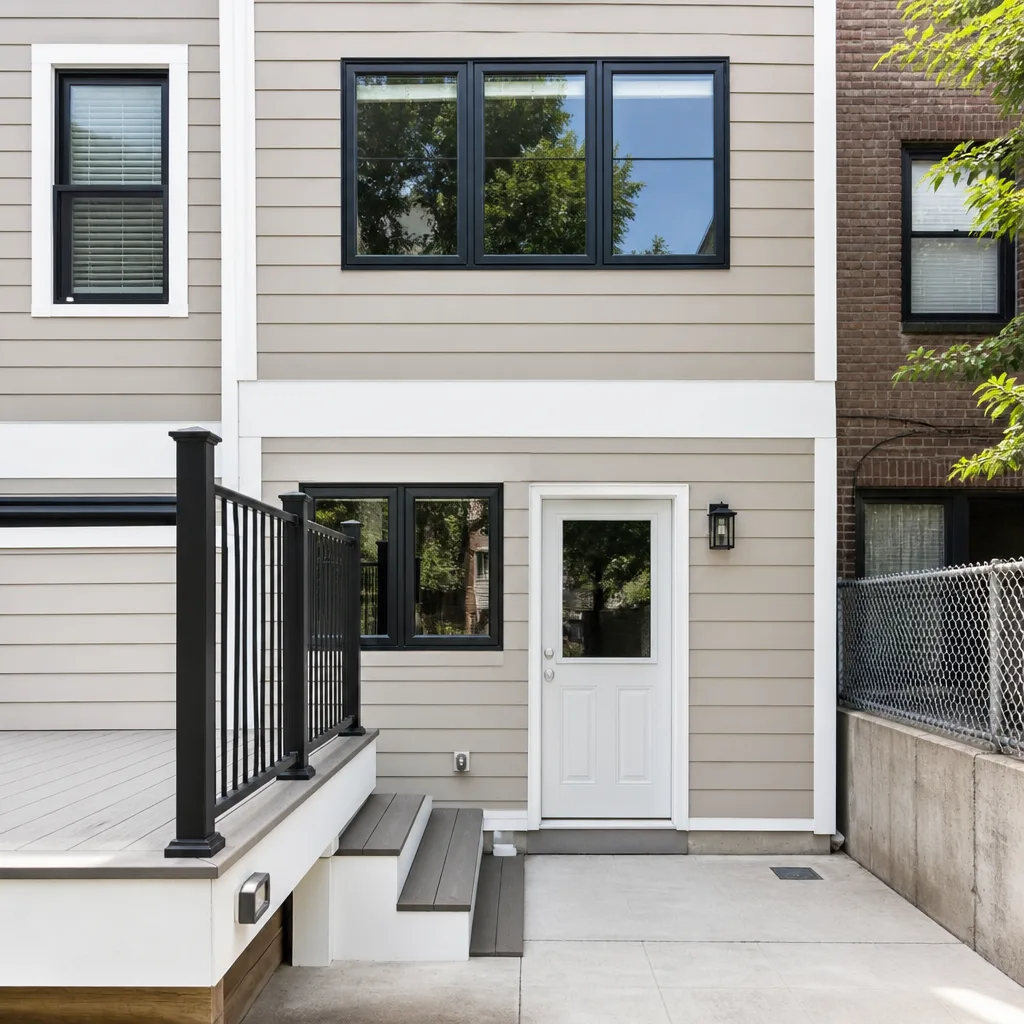 After
After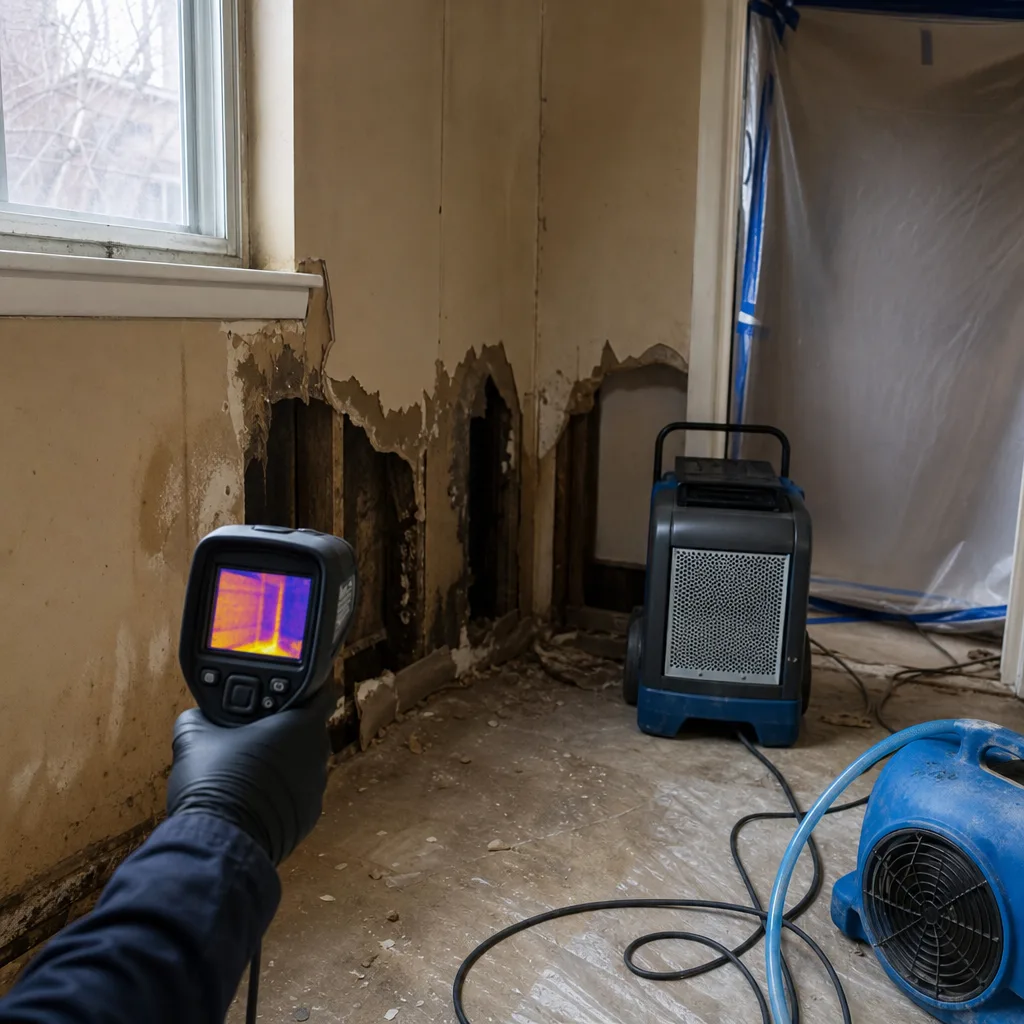 Before
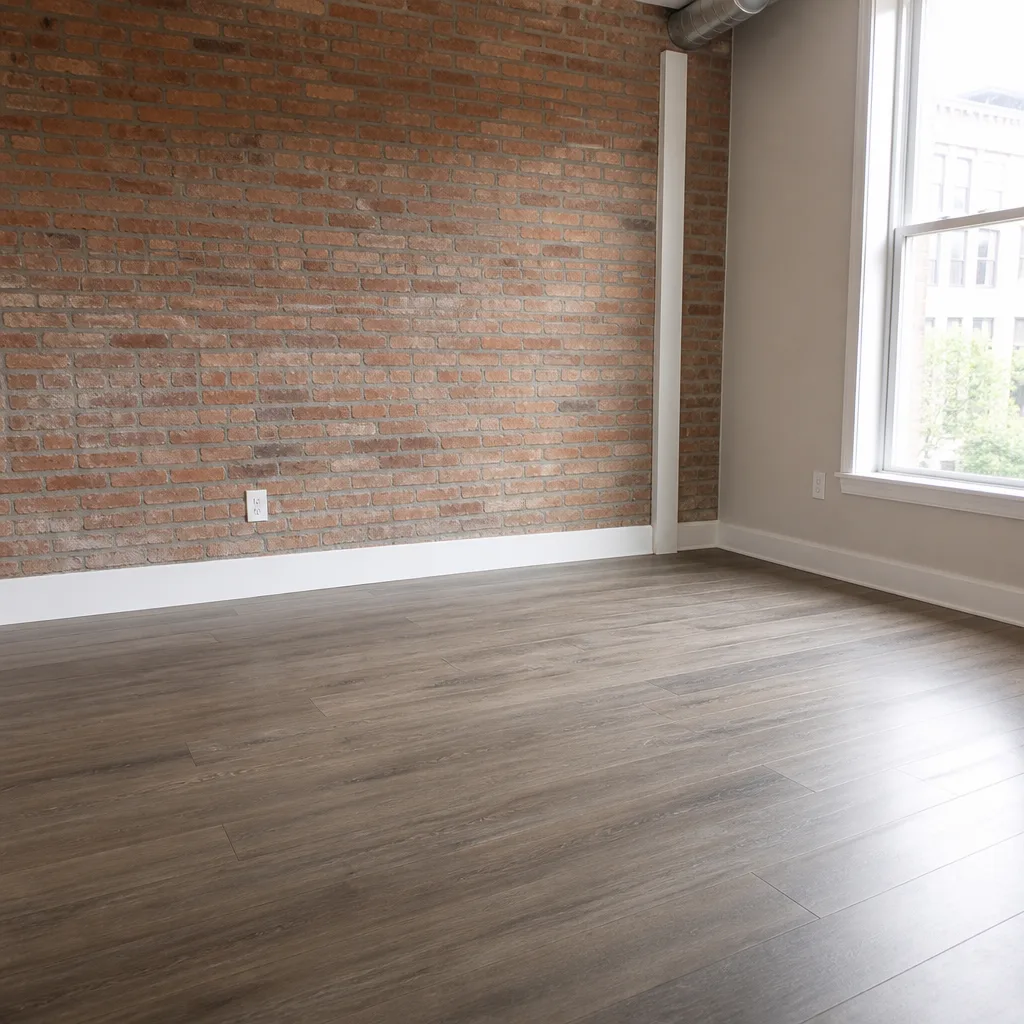 After
After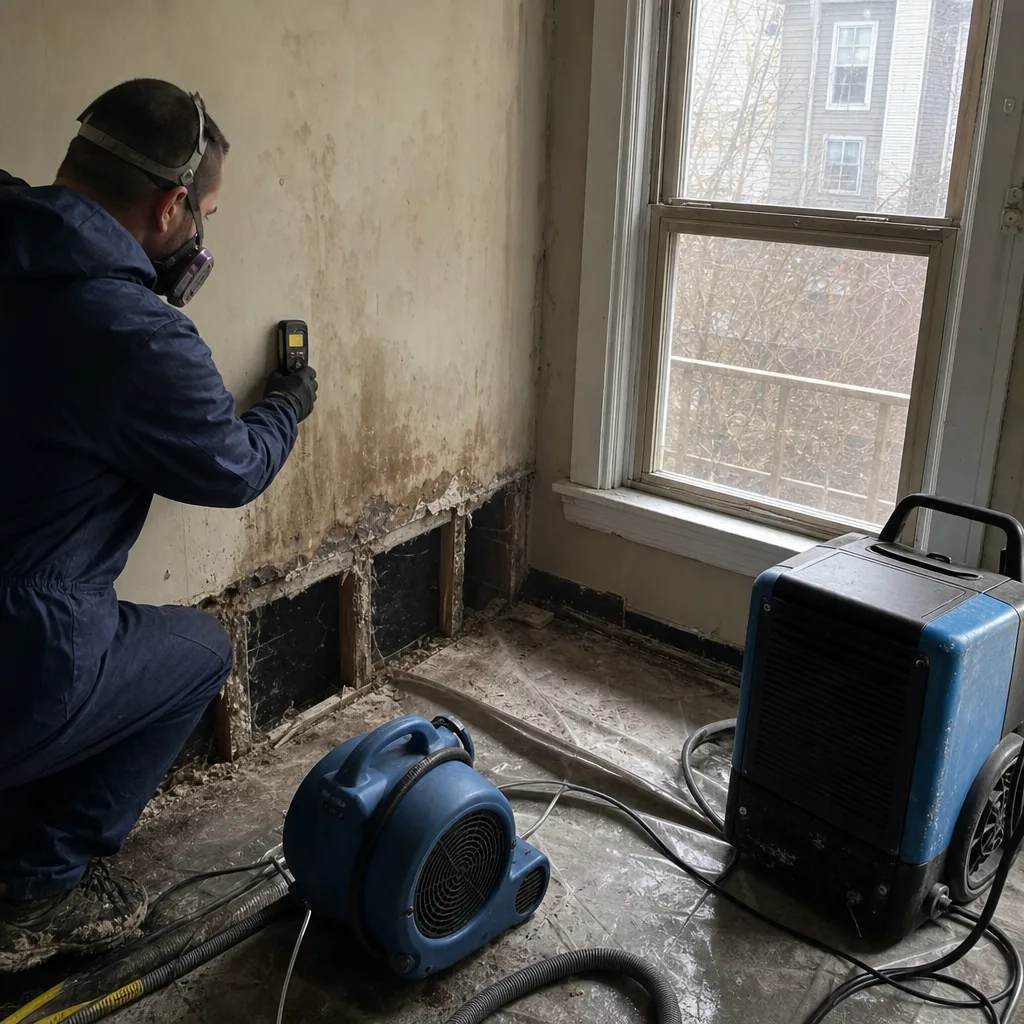 Before
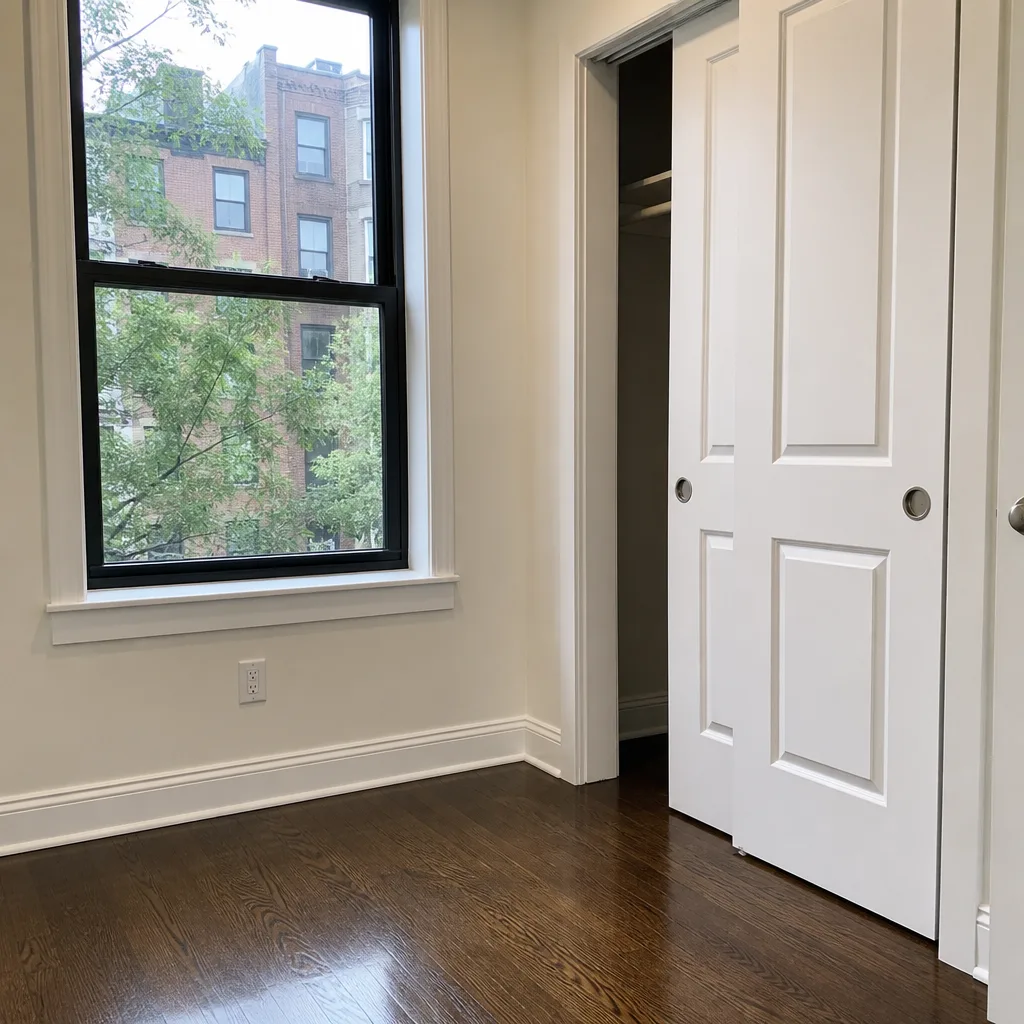 After
After24/7 Emergency Reconstruction & Cleanup in Weehawken
Reconstruction and cleanup in Weehawken typically starts with a live call, not a web form. We answer the phone 24 hours a day at (640) 500-3278, and a real dispatcher sends a crew toward your street while you’re still on the line. Whether you’re on the upper bluff off Boulevard East or down at Port Imperial, our team reaches Weehawken addresses fast because the first few hours decide how much can be saved. Water moves through old plaster and behind masonry faster than most people think, and a delay of even one night can turn a cleanup job into a full reconstruction. That’s why we show up for a free visual inspection, give you a written scope before any work begins, and start extraction the same visit when the situation calls for it.
Understanding Reconstruction & Cleanup Severity in Weehawken Properties
Weehawken’s building stock splits into two distinct damage profiles. The upper bluff holds 1890s to 1940s brick row houses and garden apartments with original plaster walls, cast-iron drain stacks, and shallow masonry foundations set against Palisades traprock. Water there tends to be Category 1 or 2, moving laterally through rock and into basement walls rather than pooling on the surface. The lower Port Imperial waterfront is mostly post-2000 condo towers where ground-floor mechanical rooms, elevator pits, and parking decks take Category 3 tidal water during storm surge. The severity difference matters for everything downstream: a Category 1 rainwater cleanup behind a Highwood Avenue rowhouse needs aggressive drying but limited demolition, while Category 3 water in a Port Imperial garage requires full containment, antimicrobial treatment, and often replacement of wall assemblies. We moisture-map every Weehawken job with thermal imaging and hygrometers before touching a wall, because in this township you can’t assume the water source from where it shows up.
Why Weehawken Property Owners Choose Floodline Restoration Co.
- 45-minute response commitment. Weehawken is compact, but Boulevard East traffic and Port Imperial access gates can slow anyone down. We commit to having a crew rolling toward you inside 45 minutes, and we’ll tell you exactly when to expect us.
- Live answer around the clock. A person picks up at 2 a.m., not a recording. The dispatcher knows which crews are closest to Weehawken and can route them immediately.
- Certified crews on every job. Our technicians carry IICRC WRT, FSRT, and AMRT certifications. They’re background-checked, uniformed, and trained to RIA and IFA standards.
- Free visual inspection. A technician walks the property, explains what we found in plain terms, and gives you a written scope before any work starts. No pressure, no upsell.
- Direct insurance billing. We bill your carrier directly and handle adjuster communication, so you’re not the middleman between Floodline and your insurer.
- One team, start to finish. The same certified crew that reads the moisture map on day one handles daily readings, hands the log to you and your carrier, and rebuilds what needs rebuilding. No mid-job handoff to a subcontractor you’ve never met.
Our Reconstruction & Cleanup Process
Inspection & Assessment
We walk every affected room, take thermal imaging and moisture readings, and identify the water category and source. For Weehawken basements we specifically check for lateral seepage from Palisades rock, not just surface flooding.
Extraction & Stabilization
Standing water comes out with truck-mounted extraction, and we stabilize any compromised materials. On upper-bluff properties, this often means removing wet plaster only where the moisture map confirms it’s saturated.
Drying & Dehumidification
We set Dri-Eaz dehumidifiers, XPOWER air movers, and Phoenix units sized to the cubic footage, not guesswork. Daily moisture readings are logged until the dry standard is met, and the log goes to you and your carrier.
Cleaning & Sanitization
HEPA air scrubbers and HEPA vacuuming remove particulate and mold spores that visible cleaning misses. For Category 3 water at Port Imperial, we use full containment with negative air pressure while we work.
Mold Prevention & Specialty Treatment
Weehawken’s traprock drives moisture into wall cavities invisibly. We treat wall interiors with antimicrobial agents and, where the moisture source is horizontal rock seepage, recommend cavity-drain membrane systems anchored into the rock face, not standard French drains.
Repairs & Restoration
Drywall, flooring, plaster, trim, paint, and whatever else the job requires. We rebuild to match the original character of your Weehawken home, and the work is covered by our 90-Day Done Right Promise in writing.
Need Emergency Reconstruction & Cleanup in Weehawken Now?
Crews minutes away, answering live 24 hours a day. The sooner we start, the less it costs.
Working With Your Insurance Company
We’ve handled hundreds of Weehawken claims, from upper-bluff basement seepage to Port Imperial storm-surge losses, and we know what carriers actually need to approve reconstruction work quickly. The documentation starts in the first hour, not after the fact: photos before anything moves, moisture readings at every stage, and a line-item scope written to industry standards. We communicate directly with your adjuster, send the drying logs as they’re generated, and answer technical questions they raise. That’s direct insurance billing in practice: you don’t carry paper between us and the carrier, and you don’t get surprised by a bill we said someone else would handle. The written scope you approve before work starts is the same scope your adjuster sees.
What We Provide Your Insurer
- Thorough documentation of the loss
- Photos of all damage, room by room
- Moisture readings and drying logs
- A detailed, line-item scope of work
- Direct coordination with your carrier
Built for Weehawken’s Loss Calendar
Weehawken’s damage season tracks the Hudson River’s moods and the township’s vertical geography. January deep freezes burst supply lines in unheated upper-bluff basements, and the water sits against masonry foundations already holding traprock moisture. February and March bring the thaw, when snowmelt on the Palisades cascades down and concentrates at mid-bluff basement walls before storm sewers can catch it. April through June is seepage season: saturated rock behind older foundations finds every crack in 1890s brickwork. Summer thunderstorms drop an inch in an hour, and Boulevard East’s grade turns runoff into a focused stream into garden apartments and rowhouse stairwells. Late summer and fall bring nor’easters and the occasional tropical remnant, when the Hudson pushes into Port Imperial parking decks and ground-floor mechanical rooms. Every Weehawken property has a season. We plan around them all.
Reconstruction & Cleanup Across Weehawken’s Neighborhoods
Our crews know Weehawken block by block because the damage changes block by block. Around Highwood Terrace and the streets off JFK Boulevard East, the 1920s brick row houses sit directly on Palisades rock, and we routinely open basement walls to find the original cast-iron drain stacks cracked from lateral stone pressure. Up near Hamilton Park and along Gregory Avenue, the garden apartments from the 1930s and 1940s share similar masonry issues but with tighter access for extraction equipment, so we send smaller portable units alongside our full-size gear. Down at Port Imperial and the waterfront along River Road, our crews work inside high-rise loading docks, elevator pit rooms, and post-tensioned slab parking decks where access coordination with building management matters as much as the drying science. On the mid-bluff streets like Clifton Terrace and Liberty Place, runoff from the escarpment hits older foundations at speed, and we see more lateral wall intrusion than standing water. The address tells us the likely source before we park the truck.
Specialized Reconstruction & Cleanup Services We Offer in Weehawken
Full-Service Reconstruction
From demolition to the last coat of paint, we rebuild Weehawken homes the way they were built originally. That means matching old plaster profiles on upper-bluff row houses, sourcing period-appropriate trim where we can, and rebuilding modern Port Imperial units to current building code. The 90-Day Done Right Promise applies to every reconstruction job, in writing.
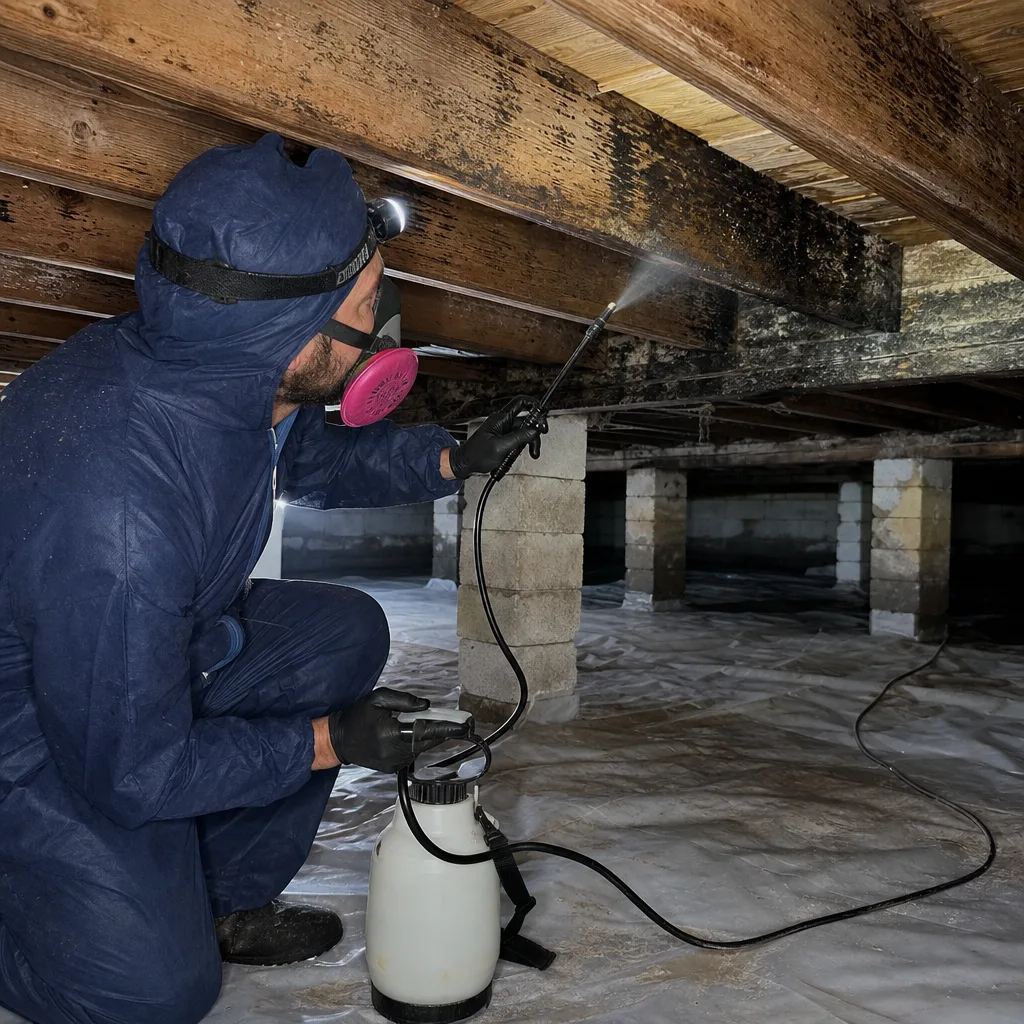
Drywall & Flooring Repair
Weehawken basements destroy drywall and flooring differently than anywhere else in Hudson County. We cut only what the moisture map says is wet, treat the framing and cavity, and install new drywall, hardwood, tile, or resilient flooring that matches what was there. For older homes, we preserve original flooring wherever possible and refinish rather than replace when the structure is sound.
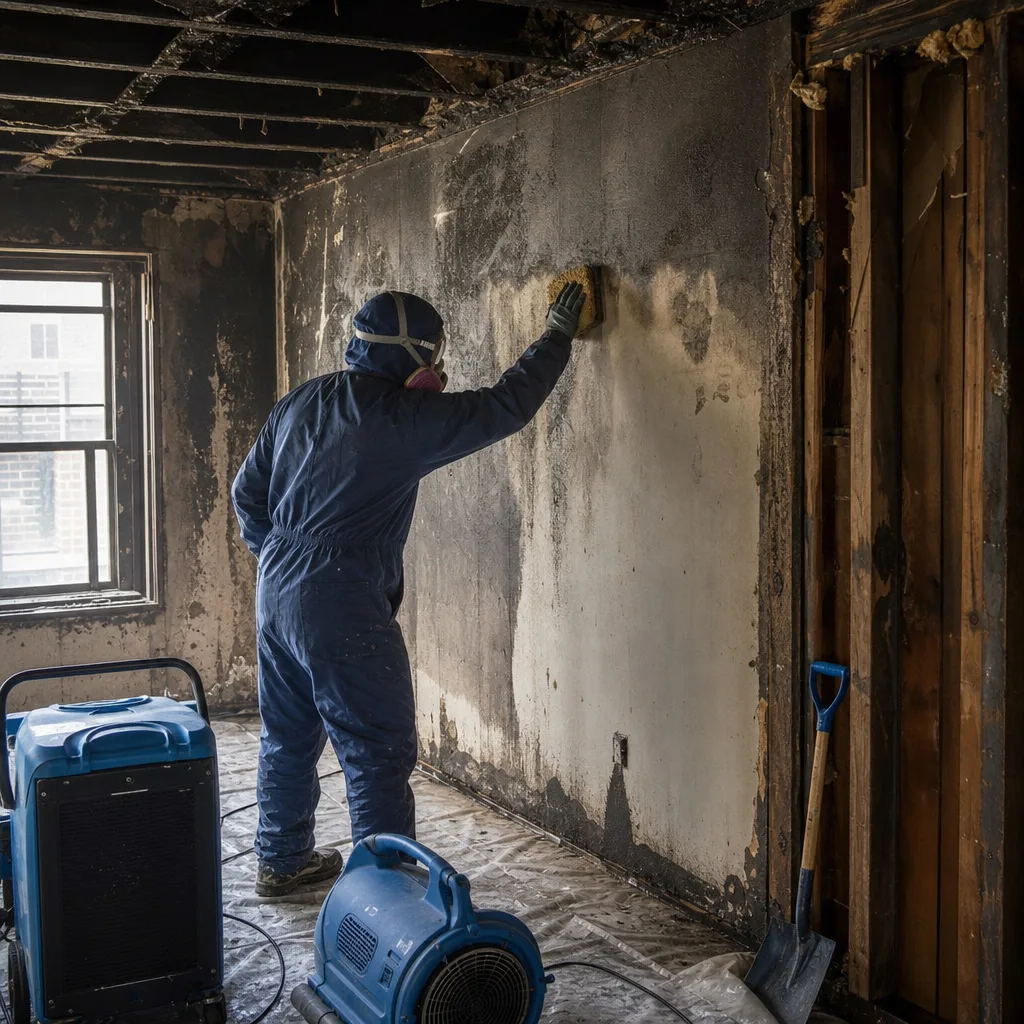
Contents Restoration & Pack-Out
When a Weehawken basement takes on water, the furniture, documents, family photos, and stored belongings need the same attention as the walls. We inventory, pack out, clean, and restore contents at our facility, returning them when your home is ready. Wine collections from upper-bluff cellars, photo albums, clothing, furniture: everything gets documented for your claim and treated with the same care as the structure.
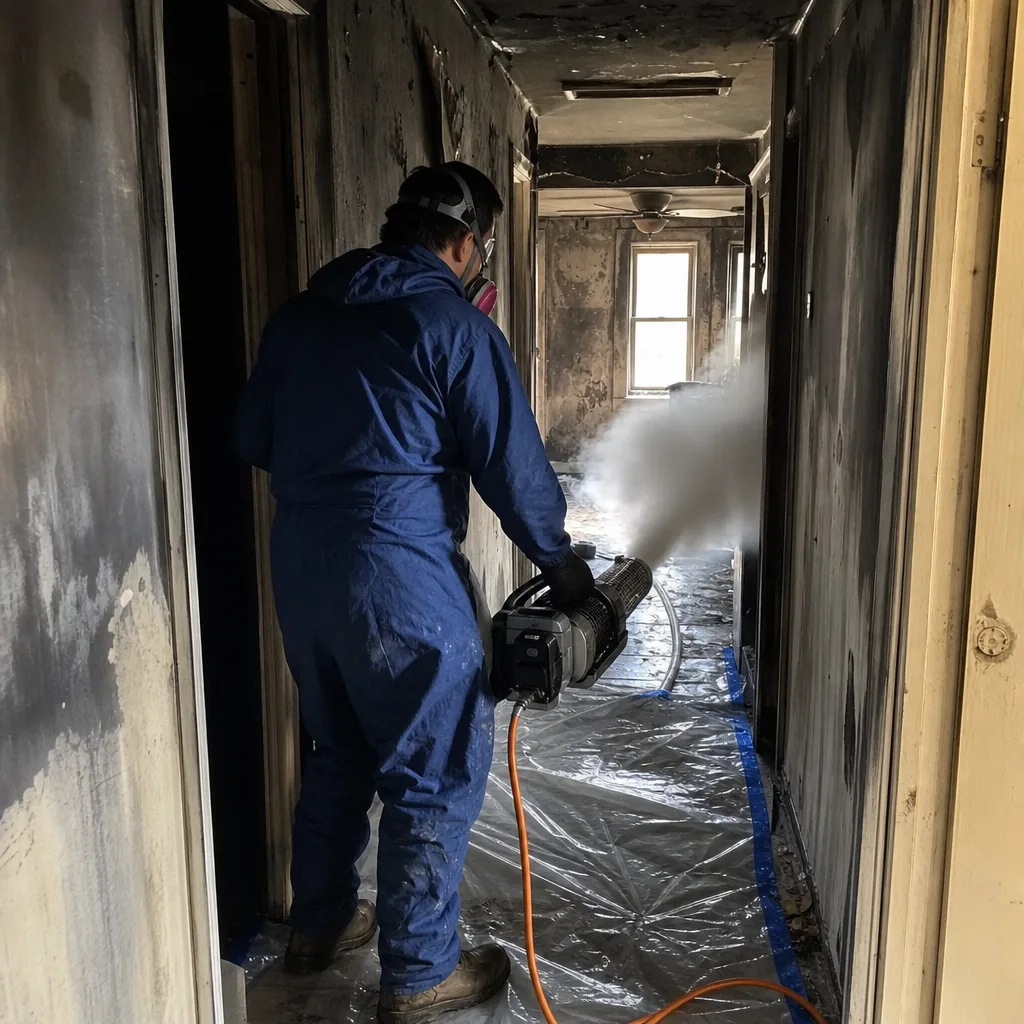
Carpet & Upholstery Cleaning
For water losses that didn’t reach the walls but left carpet smelling like the Hudson, we extract, clean, and deodorize carpets and upholstery on site or at our facility. If carpet is salvageable, we save it. If the pad is saturated with Category 3 water, we tell you straight and replace both pad and carpet, the scope agreed before we start.
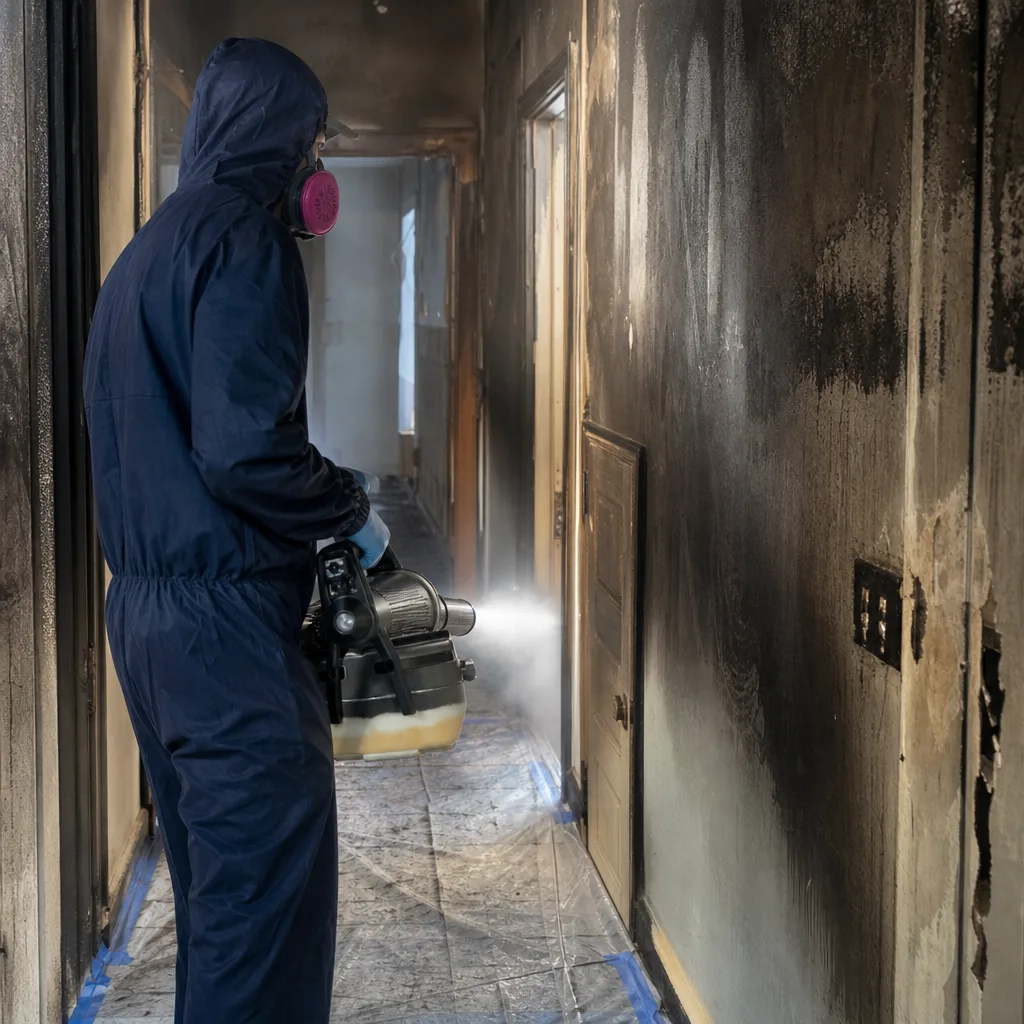
Post-Construction Cleanup
After our own rebuilds and after other contractors’ work, we clear every surface of construction dust, debris, and residue. HEPA vacuums handle the fine dust that settles into Weehawken’s old plaster walls and new drywall alike. You get the keys back to a home that’s clean, not just rebuilt.
What happens when you call
- 1
A real person answersNo phone trees - you reach a local pro.
- 2
You get an upfront price rangeHonest numbers before anyone is dispatched.
- 3
A background-checked tech heads outLicensed & insured, dispatched right away.
- 4
You approve before work beginsNothing starts until you say go.
Reconstruction & Cleanup Costs in Weehawken, NJ
Weehawken pricing is shaped by the township’s building stock and the Palisades itself. A straightforward Category 1 basement cleanup with drying and minor drywall repair on an upper-bluff home typically runs $2,800 to $6,500, depending on square footage and how far water traveled behind walls. Mid-bluff jobs with lateral rock seepage and mold remediation inside wall cavities run $6,000 to $14,000, because the moisture source must be addressed or the problem returns. Port Imperial Category 3 losses on ground-floor mechanical rooms or parking decks often exceed $15,000, driven by containment requirements, commercial structural drying under post-tensioned slabs, and code-driven electrical and ventilation repairs. Full reconstruction after a serious loss in a Weehawken rowhouse can run $25,000 to $80,000+, and that’s a written-scope conversation, not a phone estimate. We give free visual inspections so you know your exact number before any work begins.
We Also Serve Cities Near Weehawken
Our dispatchers route crews to Weehawken and the surrounding Hudson County communities every day, including Union City, Hoboken, North Bergen, and Secaucus. The same live answer, the same written scope, and the same 90-Day Done Right Promise apply anywhere our trucks go.
Serving Weehawken, NJ - Our Local Coverage Area
We’re based in the Weehawken area and know this community well. Use the map below to see our service coverage - if you’re nearby, we can almost certainly help.
Weehawken Reconstruction & Cleanup Questions, Answered
Why do French drains often fail in Weehawken basement water damage cases?
French drains are designed for surface infiltration, not lateral groundwater pressure. The Palisades diabase traprock behind older Weehawken foundations holds water and pushes it horizontally into masonry walls, so a standard French drain catches only a fraction of the water. The fix is a cavity-drain membrane system anchored into the rock face itself, which intercepts water behind the wall and channels it to a sump. Our crews install these in upper-bluff homes when the moisture source is rock seepage rather than surface runoff.
How do you handle post-Sandy reconstruction in Port Imperial versus upper-bluff homes?
Port Imperial losses are typically Category 3 tidal water in concrete structures, requiring commercial-grade structural drying, full containment, and attention to mechanical rooms and elevator pits. Upper-bluff homes usually involve Category 1 or 2 water moving through masonry and old plaster, which demands moisture mapping behind walls and often plaster preservation rather than full gutting. One job may need Dri-Eaz desiccant systems under a post-tensioned slab; another may need cavity-drain membrane and targeted sheetrock replacement. We’ve done both in a single day during storm recovery.
What’s the fastest way to prevent mold after a Weehawken storm on a mid-bluff property?
Call a professional team with moisture meters within the first 48 hours. Mid-bluff homes take runoff from the Palisades that enters wall cavities invisibly, and mold blooms inside those cavities within two days even when the visible floor water is cleaned. The fastest prevention is aggressive structural drying with dehumidifiers and air movers sized to the cubic footage, plus antimicrobial treatment inside wall cavities before the drywall goes back up. Do not just mop and run fans. Call us at (640) 500-3278 and a technician will inspect the same day.
Can you rebuild a Weehawken home’s original plaster walls after water damage without replacing them fully?
Often, yes. Plaster walls in 1890s to 1940s Weehawken homes respond well to targeted drying and repair when the moisture hasn’t caused delamination. We use moisture meters to map the exact wet areas, dry them with dehumidifiers, and patch only the damaged sections using traditional plaster materials. Full replacement is only recommended when the plaster has separated from the lath or crumbled, which we saw too often in basements with years of untreated rock seepage. The written scope tells you which path applies before we start.
How do you document a reconstruction claim for a Weehawken condo where ground-floor flooding affected multiple units?
We document each unit separately with its own photo log, moisture readings, and scope of work, then coordinate with the building’s master policy and each owner’s individual policy. Port Imperial condo claims get complicated because the building’s common areas, mechanical rooms, and individual units often fall under different coverages. Our direct adjuster coordination handles that split, and every document goes to the right carrier without you playing messenger.
How fast can someone actually get to my Weehawken home?
We commit to a 45-minute dispatch response and a crew at your door as fast as Weehawken traffic allows. Boulevard East and Port Imperial access can add time, but our dispatchers know the routes and which crews are closest to you. Every call is answered live, so you’ll know your ETA before you hang up.
Will insurance cover my Weehawken reconstruction work?
Most Weehawken water damage is covered under standard homeowners or condo policies, but the specifics depend on the source and your policy’s water damage provisions. Rock seepage and groundwater may require endorsements or separate coverage. We document everything from the first hour in the format carriers expect, and we bill them directly. Bring us your policy information and we’ll tell you what to expect before any work begins.
Do I really need full reconstruction after a Weehawken basement flood, or just a cleanup?
That depends on the moisture map, not the visible puddle. Upper-bluff basements often need more reconstruction than they appear to, because the Palisades water travels behind walls and under flooring. Port Imperial floods often require more than cleanup when mechanical rooms and electrical are involved. We’ll tell you the truth after a free inspection, and the written scope shows you exactly what needs rebuilding and what can be dried and kept. You never pay for a full gut when a targeted repair works.
Written by Curt Bowman, Owner at Floodline Restoration Co., serving Weehawken and Hudson County since 2010.