

Free visual inspection and a written scope of work before any mitigation begins - photos, moisture readings, and drying logs go in your claim file
The scope we write is the scope we bill. Anything new gets shown to you, in writing, before we touch it.
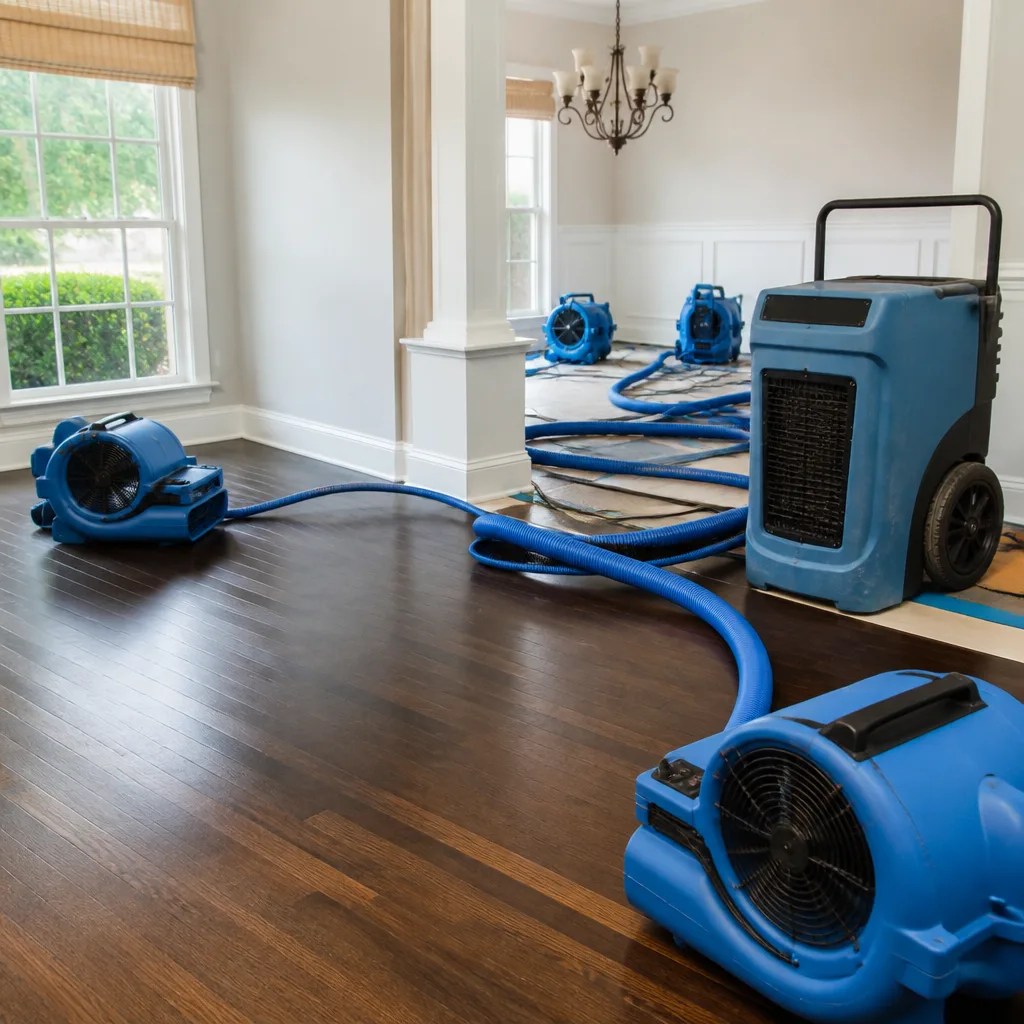
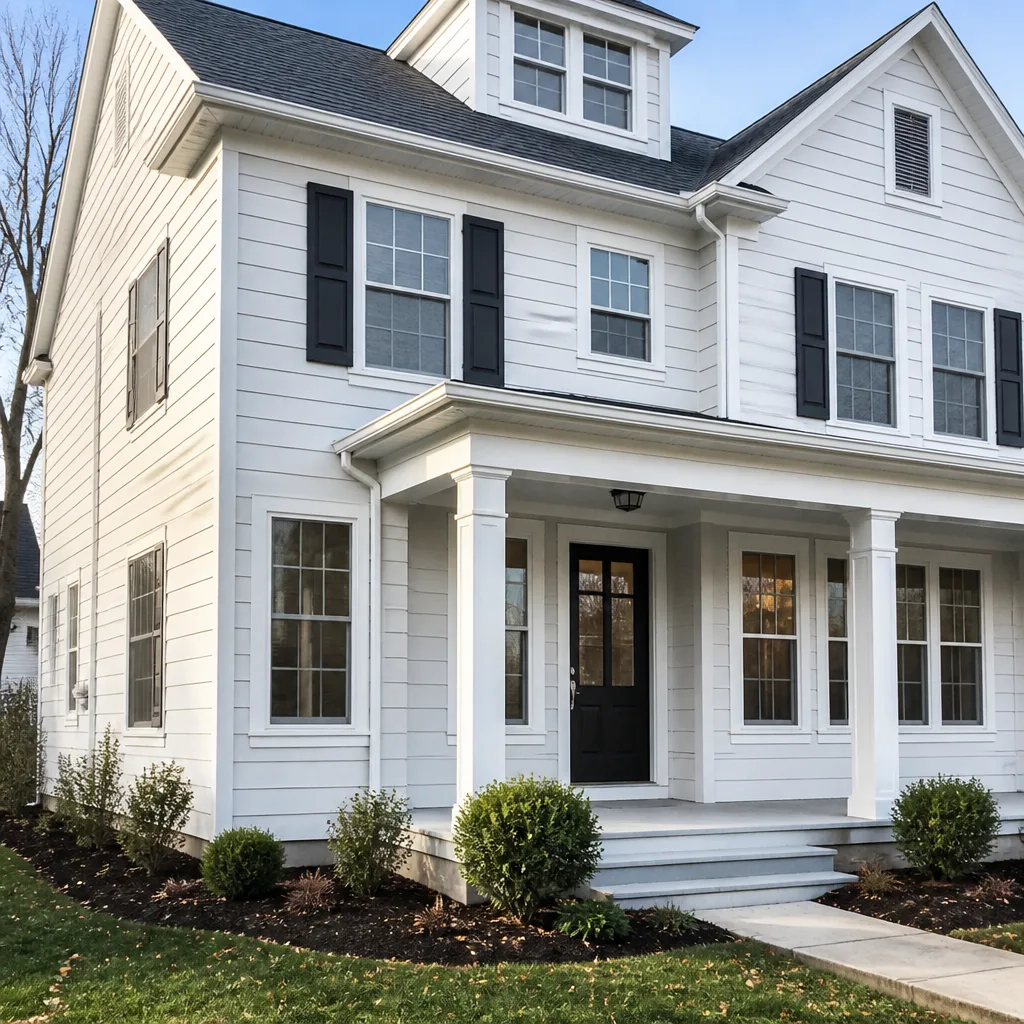

 Before
 After
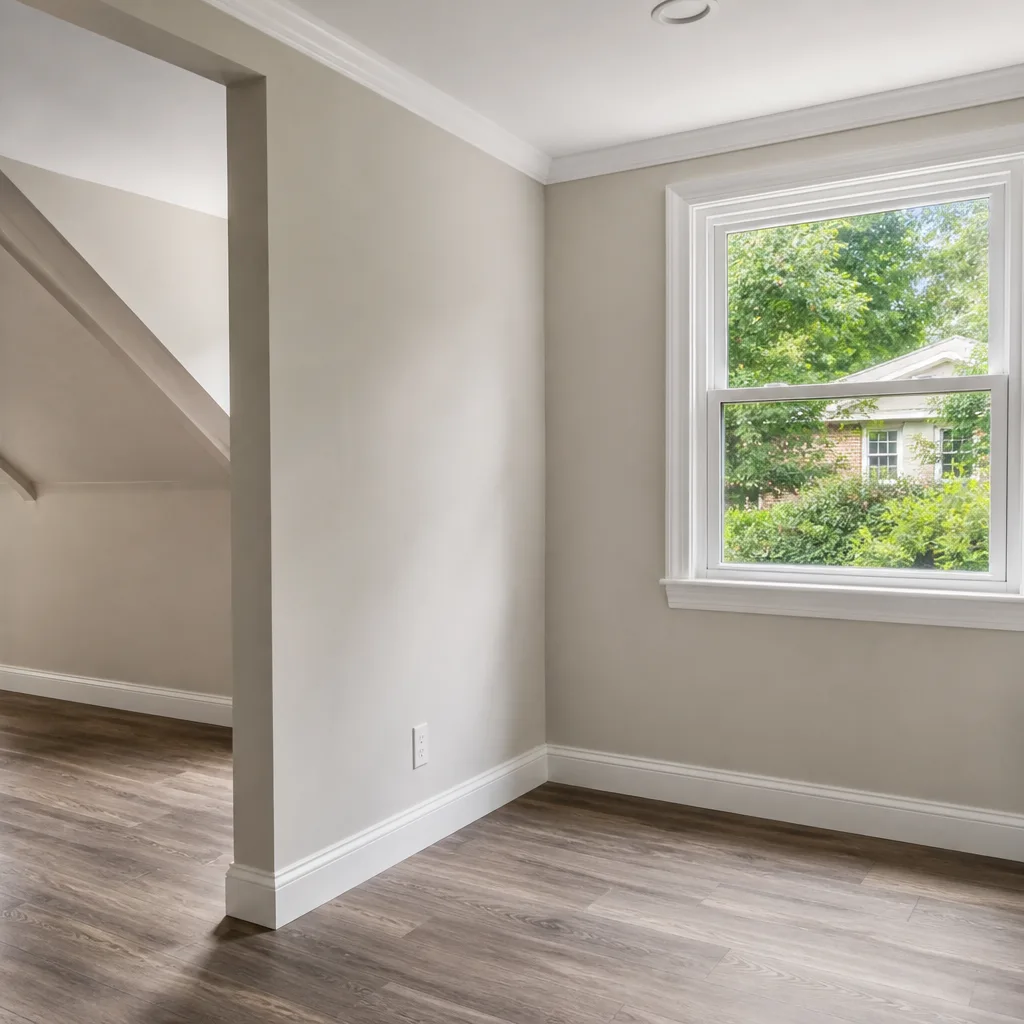
After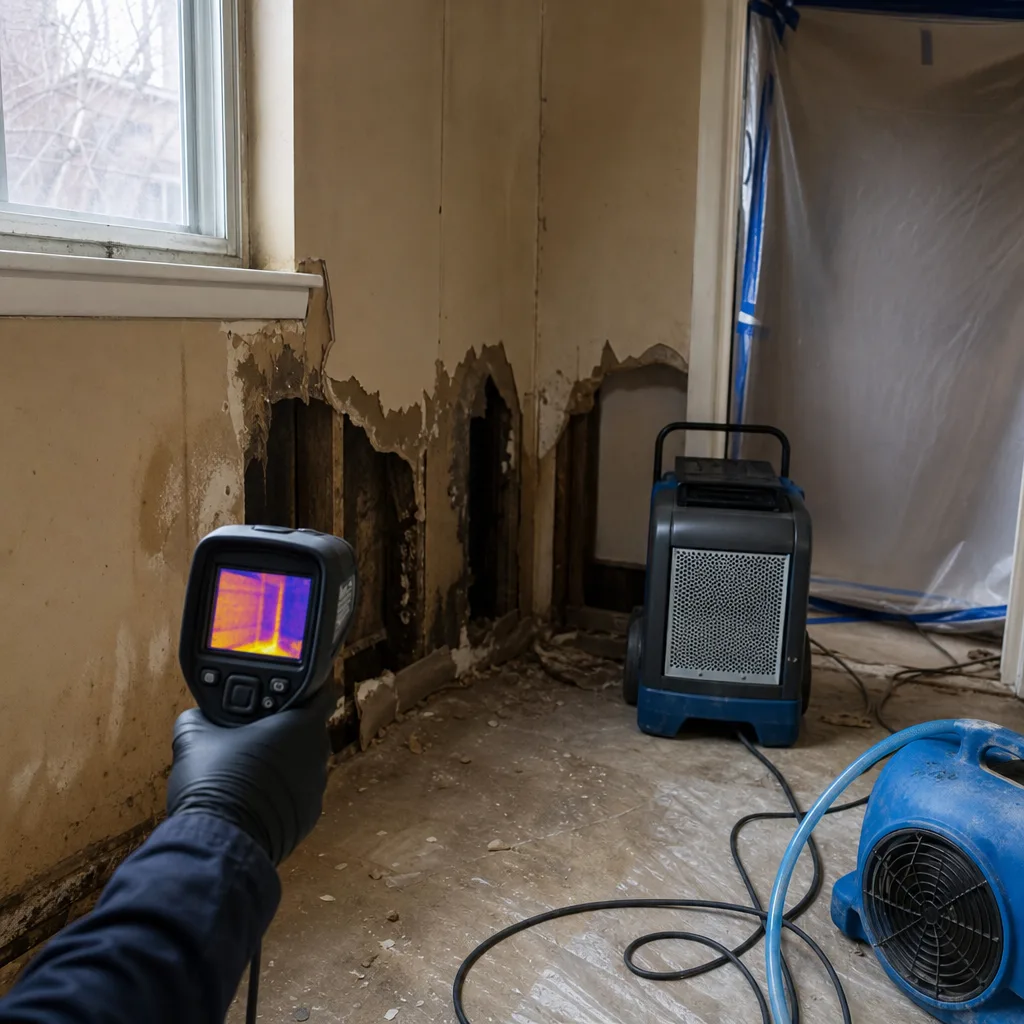 Before
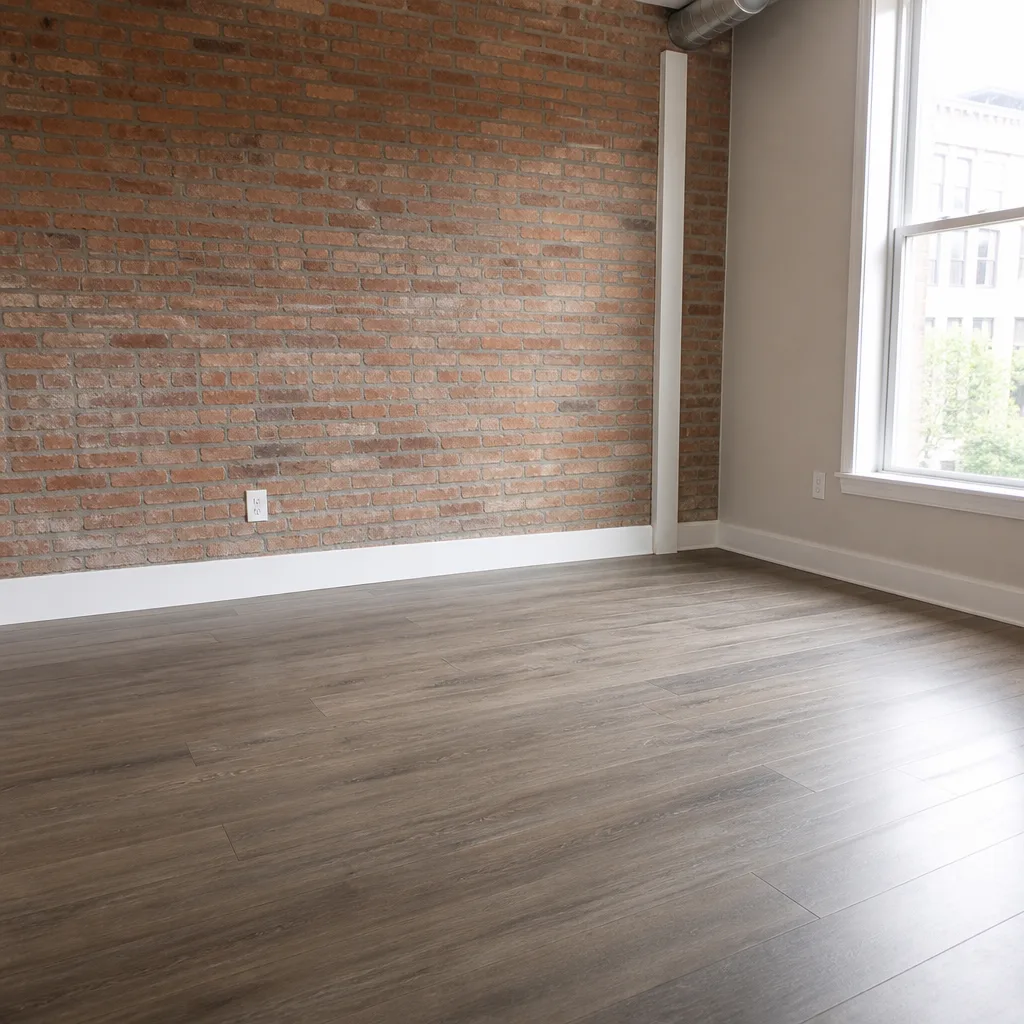 After
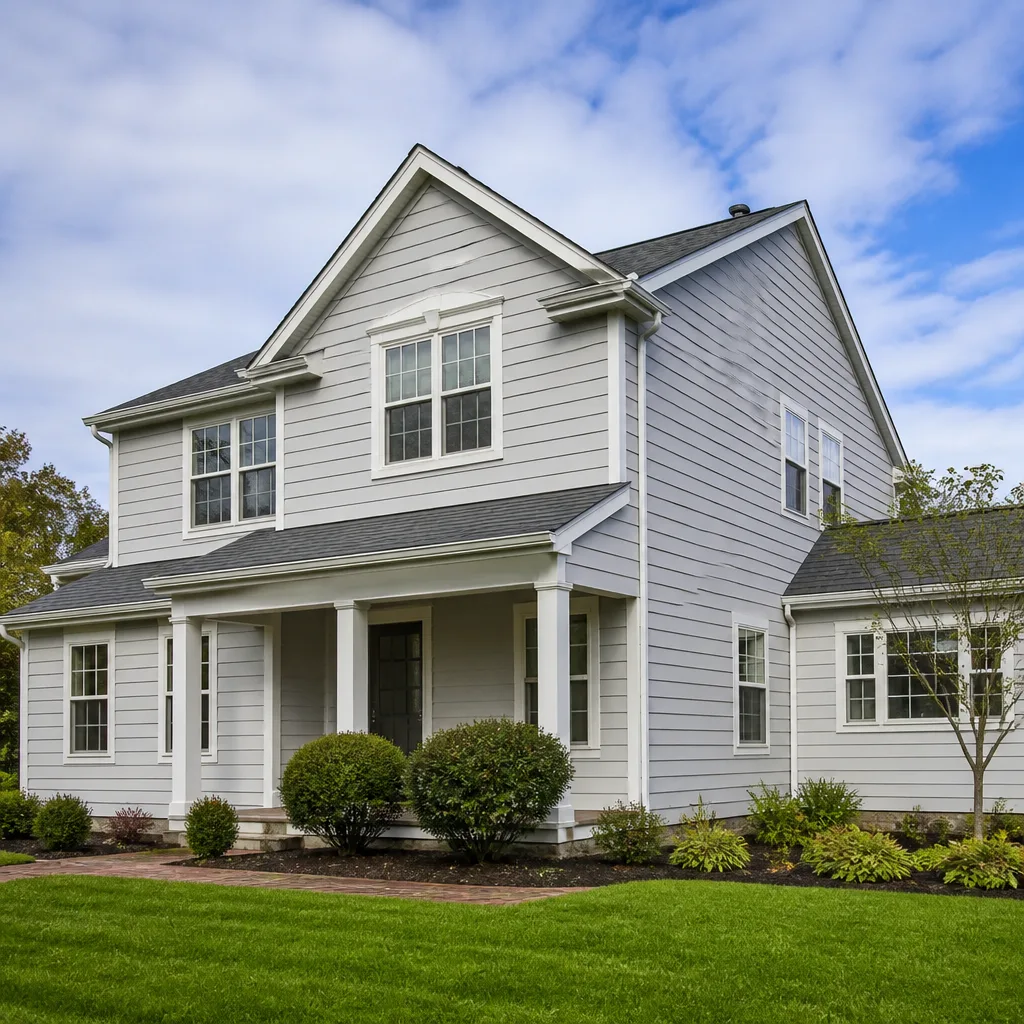
After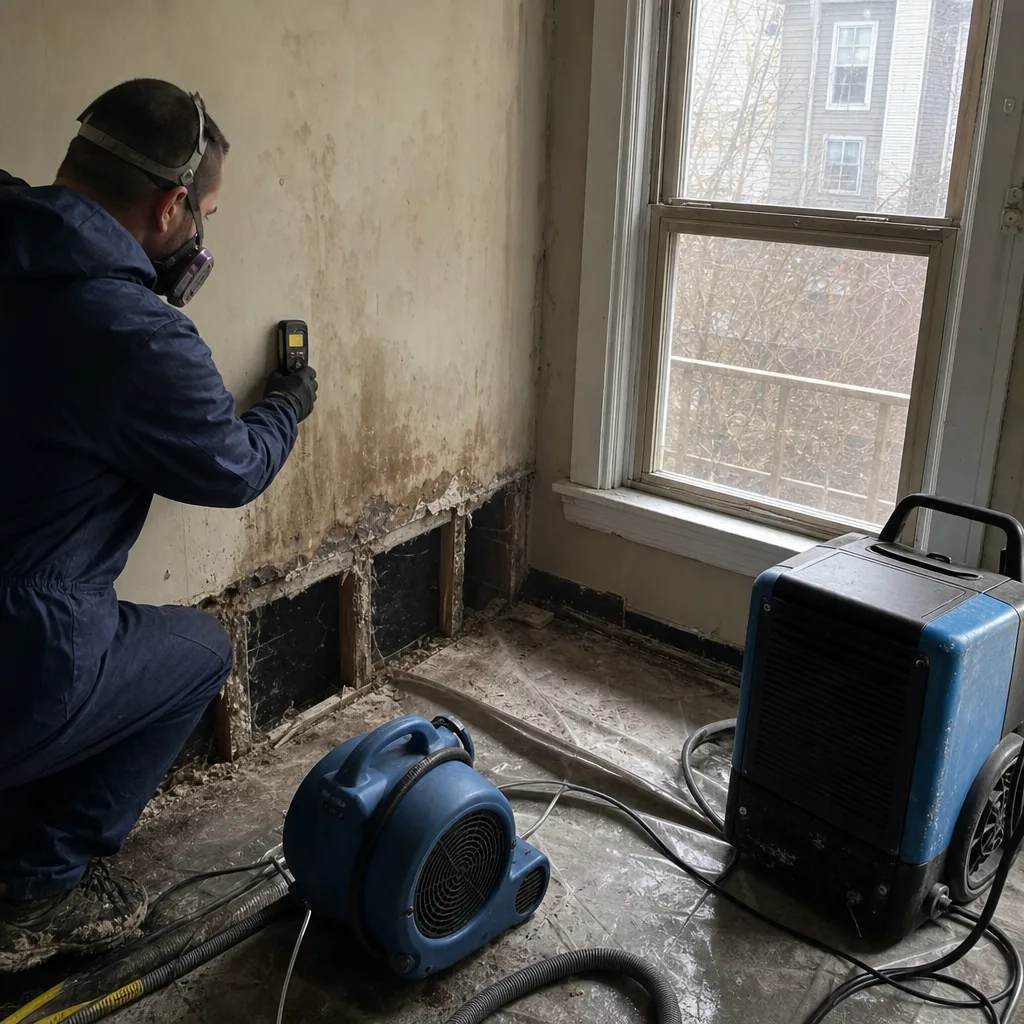 Before
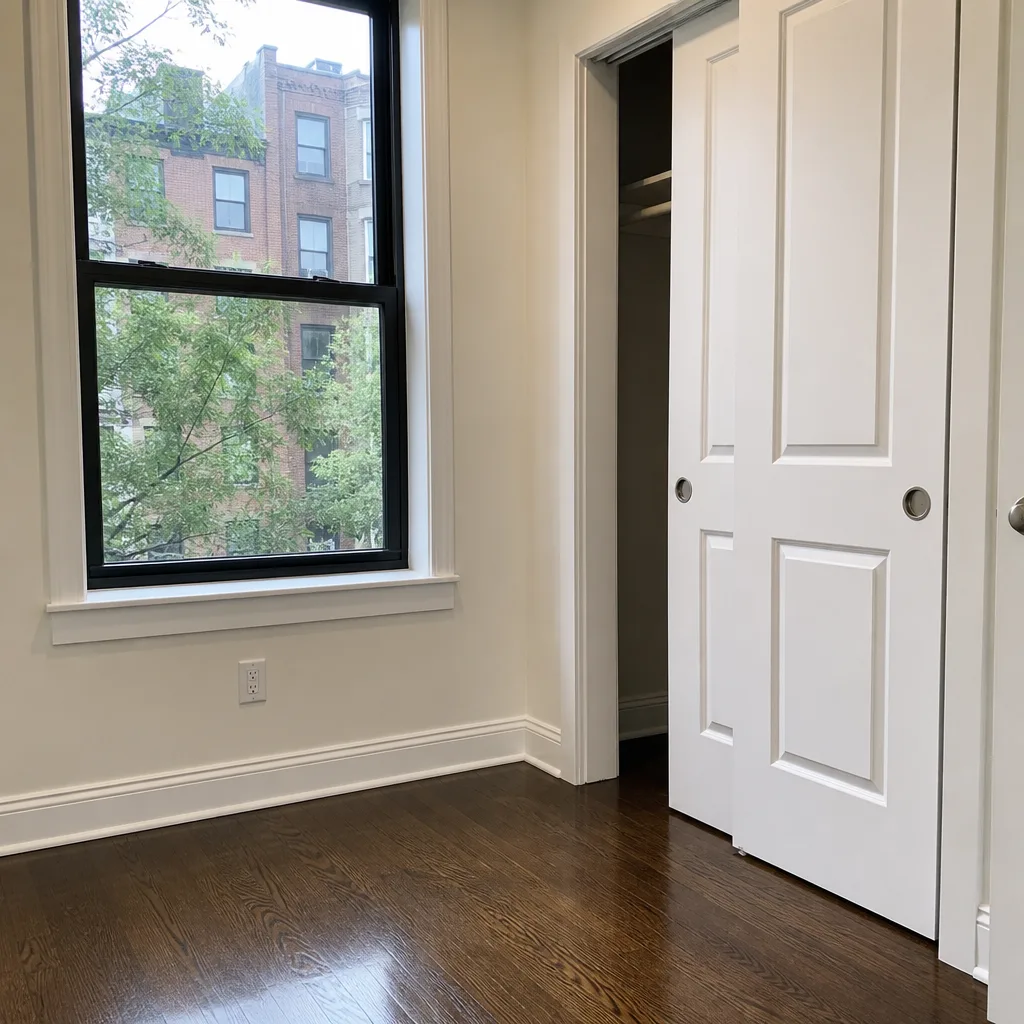 After
After24/7 Emergency Mold Remediation in Hoboken
Mold in a Hoboken brownstone or garden-level apartment is rarely a slow problem. It follows water, and water here moves fast, through party walls, under baseboards, into plaster that’s been soaking up Hudson County humidity since the 1920s. If you’ve spotted discoloration on a wall, caught that musty smell in a basement unit, or just watched floodwater recede from a sewer backup, call (640) 500-3278 right now. A live dispatcher answers, day or night, and we’ll have a certified crew at your door with containment supplies and moisture meters, not a clipboard and a sales pitch. The first hour matters because mold spores colonize wet drywall and plaster within 24 to 48 hours, and in Hoboken’s tightly packed row houses, every hour of delay means contamination spreading farther into shared walls and neighboring units.
Understanding Mold Remediation Severity in Hoboken Properties
Mold remediation in Hoboken is not a cosmetic cleaning job. The severity scale here is driven by two things most cities don’t face together: a combined sewer system that backflows raw sewage into basements during heavy rain, and a housing stock of 4-to-6-story brick and brownstone row houses built between the 1880s and 1920s with original plaster-and-lath walls and shared party walls. When Category 3 water, the most hazardous classification, defined by sewage, bacteria, and pathogens, soaks into those materials, the mold that follows is not surface mildew. It’s a contamination event that requires full containment, negative air pressure, HEPA air scrubbing, and removal of porous materials that cannot be sanitized. A garden-level apartment on Bloomfield Street and a fifth-floor condo face very different remediation scopes, but both demand a moisture map across the entire floor plate, not just the visible stain. In these old buildings, water travels laterally through brick and joist cavities, so the mold you can’t see is usually the mold that causes the recurrence.
Why Hoboken Property Owners Choose Floodline Restoration Co.
- 45-minute response commitment. When you call with standing water or visible mold, we dispatch a crew immediately. In a one-square-mile city, we’re never far from your block, whether it’s near Washington Street or over by the 14th Street Viaduct.
- A live person answers, 24/7. No phone trees, no answering service runaround. A real dispatcher picks up at 2 a.m., asks the right questions, and sends a certified crew, not a subcontractor.
- IICRC-certified crews. Our techs hold WRT, ASD, and AMRT certifications. They know the difference between drying a clean-water leak and remediating a Category 3 sewage surcharge, and they document every reading.
- Free visual inspection. We’ll assess the scope, show you exactly where the moisture is, and give you a written plan before any work starts. No obligation, no high-pressure close.
- Direct insurance billing. We work with your carrier directly, from first notice of loss to final supplement. You never play messenger between us and the adjuster.
- One team from extraction to reconstruction. The same Floodline crew that sets up containment and runs drying also handles the drywall replacement, trim, and paint. No handoff to a third party, no finger-pointing at the end.
Our Mold Remediation Process
Inspection & Assessment
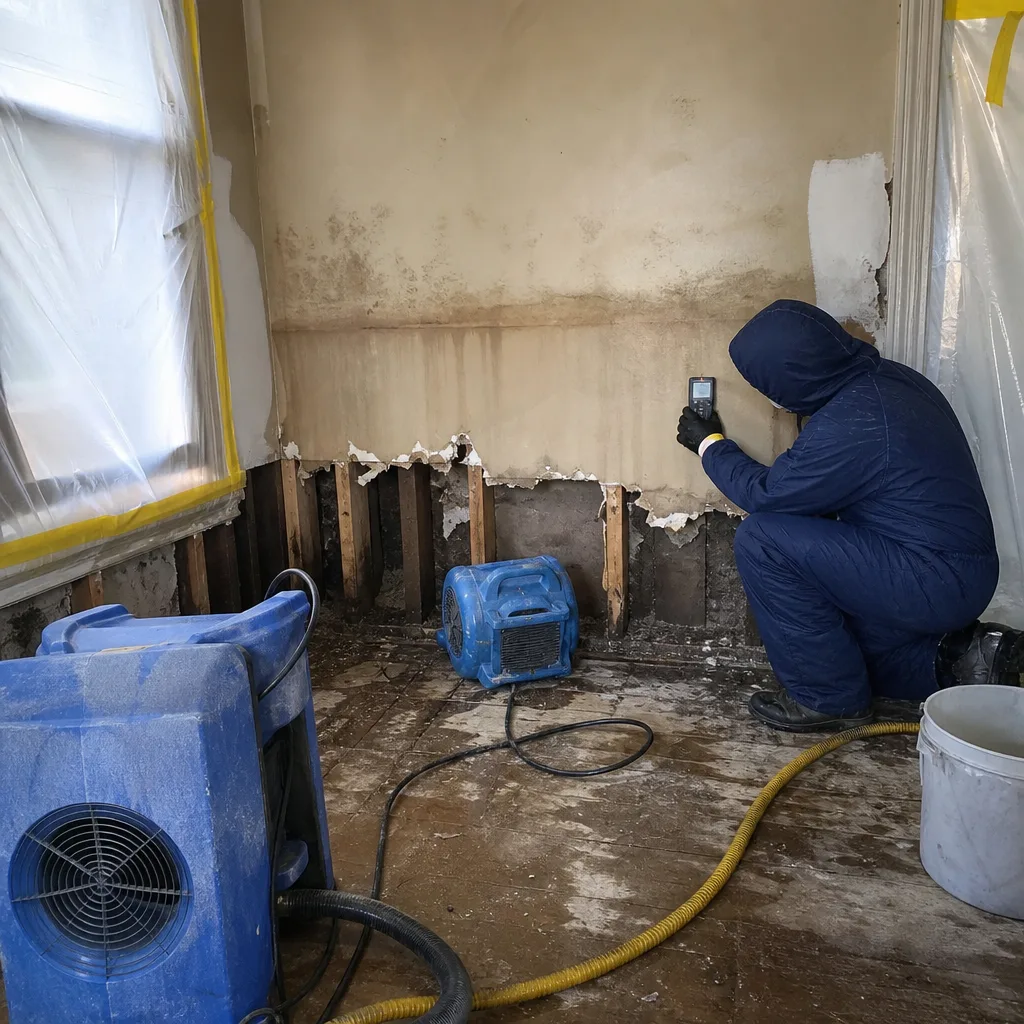
We start with a full visual inspection and moisture mapping using thermal imaging and hygrometers. In a Hoboken brownstone, that means checking not just the wet room but the party walls on both sides and the joist bays above and below.
Containment & Source Control
We seal the affected area with 6-mil polyethylene, establish negative air pressure, and stop the water source if it’s still active. For a sewer surcharge, that includes antimicrobial application on all affected surfaces before drying begins.
Drying & Dehumidification
Dri-Eaz dehumidifiers and high-velocity air movers run continuously, with daily moisture readings logged until every surface hits the dry standard. In Hoboken’s dense rowhouses, we monitor adjacent units too, because drywall drying against a shared brick wall behaves differently than a freestanding wall.
Cleaning & Sanitization
HEPA scrubbers run throughout the job to capture airborne spores. Contaminated porous materials like drywall, insulation, and sometimes original plaster are removed and bagged on site. Salvageable surfaces get treated with an EPA-registered antimicrobial.
Air Quality Restoration
After remediation, we run post-remediation verification with air sampling where indicated and ensure the ventilation pathways, often limited in Hoboken’s below-grade units, are clear. This step is what prevents the lingering musty smell that tells you mold is still active.
Repairs & Restoration
New drywall, insulation, trim, and paint go back in. If the subfloor or joists were damaged by black water, we address that structurally before finish work. The goal is pre-loss condition, not just a dry room with patches.
Need Emergency Mold Remediation in Hoboken Now?
Crews minutes away, answering live 24 hours a day. The sooner we start, the less it costs.
Working With Your Insurance Company
Mold claims in Hoboken are complicated because the cause of water matters more than the mold itself. A sudden pipe burst that leads to mold is typically covered. A slow leak you didn’t catch for months may not be. Sewer surcharge flooding, common in this city, often requires a specific endorsement. Our team documents everything from the first hour: photos of the standing water before extraction, moisture readings before and after drying, a line-item scope of work, and daily logs. We communicate directly with your adjuster, send them our documentation, and push back on lowball estimates. Floodline Restoration Co. has been doing this for years as our Mold Remediation team, and we know what Hoboken-area carriers require for a clean claim. Your job is to call us. Our job is to handle the paperwork.
What We Provide Your Insurer
- Thorough documentation of the loss
- Photos of all damage, room by room
- Moisture readings and drying logs
- A detailed, line-item scope of work
- Direct coordination with your carrier
Built for Hoboken’s Loss Calendar
Hoboken doesn’t have a mold season. It has a flood season that runs roughly January through December, with peaks you can set a clock to. January and February bring deep freezes that crack cast-iron supply lines in unheated basements and garden-level units, sending clean water through floors and into wall cavities. March and April thaw brings groundwater seepage through original brownstone foundations, the kind of slow, persistent moisture that feeds mold behind baseboards for weeks before you smell it. Summer thunderstorms overwhelm the combined sewer system, and that’s when we see the Category 3 black water backups that are the hallmark of mold remediation in Hoboken. Autumn Nor’easters combine storm surge with heavy rain, and because much of this city sits at or below sea level, the water has nowhere to go. The pattern is predictable. What matters is how quickly you respond when it happens, because mold in a Hoboken brownstone doesn’t wait for the adjuster to call back.
Mold Remediation Across Hoboken’s Neighborhoods
We work every block of this one-square-mile city, and each neighborhood has its own mold fingerprint. Downtown Hoboken, from Newark Street up past Washington Street, is dense with brick row houses sharing party walls, where a single flooded garden-level apartment sends moisture laterally into two or three adjoining units. We’ve handled multi-unit scopes near Church Square Park where the original plaster-and-lath walls wicked water from a sewer backup clear across a shared wall and into the neighboring brownstone. Over by Stevens Institute on the northern edge, the older brick buildings near Castle Point sit on filled marshland with high water tables, which means basement moisture is a near-constant condition and mold prevention requires aggressive dehumidification, not just one-time remediation. The southwest section near the 9th Street Light Rail and the Jersey City border has a mix of older walk-ups and converted industrial buildings, where large open floor plates mean contaminated air moves fast and containment has to be engineered carefully. In the garden-level apartments that line Bloomfield Street and Garden Street, the story is almost always the same: sewer surcharge from the combined system, black water soaking into drywall, and mold blooming within 48 hours. We know these blocks because we’ve remediated them more than once.
Specialized Mold Remediation Services We Offer in Hoboken
Mold Inspection & Testing
Before we remove anything, we find everything. In Hoboken brownstones, that means using thermal imaging and moisture meters across entire floor plates, into joist bays, and along shared party walls. We test surfaces and air where indicated, and we give you a written report that shows exactly what’s contaminated and what’s salvageable. No guesswork, no unnecessary demolition.
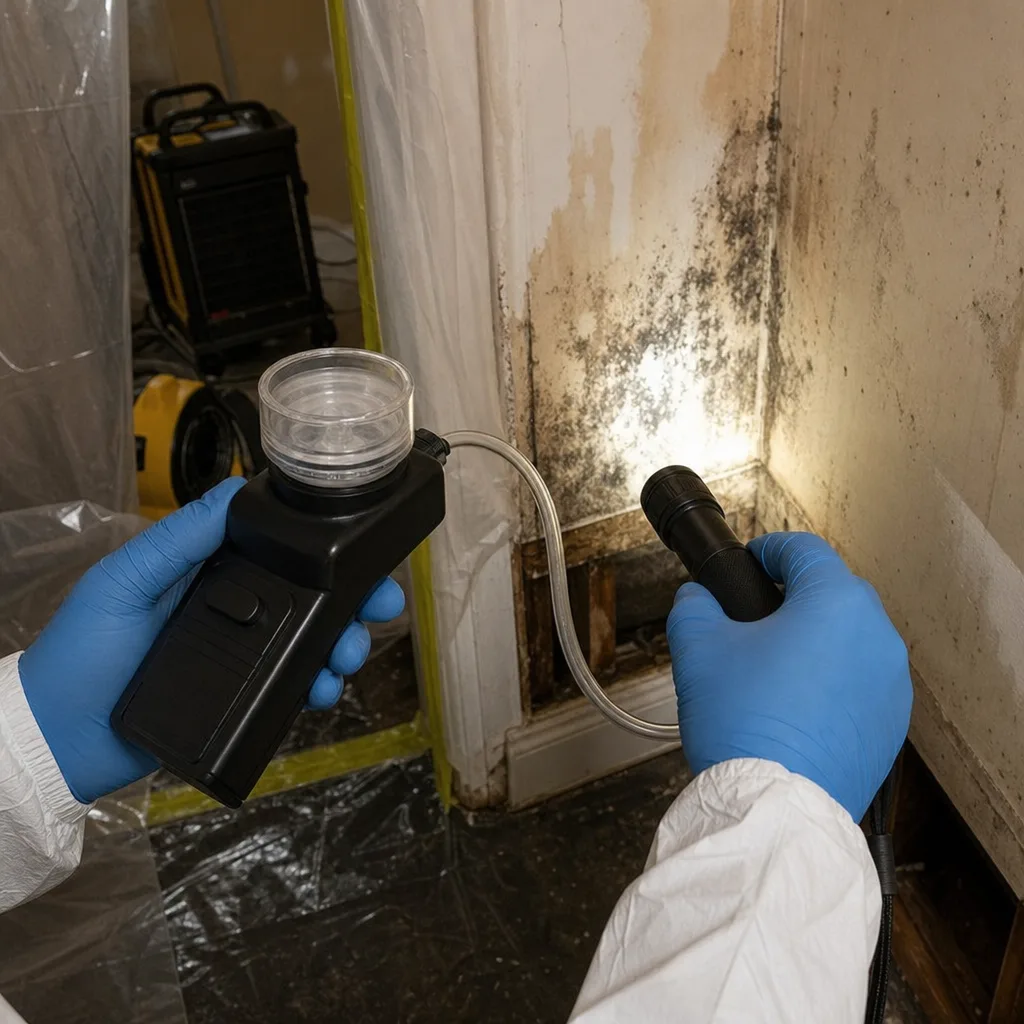
Mold Removal
Removal means full containment, negative air pressure, and physical extraction of contaminated materials. In a Hoboken rowhouse, we’re often removing drywall that looks perfectly fine on the surface but reads elevated moisture behind the paint. We cut back until we hit clean, dry substrate, treat with antimicrobial, and then the drying equipment stays until every reading is logged.
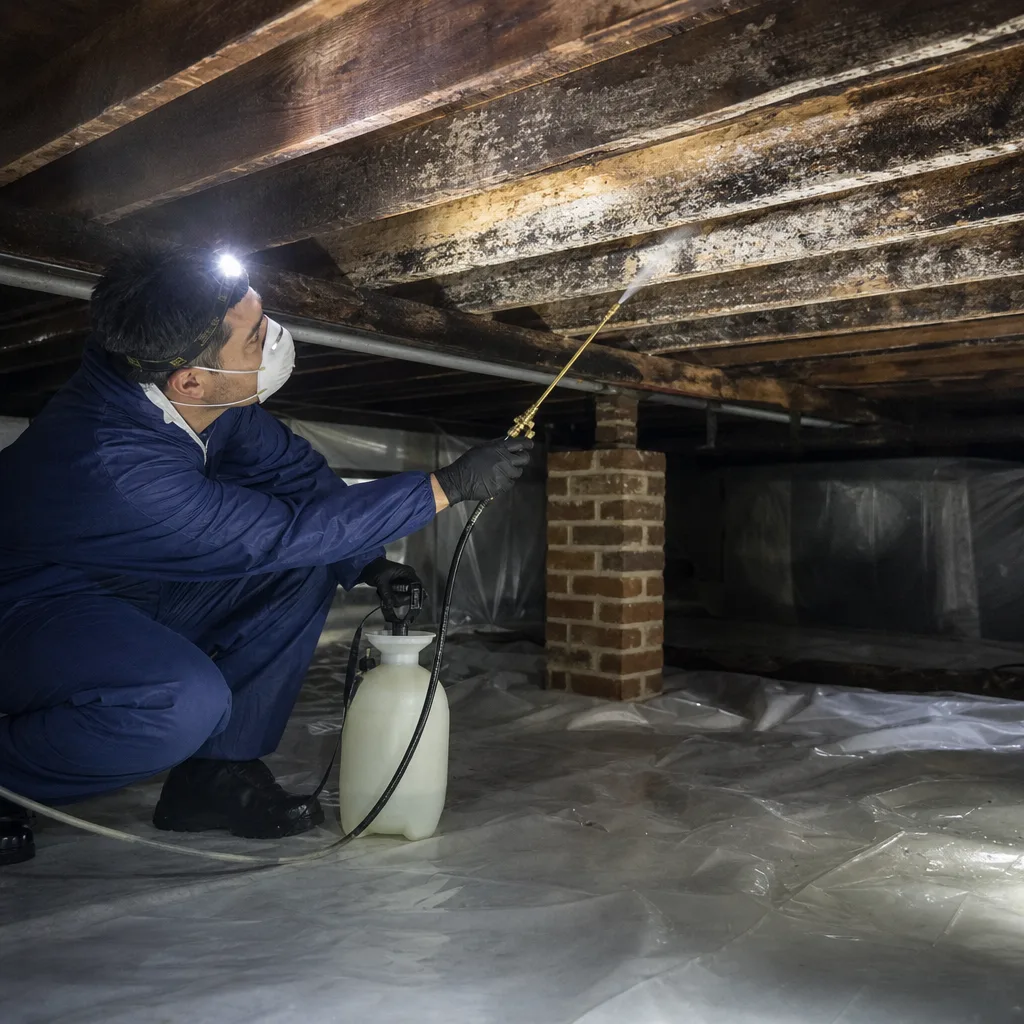
Black Mold Remediation
Stachybotrys, what people call black mold, thrives in the conditions Hoboken creates: prolonged moisture, organic material like old plaster and paper-backed drywall, and poor ventilation in below-grade spaces. We treat every suspected black mold job as a full containment project from the first visit. No shortcuts, no “we’ll just spray it.” That doesn’t work here.
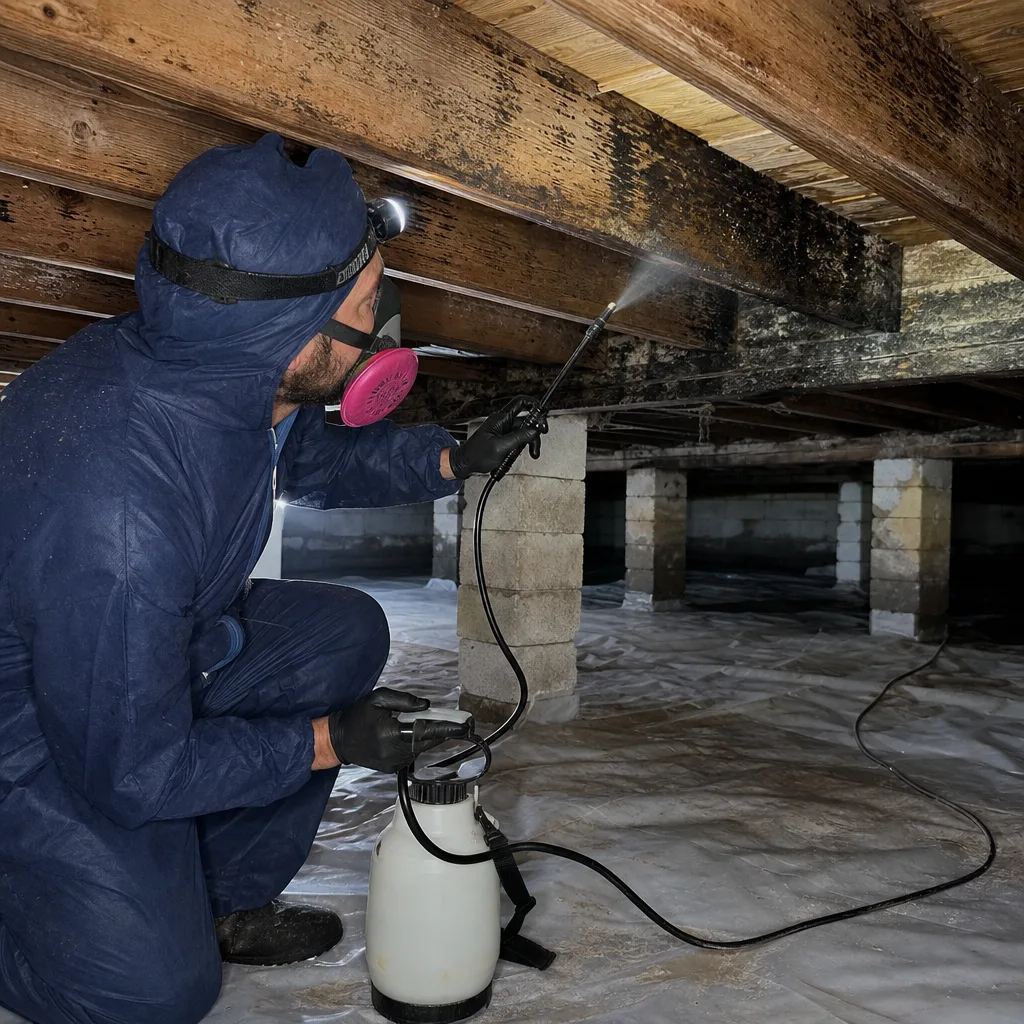
Air Quality Restoration
After physical remediation, airborne spore counts can remain elevated for days without proper scrubbing. Our HEPA air scrubbers run throughout the job and often for 24 to 48 hours after materials are removed. In Hoboken’s compact apartments, where ventilation is limited and windows face brick walls or light wells, this step is what separates a finished job from a lingering odor and a callback.
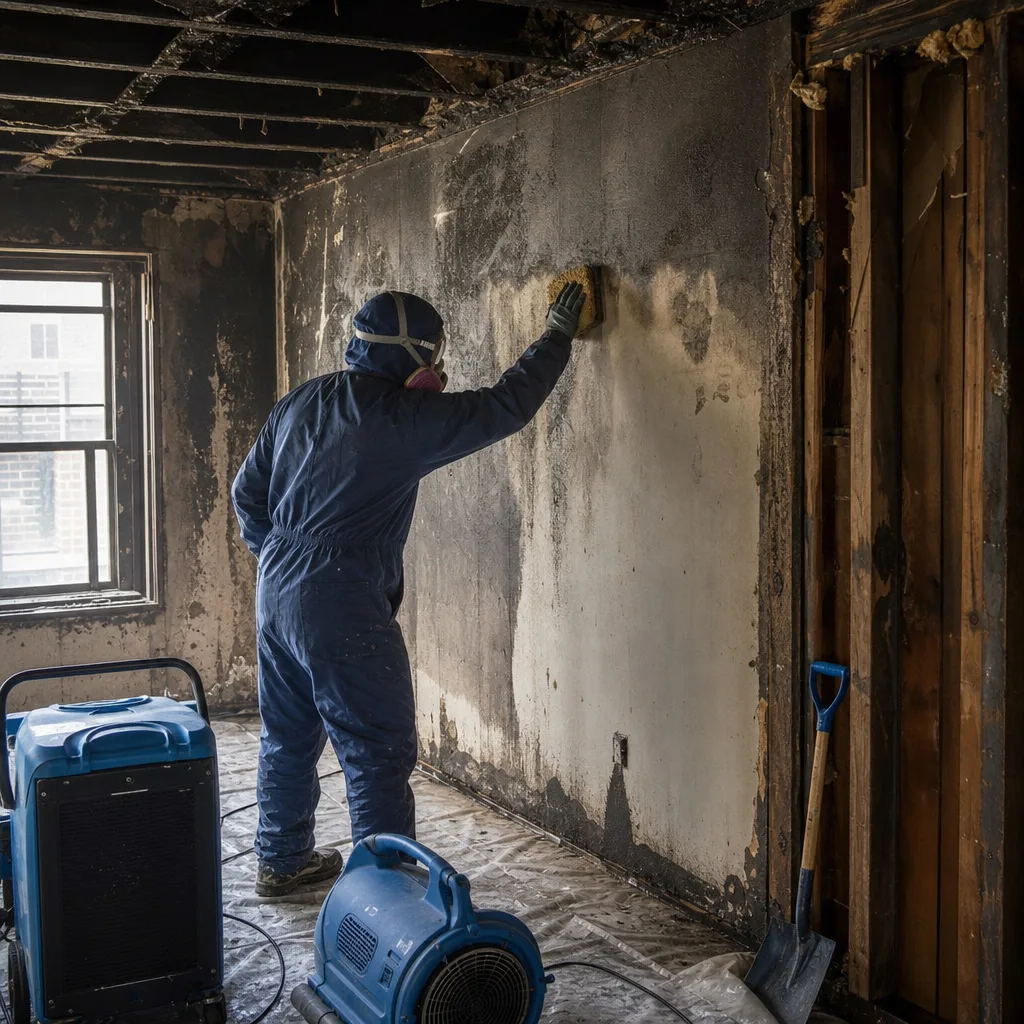
Crawl Space Treatment
Some Hoboken rowhouses have shallow crawl spaces under the first floor, sitting close to the high water table and trapping moisture year-round. We treat these with encapsulation, drainage where possible, and continuous dehumidification. If your crawl space is feeding mold into your first-floor joists, treating the living space alone won’t fix it.
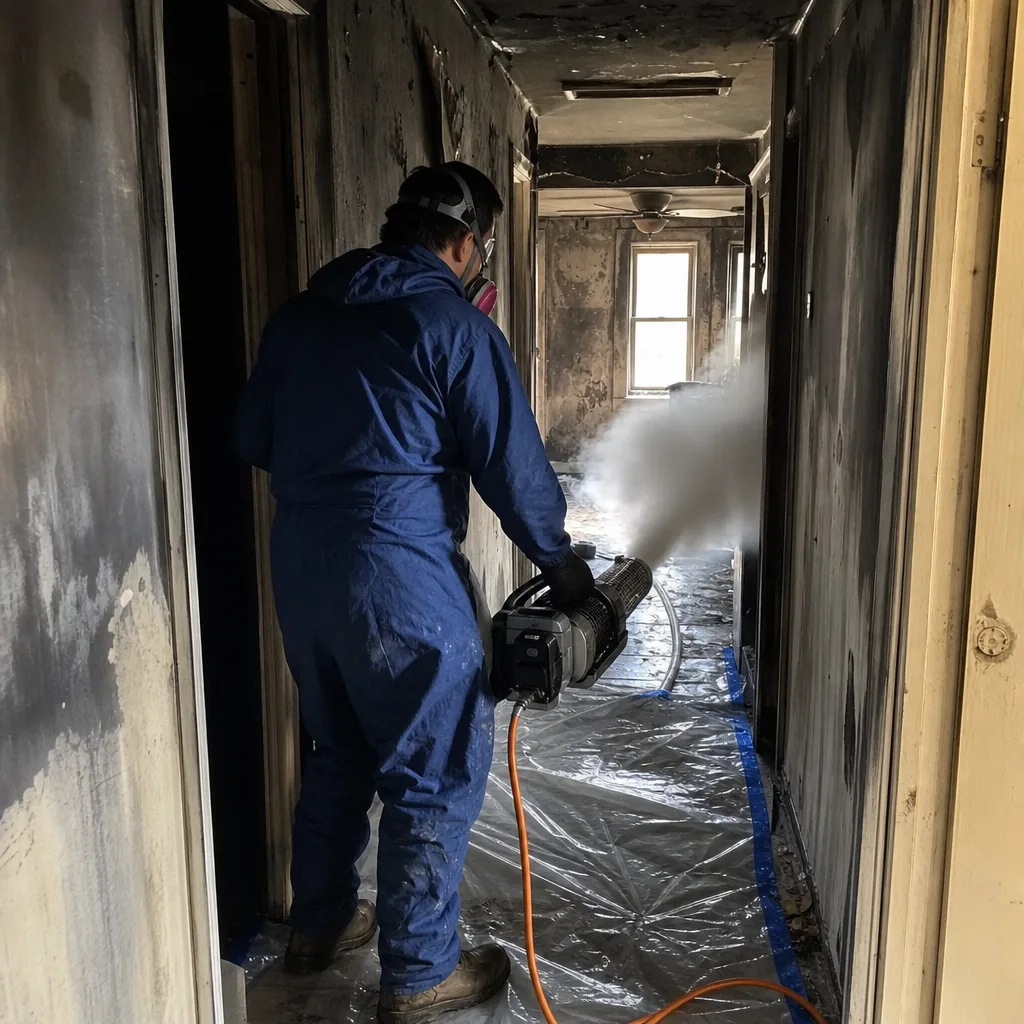
What happens when you call
- 1
A real person answersNo phone trees - you reach a local pro.
- 2
You get an upfront price rangeHonest numbers before anyone is dispatched.
- 3
A background-checked tech heads outLicensed & insured, dispatched right away.
- 4
You approve before work beginsNothing starts until you say go.
Mold Remediation Costs in Hoboken, NJ
A typical mold remediation job in Hoboken runs between $1,800 and $6,500, with below-grade units and multi-wall contamination pushing toward the higher end. A simple isolated patch behind a bathroom vanity might cost $800 to $1,500. A full garden-level apartment with Category 3 sewage contamination, containing two rooms and a hallway, usually lands between $4,000 and $9,000 when you factor in drywall removal, antimicrobial treatment, drying, and reconstruction. If mold has spread through a party wall into a neighboring unit, the combined scope can exceed $12,000, which is why we coordinate joint scopes early. What moves the price: how many rooms are contained, whether plaster or drywall is involved, how long drying equipment runs, and whether structural materials like joists or subflooring need replacement. Insurance covers much of this when the water source was sudden and covered. Our inspection is free, and we give you a written scope with line-item pricing before any work begins. Call (640) 500-3278 and we’ll be straight with you about what it costs.
We Also Serve Cities Near Hoboken
Our crews respond throughout Hudson County from our dispatch center coordinated for the metro area. If you own property in Union City, Weehawken, Jersey City, or Secaucus, we handle mold remediation there the same way we do in Hoboken: fast response, written scopes, direct insurance billing, and a 90-Day Done Right Promise in writing.
Serving Hoboken, NJ - Our Local Coverage Area
We’re based in the Hoboken area and know this community well. Use the map below to see our service coverage - if you’re nearby, we can almost certainly help.
Hoboken Mold Remediation Questions, Answered
How quickly can mold start growing after a Hoboken sewer surcharge flood in a garden-level apartment?
Mold can begin colonizing wet drywall and plaster within 24 to 48 hours after a Category 3 sewer surcharge in Hoboken. In garden-level units, where ventilation is limited and humidity stays high, that timeline shrinks. Our crews respond within 45 minutes of your call and begin extraction and containment the same visit, which is the only reliable way to stop the clock.
Why does mold remediation in Hoboken often involve the neighboring unit, even if only one apartment flooded?
Hoboken’s rowhouses share party walls made of brick and original plaster, and water moves through those walls laterally. When a garden-level unit on one side of a shared wall floods, moisture wicks into the adjoining unit’s drywall and framing. We use moisture mapping across every shared wall to document the spread, then coordinate a joint scope of work with the adjacent owner and their insurer. Treating only the flooded unit leaves active moisture, and active mold, next door.
After we fix the mold in my Hoboken garden-level unit, will it come back every time it rains?
Without addressing the structural drainage flaw, yes, it likely will. Many Hoboken garden-level units flood repeatedly because the city’s combined sewer system backflows during heavy rain. We apply antimicrobial treatment and encapsulation where appropriate, and we recommend the right dehumidification for below-grade spaces over the long term. But if the underlying drainage problem isn’t addressed at the building level, remediation is a reset, not a permanent fix. We’ll be honest with you about what can and can’t be solved from inside the unit.
What is the difference between Category 1, 2, and 3 water in Hoboken mold jobs, and why does it matter?
Category 1 water is clean, like a burst supply pipe. Category 2 has some contamination, like washing machine overflow. Category 3 is grossly contaminated, like sewage from a combined sewer backup, and it requires full containment, antimicrobial treatment, and removal of porous materials. Hoboken’s sewer surcharge flooding is nearly always Category 3, which changes everything: the PPE our techs wear, the containment protocols, and what gets removed versus dried. Treating black water like clean water is how you get a mold bloom after a “successful” drying job.
Do you test for mold inside the plaster walls of a Hoboken brownstone, or do you just treat visible growth?
We test inside the wall cavities using moisture meters and, where indicated, air and surface sampling. Mold inside plaster walls is common in Hoboken brownstones because the original materials wick moisture from leaks, seepage, and high humidity long before anything shows on the surface. If we suspect hidden contamination, we open a small inspection port, document what’s inside, and show you before we recommend any removal. We don’t demo blind, and we don’t treat only what’s visible.
How long does mold remediation take in a typical Hoboken garden-level apartment?
Most single-unit mold remediation jobs in Hoboken take between 3 and 7 days, including drying, removal, treatment, and reconstruction. Category 3 sewer surcharge jobs with multi-room contamination or party wall spread can run 7 to 10 days. Drying equipment stays until every surface reaches the dry standard, and we log daily readings the entire time. We don’t cut the equipment off early to hit a deadline.