
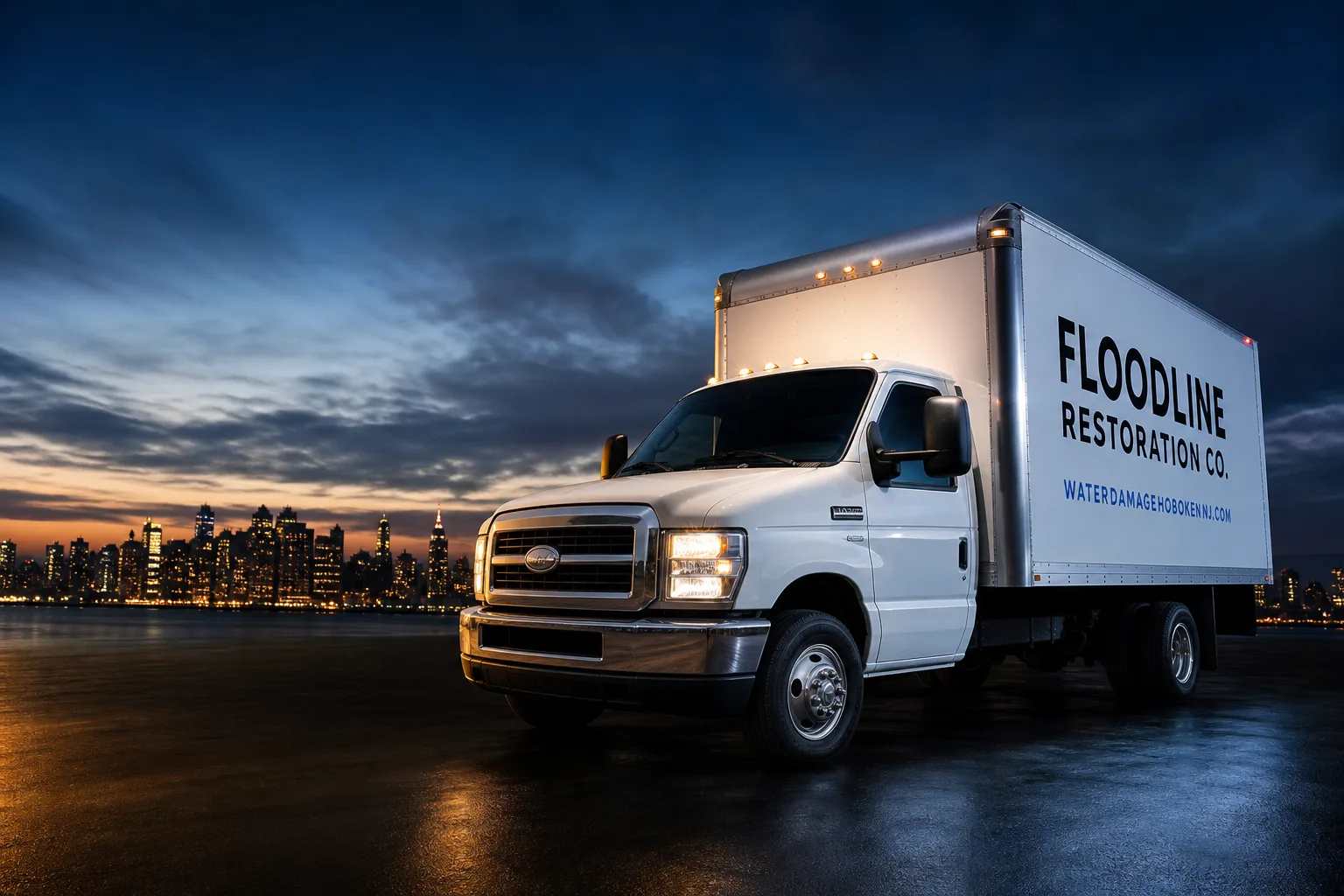
Free visual inspection and a written scope of work before any mitigation begins - photos, moisture readings, and drying logs go in your claim file
The scope we write is the scope we bill. Anything new gets shown to you, in writing, before we touch it.
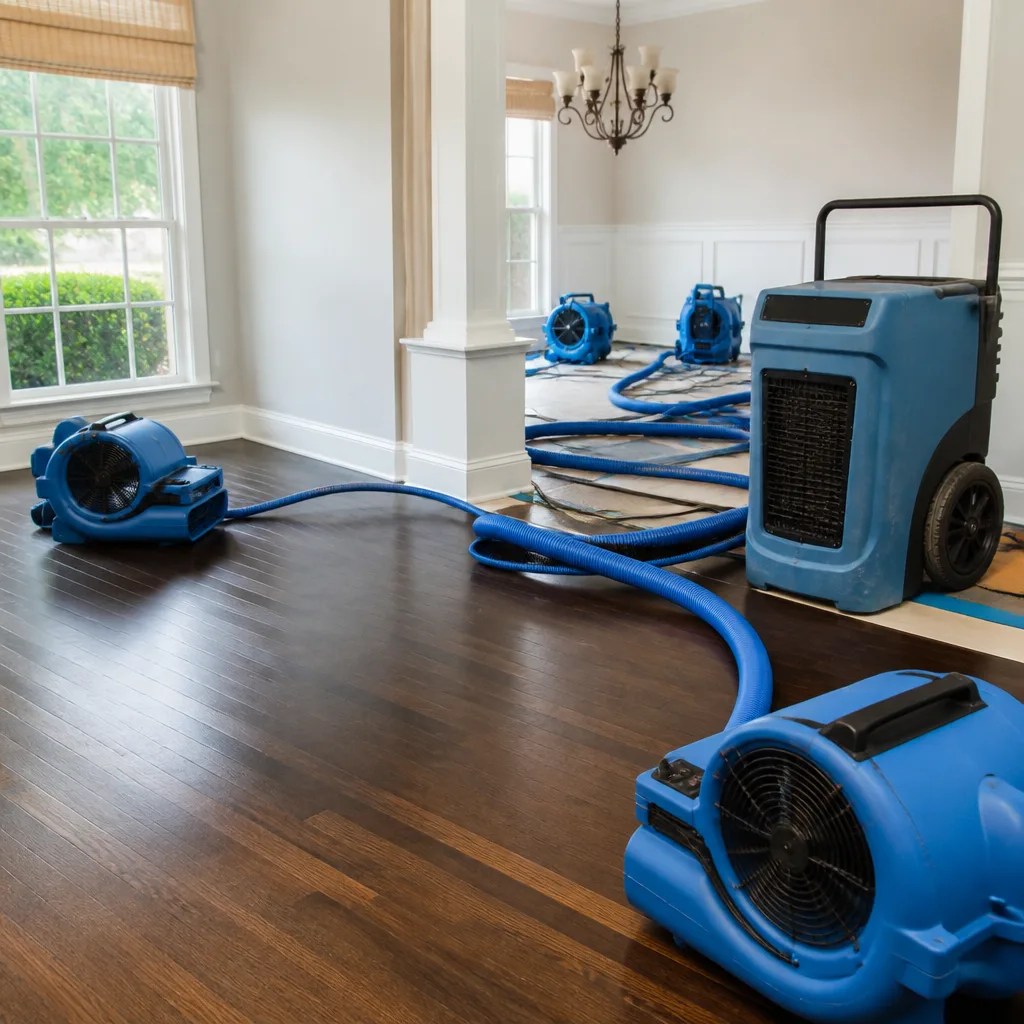
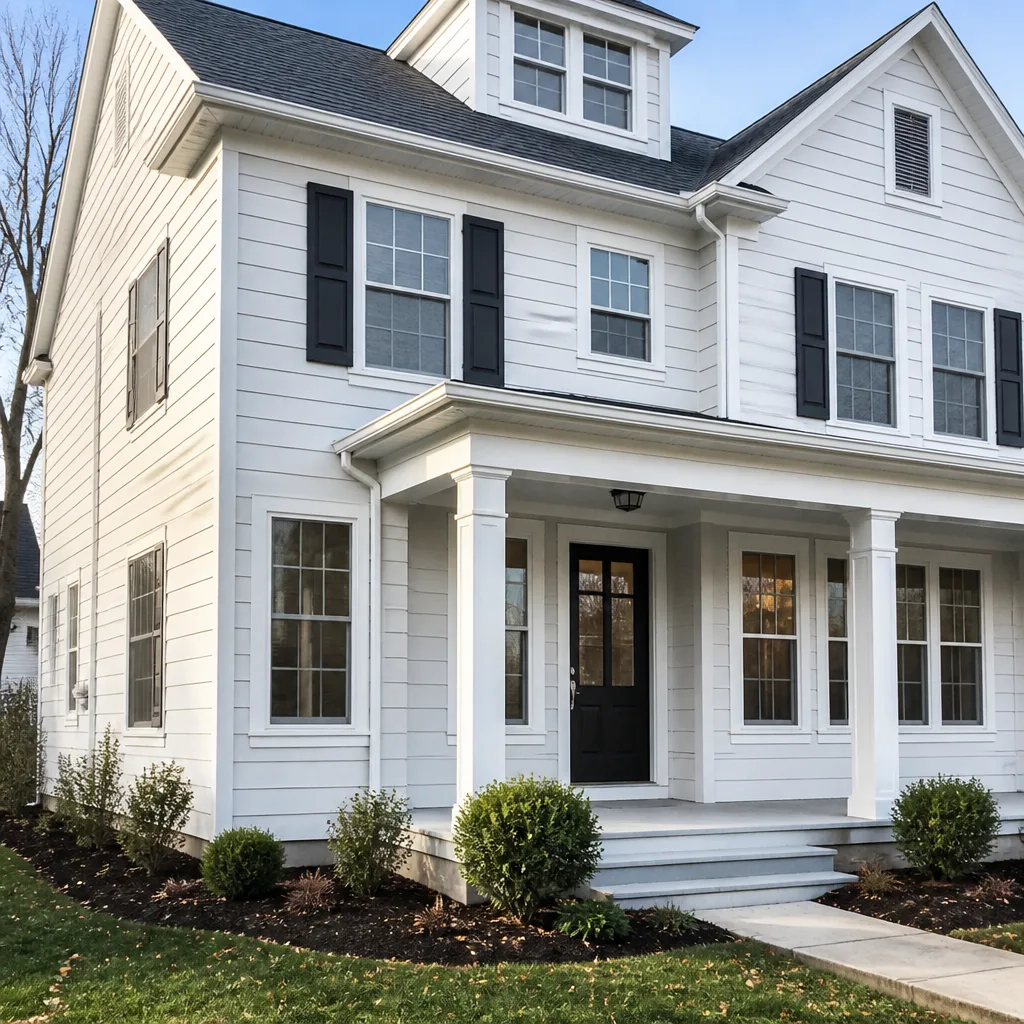
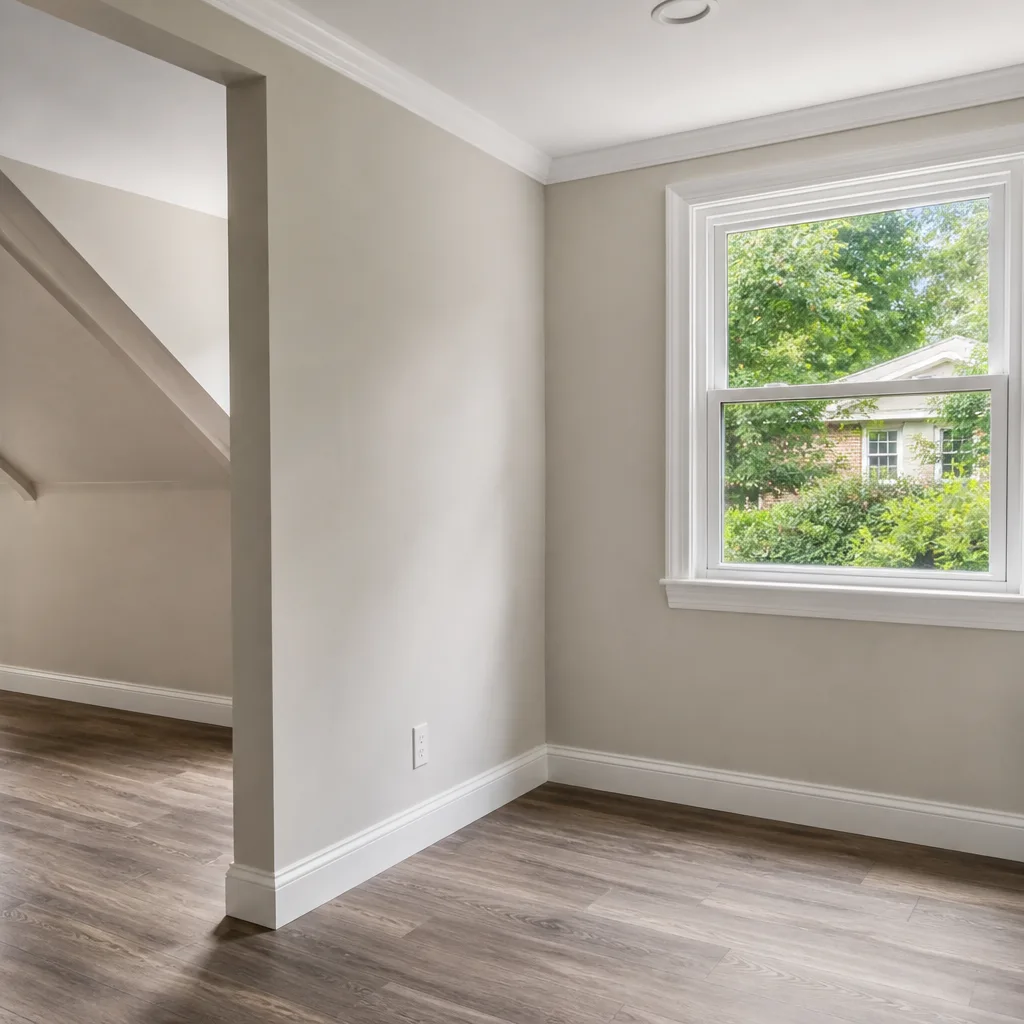
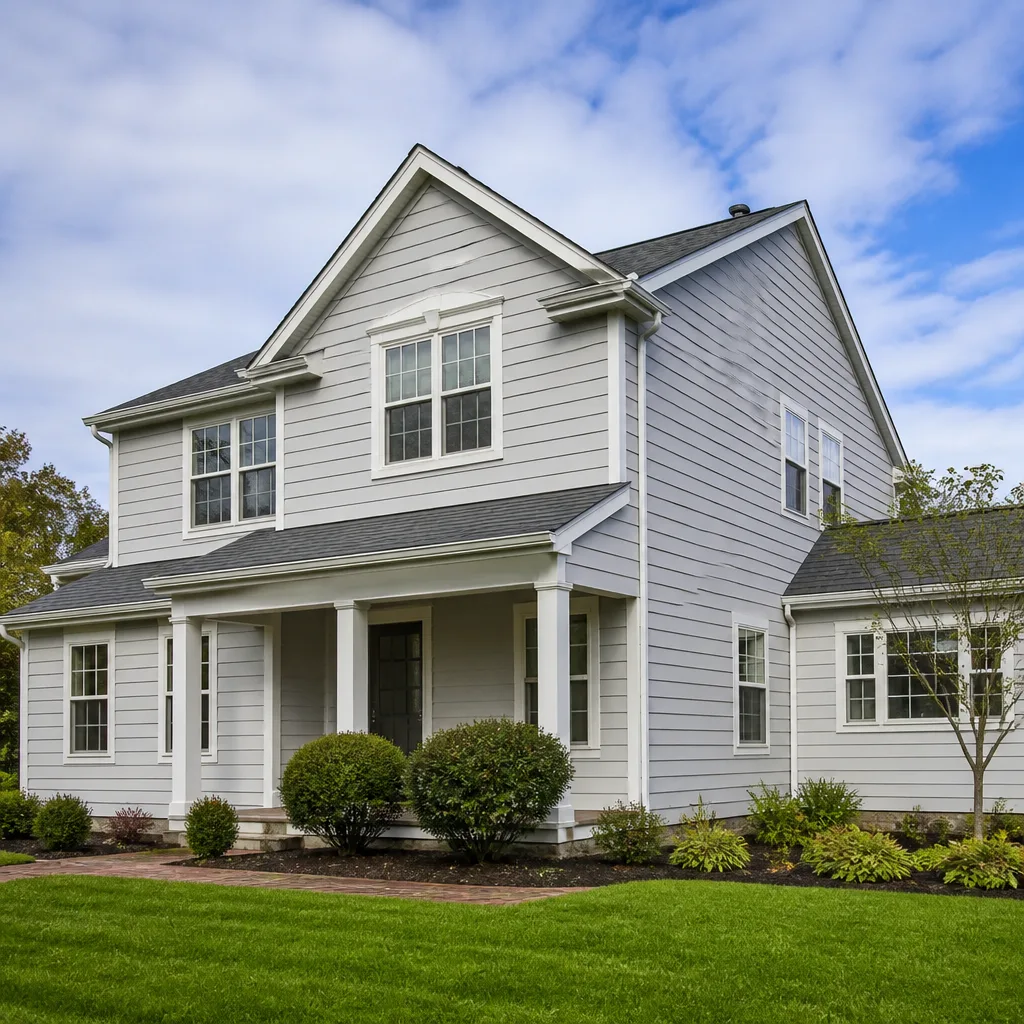
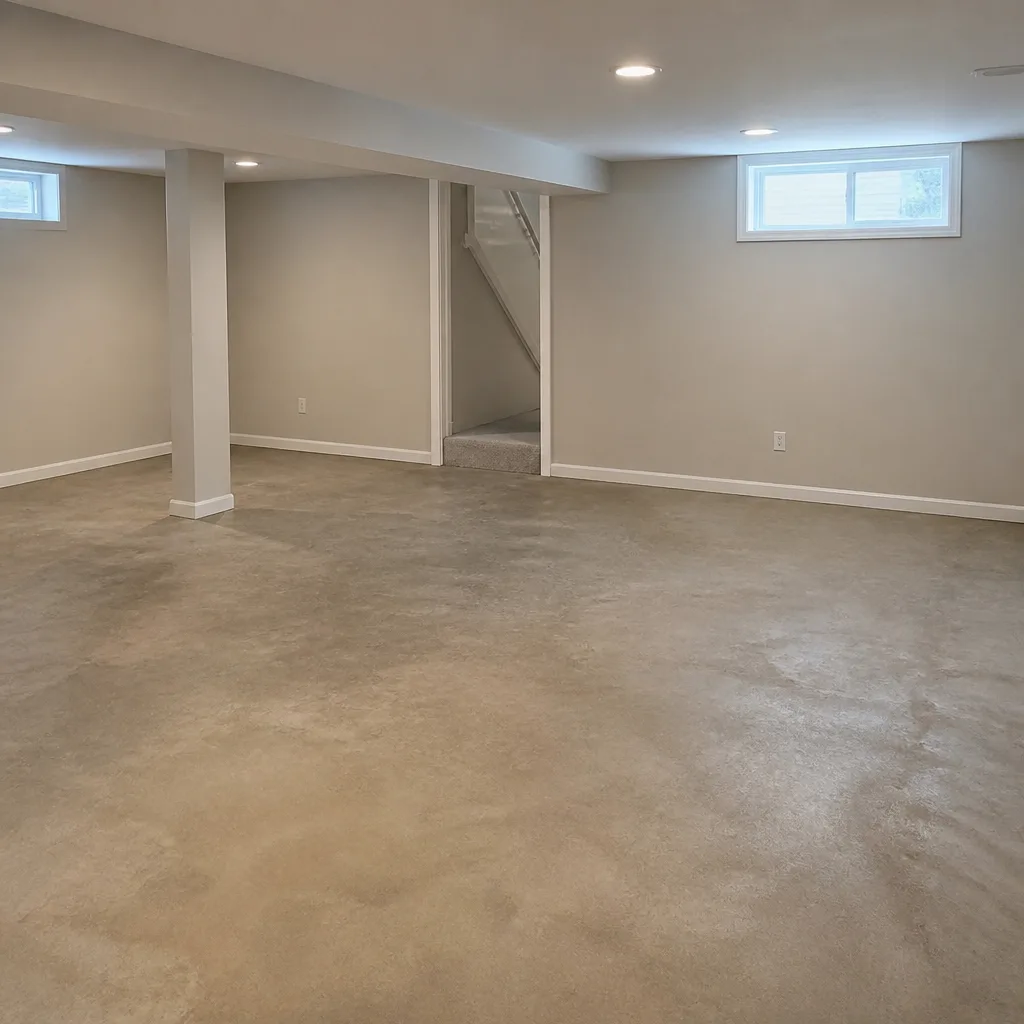
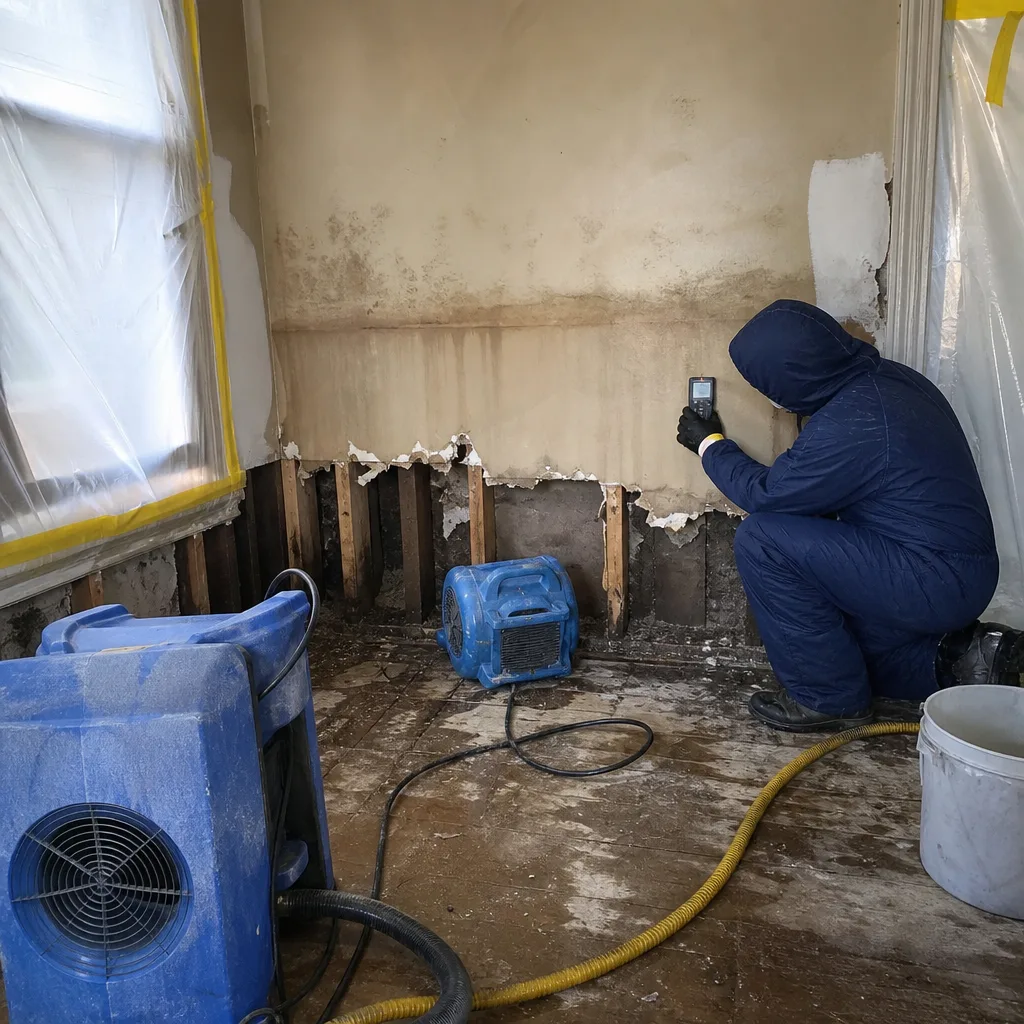 Before
 After
After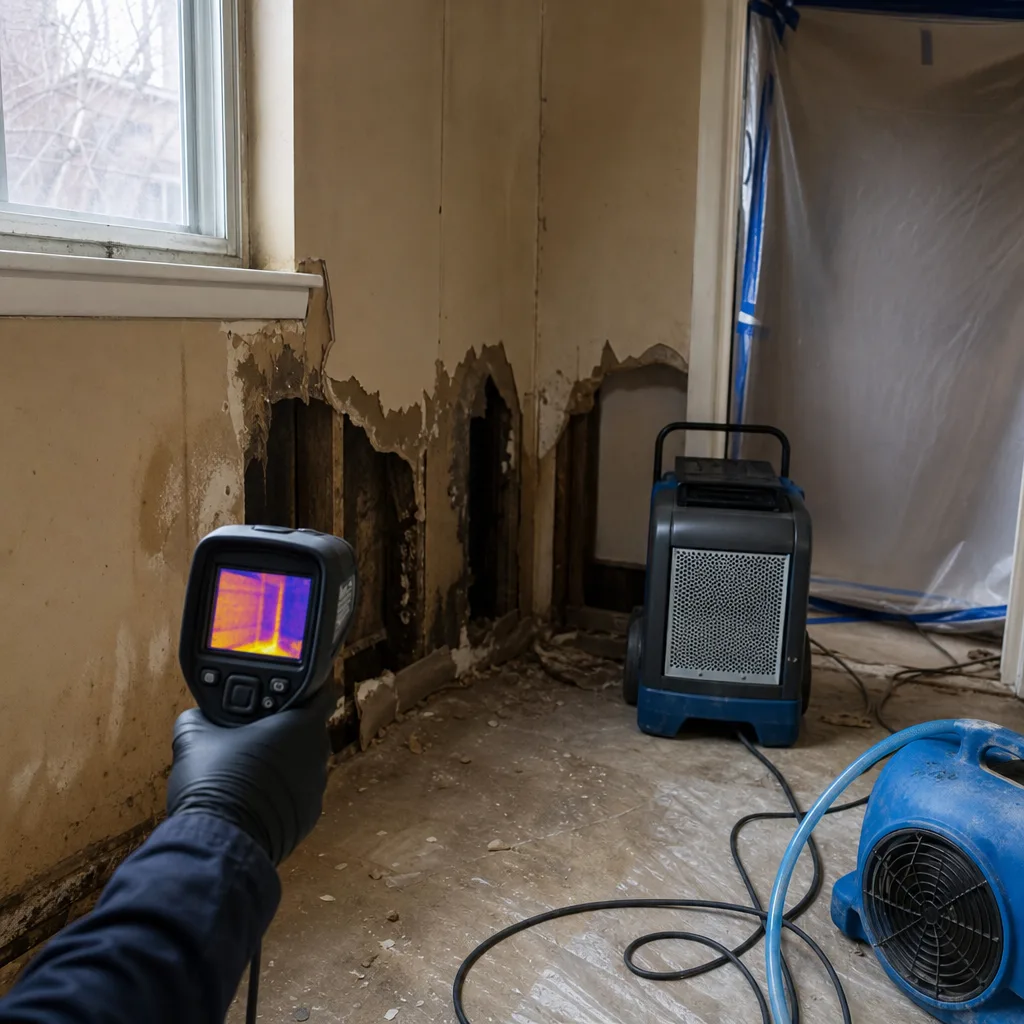 Before
 After
After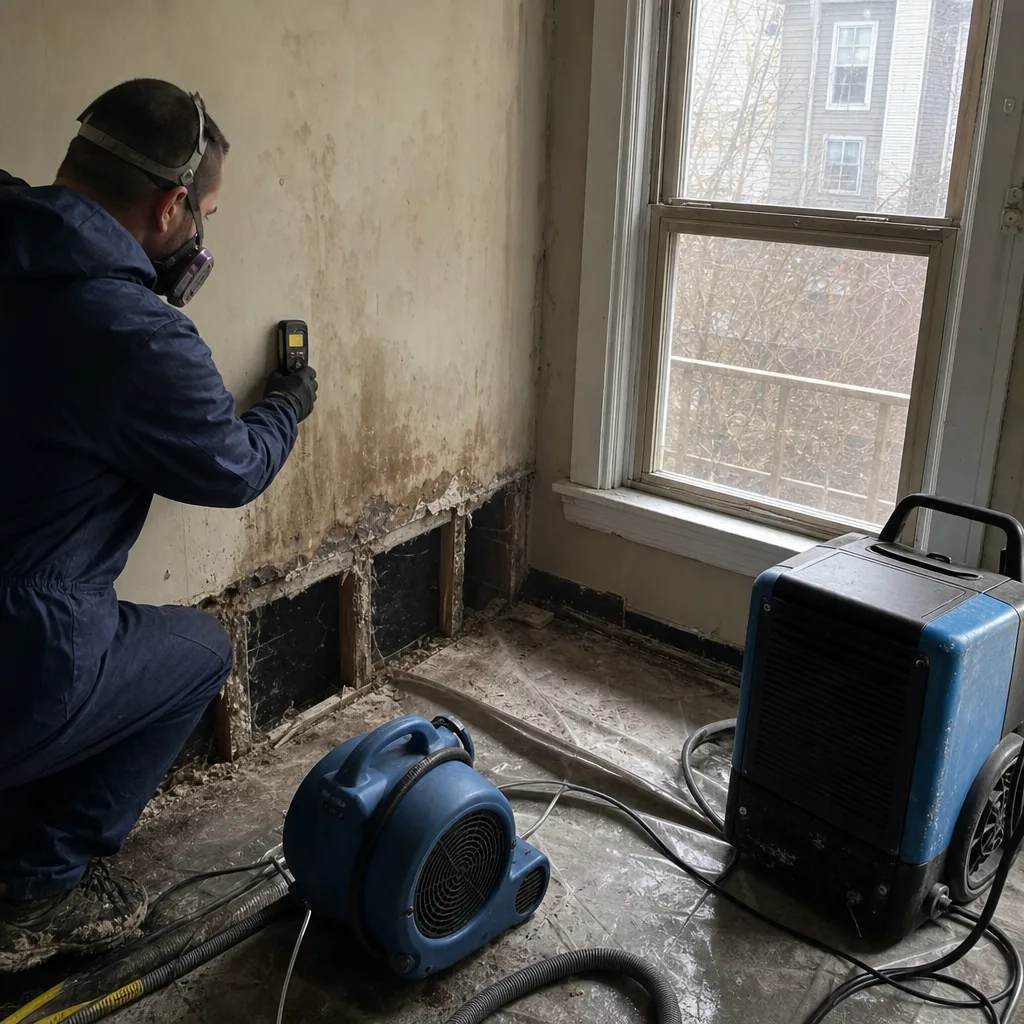 Before
 After
After24/7 Emergency Fire & Smoke Damage Restoration in West New York
Fire and smoke damage in West New York moves fast, and so do we. A kitchen fire that looks contained at midnight can leave soot behind baseboards, inside cabinet voids, and traveling through shared stairwells by morning. Call (640) 500-3278 any hour and you’ll reach a live dispatcher, not a recording. We keep crews positioned to reach West New York neighborhoods quickly, and we begin with a free visual inspection so you know exactly what you’re facing before any work starts. The first hour matters most with smoke: acids in soot begin etching glass, tarnishing metals, and setting odors into porous plaster almost immediately. If your building took water from firefighting efforts, that clock is even shorter. One call gets a certified crew moving toward you.
Understanding Fire & Smoke Damage Restoration Severity in West New York Properties
Not every fire leaves the same footprint. A stovetop grease fire produces protein-based soot that’s nearly invisible, yet it clings to painted walls with an odor that returns every humid week of summer. A smoldering electrical fire behind original lath-and-plaster walls creates dry, powdery soot that drifts through even the smallest gaps, staining surfaces two rooms away. The severity also depends on what burned and how long it burned before suppression. In West New York’s 1910 to 1960 brick apartment buildings, smoke migration follows stairwells, pipe chases, and the shared voids between ceiling joists, often reaching apartments that never saw flame. Older plaster and brick absorb smoke odor deeply, and water from fire hoses soaks into masonry that holds moisture the way a sponge holds a spill. Our technicians assess soot type, smoke travel paths, moisture penetration, and salvability of original building materials before recommending a scope. That assessment determines whether you need aggressive HEPA air scrubbing, targeted hydroxyl odor treatment, or full pack-out and structural drying. In these buildings, the correct answer is rarely just one of those.
Why West New York Property Owners Choose Floodline Restoration Co.
- Live answer, 24 hours a day: A real person picks up at 2 a.m. and dispatches a crew. No answering service, no waiting for a callback.
- Certified to IICRC standards: Our fire and smoke technicians hold FSRT and OCT certifications and train on the specific failure modes of pre-war masonry buildings.
- Free visual inspection: We show up, document what we see, and give you a straight assessment before any equipment is unloaded.
- Direct insurance billing: We work with your carrier and your landlord’s carrier, and we send the bill where it belongs. You’re not the messenger.
- One team through rebuild: The same Floodline crew that runs containment on day one handles pack-out, drying, cleaning, and reconstruction. No mid-job handoff.
- Documented in English and Spanish: For multi-unit West New York buildings, we prepare loss documentation in both languages so every affected party understands the scope.
Our Fire & Smoke Damage Restoration Process
Inspection & Assessment
We identify soot type, map smoke migration through shared walls and stairwells, and take moisture readings in every affected unit. We photograph everything before work begins, because pre-loss condition matters in old buildings.
Containment & Stabilization
We seal doorways, stairwell openings, and HVAC pathways with poly sheeting and establish negative air pressure where needed. In multi-unit buildings, containment at each apartment threshold prevents cross-contamination of clean units.
Drying & Dehumidification
Firefighting water follows gravity, so we place air movers and dehumidifiers in both the fire unit and the apartments below. Daily moisture readings track drying progress in brick and plaster, not just drywall.
Cleaning & Sanitization
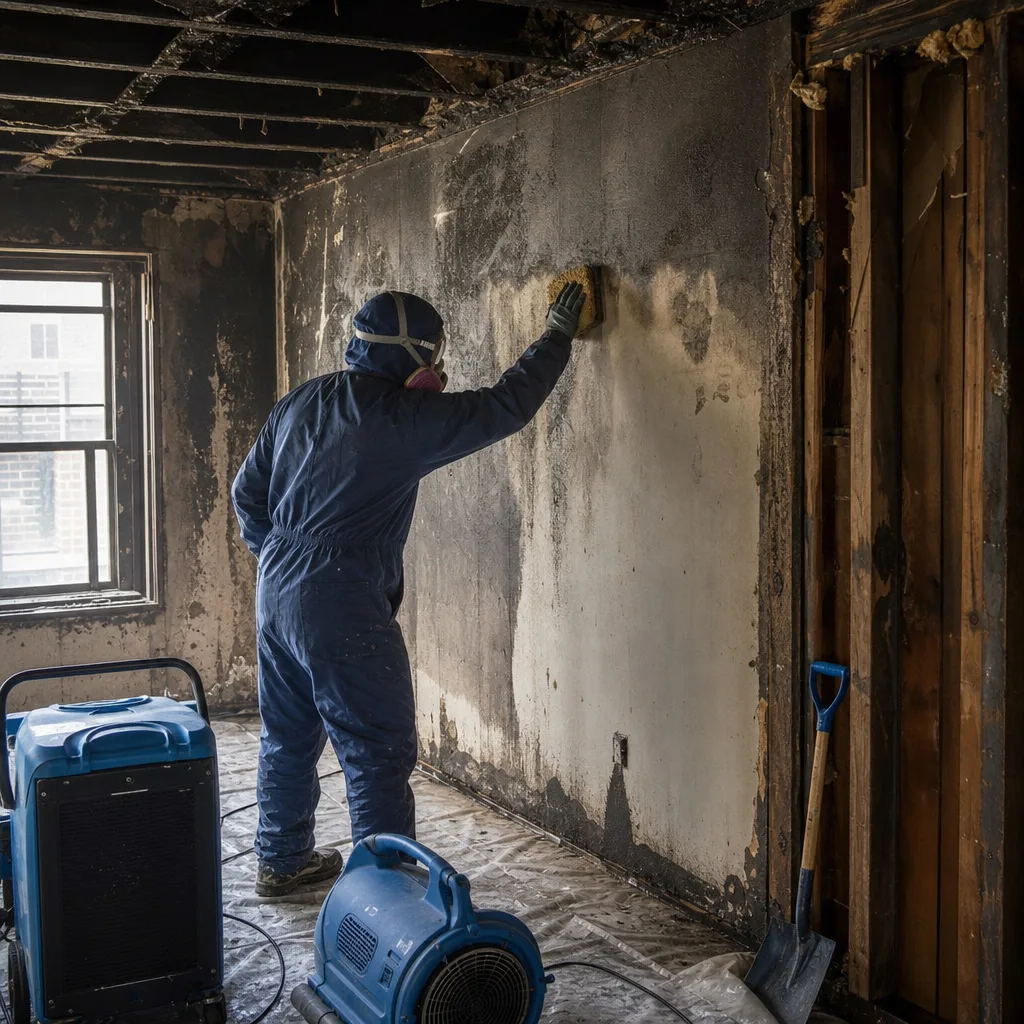
We clean soot from surfaces using dry sponge methods where paint is intact and wet cleaning where residue allows, then sanitize all affected areas. HEPA air scrubbers run continuously to pull airborne particulates from shared interior air.
Odor Removal & Deodorization
Hydroxyl generators and thermal fogging reach odor trapped in original plaster and brick. We treat each unit’s specific smoke signature rather than masking the building with one-size fragrance.
Repairs & Restoration
Salvaged plaster is patched, charred structural elements are replaced, and contents return from pack-out cleaned and documented. The final walkthrough includes a written scope confirming every item was done right, backed by the 90-Day Done Right Promise.
Need Emergency Fire & Smoke Damage Restoration in West New York Now?
Crews minutes away, answering live 24 hours a day. The sooner we start, the less it costs.
Working With Your Insurance Company
Most fire damage in West New York involves multiple policies: the homeowner or landlord, sometimes a condo or co-op master policy, and renters’ policies for tenants. That gets complicated fast if nobody is coordinating. We document from the first hour and give every carrier the same straight story. The adjuster gets photos taken before demolition, line-item scopes in the format their systems expect, and drying logs with daily moisture readings. If a second adjuster questions a scope item, we talk directly with them, not through you. For tenants in multi-unit buildings, we document pre-loss condition and personal contents separately from the building claim. Your job is to get back into your home; ours is to make the paperwork match the work on the ground. We also know the insurance nuances of West New York’s older masonry buildings, where original plaster and non-standard framing can affect how policies pay for like-kind replacement.
What We Provide Your Insurer
- Thorough documentation of the loss
- Photos of all damage, room by room
- Moisture readings and drying logs
- A detailed, line-item scope of work
- Direct coordination with your carrier
Built for West New York’s Loss Calendar
Fire damage in West New York doesn’t follow a neat seasonal calendar the way burst pipes do, but certain patterns repeat. Deep winter brings space heaters into older apartments, often plugged into outlets wired decades ago, and cooking fires rise sharply around the holidays. Spring and summer mean window-unit air conditioners straining circuits never designed for them, plus grease fires from grills and stovetops in tight kitchens. Nor’easters lash the west-facing facades along the Palisades with wind-driven rain, and when water meets aging wiring in a top-floor unit, the result can be an electrical fire followed by water damage from the hose work below. The common thread through all of it is this: in a town as dense as West New York, a fire that starts in one unit rarely stays there. Smoke follows the stairs, the hallways, and the shared walls. That’s why our crews preposition moisture meters and HEPA equipment for fast deployment to this area, and why we treat every fire call as potentially multi-unit until proven otherwise.
Fire & Smoke Damage Restoration Across West New York’s Neighborhoods
The response routes and building stock change depending on where in West New York the fire happened. Along Bergenline Avenue, the commercial corridor runs through the heart of town with apartments above storefronts, many in buildings from the 1920s and 1930s that share joist cavities with the business below. A small fire in a second-floor unit here means smoke enters the retail space’s drop ceiling and travels laterally before anyone notices. Near Boulevard East, mid-rise co-op and rental buildings face the Hudson, where west-facing rain and wind exposure age windows and sills, letting smoke escape through gaps that also let outside air push odors deeper inside. The blocks between 60th Street and the Union City line hold a mix of pre-war walk-ups and smaller brick multifamily buildings, many with original steam risers and pipe chases that act as smoke highways between floors. Down near the river, lower-lying blocks share the flood concerns of adjacent Hudson County riverfront communities, and after Superstorm Sandy those concerns were not theoretical. In the residential grid east of Park Avenue, tightly packed four-story buildings leave crews working in alleys and rear courts with limited equipment staging; we plan for that on every dispatch. Knowing these streets, their building types, and their access constraints means we don’t lose time figuring it out on arrival.
Specialized Fire & Smoke Damage Restoration Services We Offer in West New York
Fire Damage Cleanup
We remove charred debris, clean soot residue from every surface, and document what’s salvageable before demolition starts. In older West New York buildings, our default is to salvage original materials where safe, because matching 1930s plaster profiles and trim profiles is getting harder every year. Fire & Smoke Damage Restoration is our core specialty, and we treat each surface based on what actually burned.
Smoke & Soot Removal
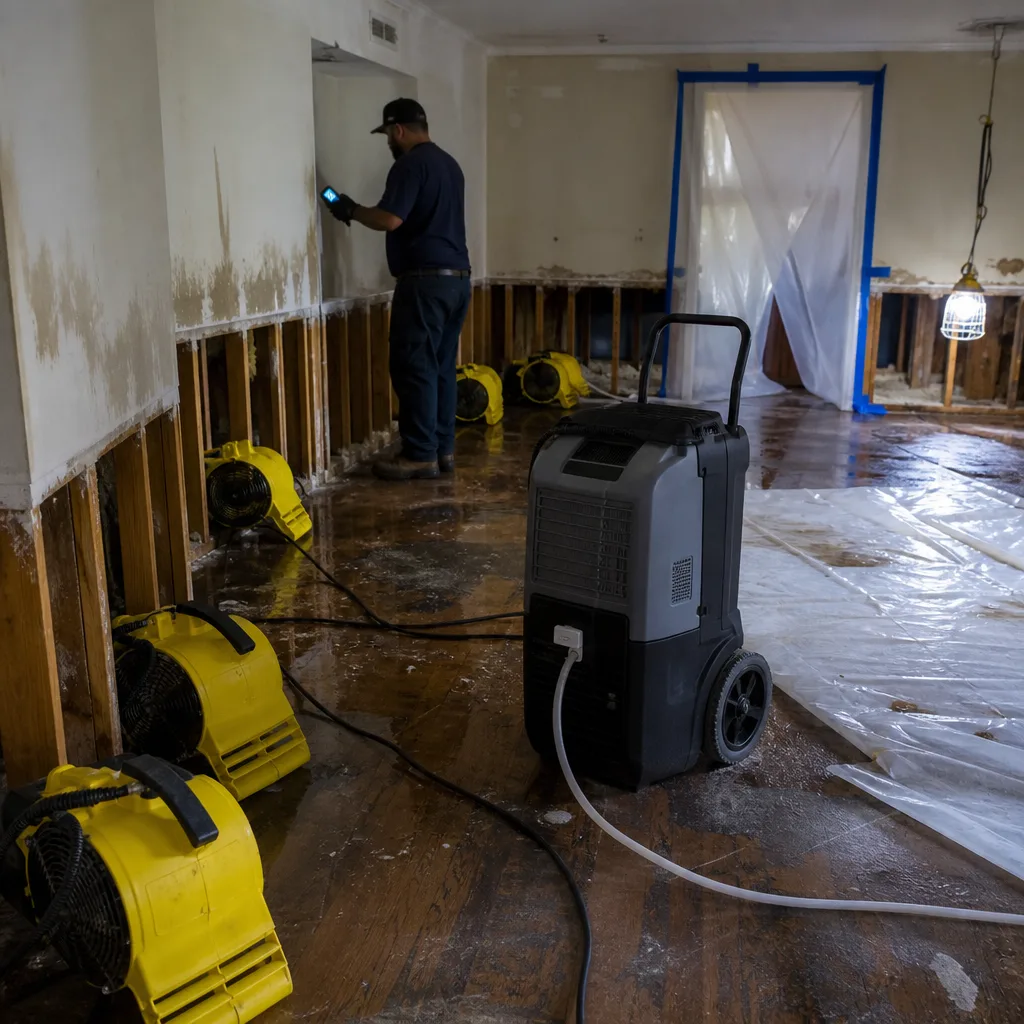
Different soot types require different contact methods, so we test before we touch. Wet soot from smoldering synthetics smears if you rub it; dry soot vacuums off with HEPA filtration. In tight West New York apartments, soot gets into drawers, behind radiators, and inside light fixtures. We work methodically because soot missed in one unit re-contaminates the hallway and then everyone else’s unit.
Odor Removal & Deodorization
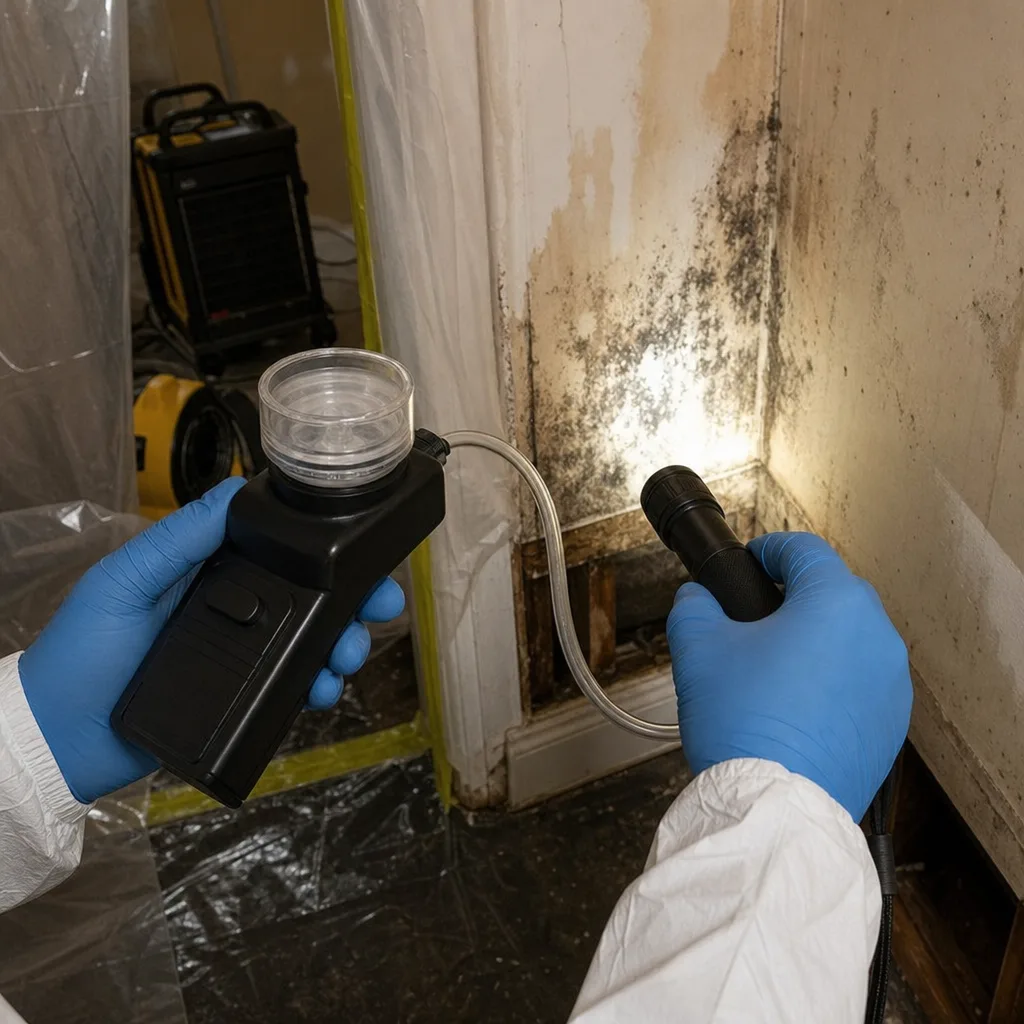
Smoke odor in old brick and plaster doesn’t respond to a bucket of soap. We use hydroxyl generators, thermal fogging, and, where necessary, seal encapsulation on specific surfaces. The goal isn’t to mask the smell for a week; it’s to remove the odor source so it doesn’t return with the next humid stretch off the river. In buildings with original plaster, that often means treating the plaster’s pores, not just the paint film.
Contents Cleaning & Pack-Out
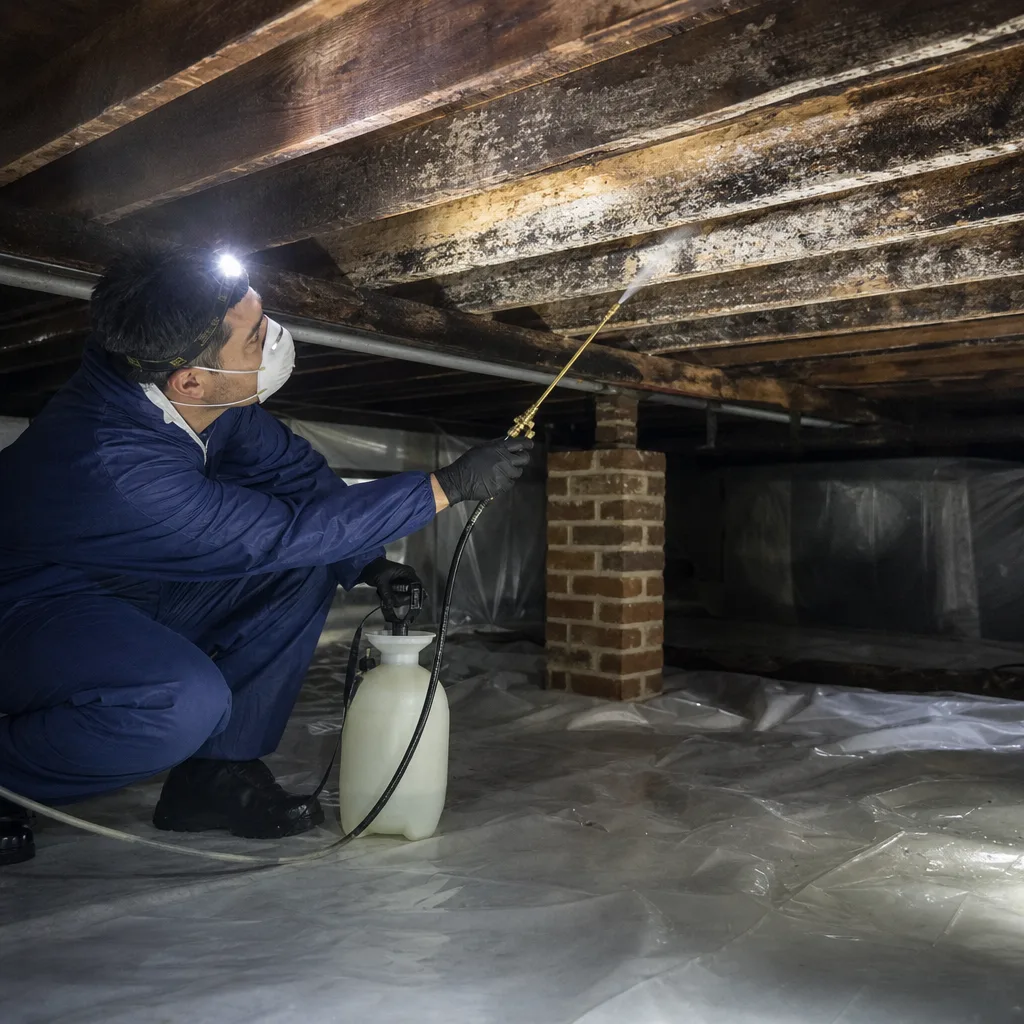
In multi-unit West New York buildings, we see tenant possessions that are irreplaceable: family photos, immigration documents, hand-me-down furniture that’s survived three generations. Our pack-out process inventories every item, photographs condition, packs with appropriate materials, and cleans off-site. We coordinate with each tenant individually, and we document in the language the tenant prefers. This is one of the most trust-sensitive parts of the job, and we treat it that way.
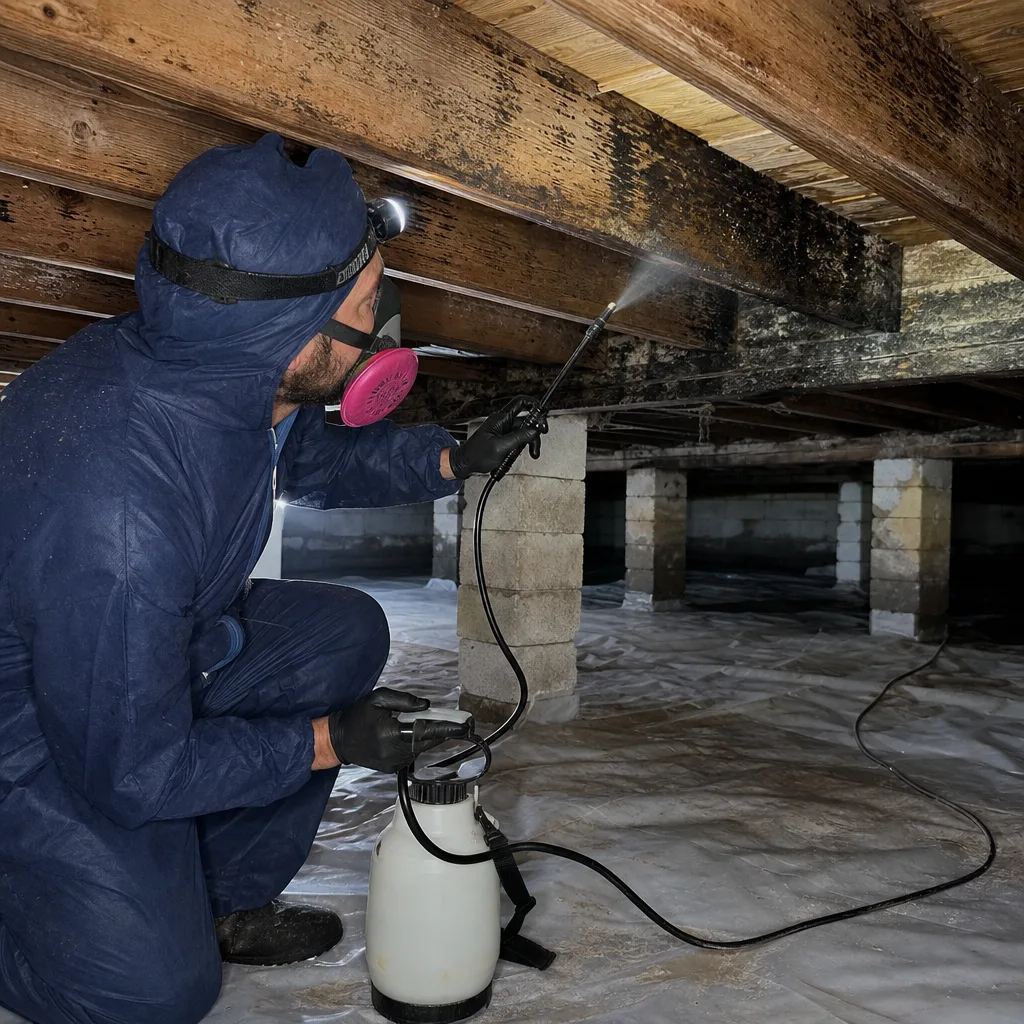
Emergency Board-Up & Tarping
After the fire department leaves, security becomes your problem. We board up windows, seal roof breaches, and secure entry doors the same visit. In West New York’s multi-unit buildings, that often means securing shared stairwell entries and upper-floor windows so the whole building doesn’t sit open to weather, pests, or worse. A tarped roof on a flat Palisades-facing roof matters more when the next nor’easter arrives, which is always sooner than you think.
What happens when you call
- 1
A real person answersNo phone trees - you reach a local pro.
- 2
You get an upfront price rangeHonest numbers before anyone is dispatched.
- 3
A background-checked tech heads outLicensed & insured, dispatched right away.
- 4
You approve before work beginsNothing starts until you say go.
Fire & Smoke Damage Restoration Costs in West New York, NJ
In West New York’s market, a typical smoke and soot cleanup for a contained kitchen fire in a single apartment runs $2,500 to $7,500 including HEPA air scrubbing, surface cleaning, and odor treatment. When you add pack-out and off-site contents cleaning across multiple units, the job moves to $8,000 to $20,000. If fire suppression water soaked through floors into the units below, structural drying adds $3,000 to $9,000 depending on how many apartments took water. Full reconstruction after a significant fire in one of the town’s older brick buildings runs $35,000 to $150,000 or more, driven by plaster restoration, upgraded electrical work required by current code, and matching materials to pre-war profiles. What moves the price most is unit count, soot type, and how much original material remains salvageable. Your free inspection establishes a firm written scope before any demolition, so there are no surprises on the back end. For the majority of our West New York work, insurance pays the bill directly to us, leaving you with your deductible and no equipment rental to chase.
We Also Serve Cities Near West New York
Our crews respond across Hudson County daily. We handle fire and smoke restoration in Hoboken, Weehawken, Union City, and Jersey City, with the same live 24/7 dispatch and the same documented approach to claims. If you own property in one town and rent in another, one call covers both.
Serving West New York, NJ - Our Local Coverage Area
We’re based in the West New York area and know this community well. Use the map below to see our service coverage - if you’re nearby, we can almost certainly help.
West New York Fire & Smoke Damage Restoration Questions, Answered
Why does smoke odor from a small kitchen fire linger in West New York buildings even after the source apartment is cleaned?
Smoke odor lingers in West New York buildings because the original plaster and brick absorb odor deeply, and shared stairwells, pipe chases, and joist cavities carry the smell into neighboring units that were never cleaned. A source-apartment-only cleanup leaves those pathways untreated, so odor re-enters within days. That’s why we treat the entire migration path, not just the fire unit.
How do you handle fire damage when multiple renters and landlords in the same West New York building all file separate insurance claims for one fire?
We document each unit separately and identify which damage belongs to the building policy and which belongs to each tenant’s policy. Containment, equipment logs, and moisture readings are tracked per unit, and we provide documentation in English and Spanish as needed. Each adjuster receives the same factual record, and we speak to carriers directly so residents don’t carry paperwork between parties. Call (640) 500-3278 and we’ll walk through your building’s specific situation.
Can original plaster walls in an old West New York building be cleaned after smoke damage, or do they always need to be torn out?
Original plaster can very often be salvaged. We clean the surface, treat the pores for odor, and then encapsulate if needed. We only recommend demolition when the plaster has lost structural bond or the fire itself damaged the substrate. Preserving original plaster matters for older-building insurance claims, because carriers pay for like-kind restoration where it’s reasonable, and keeping it usually shortens the claim rather than extending it.
What hidden fire-related hazard in West New York’s concrete-and-brick structures often gets missed by less experienced restoration companies?
Hidden moisture behind brick veneer walls after fire suppression is the one we see missed most. Concrete and masonry hold water long after surface readings look dry, and mold can establish within 24 to 48 hours inside those cavities. Less experienced companies shut down dehumidifiers too early based on surface-level meters. We run daily in-wall readings and keep equipment running until the masonry itself hits the dry standard.
Why do you recommend pack-out and off-site contents cleaning more often in West New York than in nearby suburban homes?
Because West New York apartments are small, densely furnished, and often multi-generational. There’s no spare room to stage contents during cleaning, and the items themselves are frequently irreplaceable, so we inventory, pack, clean, and store them under controlled conditions rather than pulling everything to a sidewalk. Inside tight apartments, moving contents out is often the only way to access the walls, floors, and ceilings that need treatment.
How fast can you actually get a crew to a fire scene in West New York?
We’re typically on-site within 45 minutes of your call for emergencies in West New York. Our dispatcher is live 24/7, and our equipment staging anticipates the density and access constraints of these blocks. The faster we start HEPA air scrubbing and containment, the less soot migrates into neighboring units and the lower the final scope. Call (640) 500-3278 when the fire department clears the scene.
Will my insurance cover fire and smoke restoration, and who pays the bill?
Most homeowners, condo, co-op, and renters policies cover fire and smoke restoration, minus your deductible, and coverage extends to units damaged by smoke migration even if they never caught fire. We bill your carrier directly and provide the documentation they require. For multi-unit buildings where multiple carriers are involved, we submit claims in parallel and keep each carrier’s file consistent.
What should I do in the first 30 minutes after a fire in my West New York apartment or building?
First, get clearance from the fire department that the building is safe to enter. Then call Floodline at (640) 500-3278. Don’t turn on HVAC, don’t wipe soot with wet cloths, and don’t open windows unless the fire department tells you to. Until containment is set, restrict movement through the affected area; every footstep grinds soot deeper. Take photos only if you can do so safely. We’ll handle the rest from that point with a documented scope in hand.
Written by Curt Bowman, Owner at Floodline Restoration Co., serving West New York and surrounding Hudson County communities.