
Last updated August 25, 2026
Free visual inspection and a written scope of work before any mitigation begins - photos, moisture readings, and drying logs go in your claim file
The scope we write is the scope we bill. Anything new gets shown to you, in writing, before we touch it.


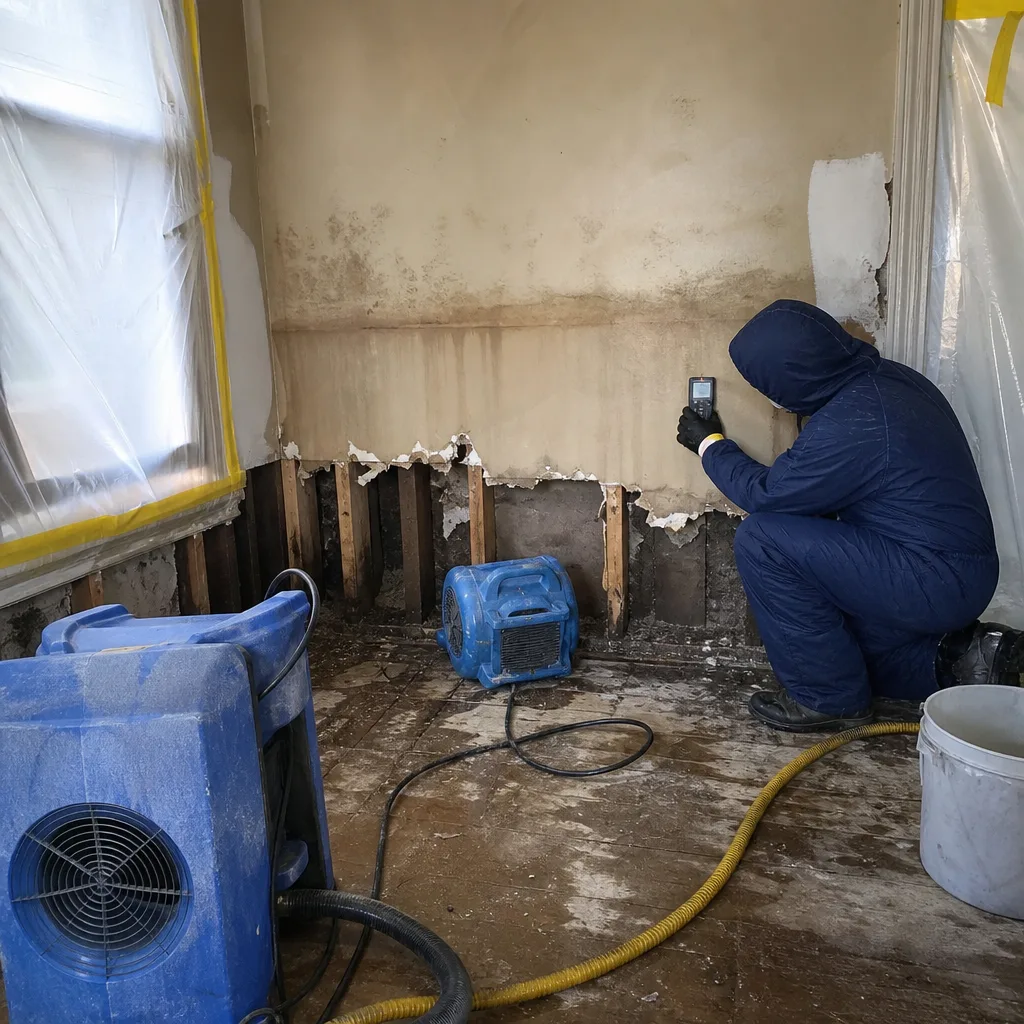 Before
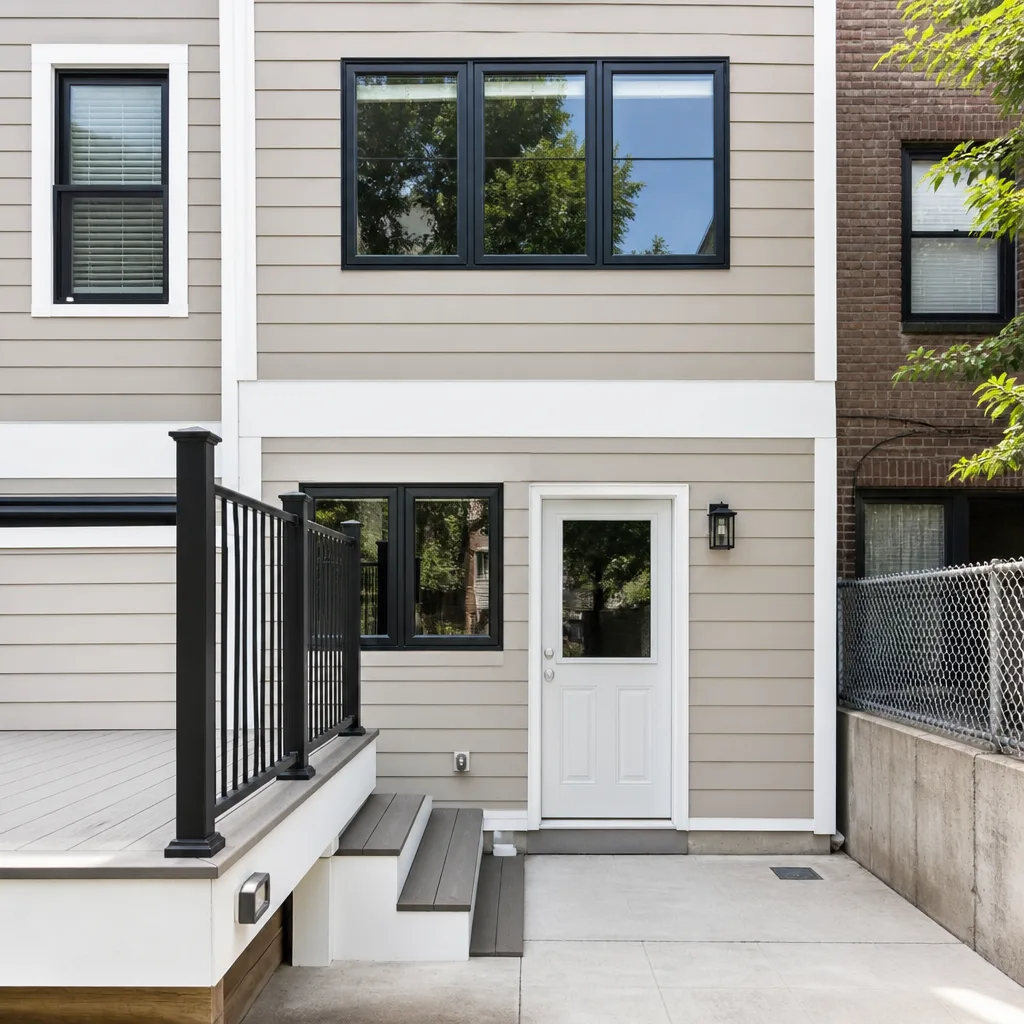 After
After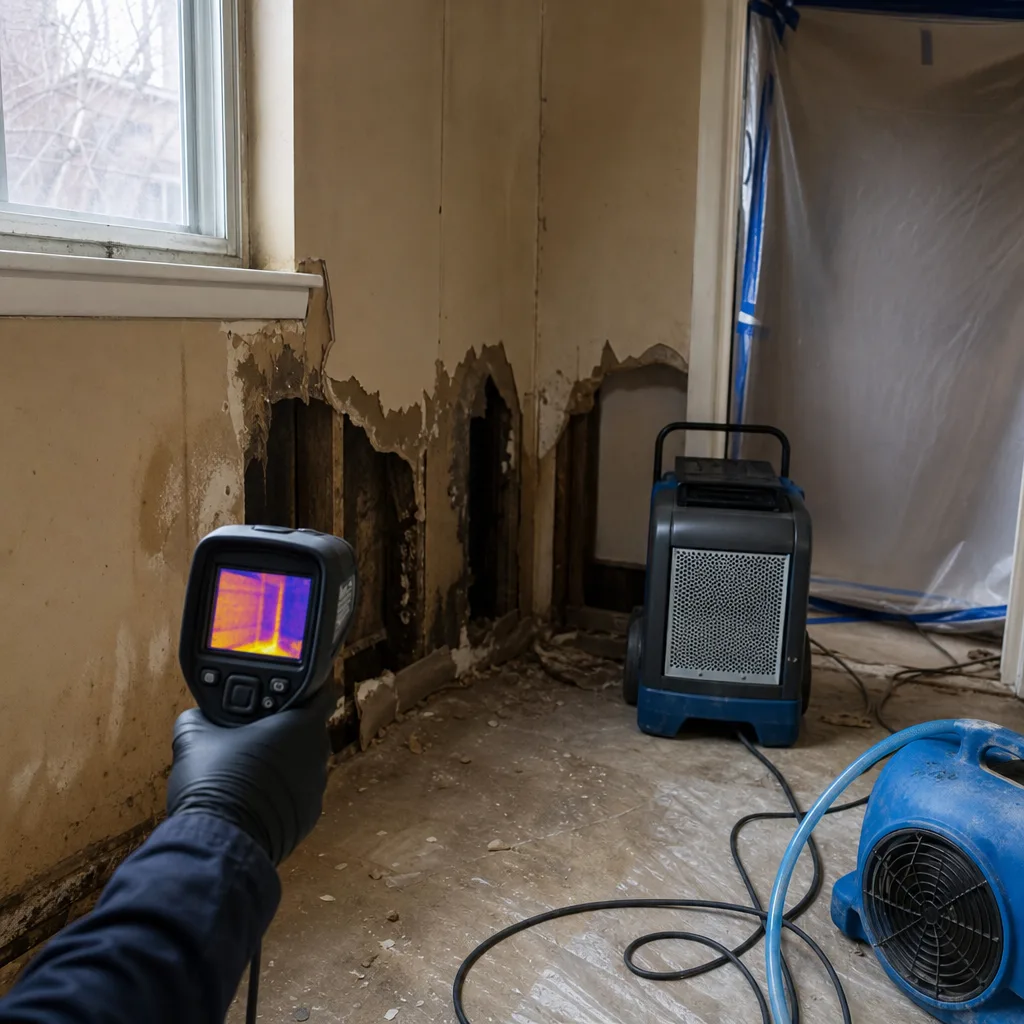 Before
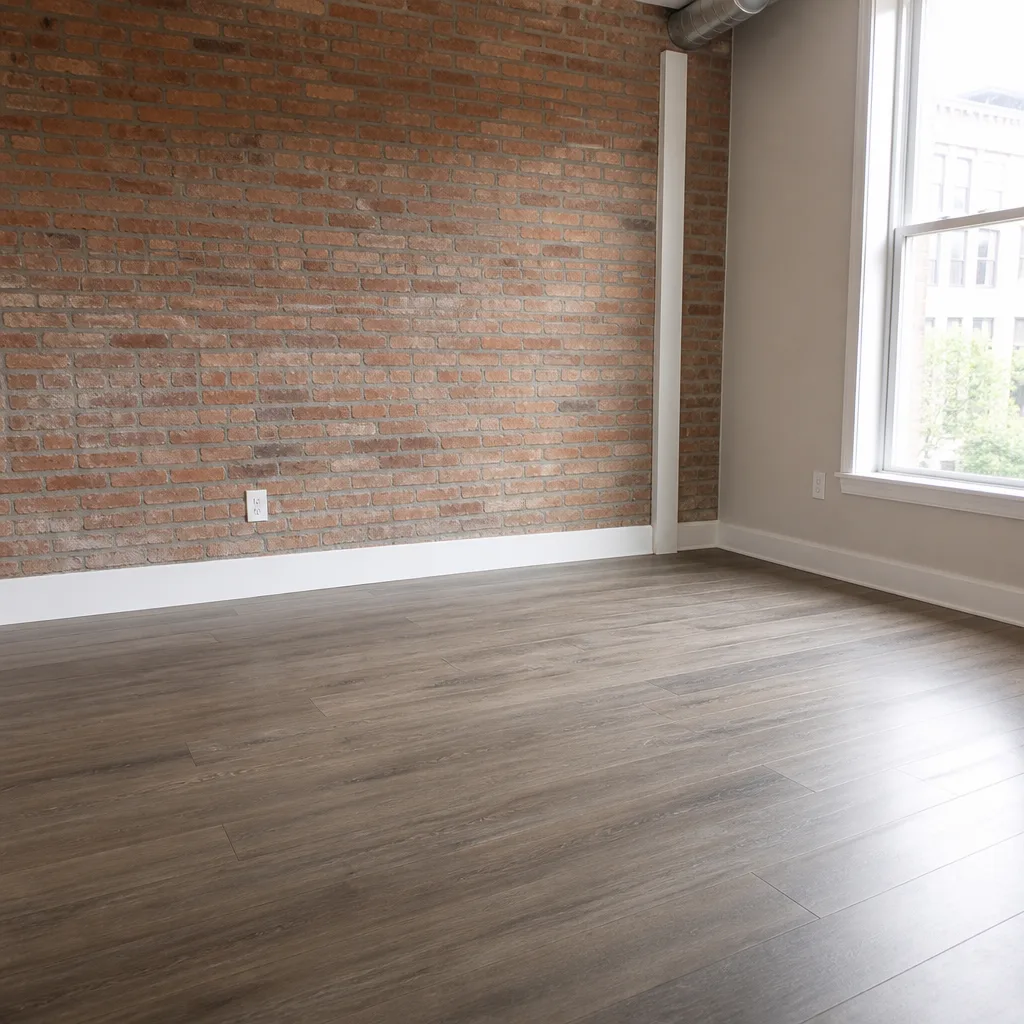 After
After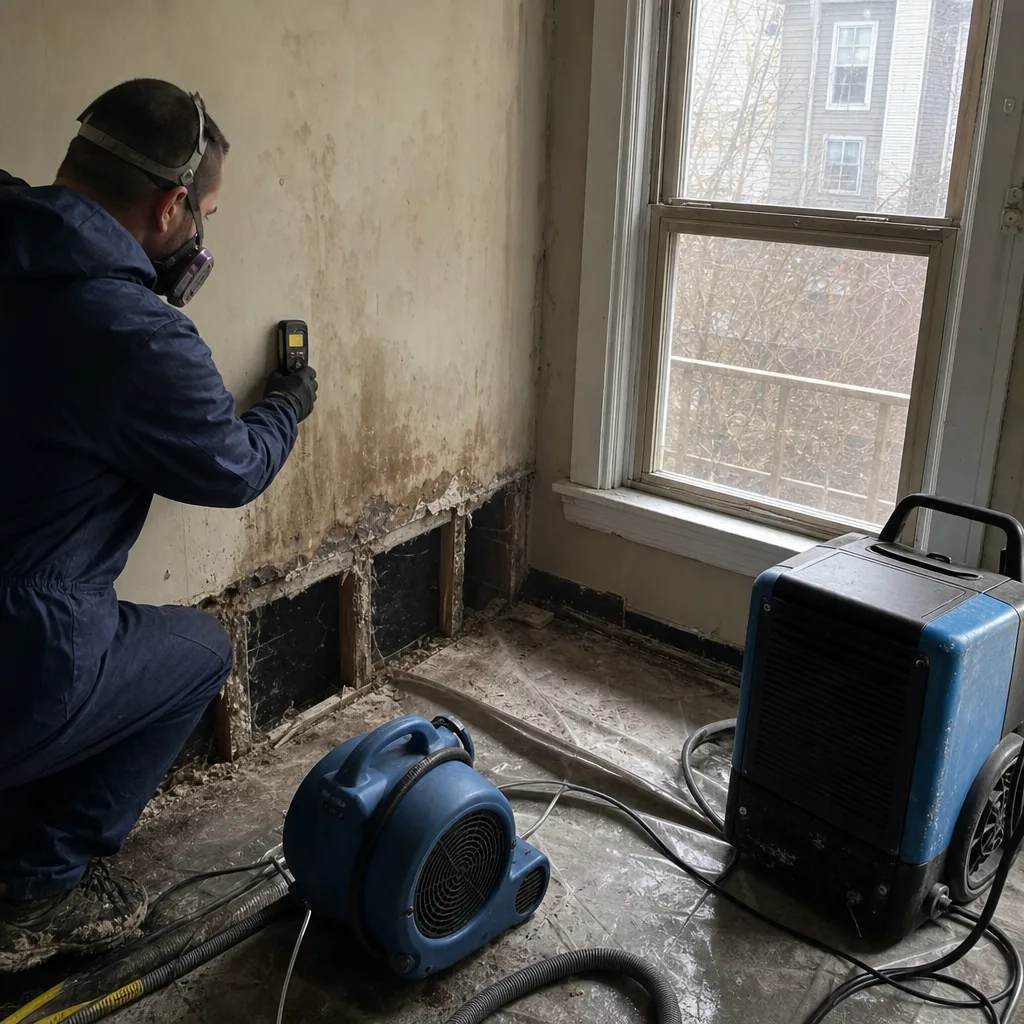 Before
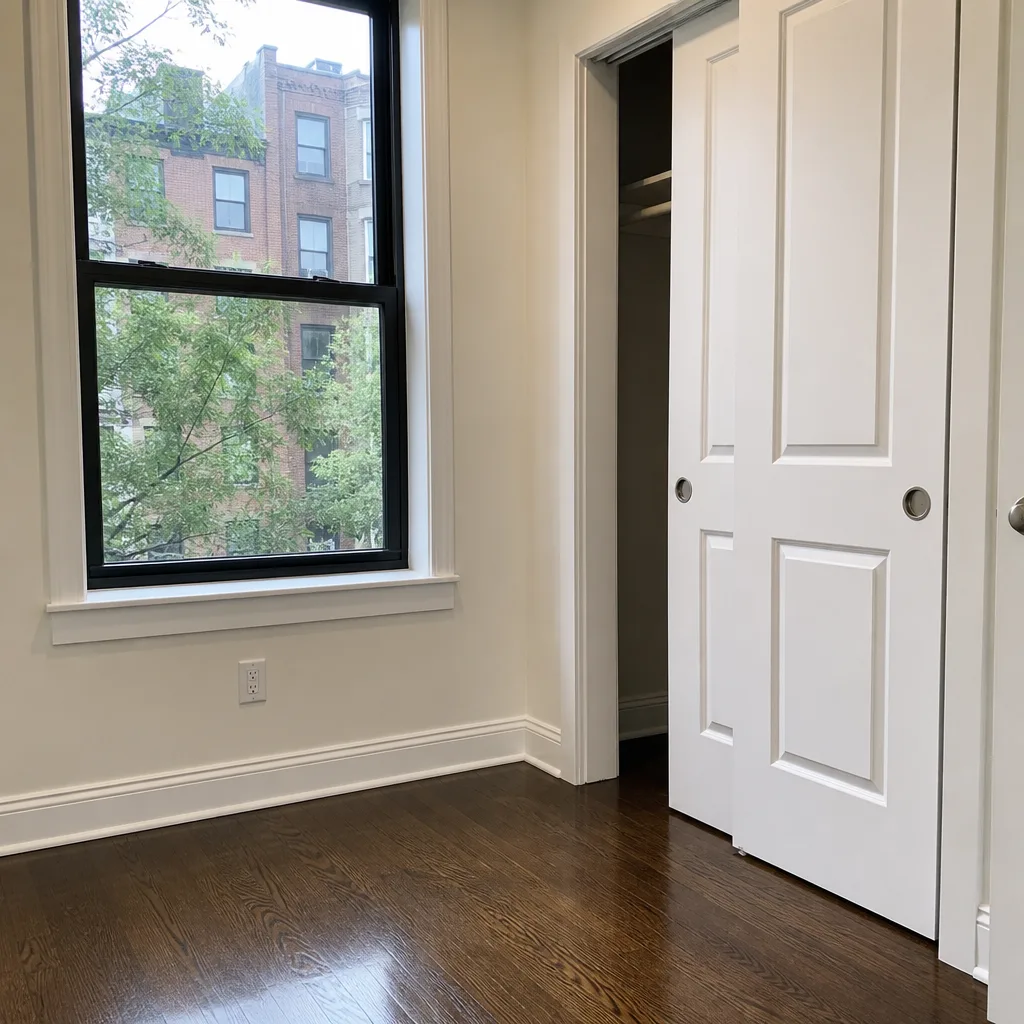 After
AfterDIY vs Professional Damage Restoration: The Hoboken Homeowner’s Decision Guide
Water finds the path of least resistance, and in Hoboken, that path often runs through a hundred-year-old brownstone floor. The average DIY water damage cleanup saves about $400 up front and costs $2,800 more within eighteen months when hidden moisture breeds mold behind baseboards. This guide walks through exactly where a homeowner can safely do the work themselves, where the line gets crossed, and what a square deal looks like when you hand the job to a certified crew. You’ll learn what equipment actually matters, how long drying really takes in Hoboken’s climate, and which mistakes we see repeated most often on jobs that started as weekend projects.
Quick Answer
DIY restoration works for clean-water spills under about 10 square feet that you catch within an hour, with fans and a wet-dry vac you already own. Professional restoration becomes the cheaper option the moment water touches drywall, flooring, or anything below grade in a Hoboken basement, because hidden moisture turns a $400 cleanup into a $3,000 mold remediation within weeks. If the water came from a sewer line, a sump failure, or sat for more than a day, call a pro immediately.
Table of Contents
- What DIY Can Actually Handle
- What Professionals Bring That You Can’t Rent
- The Real Cost Comparison in Hoboken
- The Mold Clock: Why 48 Hours Matters
- Hoboken-Specific Risks: Basements, Brownstones, and the Water Table
- Insurance and DIY: What Your Carrier Won’t Tell You
- Step-by-Step: Safe DIY Water Cleanup
- Step-by-Step: What a Professional Restoration Actually Looks Like
What DIY Can Actually Handle
A homeowner with a shop vac, a box fan, and a dry afternoon can handle more than most restoration companies will admit. The honest boundaries are narrow but real. Clean water from a supply line, an overflowing sink, or a rain leak caught the same day, covering less than roughly 10 square feet of tile or concrete, sits inside DIY territory. If the flooring is vinyl plank, ceramic, or sealed concrete and the water never touched drywall, insulation, or cabinetry, you have a legitimate shot at doing this yourself.
The key is speed and thoroughness. Water that sits on a surface evaporates upward into whatever sits above it. Pull it out with a wet-dry vac within the first hour, and you’ve stopped most of the damage before it starts. Set fans to move air across the wet area, not just at it. Leave them running for a full 24 hours after the surface feels dry. Lift a corner of the flooring if it’s floating vinyl or laminate. If you see water beading underneath, the job just left DIY territory.
In Hoboken specifically, the humidity changes the math. A summer spill in a brownstone with no central air will not dry on its own the way it would in Arizona. The ambient moisture in a Hoboken August sits high enough that evaporation slows to a crawl. What a homeowner in a dry climate can air out in a day, a Hoboken homeowner needs fans and a dehumidifier to move. If you don’t own a dehumidifier, you’re renting one or calling us. The rental alone starts pushing the cost toward professional territory.
What Professionals Bring That You Can’t Rent
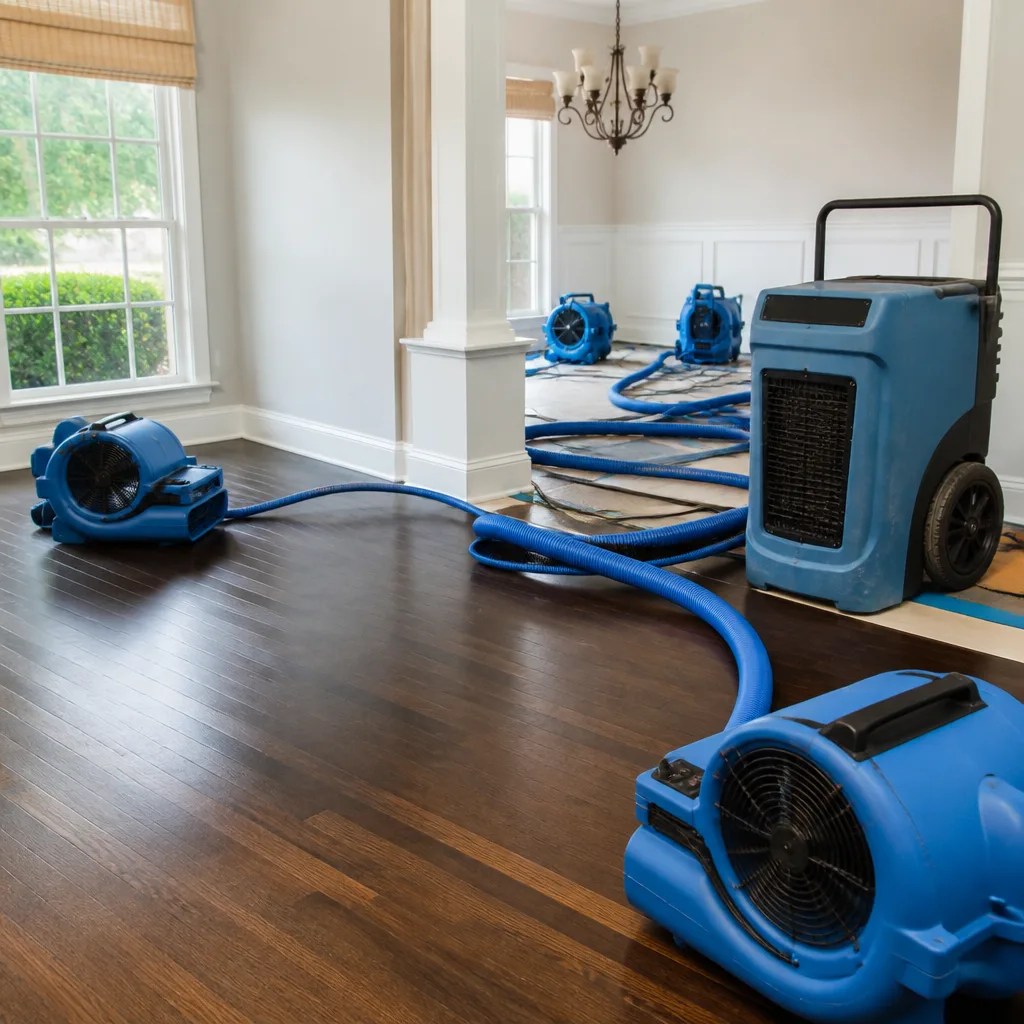
You can rent a fan. You can rent a dehumidifier. You cannot rent the moisture meter that tells you the wall cavity is still at 28% moisture content when the surface reads dry. That’s the difference that matters. We run Dri-Eaz dehumidifiers and Phoenix axial fans on most Hoboken jobs, and the equipment is only half the story. The moisture map we build on day one determines where we cut, what we dry in place, and when we can honestly tell you the structure is dry. Without that map, you’re guessing. Guessing wrong in a Hoboken brownstone means mold inside a lath-and-plaster wall that costs more to open up than the original leak did.
The second thing a professional brings is the dry standard. There’s a documented number, measured in wood moisture equivalent, that says a structure is dry enough to close up. We hit that number and we log it daily until we do, then we hand you the log. That log matters to your insurance carrier. It matters to the resale value of your house. And it matters to the 90-Day Done Right Promise we put in writing on every job. If the drying wasn’t done right, we make it right. No arguing about what “dry” means. The log says what the log says.
The third thing is less obvious: the same crew that extracts the water on day one is the crew that rebuilds the wall on day fourteen. You don’t get a mitigation team that hands you off to a reconstruction subcontractor you’ve never met. In Hoboken, where the buildings are old and the access is tight, that continuity changes how carefully a crew works. They know they’ll be back to finish what they started, so they read the moisture map like it’s their own house.
The Real Cost Comparison in Hoboken
Let’s put honest numbers on the table. A small clean-water job in Hoboken, caught fast, with no structural damage, runs $400 to $900 through a restoration company. The same job done DIY costs whatever you spend on a rented dehumidifier, supplies, and your own time, usually $150 to $300. The savings look real on paper. Here’s what the same comparison looks like when the water sat overnight or touched drywall:
- DIY from start to finish: $200 to $500 in supplies and rentals, 8 to 16 hours of your labor, no moisture documentation, no guarantee, and a meaningful risk that hidden moisture turns into a $2,500 to $6,000 mold remediation.
- Professional from start to finish: $1,200 to $3,500 for extraction, drying, and repairs on a typical Hoboken basement or kitchen job, done in 3 to 5 days, with a moisture log, direct insurance billing, and a written 90-day guarantee.
- DIY followed by professional mold remediation: $3,000 to $8,000, plus whatever you spent on the DIY attempt, plus the weeks of living with the smell before you made the call.
The expensive option isn’t the one with the higher number on the estimate. The expensive option is the one where you pay twice. In our experience, the jobs that cost the most are the ones where someone spent a weekend with a rented fan, closed the wall up, and called us three months later when the baseboard started to smell. By then, the mold has colonized inside the cavity, the drywall has to come out, and the scope of work has tripled.
Hoboken’s housing stock makes this worse. Many homes here are pre-war construction with plaster walls and old-growth framing. Plaster wicks water differently than modern drywall. It holds moisture longer and hides it better. A homeowner who has lived in their Hoboken row house for twenty years knows the building breathes in ways a new construction doesn’t. That charm is also a liability when water gets into a wall cavity. The $2,500 estimate you didn’t want to spend becomes a $9,000 rebuild because the lath swelled and the plaster cracked and the whole wall had to come down to the studs.
The Mold Clock: Why 48 Hours Matters
Mold spores are already in your house. They’re in every house in Hoboken. They sit dormant on surfaces, waiting for moisture and warmth. Give them a wet wall cavity or a damp carpet pad, and they germinate within 24 to 48 hours. After 72 hours, visible colonies can start to form. After a week, you’re not dealing with drying, you’re dealing with remediation, and the cost and scope have changed entirely.
This is why speed matters more than anything else. This is also why our dispatch desk is answered by a live person at 2 a.m. and why we aim to have a certified crew running extraction on the same visit. The homeowner’s first fear when water is spreading isn’t the bill. It’s that the damage will spread while they wait. We built the company around that fear. Curt Bowman founded Floodline Restoration Co. in 2010 around a dispatch board, not a sales desk, and the board has a person looking at it around the clock.
The 48-hour clock starts when the water lands. If you’re reading this guide while water is actively spreading in your Hoboken home, stop reading and call (640) 500-3278. The guide will be here when the water is out. The clock is running now.
Hoboken-Specific Risks: Basements, Brownstones, and the Water Table
Hoboken sits near sea level, surrounded by water on three sides, with a high water table and a combined sewer system that backs up during heavy rain. When the city floods, it floods from the bottom up. Basements and garden-level units take the hit first. That water is rarely clean. It’s groundwater mixed with whatever the storm sewer carried, and it’s coming into your house through floor drains, sump pits, and foundation cracks. That’s Category 2 or Category 3 water, and DIY cleanup is not just ineffective, it’s unsafe.
The neighborhoods matter too. In the flood-prone blocks near the western edge of Hoboken, basements that have flooded once tend to flood again. We see the same addresses on our board after every major storm, not because the owners were careless, but because the water table doesn’t care about a sump pump that’s rated for a normal rain. If you live in a block that’s flooded before, your calculation on DIY vs professional shifts hard toward professional. You’re not dealing with a one-time spill. You’re dealing with a recurring condition, and you want documentation that stands up to an insurance claim.
Brownstones and row houses bring their own problems. Shared party walls mean water migrating through one unit ends up in the neighbor’s wall. That’s a liability conversation you don’t want to have without documentation behind you. A professional moisture log shows exactly where the water went and what was done to dry it. A DIY job with no log leaves you explaining to your neighbor’s insurance company why you’re confident their wall is dry. You can’t be confident. You guessed.
Insurance and DIY: What Your Carrier Won’t Tell You
Your homeowner’s policy covers sudden and accidental water damage. It does not cover damage that resulted from your failure to mitigate. That’s the sentence every Hoboken homeowner should read twice. If a pipe bursts on Tuesday and you rent a fan and hope for the best, then call your carrier in March when the mold shows up, the adjuster will ask what you did to dry the structure. “I ran a fan” is not a mitigation plan. It’s a reason to deny a claim.
Professional restoration companies document everything. We photograph before, during, and after. We log daily moisture readings. We hand you and your adjuster a written scope of work before anything gets torn out, and we bill your carrier directly so you’re not playing messenger between Floodline and the insurance company. That’s the part of this equation that most people don’t think about until a claim gets denied. A $1,800 professional mitigation job that your insurance covers is cheaper than a $6,000 mold remediation that your insurance won’t.
The insurance conversation is also where the DIY question gets most complicated for older Hoboken homeowners. People who’ve lived in their house twenty years and plan to stay don’t want a claim on their record. They want to pay out of pocket and keep it quiet. That’s a fair instinct, but it only works if the job is actually done right. Half-done drying isn’t a saved claim. It’s a bigger claim filed later, when the policy already paid out on the first one and the carrier is looking for reasons to say no.
Step-by-Step: Safe DIY Water Cleanup
If you’ve read this far and your situation fits the DIY window, clean water, small area, caught fast, here’s the process done properly. This is not what we recommend for most Hoboken water events, but if you’re going to do it, do it right.
- Stop the source first. Shut off the water supply valve or the main. Don’t start cleanup while water is still coming in.
- Document before you touch anything. Photograph the standing water, the affected area, and any visible damage. Your phone’s camera is your insurance file.
- Extract the standing water. Use a wet-dry vac rated for liquids. Empty it frequently. Get every drop you can see.
- Remove wet porous materials. Carpet pad, wet cardboard boxes, wet fabrics, anything that soaked water. It all comes out. No exceptions.
- Set up airflow. Box fans or floor fans aimed across the wet surface, not straight down. Air movement is what carries moisture away.
- Dehumidify aggressively. Rent or borrow a real dehumidifier. In Hoboken’s humidity, this is not optional. Run it for 48 hours minimum.
- Check underneath and behind. Lift flooring edges. Remove baseboards if water reached a wall. If you find moisture underneath, the job is no longer DIY.
- Give it one more day than feels necessary. Surface dryness lies. If you think it’s dry today, run the fans one more day and call it done tomorrow.
If at any step you find water where you didn’t expect it, stop and call a professional. The cost of the call is zero. We offer free estimates in Hoboken, and the answer might be that you’re fine to keep going. At least then you’d know.
Step-by-Step: What a Professional Restoration Actually Looks Like
When you call Floodline Restoration Co., here’s what happens, in order, on a typical Hoboken water damage job. This is the process the 90-Day Done Right Promise stands behind.
- Live dispatch takes your call. A person answers, day or night. They ask the right questions: where’s the water, how long has it been there, is it clean or contaminated. They dispatch a crew immediately.
- The crew arrives and assesses. Background-checked, uniformed technicians walk the property. They identify the water source, the water category, and the affected areas. They take initial moisture readings.
- You get a written scope before anything gets torn out. No surprises on the bill. You know what’s being done, what it costs, and what your carrier will likely cover. If you approve the scope, work starts.
- Extraction begins. Professional-grade pumps and extractors pull the standing water. On a serious Hoboken basement flood, this takes an hour or two. The goal is water out the same visit.
- Equipment gets placed. Dri-Eaz dehumidifiers, Phoenix or XPOWER axial fans, Injectidry systems for wall cavities and under flooring. The placement follows a moisture map, not guesswork.
- Daily readings until the dry standard is met. Technicians return daily, take readings at the same points, and log them. You see the numbers trending down. The log goes to you and your carrier.
- Repairs and rebuild. The same crew that did the drying does the reconstruction. No handoff, no subcontractor you’ve never met. The job finishes when the structure is dry, rebuilt, and documented.
- The 90-Day Done Right Promise kicks in. If it’s not done right, we make it right. In writing. No paperwork battles, no arguing. That’s the Keystone Standard.
Common Mistakes to Avoid
- Treating gray water like clean water. Washing machine overflow, dishwasher discharge, and sump water are Category 2 gray water. They carry contaminants. Gloves and boots aren’t optional, and DIY cleanup of gray water in a finished Hoboken basement is a bad bet.
- Closing walls before they’re dry. The surface feels dry, so you patch the drywall and paint. Six weeks later, the smell arrives. A $30 moisture meter would have told you the truth, but you trusted your hand. Your hand lies.
- Using household fans as a substitute for dehumidification. Fans move air. They don’t remove moisture from it. In Hoboken’s summer humidity, moving humid air across a wet surface just spreads the moisture around.
- Skipping photos and documentation. Your insurance carrier doesn’t care what you remember. They care what you can prove. Photograph everything before you touch anything, and keep the photos somewhere safe.
- Waiting to see if it dries on its own. It won’t. Not in Hoboken. Not in a wall cavity. Not in a basement below grade. Every hour of waiting is an hour of mold clock running.
- Assuming your sump pump is enough. Sump pumps fail. Power goes out during the same storm that floods the basement. A battery backup is good. A generator is better. Neither replaces a professional mitigation after the fact.
- Hiring the cheapest bid without a written guarantee. The restoration trade has a reputation problem, and mold is where it’s worst. A cheap crew that doesn’t finish the job leaves you with a bigger problem and no recourse. You want a name you can hold accountable and a promise on paper.
When to Call a Professional
Call a professional if the water came from a sewer line, a sump failure, or outside flooding. Call if the water touched drywall, insulation, hardwood, or anything below grade. Call if it sat for more than 24 hours. Call if you smell anything musty, see any discoloration, or have anyone in the house with asthma, allergies, or a compromised immune system. Call if your insurance is involved and you want the claim to survive contact with an adjuster. Floodline Restoration Co. offers free estimates in Hoboken, call (640) 500-3278, and a live dispatcher will answer.
Frequently Asked Questions
Professional water damage restoration in Hoboken typically runs $1,200 to $3,500 for a standard clean-water job with drying and minor repairs, while larger basement floods or contamination jobs run $4,000 to $12,000. The final number depends on the water category, affected square footage, and how long the water sat before mitigation started. Call (640) 500-3278 for a free estimate with a written scope before any work begins.
Yes, if the water is clean, the area is under about 10 square feet, you caught it within an hour, and the water never touched drywall or flooring. No, in every other scenario, because the moisture you can’t see is the moisture that causes mold, rot, and insurance denials. When in doubt, the free estimate call is cheaper than the mistake.
Mold can begin growing within 24 to 48 hours in Hoboken’s humid climate, and visible colonies can appear within 72 hours. The clock starts when the water lands, not when you notice the smell. If water has been sitting overnight, you’re already inside the mold window.
Most homeowner’s policies cover sudden and accidental water damage, but they require you to mitigate the damage promptly and document your efforts. A professional restoration company photographs everything, logs daily moisture readings, and bills your carrier directly, which gives your claim the evidence it needs to survive an adjuster’s review. If your policy’s deductible is high, remember that our Floodline Restoration Co. home page lists current offers including $50 off any repair over $250 and a senior and veteran 5% discount, always available.
Our live dispatch desk answers the phone 24/7, every day of the year, and we aim to have a certified crew running extraction on the same visit. In Hoboken, where traffic and parking complicate access, we’re already local and we know the streets. The person who answers the phone at 2 a.m. is a person, not a recording.
Cleaning visible mold without addressing the moisture source behind it is a temporary fix that fails within weeks. Mold inside a wall cavity or under flooring will regrow until the structure is dried to the dry standard and the contaminated materials are removed or treated. A proper moisture assessment tells you which situation you’re in, and the assessment is free if we do the work.
The Bottom Line
The DIY vs professional decision comes down to three factors: water category, affected area, and elapsed time. Clean water on a small, non-porous surface caught within the hour can be handled by a careful homeowner. Everything else, especially in Hoboken’s humid climate and flood-prone basements, belongs with a certified crew that documents the drying, bills your carrier directly, and stands behind the result in writing. Floodline Restoration Co. has served Hoboken since 2010, and every job finishes with the 90-Day Done Right Promise in your hands. If water is in your house right now, call (640) 500-3278. A person will answer.
Written by Curt Bowman, Owner at Floodline Restoration Co., serving Hoboken since 2010.