
Last updated August 25, 2026
Free visual inspection and a written scope of work before any mitigation begins - photos, moisture readings, and drying logs go in your claim file
The scope we write is the scope we bill. Anything new gets shown to you, in writing, before we touch it.
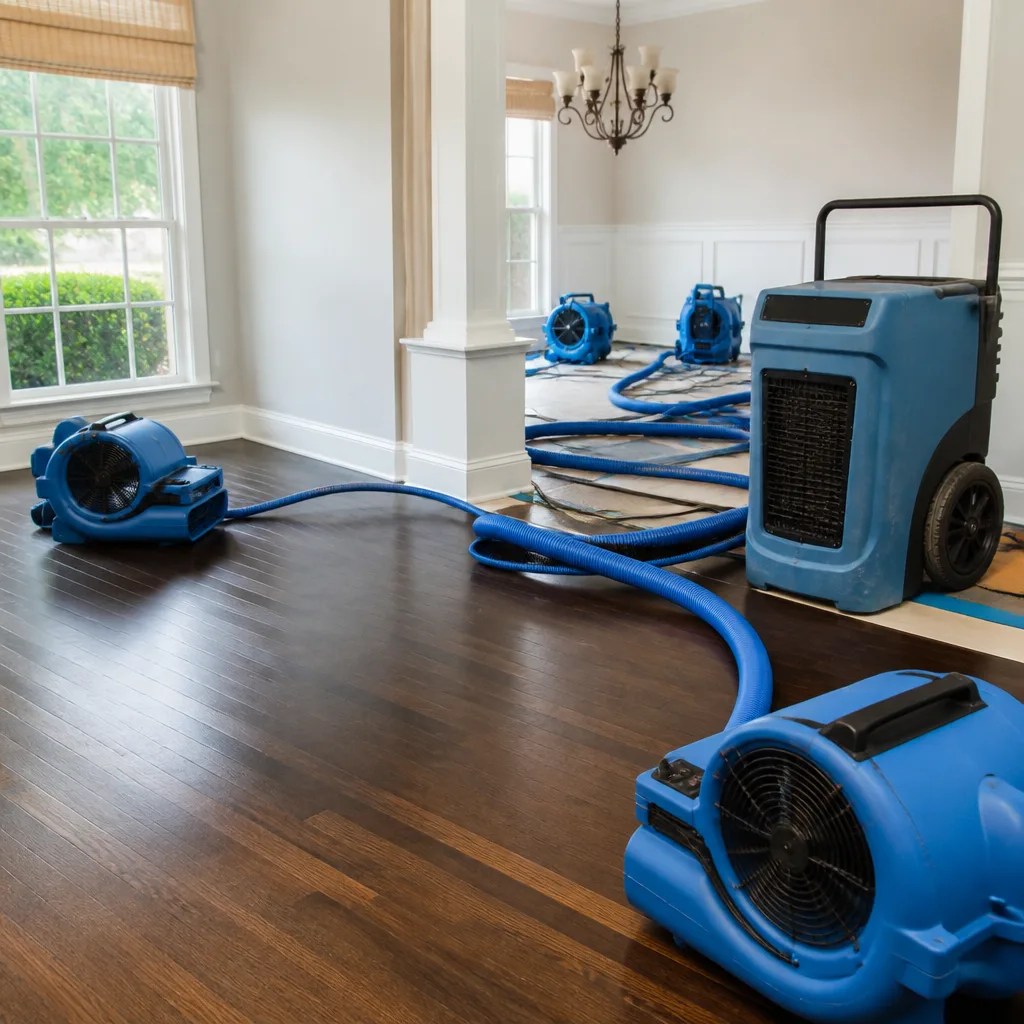
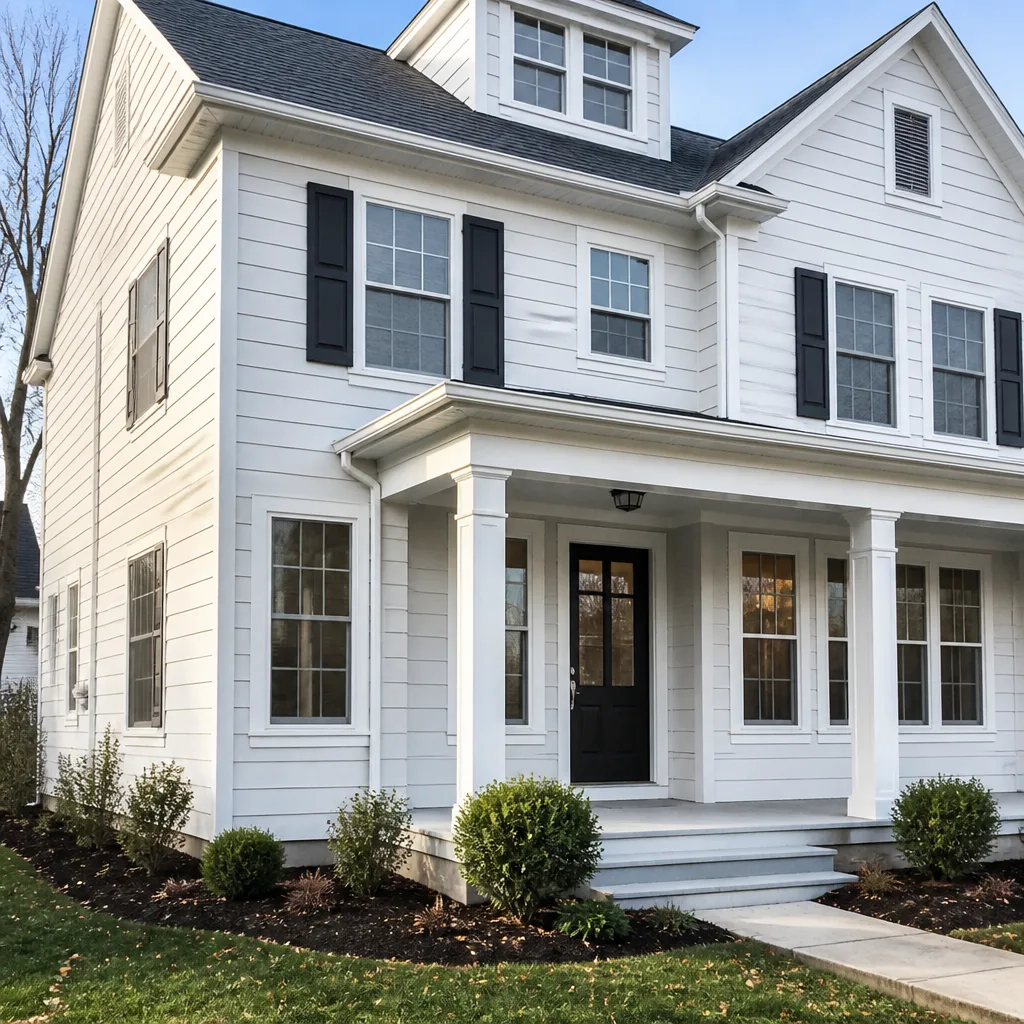
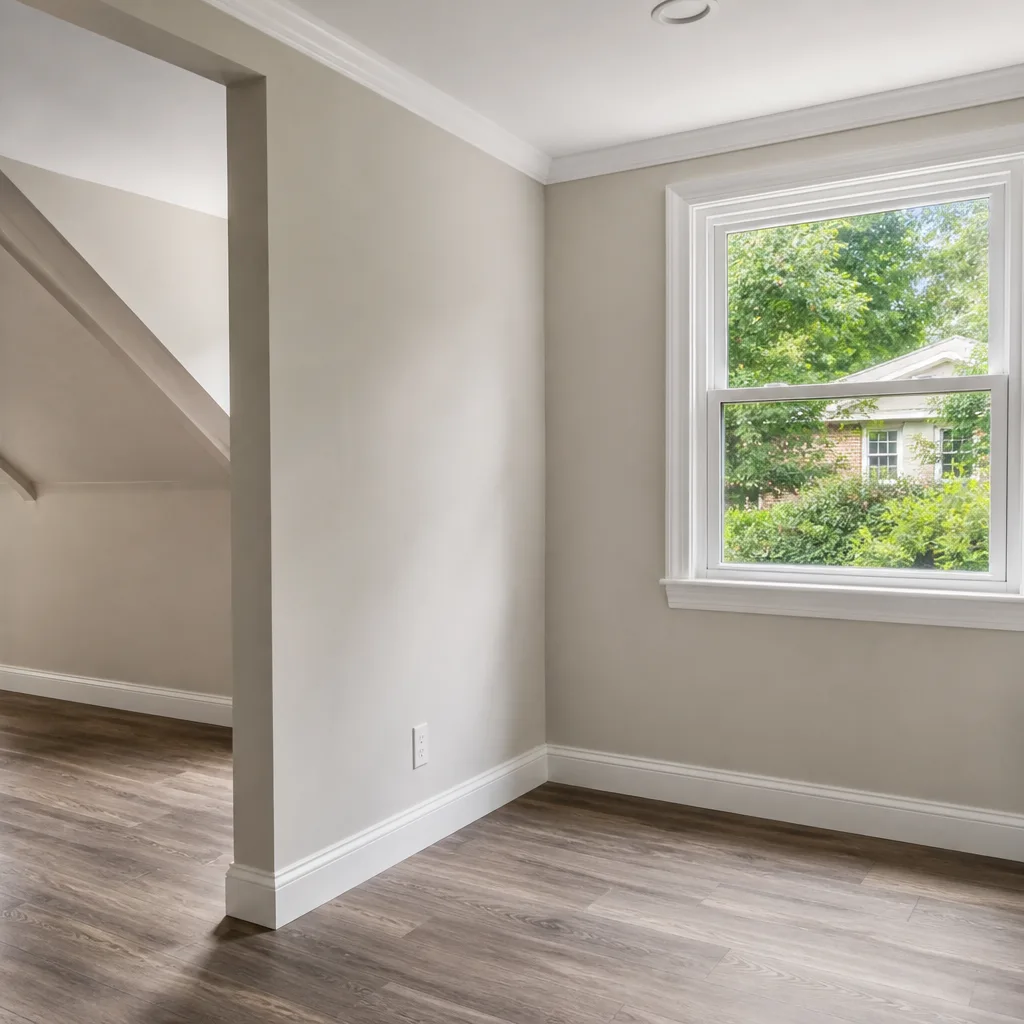
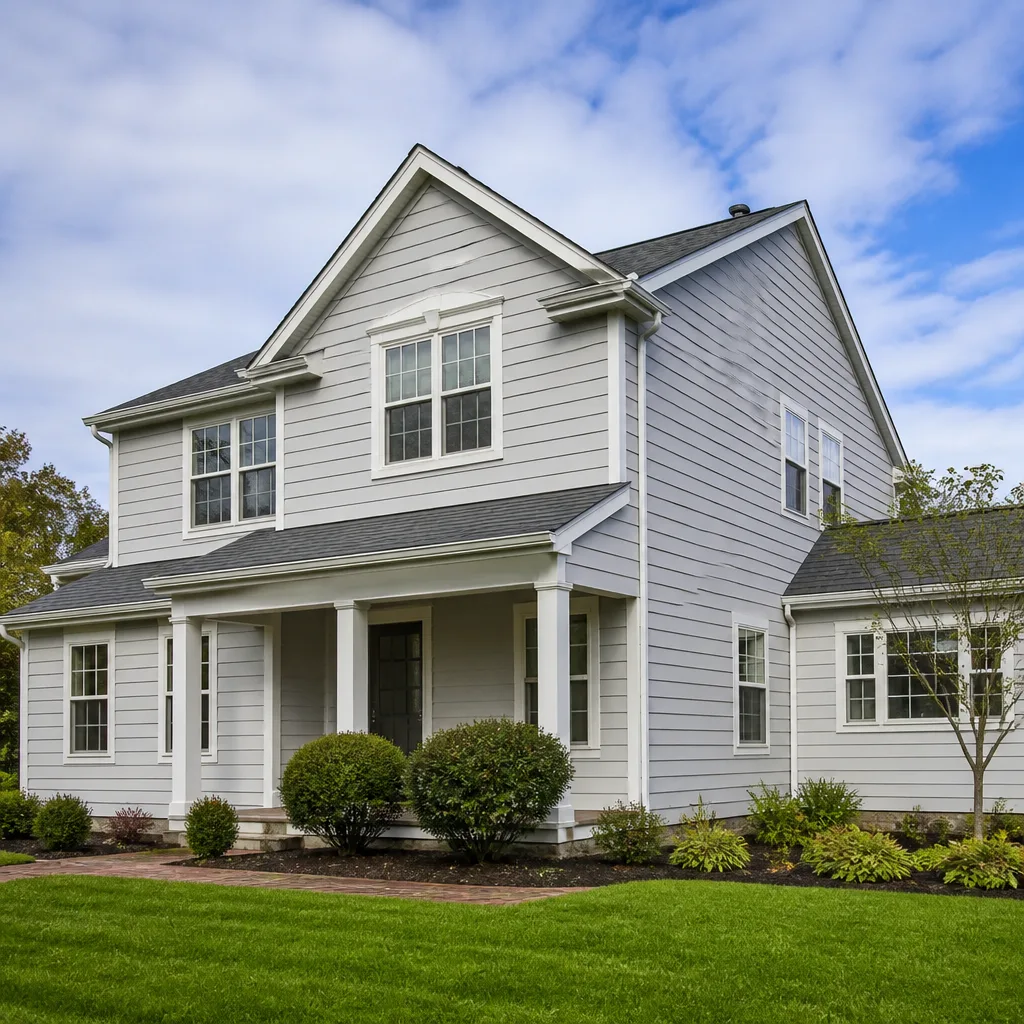
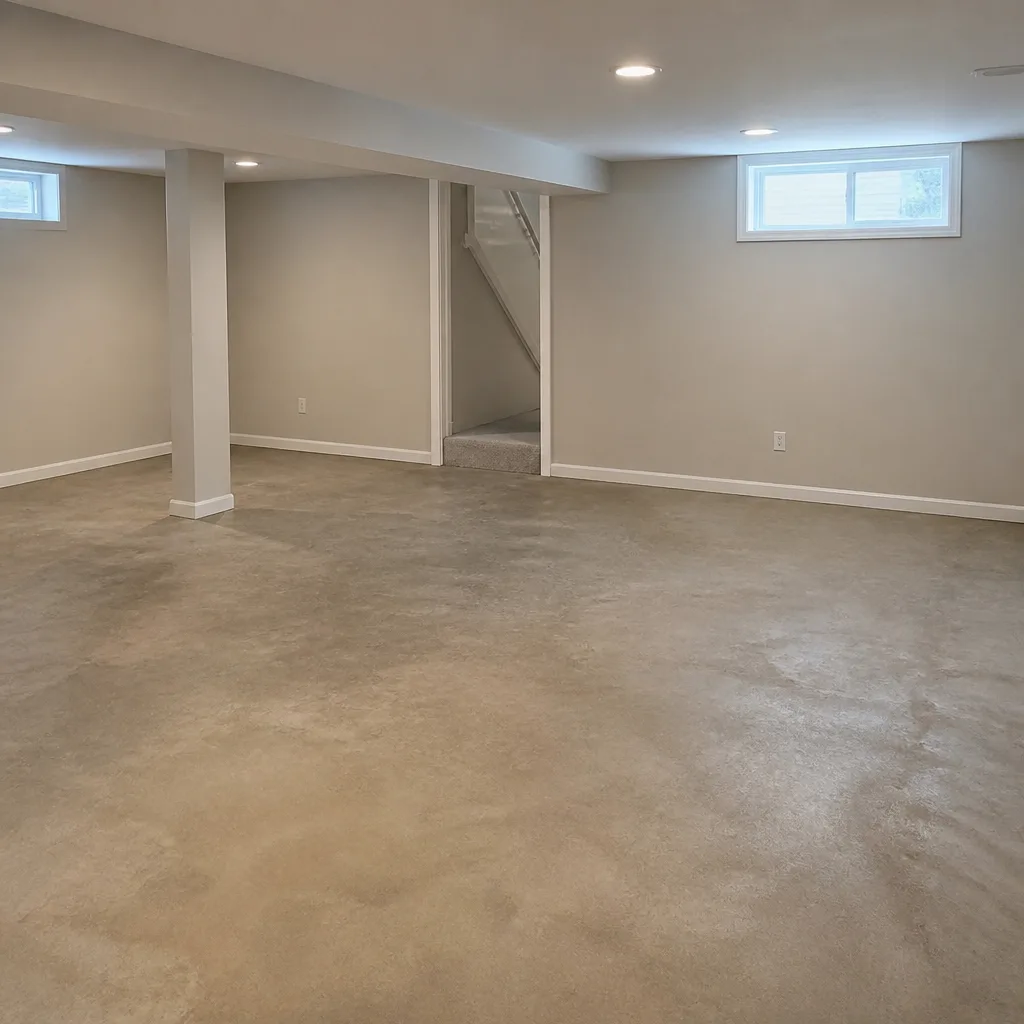

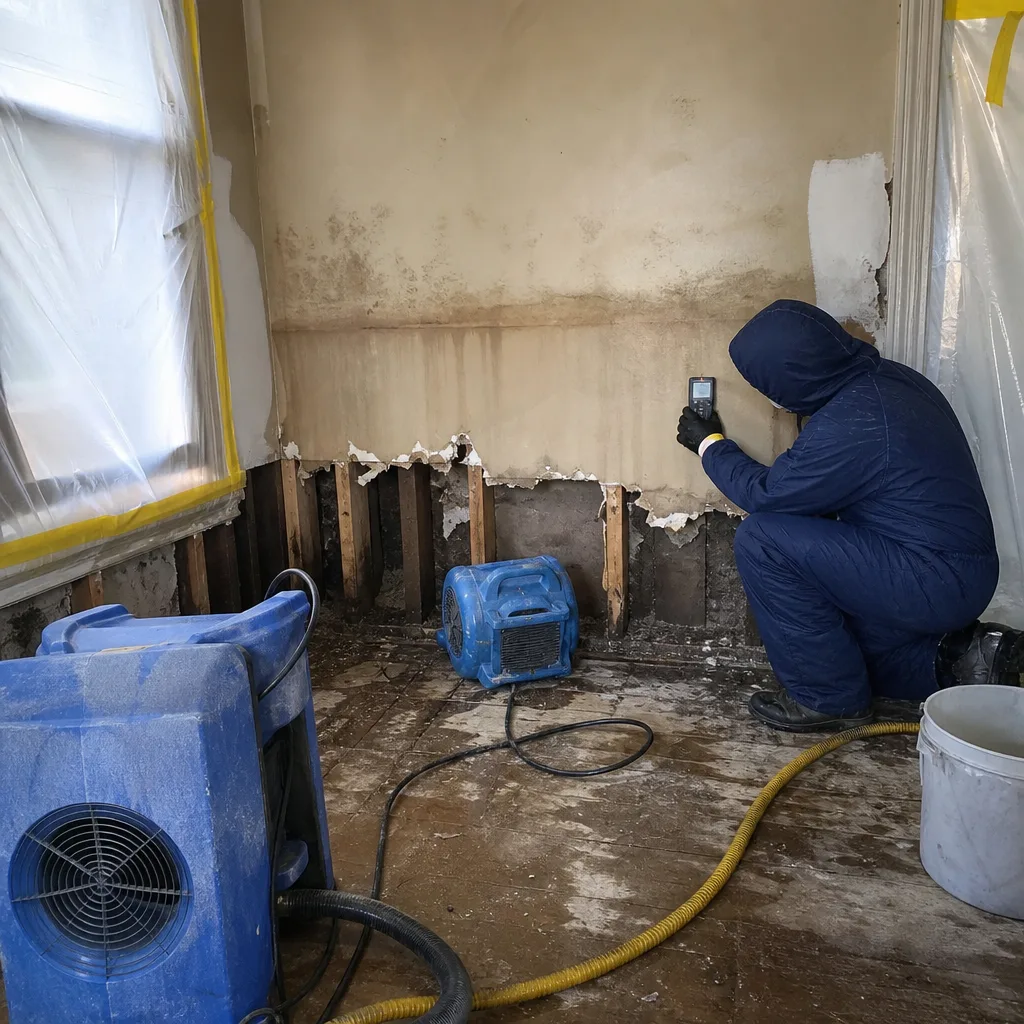 Before
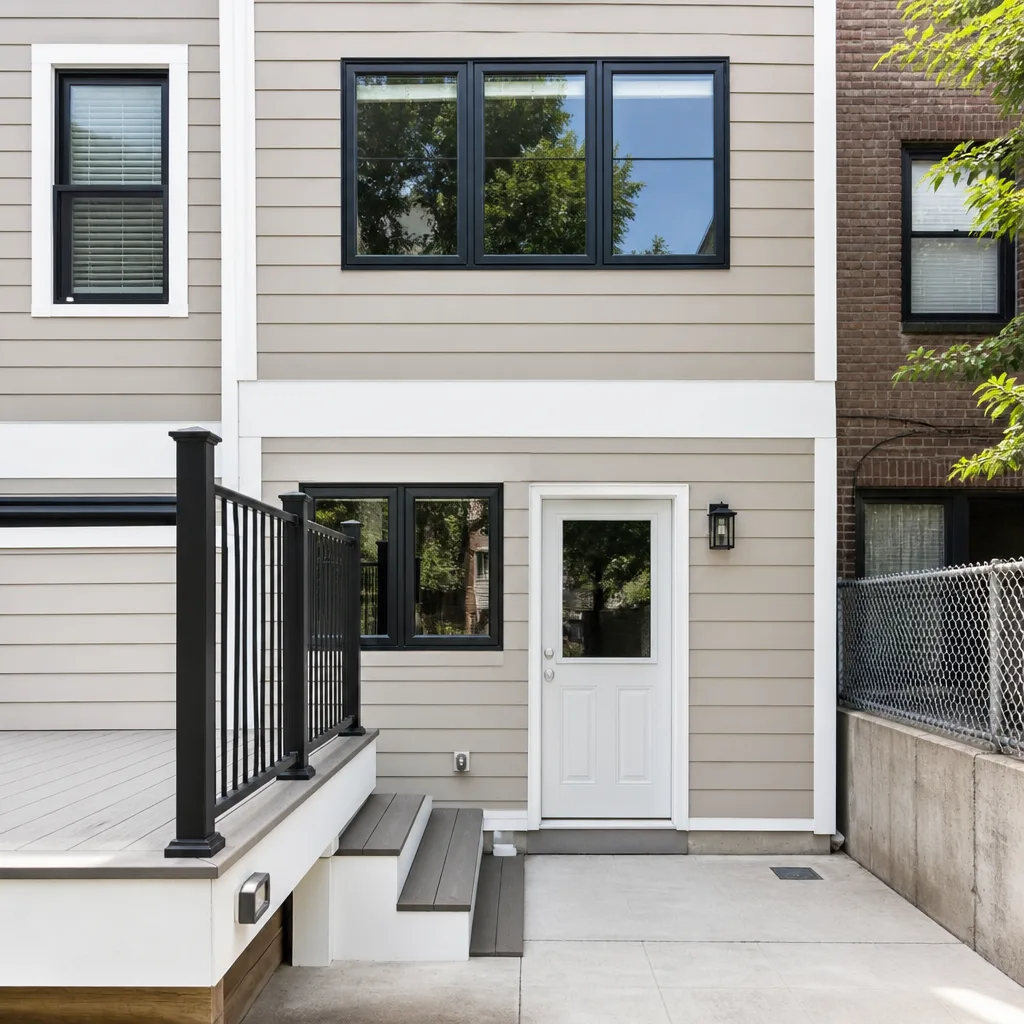 After
After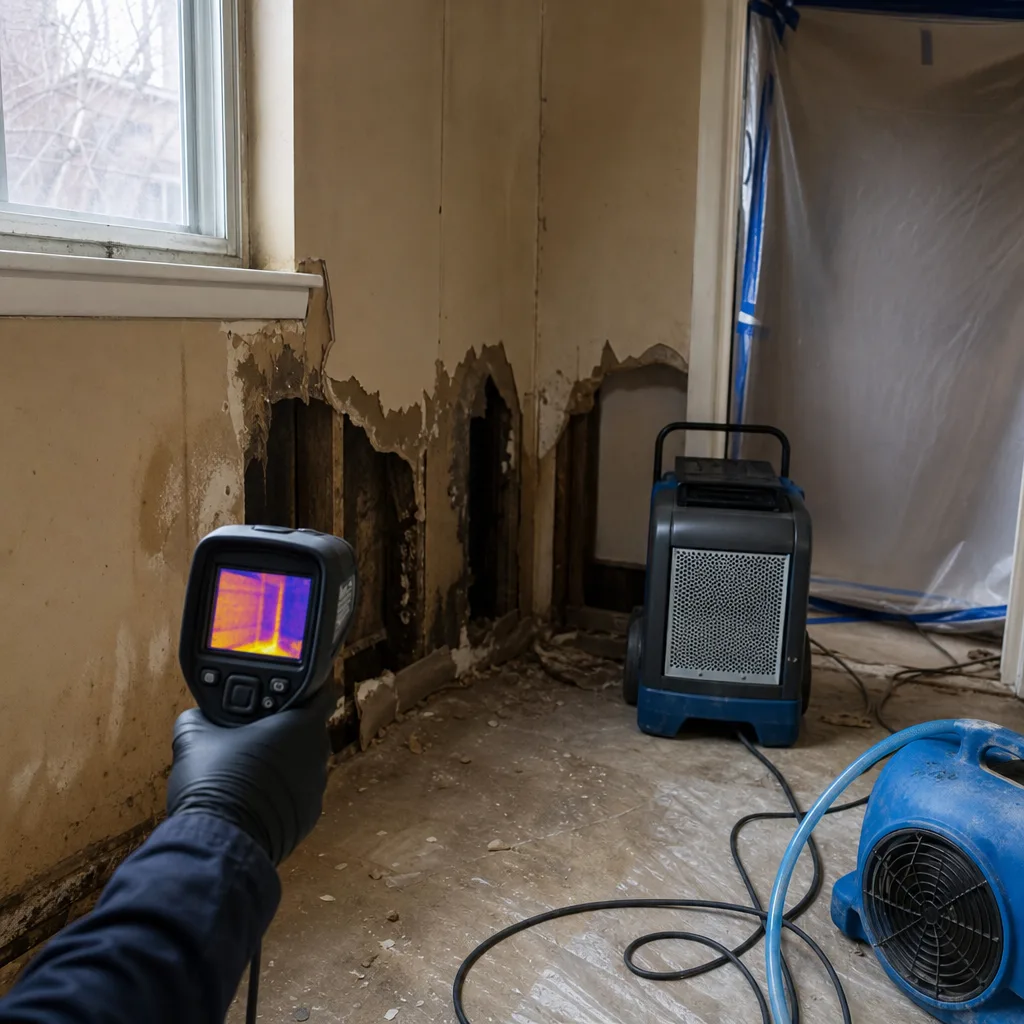 Before
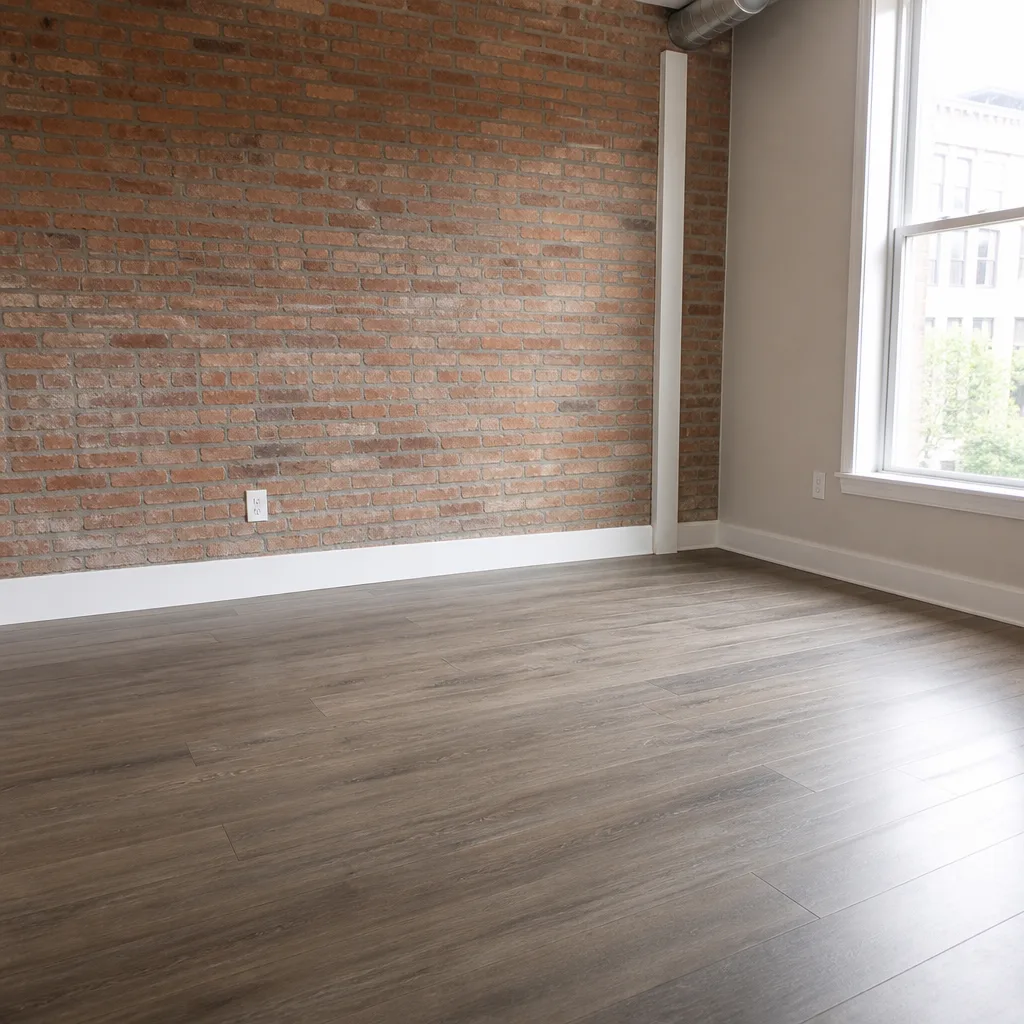 After
After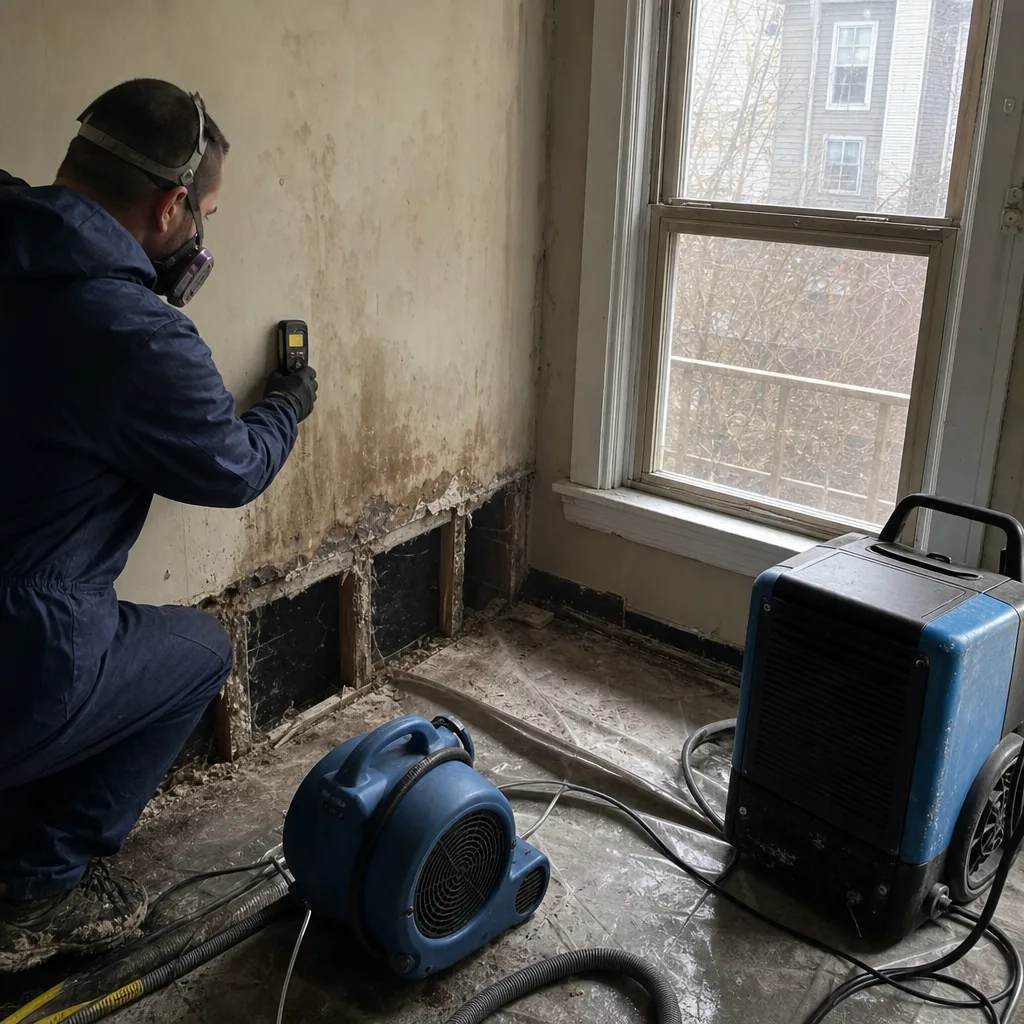 Before
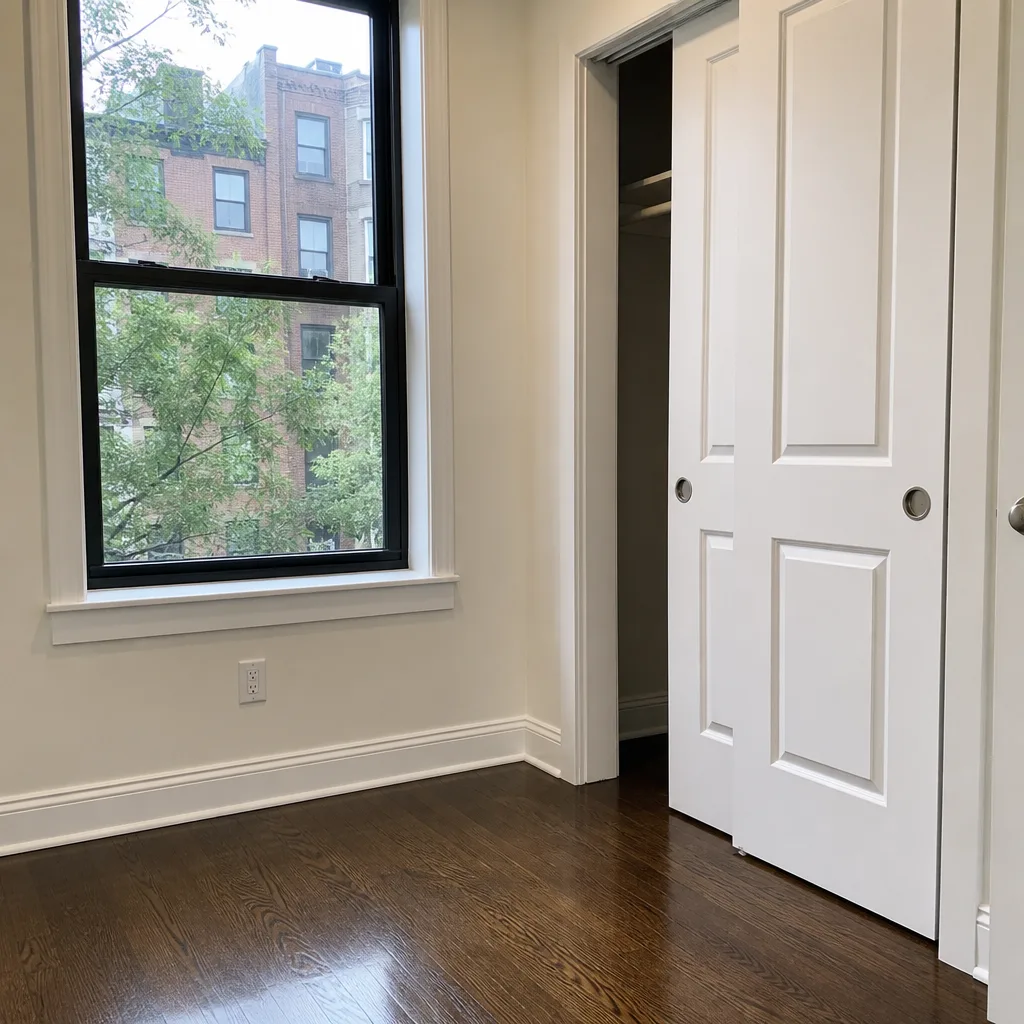 After
AfterDamage Restoration Permits, Codes & Inspections in NJ: What You Need to Know
Here’s a counterintuitive fact: most homeowners in New Jersey spend more time picking out kitchen cabinet hardware than they do understanding the permit requirements for the restoration work that will follow a flood, fire, or sewage backup. That’s understandable. You’re dealing with a crisis, not planning a remodel. But the state’s Uniform Construction Code doesn’t care about your timeline. In Hoboken, where dense brownstones and century-old row houses sit at or below sea level, the permit and inspection process gets even more particular. This guide walks you through exactly what you need to know about permits, codes, and inspections for damage restoration in New Jersey, written from the perspective of a Hoboken-based restoration company that has pulled permits in every ward of this city.
Quick Answer
Damage restoration work in New Jersey requires a construction permit whenever the work involves structural repair, electrical, plumbing, or mechanical system replacement beyond minor equipment swaps. A simple water extraction and drying job typically needs no permit, but any rebuild work following damage does. Inspections are required at specific stages of the rebuild, and in Hoboken, the city’s Construction Code Department enforces additional flood-zone requirements under FEMA and local floodplain ordinances. Call (640) 500-3278 for a free estimate and we’ll tell you exactly which permits your specific job requires.
Table of Contents
- When You Need a Permit in NJ
- When No Permit Is Required
- Hoboken-Specific Code Requirements
- The NJ Permit Process, Step by Step
- Inspections: What Gets Checked and When
- Flood Zone Rules in Hoboken
- Common Mistakes to Avoid
- When to Call a Professional
- Frequently Asked Questions
- The Bottom Line
When You Need a Permit in NJ
New Jersey’s Uniform Construction Code (UCC) governs building permits across the state, but it is administered locally. In Hoboken, the city’s Construction Code Department reviews applications, issues permits, and performs inspections. The rule of thumb is straightforward: if the work touches structure, electrical, plumbing, or mechanical systems, you need a permit. A restoration job that involves replacing drywall, insulation, and flooring typically falls under “repair” and requires a building permit. If the damage extended into wiring, you’ll need an electrical subcode permit. If supply lines or drain lines were replaced, a plumbing subcode permit applies. If the furnace, boiler, or water heater was submerged or fire-damaged, a mechanical permit comes into play.
Here’s what we tell every homeowner in Hoboken: the question is not whether the work is big or small. The question is whether the work returns the home to code compliance or changes it. Replacing a water heater with the same model in the same location still requires a mechanical permit because the UCC wants an inspection to confirm proper venting, gas connections, and pressure relief. We have handled hundreds of restoration jobs in this city, and we have never once seen the Construction Code Department wave a permit through simply because the job was an insurance claim. Insurance companies may push for speed. The city will not.
Work That Always Requires a Permit
- Structural repair or replacement: floor joists, wall studs, roof rafters, foundation work, or any load-bearing component.
- Electrical work: any wiring replacement beyond swapping a light fixture, including panel repairs, circuit additions, or rewiring a room after fire or water damage.
- Plumbing work: anything beyond replacing a supply line washer or a P-trap, including drain line replacement, supply pipe repairs, or fixture reinstalls after sewage backup.
- Mechanical work: furnace, boiler, water heater, or any HVAC equipment replacement or repair that involves gas lines, venting, or ductwork.
- Fire-rated assembly restoration: if the damage involved a firewall, fire-rated door, or fire separation between units in a multi-family building, the repair must restore the fire rating, and the inspector will verify it.
- Mold remediation that involves removing drywall and rebuilding: the remediation itself is not permitted, but the rebuild portion is. In Hoboken, where many homes have plaster and lath over brick, any replacement of wall assemblies requires a building permit.
When No Permit Is Required
Not every restoration task needs a permit. The state and the city carve out specific exceptions, and knowing them can save you days of waiting. Emergency water extraction, dehumidification, drying, and content cleaning require no permit. Painting, trim work, cabinet replacement, and carpet installation are also permit-exempt. If you’re replacing a few feet of baseboard or patching drywall in an area smaller than a sheet, the city generally does not require a permit, though this can vary by inspector interpretation.
Here’s a list of restoration tasks that typically do not require a permit in Hoboken:
- Water extraction, drying, and dehumidification
- Sewage cleanup and sanitation of an existing, structurally sound space
- Mold remediation limited to cleaning and surface treatment, with no wall removal
- Painting, trim, and cosmetic finish work
- Carpet or flooring replacement over an existing, code-compliant subfloor
- Cabinet, countertop, and fixture replacement that does not require plumbing or electrical alteration
- Roof tarping and temporary weatherproofing
However, even permit-exempt work in Hoboken must comply with the city’s property maintenance code. If a water heater was removed for drying and you’re putting the same one back, no permit is needed. But we always recommend documenting the work with photos and a written scope, especially if an insurance claim is involved. Adjusters understand permits. A written scope of work agreed before demolition begins protects you from the question later: why was this much drywall removed?
Hoboken-Specific Code Requirements
Hoboken sits in a flood plain. A significant portion of the city is designated by FEMA as a Special Flood Hazard Area (SFHA), which means Zone AE or Zone VE depending on proximity to the Hudson River. The city has adopted flood damage prevention regulations that go beyond the state minimums. Any substantial improvement to a building in a flood zone triggers specific requirements. The term “substantial improvement” has a precise legal meaning: any repair or renovation where the cost equals or exceeds 50% of the market value of the structure before the damage occurred. When a restoration job crosses that threshold, the entire structure must be brought into compliance with current floodplain regulations, which often means elevating the building or floodproofing non-residential spaces.
This matters for restoration work because a severe fire or flood can easily surpass 50% of a building’s pre-damage value in Hoboken’s real estate market. We have walked into buildings on Washington Street where a kitchen fire caused $80,000 in damage, which sounds substantial until you learn the building was valued at $1.2 million and the 50% threshold was $600,000. The calculation changes completely depending on whether you’re in a garden-level condo on Jackson Street or a townhouse in the Castle Point district. We always run this calculation early in the process, because the answer determines whether we need to have a much larger conversation with the homeowner, the insurance carrier, and the city.
Specific Hoboken Code Items to Know
- Flood venting: enclosed areas below the Base Flood Elevation (BFE) require flood vents that allow water to enter and exit freely, reducing hydrostatic pressure on foundation walls.
- Elevation of equipment: water heaters, furnaces, electrical panels, and ductwork in flood zones must be elevated to or above the BFE. If your boiler was damaged and sits below BFE, you cannot simply replace it in place.
- Historic district review: much of Hoboken falls within historic districts. If your building is a designated landmark or contributing structure, exterior restoration work requires review by the Historic Preservation Commission.
- Row house fire separation: Hoboken’s attached homes share masonry party walls. Restoration of fire-damaged party walls must restore the fire rating, and the city inspector will check the wall assembly closely.
- Lead paint and asbestos: pre-1978 homes in Hoboken fall under EPA and NJ state regulations for lead-safe work practices and asbestos abatement. If restoration work disturbs these materials, additional contractor certifications and notifications apply.
The NJ Permit Process, Step by Step
The permit process in Hoboken follows a specific sequence. We have completed this process for restoration jobs in every neighborhood, from the flood-prone western edge near ShopRite to the high ground around Stevens Institute. Here is the process as it plays out in practice:
- Damage assessment and scope of work: a written scope identifies exactly what will be removed, what will be rebuilt, and what systems will be touched. This scope is what the permit application references.
- Determine applicable subcodes: most restoration jobs involve the building subcode. Electrical, plumbing, and fire protection are separate subcodes with separate inspectors. Your application must list each one.
- Submit the application to Hoboken’s Construction Code Department: applications are submitted through the city’s online portal with the scope of work, contractor information, and fees. The city reviews for completeness and code compliance.
- Plan review: if the job involves structural work, the city engineer or a third-party reviewer evaluates the plans. This can take one to three weeks depending on workload and complexity.
- Permit issuance: once approved, the permit is issued and must be posted at the job site. Work cannot begin until the permit is in hand.
- Rough inspection: after demolition and before concealment, a rough inspection covers framing, rough electrical, rough plumbing, and insulation. Nothing gets covered with drywall until this inspection passes.
- Final inspection: after finish work is complete, the final inspection verifies that the work matches the approved scope and meets code. A certificate of approval or certificate of occupancy is issued.
The rough inspection is the one that catches most homeowners off guard. The inspector will look closely at the framing, the wiring, the plumbing vents, and the insulation. If the work does not pass, the fix must happen before any drywall goes up. In Hoboken, where many older homes have plaster over brick and non-standard framing, the rough inspection can reveal issues that were not visible before demolition. That is part of why the city requires it. Better to find a code violation at the rough stage than after the new kitchen is painted and the cabinets are hung.
Inspections: What Gets Checked and When
Inspection requirements vary by subcode and by the scope of work. Here is what Hoboken inspectors focus on for each subcode relevant to damage restoration:
Building Subcode Inspection
The building inspector checks structural integrity: floor joists, wall studs, headers, and any new openings. They verify fastening schedules, fire blocking, insulation R-values, and fire-rated assembly details. For flood-zone work, they verify flood vent installation and equipment elevation. In attached row houses, they check party wall conditions and fire separation.
Electrical Subcode Inspection
The electrical inspector verifies wiring methods, circuit capacities, GFCI and AFCI protection, panel conditions, and grounding. In flood zones, they confirm that all electrical equipment below BFE is properly rated or elevated. We have seen inspectors require replacement of perfectly functional wiring simply because the damage event exposed it and the insulation had degraded. That is the inspector’s call, not ours.
Plumbing Subcode Inspection
The plumbing inspector checks drain, waste, and vent systems, supply piping, water heater installation, and backflow prevention. For sewage backups, they verify that the system was properly sanitized and that any replaced piping meets current code. In Hoboken’s older buildings, this often means bringing a drain system that was grandfathered under old code into compliance with current standards for the portion being replaced.
Mechanical Subcode Inspection
The mechanical inspector verifies furnace, boiler, and water heater installations, venting, combustion air, and gas line integrity. If a water heater was submerged, even briefly, most inspectors in Hoboken will require replacement regardless of whether it still functions. The logic is simple: the controls, insulation, and gas valve are not designed for submersion, and the unit becomes a safety liability.
Fire Subcode Inspection
For fire damage restoration, the fire subcode inspector verifies that fire-rated assemblies were properly restored, that smoke alarms and carbon monoxide detectors meet current requirements, and that egress is unobstructed. In multi-family buildings, this inspection can extend to common areas and alarm systems.
Flood Zone Rules in Hoboken
Hoboken’s flood zone rules affect restoration work in ways that surprise homeowners who have lived here for decades. The city updated its floodplain regulations after Hurricane Sandy, and FEMA updated its Flood Insurance Rate Maps. Homes that were not in a flood zone in 2005 may be in one now. Here is what that means for damage restoration:
The Substantial Improvement Rule. If your restoration costs exceed 50% of the pre-damage building value, the entire structure becomes subject to current floodplain regulations. This triggers elevation requirements, floodproofing, or both. For a garden-level condo in Hoboken, this can mean relocating the mechanical room to a higher floor. We have been part of those conversations. They are not easy, but they are necessary for the building to remain compliant and insurable.
Equipment elevation. Under the city’s flood damage prevention ordinance, all new or substantially improved electrical, plumbing, and mechanical equipment in flood-prone buildings must be elevated to at least one foot above the BFE. This includes water heaters, furnaces, electrical panels, and even the outdoor condenser unit for your air conditioning. If your damage restoration requires replacing any of these, the replacement must be elevated even if the original was not.
Flood vents. Enclosed spaces below the BFE, such as crawlspaces and garden-level garages, must have flood vents installed at a rate of one square inch of opening per square foot of enclosed area. The vents must be on at least two walls and must allow the automatic entry and exit of floodwater. A restoration job that opens up these spaces gives the inspector an opportunity to enforce this requirement, even if the damage did not specifically involve the venting.
Documentation for insurance. In Hoboken, your flood insurance claim and your permit application are intertwined. The insurance company may require a copy of the permit and the final inspection certificate before releasing full payment. If the work was done without a permit and the insurance company discovers it, the claim can be denied or reduced. We have never seen a case where skipping permits saved a homeowner money in the long run. The short-term savings always disappear at the inspection, the resale, or the renewal.
For a full picture of how we handle water damage from first extraction to final inspection, visit the Floodline Restoration Co. home page.
Common Mistakes to Avoid
- Starting demolition before the permit is issued. The city can issue a stop-work order, and the insurance company may refuse to pay for work performed illegally. We start extraction the same visit, but we never start demolition without a permit in hand.
- Assuming insurance covers permit costs. Most homeowner policies do cover permit fees as part of the claim when the work is required by code. But you must document the permits and inspections to get reimbursed. If the permit is skipped, there is nothing to reimburse.
- Treating “like-for-like” replacement as permit-exempt. Replacing a water heater with the same model and in the same location still requires a mechanical permit in New Jersey. The only exception is a straight swap of a plug-in appliance.
- Ignoring the 50% substantial improvement threshold. In Hoboken, where building values are high, many homeowners assume they’re nowhere near the threshold. But for a condo in a multi-unit building, the 50% rule applies to the building’s value, not the unit’s value, and the threshold is easier to cross than you might think.
- Covering work before the rough inspection. The inspector will not sign off on work they cannot see. If drywall goes up before the rough inspection passes, it comes back down. That is an expensive mistake we have seen more than once.
- Hiring a contractor who tells you permits aren’t needed. A contractor who suggests skipping permits is not doing you a favor. They are shifting liability onto you. When the work fails, the city will cite the homeowner, not the contractor who has already been paid.
- Forgetting Hoboken’s historic district review for exterior work. If your restoration involves windows, doors, brickwork, or roofing on a contributing building, you may need Historic Preservation Commission approval before the building permit is issued. This adds time to the process.
When to Call a Professional
Permits, codes, and inspections are not a DIY project. If your restoration involves structural work, electrical systems, plumbing, or mechanical equipment, or if your home sits in a Hoboken flood zone, you need a contractor who navigates this process every week. The city’s Construction Code Department expects contractors to know the code, the inspectors expect to see a written scope, and your insurance company expects documentation. A professional restoration company handles all three. At Floodline Restoration Co., we pull the permits, schedule the inspections, meet the inspector on site, and hand you the final certificate of approval along with a complete moisture log and scope of work. Floodline Restoration Co. offers free estimates in Hoboken - call (640) 500-3278 and we’ll walk your specific project through the permit process before you sign anything.
Frequently Asked Questions
Water extraction and drying require no permit, but any rebuild work after the drying is complete, such as drywall replacement, insulation, or flooring, requires a building permit. In Hoboken, if the damage involved electrical, plumbing, or mechanical systems, additional subcode permits apply. Call (640) 500-3278 and we’ll tell you exactly what your job needs.
Straightforward repair permits in Hoboken typically take one to two weeks from application to issuance. Jobs requiring plan review or historic district approval can take three to six weeks. Emergency work can begin under certain conditions, but non-emergency demolition cannot start until the permit is posted.
Most homeowner policies cover permit fees and required inspections as part of a covered claim when the work is code-required. You need the permit, the inspection records, and the final certificate to submit with your claim. If the work was not permitted, the insurance company may deny the portion of the claim related to that work.
The 50% rule states that if the cost of repairs equals or exceeds 50% of the building’s pre-damage market value, the entire structure must be brought into compliance with current floodplain regulations, including equipment elevation and flood venting. Hoboken enforces this rule under its flood damage prevention ordinance.
Not necessarily. If the original construction did not meet current code, the restoration work must bring the affected portion into compliance. In Hoboken’s flood zones, this often means elevating equipment, adding flood vents, or upgrading electrical systems to current standards. The inspector decides what passes, not the contractor.
The city can issue a stop-work order, levy fines, and require removal of completed work for inspection. Your insurance company may deny the claim, and when you sell the home, unpermitted work must be disclosed and can reduce the sale price. In Hoboken, the Construction Code Department actively investigates unpermitted work, particularly in flood zones.
The Bottom Line
Damage restoration in New Jersey walks a line between emergency response and code compliance. The extraction and drying can start immediately, but the rebuild cannot. Permits are required for structural, electrical, plumbing, and mechanical work, and Hoboken’s flood zone rules add another layer of requirements. The inspector will check the work at the rough stage and at the final stage, and your insurance company will want documentation of both. Skipping the process saves a week and costs you a claim, a certificate of occupancy, and eventually a sale. The Floodline Restoration Co. home page has our full scope of services. Done right is not just our promise. In New Jersey, it is the law.
Written by Curt Bowman, Owner at Floodline Restoration Co., serving Hoboken since 2010.