

Free visual inspection and a written scope of work before any mitigation begins - photos, moisture readings, and drying logs go in your claim file
The scope we write is the scope we bill. Anything new gets shown to you, in writing, before we touch it.
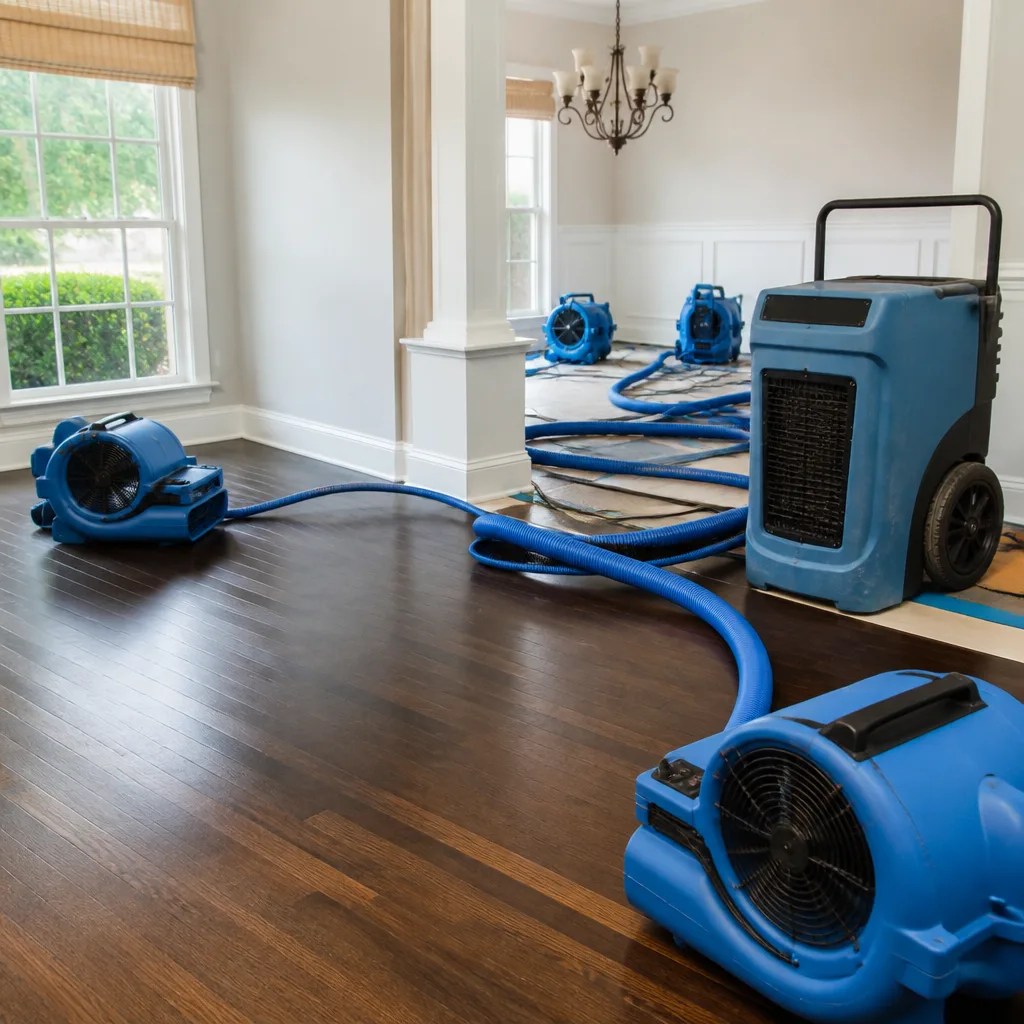
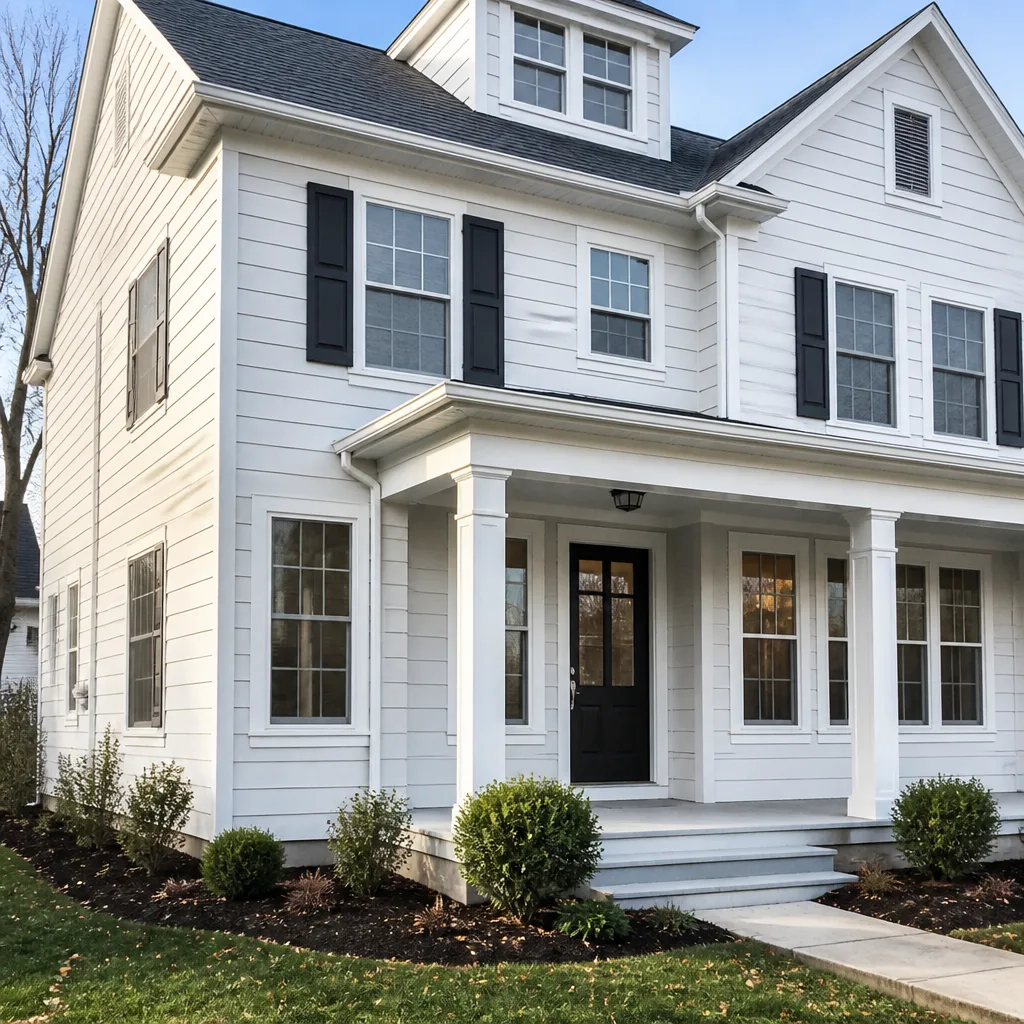
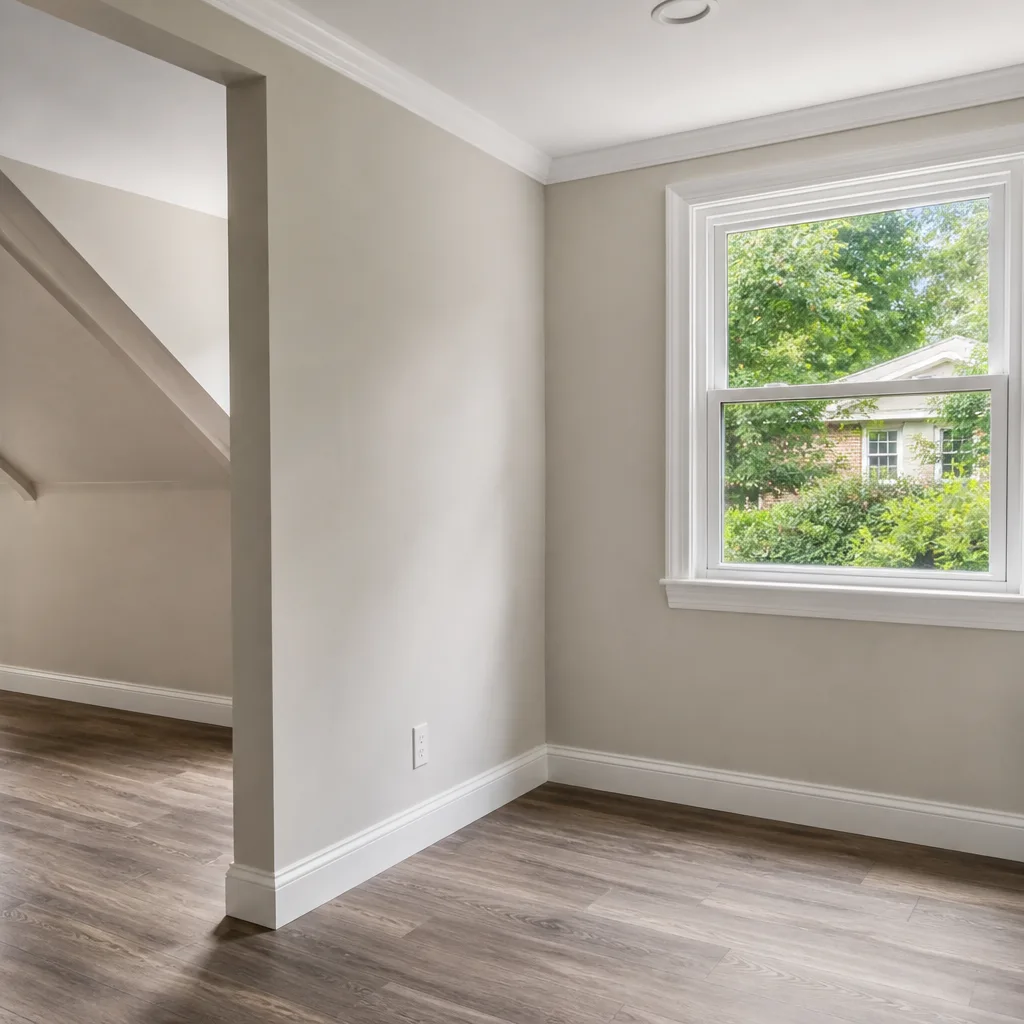
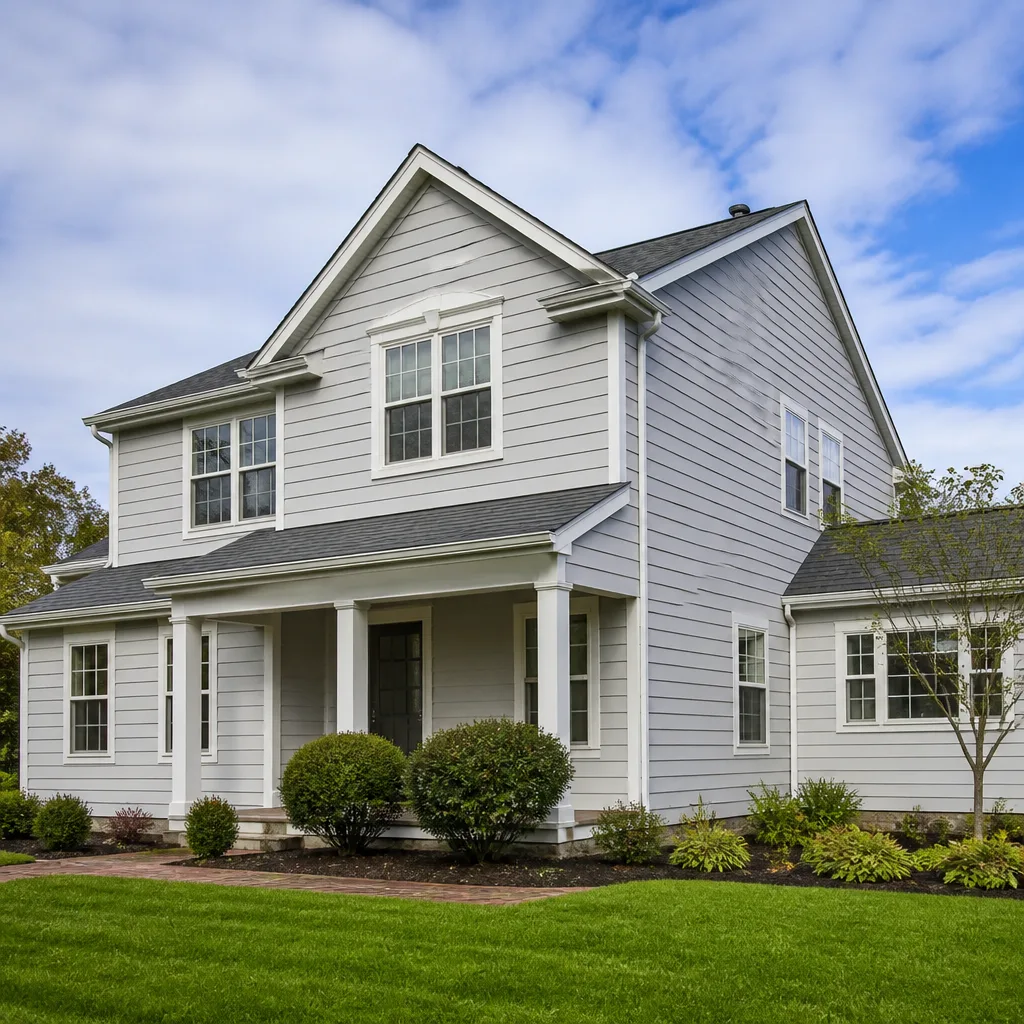
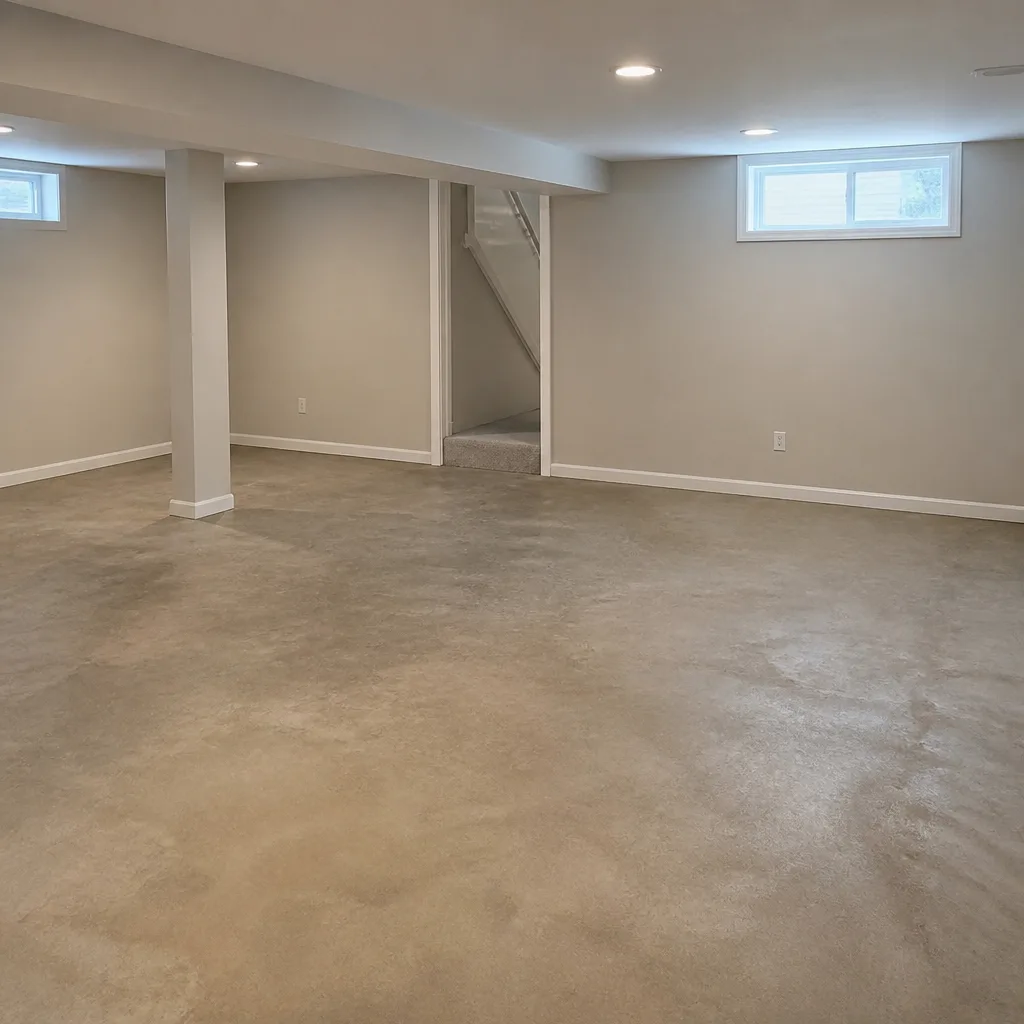

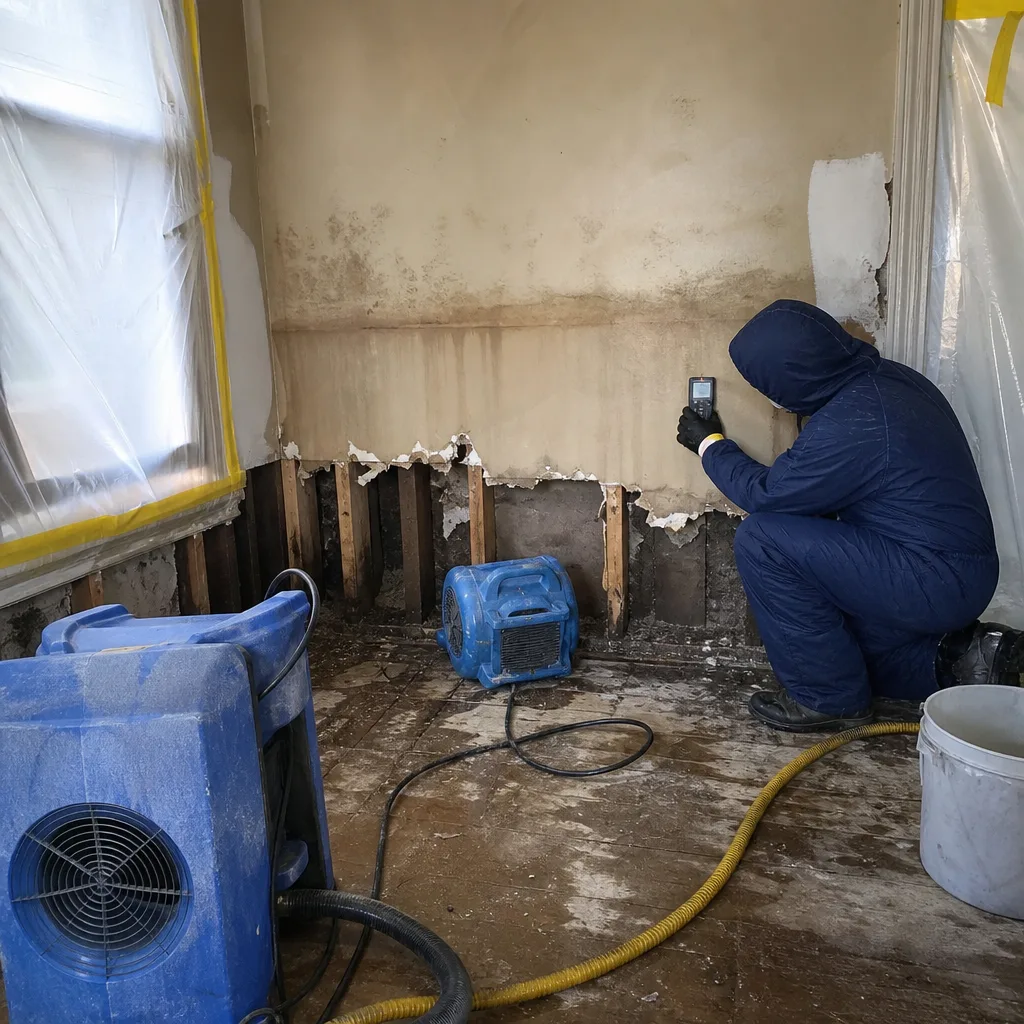 Before
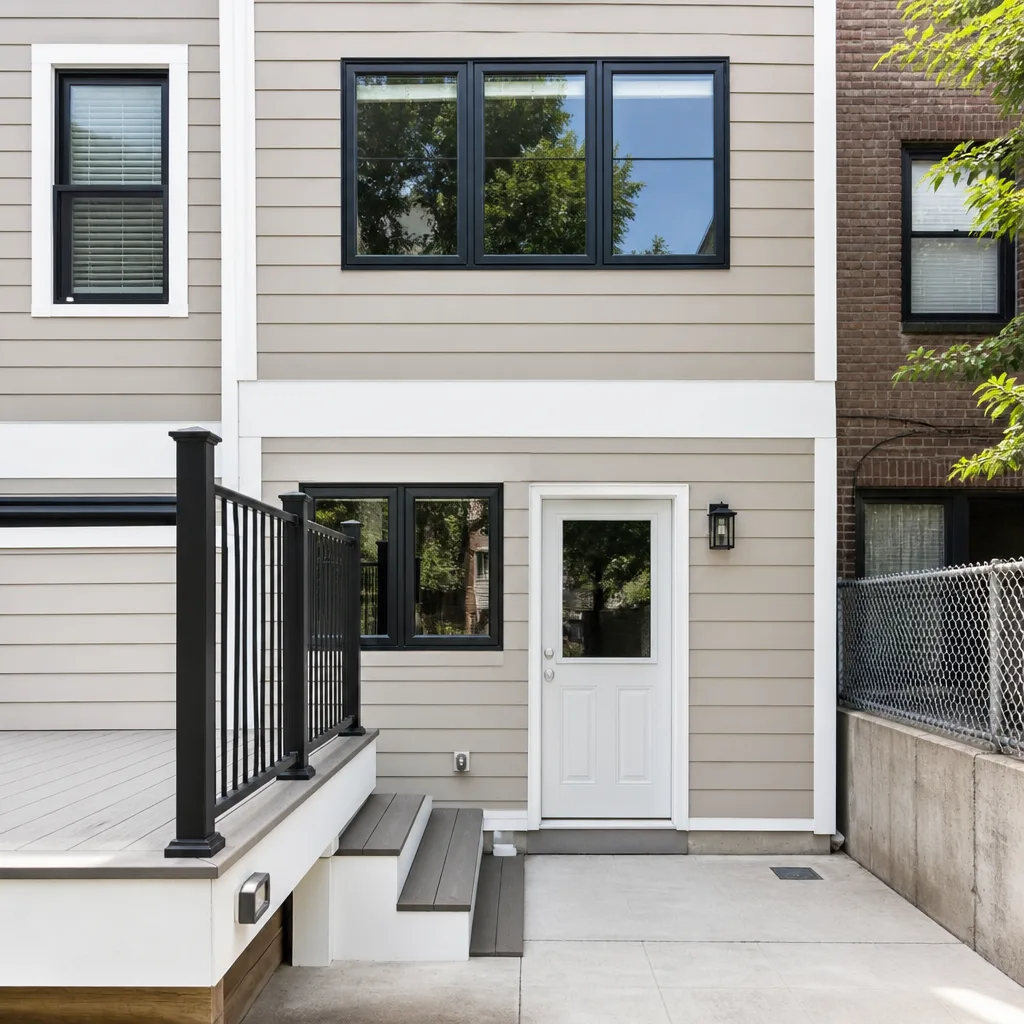 After
After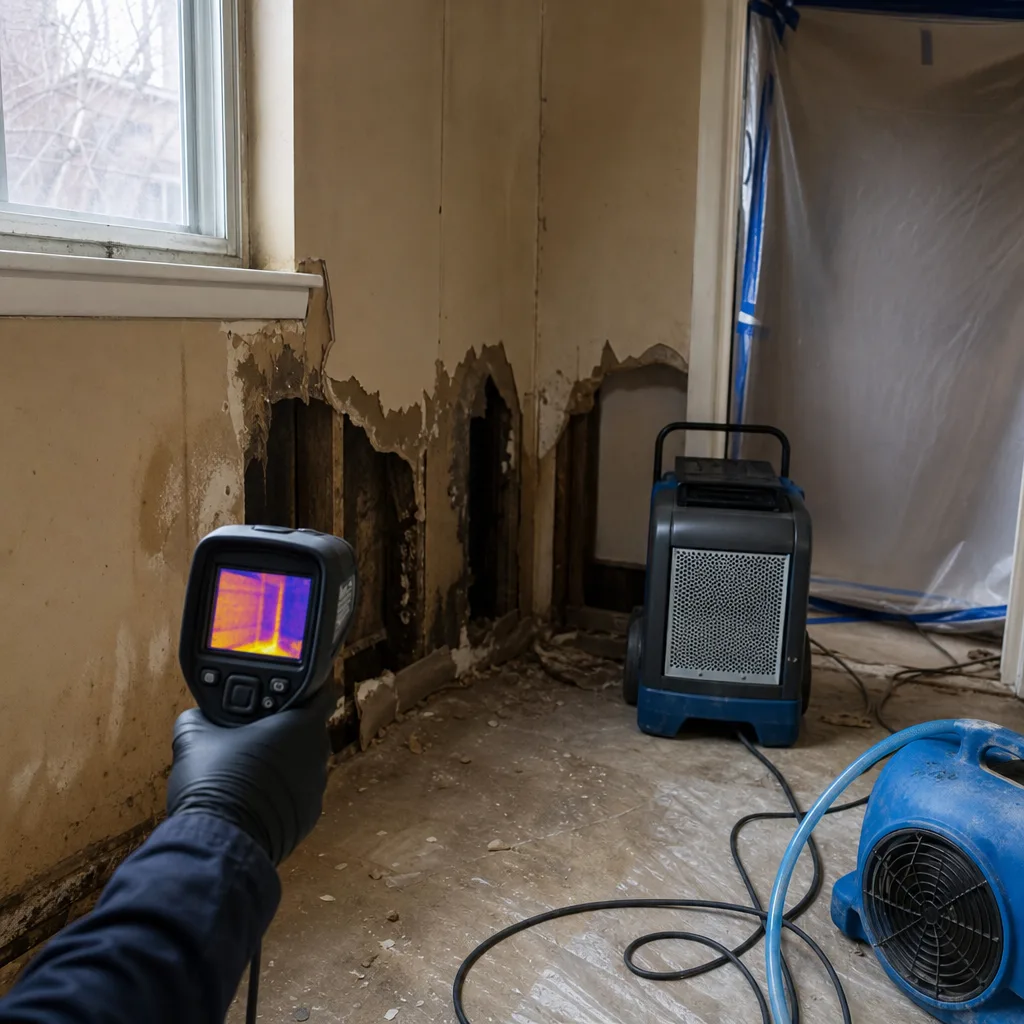 Before
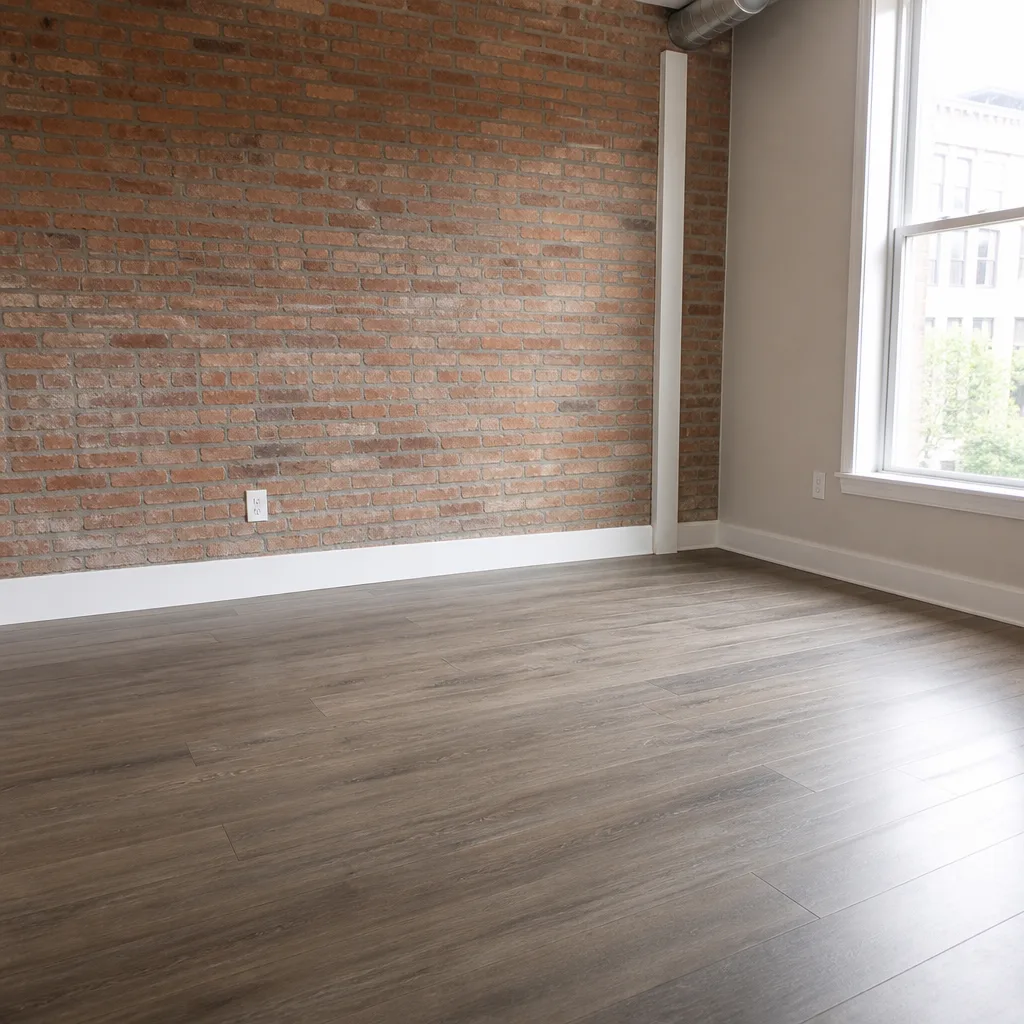 After
After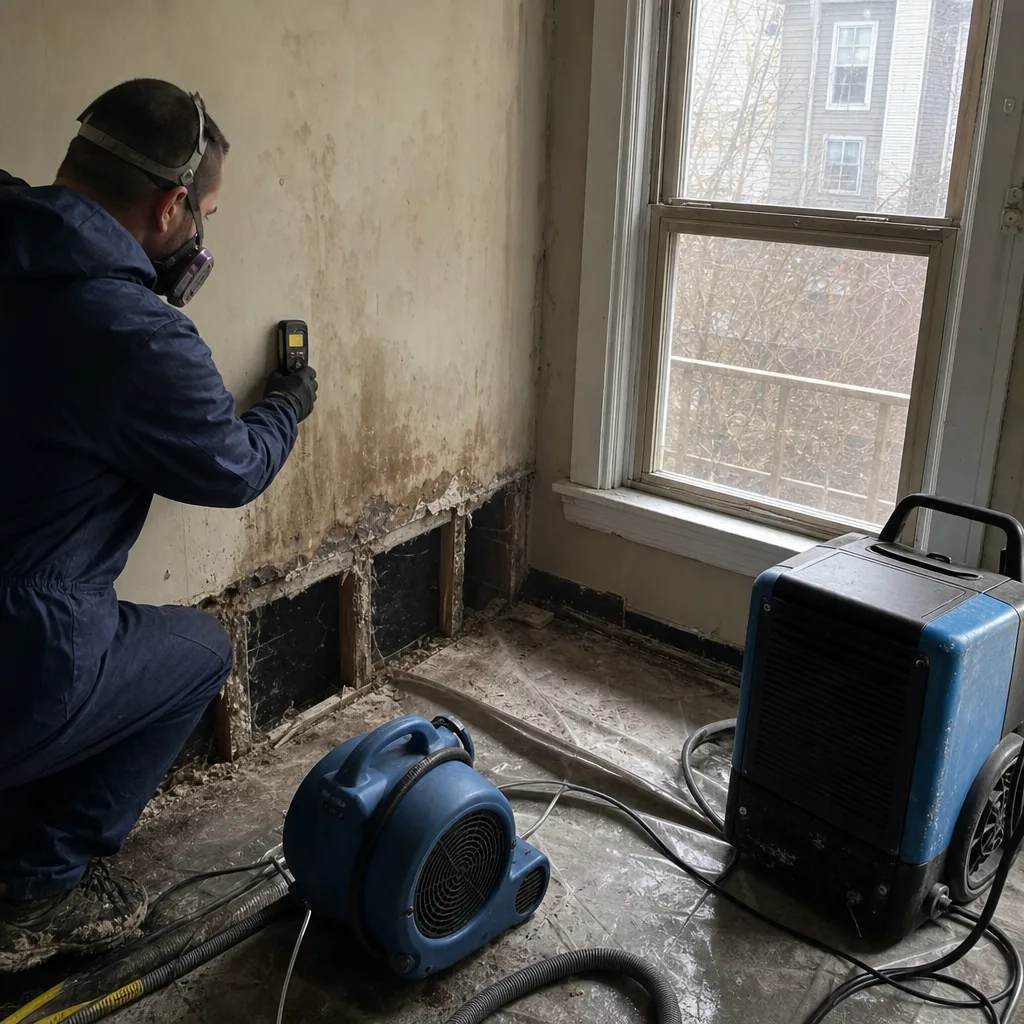 Before
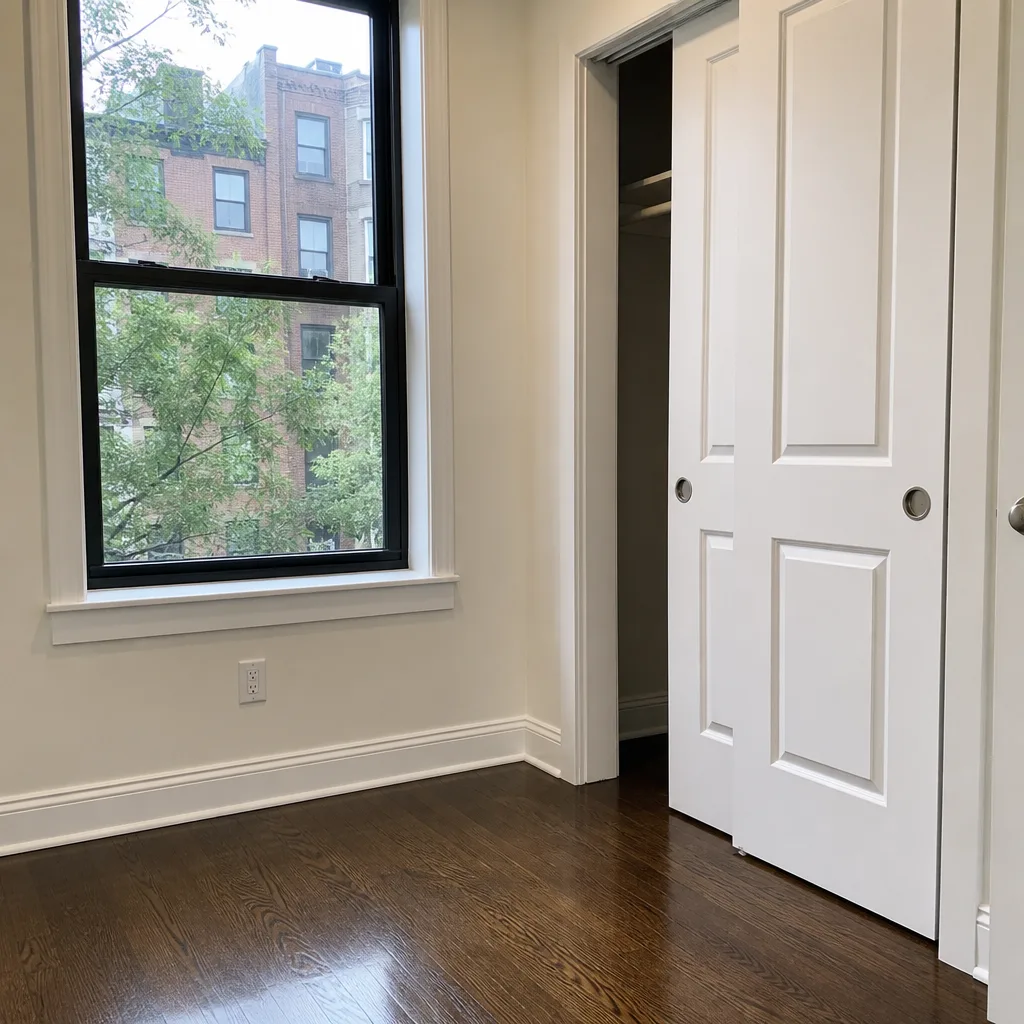 After
After24/7 Emergency Biohazard & Crime Scene Cleanup in Murray Hill
Biohazard and crime scene cleanup in Murray Hill runs $850 to $4,200 for most residential scenes, with homicide and decomposition cases going higher based on how far fluids traveled through plaster, subfloor, and the building’s plumbing chase. Our company answers the phone live at (640) 500-3278, and a crew can usually reach a Murray Hill address within an hour. The first call matters because blood, bodily fluids, and airborne pathogens don’t pause while you wait. They settle into plaster, wick through wood, and travel along the same cast-iron stack lines that snake through every pre-war building on East 34th through East 40th.
Understanding Biohazard & Crime Scene Cleanup Severity in Murray Hill Properties
Murray Hill’s housing stock changes how we read a biohazard scene before we touch it. A 1920s pre-war building on Lexington or 3rd Avenue has plaster-and-lath walls, not modern drywall. Plaster absorbs fluid differently. It holds moisture longer, pulls odor deeper, and resists fast drying more than gypsum board. When blood or other biological material contacts plaster, the contamination radius is almost always larger than what’s visible on the surface. In a mid-century concrete-frame tower along 2nd Avenue, the concrete itself is not porous the way old plaster is, but the elevator shaft, plumbing chase, and common corridor ventilation can carry airborne contaminants to units that were never part of the original scene.
We classify biohazard work in three tiers. A contained surface situation, like pooled blood on tile or sealed hardwood, needs solid decontamination and clearance testing. A penetrative situation, where fluids have entered grout, hardwood seams, plaster, or subfloor, requires removal of affected material, antimicrobial treatment, and structural drying with a documented moisture log. A systemic situation involves blood-borne pathogens or decomposition that has traveled through a building system, like a failed cast-iron drain stack that leaked biohazard material across stacked units. Those jobs demand containment zones on multiple floors, freight-elevator coordination, and written clearance before anyone reoccupies the space. In Murray Hill, systemic situations are more common than people expect, because the plumbing that carries waste out of one apartment passes through the walls of three others.
Why Murray Hill Property Owners Choose Floodline Restoration Co.
- 45-minute response commitment for Murray Hill addresses. We dispatch from our New York City office with crews staged to reach Murray Hill fast. When you call at 2 a.m., a live dispatcher answers and starts moving a crew.
- A real person answers, 24 hours a day. No call tree, no answering service that takes a message. Our dispatch board is staffed around the clock because biohazard scenes don’t wait for business hours.
- IICRC-certified crews trained to WRT and FSRT standards. Every technician who walks into a Murray Hill building is background-checked, uniformed, and certified in the protocols that apply to this work: water damage restoration for Category 2 and 3 events, fire and smoke restoration for scene residue, and applied microbial remediation.
- Free visual inspection before any work begins. We assess the scene, identify the full contamination range, and give you a written scope. You know what we’re going to do and what it costs before we start.
- Direct insurance billing. We document from the first photo, work directly with your adjuster, and bill the carrier. You’re not a messenger carrying papers between our office and your insurer.
- One team from first response to final clearance. The crew that decontaminates the unit is the same crew that handles demolition, structural drying, and final restoration. No mid-job handoff to a sub you’ve never met.
Our Biohazard & Crime Scene Cleanup Process
Inspection & Assessment
We walk the scene with a plan, not a clipboard. Using thermal imaging and moisture mapping, we trace how far fluids have traveled through plaster, subfloor, and chase spaces. In a Murray Hill high-rise, that means checking the unit below, the hallway outside, and the pipe access.
Containment & Source Control
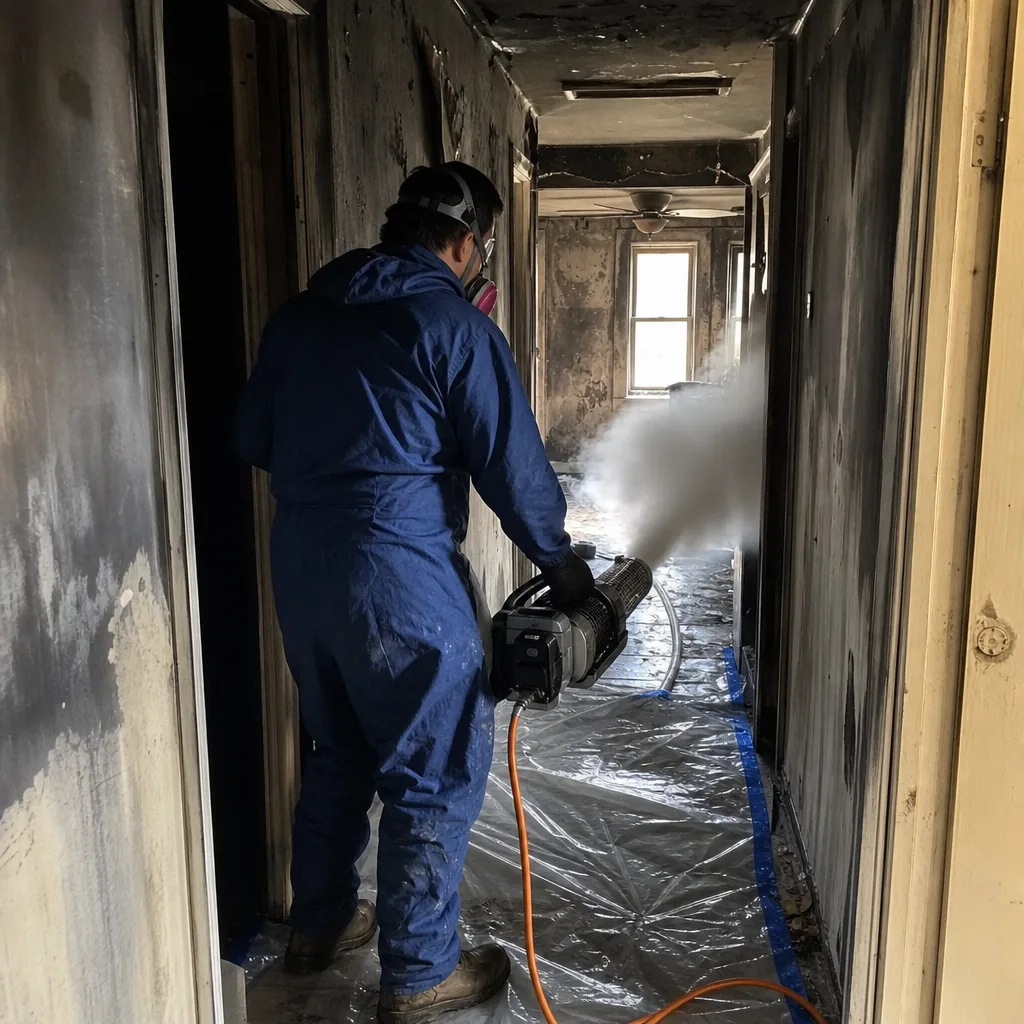
Before any removal, we seal the scene. Negative air pressure, HEPA-scrubbed exhaust, and poly containment keep airborne pathogens from reaching hallways, elevators, and neighboring apartments. In pre-war buildings with shared ventilation, this step is not optional.
Removal of Contaminated Material
Blood-soaked carpet, affected hardwood sections, contaminated plaster, drywall that wicked fluid, saturated insulation. We remove what cannot be safely decontaminated, bag and seal it on-site, and document every layer for your carrier.
Cleaning, Disinfection & Antimicrobial Treatment
Hospital-grade disinfectants and registered antimicrobials go on every affected surface. Hard surfaces get cleaned, then disinfected, then re-cleaned. We hold dwell times per the label. We don’t rush this step.
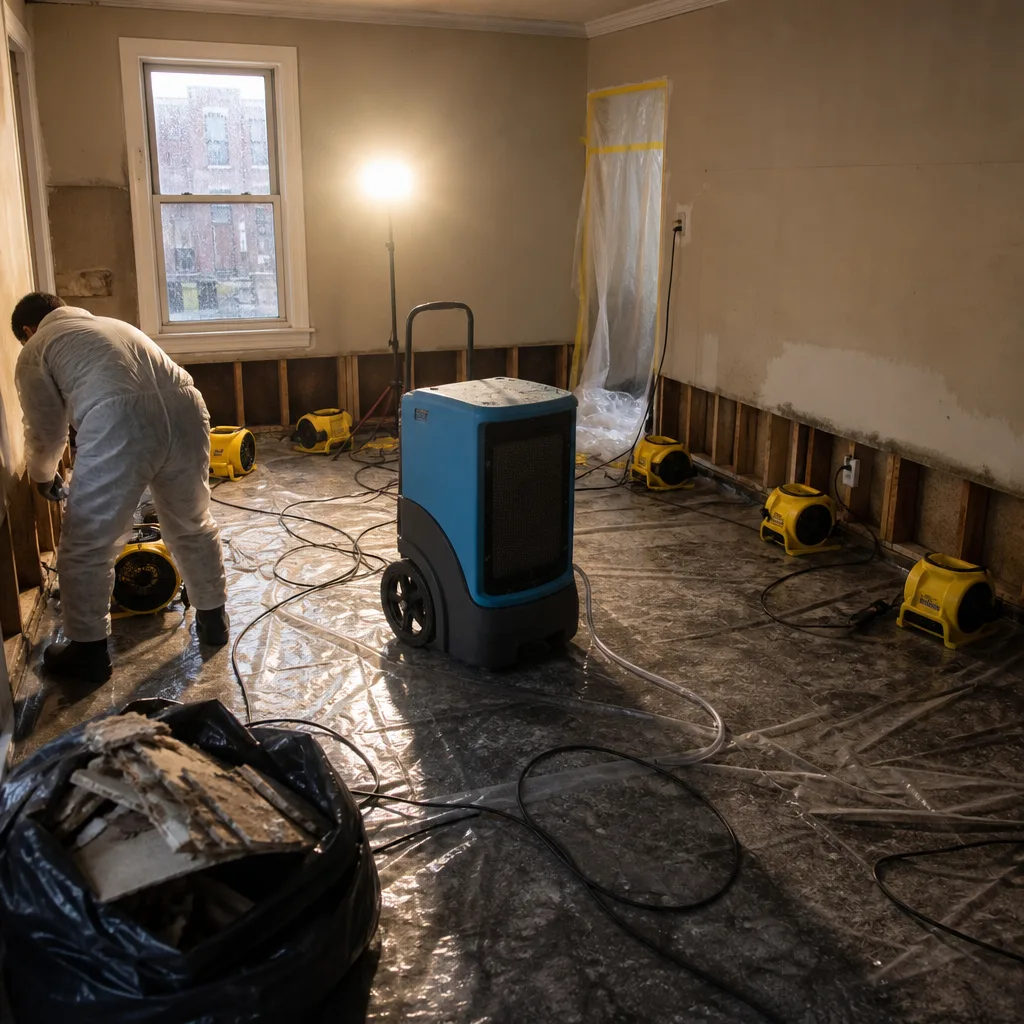
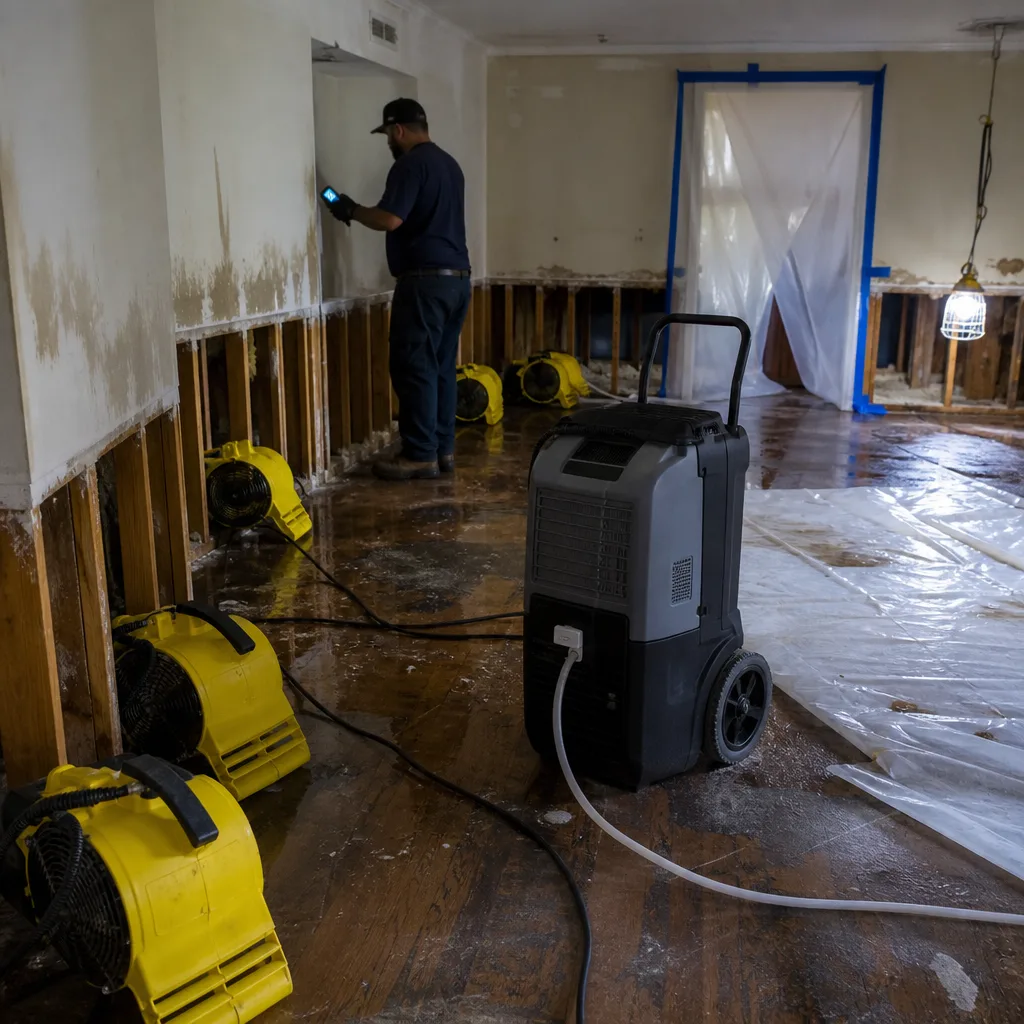
Structural Drying & Odor Control
Dri-Eaz dehumidifiers and XPOWER air movers pull residual moisture from plaster and framing. For embedded odor, we run hydroxyl or ozone treatment where appropriate, then verify with hygrometer readings. Pre-war plaster releases moisture slowly; we build that time into the schedule.
Clearance Testing & Restoration
We confirm the unit is clean, dry, and structurally safe, then restore surfaces to pre-loss condition. You get the documentation: photos, moisture log, scope of work, and the 90-Day Done Right Promise in writing.
Need Emergency Biohazard & Crime Scene Cleanup in Murray Hill Now?
We answer live, 24 hours a day. The sooner we start, the less it costs and the less it spreads.
Working With Your Insurance Company
Biohazard claims in Murray Hill often involve more than one policy. A crime scene in a rental unit involves the tenant’s carrier and the landlord’s. An unattended death in a co-op pulls in the shareholder’s policy, the building’s master policy, and sometimes the adjacent unit’s insurer for secondary water damage. We handle that. From the first hour, we photograph every surface, log moisture readings, write a line-item scope, and send it directly to your adjuster. You don’t negotiate. You don’t compile documents at your kitchen table. We speak carrier language because we’ve been doing it since Curt Bowman founded this company in 2010, and we’ve never asked a homeowner to play middleman. Direct insurance billing means we get paid by the carrier, not by your stress level.
What We Provide Your Insurer
- Thorough documentation of the loss
- Photos of all damage, room by room
- Moisture readings and drying logs
- A detailed, line-item scope of work
- Direct coordination with your carrier
Built for Murray Hill’s Loss Calendar
Murray Hill sees biohazard and crime scene calls in patterns that track both the city’s rhythms and the building stock’s age. January and February bring frozen supply lines in unheated service rooms, which burst and push Category 2 water down through apartment ceilings. That water picks up whatever was in the wall cavity: dust, rodent waste, old insulation. When it dries, the contamination remains. Spring and fall bring heavy rain that overwhelms the combined sewer system along 2nd and 3rd Avenues, sending Category 3 black water up through basement drains and ground-floor fixtures in buildings whose original cast-iron waste lines are 80 to 100 years old. Summer heat drives the spike in unattended death and hoarding calls that are not weather-related at all: residents alone in units where a closed window and a failing air conditioner turn a quiet apartment into a decomposition scene that neighbors smell through the hallway. Nor’easters through late fall and winter push groundwater up along the East River side of the neighborhood, and buildings east of 1st Avenue see basement seepage that becomes a biohazard when it saturates storage rooms full of cardboard and fabric. We plan for these months because we know they’re coming.
Biohazard & Crime Scene Cleanup Across Murray Hill’s Neighborhoods
Murray Hill’s corridors each present different access and contamination challenges. Along Park Avenue and Lexington Avenue, the grand pre-war co-ops have service entrances, freight elevators with restricted hours, and building staff who understand protocol. A scene on East 36th between Madison and Park means coordinating with a doorman, a resident manager, and sometimes a board member before our crew ever touches the elevator button. In the walk-up apartments west of 3rd Avenue, where buildings date to the 1910s and 1920s, stairwells are narrow and hallways are tight. We use compact equipment and contain scenes without blocking egress. East of 2nd Avenue and toward the East River, the mid-century towers and postwar buildings have concrete floor slabs that limit downward fluid travel but concentrate contamination within a unit. And along the 36th Street corridor near the Queens-Midtown Tunnel portal, we watch for a subsurface dynamic most contractors miss: the tunnel’s drainage perimeter can influence groundwater in building basements, so moisture we find on a first-floor wall isn’t always from the unit above. It may be coming up from below.
We handled an unattended death in a 6th-floor unit of a pre-war co-op on East 38th Street between Park and Lexington. Our crew coordinated with building management for freight-elevator access and contained the scene with full PPE and HEPA air scrubbers before removing contaminated plaster that had absorbed fluids. We used moisture mapping to confirm the cast-iron drain stack’s slow leak had exacerbated the biohazard, then applied antimicrobial treatment and ran structural drying with Dri-Eaz dehumidifiers until moisture readings matched pre-loss condition. That job took five days, two freight-elevator windows, and three written updates to the board. It was done right, and we stand behind it.
Specialized Biohazard & Crime Scene Cleanup Services We Offer in Murray Hill
Crime Scene Cleanup
Crime scenes in Murray Hill apartments require working around NYPD protocol, evidence release, and building management. We arrive after law enforcement clears the scene, document everything before we touch it, and remove bloodborne-pathogen contamination from every affected surface. In a pre-war unit, that often means opening walls to reach fluid that traveled behind baseboards and through plaster lath. We don’t patch over it; we remove it, treat it, and rebuild.
Trauma & Unattended Death Cleanup
An unattended death in a Murray Hill studio or one-bedroom is usually discovered days or weeks later. Decomposition fluids penetrate hardwood, subfloor, and sometimes the ceiling below through shared joist bays. We remove contaminated material, run structural drying, and use hydroxyl treatment for embedded odor. We also handle the personal effects with respect. Clothing, bedding, and papers that cannot be cleaned are documented, photographed, and inventoried for the family or estate.
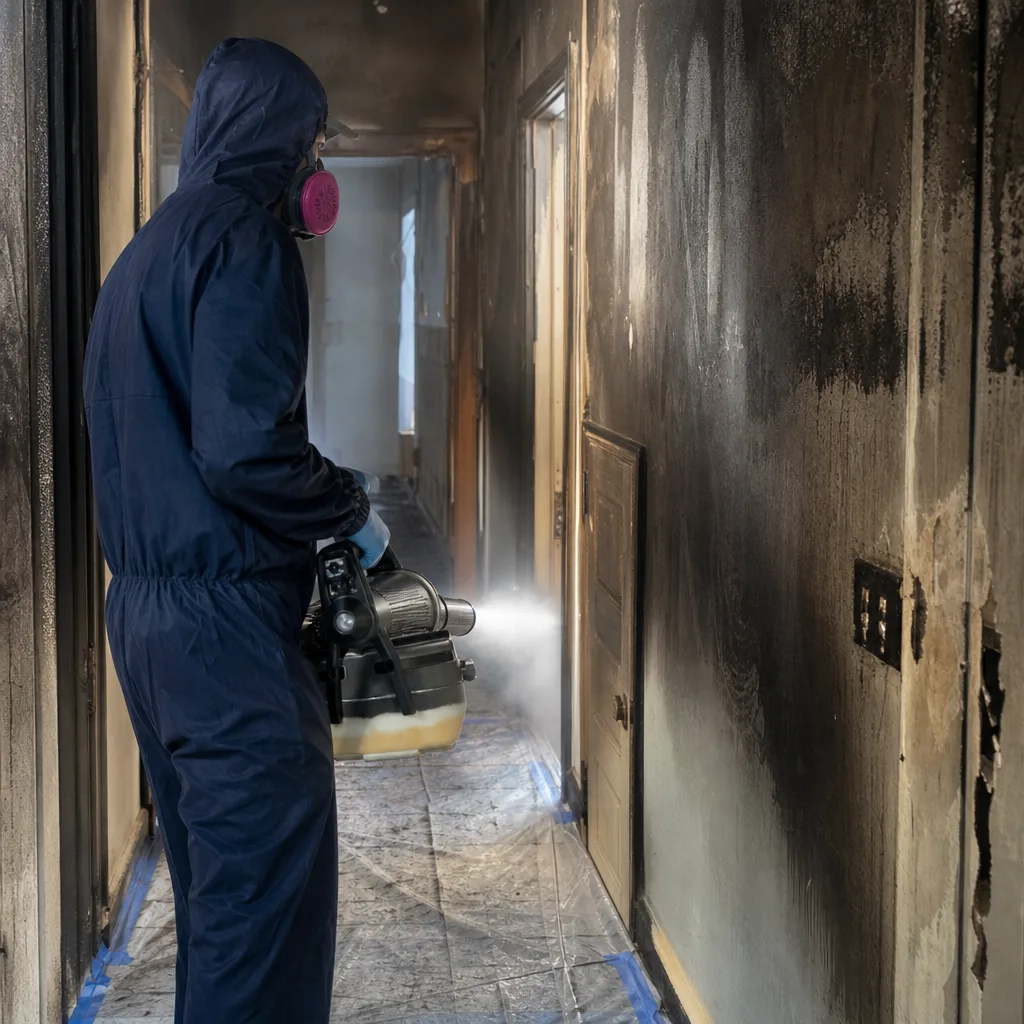
Hoarding Cleanup
Hoarding in Murray Hill’s small apartments means narrow paths, floor loads that strain old joists, and biohazard from food waste, rodents, insects, and human waste. We work room by room, sorting salvageable items from contaminated waste with the resident or family’s input, and we contain dust and odor so the hallway stays clear. In high-rise buildings, we schedule debris removal through freight elevators only, never through the lobby.
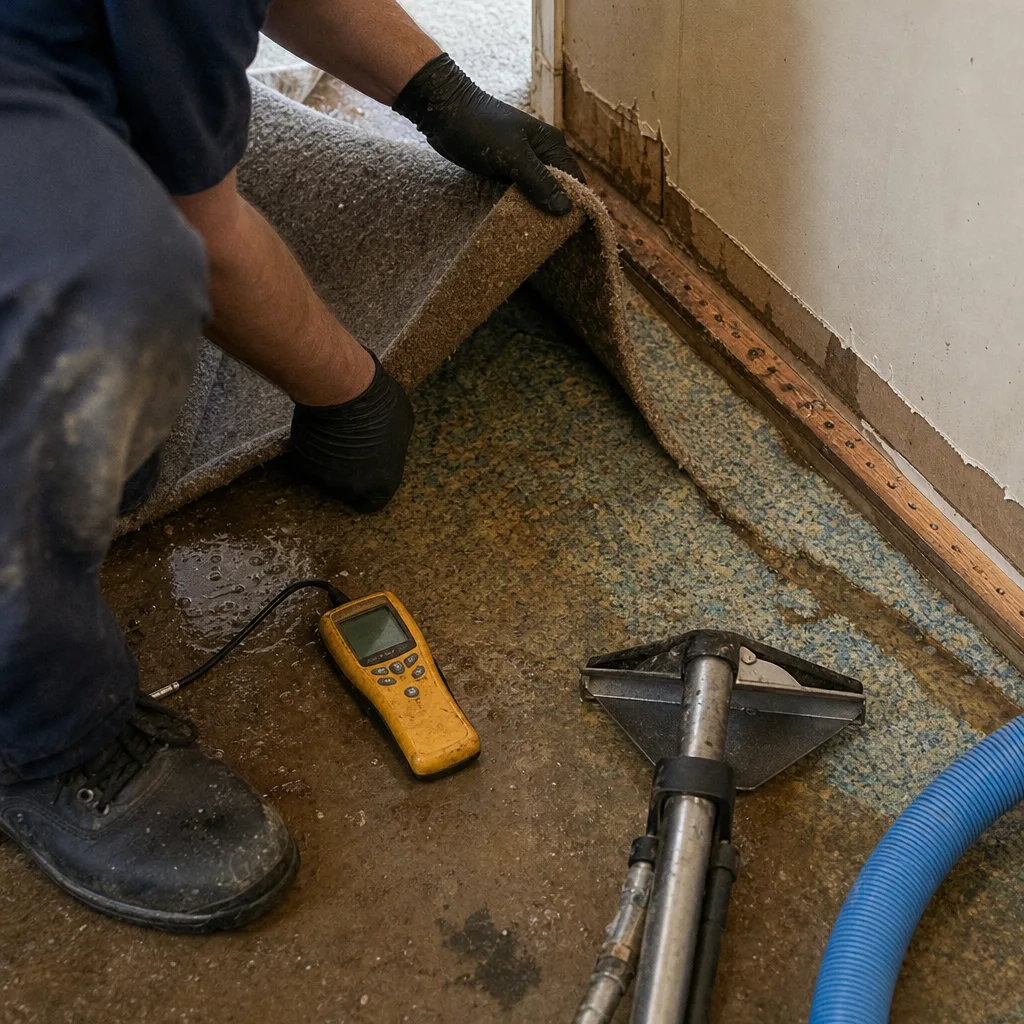
Blood & Bodily Fluid Cleanup
Blood on tile in a Murray Hill bathroom is different from blood that traveled under a laminate floor or through a plaster wall. We test the affected area, remove what’s saturated, and disinfect everything the fluid touched, including cleaning tools and our own PPE before it leaves the containment zone. No cross-contamination to the elevator, the lobby, or the apartment next door.
Infectious Disease Disinfection
When a resident in a Murray Hill high-rise tests positive for a contagious pathogen, the request is usually urgent and specific. We use EPA-registered disinfectants with proper dwell times, HEPA-filtrated air scrubbing, and full-coverage application on high-touch and horizontal surfaces. We coordinate with building management on elevator decontamination and common-area protocols, and we provide written post-treatment verification for the board or property manager.
What happens when you call
- 1
A real person answersNo phone trees - you reach a local pro.
- 2
You get an upfront price rangeHonest numbers before anyone is dispatched.
- 3
A background-checked tech heads outLicensed & insured, dispatched right away.
- 4
You approve before work beginsNothing starts until you say go.
Biohazard & Crime Scene Cleanup Costs in Murray Hill, NY
Most biohazard cleanup in Murray Hill runs between $850 and $4,200. A surface blood cleanup on tile or sealed hardwood in a studio off 3rd Avenue is on the low end, $850 to $1,600. A trauma scene with fluid penetration into plaster, subfloor, or wall cavities runs $2,200 to $4,500. Decomposition cases where fluids have traveled through a floor assembly and into the unit below, or where a failed cast-iron stack spread contamination across stacked apartments, run $5,000 to $15,000 or more depending on how many units are involved. What moves the price: the age of the plaster, the depth of contamination, the number of rooms contained, freight-elevator access windows, and how much material must be removed and replaced. Insurance covers most biohazard claims when the cause is sudden and accidental, and we bill directly to your carrier. Our visual inspection is free, and a written scope means you know the number before we start. Call (640) 500-3278 and we’ll walk the scene with you.
We Also Serve Cities Near Murray Hill
Our crews respond throughout Lower Manhattan, Washington Square, Midtown West, and Midtown Manhattan. If you’re in a co-op, condo, rental, or commercial space near Murray Hill, call (640) 500-3278 and we’ll send a crew.
Murray Hill Biohazard & Crime Scene Cleanup Questions, Answered
Does your team have experience with co-op board requirements for biohazard cleanup in Murray Hill pre-war buildings?
Yes. We handle co-op board requirements on every job, including freight-elevator scheduling, containment protocols in shared hallways, written progress updates, and final clearance documentation the board can keep for its files. Call (640) 500-3278 to discuss your building’s specific rules.
How do you handle a biohazard in a first-floor unit when the building’s aging sewer line backed up and spread Category 3 water?
We treat it as a Category 3 biohazard, not a mop-up. That means full containment, removal of contaminated flooring and drywall, antimicrobial treatment, structural drying with a moisture log, and written scope that identifies the source so the building can repair the line. Call (640) 500-3278 for an assessment.
What protections do you use when cleaning a crime scene in a high-rise apartment to prevent cross-contamination to neighboring units?
We set up a negative-air containment zone at the apartment door with HEPA-scrubbed exhaust, and we bag all contaminated material before it enters the hallway. Technicians change PPE at the containment boundary before stepping out. Nothing travels through common areas unsealed.
Can you clean a hoarding situation in a small Murray Hill studio without blocking building hallways?
Yes. We remove debris in sealed bags and containers through the freight elevator only, working in scheduled windows around building traffic. Hallways stay clear, and we coordinate with management on timing. Call (640) 500-3278 to schedule a walk-through.
How quickly can you respond to an infectious disease disinfection in a high-rise with strict elevator access?
We can typically reach a Murray Hill building within 45 to 60 minutes, and we work within the building’s elevator access windows. Our equipment is compact and our crew is trained to set up containment inside the affected unit rather than the hallway. Call (640) 500-3278 any hour.
Will insurance cover biohazard cleanup in a co-op or rental unit in Murray Hill?
In most cases, yes, when the cause is sudden and accidental, like a crime scene, an unattended death, or a sewage backup. We document everything, bill the carrier directly, and communicate with the building’s insurer if multiple policies are involved.
How long does biohazard cleanup take in a pre-war plaster apartment?
Most scenes take one to three days for cleaning and decontamination, but pre-war plaster dries slower than modern drywall, so structural drying and odor treatment may add another two to four days. We give you a written timeline after the visual inspection.
What should I do in the first 30 minutes after discovering a biohazard scene?
Close the door to the room or apartment, do not touch or move anything, keep people and pets out, and call us at (640) 500-3278. The less the scene is disturbed, the less material must be removed. If you’re the property owner or manager, notify your insurance carrier, but don’t start cleaning.
Serving Murray Hill, NY - Our Local Coverage Area
We’re based in the Murray Hill area and know this community well. Use the map below to see our service coverage - if you’re nearby, we can almost certainly help.
Contact Floodline Restoration Co. in Murray Hill
If you have a biohazard or crime scene cleanup need in Murray Hill, call (640) 500-3278 now. A live person answers. We’ll dispatch a crew, assess the scene, and give you a written scope before any work starts. Floodline Restoration Co. has served New Yorkers since 2010 with certified crews, direct insurance billing, and the 90-Day Done Right Promise in writing. The Keystone Standard means we stand behind every job. Call today.
Written by Curt Bowman, Owner at Floodline Restoration Co., serving Murray Hill and the surrounding borough since 2010.