
Last updated August 25, 2026
Free visual inspection and a written scope of work before any mitigation begins - photos, moisture readings, and drying logs go in your claim file
The scope we write is the scope we bill. Anything new gets shown to you, in writing, before we touch it.
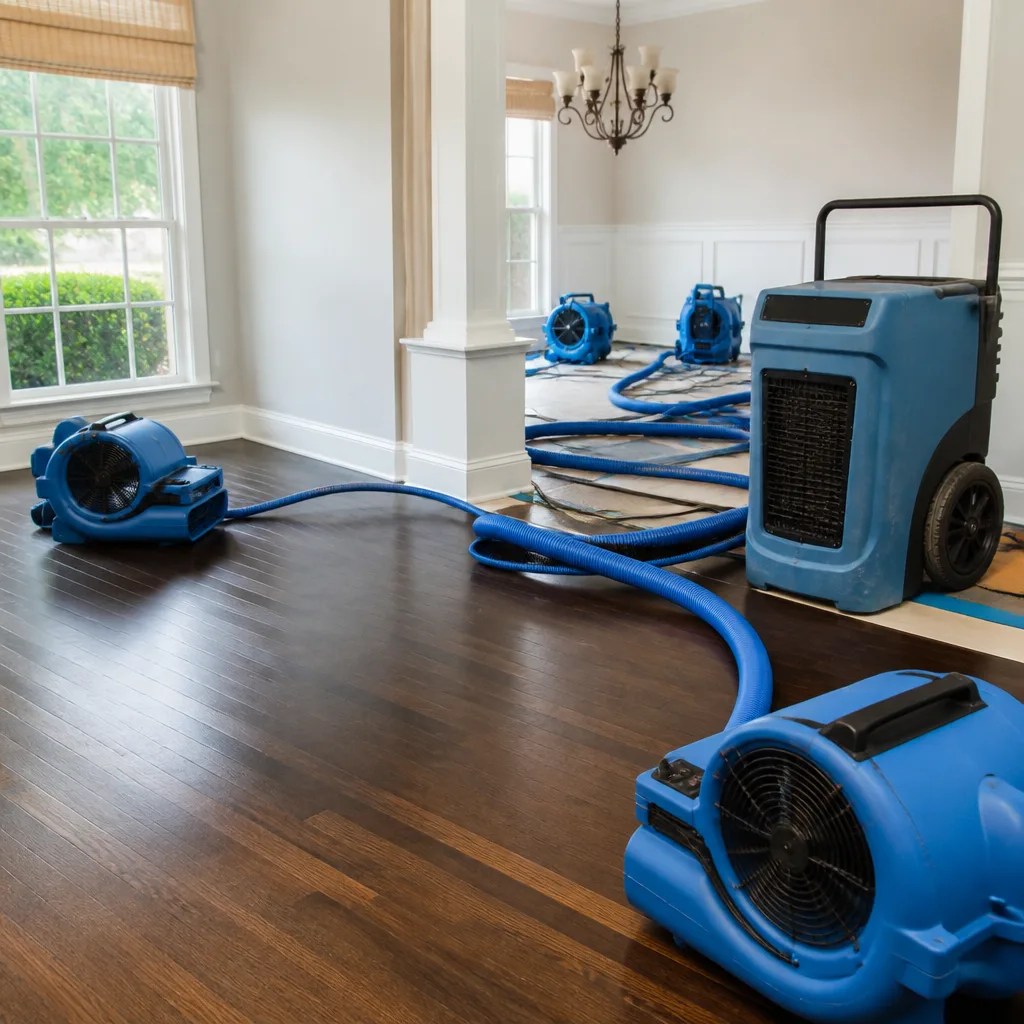

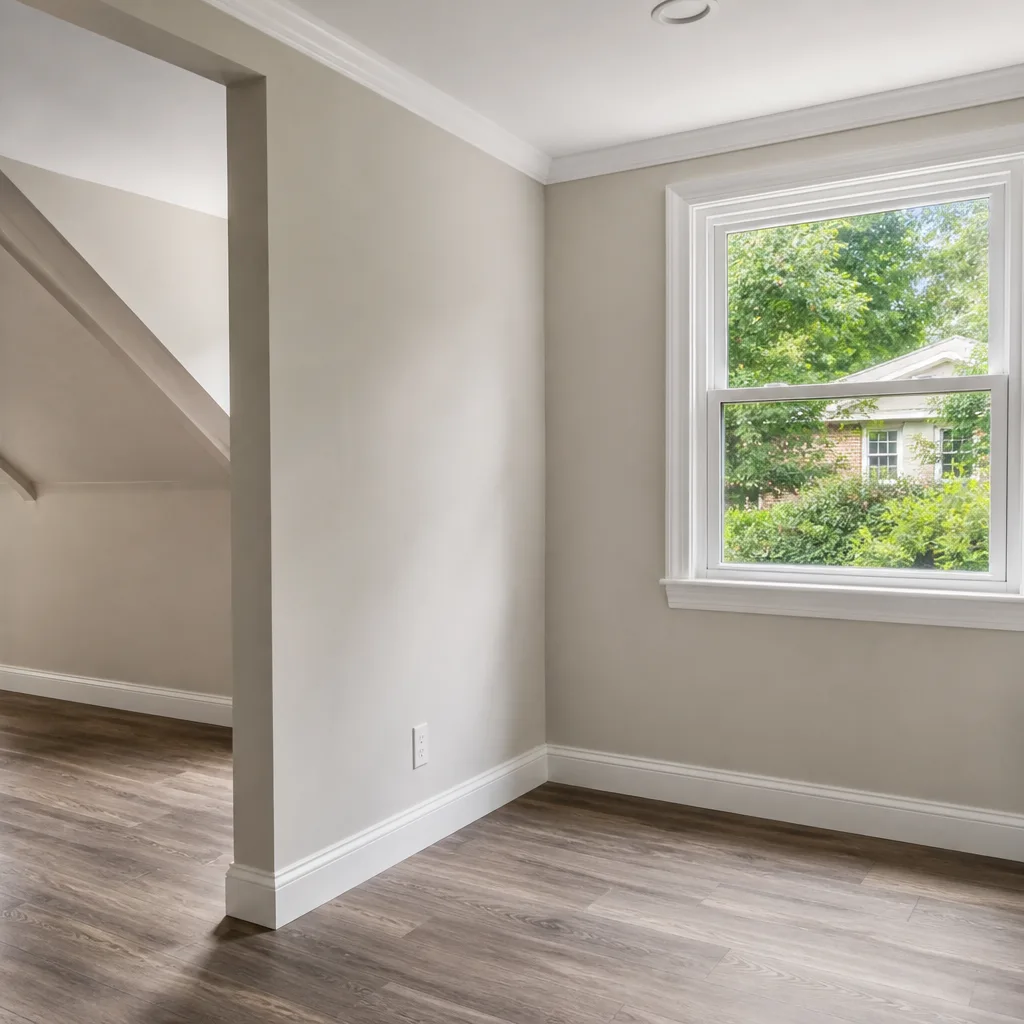

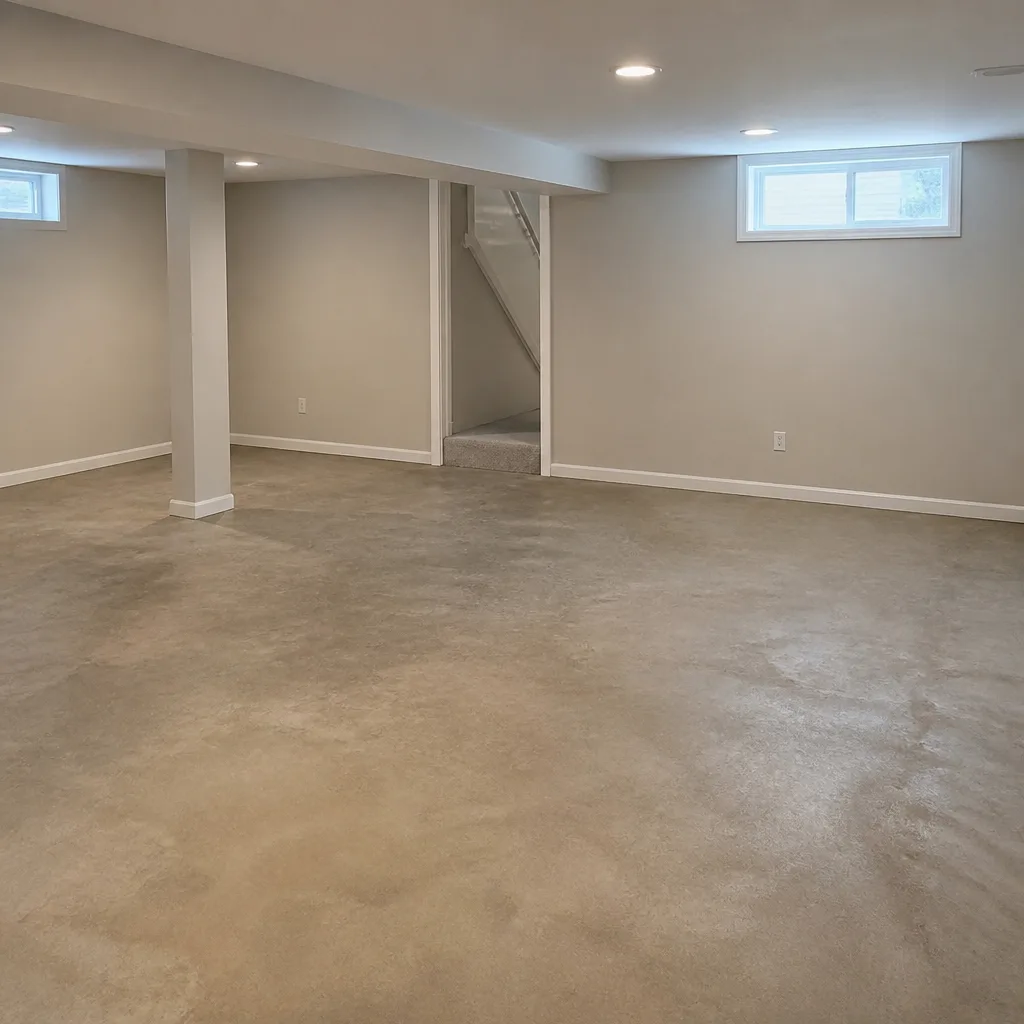

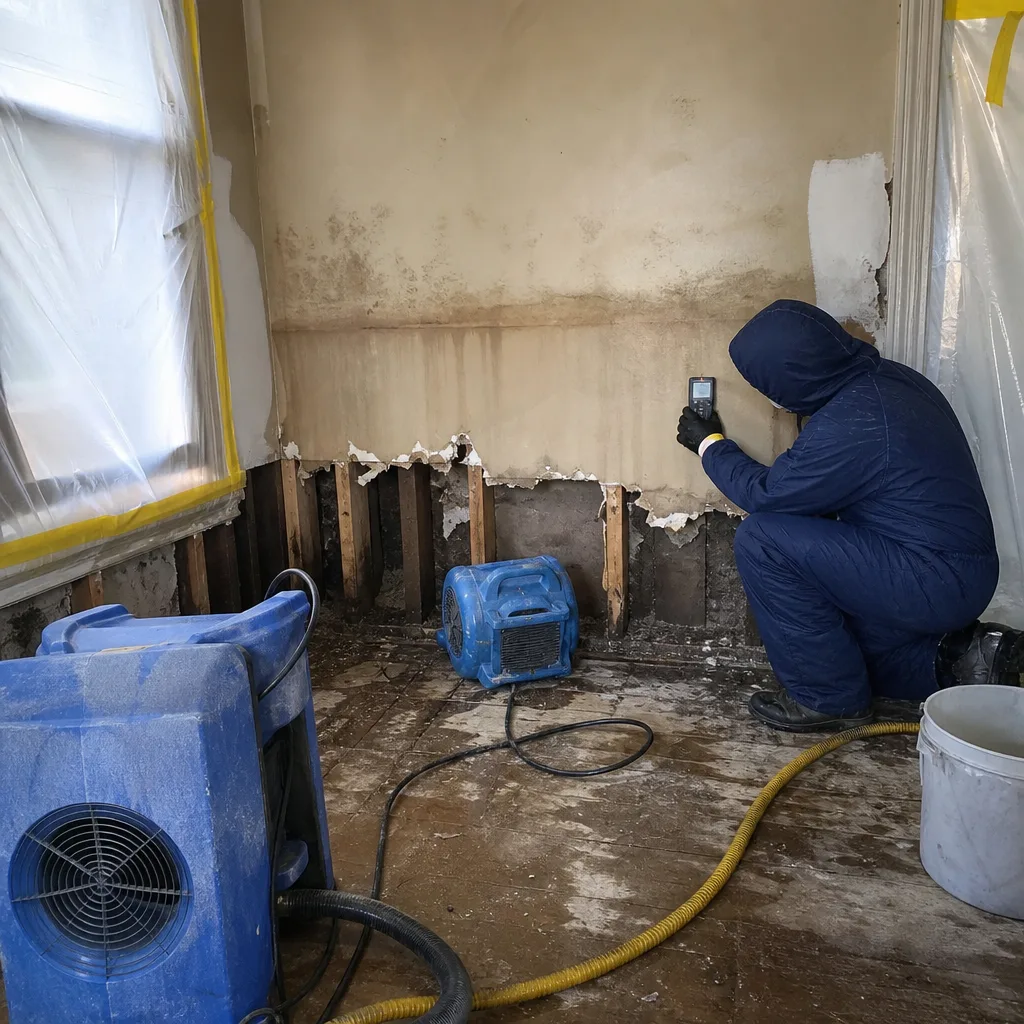 Before
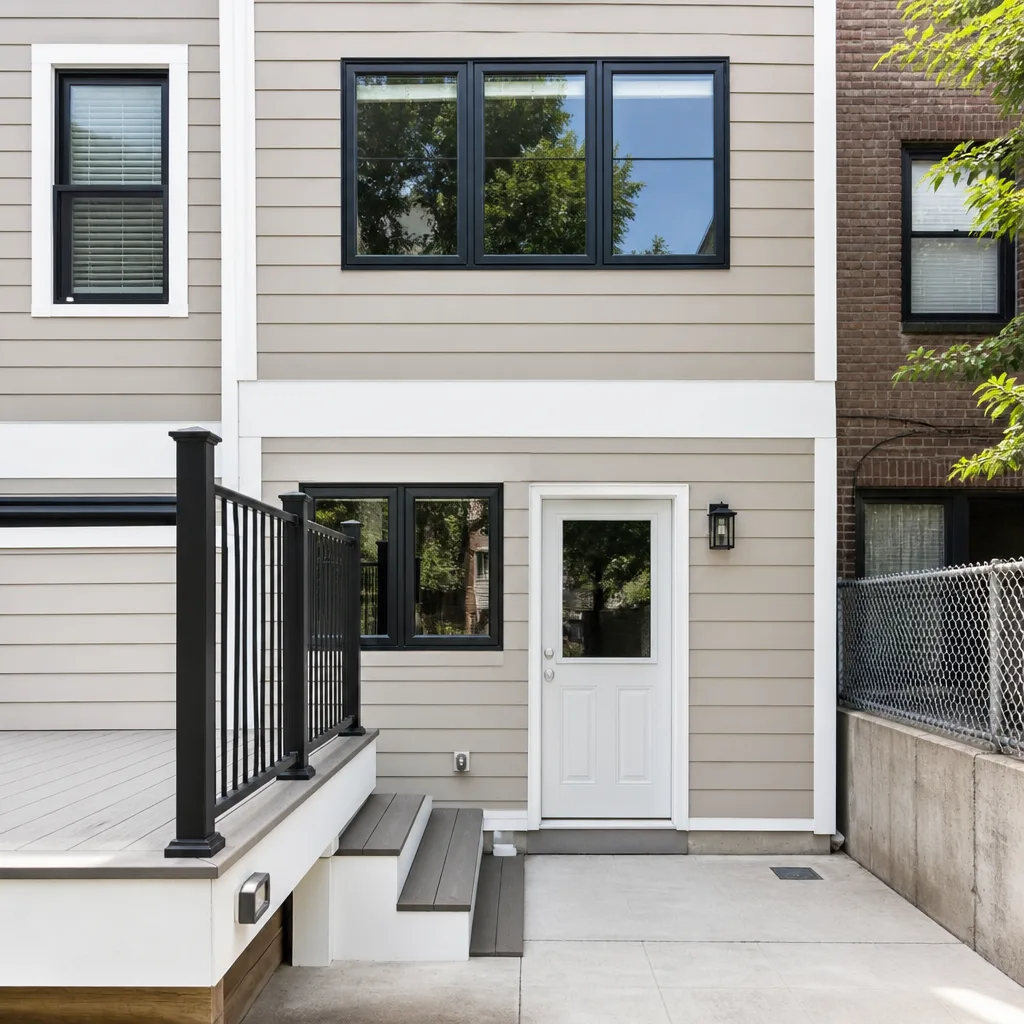 After
After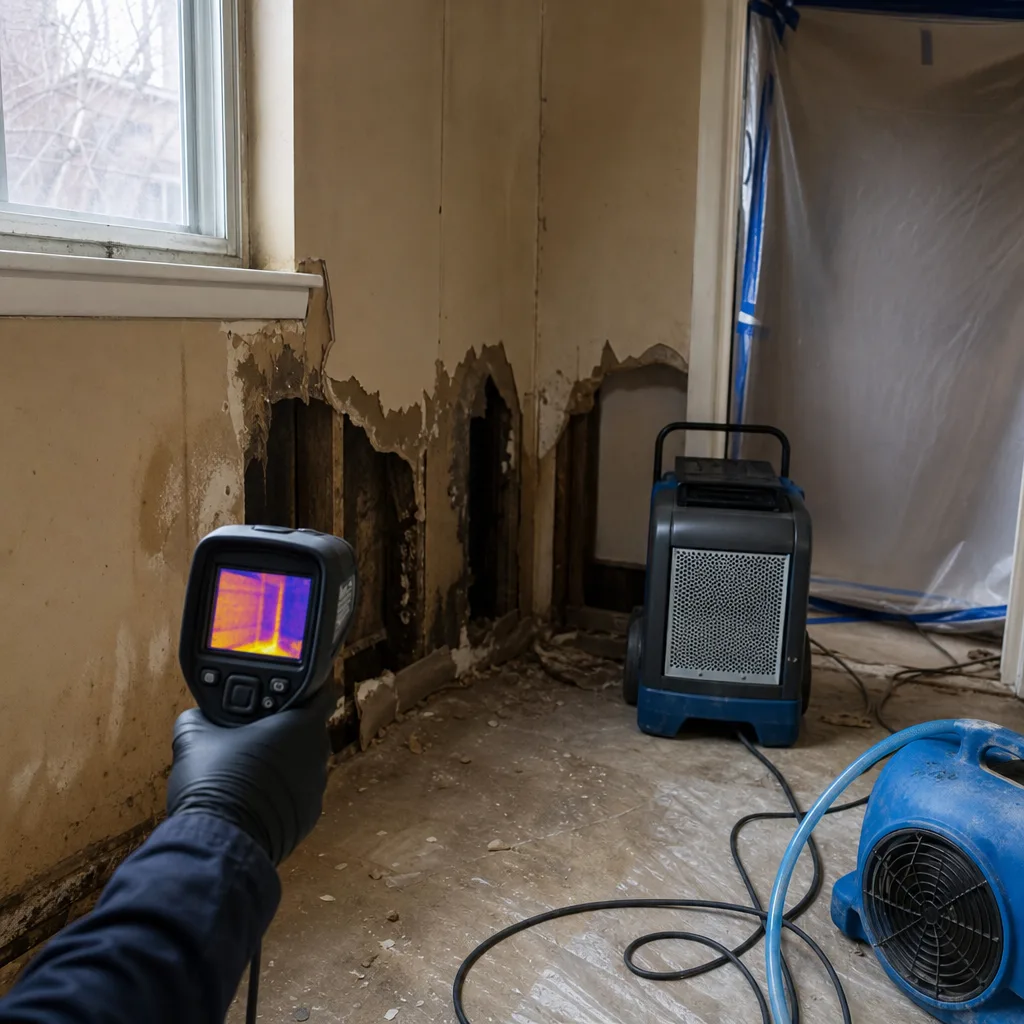 Before
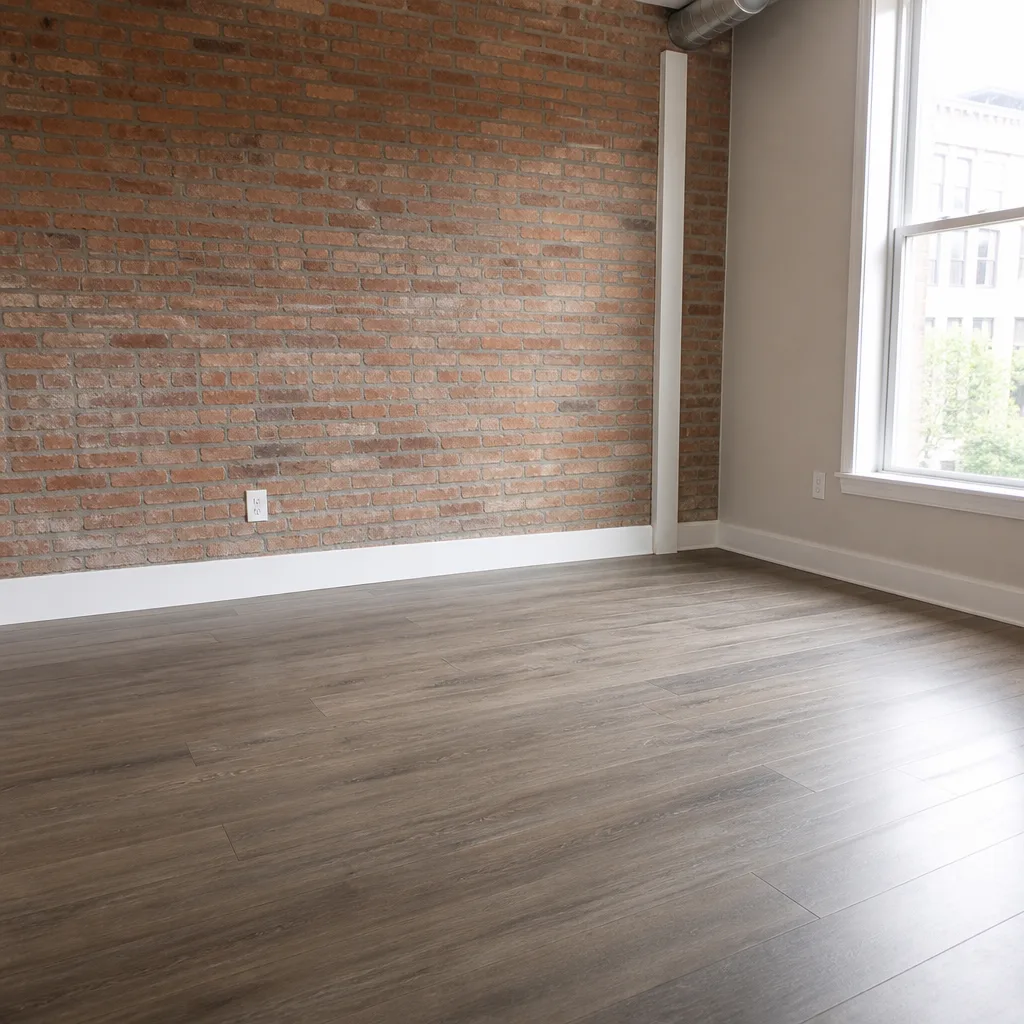 After
After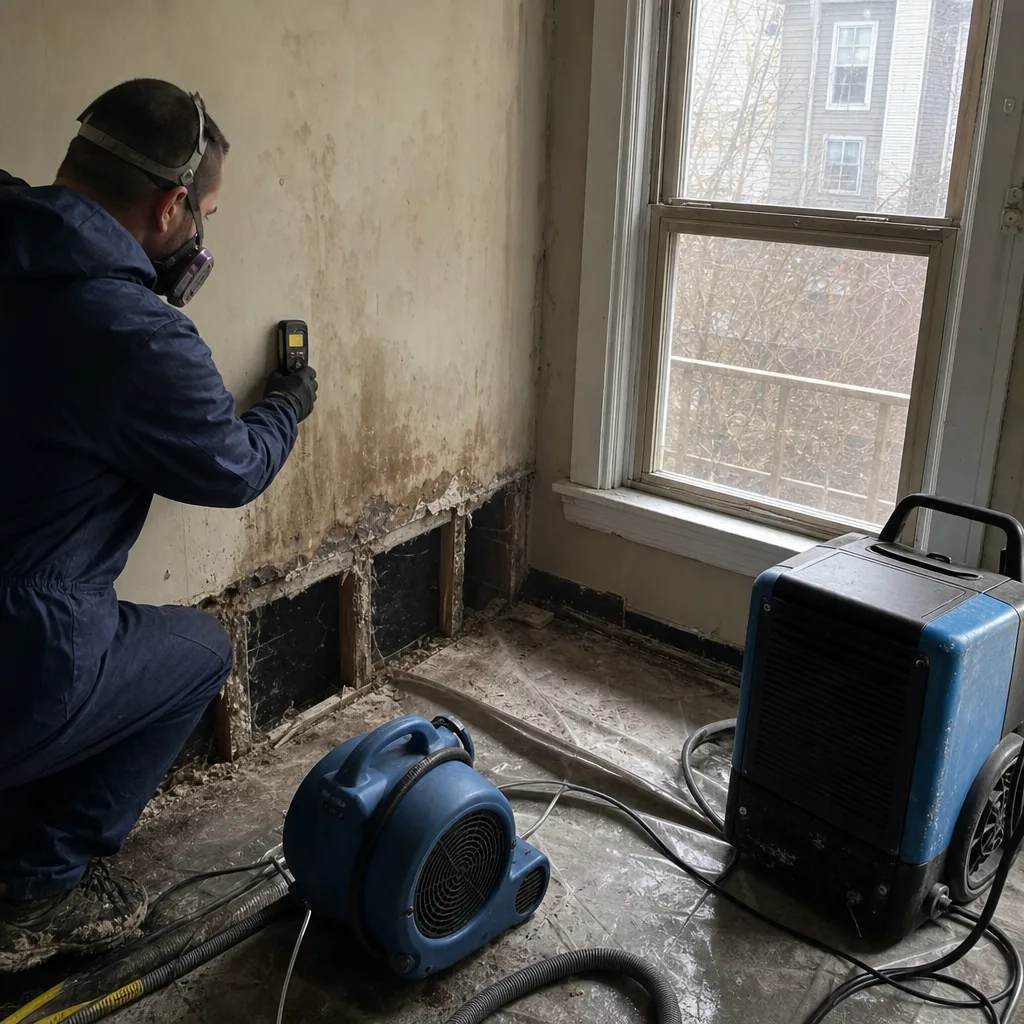 Before
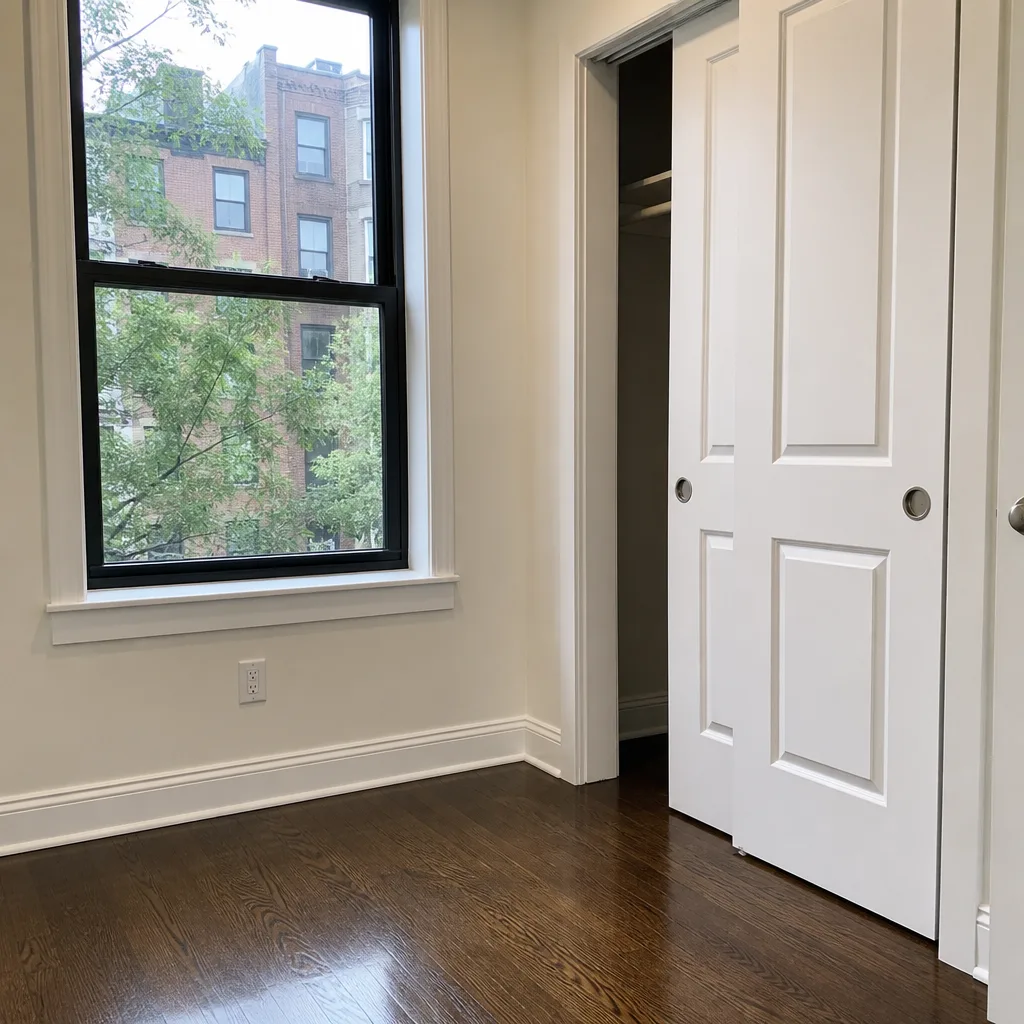 After
AfterSeasonal Damage Restoration Care for Hoboken: Year-Round Homeowner’s Guide
Hoboken sits in a bowl between the Hudson River and the Palisades, and the numbers tell the story: this mile-square city has flooded badly enough to make national news six times since 1992, and Superstorm Sandy put roughly 80% of the city underwater. What surprises most homeowners isn’t the flood itself. It’s what happens three weeks later, when the baseboards look fine but the wall cavities are still holding 40% moisture and mold is already colonizing behind the drywall. This guide walks through what each season does to a Hoboken home, how to catch damage before it spreads, and what actually needs professional attention versus what you can handle on a Saturday morning.
Quick Answer
Seasonal damage in Hoboken follows a predictable pattern: winter brings pipe freezes and ice dams, spring brings groundwater seepage into basements and crawlspaces, summer thunderstorm season brings flash flooding and sewage backups, and fall hurricane season brings the highest risk of major flood events. The single most effective year-round habit is a monthly walkthrough focused on the basement, HVAC condensate lines, sump pump, and exterior drainage. When water does get in, the first 48 hours determine whether you’re looking at a drying job or a full mold remediation.
Table of Contents
- Winter: Freezing Pipes, Ice Dams, and Heating Season Risks
- Spring: Groundwater, Sump Pumps, and the First Heavy Rains
- Summer: Thunderstorms, Humidity, and Sewage Backups
- Fall: Hurricane Season and Pre-Winter Preparation
- The Hoboken Basement: Why It Floods and What to Do
- Mold Season by Season: When It Grows and How to Stop It
- Insurance, Documentation, and the Claims Process
- The Seasonal Maintenance Checklist Every Hoboken Home Needs
Winter: Freezing Pipes, Ice Dams, and Heating Season Risks
Hoboken winters are not as brutal as inland New Jersey, but the freeze-thaw cycle here is actually harder on old row houses than a steady deep freeze. When the temperature swings from 15°F at night to 40°F by afternoon, the expansion and contraction works pipe fittings loose over time. We see this constantly in the brownstones and converted multi-family buildings around Bloomfield Street and Garden Street, where much of the plumbing dates back to the 1920s and 1930s.
The pipes most likely to freeze in Hoboken are not the ones in exterior walls. They are the ones that run through unheated basement utility rooms, crawlspaces, and the enclosed porches common on the city’s older housing stock. A pipe that freezes and bursts can release six to eight gallons per minute. In the time it takes to get a plumber out, the water has already saturated the floor joists and started wicking into the plaster walls.
Ice dams form on Hoboken’s many flat and low-slope roofs, but they behave differently here than in snowy climates. A typical Hoboken row house has a flat roof with a parapet wall and an internal drain. When snow sits on the roof and the heat inside the house warms the roof deck, the snow melts and refreezes around the drain opening. Water then backs up under the roofing membrane and goes looking for a seam. In our experience, the first sign of a roof leak from an ice dam is a water stain on the ceiling near a parapet wall or around the center of the ceiling where the drain line runs.
Heating season also means dry indoor air, which homeowners sometimes overcorrect with humidifiers that push indoor humidity above 55%. That level of humidity against cold exterior walls produces condensation inside wall cavities. By February, you can have mold growing inside the walls with no visible sign on the interior surface. A $20 hygrometer is the cheapest mold prevention tool a Hoboken homeowner can buy.
Winter action steps:
- Insulate exposed pipes in basements and crawlspaces with foam sleeves, not just tape.
- Keep the thermostat at 55°F minimum when the house is empty for more than a day.
- Clear roof drains and scuppers of leaves before the first hard freeze.
- Check indoor humidity weekly; keep it between 30% and 50%.
- Know where your main water shutoff is and make sure it turns freely. A frozen shutoff valve is useless when a pipe bursts at 2 a.m.
Spring: Groundwater, Sump Pumps, and the First Heavy Rains
Spring in Hoboken is when the water table rises and the soil around foundations gets saturated. The city’s original land was tidal marsh, and significant portions were filled in during the 1800s. That fill is a mix of clay, sand, and construction debris, which drains unevenly. What this means in practical terms: two identical row houses on the same block can have very different basement water problems depending on what fill sits under them and how the original builder handled drainage.
Groundwater seepage typically shows up as water coming through the cove joint, which is the seam where the basement floor meets the foundation wall. It can also appear as efflorescence, a white chalky residue on the masonry that tells you water has been moving through the wall and evaporating. Efflorescence is not just cosmetic. It is a marker of ongoing moisture intrusion, and wherever there is ongoing moisture in a Hoboken basement, mold is not far behind.
Sump pumps get their hardest workout in spring. The city’s aging combined sewer system backs up when rain volume spikes, and many basements rely on a sump pump to stay dry even when the sewer isn’t actively backing up. A sump pump that has been sitting idle all winter can fail on the first spring storm, and the failure is often silent. The float switch sticks, the impeller is clogged, or the discharge line is frozen or blocked. We recommend testing your sump pump by pouring a bucket of water into the pit once a month starting in March. If it doesn’t kick on within ten seconds, you have a problem that needs attention before the next rain.
Spring is also when homeowners discover that their gutters and downspouts have been quietly failing all winter. A downspout that discharges right against the foundation is adding thousands of gallons of water to the soil around the foundation every year. In Hoboken, where homes are built to the property line, downspout extensions must be routed carefully so the water runs toward the street or a properly connected drain, not onto a neighbor’s foundation, which can create a liability issue.
Spring priority list:
- Test the sump pump with a bucket of water before the first heavy rain.
- Inspect the battery backup or water-powered backup system and replace batteries if needed.
- Clear gutters and downspouts, and check that downspout extensions direct water at least four feet from the foundation.
- Look for new efflorescence or water staining on basement walls and floors.
- Run a dehumidifier in the basement starting in April, set to 50% relative humidity or lower.
- Check the grading around the foundation and fill any low spots where water pools against the house.
Summer: Thunderstorms, Humidity, and Sewage Backups
Summer in Hoboken means two things: extraordinary humidity and sudden, violent thunderstorms that overwhelm the drainage system in under an hour. The city’s combined sewer system, which carries both stormwater and sewage in the same pipes, was designed for a much smaller population and far less impervious surface. When a July thunderstorm drops two inches of rain in ninety minutes, the system surcharges, and the result in low-lying areas is sewage backing up through basement floor drains and toilets.
Sewage backup is not a water damage problem. It is a biohazard. Category 3 water, the technical term for water contaminated with sewage, contains pathogens that require full protective equipment, removal of affected materials, and disinfection with professional-grade antimicrobials. A homeowner who mops up a sewage backup and calls it good is leaving behind bacteria that will make someone sick, and the odor will linger in porous materials indefinitely. We have responded to sewage backups in Hoboken where the homeowner had attempted a DIY cleanup, and the cost of proper remediation was significantly higher because contamination had spread into adjacent rooms and the wall cavities.
Summer humidity is the quieter but more constant enemy. Hoboken’s average summer humidity runs between 65% and 75%, which is well above the 60% threshold where mold begins to grow on organic materials. Air conditioners help, but they don’t always solve the problem. A window unit that is too small for the room, a central system with dirty coils, or a house where the AC is turned off during the day while the occupants are at work will all produce localized humidity pockets where mold takes hold. Closets against exterior walls, under-sink cabinets, and behind furniture against exterior walls are the three most common trouble spots we see in Hoboken homes.
Thunderstorm season also brings roof leaks into focus. Flat roofs that survived the winter can start leaking in summer when the intense heat and UV exposure causes the roofing membrane to expand and contract, opening seams around vents, skylights, and parapet walls. A summer roof leak is often misdiagnosed as condensation because it appears on hot, humid days rather than during rain. The diagnostic question: does the water stain appear only after rain, or does it appear when it hasn’t rained for a week? If it’s the latter, you may have a condensation problem inside the wall or ceiling cavity, not a roof leak.
Summer watch list:
- Know where your floor drains connect. In Hoboken, many tie into the combined sewer, which means backup risk in heavy rain.
- Install backwater check valves on basement drains if your home is in a known flood zone or has flooded before.
- Keep the AC running or use a dehumidifier to hold indoor humidity below 55% during heat waves.
- Check for new water stains after every thunderstorm and mark them with pencil to track changes.
- If you see water coming up from a floor drain, do not flush toilets or run water anywhere in the house; call a professional immediately.
Fall: Hurricane Season and Pre-Winter Preparation
Fall in Hoboken carries the highest stakes. The tail end of Atlantic hurricane season, September through November, is when the region historically takes its worst hits. Hurricane Irene in 2011 and Superstorm Sandy in 2012 both arrived in the fall, and both transformed Hoboken’s relationship with water. Sandy alone flooded more than 1,700 Hoboken homes and left the city without power for more than a week in some areas.
Preparation in the fall is not about panic; it is about sequence. The work you do in September and October determines how much damage a storm does in November. The critical element is exterior drainage. Hoboken’s flat geography means that water moves slowly, and every obstruction compounds the problem. A single blocked storm drain on a street corner can send water cascading under doors and through foundation vents that have never leaked before. Our crews spend a disproportionate amount of time in the fall checking for the simple things: leaves in roof drains, clogged area drains at the bottom of stairwells, and landscaping that has grown over the foundation vents.
The second critical fall task is documenting the pre-storm condition of your home. This is where insurance claims are won or lost. Take dated photographs and video of every room, every exterior wall, and the mechanical systems. Walk the outside and photograph the roof line, the foundation, the stairwells, and any window wells. When an adjuster later asks what condition the basement was in before the storm, that documentation is the difference between a settled claim and a denied one. We recommend storing the documentation in the cloud so it survives even if the house doesn’t.
Fall is also when you should have your heating system serviced. A furnace that sits unused all summer can have a cracked heat exchanger, a clogged condensate line, or a failing blower motor. None of those are restoration issues on their own, but a furnace failure during a cold snap often leads to frozen pipes, and frozen pipes lead directly to our phone ringing. The $89 Seasonal Tune-Up that Floodline Restoration Co. offers includes a check of the condensate line, which is the component most likely to cause water damage in a Hoboken home.
Fall preparation steps:
- Clear all roof drains, scuppers, and area drains of leaves and debris.
- Photograph and video your home’s interior and exterior for insurance documentation.
- Check window wells and basement stairwells for drainage and clear any blockages.
- Have the heating system inspected and the condensate line cleared.
- Elevate valuable items in the basement at least 12 inches off the floor.
- Review your flood insurance policy limits and understand what your deductible actually means in a worst-case scenario.
The Hoboken Basement: Why It Floods and What to Do
The Hoboken basement is a special case in American homeownership. In much of the country, a basement is a bonus room. In Hoboken, the basement is often the utility room, the storage area, and in many row houses, the only place to put a washer and dryer. It is also almost always below the water table during flood events and often below the sewer line elevation, which means gravity is working against you at all times.
The mechanisms of basement flooding in Hoboken fall into three categories. First, there is overland flooding, where water enters through windows, doors, stairwells, or foundation vents when the street floods. Second, there is groundwater seepage, where the water table rises above the basement floor level and water enters through the cove joint, floor cracks, or the walls themselves. Third, there is sewer backup, where the combined sewer surcharges and water comes up through floor drains, toilets, and even tubs on lower levels. These three mechanisms require different responses, and treating the wrong one wastes both time and money.
For overland flooding, the response is physical barriers and elevation. Sandbags and flood barriers work only if they are in place before the water arrives, which means monitoring weather forecasts during storm season. For groundwater seepage, the response is drainage and dehumidification. Interior French drains, properly sized sump pumps, and continuous dehumidification can manage the problem in most Hoboken basements. For sewer backup, the response is a backwater valve, which is installed in the main sewer line and closes automatically when flow reverses. Hoboken building codes have specific requirements for backwater valves in flood-prone areas, and a licensed plumber should handle the installation.
When water does enter a Hoboken basement, the first 48 hours determine the outcome. Water that is extracted quickly with professional-grade equipment and then dried to below the dry standard, typically 15% moisture content in wood and below 50% relative humidity in the air, will almost always avoid mold growth. We use Dri-Eaz dehumidifiers and Phoenix air movers specifically because their output is consistent and measurable, and we log daily moisture readings so the homeowner and the insurance carrier can see exactly where the drying process stands. If a basement has flooded more than an inch deep or the water is anything other than clean rainwater, professional extraction is the safe call.
A note on Hoboken’s older homes: many row houses share a party wall with the neighbor, and water does not respect property lines. We regularly see situations where water from a neighbor’s burst pipe or flooded basement has migrated through the party wall and into an adjacent home. If you see water staining on a wall you share with a neighbor, act immediately and document everything. These situations can become insurance claim disputes, and the documentation protects you.
Mold Season by Season: When It Grows and How to Stop It
Mold is not a seasonal problem in Hoboken. It is a year-round problem with seasonal peaks. The common thread is moisture, and the moisture sources change with the seasons. Understanding when and why mold grows helps a homeowner catch it before it becomes a remediation job that requires gutting walls.
In winter, the peak mold location is inside exterior walls where warm, humid indoor air condenses against cold surfaces. This is invisible mold growth, and it often goes undetected for years. The signs are subtle: a musty smell in a specific room, wallpaper peeling near the floor, or small spots on the wall that feel damp to the touch. By the time visible mold appears on the interior surface, the colony inside the wall cavity is usually extensive. In our experience responding to mold calls in Hoboken, the homes most affected in winter are those where humidifiers run at full output and the thermostat is set below 65°F.
In spring, mold follows groundwater. When the basement walls stay damp for weeks at a time, mold grows on the back of drywall, behind baseboards, and inside carpet padding. Spring mold in Hoboken basements often appears as a musty smell first, with visible growth following weeks or months later. The color is often white or gray on concrete and green or black on drywall and wood.
In summer, mold follows humidity. Closets on exterior walls, especially north-facing walls that stay cool, are the classic location. The air in the closet stays still, the wall stays cool, and humidity condenses on the surface. Clothes, shoes, and leather goods provide the organic food source. We recommend leaving closet doors cracked open during humid months and running a dehumidifier if the indoor humidity exceeds 55% consistently.
In fall, mold follows the floods. When a Hoboken home floods and the water is not extracted within 48 hours, mold growth typically begins on day three. The materials most vulnerable are drywall, especially the bottom two feet, carpet and padding, insulation, and any cardboard boxes in contact with the floor. This is why the response time matters so much. A home that is flooded and dried within two days usually avoids mold altogether. A home that waits a week is almost guaranteed to need mold remediation as well as water damage restoration.
The mold prevention rules that apply all year in Hoboken:
- Keep indoor relative humidity between 30% and 50% year-round, measured with a hygrometer, not a guess.
- Fix any leak, even a slow drip, within 48 hours.
- Inspect the basement walls and floor monthly for staining, efflorescence, or musty odors.
- Run exhaust fans in bathrooms and kitchens for at least 20 minutes after use.
- Never paint over mold or cover it with new drywall without addressing the moisture source first. The mold will return, and the repair will be more expensive the second time.
Insurance, Documentation, and the Claims Process
Insurance is the quiet anxiety behind most Hoboken restoration calls. Homeowners are not sure what their policy covers, what the deductible really is, or whether filing a claim will raise their premiums. The honest answer is that it depends on the specific policy and the specific cause of damage, but there are patterns that hold true across most policies in the Hoboken market.
Standard homeowners insurance covers sudden and accidental water damage, such as a burst pipe or a washing machine supply line failure. It does not cover gradual water damage, such as a slow leak that has been ongoing for months, and it does not cover flood damage. Flood insurance is a separate policy, typically through the National Flood Insurance Program or a private carrier, and in Hoboken’s flood zones it is often required by mortgage lenders. Damage from a backed-up sewer line is covered by some policies and excluded by others, and this is the single most common gap we see in Hoboken coverage.
The claims process works best when the homeowner documents everything from the moment the damage is discovered. Photographs and video, taken before any cleanup begins, are critical. So is a written inventory of damaged items with approximate values and replacement costs. The restoration contractor’s documentation matters too, but the homeowner’s own record is what establishes the baseline for the adjuster. We always recommend that homeowners photograph the source of the water if it is visible, the extent of the water spread, and the condition of the affected materials before anything is removed.
Floodline Restoration Co. bills insurance carriers directly, which removes a significant point of friction from the process. The homeowner does not have to front the cost of a major restoration and wait for reimbursement. We coordinate with adjusters, provide the moisture logs and daily readings that carriers require, and submit documentation in the format that the carrier’s system expects. The 90-Day Done Right Promise applies to insurance work just as it applies to any other job: if it’s not done right, we make it right, in writing, with no arguing.
One practical note for Hoboken homeowners: keep your policy declarations page somewhere accessible, not in the basement. After Sandy, we met homeowners who had lost their insurance paperwork in the flood and couldn’t remember their carrier or policy number. A digital copy on your phone or in the cloud takes five minutes to create and could save a week of delay in a worst-case scenario.
The Seasonal Maintenance Checklist Every Hoboken Home Needs
The most effective damage restoration is the damage that never happens. A homeowner who spends two hours per season on preventive maintenance will avoid most of the calls that keep restoration companies busy. Here is the seasonal checklist we recommend for every Hoboken home, based on what actually fails in this specific climate and building stock.
Spring Checklist
- Test sump pump operation with a bucket of water and check the discharge line for blockages.
- Inspect basement walls and floor for new cracks, efflorescence, or water staining.
- Clean gutters and downspouts and confirm downspouts discharge away from the foundation.
- Start the dehumidifier and set it to 50% relative humidity.
- Check exterior foundation vents and clear any debris that could block drainage.
- Schedule the $89 Seasonal Tune-Up for the HVAC condensate line and overall system check.
Summer Checklist
- Monitor indoor humidity weekly and adjust AC or dehumidifier settings as needed.
- Check for new water stains after every heavy thunderstorm and mark them with pencil.
- Inspect the washing machine supply hoses and replace any that show cracking or bulging.
- Keep floor drains clear and be alert for gurgling sounds from drains during storms.
- Check for condensation on toilet tanks and cold water pipes, especially in basements.
Fall Checklist
- Clear all roof drains and scuppers of leaves and check the roof membrane for cracks or blisters.
- Take dated photographs and video of the entire home for insurance documentation.
- Have the heating system inspected and serviced before the first cold snap.
- Clear area drains at the bottom of exterior stairwells and window wells.
- Elevate basement storage at least 12 inches off the floor, especially in flood-prone areas.
- Review your insurance policy and confirm flood insurance coverage if applicable.
Winter Checklist
- Insulate exposed pipes in the basement and crawlspace with foam sleeves.
- Keep the thermostat at 55°F minimum when the house is empty, even for a weekend.
- Know where the main water shutoff is and verify it turns freely.
- Clear snow from around the foundation and away from basement windows and doors.
- Check indoor humidity and keep it below 50% to prevent wall cavity condensation.
- Clear snow and ice from roof drains to prevent ice damming on flat roofs.
Common Mistakes to Avoid
- Ignoring a slow leak because it’s “not that bad.” A pinhole leak in a supply line can release hundreds of gallons over a weekend. We have seen Hoboken basements with four feet of water from a leak that started as a small drip under a sink.
- Turning off the dehumidifier to save electricity. A basement dehumidifier costs about $15 a month to run. The mold remediation it prevents can cost several thousand dollars.
- Waiting to see if the water “dries on its own.” Water inside a wall cavity or under flooring will not dry on its own in Hoboken’s humidity. It will grow mold. The first 48 hours are the window that matters.
- Using a shop vac and box fans for a serious flood. Household equipment cannot remove water from wall cavities, under cabinets, or inside floor systems. What looks dry on the surface is often still soaked underneath, and the HVAC system is spreading moisture through the house while you vacuum.
- Filing an insurance claim before understanding the cause and coverage. A claim for gradual water damage that the policy excludes can result in a denied claim that still counts against you. Know what your policy says before you call the carrier.
- Assuming the sump pump will work because it worked last year. Sump pumps fail silently, and they fail most often during the storm that matters most. Test it monthly during wet seasons.
- Painting over water stains without fixing the source. The stain will bleed through, the mold will keep growing behind the paint, and the repair cost will go up with every month of delay.
When to Call a Professional
Some situations call for professional help immediately. If water has flooded more than an inch deep anywhere in the home, if the water is anything other than clean rainwater, if you smell gas or see electrical sparking, or if water has contacted the electrical panel or outlets, call a professional right away. The same applies to any mold growth larger than about ten square feet, any water leak that has been ongoing for more than a few days, and any time you have reason to believe the water may have entered wall cavities or under flooring. Sewage backups are always a professional job, no exceptions. Floodline Restoration Co. offers free estimates in Hoboken. Call (640) 500-3278 and a live person will answer, day or night.
Frequently Asked Questions
The most common type of damage in Hoboken homes is water damage from basement flooding, followed closely by mold growth driven by the city’s high humidity and old building stock. The combination of a combined sewer system, a high water table, and dense row-house construction means that water finds its way into Hoboken basements more often than homeowners expect.
Water damage restoration in Hoboken typically ranges from $2,500 to $8,000 for a moderate basement flood, with more extensive events involving sewage or multiple rooms running higher. The cost depends on the square footage affected, the category of water, the drying time required, and whether any reconstruction is needed. Floodline Restoration Co. offers free estimates and direct insurance billing, so the homeowner knows the number before the work starts.
Insurance covers mold remediation only when the mold results from a covered peril, such as a burst pipe or storm damage. Mold from gradual moisture, humidity, or neglect is typically excluded. The best approach is to document everything, fix the moisture source, and talk to your carrier about the specifics of your policy before assuming coverage.
Floodline Restoration Co. answers the phone with a live person 24 hours a day, 7 days a week, and a certified crew can reach a Hoboken home the same day in most cases. Extraction equipment can be running on the first visit, which is the single most important factor in limiting damage. Call (640) 500-3278 and a dispatcher will give you an honest arrival time.
Small surface mold on non-porous materials, less than ten square feet, can be cleaned by a homeowner with proper protective equipment and a suitable cleaning solution. Mold on drywall, inside wall cavities, or covering more than ten square feet is a professional remediation job, because the colony almost always extends beyond what is visible and DIY cleaning can spread spores through the rest of the house.
The first step is to shut off electricity to the affected area if it is safe to do so, then call a restoration company and your insurance carrier. Document everything with photographs before anything is moved or removed. Do not flush toilets or run water if you suspect a sewer backup, and do not enter standing water if there is any chance it is contaminated or in contact with electrical systems. Floodline Restoration Co. walks every Hoboken homeowner through these steps on the initial phone call.
The Bottom Line
Hoboken homes face water damage risks that are different from almost anywhere else in New Jersey. The city’s density, its combined sewer system, its high water table, and its aging housing stock combine to make seasonal damage restoration a year-round concern. The homeowners who fare best are the ones who prepare before the storm, document before the damage, and act within the first 48 hours when water does get in. The Floodline Restoration Co. home page has more information about our services, our equipment, and our guarantees. For a free estimate anywhere in Hoboken, call (640) 500-3278. A live person will answer, and we will tell you exactly what we would do and what it will cost before any work begins.
Written by Curt Bowman, Owner at Floodline Restoration Co., serving Hoboken since 2010.