
Last updated August 25, 2026
Free visual inspection and a written scope of work before any mitigation begins - photos, moisture readings, and drying logs go in your claim file
The scope we write is the scope we bill. Anything new gets shown to you, in writing, before we touch it.
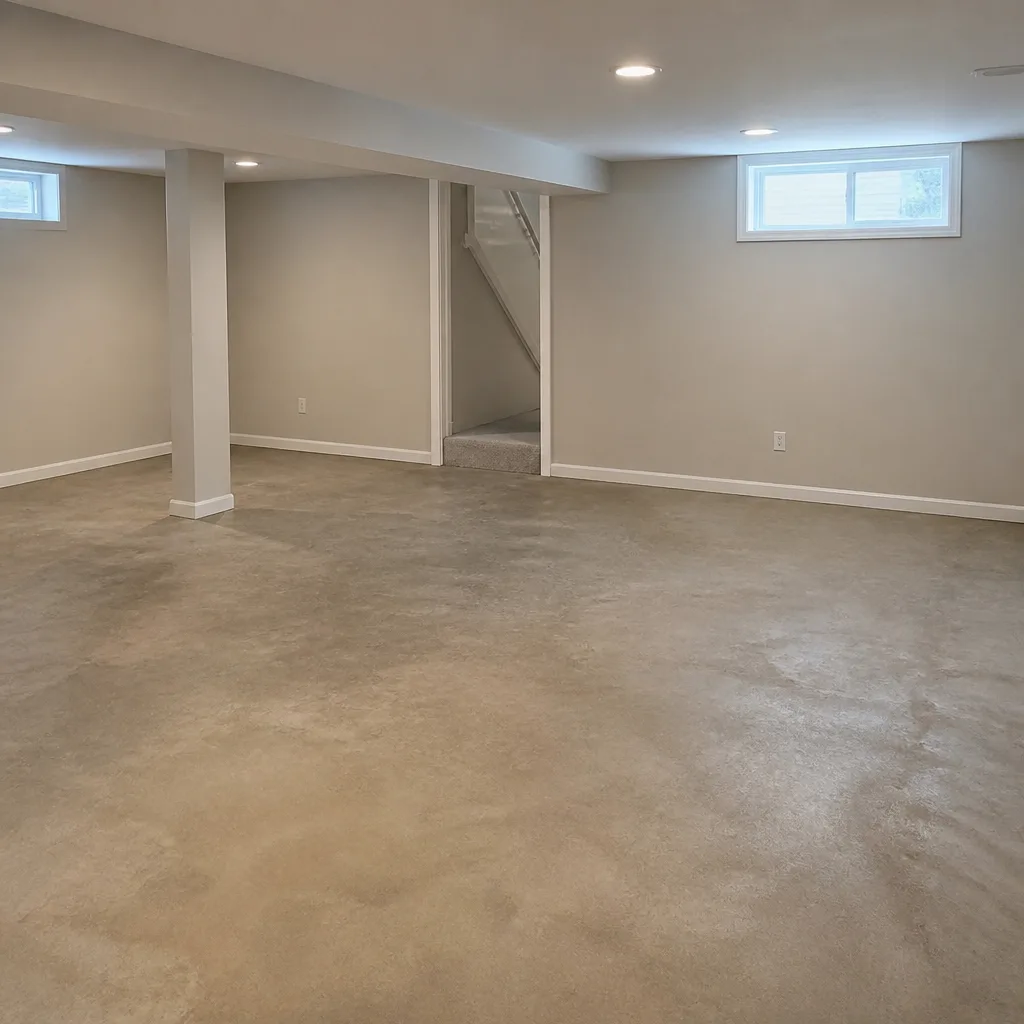

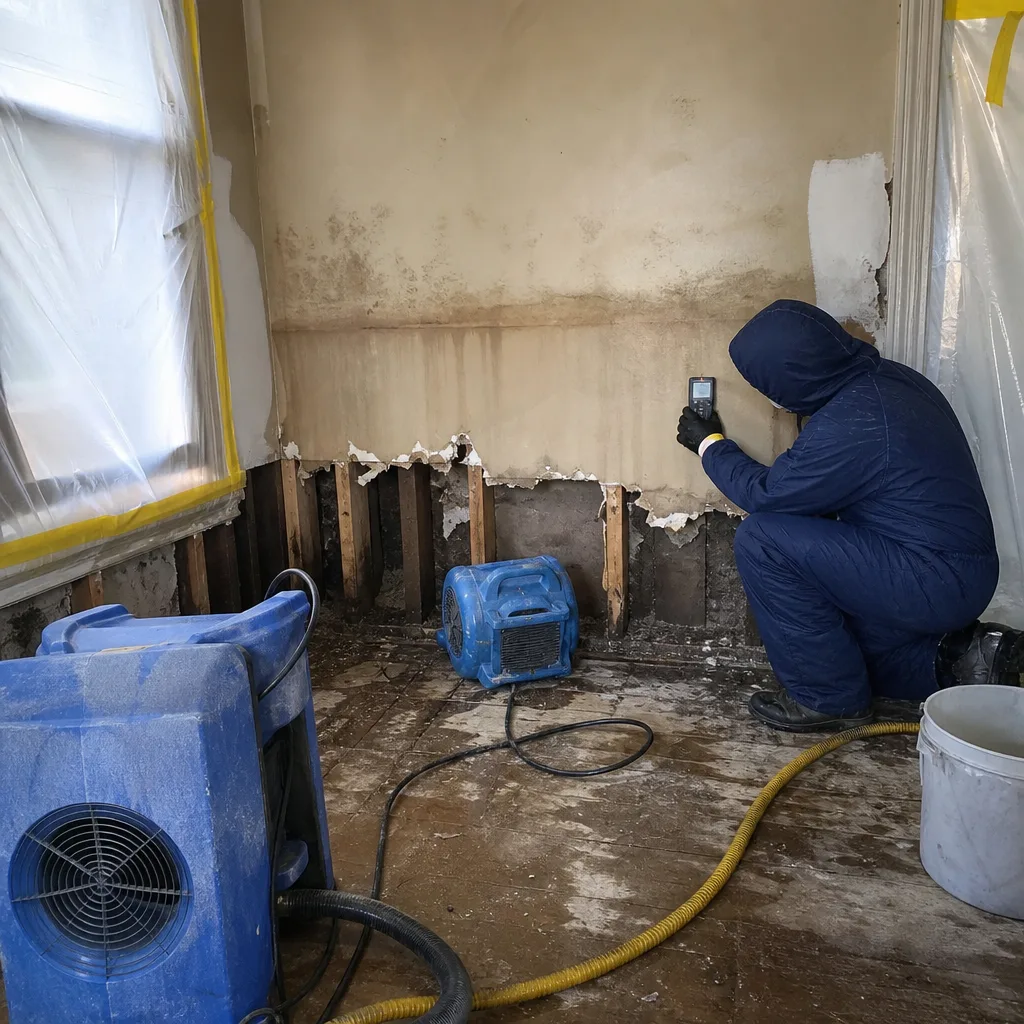 Before
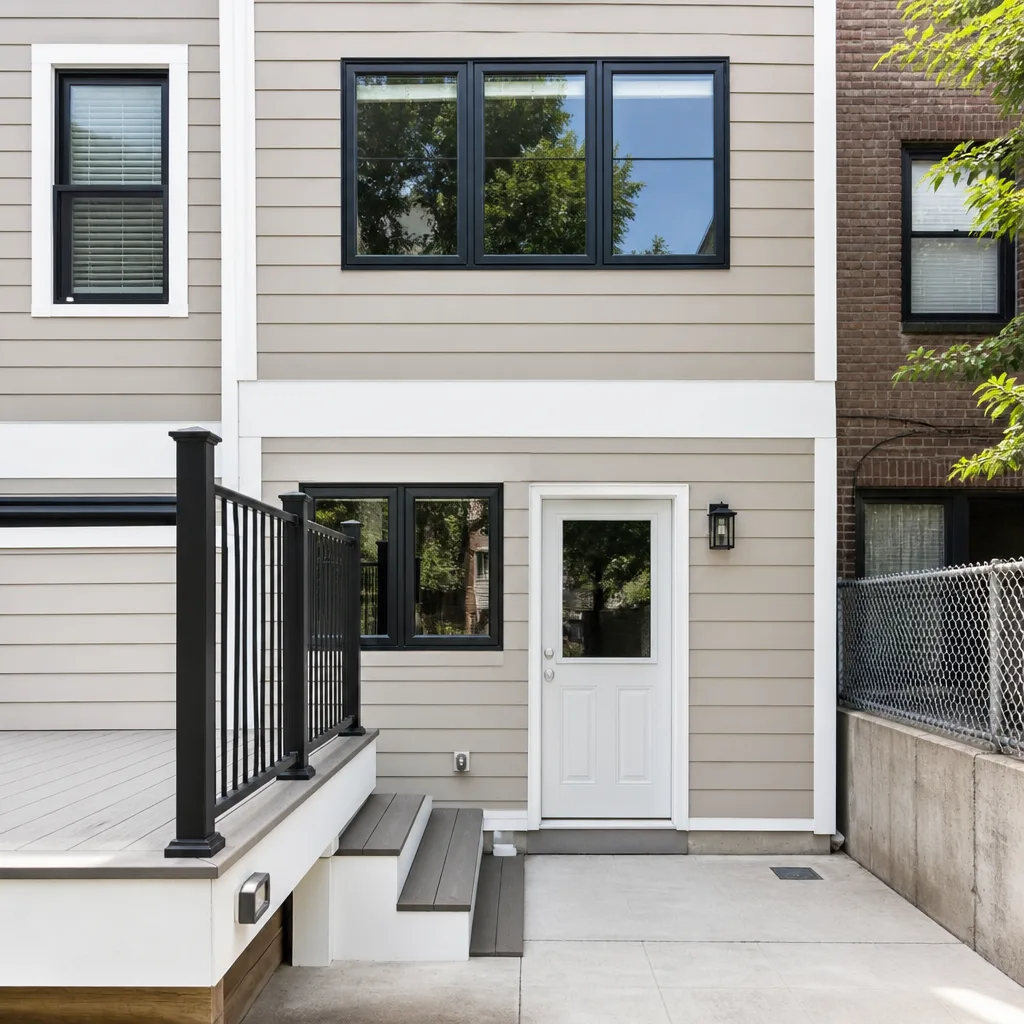 After
After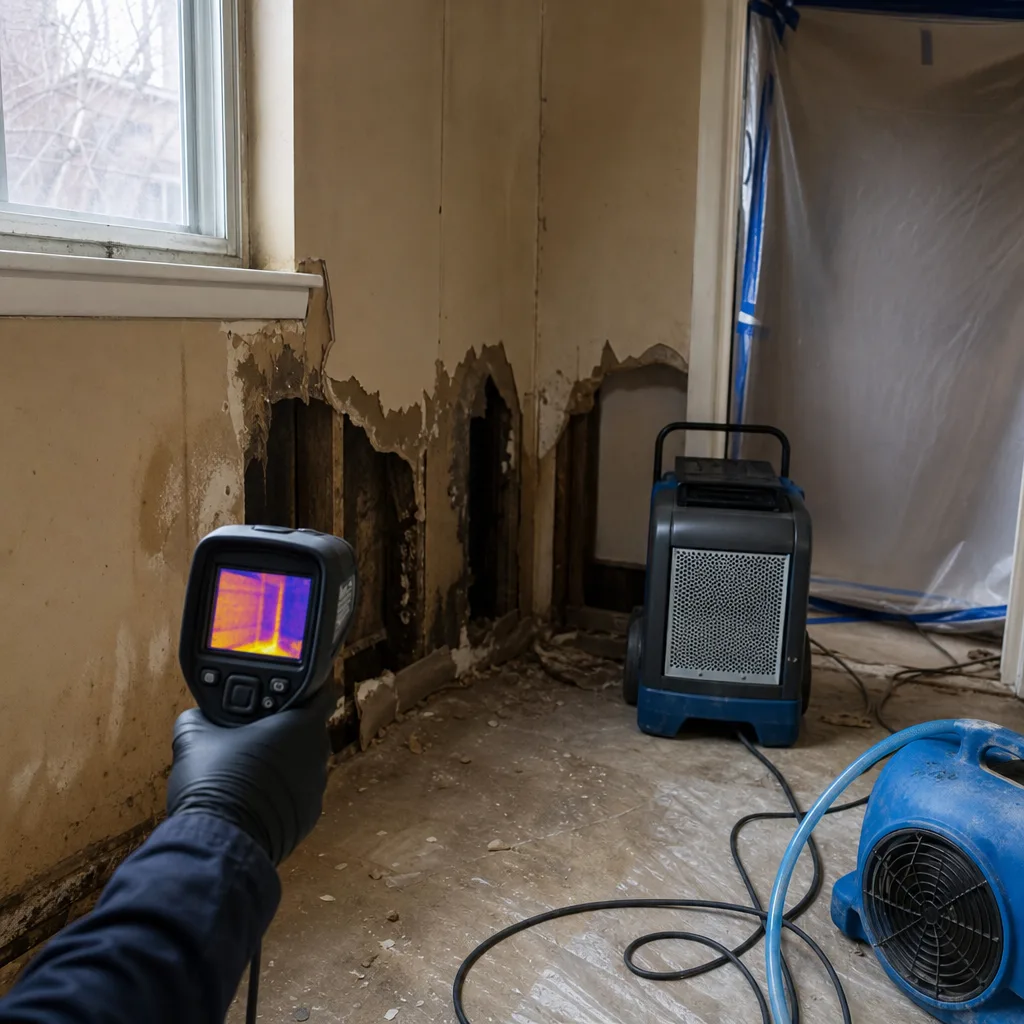 Before
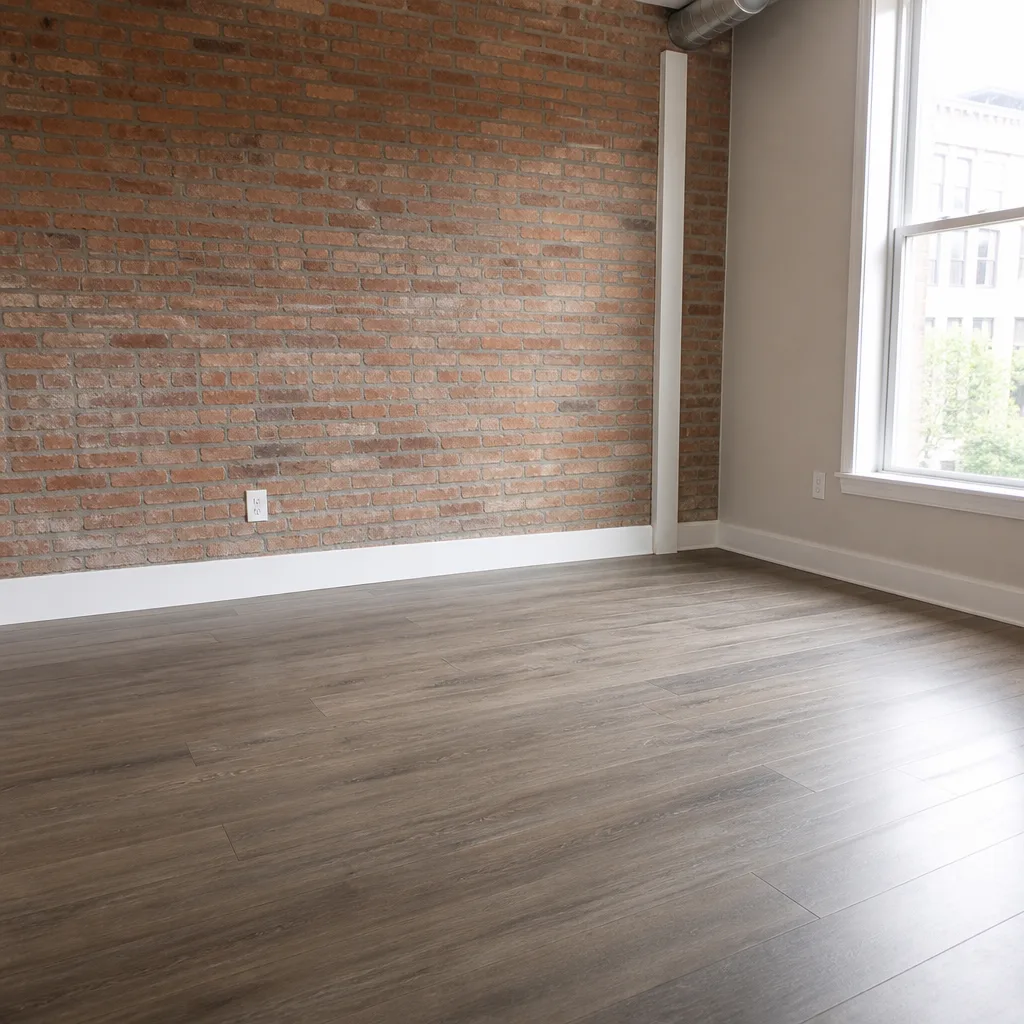 After
After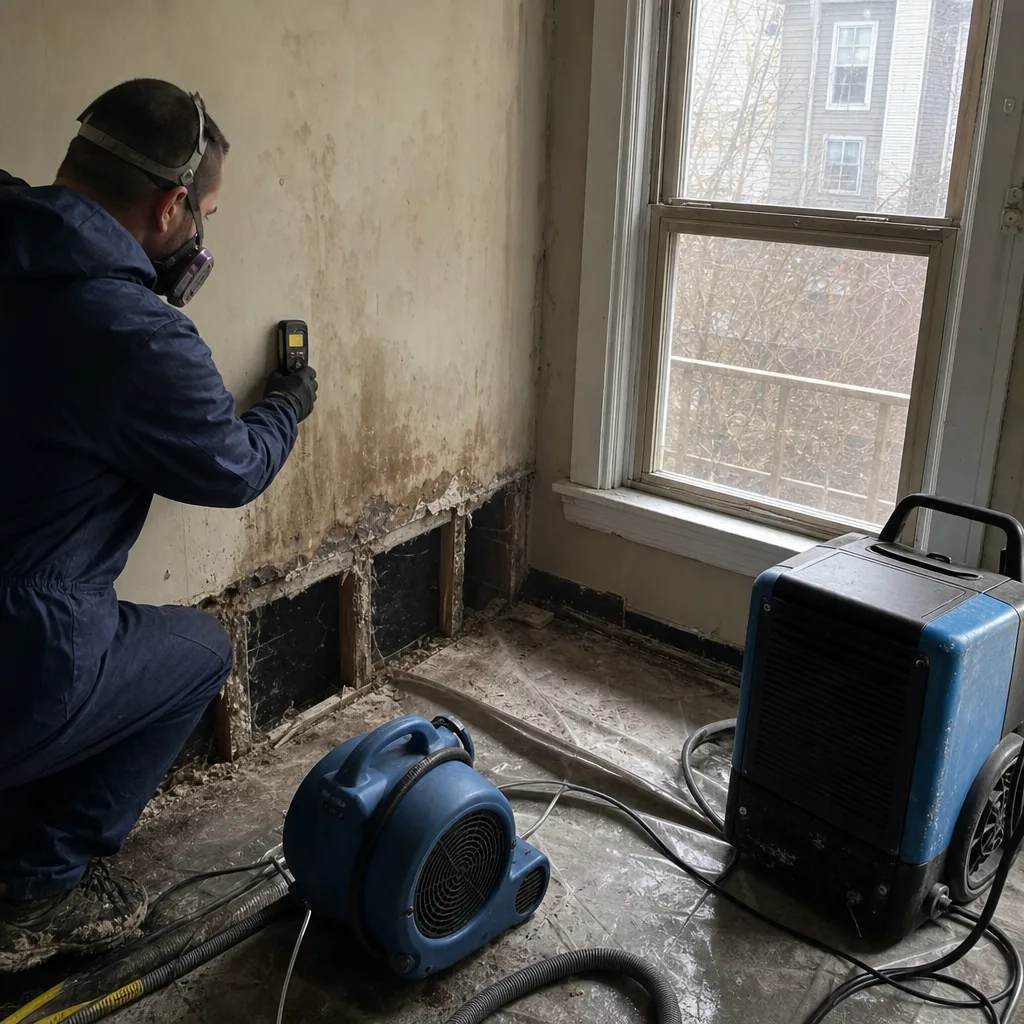 Before
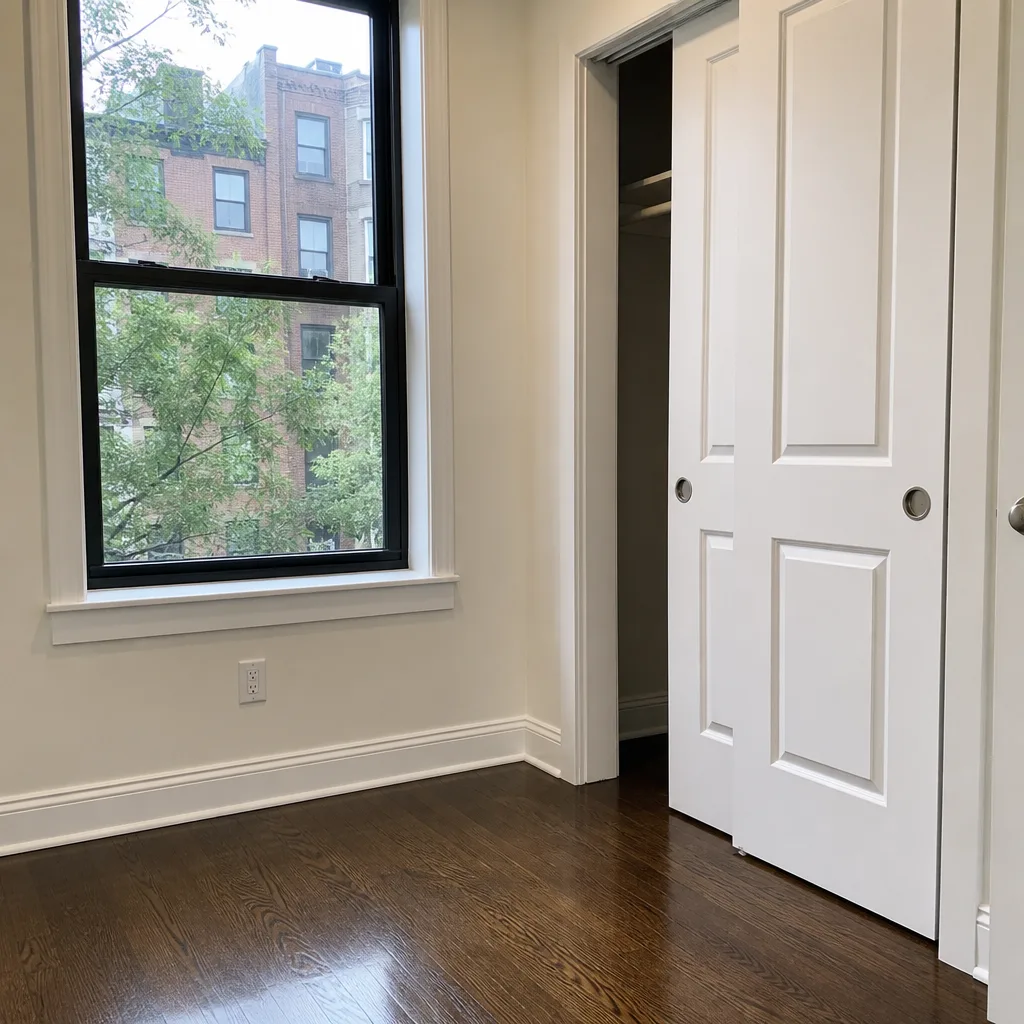 After
AfterThe Complete Guide to Damage Restoration in Hoboken
Hoboken’s position on the Hudson means every homeowner here lives with a simple truth: water doesn’t ask permission. The Mile Square City sits just above sea level, and when a nor’easter pushes the river over its banks, or a 70-year-old supply line lets go inside a brownstone on Washington Street, the damage moves fast. This guide is written for people who want to know what actually happens after the water stops rising, the fire is out, or the mold is discovered. You’ll learn what restoration really costs in Hoboken, what your insurance carrier expects, how the process works from first call to final walkthrough, and where most homeowners get it wrong. We’ve done this work in Hoboken since 2010, and we’ve seen every version of this story.
Before you start, know this: damage restoration is not a one-trade job. It’s extraction, drying science, demolition, cleaning, and rebuilding. Most homeowners in Hoboken who call us during an emergency don’t yet know they’ll eventually be selecting finishes, paint colors, and baseboard profiles. That’s the full arc of it. This guide walks you through all of it.
Quick Answer
Damage restoration in Hoboken means stopping the active damage, drying the structure to an industry standard, cleaning or removing affected materials, and rebuilding what was lost. For water damage, the first 48 hours determine whether a cleanup stays under $2,000 or becomes a full rebuild costing $20,000 or more. For any serious loss, call a restoration company with certified technicians and direct insurance billing immediately, because Hoboken’s dense housing stock and century-old building materials make every hour of delay more expensive.
Table of Contents
- What Damage Restoration Actually Involves
- Types of Damage We Handle in Hoboken
- The Water Damage Restoration Process, Step by Step
- Mold Remediation in Hoboken’s Older Buildings
- Fire and Smoke Damage: What the Soot Does
- Storm Surge and Sewage Backup Response
- What Restoration Costs in Hoboken
- How Insurance Works on a Hoboken Restoration Claim
- Common Mistakes to Avoid
- When to Call a Professional
- Frequently Asked Questions
- The Bottom Line
What Damage Restoration Actually Involves
Damage restoration is the full sequence of work that returns a Hoboken property to a safe, dry, structurally sound condition after water, fire, mold, or sewage has compromised it. Most people think of it as “cleanup.” That’s the first third of the job. The middle third is drying and stabilization. The final third is rebuilding. If the company you call only does the first third, someone else has to come behind them, and you’re the one managing that handoff.
Here’s what the full sequence looks like on a typical Hoboken water damage call:
- Assessment. A certified technician arrives with moisture meters and thermal imaging to find where water traveled, not just where it’s visible. In Hoboken, water from a burst pipe on a third-floor bedroom often ends up in the ceiling bays of the parlor floor below, and from there into the basement. The visible puddle is rarely the whole story.
- Extraction. Standing water is removed using truck-mounted or portable extraction units. This is the stage where speed matters most. Every hour water sits in hardwood, plaster, or subflooring, it wicks further into the structure.
- Containment and Controlled Demolition. Wet drywall, saturated insulation, and non-salvageable flooring are removed. Drywall wicks water upward like a sponge. If it’s soaked, it comes out. In Hoboken brownstones, this often means removing plaster and lath, not just modern gypsum board.
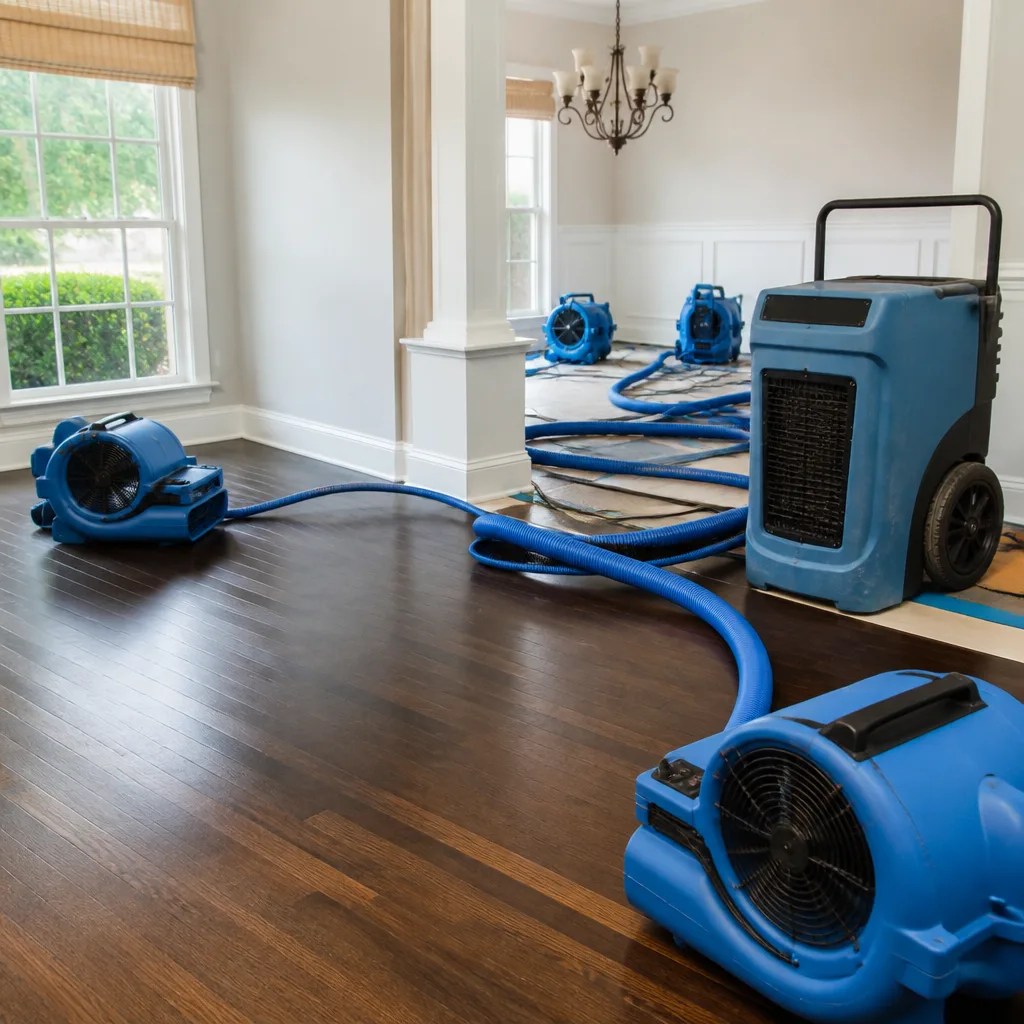
- Structural Drying. Professional-grade equipment, including Dri-Eaz and Phoenix dehumidifiers and high-velocity air movers, is placed according to a moisture map. Daily readings are logged until the structure reaches dry standard. This isn’t a guess. It’s measured.
- Antimicrobial Treatment and Cleaning. Affected surfaces are treated and cleaned to prevent microbial growth. This matters more in Hoboken than in drier climates, because our humidity and masonry construction give mold a head start.
- Rebuild. Drywall, flooring, paint, trim, and fixtures are restored. The goal is a finish that looks like the loss never happened. Done right, this means the same crew that dried the structure rebuilds it, using the moisture log as proof the job is finished.
That last point is where the industry tends to fracture. Extraction companies finish step 3 and hand you a list of contractors. A full-cycle company stays through step 6. The difference for the homeowner is accountability. One name on the whole job, one guarantee.
Types of Damage We Handle in Hoboken
Not all damage is created equal, and the first hour of any loss looks different depending on the source. Here are the categories that make up the bulk of our work in Hoboken.
Water Damage
Water is the most common emergency call we take in Hoboken. It comes from burst supply lines, failed water heaters, appliance leaks, roof leaks, AC condensate lines, and the occasional forgotten tub faucet upstairs. The water itself is a problem, but the larger problem is what it becomes within 48 hours: a moisture load that migrates through floors and walls and triggers mold. In a brownstone, water doesn’t respect unit lines. A leak in one unit is often a ceiling stain in the unit below.
Mold Remediation
Mold grows where moisture and organic material meet, and Hoboken’s housing stock offers plenty of both. High humidity in basements, slow leaks behind walls, and damp crawl spaces under older buildings are the usual starting points. Remediation means containing the affected area, removing contaminated material, cleaning surfaces, and, most importantly, fixing the moisture source. Kill the mold without fixing the water, and it comes back. Always.
Fire and Smoke Damage
Fire damage in Hoboken is a study in how smoke moves. In attached homes and multi-unit buildings, smoke travels through shared walls, chases, and HVAC runs. Soot is acidic. Left on metal, it corrodes. Left on walls, it stains permanently. A fire in one kitchen can leave a smoke smell three floors away. Proper fire restoration includes structural cleaning, deodorization, and content cleaning, not just replacing the burned cabinets.
Storm and Disaster Restoration
Hoboken sits in a bowl. When the Hudson or the stormwater system overwhelms, water comes up through drains at the lowest point of the building. This is how basements on Jefferson and Monroe Streets filled during past storms. Storm water is not clean water. It carries debris, bacteria, and whatever else was in the street. Storm response means extraction, rapid drying, and aggressive sanitizing.
Sewage Cleanup
Sewage is a different category from storm water and must be treated as such. Category 3 water, the most contaminated, contains pathogens that require full personal protective equipment, controlled containment, and disposal of saturated porous materials. This is not a mop-and-bucket job. In Hoboken’s older combined sewer areas, heavy rain pushes the system past capacity and backups happen. The health risk is real and the cleanup standard is higher than for clean-water losses.
The Water Damage Restoration Process, Step by Step
The single most important thing to understand about water damage is that the clock starts the moment water touches building materials. Here is exactly what a proper restoration looks like, in order.
- Call us the moment you see water. A live person answers at (640) 500-3278, day or night. Not a recording. We dispatch a certified crew to your Hoboken address immediately.
- Stop the source. If it’s a shutoff valve you can reach safely, shut it. If it’s the building main and you’re in a multifamily, get the super or property manager on the phone. Our crew can help once on site.
- Safety check. We check for electrical hazards before putting a boot in the water. Standing water and live outlets do not mix.
- Assessment and documentation. We map the affected area with moisture meters and thermal imaging. We photograph everything before we move a single item. This documentation is what your insurance carrier uses to process the claim.
- Extraction. We pull standing water with professional-grade extraction units. This is the moment the property starts moving the right direction.
- Removal of saturated materials. Carpet pad always comes out. Drywall soaked past a certain point comes out. We cut square, straight lines, not ragged holes. The goal is a clean edge for the rebuild.
- Drying placement. We set Dri-Eaz and Phoenix dehumidifiers and XPOWER air movers according to a calculated drying plan, not a guess at how many fans fit in the room.
- Daily monitoring. We return for daily moisture readings and equipment adjustments until the structure meets dry standard. You get the moisture log. Your carrier gets the moisture log. The log is the proof the job is dry.
- Rebuild. Once dry, we restore the removed materials: drywall, paint, flooring, trim. The same crew that did the drying does the rebuild. No handoff, no phone calls to a second contractor.
That sequence is the same whether it’s a two-bedroom condo near Church Square Park or a three-story frame row house in the 3rd Ward. The materials change. The process doesn’t.
Equipment Matters More Than People Think
We use professional-grade drying equipment for a reason. Residential fans and dehumidifiers from a hardware store aren’t designed for structural drying. They move air, but they don’t create the vapor pressure differential that pulls moisture from inside wall cavities and subfloors. Equipment from Dri-Eaz, Phoenix, XPOWER, and B-Air with proper placement dries a wall cavity in three to five days. The wrong equipment leaves it wet for two weeks and gives mold a home. This is the difference between a job that’s done right and a job that becomes a bigger problem in six months.
Mold Remediation in Hoboken’s Older Buildings
Hoboken’s building stock is old. Much of the housing inventory dates from the late 1800s and early 1900s. With age comes history in the walls: old plumbing lines, old roofs, old mortar, old plaster. And with enough time and moisture, mold. We see two common scenarios in Hoboken. The first is a visible black or green patch on a bathroom ceiling or basement wall. The second is a persistent musty smell with no visible growth, which usually means mold inside a wall cavity.
The key fact to understand: mold remediation without moisture correction is a waste of money. If the source of the moisture is a slow drip behind the shower valve, cleaning the visible mold only helps until it regrows. We find the source, fix the source, contain the affected area, remove contaminated material, clean remaining surfaces, and verify the area is dry before sealing it back up.
For small areas under 10 square feet, homeowners can sometimes clean the surface themselves with the right products. For anything larger, or anything inside walls, or anything caused by sewage or contaminated water, a professional is the only safe route. And we cannot stress this enough: disturbing mold release spores into the air. If you’re not sure, don’t touch it. Call us.
Fire and Smoke Damage: What the Soot Does
A kitchen fire in a Hoboken condo rarely stays contained to the kitchen in its effects. The fire itself may burn only 20 square feet, but the smoke and soot carry through the entire floor. Soot is greasy, acidic, and microscopic. It penetrates paint, fabric, and insulation. The smell can linger for months if the structure isn’t properly cleaned and sealed.
Fire restoration follows a specific sequence: secure the property first, remove smoke-damaged materials, clean all surfaces with the correct chemistry for each material type, deodorize using thermal fogging or ozone treatment where appropriate, and then rebuild. The cleaning portion is the part people skip when they try to handle it themselves. Wiping down walls with a household cleaner doesn’t remove soot odor from wall cavities or behind baseboards. It just spreads it.
One more Hoboken-specific note: many multi-unit buildings share a utility chase or a common wall. Smoke travels through those spaces. If your neighbor’s fire left a smell in your unit, the smoke entered through the shared structure, and your claim may be on your own policy or the neighbor’s, depending on circumstances. Document everything, save receipts, and get professional cleanup. The smell doesn’t fade on its own. It waits.
Storm Surge and Sewage Backup Response
Hoboken’s flood history is well documented. The city has invested in pumps, green infrastructure, and flood barriers, but the fundamental geography hasn’t changed: we sit at the water’s edge in a dense urban area with aging combined sewers. When a major storm hits, basement flooding is the expected outcome in many parts of town.
Storm water response looks different from a clean-water pipe break for one primary reason: contamination. Storm water carries whatever was on the street and in the sewer. That’s Category 3 water by the industry standard, and it requires the same containment, PPE, and disposal protocols as a sewage backup. Porous materials that absorbed storm water, including carpet pad, insulation, and unsalvageable furniture, are removed and disposed of properly. Non-porous surfaces are cleaned and sanitized with professional-grade antimicrobial products.
For sewage specifically, the standard is the same but the urgency is higher. Sewage contains bacteria, viruses, and parasites that multiply quickly in a warm indoor environment. The affected area is contained with plastic sheeting and negative air pressure to prevent cross-contamination. Technicians wear full PPE. The goal is not just drying the area; it’s making it safe for human occupancy again.
What Restoration Costs in Hoboken
Restoration costs in Hoboken run higher than the national average. That’s not a marketing claim. It’s economics. Our labor costs are higher, our parking is scarce, our buildings are old and finicky, and our permit requirements add line items. A water damage restoration job that costs $4,000 in suburban New Jersey might run $6,500 in Hoboken due to access challenges in attached homes, plaster demolition instead of drywall demolition, and the cost of working within a condominium association’s rules.
Here are realistic ranges for common restoration jobs in Hoboken, based on what we’ve seen and billed over 15 years of work in the city:
| Service | Typical Range in Hoboken | What Affects the Price |
|---|---|---|
| Water extraction and drying, one room | $1,800 – $4,500 | Extent of water travel, number of rooms affected, equipment days |
| Water damage restoration with rebuild, one floor | $6,000 – $18,000 | Flooring type, plaster vs drywall, cabinet damage |
| Mold remediation, single area | $1,200 – $5,000 | Size of affected area, accessibility, material disposal |
| Mold remediation with source repair and rebuild | $4,000 – $15,000 | Plumbing or roofing repair, finish replacement |
| Fire and smoke cleanup, contained kitchen fire | $5,000 – $20,000 | Soot spread, cabinet replacement, deodorization scope |
| Sewage backup cleanup, basement | $2,500 – $8,000 | Square footage, waste volume, surface materials |
| Storm water basement mitigation | $2,000 – $10,000 | Water depth, contamination level, building size |
These are ranges, not quotes. The only way to know what your job will cost is an on-site assessment with proper moisture mapping. We provide that assessment free of charge in Hoboken. No obligation, no pressure. We give you a written scope and a number before work starts, and the bill doesn’t change unless the job does.
On pricing structure: we bill the insurance carrier directly wherever coverage applies. You should never be the messenger between your restoration company and your carrier. We provide the documentation, the moisture log, the photos, and the scope. The carrier pays according to the policy. You’re responsible for your deductible, and nothing else changes mid-job.
How Insurance Works on a Hoboken Restoration Claim
The insurance conversation in Hoboken has its own character. Flood insurance from FEMA is separate from homeowners insurance. Sewage backup coverage is an endorsement. Contents coverage has sublimits. If water comes from the sky, it’s generally covered under standard homeowners. If it comes from the ground, it’s generally not, unless you carry flood insurance. If it comes from a broken pipe or appliance, it’s covered, with caveats around neglect.
Here’s how the process should work, step by step:
- Call your carrier or agent first. Report the loss and get a claim number. Your carrier may have preferred vendors, but you are not required to use them. The choice of restoration company is yours.
- Document everything before anything moves. Photos, video, a written timeline. The more documentation you have, the smoother the claim.
- Call us for the on-site assessment. We’ll provide a professional scope of work and photo documentation that aligns with what carriers expect to see.
- We bill the carrier directly. You authorize direct billing. We submit the scope, the photos, and the daily drying logs. We negotiate with the adjuster on the details of the scope. You don’t play messenger.
- You pay your deductible. The rest is between us and the carrier. That’s how direct billing works.
The single biggest friction point in Hoboken claims is the adjuster’s timeline. Carriers are often slower than the drying process. A good restoration company manages this. We send the moisture log, the daily photos, and the scope updates without being asked. We speak adjuster. We’ve handled thousands of these files. Done right, the claim closes and the rebuild proceeds without pauses.
One note on flood insurance: if you’re in a designated flood zone in Hoboken and you carry an NFIP policy, the claim process is separate from a homeowners claim. We work with the NFIP claims process regularly. The documentation standard is the same, but the claim path is different. Call us and we’ll walk through it.
Common Mistakes to Avoid
In 15 years of restoration work in Hoboken, we’ve seen the same mistakes over and over. Here are the ones that cost homeowners the most money.
- Waiting to call because “it doesn’t look that bad.” Water behind walls is invisible. By the time you see a stain on the ceiling below, the water has been traveling for days. Every hour of delay adds drying time and cost.
- Using residential fans and hoping for the best. A box fan pointed at a wet wall doesn’t dry the cavity. It dries the surface and convinces you the problem is solved. The moisture inside stays, and mold follows.
- Hiring a company that only does extraction. When the extraction crew leaves and hands you a list of contractors, you’re now the general contractor. You’ll manage the rebuild, the schedule, and the disputes. One company, start to finish, is cheaper in time and money.
- Not pulling permits on a rebuild. In Hoboken, structural changes and certain plumbing and electrical work require permits. Skipping them saves a few hundred dollars now and becomes a problem when you sell. The Building Department has records.
- Discarding damaged items before documentation. Your carrier needs to see what was lost. Tossing waterlogged furniture or carpet before photos are taken can reduce your settlement.
- Painting over mold. Kilz and paint trap moisture and give mold a dark, wet environment to grow behind. In a year you’ll have a bigger problem on the same wall.
- Believing the cheapest bid is the square deal. In restoration, low bids usually mean skipped steps: no containment, no drying log, no permit, no rebuild. The cheap bid becomes the expensive job.
When to Call a Professional
Call a professional whenever the damage is larger than a towel can handle. Specific triggers: water over a few gallons, water from a contaminated source, water you can’t see the source of, any visible mold beyond a small patch, any fire or smoke event, any sewage backup, any flooding. If the water touched drywall or flooring, call. If the smell stays after cleaning, call. If you’re not sure whether it’s safe to handle, call. The assessment is free, and the answer will either save you thousands of dollars or give you certainty that you can handle it yourself. Floodline Restoration Co. offers free estimates in Hoboken. Call (640) 500-3278 and a real person answers, day or night. We’ll be there when we say.
Frequently Asked Questions
We dispatch a certified crew to Hoboken addresses immediately, 24 hours a day, 7 days a week. A live dispatcher answers the phone at (640) 500-3278, takes your address, and the crew is on the road. In most cases we reach the property within an hour, and extraction begins the same visit. We don’t schedule emergencies for “sometime tomorrow.”
It depends on the source of the water and your policy. Burst pipes, appliance failures, and roof leaks are generally covered. Flooding from rising groundwater or storm surge requires separate flood insurance. Sewage backup requires a specific endorsement. We provide the documentation your carrier needs, including photos, moisture logs, and a written scope, and we bill the carrier directly.
If the mold area is small (under 10 square feet), on a non-porous surface, and the moisture source is fixed, surface cleaning may be sufficient. If the mold is larger, inside walls, or from contaminated water, full remediation with containment and material removal is necessary. Anything less results in regrowth and a second remediation bill within a year. We assess honestly and tell you which situation you have.
In Hoboken, expect water extraction and drying for one room to run $1,800 to $4,500, and full restoration with rebuild of one floor to run $6,000 to $18,000. Hoboken costs run higher than suburban New Jersey due to denser housing, older construction materials, parking and access challenges, and local permit fees. Request a free on-site estimate for an exact number.
We do. You provide the claim number and policy information, and we handle the adjuster communication, the documentation, the scope negotiation, and the billing. This is standard practice for a full-cycle restoration company. You pay your deductible. We handle the rest. No running between the carrier and the contractor.
It’s our written guarantee that the work is done to industry standard, and if anything isn’t right within 90 days of completion, we make it right at no cost to you. No arguing, no paperwork battles. It’s the Keystone Standard, and we put it in writing on every job. Done right, and backed in writing.
Yes. We offer $50 off any repair over $250, an $89 seasonal tune-up, and a 5% discount for seniors and veterans, always. These offers are standing. Mention them when you call, and they apply to the eligible portion of the job.
The Bottom Line
Damage restoration in Hoboken is a race against moisture, contamination, and time. The first 48 hours determine the size of the loss. The right response is immediate, professional, and complete: extraction, drying, cleaning, and rebuild under one roof, with documentation for the carrier and accountability for the homeowner. The wrong response is a partial cleanup from a company that hands off the rebuild. If you’re dealing with water, fire, mold, or sewage in Hoboken, call (640) 500-3278. A live person answers. The assessment is free. The work is done right, and backed in writing. The line the water left is where we start.
Written by Curt Bowman, Owner at Floodline Restoration Co., serving Hoboken since 2010.