

Free visual inspection and a written scope of work before any mitigation begins - photos, moisture readings, and drying logs go in your claim file
The scope we write is the scope we bill. Anything new gets shown to you, in writing, before we touch it.
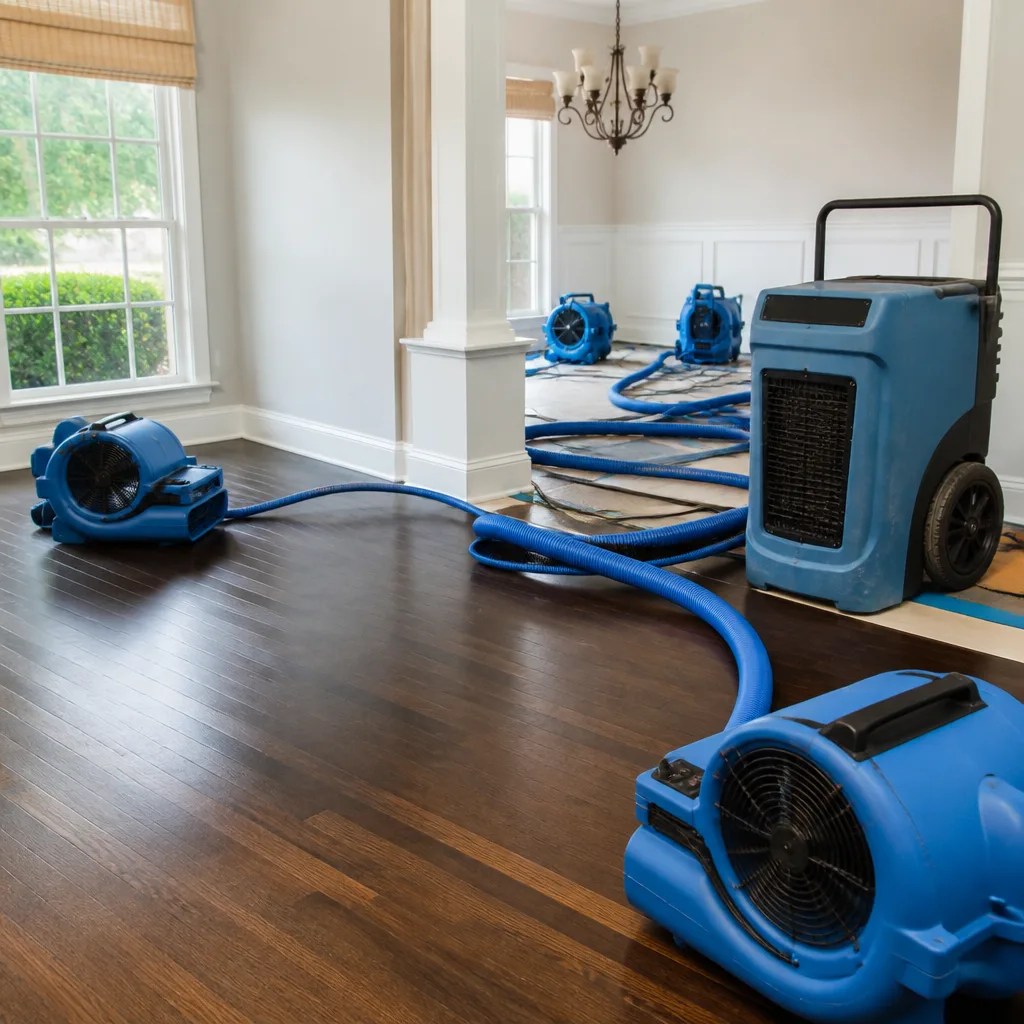
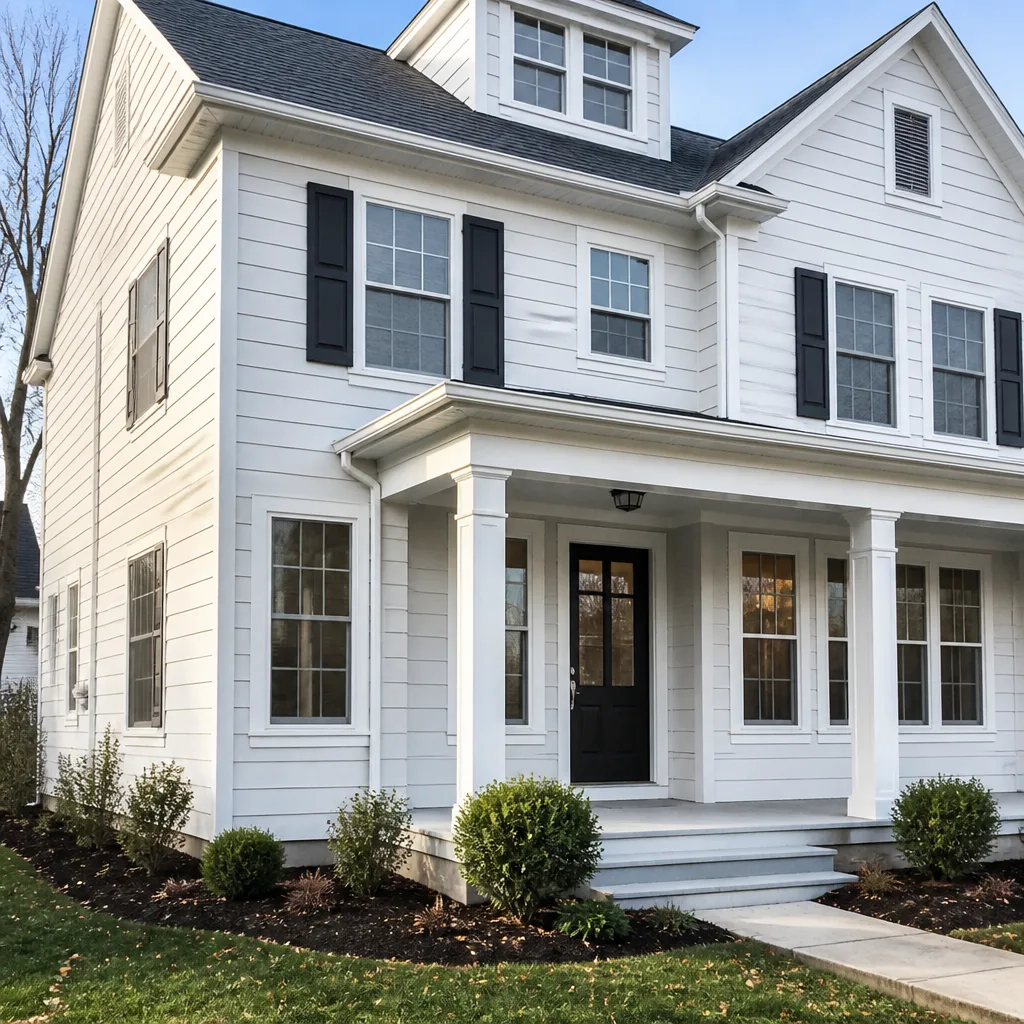
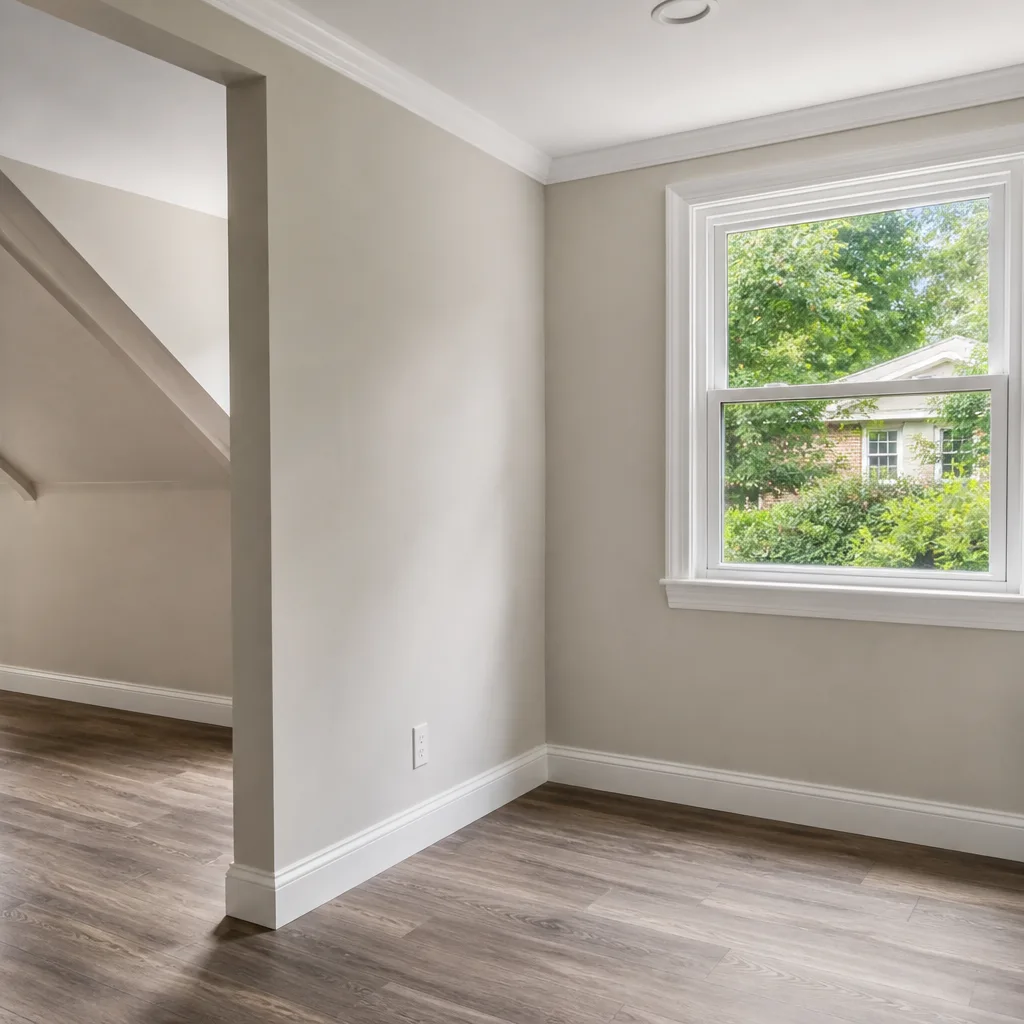
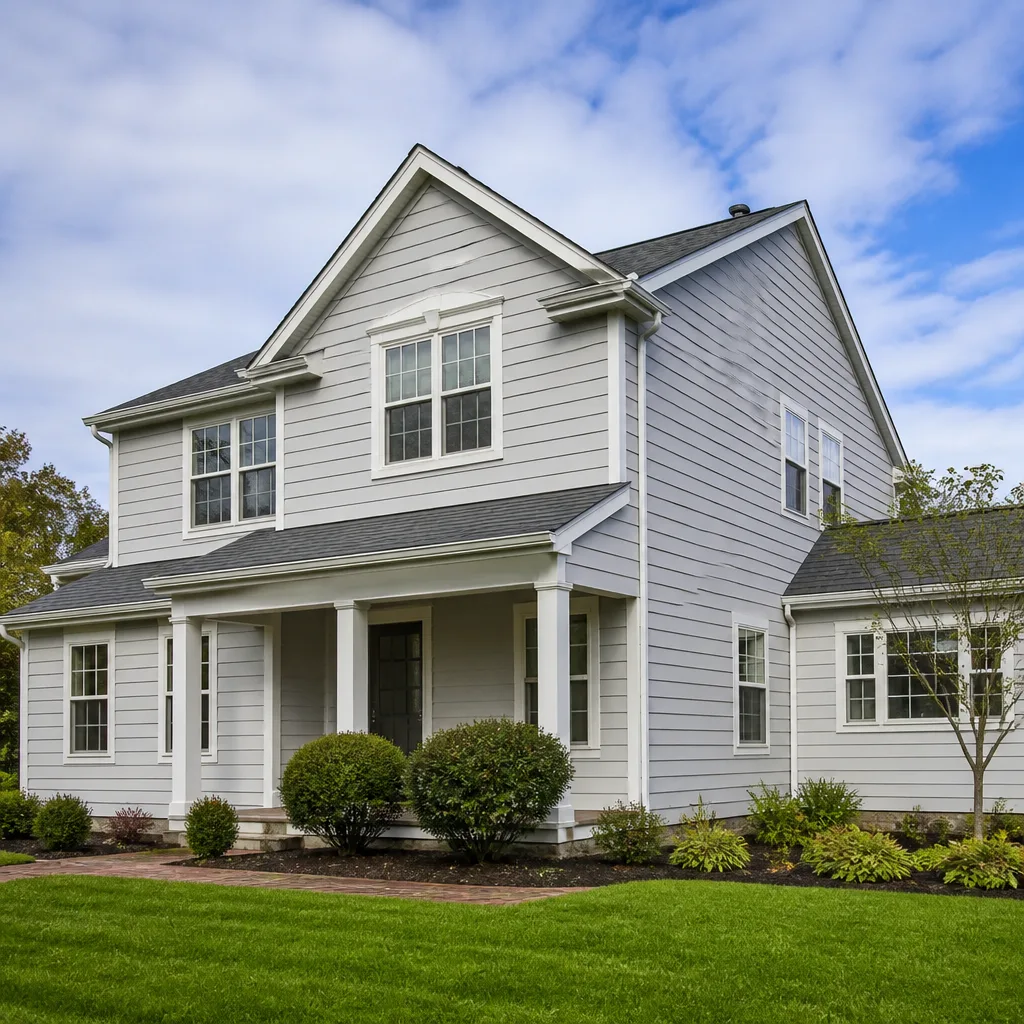
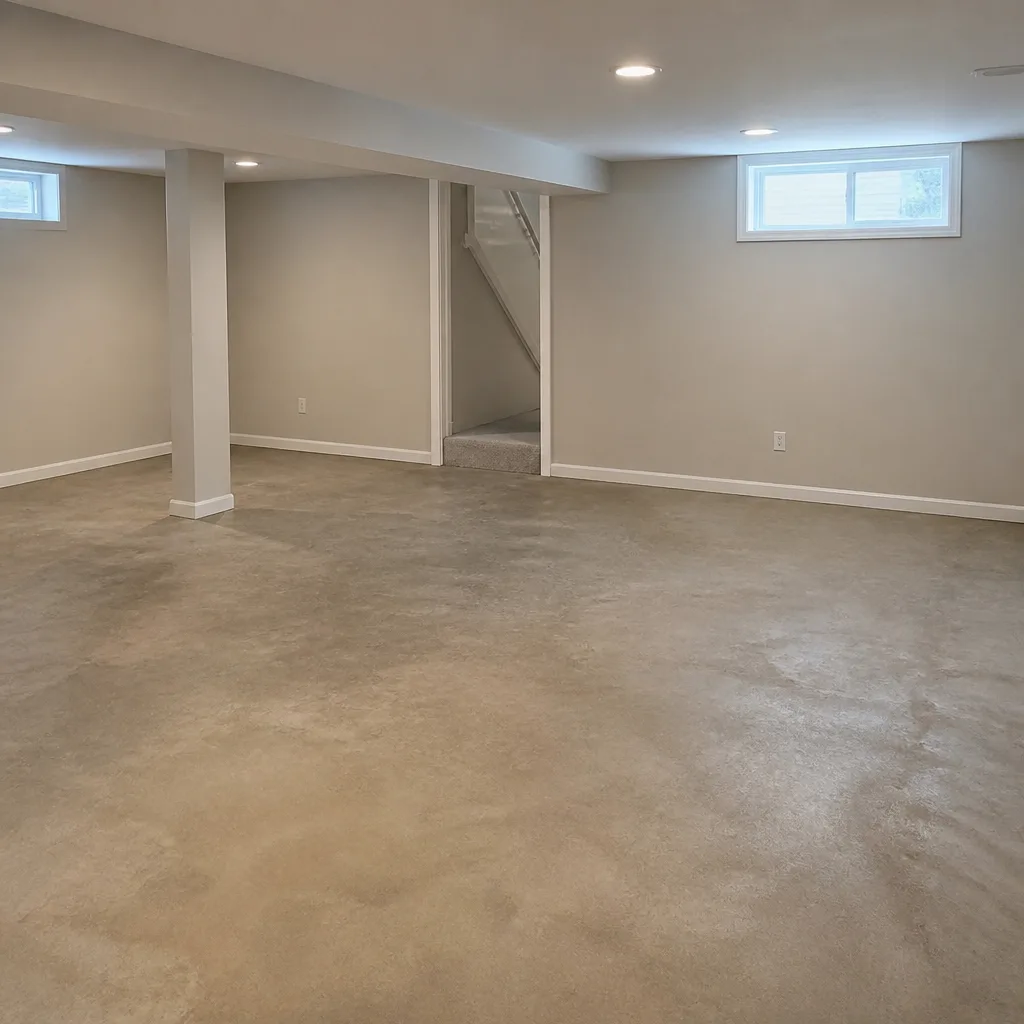

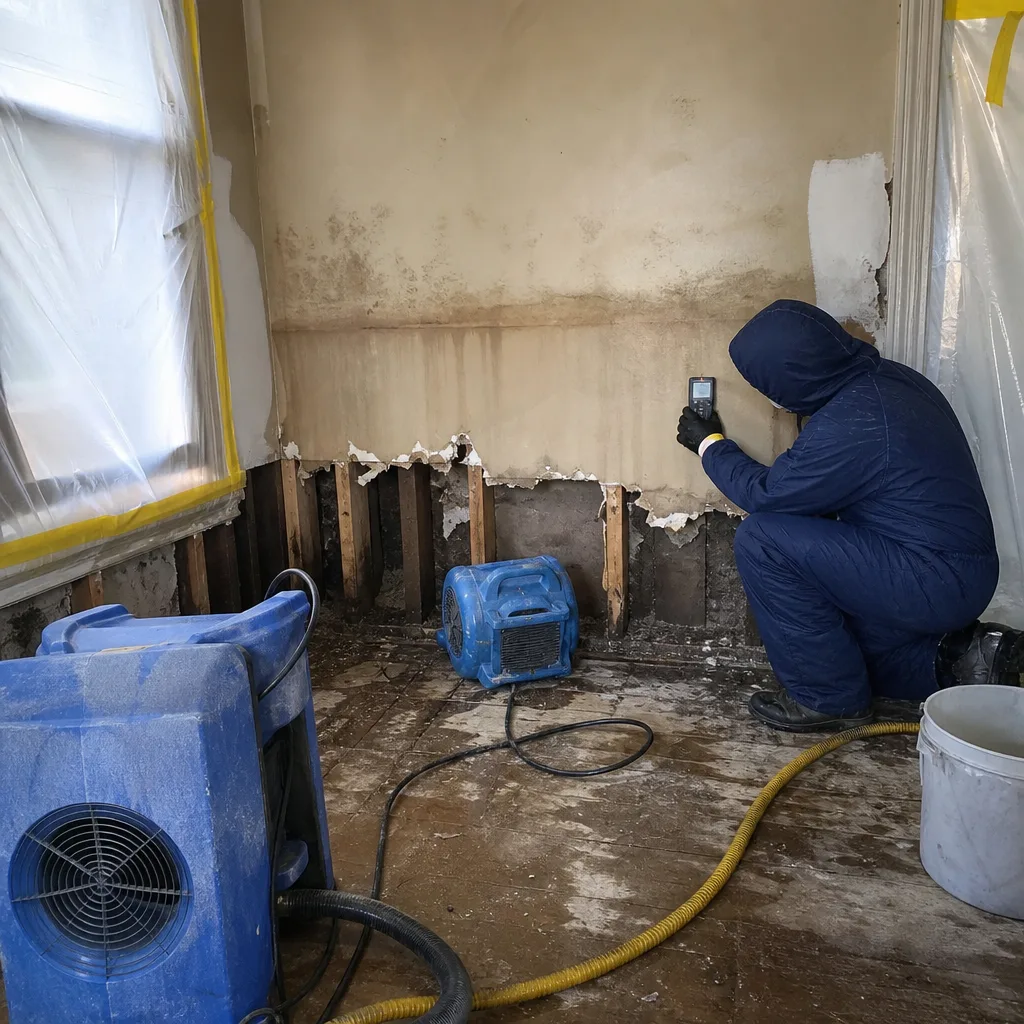 Before
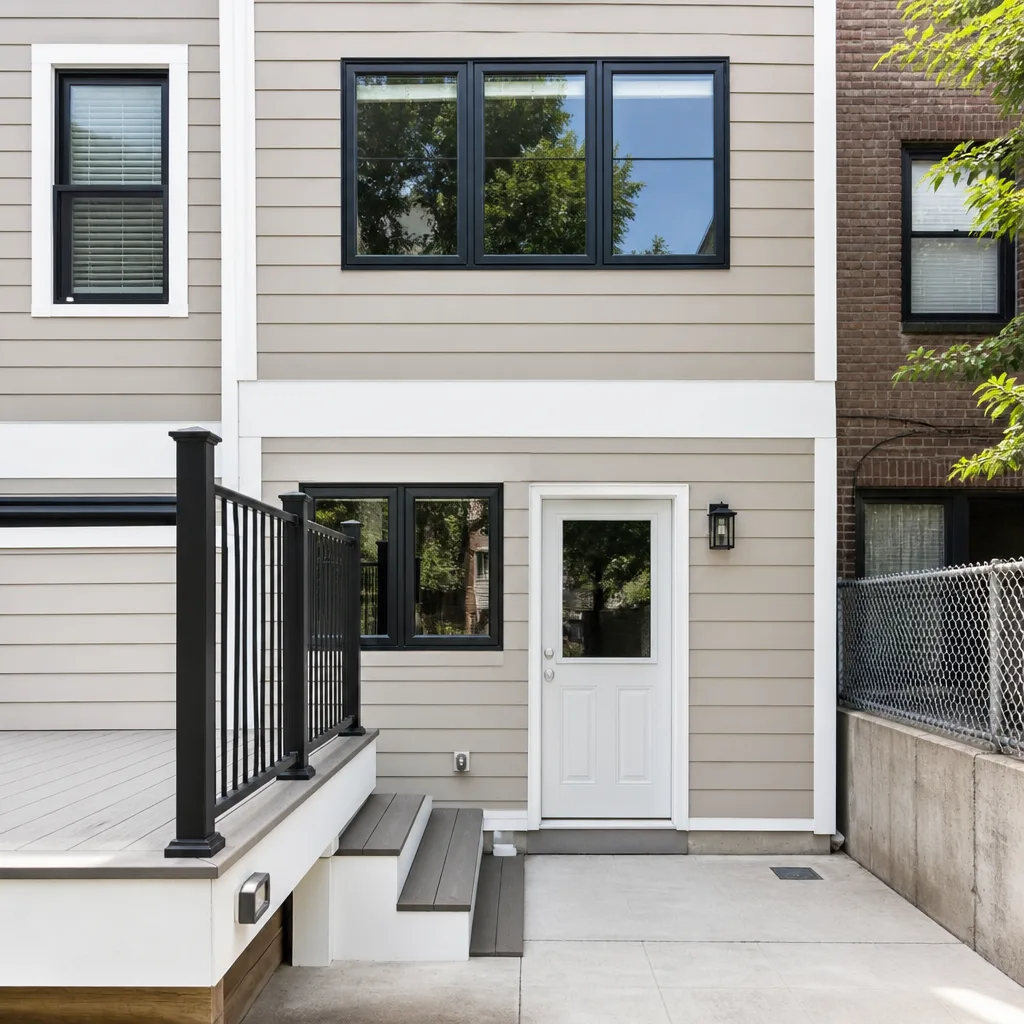 After
After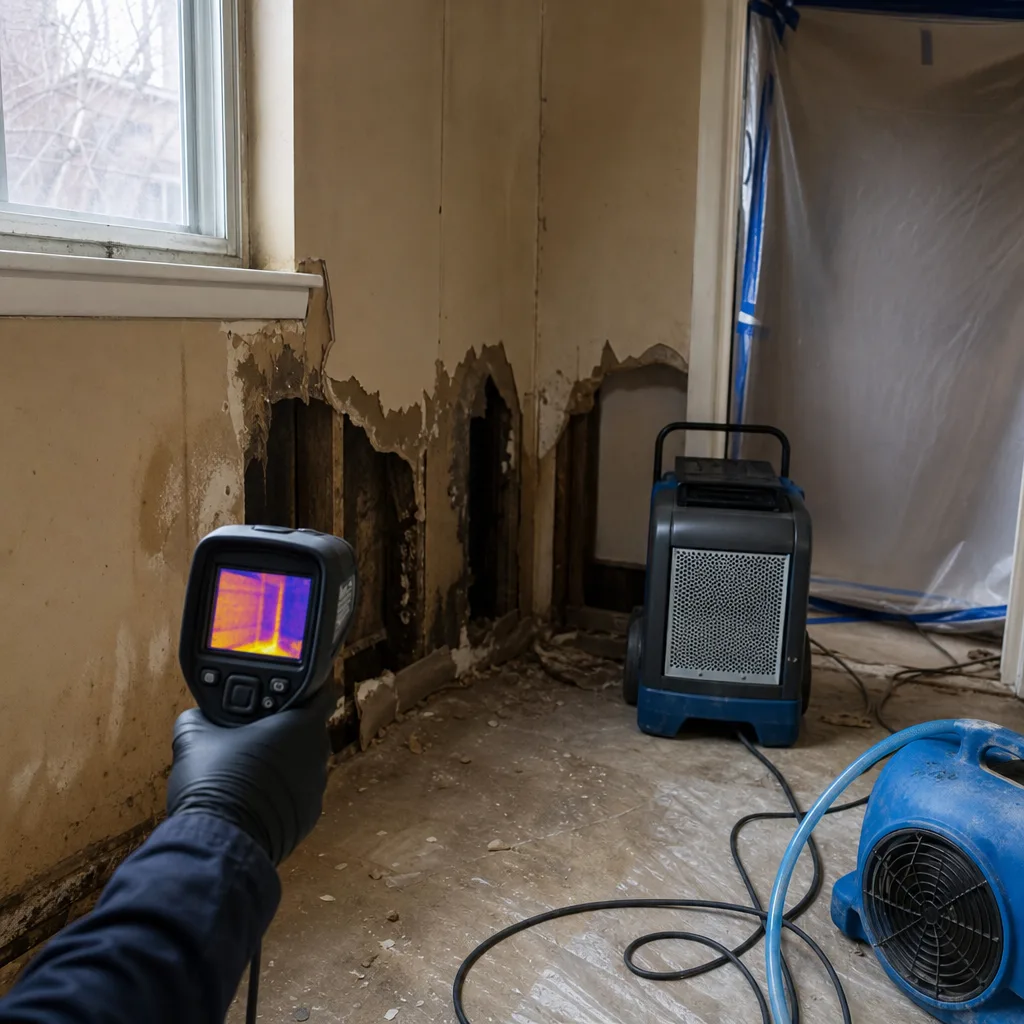 Before
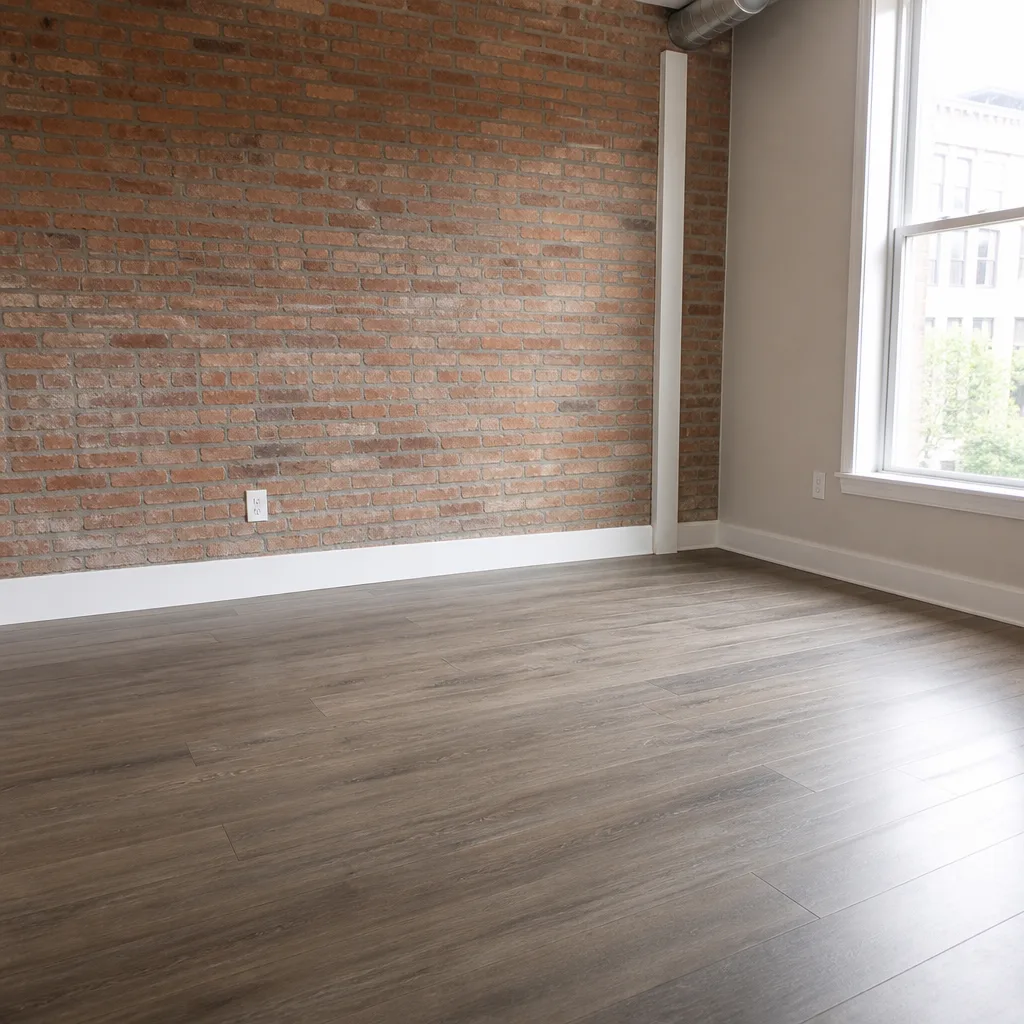 After
After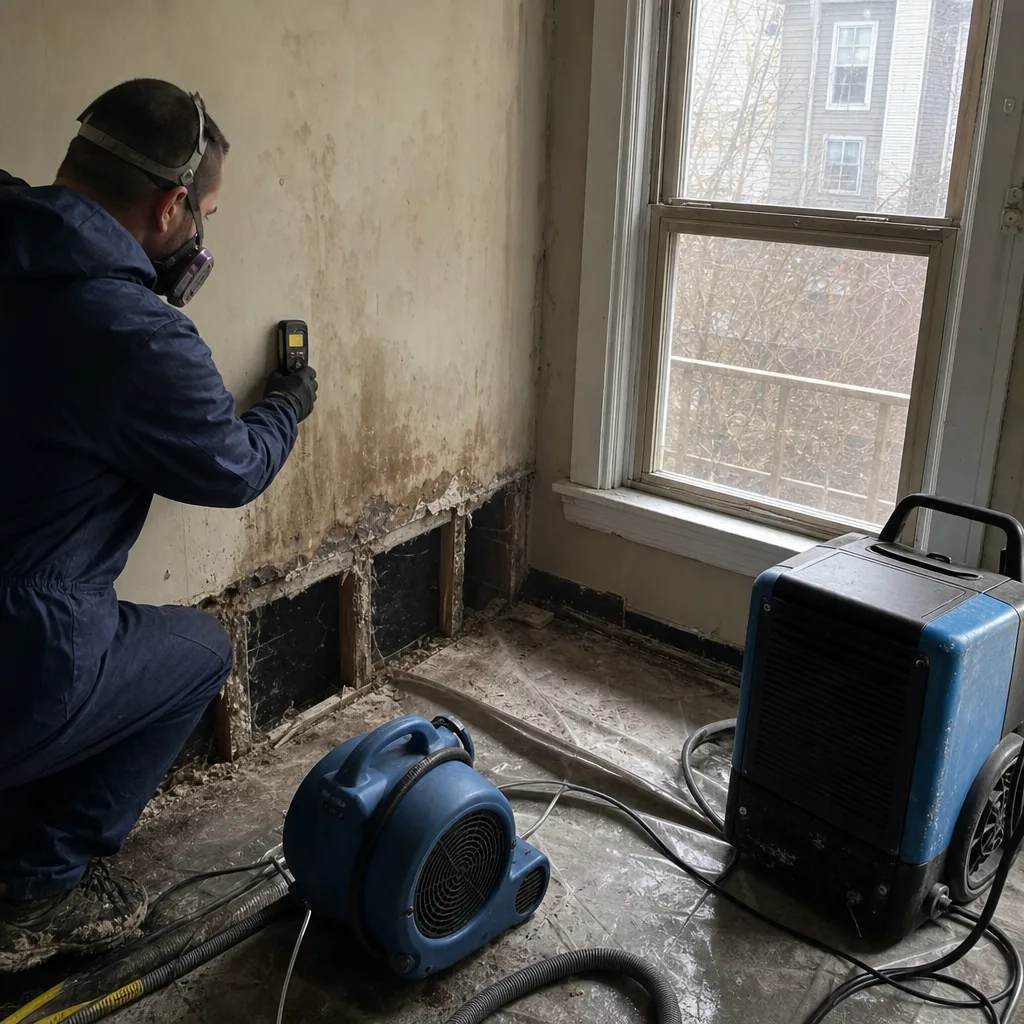 Before
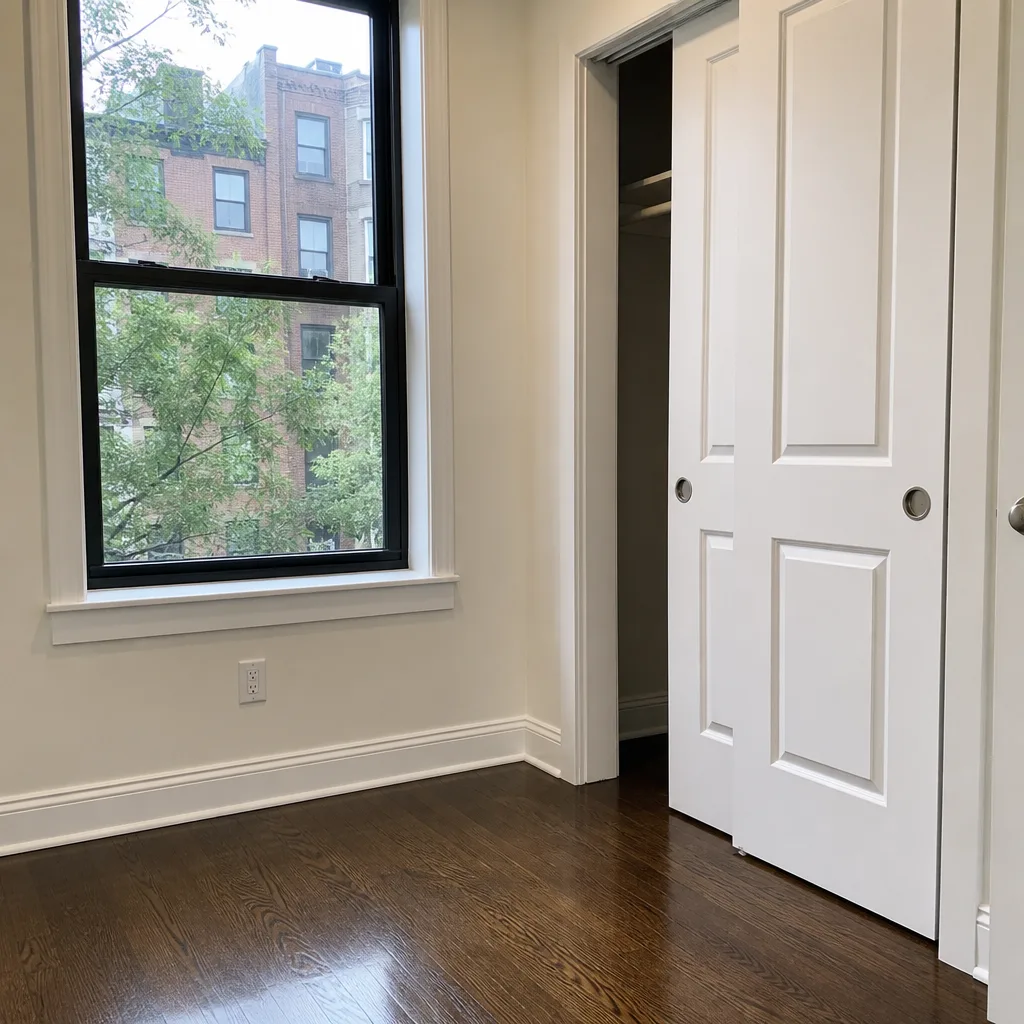 After
After24/7 Emergency Water Damage Restoration in Jersey City
Water damage in Jersey City moves fast, and so do we. A live dispatcher answers at (640) 500-3278 any hour, day or night, and a certified Floodline Restoration Co. crew is on the road to your neighborhood within the hour. The first sixty minutes determine whether a pipe break stays a clean extraction or becomes a wall-to-wall mold problem, especially in the pre-war brick rowhouses that make up so much of this city.
We run Water Damage Restoration crews across Jersey City around the clock, because the water doesn’t wait for business hours and neither should you. Our first visual assessment is free. Our response time is real. And when you call at 2 a.m. with a burst supply line in Journal Square or a flooded basement in the Heights, you’ll speak to a person who can dispatch a truck, not a recording that tells you to leave a message.
Understanding Water Damage Restoration Severity in Jersey City Properties
Not all water is created equal. Restoration professionals classify water by contamination level: Category 1 is clean water from a supply line or faucet, Category 2 carries significant contamination from washing machines or dishwasher discharge, and Category 3 is grossly unsanitary, often carrying sewage, bacteria, and pathogens. Jersey City’s combined sewer system, which moves stormwater and sewage through the same pipes in much of the pre-war grid, routinely pushes Category 3 water into basements during heavy rain and nor’easters. Treating that as a simple mop-up is a mistake that leaves dangerous contamination behind.
Moisture mapping matters just as much as extraction. In Jersey City’s attached brownstones and rowhouses, water doesn’t stay where it falls; it wicks through lime plaster and shared masonry walls, sometimes traveling ten or fifteen feet from the original source. We use thermal imaging cameras and hygrometers to trace that migration and find hidden moisture pockets behind finished walls before they feed mold. Structural drying isn’t just running fans; it’s reading the building’s materials, wall assemblies, and moisture equilibrium until the drying standard is met and verified.
Why Jersey City Property Owners Choose Floodline Restoration Co.
- 45-minute response commitment: When water is spreading, every minute counts. Our Jersey City crews are dispatched immediately and arrive quickly, with extraction equipment running on the first visit.
- A live person answers, 24/7: No automated phone trees, no “we’ll call you back.” A real dispatcher picks up at (640) 500-3278 every hour of every day.
- IICRC-certified technicians: Our crews hold WRT (Water Restoration Technician) and ASD (Applied Structural Drying) certifications, with additional training in FSRT for fire/smoke work when needed.
- Free visual inspection: We walk the property, assess the damage, and give you a written scope before work begins. No pressure, no overselling.
- Direct insurance billing: You don’t play messenger between us and your carrier. We document, we communicate, we bill directly.
- One team, start to finish: From first extraction to final rebuild, the same certified crew handles your job. No mid-project handoffs, no inherited strangers.
Our Water Damage Restoration Process
Inspection & Assessment
We start with a complete walkthrough and moisture mapping. Thermal imaging and hygrometers tell us where the water went, not just where it pooled. You get a written scope and a firm price before work starts.
Extraction & Stabilization
Professional-grade truck-mounted and portable extraction units pull standing water fast. We stabilize the affected areas to prevent further spread, including containment when water has breached shared party walls in attached rowhouses.
Drying & Dehumidification
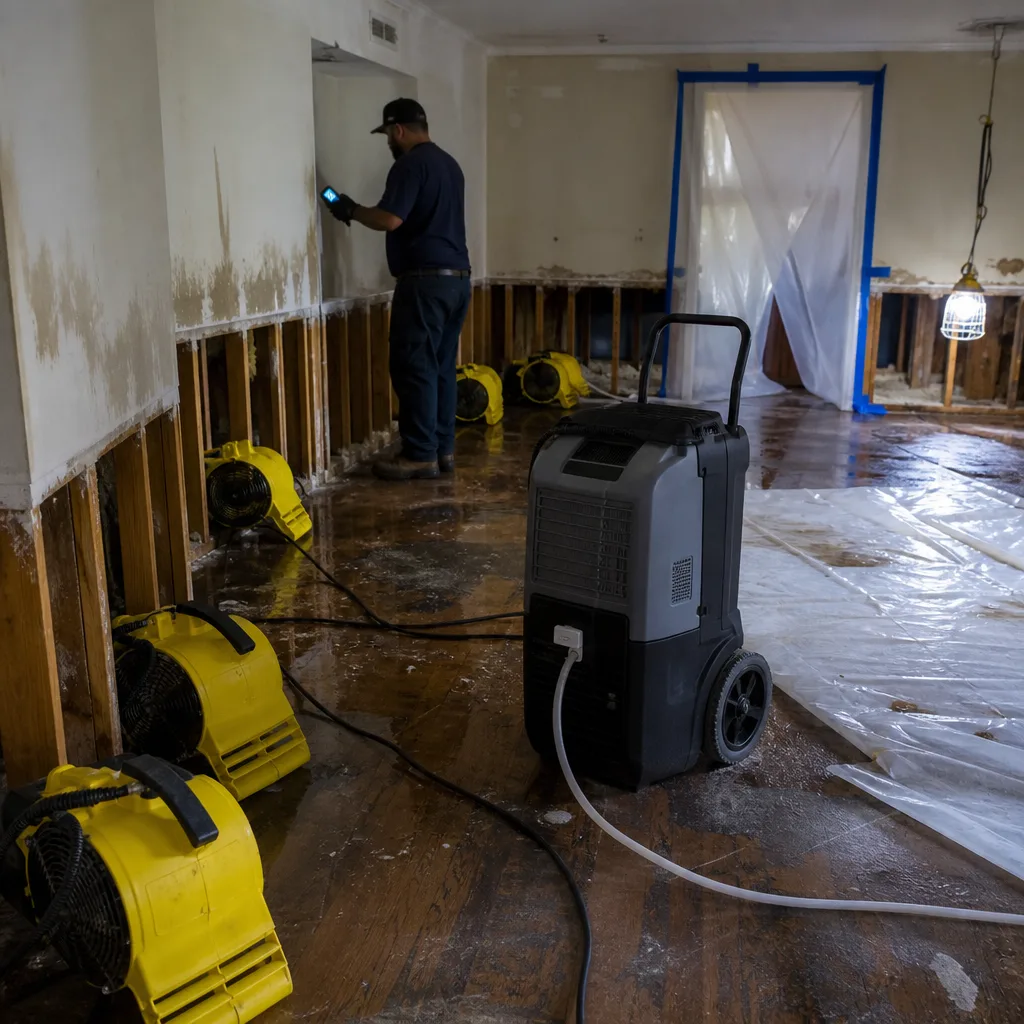
We position Dri-Eaz and Phoenix air movers and low-grain refrigerant dehumidifiers to create engineered airflow. In Jersey City’s lime plaster walls, this step is critical; plaster holds moisture deep and releases it slowly. Daily readings are logged until we hit the dry standard.
Cleaning & Sanitization
Affected surfaces are cleaned and treated with appropriate antimicrobials, especially when we’re dealing with Category 2 or Category 3 water from sewer surcharge events. We treat what’s hidden, not just what’s visible.
Specialty Treatment
Roof leaks and ceiling damage in pre-war brownstones often mean plaster repair and lime-mortar evaluation. Basement floods in low-lying blocks near Newark Bay may require drainage assessment. We address the root cause, not just the symptom.
Repairs & Restoration
When drying is verified, our own crews handle the rebuild: drywall, trim, flooring, paint. One team means one standard of quality from first extraction to final walkthrough, backed by our 90-Day Done Right Promise in writing.
Need Emergency Water Damage Restoration in Jersey City Now?
Crews minutes away, answering live 24 hours a day. The sooner we start, the less it costs.
Working With Your Insurance Company
Most Jersey City homeowners’ policies cover water damage, but the details matter: sudden and accidental discharge is typically covered, while gradual seepage and pre-existing mold are often excluded. We’ve handled thousands of claims and we know what adjusters look for. We document everything from the first hour, with photos, moisture readings, and a line-item scope written to insurance industry standards. Our team communicates directly with your carrier, so you’re not forwarding emails at midnight and playing telephone between parties. That’s our job.
What We Provide Your Insurer
- Thorough documentation of the loss
- Photos of all damage, room by room
- Moisture readings and drying logs
- A detailed, line-item scope of work
- Direct coordination with your carrier
Built for Jersey City’s Loss Calendar
Jersey City’s water damage calendar has a rhythm, and we’ve learned it over the years. January and February bring deep freezes that burst supply lines in unheated basements and along poorly insulated exterior walls in pre-war rowhouses. March and April bring spring thaw and the first heavy rains, when basement seepage rises in low-lying blocks near Newark Bay and the Hackensack River watershed. Summer thunderstorms dump inches in an hour, overwhelming combined sewers and flooding basements in the Heights and Greenville with Category 3 water. Autumn nor’easters put the entire waterfront on edge, from downtown high-rises in the 07302 ZIP to attached homes in Bergen-Lafayette.
The common thread: Jersey City’s housing stock is old, dense, and built before modern waterproofing existed. Cast-iron supply lines reach the end of their service life. Roof flashing fails on flat-roofed rowhouses. Party walls carry water between units. We see the same loss patterns year after year, and we’ve built our response around them.
Water Damage Restoration Across Jersey City’s Neighborhoods
Downtown and the 07302 waterfront corridor present a different challenge than the neighborhoods further inland. High-rise towers with centralized HVAC and complex mechanical chases need large-loss protocols when a pipe breaks on an upper floor; water follows the chases down through multiple units and common areas before anyone notices. We coordinate with building management in these towers, which its own layer of access and documentation requirements.
Journal Square and Bergen-Lafayette are rowhouse country. In a brick rowhouse on a Bergen-Lafayette side street, a second-floor supply line let go while the owner was at work, sending Category 1 water down through two floors and into the shared party wall. Our crew arrived to find water already wicking into the attached unit next door, so we set up containment and ran moisture mapping with thermal imaging to trace migration through the lime plaster; then coordinated access with the neighbor’s landlord to dry both units, running air movers and dehumidifiers until moisture readings returned to pre-loss condition. That’s the Jersey City difference: the job is rarely confined to one address.
The Heights brings older housing stock on sloping blocks, where basement flooding from sewer surcharge is the constant threat. Greenville and the areas near Newark Bay sit atop a persistently high water table, so below-grade moisture intrusion is a near-year-round issue. Each neighborhood has its own loss profile, and we’ve worked them all long enough to know what we’re walking into before we open the door.
Specialized Water Damage Restoration Services We Offer in Jersey City
Emergency Water Extraction
Standing water in a Jersey City basement or rowhouse floor needs to go now, not in a few hours. Our extraction crews arrive with professional-grade truck-mounted units that pull hundreds of gallons per minute. For the tight alley-load access common behind pre-war rowhouses, we carry portable extraction rigs that fit where larger equipment can’t.
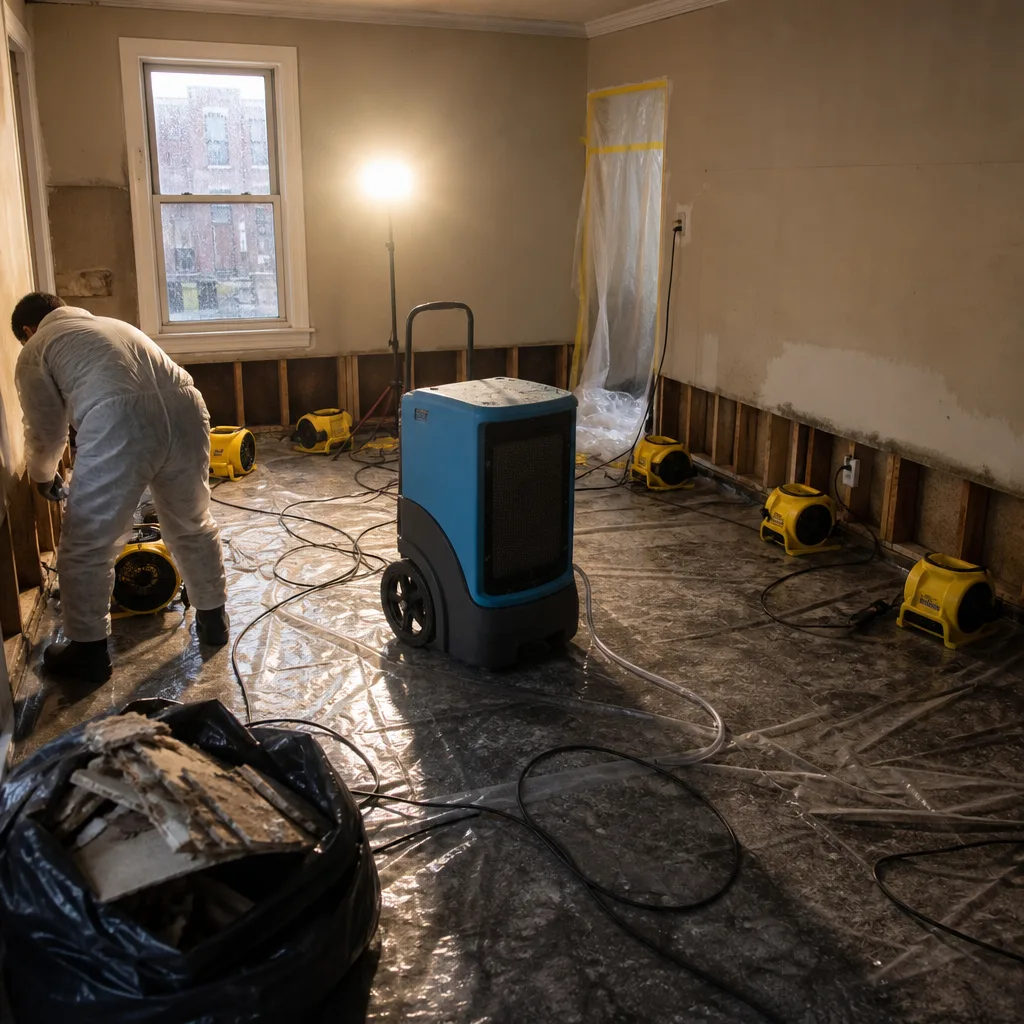
Structural Drying & Dehumidification
In Jersey City’s lime plaster walls and brick masonry, drying takes longer than in modern drywall construction. We run Dri-Eaz and Phoenix dehumidifiers with engineered airflow patterns, taking daily moisture readings and logging them for your insurer. The dry standard isn’t a guess; it’s a measured number we document in writing.
Flood Cleanup
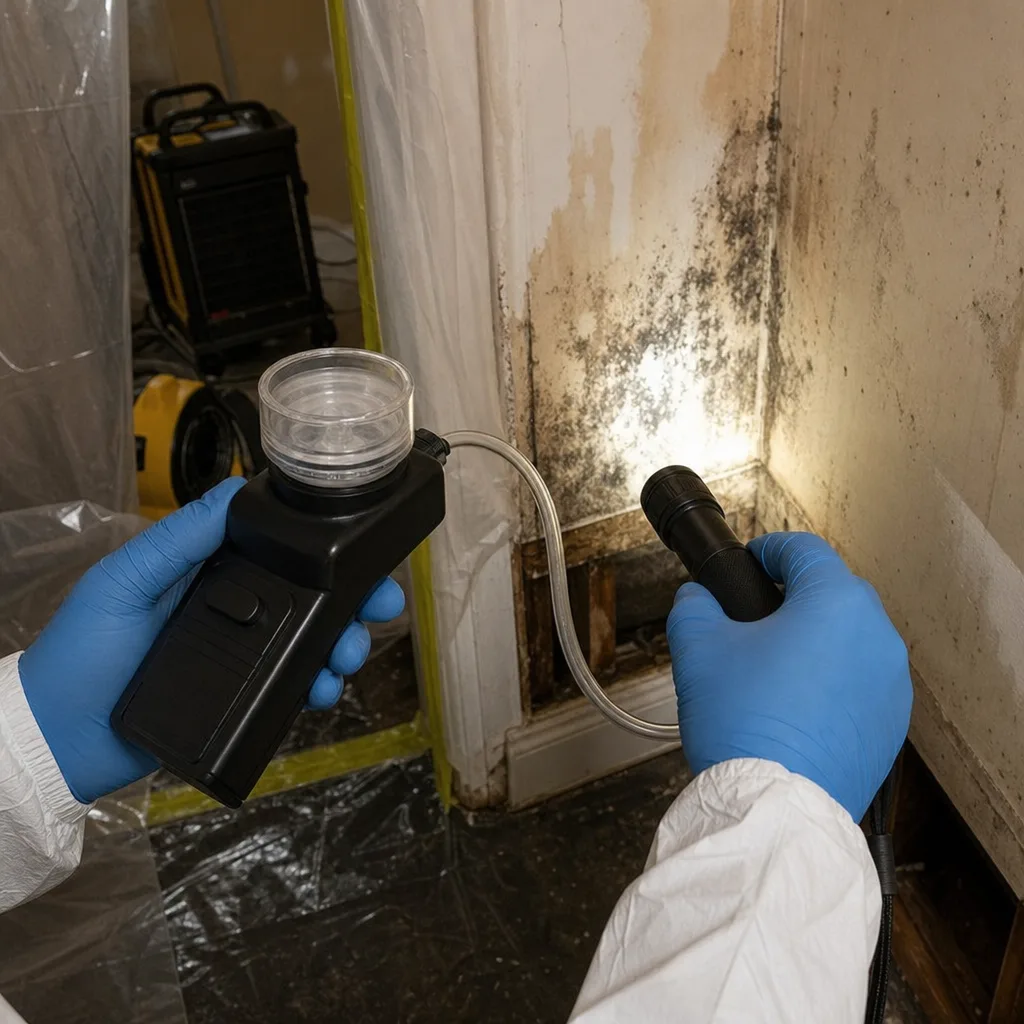
Flooding from nor’easters, storm surge, or combined sewer backup brings Category 3 water with sewage and pathogens. This isn’t a cleaning job; it’s a biohazard remediation. We contain the affected area, remove contaminated materials, sanitize surfaces, and verify with clearance readings. The 90-Day Done Right Promise applies here like everywhere else: if it’s not done right, we make it right.
What happens when you call
- 1
A real person answersNo phone trees - you reach a local pro.
- 2
You get an upfront price rangeHonest numbers before anyone is dispatched.
- 3
A background-checked tech heads outLicensed & insured, dispatched right away.
- 4
You approve before work beginsNothing starts until you say go.
Water Damage Restoration Costs in Jersey City, NJ
Jersey City water damage restoration pricing reflects the density and construction type of the housing stock. Here’s what you can expect:
- Emergency water extraction for a single room: $1,200-$2,400
- Full basement extraction and drying (600-1,000 sq ft): $3,500-$6,500
- Burst pipe restoration with drywall removal and rebuild: $4,000-$9,000 depending on extent
- Category 3 sewage backup cleanup: $5,000-$12,000 including containment and sanitization
- Party wall moisture migration in attached rowhouses: $2,000-$5,000 beyond the primary unit’s scope
The variables: how far water migrated through shared walls, whether Category 3 contamination is present, and how much plaster or flooring needs removal. Your free visual inspection gives you a firm written scope before any work starts. Call (640) 500-3278 and we’ll walk the property with you.
We Also Serve Cities Near Jersey City
Our crews cover the surrounding Hudson County waterfront and nearby communities: Hoboken, Secaucus, Union City, and Weehawken. If you’re in one of these towns and dealing with water damage, the same 24/7 live dispatch at (640) 500-3278 applies.
Jersey City Water Damage Restoration Questions, Answered
How do you handle water damage when the water has migrated through a shared party wall into my neighbor’s rowhouse?
This is the defining challenge of water damage in Jersey City’s attached rowhouses, and it’s one we handle regularly. We start with containment on both sides of the party wall to halt active migration, then run thermal imaging and moisture mapping to trace how far water has traveled through the shared masonry. We coordinate directly with the neighbor’s landlord and their insurer to gain access and align scopes. Both units are dried together, because drying one side while the other feeds moisture back through the wall is a losing game. Call (640) 500-3278 and we’ll manage the coordination.
What does Category 3 water mean for basement flooding in Jersey City’s combined sewer neighborhoods?
Category 3 water is grossly contaminated, carrying sewage, bacteria, viruses, and other pathogens. In Jersey City’s combined sewer system, heavy rain and nor’easters push raw sewage and stormwater through the same pipes, surcharging into basements across the Heights, Greenville, and other pre-war neighborhoods. This requires full biohazard protocols: containment, removal of porous materials like carpet and drywall that absorbed contaminated water, sanitization of structural surfaces, and clearance verification. Cleaning alone is not enough. Call (640) 500-3278 and we’ll explain exactly what your situation requires.
Can you dry out a pre-war brownstone without tearing out all the original lime plaster?
Often, yes, but it depends on how long the water sat and how deeply it migrated. Lime plaster is thick and slow to release moisture, but it can frequently be dried in place with engineered airflow, dehumidification, and patience, if we reach it before it starts to break down or mold. We will always try to preserve original materials where safety and drying standards allow. When plaster has delaminated or absorbed Category 3 water, removal is the right call. Your inspection gives us the information to make that call honestly. Call (640) 500-3278 for a free assessment.
How fast can you get a crew to a high-rise in the 07302 waterfront area when a pipe breaks on an upper floor?
Our response commitment is 45 minutes to dispatch anywhere in Jersey City, including the 07302 waterfront corridor. High-rise jobs require coordination with building management and freight elevator scheduling, which we initiate while the crew is en route. The extraction equipment rides up with us on the first visit. For upper-floor breaks, the priority is stopping water migration down through mechanical chases and common areas, which we address with containment at the source. Call (640) 500-3278 and a live dispatcher will start the process now.
What should I do if my basement floods during a nor’easter and the sewers back up?
First, do not enter the standing water if the sewer has backed up. Category 3 water is dangerous. Call (640) 500-3278 immediately, and keep children and pets away from the affected area. If safe to do so without entering the water, shut off electricity to the basement at the breaker. We’ll arrive with proper containment, pumps, and sanitization protocols. The faster we extract and begin drying, the less material gets removed. We will also document the Category 3 contamination for your insurance claim.
Will my homeowners insurance cover water damage restoration in Jersey City?
Most policies cover sudden and accidental water damage, including burst pipes, supply line failures, and roof leaks. Gradual seepage or pre-existing mold is commonly excluded. Flooding from storm surge or sewer backup may require separate riders or be handled through FEMA programs in Special Flood Hazard Areas like the downtown waterfront. We do not play lawyer with your policy, but we document everything and coordinate directly with your adjuster so your claim is handled correctly from day one.
How long does structural drying take in a Jersey City rowhouse?
In lime plaster and solid brick construction, drying typically takes three to seven days, sometimes longer when water has migrated through party walls into adjacent units. We take daily moisture readings and do not pull equipment until the dry standard is met and documented. Rushing this step means hidden moisture continues feeding mold and wicking back through masonry. Our drying logs are provided to you and your insurer as part of the job.
Do I need to leave my home during water damage restoration in Jersey City?
For clean Category 1 water that’s caught early, you can often stay in the home while we work around the affected areas. For Category 3 sewage contamination, or when mold has already begun forming, we may recommend temporary relocation until containment and sanitization are complete. We will tell you straight what the situation requires, and we can advise on how your policy may cover additional living expenses. Call (640) 500-3278 for a free assessment and a straight answer.
Serving Jersey City, NJ - Our Local Coverage Area
We’re based in the Jersey City area and know this community well. Use the map below to see our service coverage - if you’re nearby, we can almost certainly help.
Jersey City’s Attached Rowhouses Need a Restoration Crew That Understands Party Walls
Jersey City’s position on the Hudson River tidal waterfront puts large sections of the 07302 downtown corridor and surrounding low-lying blocks within FEMA Special Flood Hazard (AE) zones, a vulnerability made catastrophic during Superstorm Sandy when storm surge inundated ground floors and basements across the waterfront and Greenville areas. Inland, the city’s dense pre-war attached brick brownstones and rowhouses share unreinforced party walls through which water and mold migrate silently across multiple separately-owned units. That routinely turns a single-unit loss into a multi-party, multi-insurance-claim restoration scope unlike anything seen in the single-family suburbs a few miles west.
This is the truth about water damage in Jersey City: a burst pipe in one unit almost always becomes a problem for two or three neighboring properties. Add the combined sewer surcharge issues in older neighborhoods, the high water table near Newark Bay, and the dense pre-1940 housing stock built with lime plaster and no vapor barriers, and you have a restoration environment that demands local knowledge. We are Water Damage Restoration in Jersey City specialists because we’ve spent years learning exactly how these buildings fail and how to dry them properly. Done right, and backed in writing.
Call (640) 500-3278 any hour. A live person answers. We’ll be there when we say.
Written by Curt Bowman, Owner of Floodline Restoration Co., serving Jersey City and surrounding Hudson County communities.