

Free visual inspection and a written scope of work before any mitigation begins - photos, moisture readings, and drying logs go in your claim file
The scope we write is the scope we bill. Anything new gets shown to you, in writing, before we touch it.
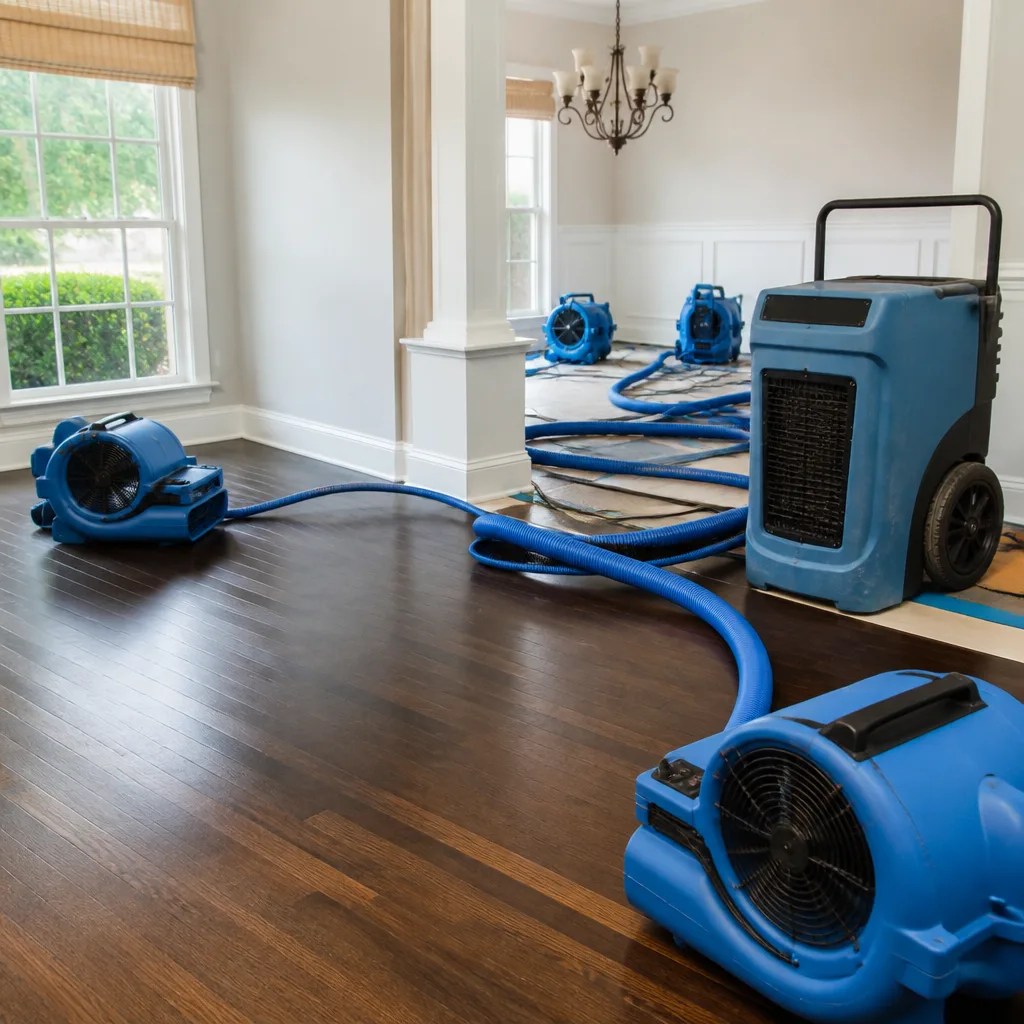
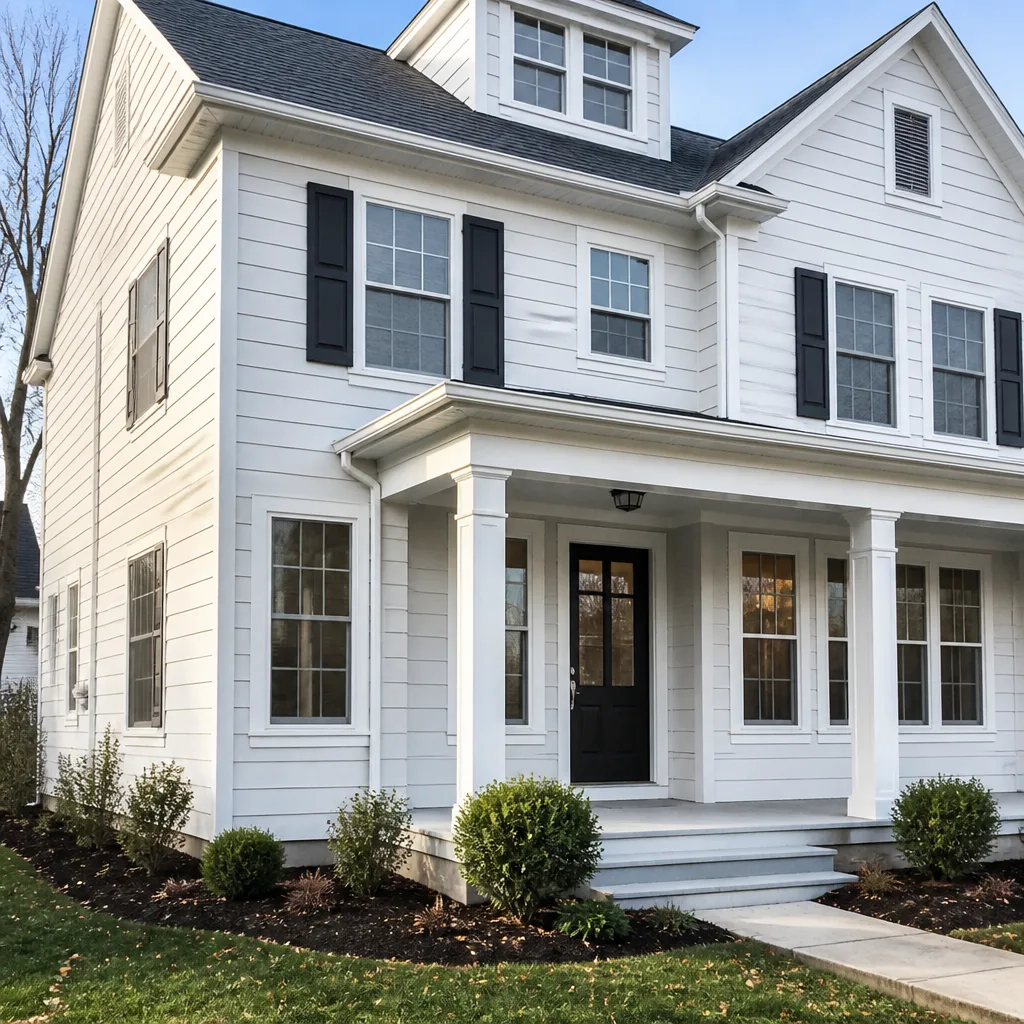
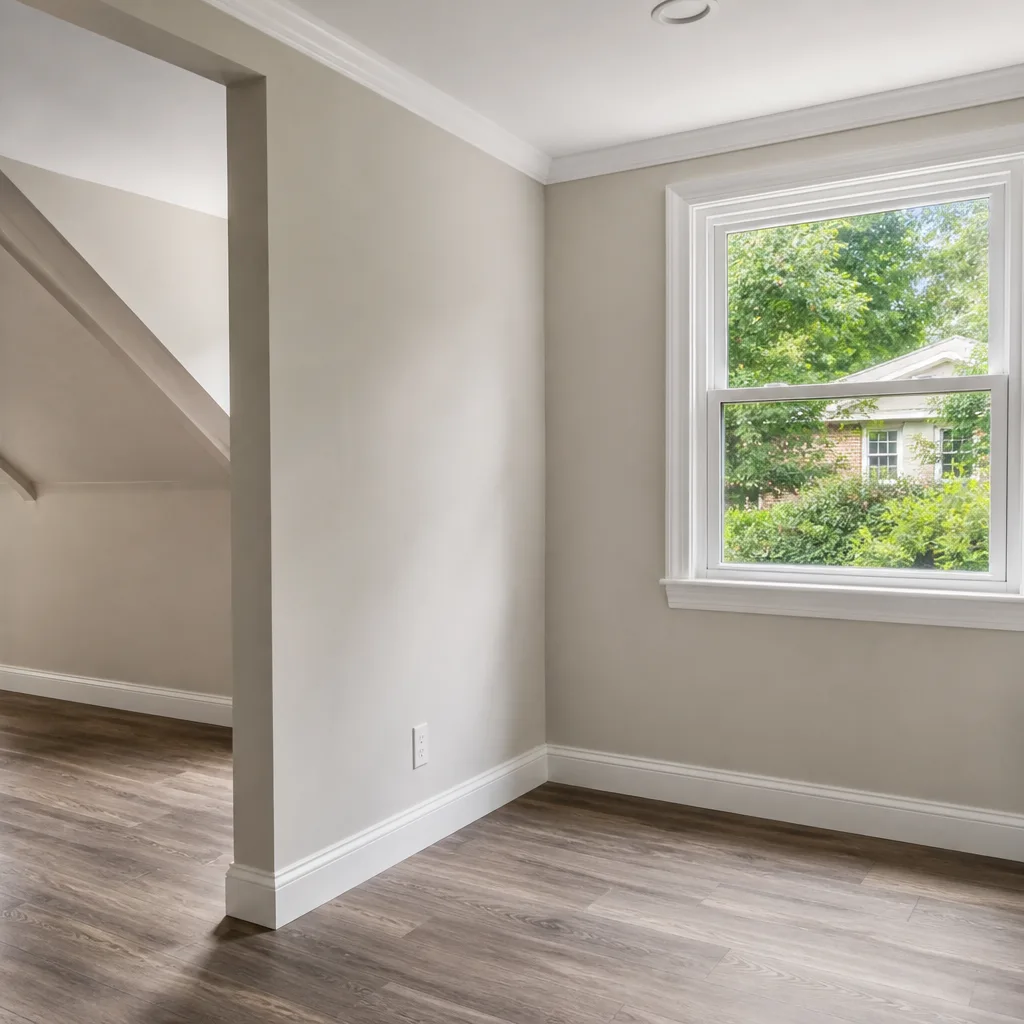
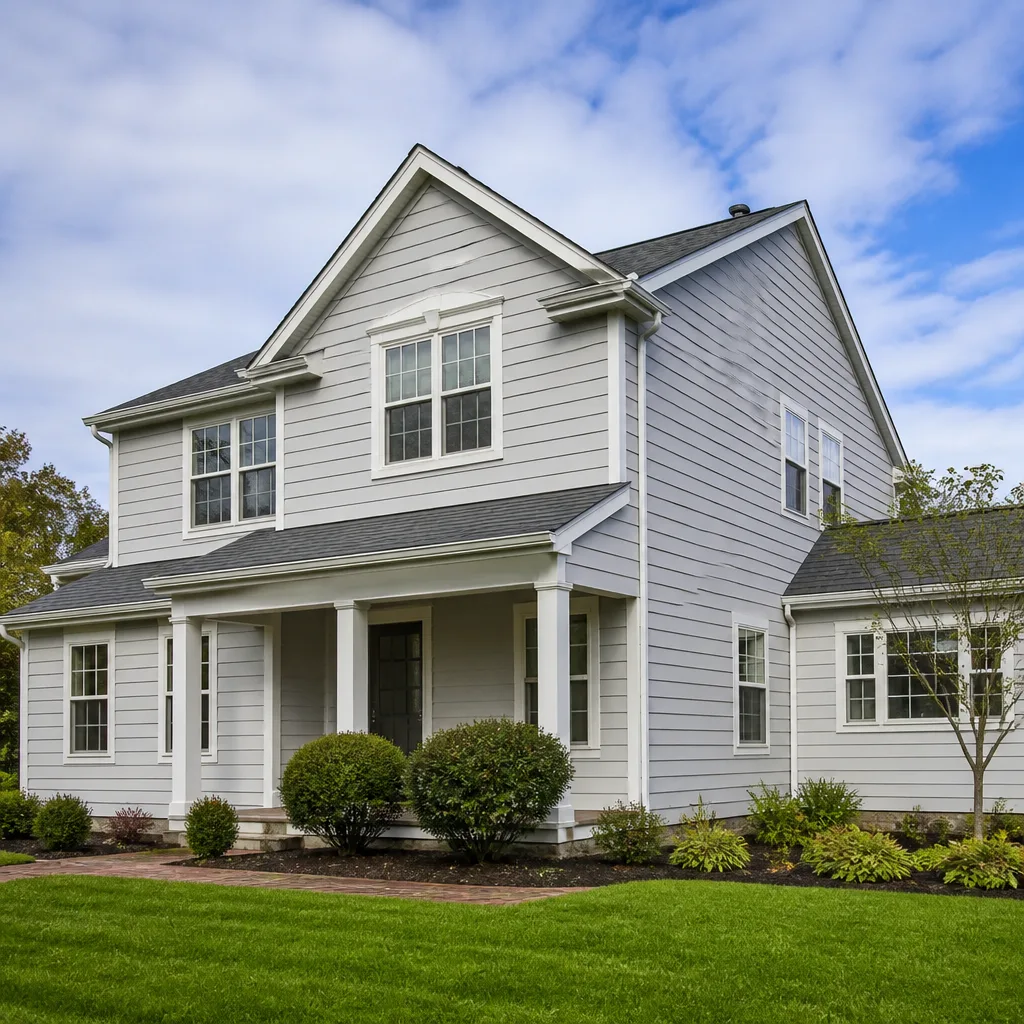
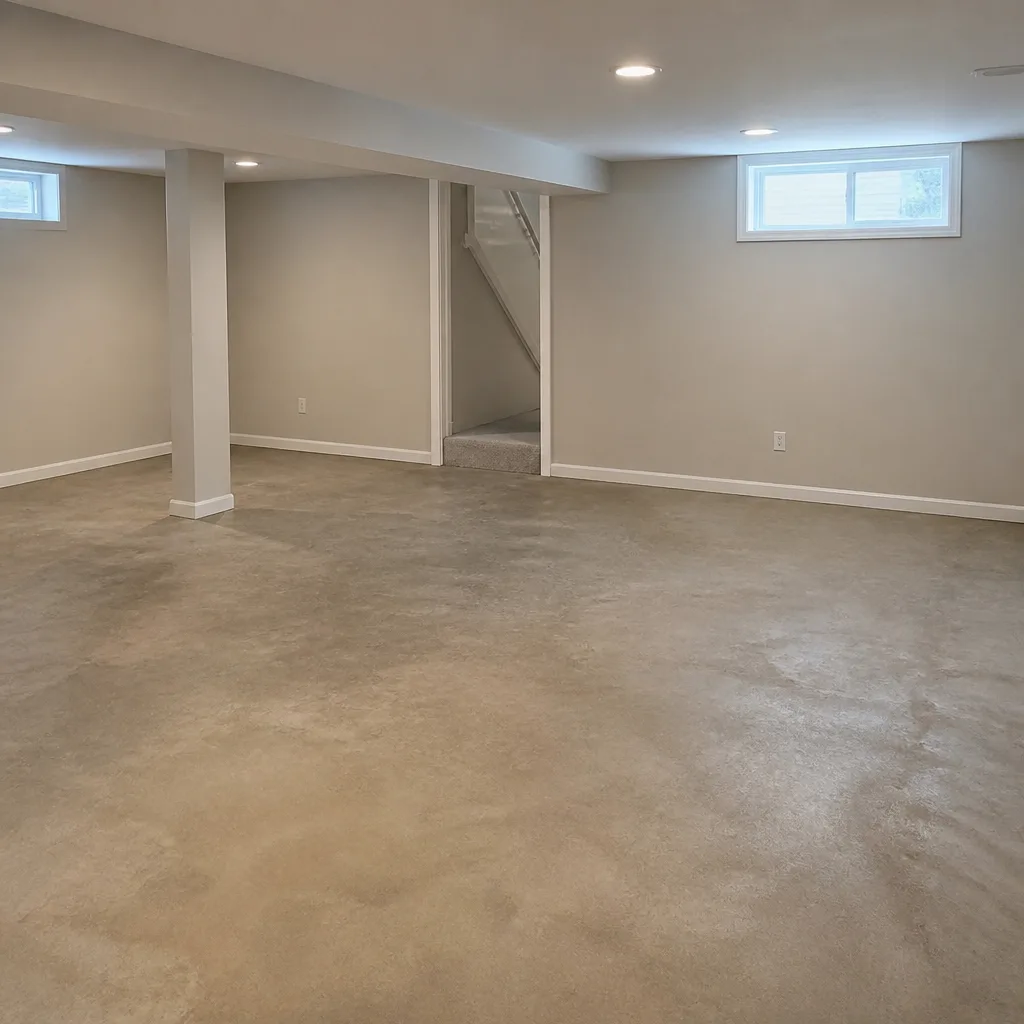

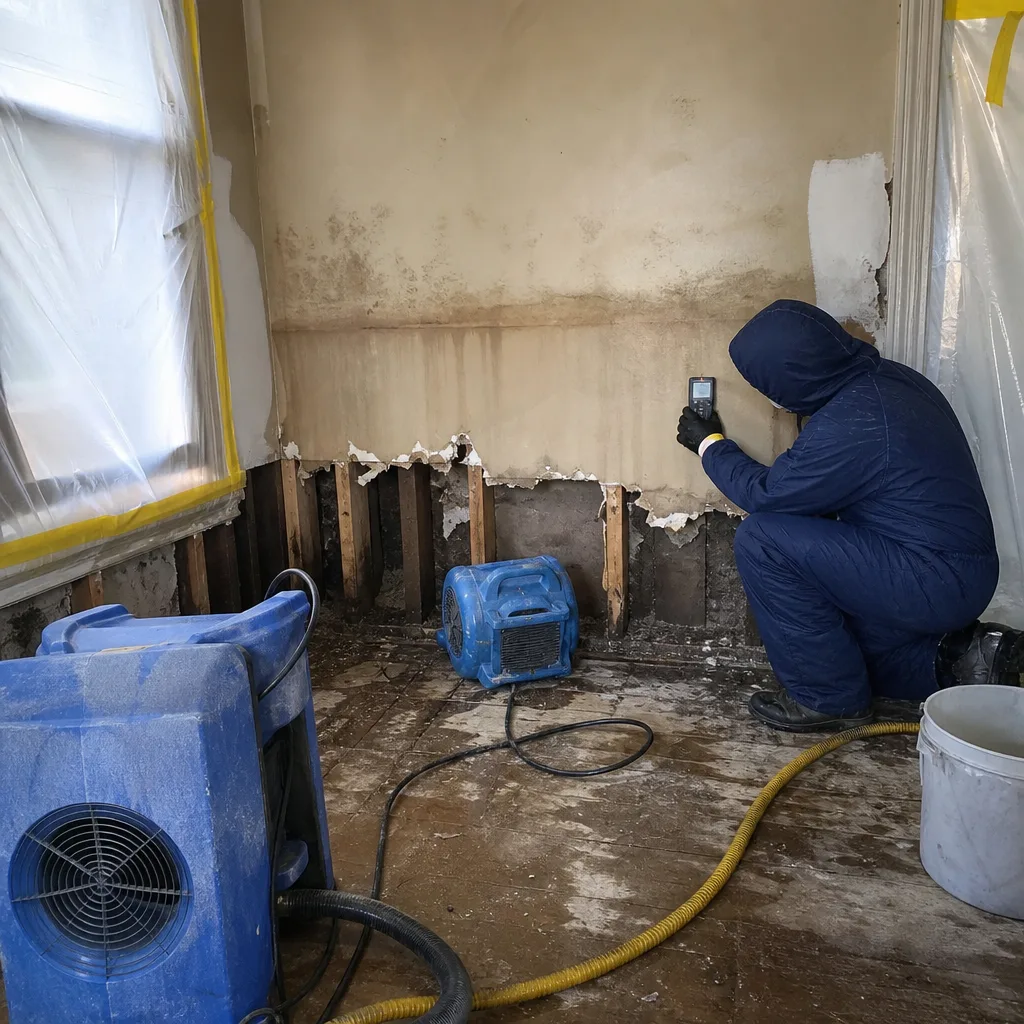 Before
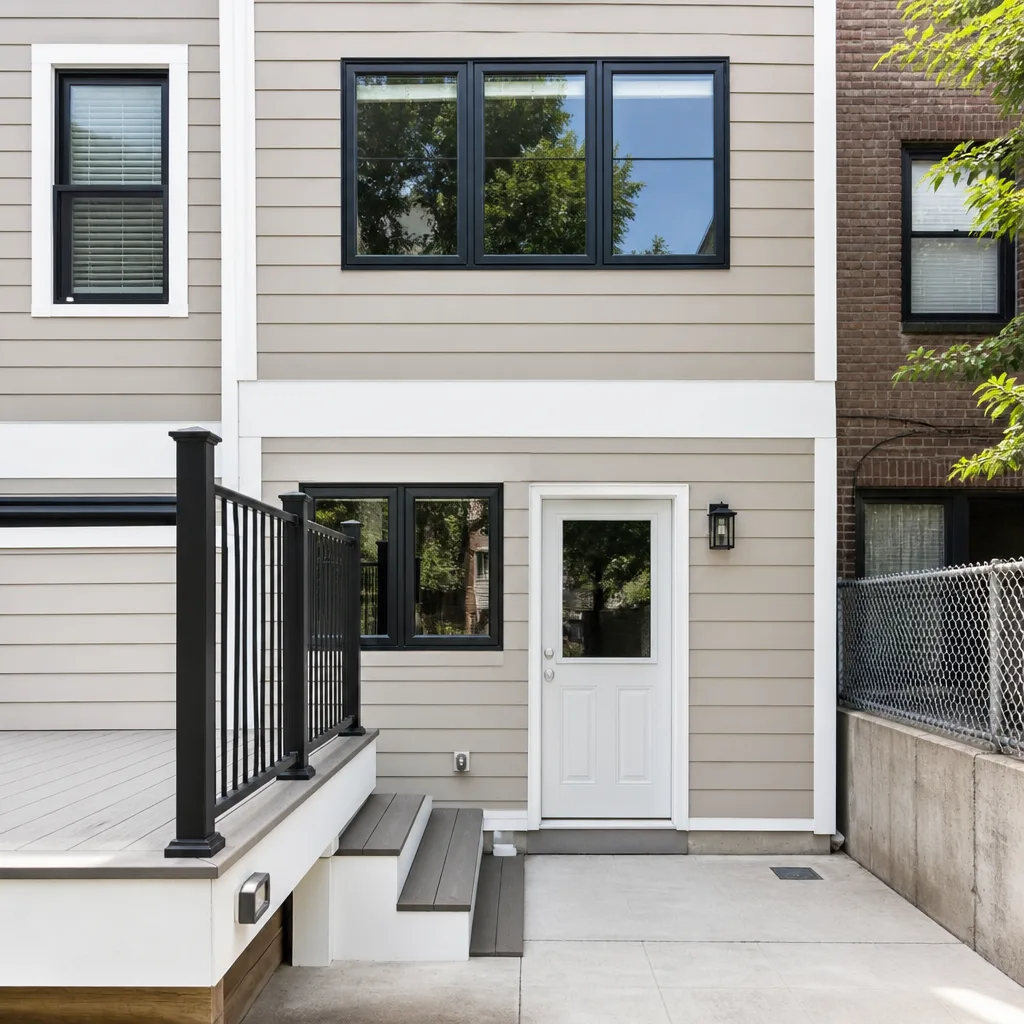 After
After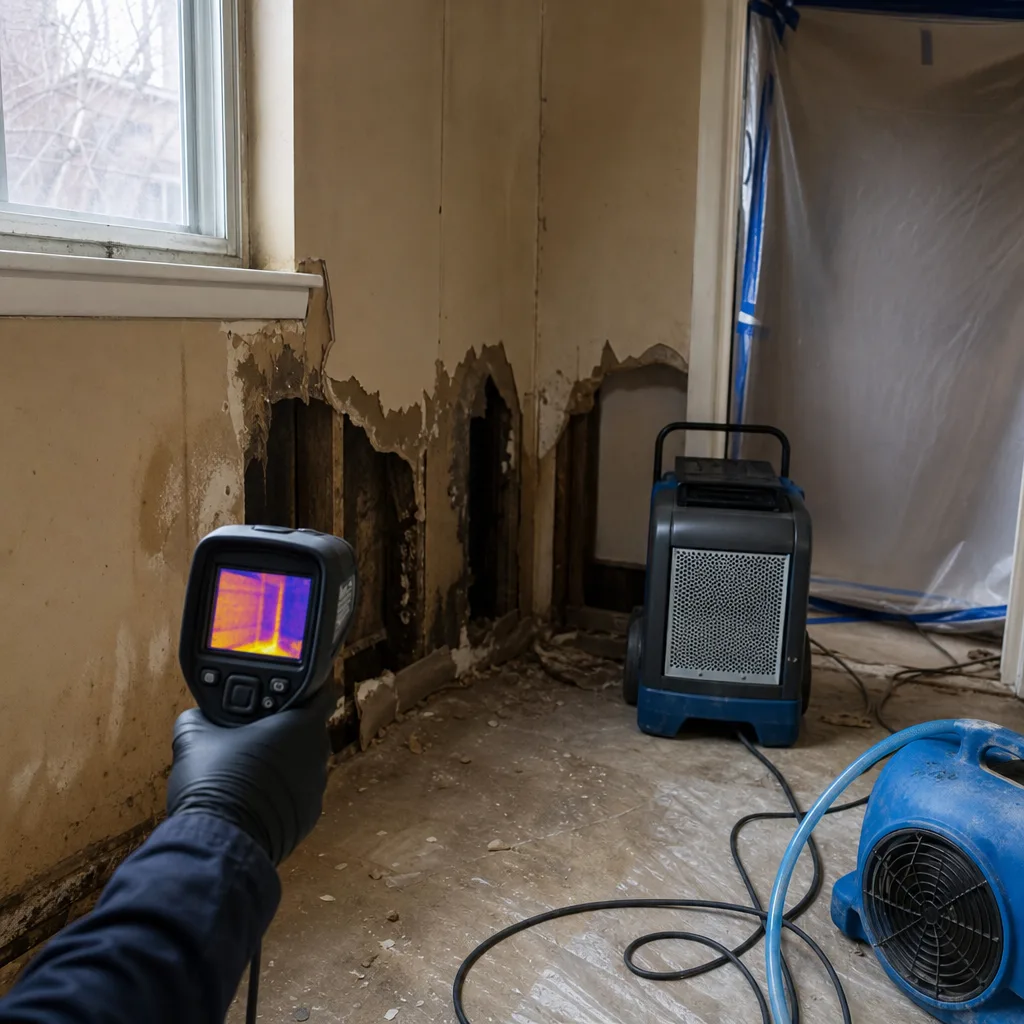 Before
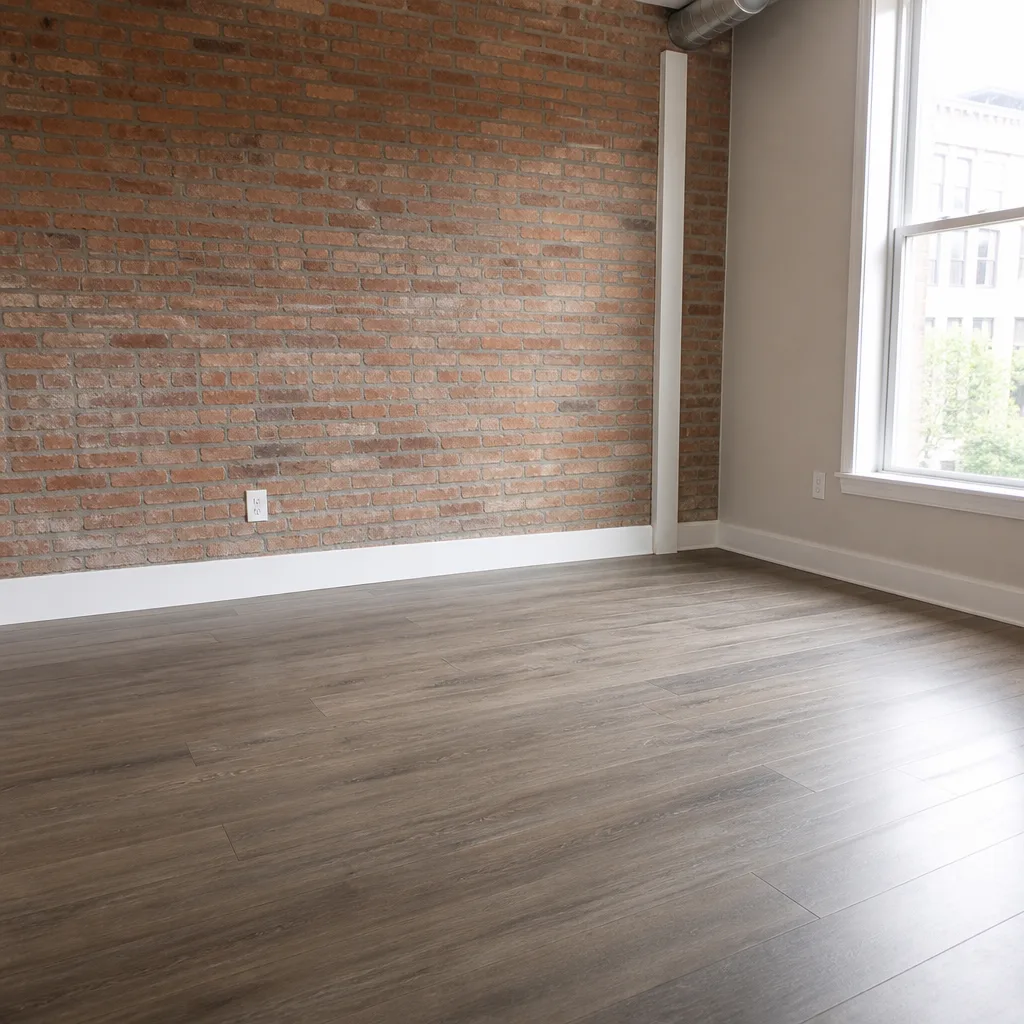 After
After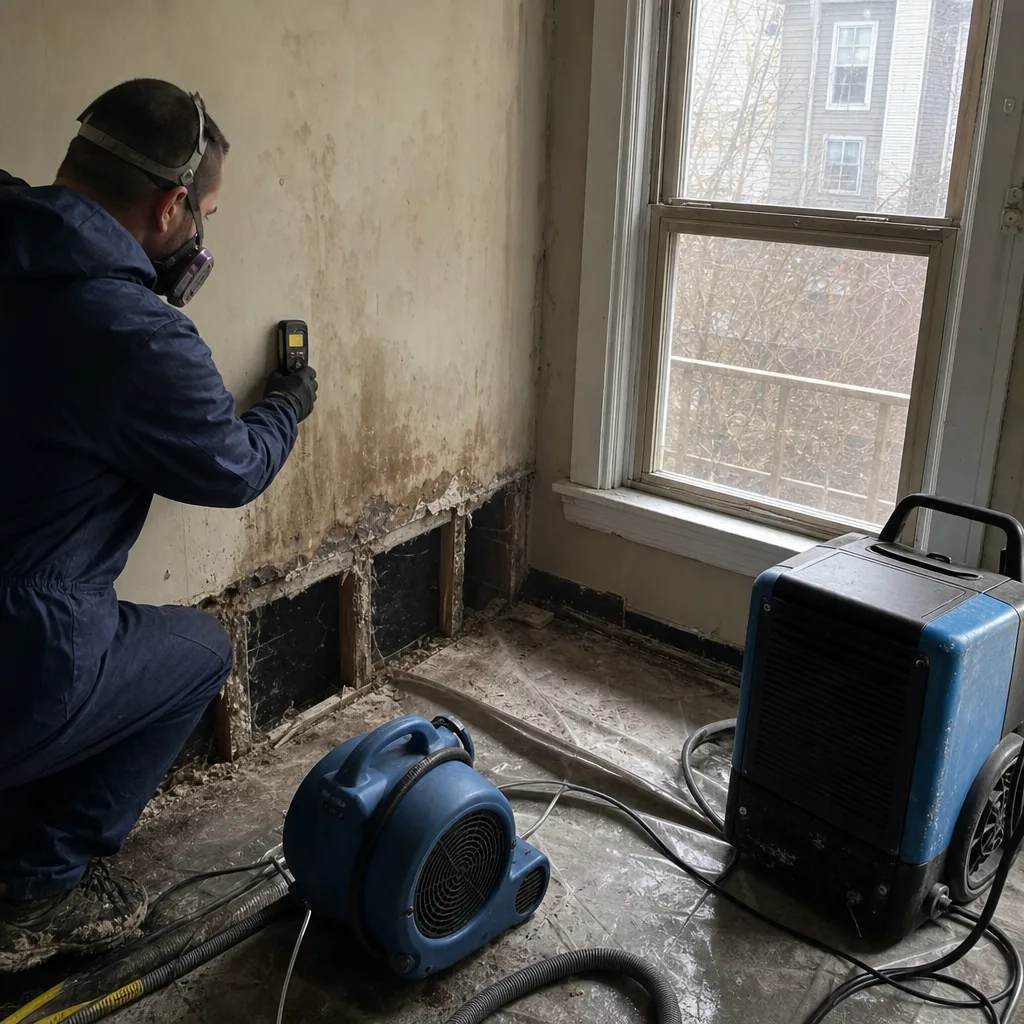 Before
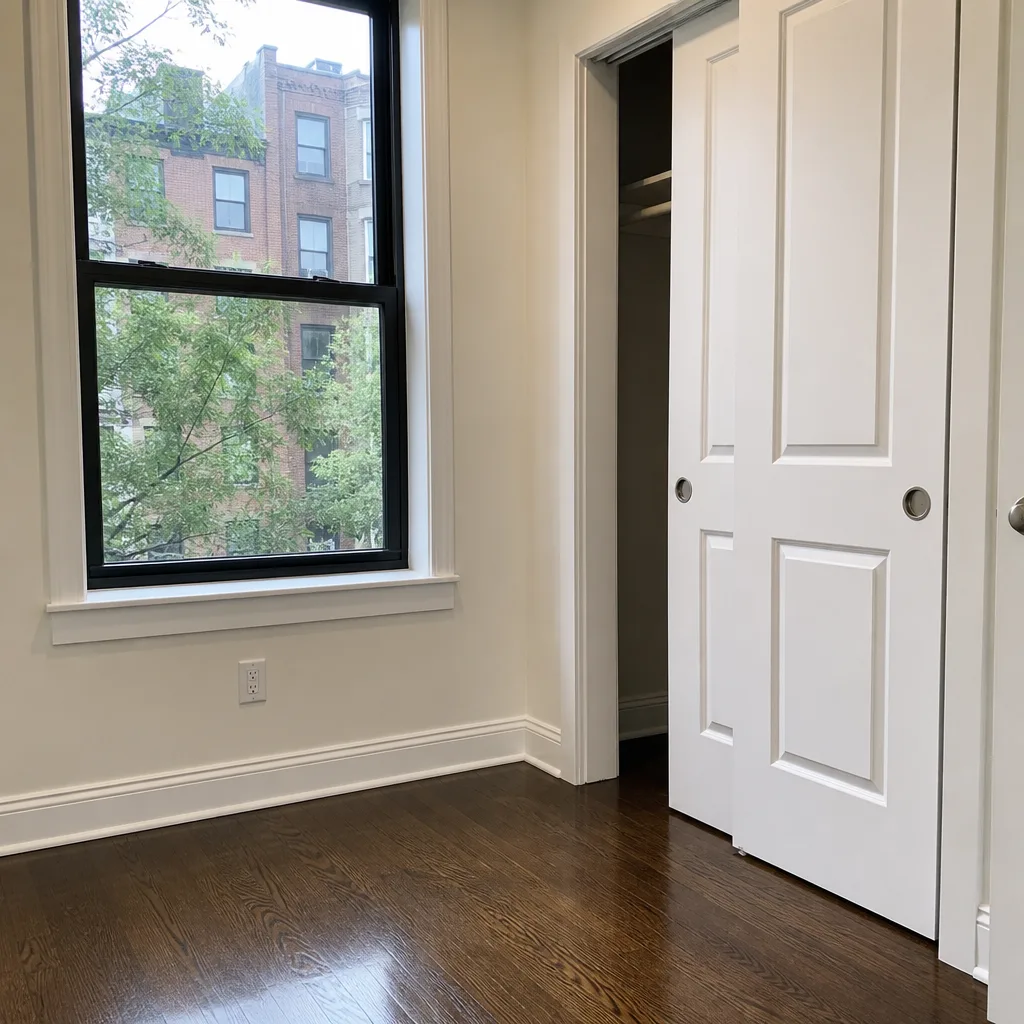 After
After24/7 Emergency Storm & Disaster Restoration in Jersey City
When a nor’easter slams the Hudson waterfront or a summer thunderstorm overwhelms the combined sewers near Journal Square, Jersey City homeowners need a crew that answers the phone and moves fast. Storm damage doesn’t wait for business hours, and neither do we. Our Storm & Disaster Restoration teams are dispatched from our New York City office into every Jersey City neighborhood, 24 hours a day, with live dispatchers who answer on the second ring at 2 a.m., not a voicemail tree. The first hour after water enters a pre-war rowhouse is when the real cost gets decided: how far the moisture wicks into lime-plaster party walls, whether Category 3 sewage water sits long enough to require full biohazard protocol, and how many units end up involved. Call (640) 500-3278 now for a free visual inspection and an honest scope of work, before the damage spreads to the neighbor’s side of the wall.
Understanding Storm & Disaster Restoration Severity in Jersey City Properties
Not all storm water is equal, and Jersey City’s building stock makes the severity question more pressing than in the suburbs. Category 1 water from a clean supply line is one thing. Category 2 water with detergents or biological contaminants is another. But when the city’s combined sewer system surcharges during a heavy rain event, the water pushing up through basement floor drains and sumps across Bergen-Lafayette and Greenville is Category 3: sewage-contaminated, pathogen-bearing, and legally a biohazard. That makes it a job for Biohazard & Crime Scene Cleanup in Jersey City. That distinction changes everything about the restoration scope. On top of that, Jersey City’s dominant housing stock is pre-1940 attached brick rowhouses and Italianate brownstones built with lime plaster walls, no vapor barriers, and cast-iron supply lines. Lime plaster wicks water vertically and horizontally through shared party walls in ways gypsum board never does. Moisture mapping in these buildings requires thermal imaging baselines calibrated for thick masonry, because a suburban “dry” reading on a brick wall routinely misses water trapped two inches deep behind the plaster. The older the building, the more aggressive the drying plan needs to be.
Why Jersey City Property Owners Choose Floodline Restoration Co.
Floodline Restoration Co. was founded in 2010 by Curt Bowman, built around a dispatch board rather than a sales desk. Since then, we’ve handled every phase of storm restoration in Jersey City, from first extraction to finished rebuild, without handing the job off to a subcontractor you’ve never met. We stand behind our work in writing with the 90-Day Done Right Promise, the Keystone Standard, no arguing. And our crews are trained to IICRC, RIA, and IFA standards. Here’s what that means on the ground in Jersey City:
- 45-minute response commitment for emergency calls in Jersey City ZIP codes 07097, 07302, and 07303. A certified crew reaches the job the same visit, not the next day.
- A live person answers, 24/7. Our dispatchers pick up at any hour. You will never get a recording when water is coming through the basement ceiling.
- IICRC-certified crews with WRT, FSRT, and AMRT certifications on the truck. Background-checked, uniformed technicians who know how to read moisture in pre-war masonry.
- Free visual inspection with moisture mapping before any work is authorized. We tell you what’s actually wrong, in writing, with a line-item scope.
- Direct insurance billing. We document the loss, file the claim paperwork, and communicate with your adjuster directly. You don’t play messenger.
- One team from extraction to reconstruction. The same crew that sets up drying on day one handles the rebuild, so nothing gets lost between handoffs.
Our Storm & Disaster Restoration Process
Storm damage moves fast in Jersey City’s attached housing stock. What looks like a single-unit basement flood off Bergen Avenue routinely turns into a multi-party restoration involving two or three neighbors, multiple insurers, and shared party walls. After 42 years serving local communities, our process is built to handle exactly that. No wasted time, no borrowed crews, no gaps between extraction and rebuild.
Inspection & Assessment
We arrive within 45 minutes of your call, run thermal imaging calibrated for thick masonry, and map moisture throughout the affected unit and the adjoining party walls. You get a written scope before any demolition begins.
Extraction & Stabilization
We remove standing water using truck-mounted extraction units and submersible pumps rated for Category 3 conditions when sewage is present. Emergency board-up and roof tarping happen in this same window, securing the property against further loss.
Drying & Dehumidification
Professional-grade Phoenix, XPOWER, and Dri-Eaz air movers and LGR dehumidifiers go in the same day. Daily moisture readings are logged in writing until the dry standard is met, and those logs go to you and your carrier.
Cleaning & Sanitization
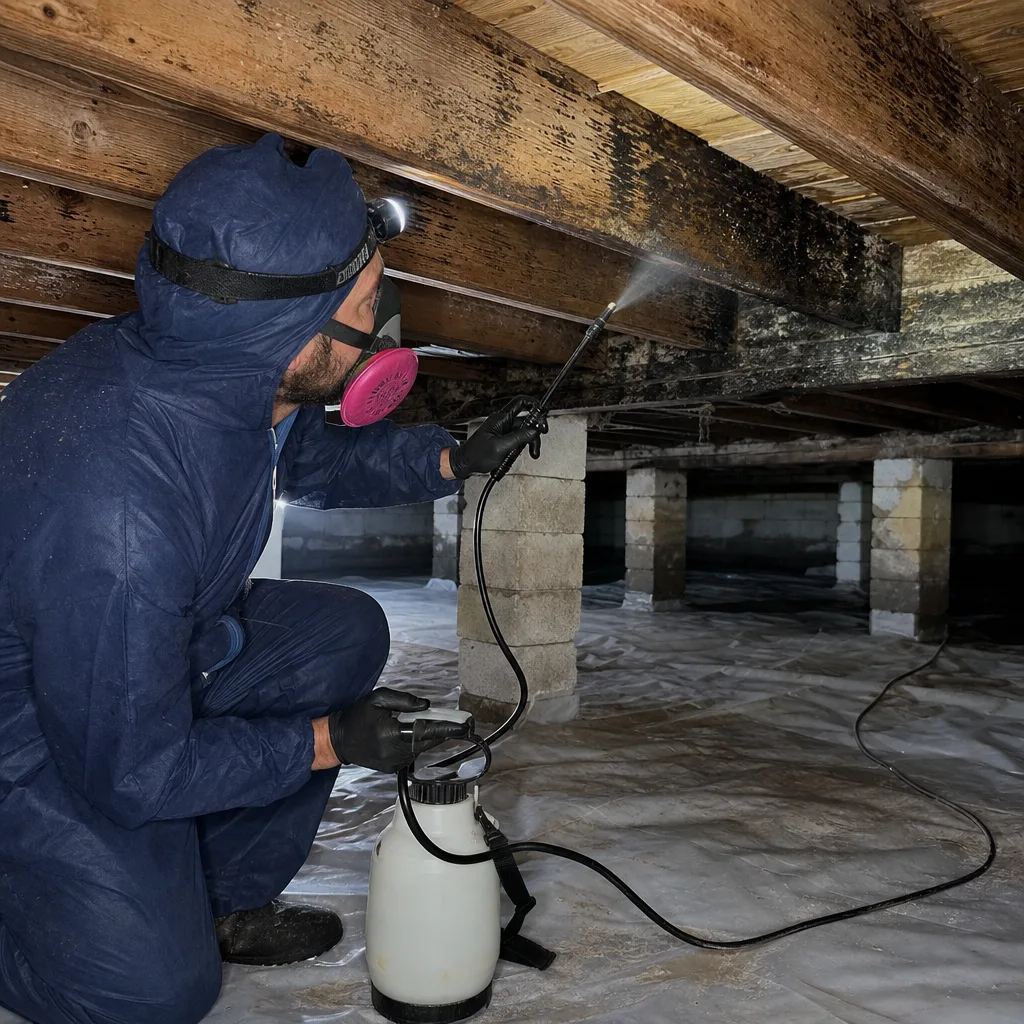
Category 3 floods get full antimicrobial treatment, HEPA air scrubbing, and containment where mold or sewage contamination is present, all part of our Sanitization Services in Jersey City. We don’t just dry; we make the space safe to occupy.
Specialty Treatment for Storm-Damaged Masonry
Lime-plaster party walls are dried using Injectidry systems that pull moisture from inside wall cavities without gutting the plaster. This preserves the original fabric of pre-war brownstones while meeting the dry standard insurers require.
Repairs & Restoration
The same uniformed crew that stripped and dried the space handles the Reconstruction & Cleanup - Jersey City rebuild: drywall, flooring, trim, paint. We do not hand the job to an outside contractor. The 90-Day Done Right Promise covers the entire scope, in writing.
Need Emergency Storm & Disaster Restoration in Jersey City Now?
Crews minutes away, answering live 24 hours a day. The sooner we start, the less it costs.
Working With Your Insurance Company
Storm and flood claims in Jersey City are rarely simple. Attached rowhouses mean one event often triggers claims across multiple policies and multiple carriers. Waterfront 07302 properties may carry flood insurance through the NFIP alongside a standard homeowners policy. We’ve spent years navigating those overlaps, and we work directly with adjusters so you don’t have to. From the first hour on site, we document everything: photographs of every affected room before demolition, moisture readings from day one through the final dry standard, and a detailed line-item scope of work that matches the estimating software your carrier uses. If your adjuster has questions, we answer them directly. We bill the carrier for covered work. You stay informed, not entangled.
What We Provide Your Insurer
- Thorough documentation of the loss
- Photos of all damage, room by room
- Moisture readings and drying logs
- A detailed, line-item scope of work
- Direct coordination with your carrier
Built for Jersey City’s Loss Calendar
Jersey City’s storm restoration needs follow a rhythm, but the rhythm is unforgiving. January and February bring deep freezes that burst cast-iron and early galvanized supply lines in uninsulated pre-war basements, flooding finished lower levels before anyone notices. March and April bring thaw cycles and steady rains that raise the water table under low-lying blocks near Newark Bay and the Hackensack River watershed, pushing groundwater seepage through stone foundations in neighborhoods like Greenville. June through September means convective thunderstorms that drop an inch of rain in 30 minutes, overwhelming the combined sewer system and forcing Category 3 water up through floor drains across Journal Square, Lafayette, and the Heights. October and November are nor’easter season, with sustained wind-driven rain and coastal surge along the Hudson waterfront in 07302. Every one of these events has one thing in common: in attached rowhouses, the damage never stays in one unit. The response has to be fast, local, and built for party walls.
Storm & Disaster Restoration Across Jersey City’s Neighborhoods
The building that matters most in a storm response is the one you’re standing in. Off Bergen Avenue in the McGinley Square area, we regularly handle combined-sewer backups in four- and six-unit brownstones where the basement serves three households and the party walls run unbroken from foundation to roof. Along Newark Avenue and the Journal Square corridor, soot and water staining in upper-floor units demand containment before any demolition, because the stairwells are shared and residents are still living two floors up. Down in 07302, the waterfront towers near Paulus Hook and Exchange Place present a different job entirely: centralized HVAC chases that carry water between floors, high-end finishes in condominium units, and insurance policies that read like commercial contracts. Up in the Heights near Central Avenue, older wood-frame rowhouses with shallow foundations face wind-driven rain and siding damage that reveals hidden moisture behind plaster. And in Lafayette, blocks sitting just above the water table see seepage through stone basement walls every spring, regardless of whether a named storm ever arrives. Each of these responses routes crews differently, but all of them require the same first move: get there fast, map the moisture, and stop the spread through the party wall.
Last August we had a combined-sewer surcharge push Category 3 water through the basement of a four-unit brownstone off Bergen Avenue. Our techs ran moisture mapping up the shared party walls, found elevated moisture readings in the two adjoining basements before any visible staining, and coordinated demolition and structural drying across three separately owned units under one scope of work. We finished with antimicrobial treatment and drying logs that satisfied all three insurance adjusters. That job took 11 days from first call to final invoice. In the suburbs, a contractor would have handled one unit and walked away. That’s the difference local crews make in Jersey City.
Specialized Storm & Disaster Restoration Services We Offer in Jersey City
Flood Damage Restoration
Flood restoration in Jersey City almost never stops at extraction. The city’s combined sewer system means most basement floods contain sewage. We bring Category 3 protocols to every flood call: full PPE, antimicrobial treatment, HEPA air scrubbing, and drying logs your insurer will actually accept. In attached rowhouses, we routinely dry the neighboring basement that never called us, because the party wall already did the damage. Our Storm & Disaster Restoration team treats the wall, not just the floor.
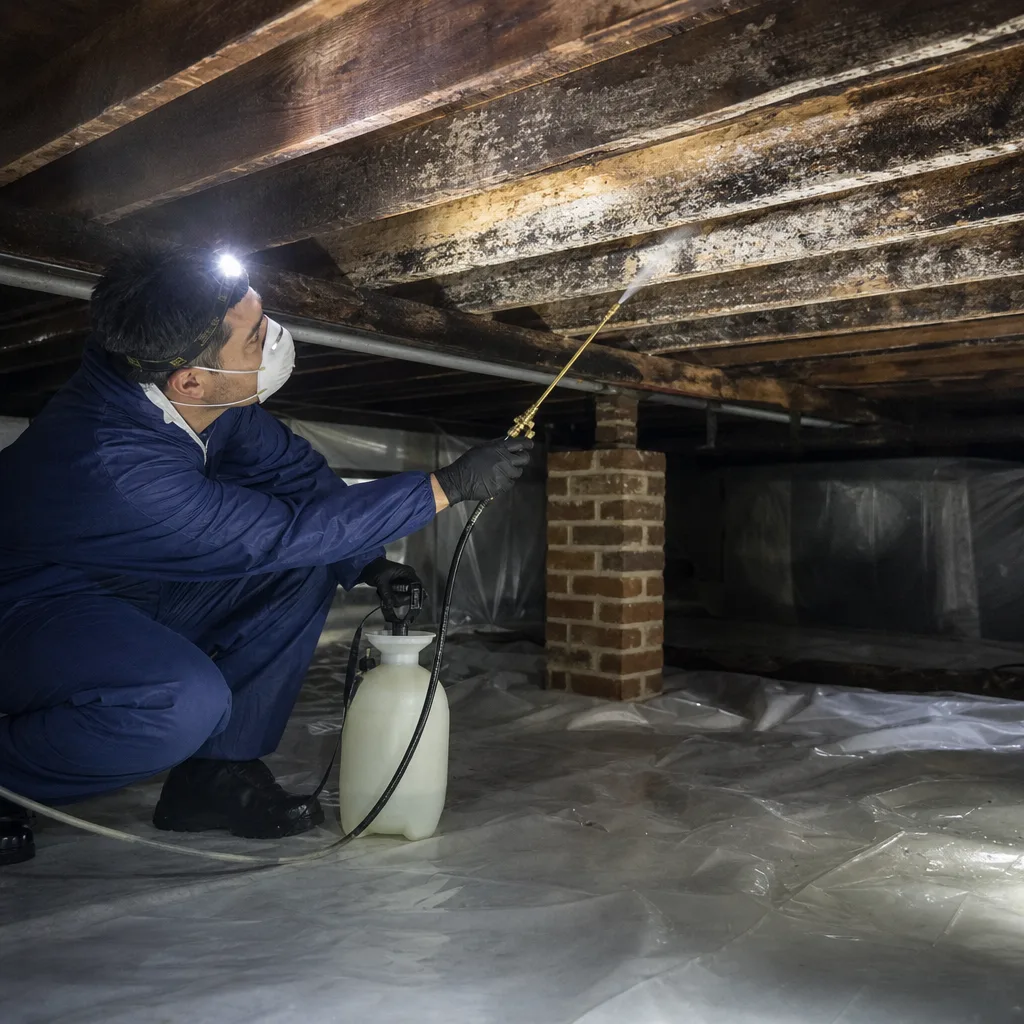
Storm Damage Cleanup
Wind-driven rain and nor’easters leave more than standing water. Downed tree debris blocks access to basement stairwells in the Heights. Broken windows in pre-war brownstones expose interiors to weather within minutes. We handle debris removal, structural stabilization, and full interior cleanup under one scope. Same crew, same day.
Emergency Board-Up
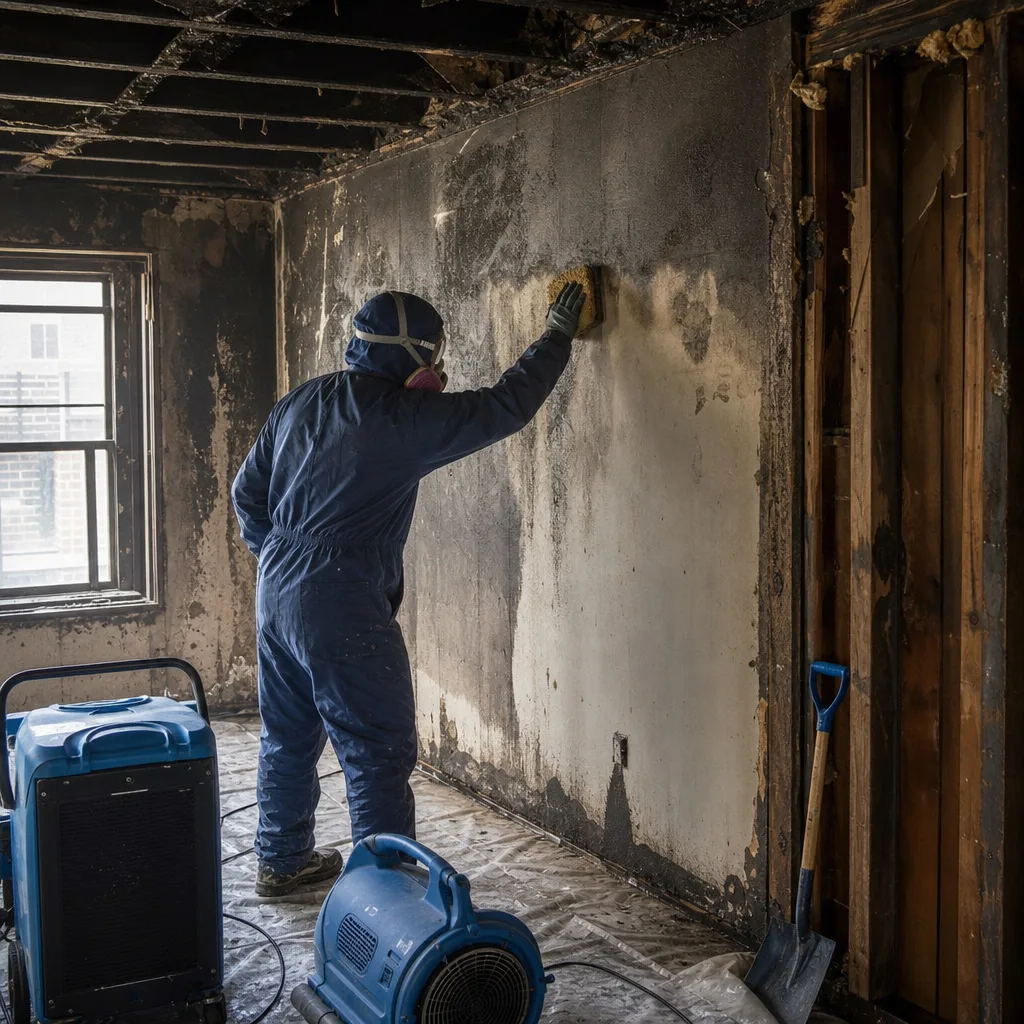
After a storm compromises windows, doors, or roof sections in Jersey City, the property is open to weather, trespass, and further loss. We board up with plywood cut and installed to code, tarp damaged roof sections, and photograph every opening before we secure it. That photo record is part of your insurance file, and it’s part of ours. A board-up isn’t a temporary patch; it’s the first line of your claim.
What happens when you call
- 1
A real person answersNo phone trees - you reach a local pro.
- 2
You get an upfront price rangeHonest numbers before anyone is dispatched.
- 3
A background-checked tech heads outLicensed & insured, dispatched right away.
- 4
You approve before work beginsNothing starts until you say go.
Storm & Disaster Restoration Costs in Jersey City, NJ
Honest numbers matter when the adjuster hasn’t called back yet. In Jersey City, a basement flood restoration typically runs $3,500 to $7,000 for extraction, drying, and antimicrobial treatment in a single-family row house. When Category 3 sewage contamination is present, which it is in most combined-sewer backups, expect $5,000 to $9,000 because of the biohazard protocols. A full interior rebuild after a ceiling collapse or severe storm-water intrusion in a pre-war brownstone runs $15,000 to $45,000, depending on finishes and how many rooms were affected. Roof tarping and emergency board-up start around $400 to $900 for a standard rowhouse opening, and that’s often fully reimbursable. What moves the price in Jersey City is the same thing that moves the damage: attached construction. A single unit can become a three-unit scope. The free visual inspection pins down your actual number in writing, before any work starts. No surprises on the bill, and we bill your carrier directly for covered losses. Call (640) 500-3278 for a firm quote on your specific property.
We Also Serve Cities Near Jersey City
Floodline Restoration Co. keeps crews staged and ready across Hudson County. We serve Hoboken with its flood-prone low-lying grid, Secaucus and its exposure to the Hackensack River watershed, Union City and its dense cliffside rowhouse stock, and Weehawken along the riverfront. Same 45-minute response commitment, same live dispatch, same written guarantee.
Serving Jersey City, NJ - Our Local Coverage Area
We’re based in the Jersey City area and know this community well. Use the map below to see our service coverage - if you’re nearby, we can almost certainly help.
Jersey City Storm & Disaster Restoration Questions, Answered
Why do so many Jersey City basement floods require full biohazard protocols rather than simple water extraction?
Because Jersey City’s combined sewer system carries stormwater and raw sewage through the same pipes. When heavy rain surcharges that system, the water pushing up through basement floor drains is Category 3: contaminated with sewage, pathogens, and debris. State code and insurance standards both require full biohazard remediation for Category 3 water. Skipping it leaves pathogens and mold behind closed cavity walls, and it’s a health risk no responsible contractor will ignore. Call (640) 500-3278 and we’ll tell you, during the free inspection, which category your water falls under.
What happens when water damage in one rowhouse unit spreads into my neighbor’s property through the shared wall?
It happens constantly in Jersey City’s attached brick rowhouses. Lime-plaster party walls have no vapor barrier, so water wicks laterally into the neighboring structure. By the time the neighbor sees a stain, the wall cavity is already wet. Our crews routinely coordinate access across multiple units, document moisture readings on both sides of the party wall, and dry the entire assembly under one scope of work. We’ve handled many jobs where three separately owned units needed simultaneous drying, with separate invoices for each owner and separate adjuster coordination for each insurer.
How do you dry lime-plaster walls in a Jersey City brownstone without tearing everything out?
Lime plaster is hydrophilic, which means it absorbs water deeply and releases it slowly. Gutting it on day one destroys the original material and adds tens of thousands to a rebuild that could have been avoided. We use Injectidry systems that pull moisture from inside wall cavities through small access points, combined with high-capacity Phoenix and Dri-Eaz dehumidifiers and air movers positioned to create negative air pressure behind the plaster. Daily moisture readings logged against the dry standard tell us when the wall is actually dry, not when it looks dry.
Is a waterfront condo in 07302 more vulnerable to storm flooding than an inland rowhouse?
Different vulnerability, not necessarily more. The 07302 waterfront sits within FEMA Special Flood Hazard AE zones, so storm surge from nor’easters and tropical systems is a direct risk, and NFIP flood insurance is almost always in play. Inland rowhouses in Lafayette or the Heights face a different risk: combined-sewer backups and high water tables that push Category 3 water up from below. Both require fast response and different mitigation strategies. We’ve worked both types extensively, and our free inspection addresses the specific risk profile of your building.
How fast do you need to start drying after a Jersey City nor’easter before mold becomes a bigger problem?
Mold colonization begins in 24 to 48 hours on wet organic materials. In Jersey City’s pre-war rowhouses, the timeline is often shorter because the lime plaster and old framing hold moisture longer. If water sat overnight before you found it, treat the job as urgent. We answer live 24/7, and our 45-minute response commitment to Jersey City means a certified crew can be running extraction and setting up air movers the same visit. Faster drying means less demolition, which means a smaller claim and a faster return to normal.
Do I really need full remediation, or can I just dry it out and clean up?
If your water came from the sewer or sat for more than a day, you need more than a shop vac and a fan. Category 3 water requires antimicrobial treatment and containment. Water that’s been sitting has already started feeding mold in the wall cavities. We tell you the truth during the free inspection: sometimes a clean-water leak really is just extraction and drying. But if your basement flooded from a combined-sewer backup, it’s not a cleaning job. We’ll show you the moisture readings that prove it, and you’ll have the documentation your insurer needs.
Are your crews certified for storm restoration work?
Yes. Every technician is background-checked, uniformed, and trained to IICRC standards, including WRT (Water Damage Restoration Technician), FSRT (Fire & Smoke Restoration Technician), and AMRT (Applied Microbial Remediation Technician) certifications where relevant. We also carry RIA and IFA certifications on our senior crews. Curt Bowman, who founded Floodline Restoration Co. in 2010, has built the company around a dispatch board and a written guarantee, not a sales desk.
What should I do in the first 30 minutes after a storm floods my Jersey City basement?
Do not enter standing water if there’s any chance it came from the sewer, and do not touch electrical panels or outlets in wet areas. Shut off power at the breaker if you can do so safely from a dry location. Move valuables and documents to a dry floor if possible. Then call (640) 500-3278. A live dispatcher answers, and a certified crew is on the way. The faster we get professional-grade extraction and drying started, the less of your house has to be gutted.
If your Jersey City property has taken water from a nor’easter, a burst supply line, or a sewer backup, call (640) 500-3278. A live person answers, a certified crew shows up, and you get a written scope before any work begins. Done right, and backed in writing.
Written by Curt Bowman, Owner at Floodline Restoration Co., serving Jersey City and Hudson County with certified storm restoration crews since founding the company in 2010.