

Free visual inspection and a written scope of work before any mitigation begins - photos, moisture readings, and drying logs go in your claim file
The scope we write is the scope we bill. Anything new gets shown to you, in writing, before we touch it.
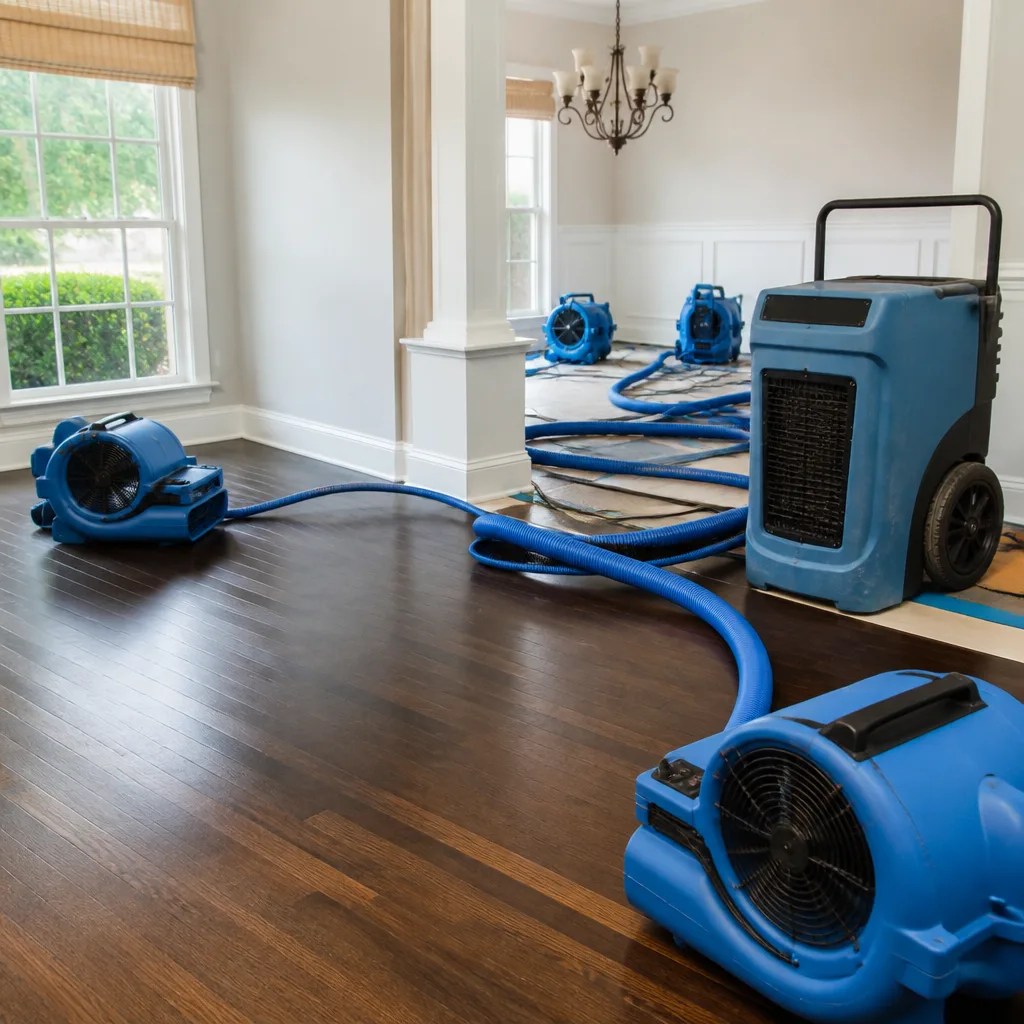
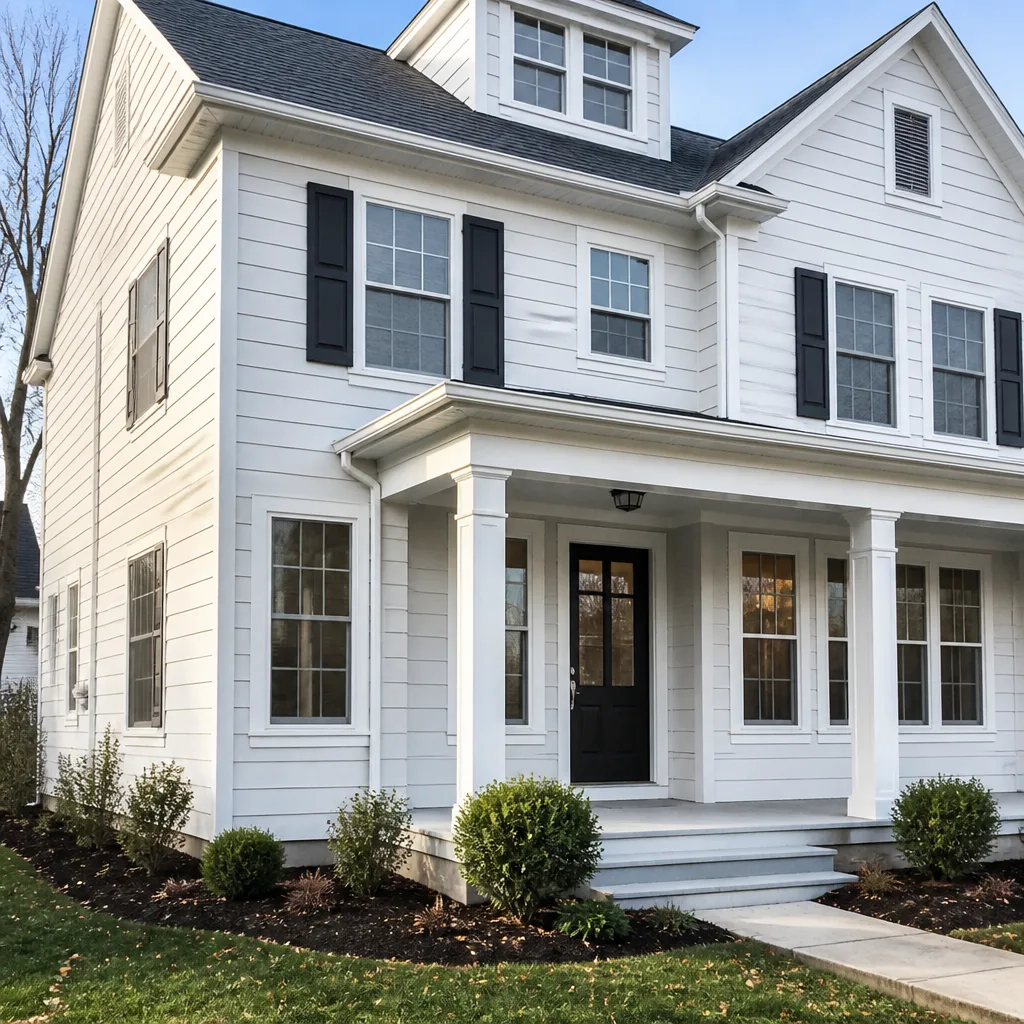
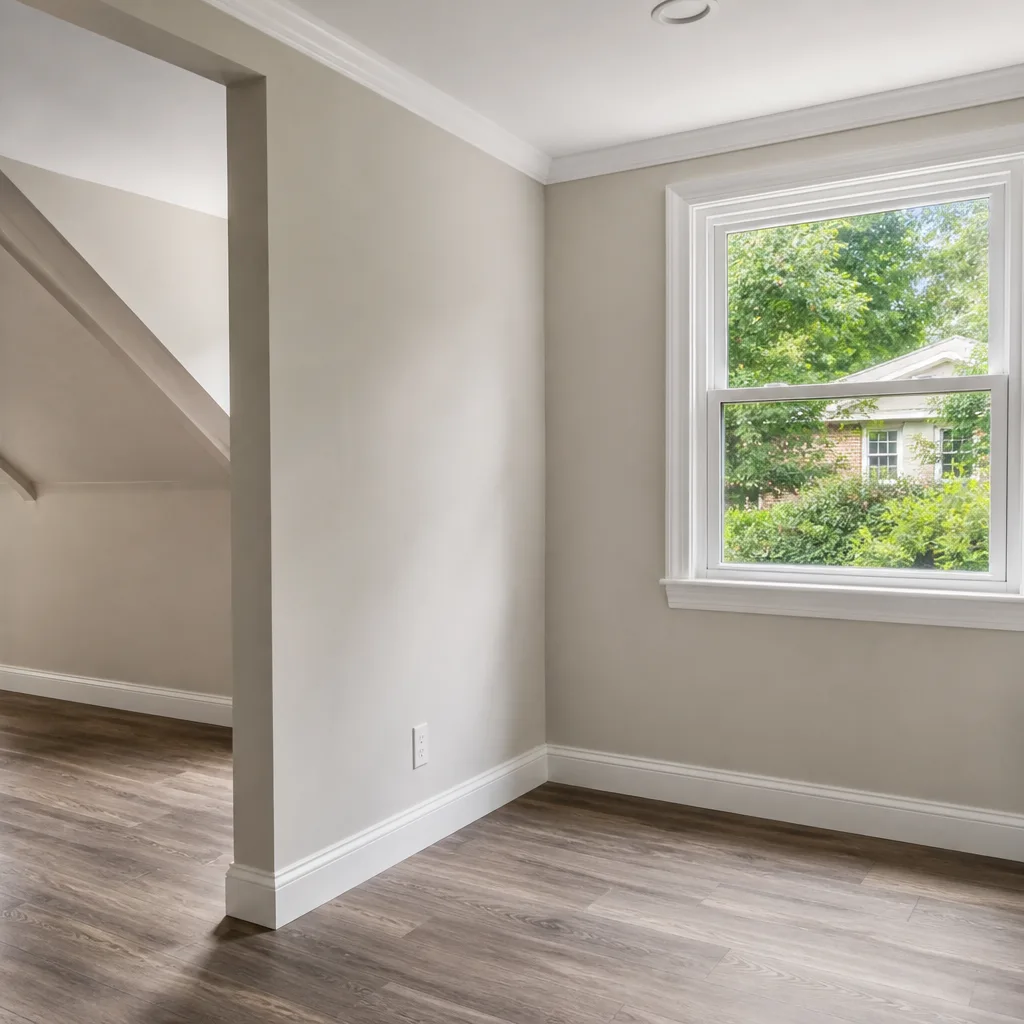
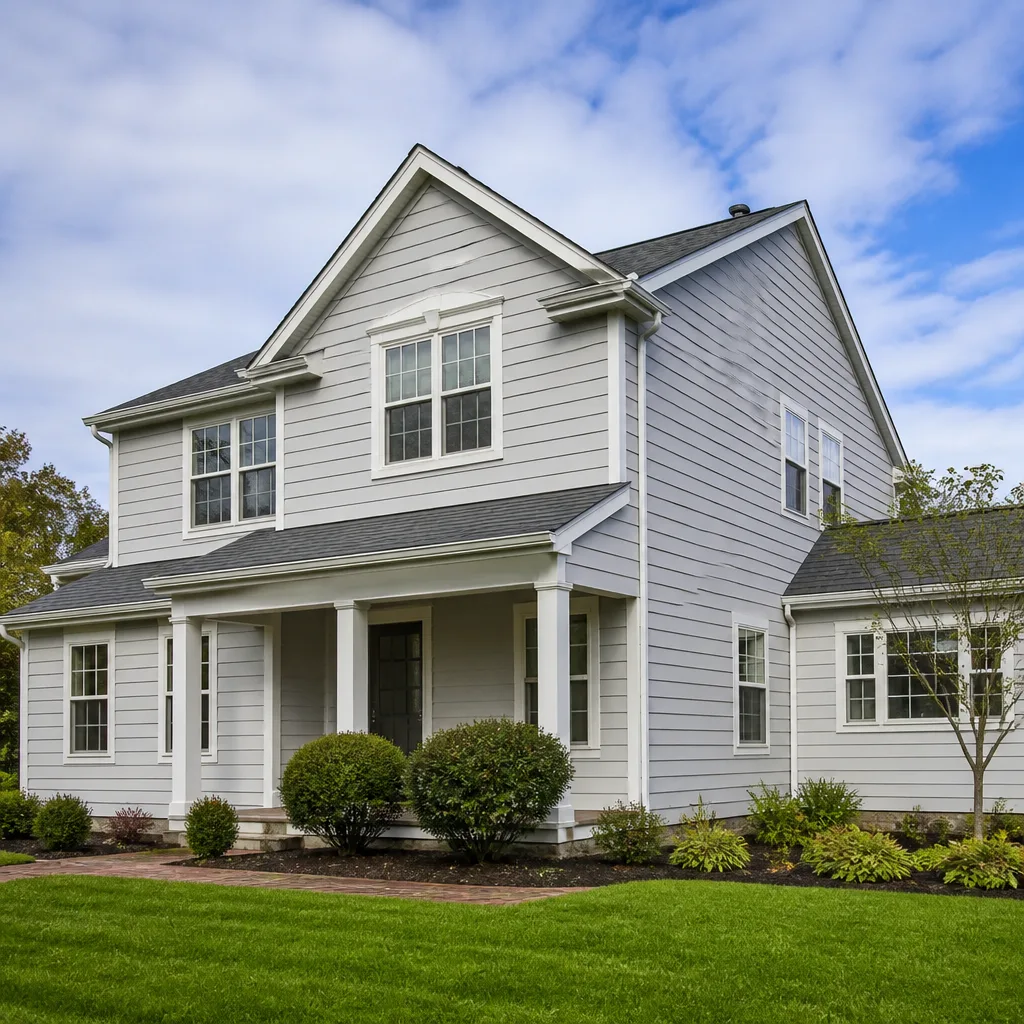
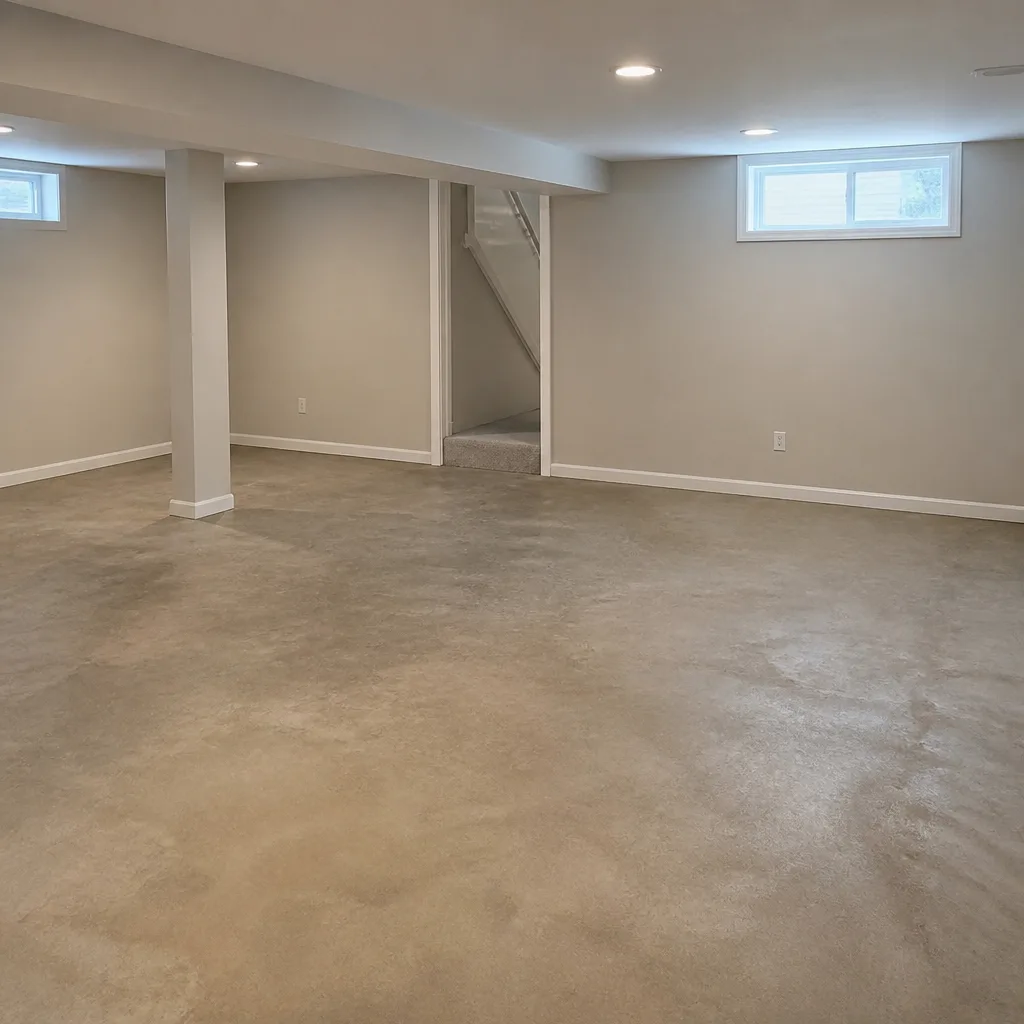
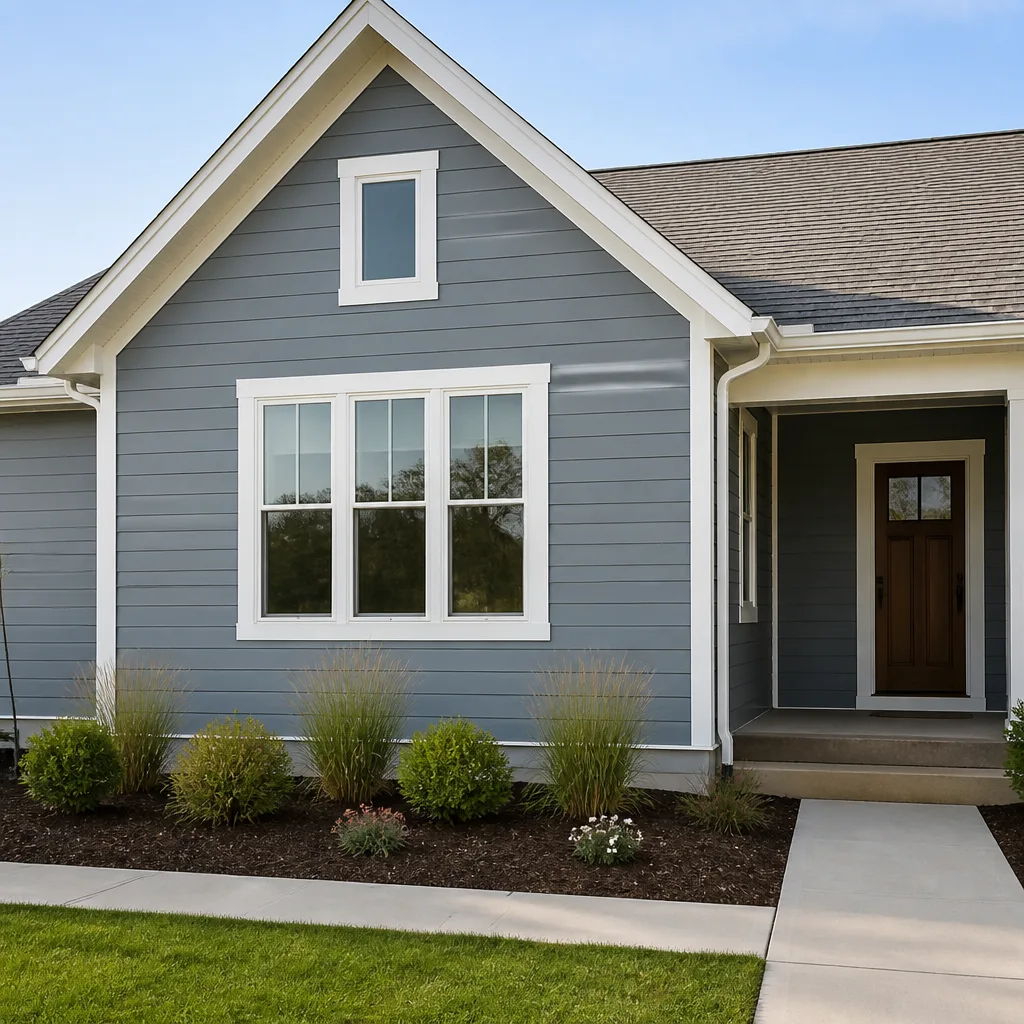
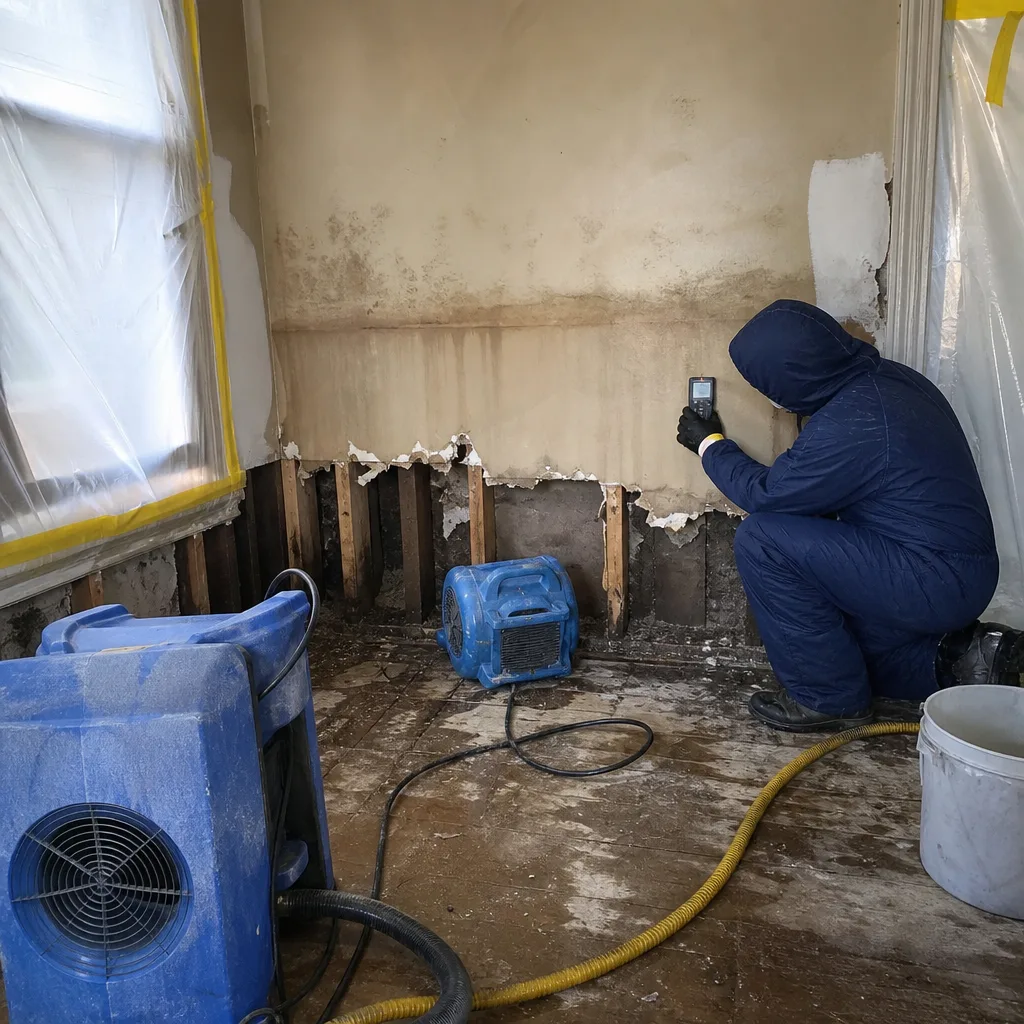 Before
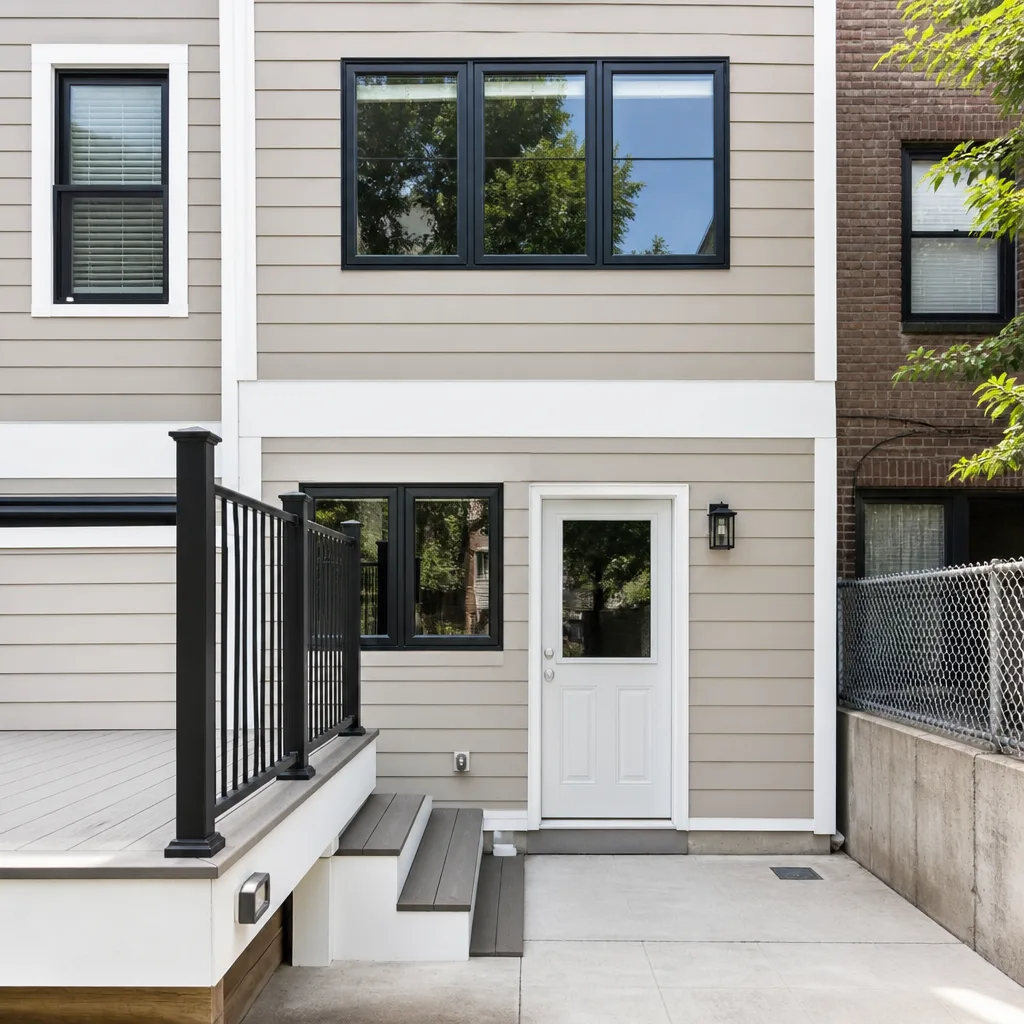 After
After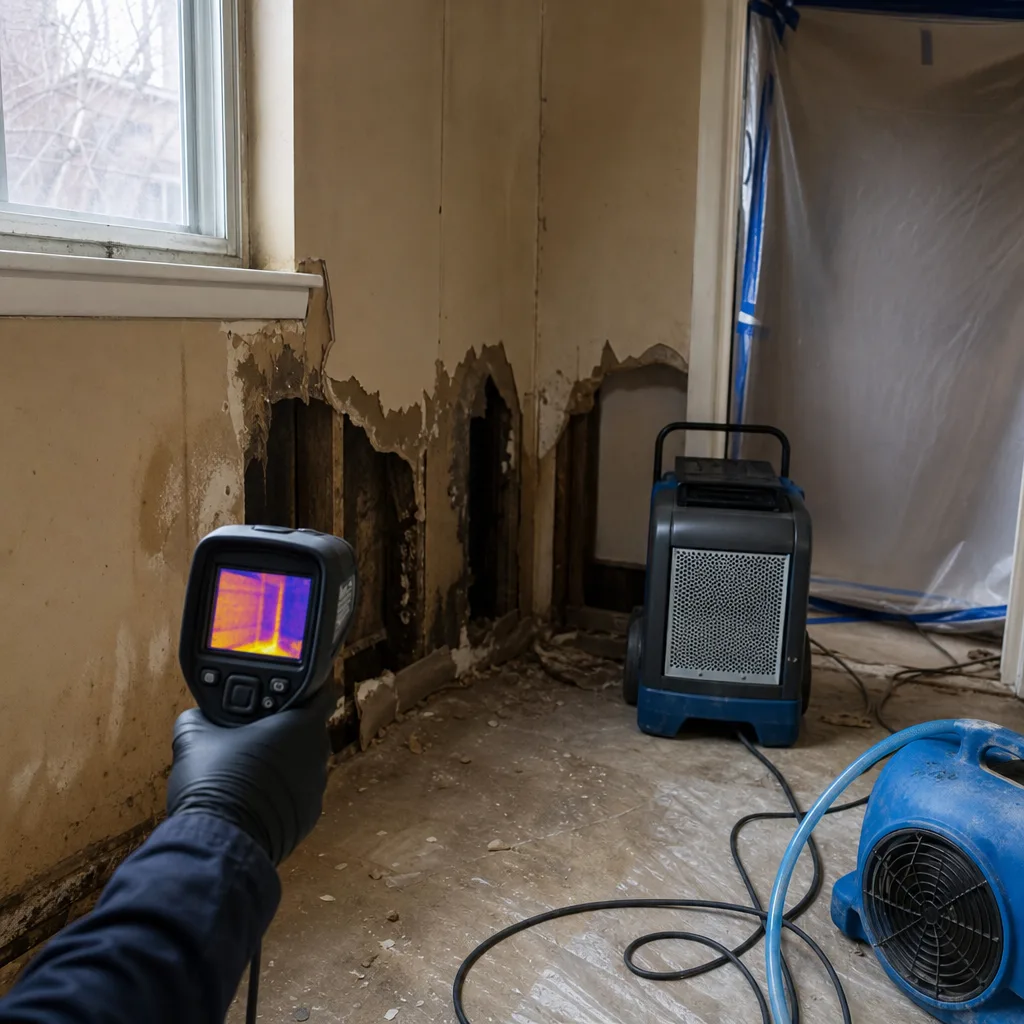 Before
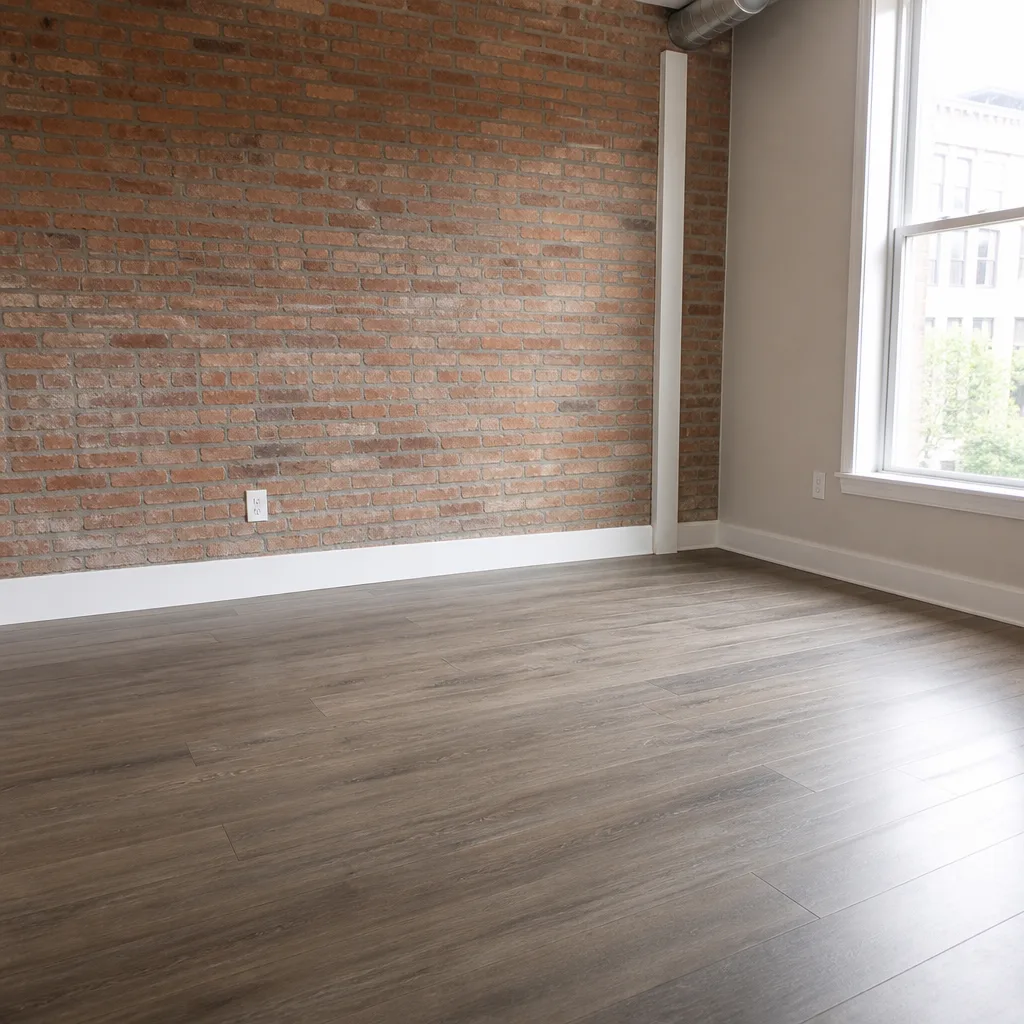 After
After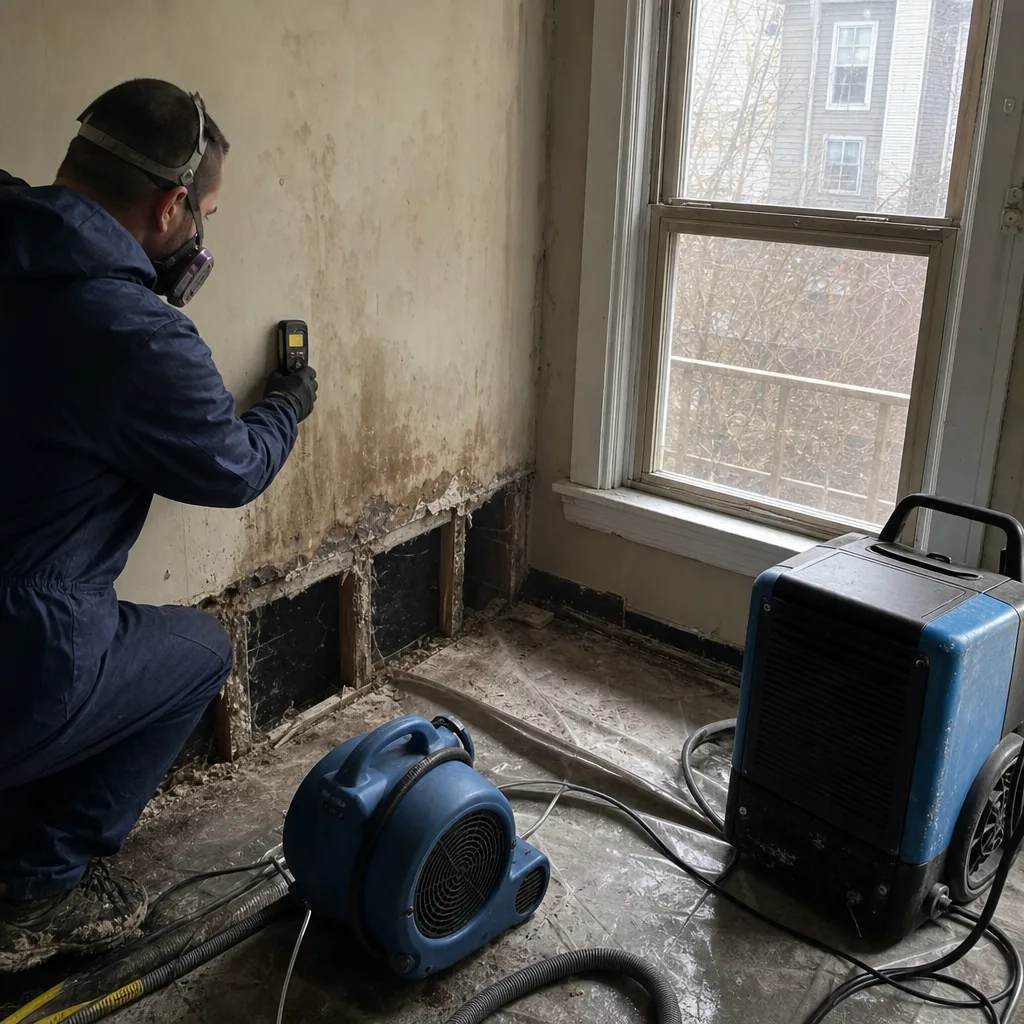 Before
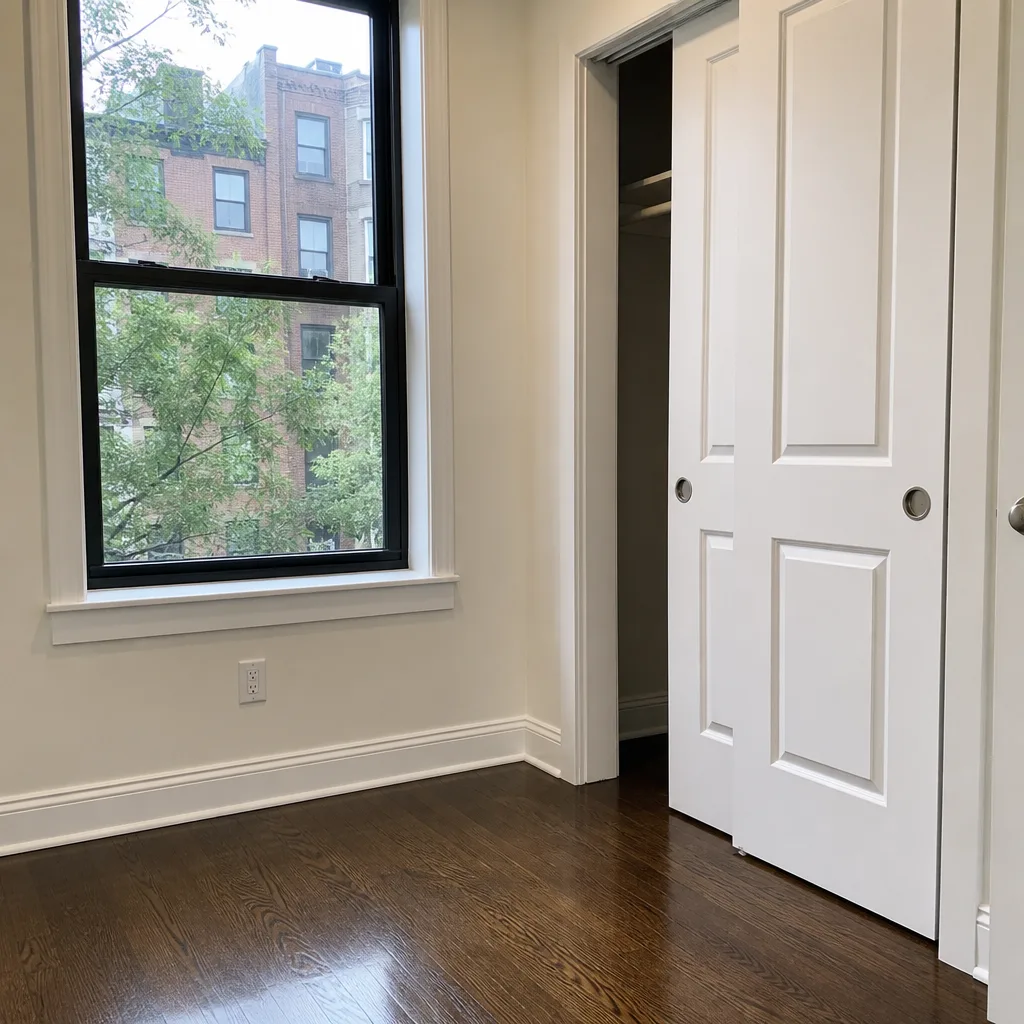 After
After24/7 Emergency Reconstruction & Cleanup in Murray Hill
When water, fire, or storm damage hits a Murray Hill apartment or co-op building, the priority is stopping the spread and starting structural drying the same day. Our crews answer live at (640) 500-3278 around the clock, every day of the year, and we dispatch into Murray Hill immediately. A free visual inspection tells you what you’re actually facing before any work begins. In pre-war buildings with plaster walls and wood lath, the first hour matters more than most people realize: moisture moves through those materials fast, and what starts as one wet ceiling becomes a vertical stack of damaged units by morning.
Understanding Reconstruction & Cleanup Severity in Murray Hill Properties
Murray Hill’s building stock changes how we classify and handle every loss. The pre-war co-ops along Lexington and Park Avenue were built between the 1910s and 1940s with plaster-and-lath walls, original cast-iron drain stacks, and wood framing that has been absorbing humidity for nearly a century. Category 1 water from a supply-line break in those buildings behaves differently than in a mid-century concrete tower on 34th Street: plaster holds moisture longer than drywall, and the wood lath behind it becomes a mold substrate within 48 to 72 hours if drying isn’t aggressive. Category 2 and Category 3 water, including the sewage backups we see along 2nd and 3rd Avenues during heavy rain events, require containment, controlled demolition, and disinfection protocols that a basic dryout company won’t perform correctly. Soot from a kitchen fire in a Murray Hill co-op migrates through shared ventilation and elevators, which means the scope is rarely contained to one unit. Severity in this neighborhood isn’t just about the water or fire itself. It’s about the building envelope, the shared systems, and the age of the materials.
Why Murray Hill Property Owners Choose Floodline Restoration Co.
- 45-minute response commitment for emergencies in Murray Hill. We’re staged nearby and the dispatch board is live, not a call center.
- A real person answers, 24/7. Two in the morning, a holiday, it doesn’t matter. A live dispatcher picks up at (640) 500-3278 and starts the crew moving.
- IICRC-certified crews in WRT, FSRT, and AMRT standards. Background-checked and uniformed on every job.
- Free visual inspection before any work is authorized. You get a clear scope and a written number first.
- Direct insurance billing. We talk to your carrier and your building’s carrier, so you don’t play messenger between adjusters.
- One team from extraction to reconstruction. The same crew that reads the moisture map on day one handles the rebuild, so nothing gets lost in a handoff.
Our Reconstruction & Cleanup Process
Inspection & Assessment
We walk the unit and the building systems affected. Thermal imaging and hygrometers map the moisture, and we check what’s behind the plaster, not just what’s visible on the surface.
Extraction & Stabilization
Standing water comes out first. We stabilize the structure, shut down damaged electrical where needed, and set up containment so the problem doesn’t spread to adjacent units.
Drying & Dehumidification
Dri-Eaz dehumidifiers and XPOWER air movers run on a mapped schedule. In pre-war plaster buildings, we run longer dry times and take daily readings until the dry standard is met, not until the surface feels dry.
Cleaning & Sanitization
Every affected surface is cleaned and treated. Sewage losses get full Category 3 protocols with antimicrobial application and controlled removal of contaminated materials.
Contents Restoration & Pack-Out
Furniture, rugs, clothing, and personal items are inventoried, packed, and taken to our climate-controlled facility for cleaning and storage. You get a full itemized list for your carrier.
Repairs & Restoration
Drywall, flooring, trim, paint, and full reconstruction happen under the same project manager who handled the mitigation. The crew that dried the building rebuilds it, and the 90-Day Done Right Promise covers the finished work in writing.
Need Emergency Reconstruction & Cleanup in Murray Hill Now?
Crews minutes away, answering live 24 hours a day. The sooner we start, the less it costs.
Working With Your Insurance Company
Murray Hill losses almost never involve one insurance policy. A plumbing failure in a co-op on East 36th Street typically brings in the unit owner’s carrier, the building’s carrier, and sometimes the neighbor’s below. We document from the first hour with photos, moisture readings, and written scope notes that hold up to adjuster review. Our estimates follow industry-standard line-item formats, and we coordinate directly with your carrier. If the board’s managing agent needs drying logs signed off floor by floor to file multi-carrier claims without delay, we provide them in the format they need. You never have to translate between a restoration crew and an insurance company. That’s our job.
What We Provide Your Insurer
- Thorough documentation of the loss
- Photos of all damage, room by room
- Moisture readings and drying logs
- A detailed, line-item scope of work
- Direct coordination with your carrier
Built for Murray Hill’s Loss Calendar
Murray Hill’s damage patterns follow a rhythm that locals know well. January and February deep freezes burst supply lines in pre-war buildings where original copper and galvanized piping runs through exterior walls. The thaw that follows turns small leaks into multi-floor events as water travels down through plaster and lath. Spring brings groundwater seepage into basements and sub-grade spaces, especially in the corridor above the Queens-Midtown Tunnel, where the drainage perimeter can push moisture sideways into foundations. Summer thunderstorms overwhelm the combined sewer lines along 2nd and 3rd Avenues, and we get calls for Category 3 backups in ground-floor kitchens and basement storage rooms. Nor’easters in autumn and winter drive wind-blown rain into older window assemblies and roof bulkheads. Each season has its own failure mode, and each one responds to a different reconstruction approach. The most expensive mistake we see is treating a January supply-line break in a 1920s co-op like a summer rainwater event in a mid-century tower. Same neighborhood, different building, different protocol.
Reconstruction & Cleanup Across Murray Hill’s Neighborhoods
Murray Hill isn’t one uniform housing market. The blocks east of Park Avenue toward the East River, running from roughly East 34th to East 42nd Streets, are dense with pre-war co-ops and rentals where stacked plumbing risers create multi-unit losses. The corridor along 2nd Avenue, including the area around the Queens-Midtown Tunnel portal near East 36th Street, sees the most basement moisture and sewer-related calls. Mid-century towers between 3rd Avenue and Madison tend toward concrete-frame construction with different drying characteristics, but their vertical drain stacks still age and fail. The brownstone and townhouse pockets on the side streets off Lexington and Park carry their own challenges with party walls and shared drainage. And the commercial and mixed-use buildings along Madison and 5th Avenue, though less residential, often house ground-floor apartments where a restaurant’s kitchen fire or a pipe failure upstairs becomes a residential reconstruction job downstairs. When we dispatch to Murray Hill, the crew already knows which building type they’re walking into and what that means for the dry plan.
The Queens-Midtown Tunnel runs directly beneath the neighborhood, with its Manhattan portal sitting at roughly 36th Street and 2nd Avenue. We have documented moisture conditions in buildings along that corridor that don’t match standard leak profiles. The tunnel’s drainage perimeter can influence groundwater movement, which means persistent basement dampness in some Murray Hill buildings isn’t a simple pipe leak or a roofing issue. It’s a subsurface dynamic a standard building inspection won’t catch. Our crews know to look for it, and we’ve rebuilt basement spaces in that corridor where the fix required a drainage and vapor-barrier approach, not just a dehumidifier.
Specialized Reconstruction & Cleanup Services We Offer in Murray Hill
Full-Service Reconstruction
When a cast-iron drain stack fails in a 1930s co-op on East 36th Street, water cascades through seven units before the building can shut the riser. We ran containments with XPOWER air movers and Dri-Eaz dehumidifiers across three floors, mapped moisture in 14 plaster walls, and coordinated pack-out and structural drying with the board’s freight elevator schedule. The rebuild included new plaster, custom millwork matching the original profiles, and a finish that the board approved without a punch-list fight. That’s full-service Reconstruction & Cleanup in Murray Hill: one crew, one standard, one written guarantee at the end.
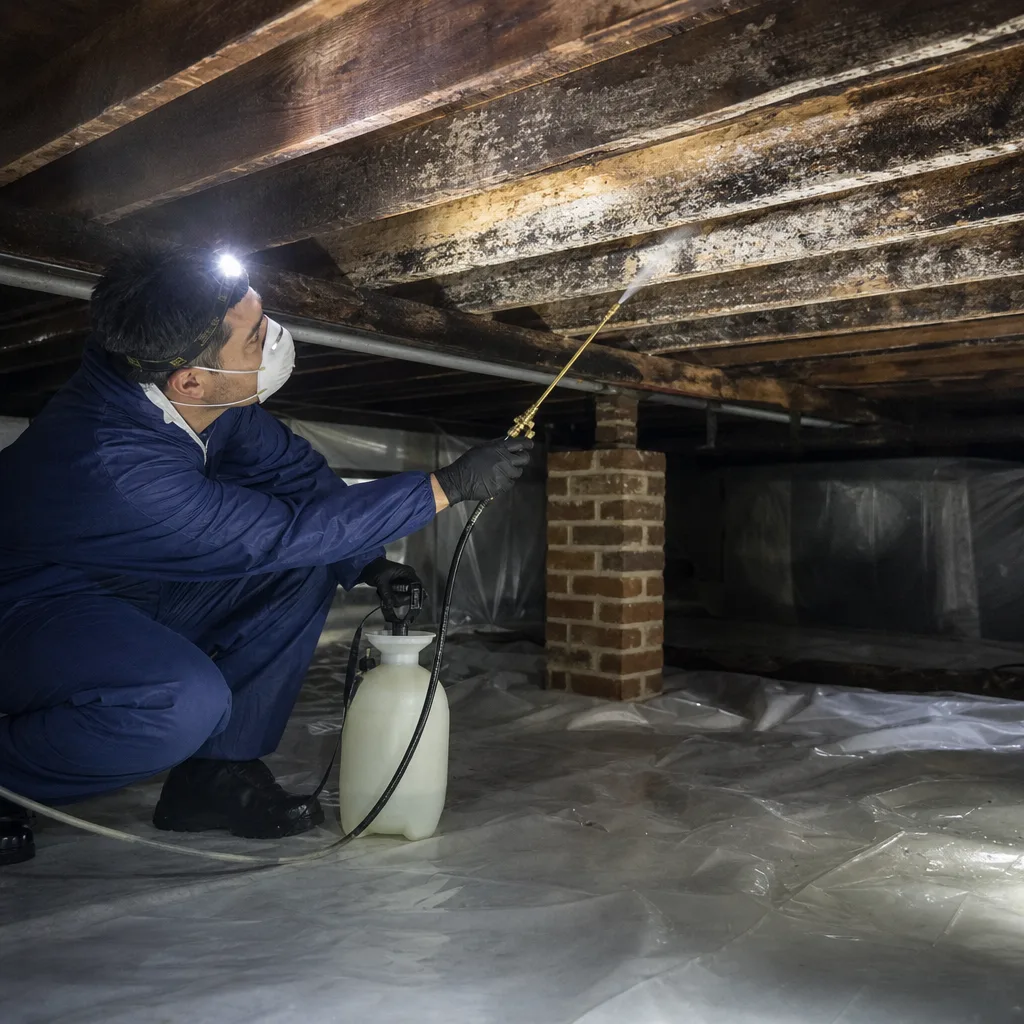
Contents Restoration & Pack-Out
Stacked-unit losses in Murray Hill co-ops mean contents from multiple households get moved at once. We inventory everything with photos and a written log, pack with materials suited to each item, and store in a climate-controlled facility until the rebuild is done. Your carrier gets a line-item contents list that matches their format. When freight elevator windows are tight, we stage the pack-out to move cleanly and fast.
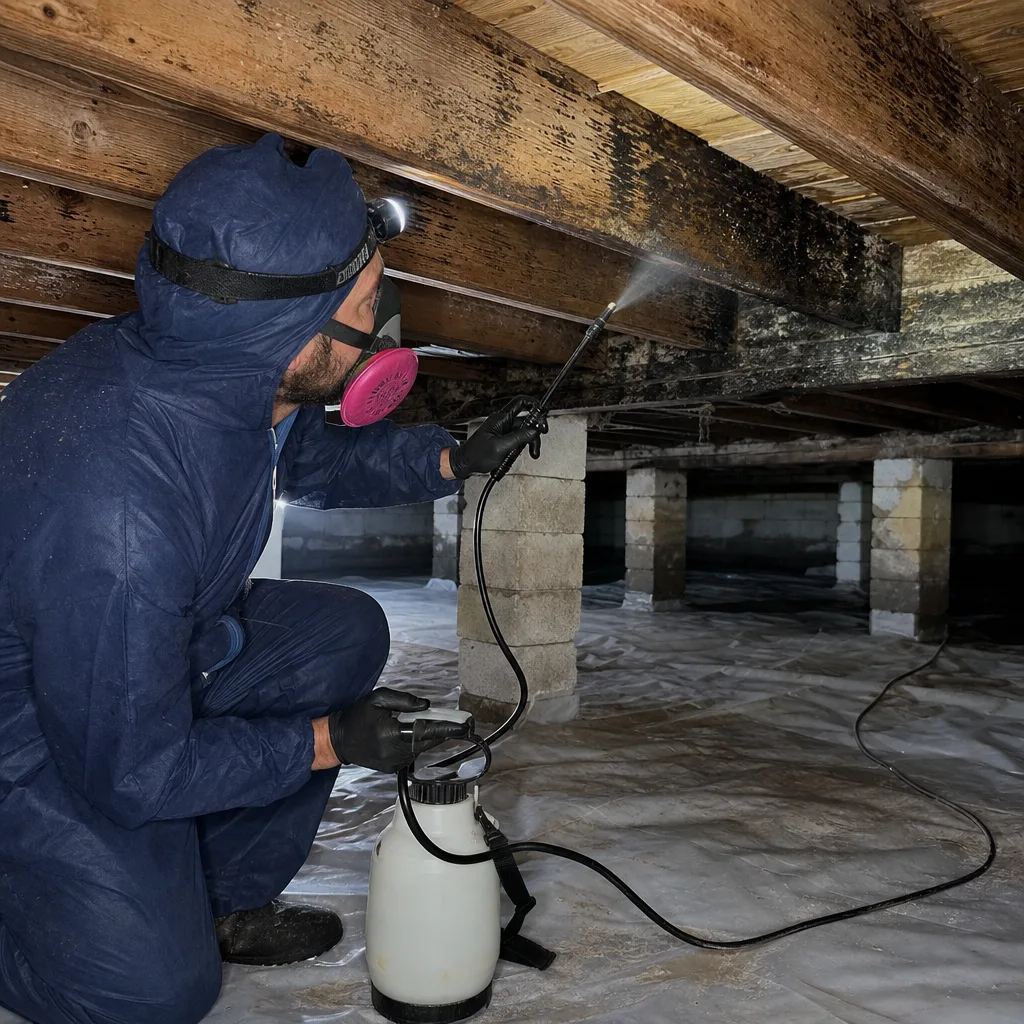
Drywall & Flooring Repair
Pre-war plaster repair is a specific skill. We match plaster thickness, lath integrity, and paint sheen so the repair doesn’t look like a patch. Hardwood floors in Murray Hill apartments, often original and 80 to 100 years old, get sanded and refinished or replaced with matched stock. Tile and carpet in mid-century towers go back in with materials suited to the building’s fire-rating requirements.
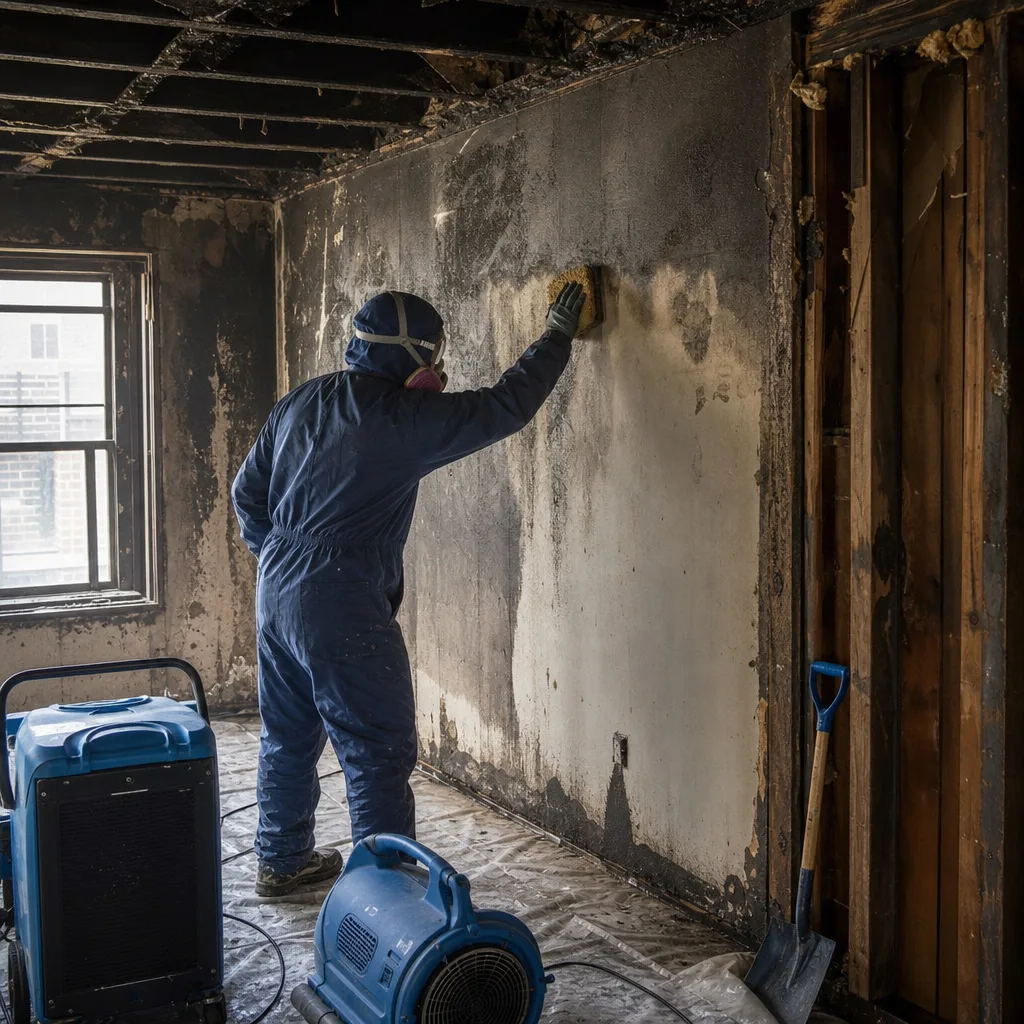
Carpet & Upholstery Cleaning
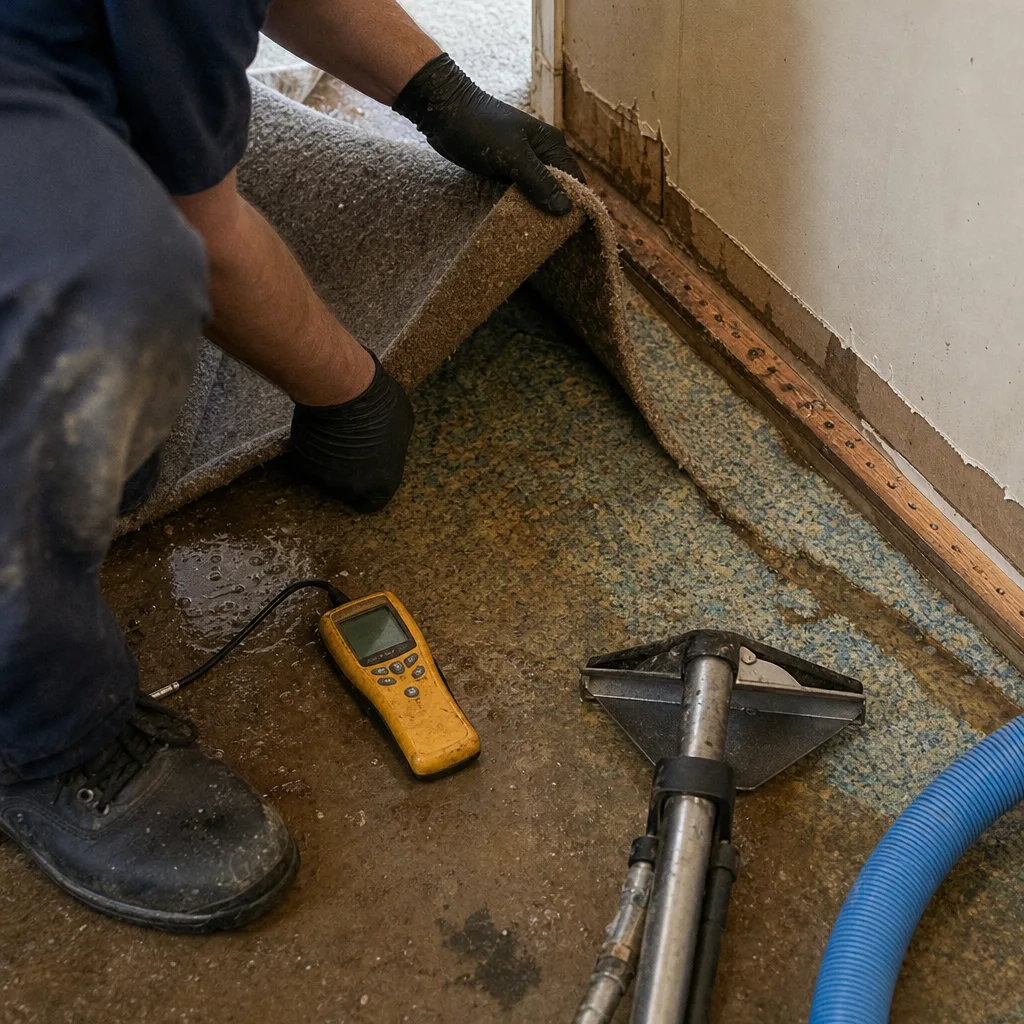
After a Category 1 clean-water event, the right carpet can often be cleaned and dried in place if we get to it fast enough. Upholstered furniture that absorbed humidity but didn’t take direct water goes through a separate cleaning and drying cycle. We inspect padding and subfloor before we tell you whether it’s salvageable. No overselling a cleaning when replacement is what the material actually needs.
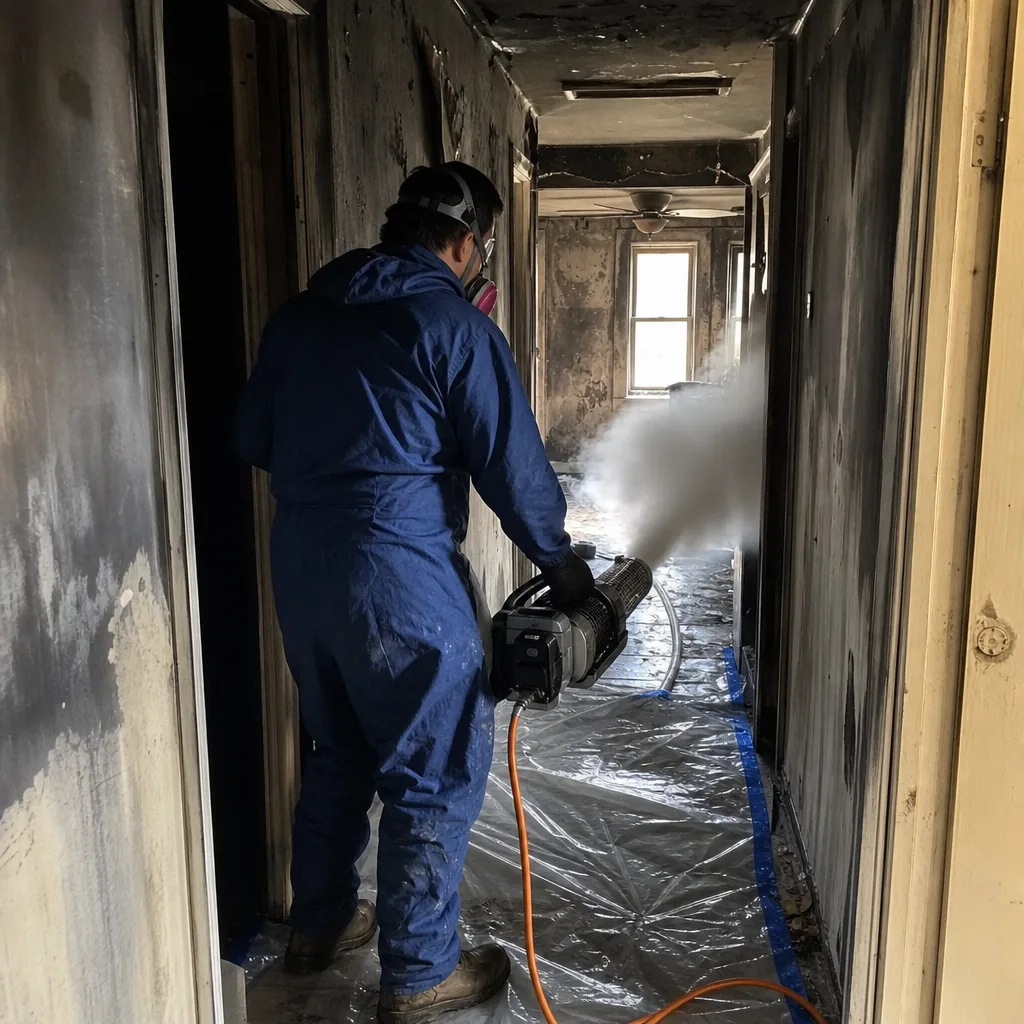
Post-Construction Cleanup
When the rebuild is done, we take the construction dust with us. HEPA-filtered air scrubbing pulls drywall dust and microscopic debris out of the air and off surfaces, so you’re moving back into a finished home, not a job site. In Murray Hill buildings with shared hallways and elevators, we clean the common paths too, because your neighbors shouldn’t live with your renovation dust.
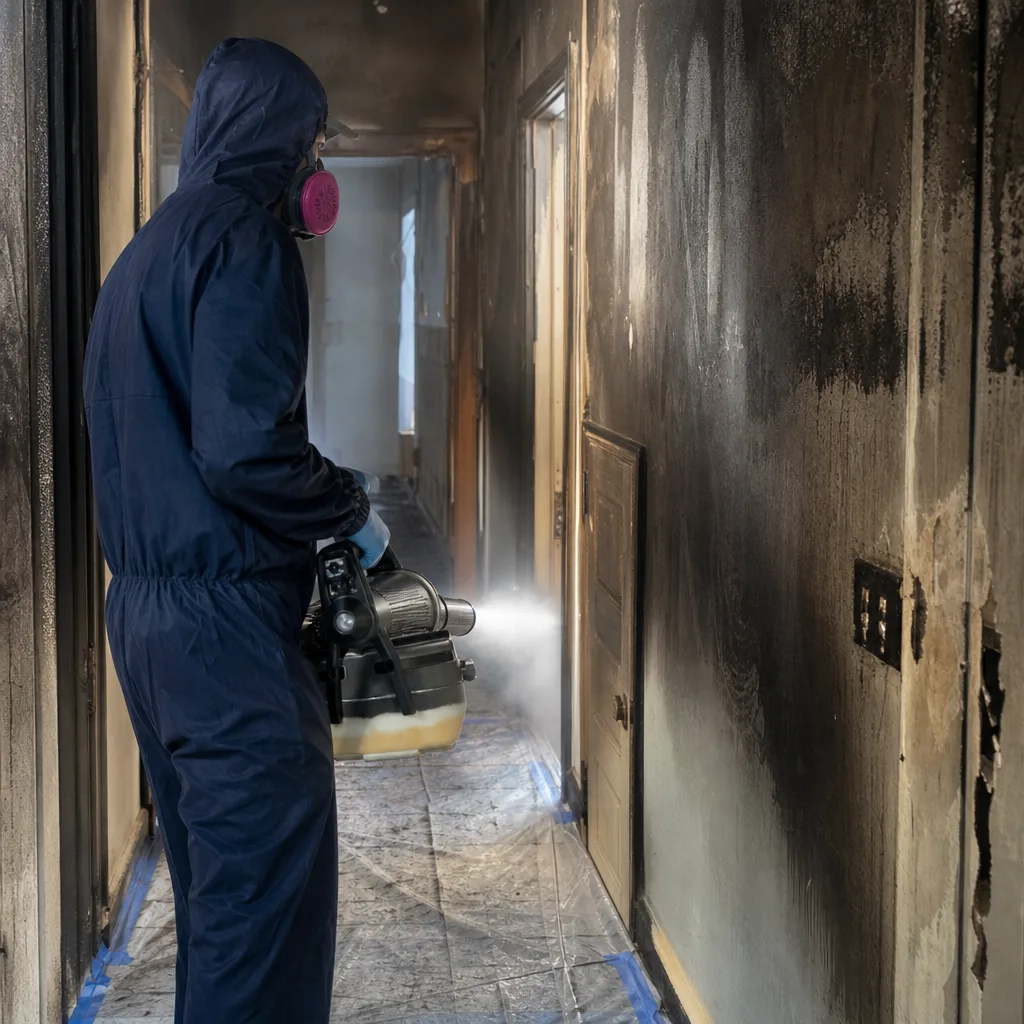
Insurance Claim Documentation
This neighborhood generates complex claims: multiple carriers, a building board, a managing agent, and a unit owner all need the same information in different formats. We provide moisture logs, photo documentation, demolition photos, and a written scope that holds up. When the board’s carrier questions whether drying was complete before drywall went back, we have the daily readings to prove it.
What happens when you call
- 1
A real person answersNo phone trees - you reach a local pro.
- 2
You get an upfront price rangeHonest numbers before anyone is dispatched.
- 3
A background-checked tech heads outLicensed & insured, dispatched right away.
- 4
You approve before work beginsNothing starts until you say go.
Reconstruction & Cleanup Costs in Murray Hill, NY
Murray Hill pricing reflects the building stock and the access constraints. A single-unit water mitigation with drying and minor drywall repair in a pre-war co-op typically runs $3,500 to $8,500. A full Contents Restoration & Pack-Out for a stacked-unit loss with multi-floor containment usually lands between $12,000 and $35,000 depending on unit count and contents volume. Full reconstruction after a cast-iron stack failure across five to seven units can run $45,000 to $120,000. Sewage backup cleanup along 2nd or 3rd Avenue, with Category 3 protocols and controlled demolition, averages $8,000 to $18,000 for a single ground-floor unit. Drywall and flooring repair in a mid-century tower apartment ranges $4,000 to $9,000. Freight elevator scheduling, board approval delays, and plaster-specific drying times all move the final number. The free inspection gives you a firm written scope before anything is authorized, so you know the number up front.
We Also Serve Cities Near Murray Hill
Our crews cover Murray Hill and the surrounding Manhattan neighborhoods daily. That includes Washington Square, Lower Manhattan, Midtown West, and Midtown Manhattan. If your building sits on the edge of the neighborhood and you’re not sure who covers it, call (640) 500-3278 and ask. The dispatcher will tell you straight.
Serving Murray Hill, NY - Our Local Coverage Area
We’re based in the Murray Hill area and know this community well. Use the map below to see our service coverage - if you’re nearby, we can almost certainly help.
Murray Hill Reconstruction & Cleanup Questions, Answered
Why do Murray Hill pre-war buildings need longer structural drying after a plumbing loss?
Plaster-and-lath walls in pre-war Murray Hill buildings hold moisture longer than modern drywall, and the wood lath behind the plaster is a mold substrate that stays hidden until it’s too late. We run extended dry times with daily moisture readings until the dry standard is met, not just until the surface feels dry. Skipping this step means the job fails inspection weeks later. Call (640) 500-3278 for a free assessment.
How do freight elevator windows affect reconstruction in Murray Hill high-rises?
Most Murray Hill co-ops and condos restrict freight elevator use to specific hours, and some require board or managing agent approval before large equipment goes up. We schedule demolition, drying, and rebuild phases around those windows, so the job doesn’t stall waiting for access. We’ve rebuilt units where the entire drying-and-mitigation phase ran in a single freight window because we staged everything in advance.
What’s the right protocol for a sewer backup along 2nd or 3rd Avenue?
Category 3 black water requires containment, full personal protective equipment, controlled removal of contaminated materials, and antimicrobial treatment. Drying a Category 3 loss without cutting out affected drywall and flooring leaves pathogens in the building and makes tenants sick weeks later. Our crews handle these with the full IICRC protocol, and we document everything for the carrier.
Can a basement moisture issue near the Queens-Midtown Tunnel be fixed permanently?
Yes, but only if the correct cause is identified first. The tunnel’s drainage perimeter can influence groundwater along the 2nd Avenue corridor, which means some basement moisture in Murray Hill comes from subsurface conditions, not a leaking pipe or roof. We assess for all sources, then install drainage, vapor barriers, and dehumidification designed for the actual condition. A band-aid fix just comes back.
Why is pack-out coordination so complex in stacked Murray Hill co-op losses?
When a stack failure hits seven units, every household’s contents need inventory, packing, and storage at the same time the building wants the freight elevator back. We sequence the pack-out so each unit is cleared without piling furniture in hallways, and we provide a written inventory per household for each carrier. It’s coordination work most restoration companies won’t do well.
How fast can a crew actually reach Murray Hill?
We commit to a 45-minute response for emergencies in Murray Hill. Our dispatch is live around the clock, and the crew arrives ready to start extraction and containment on the first visit. In a loss like this, the first hour determines how much gets saved.
Will my insurance cover reconstruction and cleanup in Murray Hill?
Most homeowner and co-op policies cover sudden and accidental water, fire, and storm damage, including the reconstruction that follows mitigation. We bill carriers directly and provide the documentation they require. If you’re in a co-op, we coordinate between your policy and the building’s policy so no one gets stuck in the middle.
What should I do in the first 30 minutes after a plumbing failure in Murray Hill?
Shut the water at the riser or unit valve, kill power to wet areas if safe, and move small valuables off the floor. Then call (640) 500-3278. Don’t run a household fan on wet plaster, and don’t open walls. The next steps need a moisture map, not a guess.
Written by Curt Bowman, Owner at Floodline Restoration Co., serving Murray Hill and New York City since 2010.