

Free visual inspection and a written scope of work before any mitigation begins - photos, moisture readings, and drying logs go in your claim file
The scope we write is the scope we bill. Anything new gets shown to you, in writing, before we touch it.
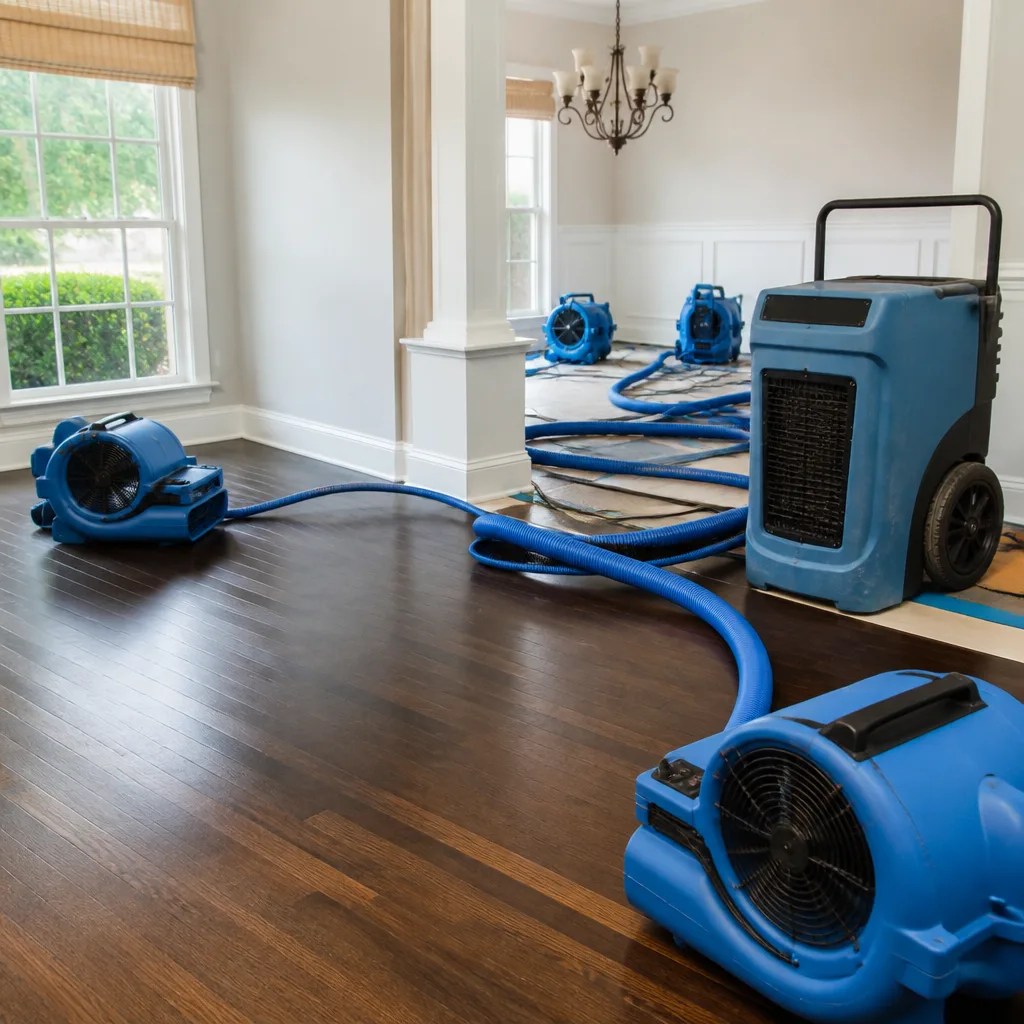
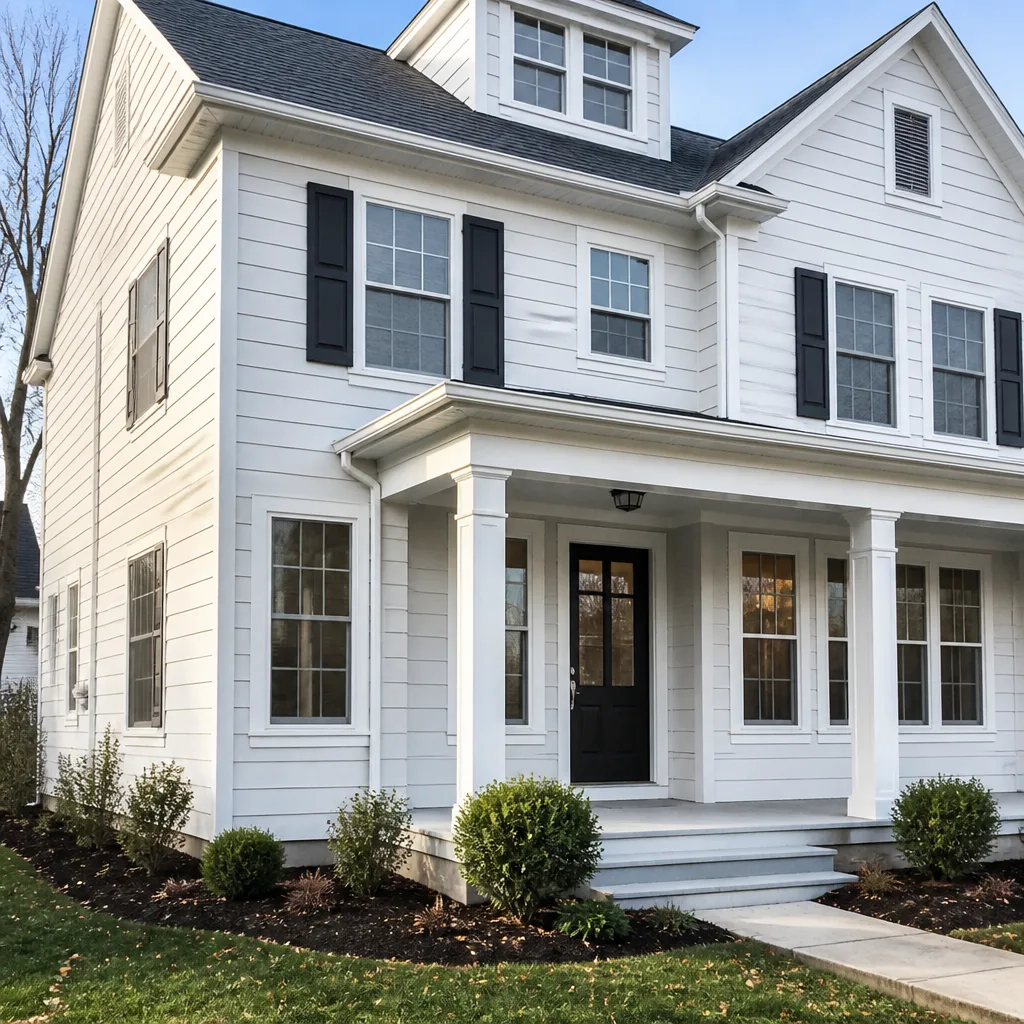
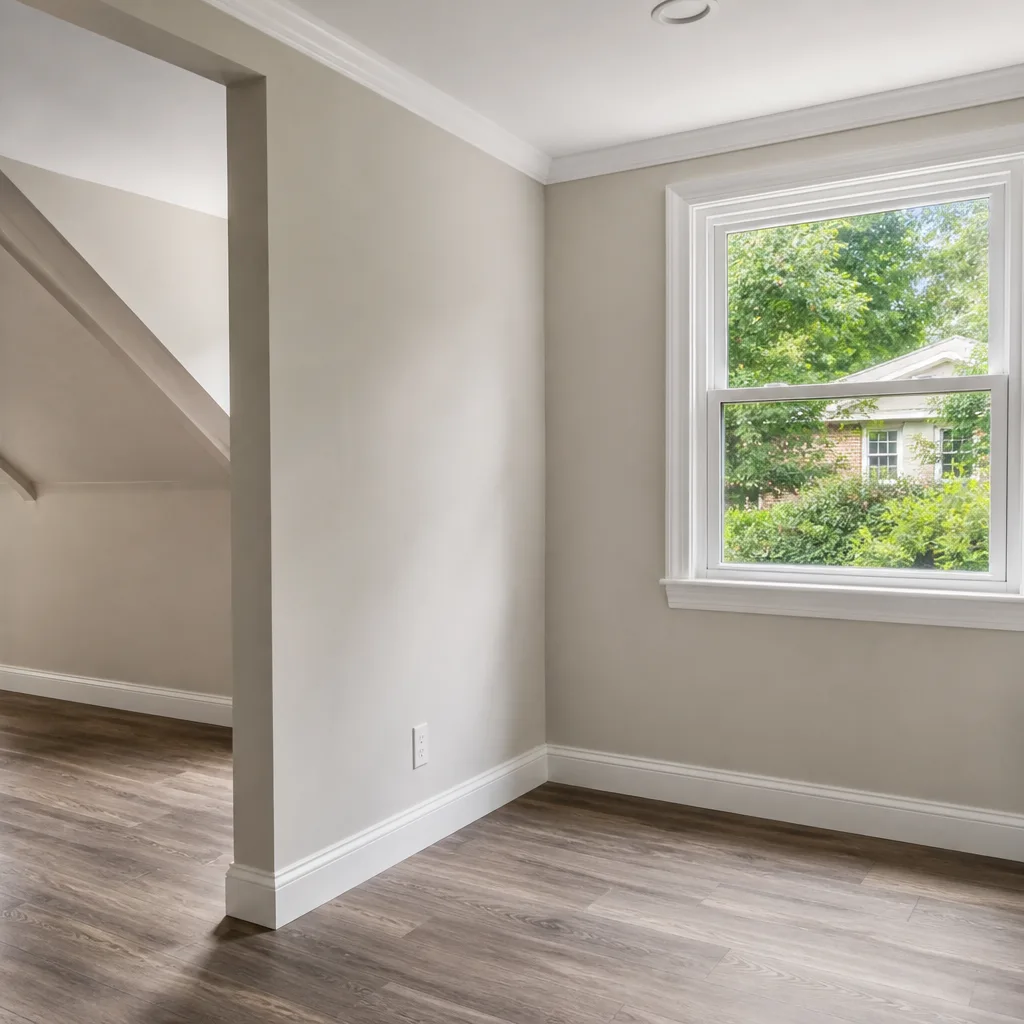
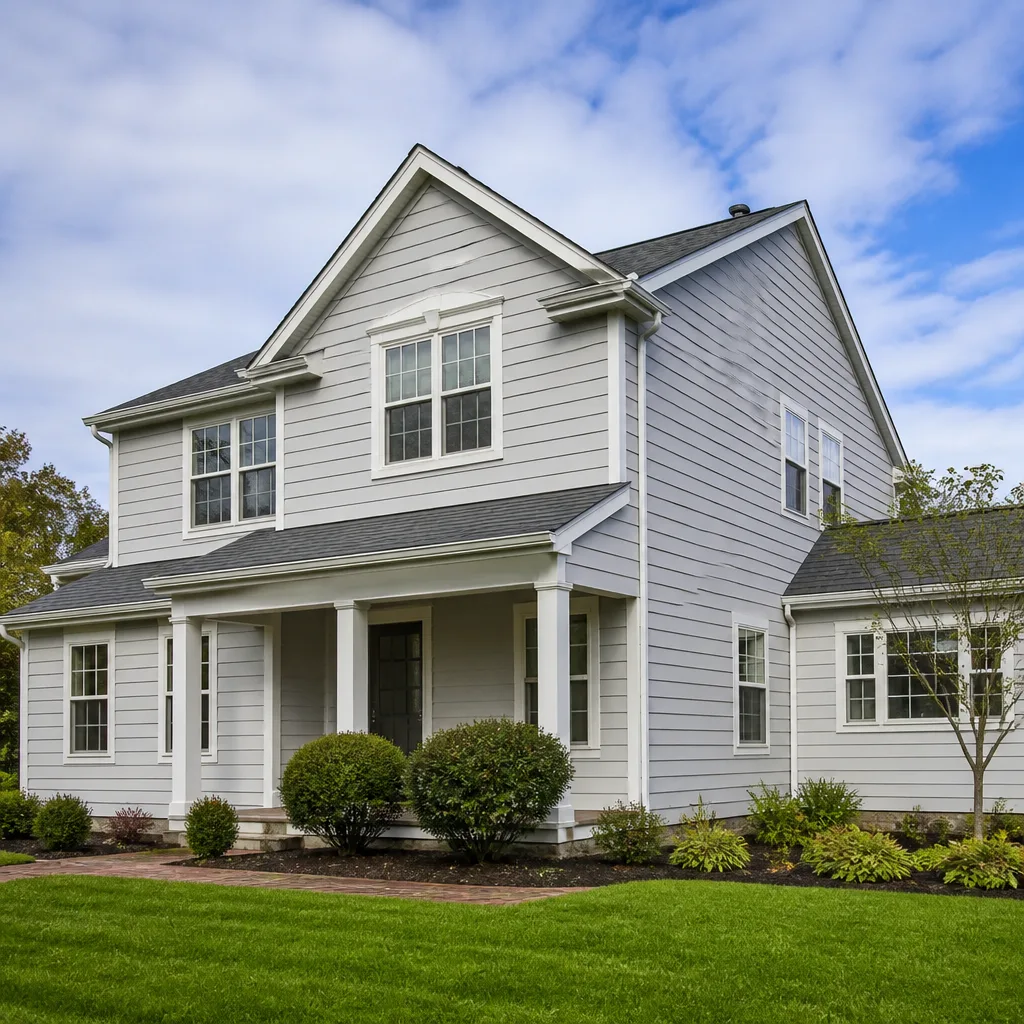
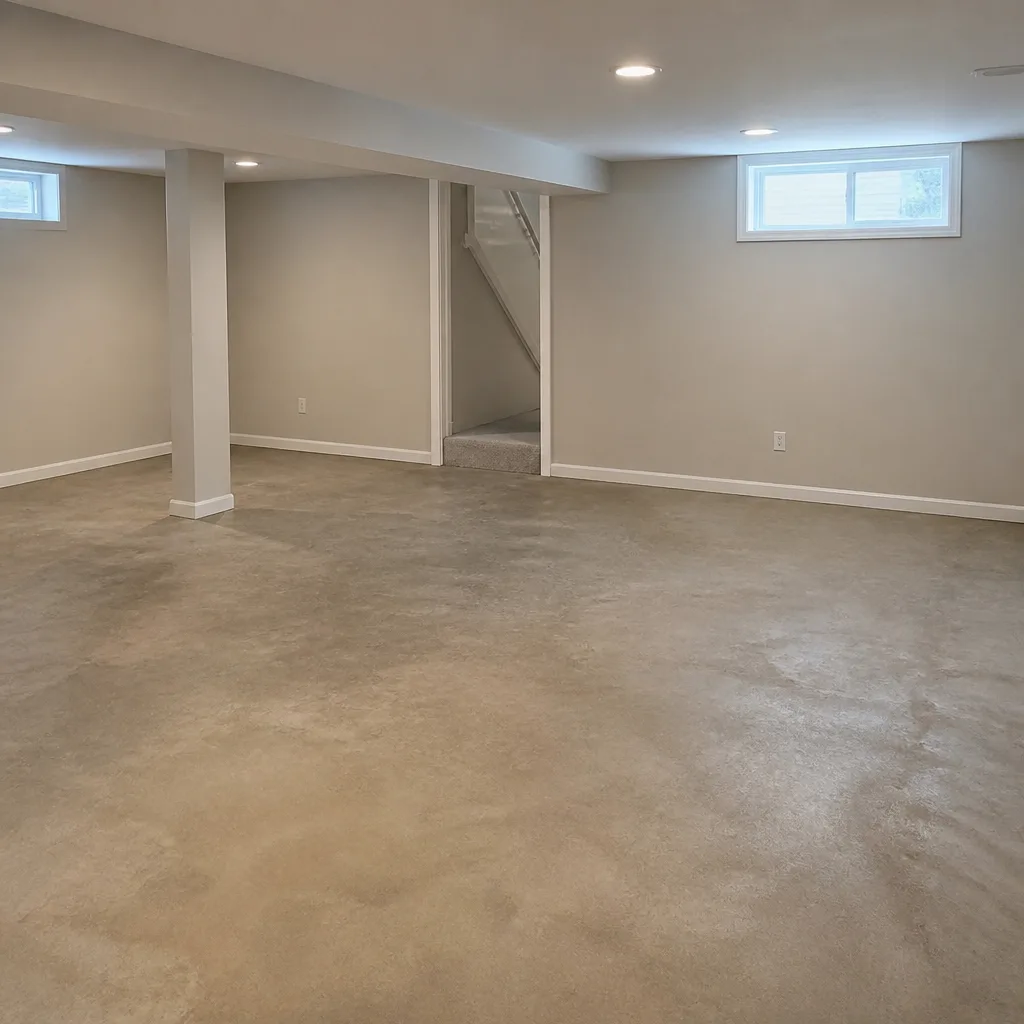

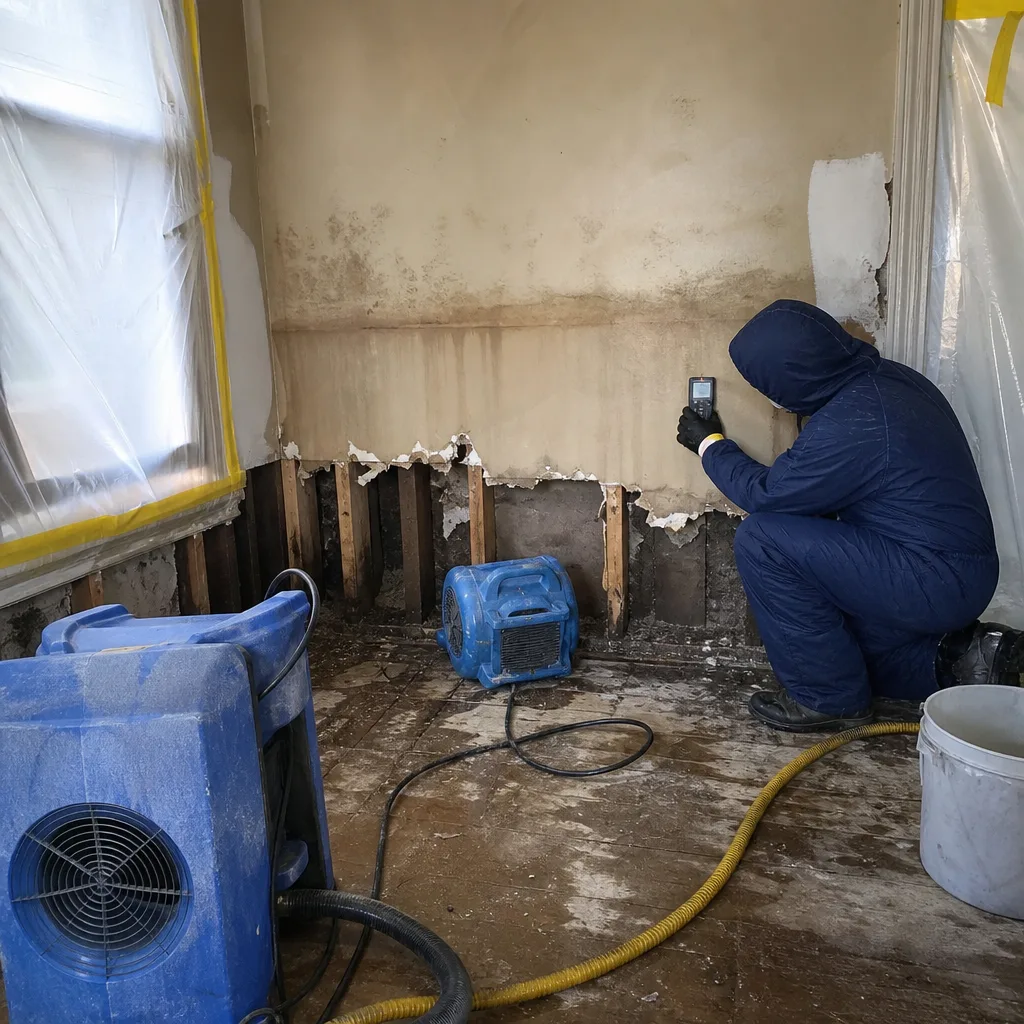 Before
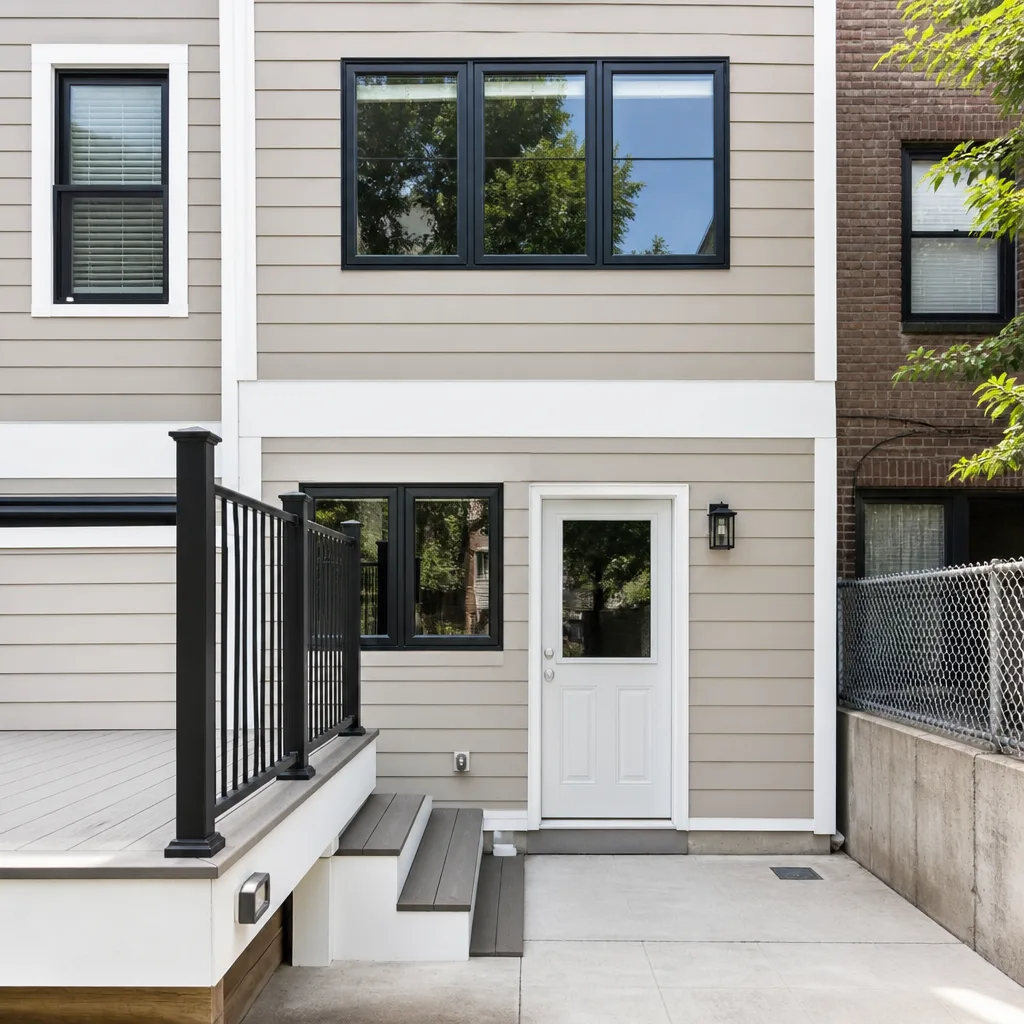 After
After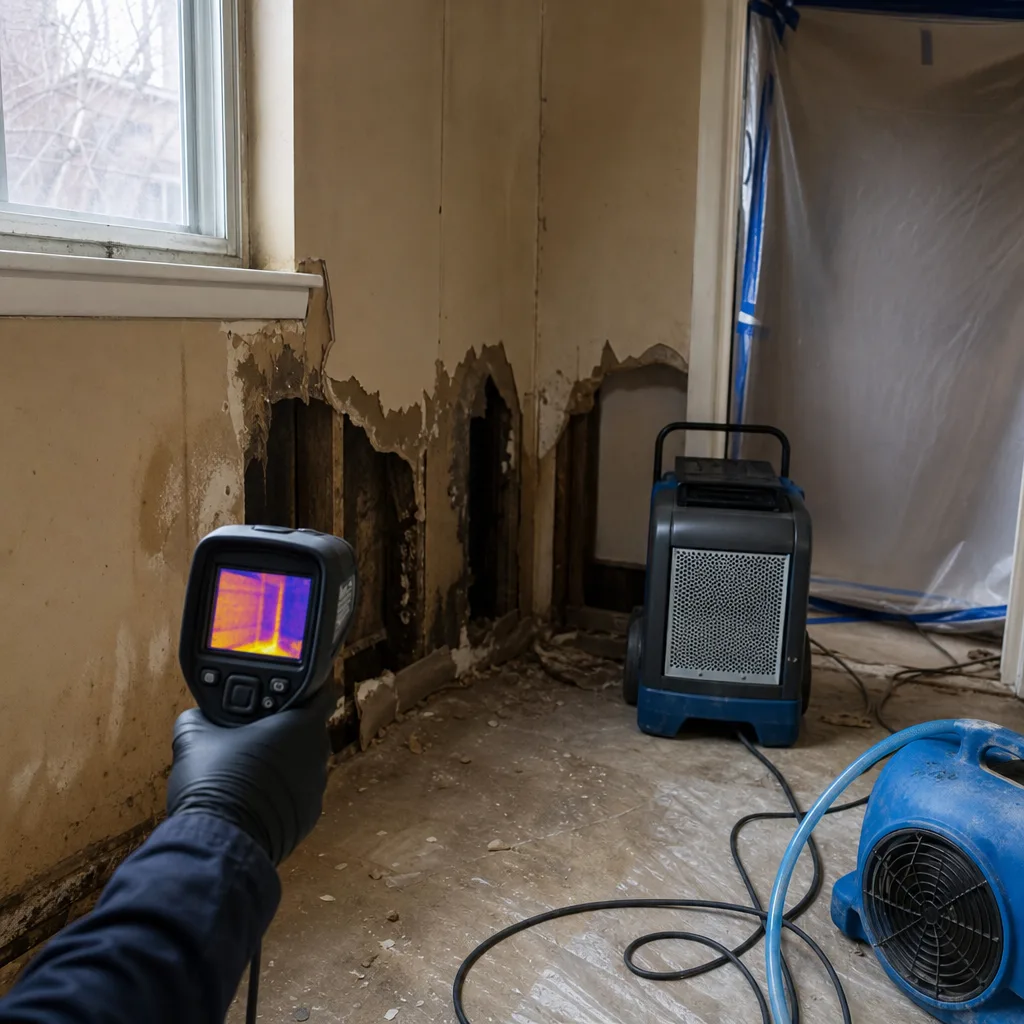 Before
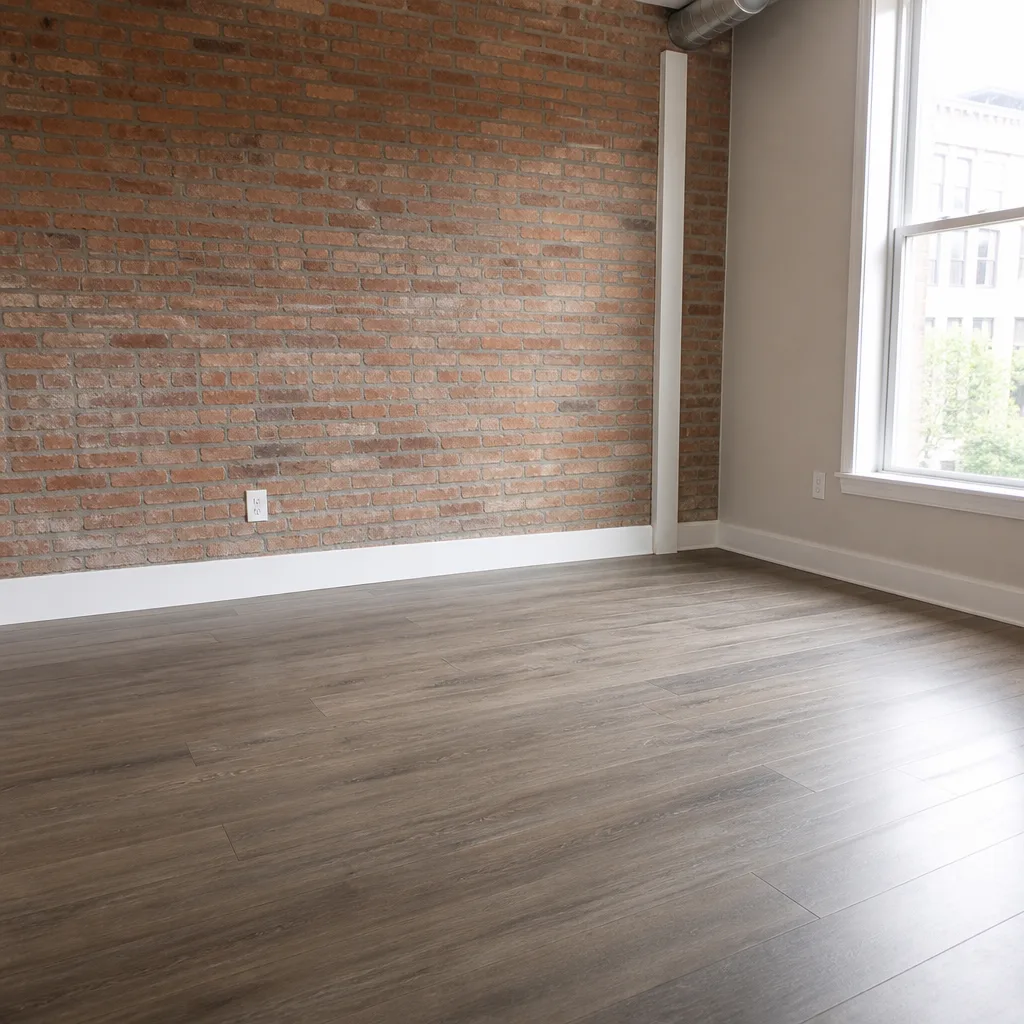 After
After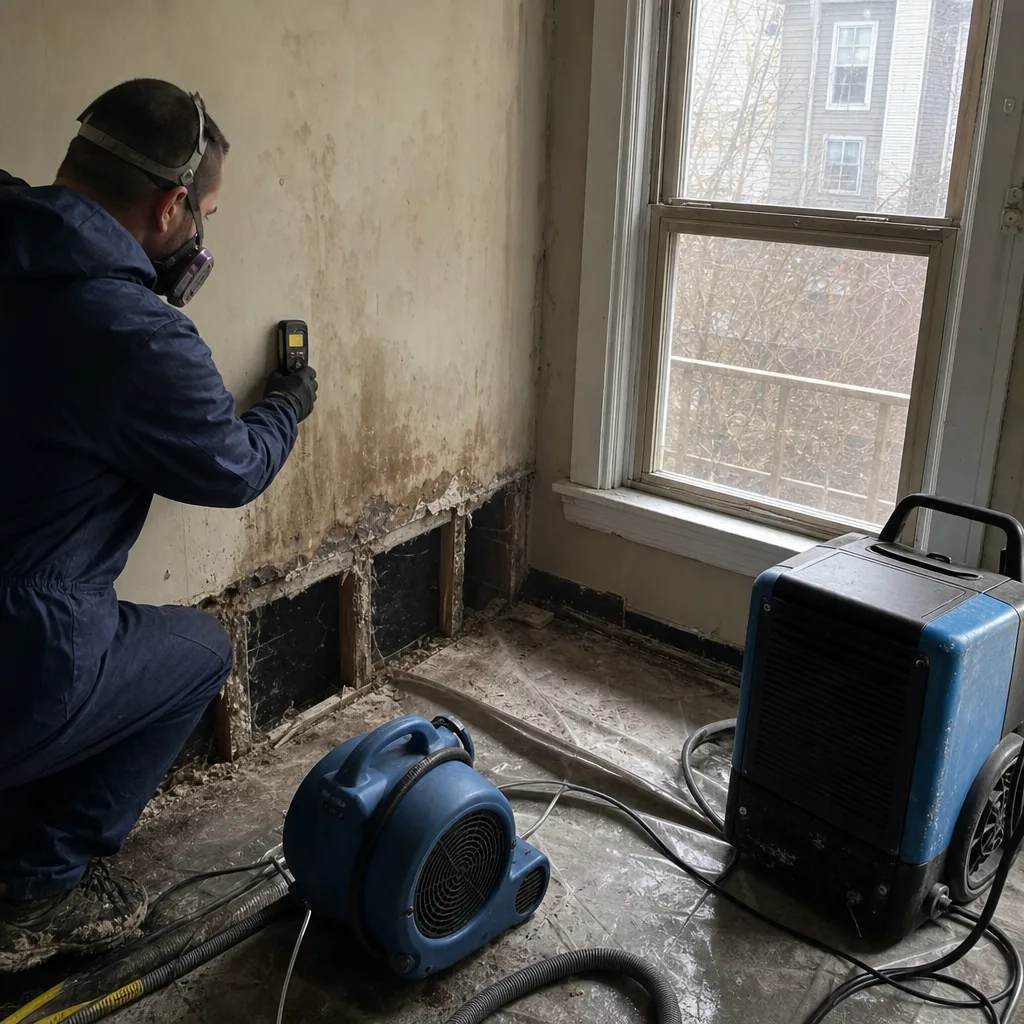 Before
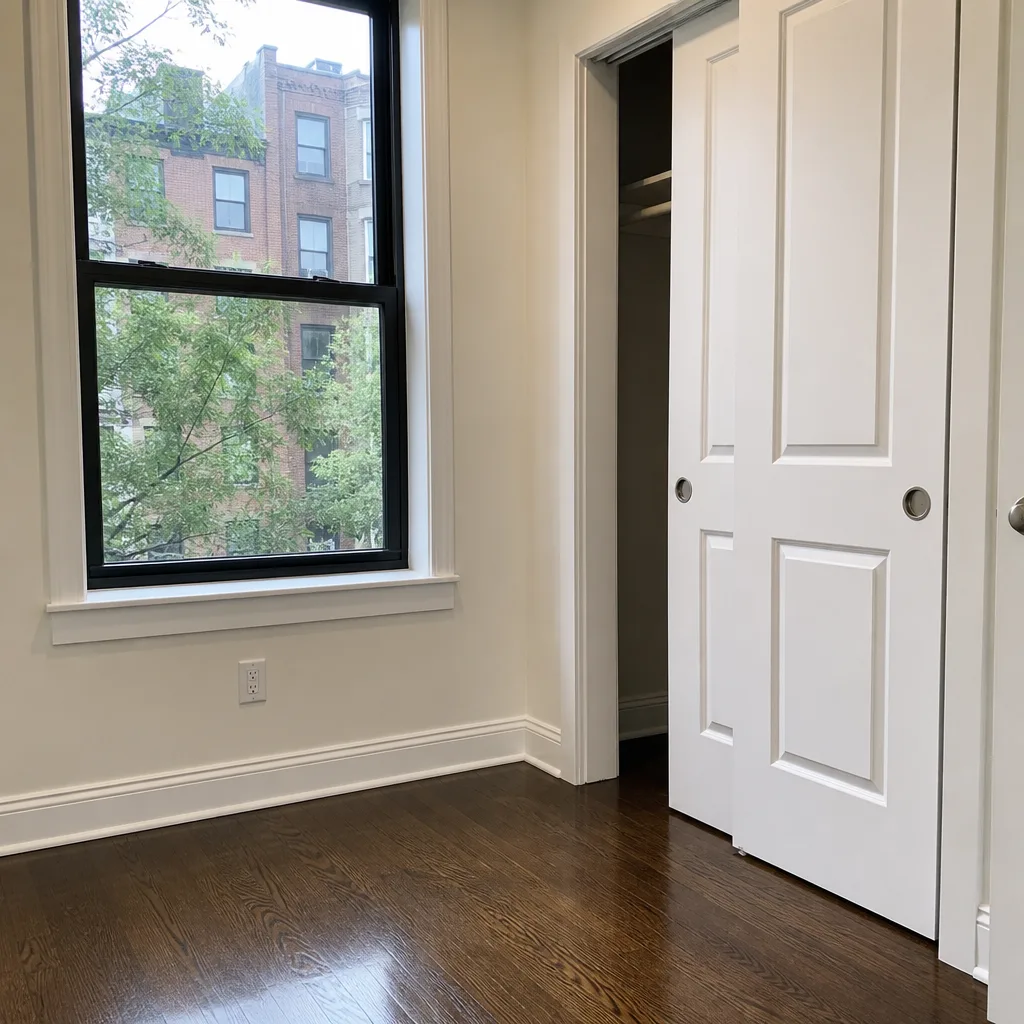 After
After24/7 Emergency Fire & Smoke Damage Restoration in Weehawken
Fire and smoke damage in Weehawken moves fast. Soot bonds to plaster and painted surfaces within hours, and smoke odor penetrates wall cavities, ductwork, and shared party walls in the township’s dense row-house stock. Floodline Restoration Co. answers live around the clock at (640) 500-3278, and crews dispatch into Weehawken’s neighborhoods the same visit, not days later. The first hour after the fire is out decides how much of your home can be saved. Our team arrives with professional-grade air scrubbers, thermal imaging, and containment materials sized for the tight spaces that define this township’s older homes. We start with a free visual inspection, give you a written scope, and get mitigation running before the damage compounds.
Understanding Fire & Smoke Damage Restoration Severity in Weehawken Properties
Fire damage in Weehawken breaks into categories that change the restoration approach. Dry soot from a fast-burning kitchen fire behaves differently than the oily, protein-based residue from a grease fire, and both differ from the acidic chlorinated residue left by burning plastics and synthetics. Those residues don’t sit still. They migrate with air pressure, traveling through original plaster walls, along cast-iron pipe chases, and into the shared brick party cavities common to 1890s through 1940s upper-bluff row houses. Smoke migration follows the building’s natural stack effect: heat rises through stairwells and scuttle hatches, carrying soot into attic spaces and adjoining units. In Weehawken’s pre-war housing stock, original plaster walls rarely have fire stops or modern draft blocks, so smoke moves laterally between homes with surprising speed. That reality changes severity. A small fire in one basement can leave residue and odor in three neighboring homes through the shared wall cavities. Down at Port Imperial, post-2000 steel-and-concrete towers contain fire better within the unit of origin, but smoke pressure finds elevator shafts, trash chutes, and mechanical chase ways, spreading soot and odor across multiple floors. Restoration here demands different equipment, different containment strategies, and a crew that has worked both environments.
Why Weehawken Property Owners Choose Floodline Restoration Co.
- 45-minute response commitment from the moment you call, with crews staged to reach Weehawken’s upper bluff and Port Imperial waterfront quickly.
- 24/7 live answer from our dispatch desk. A real person picks up at 2 a.m., not a recording, and stays on the phone until a crew is assigned.
- IICRC-certified technicians trained to FSRT (Fire & Smoke Restoration Technician) and WRT (Water Damage Restoration) standards, with the certifications to back the work.
- Free visual inspection of the damage, with a written scope before any work begins. No surprises on the bill, ever.
- Direct insurance billing with adjuster coordination. We document, photograph, and communicate with your carrier so you don’t have to play messenger.
- One team from extraction to reconstruction. The same certified crew that seals the smoke path rebuilds the walls. No mid-job handoff to strangers.
Our Fire & Smoke Damage Restoration Process
Inspection & Assessment
We map soot deposition, smoke migration paths, and structural damage using thermal imaging and hygrometers. Every affected room gets a written condition report, and we identify which wall cavities, chases, and adjoining spaces need containment. In row-house work, this means checking the shared party wall cavities; in towers, the mechanical chases and elevator lobbies.
Extraction & Stabilization
We remove standing water from fire suppression, secure compromised openings, and set containment barriers sized to the actual space. In a 200-square-foot bluff basement with a 36-inch bulkhead door, that means compact HEPA scrubbers and modular barrier panels that make the turn, not oversized equipment that never gets through the entry.
Drying & Dehumidification
Fire suppression water soaks structural framing, plaster, and insulation. We run professional-grade LGR dehumidifiers and air movers, logging daily moisture readings until the dry standard is met. Along the Palisades, drying must account for rock-face seepage that keeps soot-laden materials damp long after the visible water is gone.
Cleaning & Sanitization
HEPA vacuuming removes loose soot from all surfaces. We clean residue from plaster, finished wood, metal fixtures, and contents using substrate-appropriate methods. Soot left on masonry or original fixtures for more than 72 hours etches; our crews know what Weehawken’s older materials can take and what needs specialty treatment.
Odor Removal & Deodorization
Smoke odor hides in cavities, under floors, and inside ductwork. We pair hydroxyl generators with thermal fogging and Injectidry cavity drying where smoke traveled into wall systems. The goal is eliminating the odor source, not masking it with fragrance. Row-house party walls and tower trash chutes get specific attention here.
Repairs & Restoration
We rebuild what the fire and suppression water destroyed. That includes structural framing, plaster repair, insulation replacement, and finish work. The same Floodline team that set containment on day one sees the job through to final paint. Every step is documented and shared with your insurer.
Need Emergency Fire & Smoke Damage Restoration in Weehawken Now?
Crews minutes away, answering live 24 hours a day. The sooner we start, the less it costs.
Working With Your Insurance Company
Insurance claims after a fire are documentation battles. The carrier needs proof of what was damaged, what was done, and what it cost. We build that file from the first hour. Our crews photograph every affected room before mitigation begins, log moisture readings daily, and produce a line-item scope of work that matches industry-standard estimating. Then we talk to the adjuster directly, submit the documentation, and bill the carrier, so you’re not left translating a restoration estimate into insurance language. Weehawken homeowners dealing with a fire already have enough on their plate. The paperwork should not be another job.
What We Provide Your Insurer
- Thorough documentation of the loss
- Photos of all damage, room by room
- Moisture readings and drying logs
- A detailed, line-item scope of work
- Direct coordination with your carrier
Built for Weehawken’s Loss Calendar
Fire losses in Weehawken follow a seasonal pattern, and it’s not random. January and February bring deep freezes that chase space heaters into overloaded outlets in uninsulated pre-war row houses, and that’s when we see wiring and baseboard-related ignition. Spring thaw pushes water through masonry foundations along the Palisades, and the same moisture that rots framing also corrodes junction boxes and old knob-and-tube remnants, creating short-circuit fire risks. Summer thunderstorm season sends power surges through older panel systems and window AC units in those same bluff homes. Nor’easter season is the waterfront’s turn: saltwater intrusion into Port Imperial parking decks and mechanical rooms corrodes electrical systems and causes arc faults in ground-floor equipment. Fire and smoke restoration in Weehawken isn’t a one-season trade. The township’s two housing environments trade turns. Our Fire & Smoke Damage Restoration team stays ready year-round, because the loss calendar here never fully empties.
Fire & Smoke Damage Restoration Across Weehawken’s Neighborhoods
Upper Weehawken, from Highwood Terrace up to Hamilton Park, is where the pre-war row houses and garden apartments sit tight against the Palisades. These homes share brick party walls, narrow stoops, and alley-load basements with 36-inch doors. Smoke from one unit migrates into the shared cavities, and containment in one home rarely stops the odor in the next. Our crews work these blocks with compact equipment sized for tight entries, and we inspect adjoining wall cavities as standard practice, because the fire doesn’t respect property lines. Down along Boulevard East, mid-rise condos from the 1960s through 1980s have their own quirks: long corridors, vertical chase ways, and smoke that travels floor to floor through pipe penetrations. At the Port Imperial waterfront, the towers built after 2000 demand a different playbook. Freight elevators go offline after a fire, service corridors stay security-keyed, and loading docks have strict scheduling windows. The same company that hand-carries scrubbers up a Highwood Terrace stoop coordinates dock access at a 30-story tower on Avenue at Port Imperial. That’s Fire & Smoke Damage Restoration in Weehawken as it actually gets done, block by block.
Specialized Fire & Smoke Damage Restoration Services We Offer in Weehawken
Fire Damage Cleanup
Soot, char, and structural damage demand fast action. We remove damaged materials, clean the residue from what can be saved, and prep the space for drying and rebuild. In pre-war Weehawken homes, that often means working around original plaster and cast-iron stacks that newer crews might mistakenly gut. We know what these materials can handle.
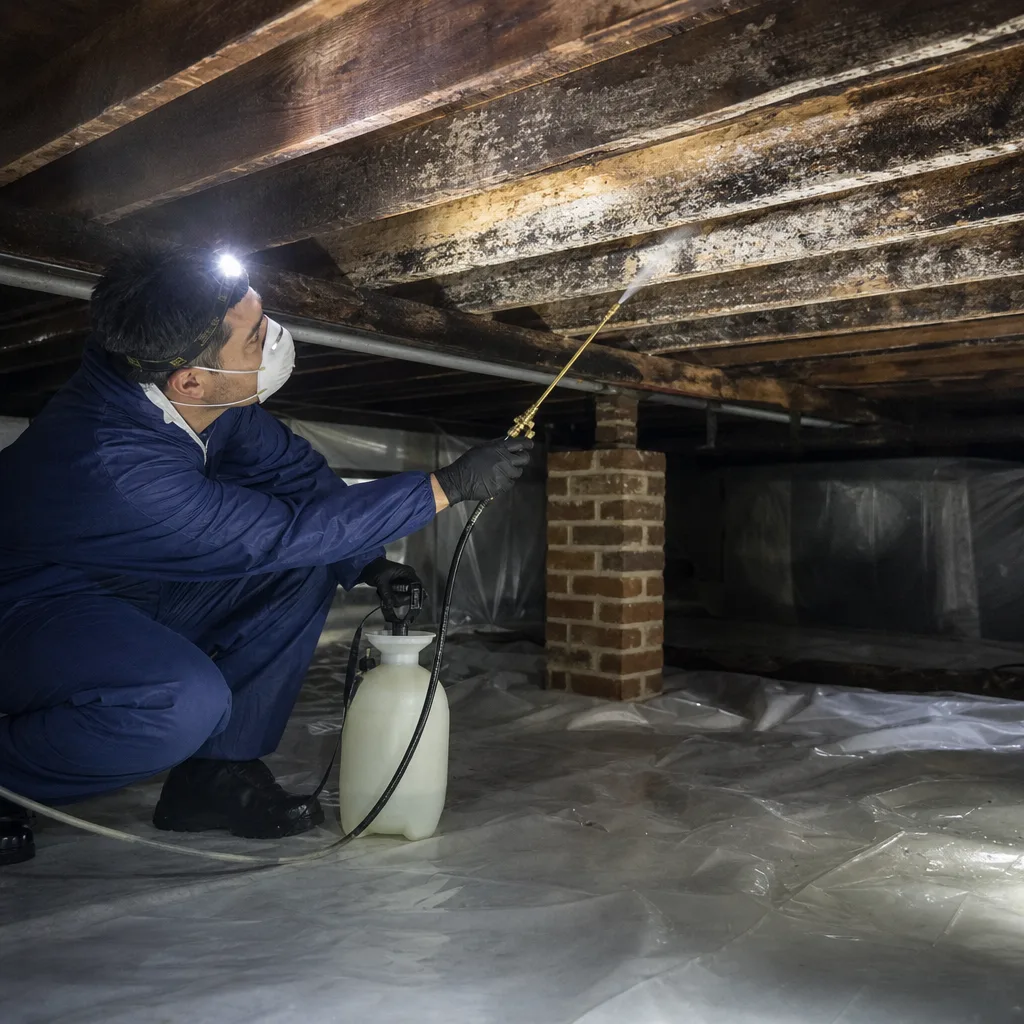
Smoke & Soot Removal
Different fires leave different residues. Dry soot from paper and wood brushes off; oily soot from cooking fires smears and spreads if touched wrong; protein residues from burnt food are nearly invisible but carry a rancid odor. We identify the residue type in the first hour and choose the cleaning method that matches, not a one-size-fits-all chemical bath.
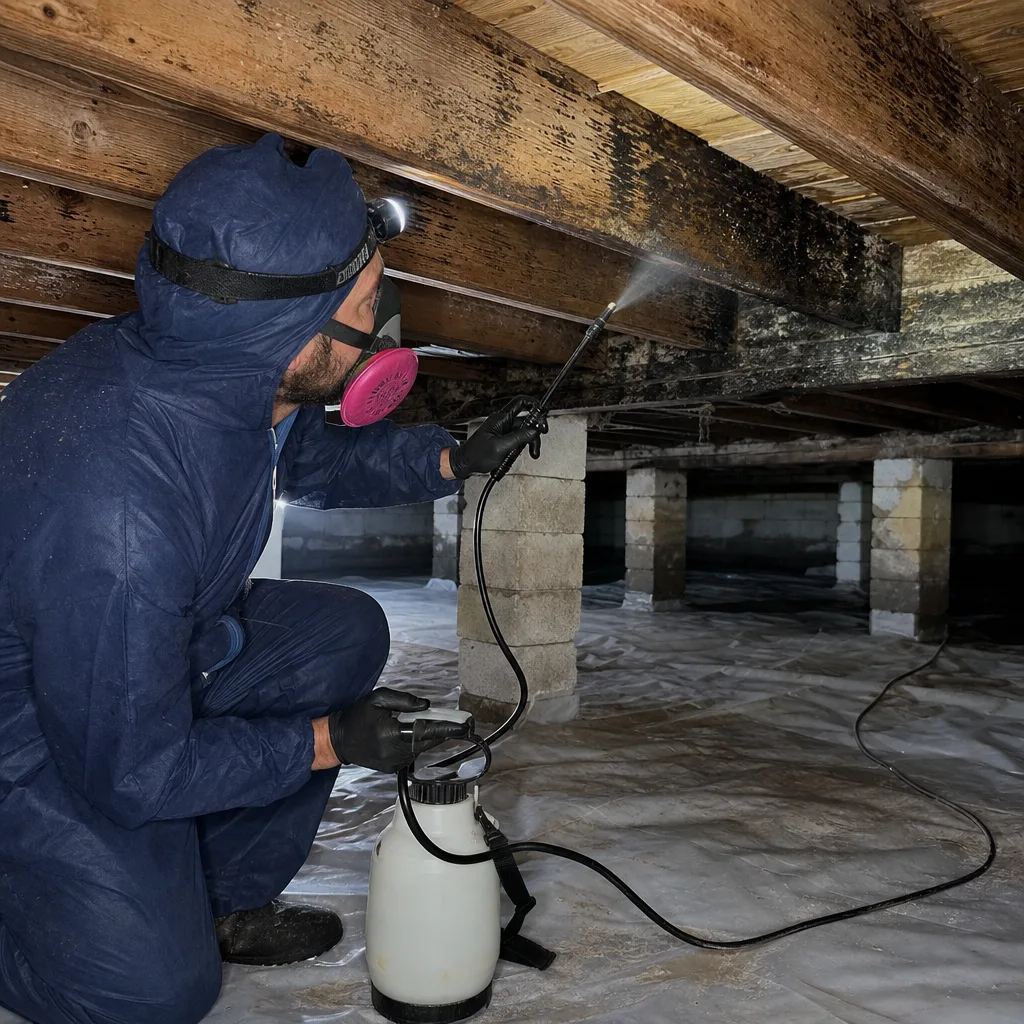
Odor Removal & Deodorization
Odor is the complaint that brings Weehawken homeowners to us weeks after a fire, when the walls are clean but the smell won’t leave. That’s because the odor lives in cavities, not on surfaces. We use hydroxyl generators, thermal fogging, and targeted cavity injection to reach the smoke where it settled. Row-house party walls and tower trash chutes are the two places Weehawken odor hides most stubbornly.
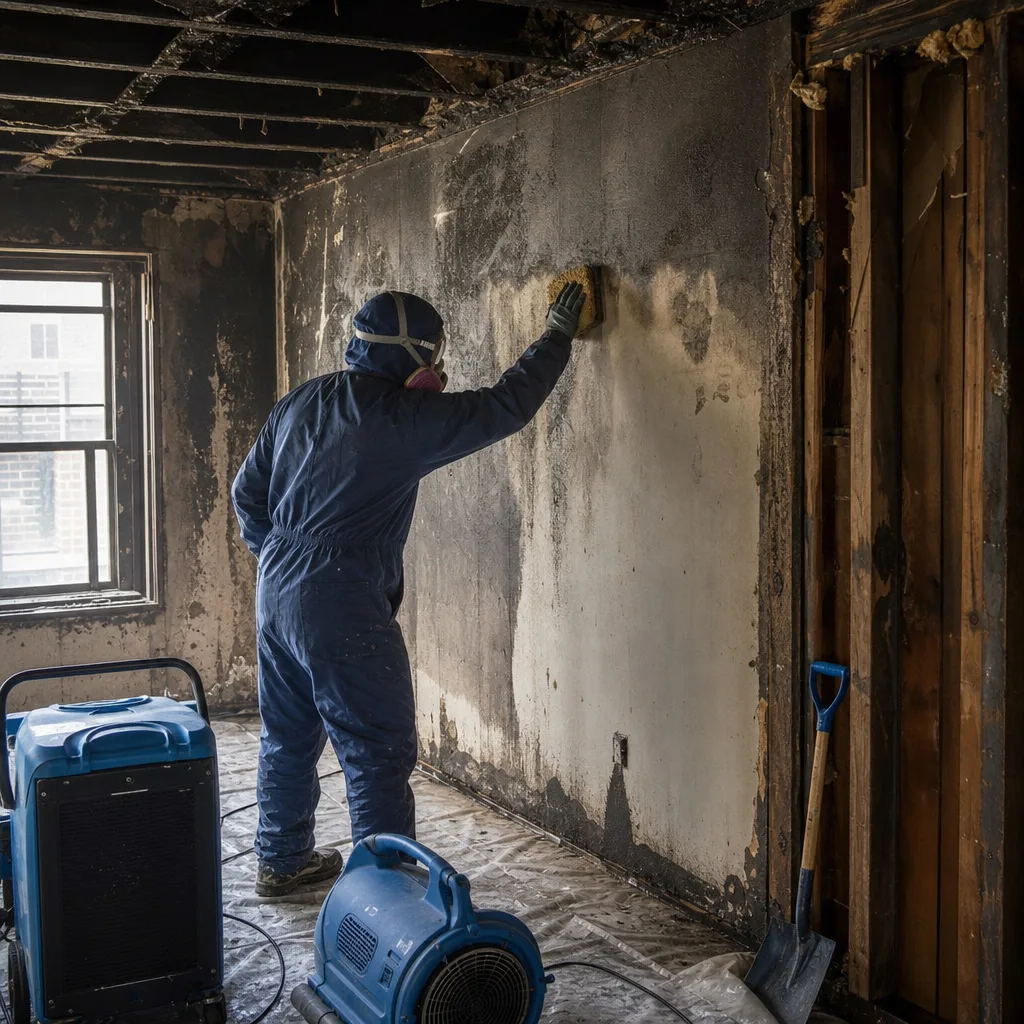
Contents Cleaning & Pack-Out
Salvageable belongings get cleaned, inventoried, and either returned to the home or stored until the rebuild finishes. We clean on site where the space allows, or pack out to our climate-controlled storage when the unit is too small or too damaged. Every item is photographed and documented for your insurer before it moves.
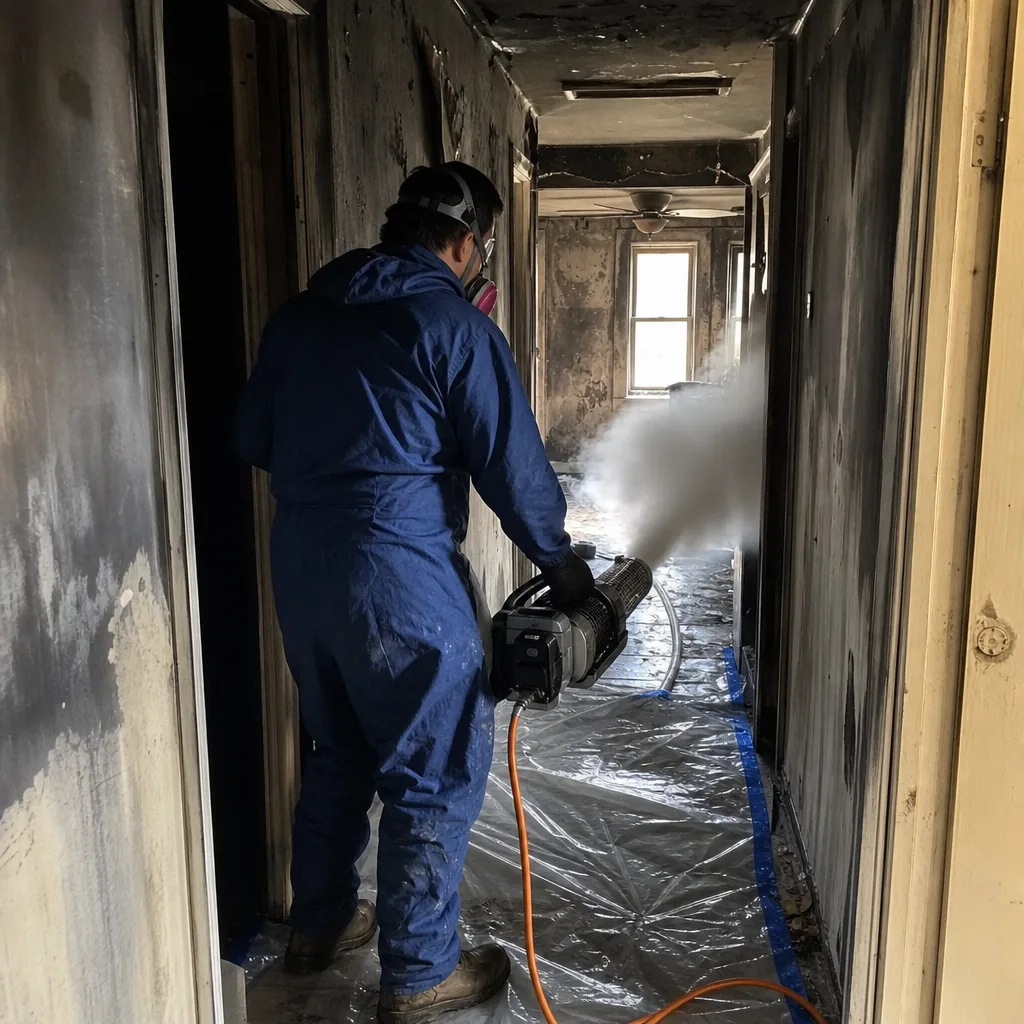
Emergency Board-Up & Tarping
After a fire, the openings left by firefighters and the damage itself invite weather, animals, and unauthorized entry. We board up windows and doors and tarp damaged roofs the same day we arrive. In Weehawken’s exposed Palisades position, where wind whips up the escarpment, a properly secured opening is not optional.
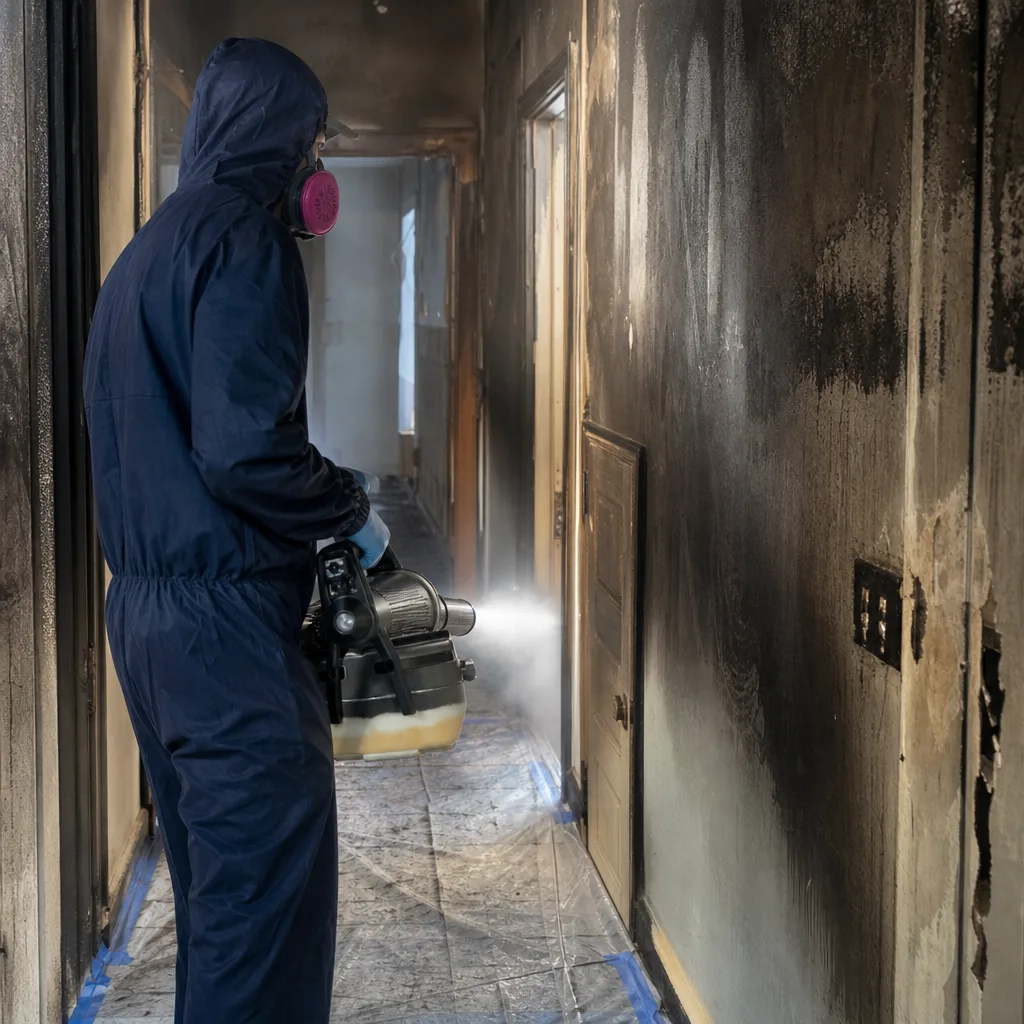
What happens when you call
- 1
A real person answersNo phone trees - you reach a local pro.
- 2
You get an upfront price rangeHonest numbers before anyone is dispatched.
- 3
A background-checked tech heads outLicensed & insured, dispatched right away.
- 4
You approve before work beginsNothing starts until you say go.
Fire & Smoke Damage Restoration Costs in Weehawken, NJ
Honest numbers for Weehawken’s market. A basic cleanup with HEPA soot removal and deodorization in a single room typically runs $1,800 to $3,400. A full smoke and soot removal package across a 1,200-square-foot row house, with contents cleaning, cavity treatment, and odor work, lands between $6,500 and $14,000. Emergency board-up and tarping runs $450 to $1,100 depending on window count and roof access. Structural fire repair and rebuild work starts around $12,000 and scales with square footage and material choices. What moves the price: the fire’s residue type, whether suppression water soaked into plaster or subfloor, whether shared party walls need cavity treatment, and whether contents need pack-out. Insurance covers most of this in typical homeowners policies. The path to a firm number is simple: call (640) 500-3278 for a free visual inspection, and we’ll hand you a written scope before you sign anything.
We Also Serve Cities Near Weehawken
Our crews work the full Hudson County corridor. Beyond Weehawken, we regularly handle fire and smoke restoration jobs in Union City, Hoboken, North Bergen, and Secaucus. Each town has its own housing mix and its own loss patterns, but the standard is the same: certified crews, written scopes, and a live answer when you call.
Serving Weehawken, NJ - Our Local Coverage Area
We’re based in the Weehawken area and know this community well. Use the map below to see our service coverage - if you’re nearby, we can almost certainly help.
Weehawken Fire & Smoke Damage Restoration Questions, Answered
Why does smoke odor from a fire in one Weehawken row house so often show up next door, and what can be done?
Smoke odor shows up next door because Weehawken’s pre-war row houses share brick party walls with continuous cavities, no fire stops, and original plaster that doesn’t block smoke migration. Smoke follows air pressure through those shared voids, leaving residue and odor in the adjoining home’s wall system. The fix is cavity inspection and treatment: we open small access points, run borescope inspection along the shared wall, and treat the cavity with HEPA cleaning and odor-neutralizing injection. Skipping this step means the smell returns within weeks, even after the fire unit is fully cleaned. Call (640) 500-3278 if you’re smelling smoke from a neighbor’s fire.
How do you get drying equipment into a tight Weehawken row-house basement with only a 36-inch alley door and no parking?
We plan the entry before we arrive. Compact LGR dehumidifiers, modular air movers, and collapsible containment panels fit through a 36-inch bulkhead door when sized correctly. Our crews hand-carry equipment up stoops and through alleys, set containment that fits the actual square footage, and never park a box truck in a way that blocks a neighbor’s path. This is standard practice on upper-bluff streets like Highwood Terrace and Clifton Terrace, where parking is scarce and alleys are narrow. The right equipment, carried by a crew that knows the block, beats a bigger machine that never makes it through the door.
After a fire in a Port Imperial high-rise, how long do you need access to the unit, and what about security and the building’s loading dock?
Typical mitigation in a Port Imperial tower unit runs three to seven days of daily access for drying, HEPA scrubbing, and odor treatment. We coordinate with building management in advance: freight elevator scheduling, security-keyed service corridor access, and loading dock time windows. Our technicians are background-checked and uniformed, so doormen and property managers see a professional crew, not anonymous workers. Containment barriers stay sealed and labeled, and we stage pack-out bins in the loading dock, not in resident lobbies. This coordination is part of the job, not an afterthought.
Why do standard French drains sometimes fail to keep a Weehawken bluff basement dry after a fire, and how does that affect restoration?
Standard French drains handle surface water that seeps down from grade. But along the Palisades, much of the moisture in older bluff basements comes laterally through the rock face behind the foundation: Palisades diabase conducts groundwater under pressure, and a perimeter drain never intercepts that flow. After a fire, this matters because damp plaster and framing hold soot and odor. If structural drying doesn’t include a rock-face drain-plane inspection, the moisture source stays active and the smoke smell comes back. In some upper-bluff homes, the correct fix is a cavity-drain membrane anchored into the rock, not a deeper trench. We identify this before we dry, so the drying actually holds.
Can you clean smoke-damaged contents on site in Weehawken, or do they always have to be packed out?
On-site contents cleaning works when the unit has enough clear floor space to set a cleaning station and the damage is limited to surface soot. In a tight upper-bluff row house, that may not be possible, so we pack out. In Port Imperial towers with open floor plans, we often clean in place and avoid moving belongings through security corridors. The decision is made room by room, based on space, residue type, and what your insurer’s policy covers. Either way, every item is inventoried and photographed before it moves.
How fast can you actually reach a Weehawken home after a fire?
Our response commitment for Weehawken is 45 minutes from your call to a crew at your door, all day and all night. A live dispatcher answers at (640) 500-3278, confirms your address, and radios the nearest available crew. We don’t route calls through a national call center or ask you to leave a message. The fire’s first hour is when soot is still loose and odor hasn’t fully set; the sooner we start, the more we save.
Will my homeowner’s insurance cover fire and smoke damage restoration?
Most standard HO-3 and HO-5 policies in New Jersey cover fire, smoke, and suppression water damage as named or open perils, subject to your deductible. Coverage typically includes mitigation, contents cleaning or replacement, and structural repair per the policy’s dwelling limits. What insurers question is documentation: whether the damage was pre-existing, whether mitigation was done promptly, and whether the scope is reasonable. That’s why we photograph everything from hour one, log daily drying readings, and communicate directly with your adjuster. We bill your carrier directly for covered work.
What should I do in the first 30 minutes after a fire in my Weehawken home?
Get everyone out, call 911 if you haven’t, and wait for the fire department to clear the scene. Then call (640) 500-3278. Don’t touch soot-covered surfaces, don’t turn on ceiling fans or HVAC, and don’t try to wipe walls. The oil in your hands sets soot into paint and fabric, and air movement drives smoke particles deeper into the house. Keep windows closed if it’s safe. The less you disturb the damage, the more our crews can restore.
One more thing about Weehawken, because it shapes every fire job we run here. The township’s split between pre-war row houses wedged against the Palisades traprock and post-2000 waterfront towers in FEMA AE zones means a single fire loss can require both rock-anchored containment systems for smoke-pressurized row-house voids and marine-grade dehumidification for soot-laden elevator pits. Last month our crew ran odor removal and pack-out in a 1910 brick row house on Highwood Terrace after a basement electrical fire. The smoke pushed through original plaster walls and into a neighbor’s shared party cavity, but the real constraint was the 36-inch alley-load door. Our techs hand-carried HEPA air scrubbers and Injectidry panels up the stoop, set a compact containment barrier at the scuttle hatch, and pulled 480 cubic feet of category-2 soaked insulation from the cast-iron drain stack chases before drying logs showed the smoke path fully sealed. That’s the work. If your home smells like smoke, or you’re standing in a boarded-up room wondering what happens next, call (640) 500-3278. A live person answers. The estimate is free. And every job we do in Weehawken is backed by our 90-Day Done Right Promise, in writing.
Written by Curt Bowman, Owner at Floodline Restoration Co., serving Weehawken, NJ.